
The Global Structure Network Limited is redefining how consumers build capability, establishing the architecture through which their everyday decisions translate directly into long‑term economic value.
theglobalstructurenetwork.co…
#PreventiveInfrastructure #OperationalResilience #FutureOfGovernance
#GlobalHealth #HealthGovernance #GlobalHealthSecurity
#HealthSystems #UniversalHealthCoverage #HealthEquity
#GlobalHealthPolicy #PublicHealthLeadership #PlanetaryHealth #GlobalEconomy #EconomicPolicy
#DevelopmentEconomics #SustainableDevelopment
#SDGs #HumanCapital #InclusiveGrowth #FutureOfDevelopment #GlobalCompetitiveness
#ThinkTank #PolicyResearch #EvidenceBasedPolicy
#InternationalAffairs #Geoeconomics #GlobalGovernance
1

Jun 12
Beyond Square Feet is more than a lecture series—it's a platform for conversations that shape the future. 🌱
#BeyondSquareFeet #AssetHomes #Sustainability #FutureOfDevelopment #EnvironmentalResponsibility #RealEstate #SustainableLiving #ThoughtLeadership #KeralaRealEstate
6
The Global Structure Network Limited is redefining how consumers build capability, establishing the architecture through which their everyday decisions translate directly into long‑term economic value.
theglobalstructurenetwork.co…
#DevelopmentEconomics #SustainableDevelopment
#SDGs #HumanCapital #InclusiveGrowth #FutureOfDevelopment #GlobalCompetitiveness
#ThinkTank #PolicyResearch #EvidenceBasedPolicy
#InternationalAffairs #Geoeconomics #GlobalGovernance
#StrategicForesight #PolicyInnovation #HealthEconomics
#HealthInvestment #HealthTechPolicy #DataForHealth
#HealthInfrastructure #BrainData #HumanPerformanceEconomy #CapabilityEconomy #OneHealth #Biosecurity #PandemicPreparedness
#AMR #AgingSocieties #GlobalNutrition #DigitalHealthTransformation
1
Global Competition Between Capital Environments: Environmental Physics, Liquidity Architecture, and Jurisdictional Advantage.
gsdiandadvocacy.co.uk/global…
#GlobalHealth #HealthGovernance #GlobalHealthSecurity
#HealthSystems #UniversalHealthCoverage #HealthEquity
#GlobalHealthPolicy #PublicHealthLeadership #PlanetaryHealth #GlobalEconomy #EconomicPolicy
#DevelopmentEconomics #SustainableDevelopment
#SDGs #HumanCapital #InclusiveGrowth #FutureOfDevelopment #GlobalCompetitiveness
#ThinkTank #PolicyResearch #EvidenceBasedPolicy
#InternationalAffairs #Geoeconomics #GlobalGovernance
#StrategicForesight #PolicyInnovation #HealthEconomics
#HealthInvestment #HealthTechPolicy #DataForHealth
1
Global Competition Between Capital Environments: Environmental Physics, Liquidity Architecture, and Jurisdictional Advantage.
gsdiandadvocacy.co.uk/global…
#SDGs #HumanCapital #InclusiveGrowth #FutureOfDevelopment #GlobalCompetitiveness
#ThinkTank #PolicyResearch #EvidenceBasedPolicy
#InternationalAffairs #Geoeconomics #GlobalGovernance
#StrategicForesight #PolicyInnovation #HealthEconomics
#HealthInvestment #HealthTechPolicy #DataForHealth
#HealthInfrastructure #BrainData #HumanPerformanceEconomy #CapabilityEconomy #OneHealth #Biosecurity #PandemicPreparedness
#AMR #AgingSocieties #GlobalNutrition #DigitalHealthTransformation
1

Jun 7
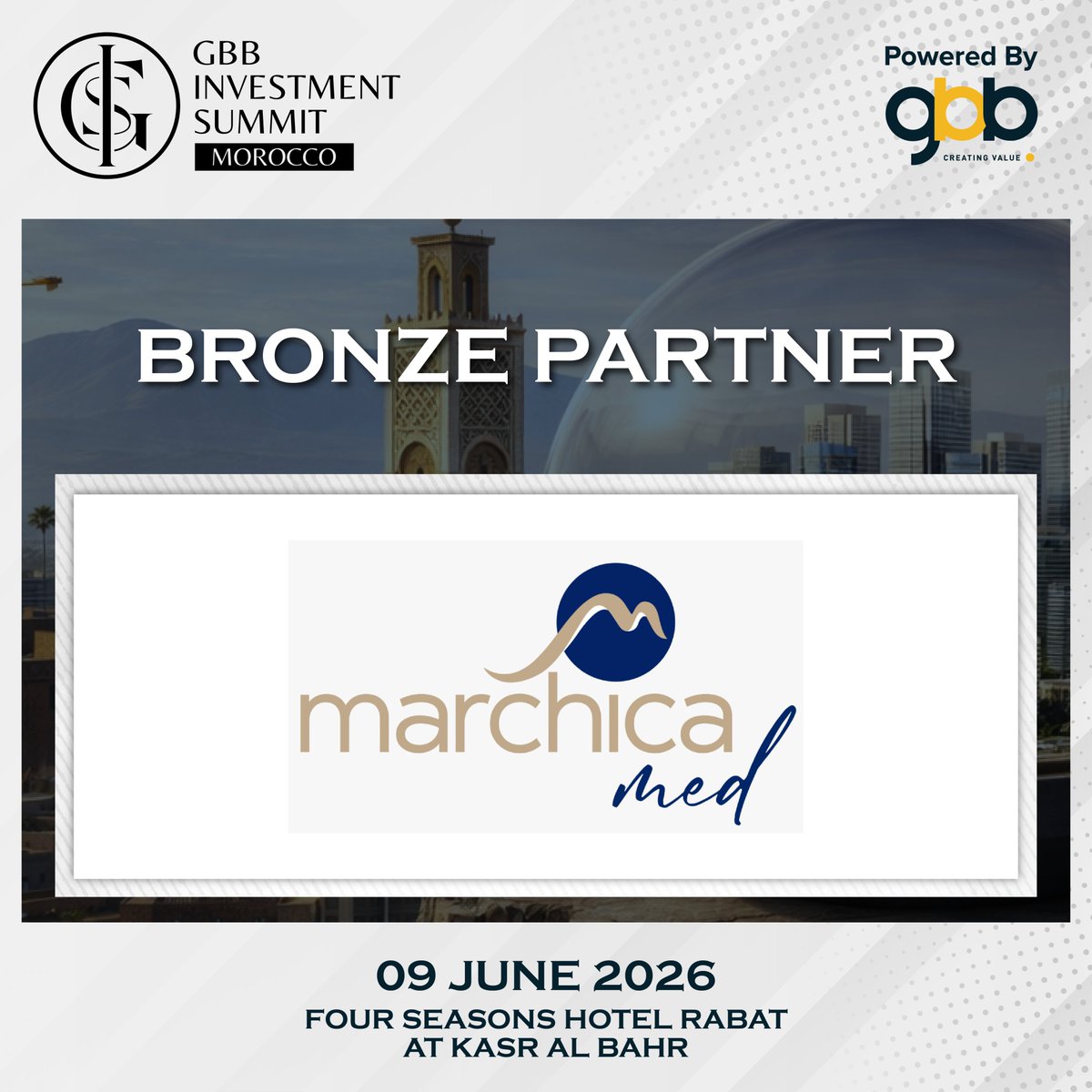
𝐒𝐮𝐬𝐭𝐚𝐢𝐧𝐚𝐛𝐥𝐞 𝐝𝐞𝐯𝐞𝐥𝐨𝐩𝐦𝐞𝐧𝐭. 𝐂𝐨𝐚𝐬𝐭𝐚𝐥 𝐭𝐫𝐚𝐧𝐬𝐟𝐨𝐫𝐦𝐚𝐭𝐢𝐨𝐧. 𝐂𝐫𝐞𝐚𝐭𝐢𝐧𝐠 𝐥𝐨𝐧𝐠-𝐭𝐞𝐫𝐦 𝐯𝐚𝐥𝐮𝐞.🌍
We are excited to welcome Marchica Med as a 𝐏𝐚𝐫𝐭𝐧𝐞𝐫 at the 𝐆𝐁𝐁 𝐈𝐧𝐯𝐞𝐬𝐭𝐦𝐞𝐧𝐭 𝐒𝐮𝐦𝐦𝐢𝐭 – 𝐌𝐨𝐫𝐨𝐜𝐜𝐨.🤝🏻
Based in Nador, Marchica Med is a strategic development company leading the sustainable transformation of the Marchica Lagoon and Morocco’s Mediterranean coastline through an ambitious project that brings together ecology, tourism, urban development, and innovation.
Since its establishment in 2008, the company has been driving a development vision focused on rehabilitating the lagoon ecosystem while creating inclusive economic opportunities and supporting sustainable regional growth.✨
With a strong commitment to environmental stewardship and responsible development, it aims to position Marchica as a benchmark for integrated territorial development, balancing biodiversity preservation with long-term investment and tourism potential.🌱
At a platform focused on investment, development, and the future of destination growth, Marchica Med brings valuable insight into how sustainability and economic progress can successfully go hand in hand.📈
We are thrilled to welcome on board Ali Zaki and Loubna Boutaleb!
📅 𝟗 𝐉𝐮𝐧𝐞 𝟐𝟎𝟐𝟔
📍 𝐅𝐨𝐮𝐫 𝐒𝐞𝐚𝐬𝐨𝐧𝐬 𝐇𝐨𝐭𝐞𝐥 𝐑𝐚𝐛𝐚𝐭 𝐚𝐭 𝐊𝐚𝐬𝐫 𝐀𝐥 𝐁𝐚𝐡𝐫, 𝐑𝐚𝐛𝐚𝐭, 𝐌𝐨𝐫𝐨𝐜𝐜𝐨
🔗 tinyurl.com/48j8z5zb
#gbbinvestmentsummit #gismorocco #gbbventure #marchicamed #sustainabledevelopment #tourismdevelopment #realestateinvestment #coastaldevelopment #urbanplanning #morocco #investment #sustainability #destinationdevelopment #ecotourism #strategicnetworking #decisionmakers #futureofdevelopment #africa #regionalgrowth #innovation
1
2
20

May 25
The Caribbean hospitality market is entering a new era, shaped by three converging forces.
First, institutional capital is replacing opportunistic capital. The projects that get financed today are built to institutional standards from inception: proper governance, realistic leverage, ESG alignment, and execution teams that have actually delivered. A compelling site and a charismatic sponsor are no longer enough to close a raise.
Second, sustainability is now a financial variable, not a marketing one. Energy efficiency, water management, and climate resiliency reduce operating costs while expanding access to ESG-mandated capital at exit. In the Caribbean, where energy costs are among the highest in the Western Hemisphere, the impact on NOI is outsized.
Third, branded residences are evolving from a capital recovery tool into a portfolio strategy. Hotel groups are underwriting hotel and residential components separately, with co-located developments as the preferred structure. Sales price appreciation of 25 to 30 percent during the development cycle creates a return profile that attracts capital on its own.
These are not future trends. They are current conditions.
But recognizing these forces is the easy part. Projects are won or lost in execution, specifically the design and construction phase. It is the least understood part of the process and where sponsors quietly lose money, then blame factors outside their control, when the real cause was not knowing what to ask, which contract terms mattered, or which critical path decisions to hold the team to.
That gap is what we close. @aventradev advises from the owner's side, grounded in having actually built what our clients are developing. We know the questions, the terms, and the critical path actions that protect a project, and teams perform differently when they know the owner knows better.
The developers who treat execution as a discipline rather than an afterthought will define the Caribbean hospitality landscape for the next decade.
#AventraDevelopment #CaribbeanHospitality #InstitutionalCapital #BrandedResidences #HospitalityInvestment #RealEstateStrategy #FutureOfDevelopment

2
3
25

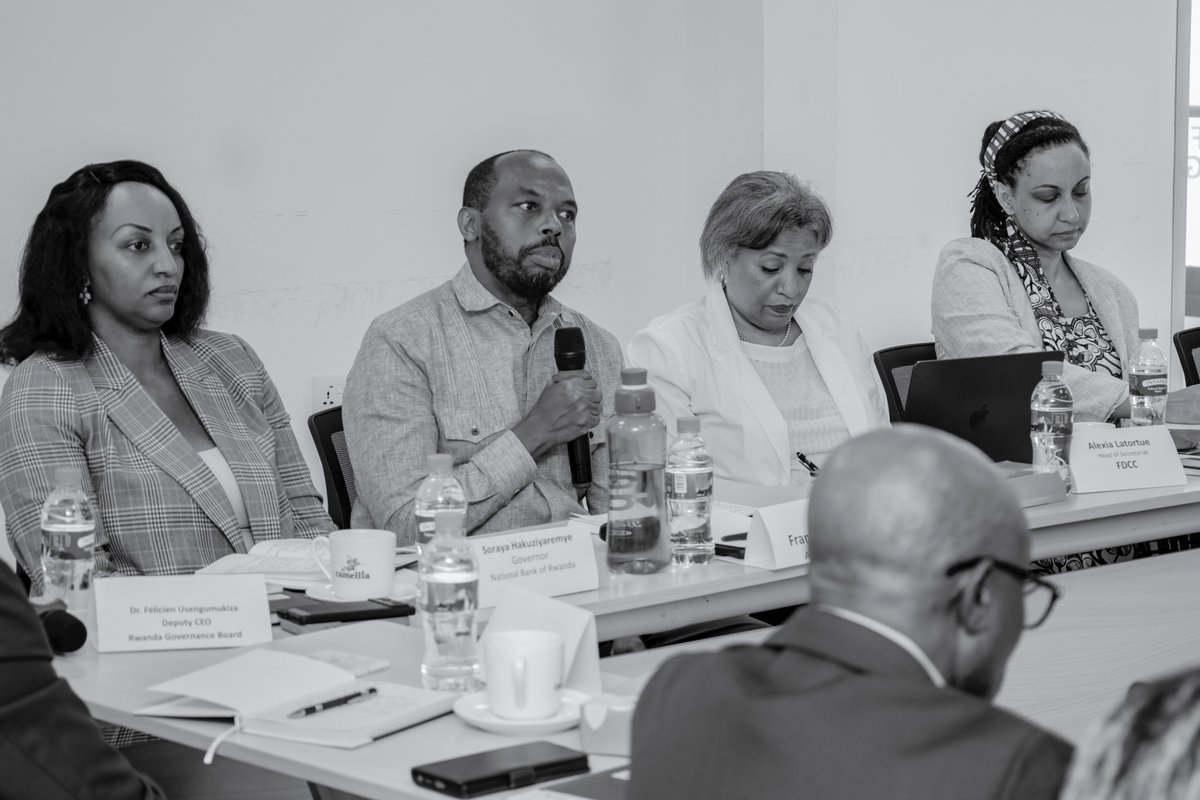
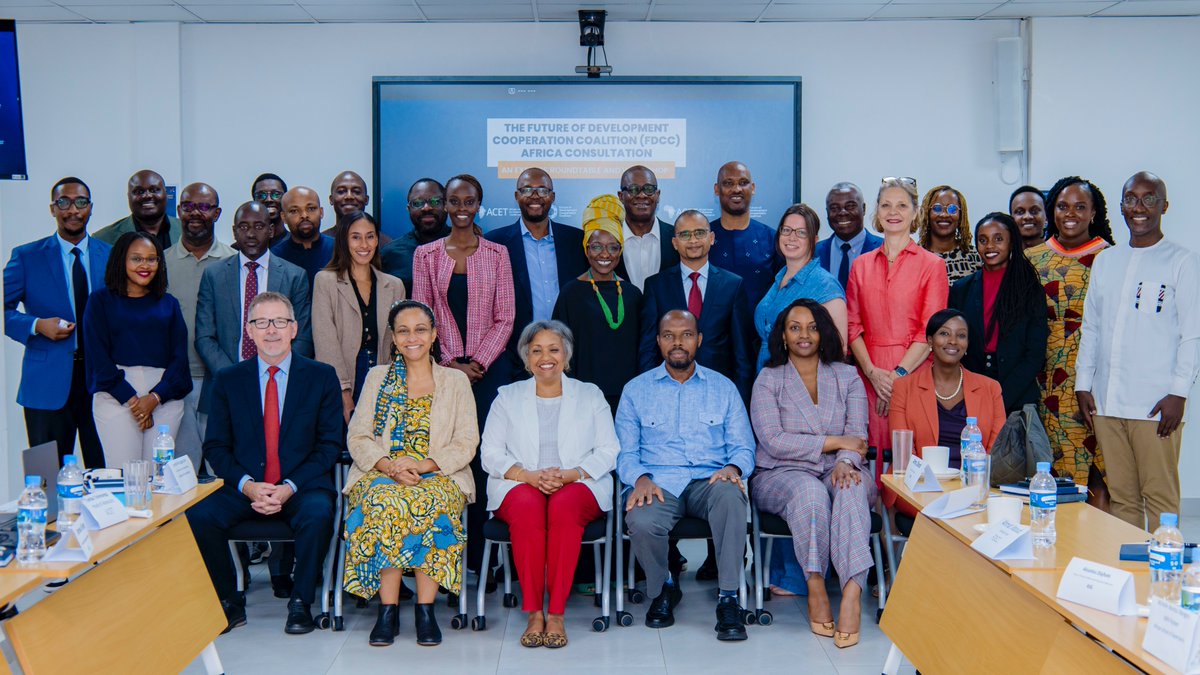
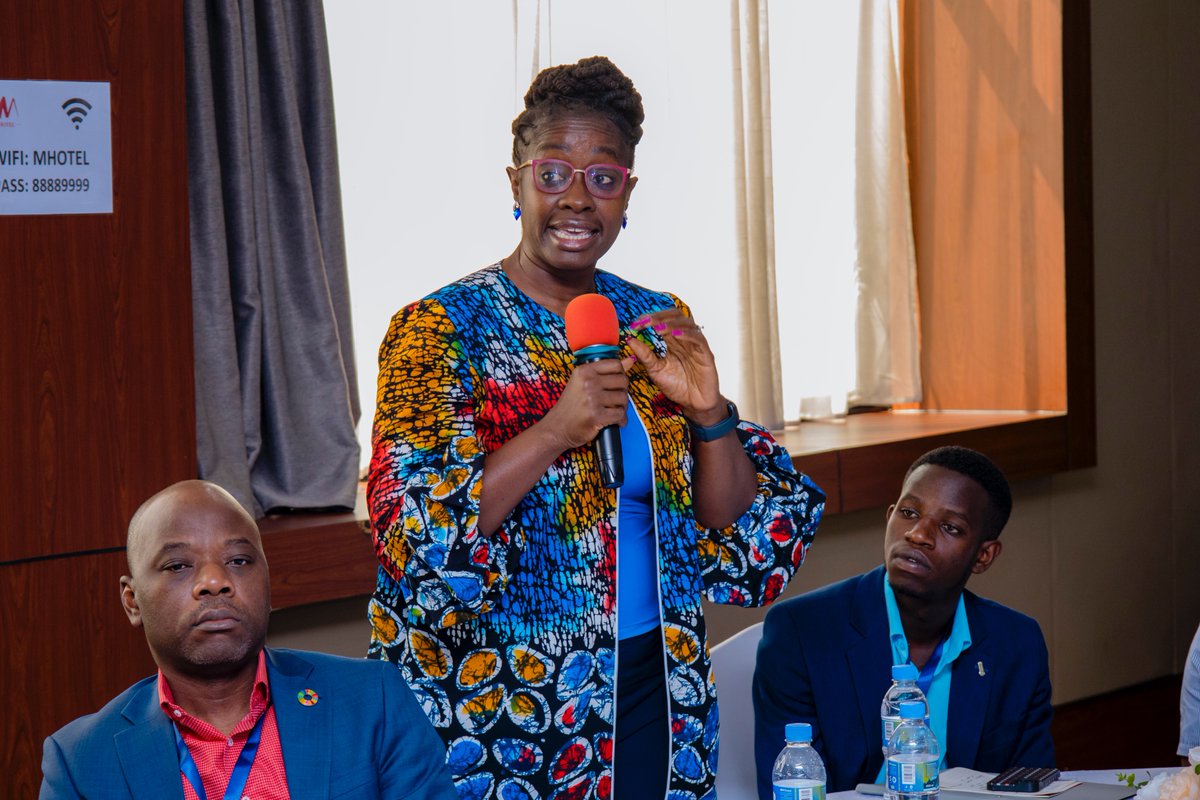
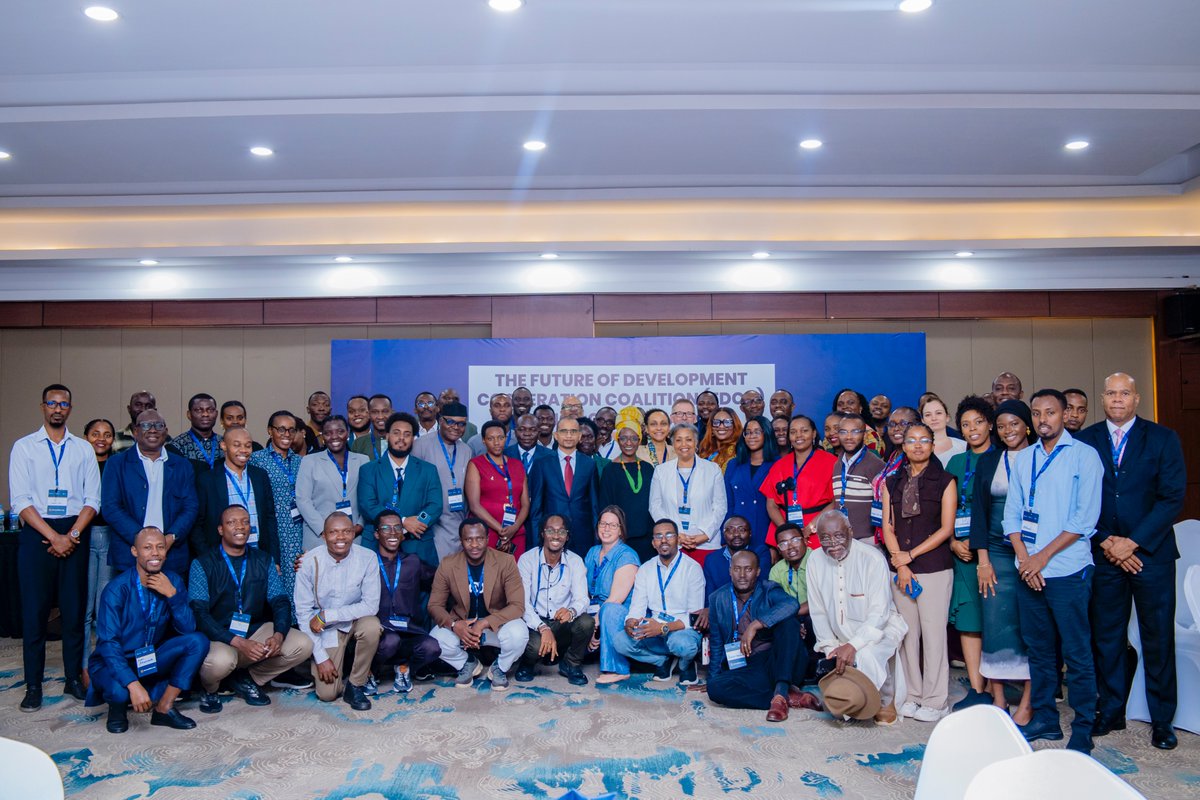
The systems we inherit shape what we think is possible. But ethical, visionary, accountable leadership is what changes the system - and development cooperation is no exception.
ASG co-hosted the Future Of Development Cooperation Coalition's Africa Consultation in Kigali, to reimagine development that transforms economies, dignifies communities, and builds institutions that outlast any single donor cycle.
#FutureOfDevelopment #AfricanLeadership
16
47
2,787

Apr 7
@augmentcode, @claudeai Code, or @OpenAI Codex CLI — which one?
I have spent months working seriously with all three. Building production platforms. Draining credit allocations. Crossing context limits. Using them in combination and in isolation.
And the honest answer is: that is the wrong question.
The right question is — which one, for what kind of work, at what stage, at what cost?
In my latest article from the From Lab to Life collection, I break down all three frontier coding agents across the dimensions that actually matter:
→ Context engines — how each tool understands your codebase (and why this is more important than which model powers it)
→ Memory systems — how each tool remembers what it knows across sessions
→ Multi-agent orchestration — what it actually means in practice, not in demos
→ Pricing reality — what $60, $200, or $20 actually gets you under real working conditions
A few things I cover that most comparisons skip:
Augment Code's $200 plan can be exhausted in 2 days with intensive Intent Opus 4.6 use. That is not a flaw — it is an honest pricing signal about what you are deploying.
Claude Code's $200 Max plan is remarkably generous compared to using the same Anthropic models via API. One developer tracked the equivalent API cost at 15x the plan price.
Codex CLI's open-source codebase under Apache 2.0 matters more than most people discuss — especially in regulated industries.
But above all of this: the tool you choose matters less than how well you prepare it to work.
Context engineering remains the skill that doesn't depreciate. Every model upgrade amplifies good context. It also amplifies bad context.
Full article linked below — available on both Medium and Substack.
#FromLabToLife #AI #CodingAgents #AugmentCode #ClaudeCode #CodexCLI #ContextEngineering #AIProductDevelopment #FutureOfDevelopment

1
1
8
149
Mar 30
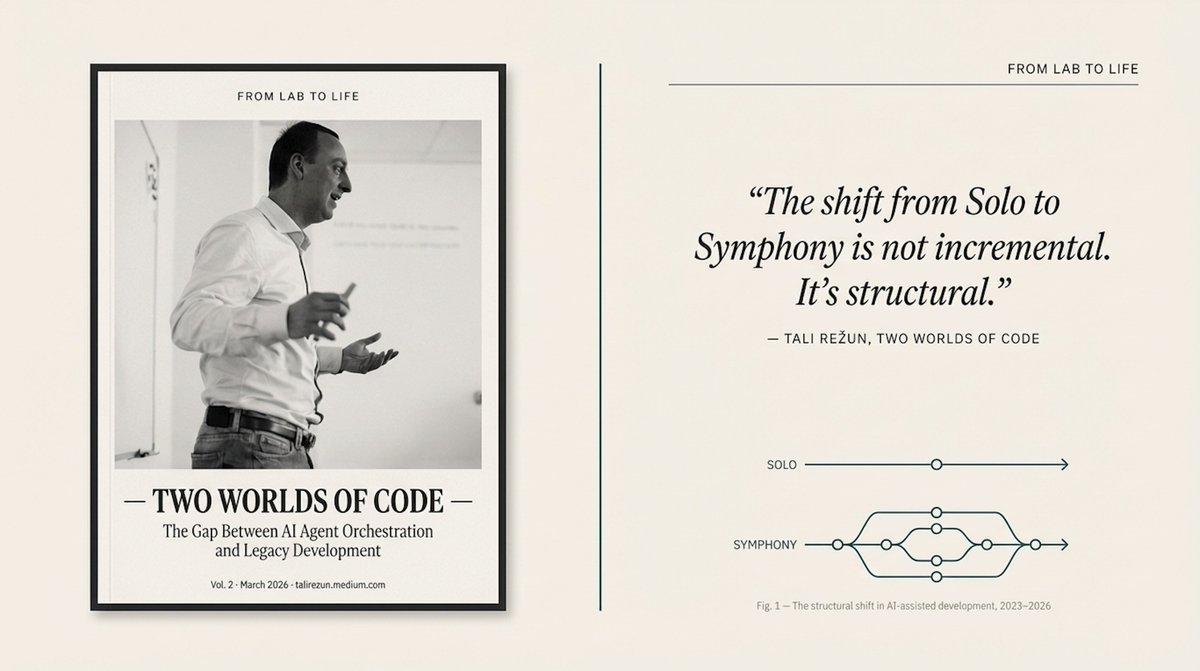
𝗜 𝘂𝘀𝗲𝗱 𝘁𝗼 𝘄𝗼𝗿𝗸 𝘄𝗶𝘁𝗵 𝗼𝗻𝗲 𝗰𝗼𝗱𝗶𝗻𝗴 𝗮𝗴𝗲𝗻𝘁 𝗮𝘁 𝗮 𝘁𝗶𝗺𝗲.
👉 𝗢𝗻𝗲 𝗮𝗴𝗲𝗻𝘁. 𝗢𝗻𝗲 𝗰𝗼𝗻𝘁𝗲𝘅𝘁 𝘄𝗶𝗻𝗱𝗼𝘄. 𝗢𝗻𝗲 𝘀𝗲𝘀𝘀𝗶𝗼𝗻. Feed it the spec, give it a task, review the output, start the next session.
It was revolutionary. I want to be clear about that. It changed everything for me as a non-developer building real products. Thousands of hours of work. Real applications shipped.
But there was a ceiling. And when you hit it, you felt it immediately.
Around the 70-80% mark of any serious build, things would start breaking down.
The codebase had grown larger than any single agent could hold in its context window. Fix something in one module, break something in another. The agent had no memory of what the previous session had decided. Every new session started from a cold state — and no matter how carefully I engineered the handoff documents, something was always lost in translation.
That was the 𝗦𝗼𝗹𝗼 𝗲𝗿𝗮. Revolutionary for small and medium stacs, but exhausting for bigger stacks.
👉 For the past two months, I have been living in something different.
@augmentcode #Intent platform introduced me to a way of working I can only describe as a 𝘀𝘆𝗺𝗽𝗵𝗼𝗻𝘆. You no longer talk to a single coding agent. You talk to an orchestrator — an agent that holds the complete project specification in its context window (we now have models with 1M token windows) and uses it to direct a team of parallel worker agents.
𝗢𝗻𝗲 𝗼𝗿𝗰𝗵𝗲𝘀𝘁𝗿𝗮𝘁𝗼𝗿. 𝗙𝗼𝘂𝗿, 𝗳𝗶𝘃𝗲, 𝘀𝗶𝘅 𝘄𝗼𝗿𝗸𝗲𝗿 𝗮𝗴𝗲𝗻𝘁𝘀 𝗿𝘂𝗻𝗻𝗶𝗻𝗴 𝘀𝗶𝗺𝘂𝗹𝘁𝗮𝗻𝗲𝗼𝘂𝘀𝗹𝘆. Each with a laser-focused task scoped precisely enough that it cannot stray.
When the workers finish, a review agent checks the code. A smoke test agent validates the output. The orchestrator synthesises the results and updates the specification in real time.
No cold starts. No lost context. No 70% wall.
The metaphor is not accidental. A solo instrument is powerful. But it has limits of range, tempo, and simultaneity that no amount of skill can overcome. An orchestra does not just play louder — it plays things that are structurally impossible for a single player.
That is the difference between the two eras.
What made the transition possible was not just better tools. It was the three-phase methodology I had already developed — Phase One being intensive research and context engineering before a single line of code is written. The orchestrator is only as good as the specification it is given.
Give it a vague instruction and you get a vague result. Give it a structured, complete, well-researched specification, and you get something that genuinely resembles a professional development team in output quality and speed.
The symphony needs a score. Writing that score is still the hardest and most important part of the work.
🔗 𝗙𝘂𝗹𝗹 𝗮𝗿𝘁𝗶𝗰𝗹𝗲 𝗶𝗻 𝘁𝗵𝗲 𝗰𝗼𝗺𝗺𝗲𝗻𝘁𝘀 — including the live case study, the code quality question, and the open question nobody has answered yet 👇
#FromLabToLife #AIAgents #AgentOrchestration #CodingAgents #FutureOfDevelopment #AI
1
7
88

Mar 18
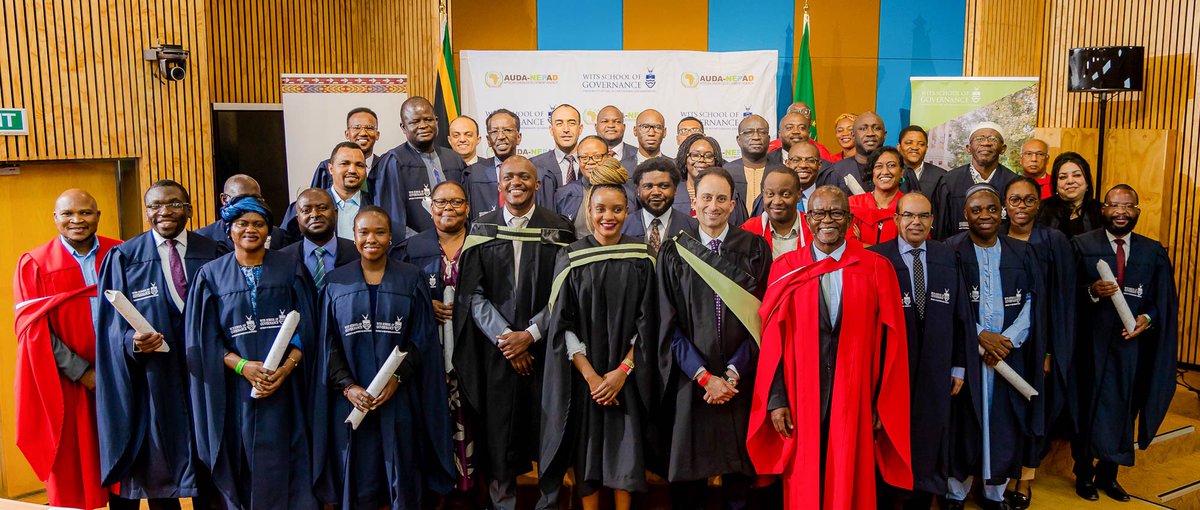
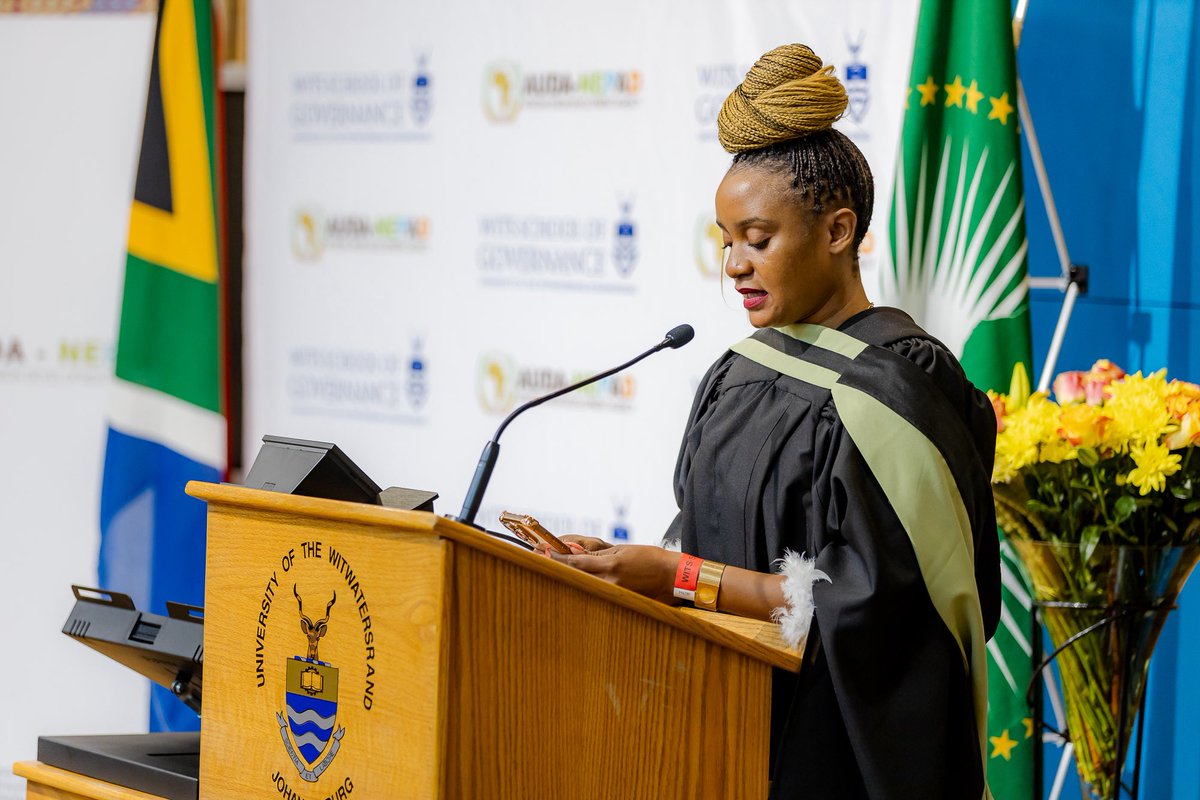
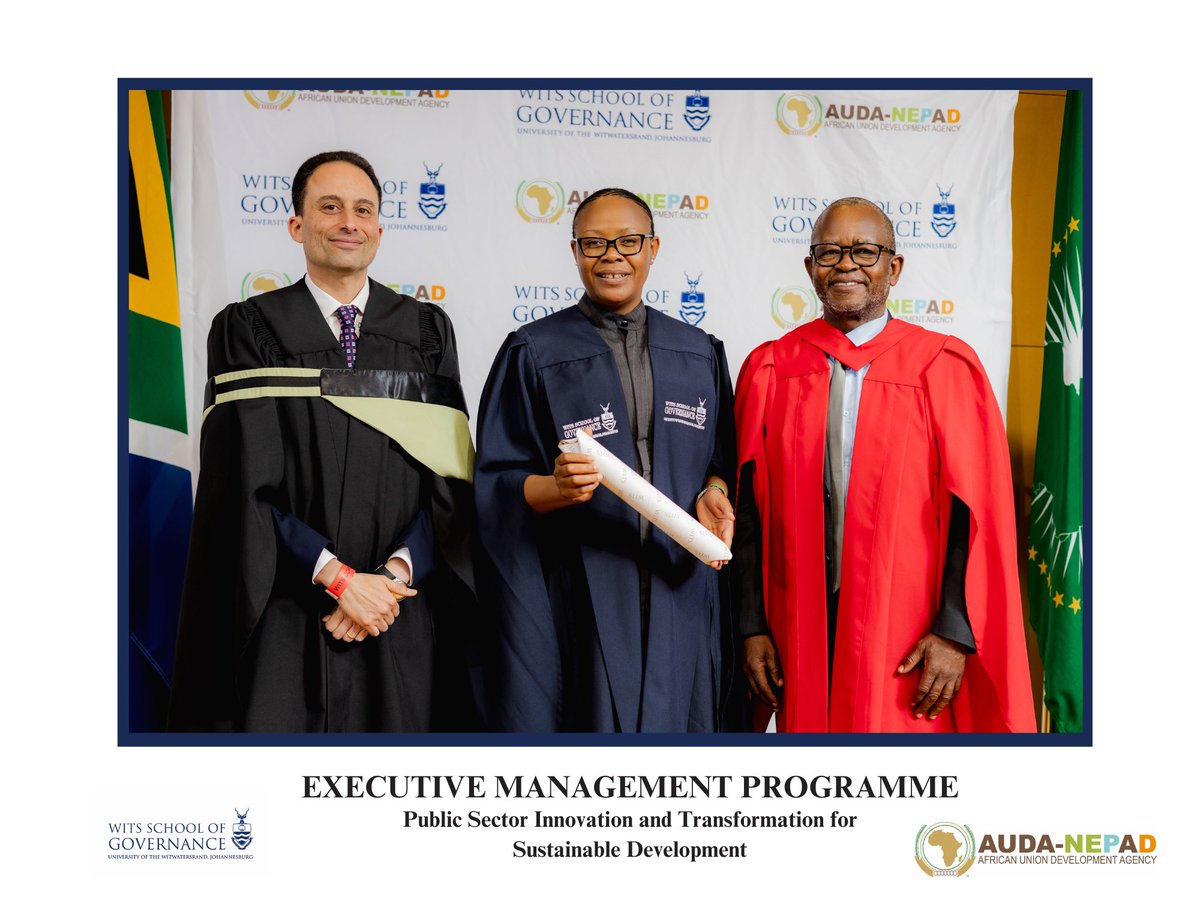
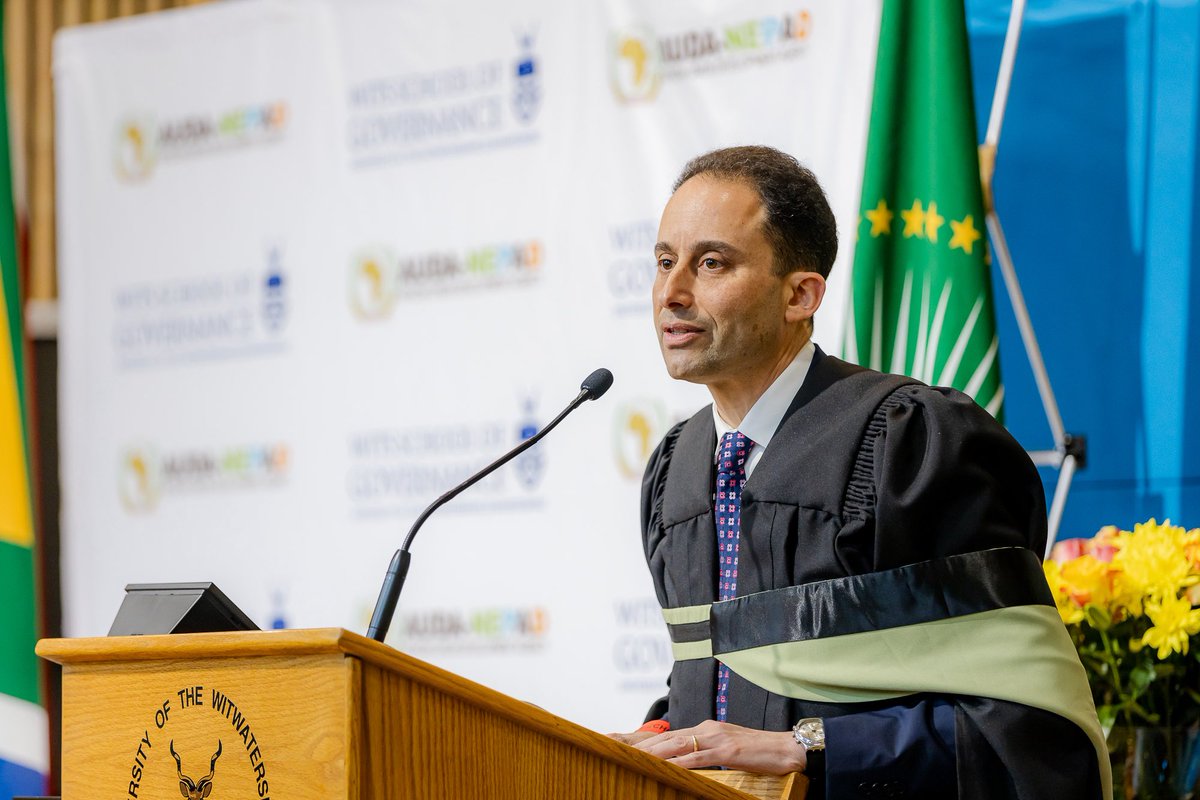
Reflecting on a transformative week at the Wits School of Governance Executive Programme!
Immense gratitude to the distinguished Ambassadors, esteemed faculty, and all partners whose thoughtful contributions enriched our dialogue. This program wasn’t just about discussing familiar development themes; it was a powerful call to action for our institutions to evolve with the rapidly changing world.
The future of development is being shaped by digital systems, AI, and new forms of collaboration. As the next generation innovates and builds this future, it’s imperative that our institutions adapt and engage with these tools and technologies to remain relevant. Our collective responsibility is to ensure we meet them there, ready to lead.
Thank you to everyone for your participation and commitment to advancing Africa’s place in this dynamic global landscape. The conversations started here will undoubtedly continue to inspire stronger partnerships and international cooperation.
#WitsSoG #ExecutiveProgramme #FutureOfDevelopment #DigitalTransformation #YouthInnovation #Diplomacy #AfricaDevelopment #Agenda2063
4
10
420

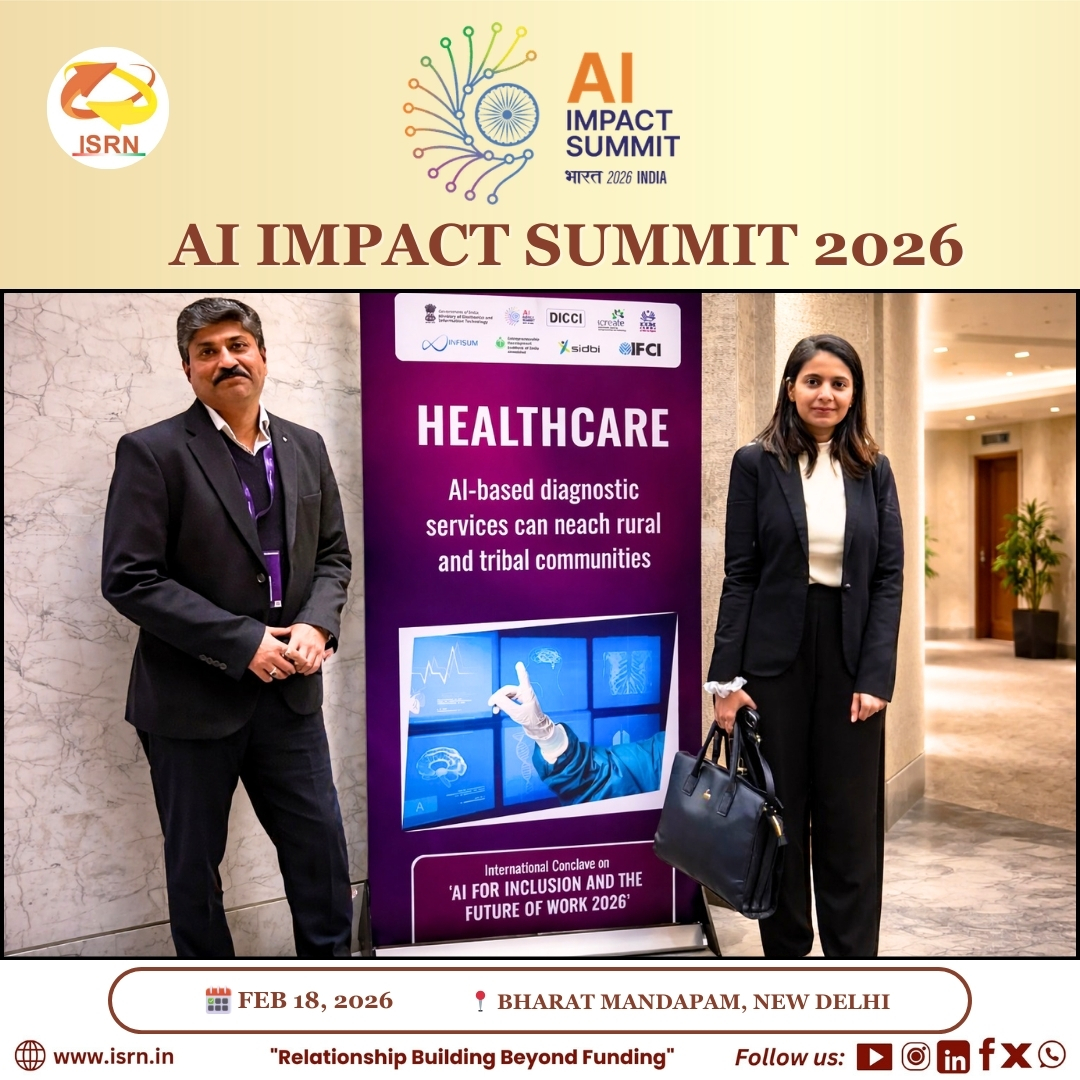
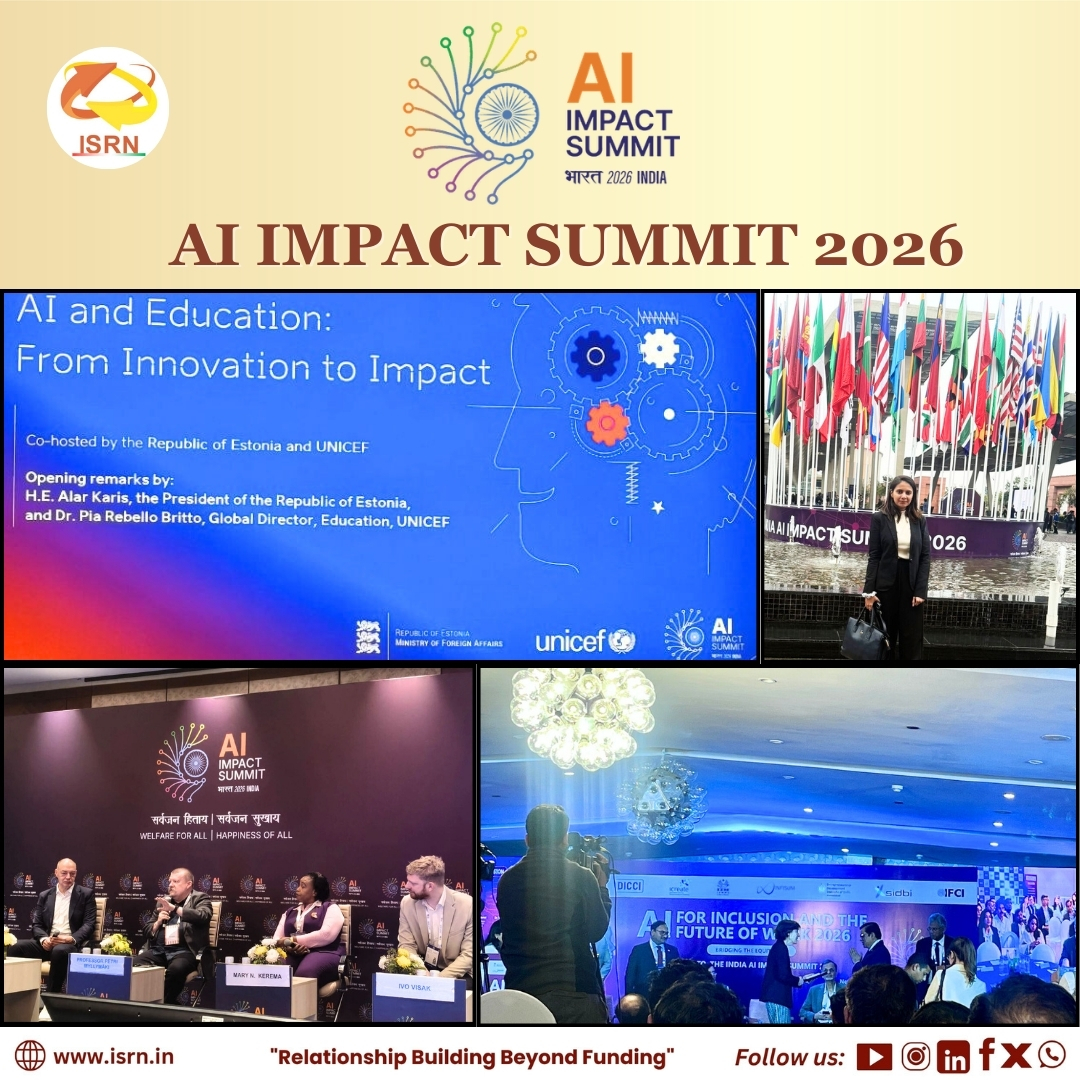
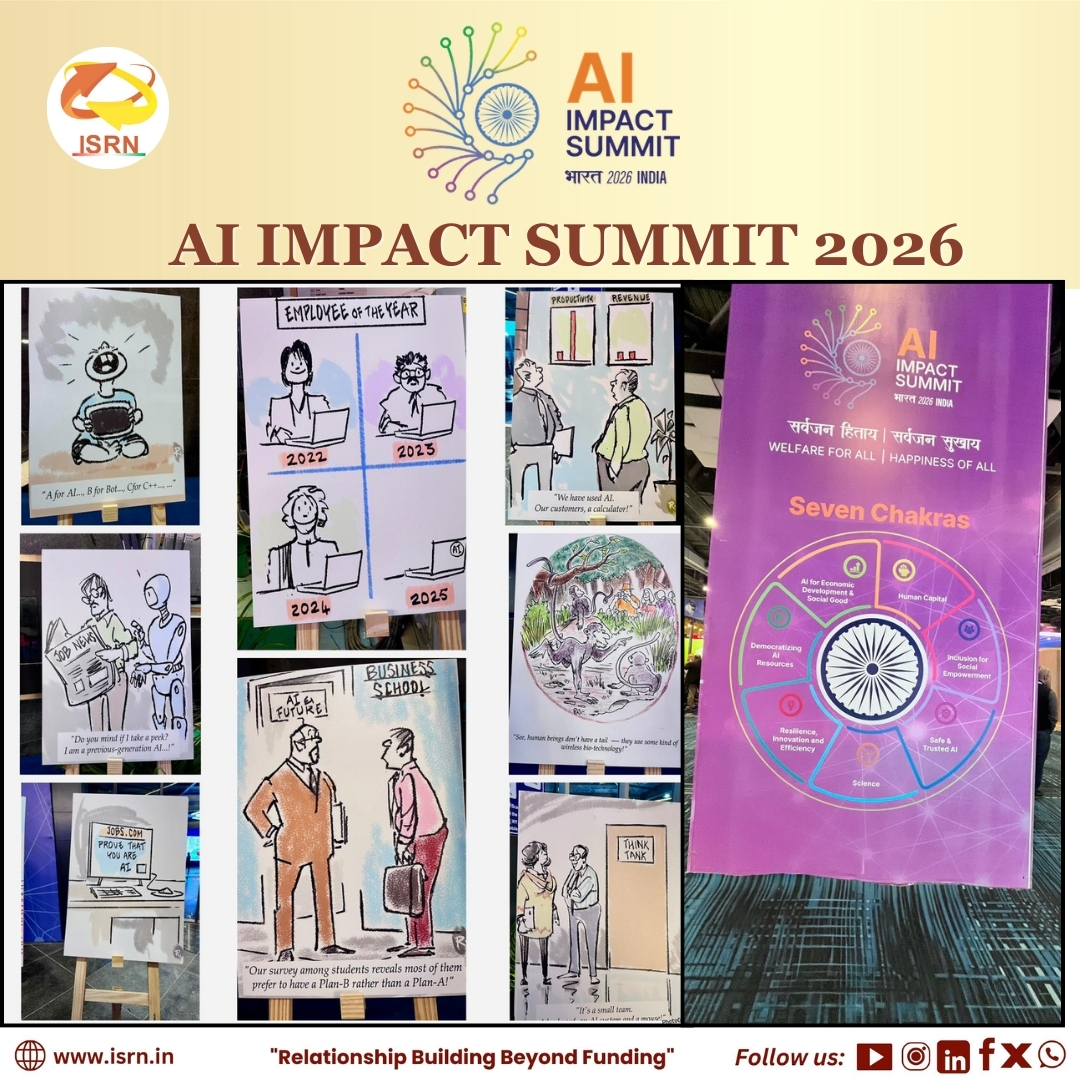
🌐 ISRN at AI Summit 2026 🤖✨
We’re proud to share that Indian Social Responsibility Network (ISRN) participated in AI Summit 2026, engaging in powerful conversations at the intersection of AI, Social Impact, and Sustainable Development.
The summit offered a valuable platform to explore how emerging AI solutions can strengthen grassroots ecosystems, enhance data-driven decision-making, improve governance and accountability, and accelerate progress across development sectors.
As we navigate a rapidly evolving digital future, ISRN remains committed to fostering responsible, inclusive, and ethical use of AI—ensuring technology serves communities, not replaces them.
Looking forward to translating these insights into actionable strategies that drive meaningful, people-centered impact. 🌱
@GoogleIndia @santoshgupta075 @MicrosoftIndia @Infosys @Wipro @WiproDOP
#isrn #AISummit2026 #AIForGood #SocialImpact #DigitalTransformation #ISRN #ResponsibleAI #FutureOfDevelopment #EthicalAI #TechForGood #AIAndSociety #SustainableDevelopment #DigitalTransformation #InnovationForImpact #AIInGovernance #FutureReady #DataDrivenImpact #InclusiveTechnology #SDGs #NonprofitInnovation #ImpactLeadership #SocialChange #PeopleFirst
1
4
175

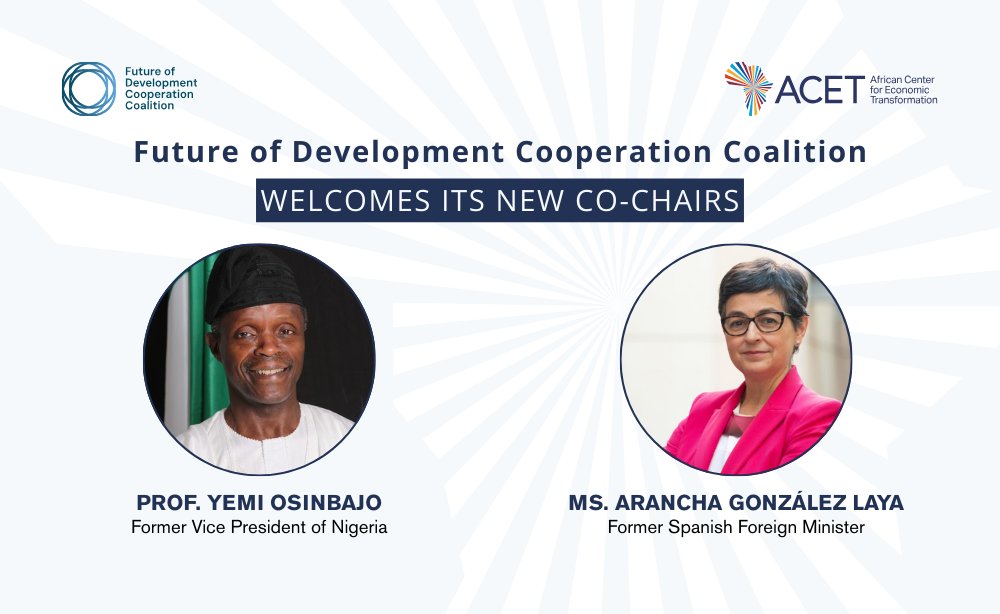
ACET welcomes the announcement of Nigeria’s former Vice President Yemi Osinbajo, alongside former Spanish Foreign Minister Arancha González Laya, as Co-Chairs of the Future of Development Cooperation Coalition.
Reimagining development cooperation for the decades ahead is essential to support long-term growth and structural transformation across Africa and beyond.
acetforafrica.org/news-and-m…
#FutureOfDevelopment #GlobalCooperation #devcoalition.org
1
4
296

31 Dec 2025
The North Year That Was - Digital Transactions
buff.ly/IulD6V1
#payments #North #NorthYear boarding #InnovativeTech #FutureofDevelopment #ISVs #APIs # SDKs #KPIs #paymentlinks #Invoicing #AI #clicktocancel #electronicpaymentsservices #WholesaleISO #FSP
1
124
19 Dec 2025
The North Year That Was - Digital Transactions
buff.ly/IulD6V1
#payments #North #NorthYear #2025PaymentsHightlights #DeveloperPlatform #completepaymentsecosystem #ISVsolutions #BeyondPayments #MerchantOnboarding #InnovativeTech #FutureofDevelopment
1
52

Let’s compare.
Traditional app development vs. Avola.
Months of coding, high costs, slow iterations or AI-powered, no-code app building with real-time flexibility.
Build faster. Build smarter.
Build with Avola.
🚀 Join the waitlist
🌐 avola.app
#Avola #NoCode #AIBuilding #AppDevelopment
#SoftwareDevelopment #TraditionalVsNoCode
#AppDevelopmentComparison #BuildVsCode #NoCodeTools #FutureOfDevelopment #VibeCoding
#AICoding #AIAppBuilder #PromptDriven #BuildWithAI
2
107

18 Nov 2025
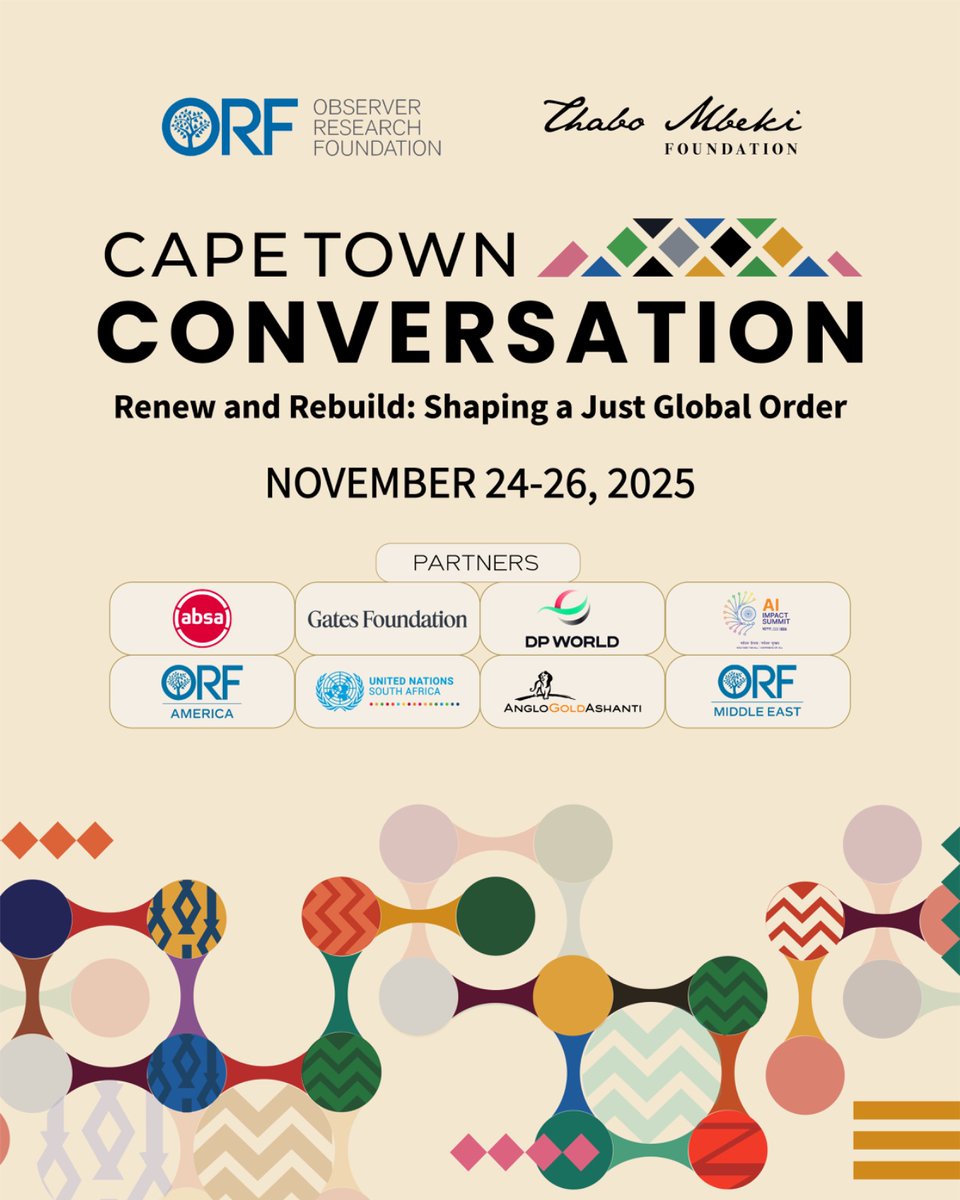
.@orfonline in partnership with @TMFoundation_ host #CapeTownConversation2025, a forum for shaping a resilient #globalfuture.
📅 Nov 24–26, 2025
📍 Cape Town, South Africa
Follow the thread to know the pillars!
#ORFIndia #GlobalSouth #Governance #FutureOfDevelopment
2
5
4
842
18 Nov 2025
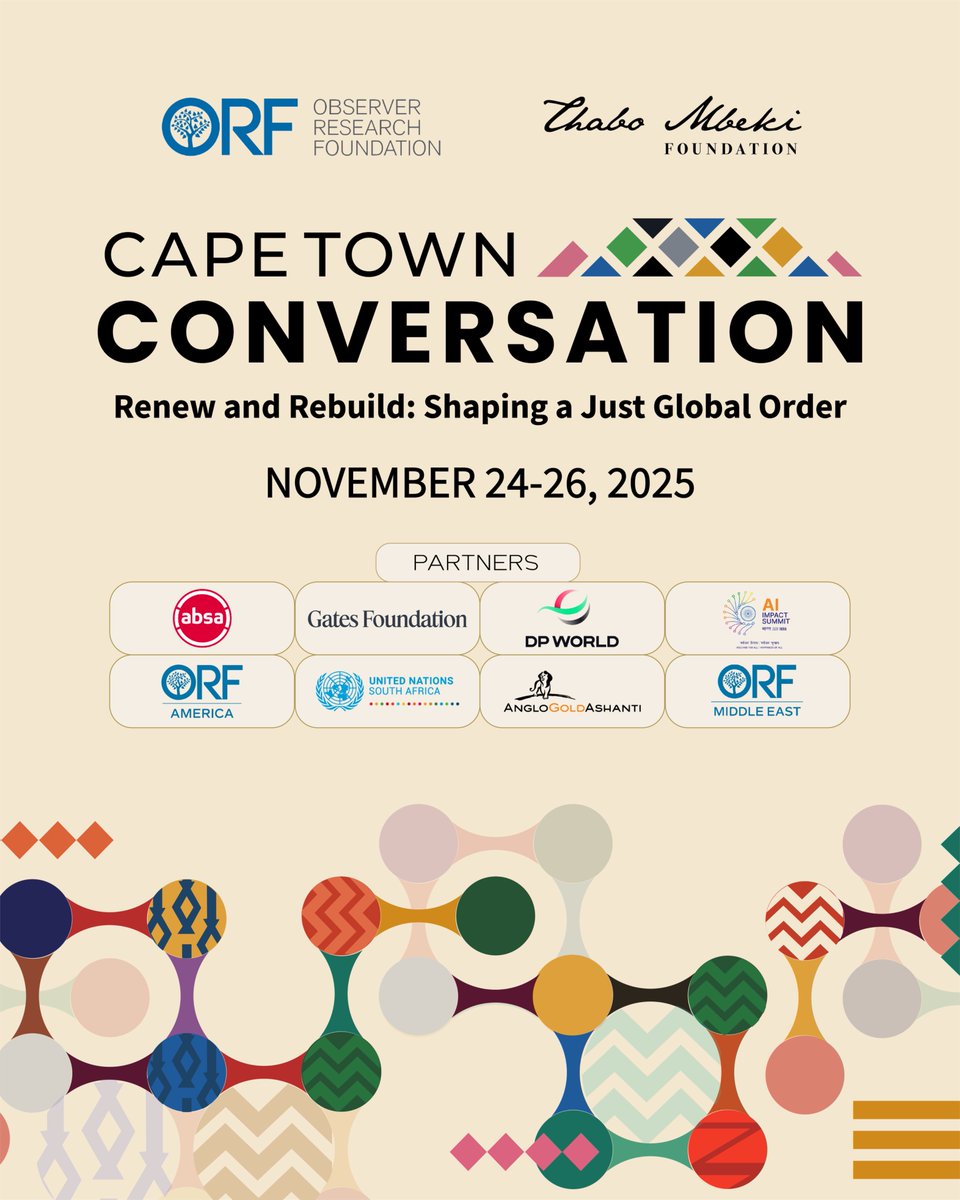
.@orfonline in partnership with @TMFoundation_ host #CapeTownConversation2025, a forum to shape a just & inclusive global future.
📅 Nov 24–26, 2025
📍 Cape Town, South Africa
Join leaders & experts to explore solutions for global resilience.
Register here: orfonline.org/forums/cape-to…
#ORFIndia #GlobalSouth #Governance #FutureOfDevelopment
7
4
731

4 Nov 2025
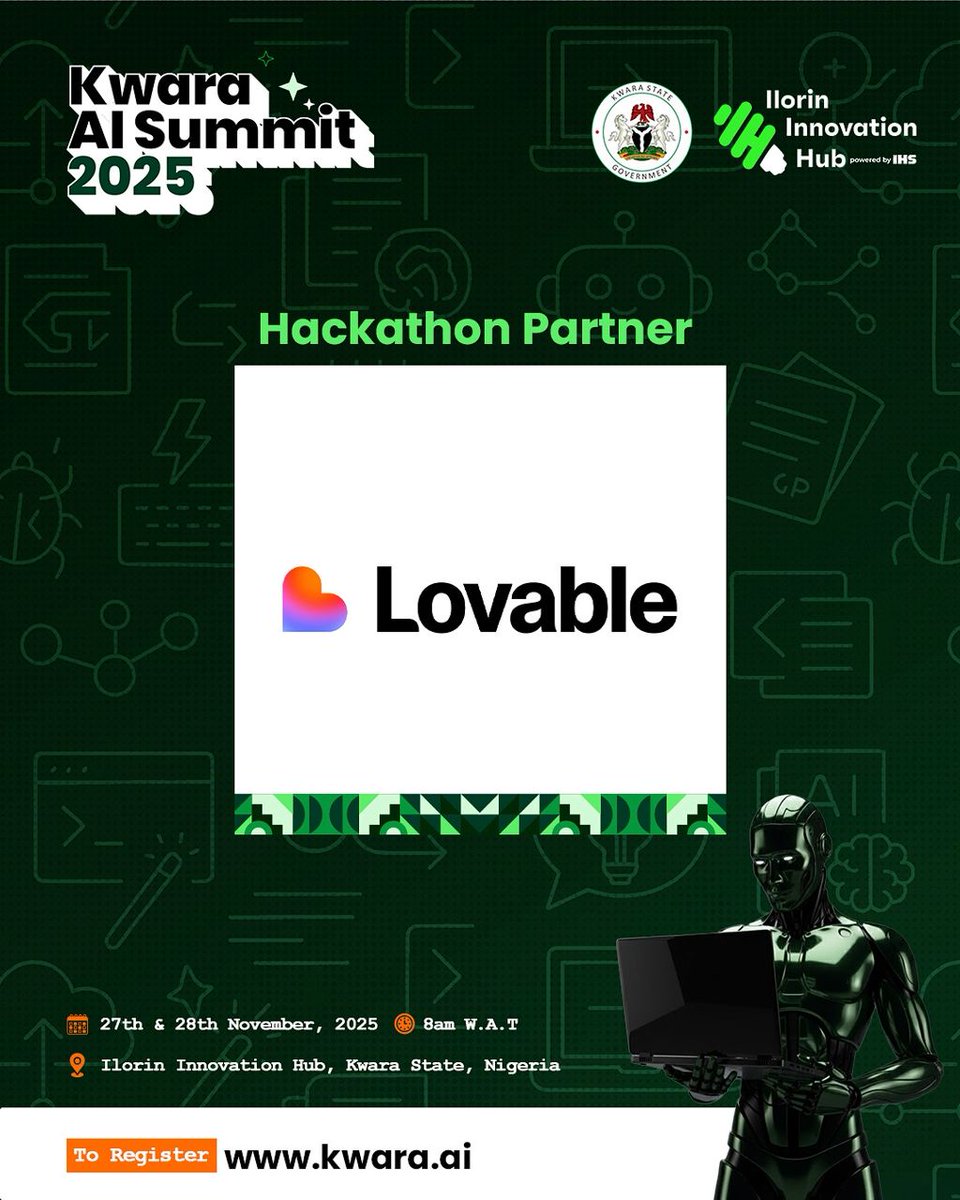
We are excited to announce Lovable @lovable as the official Hackathon Partner for the Kwara AI Summit 2025.
Lovable is the world’s leading AI vibe-coding platform, valued at $200million , and trusted by creators and developers to build products faster with AI. The platform turns ideas into working applications within minutes — all from one intuitive interface.
At the Hackathon, participants will receive free Lovable credits, empowering them to design, build, and launch smarter. In the new era of AI, creativity is code — and Lovable makes it effortless.
#KwaraAISummit2025 #Lovable #VibeCoding #AICoding #FutureOfDevelopment #AIInnovation #TechCreativity #BuildWithAI #Hackathon #NoCodeToProduct #AfricaBuildsWithAI
2
3
21
767

27 Oct 2025
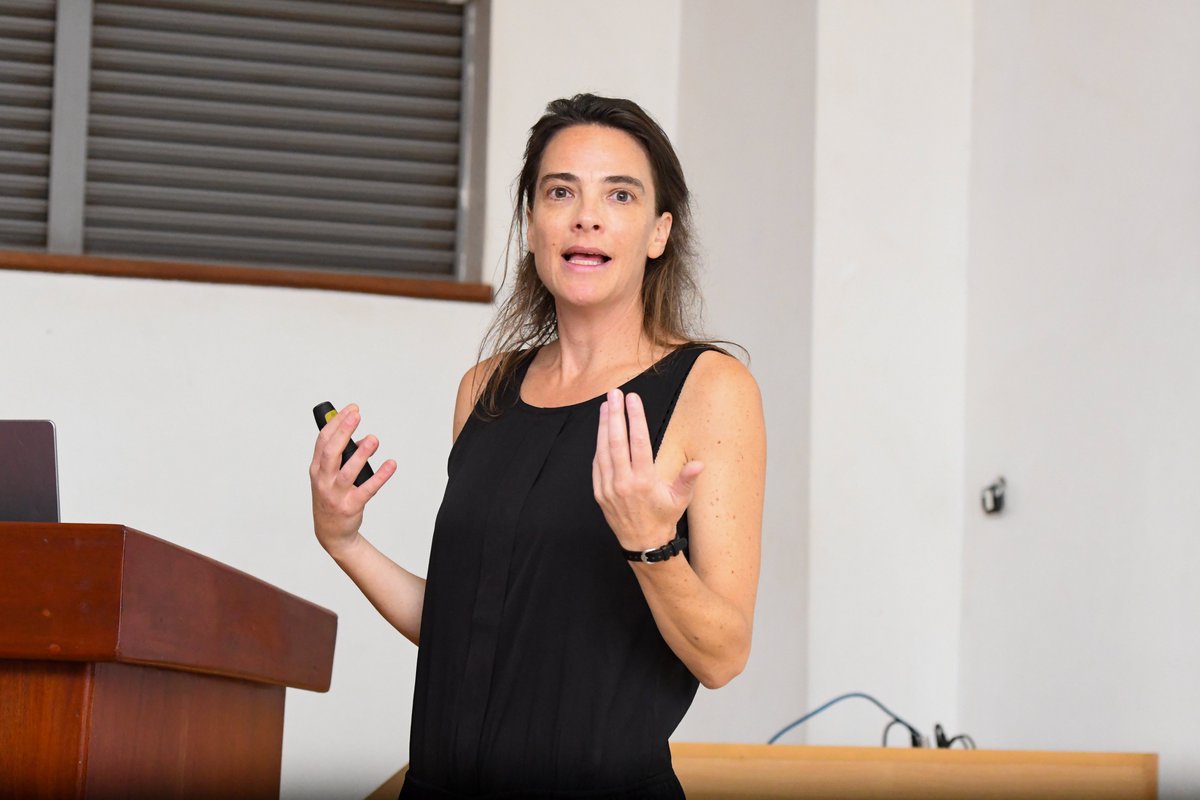
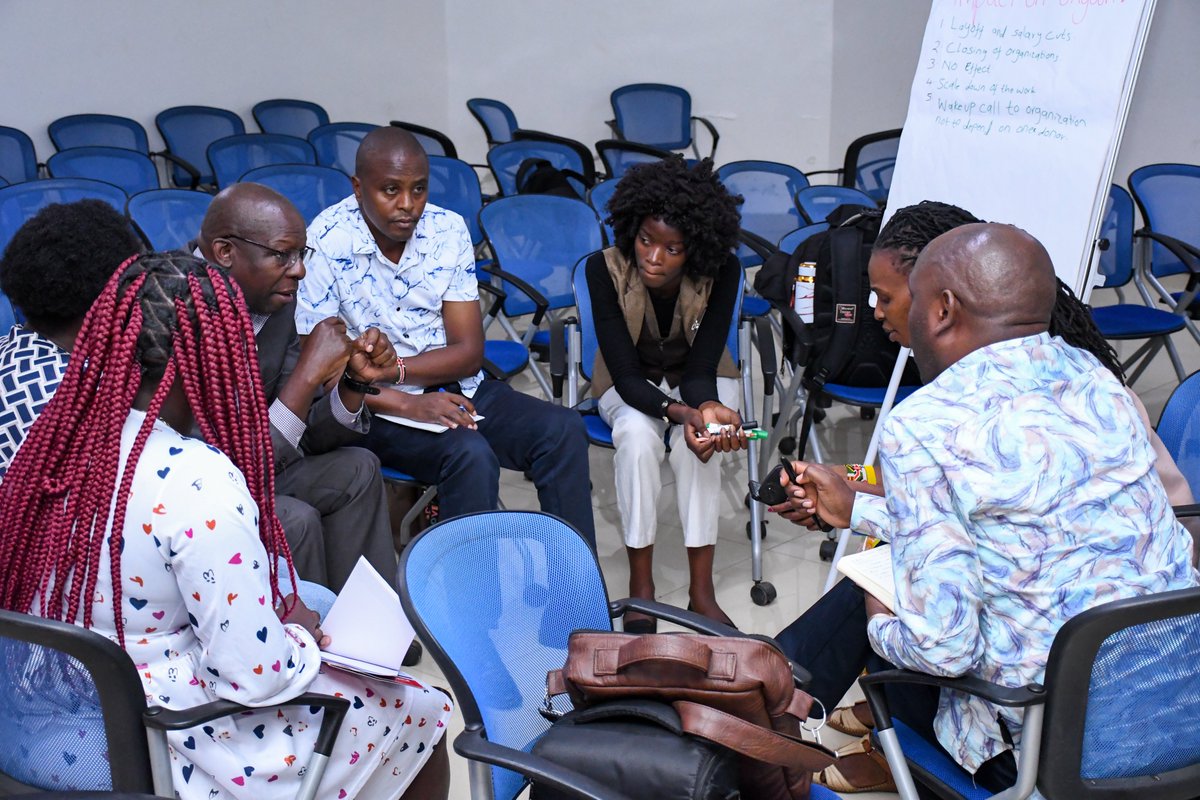
From Nairobi to the world 🌍
The future of development isn’t being written in boardrooms — it’s being re-imagined by the people ✊🏾
A #PowerShift is underway — led from within the Global South.
#WeThePeople #FutureOfDevelopment #ViceVersaGlobal
3
50