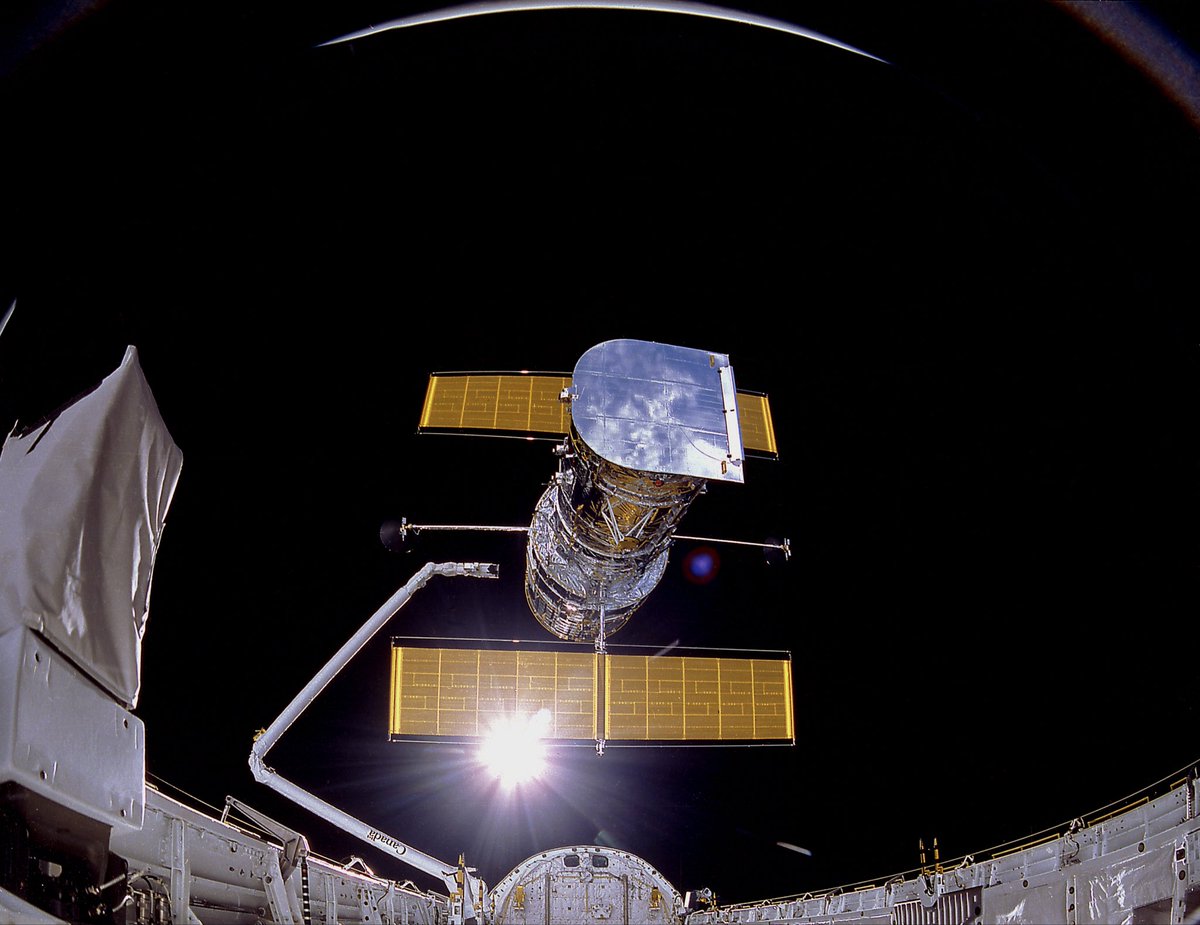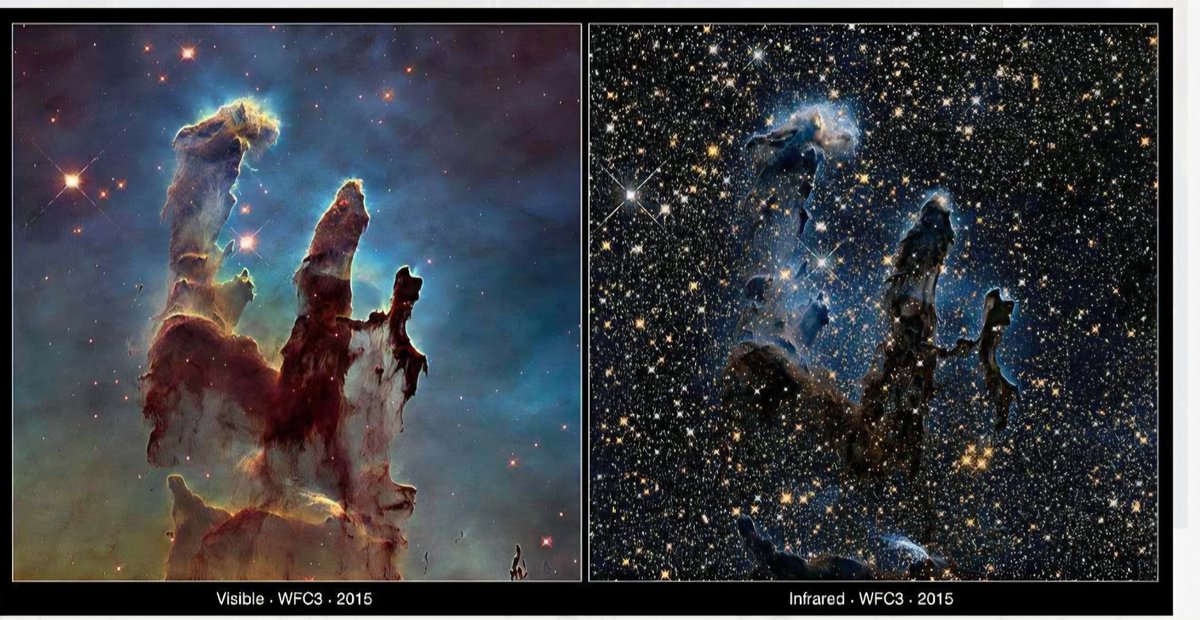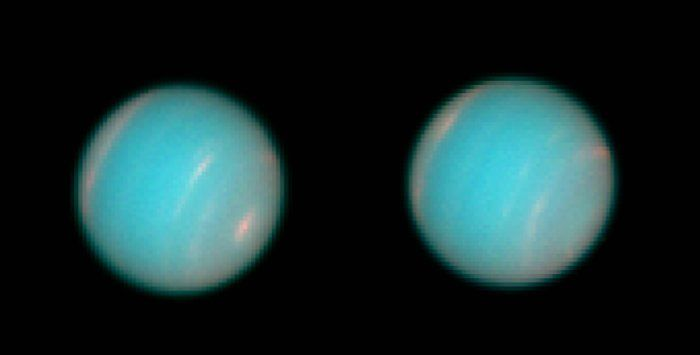
🌌 The Hubble Space Telescope has provided some of the most detailed images of distant galaxies, stars, and other celestial objects. 🌌📜 #FunFact#HubbleTelescope
#PPOD: A Galactic Hybrid 🌀
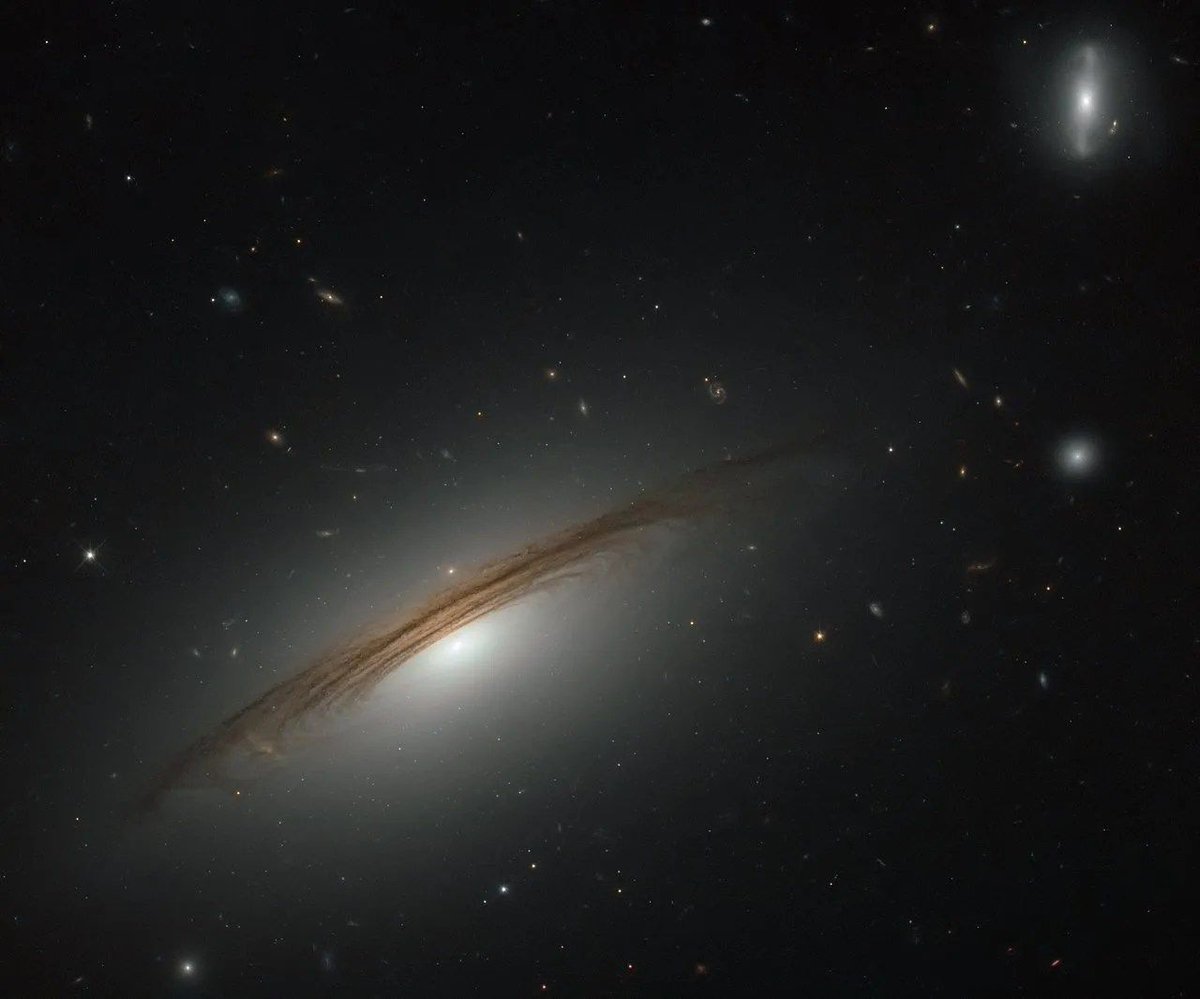
This NASA/ESA @HubbleTelescope image showcases the remarkable #galaxy UGC 12591. UGC 12591 sits somewhere between a lenticular and a spiral. It lies just under 400 million light-years away from us in the westernmost region of the Pisces–Perseus Supercluster, a long chain of galaxy clusters that stretches out for hundreds of millions of light-years — one of the largest known structures in the cosmos.
The galaxy itself is also extraordinary: it is incredibly massive. The galaxy and its halo together contain several hundred billion times the mass of the sun, four times the mass of the Milky Way. It also whirls round extremely quickly, rotating at speeds of up to 1.8 million kilometers per hour.
Observations with Hubble are helping astronomers determine the mass of UGC 12591 and whether the galaxy formed and grew slowly over time or grew unusually massive by colliding and merging with another large galaxy at some point in its past.
Credit: @ESA / Hubble & @NASA; Text: ESA
#astronomy
ALT A massive spiral galaxy is seen slightly angled away from edge-on, as if we are viewing the underside of the disk. Dark dust lanes outline the shape while the bright bulge glows from the center. The galaxy is tilted from the lower right to the upper left and occupies two-thirds of the image. In the upper right, a much smaller and/or more distant barred spiral galaxy can be seen.
You literally said you speak for everyone. Don't worry...its saved. You're not. Not even the @HubbleTelescope could find your nuts. Thanks for the slur.
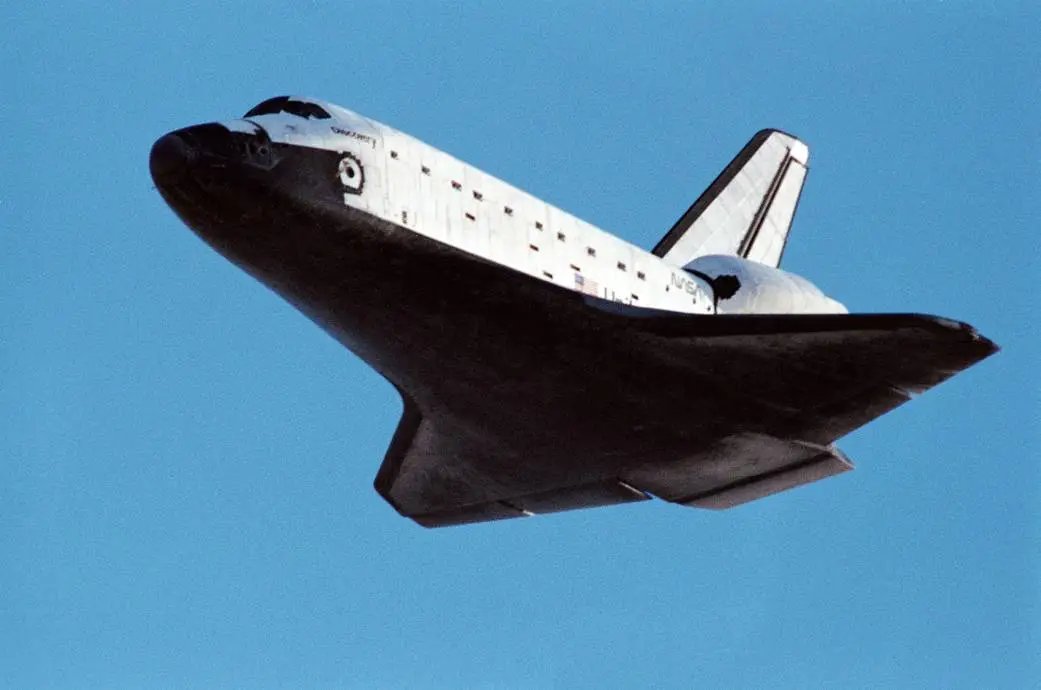
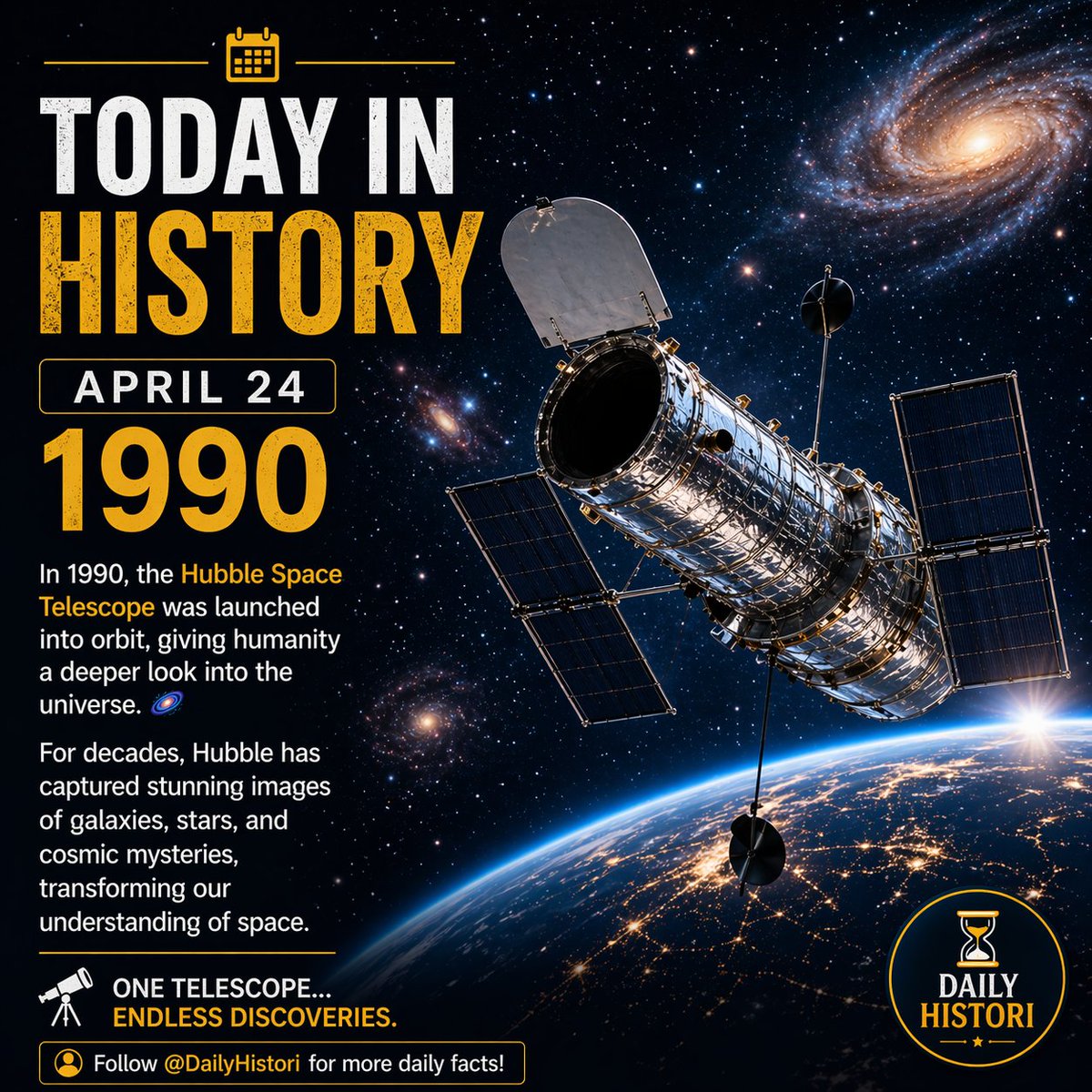
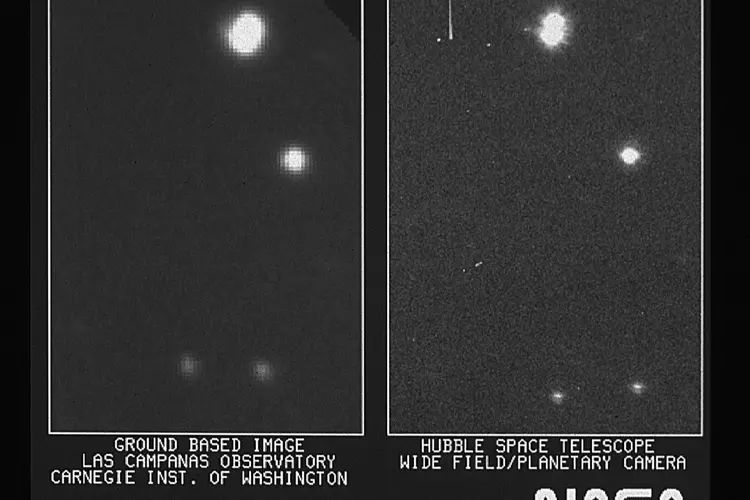
On April 25, 1990 — 36 years ago today — astronauts aboard the space shuttle Discovery released the Hubble Space Telescope into orbit. This revolutionary eye in the sky has since captured breathtaking images of distant galaxies, black holes, and the birth of stars, completely rewriting our understanding of the universe. Humanity’s greatest space observatory was born! 🔭🌌
#HubbleTelescope#SpaceHistory#todayhistory
Good morning, Earthlings! ☕🌅
On this exact day in 1990, the Hubble Space Telescope blasted off and forever changed how we see the universe. 36 years later, we're still discovering new cosmic wonders thanks to it.
What's the most mind-blowing space image or fact you've seen? Drop it below!
Happy Friday — let's launch into the weekend like Hubble. 🚀✨
@OnThisDay@HubbleTelescope@Space
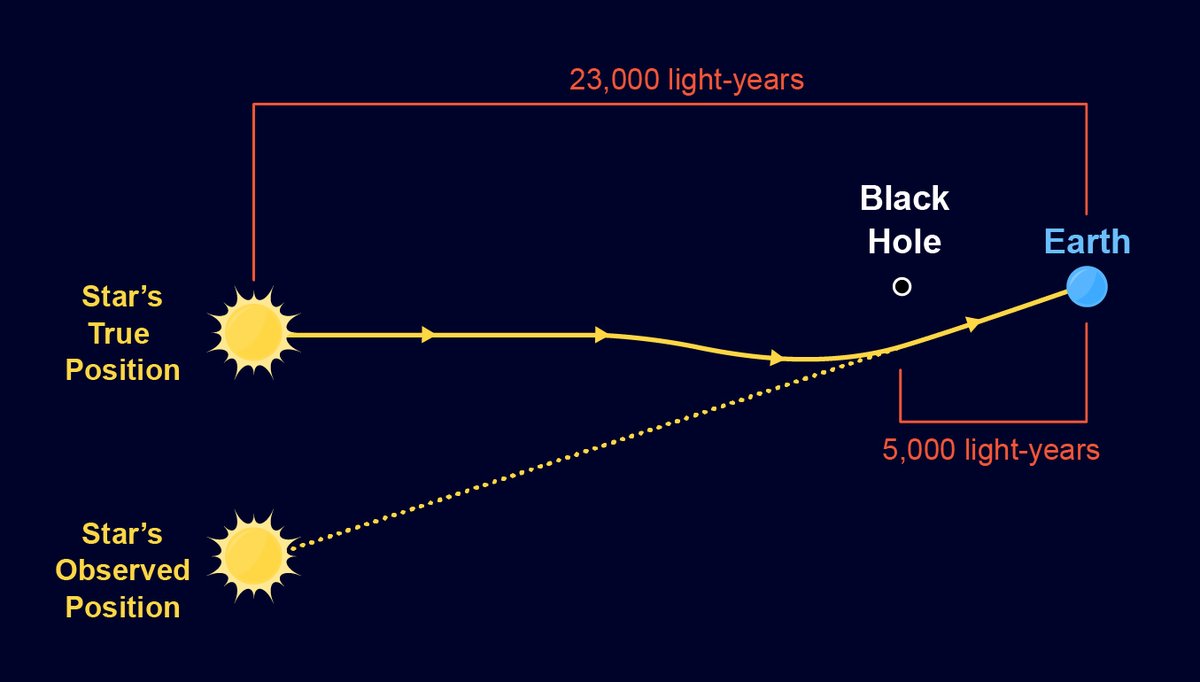
ALT A black hole’s gravity bends light rays from a star far behind it, so that the star not only seems to brighten, but also seems to be in a different place. The star (yellow circle, middle left) sends light (solid yellow line) toward the black hole (black dot), which bends the light so that observers on Earth (blue circle) see the star appear elsewhere (yellow circle, lower left).
Image credit: Lucy Reading-Ikkanda (artist).
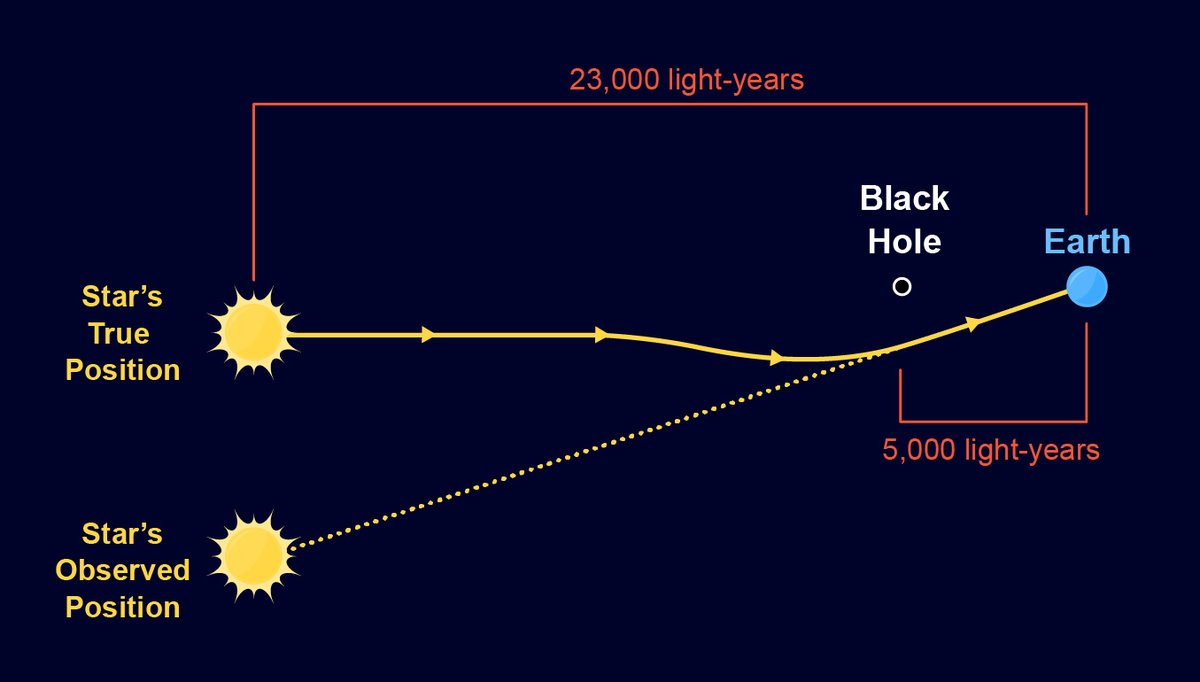
ALT A black hole’s gravity bends light rays from a star far behind it, so that the star not only seems to brighten, but also seems to be in a different place. The star (yellow circle, middle left) sends light (solid yellow line) toward the black hole (black dot), which bends the light so that observers on Earth (blue circle) see the star appear elsewhere (yellow circle, lower left).
Image credit: Lucy Reading-Ikkanda (artist).
My graduate student April Horton is about to defined her PhD thesis!!! She has made some incredible contributions to our understanding of the Large Magellanic Cloud galaxy’s gas flows using @HubbleTelescope ULLYSES and GASKAP observations.