
Jun 10
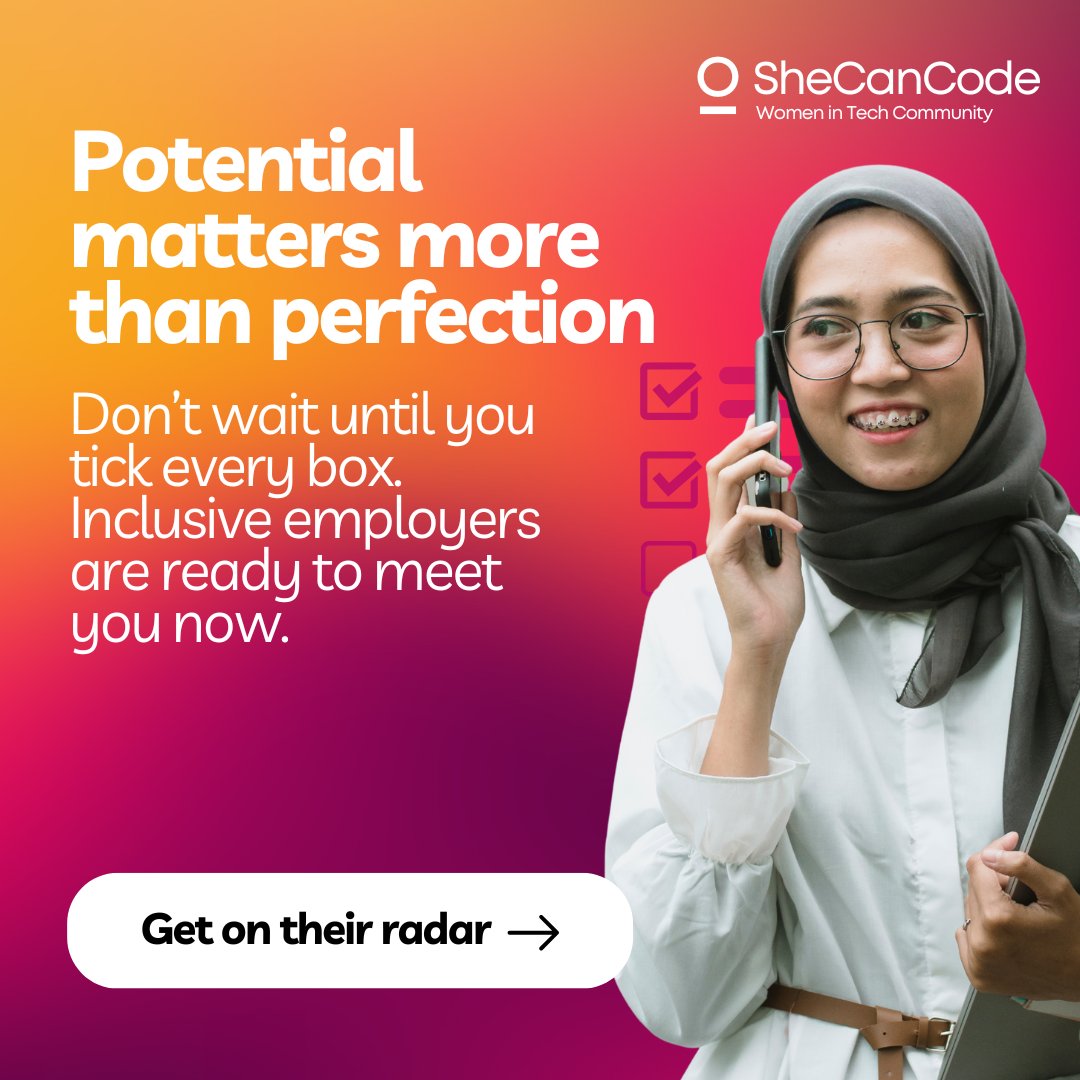
Don’t tick every box on a job ad? That’s okay!
At SheCanCode, we help you connect directly with inclusive employers...even if you’re still exploring your next step or changing direction.
Get on their radar 👉 bit.ly/47p4SaJ
#WomenInTech #CareerGrowth #InclusiveTech
24

Jun 3
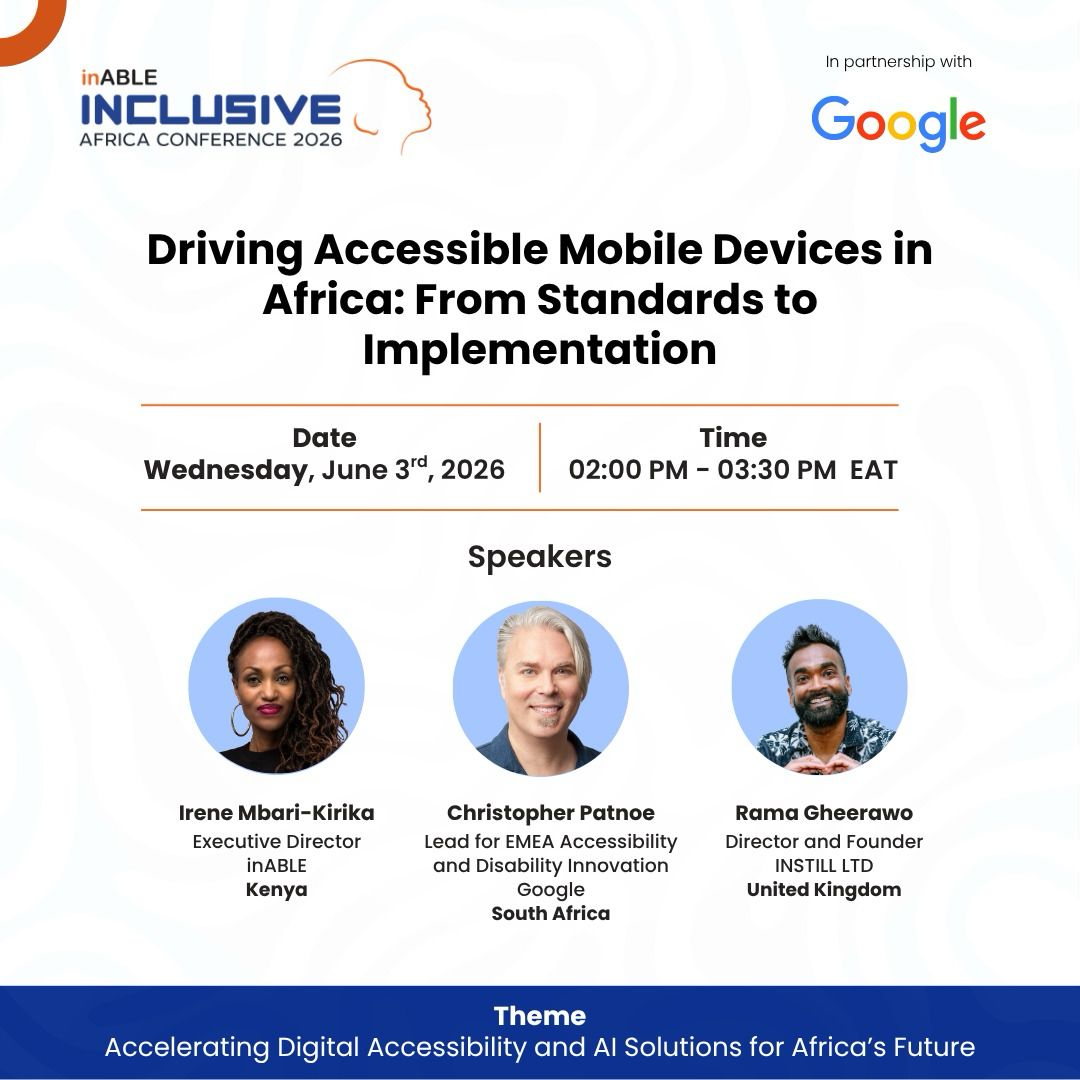
STARTING NOW!
Join our Founder and Executive Director, Irene Mbari-Kirika, alongside renowned inclusive design expert Rama Gheerawo and other industry leaders for a critical conversation on 𝗮𝗱𝘃𝗮𝗻𝗰𝗶𝗻𝗴 𝗮𝗰𝗰𝗲𝘀𝘀𝗶𝗯𝗹𝗲 𝗺𝗼𝗯𝗶𝗹𝗲 𝘁𝗲𝗰𝗵𝗻𝗼𝗹𝗼𝗴𝗶𝗲𝘀 𝗮𝗰𝗿𝗼𝘀𝘀 𝗔𝗳𝗿𝗶𝗰𝗮.
The discussion will explore:
• 𝗧𝗵𝗲 𝗽𝗿𝗮𝗰𝘁𝗶𝗰𝗮𝗹 𝗶𝗺𝗽𝗹𝗲𝗺𝗲𝗻𝘁𝗮𝘁𝗶𝗼𝗻 𝗼𝗳 𝗔𝗳𝗿𝗶𝗰𝗮'𝘀 𝗲𝗺𝗲𝗿𝗴𝗶𝗻𝗴 𝗜𝗖𝗧 𝗮𝗰𝗰𝗲𝘀𝘀𝗶𝗯𝗶𝗹𝗶𝘁𝘆 𝘀𝘁𝗮𝗻𝗱𝗮𝗿𝗱𝘀.
• 𝗧𝗵𝗲 𝗿𝗼𝗹𝗲 𝗼𝗳 𝗮𝗰𝗰𝗲𝘀𝘀𝗶𝗯𝗶𝗹𝗶𝘁𝘆 𝗶𝗻 𝗺𝗼𝗯𝗶𝗹𝗲 𝗱𝗲𝘃𝗶𝗰𝗲 𝗱𝗲𝘀𝗶𝗴𝗻 𝗮𝗻𝗱 𝗱𝗲𝘃𝗲𝗹𝗼𝗽𝗺𝗲𝗻𝘁.
• 𝗛𝗼𝘄 𝗺𝗮𝗻𝘂𝗳𝗮𝗰𝘁𝘂𝗿𝗲𝗿𝘀, 𝘁𝗲𝗹𝗲𝗰𝗼𝗺 𝗼𝗽𝗲𝗿𝗮𝘁𝗼𝗿𝘀, 𝗮𝗻𝗱 𝗲𝗰𝗼𝘀𝘆𝘀𝘁𝗲𝗺 𝗽𝗮𝗿𝘁𝗻𝗲𝗿𝘀 𝗰𝗮𝗻 𝗮𝗰𝗰𝗲𝗹𝗲𝗿𝗮𝘁𝗲 𝘁𝗵𝗲 𝗮𝗱𝗼𝗽𝘁𝗶𝗼𝗻 𝗼𝗳 𝗮𝗰𝗰𝗲𝘀𝘀𝗶𝗯𝗹𝗲 𝗺𝗼𝗯𝗶𝗹𝗲 𝘀𝗼𝗹𝘂𝘁𝗶𝗼𝗻𝘀 𝗮𝗰𝗿𝗼𝘀𝘀 𝘁𝗵𝗲 𝗰𝗼𝗻𝘁𝗶𝗻𝗲𝗻𝘁.
Join the session now using the link below to access the conversation: us02web.zoom.us/j/8487826803…
#IAC2026 #InclusiveAfrica2026 #DigitalInclusion #DigitalAccessibility #AccessibilityMatters #InclusiveTech
11
15
309


Africa’s digital future must work for everyone.
📍 JW Marriott, Nairobi
🗓️ 2–4 June 2026
Be part of the conversation: inclusiveafrica.org
#InclusiveAfrica #DigitalAccessibility #AccessibilityMatters #InclusiveTech #TechForGood
@Mastercard @UNDPKenya
4
5
89

May 27
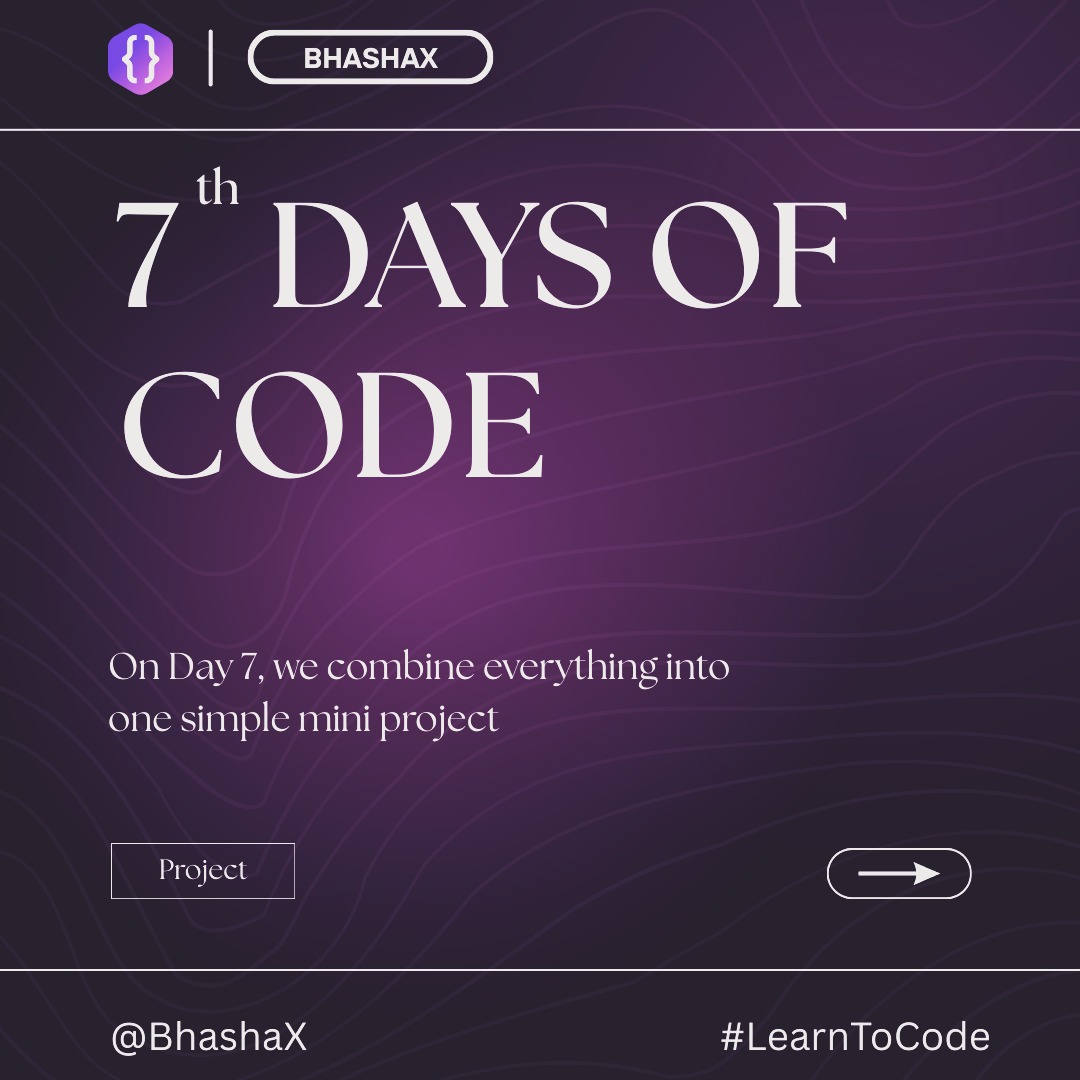
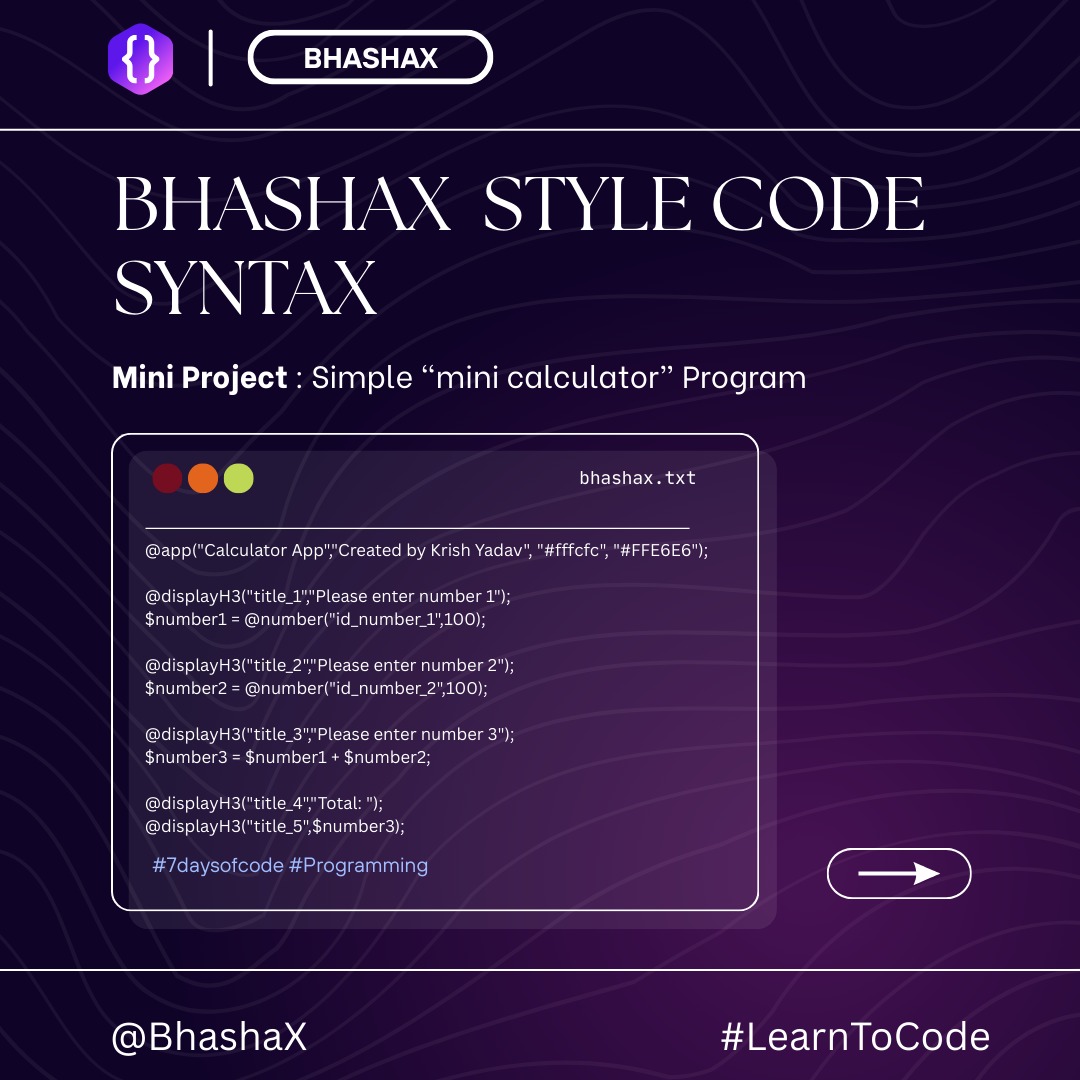
From Day 1 to Day 7, you’ve learned, practiced, and grown — all in your own language.
Bhashax proves that coding doesn’t need to be in English to be powerful. 💪
#BhashaXCommunity #MotherTongueCoding #InclusiveTech
#7DaysOfCode #Day7 #BhashaX #LearningByDoing
2
12
May 23
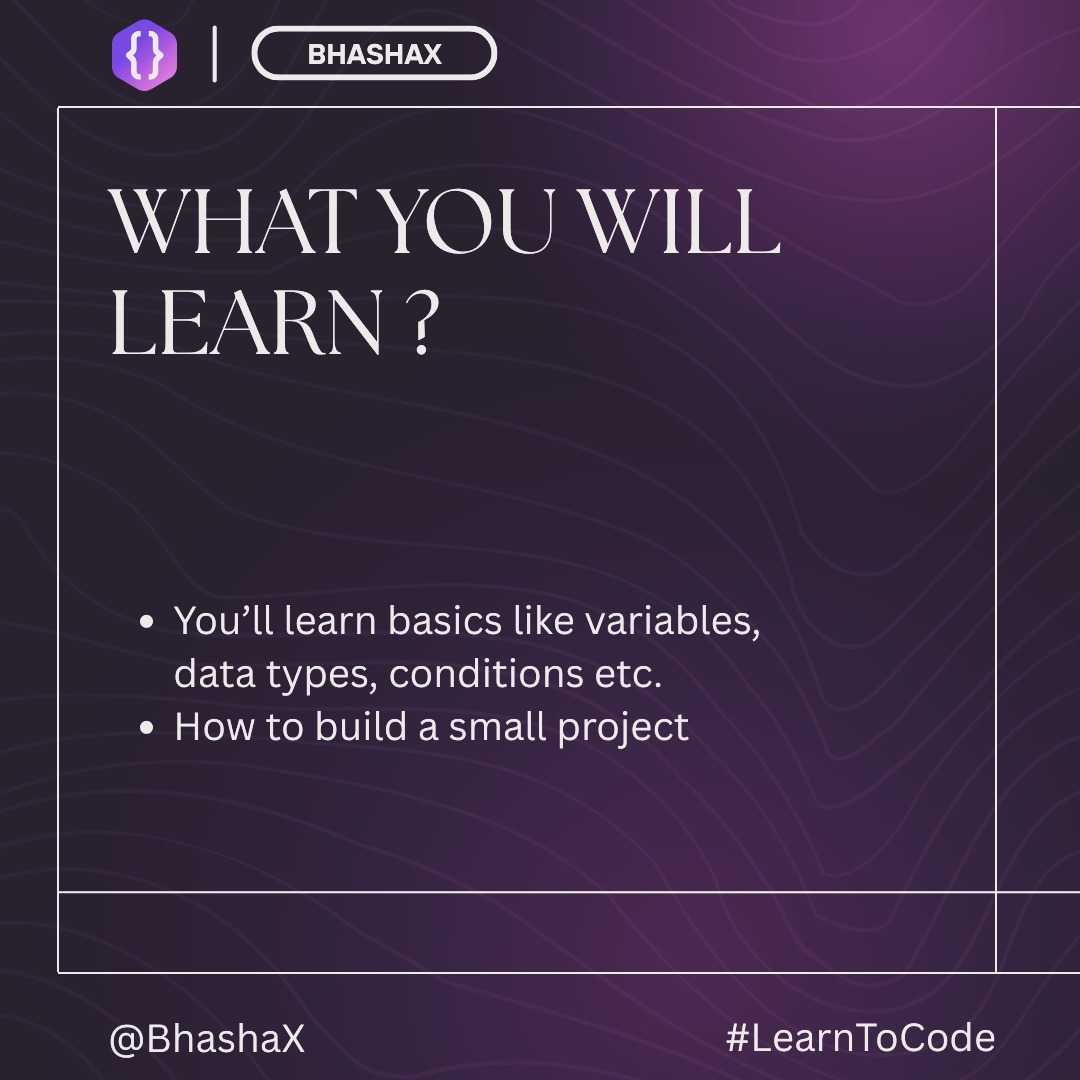
When technology speaks your language, learning feels natural.
This post highlights what you’ll learn through BhashaX, where coding meets mother-tongue education.
#CodeInMotherTongue #EdTechIndia
#LearnWithBhashaX #InclusiveTech #CodeDaily
2
9

May 22
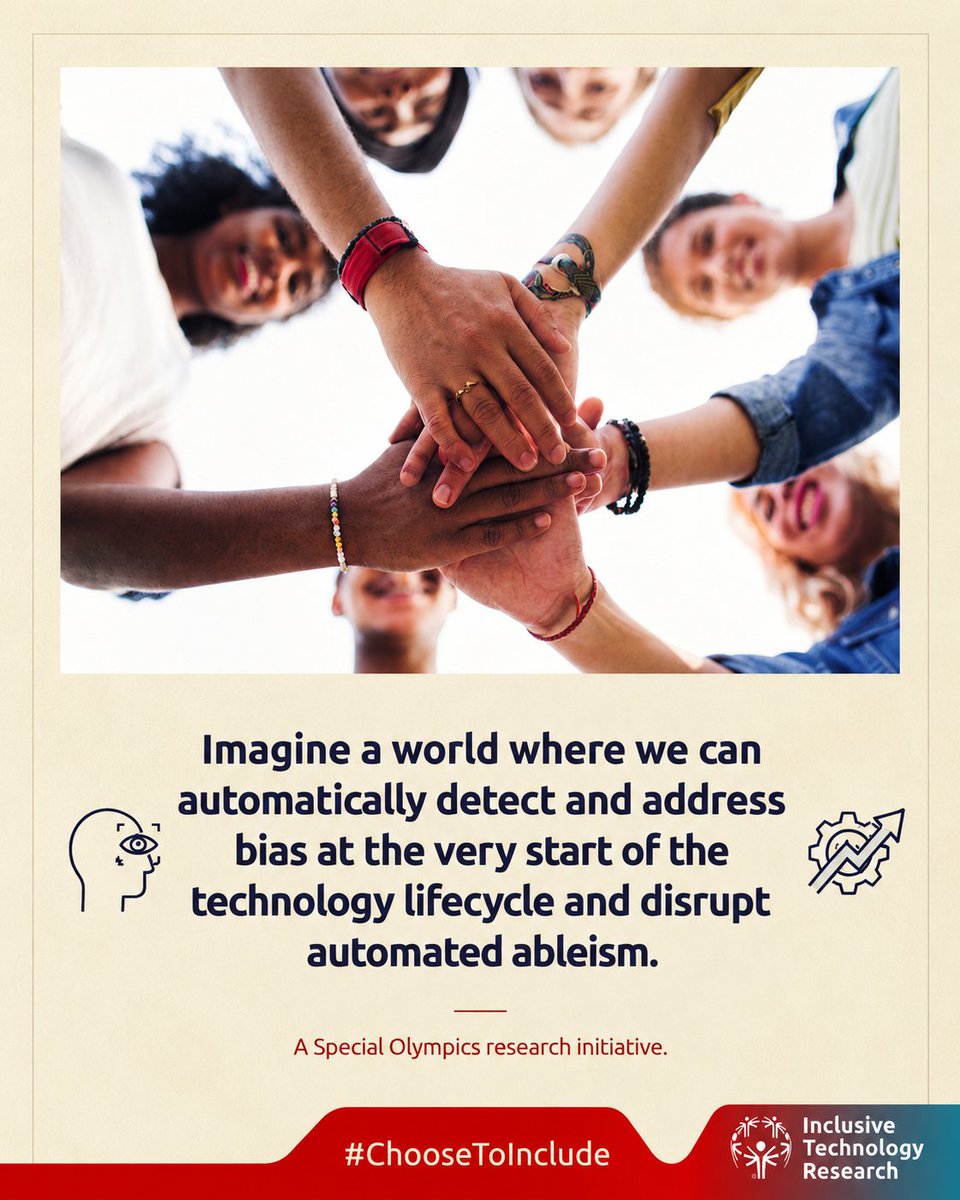
AI is rapidly reshaping our world—but is it building a future that truly includes everyone?
#SpecialOlympics has conducted groundbreaking research at the intersection of technology, accessibility, and inclusion. Stay tuned next week for more! #ChooseToInclude #InclusiveTech
2
5
456

May 22
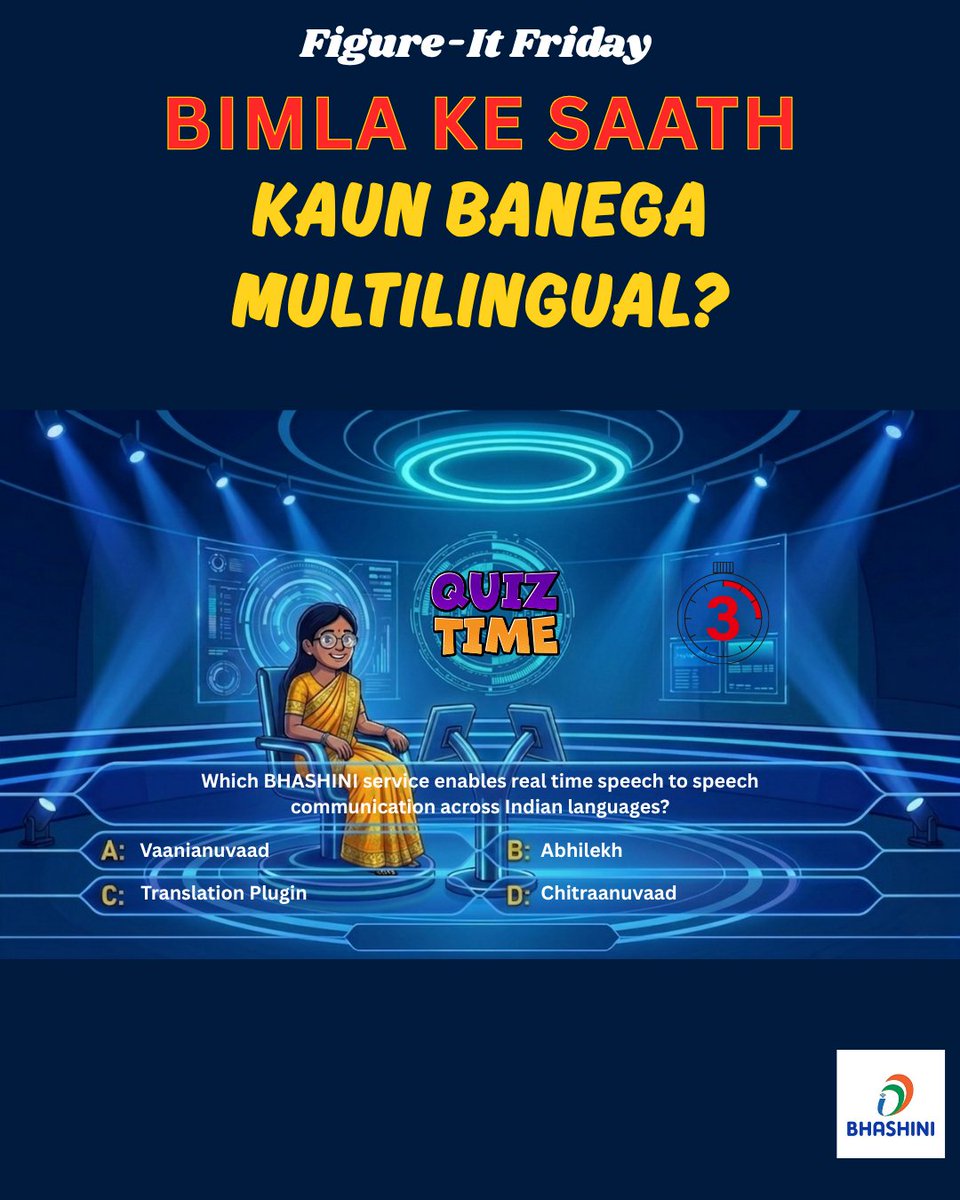
It’s Figure-It Friday 🧩✨
What if conversations could flow seamlessly across Indian languages in real time? 🗣️🌐
Bimla is exploring a BHASHINI service that enables speech-to-speech communication, making multilingual conversations faster, smoother, and more inclusive for everyone. 🎧💬
Can you guess which feature she’s trying today? 👀👇
#FigureItFriday #GuessTheFeature #Bhashini #Vaanianuvaad #MultilingualIndia #SpeechToSpeech #DigitalIndia #InclusiveTech #AIforGood #LanguageTechnology #IndianLanguages
@GoI_MeitY @narendramodi @AshwiniVaishnaw @JitinPrasada @SecretaryMEITY @amitabhnag @spalsi @_DigitalIndia @RajbhashaVibhag @HMOIndia @AmitShah @svembu @Zoho @startupindia @NICMeity @naralokesh @VPIndia @aicofindia @nps_trust @AndhraPradeshCM @PemaKhanduBJP @CMOfficeAssam @ChhattisgarhCMO @CMOGuj @CMOFFICEHP @HemantSorenJMM @CMofKarnataka @CMMadhyaPradesh @CMOMaharashtra @CMOMizoram @CMO_Odisha @RajCMO @CMOTamilnadu @TelanganaCMO @TripuraCMO @UPGovt @pushkardhami @ChiefSecyUP @Chief_Secy_TN @chiefsecy_gok @SecyChief @CSAssam_ @samrat4bjp
1
3
2
137

May 22
"When we say that we have to make models the African way, it means that we have to make security the African way, we have to make authenticity the African way... when I build a system, I still have to worry about how people interact with the system."
This was one of the powerful insights shared by Olamide Shogbamu @theSHOGBAMU , our Project Coordinator, AI Technical Delivery, during a panel session at the @ICT4DConference in Nairobi, Kenya, on “Voice as the Next Frontier for Inclusive Conversational AI in Low-Resource Language Contexts.”
He highlighted an important reality when asked about the things that keep him awake at night when it comes to Voice AI: building impactful AI goes beyond infrastructure. It requires a deep understanding of human behavior, culture, trust, and localized interactions.
Security and authenticity are not afterthought; they are foundational to creating AI systems people can truly rely on.
Proud to see our team shaping conversations around inclusive and human-centered AI for Africa and beyond.
@TechChange @ChristianRelief @LindaRafter @carlosyerena @ReachHealth @Absa @AfricanAi @AbtGlobalImpact @black_in_ai @ViamoGlobal @DataKind @gatesfoundation @envylabs
#ICT4D2026 #ConversationalAI #InclusiveTech #AfricanInnovation #ArtificialIntelligence
2
20
112

Today is Global Accessibility Awareness Day. Year 15.
I’ve had cerebral palsy my whole life. I’ve also spent my career at one of the biggest tech companies on the planet. Those two facts aren’t in tension. They’re the point.
I’ve spent the last part of my career making sure technology works for everyone. Voice Access lets me run a team. Copilot drafts, summarizes, and clears the noise so I can focus on what I actually do best.
That’s not accommodation. That’s empowerment.
There are over one billion people on this planet living with a disability.  One billion people who deserve technology that was designed with them in mind, not retrofitted after the fact.
Here’s what still keeps me up at night though. We treat users without disabilities proactively. We design for them early, with intention, because we want their loyalty. We treat users with disabilities reactively. We wait for complaints. We wait for lawsuits. We wait.
Until we have equality in perspective, we will always be playing catchup.
This year’s GAAD theme is “Design, Develop, Deliver.”  I love that. Because accessibility isn’t a checkbox at the end of the process. It’s a decision you make at the beginning. Every sprint. Every design review. Every product conversation.
The technology exists. The capability is there. What we need is the will.
So today, don’t just post about accessibility. Talk to someone on your team about it. Ask where disability was considered in your last product decision. Start the conversation.
That’s how change actually happens. Not from the top down. From people who refuse to wait.
If this resonates with you, I wrote a whole book about it. Leading with Imperfect Feet is available now for pre-order on Amazon, Barnes & Noble, Bookshop.org, and Indigo. It’s the story of a kid with CP who refused to wait — and what he learned along the way.
Happy GAAD. Let’s build something worth being proud of.
#GAAD #GlobalAccessibilityAwareness #Accessibility #InclusiveDesign #DisabilityInclusion #LeadingWithImperfectFeet #A11y #MicrosoftAccessibility #InclusiveTech #Empowerment
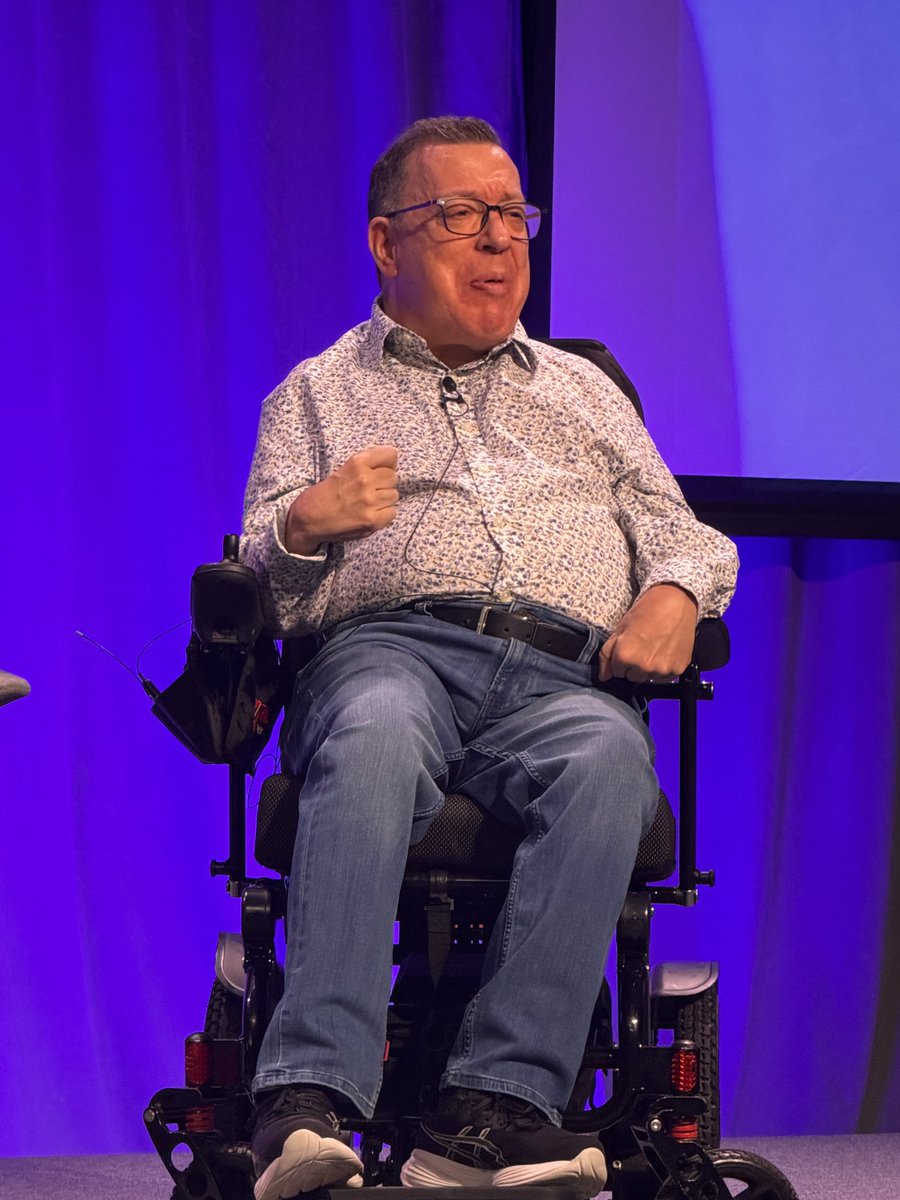
ALT Here’s the alt text: Dave Dame speaking on stage, seated in his power wheelchair, gesturing with a raised fist while mid-sentence. He is wearing a floral button-up shirt and jeans against a vibrant purple backdrop.
1
5
175

May 20
Most AI is built for the “average” user. Neurodivergent people are expected to adapt.
At MindyCore, we build AI for neurodivergent minds
Adaptive communication, low-stimulation design, accessibility by default.
AI should adapt to people 🤍
#Neurodiversity #InclusiveTech
2
5
136

For decades, no one asked whether a screen reader gave a blind professional an unfair advantage when they worked on par with sighted colleagues who had to scroll through a document with their eyes.
No one suggested that text-to-speech software made a professional’s work less their own.
No one said a dictation tool was a shortcut.
Those tools were called accessibility for a reason. They were celebrated. They were the reason people could work at all.
Now someone with ADHD uses AI to organise a scatter of thoughts into a coherent paragraph. A person with cerebral palsy uses it to bridge the gap between what their mind constructs at full speed and what their hands can physically produce. A neurodivergent writer uses it to translate inner complexity into a form the world will accept without question. And suddenly there is a question on the table that was never on the table before: is this an unfair advantage?
Let us answer that.
A wheelchair ramp does not give a wheelchair user an unfair advantage over someone who can climb stairs. It gives them the same destination. An unfair advantage would be arriving somewhere the stair-climber cannot reach at all. The ramp simply removes a barrier that should never have existed.
AI, for a person whose neurological wiring means thoughts move faster than conventional sentence structure can contain them, is a ramp. For someone with a motor disability who cannot type at the speed their mind works, it is a ramp. For a person with cerebral palsy whose communication demands effort that a non-disabled person will never be asked to account for, it is a ramp.
The research is not ambiguous. Neurodivergent people are already using generative AI daily, not to gain an edge, but to manage brain fog, regulate how their communication lands, break large tasks into steps their executive function can handle, and translate what they know into a form the world will accept. This is not cheating. This is access.
What is actually happening when we single out AI as uniquely suspicious, while ignoring spellcheckers, dictation software, grammar tools, and human editors, is that we are drawing a line that falls, with uncomfortable precision, on the people who need the most support.
Part of what drives this misunderstanding is a fundamental mistake about what AI actually is. A Substack writer once compared using AI to Van Gogh having a magical canvas: he thinks of the moon, and it appears, fully painted, without effort or decision. That image tells you everything about what people who have never used AI believe it does. AI is not a magical canvas. It is not a search engine that retrieves finished thought. It does not write by itself, does not create without sustained human intervention, and produces nothing of value without the direction, correction, judgment, and craft of the person working with it. For a neurodivergent writer using it to organise a cascade of thoughts, or a person with cerebral palsy using it to close the gap between what their mind produces and what their hands can deliver, AI is a tool that demands as much of them as any other tool. The moon does not appear because someone thought of it. It appears because someone worked for it.
Accessibility is not an unfair advantage. It is the correction of an unfair disadvantage that was there long before AI arrived. The work is theirs. The tools simply got them to the desk.
#AIandDisability #NeurodiversityAtWork #AssistiveTechnology #CerebralPalsy #AccessibilityMatters #InclusiveTech #AIAccessibility #NothingAboutUsWithoutUs
2
604

May 14
As AI becomes part of everyday work and life, the conversation is shifting from capability to responsibility. The future of technology will depend not only on how advanced it becomes, but on how fair, inclusive, and human-first it remain.
#ResponsibleAI #HumanFirstTech #AIEthics #InclusiveTech #EverydayAI
85

May 13
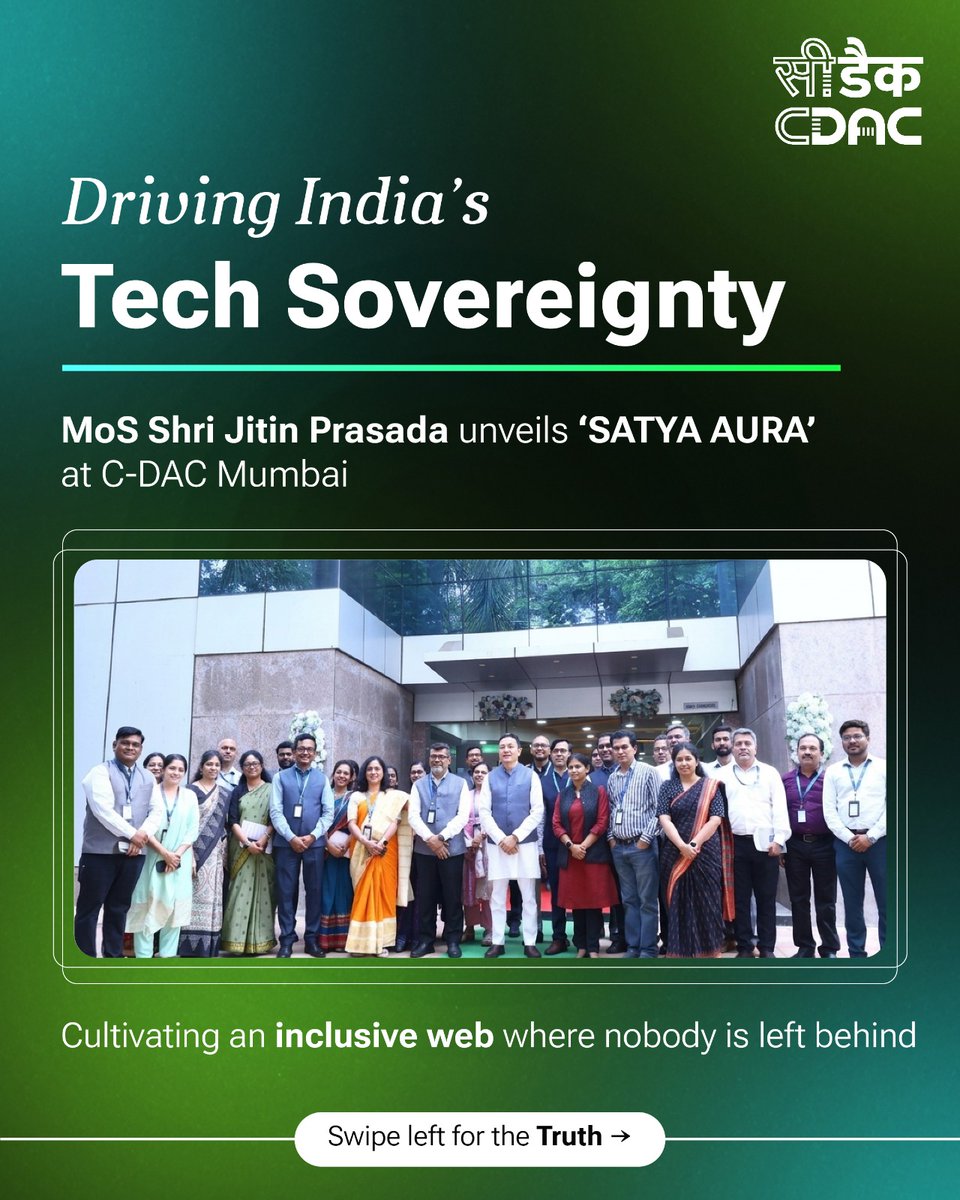
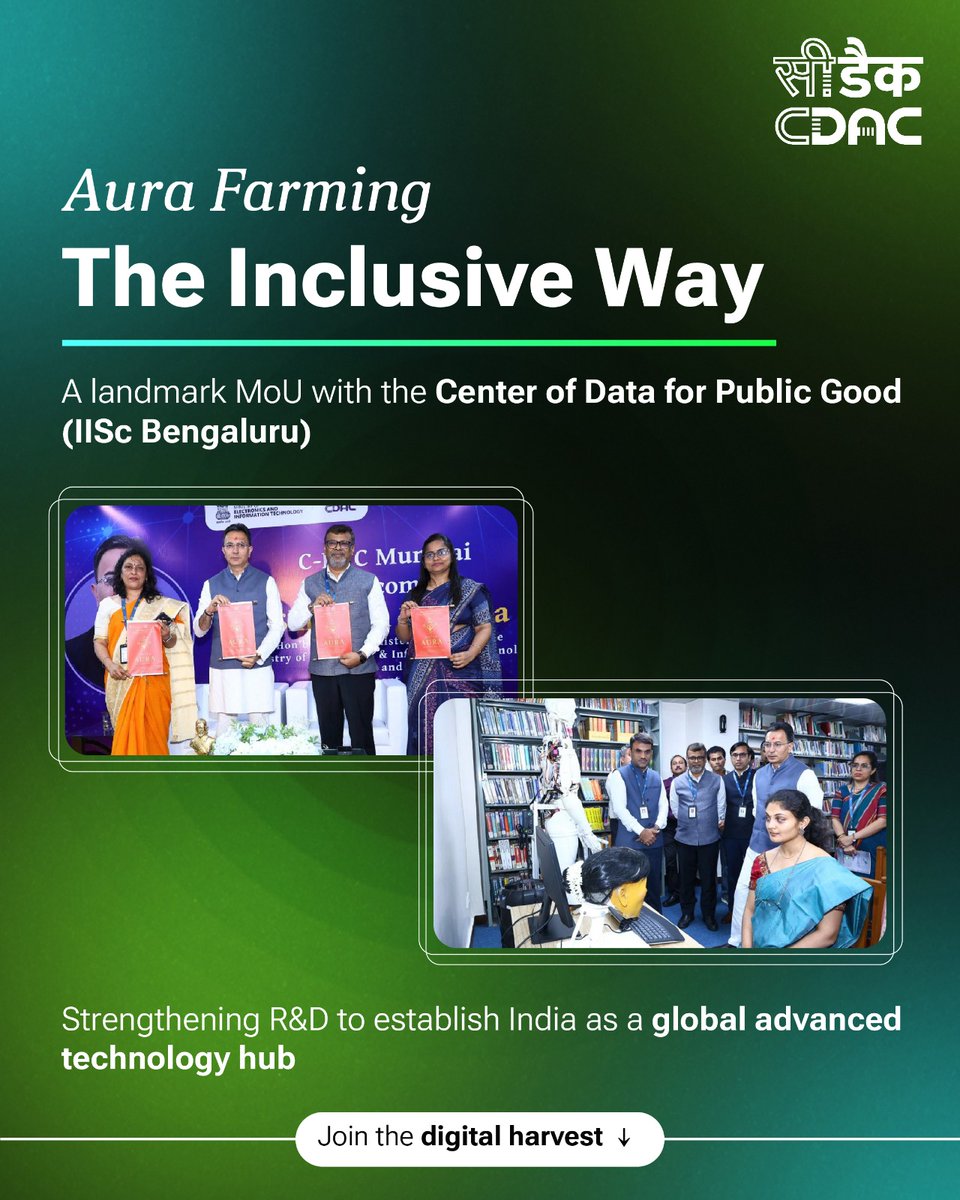
📊Cultivating Inclusivity with SATYA AURA 🤝
Hon’ble MoS Shri @JitinPrasada launched ‘SATYA AURA’ at @cdacindia Mumbai. It’s a new way to "farm" inclusivity: making the web seamless for senior citizens and those with diverse needs.
#SatyaAura #AuraFarming #InclusiveTech #ViksitBharat #DigitalIndia #Innovation
6
240

May 11
'Technology works best when it's designed for everyone...' 👋👇#inclusivetech

This #NationalTechDay, we reached out to members of our customer and partner network, working closely on community impact, to understand what inclusion in tech means to them.
Their answers were thoughtful, honest, and a reminder that technology works best when it’s built for everyone.
Here are a few perspectives that stayed with us. 🧵💛
2
18

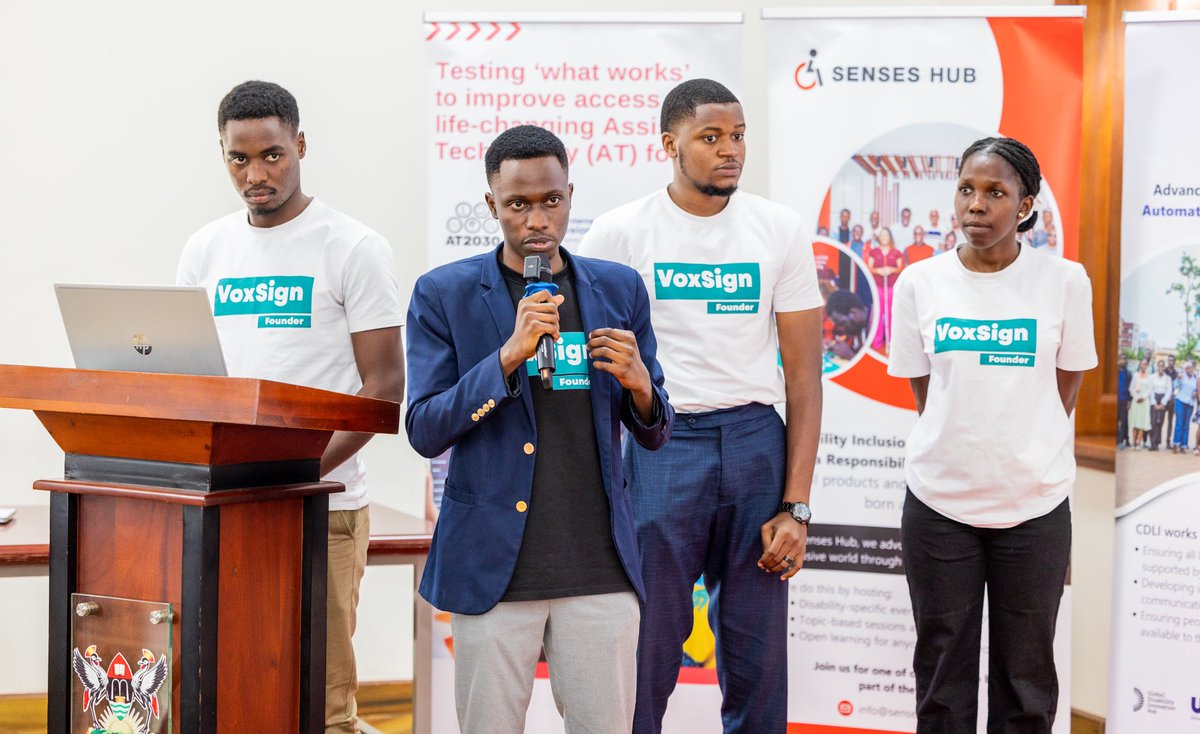
Excited to have participated in the Inclusive Speech Technology Innovation Sprint Demo Day, where innovators, researchers, and people living with speech impairments came together to co-create more inclusive speech technologies. #inclusivetech #Ugandatech #innovationsprint #AI
4
19

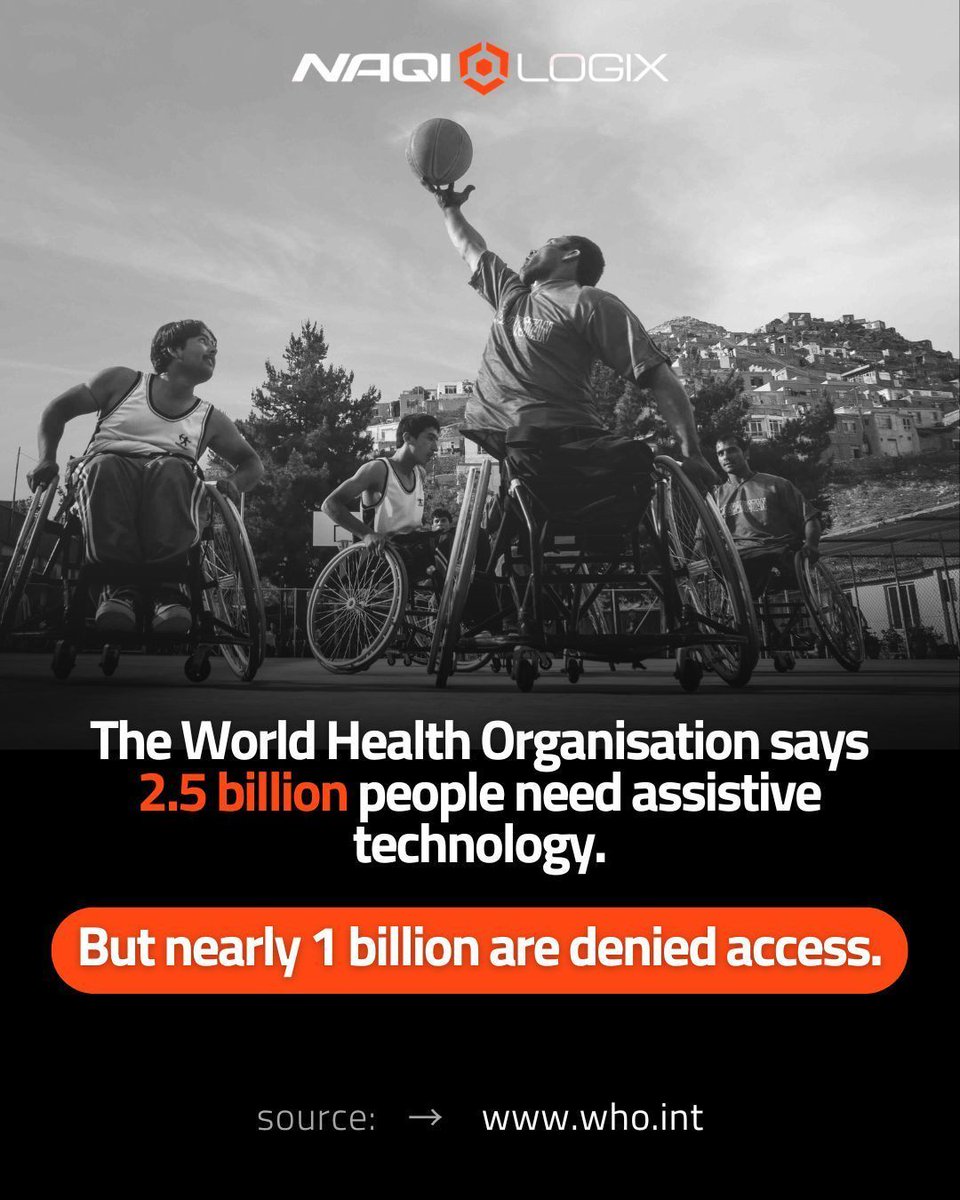
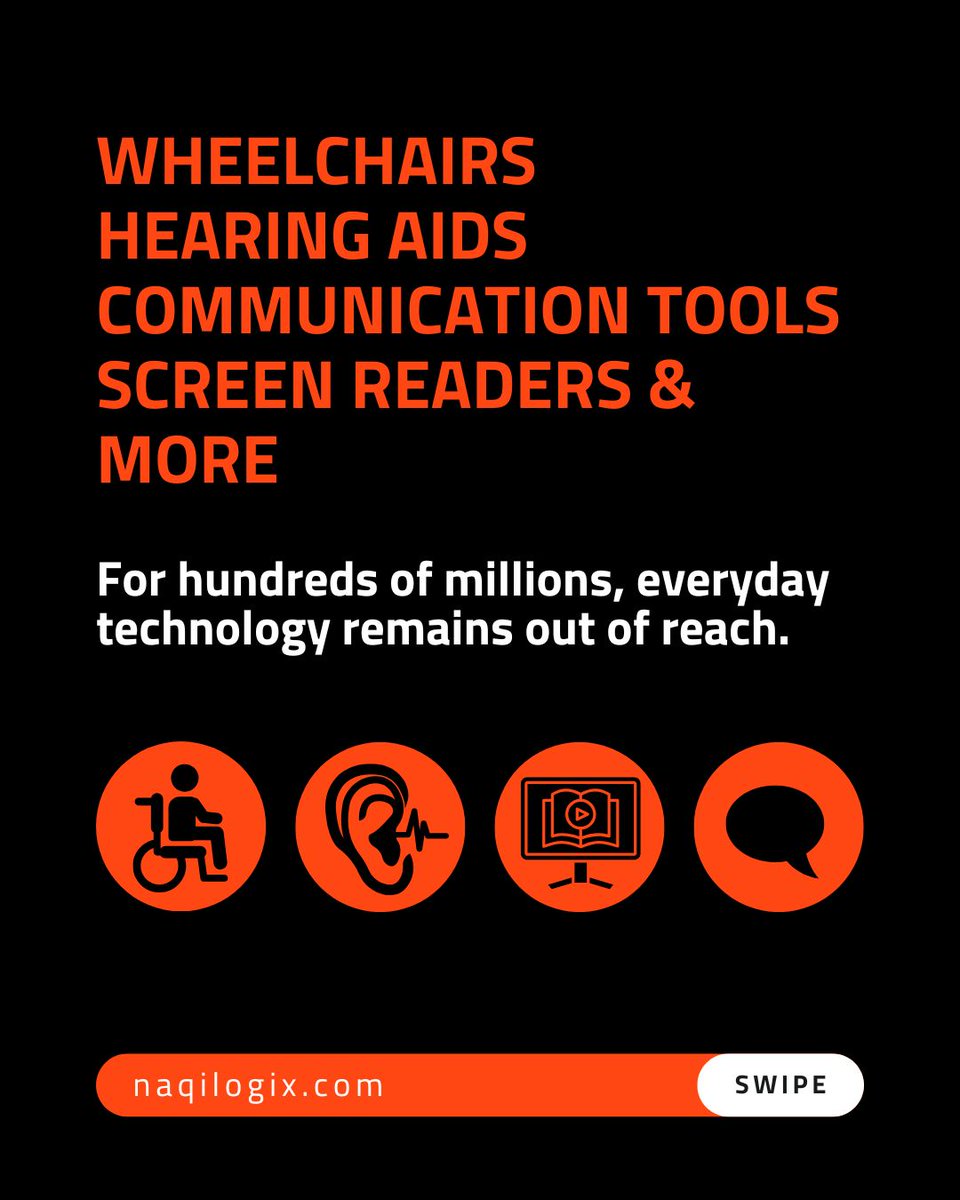
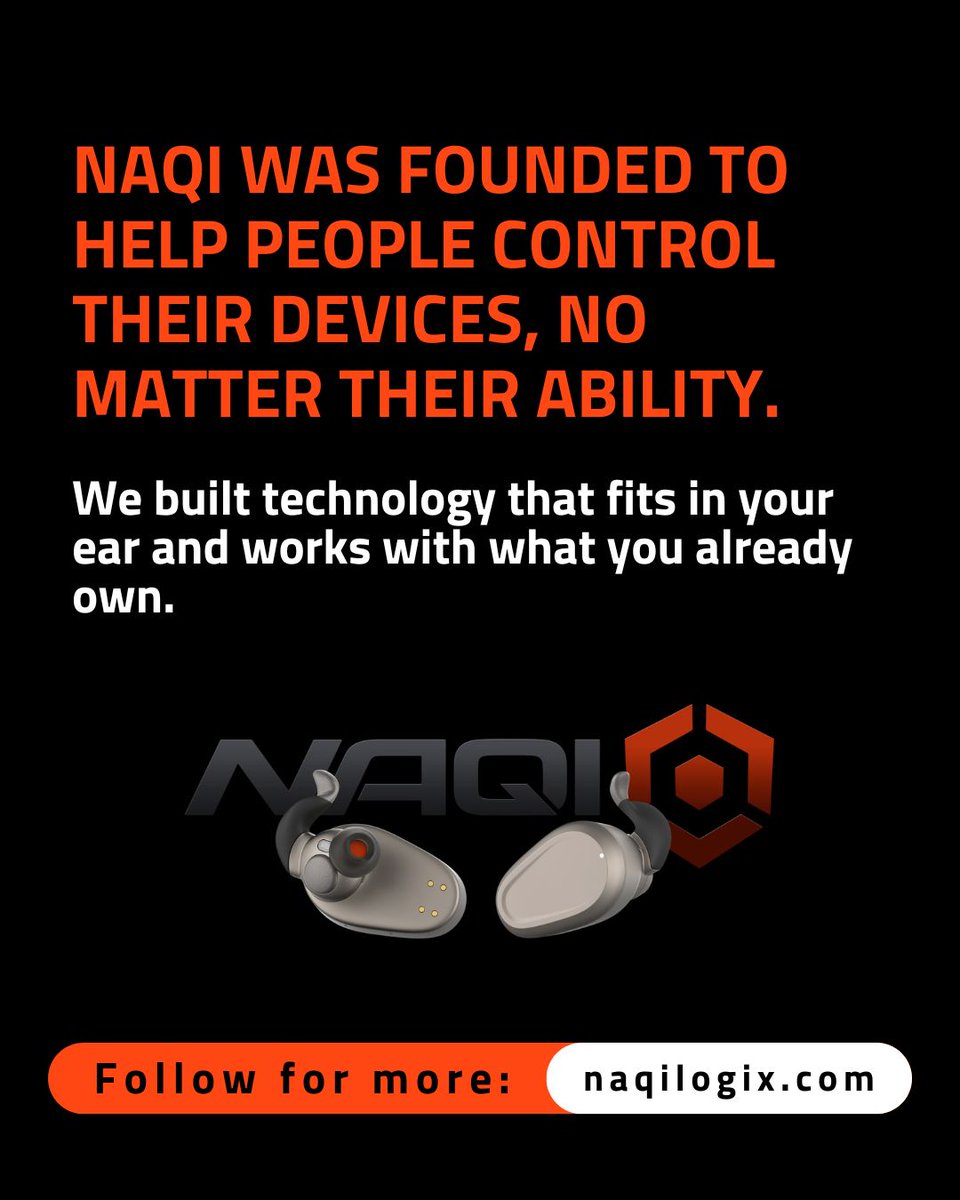
2.5 billion people need assistive technology.
But do you know how many still are denied access?
Naqi is built to help close that gap.
Follow @naqilogix to support us in our mission
#naqilogix #accessibility #assistivetech #inclusivetech #who
2
10
May 8
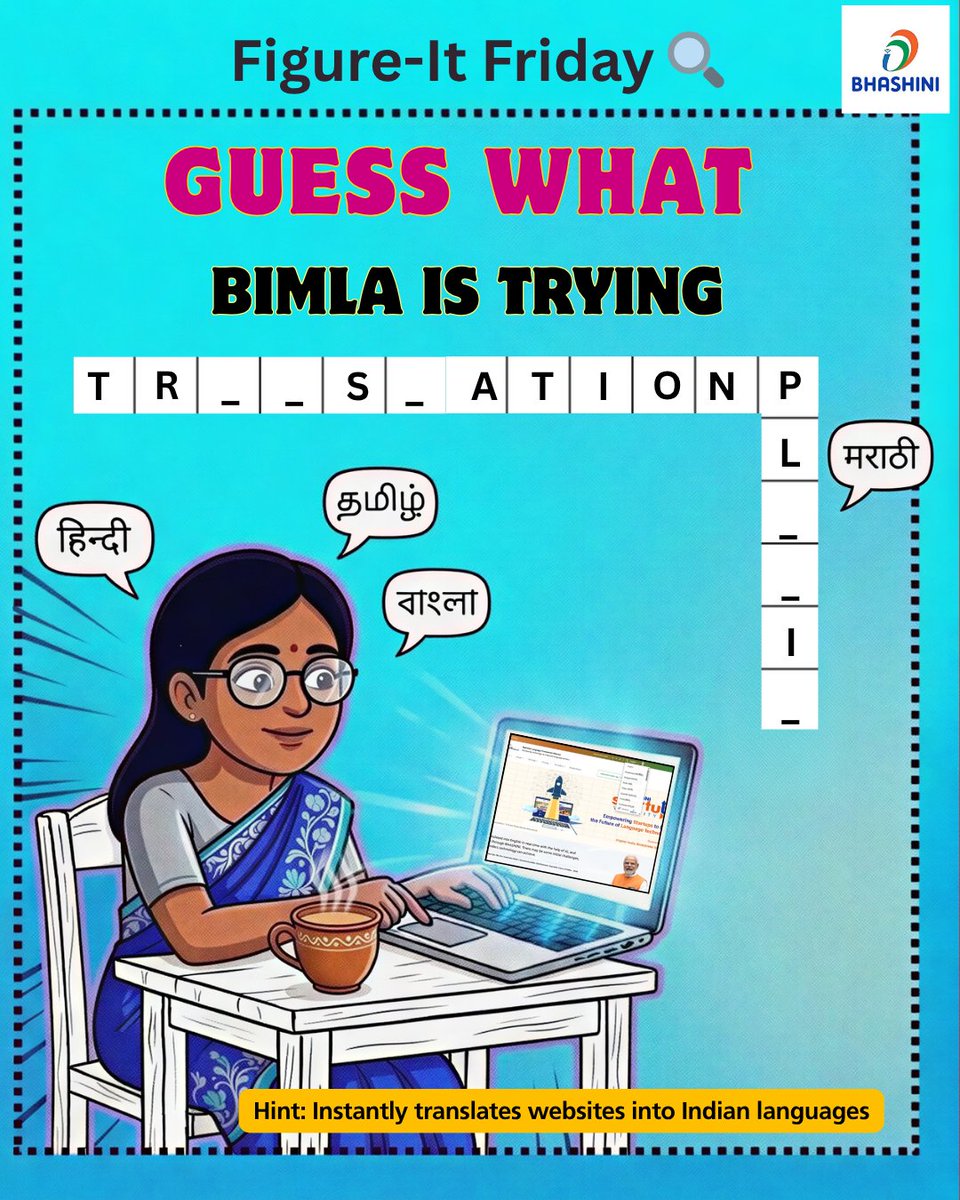
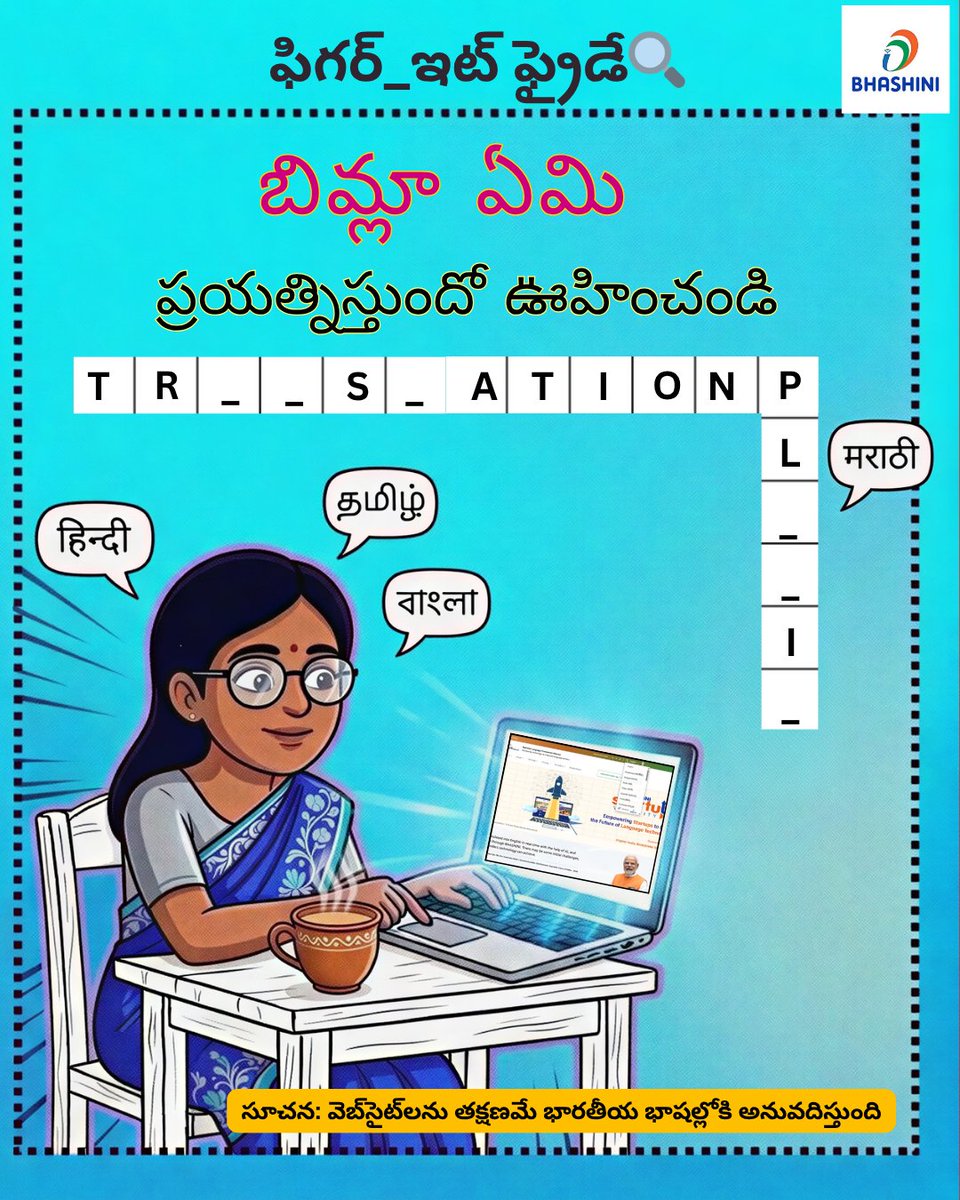
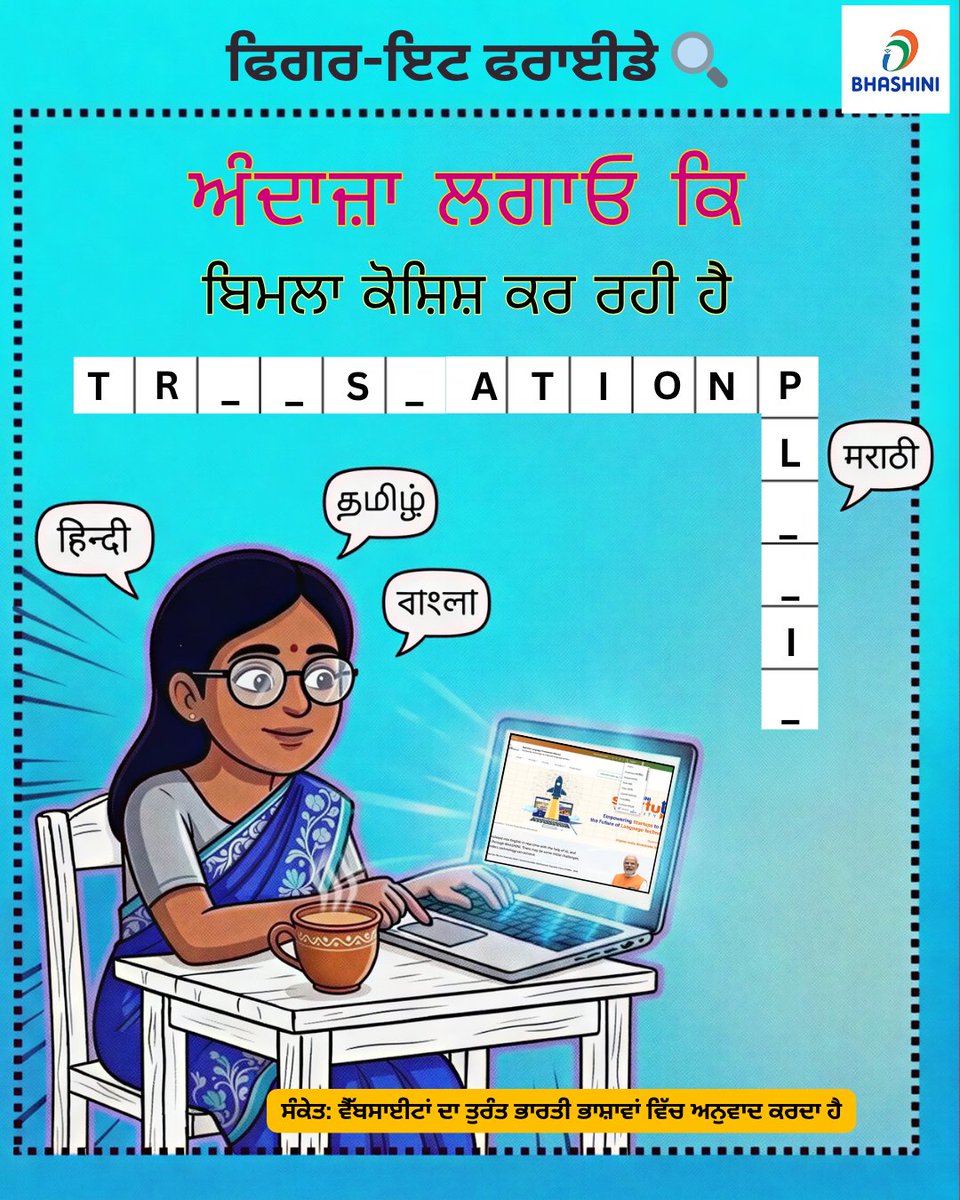
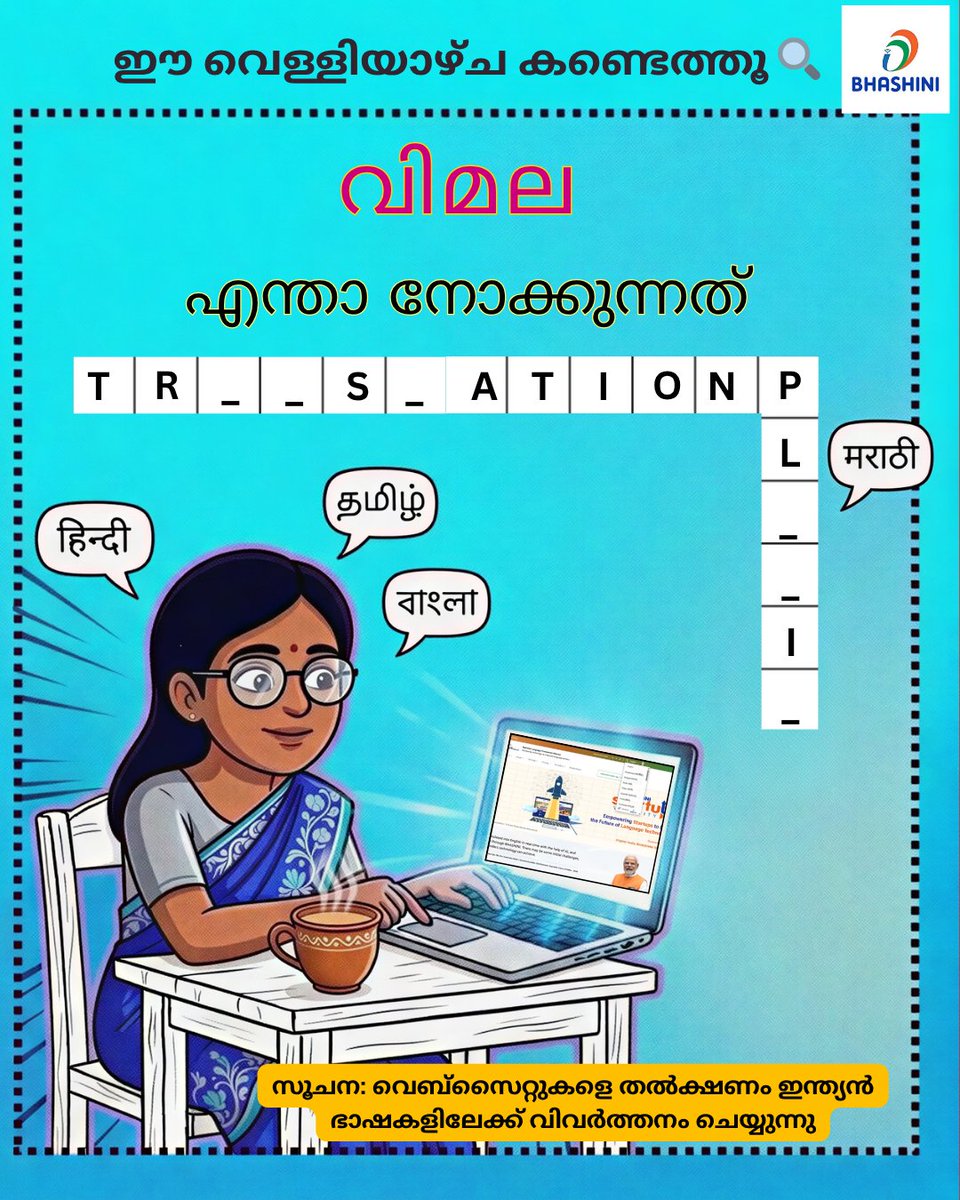
It’s Figure-It Friday 🧩✨
What if every website could speak your language? 🌐💬
Bimla is exploring a feature making digital platforms more multilingual, inclusive, and accessible for everyone. Can you guess what she’s trying today? 👀👇
#FigureItFriday #GuessTheFeature #TranslationPlugin #Bhashini #DigitalIndia #MultilingualIndia #InclusiveTech #AIforGood #AccessibleTech #LearnInYourLanguage
@Gol_MeitY @narendramodi @AshwiniVaishnaw @JitinPrasada @SecretaryMEITY @amitabhnag @rajawat_ind @spalsi @_DigitalIndia @RajbhashaVibhag @HMOIndia @AmitShah @svembu @Zoho @startupindia @NICMeity @naralokesh @VPIndia @aicofindia @nps_trust @AndhraPradeshCM @PemaKhanduBJP @CMOfficeAssam @ChhattisgarhCMO @CMOGuj @CMOFFICEHP @HemantSorenJMM @CMofKarnataka @CMOKerala @CMMadhyaPradesh @CMOMaharashtra @CMOMizoram @CMO_Odisha @RajCMO @CMOTamilnadu @TelanganaCMO @TripuraCMO @UPGovt @pushkardhami @ChiefSecyUP @Chief_Secy_TN @chiefsecy_gok @SecyChief @CSAssam_ @samrat4bjp
1
2
2
109

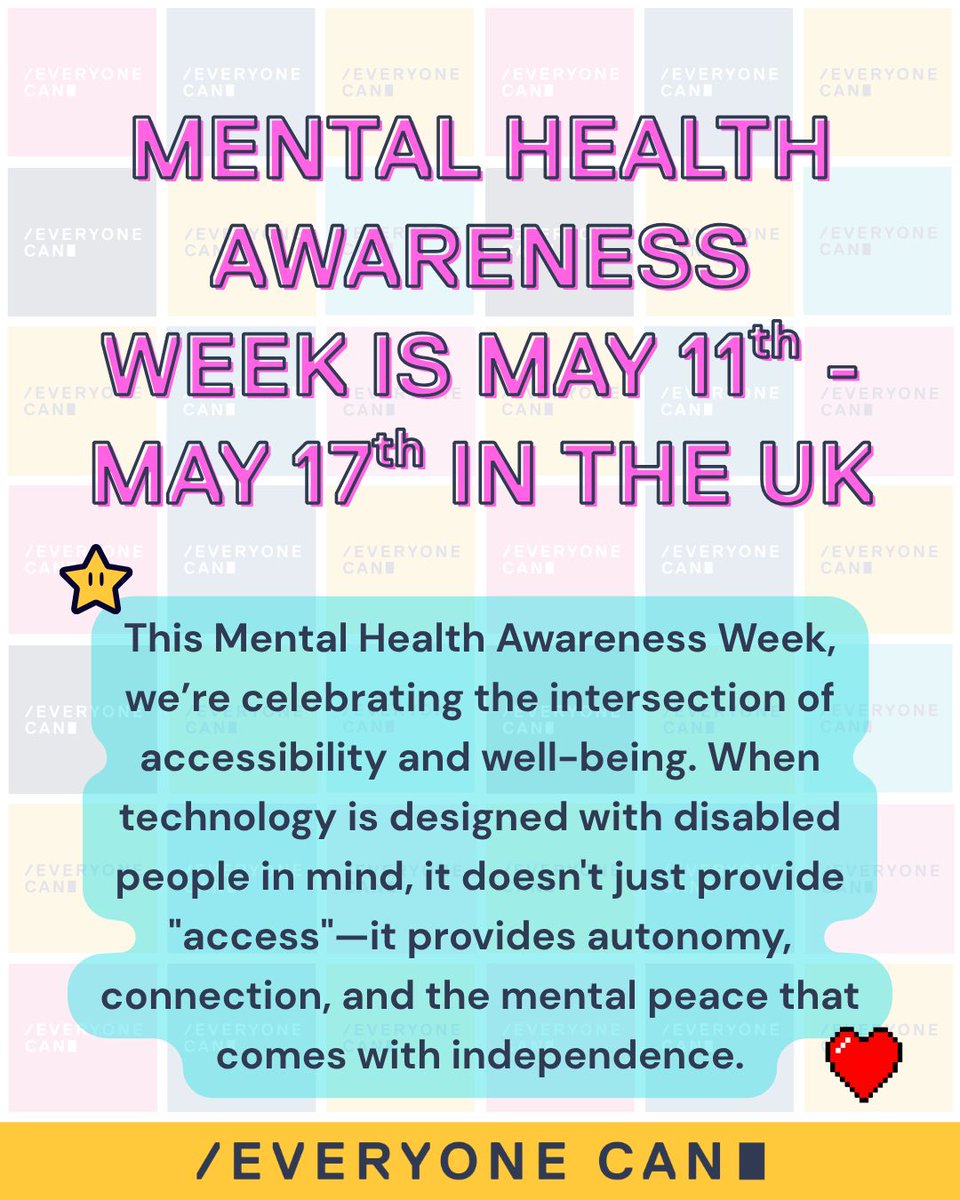
This Mental Health Awareness Week, we’re celebrating the intersection of accessibility and well-being. When technology is designed with disabled people in mind, it doesn't just provide "access"—it provides autonomy, connection, and the mental peace that comes with independence.
#MentalHealthAwarenessWeek #MentalHealthAwarenessMonth #TechForGood #DisabledAndCapable #InclusiveTech #GamingForEveryone #AssistiveTechnology #MentalHealthMatters #DigitalInclusion #AccessIsLove #DisabilityCommunity #SocialImpact #Equality #EveryoneCan
4
5
131

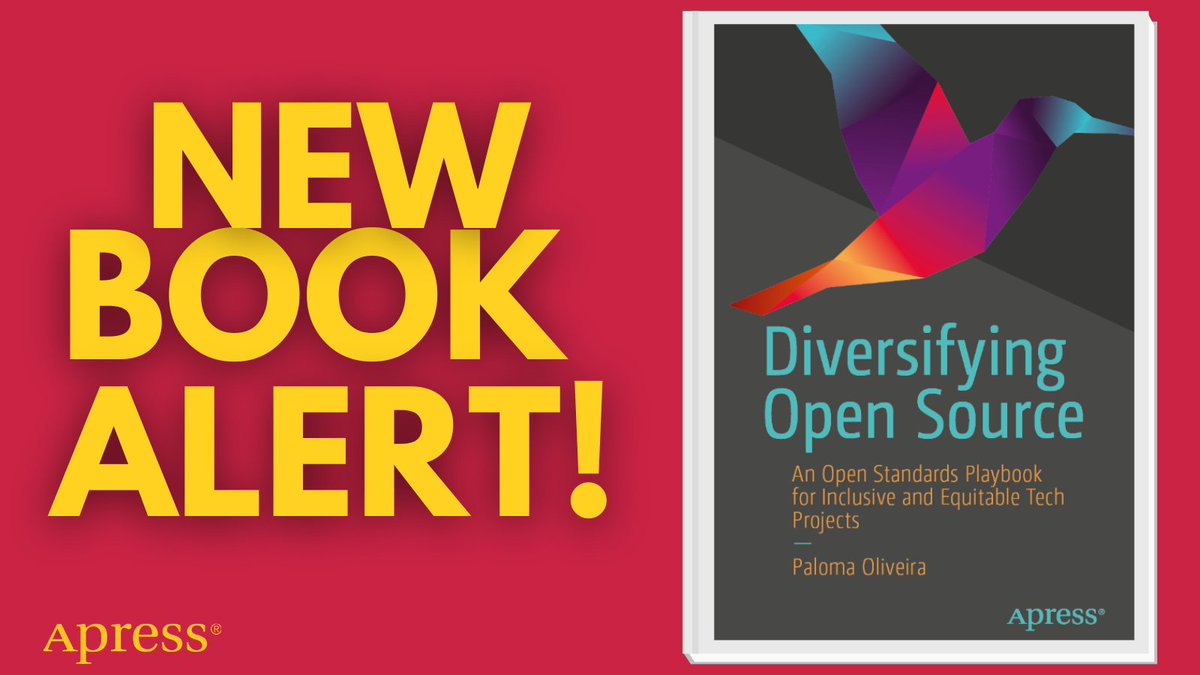
Open source thrives on collaboration—but who gets to participate? This new playbook by @pcultural explores how open standards can drive equity, broaden representation, and build healthier digital ecosystems. ✨ #OpenSource #OpenStandards #InclusiveTech
🔗 ow.ly/lEel50Yol15
3
122