
Jan 29
Multisector Innovations to Build Thailand’s Demographic Resilience Future
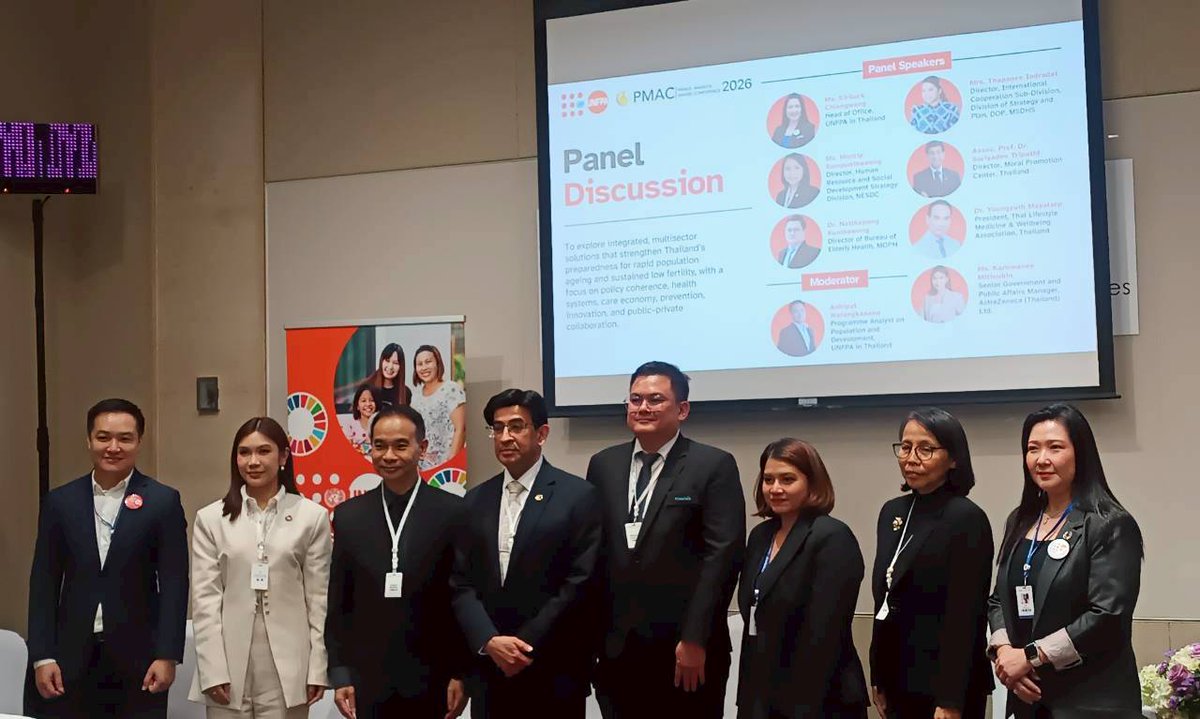
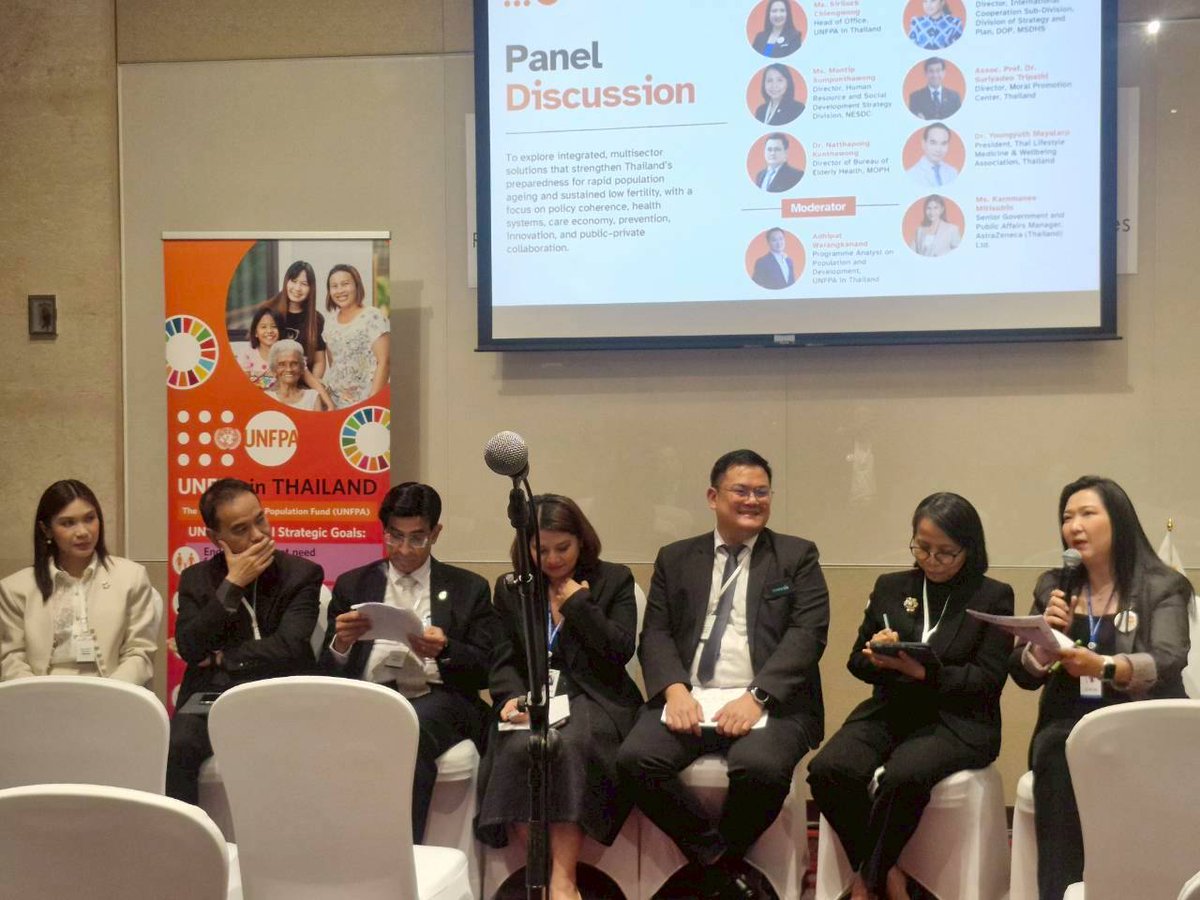
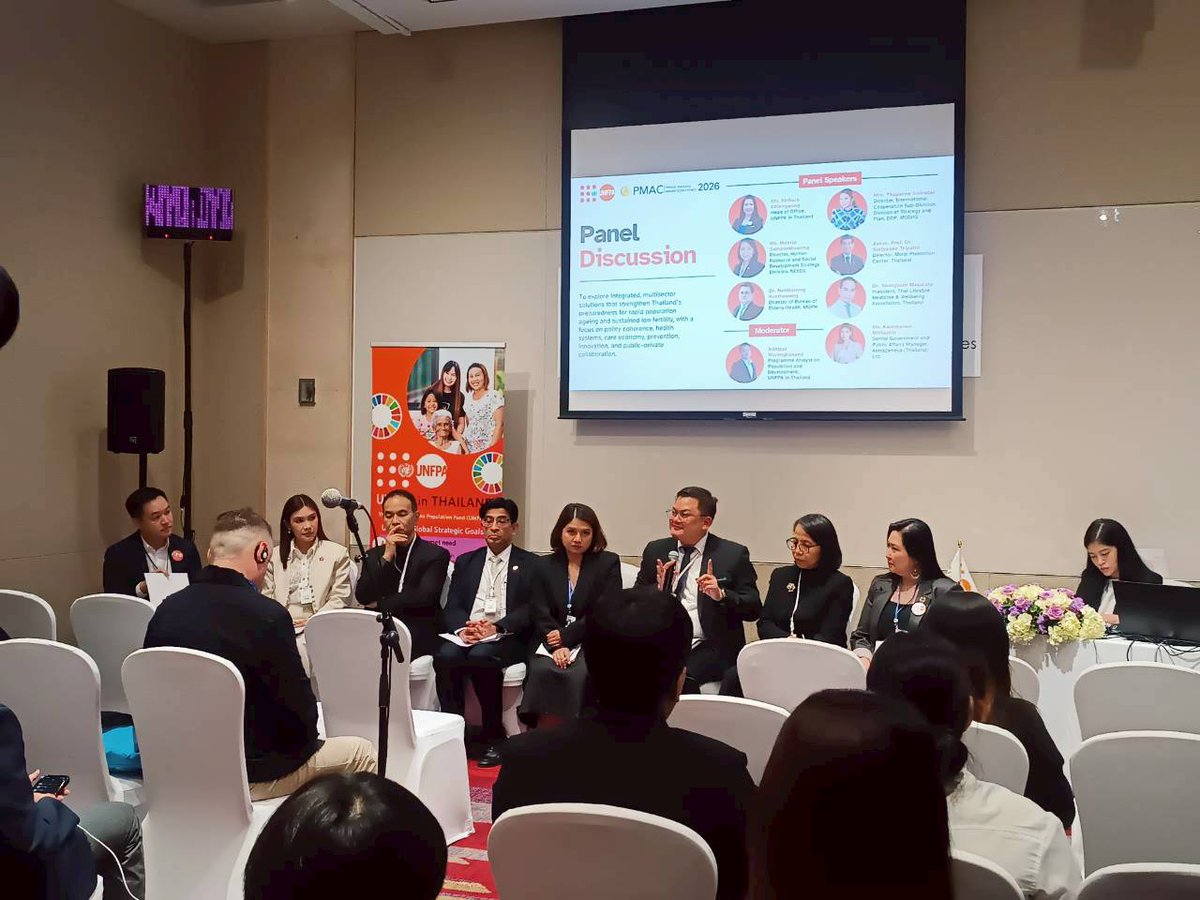
At the Prince Mahidol Award Conference (PMAC) 2026, UNFPA Thailand convened a high-level multisector dialogue on how Thailand can strengthen demographic resilience amid rapid population ageing and sustained low fertility.
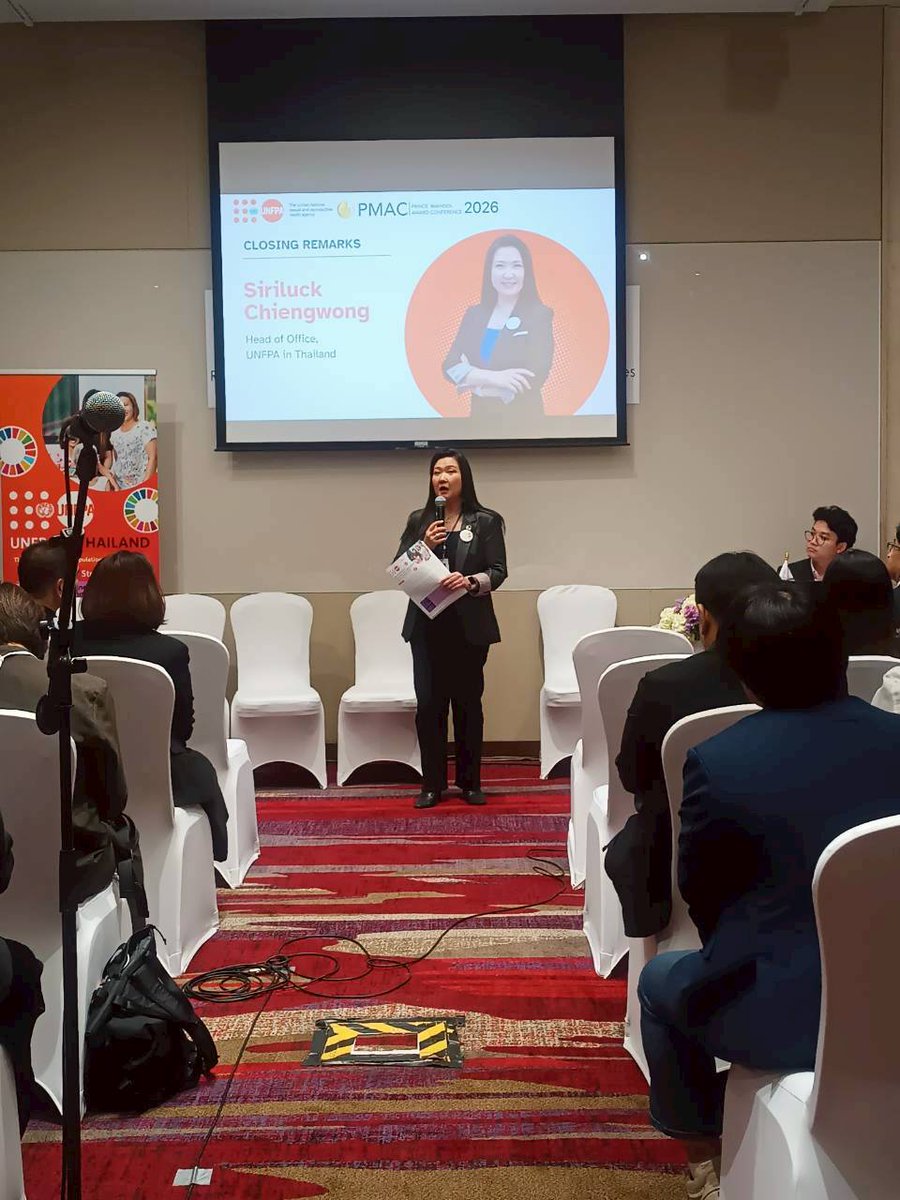
Khun Siriluck Chiengwong, Head of Office, UNFPA Thailand, framed demographic resilience as a life-cycle, rights-based, and multisector agenda—calling for a shift from population size to population quality, grounded in gender equality, healthy ageing, and coordinated public–private action aligned with the 14th National Economic and Social Development Plan (NESDP).
Key takeaway:
🔸Khun Montip Sumpunthawong, Director, Human Resource and Social Development Strategy Division, NESDC – highlighted ageing and workforce decline as binding structural constraints, stressing cross-ministerial coordination and productivity-driven human capital investment.
🔸Dr. Natthapong Kunthawong, Director, Bureau of Elderly Health, Ministry of Public Health – emphasized the urgent transition from acute care to Healthy Ageing across the life course.
🔸Khun Thapanee Indradat, Director, International Cooperation Sub-Division, Division of Strategy and Plan, Department of Older Persons (DOP), Ministry of Social Development and Human Security (MSDHS) underscored rising pressures on families and communities, calling for sustainable community-based long-term care through professionalization and financing innovation.
🔸Assoc. Prof. Dr. Suriyadeo Tripathi, Director, Moral Promotion Center (Public Organization) – linked moral index, behavioral indicators, wellbeing, and behavioral capital to long-term productivity and social resilience.
🔸Dr. Youngyuth Mayalarp, President, Thai Lifestyle Medicine & Wellbeing Association – stressed lifestyle medicine, investment in health from early-life disease prevention, and healthy environments as foundations for healthy longevity.
🔸Khun Karnmanee Mitisubin, Senior Government & Public Affairs Manager, AstraZeneca (Thailand) – highlighted the role of early detection and prevention technologies, including AI, and the need for clear and predictable policy frameworks to scale public–private collaboration.
Thailand’s demographic resilience depends on system readiness—integrating health, care systems, prevention, data, and innovation through sustained multisector partnerships.
As a technical and policy advisor, UNFPA Thailand remains committed to convening evidence-based dialogue and supporting national implementation toward an inclusive, ageing-ready society.
#PMAC2026 #DemographicResilience #LifeCycleApproach #AgeingSociety #EvidenceBasedPolicy #UNFPAThailand
1
3
108
1 Aug 2025
Shaping Policies for a Super-Aged Society Through Rights-Based and Inclusive Care for All Groups, All Genders and All Ages.
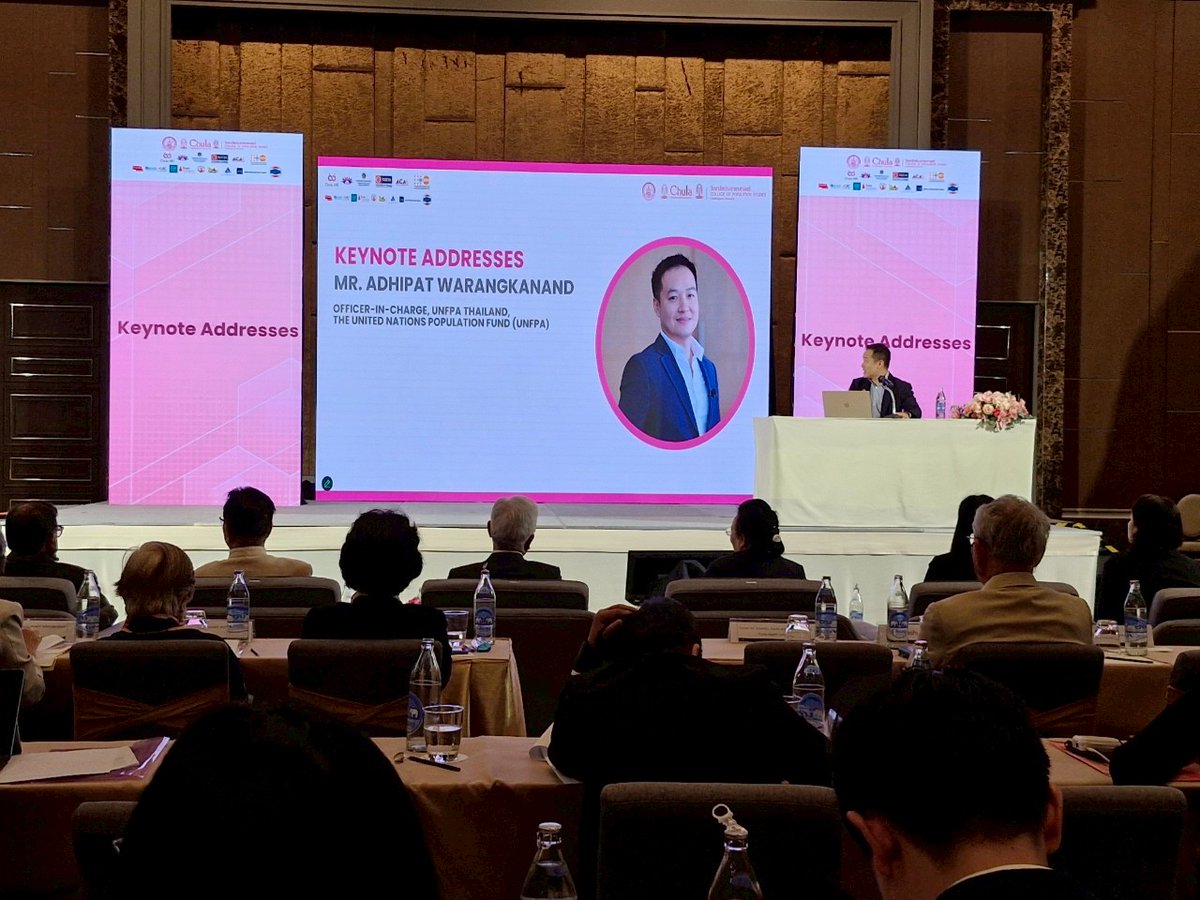
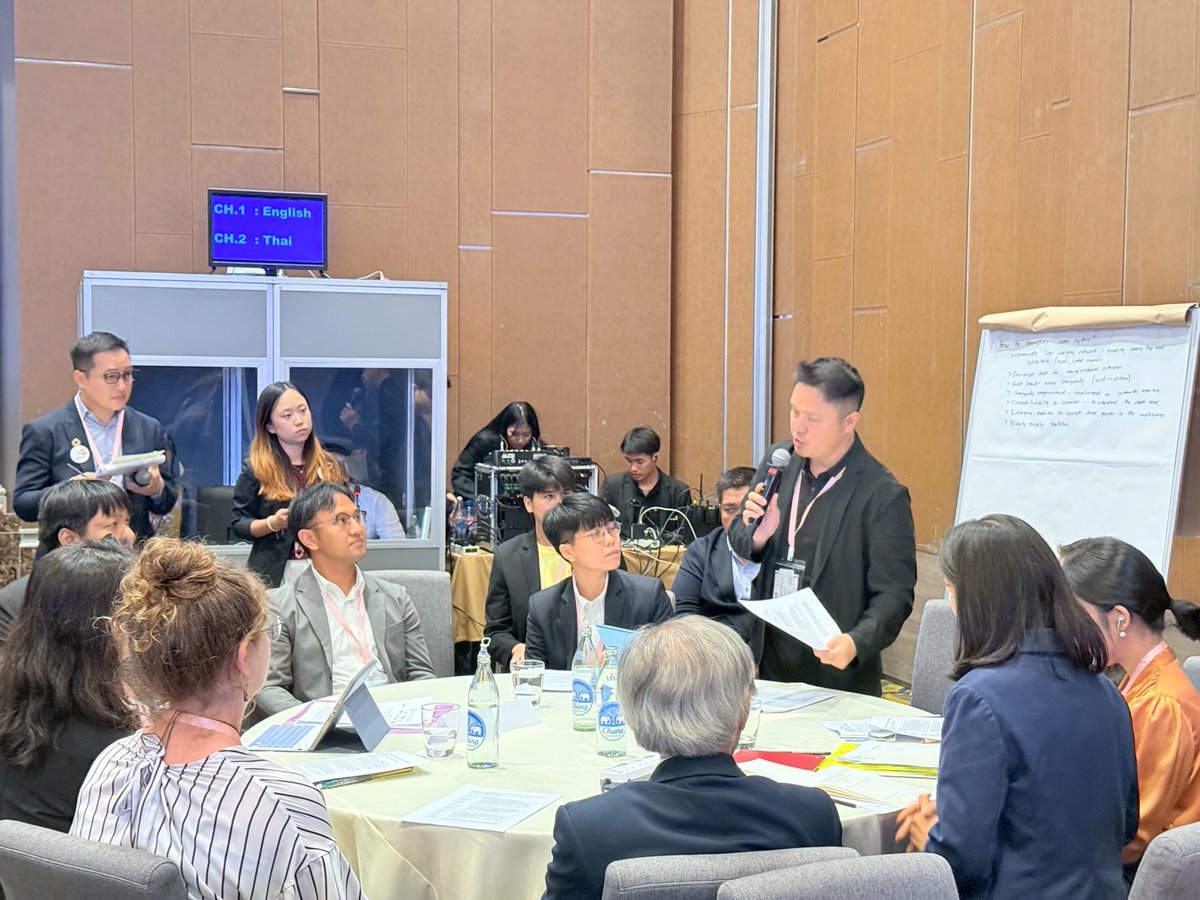
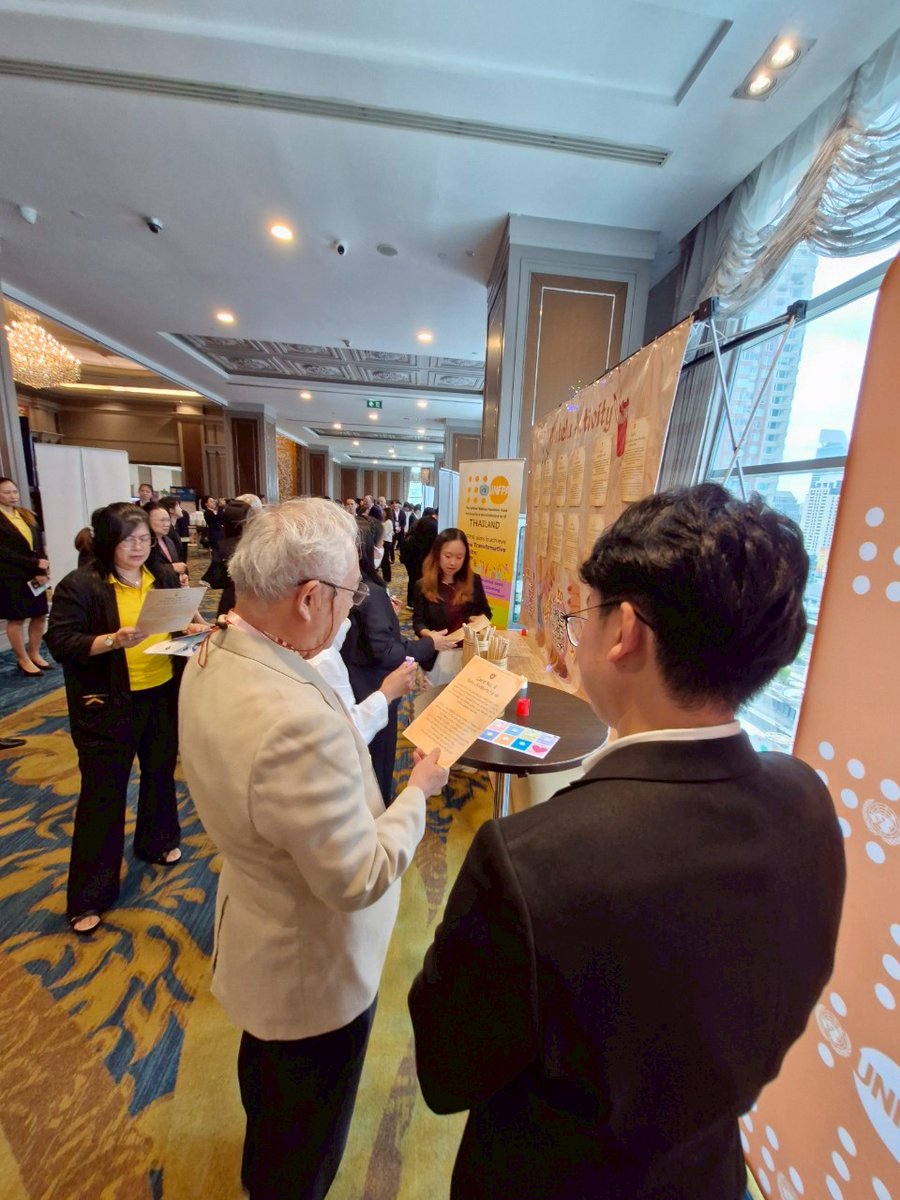
On 31 July 2025, policymakers, experts, and development partners gathered in Bangkok for the International Policy Forum on Super-Aged Society, “Strengthening Inclusive and Equitable Care Systems in the Context of an Ageing Society”, exchanging strategies to ensure that ageing populations can live with dignity, security, and equal opportunities.
The discussions underscored the need for a life-cycle approach to ageing that connects generations, combining gender equality, intergenerational solidarity, and sustainable care systems to build an inclusive society where no one is left behind.
UNFPA Thailand, gave a keynote on “Promoting a Rights-Based and Life-Cycle Approach to Inclusive Care Across Generations” and highlighted how rights-based and people-centered policies—spanning youth empowerment, working-age support, and ageing with dignity—are key to adapting to Thailand’s demographic transition.
As one of the co-hosts of the forum, UNFPA Thailand was proud to join hands with the Department of Older Persons (DOP), Chulalongkorn University, Mahidol University, HelpAge International, Asian Development Bank (ADB), ASEAN Center for Active Ageing and Innovation (ACAI), ASEM Global Ageing Center (AGAC), Health System Research Institute, Alliance on Longevity in Asia-Pacific (ALAP), Tsao Foundation, Social Work Professions Council, Foundation of Thai Gerontology Research and Development institute (TGRI), FOPDEV, Kenan Foundation Asia, and other key institutions in convening this important platform to advance policy reforms, innovative models, and cross-sector strategies for inclusive and equitable care systems.
With a strong focus on intergenerational solidarity, gender equality, and sustainable care, the forum emphasized the urgency of collaborative action to ensure that care is not only accessible, but valued—ensuring no one is left behind in Thailand’s demographic transition.
#SuperAgedSociety #LeaveNoOneBehind #RightsBasedApproach #LifeCycleApproach

2
4
143

23 Jul 2025
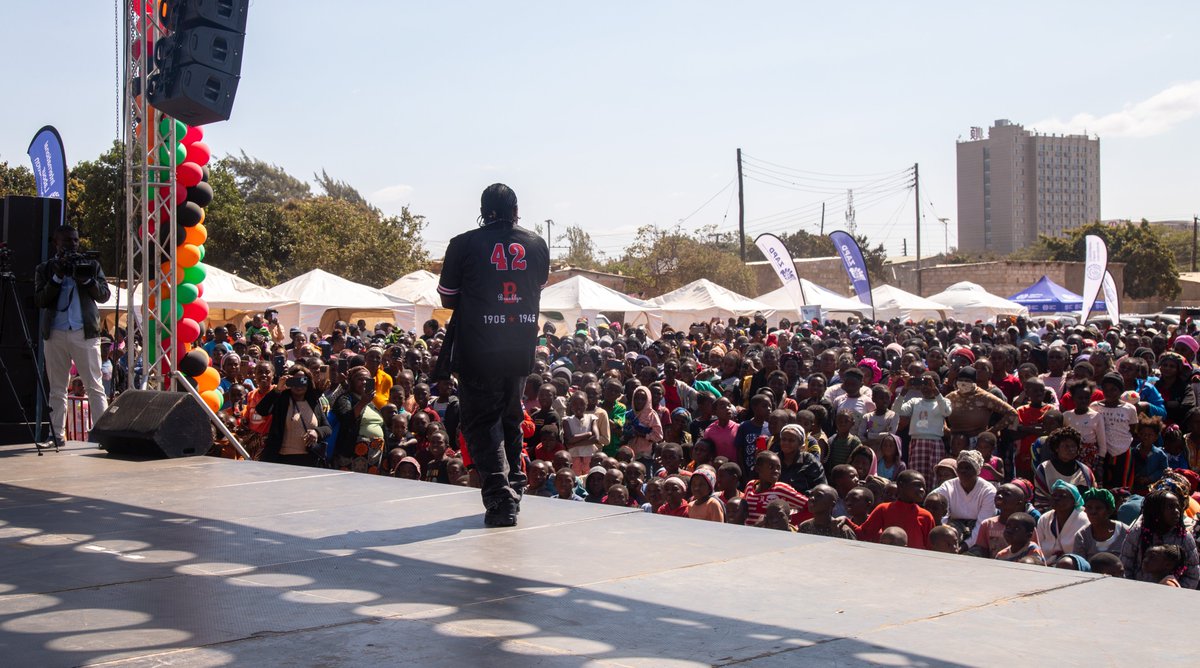
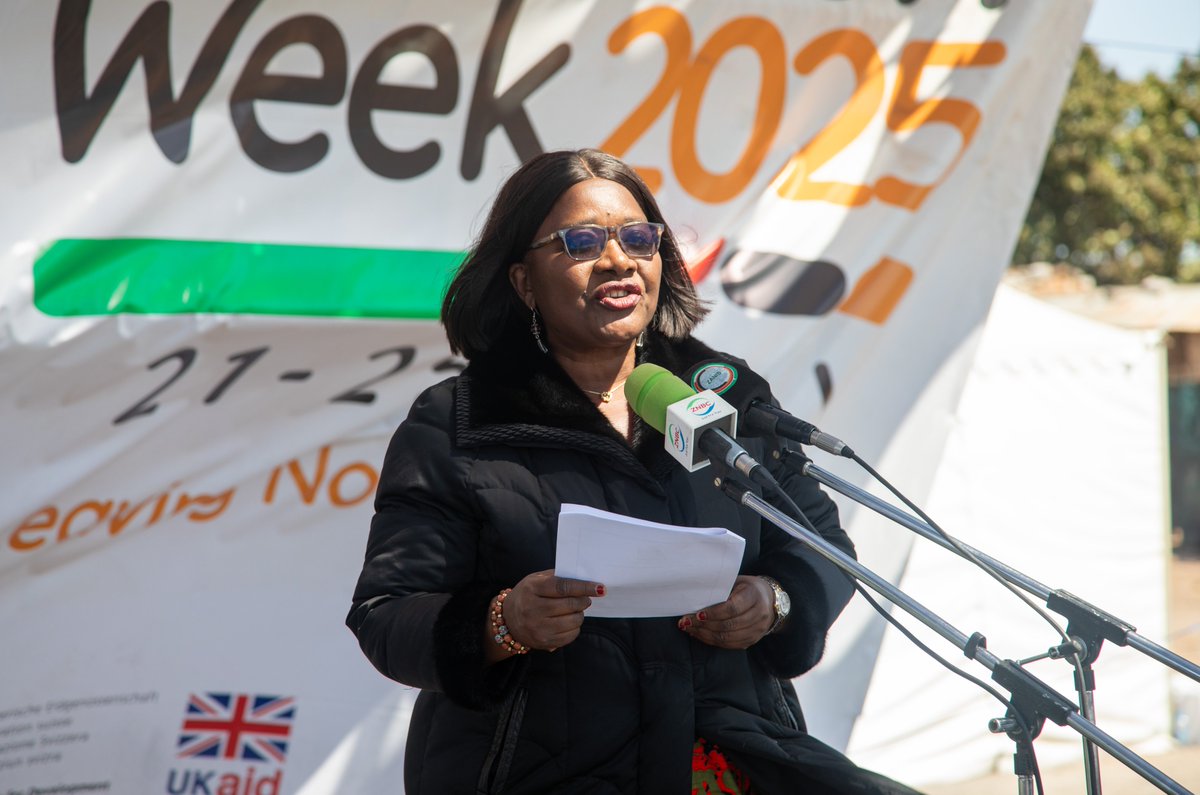
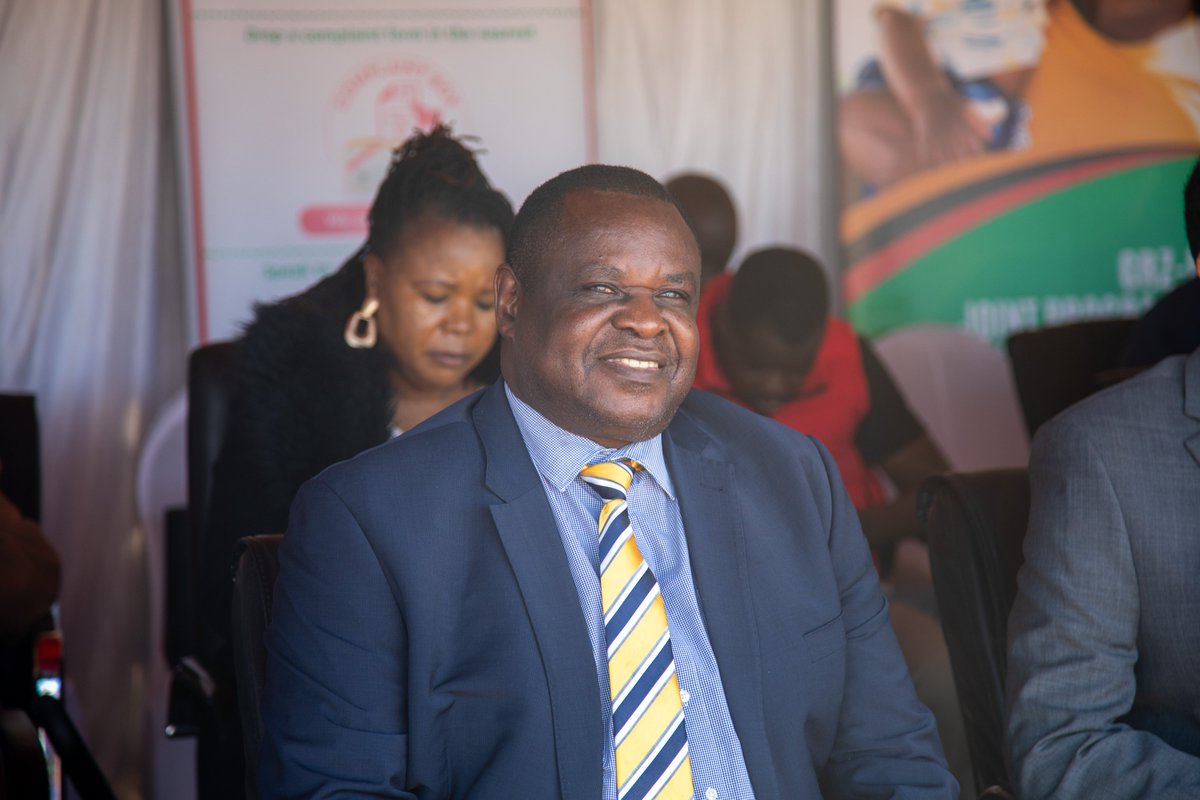
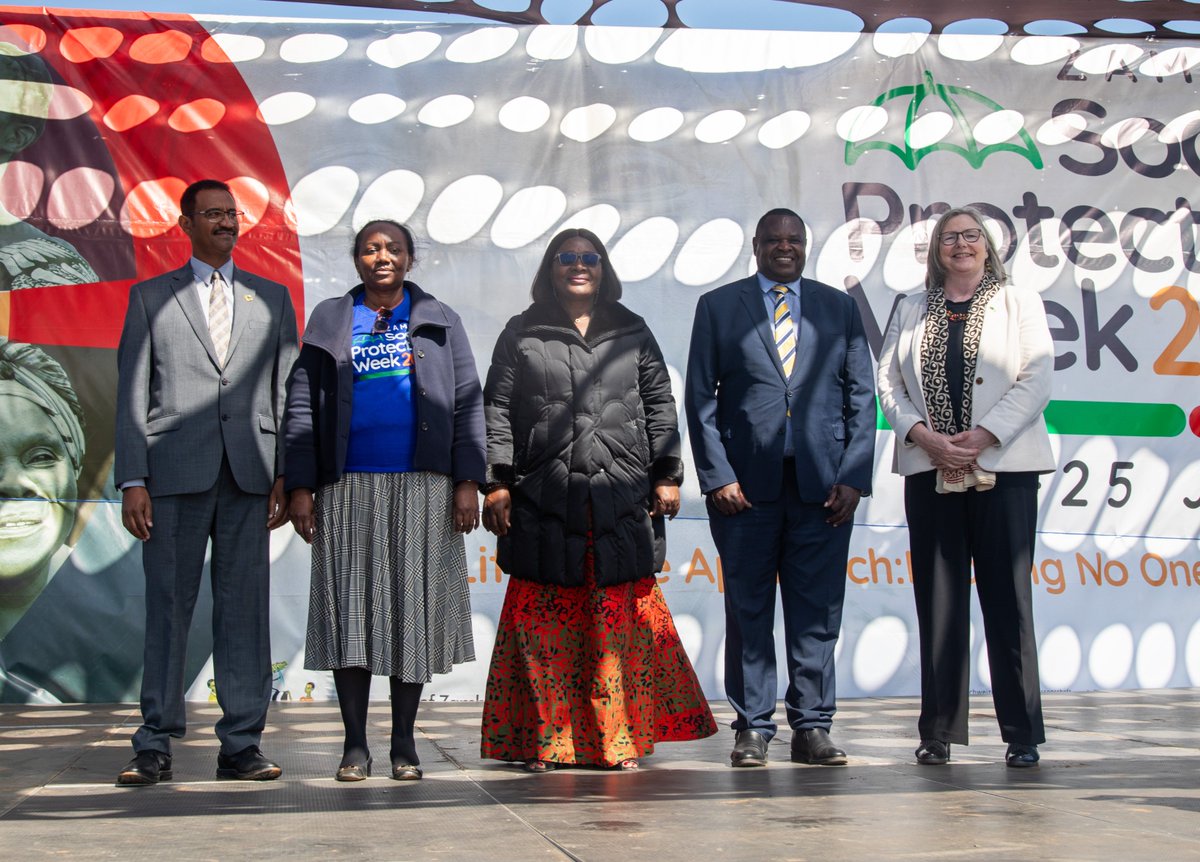
📌TODAY Zambia #SocialProtectionWeek2025 | Day 3
Community engagement held in Ng’ombe 📍
🗣️“The lifecycle approach will ensure that all categories of people are not left behind.”
— Hon. Brenda Tambatamba, Minister of Labour & Social Security
#LifeCycleApproach #LeaveNoOneBehind
1
7
334
21 Jul 2025
Enhancing the LINE @SoSafe Platform to Improve Connectivity and Service Efficiency for Equitable, Safe, and Inclusive Access
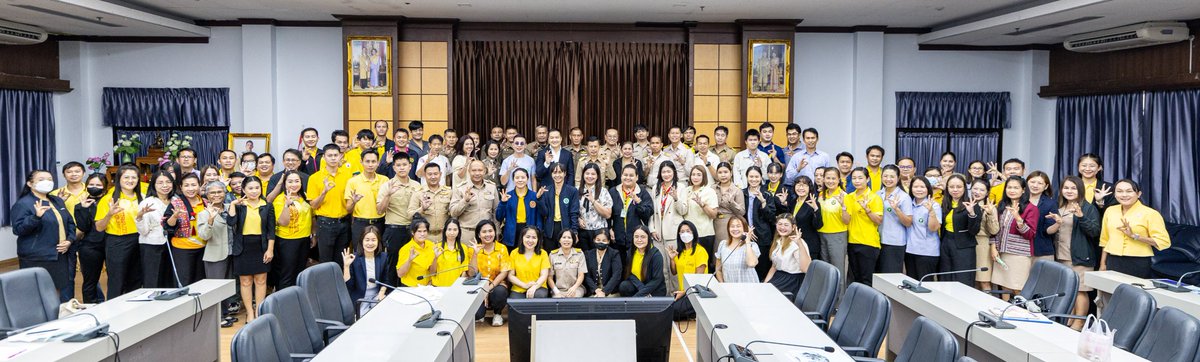
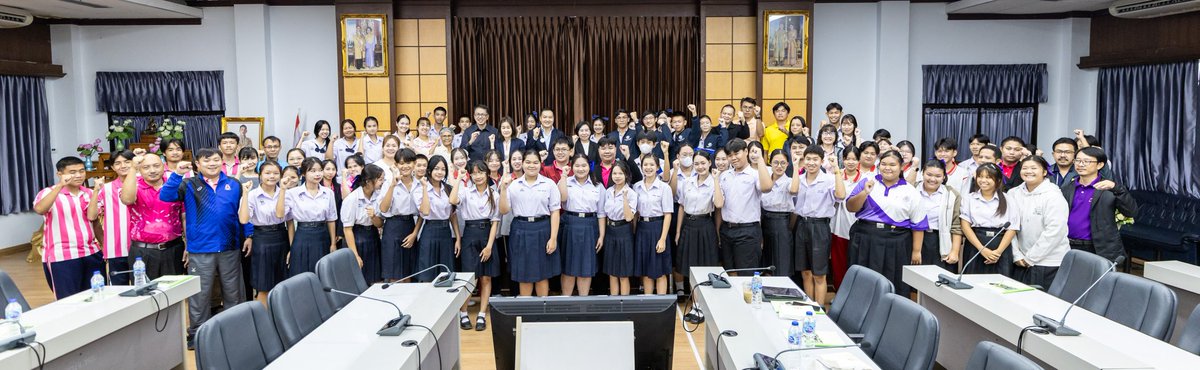
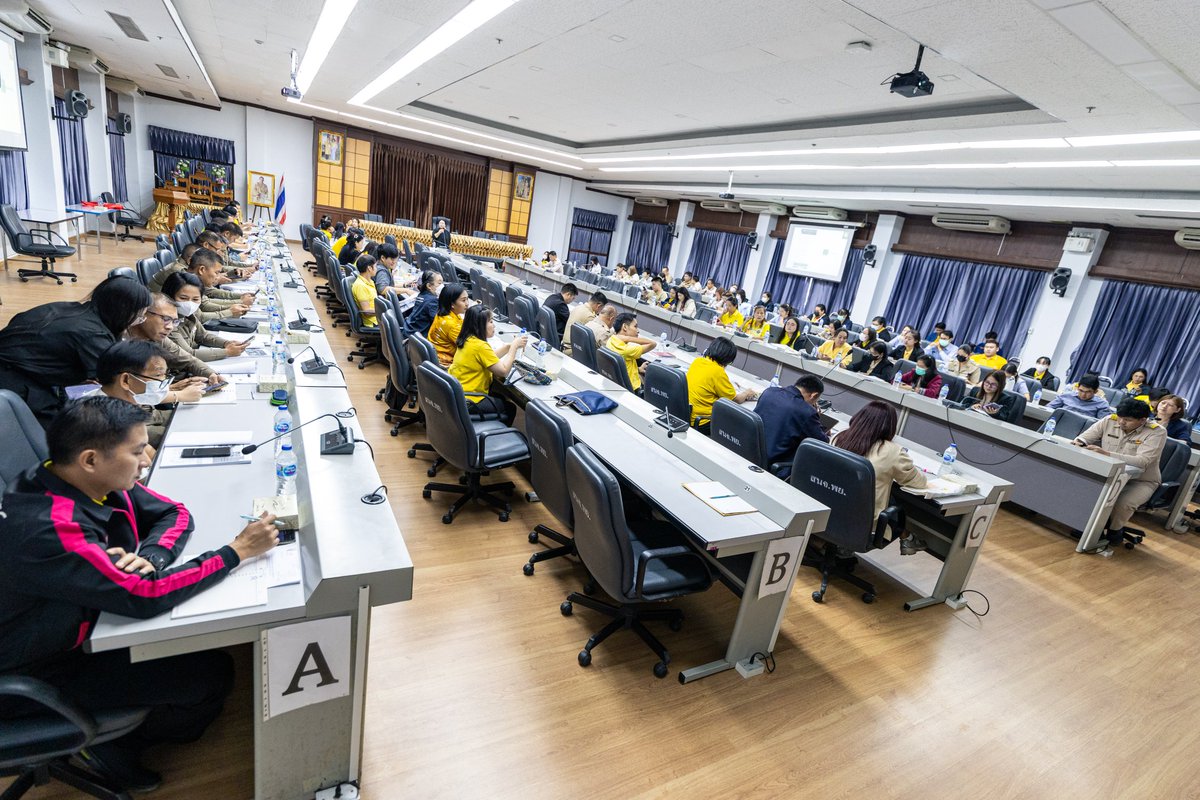
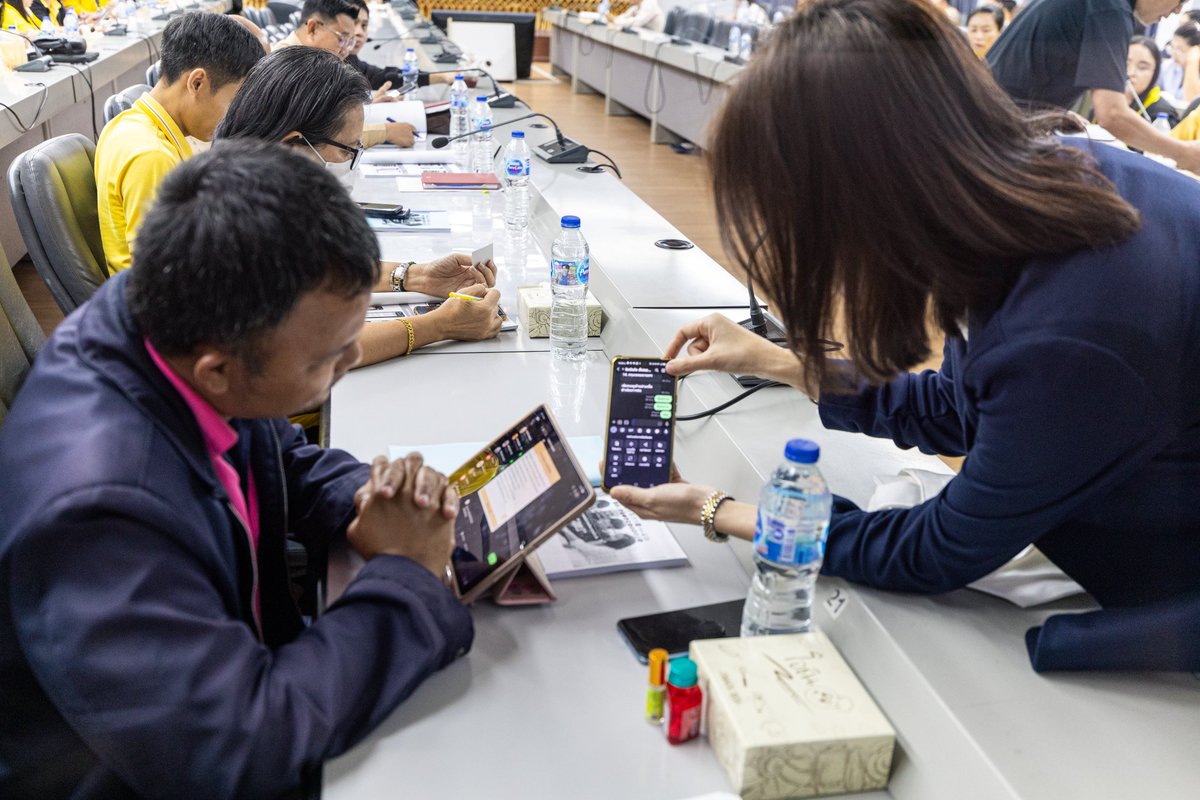
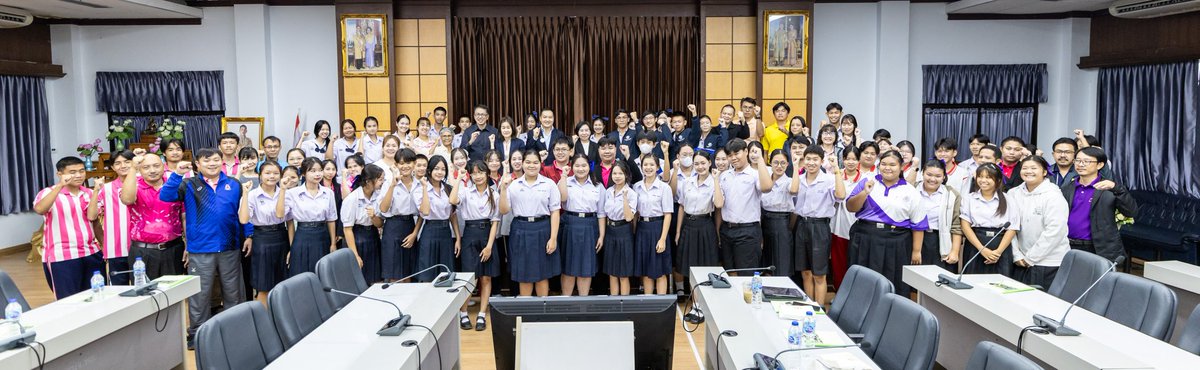
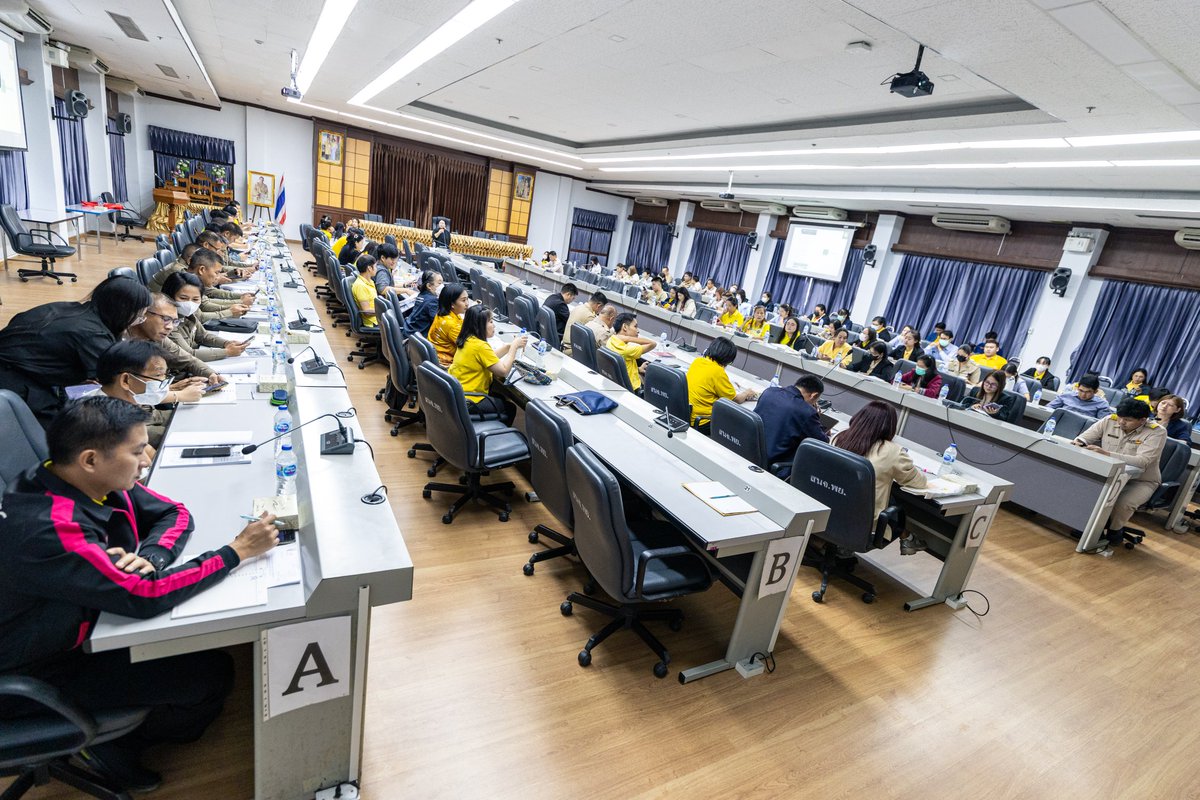
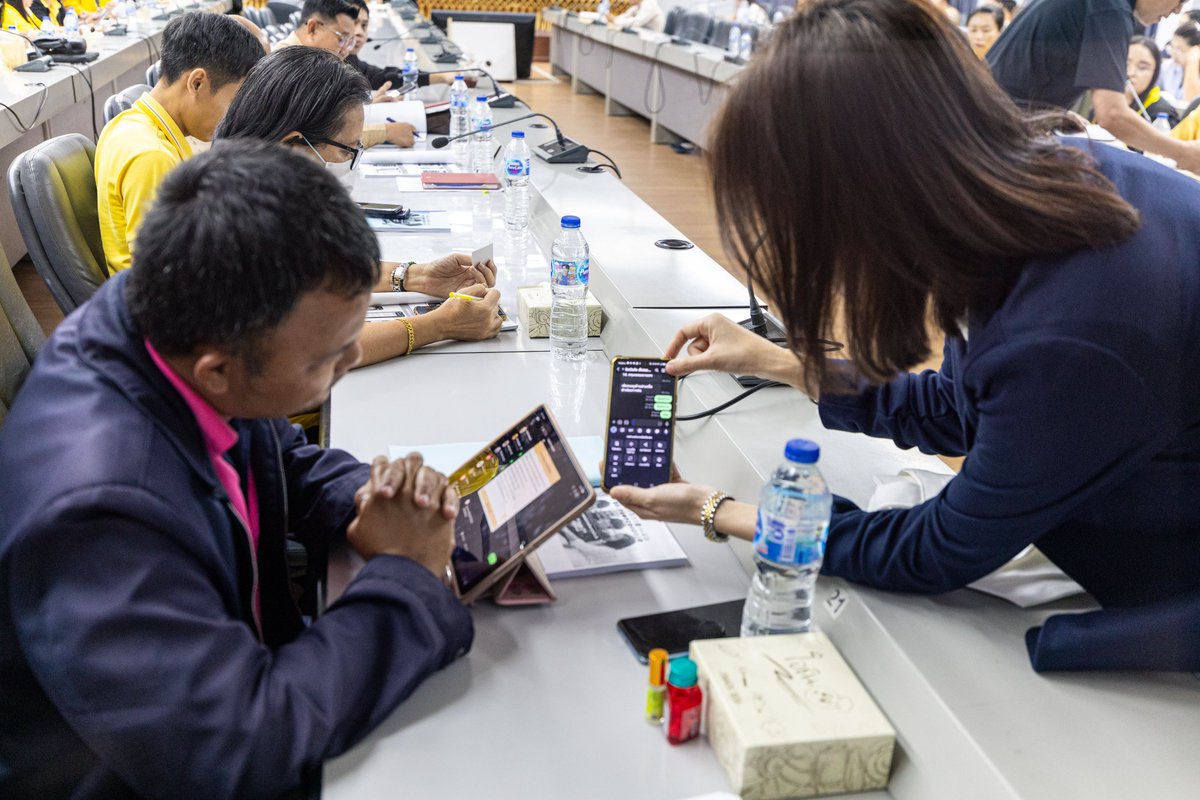
On 30 June – 1 July 2025, UNFPA Thailand and key partners of SoSafe, in collaboration with the Phayao and local executives, organized a workshop to strengthen the use of the
LINE@SoSafe platform and improve inter-agency coordination in delivering protection and social services to the public.
The objectives of the workshop included:
✅ Building the capacity of provincial and local-level officials in coordination, while enhancing their knowledge on sexual and reproductive health, gender-based violence prevention, and domestic violence
✅ Establishing a community network, particularly among students and youth, to ensure they understand safe reporting practices and data privacy protection
✅ Systematically improving service delivery and protection mechanisms for the people of Phayao Province
UNFPA Thailand extends heartfelt thanks to the Phayao provincial leadership and all partners for their strong commitment to expanding the LINE @SoSafe platform—strengthening protection mechanisms for people of all genders and all ages to ensure equal, safe, and inclusive access to social services.
#SoSafe #DigitalTransformation #LifecycleApproach
1
2
53
21 Jul 2025
แพลตฟอร์ม LINE @SoSafe ยกระดับการเชื่อมต่อและประสิทธิภาพ เพื่อให้บริการชาวพะเยาอย่างเท่าเทียม ปลอดภัย และทั่วถึง
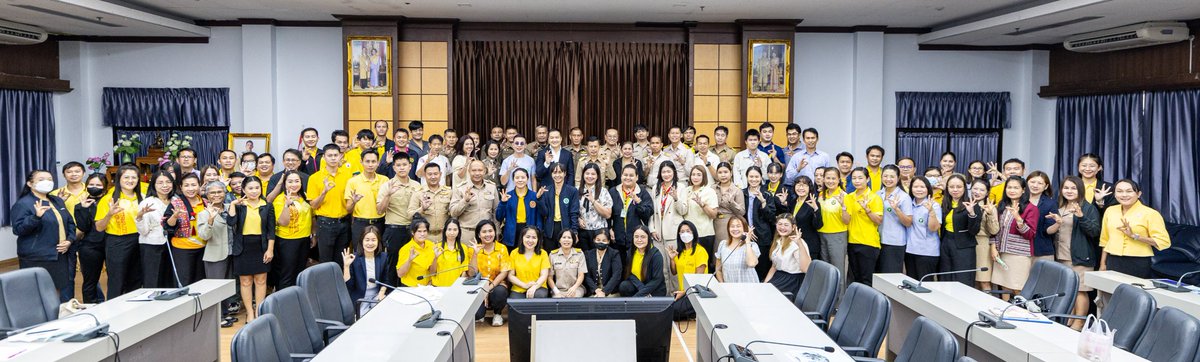
เมื่อวันที่ 30 มิถุนายน – 1 กรกฎาคม 2568 UNFPA Thailand และภาคีหลักของ SoSafe ร่วมกับจังหวัดพะเยา และคณะผู้บริหารในพื้นที่ จัดประชุมเชิงปฏิบัติการเพื่อยกระดับการใช้แพลตฟอร์ม SoSafe และการเชื่อมประสานของหน่วยงานที่เกี่ยวข้องในการให้บริการและคุ้มครองประชาชน
การประชุมครั้งนี้มีเป้าหมายเพื่อ:
✅ พัฒนาทักษะเจ้าหน้าที่ระดับจังหวัดและท้องถิ่นในการประสานงาน พร้อมเสริมองค์ความรู้ด้านสุขภาวะทางเพศ อนามัยการเจริญพันธุ์ การป้องกันความรุนแรงด้วยเหตุแห่งเพศ และการลดความรุนแรงในครอบครัว
✅ สร้างเครือข่ายภาคประชาชน โดยเฉพาะในกลุ่มนักเรียน-นักศึกษา ให้เข้าใจแนวทางการแจ้งเหตุอย่างปลอดภัย และการคุ้มครองข้อมูลส่วนบุคคล
✅ ยกระดับแนวทางการให้บริการและการคุ้มครองประชาชนในจังหวัดพะเยาอย่างเป็นระบบ
UNFPA Thailand ขอขอบพระคุณคณะผู้บริหารจังหวัดพะเยาและภาคีเครือข่ายทุกภาคส่วน ที่มุ่งมั่นขับเคลื่อนการขยายผล LINE @SoSafe เพื่อเสริมสร้างกลไกการคุ้มครองประชาชนทุกเพศ ทุกวัย ให้สามารถเข้าถึงบริการทางสังคมอย่างเท่าเทียม ปลอดภัย และทั่วถึง
.
#SoSafe #DigitalTransformation #LifecycleApproach
1
3
124

15 May 2024
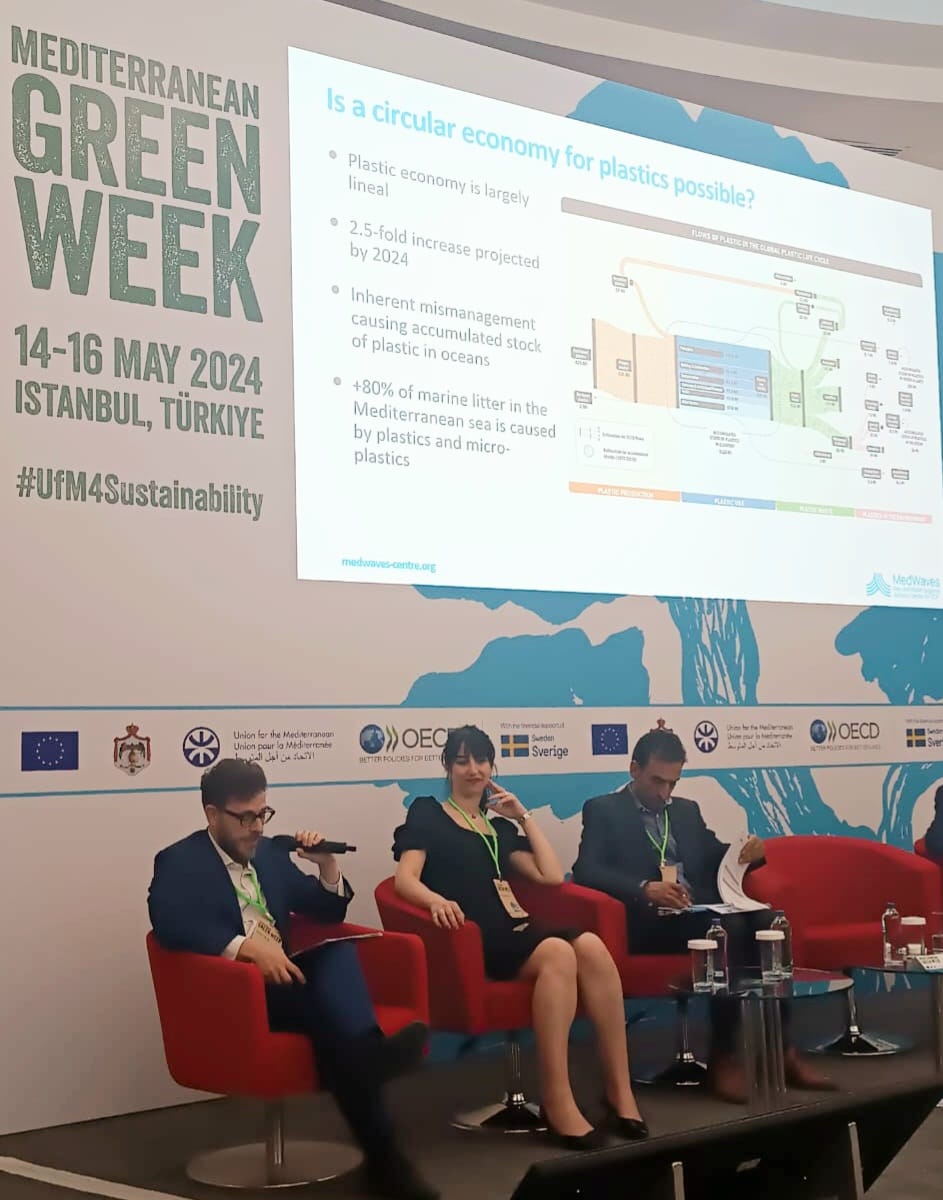
✳Key points:
💡Embrace radical #CircularEconomy to tackle plastic crisis
💡Prioritize creating alternatives to primary plastics
💡Support #SustainableBusiness models
💡Integrate #SCP globally
💡Adopt #LifeCycleApproach in across regional planning and implementation frameworks
1
2
122

16 Apr 2024
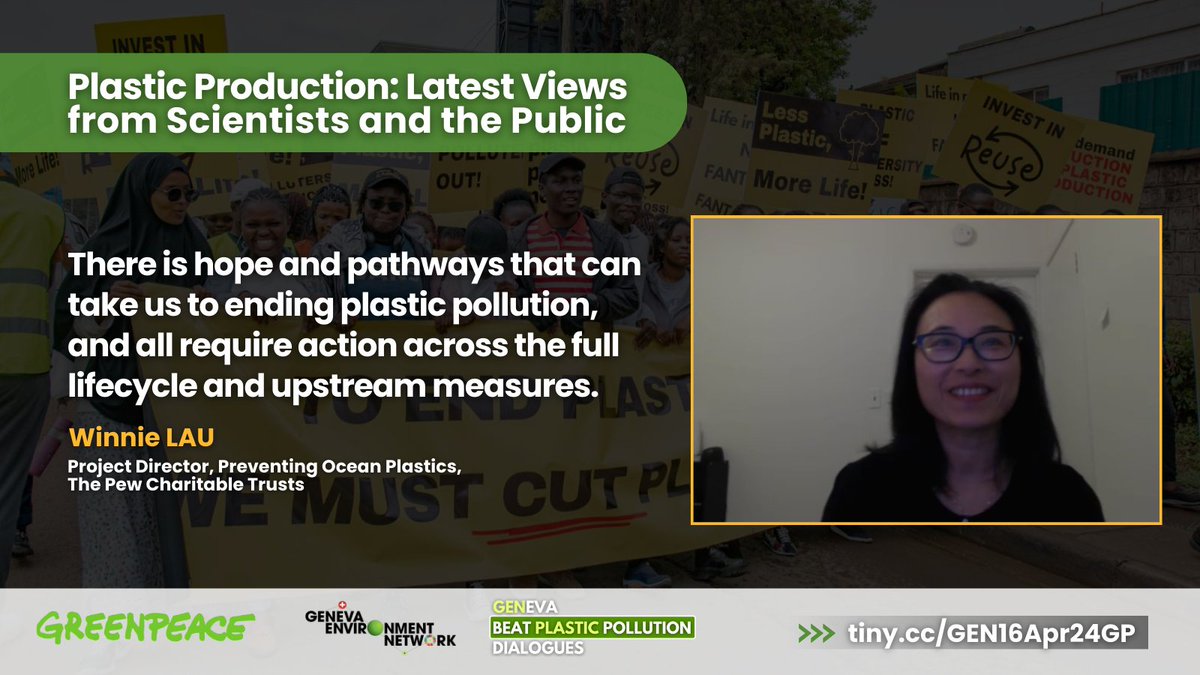
"Reducing #plastic production through reduction, reuse, redesign can lead to a reduction of up to 1/3."
Winnie Lau of @pewtrusts highlights how a #LifecycleApproach is central to the success of #PlasticsTreaty, calling for an urgent breakaway from the business-as-usual scenario.
1
1
99
11 Mar 2024
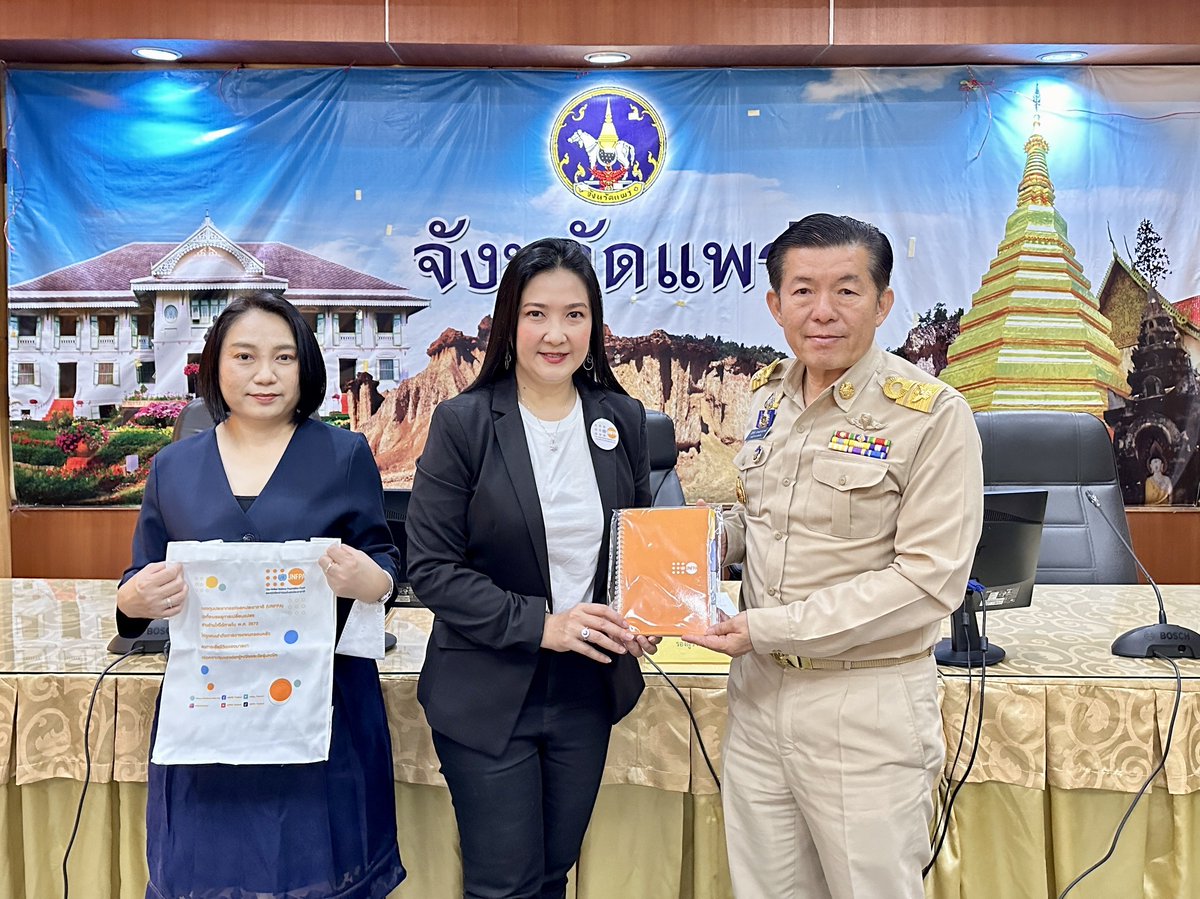
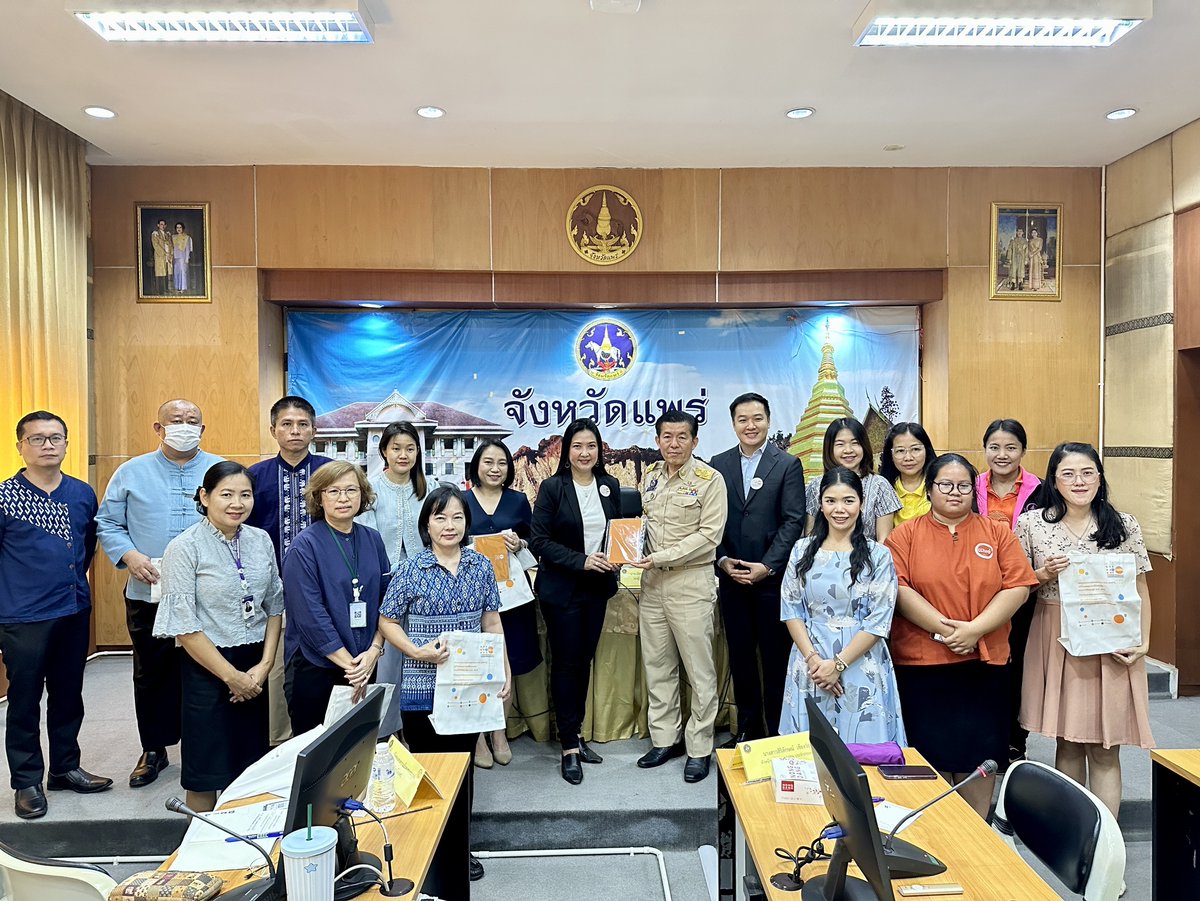
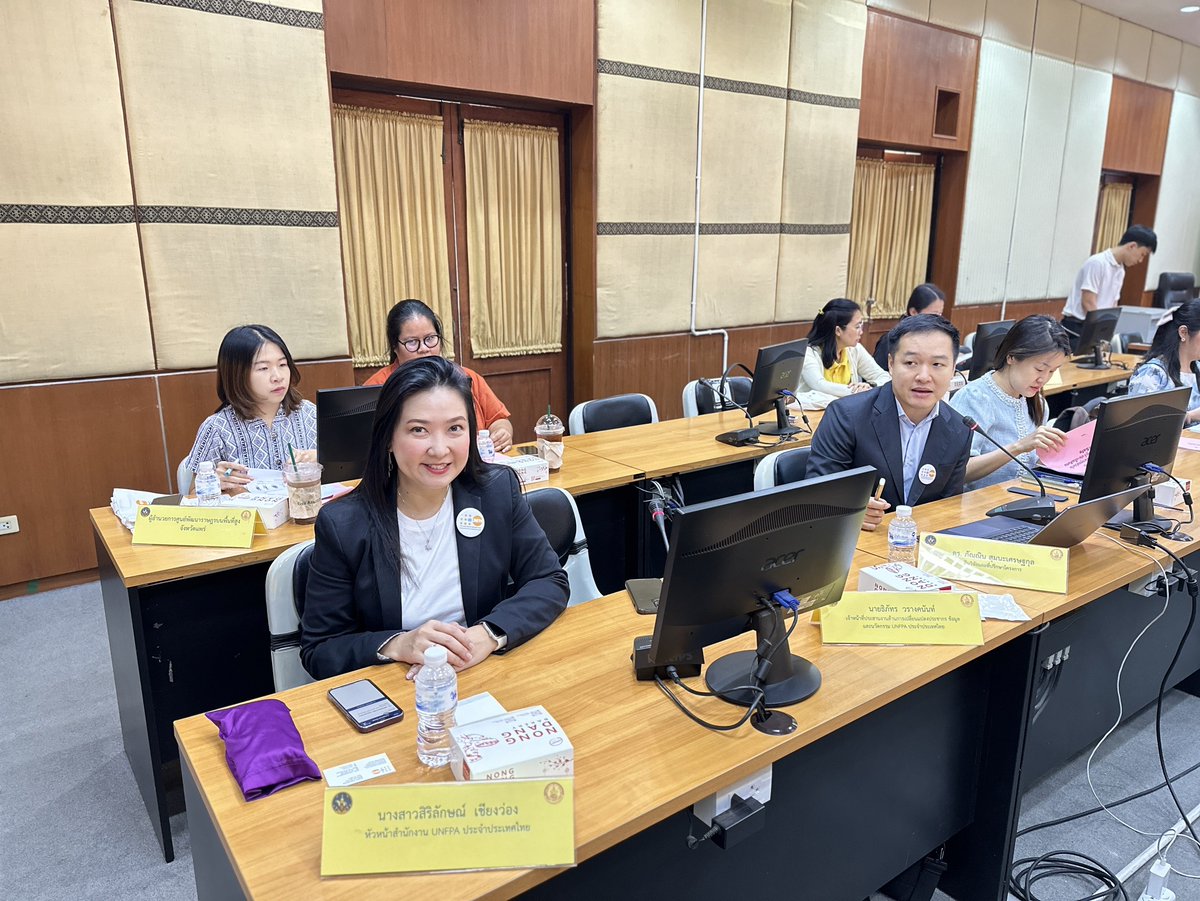
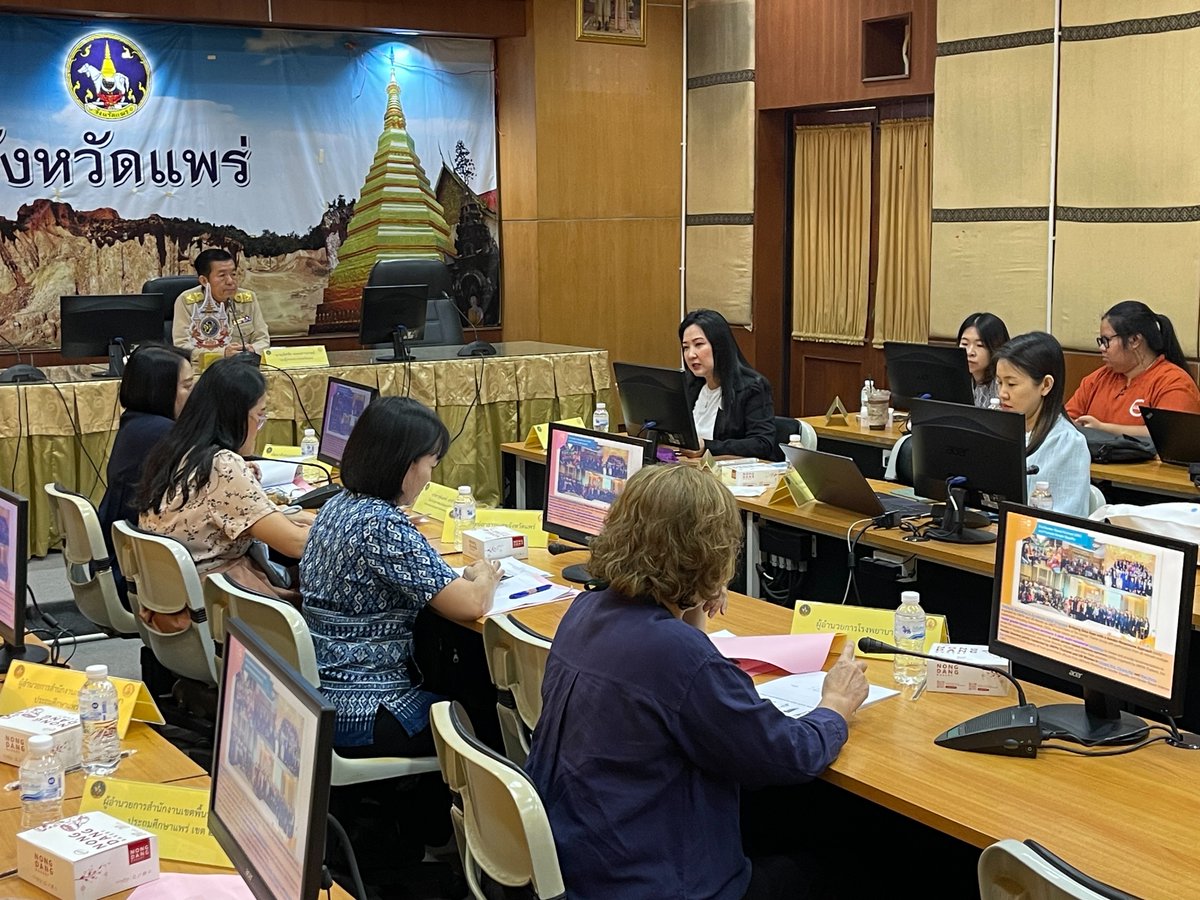
Mr. Chutidej Meechan, the Governor of Phrae, delegated Mr. Lertchai Sakonsaowaphak, the Deputy Governor of Phrae, along with ten Heads of divisions, to welcome Khun Siriluck Chiengwong, Head of Office, #UNFPAThailand, and her team for a meeting to introduce @UNFPA's Mandate and Activities and discuss the launch of the Life-Cycle Digital Platform (known as the Traffy Fondue platform in the social sector or “SoSafe”) in Phrae.
This initiative aims to enhance the work of duty-bearers in the social sector, focusing on tackling challenges related to unintended pregnancies, sexual and reproductive health, and the prevention of #GBV and domestic violence. The platform is equipped with knowledge and channels for access to services.
#UNFPAThailand is grateful for this warm welcome from Phrae and the fruitful discussion.
#sosafe #TraffyFondue #EndGenderBasedViolence #lifecycleapproach
2
5
177
15 Nov 2023
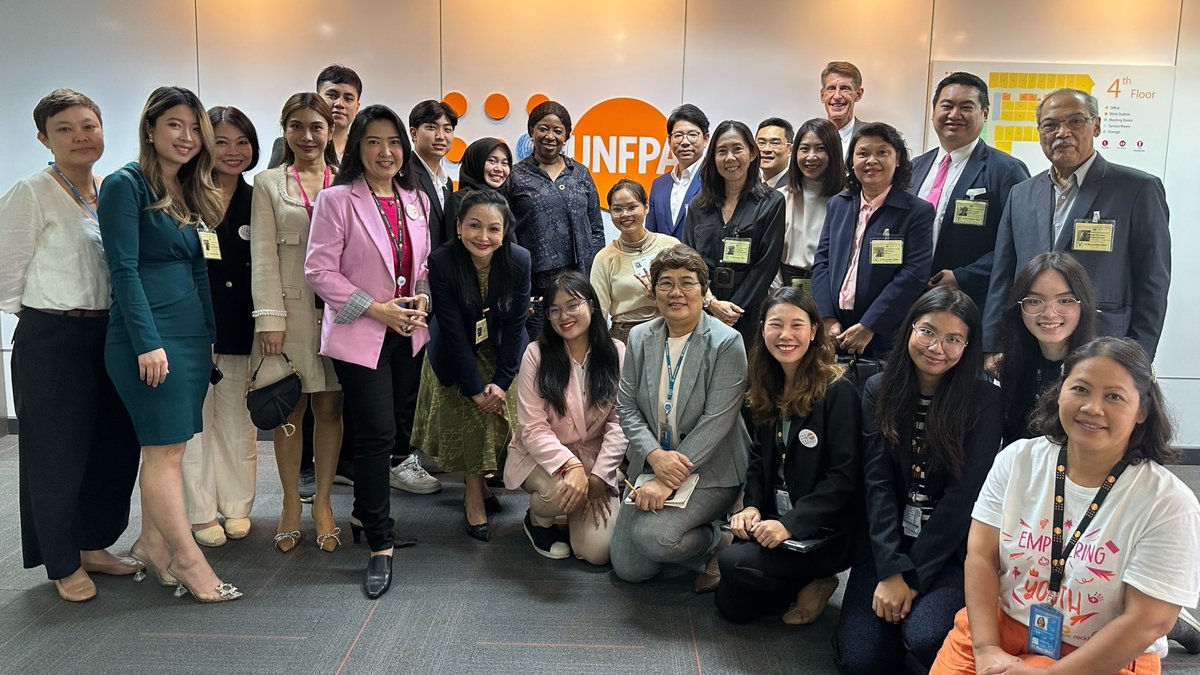
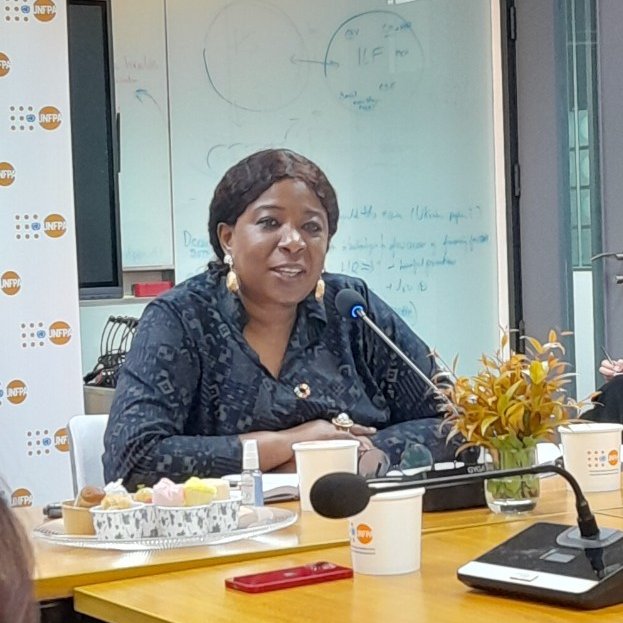
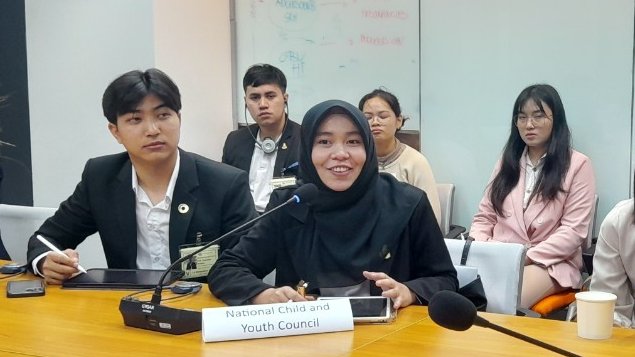
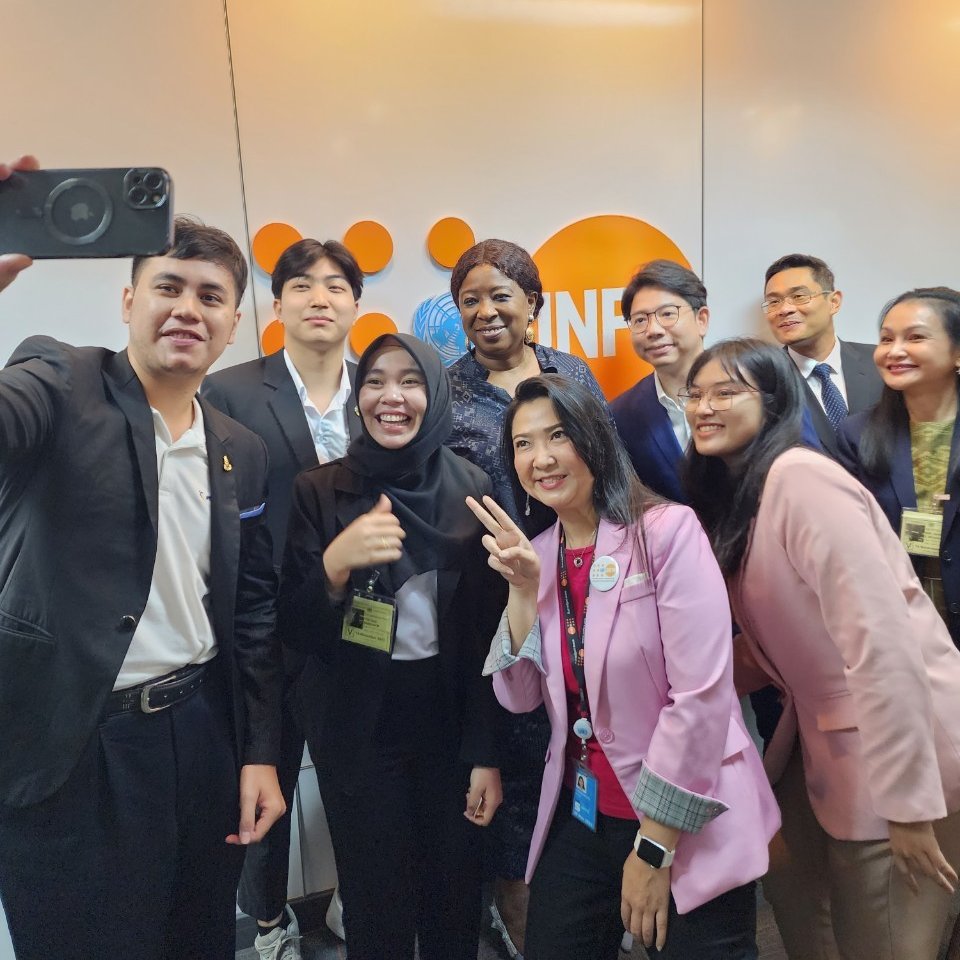
What a warm & heartfelt moment 🧡for Ms. @dienekeita, Assistant Secretary-General, @UNFPA Deputy Executive Director and Ms. @Siriluck_oum, Head of of Office, #UNFPAThailand to meet with strategic partners--CSOs, young people and the private sector--who are relentlessly working and contributing to achieving equal #RightsChoices to #SexualReproductiveHealth, life-saving services from #GenderBasedViolence and the digitalised #LifeCycleApproach to #PopulationAgeing in Thailand! 👏🇹🇭 #APPC
@ThisIsReckitt @OrganonLLC @CYC_Thailand @DcyMsdhs @MSDHSFAD @Pr_Anamai
4
10
326
10 Aug 2023
Our Champion of UNFPA in Thailand, @C_Aguilar, visits ethnic communities in Chiang Rai today as part of her mission to promote #GenderEqality, to end #GenderBasedViolence and advocate a #LifeCycleApproach to population ageing in Thailand.
Share this to support us 🫶
@UNThailand
10 Aug 2023

ภารกิจคริสติน่าวันนี้ ที่จังหวัดเชียงรายค่ะ (10.08.2023)
Reposted IG • unfpa.thailand
UNFPA Thailand กองทุนประชากรแห่งสหประชาชาติ ประจำประเทศไทย
ติ๊นา คริสติน่า
#ChristinaAguilar
#UNFPAxChristina
#UNFPAxChristinaAguilar
7
15
622

4 Jul 2023
🌍 Discover how Lombardy is embracing the #LifeCycleApproach for sustainable development. 🍃 Check out this insightful publication highlighting their efforts in #LCA implementation projects2014-2020.interregeu…
2
4
35

2 Jun 2023
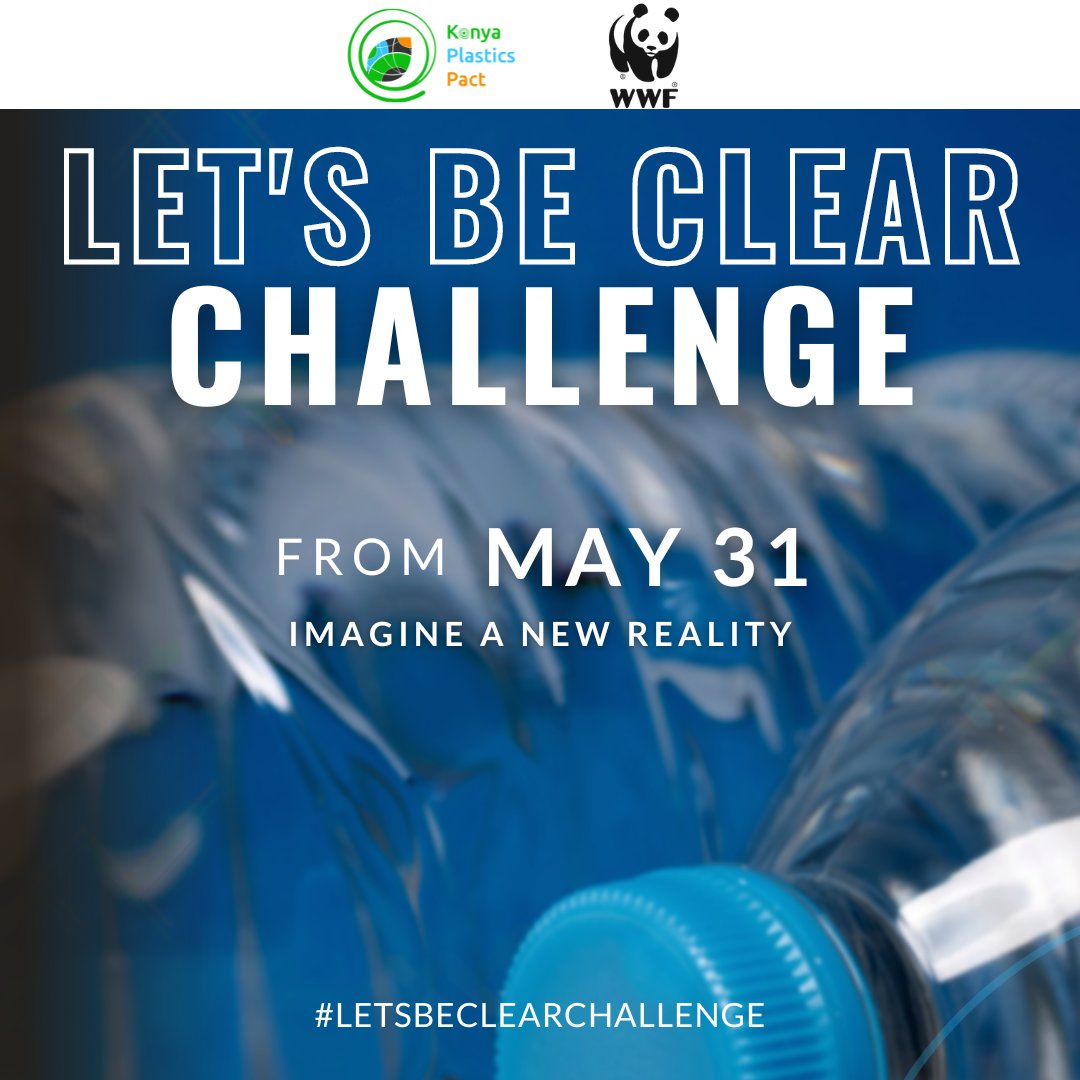
We're excited @WWF_Kenya to launch #LetsBeClearChallenge alongside @SustainaBizKe as part of the 2nd target under @KPlasticspact to promote better #designed product with their end of life in mind as part of the #LifeCycleApproach to #BeatPlasticPollution @Jkkiplagat @WWFNorge
31 May 2023

So what next?- In line with solutions to #beatplasticpollution, let's increase awareness, scale willingness and urge manufacturers to ensure commitment towards the Design Guidelines for Recyclability. @SustainaBizKe @alexkubasu @JOSEPHINEWAWIRA
@NezaAmadi #letsbeclearchallenge
1
3
3
339
2 Jun 2023
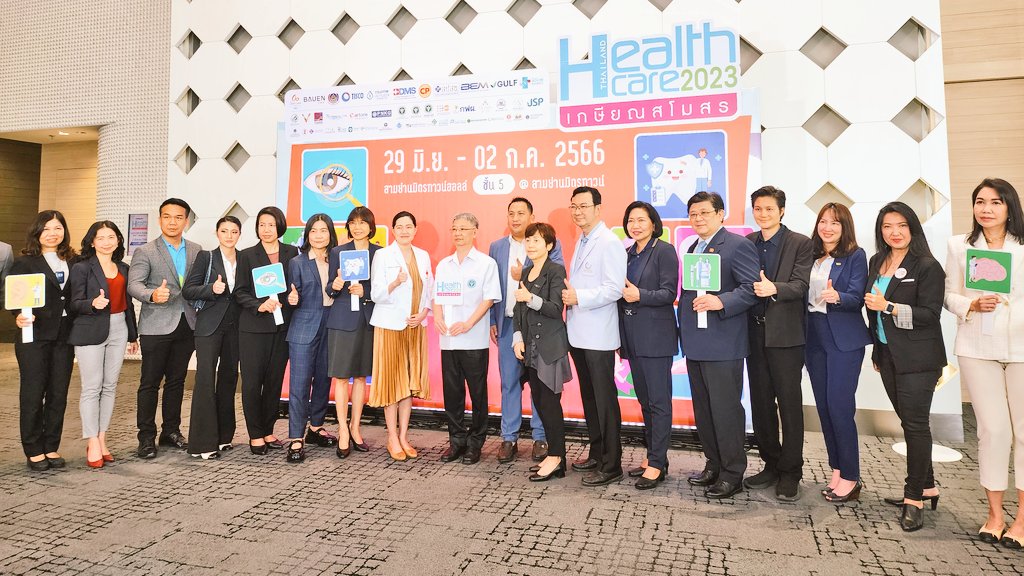
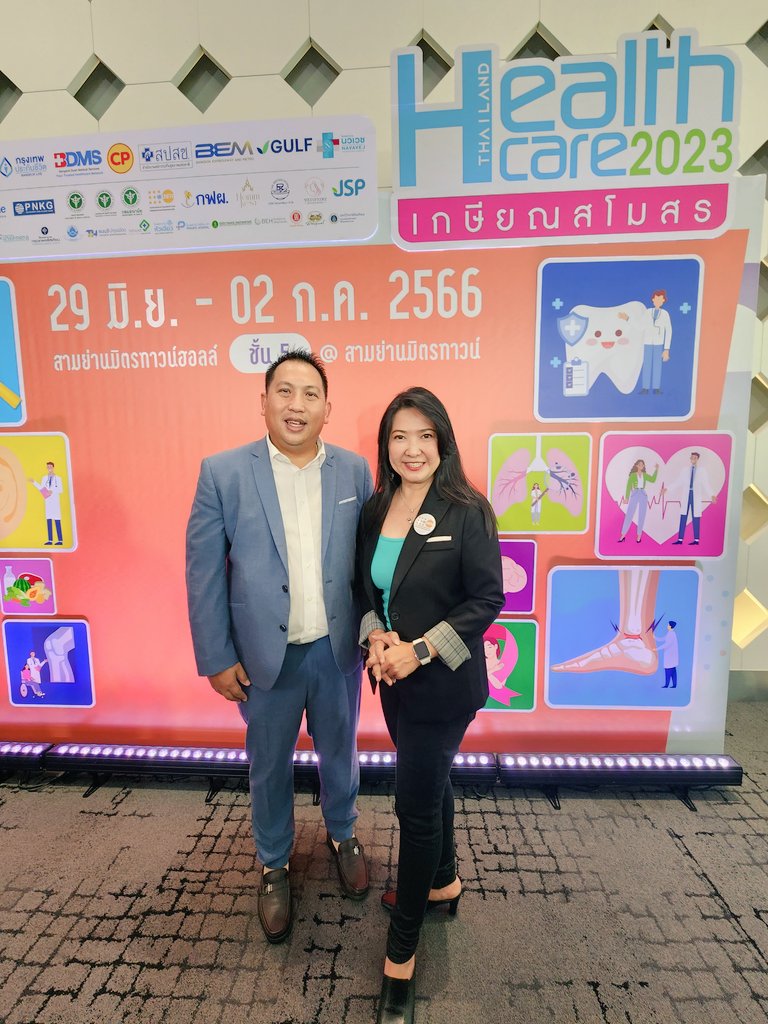
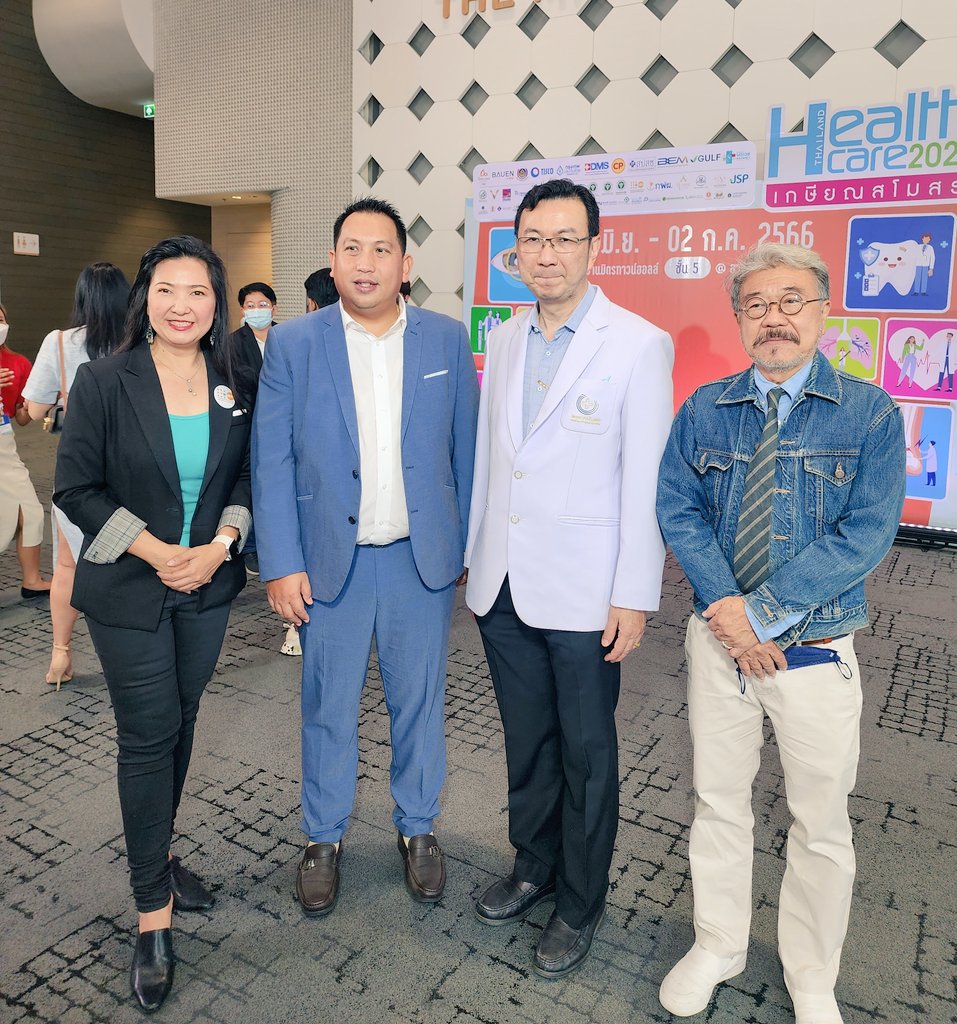
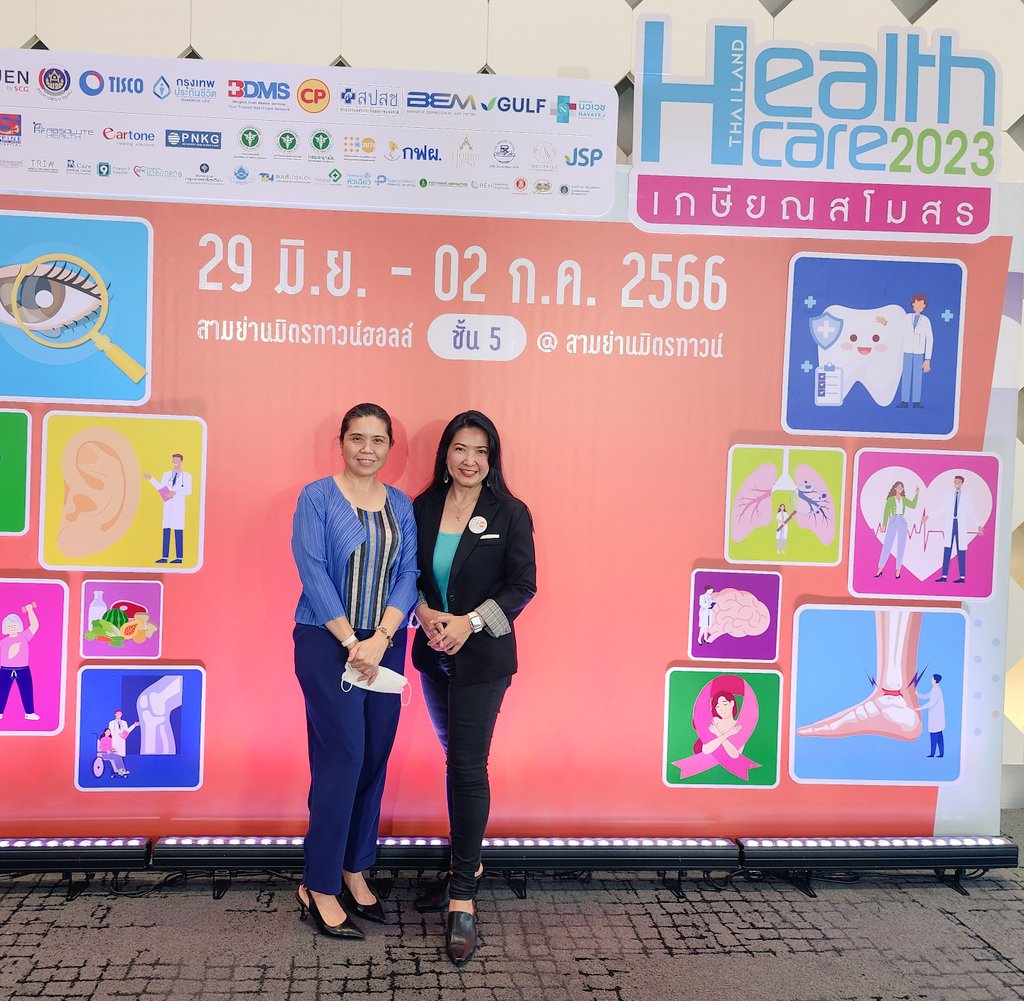
#UNFPAThailand ชวนผู้สูงอายุ และกลุ่มประชากรที่สนใจการเตรียมเข้าสูงวัยเข้าร่วมงาน "เกษียณสโมสร" วันที่ 29 มิย. - 2 กค. ณ สามย่านมิตรทาวน์ จัดโดย @MatichonOnline ซึ่ง #UNFPAThailand ร่วมเป็นหนึ่งในภาคี
#เพราะเรื่องสังคมสูงวัยเป็นเรื่องของประชากรทุกกลุ่มวัย
#UNFPAThailand invites older persons and all population groups to visit @MatichonOnline Health Fair on 29 June - 2 July at Samyarn Mitrtown to prepare for a #healthyageing!
#UNFPAThailand, one of the partners for this event, encourages #LifeCycleApproach to population ageing among every population group!
3
8
322
28 Apr 2023
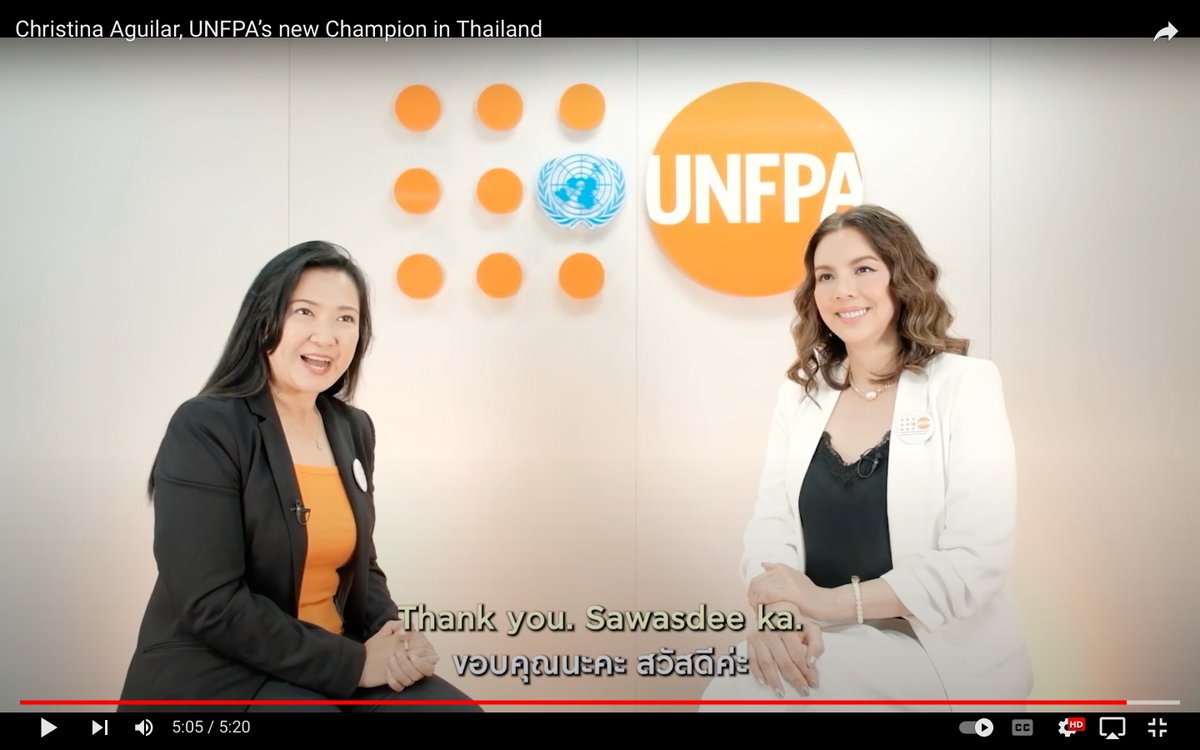
🎉Introduced and interviewed Christina Aguilar, the first Champion of @UNFPA in Thailand, to join & promote End #genderbaseviolence #genderequality #reproductivehealth #lifecycleapproach to human development.
Watch more: youtu.be/yEA4VWFBz50
7
13
612
27 Apr 2023
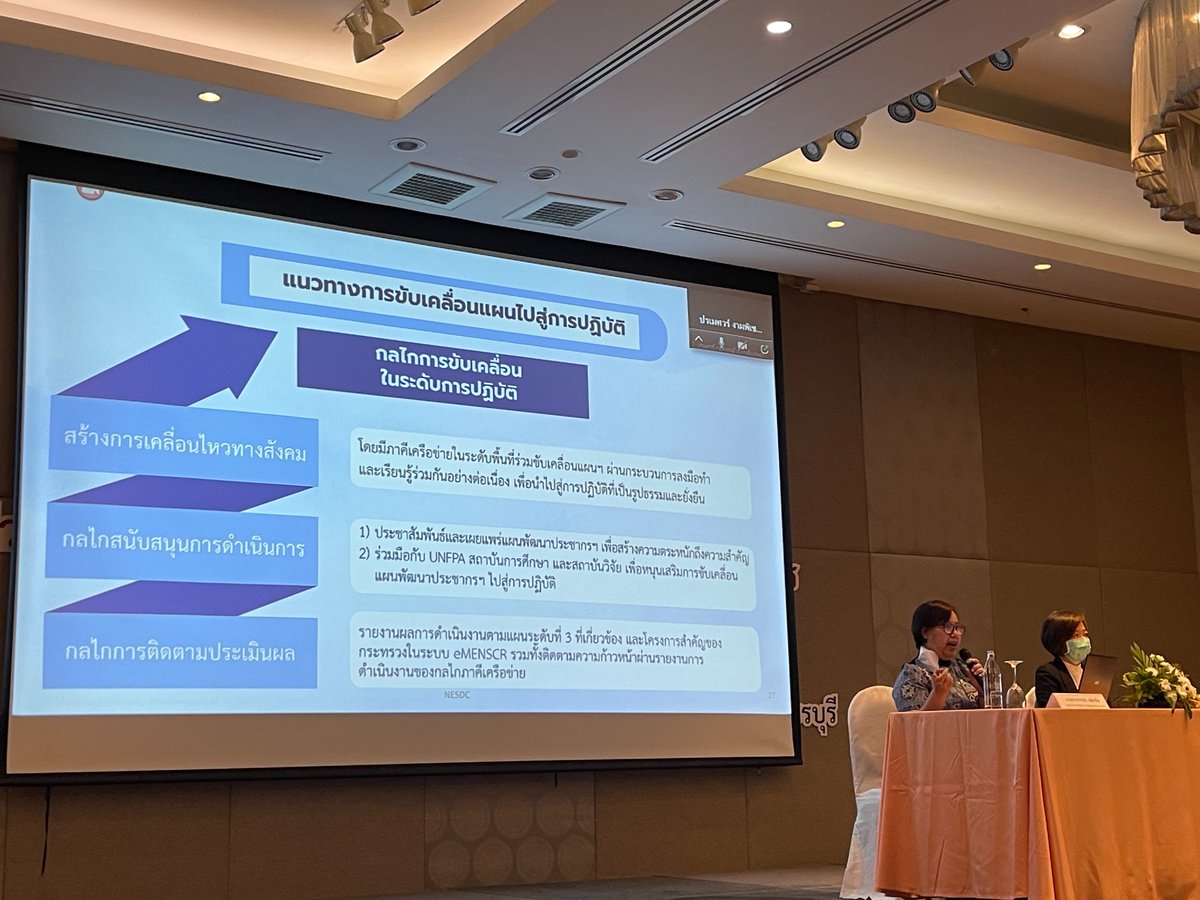
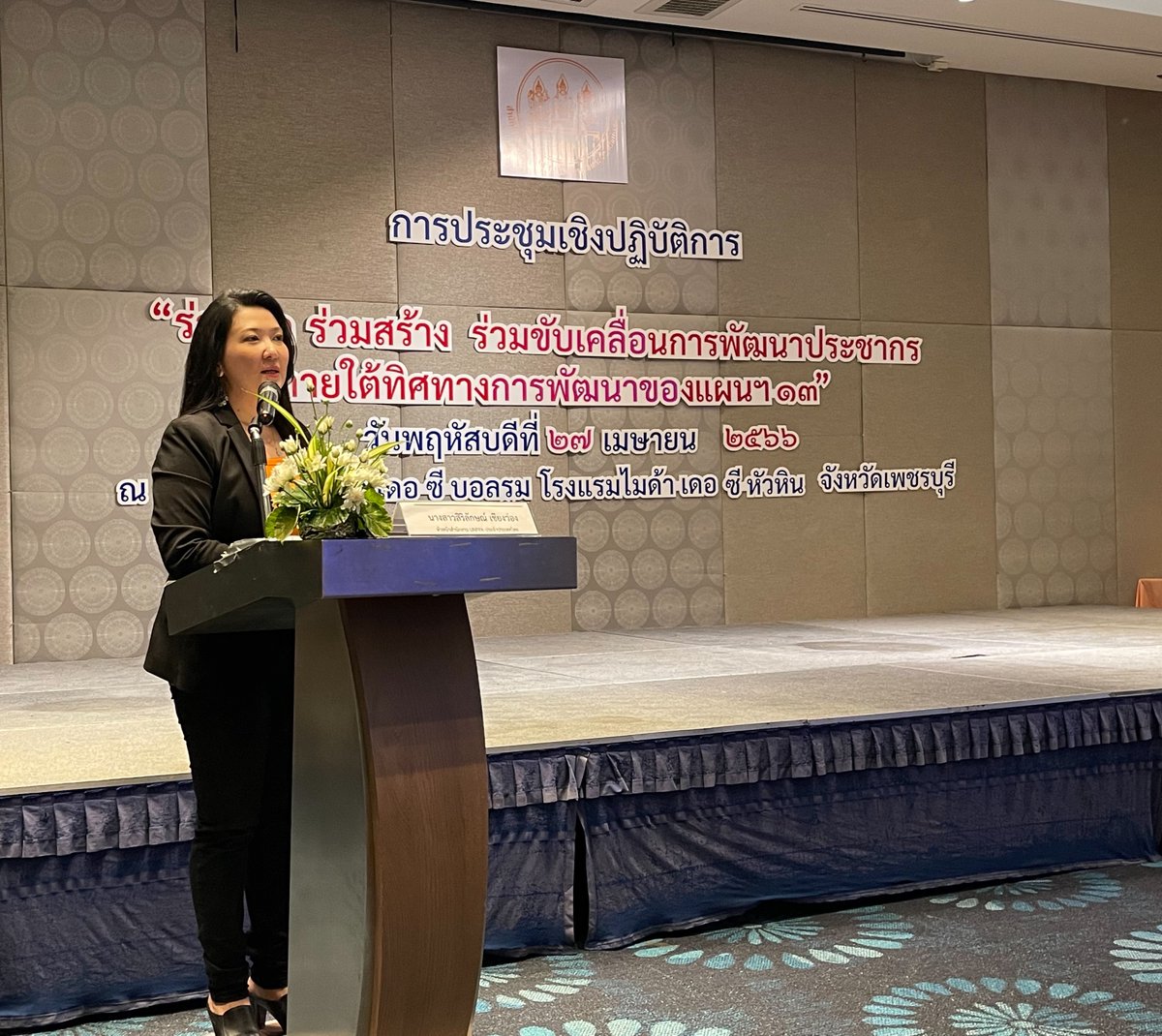
@Unfpa_Thailand joined the @nesdc_th workshop on #PopulationDevelopment. @Siriluck_oum shared & reflected on the aim of long-term development for all population groups in Thailand. #UNFPAThailand supports the implementation of the primary mechanism, #LifeCycleApproach to #PopAgeing, to ensure strong & sustainable development plans for all.
@Unfpa_Thailand ร่วมประชุมกับ @nesdc_th โดย @Siriluck_Oum สะท้อนแนวทางการพัฒนาแผนฯ 13 รวมทั้งแผนพัฒนาประชากรที่มีเป้าหมายในการพัฒนาระยะยาวให้กับทุกกลุ่มประชากรของไทย เพื่อขับเคลื่อนการพัฒนาอย่างเข้มแข็งและยั่งยืน โดย #UNFPAThailand ได้เข้าไปมีส่วนสนับสนุนกลไกการดำเนินงาน ซึ่งเป็น 1 ใน 3 กลไกหลักในการขับเคลื่อนระดับปฏิบัติ เพื่อนำไปสู่แนวทางการขับเคลื่อนแผนต่อไป
4
11
188
26 Apr 2023
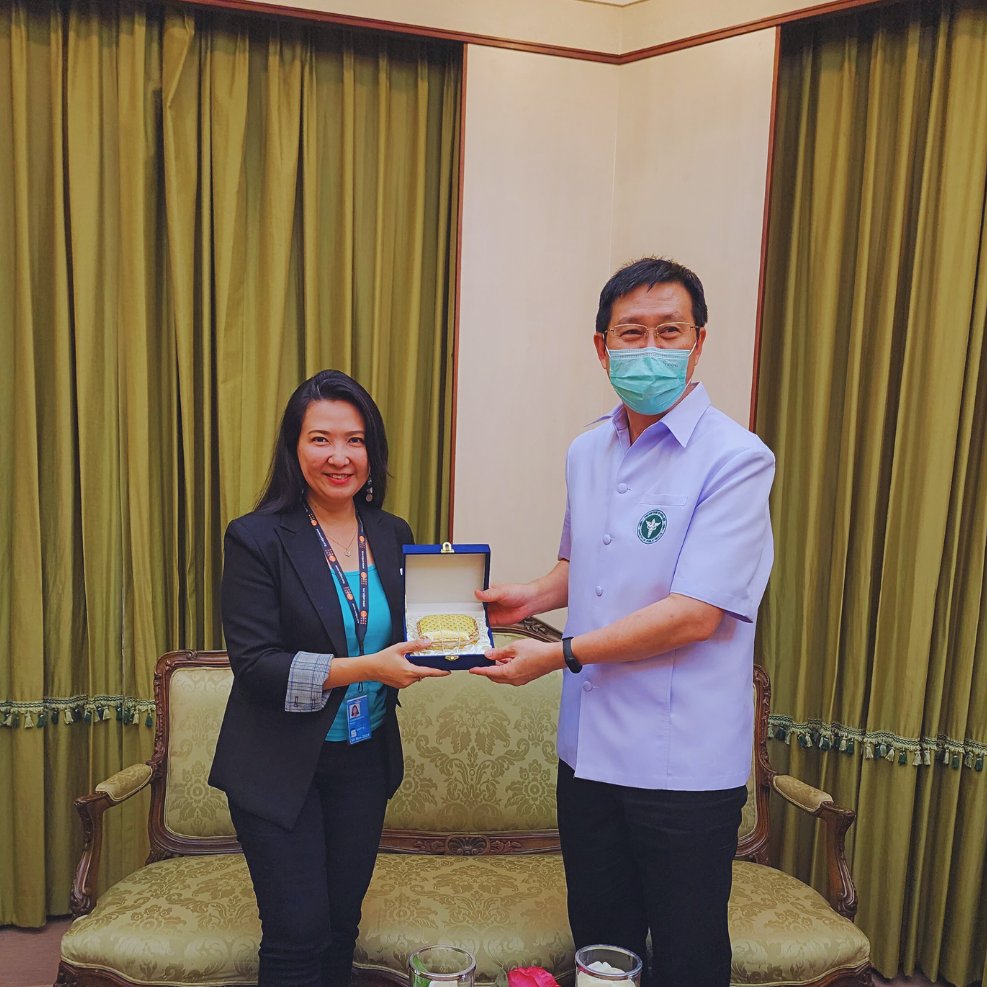
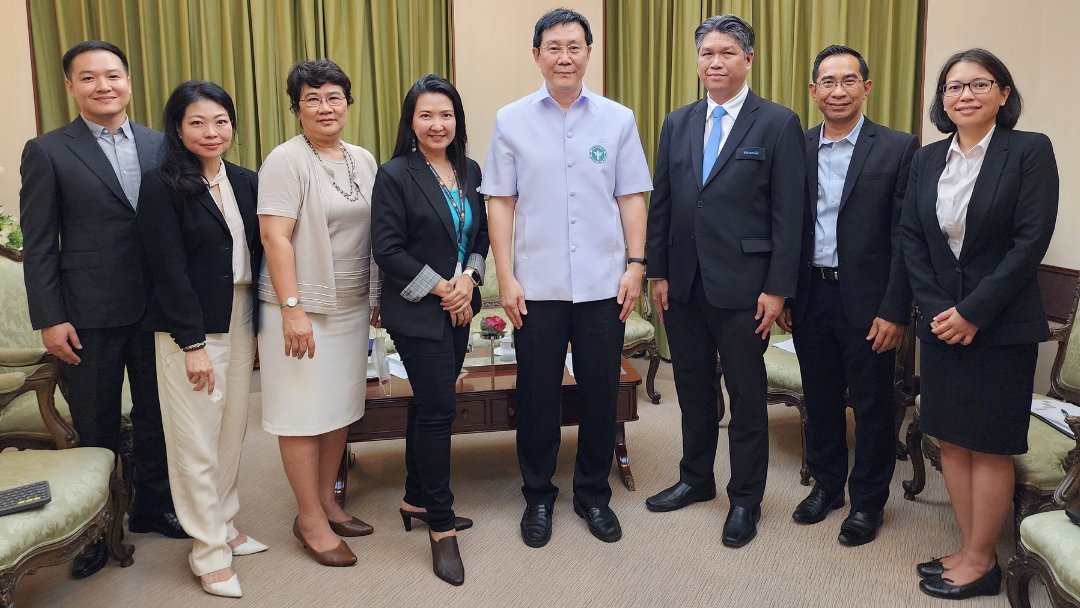
A great moment to update with @thaimoph, UNFPA Thailand's long-term strategic partner, in the courtesy meeting of Khun @Siriluck_oum with Dr. Narong Apikulvanich, Deputy Permanent Secretary of the Ministry of Public Health.
Fruitful discussions on to uphold and sustain #ICPD in Thailand especially supporting vulnerable population groups to services of #SexualReproductiveHealth, response to #GenderBasedViolence and #LifeCycleApproach to ageing.
4
10
280
5 Apr 2023
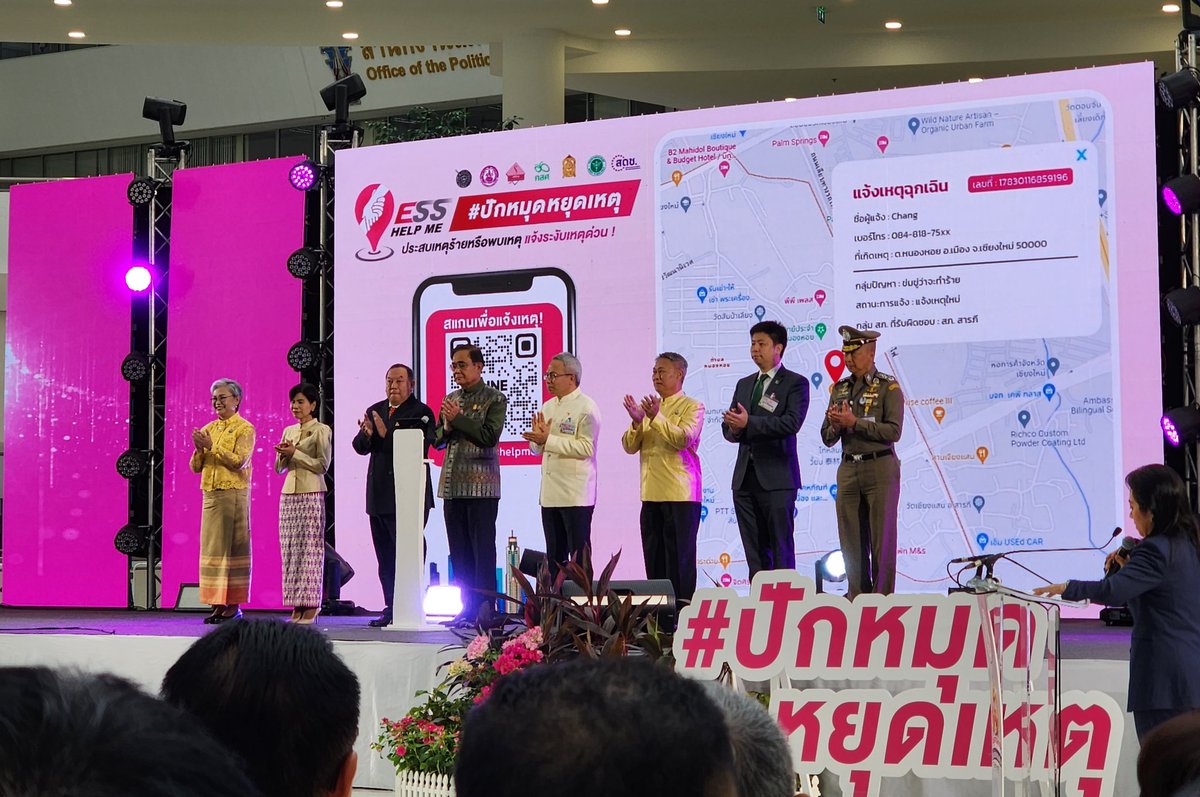
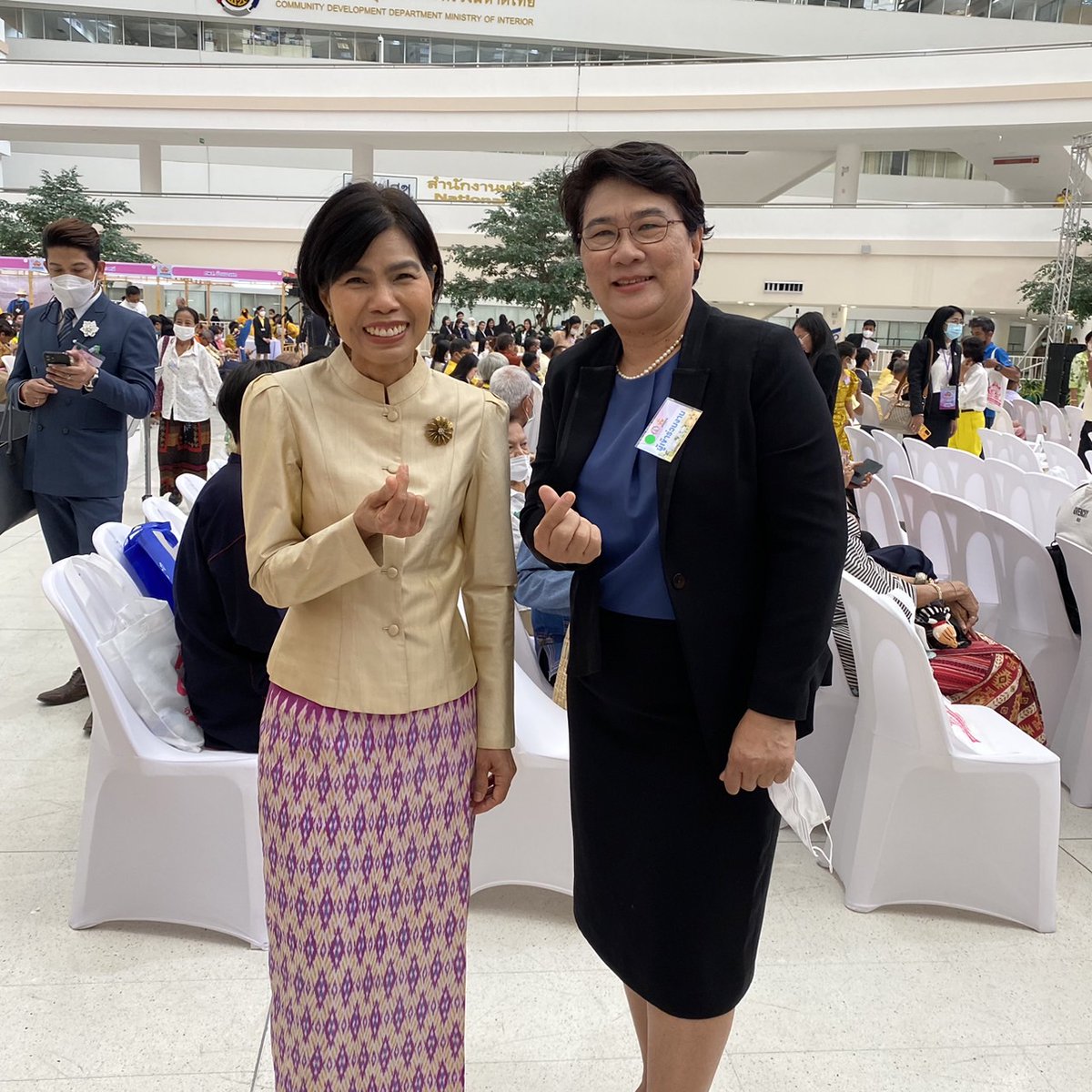
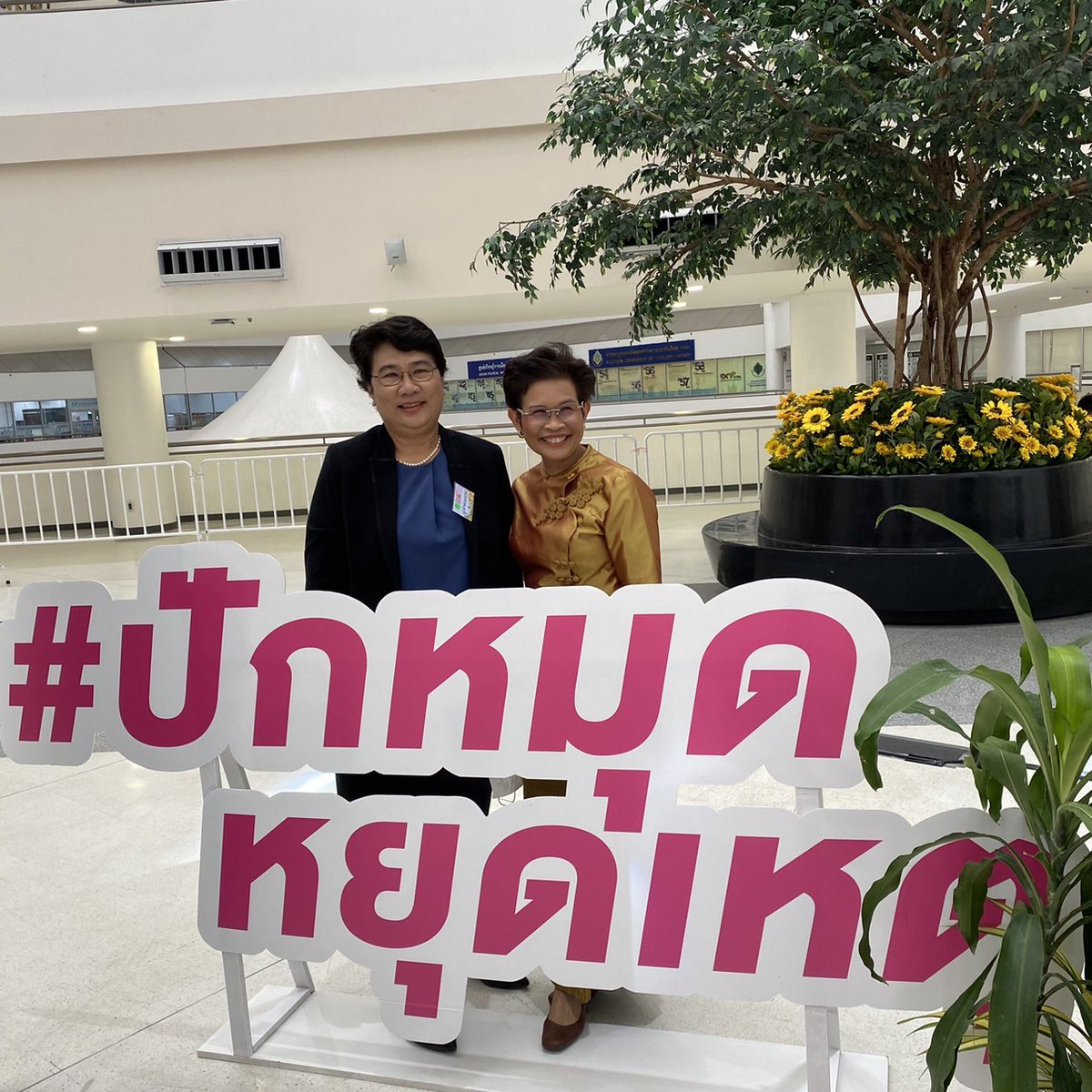
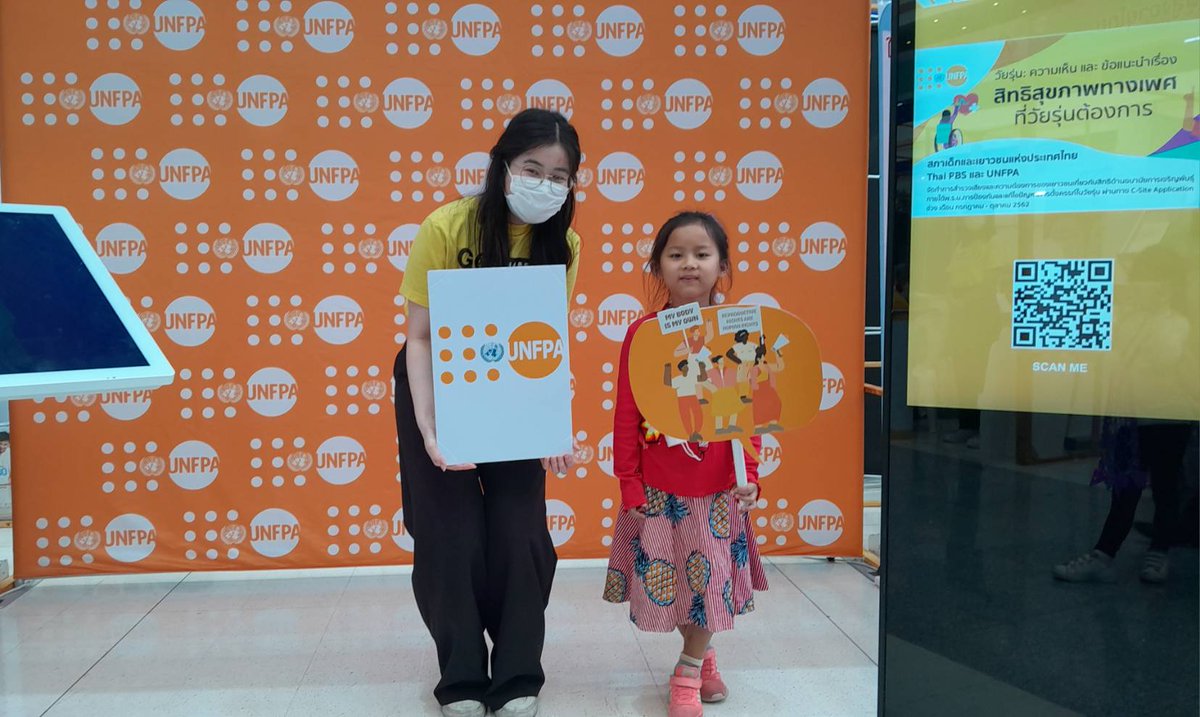
April is the month of family and the elderly in Thailand. @UNFPA shares info on #LifeCycleApproach to #PopAgeing to ensure population, esp. girls and women, are empowered at all stages of life.
4
14
453

4 Apr 2023
Social Protection is the Nairobi express highway in addressing vunerablities and ensuring No One is left Behind #socialprotection #LifeCycleApproach to Social protection #SPCKe2023
4 Apr 2023

Social Protection Conference, Nairobi. x.com/i/broadcasts/1ypKddmzQ…
1
4
351

25 Oct 2022
The journey towards a #legallybinding plastic treaty begins with the INC 1 meeting later in November 2021 in Uruguay. What key issues should the plastic treaty address guided by a #LifeCycleApproach @CEJADKenya @benogeh @JWakibi
#beatplasticpollution
5
6
5 Oct 2022
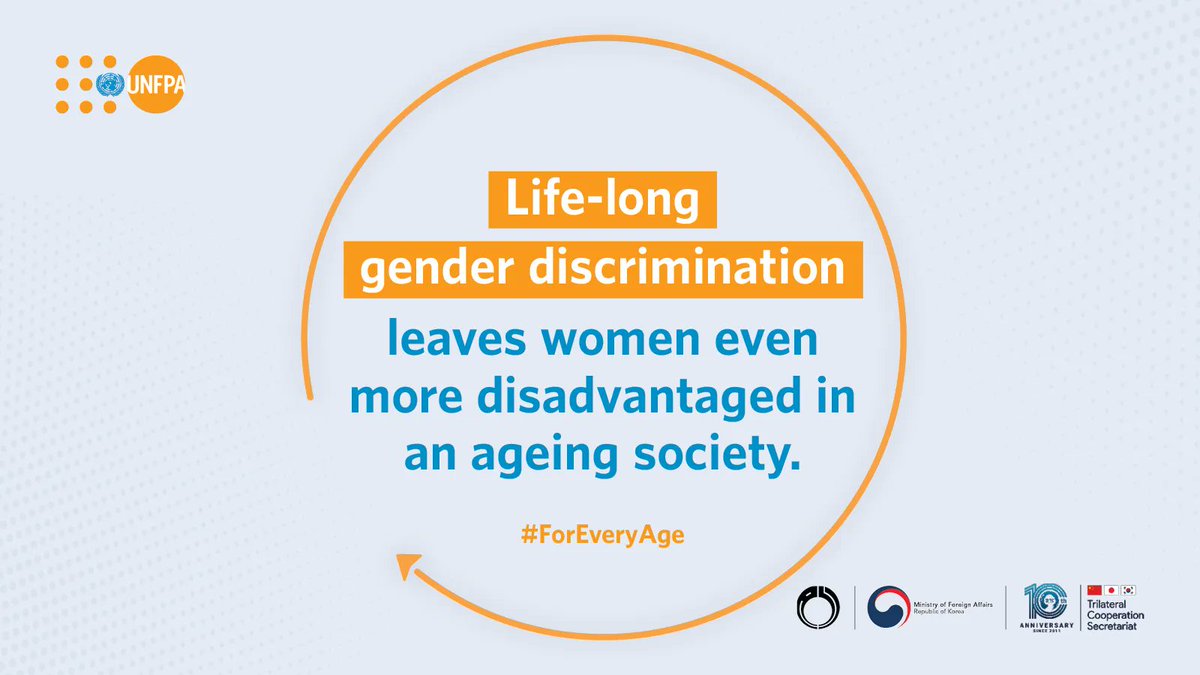
🧓Over half of the elderly being women in Asia-Pacific, to adapt #Lifecycleapproach in gender equality & human rights. 👭Women and girls must have equal opportunity
#ForEveryAge #GenderEquality #PopulationAgeing
@UNThailand @UNFPAAsiaPac @UNFPA @UNESCAP @Pr_Anamai @pr_dwf
1
6