
Mar 20
My latest post on the #MADcrew forum:
Two athletes.
Both training for endurance events.
But with completely different engines.
Here’s what the #PerformanceModeling data says about how @JohnGoldman and @inaki_delaparra actually work…
forum.madcrew.app/t/performa…
2
2
25
5,773
28 Feb 2023
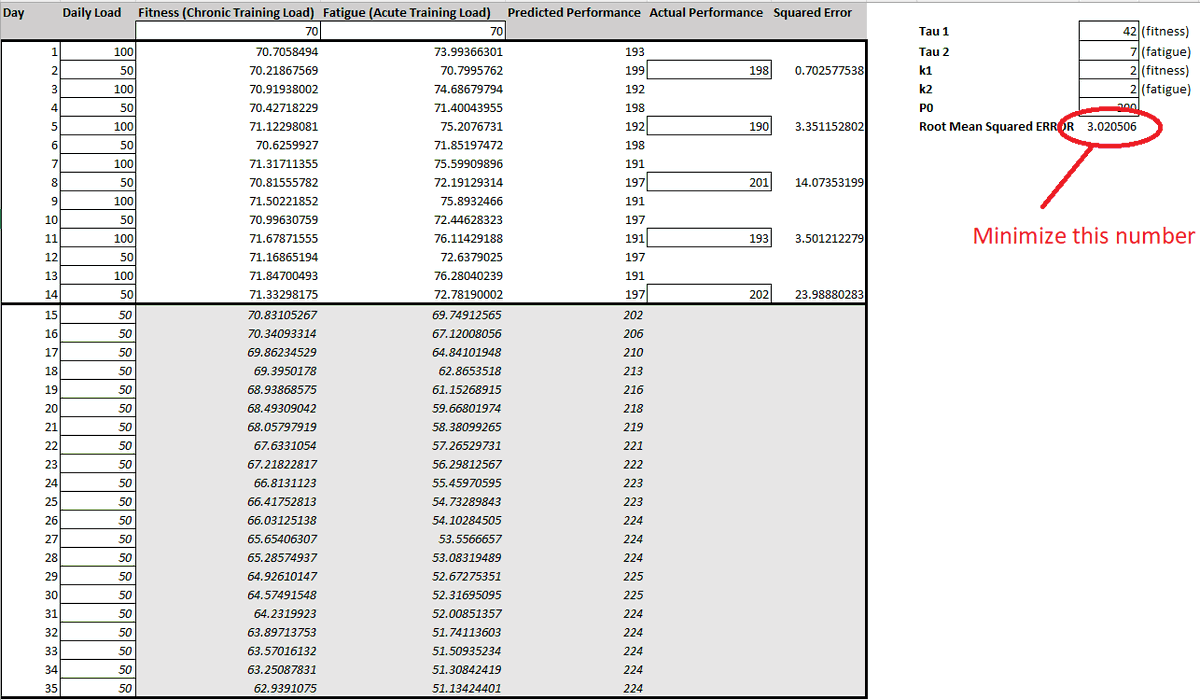
In this week's Substack, I'll be going over how to model and predict athletic performance.
Moving from very basic to advanced implementations of #PerformanceModeling
alancouzens.substack.com/
6
2
32
10,244

20 Feb 2023
At the #ICPE2022 conference, our researchers presented a method of using #PerformanceModeling and a profile-based design for faster deployment of session based recommendation models #ResearchPaper - bit.ly/3xU3zhP
#Research #FPGA #ML #HPC #Ecommerce #AcademicTwitter

1
233

20 Dec 2022
Check out how cove.tool helped EUA evaluate their design decisions with data and contribute to the global effort to mitigate climate change by designing higher-performing buildings. #ClimateAction
hubs.ly/Q01pX20r0
#PerformanceModeling #architects #engineers
5
161
13 Dec 2022
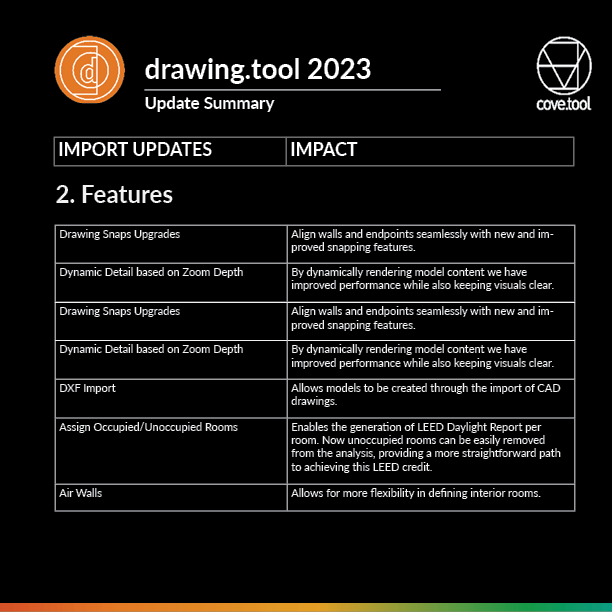
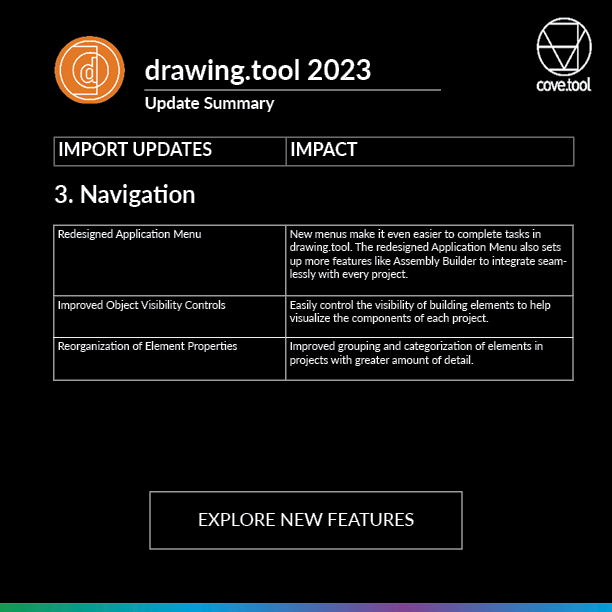
📐 Have you explored drawing.tool 2023 yet? 📐
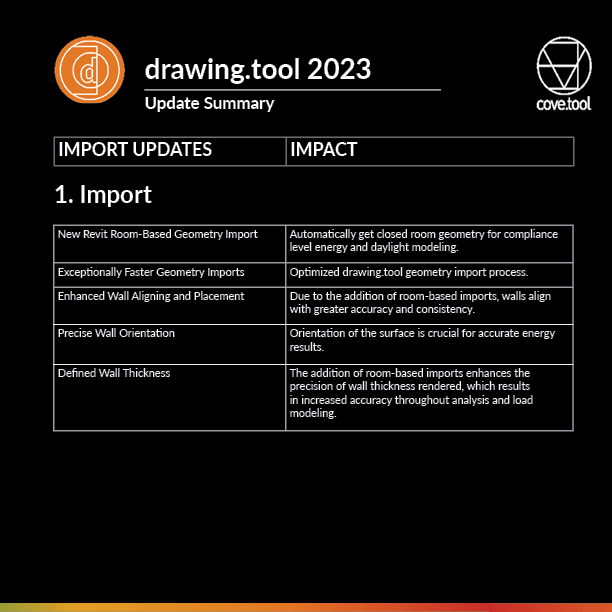
Here's a summary of our recent updates to help you continue to create, import, and edit #buildings in the best workflow possible.
Explore drawing.tool: hubs.ly/Q01vFhD40
#architects #geometry #PerformanceModeling #AEC
3
23 Nov 2022
⚙️Now live in analysis.tool: Baseline Schedules
Utilize the 3 different schedule options along with our easy to adjust sliders for a more optimized and accurate analysis.
Explore analysis.tool: cove.tools/analysis-tool-ene…
#PerformanceModeling #architects #engineers #design
2
21 Oct 2022
Have you read our newest case study with @EUA Architects? Learn how they used cove.tool to highlight the impact of orientation on EUI and daylight quality in a medical clinic building.
Read: hubs.ly/Q01pHKMY0 #PerformanceModeling

4
14 Oct 2022
Stop by our booth at Tech with your business card for a chance to win a collector's edition White House Lego set. While you're there, talk with our team about exciting new updates coming to cove.tool very soon!
Grab a ticket: hubs.ly/Q01pHYM60
#PerformanceModeling

2
6 Oct 2022
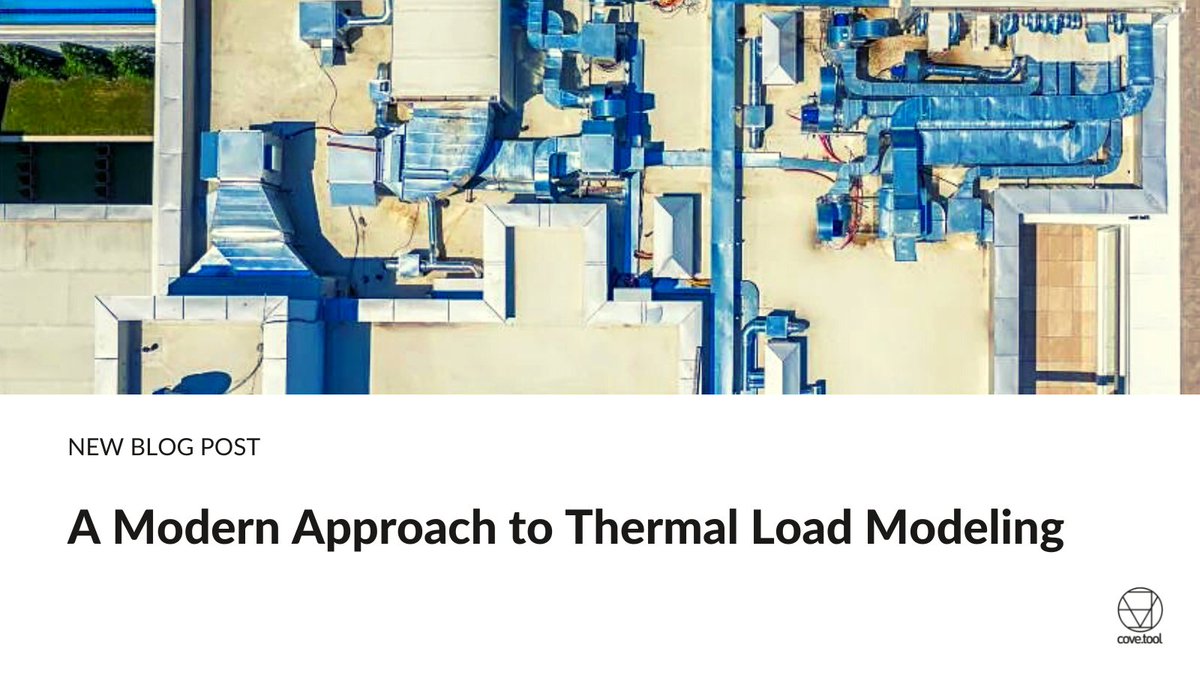
Learn how new technologies can help design teams save time and ultimately make a project cost-efficient for the owner. Read more in our blog: hubs.ly/Q01ncQzq0 #PerformanceModeling #architects #engineers #design #consultant #ClimateAction #ClimateStrategy #ClimateChange
1
3
5 Oct 2022
Happy Energy Efficiency Day 2022! We believe the essence of this day speaks directly to our mission at cove.tool in doing more with less, and by automating the AEC industry we hope to contribute to this. Learn more: hubs.ly/Q01nXzcs0 #EEDay2022 #PerformanceModeling
1
4
5 Oct 2022
Did you see us on the front page of the @AtlBizChron? Make sure to pick up a copy or read online about cove.tool and the Inflation Reduction Act: hubs.ly/Q01n-WVw0
#ATL #Atlanta #PerformanceModeling
1
4
22 Sep 2022
Have you read our top engineering blogs of this year? Covering everything from scaling up building performance modeling and how peak load can impact the cost of your HVAC system. Read now: hubs.ly/Q01mVGm50
#PerformanceModeling #architects #engineers #design
2
7 Sep 2022
We're honored to be a finalist in the Best B2B startup category for the Atlanta Startup Awards!
#ATL #Atlanta #StartUp #tech #technology #PerformanceModeling #architects #engineers #consultant #ClimateAction #ClimateStrategy #ClimateChange #CarbonEmissions
2
2
7 Sep 2022
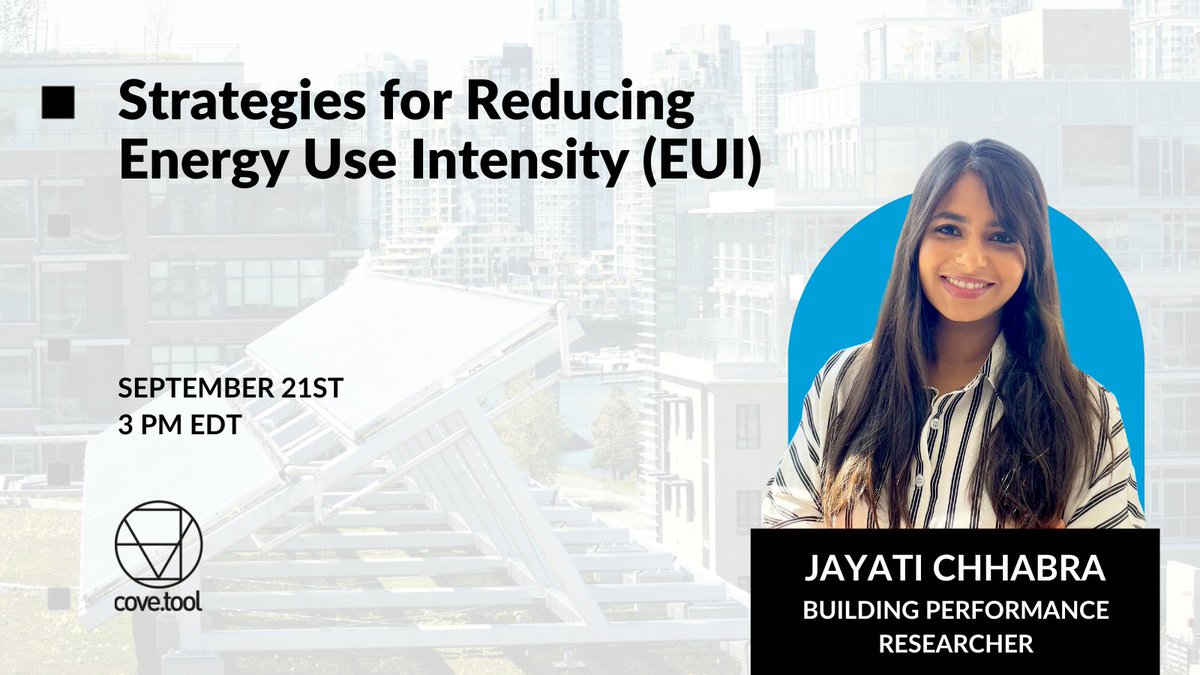
Join Jayati Chhabra, Building Performance Researcher, for a webinar as she showcases strategies for reducing the EUI of your projects which in turn can lower the carbon footprint of projects. Sign up to attend: hubs.ly/Q01l1kf30 #EUI #PerformanceModeling
2

27 May 2022
Congratulations to Ping Wang @yorkuniversity on her elevation to @IEEEorg Fellow for her contributions to radio resource allocation and #performancemodeling of heterogeneous #wirelessnetworks. #IEEE #IEEEFellow

4
3
14 Jan 2022
Our session on January 25th at noon EST will touch on tips & tricks and show you how to run specific analysis types on your Revit project. Learn more: hubs.ly/Q011h_7C0 #EnergyModel #BuildingPerformance #architect #architecture #SustainableBuilding #PerformanceModeling

1
4
11 Jan 2022
Join us for a 30-minute session on 1/25 at 12pm EST, walk through the workflow from setting up your model to bringing in your simple or complex 3D geometry from Revit to cove.tool for #PerformanceModeling. hubs.ly/Q011x_bc0 #architect #BuildingDesign #architecture

1
2

16 Nov 2021
HIRING: Research Scientist in HPC and AI Performance / Berkeley, Ca - ai-jobs.net/job/11131-resear… #AI #MachineLearning #DataJobs #Jobsearch #MLjobs #bigdata #DataScience #AIjobs #techjobs #supercomputing #hiringnow #AI #GPU #Python #Research #MPI #performancemodeling

3
2
27 Sep 2021
Serious question: If you don't have an individualized model of fitness and fatigue running in the background for each athlete, how can you, as a coach, make individually optimal training decisions? 🤔 #PerformanceModeling
10
6
56
20 Oct 2020
Important NEW research, once again, showing the shortcomings of wrapping volume and intensity together in one #TSS number. Both performance and fatigue prediction are significantly improved when volume and intensity are considered as separate model inputs. #PerformanceModeling
15 Oct 2020

Really pleased to publish this research with @Antokesi @AndNicolo journals.humankinetics.com/v…
Sorry it's not open access, I'll do a blog post on it. We conclude there are important shortcomings using Work Done or Training Load to evaluate sessions of different intensity and duration.
5
9
60