
Red is just realitybased decision making: you don’t gamble your survival onbillions of anonymous strangers magically coordinating
Blue isnt “hope” its betting your life on mass coincidence in a system designed 2 punish optimism
Red at least respects how uncertainty actualy wrks
1
2
31

Who knew India was so #RealityBased ?
5
48

"sexul dizeses" "realitybased"
You are not only an ignorant racist, you are also dumb.
9
85


Feb 10
UNREAL OPPORTUNITY!! 💎
Something very rare and precious is going to happen Saturday afternoon, March 7.
Two heroic women anonymously at the helm of @reduxx are going to *actually* show up in person to tell their story.
Heads up to all the @X accounts leading the “sanity parade” who rely heavily - QT a lot! - on the incredible reporting by #REDUXX .
You know who you are!
HONESTLY!
Where would we be without the shocking revelations the REDUXX gals find and amplify on the daily?!
How do they even do it?
Most astonishing, yet, the event will happen in #Canada 🇨🇦, supporting our fledgling Canadian resistance. [@cawsbar]
Get your LIVE STREAMING tickets here:
cawsbar.ticketbud.com/realit…
⭐️Spectacular #RealityBased forum.
It will help our cause for #SexBasedRights in #Canada and you will enjoy it, to boot! ⭐️
Here are some accounts I am flagging.
Please add more! 🙏🏼
@Riley_Gaines_
@jk_rowling
@robbystarbuck
@JenniferSey
@GSpellchecker
@megynkelly
@Rob_ThaBuilder
@Glinner
@sharrond62
@BuckAngel
@fairplaywomen
@zaelefty
@runthinkwrite
@Martina
@triggerpod
@MrAndyNgo
@MattWalshBlog
@catturd2
@BrandiKruse
@thedarkhorsepod
@conservmillen
@tedcruz
@NancyMace
@naomirwolf
@BridgetPhetasy
@KristenWaggoner
22
83
316
7,032

Jan 6
Using dagama_world has changed how I understand exploration and value creation. This isn’t a system where attention identity or loud claims determine influence. Instead influence grows from consistent interaction with real locations and the quality of information you contribute.
Each movement, update, and verification adds depth. Precision situational awareness and follow through slowly shape your standing within the network. Rather than assigning trust by default dagama_world lets reliability surface over time through repeatable, real world actions.
The real advantage is how integrity scales. Accurate observations reinforce one another weak signals are filtered out and strong signals gain momentum. As this happens firsthand experience turns into something tangible and defensible.
Discovery here is not about speed or virality. It’s about accumulation. Realitybased contributions stack forming a durable record that lives onchain. In this model value isn’t promised it is proven through sustained, grounded participation.

Jan 6

DaGama is built on a realistic assumption: people will never experience or describe places in exactly the same way.
Different users see different details, arrive at different times, and interact with locations under different conditions.
Rather than trying to force artificial agreement, daGama designs for disagreement. Conflicting inputs aren’t treated as errors they’re signals. The system organizes these differences through structured validation, reputation, and historical context.
Over time, patterns emerge. Reliable contributions gain weight, inconsistencies are exposed, and the map becomes more accurate without silencing minority observations.
This approach turns disagreement into strength. Instead of fragile data that breaks when opinions clash, daGama creates resilient geographic intelligence that improves through debate, verification, and time.
By accepting complexity instead of denying it, daGama builds shared location data that reflects how the real world actually works.

1
30
31
812

9 Aug 2025
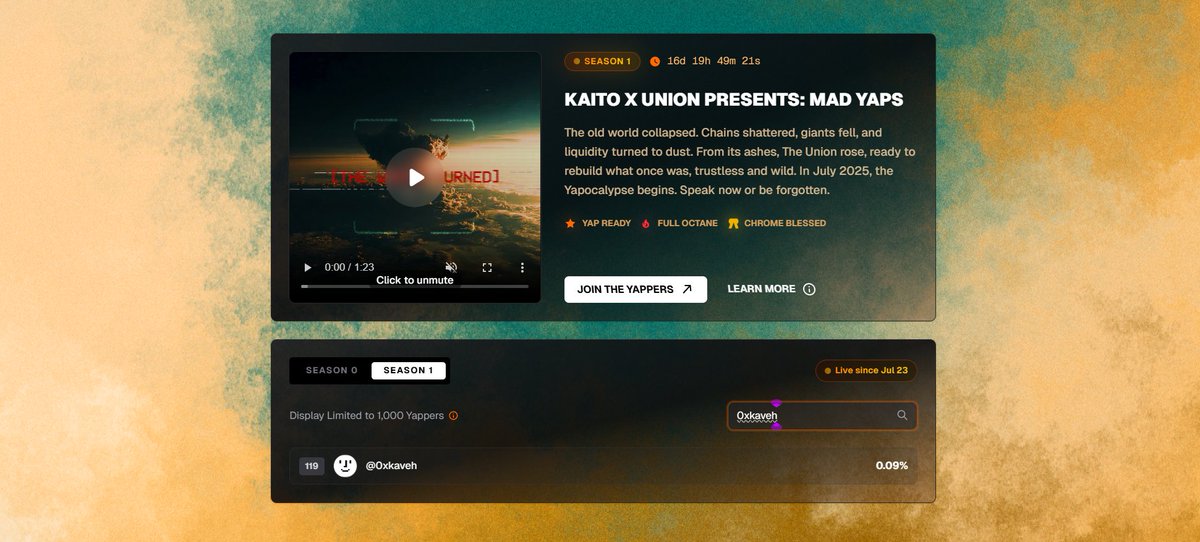
My cleanest, most realitybased idea about what's going to happen next with Kaito projects is this:
Projects will keep using Kaito data, but not their LB on kaito.
The truth is, like @union_build , they'll take the data and build their own LB to reward real users.
There are some leaderboards that don't even have 100 eligible creators / yappers.
this is either the end or new simplest way to earn with Kaito and collab in creating content.
The fact that they removed AI creators isn't fully right --and you know why?
Because every single yapper out there can agree:
There was no better time in CT than the past 10 months, when real/general users finally started getting deep into projects.
it happened to me myself, And I am pretty sure many other have the same feelings.
All this AI stuff is kinda excuse because they were not able to fully tag bots and remove them.
there is also another theory in my mind, this is just a beginning for something bigger. Not fully sure right now. time will tell
my last words. Keep doing what you've been doing. DO NOT STOP! KAITO IS just a Layer 2 as chill said.

My cleanest, most realitybased idea about what's going to happen next with Kaito projects is this:
Projects will keep using Kaito data, but not their LB on kaito.
The truth is, like @union_build , they'll take the data and build their own LB to reward real users.
There are some leaderboards that don't even have 100 eligible creators / yappers.
this is either the end or new simplest way to earn with Kaito and collab in creating content.
The fact that they removed AI creators isn't fully right --and you know why?
Because every single yapper out there can agree:
There was no better time in CT than the past 10 months, when real/general users finally started getting deep into projects.
it happened to me myself, And I am pretty sure many other have the same feelings.
All this AI stuff is kinda excuse because they were not able to fully tag bots and remove them.
there is also another theory in my mind, this is just a beginning for something bigger. Not fully sure right now. time will tell
my last words. Keep doing what you've been doing. DO NOT STOP! KAITO IS just a Layer 2 as chill said.
1
3
15

My cleanest, most realitybased idea about what's going to happen next with Kaito projects is this:
Projects will keep using Kaito data, but not their LB on kaito.
The truth is, like @union_build , they'll take the data and build their own LB to reward real users.
There are some leaderboards that don't even have 100 eligible creators / yappers.
this is either the end or new simplest way to earn with Kaito and collab in creating content.
The fact that they removed AI creators isn't fully right --and you know why?
Because every single yapper out there can agree:
There was no better time in CT than the past 10 months, when real/general users finally started getting deep into projects.
it happened to me myself, And I am pretty sure many other have the same feelings.
All this AI stuff is kinda excuse because they were not able to fully tag bots and remove them.
there is also another theory in my mind, this is just a beginning for something bigger. Not fully sure right now. time will tell
my last words. Keep doing what you've been doing. DO NOT STOP! KAITO IS just a Layer 2 as chill said.
22
2
47
1,080

7 Apr 2025
They should post that to their linkedin and see how "#RealityBased" they are i'm sure they'll be so hirable and not FARO, right guys??
1
141

12 Mar 2025
#BeKind STARTS with pronouns. Then binders, blockers, harmful hormones & finally irreversible surgeries. These are facts. Just NO don’t lie or participate in someone’s fantasy. #RealityBased
2
5
70
489

20 Aug 2024
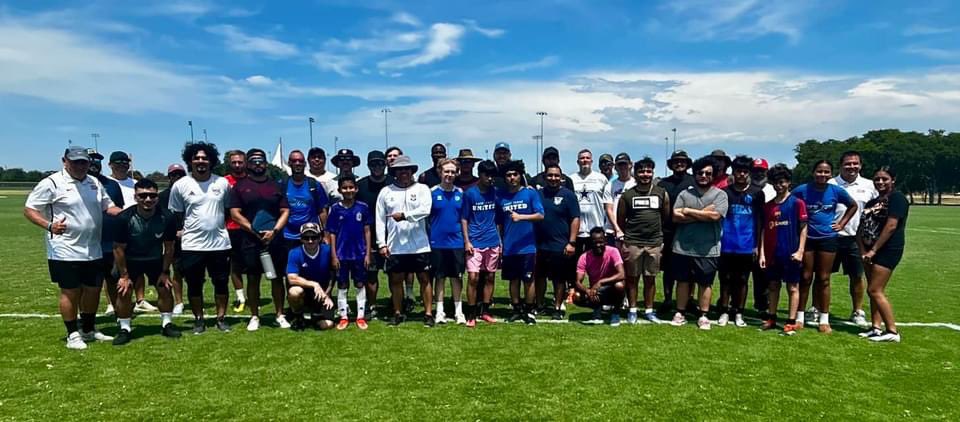
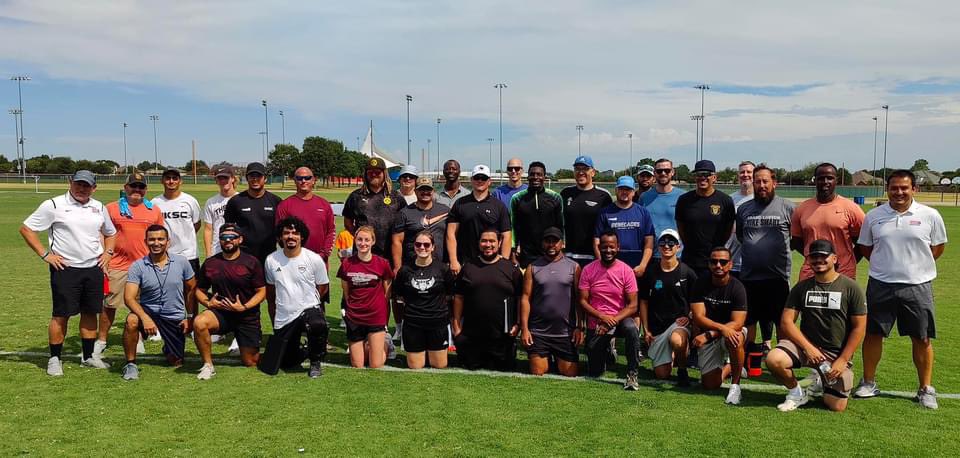
Always trying to leave the NTX soccer landscape in better condition than we found it
⚽ Elevate coaching to impact player environments
⚽ Better environments = better soccer players
#grassroots #northtexas #realitybased #experientiallearning #holisticlearning
4
147

24 Jul 2024
Joanna Cherry has exactly the same opinions as anyone else with a functional brain. Men aren't women, women aren't men. See how easy that is? #RealityBased
4
204

14 Jun 2024
If you're a Canadian citizen &/or resident, if you view yourself as:
a #GC,
a #TERF,
a concerned mom or dad,
or simply part of the #RealityBased majority,
🔥PLEASE sign the below petition
to #ProtectKidsFromTrans!
#WomenTweet
12 Jun 2024

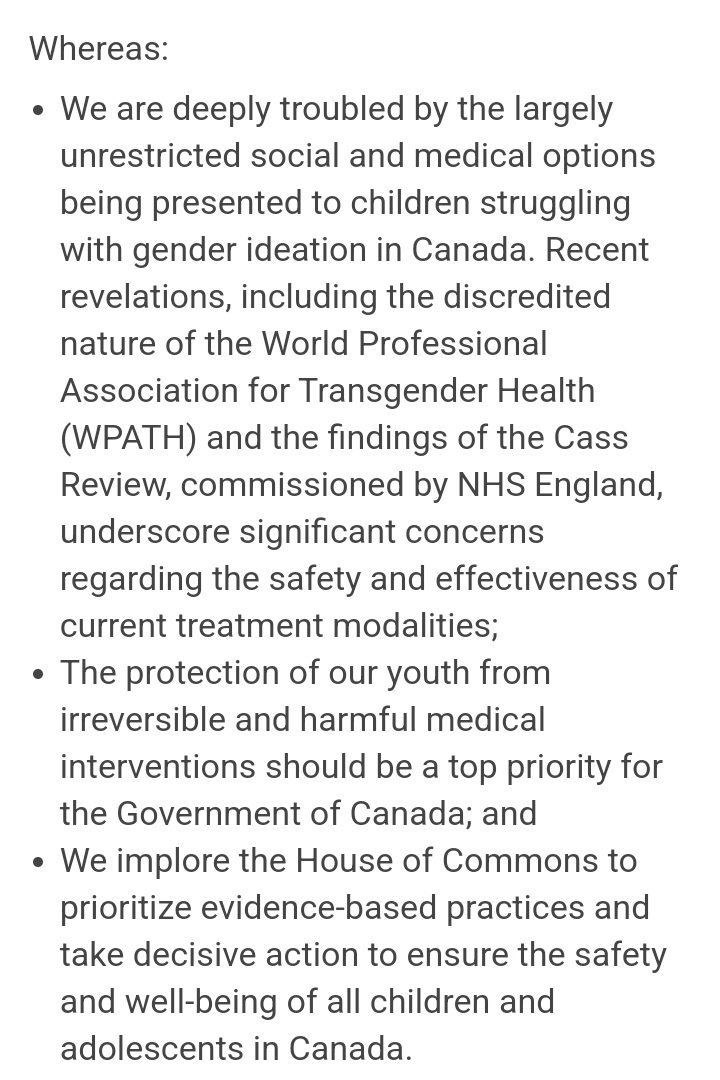
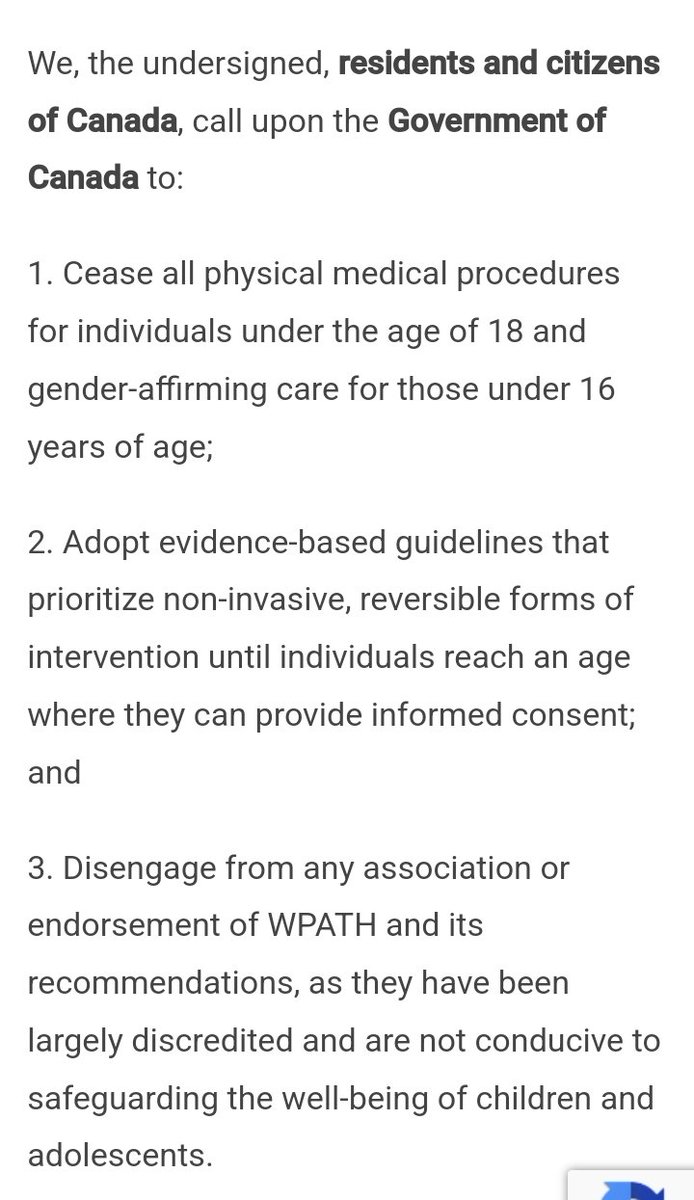
💥💥💥 #Canada: Petition e-5010 💥💥💥
Leave. The kids. ALONE.
>> ourcommons.ca/petitions/en/P…
#PolCan #CDNPoli #LiberalsLosingWomen #NDPLosingWomen
4
4
425

21 May 2024
Tag office talkative employee👇🏻
#tasktracker #talkativeemployee #reel #corporate #officereels #realitybased #jabwemet #viralreel
4
98

24 Mar 2024
#TERF #Terfing #Women #Education
#RealityBased #BiologyIsReal
#CottonCeilingEndedPride
#LBGWithoutTheTQ


1
2
31
11 Mar 2024
Look at that. 👀
Pierre Poilievre - leader of @CPC_HQ - finally had the courage to support sex-based spaces and programs out loud and…
… nothing bad happened.
He made the statement on February 21, 2024.
Enough time has transpired for any adverse response to show up in the polling.
No major backlash as hinted at by legacy media outlets. (Except for the negative coverage they themselves published.)
It’s what people like me have been pointing out for over a year.
This issue is a WINNER.
Everyone has a mother, sister, daughter or other female relatives who absolutely deserve female-only spaces and sports.
Keep it #RealityBased @PierrePoilievre !!
At least 80% of Canadians agree with you on this topic.
#cdnpoli
11 Mar 2024

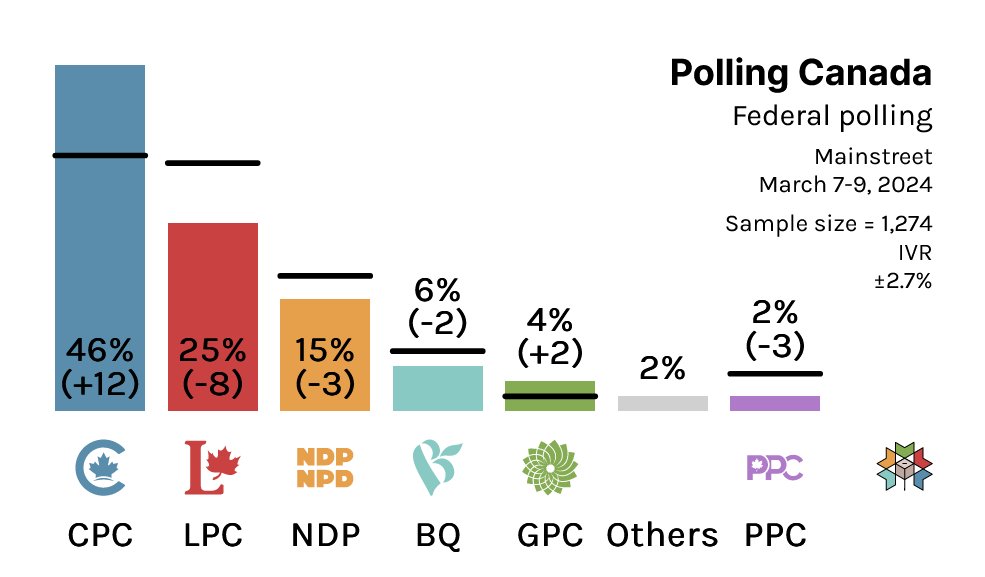
Federal Polling:
CPC: 46% ( 12)
LPC: 25% (-8)
NDP: 15% (-3)
BQ: 6% (-2)
GPC: 4% ( 2)
PPC: 2% (-3)
Others: 2%
Mainstreet Research / March 9, 2024 / n=1274 / MOE 2.7% / IVR
(% Change With 2021 Federal Election)
Check out federal details on @338Canada at: 338canada.com
21
121
483
28,053

10 Mar 2024
Make sure to buy tickets to this EPIC event MAY 11TH. It will surely sell out fast.
VIP tickets gets you dinner with myself and other guests plus lots of other bonuses 😊
Come watch me bench press David Menzies 💪💪
Hope to see you all there!
Buy tickets 👇👇👇👇👇
rebelnewslive.com/
#realitybased
#savecanada #keepmenoutofwomenssports
@RebelNews_CA @TheMenzoid @ICFSport @TrueNorthCentre


4
11
40
3,721

5 Mar 2024
Case study on our work training police cadets in academy settings.
->Faster decisions over time for better officer safety
->Use-of-Force and Domestic Violence learning indicators from metrics
decervo.com/enhancing-police…
#police #training #realitybased #bodycams

1
2
85

24 Jan 2024
Immediately after that I'll be on #RealityBased with @RyanRogerAthay at 1pm PST and lastly, I'll be watching episode 3 of Stargate SG-1 over on @FracturedFilter's channel. Hope to see you there!
1
5
143

17 Jan 2024
📣 Gender: A Wider Lens is now on #substack. Check us out at widerlenspod.com
#gender #widerlenspodcast #genderdysphoria #genderdistress #gendercritical #realitybased

4
8
1,976