
Row-Level Security (RLS) is one of the most underrated features of #Postgres.
I took challenge, writing a multi-tenant app with RLS, so you don't have to.
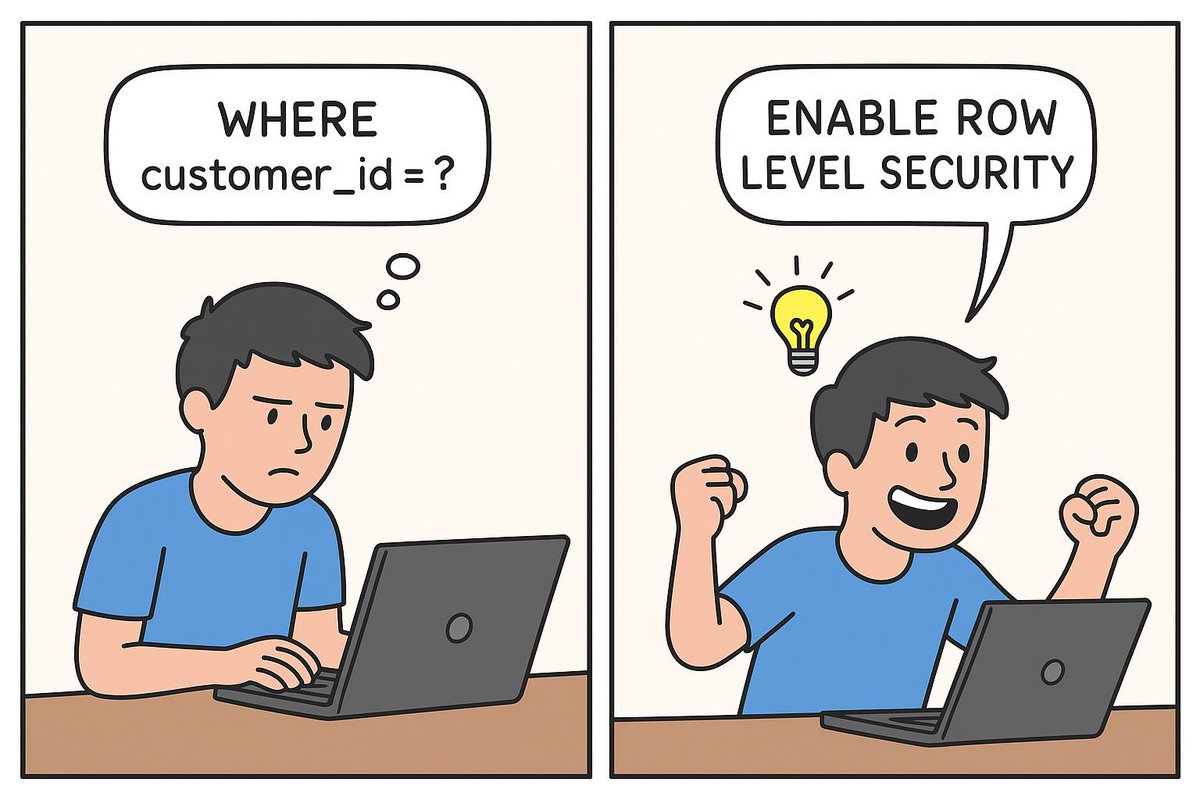
When writing applications for multiple customers, tenants, users, etc. our best friend is 𝑾𝑯𝑬𝑹𝑬 𝒄𝒖𝒔𝒕𝒐𝒎𝒆𝒓_𝒊𝒅 = ?, if we want it or not.
My issue is that it's way to easy to forget it on new queries. Not to talk about the cluttered source code all over the place. I just hate to repeat myself 🤣
Anyway, with Row-Level Security, it is super easy to teach PostgreSQL that a user can only access its own data. No potential leaking of information, no accidental forgetting of the WHERE-clause, no query forging. Just lock users into roles and apply access policies to the role.
Internally, Postgres will add the necessary filters to the query automatically while building and optimizing the query tree.
Create a policy, enable row-level security and query as if there is no tomorrow.
-----
CREATE POLICY customers_tenant_isolation
ON customers
FOR SELECT
TO customer
USING (customer_id::TEXT = CURRENT_SETTING('customer_id', FALSE));
ALTER TABLE customers ENABLE ROW LEVEL SECURITY;
SELECT customer_id, customer_name FROM customers;
-----
See my full blog post or find the demo app on GitHub for your convenience. I'd love to hear your thoughts on this! Please leave them in the comments 👇
- Example code: sblk.xyz/rls-invoicing
- Blog post: sblk.xyz/multi-tenancy-rls
Thank you to all the amazing friends and PG people that kept me in the Postgres community for years and taught me so much ❤️
I mentioned some of them on the image below. If you're looking for people to follow, here they are!
#security #rowlevelsecurity #database #dataleak #simplyblock #postgresql
3
11
770

🚀 #FabConEurope Session: Decoding Microsoft Fabric Security: Layers, Insights, and Aussie Expertise
📢 Speaker: Heidi Hasting, MVP
Learn more 👉 ow.ly/1N6v50WiS5e
#Microsoft #FabCon #MicrosoftFabric #DataSecurity #RowLevelSecurity #Governance #SecureDataArchitecture

1
3
402
🚀 #FabConEurope Session: Eventhouse / KQL database security setup
📢 Speaker: Brian Bønk
Learn more 👉 ow.ly/iPSh50WgHL1
#Microsoft #FabCon #MicrosoftFabric #KQL #DataSecurity #RealTimeIntelligence #RowLevelSecurity #FabricAdmin #DataAccess #SecureData #Kusto

3
72

31 May 2025
A SQLi flaw (CVE-2025-48912) in Apache Superset allows authenticated attackers to bypass row-level security, exposing sensitive data
#ApacheSuperset #SQLInjection #DataSecurity #OpenSourceSecurity #RowLevelSecurity #BusinessIntelligence #CyberSecurity
securityonline.info/cve-2025…
2
1
270

24 Sep 2024
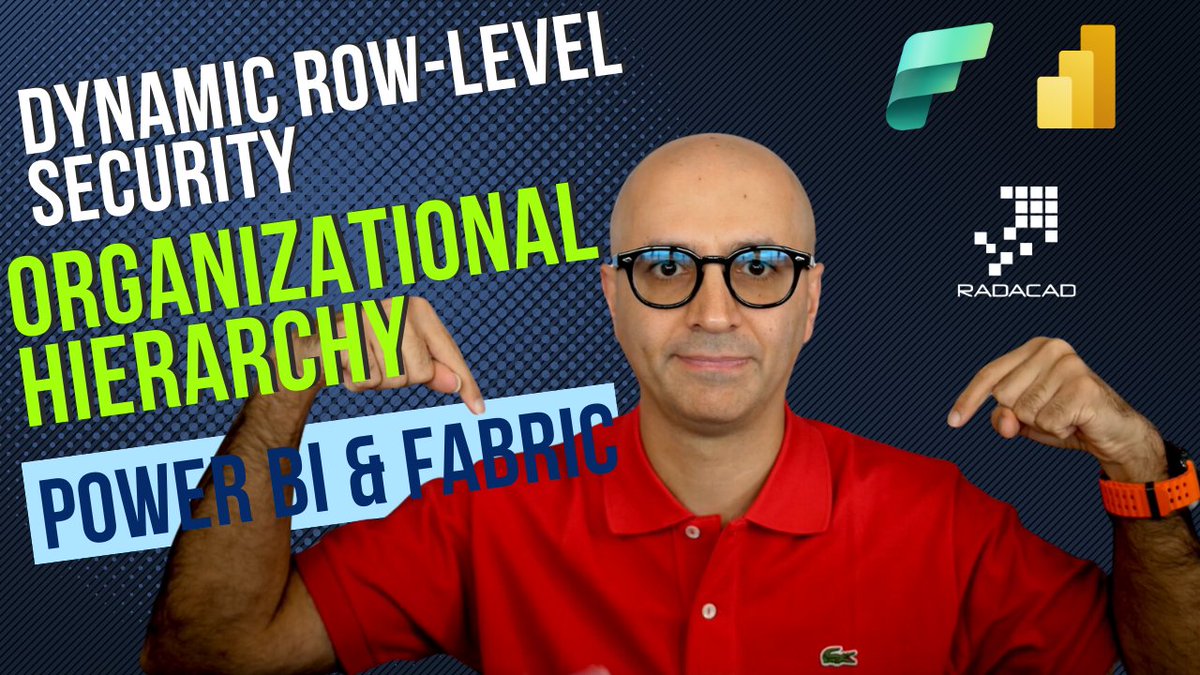
In today's video, I explained a very common #Dynamic #RowLevelSecurity #Pattern in #PowerBI when you have an #OrganizationalHierarchy and you want the access to be set based on that
Learn the process from my video here:
youtu.be/61fUUciDnks
#PowerBIFromRookieToRockStar #Microsoft #Fabric #RLS #DRLS #Security #DAX #DAXPatterns
1
5
24
1,210
10 Sep 2024
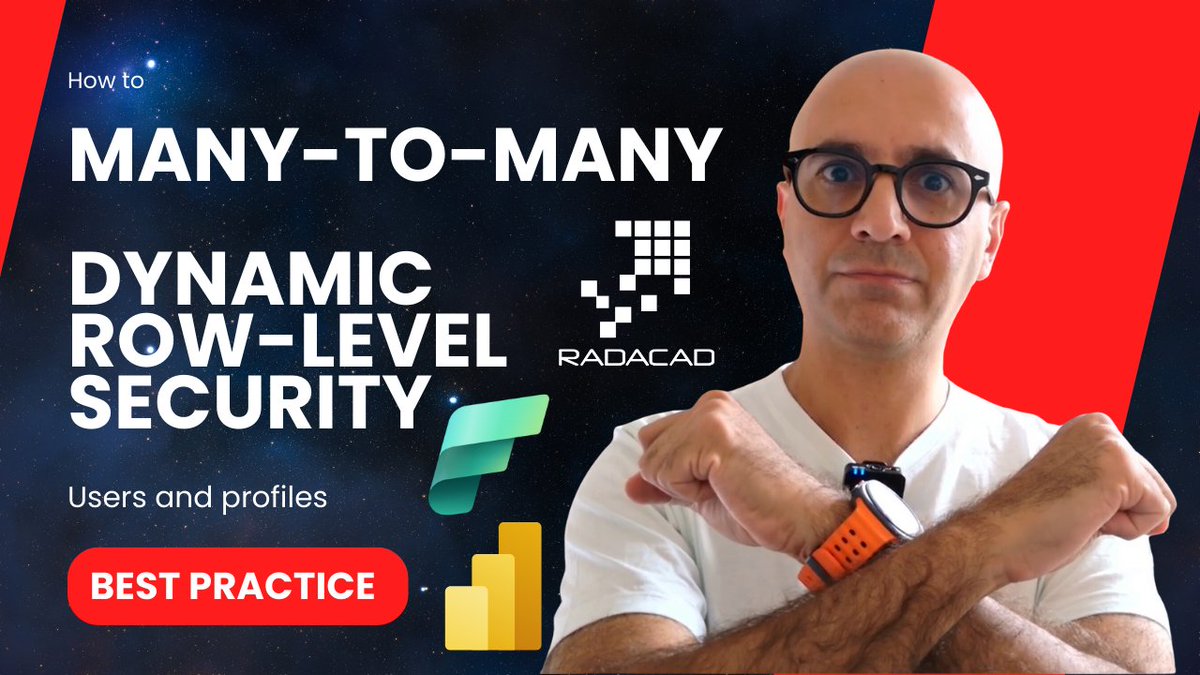
When you are building a #Dynamic #RowLevelSecurity #DRLS #RLS solution in #PowerBI #Microsoft #Fabric, and you have a #ManyToMany relationship situation, there is a serious potential for following bad practices for #DataModeling #Modeling
In this video, I explained how you can follow the #BestPractice and still have a proper Dynamic row-level security with a many-to-many setup, each user having multiple roles and each role having multiple users
Learn about it here:
youtu.be/-MwysbrdVO0
4
19
1,072

Learn how to do Dynamic row-level security in #PowerBI with a manager-level access scenario in my latest video;
youtu.be/znk1dRkPKlM
#PowerBIfromRookieToRockStar #Microsoft #Fabric #RLS #DRLS #RowLevelSecurity
2
159
22 Aug 2024
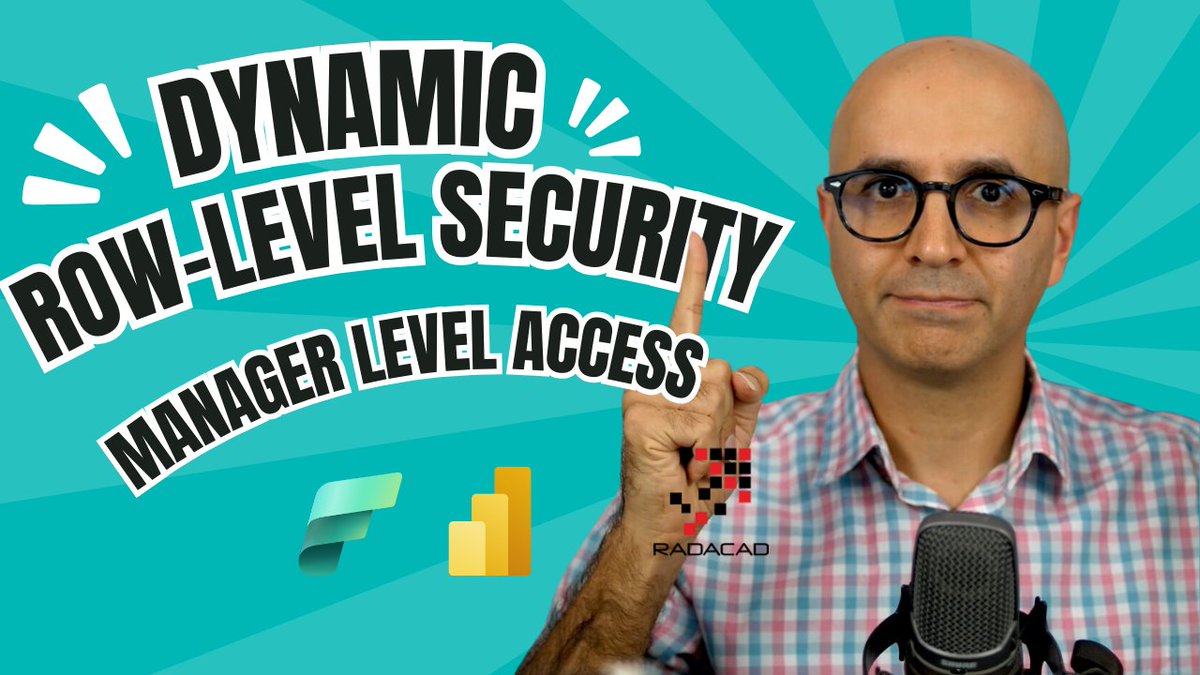
Learn how to do Dynamic row-level security in #PowerBI with a manager-level access scenario in my latest video;
youtu.be/znk1dRkPKlM
#PowerBIfromRookieToRockStar #Microsoft #Fabric #RLS #DRLS #RowLevelSecurity
1
8
19
915

15 Aug 2024
🔒 Implementing Row-Level Security in PostgreSQL: Granular Access Control 🔐
Learn how to implement row-level security in your PostgreSQL database, ensuring fine-grained access control and data privacy.
PostgreSQL's row-level security feature allows you to define policies that control access to individual rows within a table, based on the user's identity or other dynamic conditions. This is particularly useful for applications that handle sensitive data and need to enforce granular access control.
Code:
sql
-- Creating a row-level security policy
CREATE POLICY on_own_data ON users
USING (user_id = current_user);
-- Granting access to the policy
ALTER TABLE users
ENABLE ROW LEVEL SECURITY;
#PostgreSQL #Security #RowLevelSecurity #DataPrivacy #Compliance
4
479

3 Mar 2024
【注目の記事をPick up!】
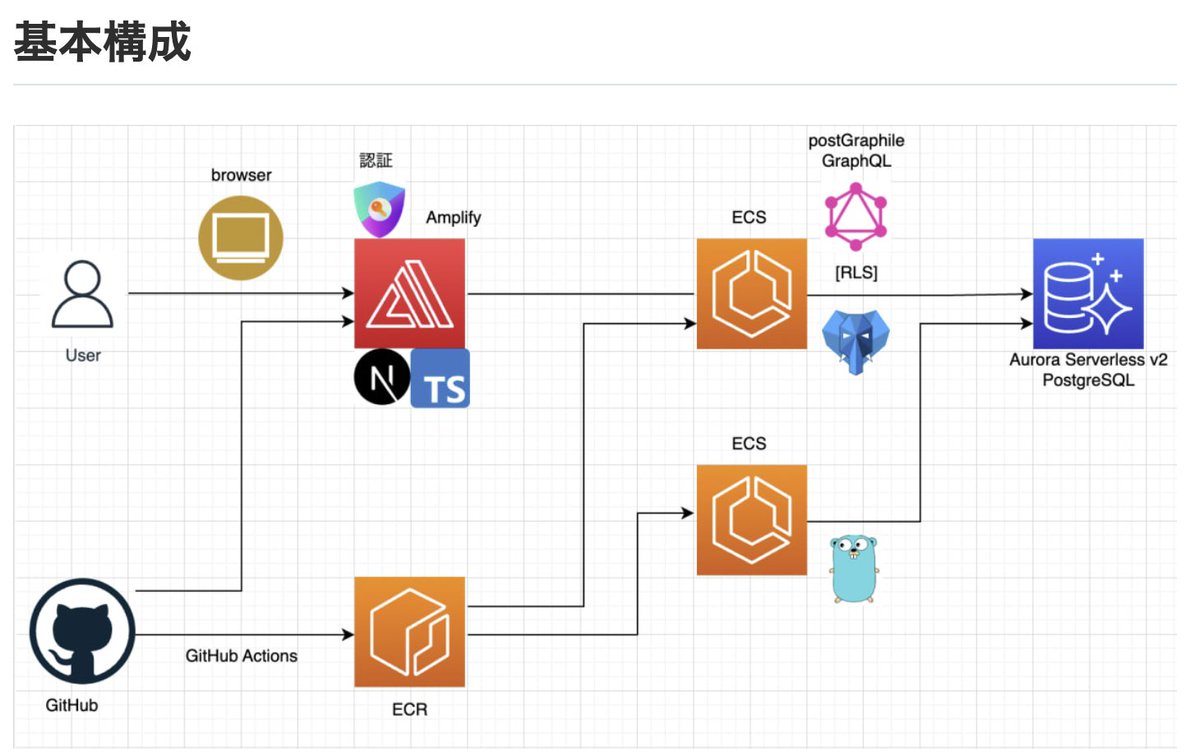
@yosashusakuさんによるマルチテナントSaaSにおける技術選定
AWSを中心になるべくマネージド/サーバレスなものを選択👆
また、#PostgreSQL の #RowLevelSecurity に対応している #PostGraphile を選択するなどの工夫をしています。
zenn.dev/ficilcom/articles/m…
2
282

New blog post alert! Using Row Level Security in #PowerBI (part 2 is about expanding the use case in #PowerAutomate, coming soon!) lindsaytshelton.com/blog/202… #sharingiscaring #MVPBuzz #rowlevelsecurity #poweraddicts
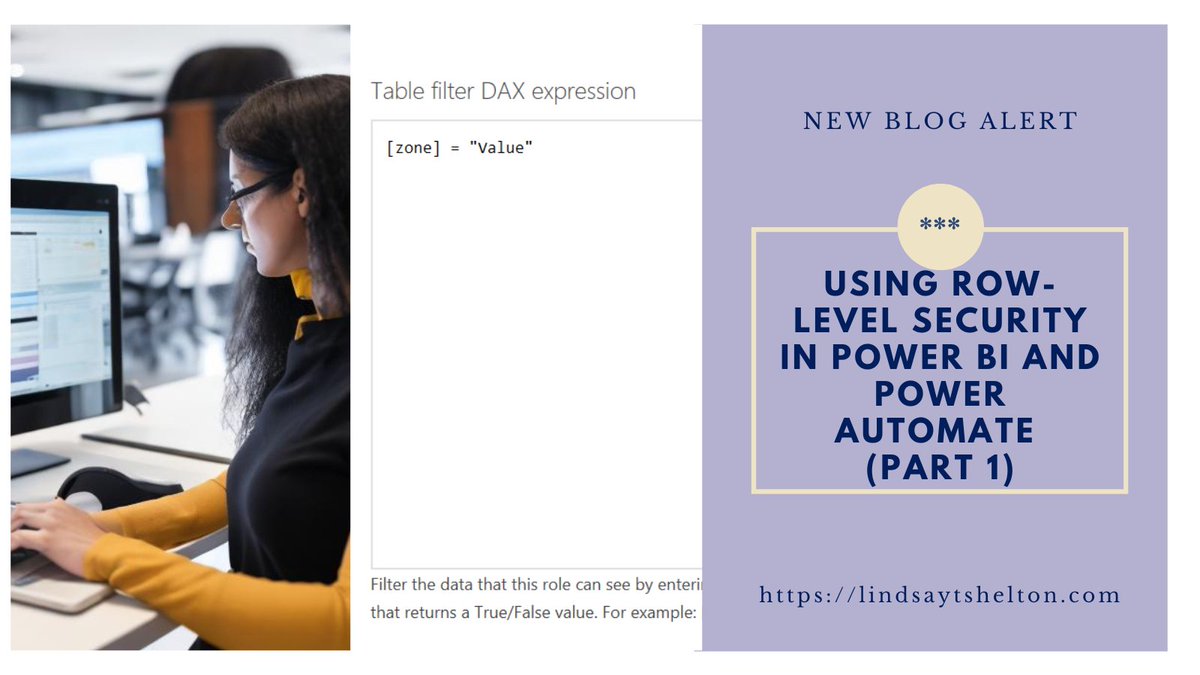
ALT A woman working on a report, a screenshot of a DAX editor in Power BI, and a heading "New blog alert - Using Row Level Security in Power BI and Power Automate (Part 1)"
5
4
458

14 Oct 2023
8️⃣ Power BI Administration and Security:
- Administering and managing Power BI workspaces and users.
- Configuring #rowlevelsecurity (RLS) for data access control.
- Implementing #dataloss prevention (DLP) policies and security best practices.
1
1
2
563

23 Aug 2023
It was today, when I found out that testing #RLS in #PowerBI got easier ;-)
Small things with great effect!
workingondata.wordpress.com/…
#RowLevelSecurity #SmallThings #MakeMyLifeEasier

2
3
11
1,308

31 Jul 2023
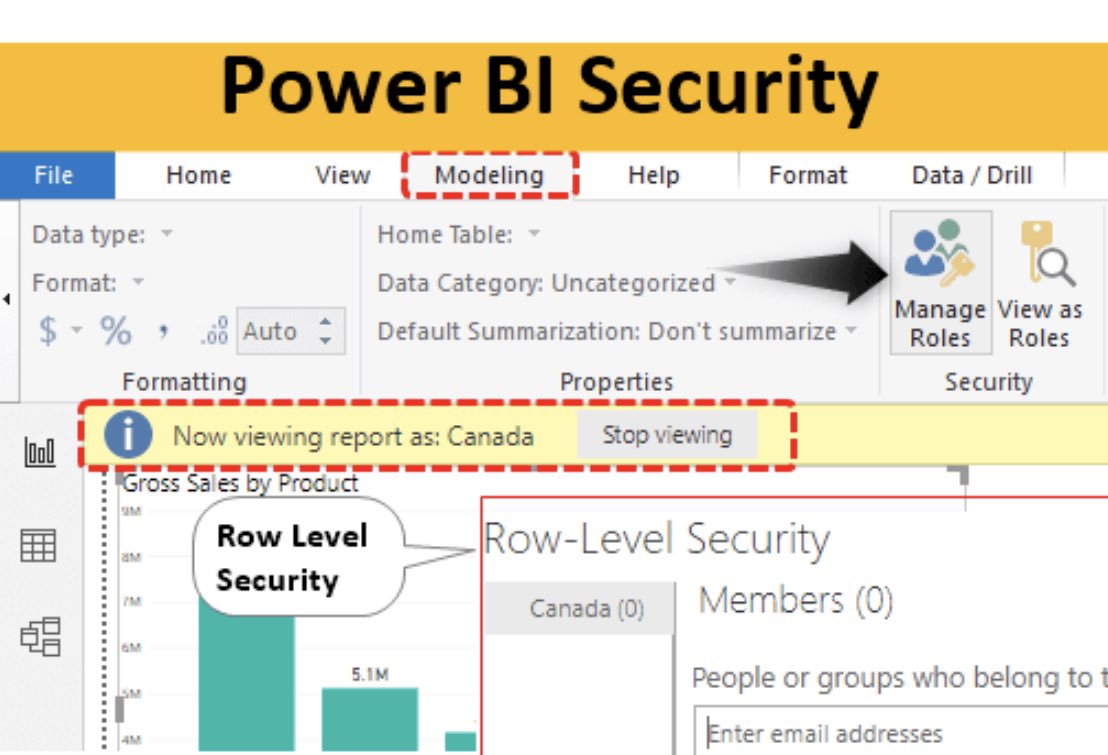
📚 Day 6 of #25daysofDatawithWiDA 🚀
Today, I dove into DAX & row-level security! 🤓💻 By defining specific data rows, we can control who sees what, ensuring data privacy 🔒 & confidentiality.#DataPrivacy #RowLevelSecurity #DataManagement #25daysofconsistencywithWiDA 📊👥💡
1
4
95

🔒 Learn how to enhance the security of your applications with custom claims and triggers in @Supabase! Check out my latest blog post on using triggers to map database relationships in custom claims.
blog.mansueli.com/using-trig…
#RowLevelSecurity #database #sql #postgres
1
10
500
30 Apr 2023
Learn how to implement Dynamic #RowLevelSecurity in #PowerBI in this video
youtu.be/jphj40tBPD8
#PowerBIDesktop #PowerBIService #Security #RLS #DynamicRLS #RADACAD #PowerBIfromRookieToRockStar
4
16
2,255


5 Feb 2023
Power BI(हिंदी) On Demand: Power BI(हिंदी) Row Level Security(RLS), how to handle ALL, role and userprincipalname: youtu.be/K14OPlGc9E8
#PowerBI #हिंदी #Hindi #RLS #RowLevelSecurity #role #userprincipalname #AmitChandakDA #businessintelligence #DA100 #PL300 #powerplatform #bi
1
96
22 Nov 2022
I am speaking about #RowLevelSecurity in #PowerBI
#ONLINE
In about 2 hours. why don't you join here: lnkd.in/gkg8kUCH
1
3
14 Nov 2022
it was great to see many enthusiasts about the #Powerbi #RowLevelSecurity today ar Melbourne Power BI user group
thanks @DashboardDr for hosting it
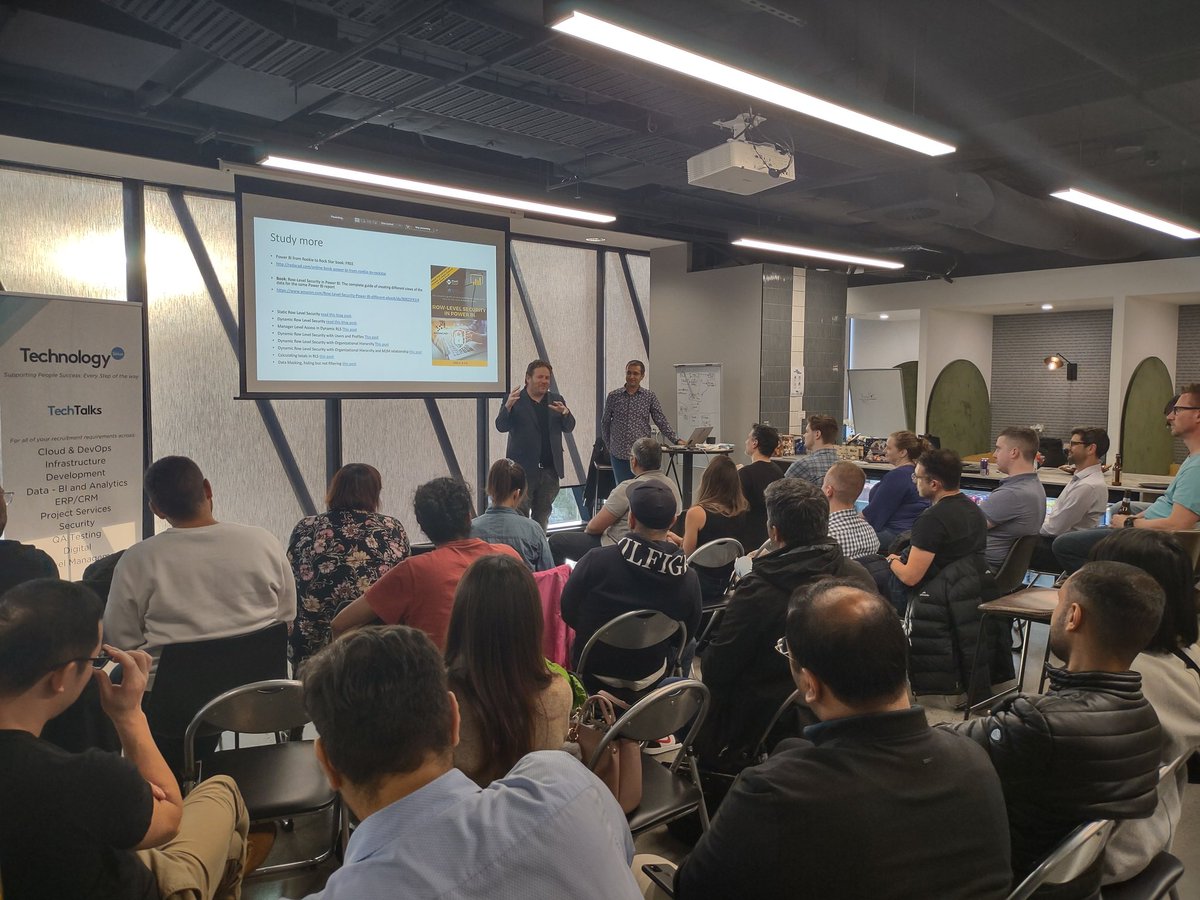
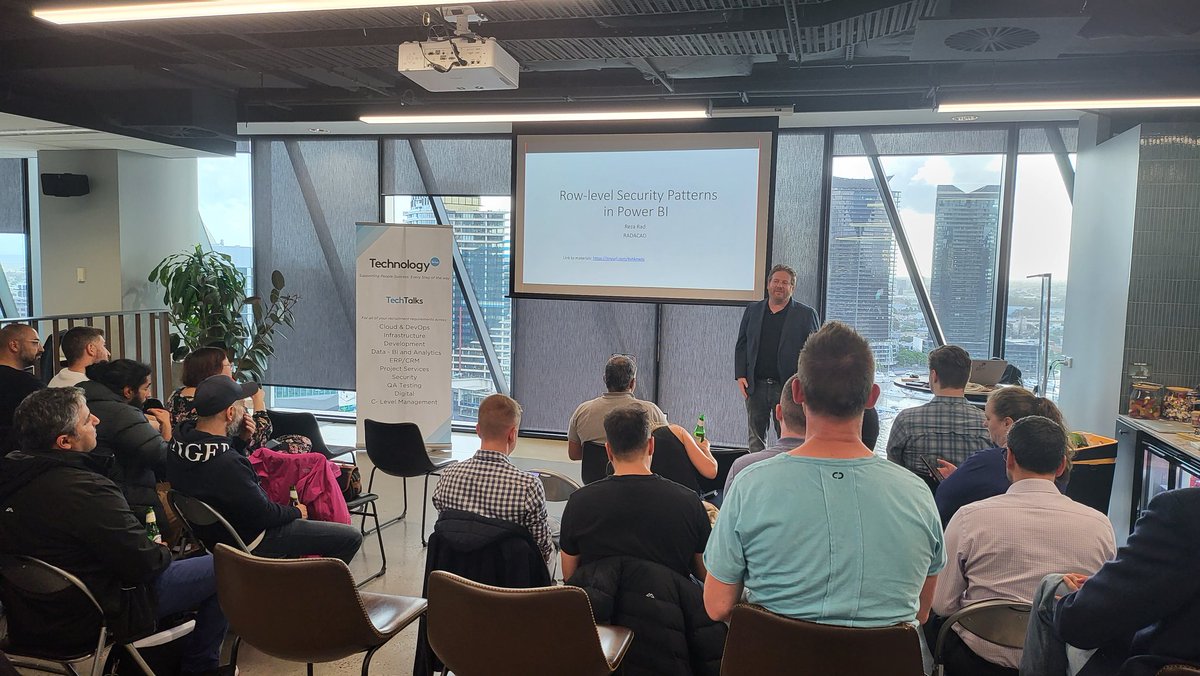

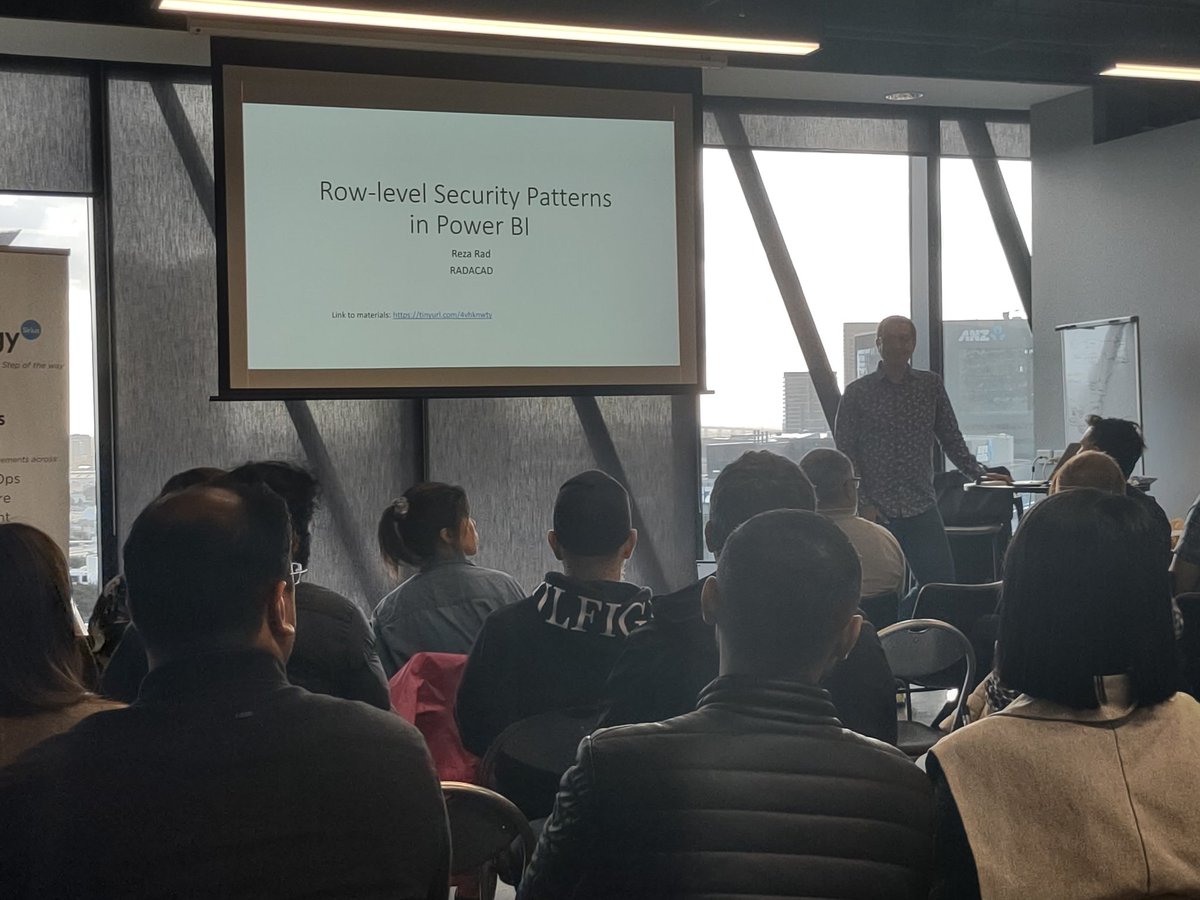
1
11