
Jun 10
A new study from our lab discovered how zebrafish naturally heal spinal cord injuries by rapidly clearing away cellular debris.
Check out the video!
youtu.be/zIyAbywWG9M
#Neuroscience #SpinalCordInjury #Zebrafish #StemCells #ScienceUpdate
14

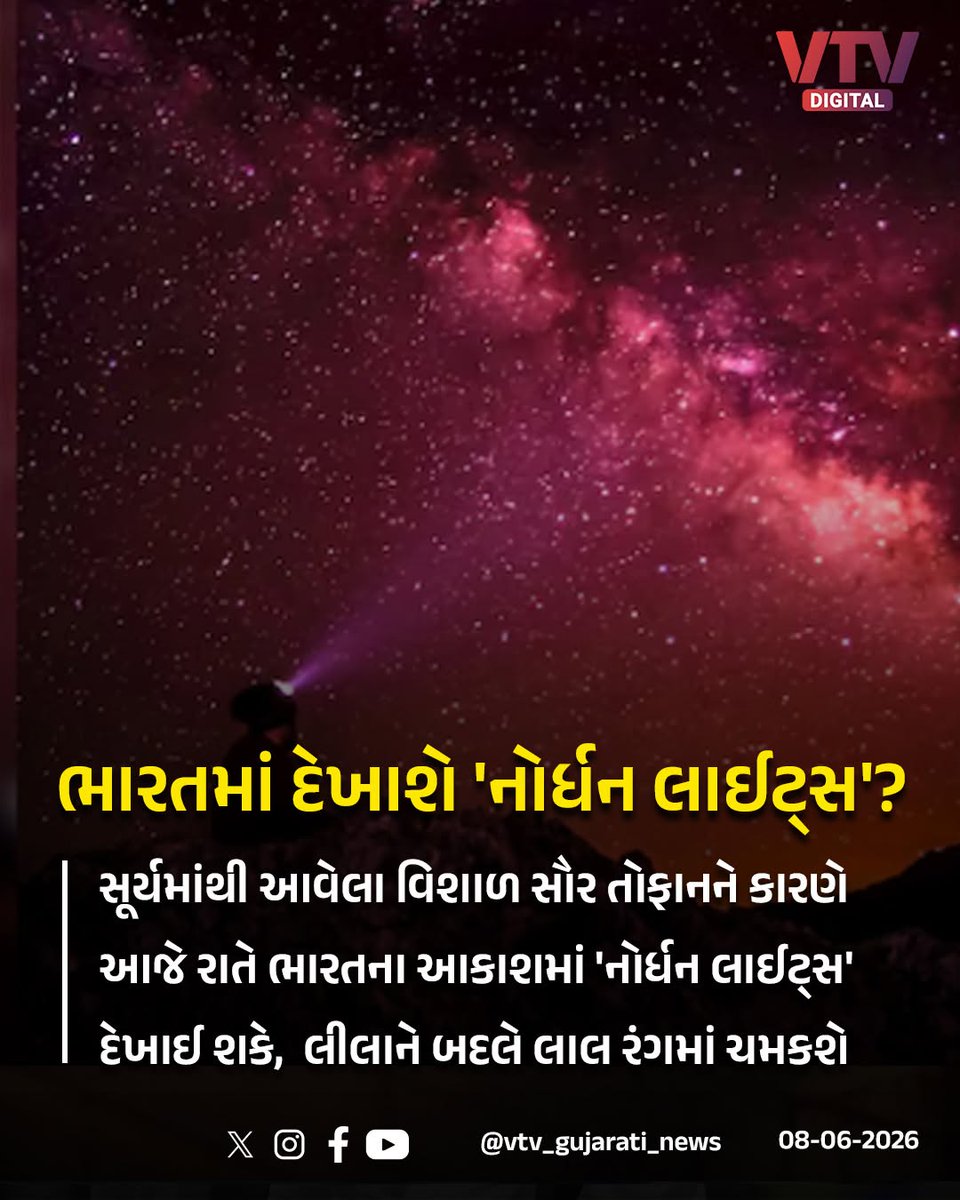
સૂર્યમાંથી આવેલા એક વિશાળ સૌર તોફાનને કારણે આજે રાતે ભારતના આકાશમાં 'નોર્ધન લાઈટ્સ' દેખાઈ શકે
#NorthernLights #AuroraBorealis #SolarStorm #SpaceWeather #Astronomy #Skywatching #ScienceUpdate #GeomagneticStorm #VTVDigital
1
4
135
2,704

Read the full report: indonesianpost.com/2026/06/0…
📱 Stay updated on tech & science news:
WA: whatsapp.com/channel/0029Vb7…
TG: t.me/theidnpost
#MedTech #Innovation #Biotech #STEM #IndonesiaNews #ScienceUpdate
9

SpaceWeather || சூரியனில் சக்திவாய்ந்த வெடிப்பு
சூரியனில் நேற்று காலை ஏற்பட்ட சக்திவாய்ந்த சூரியப் பேரலை வெடிப்பை நாசாவின் SDO விண்கலம் துல்லியமாகப் படம் பிடித்துள்ளது
மிக ஆபத்தான 'X1.0 Class' வெடிப்பாக வகைப்படுத்தப்பட்டுள்ள இத்தகைய வெடிப்புகள் பூமியின் தகவல் தொடர்பு, மின்சார க்ரிட்கள், GPS சிக்னல்களைப் பாதிக்கும் என்றும் நாசா எச்சரிக்கை
SpaceWeather | SunActivity
#SolarFlare #NASA #SpaceWeather #SunActivity #ScienceUpdate #TamilNews #NewsTamil24x7

1
3
361

May 28
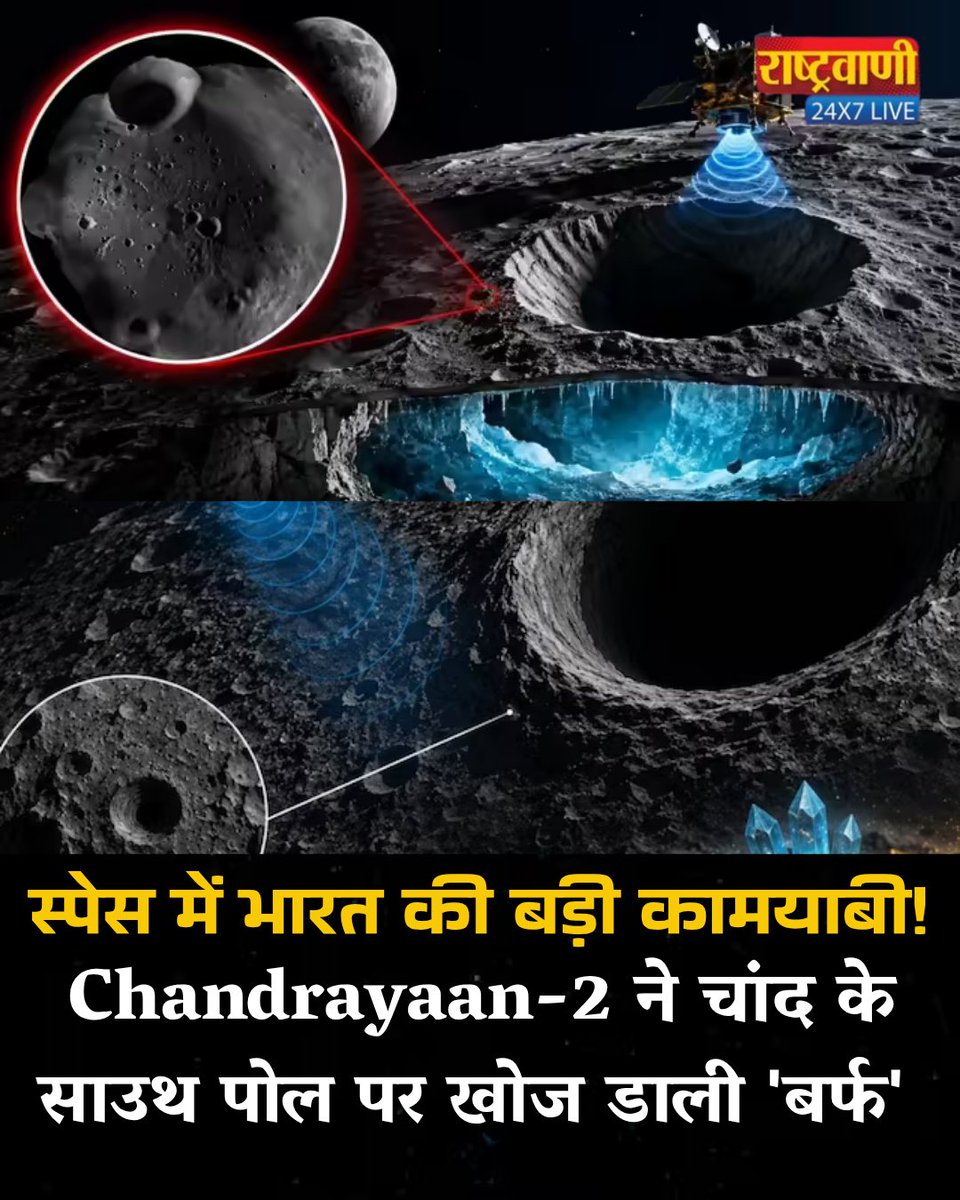
ISRO के चंद्र मिशन चंद्रयान-2 ने चांद से जुड़ा एक और महत्वपूर्ण खुलासा किया है। वैज्ञानिकों को चंद्रमा के साउथ पोल के पास मौजूद क्रेटर्स की सतह के नीचे बड़ी मात्रा में ‘वॉटर-आइस’ होने के मजबूत संकेत मिले हैं। यह खोज भविष्य में होने वाले मानव मिशनों के लिए बेहद अहम मानी जा रही है, क्योंकि यह क्षेत्र चंद्रमा का सबसे ठंडा और रहस्यमयी हिस्सा है।
यह खोज चंद्रयान-2 ऑर्बिटर में लगे डुअल फ्रीक्वेंसी सिंथेटिक अपर्चर रडार (DFSAR) की मदद से की गई। यह उपकरण माइक्रोवेव इमेजिंग तकनीक के जरिए चंद्र सतह और उसके नीचे की संरचना का अध्ययन करता है। खास बात यह है कि यह चंद्रमा पर इस्तेमाल किया गया पहला पोलारिमेट्रिक सिंथेटिक अपर्चर रडार है, जो एल-बैंड और एस-बैंड फ्रीक्वेंसी पर काम करता है।
रडार पोलारिमेट्रिक विश्लेषण की सहायता से वैज्ञानिकों ने चार डबल-शैडोड क्रेटर्स के नीचे संभावित बर्फ के संकेत पाए। इसके लिए उन्होंने बर्फ और चट्टान में अंतर करने हेतु नई तकनीक विकसित की, जिसमें सर्कुलर पोलराइजेशन रेशियो (CPR) और डिग्री ऑफ पोलराइजेशन (DOP) जैसे रडार पैरामीटर्स का उपयोग किया गया।
शोधकर्ताओं के अनुसार, जिन स्थानों पर CPR का मान 1 से अधिक और DOP का मान 0.13 से कम पाया गया, वे सतह की चट्टानों की बजाय जमीन के नीचे मौजूद बर्फ के भंडार की ओर संकेत करते हैं। यह रडार पैटर्न आमतौर पर उपसतह में जमी बर्फ की मौजूदगी को दर्शाता है।
वैज्ञानिकों का मानना है कि चंद्रमा पर पानी की मौजूदगी भविष्य के अंतरिक्ष अभियानों और मानव मिशनों के लिए बेहद उपयोगी साबित हो सकती है।
#Chandrayaan2 #ISRO #MoonMission #WaterIceOnMoon #LunarSouthPole #SpaceDiscovery #IndianSpaceResearch #DFSAR #MoonExploration #SpaceNews #ScienceUpdate #AstronomyNews #IndiaInSpace #FutureMissions #MoonWater #TrendingNews #TechNews #SpaceScience #rashtravaaniofficial #rashtravaanisocialmedia #amitabhagnihotri
1
4
95

Information shared for awareness and research purposes only 📚🔍
#HealthAwareness #MedicalResearch #CancerResearch #HealthEducation #ScienceUpdate #WellnessTalk #ResearchCommunity #StayInformed #HealthKnowledge #MedicalDiscussion
28
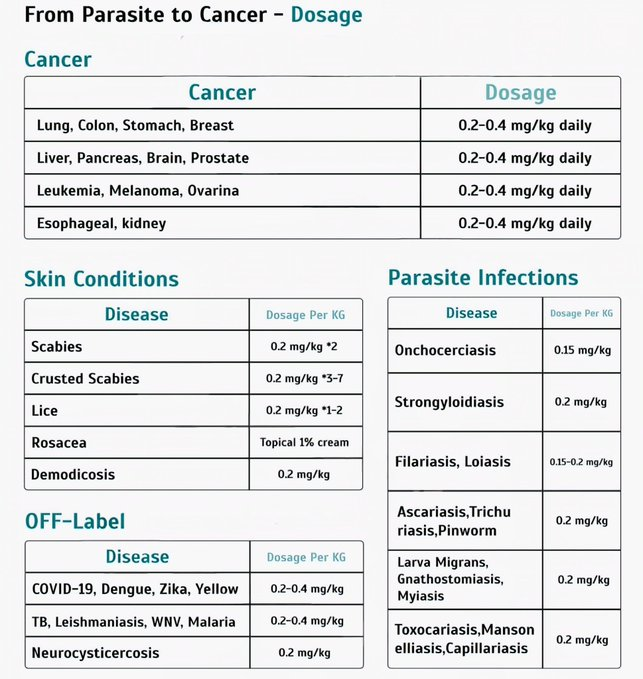
Fenbendazole is becoming a widely discussed topic in alternative cancer research communities.”
#Fenbendazole #CancerResearch #HealthNews #MedicalDiscussion #WellnessAwareness #AlternativeHealth #ScienceUpdate #CancerCare #HealingJourney #HealthCommunity
1
76

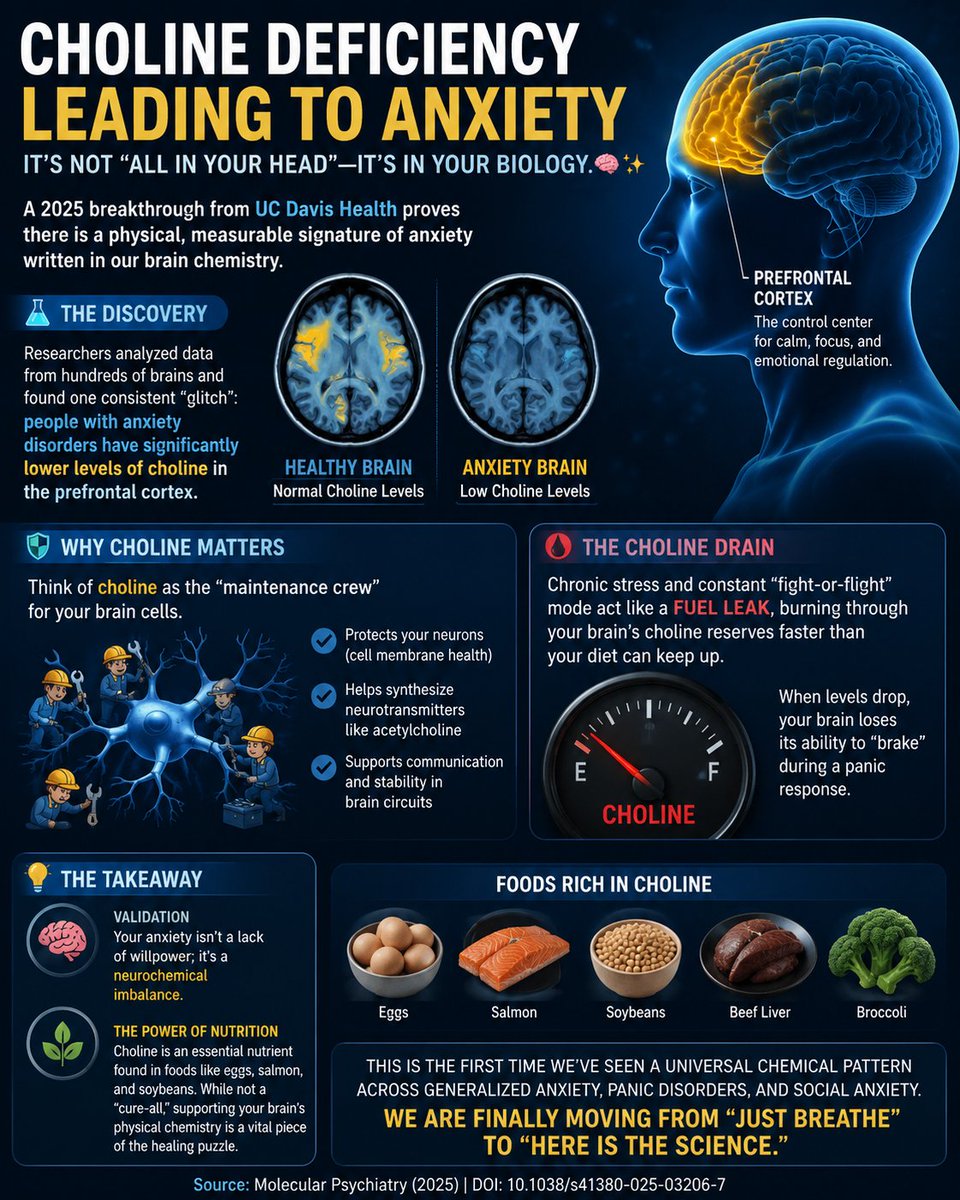
It’s not “all in your head”—it’s in your biology. 🧠✨
For years, we’ve treated anxiety as a purely psychological battle. But a massive 2025 breakthrough from UC Davis Health has just changed the game, proving there is a physical, measurable signature of anxiety written in our brain chemistry.
The Discovery Researchers analyzed data from hundreds of brains and found one consistent "glitch": people with anxiety disorders have significantly lower levels of choline in their prefrontal cortex—the part of the brain responsible for emotional regulation and staying calm under pressure.
Why Choline Matters
Think of choline as the "maintenance crew" for your brain cells. It protects your neurons and helps synthesize the neurotransmitters that keep you grounded.
The study suggests that chronic stress and constant "fight-or-flight" mode act like a fuel leak, burning through your brain’s choline reserves faster than your diet can keep up. When these levels drop, your brain loses its ability to "brake" during a panic response.
The Takeaway
Validation: Your anxiety isn't a lack of willpower; it’s a neurochemical imbalance.
The Power of Nutrition: Choline is an essential nutrient found in foods like eggs, salmon, and soybeans. While not a "cure-all," supporting your brain’s physical chemistry is a vital piece of the healing puzzle.
This is the first time we’ve seen a universal chemical pattern across generalized anxiety, panic disorders, and social anxiety. We are finally moving from "just breathe" to "here is the science."
Source: Molecular Psychiatry (2025) | DOI: 10.1038/s41380-025-03206-7
#MentalHealthAwareness #Neuroscience #AnxietyRelief #BrainHealth #ScienceUpdate #HolisticHealth #UCDavis #Breakthrough
5
18
1,094

May 8
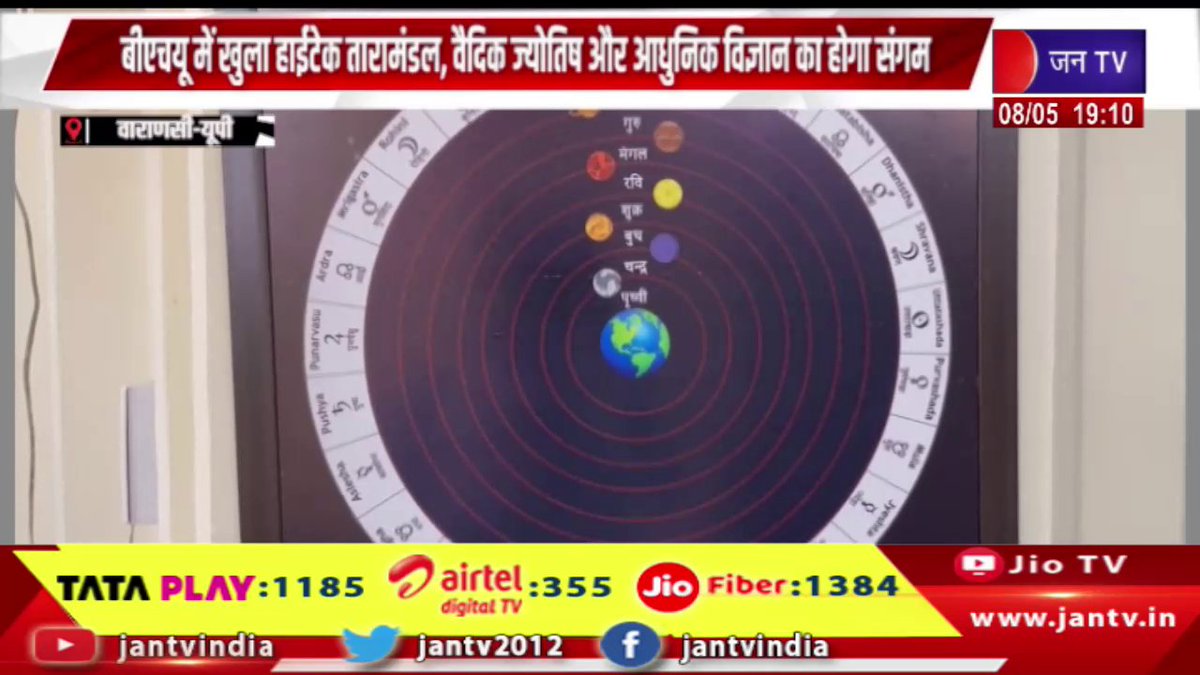
Varanasi News | बीएचयू में खुला हाईटेक तारामंडल, वैदिक ज्योतिष और आधुनिक विज्ञान का होगा संगम | JAN TV
youtu.be/y3Ju2EIKnaY
#varanasinews #BHU #Varanasi #HighTechPlanetarium #Taramandal #Astronomy #VedicAstrology #ModernScience #ScienceAndTradition #Innovation #EducationNews #IndiaScience #Research #AcademicExcellence #ScienceUpdate #SpaceScience #UniversityNews #KnowledgeHub #AstronomyLovers #ScientificHeritage #FutureOfScience #jantv_opn @chandanisinghb2
1
4
95

May 7
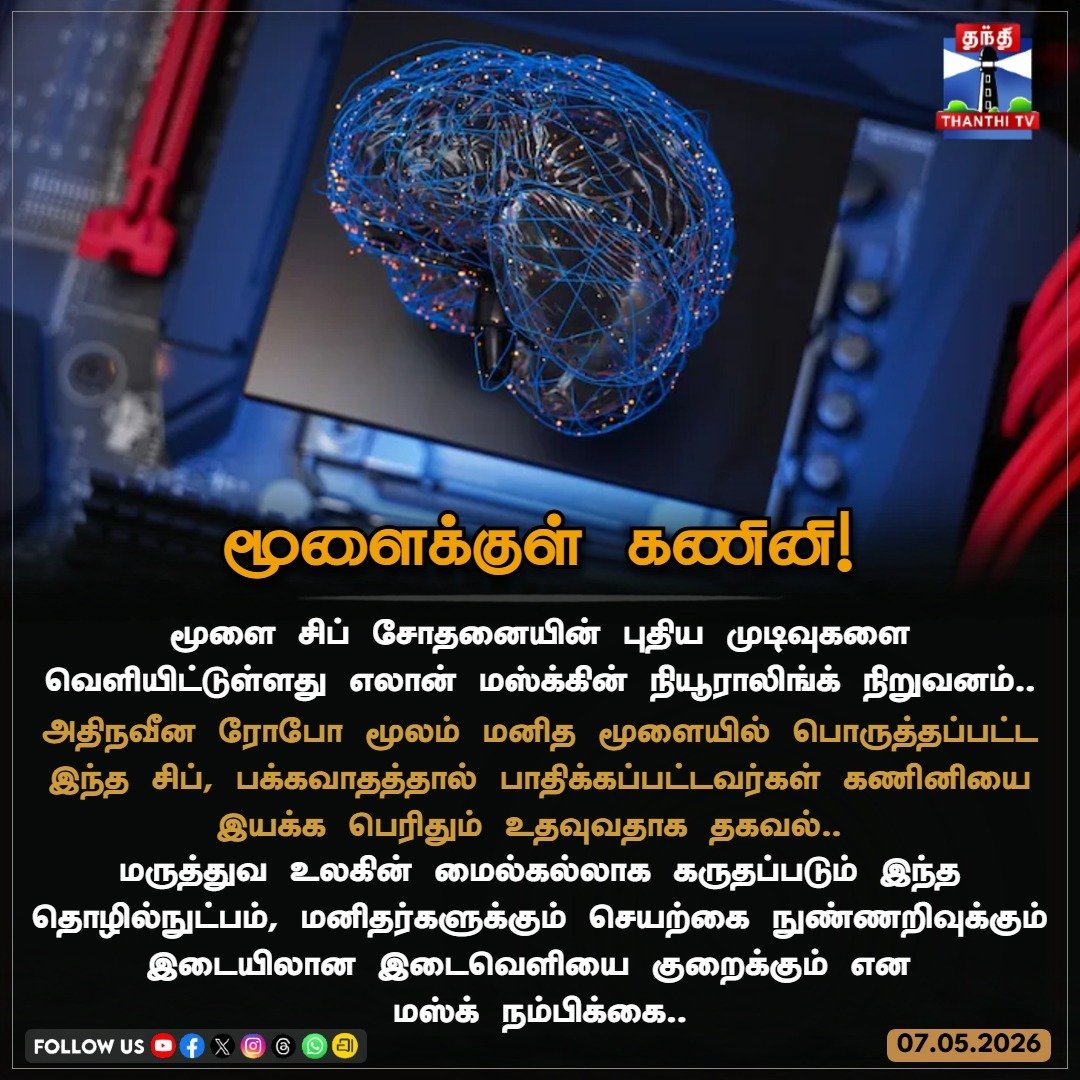
மூளைக்குள் கணினி! நியூராலிங்க் சிப் சோதனையின் முடிவுகள் வெளியீடு - வியப்பில் உலக நாடுகள்! 🤖🌐
#Neuralink #ElonMusk #BrainChip #TechInnovation #ScienceUpdate #FutureTech #NeuralinkTrial #AI #BrainComputerInterface #MedicalScience #ThanthiTV
4
19
2,120

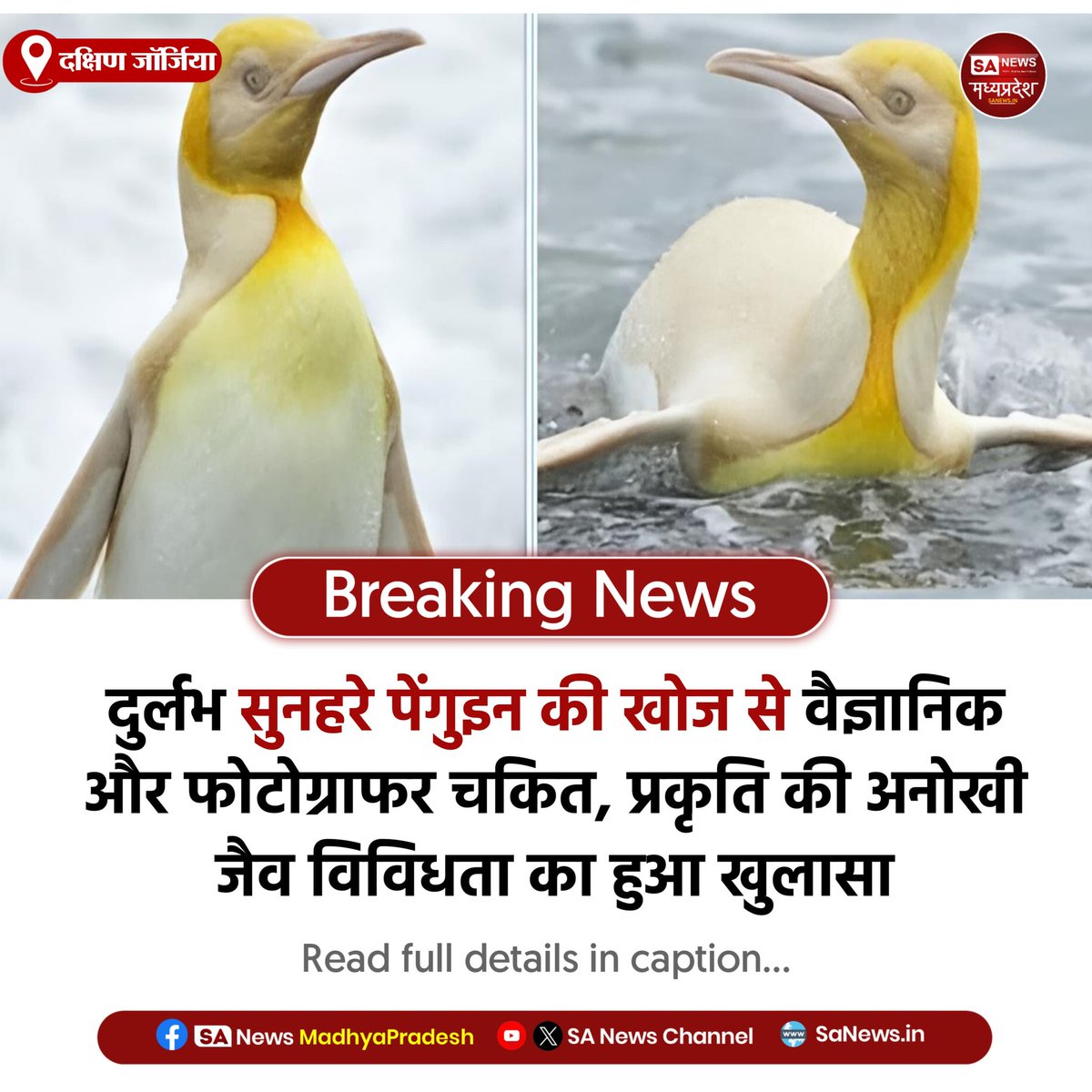
दक्षिण जॉर्जिया | दुर्लभ सुनहरे रंग के पेंगुइन की खोज ने वैज्ञानिकों को चौंका दिया। काले-सफेद पेंगुइन के बीच यह अनोखा रंग आनुवंशिक बदलाव का संकेत माना जा रहा है, जिसने लोगों में उत्सुकता बढ़ा दी है।
#GoldenPenguin
#Wildlife
#ScienceUpdate
#BreakingNews
#SANewsMadhyapradesh
8
15
46

#ଧୀର_ଧୀରେ_ଖସୁଛି_ପାଦ_ତଳ_ମାଟି
#ଦୁଇ_ଭାଗ_ହେବ_ଆଫ୍ରିକା
ଆଗକୁ ଦୁଇ ଭାଗ ହେବ କି ଆଫ୍ରିକା ମହାଦେଶ ? ପୂର୍ବ ଆଫ୍ରିକାରେ ସୃଷ୍ଟି ହେଉଛି ନୂଆ ସମୁଦ୍ର ..! #AfricaSplitting #NewOcean #TectonicPlates #Geology #EarthScience #ContinentalDrift #RiftValley #ScienceNews #BreakingNews #NaturalPhenomenon #Geography #WorldNews #OdiaNews #PrameyaDigital #ScienceUpdate #EarthFacts #PlateTectonics
3
176

Apr 24
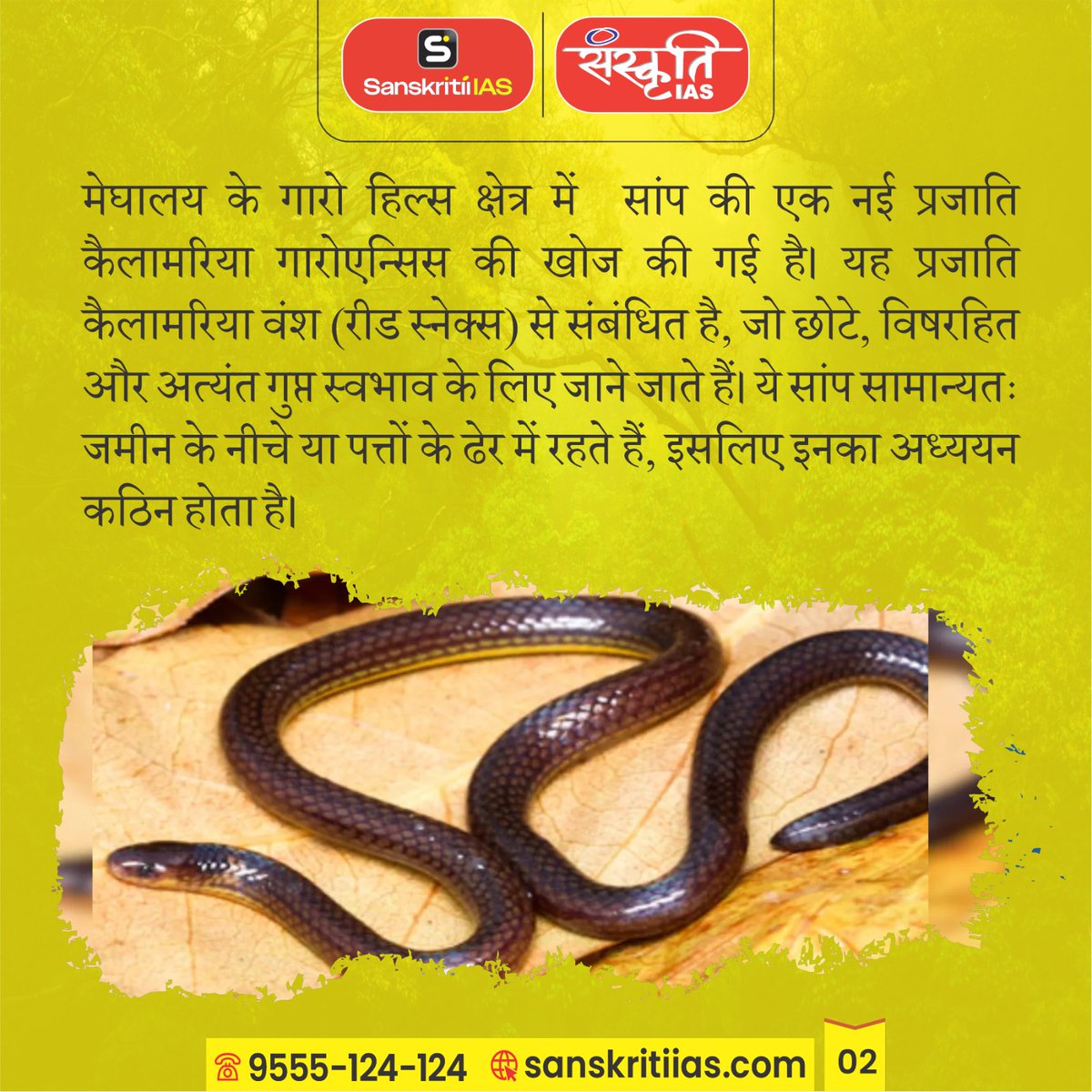
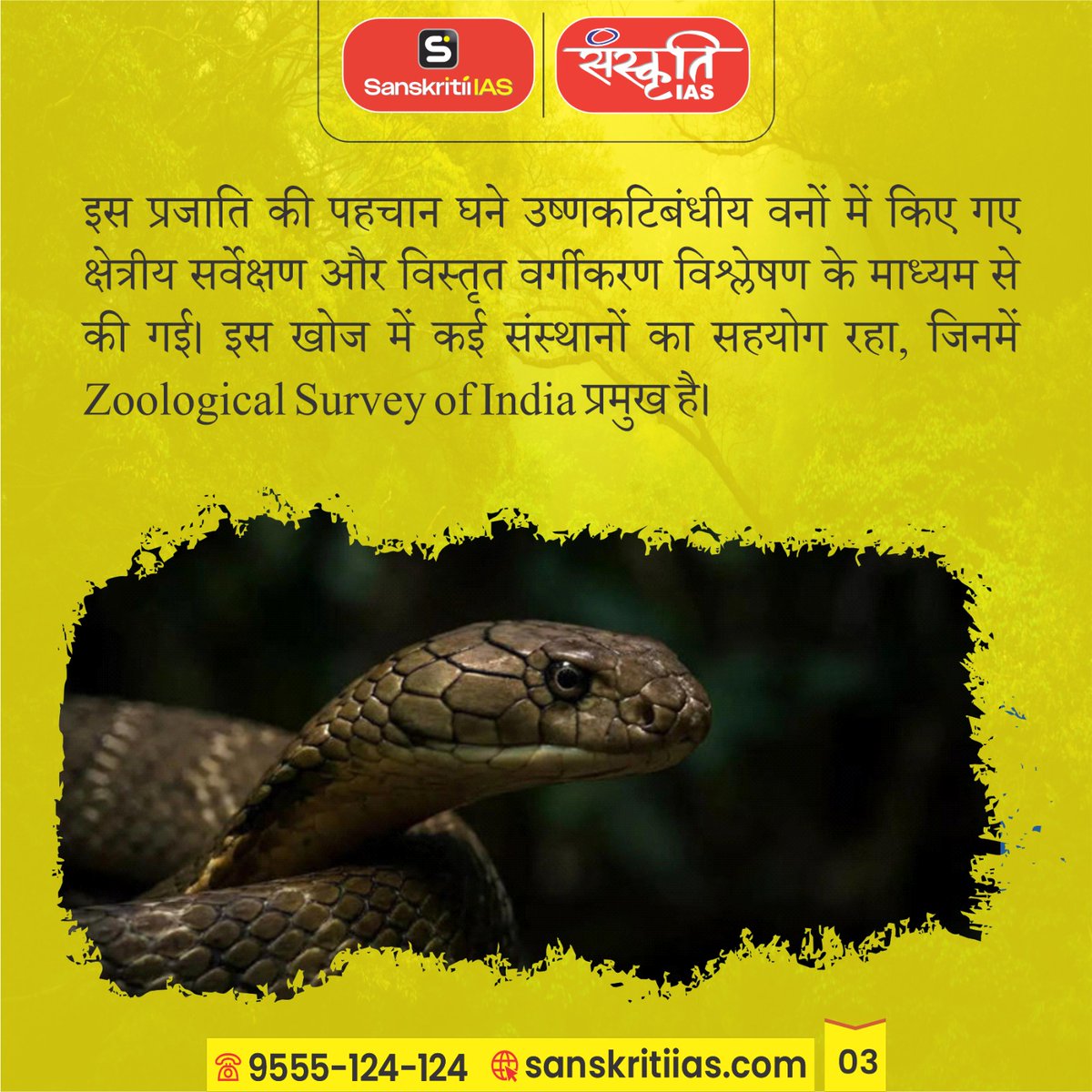
मेघालय में मिली सांप की नई प्रजाति कैलामरिया गैरोएन्सिस
[New Snake Species *Calamaria garoensis* Discovered in Meghalaya]
#NewSpecies #SnakeDiscovery #CalamariaGaroensis #Meghalaya #GaroHills #Biodiversity #WildlifeIndia #SpeciesDiscovery #Herpetology #NatureNews #ScienceUpdate #IndianWildlife #EcoDiversity #WildlifeResearch #Conservation #DiscoverIndia #RareSpecies #Zoology #Environment #NortheastIndia #Sanskritiias #UPSC #IAS


1
1
9
172

Apr 20
Could Pesticides Be The Culprit?
Study Finds High Produce Intake Linked To Early-Onset Lung Cancer
#MedicalResearch #LungCancer
#PublicHealth #HealthNews #Pesticides #ScienceUpdate #DiebO37
scitechdaily.com/scientists-…
64
74
424

Apr 16
#NEWSUPDATE || நாசாவின் விமான சோதனை நிறைவு..!
#NASA #FlightTest #SpaceResearch #ScienceUpdate #Aerospace #Technology #Innovation #NEWSJ

1
4
154

Apr 14
ஆர்ட்டெமிஸ் 2: நாசாவின் உண்மையான திட்டம் என்ன? | Badri Seshadri | Artemis 2 | Nasa | Lunar Landing
Video Link: youtu.be/CoOydKEtXvU
#BadriSeshadri #NASA #ISRO #Artemis2 #Gaganyaan #SpaceNews #MoonMission #ArtemisIII #IndiaInSpace #SpaceX #ScienceUpdate #Sriharikota #Astronauts #SpaceTech #MoonLanding #BadriSeshadriLatestInterview #BadriTalks #KizhakkuNews

2
895

Apr 9
Artemis II Astronauts Return After Historic Lunar Flyby | Christina Koch’s Message From Space #ArtemisII #NASA #MoonMission #ChristinaKoch #OrionSpacecraft #LunarFlyby #SpaceNews #ArtemisProgram #Astronomy #ScienceUpdate #NASAArtemis #SpaceExploration
1
2
580

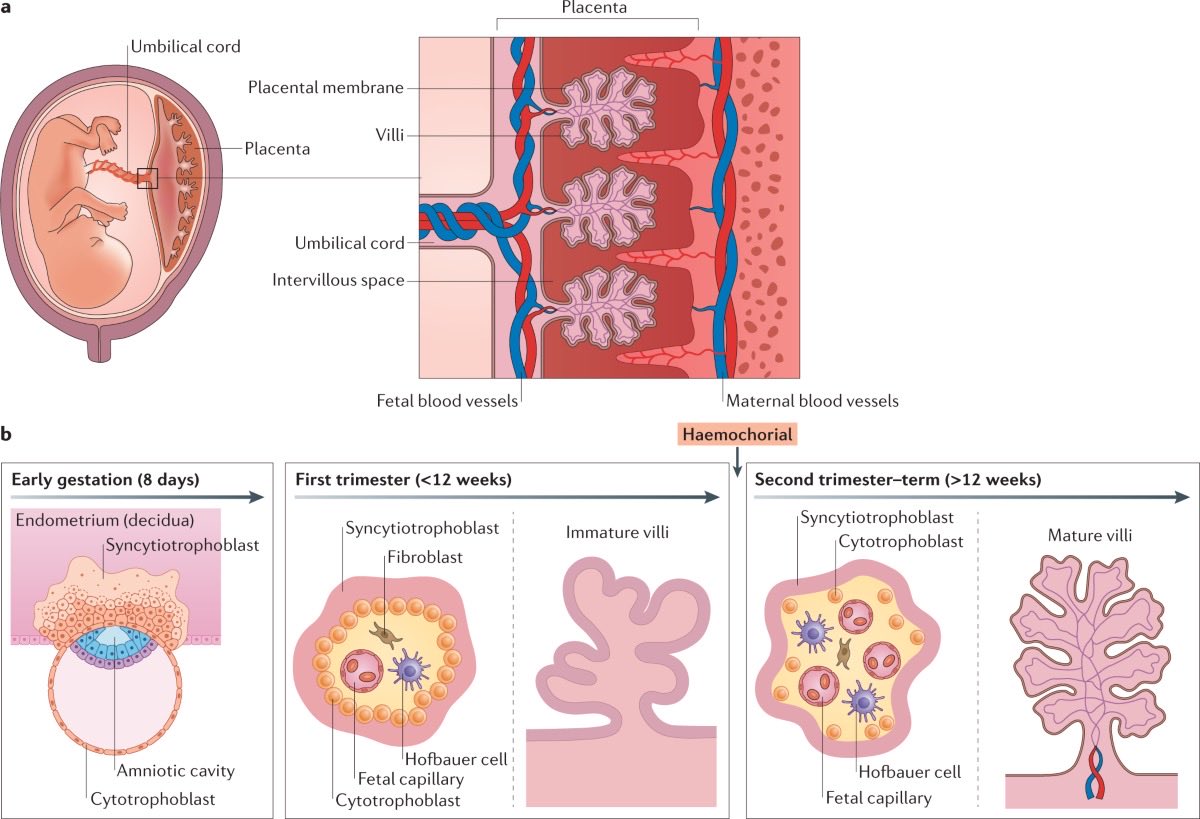
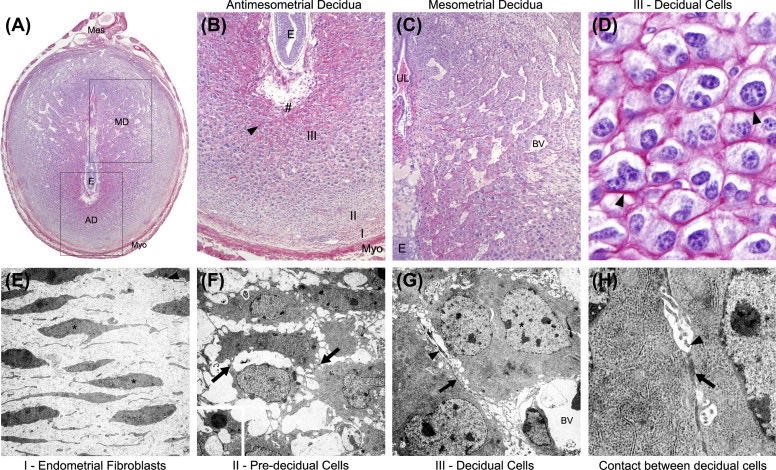
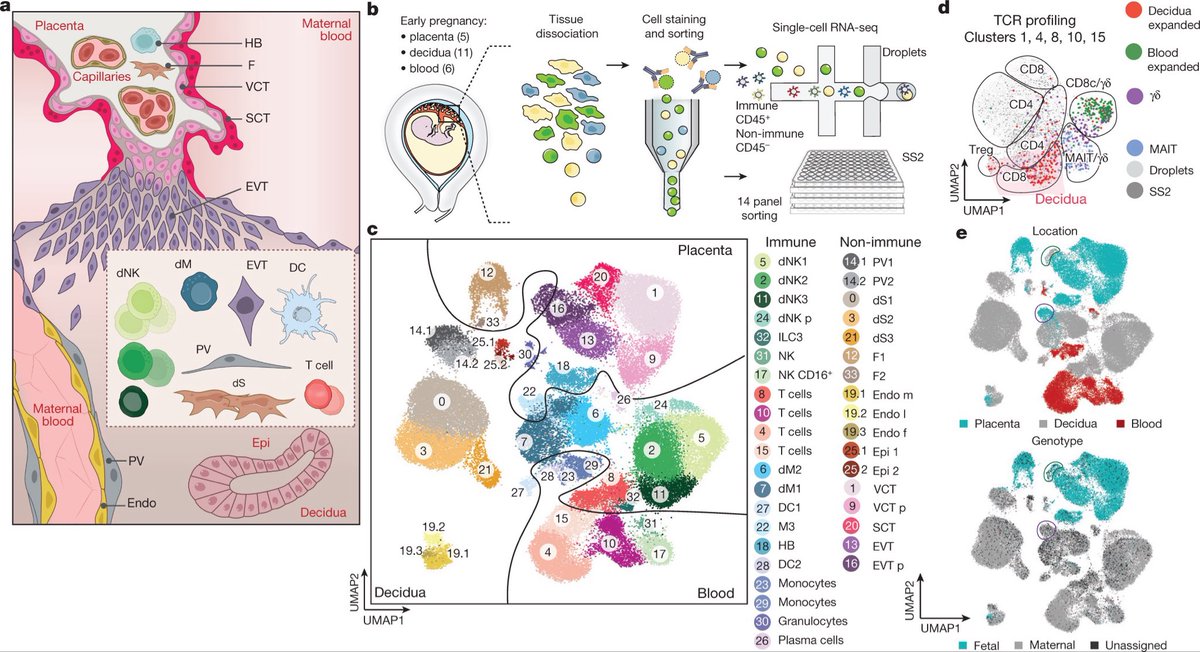
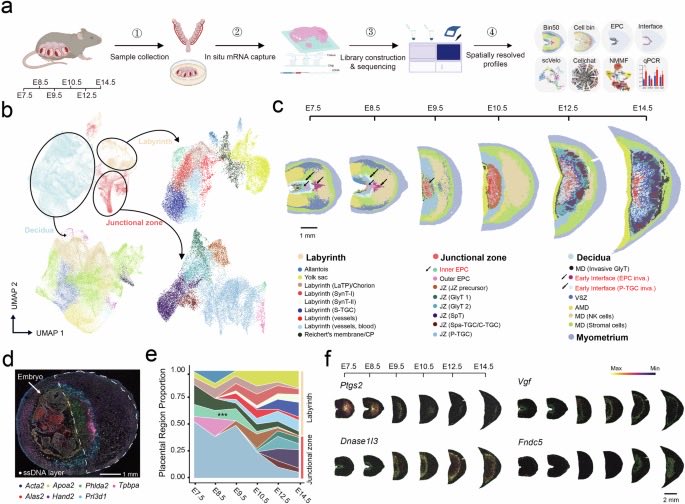
🔬 Scientists have identified a previously unknown cell type that appears exclusively during pregnancy, discovered through a detailed mapping of the tissues where the placenta connects to the uterus.
Researchers at UCSF and Stanford analyzed around 1.2 million cells from healthy pregnancies spanning weeks 5 through 39. Using advanced single-cell techniques that track gene activity, proteins, and cell locations over time, they built a full atlas of the maternal-fetal interface—the critical zone linking mother and baby for nutrient and oxygen exchange. In that atlas, a new subtype of decidual stromal cell (called DSC4) stood out as never-before-described and unique to pregnancy. 🤰
These cells sit right at the frontline where fetal placental cells begin invading the mother’s uterine tissue and arteries to establish blood flow.
They appear to function as regulators, sending signals that control the depth of invasion—like a built-in mechanism to keep the process balanced and prevent it from going too far or stopping short. The cells also carry cannabinoid receptors, making them responsive to both natural body compounds and external ones like those in cannabis, which ties into ongoing questions about how certain exposures affect pregnancy outcomes. 🧬
Experts, including study senior author Jingjing Li from UCSF, have openly stated that the full role of these cells remains unknown even after the discovery. The work, published yesterday in the journal Nature, focuses on healthy pregnancies and highlights how this new atlas connects to genetic risks for complications such as preeclampsia (linked to insufficient invasion) or placenta accreta (linked to excessive invasion). It also offers a clearer baseline for future studies comparing complicated pregnancies. 🔍
This finding adds an important layer to what we know about the dynamic changes in the uterus and placenta throughout gestation, showing how precisely coordinated the process really is from early attachment all the way to birth.
It underscores that pregnancy biology still holds surprises and sets the stage for targeted research into prevention or treatment of related health challenges.
#PregnancyScience #NewCellDiscovery #MaternalFetalInterface #PlacentaBiology #DecidualCells #UCSFResearch #ScienceUpdate
3
100

Apr 8
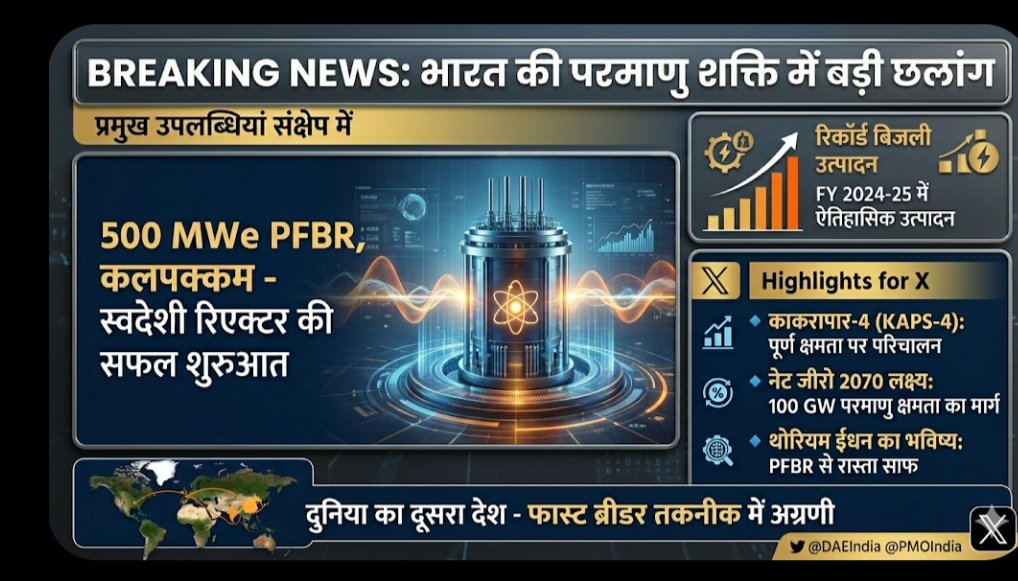
बड़ी खबर: भारत बना दुनिया का दूसरा देश
तमिलनाडु के कलपक्कम में स्थित 500 MWe प्रोटोटाइप फास्ट ब्रीडर रिएक्टर (PFBR) ने सफलतापूर्वक 'First Criticality' (कंट्रोल चेन रिएक्शन की शुरुआत) हासिल कर ली है।
#NuclearEnergy #ViksitBharat #MakeInIndia #ScienceUpdate #Kalpakkam
1
4
87
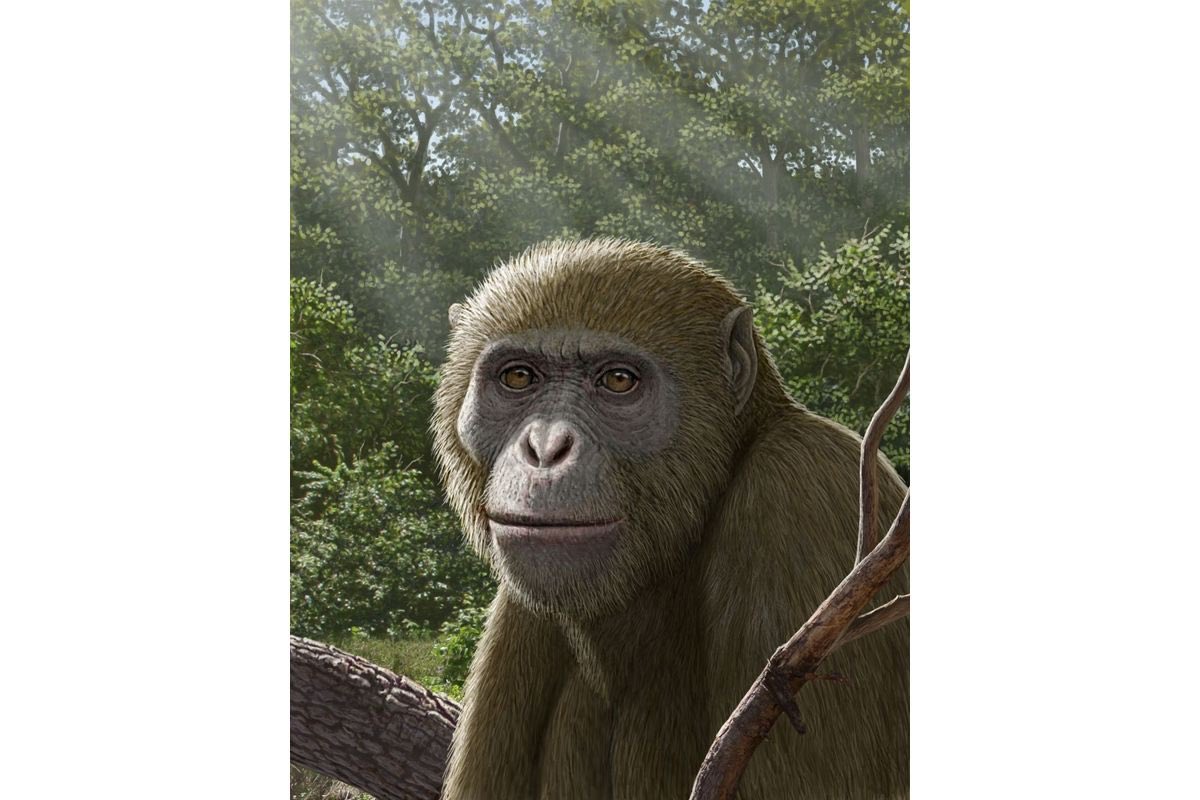
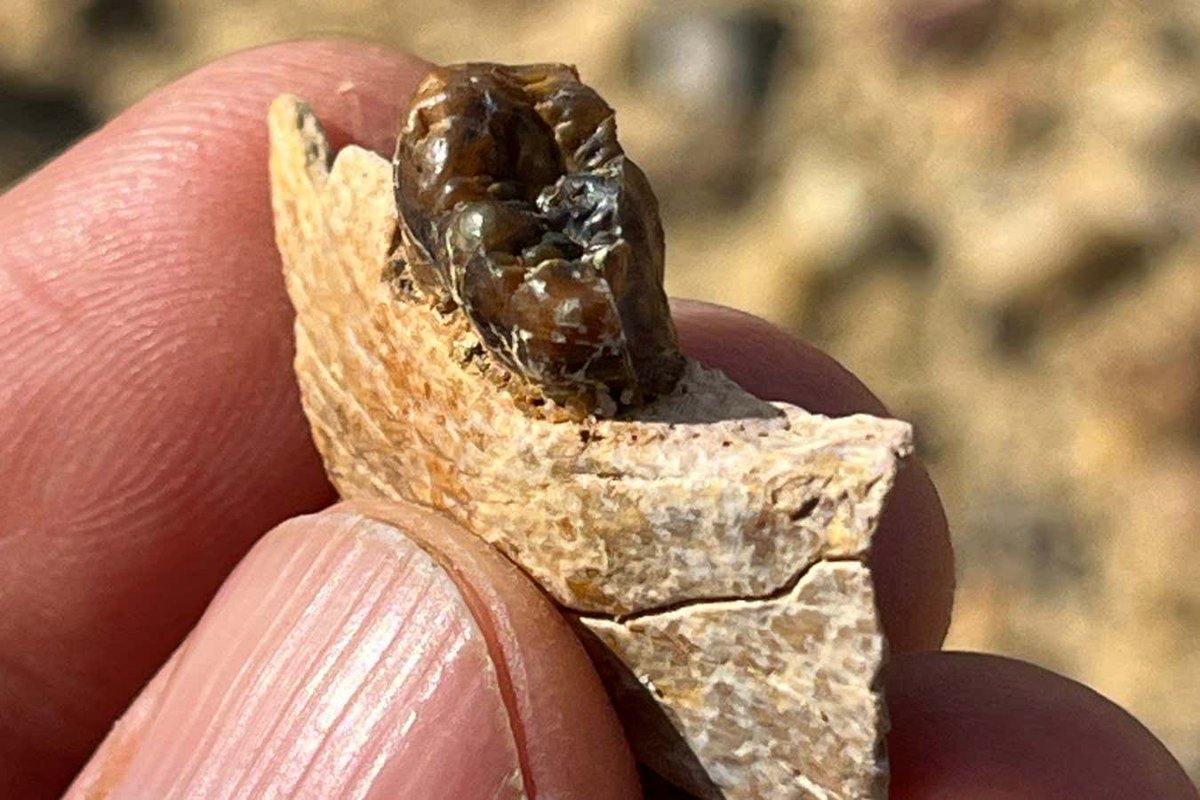
🦍 Archaeologists have found an ape fossil in Egypt and now believe we’ve been searching for our common ancestor in the wrong place all along.
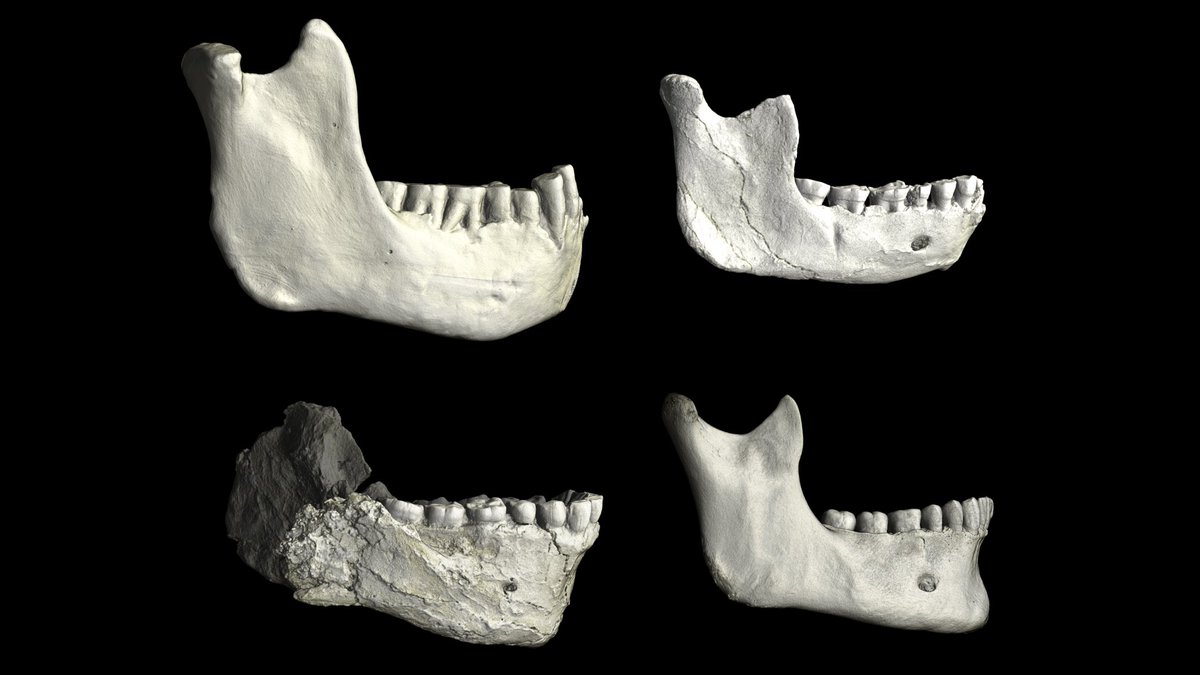
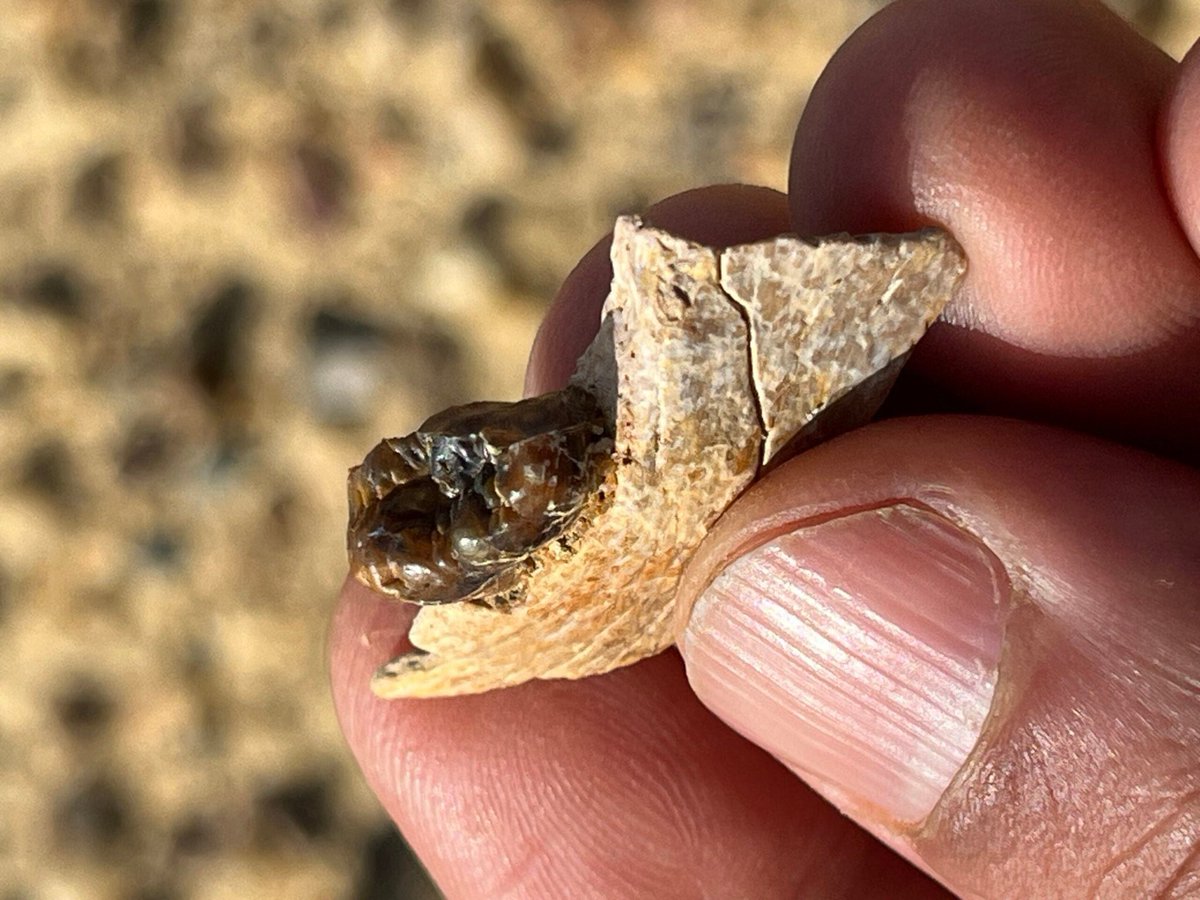
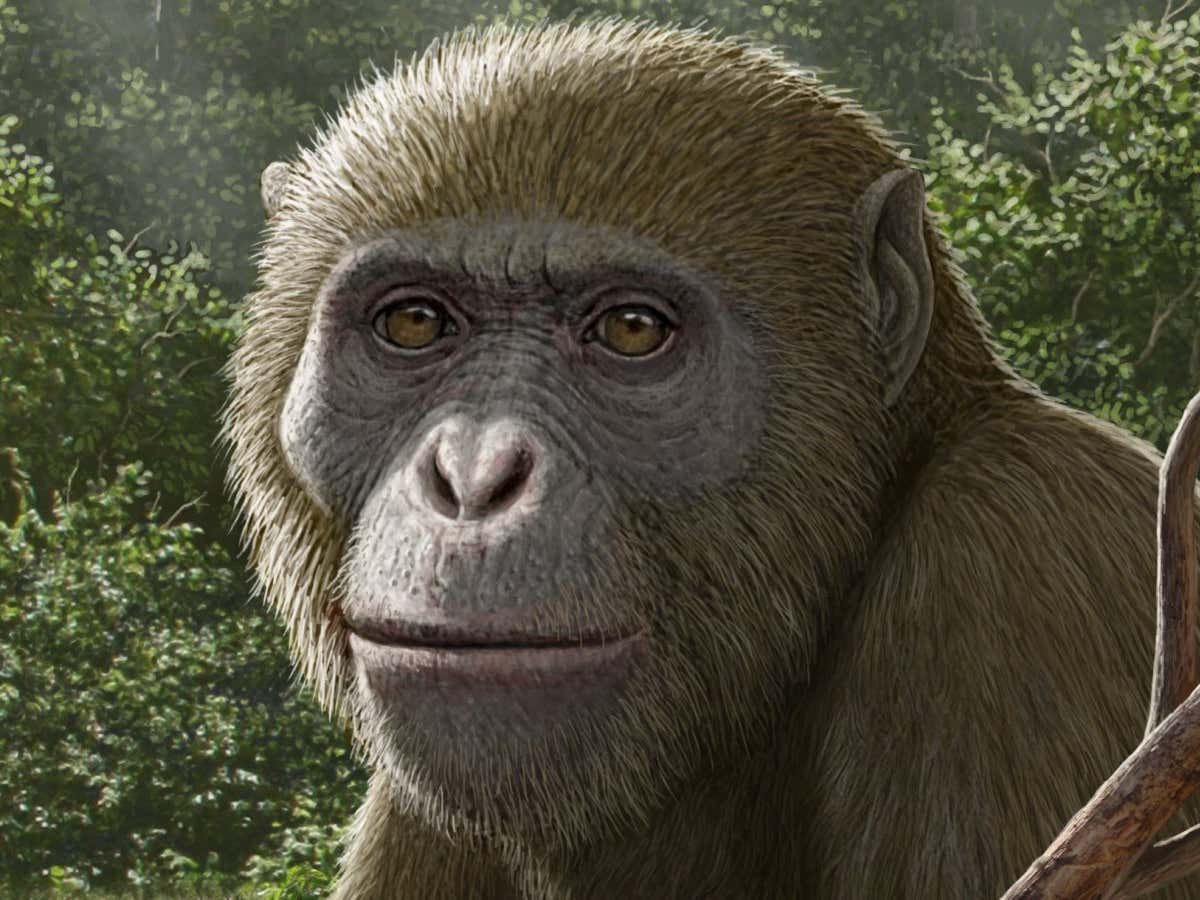
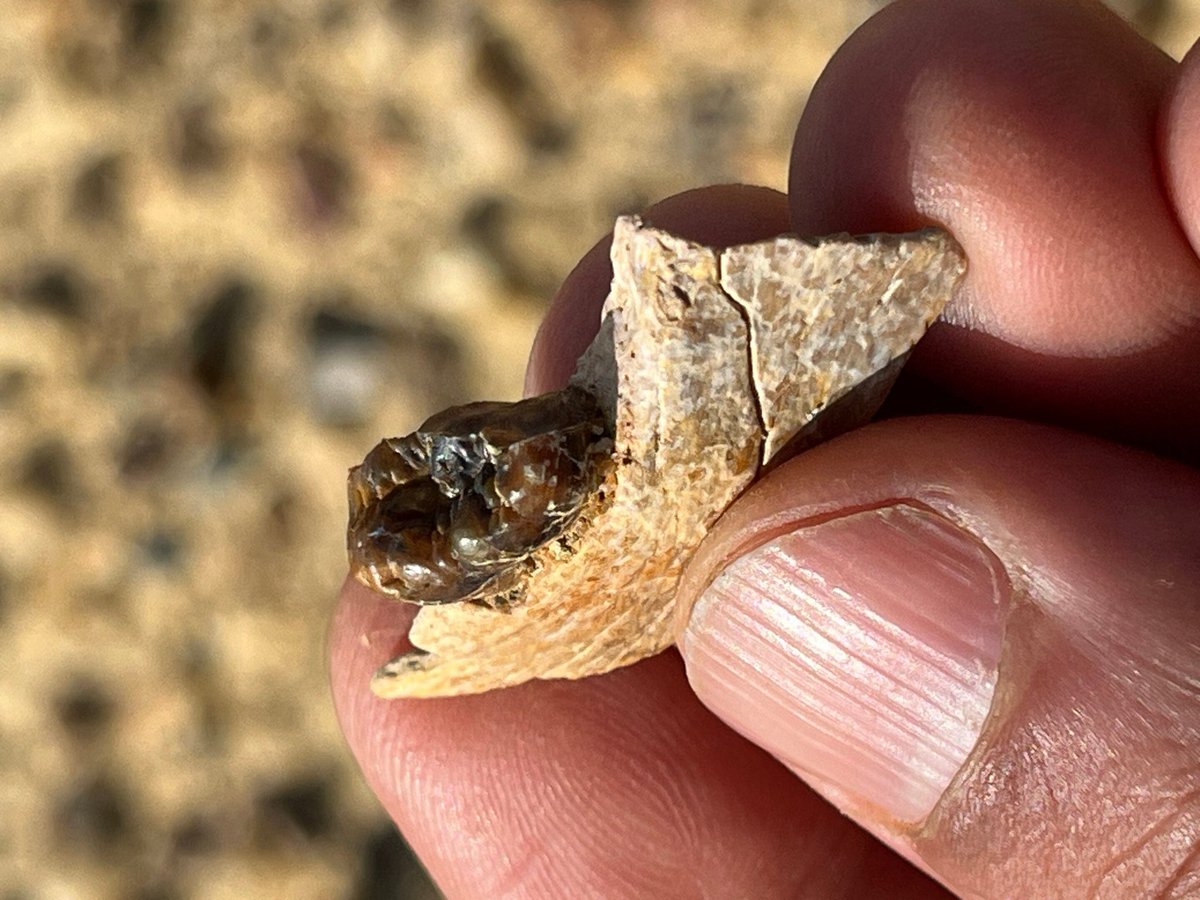
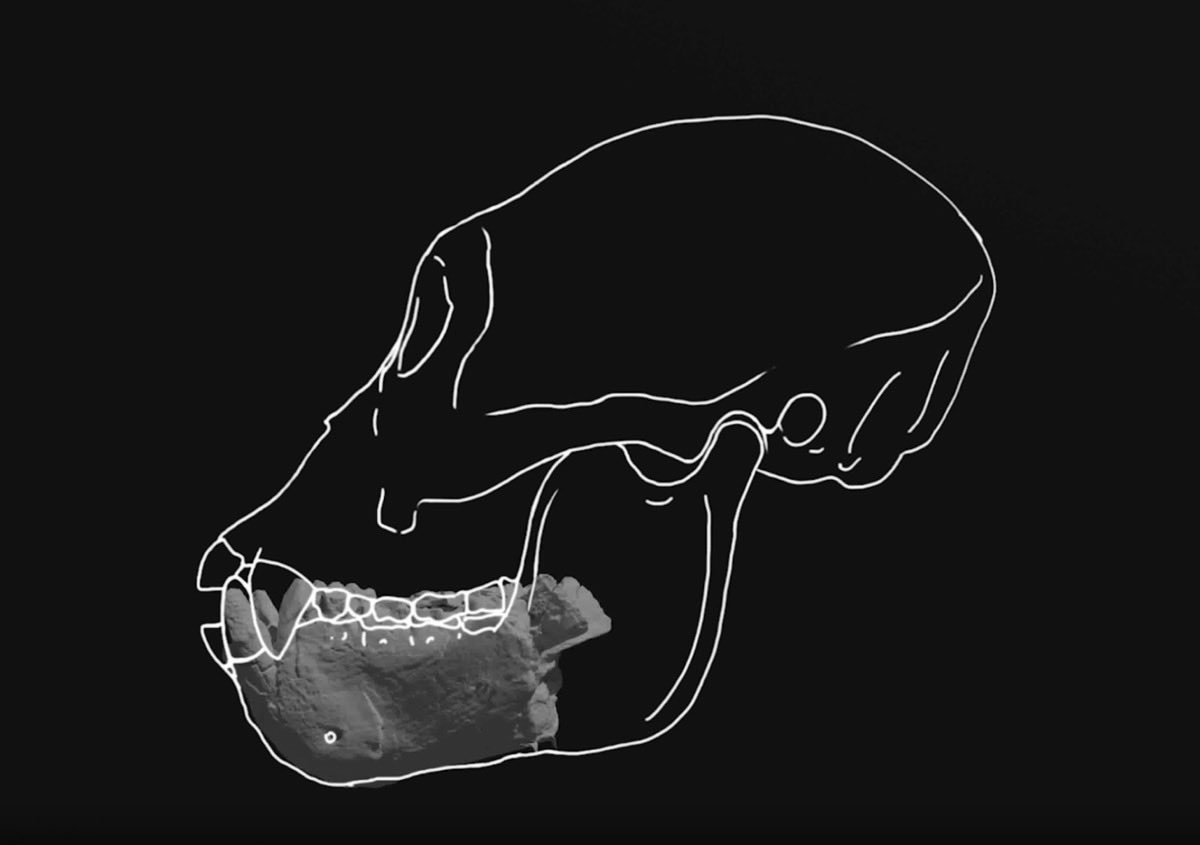
A team working at the Wadi Moghra site in northern Egypt recently uncovered jawbone fragments and teeth from a brand-new ape species. They named it Masripithecus moghraensis, and it lived there about 17 to 18 million years ago during the Early Miocene.
For decades, the search for the last common ancestor of all living apes—including humans, gorillas, chimpanzees, orangutans, and gibbons—has centered on East Africa. This new fossil changes the picture.
Detailed analysis shows Masripithecus sits closer to that shared ancestor than any Early Miocene apes known from East Africa. The evidence points to northern Africa (or the broader Afro-Arabian region) as the most likely place where modern ape lineages first took shape before spreading outward.
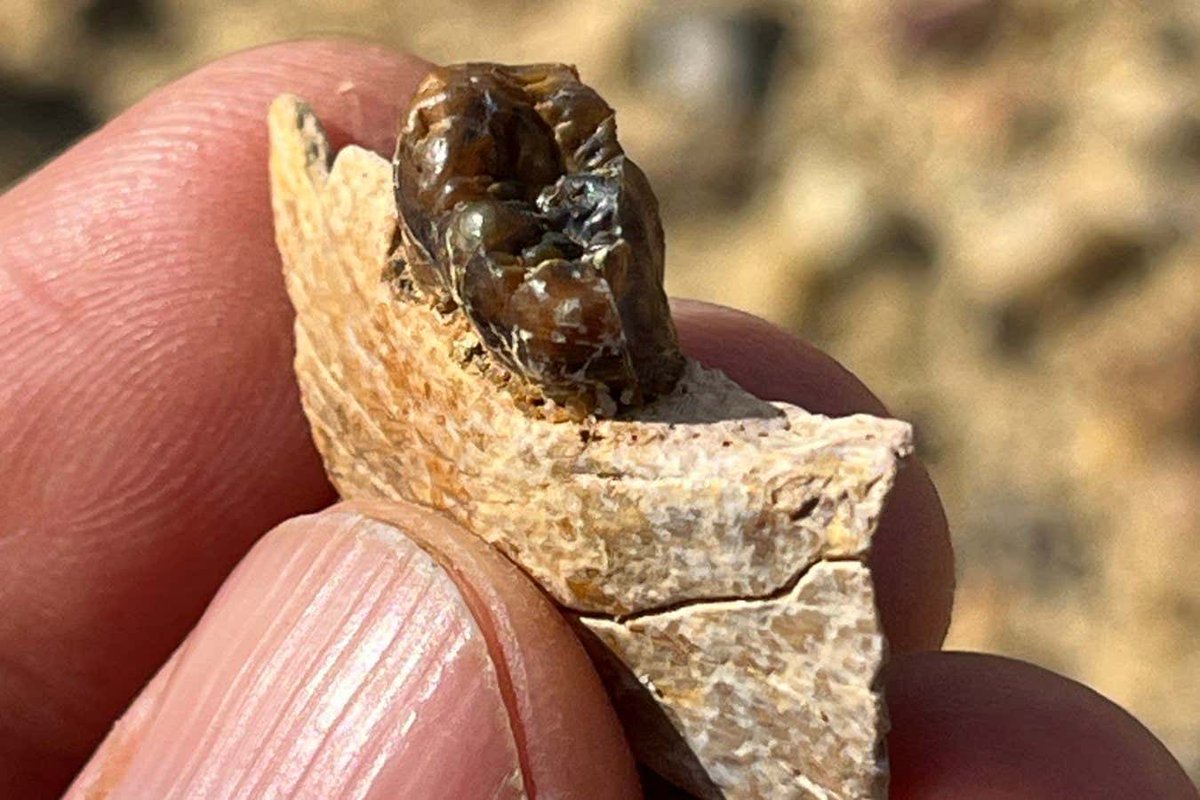
The fossil itself includes well-preserved teeth and jaw parts that match what experts had predicted for this pivotal ancestor. It fills a long-standing gap and shows early apes were already established in North Africa far earlier than many models assumed.
This discovery opens fresh directions for fieldwork and reminds us how much remains hidden in regions once overlooked.
#Masripithecus #ApeOrigins #EgyptFossil #PrimateEvolution #Paleontology #HumanAncestry #ScienceUpdate

🚨 Jaw-dropping fossil find in Egypt rewrites ape history! 🦍
Paleontologists just announced a brand-new ape species — Masripithecus moghraensis — known from jawbone fragments and teeth unearthed in northern Egypt’s Wadi Moghra site. These fossils date to 17–18 million years ago and represent the first definitive ape remains from North Africa in this timeframe.
This discovery challenges the long-held view that the cradle of modern apes (the group that includes us, gorillas, chimps, orangutans, and gibbons) was exclusively in East Africa. Instead, it points to northeastern Africa as a key early hotspot for hominoid evolution.
Incomplete but incredibly telling — these small jaw pieces and worn molars are already reshaping our understanding of where our deep primate ancestors first emerged. Science never stops evolving! 🤯
#Masripithecus #ApeEvolution #FossilDiscovery #EgyptPaleontology #AncientApes #HumanOrigins #ScienceNews #PaleoRevolution
2
4
211