


Mar 16
WiFi
- @WayruNetwork
- @DabbaNetwork
- @wicrypt
- @wifimapapp
- @weroamxyz
Validation Services
- @Obol_Collective
- @wicrypt
Mapping & Geo Data Networks
- @onvoyage_ai
- @TryBeeMaps
DeFi
- @glifio
2
3
9
2,329


31/ Subscribe to our email newsletter here to receive our reports in your inbox: blog.syndica.io/deep-dive-so…
8
7
22
1,215
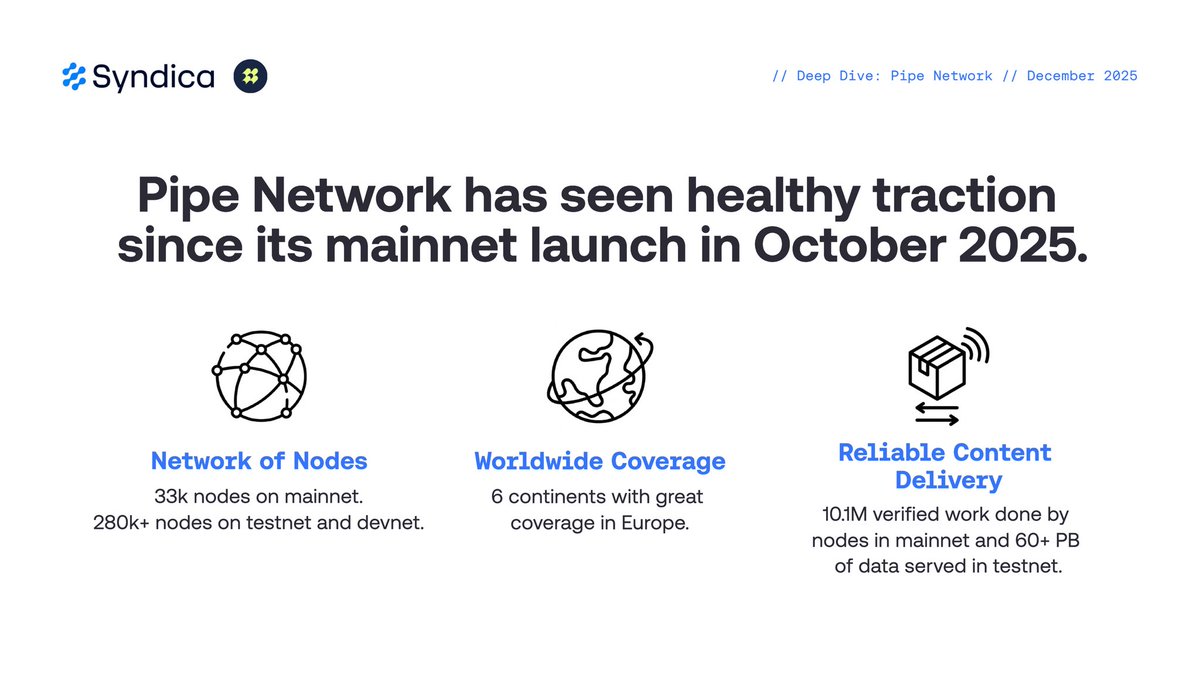
30/ @pipenetwork has seen healthy traction since its mainnet launch in October 2025.
The network has 33k nodes on mainnet covering 6 continents and has over 10.1M verified work done by nodes in mainnet.
1
5
709
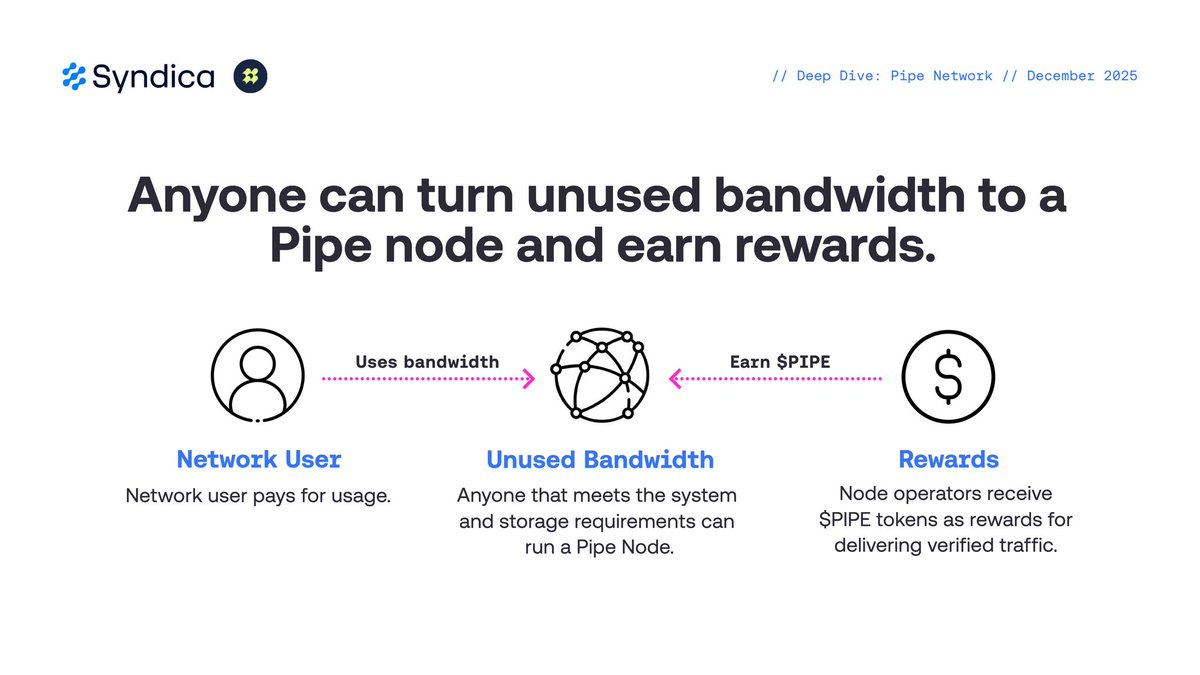
29/ Anyone can turn unused bandwidth to a @pipenetwork node and earn rewards.
Network users pays for bandwidth usage while node operators receive $PIPE tokens as rewards for delivering verified traffic.
1
4
344
28/ @pipenetwork improved on content delivery networks.
- Nodes are closer to end users
- Rewards are transparent and recorded onchain
- Packet deliveries are private and verified

1
4
283
27/ @pipenetwork provides a unified stack.
Pipe delivers content from nearby nodes, provides a decentralized storage and uses the fastest paths for routing.

1
4
292
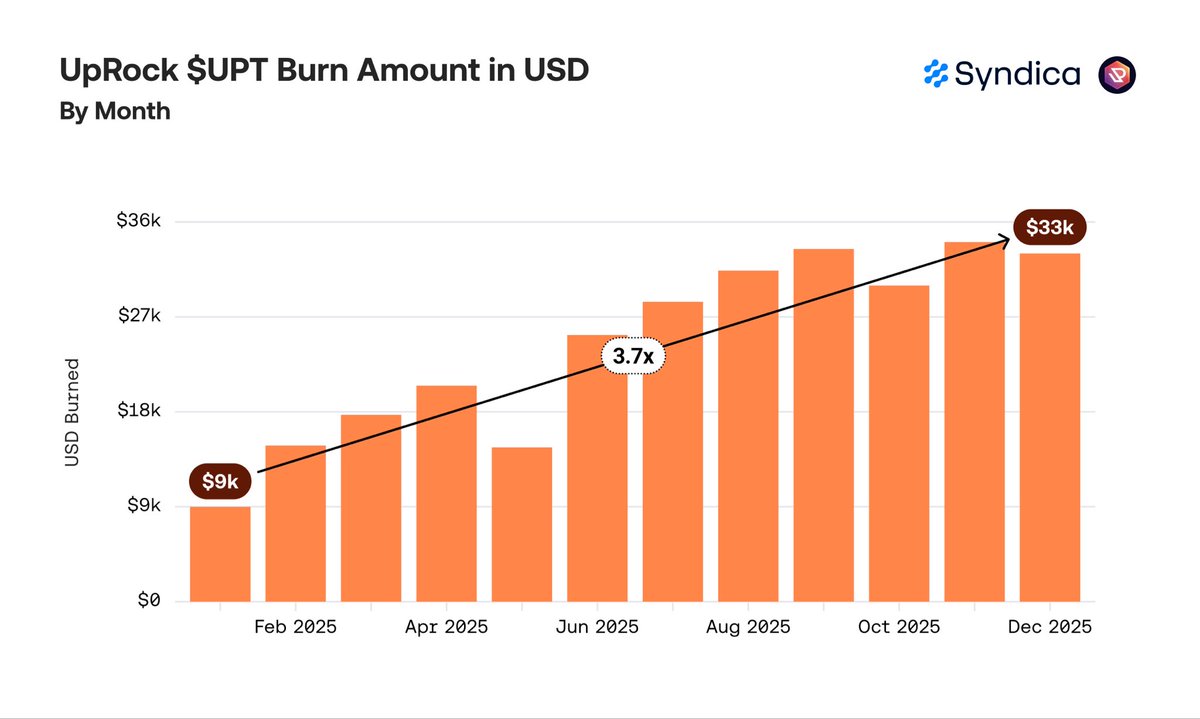
26/ @UpRockCom’s ecosystem thrived in 2025.
Monthly USD equivalent of $UPT burned surged 3.7× from January to December 2025, reflecting strong demand growth throughout the year.
1
1
6
398
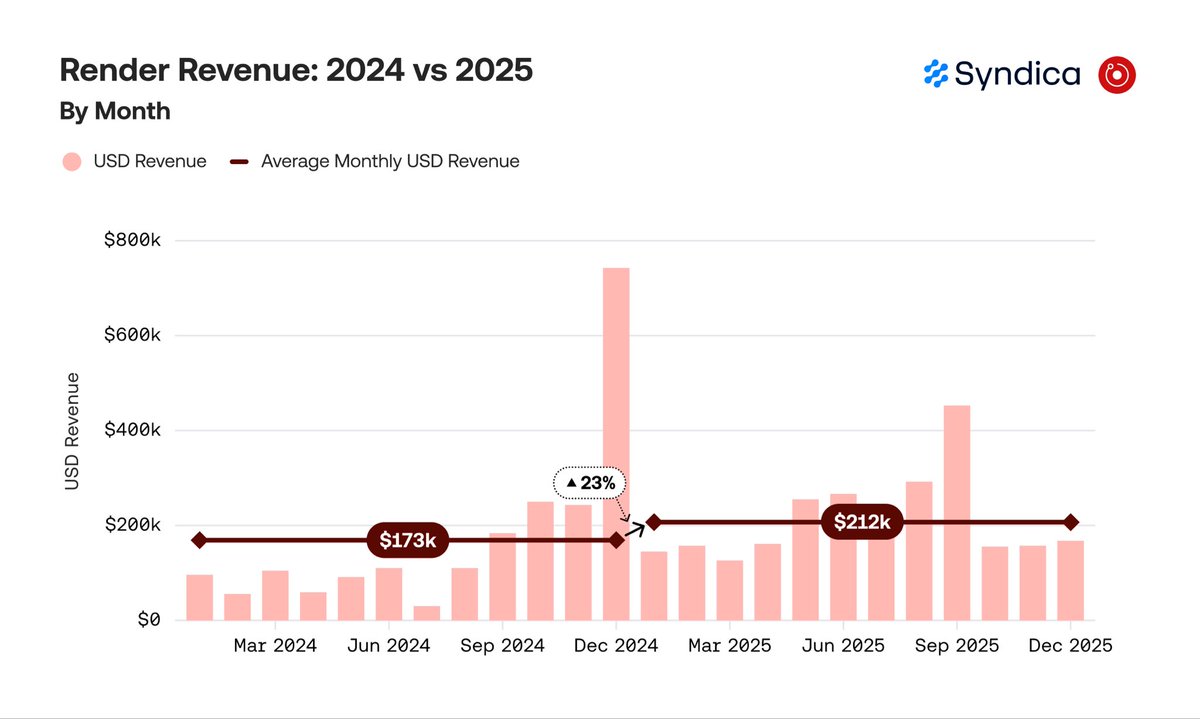
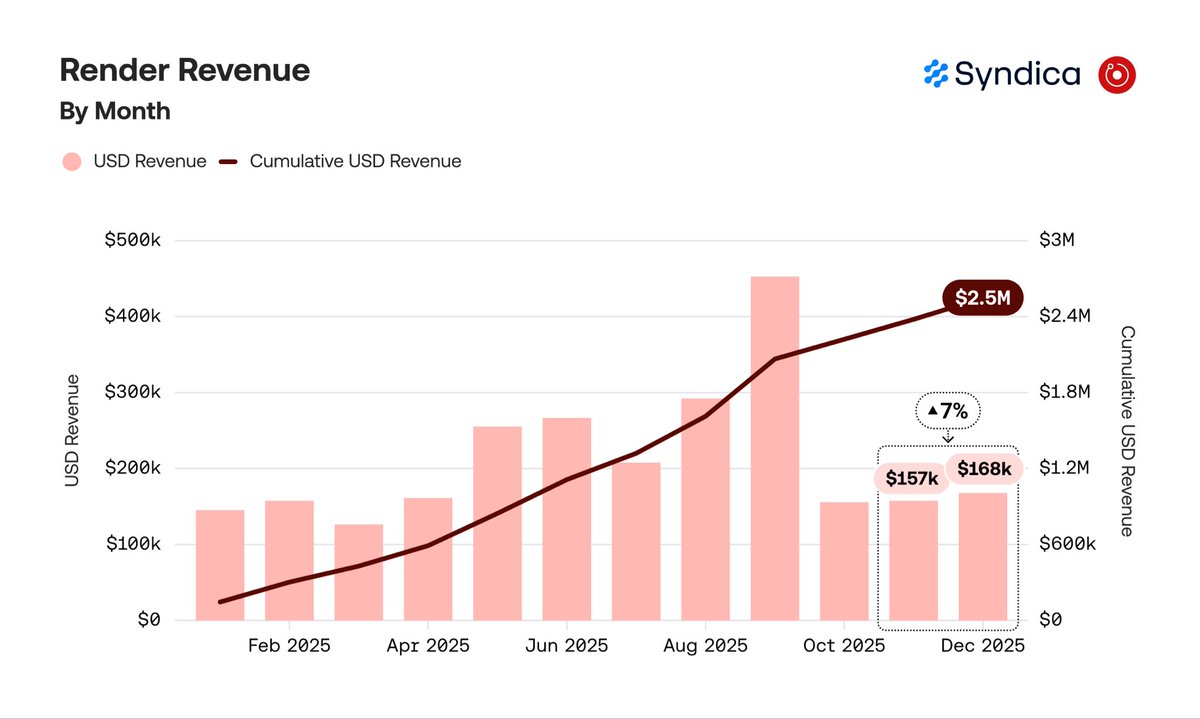
25/ @rendernetwork demand grew in 2025.
Average monthly revenue rose 23% to $212k, with $2.5M earned for the year. December revenue grew 7% MoM. Render launched Dispersed, a decentralized on-demand HPC platform.
1
1
6
337
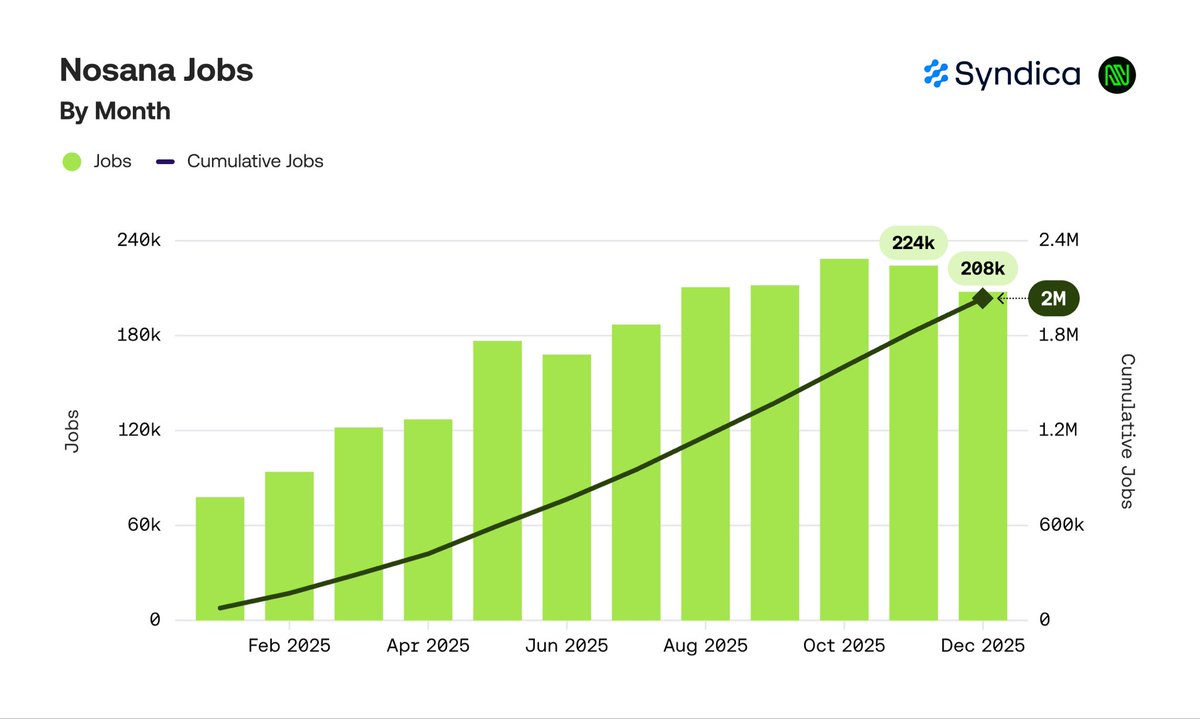
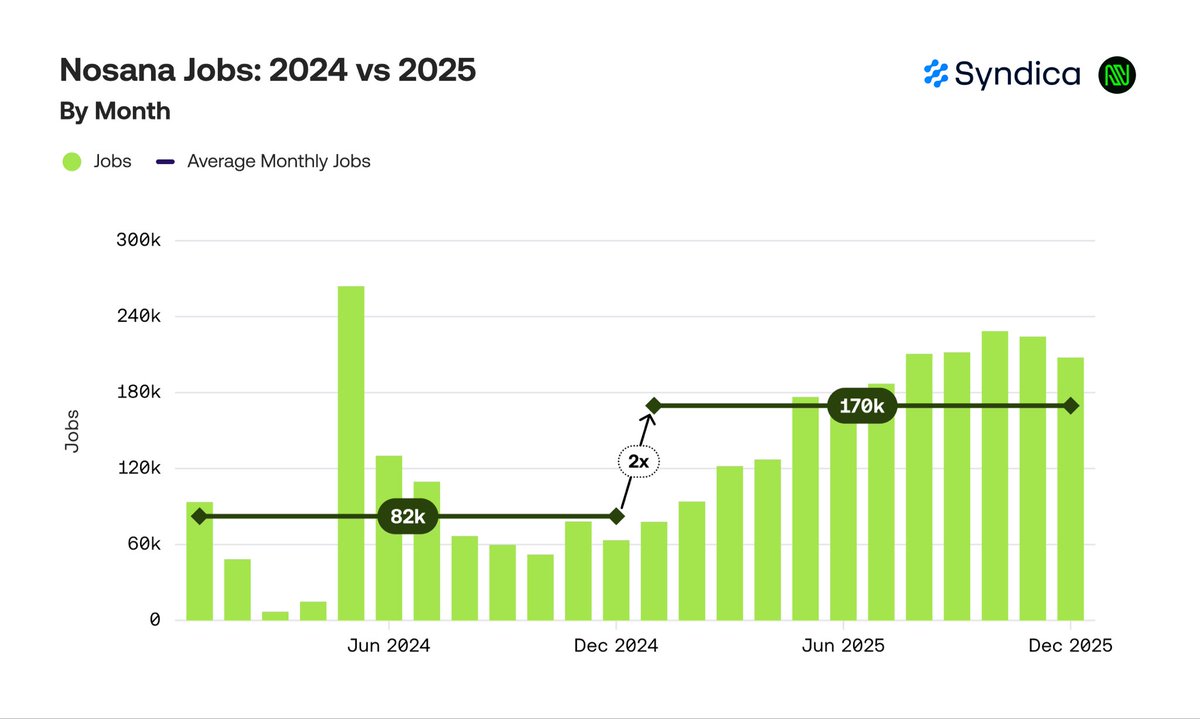
24/ @nosana_ai completed 2M jobs in 2025.
Monthly jobs stabilized around 200k in 2H25, pushing the annual total past 2M. Average monthly jobs doubled vs 2024.
1
5
332
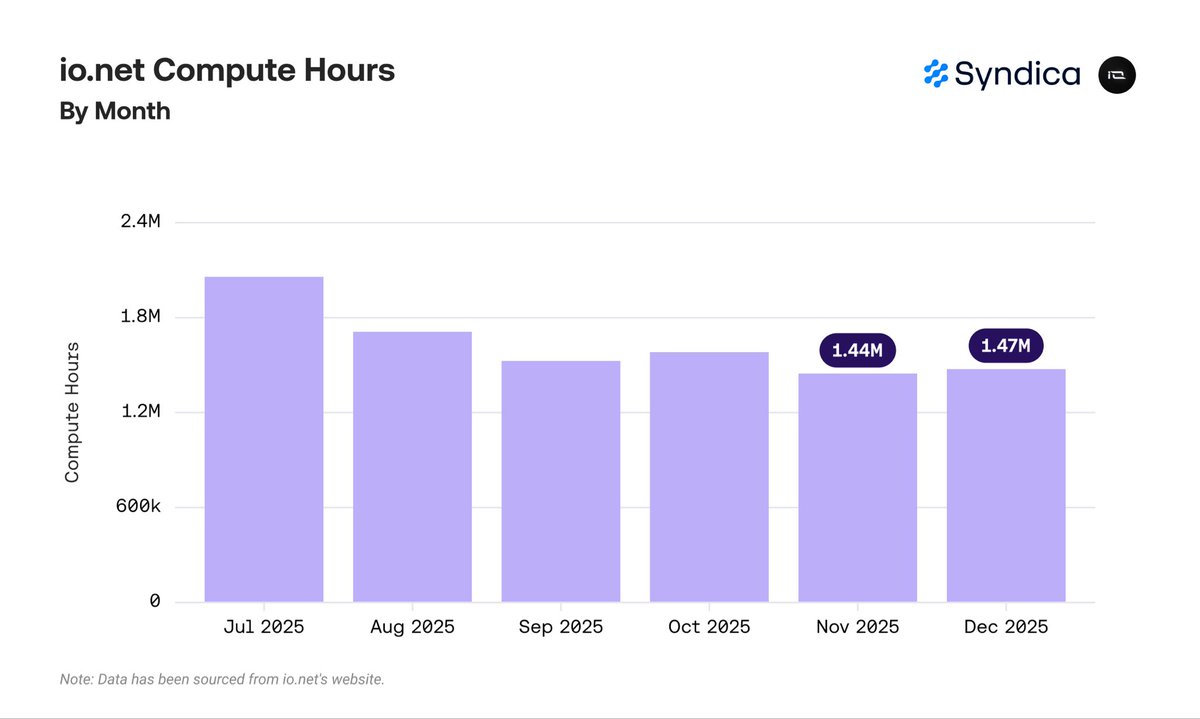
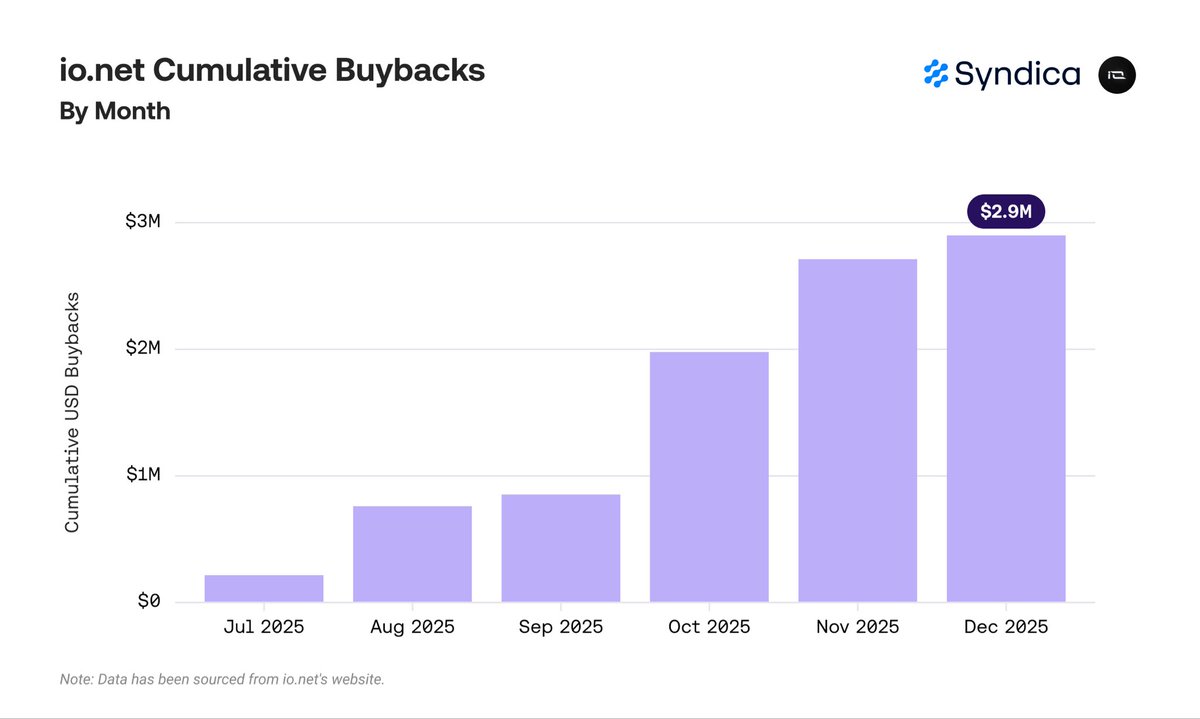
23/ @ionet demand stabilized in December.
Compute hours held around 1.4M, while real demand remained strong as @vistaralabs and @LeonardoAi scaled AI workloads using io.net.
1
3
325
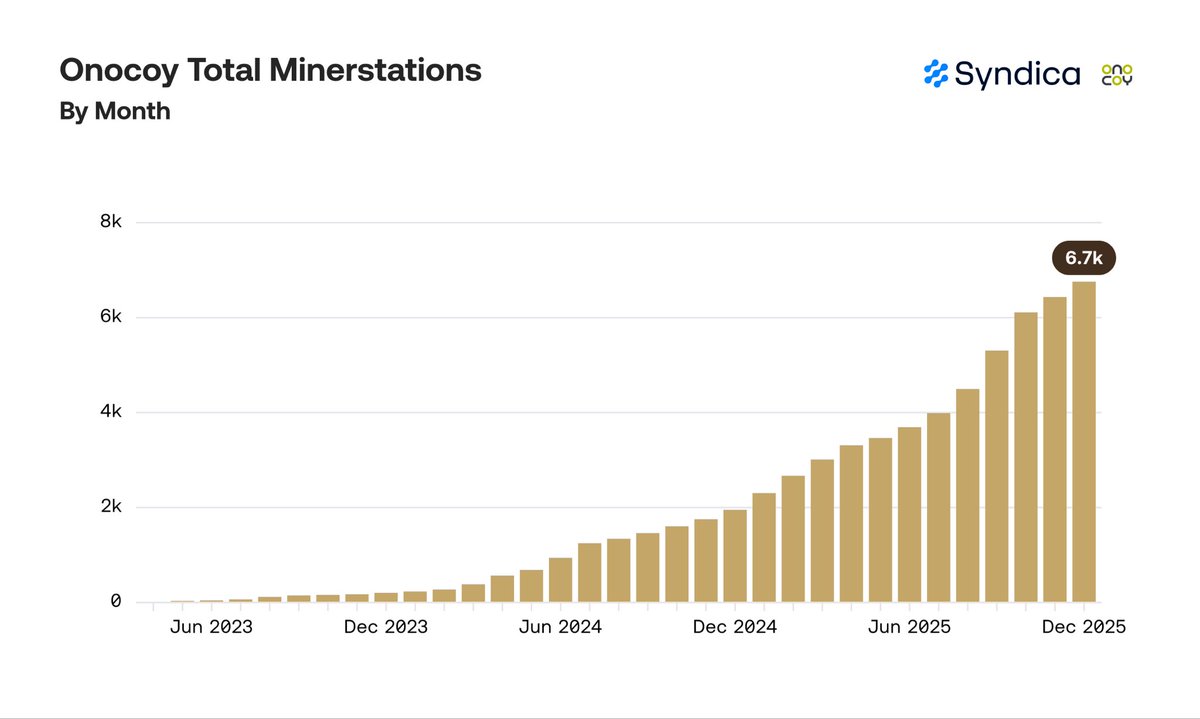
21/ @onocoyRTK developed a healthy supply after two years.
By December 2025, deployers contributed 6.7k miner stations. High Value Areas were introduced to drive targeted GNSS deployments.
1
4
313
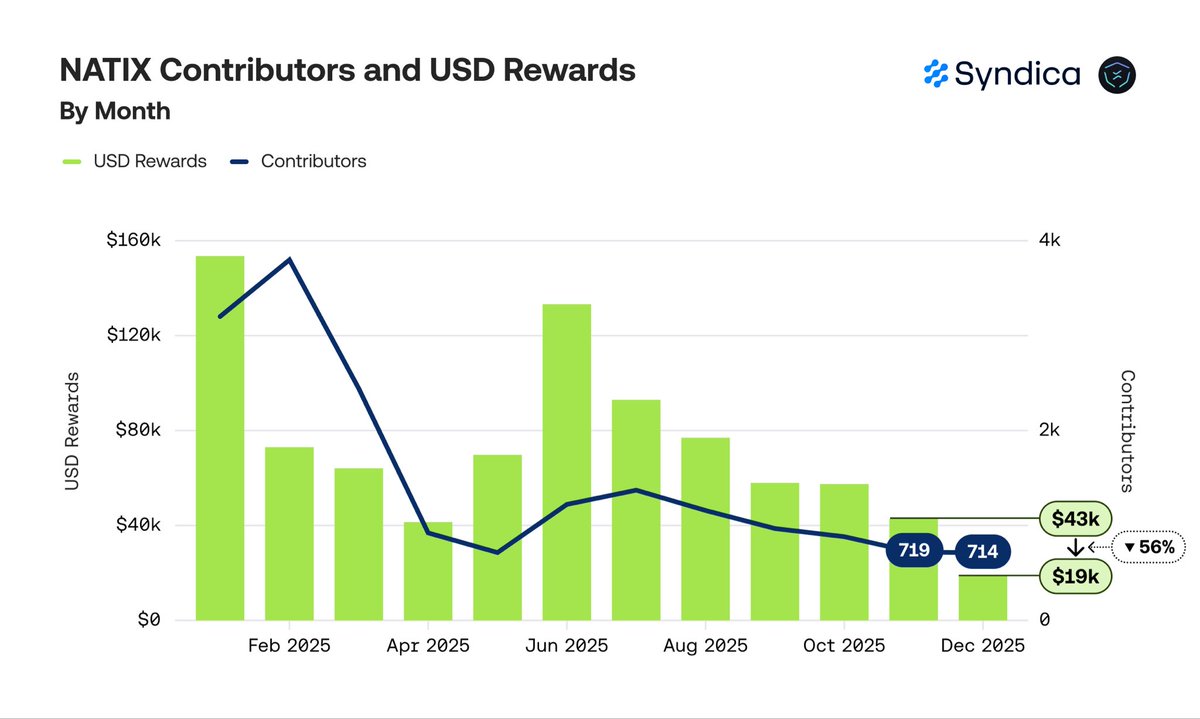
20/ @NATIXNetwork rewards continued to decline in December.
USD rewards fell 56% month-over-month, distributed to 714 contributors.
1
3
288
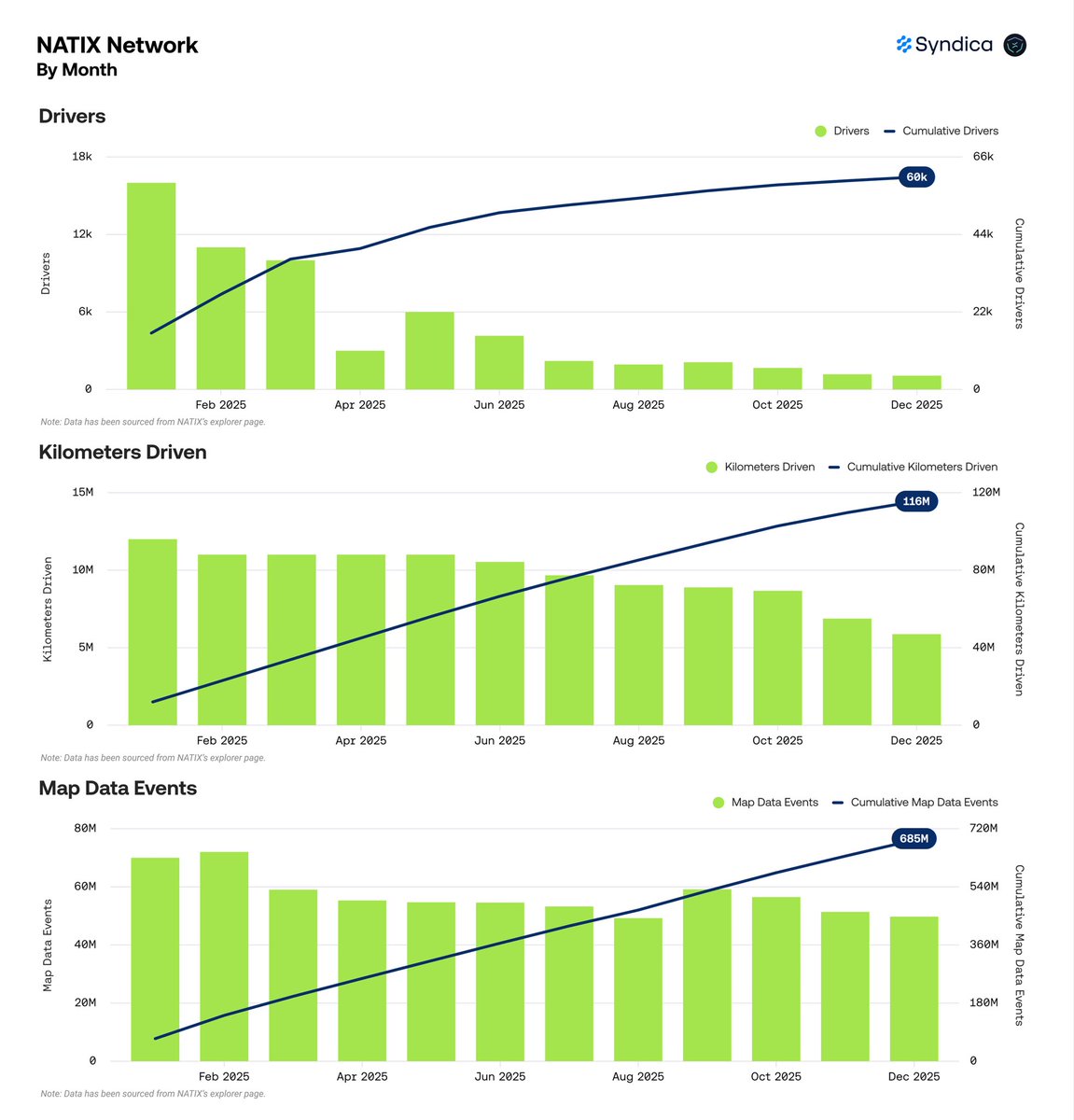
19/ @NATIXNetwork demand and supply stabilized in 2025.
NATIX added 60k drivers, who mapped 116M kilometers and collected 685M data points. The launch of WorldSeek unlocked new ways to analyze street-level imagery.
1
4
322