
May 29


6
7
95
1,042
This speedup from squared to sparse, is only for the vector key/value lookup which is only for like half of the compute. The other half u still gotta run the neuralnet on what the attention merges together and inputs to that neuralnet and outputs the next float[dModel].
May 5

Introducing SubQ - a major breakthrough in LLM intelligence.
It is the first model built on a fully sub-quadratic sparse-attention architecture (SSA),
And the first frontier model with a 12 million token context window which is:
- 52x faster than FlashAttention at 1MM tokens
- Less than 5% the cost of Opus
Transformer-based LLMs waste compute by processing every possible relationship between words (standard attention).
Only a small fraction actually matter.
@subquadratic finds and focuses only on the ones that do.
That's nearly 1,000x less compute and a new way for LLMs to scale.
3
134

Sanjay. Looks like DModel guys hitting the exit door this time.
2
1
59
971
Tamilnadu assembly elections 2026.
Late night conference call between EPS and CM on 23rd.
1. CM-Enna EPS. Enna news?
2. EPS-Farmers voted Admk. It is an Admk Tsunami.
3. CM-But Awake says Admk below 25.
4. EPS-Awaka? Yaaru. I have top class pollsters doing 3000 interviews with farmers. I am King.
5. CM-Okkk. But looks like SPV losing Thondamuthur as per Awake.
6. EPS gives his trademark smile revealing 20 polished teeth. Yaaru Awake. As per my sources, SPV has 61% liking him.
7. CM-Avoid showing teeth. Everybody dont like fake smiles. CIA says Awake is right. I spoke to Donald Trump.
8. EPS-Trump ellam orru dummy. I have Mashoor Swamy. Avar Emoji potte Awakke troll panraaru. Mashoor is Tamilnadu Shakespeare. Plus I have astrologers in my polling team who write 1000 word tweets which nobody understands. I have best resources. RaRa runs spaces. LokaMatha joins from down under and cackles like an old woman. You have no idea.
9. CM gets angry. I have BlackPanther, I have Agni pollster who says it is a DMK Tsunami in Indonesia. I have JapanGanesh. I have TamilRavi- my special asset in Middle East. I have Mathivadani-expert on DModel speech competitions. I have Kovai bridge Kothadimai girl Vaishnavi. I too have resources.
10. Both are silent thinking -Konjam jaasti pesittom pollai
11. CM wife comes and says -Parungale-Perran is upset you didnt vote Vijay.
12. Both hang up frustrated.
28
56
336
38,743
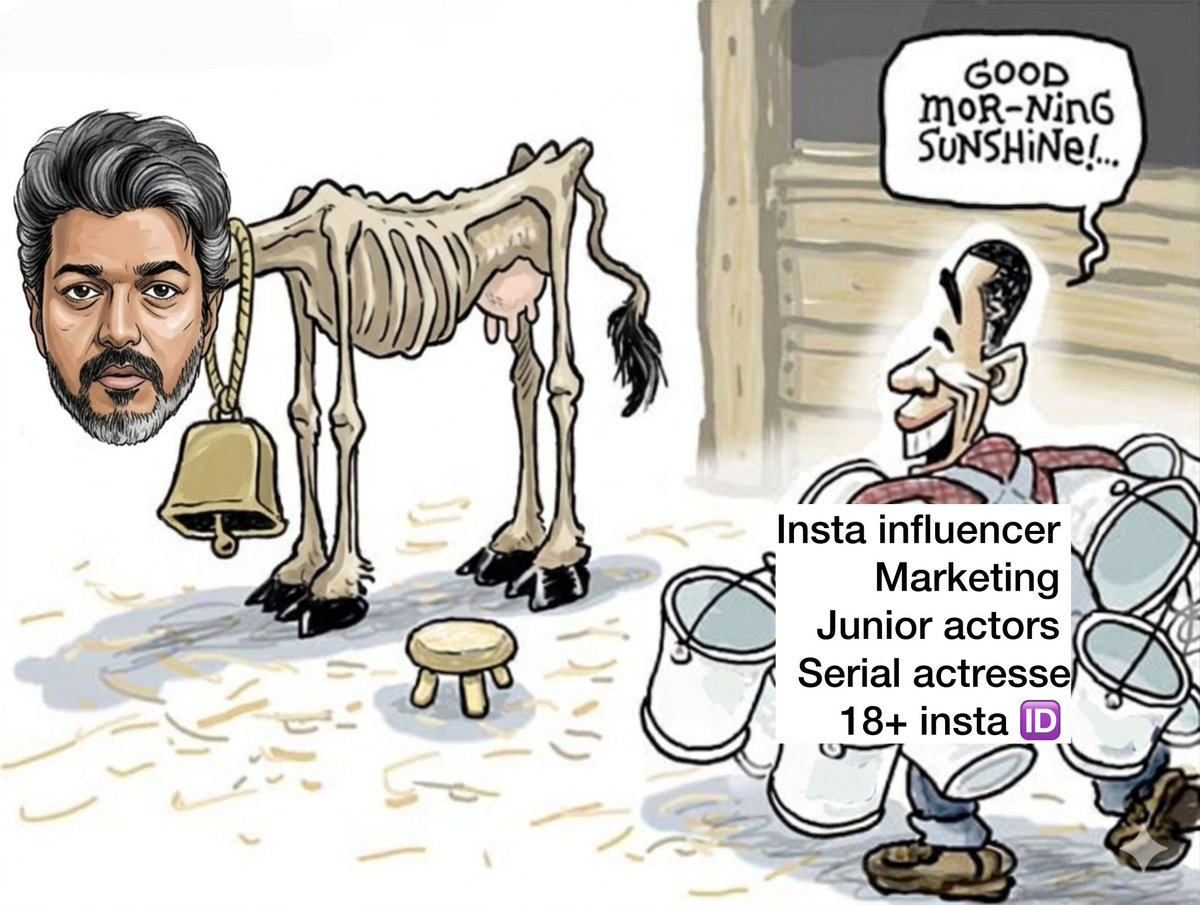
Tamilnadu assembly elections 2026. Kothadimai Rocket.
1. Rocket below is our typical low IQ Kothadimai for hire.
2. Rocket operates out of a dirty basement one room in Otteri and receives instructions to create low IQ meaningless memes while the DyCM flies out to a foreign country for a vacation.
3. If the best a so called famous Dravida Model can create is a dumbhead meme creator for 40 bucks, is it worth it to talk pompously about great Tamilnadu Vellum under this DModel?
Dravida Modellum vendaam, inda loosu IT cellum vendaam which indulges in the worst social behavior.

1
43
240
13,652

Mar 8
dmodel govt late night powercut 👏
balcony la kosu kadi oda cup vanguradha pathutu irken 😩
2
63
Waggan Avatar VrChat Model
#vroid #vtuber #vroidstudio #d #anime #dmodel #vtubers #animegirl
quaggycharr.gumroad.com/l/hh…
1
2
100

Feb 28
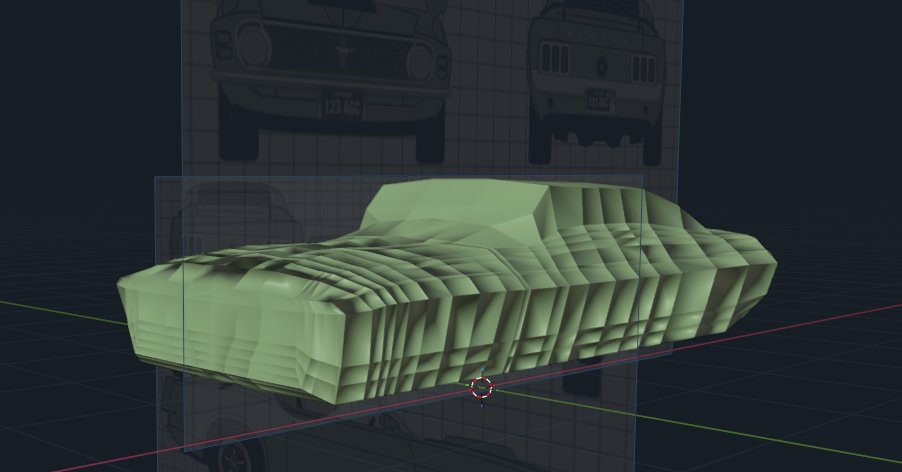
Don't know why without subdivision and not auto smoothing.
#blender #d #dart #art #render #blendercommunity #dmodeling #digitalart #sims #animation #design #dartist #dmodel #blenderrender #cgi #drender #rendering #blenderart #cinema #danimation #b #zbrush #blendercycles
2
5
263
Feb 28
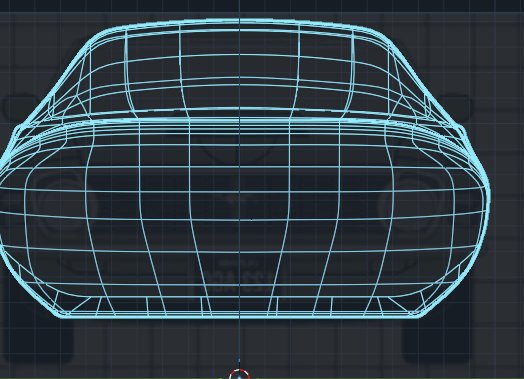
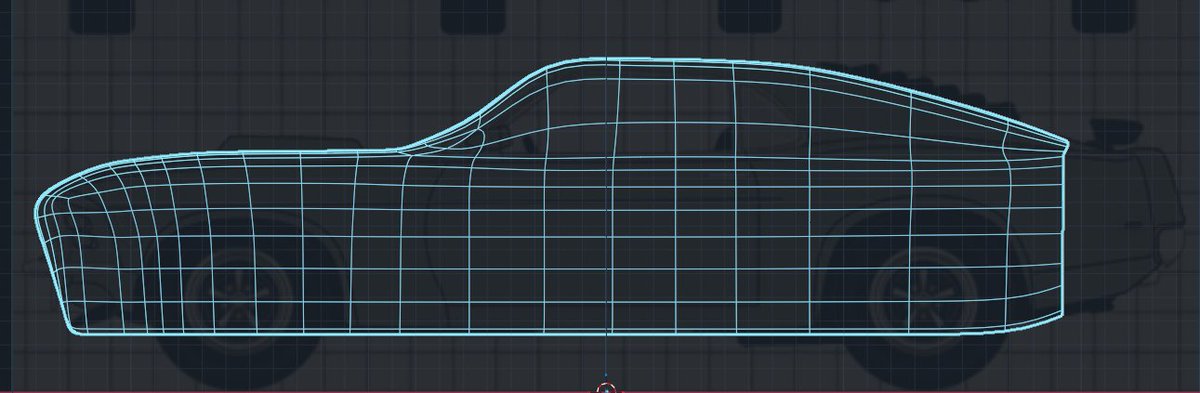
I've managed to do some serious fixing on the mustang boss 429.
#blender #d #dart #art #render #blendercommunity #dmodeling #digitalart #design #dartist #dmodel #blenderrender #cgi #drender #rendering #blenderart #danimation #b #blendercycles #blendermurah #artist #c #lowpoly
6
417
Feb 27
If this does come to reality it will be soo cool 🔥🔥🔥
#blender #d #dart #art #render #blendercommunity #dmodeling #digitalart #animation #design #dartist #dmodel #blenderrender #cgi #drender #rendering #blenderart #danimation #b #blendercycles #blendermurah #artist #lowpoly
Feb 27

Blender iPad App Development Halted as Android Tablets Get Priority macrumors.com/2026/02/27/ble…
2
266
Feb 24
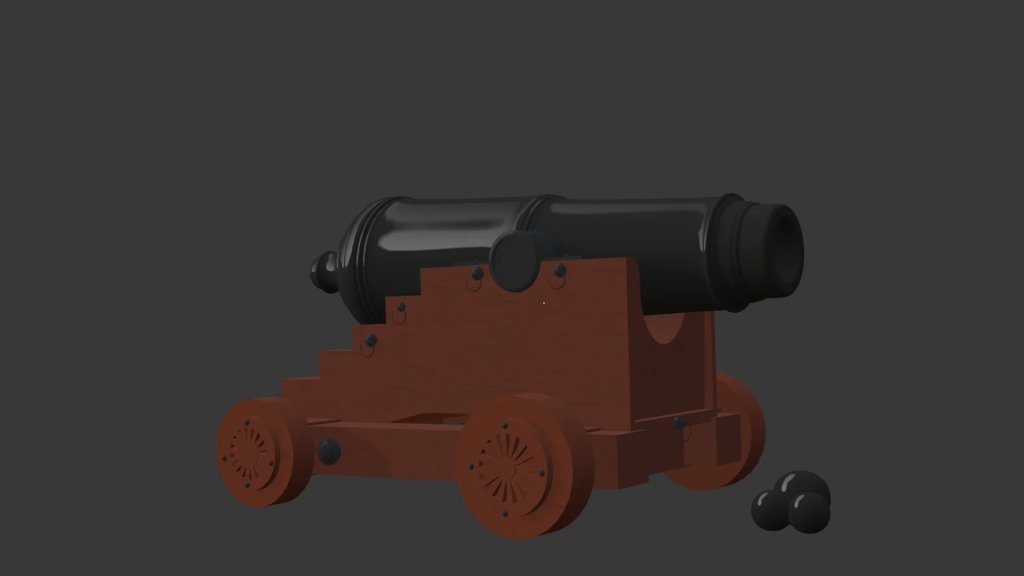
Fire in the hole!!!
Made this cannon for a college project a few months ago thought I'd share it here. Don't roast it to hard 😕
#blender #d #dart #art #render #blendercommunity #dmodeling #digitalart #sims #animation #design #dartist #dmodel #blenderrender #cgi #drender
9
207

Feb 19
🎉Meshy 6 Preview from @MeshyAI is here!
“Sculpt-level” AI 3D modeling has finally arrived.
Generate richer details, sharper edges, and more precise geometry than ever before.
Check out these 3D retail stores⤵️
#Meshy6
#MeshyTimeMachine
#i #itools #dmodel #MeshyAI #DAI #I3DModel
21
8
81
20,431

Feb 12
if u switch to just 2 tokens (0 and 1) u can still do the rest of the float[dModel] tokenvecs to think as the residuals (residual is a math thing in LLMs). ull have to go about 30 more tokens to make tokens out of bits, but u can do it.
2
1
84

Jan 15
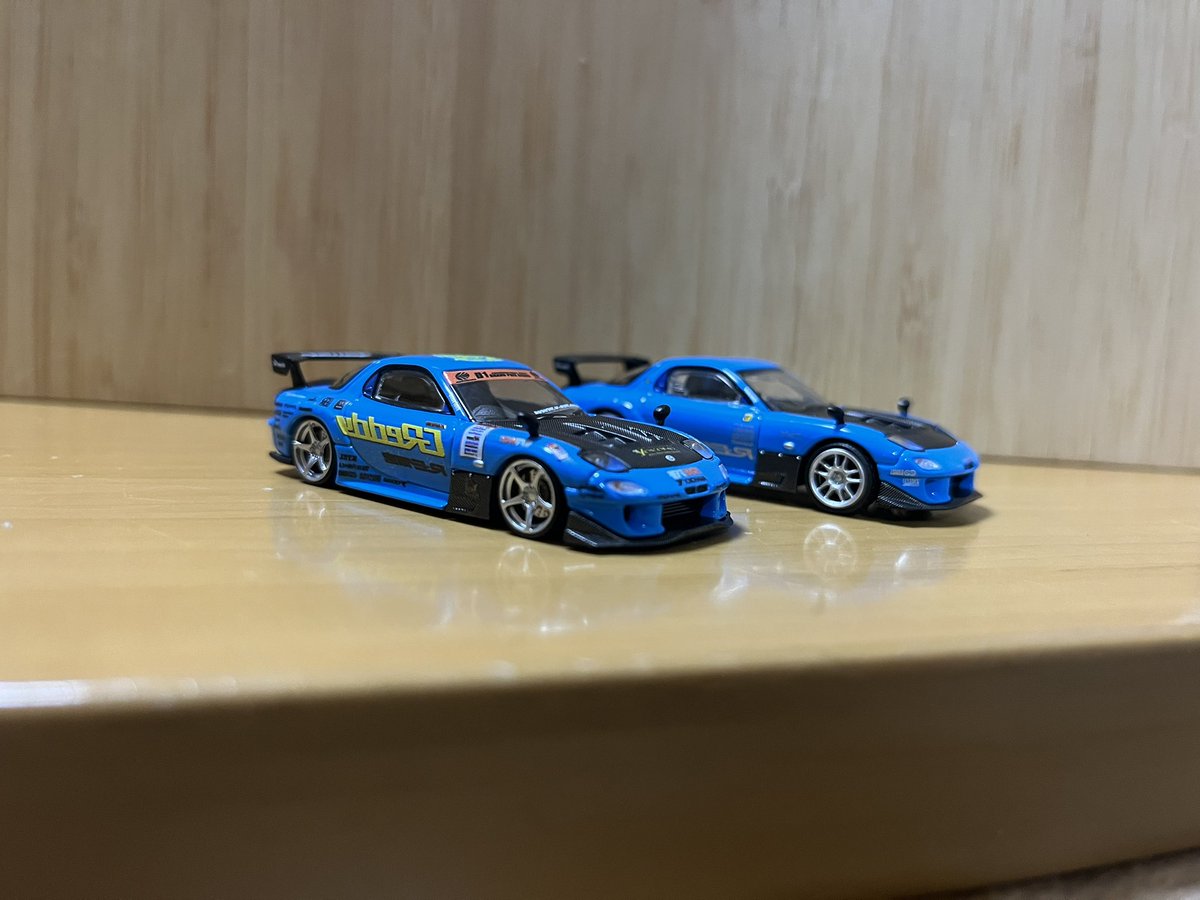
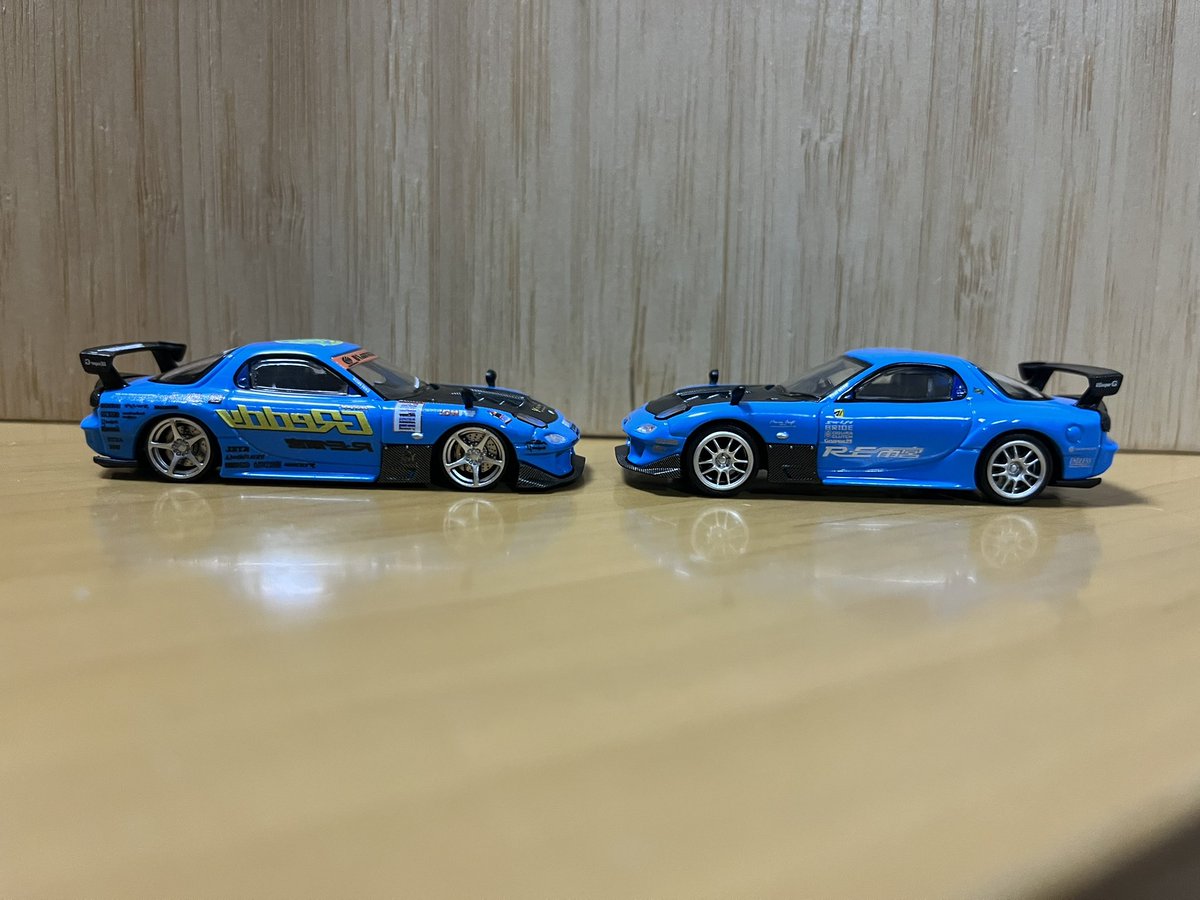
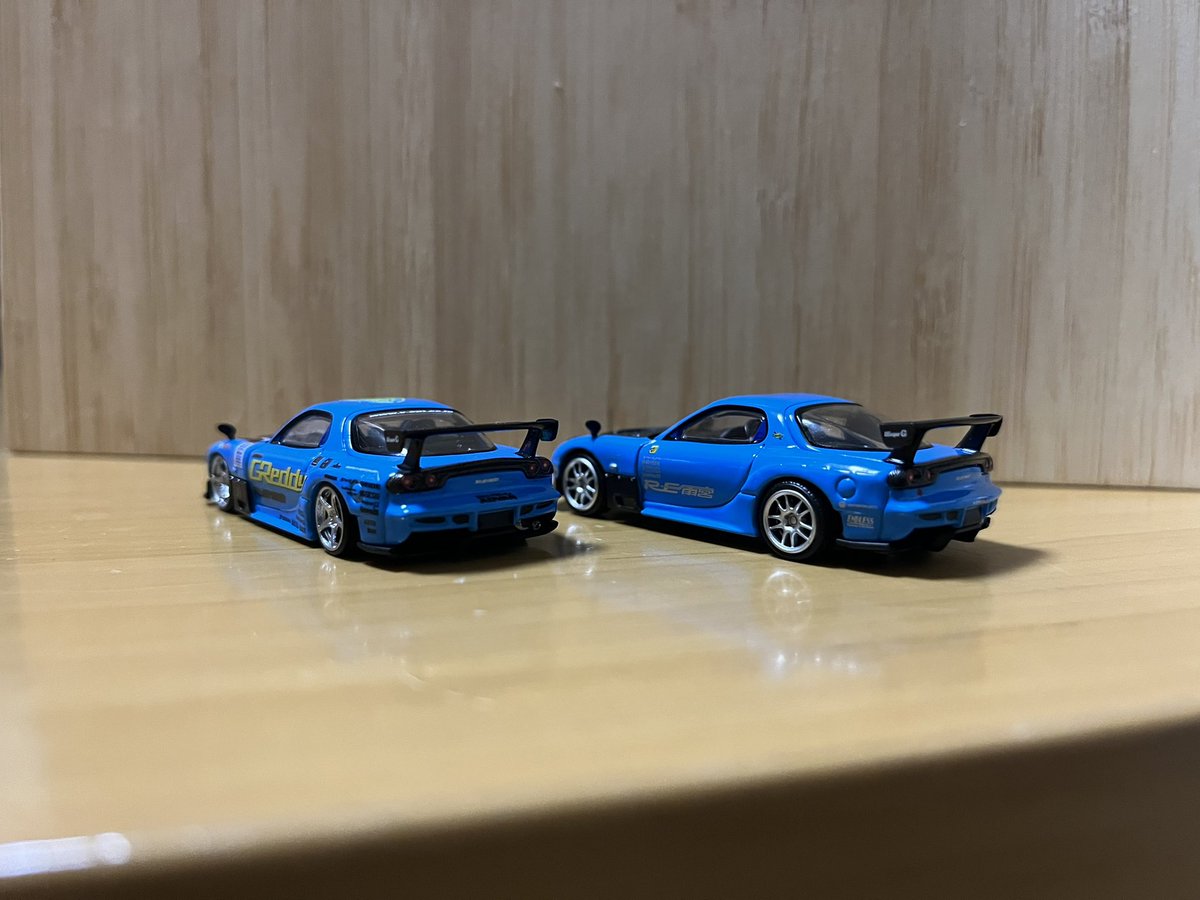
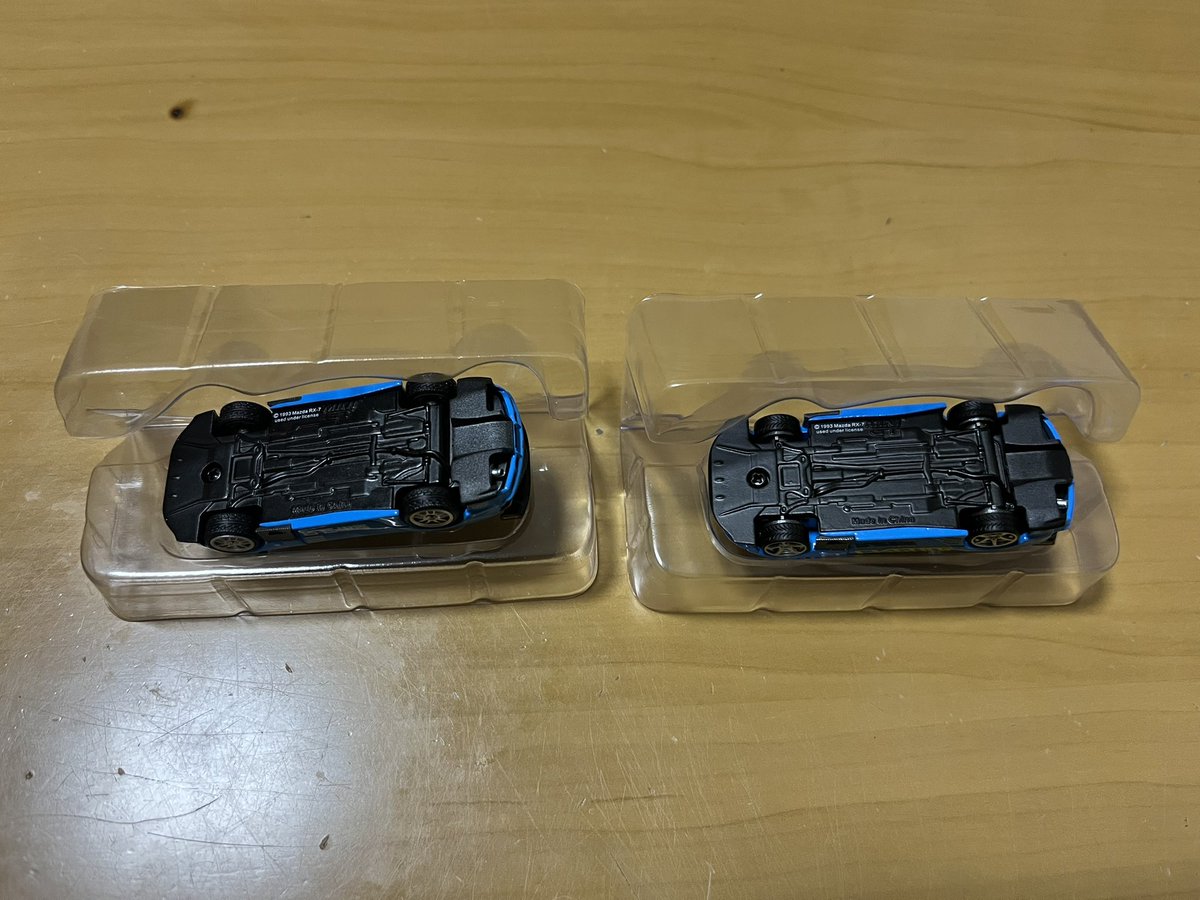
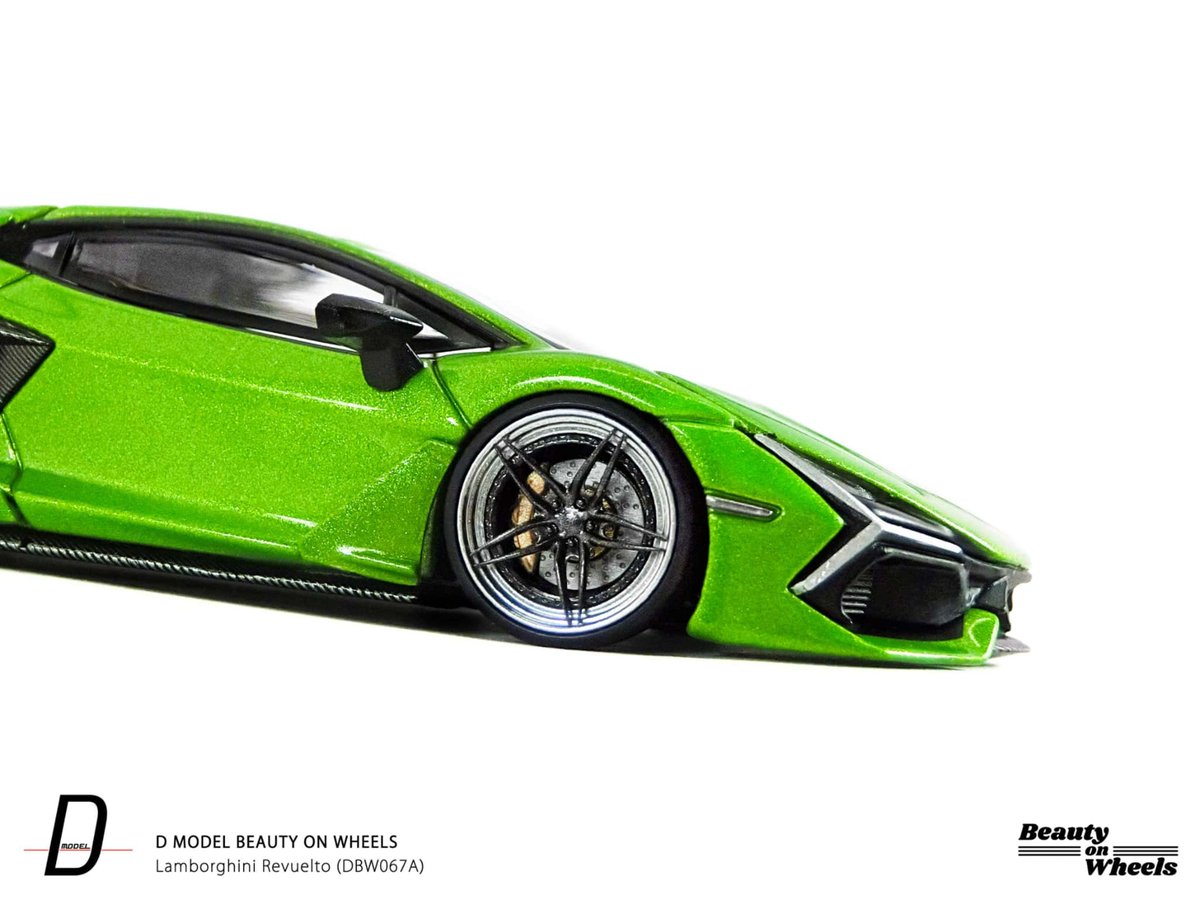
今回の東京オートサロンで限定販売されていたDmodelの雨宮FD
なんか見たことある造形だなーと思って裏見たらまさかのMINIGTだったw
簡単に言うとMINIGTの雨宮FDにD1仕様のタンポを貼って車高低くしてイグニッションみたいにアレンジしましたって感じの仕様でした!
ちなみにタイヤは転がりませんw
7
705

31 Dec 2025
Now NDA s campaign picked up after KA joined hands with Nainar , his sharp attack on
Fake and false Dmodel reaching to the voters very positively, election ground very hot with 3 formidable forces EPS/NDA , TVK and DMK are in the field ,NTK s Seeman a 4th force remains as 4Th .
1
6
222

1 Dec 2025
"A big AI-era career guide for Software Engineers and CS students" - Part 3
On which parts of programming are safer:
@jacobmbuckman: If people want safer roles, they should orient towards anything where it seems like data would be harder to collect.
Anonymous: Anything involving human interaction, and where the whole point is that it's a human, will last longer. If it's remote and computer-based involving almost no human interaction, then yeah, I agree they may be automatable mid 2030s. But I'd also add, there's very very few things that involve no human interaction. Most software engineering jobs do involve lots of meetings. Even if those meetings are done remotely, there are lots of cases where it still matters that it's a human doing it.
@finbarrtimbers: I think the things that are going to be tougher to automate are the kind of higher level things. The harder problems are providing business value and navigating the humans within the organization. The closer you are to the real world or human interaction, the safer you are.
@IvanVendrov: There are also tasks that require deep physical intuition. Like a designer at Apple or something. There will still be a lot of value provided by humans doing that kind of thing.
@RichardMCNgo: Remote job automation depends a lot on whether it's the sort of thing you can do remotely in one hour, one day, one month or one year. The shorter duration tasks will be automated more quickly.
On where there might be more jobs:
@tylercowen: Lots of new jobs to come in energy and running medical trials!
@tamaybes: The industries required for the increased compute spend I expect to see more jobs, including fabs, energy, data centers, robotics. The domains where tasks aren't automated will have wages rise, and potentially quite drastically.
@jacobmbuckman: I think there might be an increase in the sorts of careers like enterprise sales or banking or upper management where a lot of it is really about what network you bring to the table.
On how you can get good at using AI:
@jeremyphoward: Using AI tools correctly takes months and months of diligent study and practice. When you start doing it, you will be shit and you will get bad results. That's because you're shit at it, not because AI doesn't work. NB: regardless of how good or how shit at it you are, you'll over-estimate how much it's helping you, because AI does the easy/early bits fast, but makes the harder/later bits much slower/harder, unless you're very careful!
@Jsevillamol: Understand the basics of how AI works. You don't need to learn to code but it helps a lot to understand how AI is trained.
Anonymous: There's a Tyler Cowen idea that AI is like having 1000 research assistants. People who are good at having research assistants should be good at using AI. What makes someone good at having 1000 research assistants or AI assistants? Basically it's around coordination. Packaging up work. Knowing what's important and having a really good sense of what you actually want. Invest in those skills. The important thing is to have a model of what AI can and can't do. One way of getting that is to understand how AI models are trained.
On career advice for AI researchers or people who want to become AI researchers:
@jeremyphoward: Mid-career AI researchers (in fact all levels!): focus on becoming really good coders. Learn to replicate interesting research papers from scratch. Code is the medium we use to experiment, so if you're better at it, you can run more complex and creative experiments more quickly.
@jacobmbuckman: Get as close to as many gpus as you can as early as possible. Almost nothing else you could do is higher value.
@rronak_: Stop studying, build. Go one layer deeper into the infra than feels comfortable, since that's where the value is. If you're on Langchain, write the agent loop yourself; if you're on Verl, write the pytorch yourself; If you're on Megatron, write the cuda kernels yourself.
@finbarrtimbers: People need to know you exist to give you opportunities. Write about interesting ideas you have or things you are thinking about. There is an extreme hunger for “interesting lunch conversation at DeepMind” level content (not hype boi threads, not paper level technical).
@_arohan_: 1. Perspective matters more than novelty, many so-called ‘solved’ problems still hide unsolved challenges in the details. Don’t dismiss anything as trivial; breakthroughs are hidden in plain sight. 2. Don’t worry about pedigree or fitting in. Hinton bet on neural networks when the field dismissed them. The real breakthroughs come from researchers who ignore the consensus, think for themselves, and tackle hard problems—and that researcher can be you
@danielhanchen: I would definitely watch MIT, Stanford videos much much earlier - CS231N, do FastAI courses, MIT's AI course, Gilbert Strang's courses CS229
On which personal assets may increase in value:
@tylercowen: Your personal reputation, your name, who knows you, who can vouch for you. Invest in all that.
@RichardMCNgo: Try to build relationships with people you can work directly with. Really good working relationships and high trust relationships feel important.
Anonymous: The optimal allocation of tasks between humans and machines will change a lot. My view is the biggest comparative advantage of humans will be in the interpersonal elements. Dealing with other people. Anything involving human interaction, social skills, big organizations, bureaucracies, interpersonal relationships, all that stuff becomes more valuable and more important.
@kenneth0stanley: You can change your interests. Your interests are not stuck. As change becomes more rapid, opportunism probably does become increasingly important, including the ability to uncommit.
@jeremyphoward: If you're at university, try to spend a lot of time doing other things, have a lot of side hustles, have a lot of side interests.
@nearcyan: If you’re a Silicon Valley person who is capable of doing good work and getting job offers and such: 1) It's probably a good time to find allies. 2) Integrity and honesty are more important than ever. Do not compromise on it for any type of quick buck. The bucks will become easier and easier to make.
@dlbydq: I would invest in the positional goods of career capital: networks, relationships, reputation.
On which skills may increase in value:
@finbarrtimbers: The thing that's really going to matter is taste.
Anonymous: Manager skills, especially technical management skills and organizational design, are very valuable. It's a very rare skill but that's precisely what you want to have if you're orchestrating AI. Designing the machine of your organization. Designing the right machine will become a really, really valuable skill. A highly valuable person in the AI world is someone who is great at dealing with other people, and who also really understands AI.
@Afinetheorem: Anything AI can do 100% will become close to free. Anything you uniquely do as a complement to that now free factor of production becomes more valuable. You are unlikely to be able to guess what those tasks are, so you need to experiment.
@RichardMCNgo: There will be very high returns to being able to orient fast to changes.
@Jsevillamol: Creativity is going to be super great in the future. If you want to make your own movie, in five years it's going to be super easy.
@BasilHalperin: AI is a complement for being agentic. "You can just do things" is even more true when AI can help you out, and when AI can scale you.
@kenneth0stanley: Taste is a really interesting unique human capability, which is underrated. I think using taste as a compass for knowing what stepping stone to go to next, that's currently something we're way better at. Be really loyal to your interests and tastes, not just casually, but seriously going deep into what you find interesting and committing to it in some way so that you can become uniquely skilled in that area.
Thank you to the people who gave answers:
@jacobmbuckman: Manifest AI, ex-Google Brain
@kenneth0stanley: Lila Sciences, ex-OpenAI, Why Greatness Cannot Be Planned
@Jsevillamol: Epoch AI
@jeremyphoward: @answerdotai, @fastdotai
@neonbjb: OpenAI
@_arohan_: Anthropic, ex-Meta, ex-Google DeepMind
@Altimor: Lindy
@danielhanchen: Unsloth AI
@jeffdean: Google DeepMind, Google Research
@nearcyan: Auren, Elysian Labs
@rronak_: Google DeepMind, ex-Windsurf
@ericjang11: 1X
@BasilHalperin: Economist, University of Virginia
@Afinetheorem: Innovation Economist, University of Toronto
@dlbydq: dmodel, ex-OpenAI
@IvanVendrov: ex-Midjourney, ex-Anthropic
@tylercowen: Economist, GMU, Marginal Revolution
@RichardMCNgo: ex-OpenAI, ex-Google DeepMind
@tamaybes: Mechanize, ex-Epoch AI
@finbarrtimbers: Ai2, ex-Midjourney, ex-DeepMind
Anonymous: ex-Frontier Lab
3
661

19 Nov 2025
its the account i qted. tbis is just a joke bc dmodel is the company account i just started running
1
16
417

1 Nov 2025
Casa GP Exterior Scene (Cinema 4D / 3DS MAX Corona) #artwork #dmodel #nft #mograph #dsmax #cinematography
angeloferretti.gumroad.com/l…
1
2
43


22 Oct 2025
Casa Payesa. 🤍🌟 #3dsmax #3d #render #architecture #vray #rendering #design #interiordesign #cgi #photoshop #coronarender #interior #archviz #renderlovers #drender #dmodeling #dart #art #blender #sketchup #renderbox #vrayrender #dmodel #visualization #autocad #dartist

2
129