



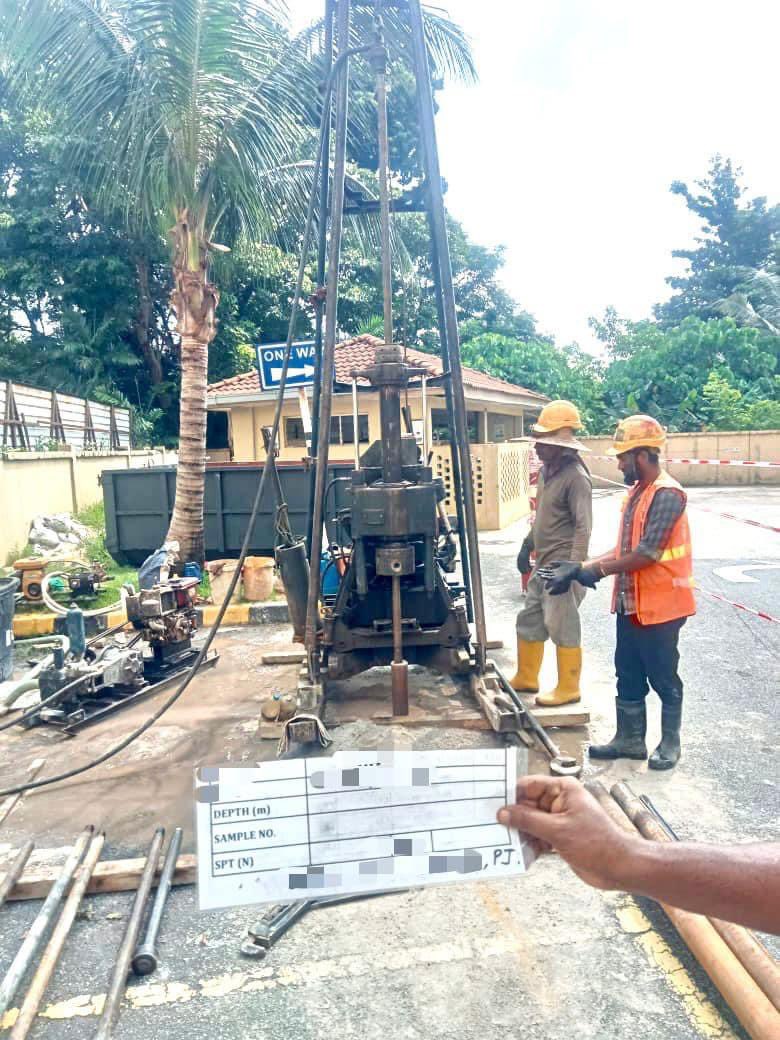
ALT 🚧 Borehole - soil investigation for defect appraisal. 👷🏽♂️👷🏽♂️📋🔎 #IPMProfessionalServices #EngineeringConsultant #SoilInvestigation #DefectInspection #SoilCondition #DefectAssessment #BuildingInspection #ProfessionalEngineering #EngineeringAnalysis #SettlementProblem ***************************** 💻 Website: https://ipm.my/ 📩 Email: admin@ipm.my ☎ Call: 03-8066 7631 (Selangor/ Kuala Lumpur) ☎ Call: 07-355 5631 (Johor Bahru) 🔗 Facebook: https://www.facebook.com/IPMProfessionalServices/ 🔗 LinkedIn: https://www.linkedin.com/company/ipm-professional-services/
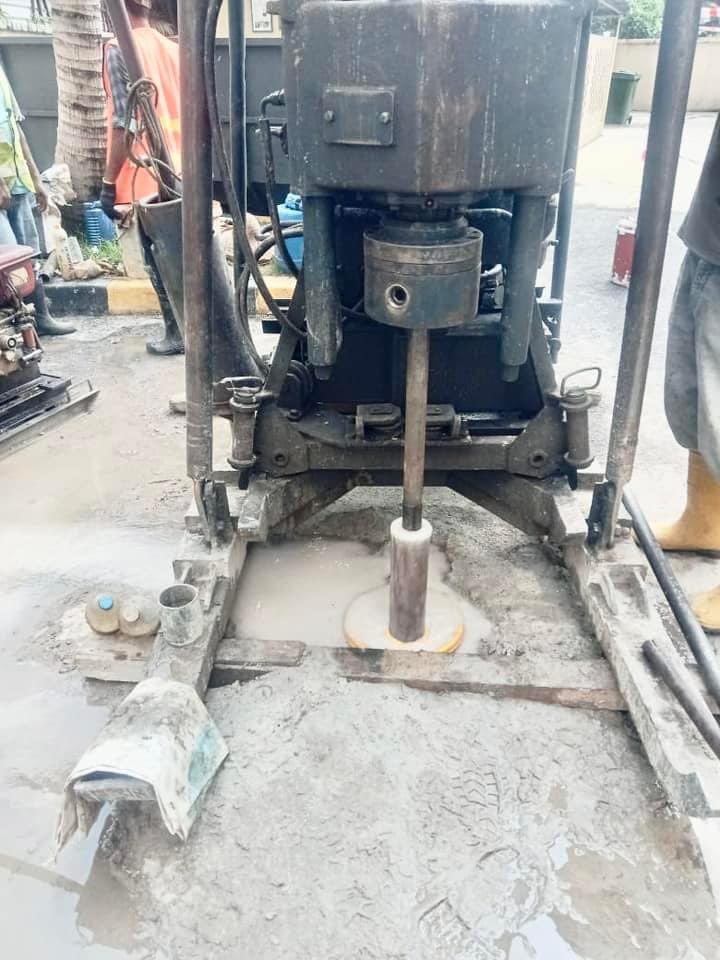
ALT 🚧 Borehole - soil investigation for defect appraisal. 👷🏽♂️👷🏽♂️📋🔎 #IPMProfessionalServices #EngineeringConsultant #SoilInvestigation #DefectInspection #SoilCondition #DefectAssessment #BuildingInspection #ProfessionalEngineering #EngineeringAnalysis #SettlementProblem ***************************** 💻 Website: https://ipm.my/ 📩 Email: admin@ipm.my ☎ Call: 03-8066 7631 (Selangor/ Kuala Lumpur) ☎ Call: 07-355 5631 (Johor Bahru) 🔗 Facebook: https://www.facebook.com/IPMProfessionalServices/ 🔗 LinkedIn: https://www.linkedin.com/company/ipm-professional-services/
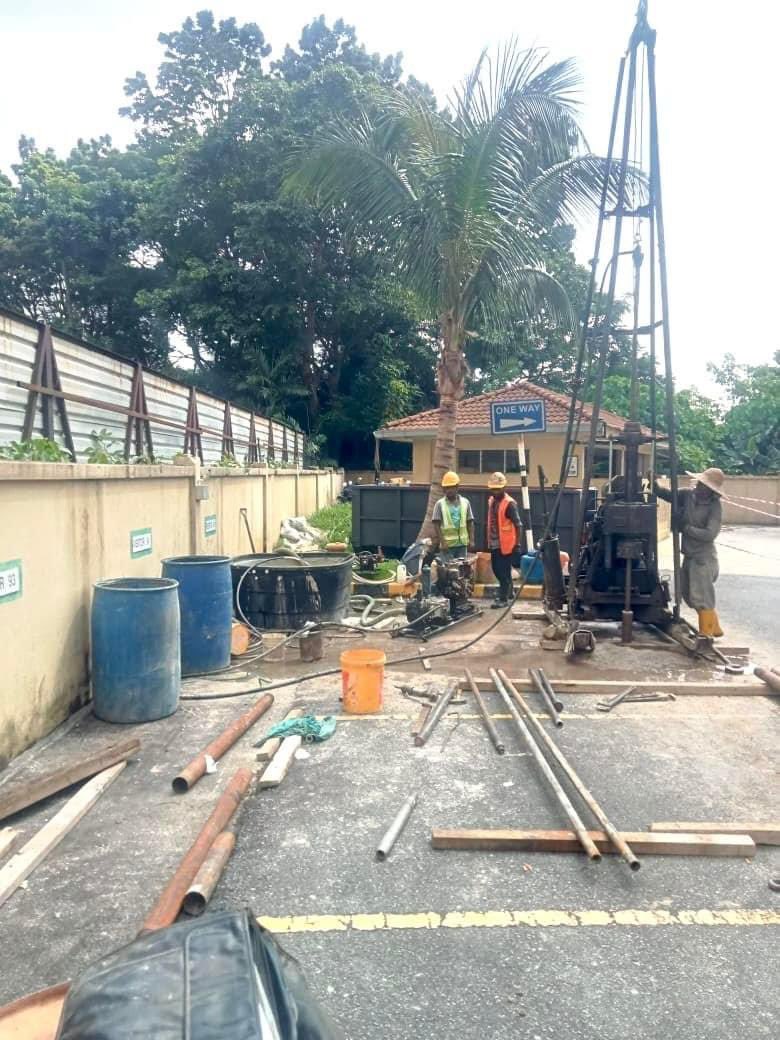
ALT 🚧 Borehole - soil investigation for defect appraisal. 👷🏽♂️👷🏽♂️📋🔎 #IPMProfessionalServices #EngineeringConsultant #SoilInvestigation #DefectInspection #SoilCondition #DefectAssessment #BuildingInspection #ProfessionalEngineering #EngineeringAnalysis #SettlementProblem ***************************** 💻 Website: https://ipm.my/ 📩 Email: admin@ipm.my ☎ Call: 03-8066 7631 (Selangor/ Kuala Lumpur) ☎ Call: 07-355 5631 (Johor Bahru) 🔗 Facebook: https://www.facebook.com/IPMProfessionalServices/ 🔗 LinkedIn: https://www.linkedin.com/company/ipm-professional-services/
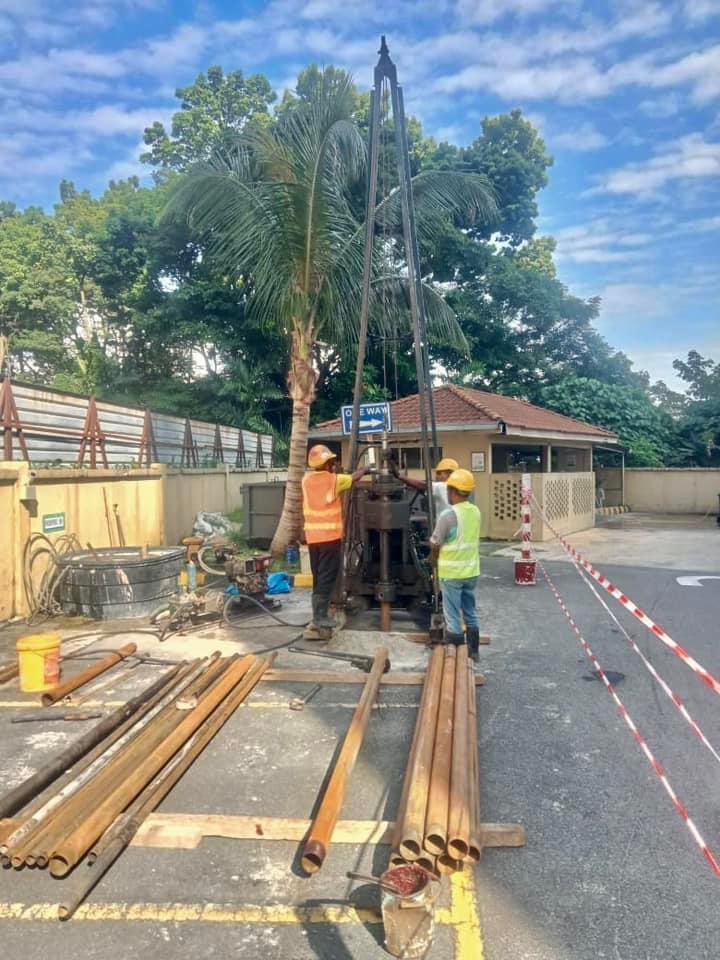
ALT 🚧 Borehole - soil investigation for defect appraisal. 👷🏽♂️👷🏽♂️📋🔎 #IPMProfessionalServices #EngineeringConsultant #SoilInvestigation #DefectInspection #SoilCondition #DefectAssessment #BuildingInspection #ProfessionalEngineering #EngineeringAnalysis #SettlementProblem ***************************** 💻 Website: https://ipm.my/ 📩 Email: admin@ipm.my ☎ Call: 03-8066 7631 (Selangor/ Kuala Lumpur) ☎ Call: 07-355 5631 (Johor Bahru) 🔗 Facebook: https://www.facebook.com/IPMProfessionalServices/ 🔗 LinkedIn: https://www.linkedin.com/company/ipm-professional-services/


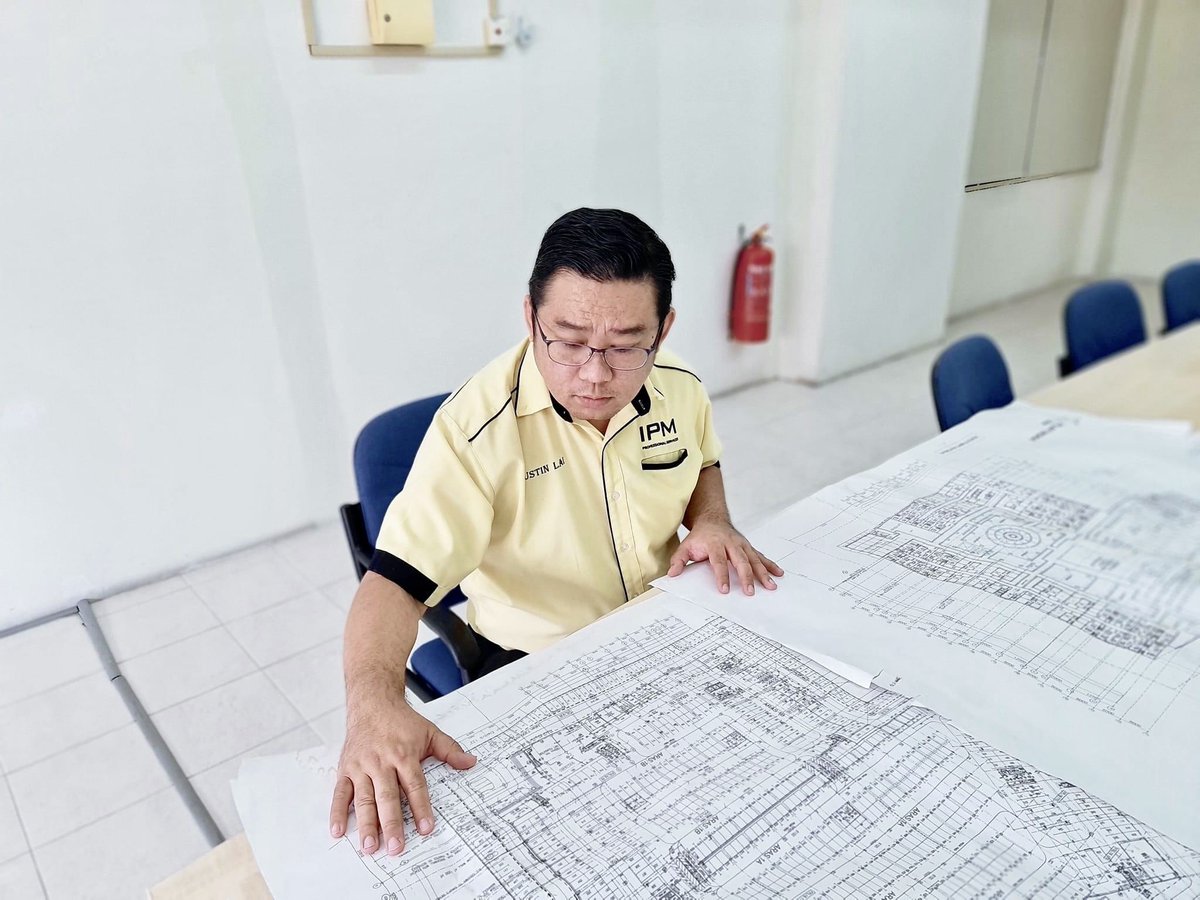
ALT 🏢 Dealing with apartment’s land subsidence issue. 🔎🔎 #ipmprofessionalservices #engineeringconsultancy #structuralengineering #buildingdefect #landsubsidence #engineeringcalculation #engineeringanalysis

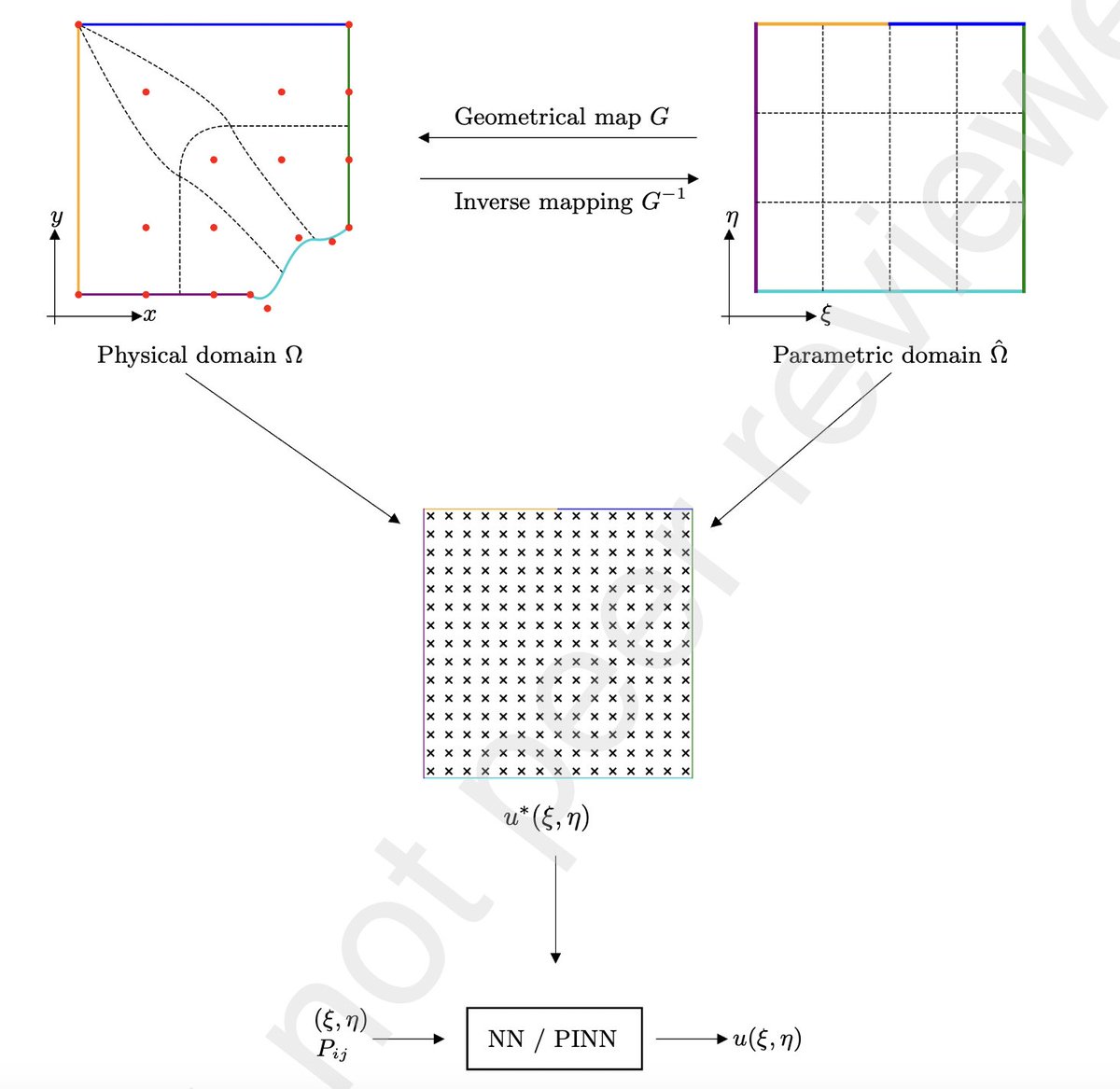



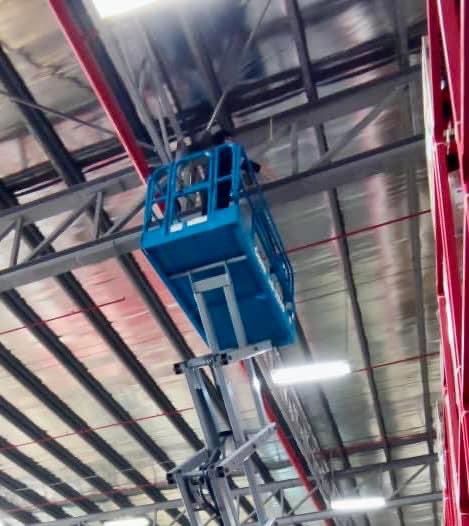
ALT 🏁 "Success is the sum of small efforts, repeated day in and day out" ~ Robert Collier ✅ #ipmprofessionalservices #engineeringfirm #architectfirm #designconsultant #professionalconsultant #construction #buildthetomorrow #architectureengineering
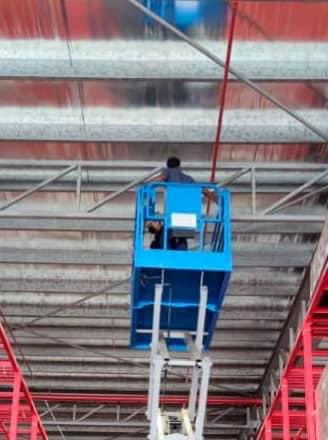
ALT 🏁 "Success is the sum of small efforts, repeated day in and day out" ~ Robert Collier ✅ #ipmprofessionalservices #engineeringfirm #architectfirm #designconsultant #professionalconsultant #construction #buildthetomorrow #architectureengineering

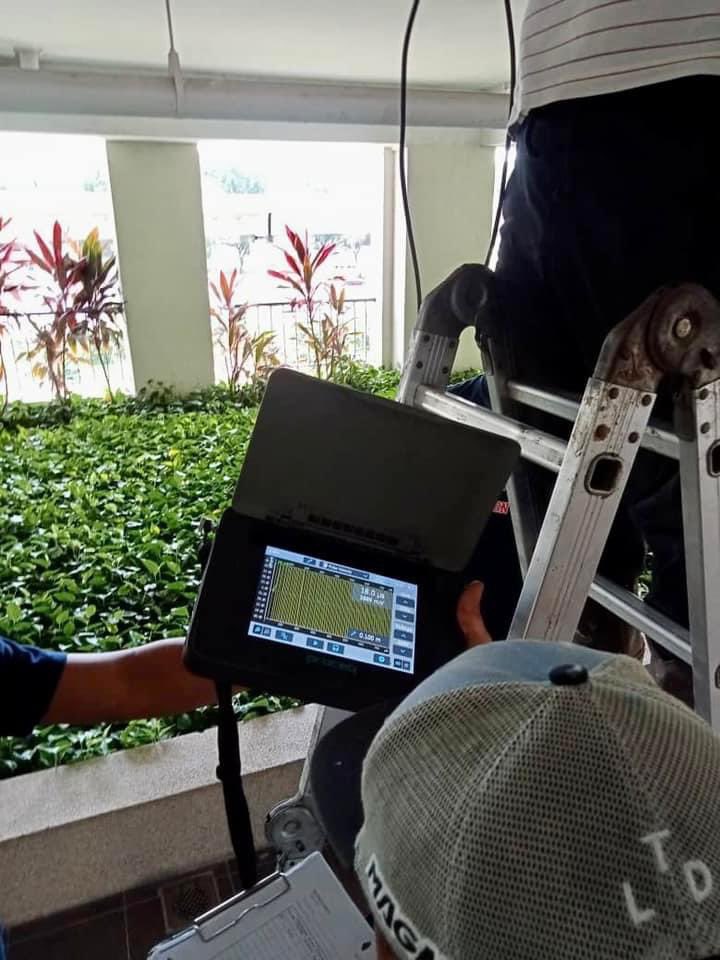
ALT ✌️ Engaged by JMB to conduct structural assessment and engineering analysis. 👷👷♀️ 💻 Website: https://ipm.my/ 📩 Email: admin@ipm.my ☎ Call: 03-8066 7631 / 07-355 5631 #EngineeringInspection #EngineeringConsultancy #StructuralInspection #EngineeringAnalysis
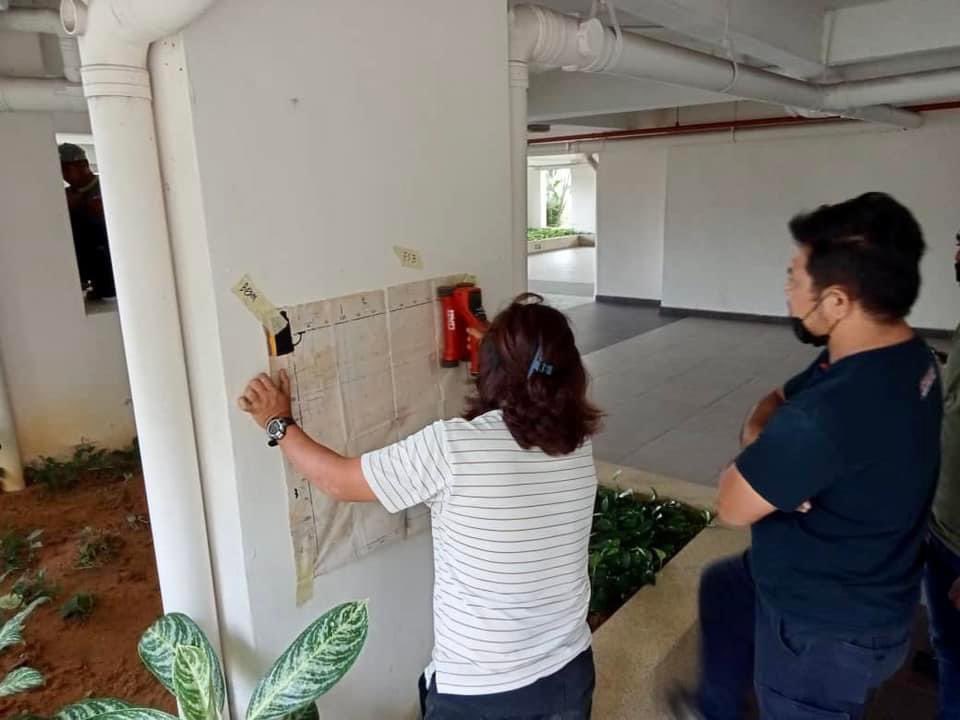
ALT ✌️ Engaged by JMB to conduct structural assessment and engineering analysis. 👷👷♀️ 💻 Website: https://ipm.my/ 📩 Email: admin@ipm.my ☎ Call: 03-8066 7631 / 07-355 5631 #EngineeringInspection #EngineeringConsultancy #StructuralInspection #EngineeringAnalysis
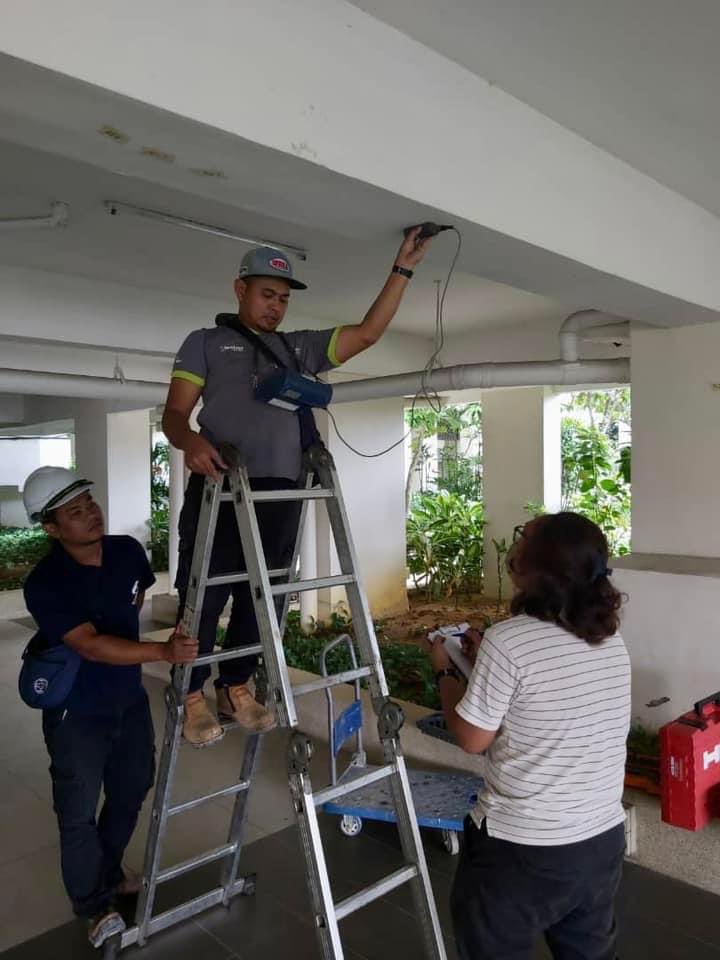
ALT ✌️ Engaged by JMB to conduct structural assessment and engineering analysis. 👷👷♀️ 💻 Website: https://ipm.my/ 📩 Email: admin@ipm.my ☎ Call: 03-8066 7631 / 07-355 5631 #EngineeringInspection #EngineeringConsultancy #StructuralInspection #EngineeringAnalysis
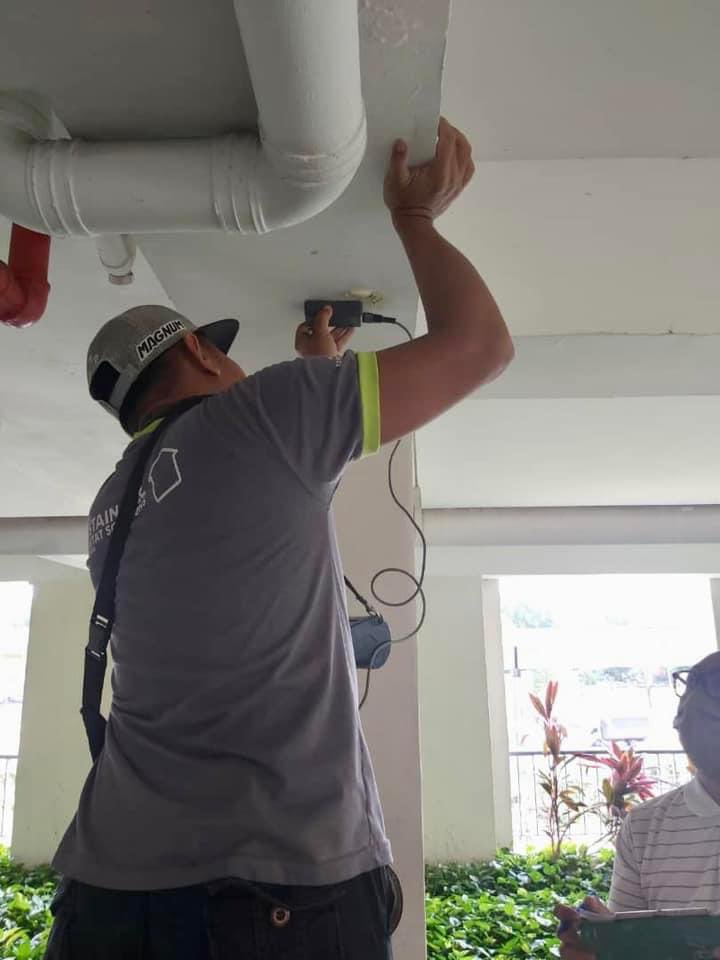
ALT ✌️ Engaged by JMB to conduct structural assessment and engineering analysis. 👷👷♀️ 💻 Website: https://ipm.my/ 📩 Email: admin@ipm.my ☎ Call: 03-8066 7631 / 07-355 5631 #EngineeringInspection #EngineeringConsultancy #StructuralInspection #EngineeringAnalysis

ALT 🕵️♂️🕵️ Engineering inspection for high rise condominium at Kuala Lumpur, Malaysia. 🏢🏢💪💪 #IPMProfessionalServices #EngineeringInspection #EngineeringConsultancy #StructuralInspection #StructuralEngineer #EngineeringAnalysis #CondominumAssessment #BuildingAssessment ***************************** 💻 Website: https://ipm.my/ 📩 Email: admin@ipm.my ☎ Call: 03-8066 7631 (Selangor/ Kuala Lumpur) ☎ Call: 07-355 5631 (Johor Bahru) 🔗 Facebook: https://www.facebook.com/IPMProfessionalServices/ 🔗 LinkedIn: https://www.linkedin.com/company/ipm-professional-services/
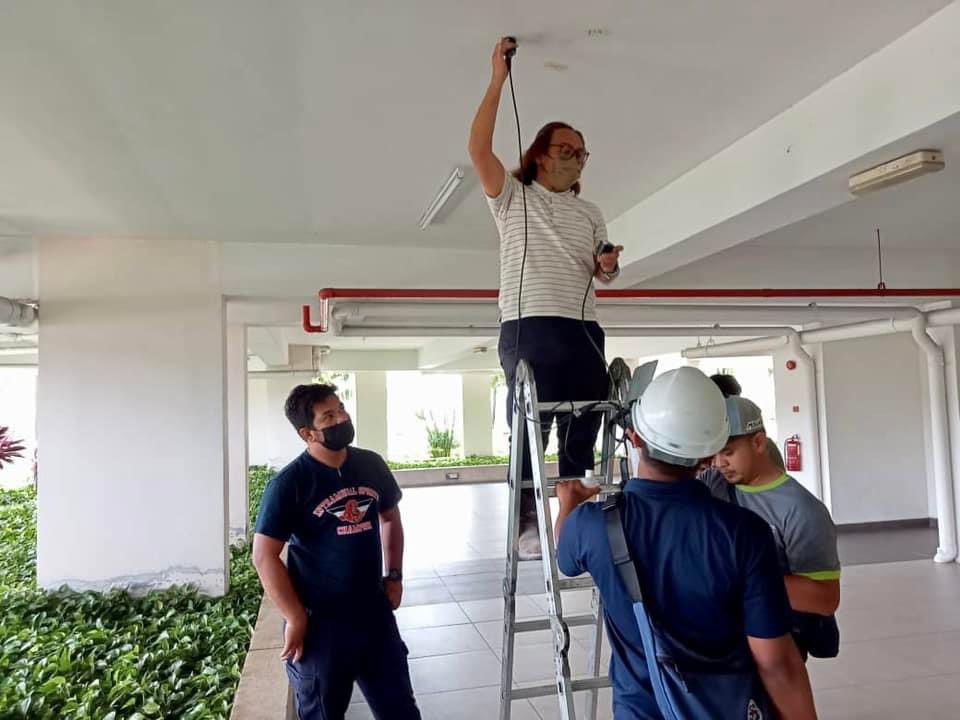
ALT 🕵️♂️🕵️ Engineering inspection for high rise condominium at Kuala Lumpur, Malaysia. 🏢🏢💪💪 #IPMProfessionalServices #EngineeringInspection #EngineeringConsultancy #StructuralInspection #StructuralEngineer #EngineeringAnalysis #CondominumAssessment #BuildingAssessment ***************************** 💻 Website: https://ipm.my/ 📩 Email: admin@ipm.my ☎ Call: 03-8066 7631 (Selangor/ Kuala Lumpur) ☎ Call: 07-355 5631 (Johor Bahru) 🔗 Facebook: https://www.facebook.com/IPMProfessionalServices/ 🔗 LinkedIn: https://www.linkedin.com/company/ipm-professional-services/
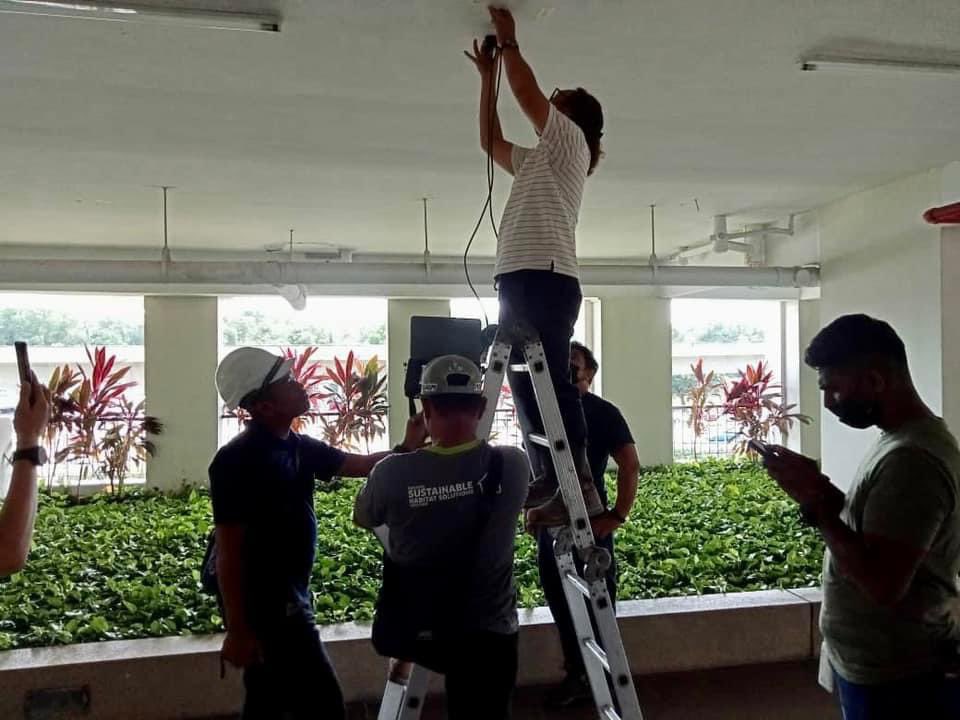
ALT 🕵️♂️🕵️ Engineering inspection for high rise condominium at Kuala Lumpur, Malaysia. 🏢🏢💪💪 #IPMProfessionalServices #EngineeringInspection #EngineeringConsultancy #StructuralInspection #StructuralEngineer #EngineeringAnalysis #CondominumAssessment #BuildingAssessment ***************************** 💻 Website: https://ipm.my/ 📩 Email: admin@ipm.my ☎ Call: 03-8066 7631 (Selangor/ Kuala Lumpur) ☎ Call: 07-355 5631 (Johor Bahru) 🔗 Facebook: https://www.facebook.com/IPMProfessionalServices/ 🔗 LinkedIn: https://www.linkedin.com/company/ipm-professional-services/
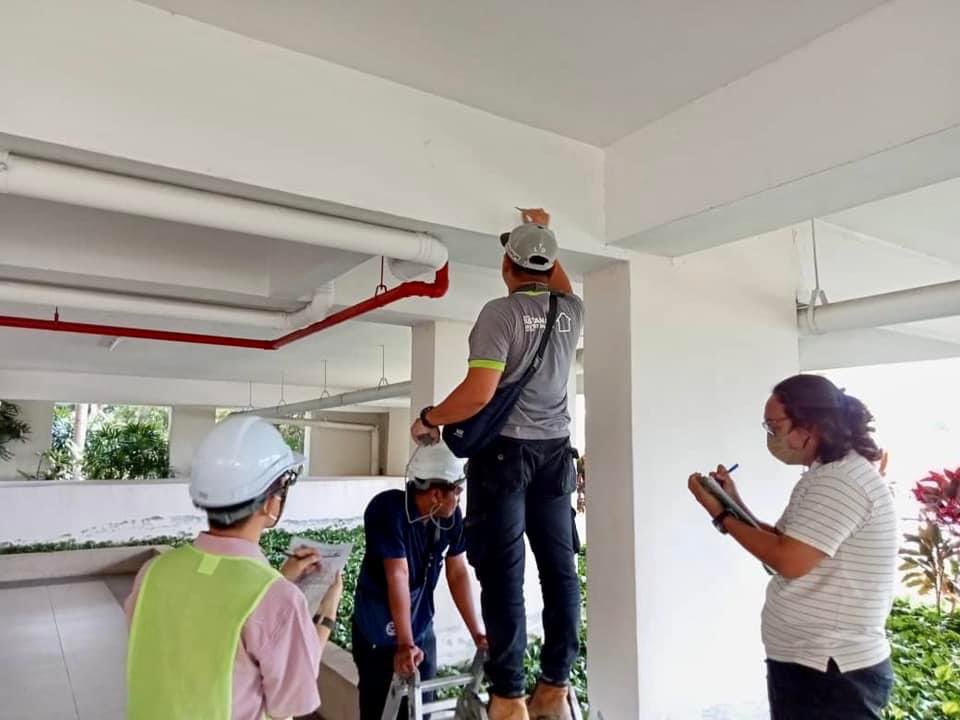
ALT 🕵️♂️🕵️ Engineering inspection for high rise condominium at Kuala Lumpur, Malaysia. 🏢🏢💪💪 #IPMProfessionalServices #EngineeringInspection #EngineeringConsultancy #StructuralInspection #StructuralEngineer #EngineeringAnalysis #CondominumAssessment #BuildingAssessment ***************************** 💻 Website: https://ipm.my/ 📩 Email: admin@ipm.my ☎ Call: 03-8066 7631 (Selangor/ Kuala Lumpur) ☎ Call: 07-355 5631 (Johor Bahru) 🔗 Facebook: https://www.facebook.com/IPMProfessionalServices/ 🔗 LinkedIn: https://www.linkedin.com/company/ipm-professional-services/