
Where Design Meets Intelligence, Interaction, and Imagination ✨
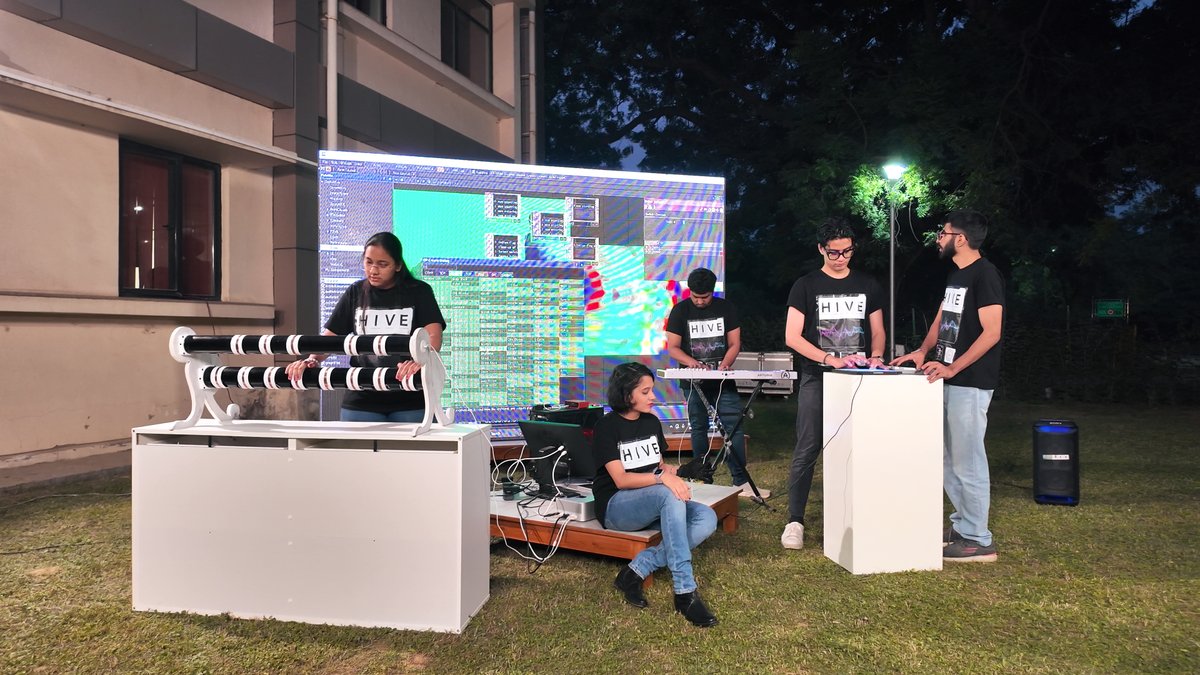
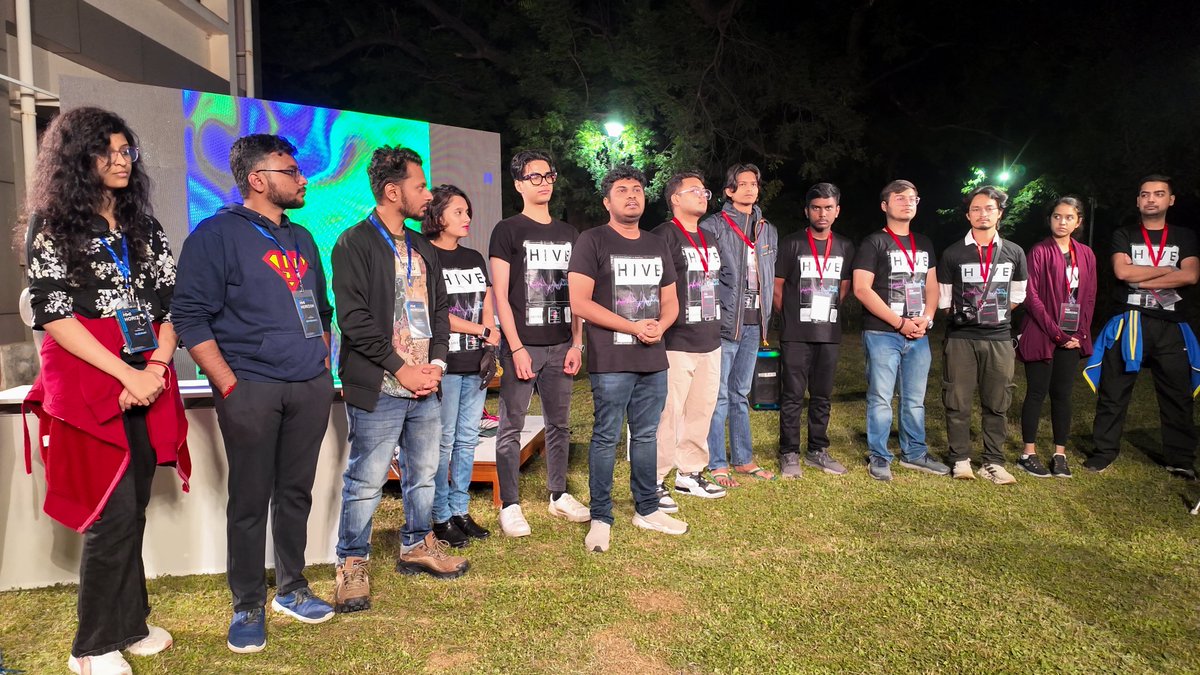
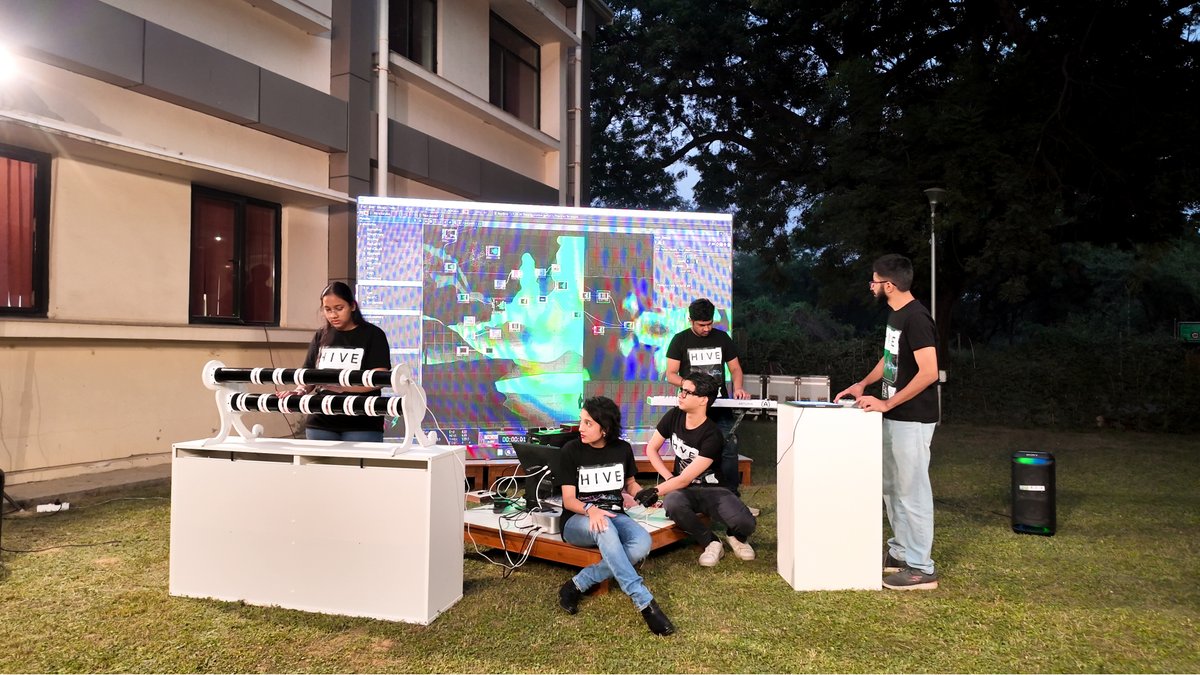
Experience HMI Horizon 2025 — an immersive exhibition by the Department of Design, IIT Kanpur, showcasing interactive installations, AI-powered experiences, XR, robotics, sonic interfaces and speculative design projects developed by students of the HIVE Lab.
From gesture-controlled musical performances to immersive storytelling and assistive technologies, the exhibition explored the future of human-machine interaction through creativity, technology and innovation.
🎥 Watch the teaser video here: youtu.be/iyxEQMl1qRI?si=ZLjX…
#IITKanpur #HMIHorizon2025 #DesignAtIITK #HIVELab #HumanMachineInteraction #AI #XR #InteractiveDesign #IITK #CreativeTechnology #Innovation
2
149

Using the official SingTown OpenMV mechanical arm, we assembled an OpenMV robot band that can automatically perform concerts!
#OpenMV #SingTown #OpenMVRoboticArm #Python #RoboticArm #Robotics #ImageRecognition #MachineVision #AIVision #EdgeAI #HumanMachineInteraction #EmbededAI
5

This study presents an ultra-sensitive humidity #Sensor for silent speech recognition, leveraging breath- and moisture-induced signals to enable intelligent, nonvocal communication systems for advanced #HumanMachineInteraction and assistive technologies.
#IJEM #OpenAccess: doi.org/10.1088/2631-7990/ae…
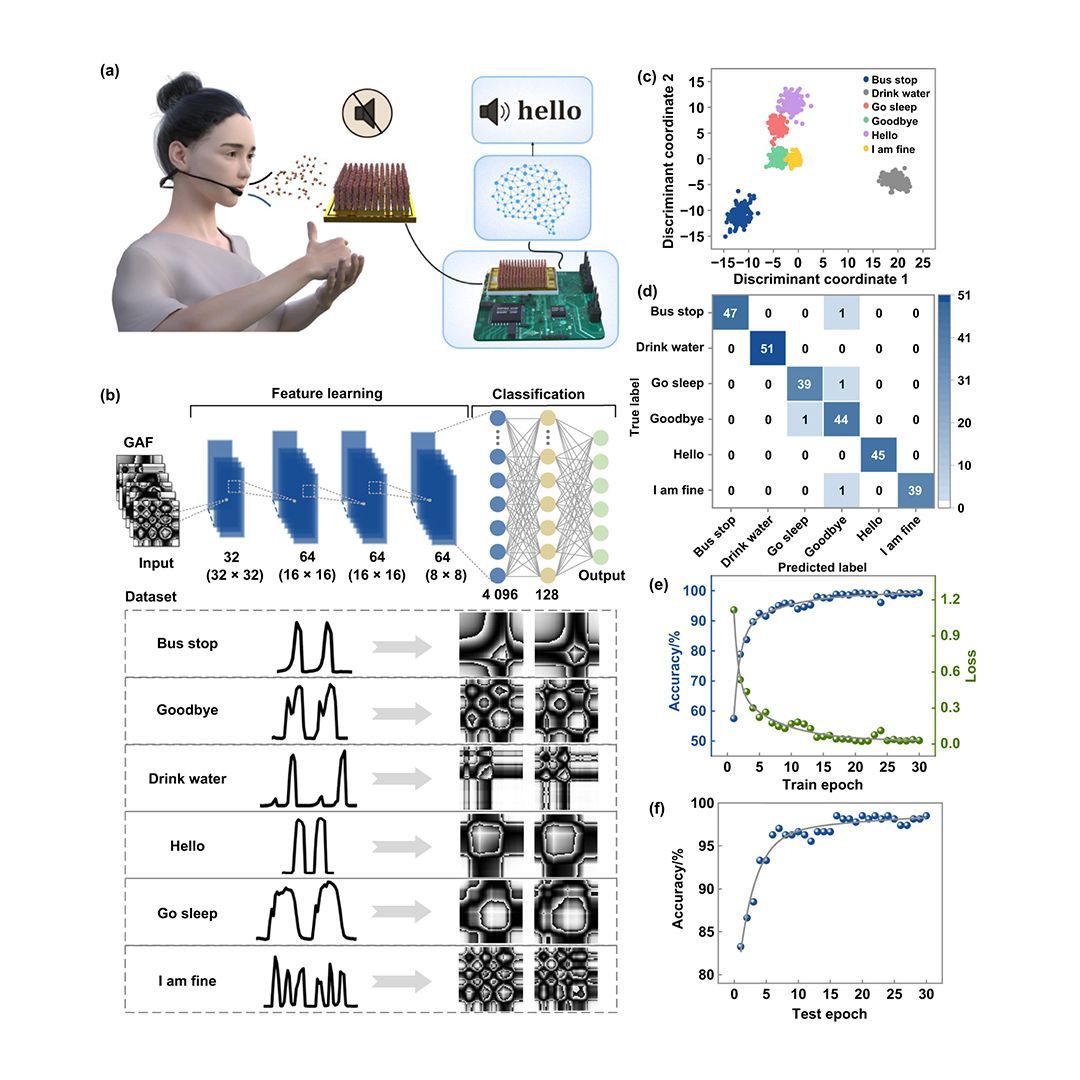
ALT An ultra-sensitive humidity sensor for silent speech intelligent recognition
19

ecudepot.com/product/buick-c…
GM Group vehicle Buick, Cadillac, Chevrolet, Opel Human Machine interface HMI1.1, HMI2.0, HMI2.5 module, I03 Radio,I04 Radio central navigation display test platform.
#HMI #HumanMachineInterface #HumanMachineInteraction #hmi2 #opelhmi #buickhmi

1
27

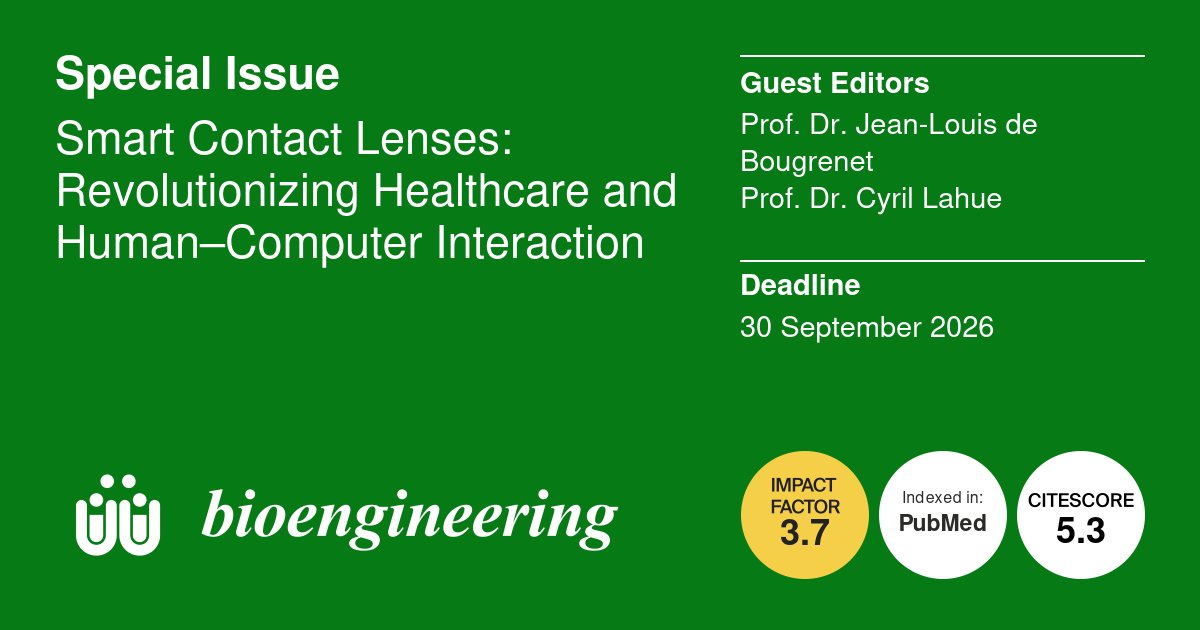
👁️ "Smart Contact Lenses: Revolutionizing Healthcare and Human-Computer Interaction" is open for submissions!
🕑 Deadline: 30 September 2026
🎉 Submit your research now!
🔗 brnw.ch/21x2iTl
#WearableHealthcare #BiocompatibleMaterials #HumanMachineInteraction
2
3
104

Feb 25
When Technology Meets Humanity
In this video, we see a robot interacting with a man on a motorcycle. At first, the man is startled, unsure of what’s happening. But as the scene unfolds, we realize that this is not a threat it’s a glimpse into how technology can interact with humans in surprising ways.
This scenario makes us reflect on the future of robotics and AI in our daily lives. Fear, curiosity, and understanding come together to tell a story of possibilities.
Let’s embrace this technological evolution not just for machines, but for better collaboration between humans and technology.
#Robotics #AI #Technology #Innovation #FutureOfWork #Automation #HumanMachineInteraction #TechTrends #ArtificialIntelligence #InnovationInAction #TechForGood #FutureIsNow #Engineering #SmartTechnology #AIRevolution #DigitalTransformation
2
5
556

Sextech and robotics are reshaping intimacy through AI-driven personalization, lifelike hardware, and emotionally responsive design. ROBO.xxx As machines become more interactive and human-aware, the conversation must expand beyond pleasure to include data privacy, and its juicy psychological impact. The future of intimacy isn’t just physical — it’s engineered, intelligent, and deeply intriguing.
#SexTech #Robotics #AI #FutureOfIntimacy #HumanMachineInteraction #TechEthics #Innovation #Domain #twerk #Dance
2
8
95
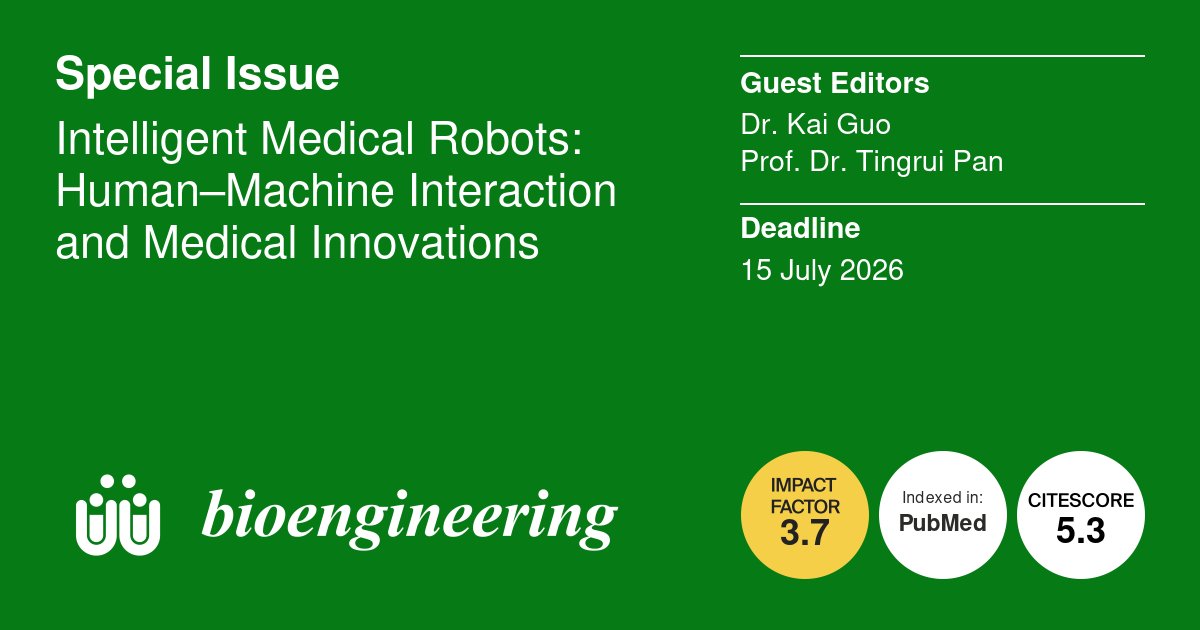
💥 New Special Issue open for submission!
🔗 shorturl.at/Xn1x3
🕑 The deadline for manuscript submissions is 15 July 2026
📌 #intelligentrobotics #rehabilitationrobotics #wearablerobotics #humanmachineinteraction
6
83

Jan 13
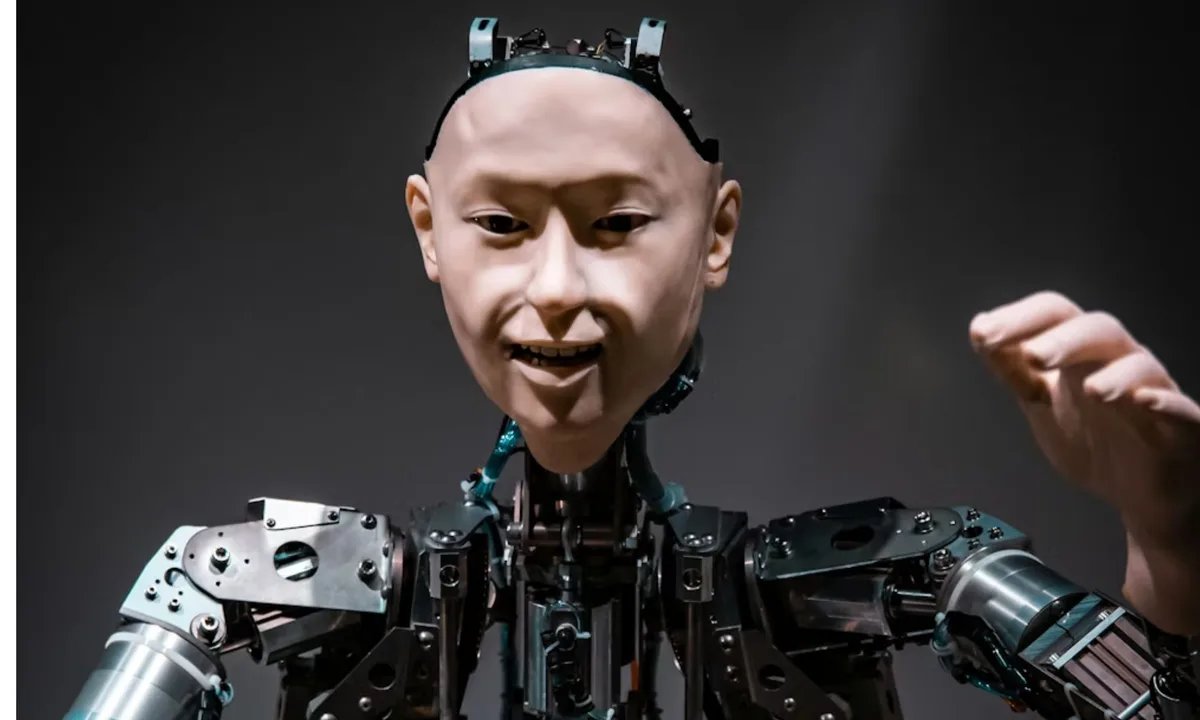
🔍 The next leap in robotics won’t come from better vision. It will come from touch.
Artificial skin with human-like sensitivity gives robots something they’ve lacked: physical awareness.
1️⃣ Strategic impact: Touch enables safer, more adaptive interaction in human environments.
2️⃣ Leadership reality: AI strategies often ignore embodiment, yet sensing is foundational to real-world autonomy.
3️⃣ Execution risk: Once robots can feel, safety, liability, and trust models must be redesigned.
The uncomfortable question leaders can’t avoid:
Are we designing AI for controlled environments, or for physical contact with the real world?
📎 via Digital Trends
#PhysicalAI #Robotics #AIstrategy #HumanMachineInteraction
@gaillparr @kkruse @benishii_ @tanisha_careers @corixpartners @Transform_Sec @Corix_JC @ILoveBooks786 @COSTESLionelEr @ramonvidall @RLDI_Lamy @FrRonconi @timo_vi @Nicochan33 @NathaliaLeHen @sulefati7 @bulbi59 @arigatou163 @JohnLeh @codewithimanshu @bbailey39 @kanezadiane @BulbiT3ch @NigelTozer @JoelleGirton @bevinzey @BFleurot @quepasachico @JoannMoretti @ExperimentWorld @barristerlawusa @FutureOurWork @SitConsultores @Eli_Krumova @PVynckier @Alovesublime @enilev @mvollmer1 @baski_LA @AkwyZ @PawlowskiMario @pierrepinna @TanyaSinha_ @NevilleGaunt @enricomolinari @RagusoSergio @EstelaMandela @PerBBerggreen @sir4K_zen
1
21
32
560
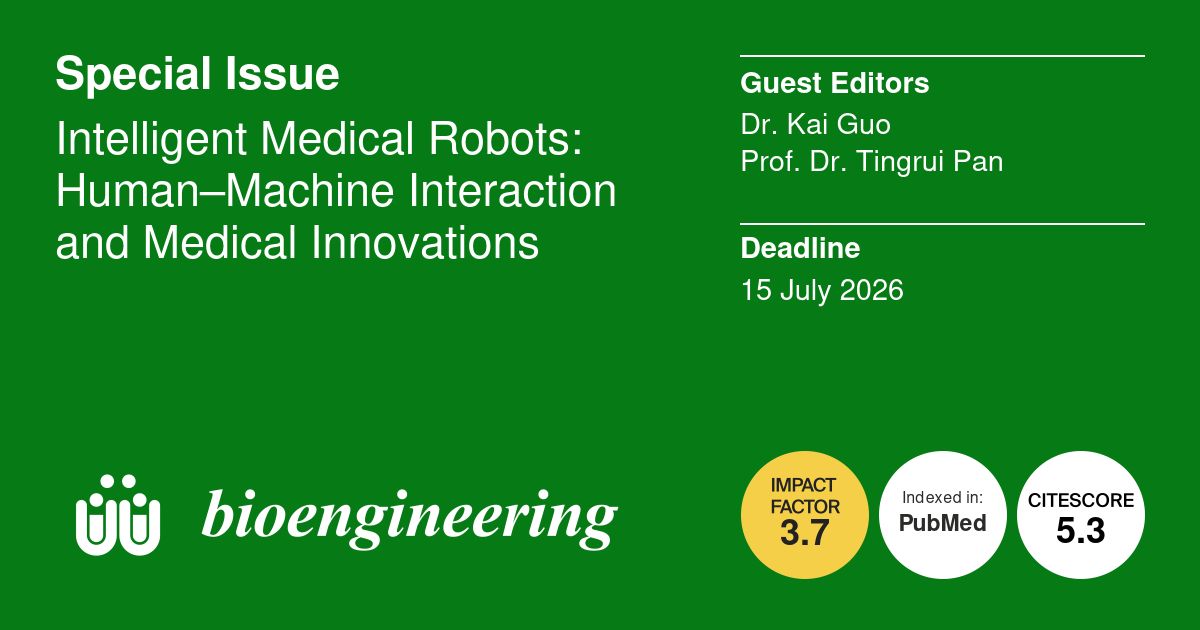
💥 New Special Issue open for submission!
🔗 brnw.ch/21wYIqC
🕑 The deadline for manuscript submissions is 15 July 2026
📌 #Rehabilitation #Robotics #WearableRobotics #HumanMachineInteraction #IntelligentRobotics
2
69

30 Dec 2025
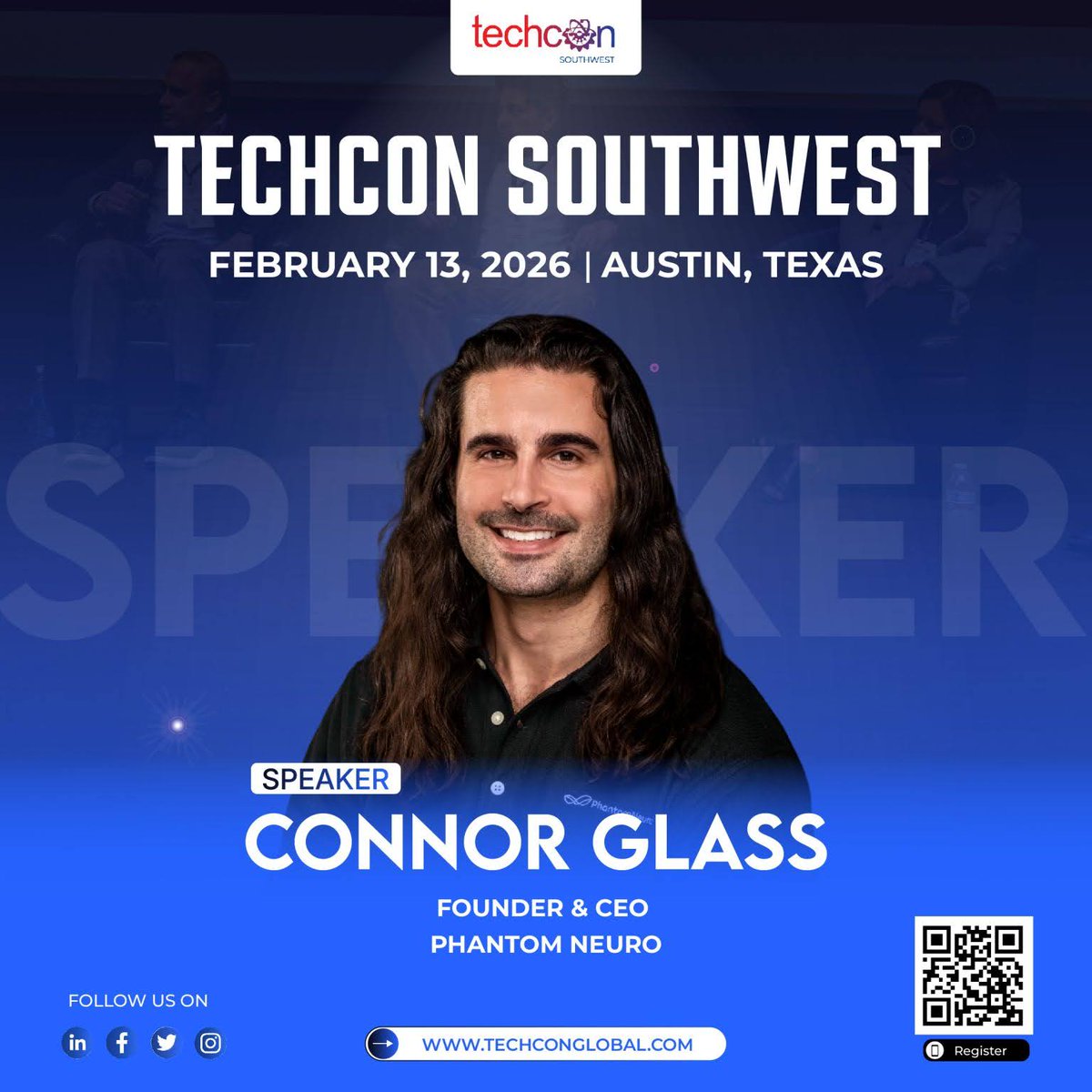
🗓️ Looking ahead to February 13, 2026: Our CEO, Connor Glass, will speak at #TechConSouthWest2026 to share how Phantom X is advancing intuitive #prostheticcontrol and revolutionizing the next era of #HumanMachineInteraction.
👉 Register: techconglobal.com/techcon-so…
3
58

18 Dec 2025
It's intriguing to think about LLM's as beings in their own right. Could these interactions lead us to a deeper understanding of behavior and connection? #HumanMachineInteraction
1
1
16

⬛️ The state of AI in 2025: Agents, Innovation, and Transformation
@McKinsey | November 2025 | Survey
Key findings
🔸 Most organizations are still in the experimentation or piloting phase: Nearly two-thirds of respondents say their organizations have not yet begun scaling AI across the enterprise.
🔸 High curiosity in AI agents: Sixty-two percent of survey respondents say their organizations are at least experimenting with AI agents.
🔸 Positive leading indicators on impact of AI: Respondents report use-case-level cost and revenue benefits, and 64 percent say that AI is enabling their innovation. However, just 39 percent report EBIT impact at the enterprise level.
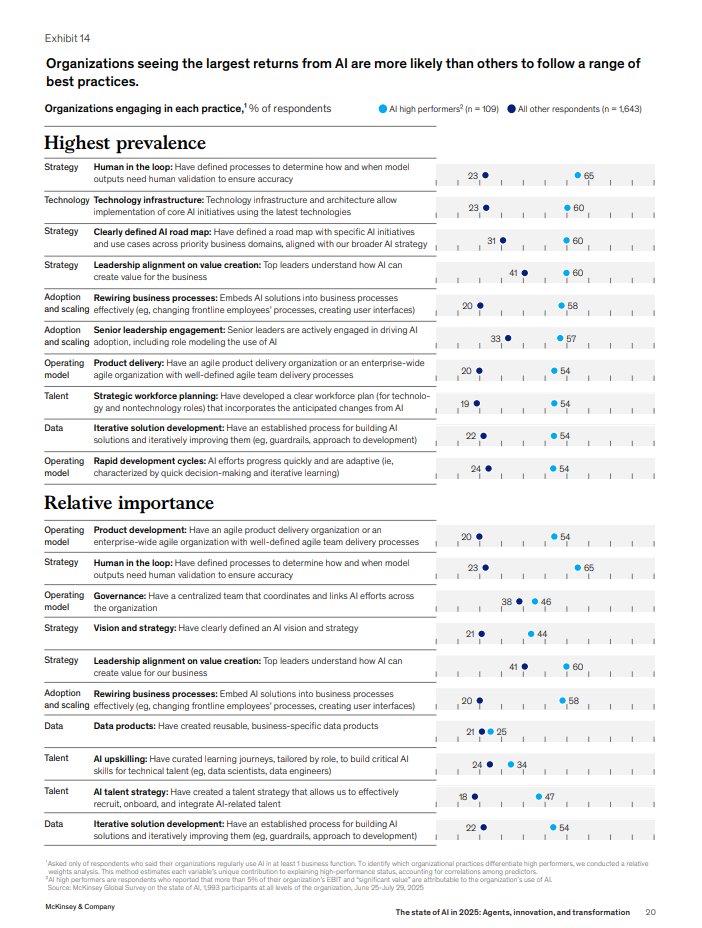
🔸 High performers use AI to drive growth, innovation, and cost: Eighty percent of respondents say their companies set efficiency as an objective of their AI initiatives, but the companies seeing the most value from AI often set growth or innovation as additional objectives.
🔸 Redesigning workflows is a key success factor: Half of those AI high performers intend to use AI to transform their businesses, and most are redesigning workflows.
🔸 Differing perspectives on employment impact: Respondents vary in their expectations of AI’s impact on the overall workforce size of their organizations in the coming year: 32 percent expect decreases, 43 percent no change, and 13 percent increases 💡
@mikeflache @AkwyZ @TamaraMcCleary @HelenBevan @AkwyZ @MaryRich78 @Khulood_Almani @pierrecappelli @jenstirrup @GlenGilmore @DG_Collective @pierrecappelli @tinapchopra @PhilippKnauer2 @DrHolzwarth @sijlalhussain @subare @JimHarris @SusanneMadsen @timo_vi @kerstingAIML @sallyeaves @CynthiaLIVE @pilotspeaker @enilev @mcgrathmag @HaroldSinnott @Scobleizer @AndrewYNg @YuHelenYu @Eli_Krumova @ipfconline1 @jblefevre60 @ahier @karine_grows @RagusoSergio @SabineVdL @kalydeoo @Der_BDI @digital_T_CH @drsharwood @Nicochan33 @AngelaNoonUK @JoanBajorek @mitsmr @wef @havardbiz @IDEOU ✨
#AI #Innovation #Benefits #Power #Infrastructure #Hardware #Software #HumanMachineInteraction #Creativity #FutureOfWork #People #Leadership #Strategy #Transformation #FutureIntelligence
➡️ Download study here: tinyurl.com/ycdbb6rd
1
7
15
726
⬛️ Eine kurze Geschichte der Computer, Digitalisierung und KI (1945–2025)
Von der 30 Tonnen Rechenmaschine zur Künstlichen Intelligenz
🔹 1945–1960: Die Anfänge – Rechenmaschinen und Grundlagen
1945: Der Electronic Numerical Integrator and Computer (ENIAC) war einer der ersten elektronischen turingmächtigen Universalrechner. Er diente der US-Armee zur Berechnung ballistischer Tabellen.
1946: Der ENIAC wird der Öffentlichkeit vorgestellt – ein 30 Tonnen schwerer Koloss mit 18.000 Röhren. Er kann 5.000 Additionen pro Sekunde ausführen.
1947: Die Erfindung des Transistors durch Bell Labs ersetzt die störanfälligen Vakuumröhren – ein Meilenstein für Miniaturisierung und Energieeffizienz.
1956: Beginn der Künstlichen Intelligenz – John McCarthy* prägt den Begriff „Artificial Intelligence“ auf der Dartmouth-Konferenz. Erste KI-Programme entstehen.
1961: Der Apollo Guidance Computer (AGC) wird vom MIT entwickelt. Er steuert 1969 die Mondlandung von Apollo 11 – mit nur 2.048 Wörter RAM und einer Taktfrequenz von 1,024 MHz. Zum Vergleich: Ein heutiges, sehr gutes Smartphone (Gesamtleistung inkl. GPU, KI-Beschleuniger, Speicherbandbreite und parallele Prozesse) ist über eine Million mal leistungsfähiger.
🔹 1960–1980: Der Aufstieg der Computertechnik
1969: ARPANET verbindet erstmals Computer über große Distanzen – der Vorläufer des Internets.
1971: Intel 4004, der erste kommerzielle Mikroprozessor (4-Bit), erscheint – mit 2.300 Transistoren und 740 kHz Taktfrequenz.
1973: Xerox Alto – der erste Computer mit grafischer Benutzeroberfläche (GUI).
1977: Der Apple II (auch Apple ][ oder Apple //) des Unternehmens Apple Computer ist ein 8-Bit-Mikrocomputer und gilt als einer der ersten vollwertigen Personalcomputer. Die Apple-II-Reihe wurde 16 Jahre gebaut. In dieser Zeit wurden über zwei Millionen Original Apple-II-Computer hergestellt. Parallel entstanden auf dem Heimcomputermarkt Modelle, wie Altair 8800, Atari 800 und etwas später -1981 - IBM 5150.
1978: Der Intel 8086, der erste 16-Bit-Prozessor, wird veröffentlicht – Grundlage für die spätere x86-Architektur.
1979: Motorola 68000 – ein 32-Bit-Prozessor (intern), später in Apple Macintosh und Atari ST verwendet.
🔹 1980–2000: Digitalisierung für die Massen
1981: IBM-PC mit Intel 8088 (16-Bit intern, 8-Bit Bus) revolutioniert den Heim- und Bürocomputer-Markt.
1983: Einführung des Domain Name Systems (DNS) – das Internet wird benutzerfreundlich.
1989: Tim Berners-Lee entwickelt das World Wide Web – Hypertext, URLs und der erste Browser entstehen.
1991: Linux wird veröffentlicht – ein freies Betriebssystem, das die Open-Source-Bewegung stärkt.
1995: Das Internet wird kommerzialisiert – Amazon, eBay und Google entstehen.
🔹 2000–2010: Mobilität und soziale Netzwerke
2001: Wikipedia startet – Wissen wird gemeinschaftlich erstellt.
2004: Facebook wird gegründet – soziale Netzwerke verändern Kommunikation.
2007: Das iPhone wird vorgestellt – der Beginn des Smartphone-Zeitalters.
2009: Bitcoin wird eingeführt – die erste dezentrale Kryptowährung.
🔹 2010–2025: Künstliche Intelligenz, Cloud und digitale Gesellschaft
2011: Sprachassistent Siri wird von Apple vorgestellt.
2012: Durchbruch im Deep Learning – neuronale Netze erreichen neue Leistungsfähigkeit (AlexNet / Bildklassifizierung / ILSVRC).
2012–2015: Sprachassistenten wie Google Now im Jahr 2012, Cortana von Microsoft im Jahr 2014 und Amazon Echo 2015 entstehen.
2019: 5G ist die fünfte Generation eines Mobilfunkstandards, der seit 2019 eingeführt wird.
2020: Die COVID-19-Pandemie beschleunigt die Digitalisierung in Bildung, Arbeit und Medizin.
2021: Das Analystenhaus IDC prognostiziert, dass die weltweit generierte Datenmenge bis 2025 auf 175 Zettabyte anwachsen wird.
2022: Die NVIDIA H100 Tensor Core GPU wurde im März 2022 eingeführt. Diese GPU basiert auf der Hopper-Architektur von NVIDIA und bietet herausragende Leistung für KI- und Deep-Learning-Anwendungen.
Generative KI: Vorstellung von ChatGPT im November 2022. Dies hat nicht nur den Alltag vieler Menschen erleichtert, sondern auch die Grundlage für eine neue Ära der digitalen Interaktion geschaffen.
2025: Apple hat den M5 Prozessor vorgestellt, der für den nächsten großen Sprung bei der KI Performance sorgt. Hervorragende Leistung bei gleichzeitig optimierter Energieeffizienz. ⚡️
🔮 Ausblick: Die Zukunft der Digitalisierung
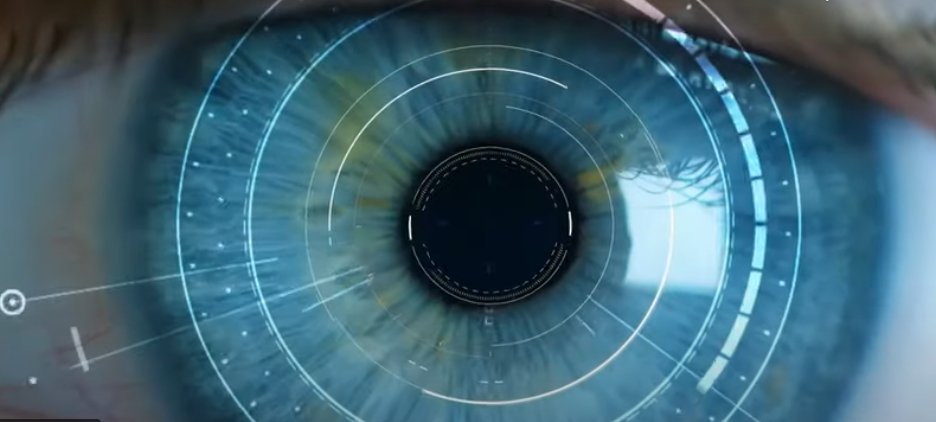
🔹 Mensch-Computer-Robotik-Collaboration und Voice / Eye Control wird zur Normalität.
🔹 Datenschutz, Ethik und Nachhaltigkeit rücken stärker in den Fokus.
🔹 Digitale Souveränität wird geopolitisch relevant.
🔹 Quantencomputer werden für die Simulation von Molekülen zur schnelleren Wirkstoffentwicklung eingesetzt. Für schnelle Risikoanalysen und Portfolio-Optimierungen, zB im Finanzwesen; Optimale Routenberechnung in Echtzeit, zB in der Logistik und in der Kryptographie für die Entwicklung neuer quantensicherer Verschlüsselungen.
🔹 Prognose von Statista zu den weltweit generierten/replizierten digitalen Datenmengen bis 2029: 527,5 Zettabyte 💻
@mikeflache @AkwyZ @TamaraMcCleary @HelenBevan @AkwyZ @MaryRich78 @Khulood_Almani @pierrecappelli @jenstirrup @GlenGilmore @mikeflache @DG_Collective @pierrecappelli @tinapchopra @PhilippKnauer2 @DrHolzwarth @sijlalhussain @subare @JimHarris @SusanneMadsen @timo_vi @kerstingAIML @sallyeaves @CynthiaLIVE @pilotspeaker @enilev @mcgrathmag @HaroldSinnott @Scobleizer @AndrewYNg @YuHelenYu @Eli_Krumova @ipfconline1 @jblefevre60 @ahier @karine_grows @RagusoSergio @SabineVdL @kalydeoo @Der_BDI @digital_T_CH @drsharwood @Nicochan33 @AngelaNoonUK @JoanBajorek @mitsmr @wef @havardbiz @IDEOU✨
#Computer #Innovation #AI #Power #Codes #Hardware #Software #HumanMachineInteraction #Visualization #Creativity #Ethics #FutureOfWork #People #Skills #Transformation #FutureIntelligence 💡
Quellen:
Wikipedia | MIT | CERN | IBM | Motorola | Apple | NVIDIA | OpenAI | t3n | Statista
*John McCarthy: The Father of Artificial Intelligence tinyurl.com/y47y8sbc | @YouTube
9
13
592

29 Oct 2025
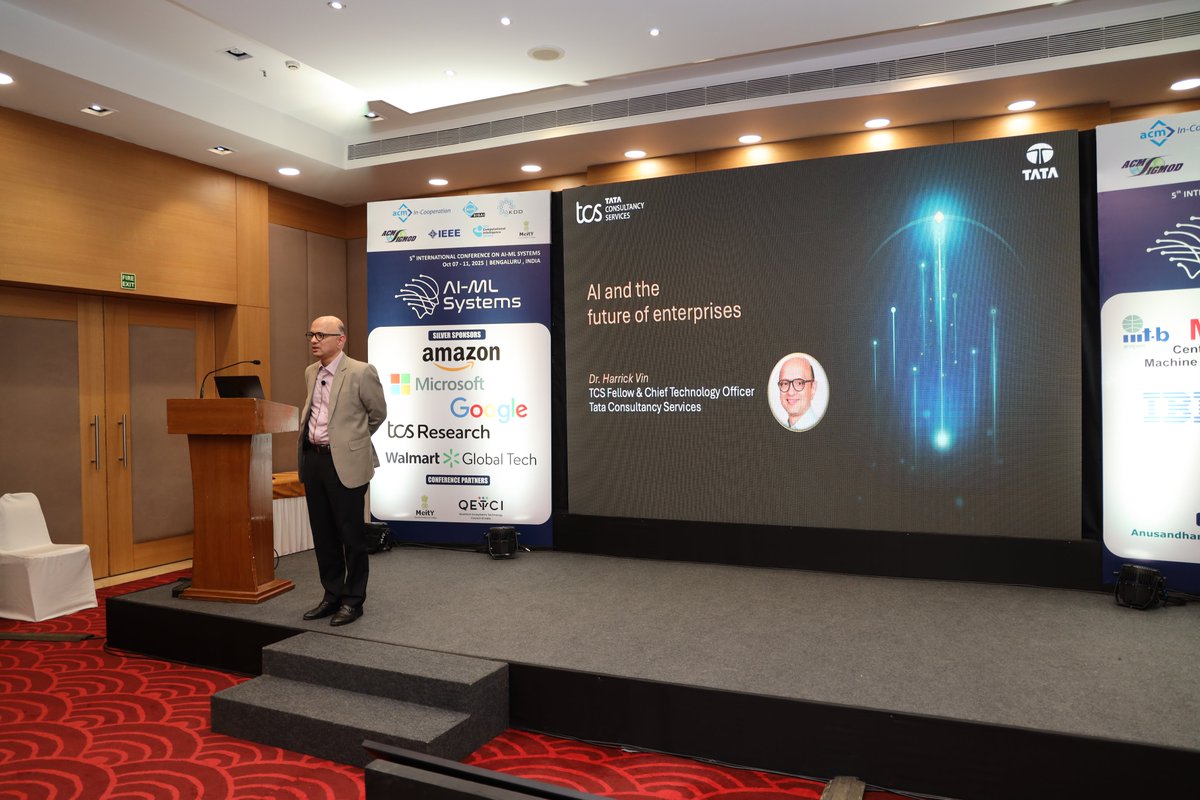
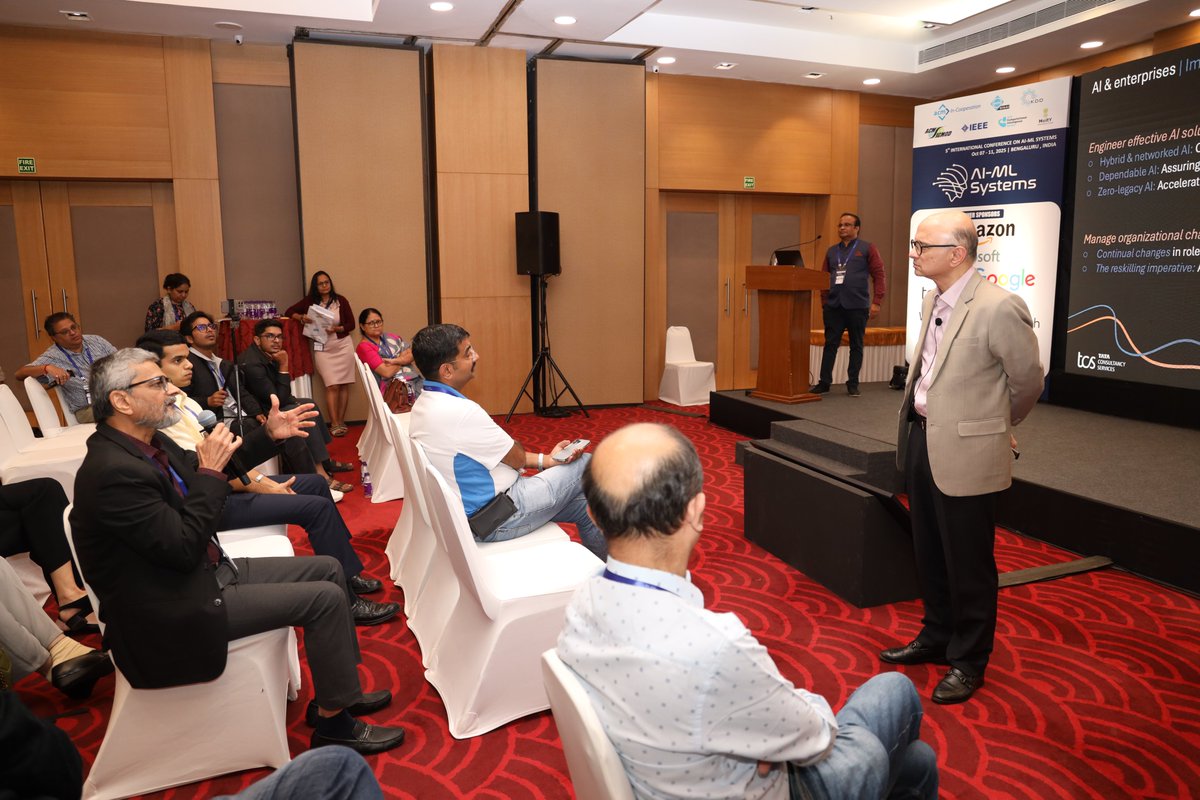
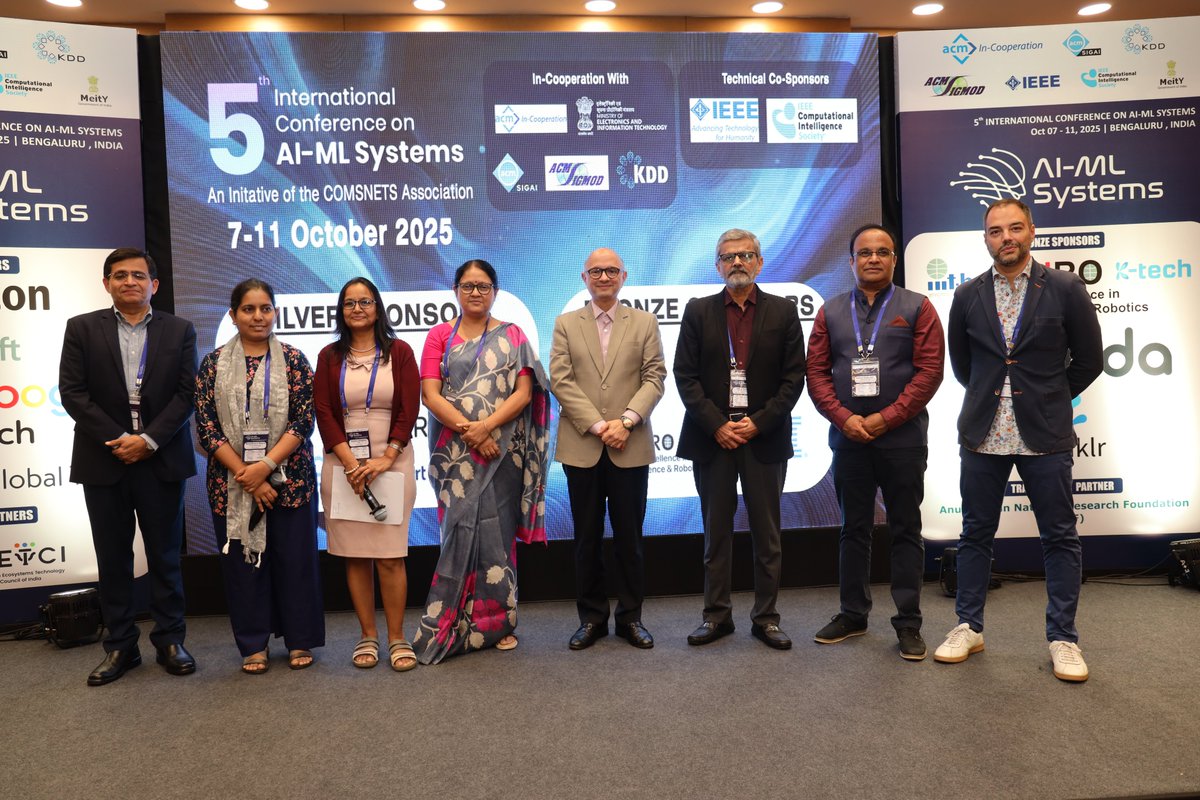
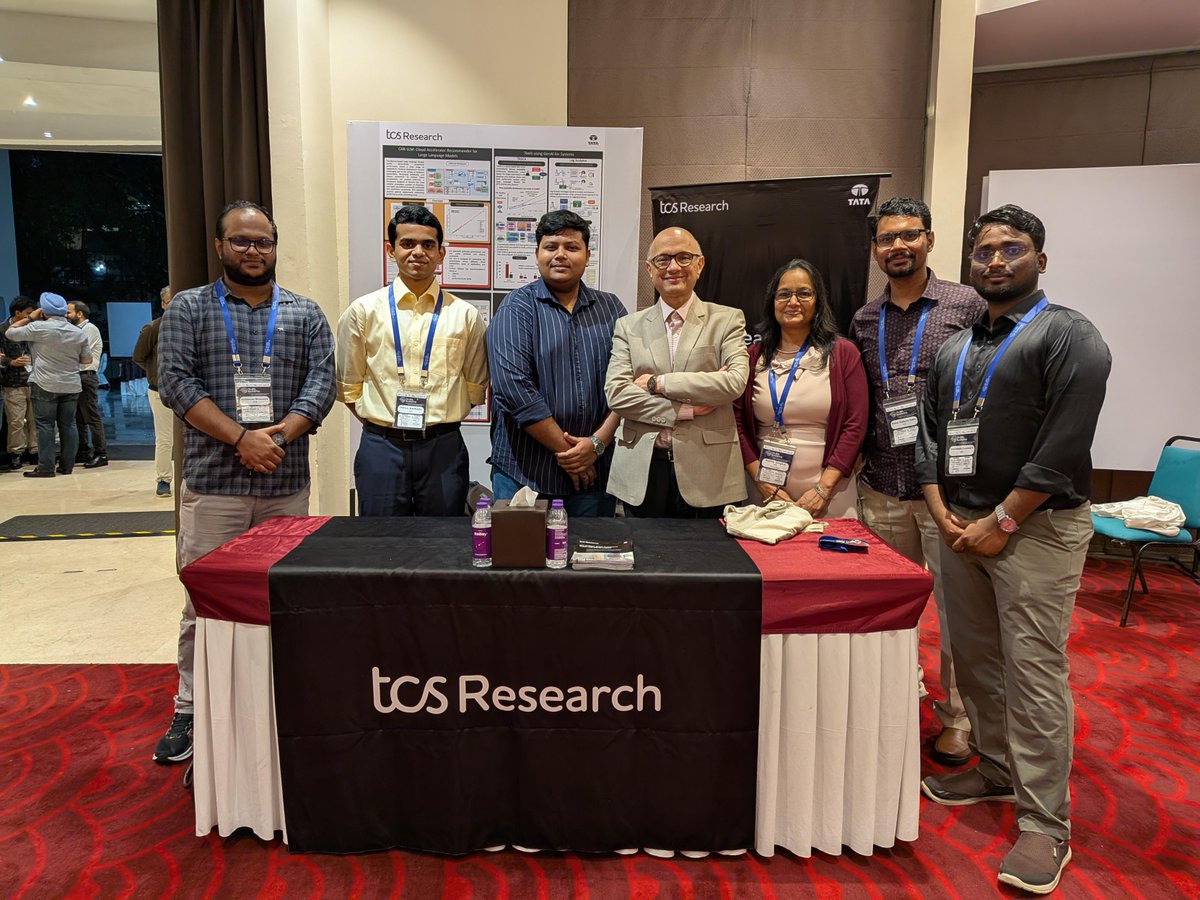
As humans and machines begin to collaborate more closely, the way we work is being reimagined.
At the International Conference on @aimlsystems 2025, our Chief Technology Officer, Dr. Harrick Vin, delivered a banquet talk on how human-AI collaboration is reshaping work and shifting beyond automation towards embedded intelligence. Thriving now means adopting the next best practices and rethinking how we create value.
Know more- bit.ly/4odnRv5
#Research #FutureOfWork #HumanMachineInteraction
1
5
193

14 Oct 2025
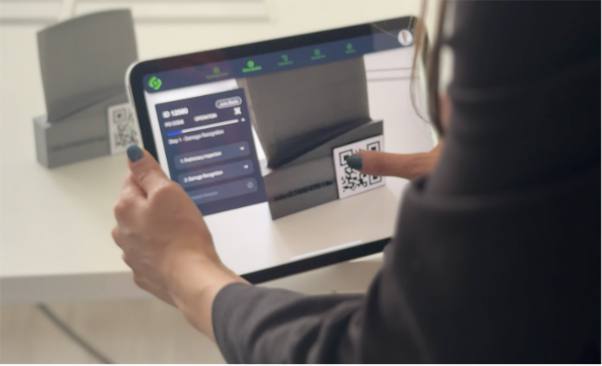
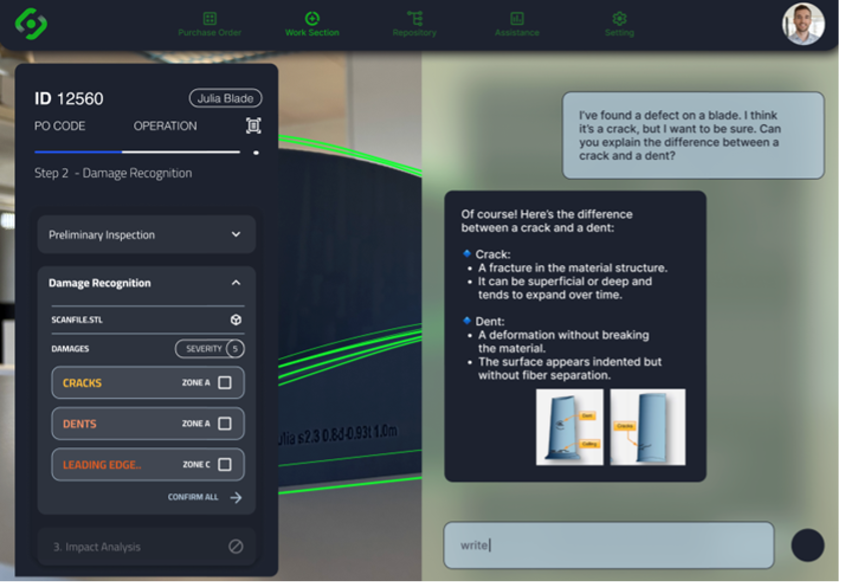
🚀 𝐎𝐮𝐫 𝟖𝐭𝐡 𝐩𝐫𝐞𝐬𝐬 𝐫𝐞𝐥𝐞𝐚𝐬𝐞 𝐢𝐬 𝐨𝐮𝐭: 𝐀𝐝𝐯𝐚𝐧𝐜𝐢𝐧𝐠 𝐇𝐮𝐦𝐚𝐧-𝐌𝐚𝐜𝐡𝐢𝐧𝐞 𝐈𝐧𝐭𝐞𝐫𝐟𝐚𝐜𝐞𝐬 𝐟𝐨𝐫 𝐂𝐢𝐫𝐜𝐮𝐥𝐚𝐫 𝐌𝐚𝐧𝐮𝐟𝐚𝐜𝐭𝐮𝐫𝐢𝐧𝐠!
Our partner, @UNIMORE_univ has been instrumental in developing and testing XR-based user interfaces that adapt to operators’ experience levels, making circular manufacturing processes smarter, more flexible, and truly user-centered.
📎 Read the full press release here: bit.ly/43cOGH5
#CircularEconomy #HumanMachineInteraction #Manufacturing #HorizonEurope
11
67

29 Aug 2025
🚀 New Review in Soft Science!
present strategies to boost the sensitivity of flexible strain sensors through efficient electromechanical conversion ⚡️
🔗 Read: oaepublish.com/articles/ss.2…
#FlexibleElectronics #StrainSensors #SoftRobotics #SensorTechnology #HumanMachineInteraction

2
104

2 Jul 2025
🧠🤖Paper Alert!
"Spatio-Temporal #Deep Learning with Adaptive Attention for EEG and sEMG Decoding in #HumanMachineInteraction"
🔗 mdpi.com/2079-9292/14/13/267…
Introduces a deep learning framework with adaptive attention for decoding neurophysiological signals (EEG & sEMG).
2
83


8 Jun 2025
🎙️ New Podcast Episode: Exciting Times Ahead for UX
From autonomous vehicles to e-readers to healthcare—UX is entering a whole new era.
In this episode, I explore Don Norman’s latest thoughts on where design is heading and why now is the most exciting (and challenging) time to be in UX.
💡 What’s inside:
🚑 Why UX is critical in fixing broken systems like healthcare
🤖 The role of Human Machine collaboration—not replacement
📚 Clever design solutions in everyday tech (like Page Flip on e-readers)
🌍 How designers can tackle complex, messy, real-world problems
This is not just about apps and screens—it’s about designing better lives.
🎧 Tune in now to reframe what UX really means in the world ahead.
#DonNorman #UXFuture #UXDesign #HumanCenteredDesign #DesignThinking #UXPodcast #NotebookLM #DesignInnovation #HealthcareUX #AutonomousVehicles #HumanMachineInteraction #DesignForImpact #SocioTechnicalDesign #UXCareer #InteractionDesign #UXTrends #DigitalTransformation #DesignEthics
3
119