Jun 13
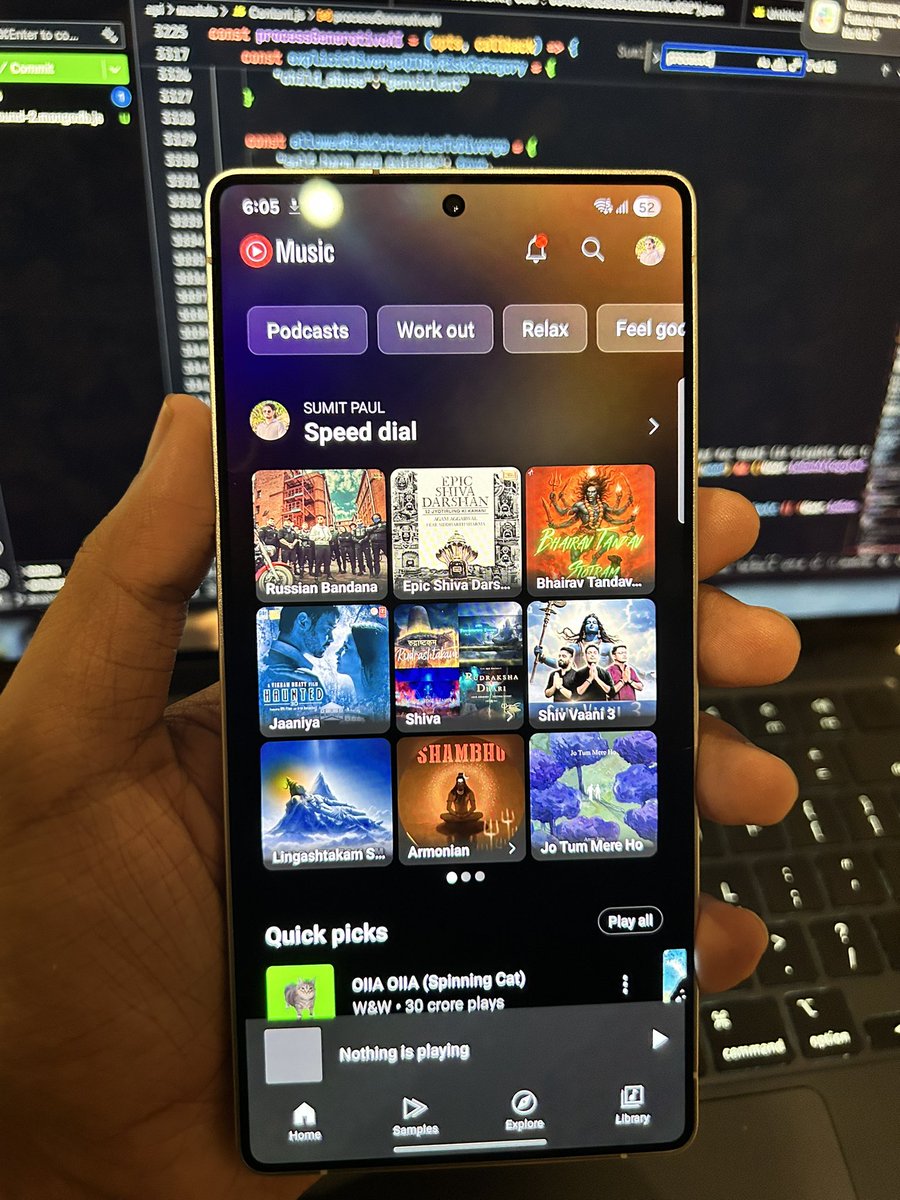
Day 18/90 REACT.js🚀
I'm 98% done with my quiz app, I struggled with a specific concept today but I later understood it so all good for today, and I think I'll officially finish the project tomorrow, look forward to it😜😜.
#softwaredevelopment #reactjs #javascriptdev

9

Apr 1
🎓 Everything about Svelte JS
New comprehensive guide covering:
✨ Core concepts
🔧 Practical examples
⚡ Performance tips
🎯 Best practices
Dive in 👇
🔗 kubaik.github.io/svelte-js
#WebDev2025 #JavaScriptDev #AR #tech #SvelteJS
2
20

Feb 20
🚀 Excited to announce Parse JS SDK version 8.2.0! 🆕 Now you can upload files as binary data using `Buffer`, `Readable`, or `ReadableStream`. Don't miss it! #OpenSource #ParseSDK #JavaScriptDev bit.ly/4b1y0Xm
3
93

12 Dec 2025
Most people "finish" JavaScript.
Very few ever understand why the browser behaves the way it does.
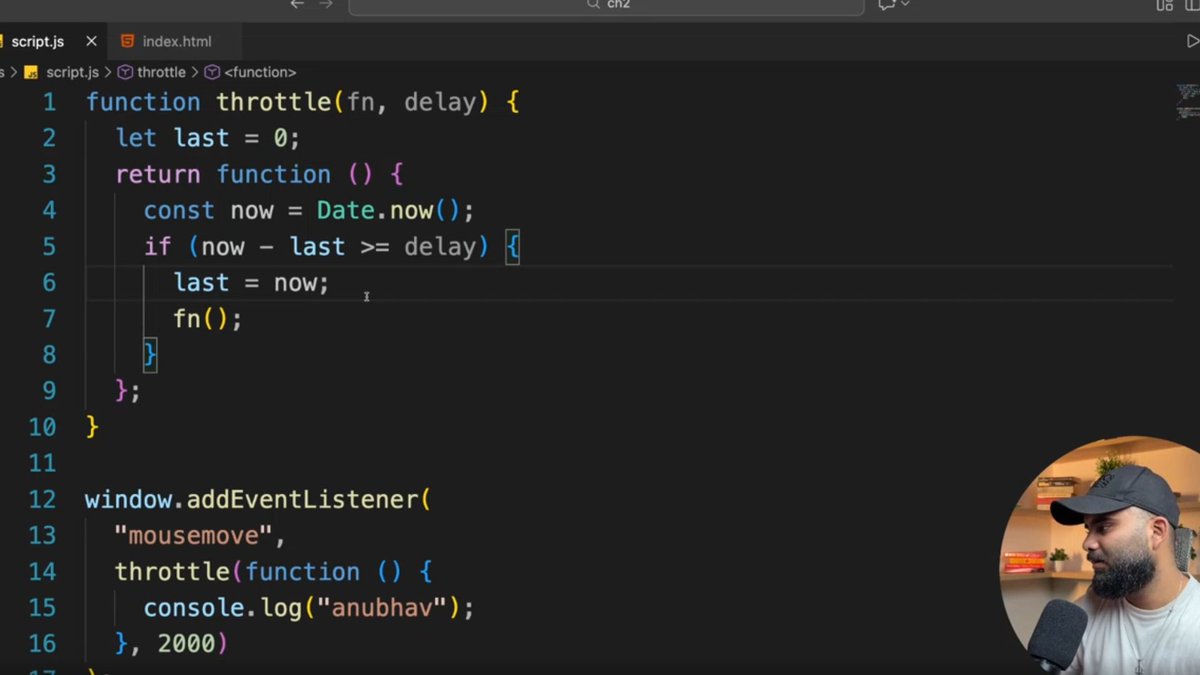
Today I learned two concepts that instantly make you a better frontend dev:
⚡ Throttling → controlling how often a function runs
⚡ Debouncing → waiting until the user stops doing an action
These two alone can fix laggy UIs, heavy event calls, and performance issues you don’t even notice at first.
Also explored:
➡️ JSON.stringify() & JSON.parse()
➡️Why they matter in real backend API workflows
➡️ Subtle JS behaviors you only appreciate after months of code
And with this…
JavaScript officially comes to an "end."
But learning it? Bro, that never stops. Every day JS shows a new corner you didn't know existed. 🔥
Huge thanks to @harshbhaiyaa the only person who made JS feel logical to someone who had quit multiple times before.
Next up → React with @sarthaksharma.
Let's go. ⚡🔥
#WebDevelopment #javascriptdev #CodingJourney #Cohort2 @sheryians_
3
54

7 Dec 2025
Burning letter build using tree.js !!
Building on Sunday hits different...
#sundayvibes #javascriptdev #Gemini_NT #Gemini #Gemini3 #SundayThoughts #Building
1
6
284

4 Dec 2025
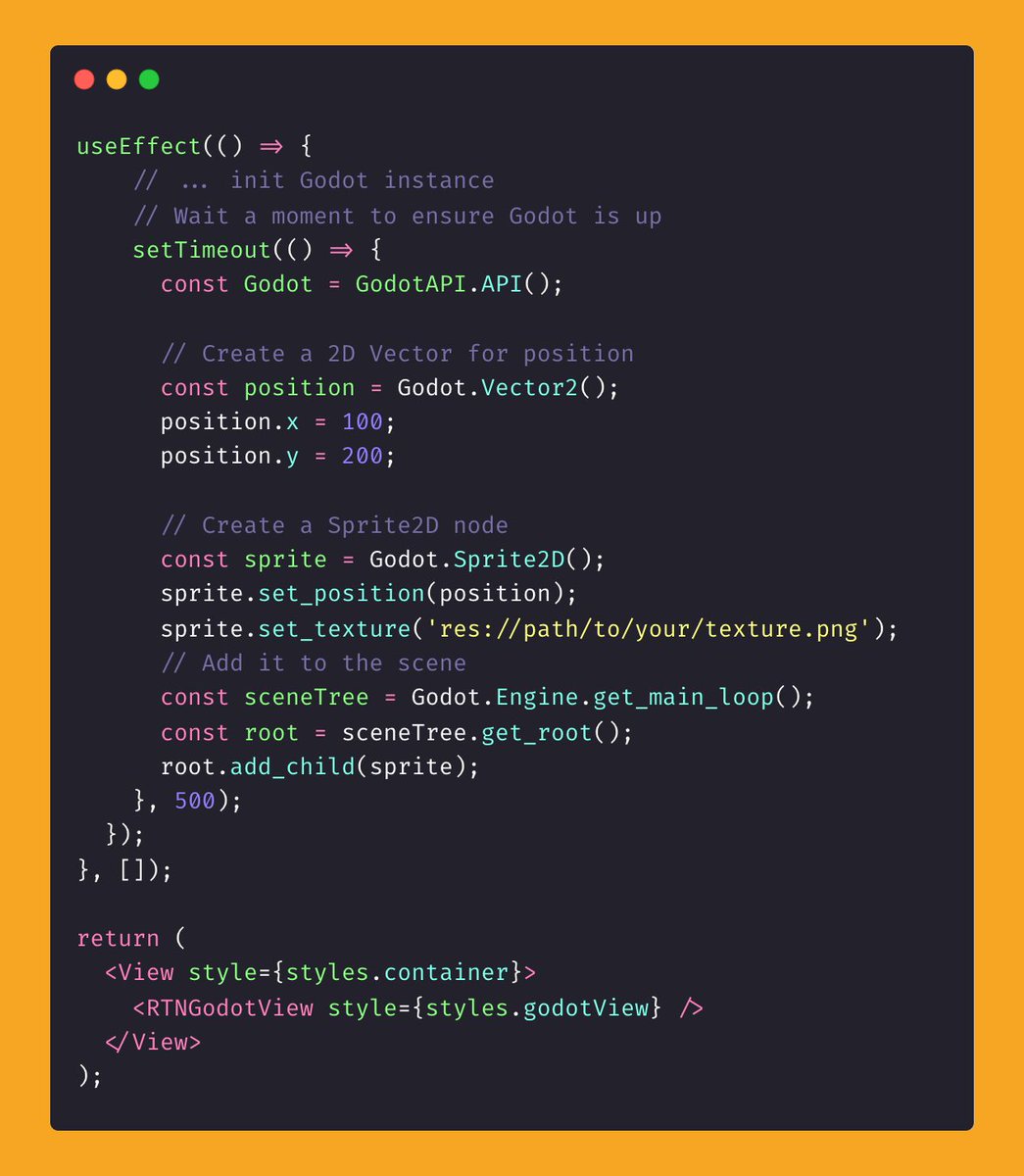
𝗪𝗵𝗮𝘁 𝗶𝗳 𝘆𝗼𝘂 𝗰𝗼𝘂𝗹𝗱 𝗲𝗺𝗯𝗲𝗱 𝗮 𝗳𝘂𝗹𝗹 𝟮𝗗/𝟯𝗗 𝗴𝗮𝗺𝗲 𝗲𝗻𝗴𝗶𝗻𝗲 𝗶𝗻𝘀𝗶𝗱𝗲 𝘆𝗼𝘂𝗿 𝗥𝗲𝗮𝗰𝘁 𝗡𝗮𝘁𝗶𝘃𝗲 𝗮𝗽𝗽?
Godot is a popular open-source game engine used for building 2D and 3D games. It’s lightweight, cross-platform, scriptable with GDScript (or C#, C , Rust), and doesn’t lock you into any particular toolchain or license model.
Think of it as a free, developer-friendly alternative to Unity or Unreal — with full control over rendering, physics, and UI.
Now there’s a bridge to React Native: 𝗿𝗲𝗮𝗰𝘁-𝗻𝗮𝘁𝗶𝘃𝗲-𝗴𝗼𝗱𝗼𝘁.
𝗪𝗵𝗮𝘁 𝗶𝘁 𝗶𝘀:
➡️ Built on top of LibGodot — it embeds the Godot Engine as a native view in your RN app
➡️ Supports iOS and Android
➡️ Runs the engine on a separate thread — avoids blocking your JS/UI logic
𝗪𝗵𝘆 𝘁𝗵𝗶𝘀 𝗺𝗮𝘁𝘁𝗲𝗿𝘀:
➡️ Keep your React Native app for UI/business logic, and use Godot for 3D/2D rendering, simulation, physics, or real-time graphics
➡️ Instantiate Godot objects and listen to signals — directly from JavaScript
➡️ You can even restart or reconfigure the engine at runtime if needed.
𝗧𝗿𝗮𝗱𝗲-𝗼𝗳𝗳𝘀 & 𝗖𝗼𝗻𝘀𝗶𝗱𝗲𝗿𝗮𝘁𝗶𝗼𝗻𝘀:
➡️ It’s a full game engine — app size and build complexity will go up.
➡️ Requires some knowledge of Godot scene export and engine lifecycle.
➡️ Great for gamified apps, training modules, simulations — overkill for simple UI/animations.
➡️ Interaction between Godot and RN requires careful management of threading and rendering lifecycles.
Do you have a part of your app — onboarding, simulation, training, interaction — that could benefit from Godot-level rendering?
#ReactNative #GodotEngine #GameDev #MobileDev #3DGraphics #OpenSource #CrossPlatformDev #Visualisation #NativeModules #JavaScriptDev
1
23
1,909
27 Nov 2025
𝗪𝗲𝗯𝗚𝗣𝗨 𝗶𝘀 𝗻𝗼𝘄 𝘂𝘀𝗮𝗯𝗹𝗲 𝗶𝗻 𝗥𝗲𝗮𝗰𝘁 𝗡𝗮𝘁𝗶𝘃𝗲 — but what does that actually mean?
A new library, react-native-webgpu, exposes the WebGPU API to React Native apps.
Think of WebGPU as the next generation of graphics APIs for the web — and now, potentially, mobile. It’s designed to give developers more direct access to the GPU, with better performance and more flexibility than older APIs like WebGL.
𝗛𝗲𝗿𝗲’𝘀 𝘁𝗵𝗲 𝗸𝗲𝘆 𝗱𝗶𝗳𝗳𝗲𝗿𝗲𝗻𝗰𝗲:
➡️ 𝗪𝗲𝗯𝗚𝗟 is built on top of OpenGL ES, which was originally designed over two decades ago. It abstracts a lot of GPU details to make things easier — but that also limits what you can do and how efficiently you can do it.
➡️ 𝗪𝗲𝗯𝗚𝗣𝗨, in contrast, is modeled after modern low-level graphics APIs like Metal (iOS), Vulkan (Android), and Direct3D 12 (Windows). These APIs give developers finer-grained control: you explicitly manage memory, schedule commands, and control how resources flow through the GPU.
𝗦𝗼 𝗵𝗼𝘄 𝗱𝗼𝗲𝘀 𝘁𝗵𝗶𝘀 𝘄𝗼𝗿𝗸 𝗶𝗻 𝗥𝗲𝗮𝗰𝘁 𝗡𝗮𝘁𝗶𝘃𝗲?
The react-native-webgpu library brings WebGPU to mobile by using Dawn, Google’s native implementation of the spec. This allows JavaScript code in your React Native app to speak directly to the GPU — using the same API shape as in the browser.
In practice:
➡️ On iOS, WebGPU calls are routed through Metal
➡️ On Android, they go through Vulkan
This happens under the hood — the JavaScript code you write uses familiar WebGPU methods (requestAdapter, requestDevice, command encoders, etc.), and Dawn takes care of translating those into native calls.
Once the GPU context is created, the flow is nearly identical to WebGPU on the web:
➡️ You request an adapter and device
➡️ Configure the GPU canvas context (format, alpha mode, etc.)
➡️ Write your shaders in WGSL
➡️ Build a render or compute pipeline
➡️ Encode commands and submit them to the GPU
➡️ Manually call context.present() to display the frame
𝗪𝗵𝗮𝘁 𝘁𝗵𝗶𝘀 𝗲𝗻𝗮𝗯𝗹𝗲𝘀:
➡️ Real-time rendering with full GPU control.
➡️ Custom 3D engines or rendering pipelines.
➡️ Compute-heavy workloads (e.g., physics, simulations, image transforms).
➡️ Potential for code sharing between Web and mobile using the same WebGPU pipeline.
This isn’t a plug-and-play UI solution — but for apps pushing visual or compute limits, it opens the door to GPU-native performance on mobile.
Do you have any features or projects where direct access to the GPU would make a difference?
#WebGPU #ReactNative #GPUProgramming #MobileGraphics #JavaScriptDev #OpenSource #CrossPlatformDev #MetalVulkan #PerformanceMatters #ComputeShaders
5
15
130
33,641

23 Oct 2025
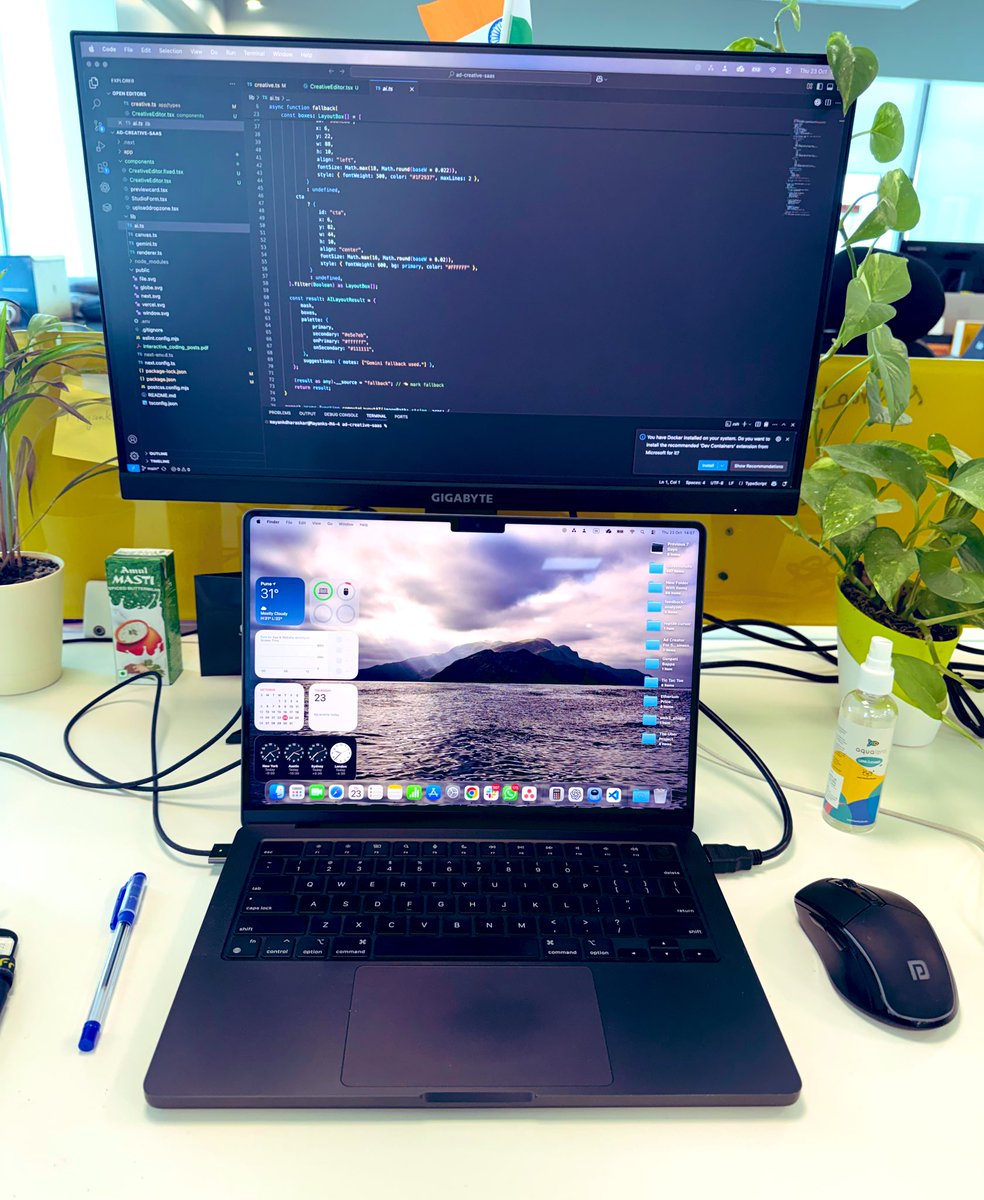
Minimal desk. Maximum focus.
One screen for code, one for clarity 🌊
How’s your coding setup looking today chaos or clean? 😅
#DeskSetup #CodingMotivation #LearnToCode #DeveloperJourney #SoftwareEngineer #RemoteWork #CodeEveryday #ProductivitySetup #MacBookPro #JavaScriptDev
4
163
4 Sep 2025
Radon IDE just landed 𝘃𝟭.𝟭𝟬, and this update isn’t just “small fixes behind the curtain.” It’s starting to feel like a real daily driver for React Native devs.
New tricks in the toolbox:
➡️ 𝗗𝗲𝘃𝗶𝗰𝗲 𝗿𝗼𝘁𝗮𝘁𝗶𝗼𝗻 inside VS Code — no more grabbing your phone just to test landscape layouts.
➡️ 𝗗𝗲𝘃𝗶𝗰𝗲 𝗮𝘂𝗱𝗶𝗼 𝘀𝗶𝗺𝘂𝗹𝗮𝘁𝗶𝗼𝗻 — play sounds straight from your virtual device (with a volume slider to save your sanity).
➡️ 𝗶𝗣𝗮𝗱 𝘀𝘂𝗽𝗽𝗼𝗿𝘁 — test tablet layouts without hacks or guesswork.
On the core side:
➡️ 𝗥𝗲𝗮𝗰𝘁 𝗡𝗮𝘁𝗶𝘃𝗲 𝟬.𝟴𝟭 𝘀𝘂𝗽𝗽𝗼𝗿𝘁 is now official.
➡️ Debugger and element inspector got a noticeable polish.
➡️ Radon AI’s MCP tools integrate more smoothly, ditching the “bolted-on” feel.
The takeaway? Radon isn’t just experimenting anymore — it’s tightening the screws, adding polish, and starting to earn its spot alongside the tools you actually rely on day-to-day.
#RadonIDE #ReactNativeIDE #ExpoDev #MobileDev #DevTools #VscodeExtensions #ReactNativeDev #JavaScriptDev #DX #ProductivityTools #Debugging

1
2
327

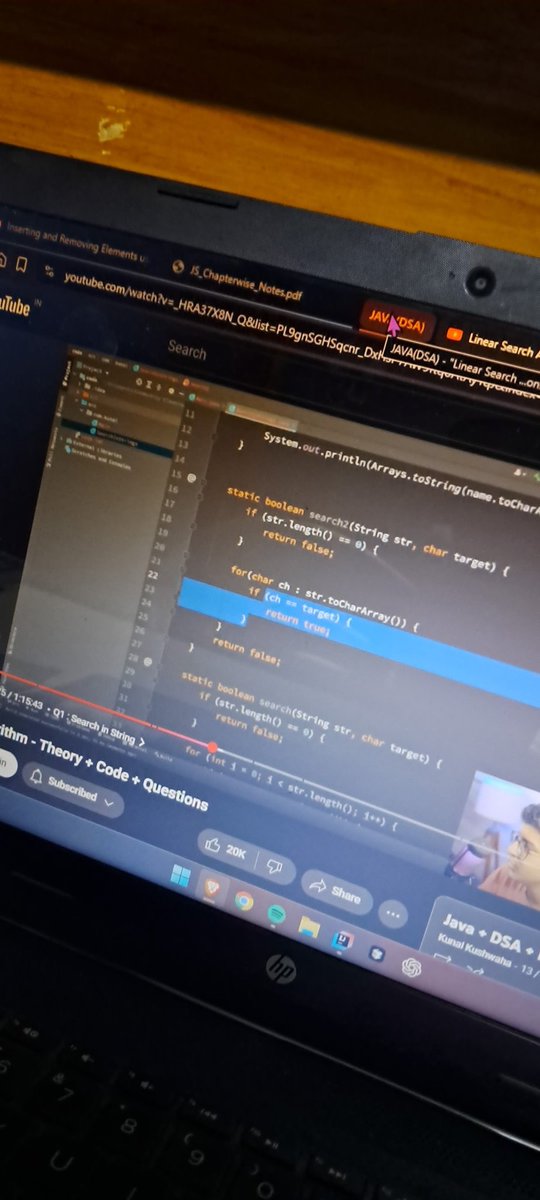
U don't need motivation videos when you're in track of becoming Arjun.
TASKS DONE TILL NOW
- ADV JAVASCRIPT[2 HOURS]
-JAVA(DSA) [1 HOUR]
-CHEST WORKOUT [45 MINS]
-STILL THERE IS TIME.
#javascriptdev #javaprogramming
4
133
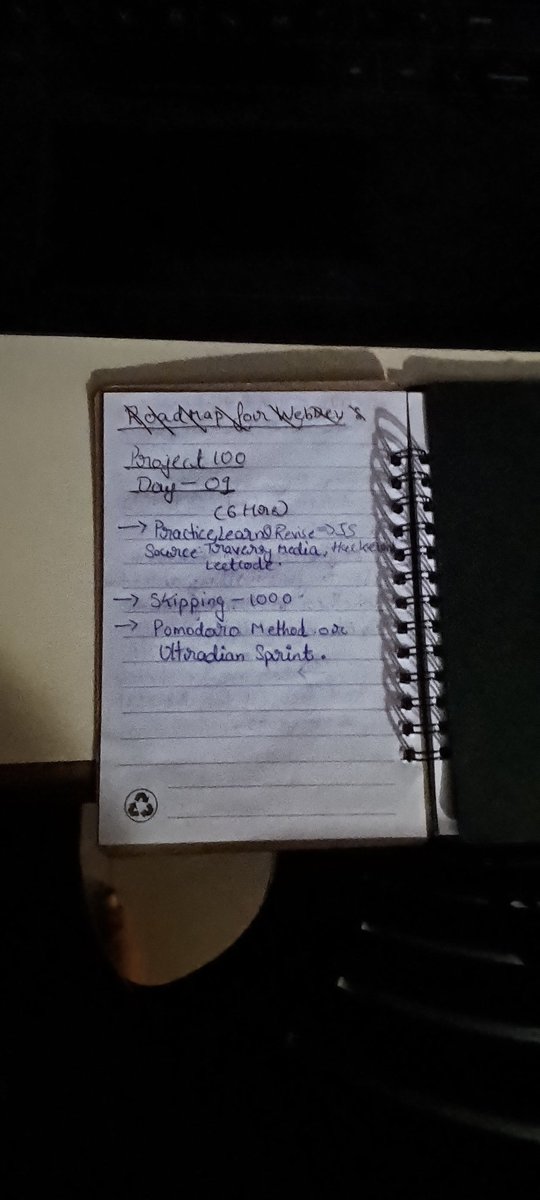
Goodnight folks starting project 100 tommorow on the auspicious occasion of Ganesh Chaturthi.
#webdeveloper #javascriptdev
1
4
182
3
121

18 Aug 2025
Hello everyone, I have currently started learning genai , if you are into genai , let's connect 🙌
#GenAI #artificialintelligence #HTML #css #javascriptdev #javascript #mern #nodejs #python #rust #chaicode #hiteshchoudhary #harkirat @Hiteshdotcom @piyushgarg_dev @ChaiCodeHQ
3
70


7 Aug 2025
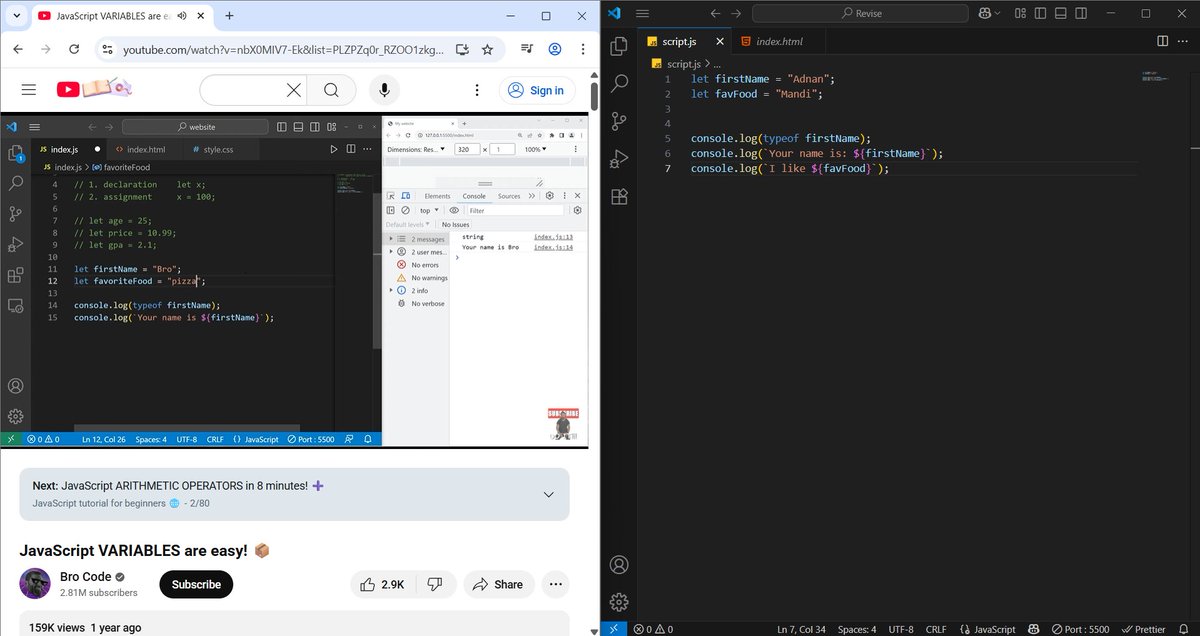
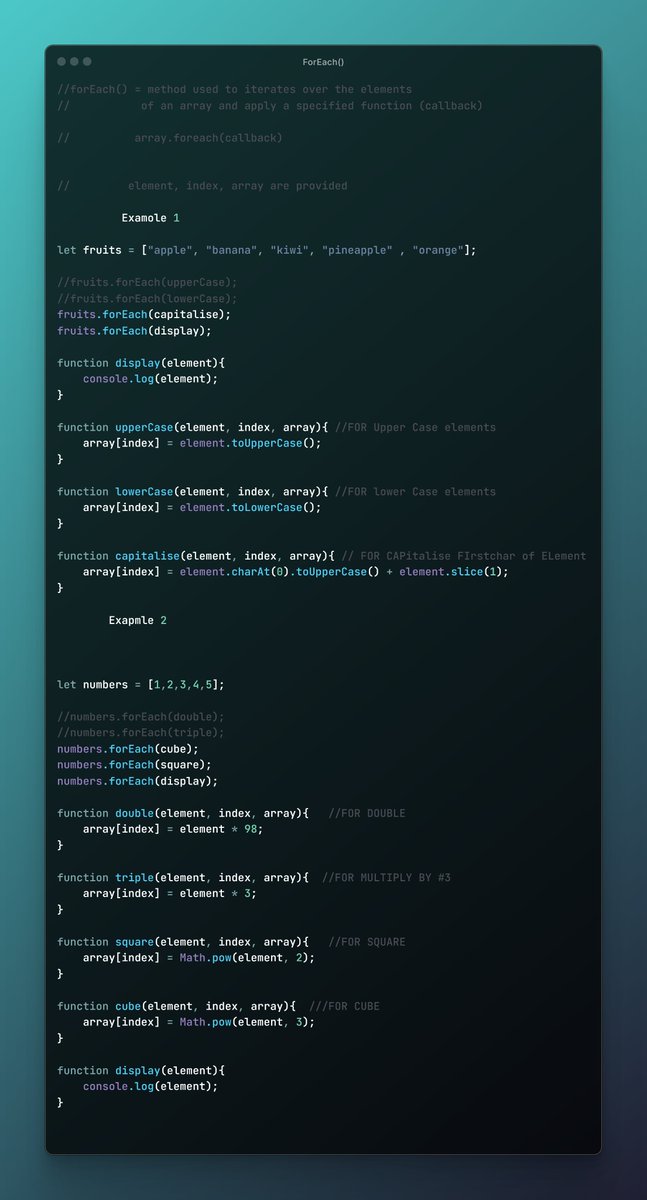
That moment when .forEach() clicks 💡
It’s wild how one method can make you feel like a pro!
On to the next concept 🚀
#LearningToCode #JavaScriptDev #DevJourney
#JavaScript #CodeNewbie #DevCommunity #100DaysOfCode #WebDevelopment #CSS
3
8
83

22 Jul 2025
💻 Code is my language, and crypto is the canvas.
Building scripts, bots, and tools — one repo at a time.
Open source is the revolution.
#JavaScriptDev #Web3Dev #OpenSource #CryptoTools #BuilderLife
2
41

5 Jul 2025
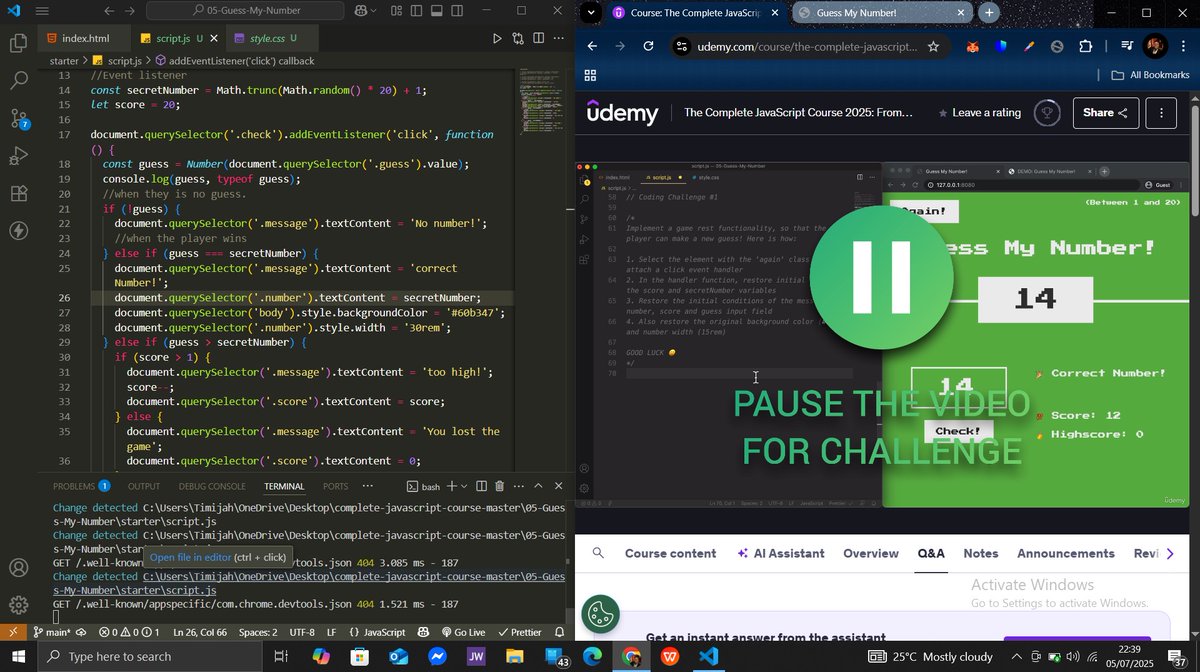
At this point, JavaScript and I are in a situationship and I’ve gone too far to turn back.
Still learning, still debugging, still crying 😭
Web dev folks, pull up. Let’s suffer and grow together.
#JavaScriptDev #WebDev #TechTwitter #BuildInPublic #CodeNewbie #DevLife #CodeAfrica
2
6
335

27 Jun 2025
Developers, how do you handle reporting in your JavaScript apps?
Curious how teams are balancing performance, UI, and reporting flexibility.
#javascriptdev #javascript #reporting #serverside #developers #coding #devcommunity
0%
Build custom reports
0%
A 3rd-party JS library
0%
Rely on server-side tools
0%
Still figuring it out
0 votes • Final results
1
47