Filter
Exclude
Time range
-
Near
5
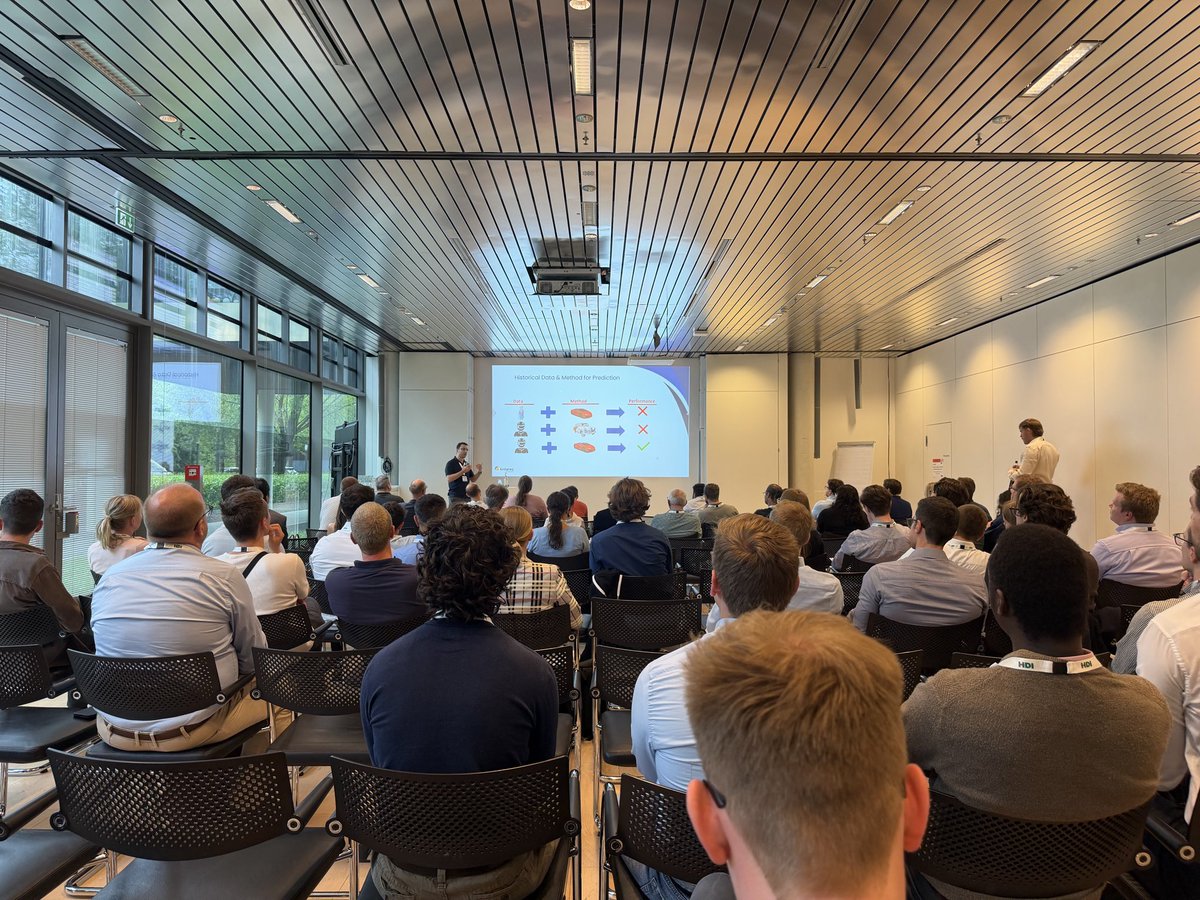
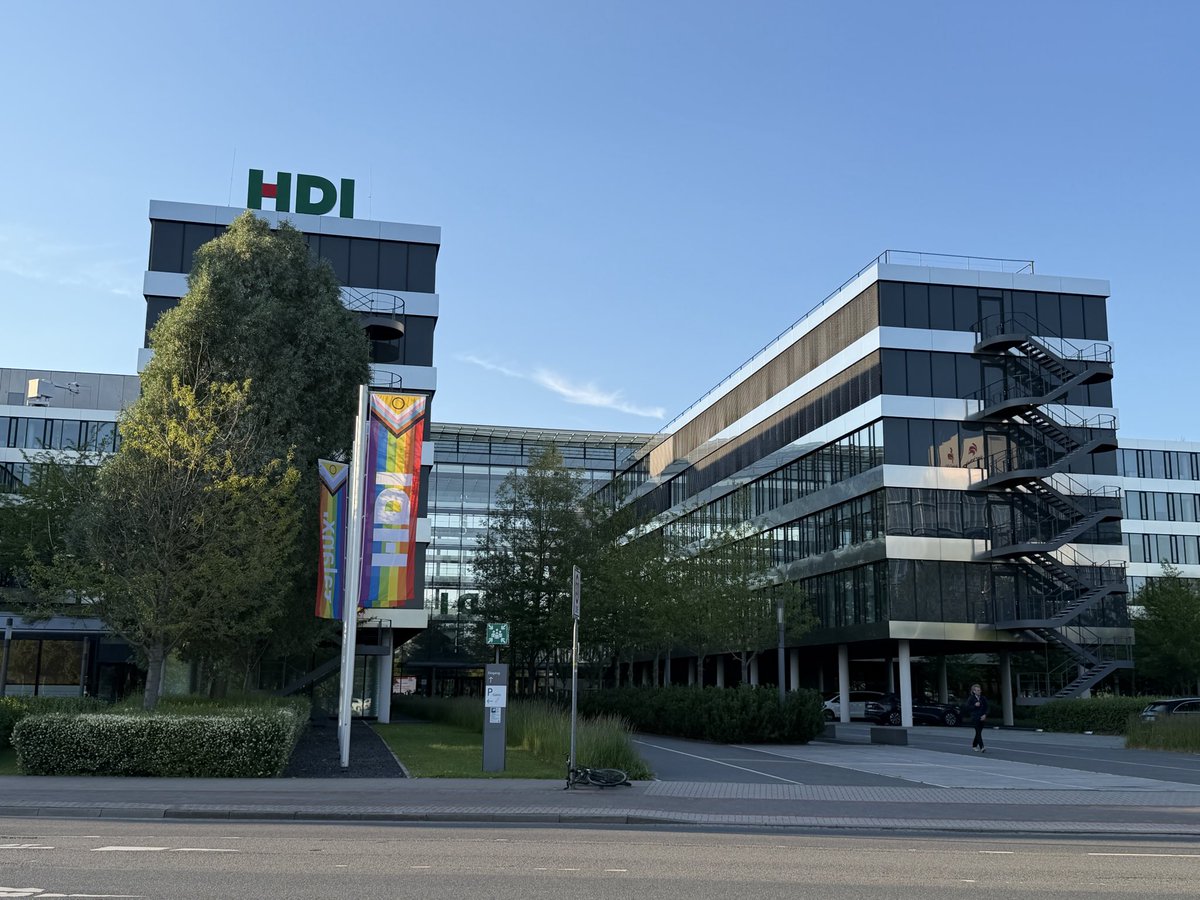
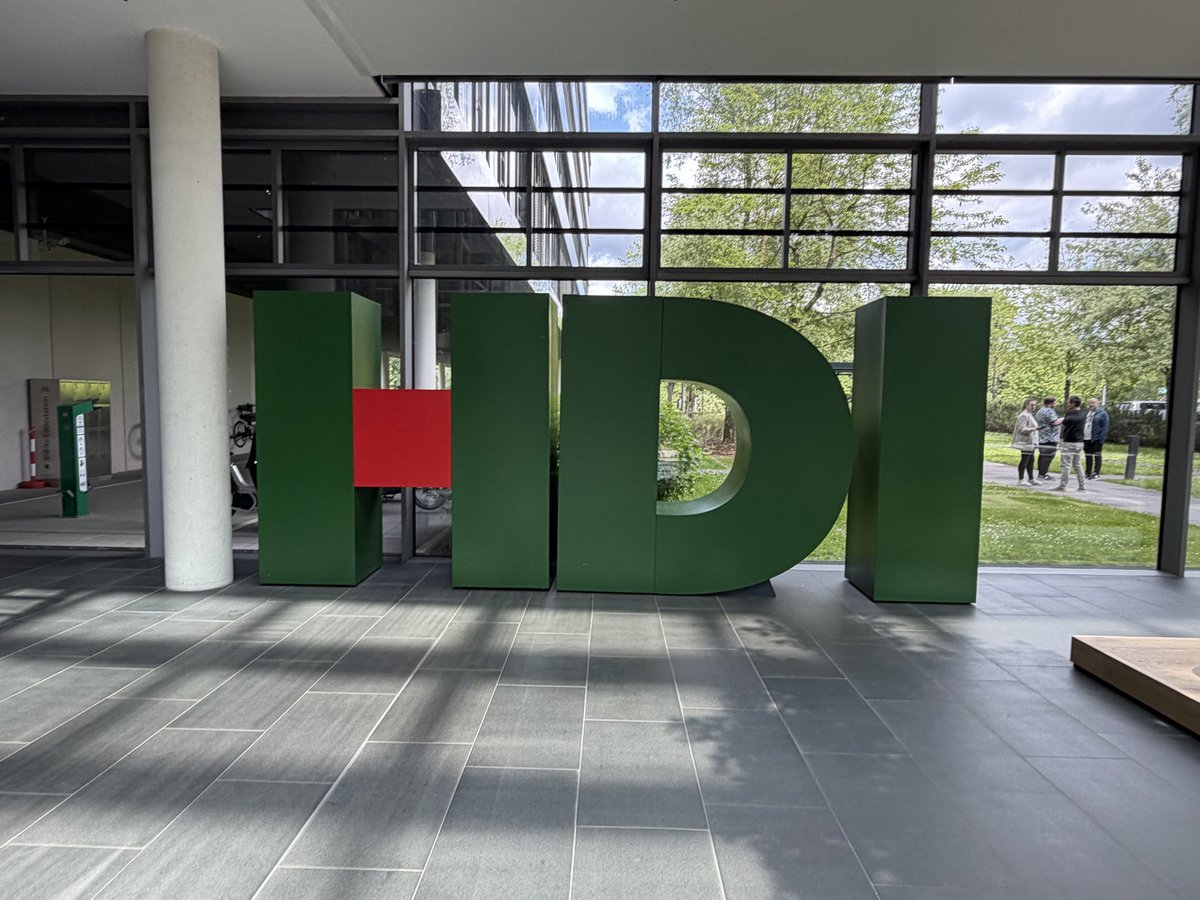
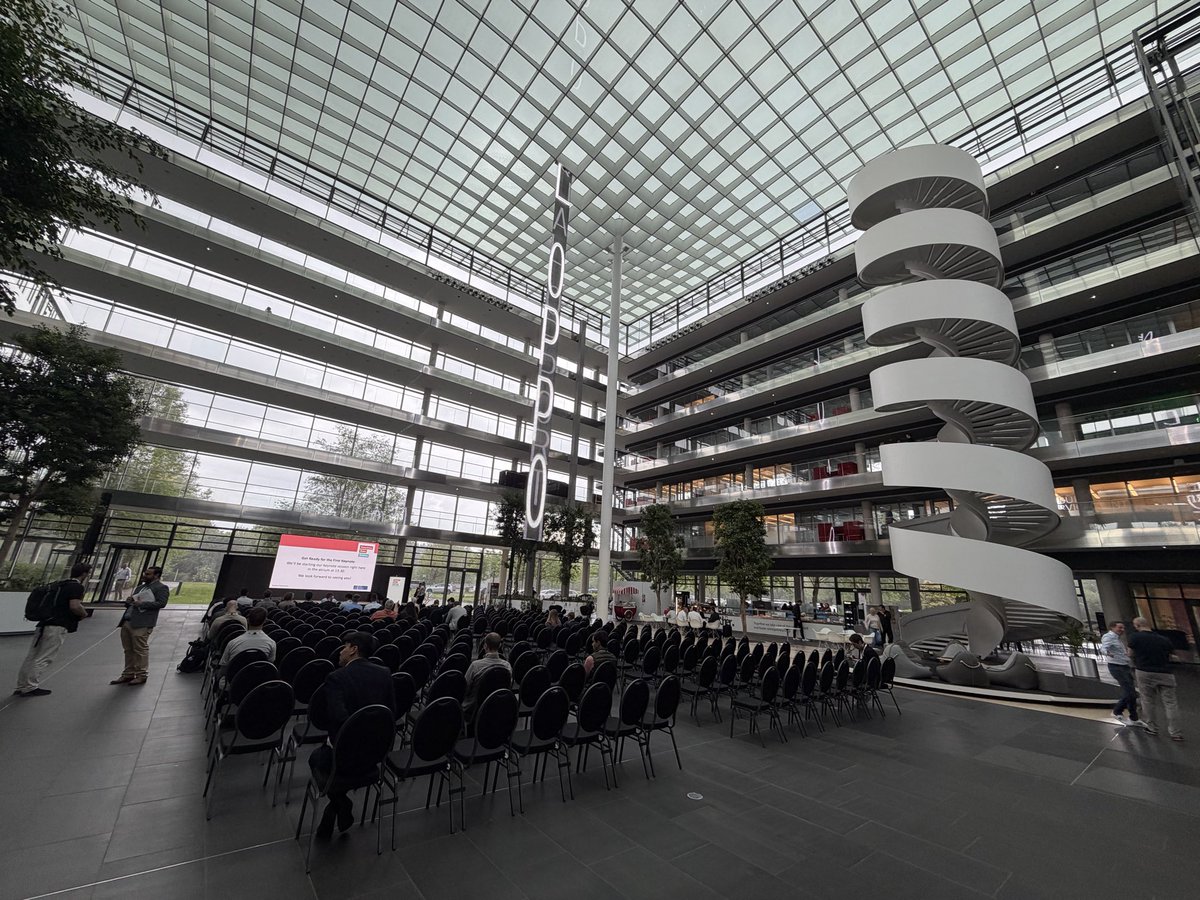
Great experience speaking at the Insurance Data Science Conference in Hannover at the headquarters of HDI Insurance. Thanks to everyone who attended and joined the discussion! #quantumcomputing #insurance #quantummachinelearning
31
Quantum hardware is opening new possibilities for machine learning by tackling challenges in speed, scalability, and computational efficiency. 🔗 hashinghardware.com/quantum-… #QuantumComputing #MachineLearning #ArtificialIntelligence #QuantumAI #QuantumMachineLearning #QML

6
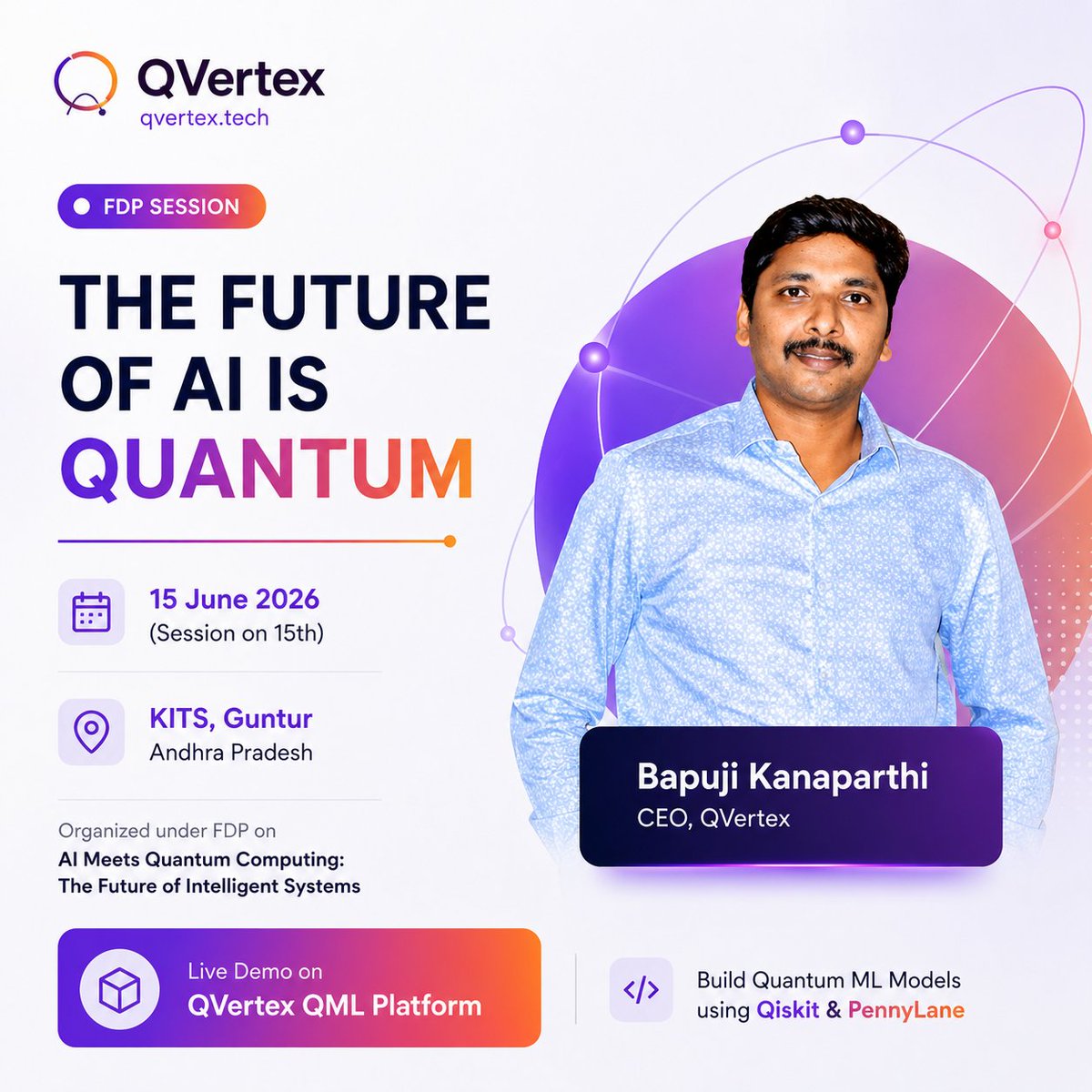
Quantum Computing AI = The Future of Intelligent Systems. 🚀 Learn QML Fundamentals 🤖 Explore Quantum AI 🔬 Discover Real-World Applications 📅 June 15, 2026 📍 KITS Guntur #QuantumComputing #QuantumAI #QuantumMachineLearning #QVertex #Qiskit #PennyLane #AI #FutureTech
7
🌐 I am pleased to share my academic website, highlighting my research, publications, teaching activities, student supervision, and international collaborations in Artificial Intelligence, Quantum Machine Learning, Fuzzy Explainable AI, and Network Science. 🔗 drubaidafatima.com I welcome opportunities for research collaboration and interdisciplinary projects in AI, healthcare analytics, complex networks, and computational science. #AI #QuantumMachineLearning #NetworkScience #MachineLearning #Research #ComputationalScience
1
10
12
9
New arXiv paper by JIJ researchers Wai-Hong Tam and Hiromichi Matsuyama, in collaboration with Reza Safari at DLR: Geometric Quantum Physics-Informed Neural Network 🔗arxiv.org/abs/2605.02352 GQPINN — a quantum machine learning approach for solving PDEs with geometry-informed circuit design. Rather than simply increasing circuit expressivity, the method incorporates problem structure into the ansatz design. JIJ’s first joint research outcome with DLR. #JIJ #QuantumMachineLearning #ScientificMachineLearning #CAE
2
4
221
Imagined phenomena serve mathematicians, physicists—and entrepreneurs. #Imaginaries at @EnclaveAcademy are our imagined “metacognition influencers”—from childhood’s stuffed animals we recall by name to aging’s The Grim Reaper who’ll end our metacognitive imaginings. #QuantumMetacognition we named and developed to supply oxygen to our inward-most imaginings—breakthroughs wordlessly emerging in our Einsteinian #InnerIncubators and #InnerAccelerators. @CERN’s particle accelerator probably can’t outperform the human brain’s collisions with its instantaneity. Imagining such #suprametacognitive brainpower is needed to elevate to feasibility and #actualizings the previously only imaginable. If you made it this far in this post’s methodological metacognitive meanderings, you’re neurons-deep in quantum metacognition—to #quantumize your thinkingness to support value in even a glimpse at these #quantums coming at you: #QuantumComputing #QuantumInfoScience #QuantumInformationTheory #QuantumSensing #QuantumMetrology #QuantumCommunications #QuantumCryptography #QuantumMaterials #QuantumDevices #QuantumSimulation #QuantumAnnealing #QuantumMachineLearning #QuantumControlSystems #QuantumErrorCorrection #QuantumPhysics #QuantumMechanics #QuantumChemistry #QuantumBiology #QuantumYou Pause. Breathe. #QuantumThinking isn’t easy. Keep calm and think on.™ A bit of laughter is easy to ease the pain of this #QuantumGain. “No brain pain, no mind gain.” —Enclavius “Imaginaries” are childhood’s and adulthood’s BFFs. #ThinkToThink™ to quantumize your thinking as you read this @IAI_TV article’s #quantumfication. Smilingly— Come to think of it.™
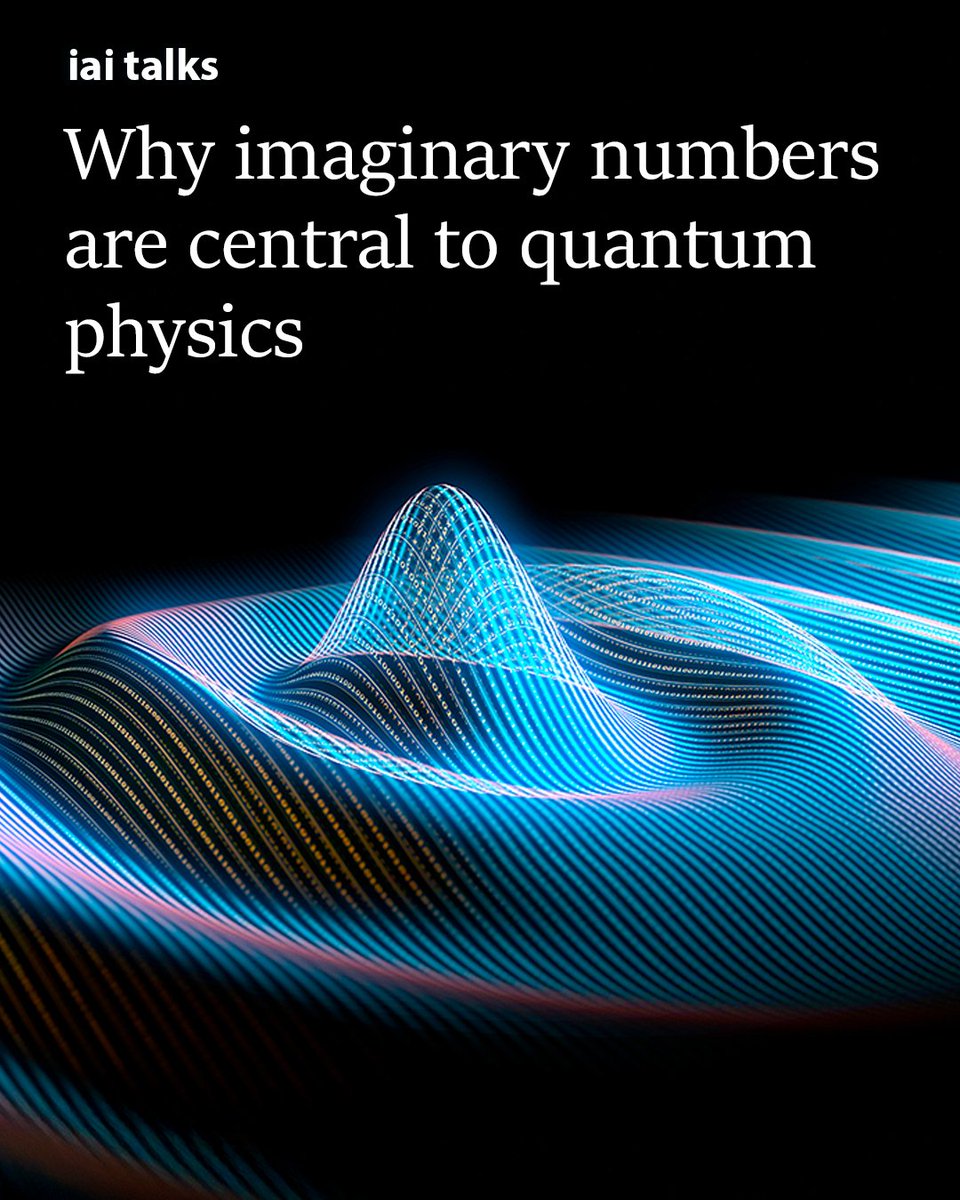
Imaginary numbers seem like a mathematical curiosity, with no obvious connection to physical reality. | iai.tv/video/tim-maudlin-why… Yet they sit at the very foundation of quantum mechanics, a fact that puzzled even the greatest physicists of the twentieth century. Philosopher of science Tim Maudlin argues that their appearance in Schrödinger's equation is no accident, but follows necessarily from the kind of wave-like structure that fundamental dynamics requires.
4
4
227
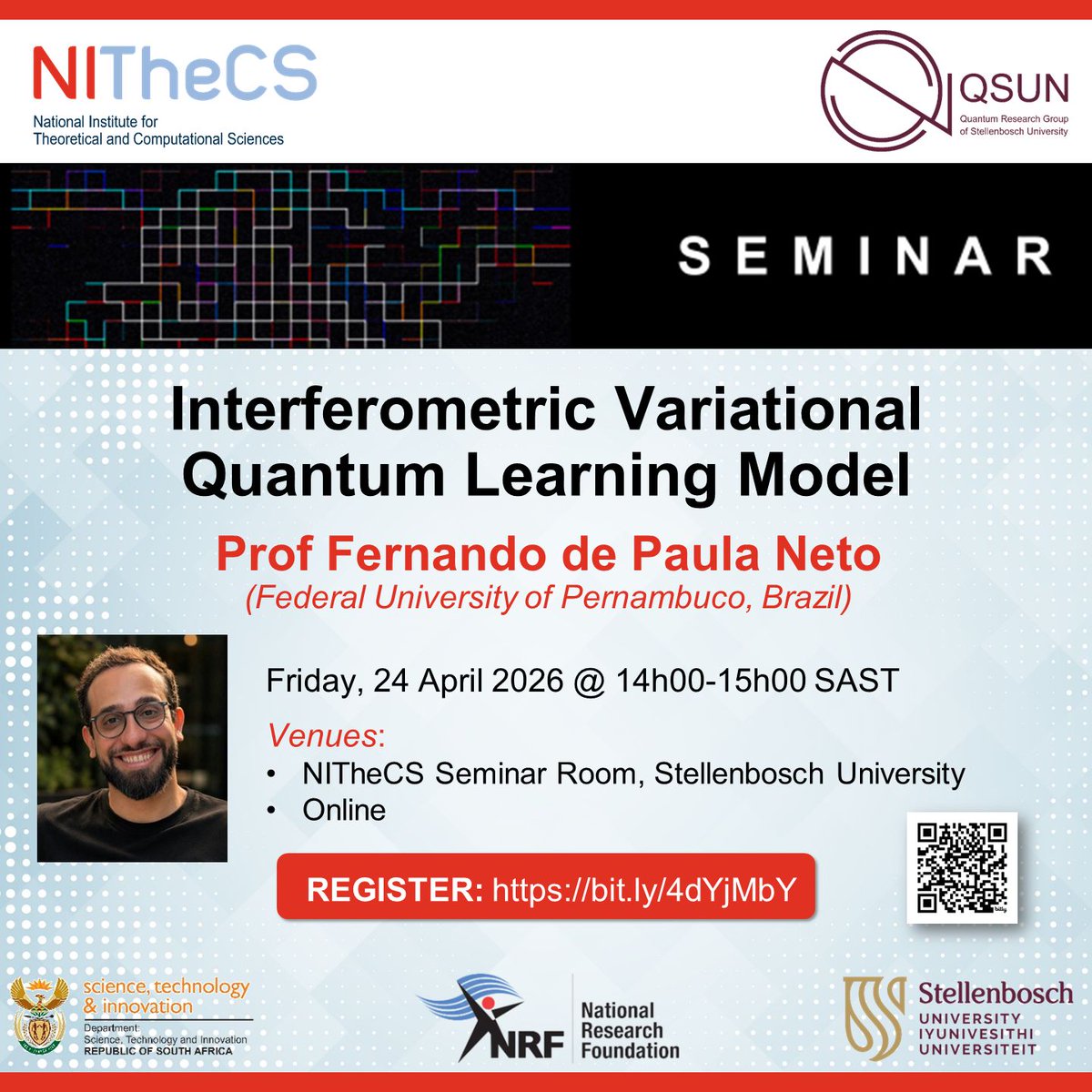
NITheCS & QSUN Seminar: “Interferometric Variational Quantum Learning Model” with Prof Fernando de Paula Neto 📅 Fri, 24 Apr 2026 ⏰ 14:00–15:00 SAST 📍 In person and online 🔗 buff.ly/8RYOZ5c #QuantumMachineLearning #VariationalQuantumCircuits #QuantumComputing #NISQ
2
3
151
Read a super challenging #QuantumAI paper published in @ScienceAdvances on a Monday evening after a long day in the lab 🧪😅 I tried to break it down into a simple summary so it’s easier for a wide range of audience to enjoy and to promote broader readership 📚✨ Quantum-informed machine learning for predicting spatiotemporal chaos with practical quantum advantage science.org/doi/10.1126/scia… Preprint link: arxiv.org/pdf/2507.19861 Predicting chaotic systems like weather, smoke, or turbulent air over a plane, is a bit like trying to track a leaf in a storm. At first, it’s manageable. But over time, even the tiniest misstep grows, and your prediction drifts far from reality. Modern AI models have the same problem. They can make good short-term forecasts, but if you let them run longer, they either spiral into nonsense or “play it safe” by averaging everything out—like guessing every future day will be mild and cloudy. The result looks smooth, but it’s no longer real. The reason runs deeper than just accumulating errors. These models forget the “habits” of the system they’re trying to mimic—the patterns of where things tend to go over time. Imagine learning how people move around a city but forgetting which neighborhoods are busy and which are quiet. Even if you predict a few steps correctly, eventually your map stops making sense. A group of researchers led by Maida Wang took a different approach. Instead of forcing a single AI model to learn everything, they split the job into two parts and gave one of those parts to a small quantum computer. They use a tiny quantum system (just 10–15 qubits) as a kind of “pattern learner.” But it’s trained only once, ahead of time. Its job is not to predict the future step by step, but to learn the overall shape of the system’s behavior—the equivalent of understanding which neighborhoods in the city are lively and which are empty. Once trained, this quantum model becomes a compact guide called a Q-Prior. It’s less than 300 parameters, like a pocket-sized rulebook. And importantly, after training, the quantum computer is no longer needed. That rulebook is then handed to a regular (classical) AI model that does the step-by-step prediction. ” The bigger picture is refreshingly practical. This isn’t about quantum computers taking over simulation entirely. Instead, it shows how even today’s limited quantum devices can play a supporting role—learning tricky patterns that are hard for classical systems, and then stepping aside. #QuantumMachineLearning #HybridAI #ChaoticSystems #QuantumComputing #KoopmanOperators #NeuralOperators #QuantumAI #FutureOfComputing
2
5
22
1,858
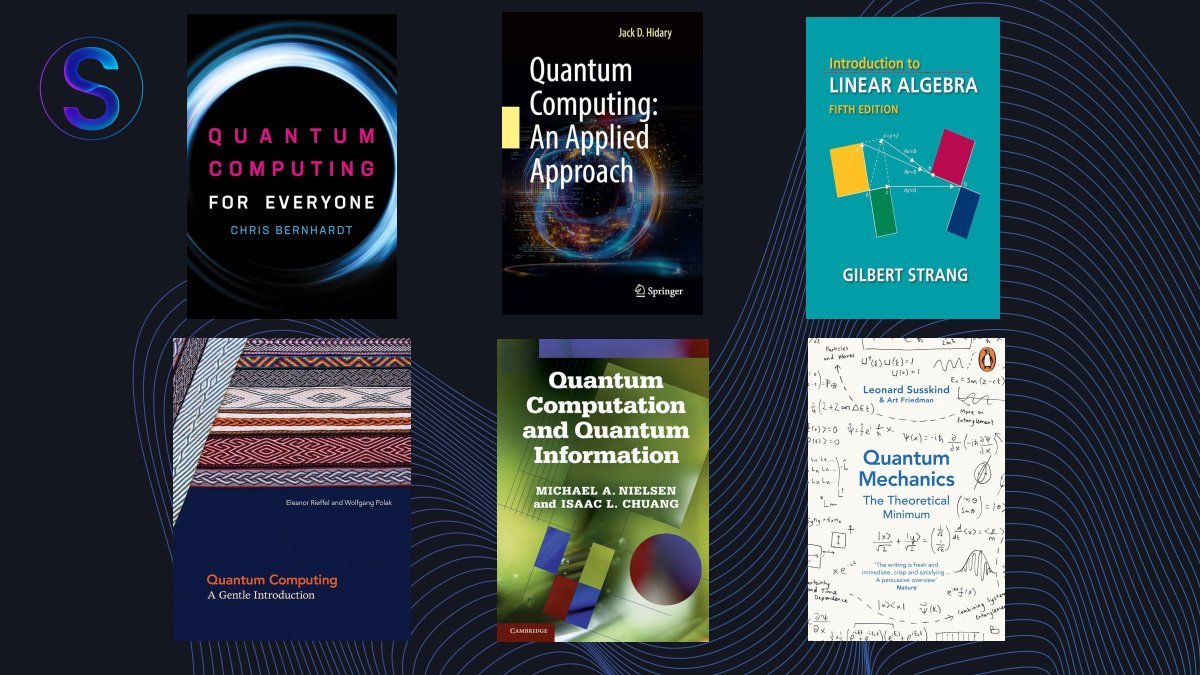
Quantum computing is moving fast. And like in any serious science, it helps to stay close to the research frontier. But the best place to start can still be a good book. If you’re building your understanding of quantum computing, here’s a reading list I’d recommend: 🔹 Quantum Computing for Everyone — Chris Bernhardt A friendly entry point if you want intuition before formalism. 🔹 Quantum Computing: A Gentle Introduction — Rieffel & Polak A solid next step for understanding the core concepts more systematically. 🔹 Introduction to Linear Algebra — Gilbert Strang Not a quantum book, but essential. A lot of quantum computing becomes much clearer once the linear algebra clicks. 🔹 Quantum Mechanics: The Theoretical Minimum — Susskind & Friedman Helpful for building the physics intuition behind the field. 🔹 Quantum Computation and Quantum Information — Nielsen & Chuang Still the classic reference if you want depth. 🔹 Quantum Computing: An Applied Approach — Jack Hidary Especially useful if you care about practical workflows and real-world relevance. What would you add to this list? #QuantumComputing #QuantumMachineLearning #MachineLearning #DataScience #DeepTech
3
22
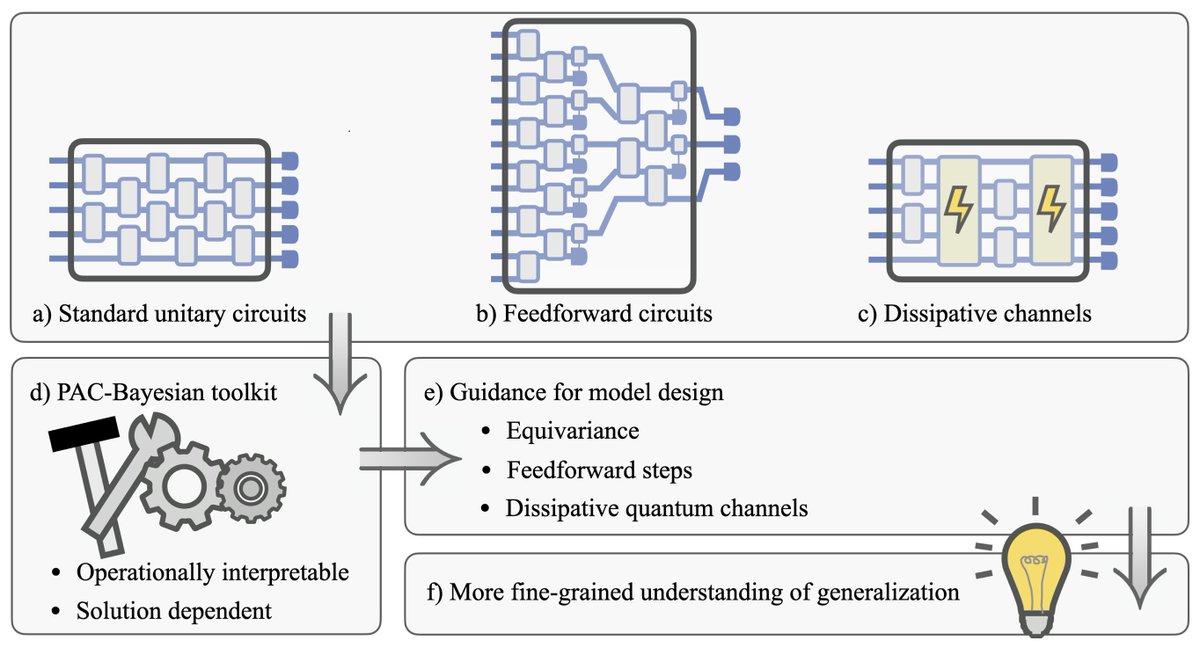
A PAC-Bayesian approach to generalization for quantum models. We take steps towards non-uniform and data-dependent bounds for generalization of quantum machine learning models. scirate.com/arxiv/2603.22964 In detail, #generalization is a central concept in machine learning theory, yet for quantum models, it is predominantly analyzed through uniform bounds that depend on a model's overall capacity rather than the specific function learned. These capacity-based uniform bounds are often too loose and entirely insensitive to the actual training and learning process. Previous theoretical guarantees have failed to provide #nonuniform, data-dependent bounds that reflect the specific properties of the learned solution rather than the worst-case behavior of the entire hypothesis class. To address this limitation, we derive the first #PACBayesian generalization bounds for a broad class of quantum models by analyzing layered circuits composed of general quantum channels, which include dissipative operations such as mid-circuit measurements and feedforward. Through a channel perturbation analysis, we establish non-uniform bounds that depend on the norms of learned parameter matrices; we extend these results to symmetry-constrained equivariant quantum models; and we validate our theoretical framework with numerical experiments. This work provides actionable model design insights and establishes a foundational tool for a more nuanced understanding of generalization in #quantummachinelearning. Warm thanks to the team of @pablones8, Matthias C. Caro, @EliesMiquel, @FJSchreiber, and @charl_bp for this great collaboration.
2
7
25
1,932
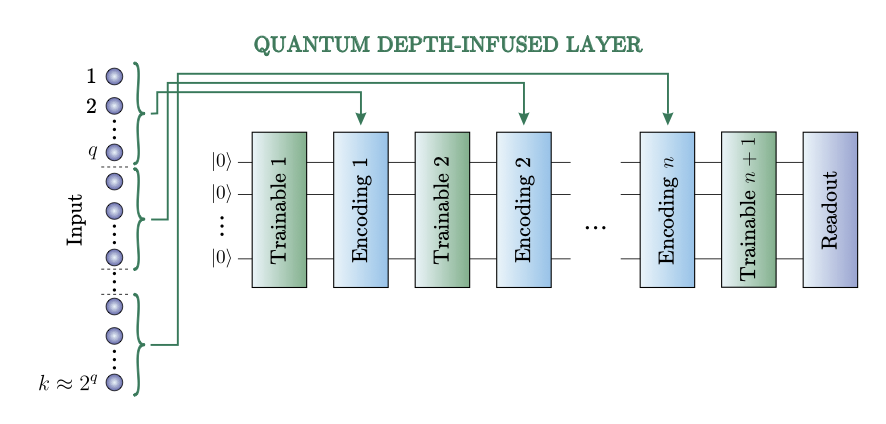
Multi-objective optimization and quantum hybridization of equivariant deep learning interatomic potentials on organic and inorganic compounds 1 A research team from Terra Quantum AG and collaborators has developed enhanced variants of the Allegro machine learning interatomic potential (MLIP) model, achieving superior accuracy through multi-objective hyperparameter optimization and novel quantum-classical hybrid architectures. 2 The study introduces two key innovations: an extended Allegro model with additional classical MLP layers (Allegro MLP) and a quantum depth-infused variant (Allegro QDI) that incorporates variational quantum circuits into the neural network architecture. 3 Using their implementation of the SAMO-COBRA multi-objective optimization algorithm, the researchers simultaneously optimized for prediction accuracy (force/energy MAE) and inference speed across four diverse datasets: QM9 organic molecules, rMD17 aspirin and benzene subsets, and a newly generated copper-lithium inorganic dataset. 4 The Allegro QDI model demonstrated remarkable performance on the Cu-Li dataset, achieving a 13% improvement in force prediction accuracy over the baseline Allegro model, showcasing the potential of quantum-enhanced architectures for materials science applications. 5 The quantum layer employs a data re-uploading strategy that sequentially encodes features onto a limited qubit lattice with entangling gates, enabling complex nonlinear pattern recognition without requiring one qubit per feature. 6 Comprehensive quantum circuit analysis using ZX calculus revealed 100% parameter preservation after simplification, Fisher information metrics confirmed good trainability without barren plateaus, and Fourier analysis showed 79% expressivity with 127 non-zero coefficients out of 161 possible terms. 7 The Cu-Li dataset generation represents a significant contribution itself: 11,635 DFT-calculated structures including surface vacancies, adatoms, coherent interfaces, and melt-quench amorphized interfacial structures for modeling high-temperature Li-Cu material behavior. 8 Pareto front analysis revealed dataset-dependent trade-offs between accuracy and inference time, with Allegro MLP generally dominating on organic molecules while Allegro QDI showed particular strength on the inorganic metallic system. 💻Code: github.com/glatq/allegro 📜Paper: arxiv.org/abs/2602.16908 #MachineLearning #QuantumComputing #MaterialsScience #InteratomicPotentials #EquivariantNeuralNetworks #MultiObjectiveOptimization #DFT #MolecularDynamics #ComputationalChemistry #QuantumMachineLearning
5
1
9
1,246
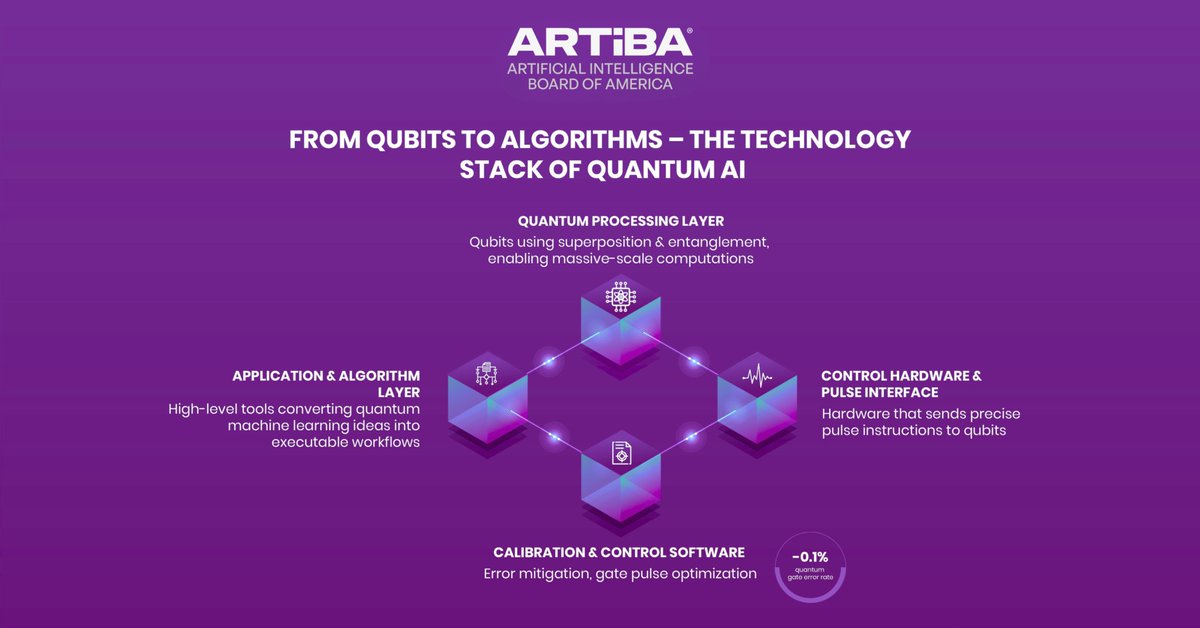
Quantum AI isn’t the next step, it’s a leap. The fusion of quantum computing and AI is unlocking breakthroughs that could reshape the future: bit.ly/4n8gnrT #QuantumAI #Qubits #QuantumMachineLearning #FutureofAI #AIengineers #Machienlearning #ARTiBA
1
3
58
Our latest research, "Motor insurance data analysis by quantum machine learning," has officially been published in Discover Quantum Science, a new journal of Springer Nature. Quantum offers a new frontier for risk assessment and data analysis. This paper explores how quantum algorithms can be applied to real-world motor insurance datasets to drive more precise insights. Notably, our findings show that in vehicle damage analysis, quantum-based methods achieve up to 20% higher accuracy for certain vehicle categories. LInk: link.springer.com/article/10… #insurance #reinsurance #insurtech #quantummachinelearning #quantum #quantumnews #DataAnalytics #qml
2
188
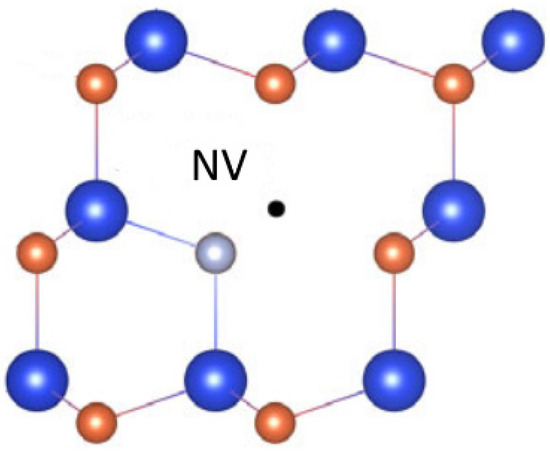
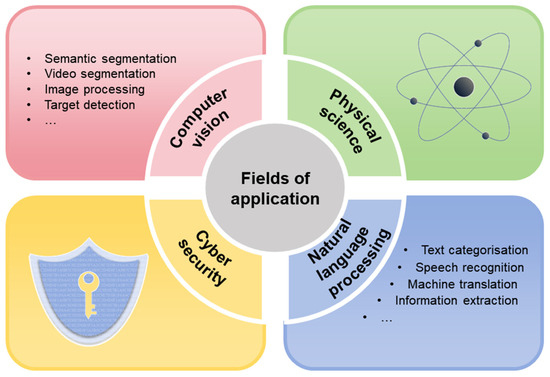
☀️ Welcome to read these review papers! 1. Integration and Innovation in #DigitalImplantology — Part I: Capabilities and Limitations of Contemporary Workflows: A Narrative Review mdpi.com/2076-3417/15/22/122… by Alexandre Perez and Tommaso Lombardi 2. Linear Approximations of Power Flow Equations in #ElectricalPowerSystemModelling—A Review of Methods and Their Applications mdpi.com/2076-3417/15/23/123… by Paweł Pijarski, Damir Jakus, Adrian Belowski, Petar Sarajcev and Dominik Przepiórka 3. An Overview of #QuantumMachineLearning Research in China mdpi.com/2076-3417/15/5/2555 by Luning Li, Xuchen Zhang, Zhicheng Cui, Weiming Xu, Xuesen Xu, Jianyu Wang and Rong Shu 4. Defects in #SiliconCarbide as #QuantumQubits: Recent Advances in #DefectEngineering mdpi.com/2076-3417/15/10/560… by Ivana Capan
1
3
61
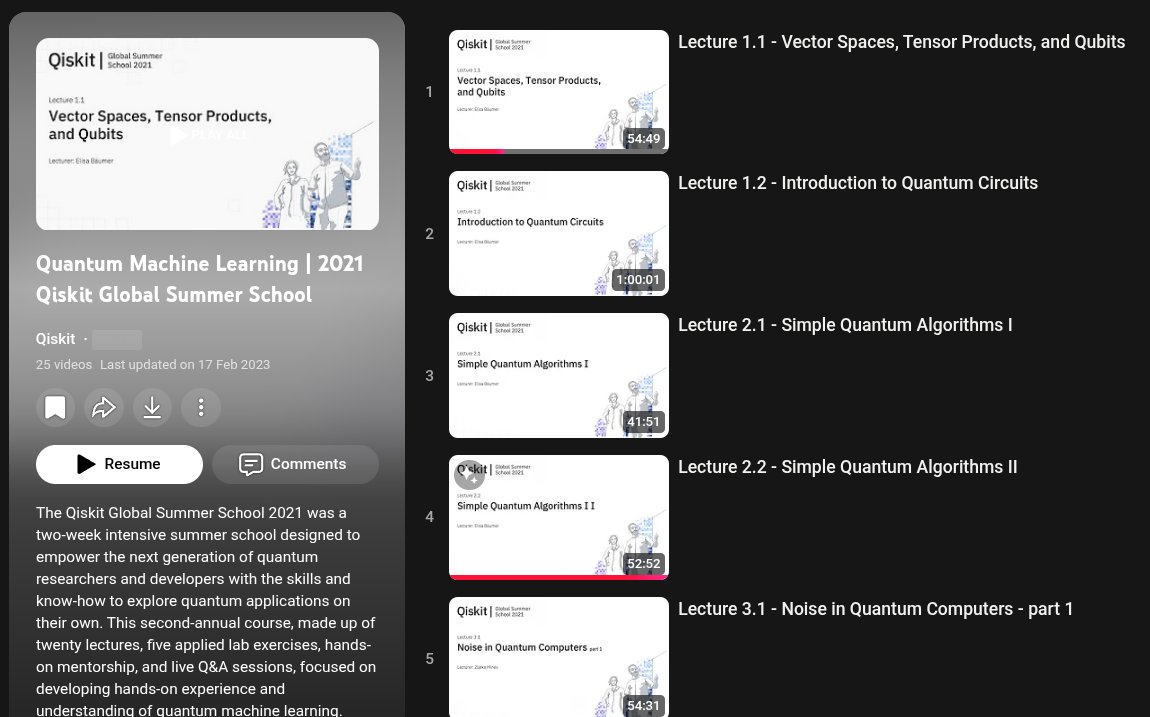
One of the best free courses on Quantum Machine Learning. Strong foundations, real quantum circuits, and taught by people shaping the field. Highly recommended if you’re serious about QML. Watch here 👉 youtube.com/playlist?list=PL…#QuantumComputing #QuantumMachineLearning #Qiskit
3
137
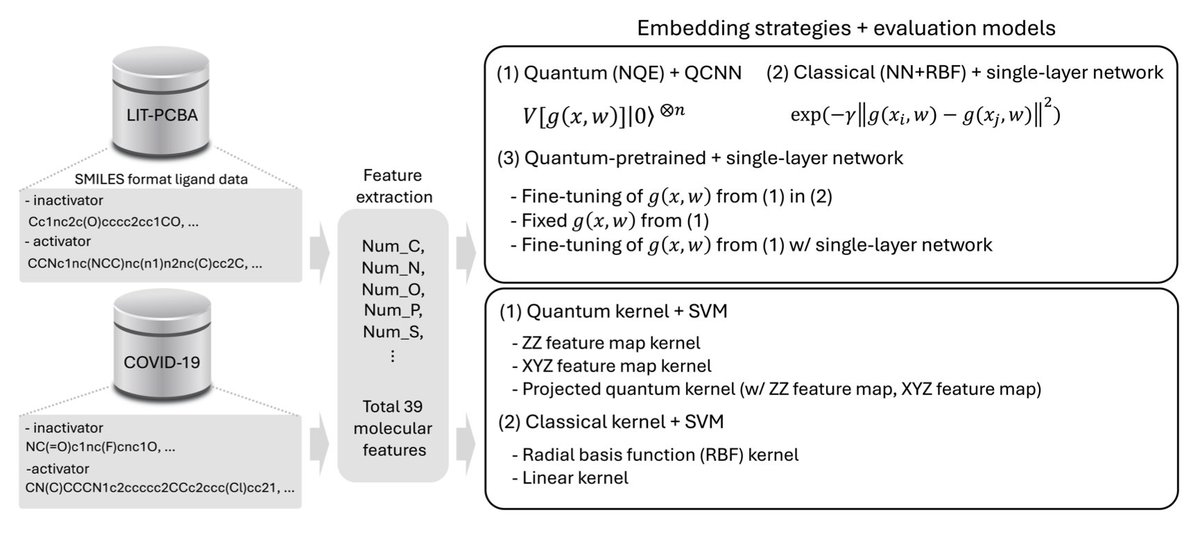
Optimizing Quantum Data Embeddings for Ligand-Based Virtual Screening 1. A new study explores how quantum data embeddings can enhance ligand-based virtual screening, a crucial step in early-stage drug discovery. The research leverages quantum-classical hybrid approaches, combining neural networks with quantum circuits to create more expressive molecular representations. 2. The study evaluates various embedding strategies on two benchmark datasets: LIT-PCBA and COVID-19. Notably, quantum and hybrid embedding methods consistently outperform classical baselines, especially in limited-data and class-imbalanced scenarios, highlighting their potential for more efficient and accurate virtual screening. 3. A key innovation is the use of Neural Quantum Embedding (NQE), which optimizes the embedding process through kernel-target alignment. This method significantly improves the trace distance between quantum states of different classes, enhancing the model's ability to distinguish between activators and inactivators. 4. The research also introduces quantum-pretrained classical embeddings, where neural networks trained with NQE are fine-tuned or transferred to classical models. This hybrid approach leverages the strengths of both quantum and classical computing, offering further improvements in classification performance. 5. For the COVID-19 dataset, the study employs quantum kernels derived from ZZ and XYZ feature maps, demonstrating superior performance compared to classical SVMs. The projected quantum kernel (PQK) further enhances classification accuracy, showcasing the power of quantum embeddings in handling complex biological data. 6. The findings suggest that optimized quantum embeddings could become valuable tools in drug discovery pipelines, bridging the gap between quantum-enhanced representation learning and practical virtual screening applications. Future work may focus on hardware-aware designs and deeper insights into the relationship between quantum embeddings and molecular structures. 📜Paper: arxiv.org/abs/2512.16177v1 💻Code: github.com/Jungguchoi/Optimi… #QuantumMachineLearning #DrugDiscovery #VirtualScreening #QuantumComputing #HybridModels
1
2
13
1,560