
This may be of interest to economists, esp. in relation to debates over whether economics is progressive and the role of theory in economics. #EconTwitter #scientificprogress #economicmodels
35

May 25
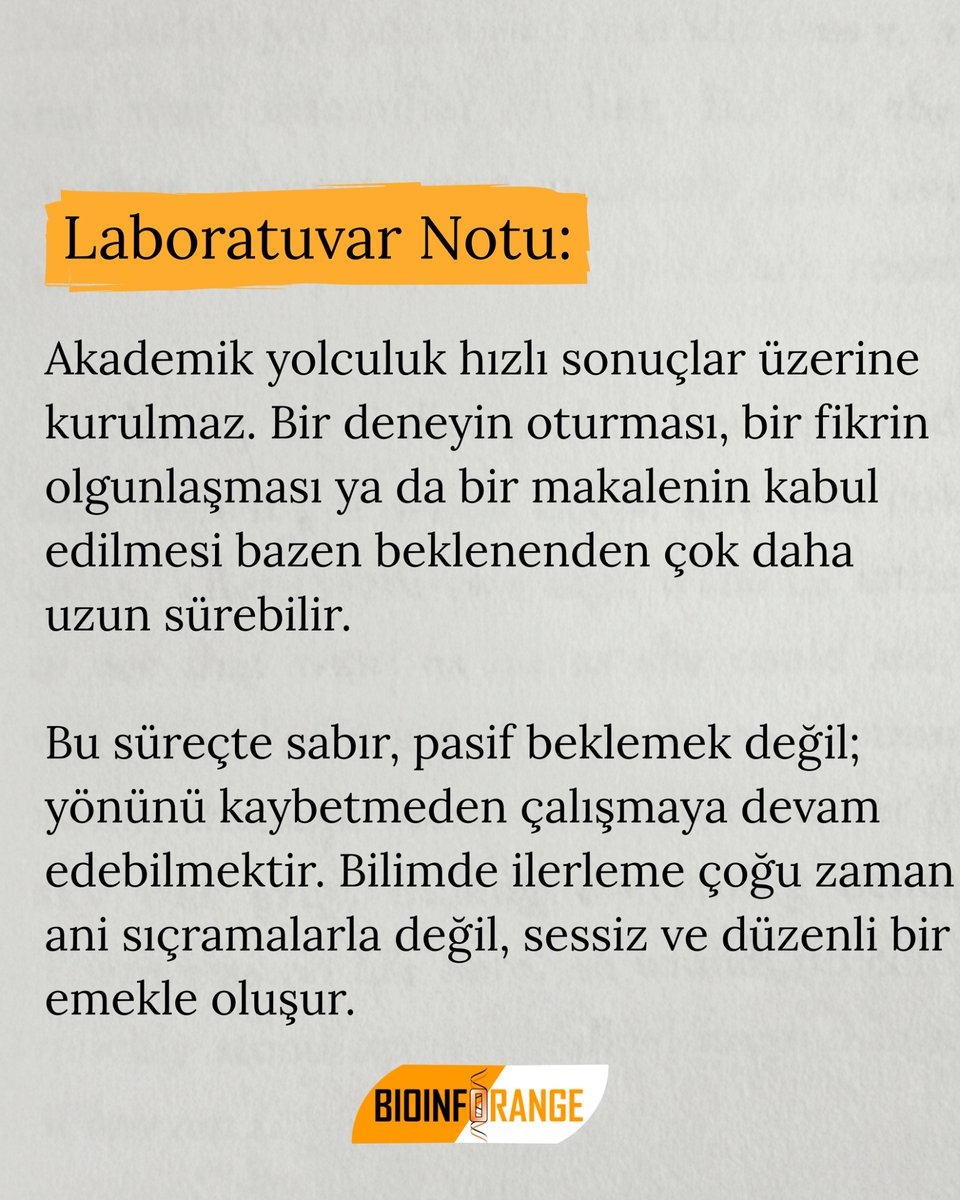
Bilimsel ilerleme ani sıçramalardan ziyade, sessiz ve düzenli bir emeğin ürünüdür. Bu süreçte sabır, pasif bir bekleyiş değil; yönünü kaybetmeden üretmeye devam etme kararlılığıdır. Olgunlaşan her fikir, zamana meydan okuyan bir disiplinle var olur.
#academicpatience #scientificprogress #researchdiscipline #science #bioinfoquotes
2
3
190
May 18
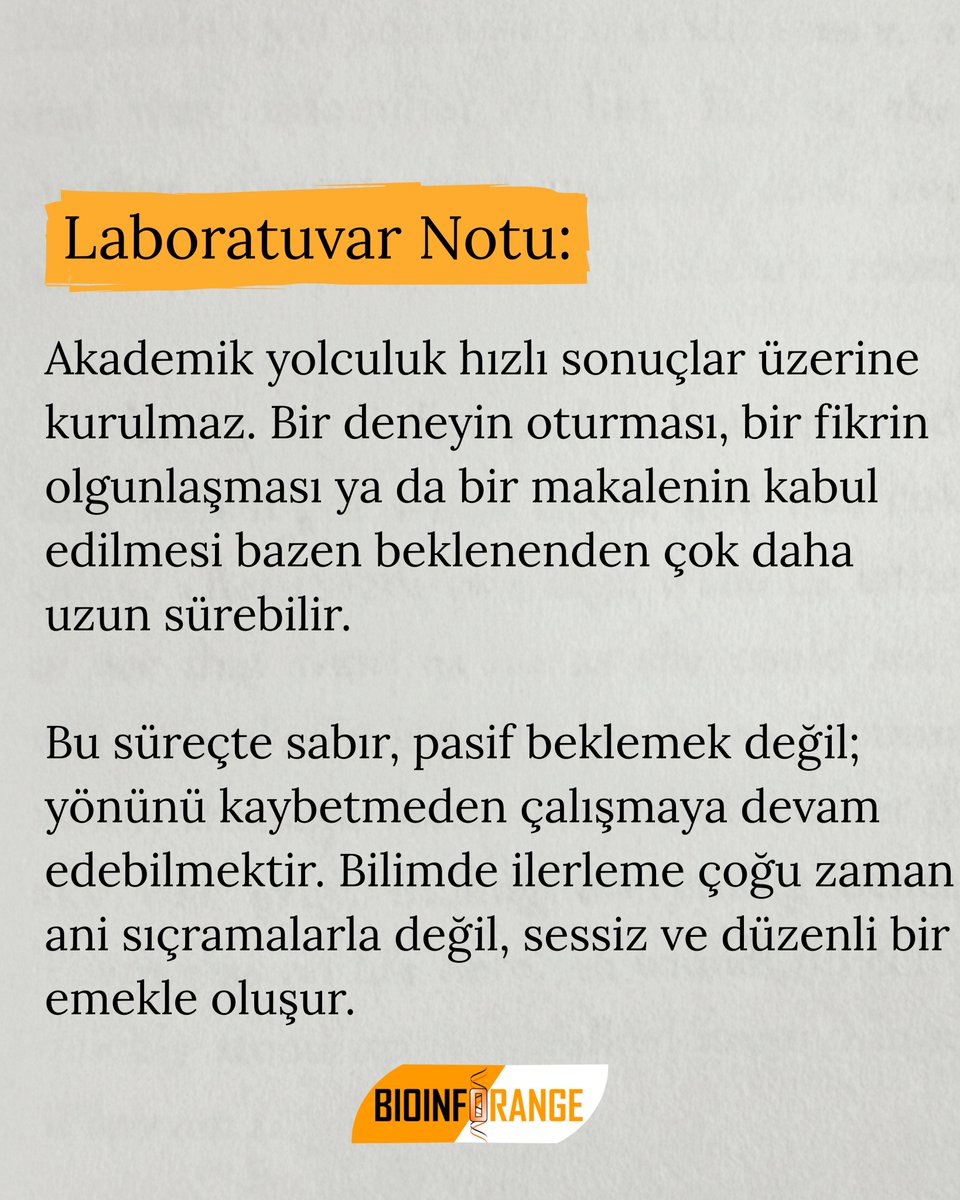
Bilimsel ilerleme ani sıçramalardan ziyade, sessiz ve düzenli bir emeğin ürünüdür. Bu süreçte sabır, pasif bir bekleyiş değil; yönünü kaybetmeden üretmeye devam etme kararlılığıdır. Olgunlaşan her fikir, zamana meydan okuyan bir disiplinle var olur.
#academicpatience #scientificprogress #researchdiscipline #science #bioinfoquotes
1
3
113

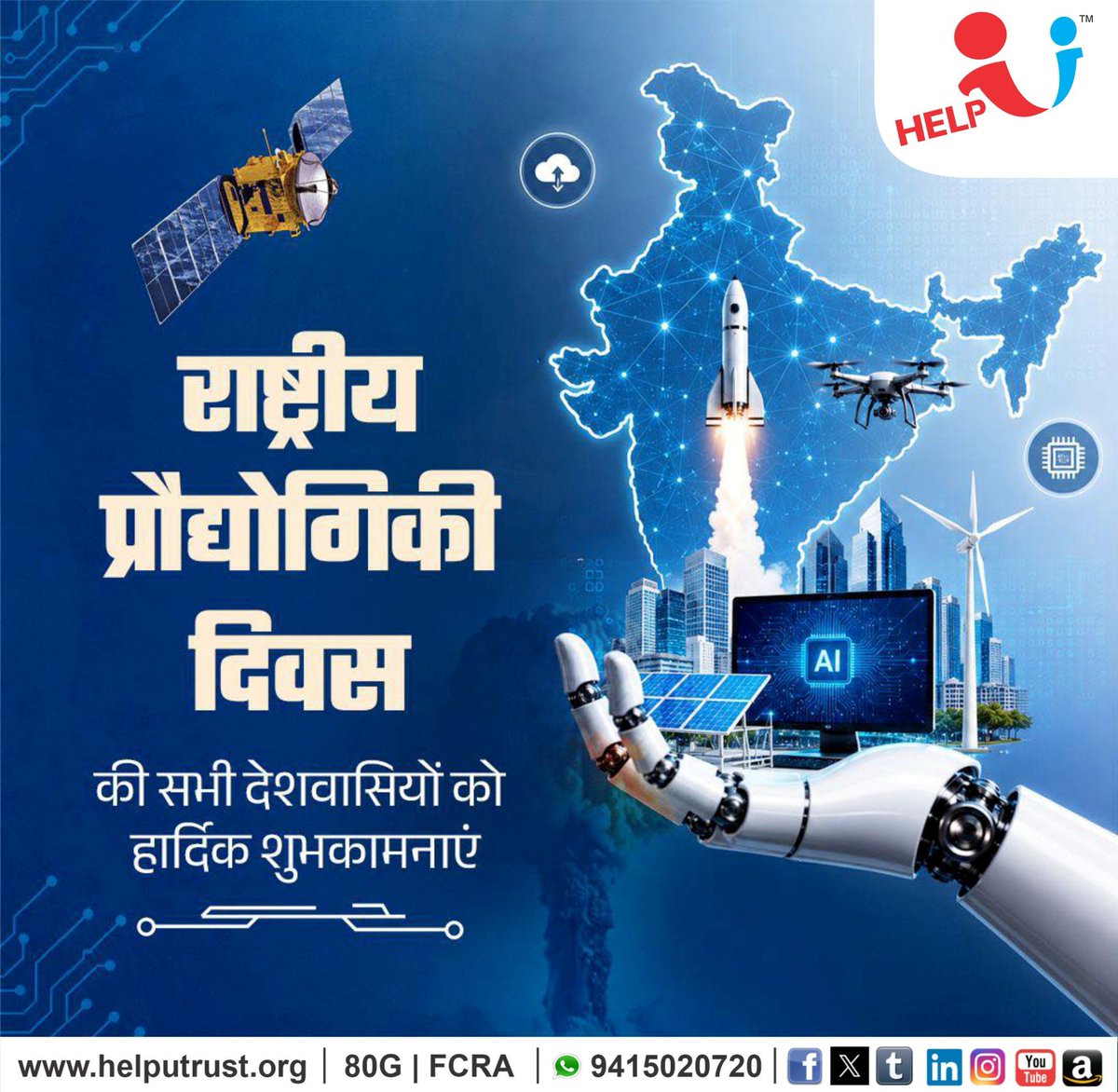
नवाचार, अनुसंधान और तकनीकी उत्कृष्टता के माध्यम से आत्मनिर्भर एवं सशक्त भारत के निर्माण में महत्वपूर्ण योगदान दे रहे समस्त वैज्ञानिकों, इंजीनियरों एवं शोधकर्ताओं को ‘राष्ट्रीय प्रौद्योगिकी दिवस’ की हार्दिक बधाई एवं शुभकामनाएं ।
यह दिवस 11 मई 1998 को राजस्थान के पोखरण में सम्पन्न सफल परमाणु परीक्षण की गौरवगाथा की स्मृति में मनाया जाता है, जिसे तत्कालीन प्रधानमंत्री ‘भारत रत्न’ श्रद्धेय पंडित अटल बिहारी वाजपेयी जी के दूरदर्शी एवं सशक्त नेतृत्व में सफलतापूर्वक अंजाम दिया गया था ।
आइए, इस अवसर पर हम सभी विज्ञान, नवाचार और तकनीकी प्रगति के माध्यम से राष्ट्र को नई ऊंचाइयों तक ले जाने का संकल्प लें ।
#NationalTechnologyDay #InnovationIndia
#AtmanirbharBharat #TechForNation
#ScientificProgress #MakeInIndia
#DigitalIndia #ResearchAndInnovation
#IndianScientists #EngineeringExcellence
#TechnologyForGrowth #ProudIndia
#FutureOfIndia #ScienceAndTechnology
#HelpUTrust
#HelpUEducationalandCharitableTrust
helputrust.org
2
31

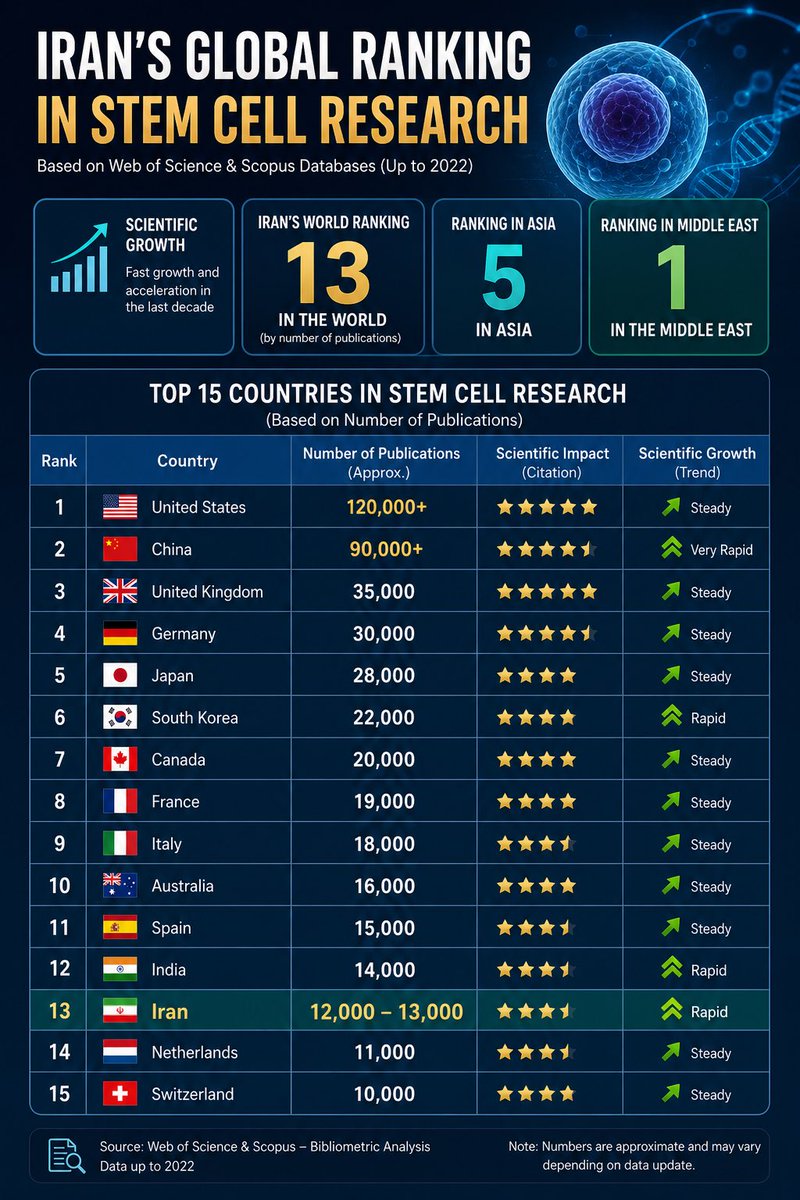
Iran on the Path of Scientific Progress 🚀
🔬 In the field of stem cells:
🌍 Ranked 13th in the world
🌏 Ranked 5th in Asia
🥇 Ranked 1st in the Middle East
📈 Rapid scientific growth over the past decade
📊 More than 12,000 scientific papers published in this field
Today, Iran is recognized as the leading regional power in stem cell research and is rapidly moving closer to advanced countries in this field.
#Iran #StemCells #ScientificProgress #Science #Innovation
1
15
55
2,566

We need to change perspective to fix our broken scientific system.
Thank you Michael Horn for the invitation to share my view in his great podcast The Future of Education!
It's about time we optimize for true #ScientificProgress, not papers, but #ChangeMinds with evidence.
May 4

What if the peer-review process isn’t just slow but optimizing for the wrong thing?
I spoke with Mathïs Fédérico, founder of Bycelium, about what he sees as a fundamental flaw in academic research: the system rewards publication count and polished narratives more than it rewards changing what we actually know.
1
1
4
127

*April 2026 Newsletter | CSIR-Indian Institute of Integrative Medicine*
A month of remarkable scientific progress, strategic collaborations, and innovation-driven initiatives at CSIR-Indian Institute of Integrative Medicine.
Guided by the vision and recommendations of Hon’ble Union Minister and Vice President, Council of Scientific and Industrial Research, Dr. Jitendra Singh, April 2026 witnessed several impactful milestones in research, biotechnology, healthcare innovation, startup development, and farmer empowerment across Jammu & Kashmir.
Under the leadership of Dr. Zabeer Ahmed, Director, CSIR-Indian Institute of Integrative Medicine, the institute successfully organized the Buyer–Seller Meet for strengthening the Medicinal & Aromatic Plants (MAPs) sector, reviewed progress of Industrial Biotech Parks at Ghatti Kathua and Handwara, formalized strategic MoUs for startup incubation and clinical research, and hosted the first-ever Scientific Conclave on Indian Pharmacopoeia in J&K.
Key initiatives under Aroma Mission, plant tissue culture skill training, and stronger farmer-industry linkages further reflected the institute’s commitment towards transforming science into sustainable livelihoods and public benefit.
This newsletter captures the journey of progress, partnerships, and purpose—driving innovation from laboratories to society.
#CSIRIIIM #CSIRIIIMJammu #AprilNewsletter #DrJitendraSingh #DrZabeerAhmed #CSIRIndia #InnovationForNation #Biotechnology #AromaMission #MedicinalPlants #ClinicalResearch #StartupEcosystem #ScientificProgress #JammuAndKashmir #ScienceForSociety
8
16
253


Mar 31
Science meets strategy 🤝
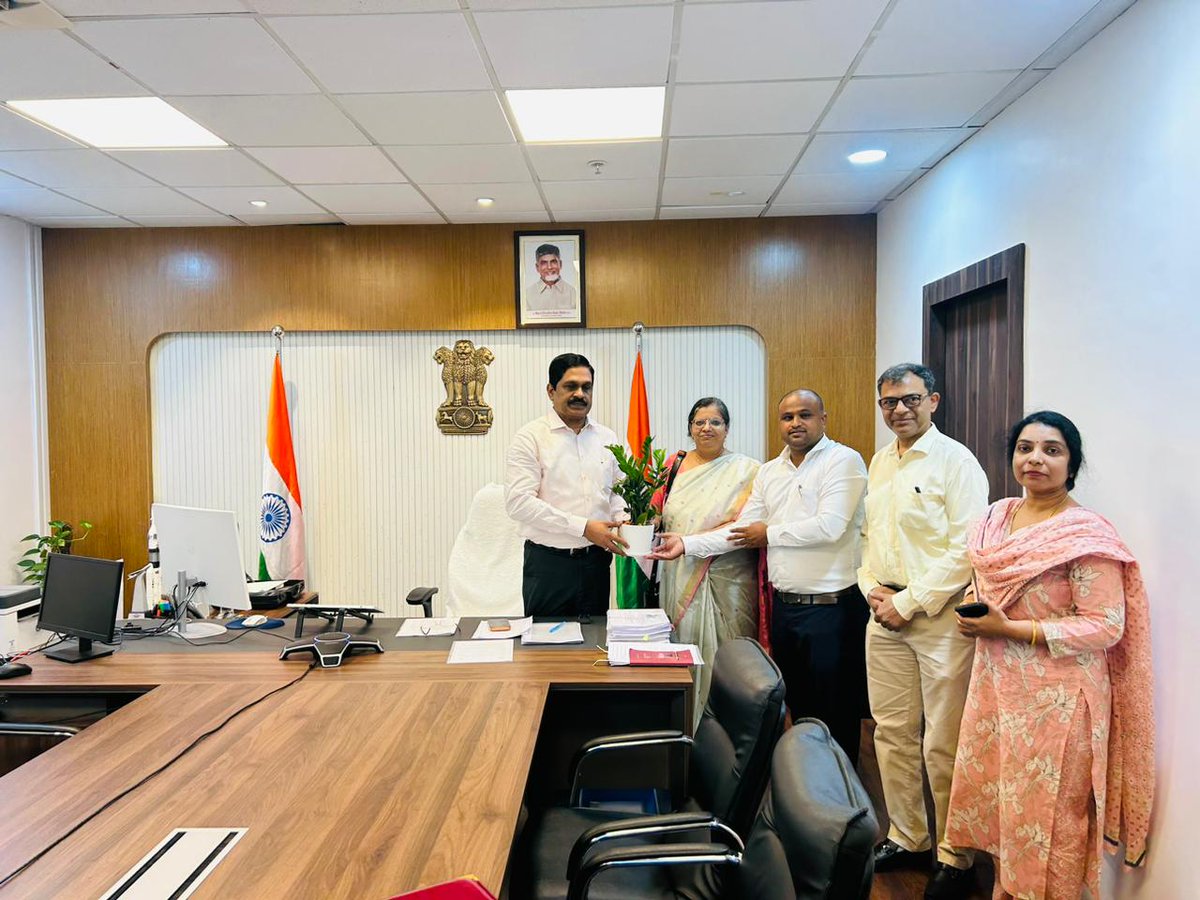
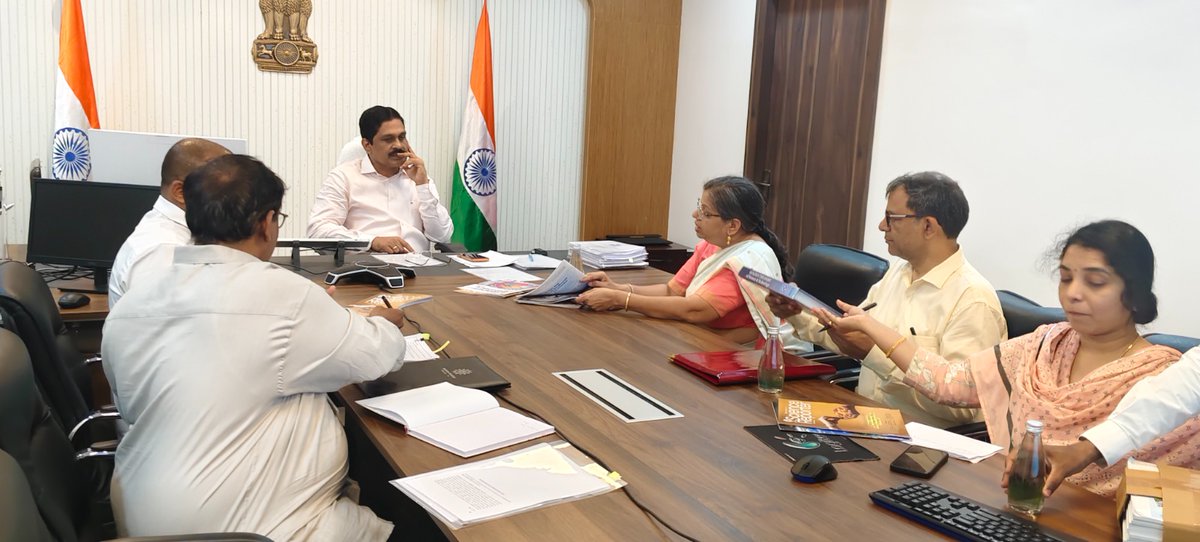
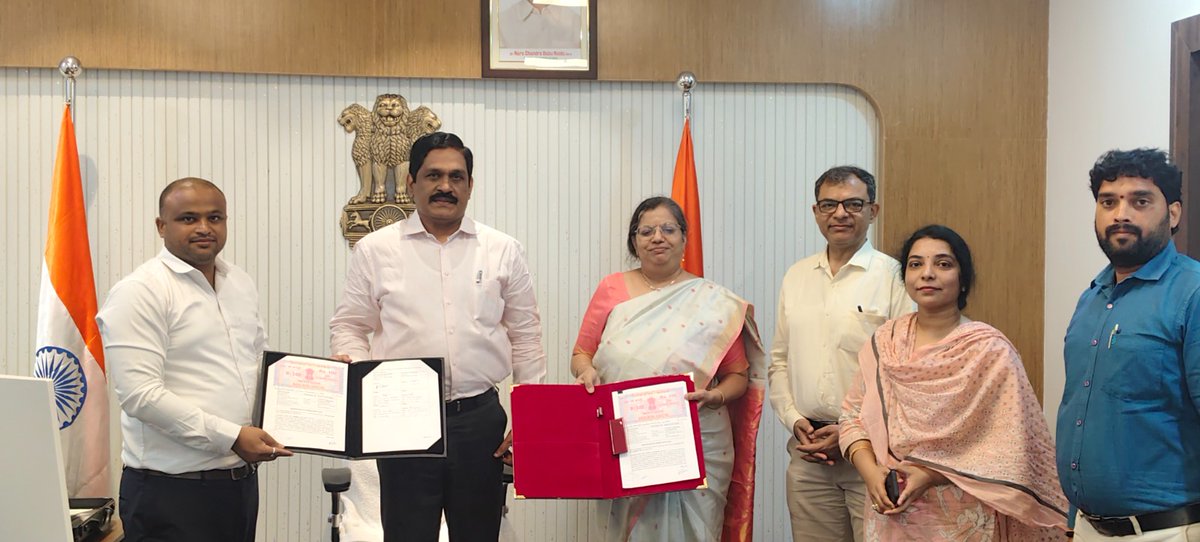
Science City of Andhra Pradesh signed a landmark MoU with CSIR–NIScPR to boost innovation, research & scientific communication 🚀📚
#ScienceCityAP #Innovation #Research #MoU #ScientificProgress

* Science City of AP Signed Strategic MoU with CSIR–NIScPR
#ScienceCityAP #GovernmentOfAndhraPradesh #CSIR #CSIRNIScPR #ScienceCommunication #STI #Innovation #STEM #STEMEducation #AndhraPradesh
1
7
213

Feb 1
پنجاب میں جدید سائنسی انقلاب کا آغاز
وزیراعظم شہباز شریف اور وزیراعلیٰ پنجاب مریم نواز شریف نے پنجاب ایگریکلچر، فوڈ اینڈ ڈرگ اتھارٹی (PAFDA) اور خواتین سائنسدانوں کے لیے خصوصی ہاسٹل کا سنگِ بنیاد رکھ دیا۔
جدید تحقیق، فوڈ سیکیورٹی اور سائنس کے میدان میں خواتین کی بااختیاری کی جانب ایک بڑا قدم🇵🇰
#Punjab #PAFDA #MaryamNawaz #ShehbazSharif #ScientificProgress #Pakistan
1
6
37
724

There are many profound implications of this. Consider 3, on the assumption of this being generally valid: 1. Cutting edge mathematical work produced outside of the system of current academia is unlikely ever to be recognized, bc it’s completely valid for professional mathematicians to ignore rando crazy people when it’s already this hard to verify work by known colleagues who claim a major achievement.
2. In theory it’s possible some Ramanujan-type geniuses have made major breakthroughs, but absent a Hardy as patron this will never be known or knowable, and currently there is no way around it. Think about how much is owed to Hardy actually reading Ramanujan’s work and doing justice to it.
3. The lifecycle of profound advances is in generations, and the best way to dramatically improve science is to find a way to accelerate this. That’s what I’m doing in my work currently on collapsing the time-scale of intellectual progress, as in the New Biology Project I direct. As I stress in my philosophical consulting on AI and the future of education, the problems of AGI already exist in certain areas, and most AGI speculation is nonsense because it does not understand this, or how crucial verification is and how difficult it is. Hardy said he was not a genius but simply had the distinction, if I remember this right, of being “at one time in the 20th Century the fourth best pure mathematician in the world.” Bessis’ work has taken over decade to begin to be recognized for the achievement he sees as most important, and that is with the internet allowing far faster and easy access to research and researchers. Those thinking about the nature of science (and I mean that generally, in the European sense, not just the natural sciences and math) should recognize without confronting this issue, scaling the pace of scientific progress is impossible. That’s why my major long-term focus is on how that can happen. It’s far more valuable to make a contribution to that problem, for me, than any single expert subdomain, which I’ve already done and am doing in my book. Systemic awareness, not merely local specialization (that is a necessary condition), is the framework needed to address this issue. #math #science #scientificprogress #philosophyofscience #agi
Jan 26

The lifecycle of a pure math theorem:
- 1997: my PhD advisor asks me to work on one of his conjectures
- 2000: I solve the simplest case and dream of generalizing my approach
- 2003: after years of struggle, I come to the conclusion that my approach *cannot* generalize
- 2006: after reading a paper by Daan Krammer, I have a lighting bulb moment and realize that my approach works in full generality *up to equivalence of categories*... this enables me to solve my advisor's conjecture... I then use it as an ingredient in the proof of a much older and more famous conjecture (the "K(π,1) conjecture for finite complex reflection groups")
- 2007: I submit my article for publication
- 2009: referee #1 gives up
- 2010: 2 more referees have now given up, complaining that the paper is too hard to read
- 2012: referee #4 is finally able to produce a report, the revision work starts
- 2014: the paper is accepted for publication
- 2015: the paper is published
- 2007-2025: because the older conjecture overshadows the lesser known conjecture by my advisor, and because my paper is too difficult, virtually no-one asks any question about the "lighting bulb" categorical idea at the core of the proof
- Jan 22, 2026: I received an inbound email from a mathematician from another hemisphere, inquiring about the categorical aspects
- Jan 26, 2026: I have my first ever videocall discussing the specifics of this core component of my proof
1
8
567

30 Dec 2025
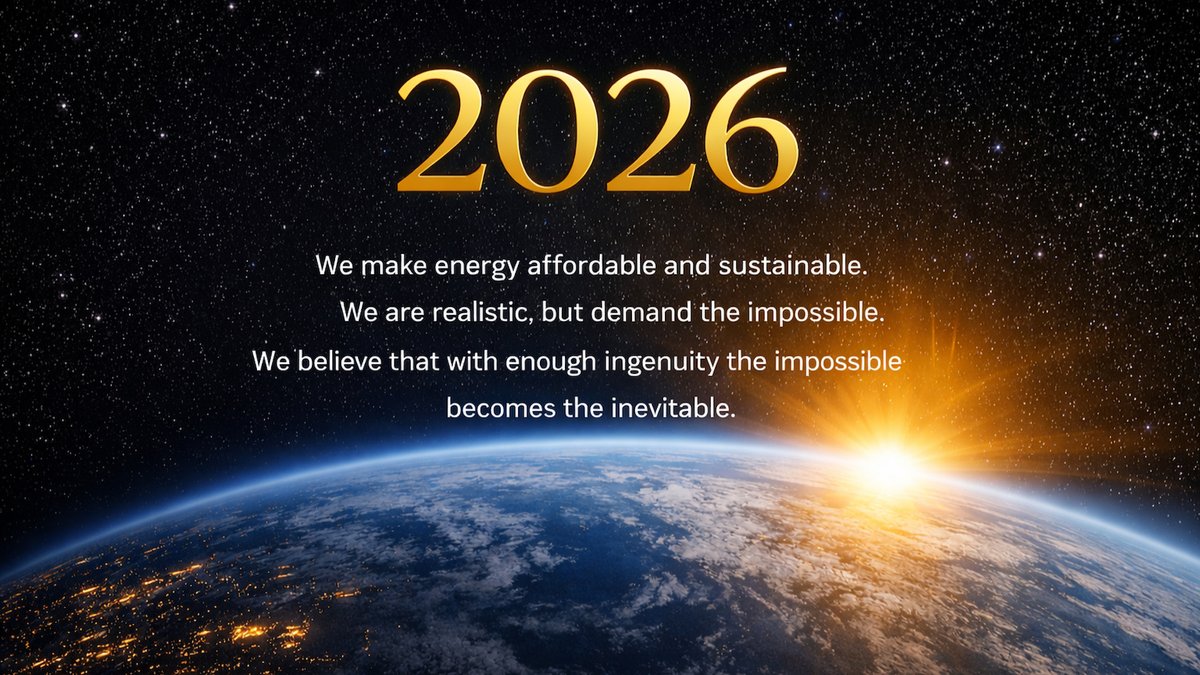
✨ As a new year begins, the world faces many challenges — but also new possibilities ✨
The world enters a tense but decisive moment. Scarcity is no longer the defining principle of energy. Advances in physics and materials science reveal a continuous environmental flux that can be converted into usable power without fuel, emissions, or centralization. This shift is grounded in measurement, not belief, and driven by necessity across AI, infrastructure, and climate adaptation. The universe provides continuity. Time provides direction. As the new year begins, confidence replaces fear. The future arrives because it works.
🔗 Read more: neutrino-energy.com/wp-conte…
#EnergyTransition #PhysicsBasedEnergy #MaterialsScience #AmbientEnergy #ScientificProgress #Neutrinovoltaics
1
4
6
230

18 Dec 2025
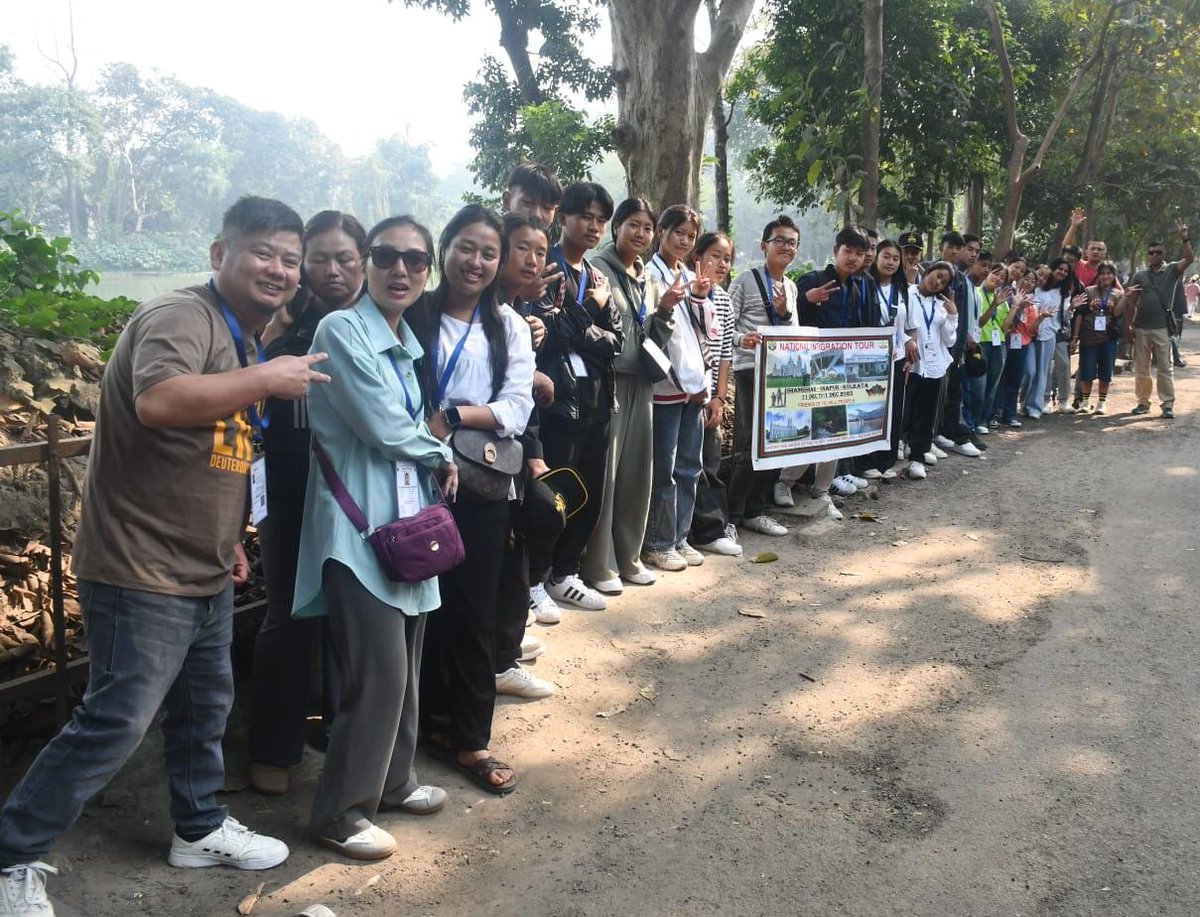
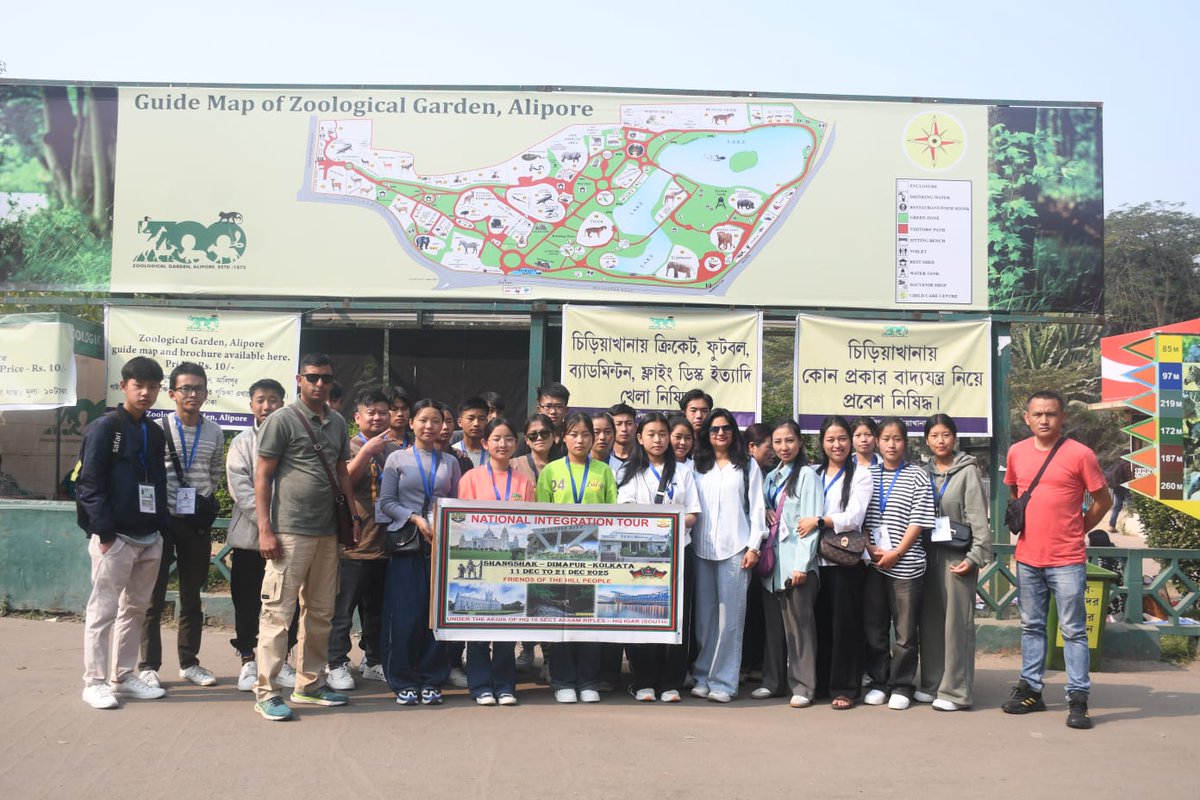
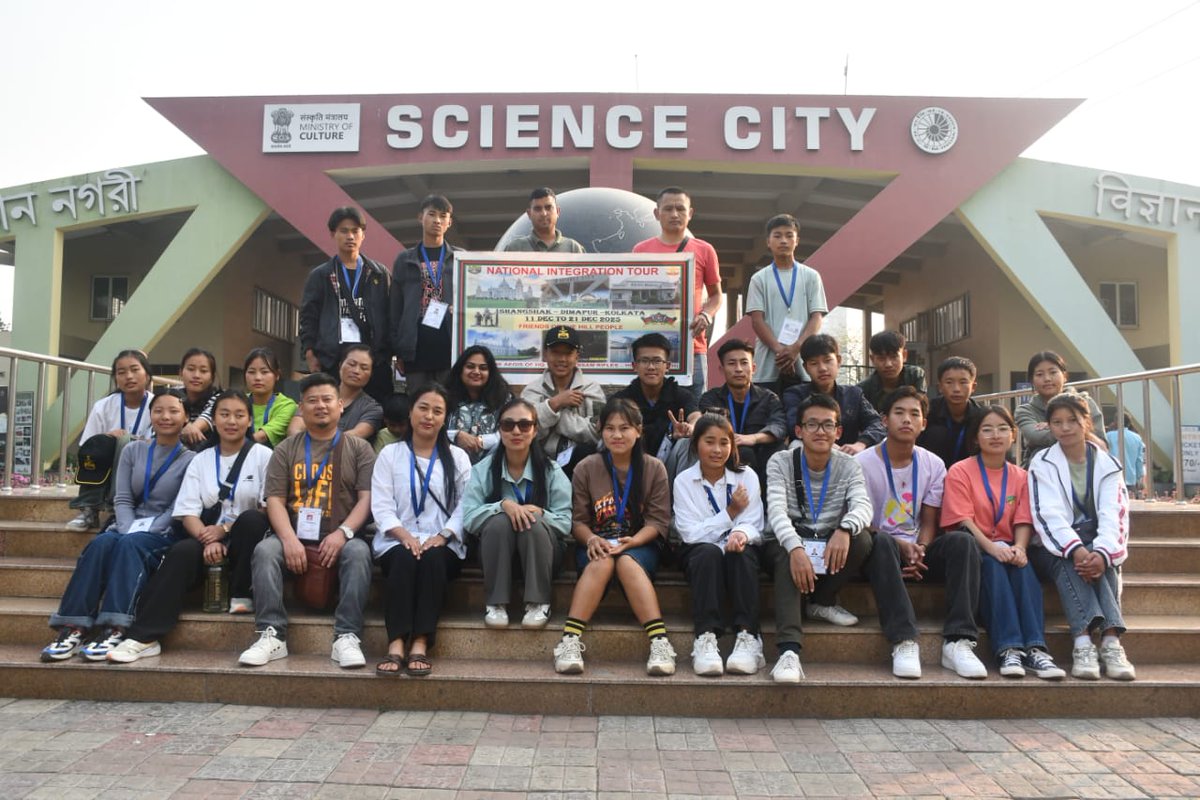
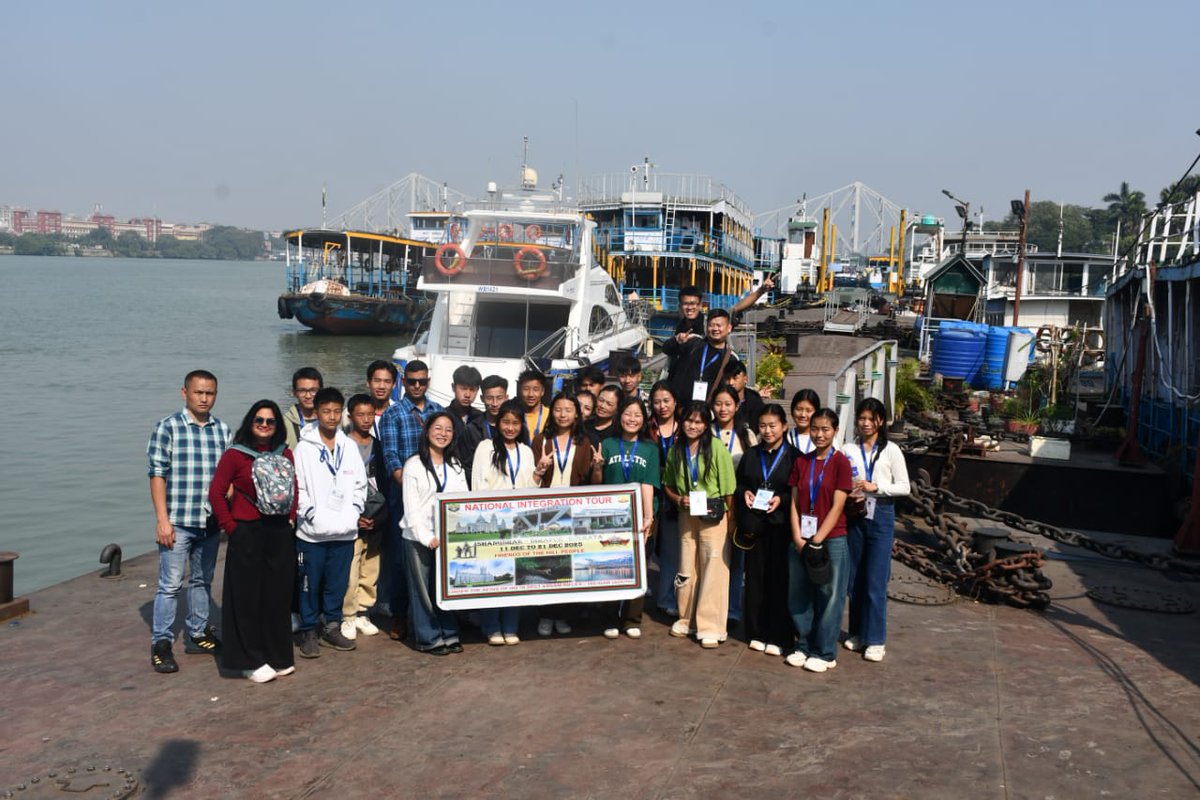
Students from #Manipur explore the cultural and scientific landmarks of #Kolkata as part of the #NationalIntegrationTour. From the historic Howrah Bridge to the Vijay Diwas Tattoo Show and Science City, the journey celebrates India’s "Unity in Diversity" and gives them an experience of national heritage, scientific progress and military ethos.
#NationalIntegrationTour के तहत #Manipur के छात्रों ने #Kolkata के सांस्कृतिक और वैज्ञानिक स्थलों का भ्रमण किया। ऐतिहासिक Howrah Bridge से लेकर Vijay Diwas Tattoo Show और Science City तक, यह यात्रा भारत की “Unity in Diversity” को दर्शाती है और छात्रों को राष्ट्रीय विरासत, वैज्ञानिक प्रगति तथा सैन्य परंपराओं का प्रत्यक्ष अनुभव कराती है।
#NationalIntegrationTour #Manipur #Kolkata #HowrahBridge #VijayDiwas #TattooShow #ScienceCity #UnityInDiversity #IndianHeritage #ScientificProgress
@adgpi
@SpokespersonMoD
@HQ_IDS_India
@easterncomd
@official_dgar
@prodefkohima
@ProDefKolkata
@DefenceMinIndia
@PIB_India
Facebook-facebook.com/share/p/1ALxaPL…
Instagram-instagram.com/spearcorps.ind…
20
41
423
5,295

4 Nov 2025
ایڈوانس ٹریٹمنٹس کی بھرمار، آج نئی اور کل نئی دریافت!
#AdvancedTreatments #MedicalInnovation #HealthUpdate #NewDiscoveries #HealthcareNews #MedicalBreakthrough #HealthTech #ScientificProgress #WellnessUpdate #MedicalTrends
1
125

18 Oct 2025
भारताने रचला इतिहास!
अंटार्क्टिकाला जाणाऱ्या भारताच्या पहिल्या थेट मालवाहू विमानसेवेने ध्रुवीय संशोधन आणि वैज्ञानिक उत्कृष्टतेमध्ये एका नवीन युगाचा प्रारंभ केला आहे.
#आत्मनिर्भर_भारत
#HistoricMoment #AtmanirbharBharat #MakeInIndia #IndiaInAntarctica #PolarMission #ScientificProgress #GlobalIndia
@BJP4India @narendramodi @JPNadda @AmitShah @blsanthosh @CMOMaharashtra @Dev_Fadnavis @mieknathshinde @BJP4Maharashtra
1
218
233
9,052

18 Oct 2025
'आत्मनिर्भर' भारताचे ऐतिहासिक उड्डाण !
आदरणीय मोदीजींच्या नेतृत्वात आपला भारत आत्मनिर्भरतेच्या दिशेने वाटचाल करत आहे. याच अनुषंगाने भारतातून प्रथमच गोवा येथील मोपा आंतरराष्ट्रीय विमानतळावरून IL-76 या मालवाहू विमानाने थेट अंटार्क्टिकाकडे उड्डाण केले.
या विमानातून सुमारे १८ टन वैज्ञानिक उपकरणे, औषधे, आणि इतर अत्यावश्यक वस्तू अंटार्क्टिकामधील 'भारती' आणि 'मैत्री' या भारतीय संशोधन केंद्रांपर्यंत पोहोचवल्या. या उड्डाणामुळे भारताच्या अंटार्क्टिक मोहिमांना आवश्यक असणारा रसद पुरवठा अधिक सक्षम आणि वेगवान होणार आहे. तसेच हे उड्डाण भारताच्या 'पोलर मिशन' मधील एक ऐतिहासिक टप्पा ठरले आहे.
#HistoricMoment #AtmanirbharBharat #MakeInIndia #IndiaInAntarctica #PolarMission #ScientificProgress #GlobalIndia #SelfReliantIndia #GoaAirport #MissionAntarctica #BharatiResearchStation #RisingIndia #Bharat #BJP4India #NarendraModi #BJP4Maharashtra #RavindraChavan4BJP #AplaRavi
7
62
66
2,289

CIRM’s 2025 Annual Report, Looking Forward: Advancing California’s Scientific Vision, is now available. It highlights #ScientificProgress, patient stories, and efforts to expand access to #RegenerativeMedicine across California.
Explore it here: adobe.ly/42FSVed
2
3
521

25 Sep 2025
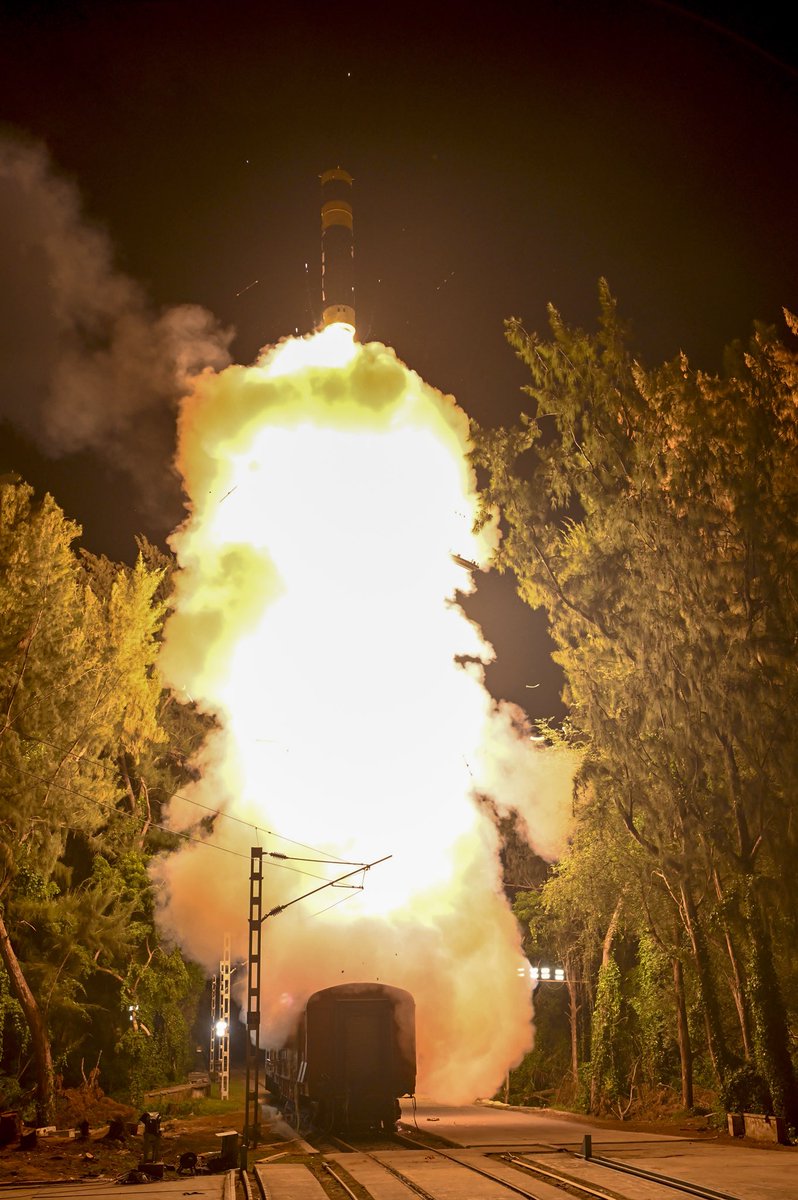
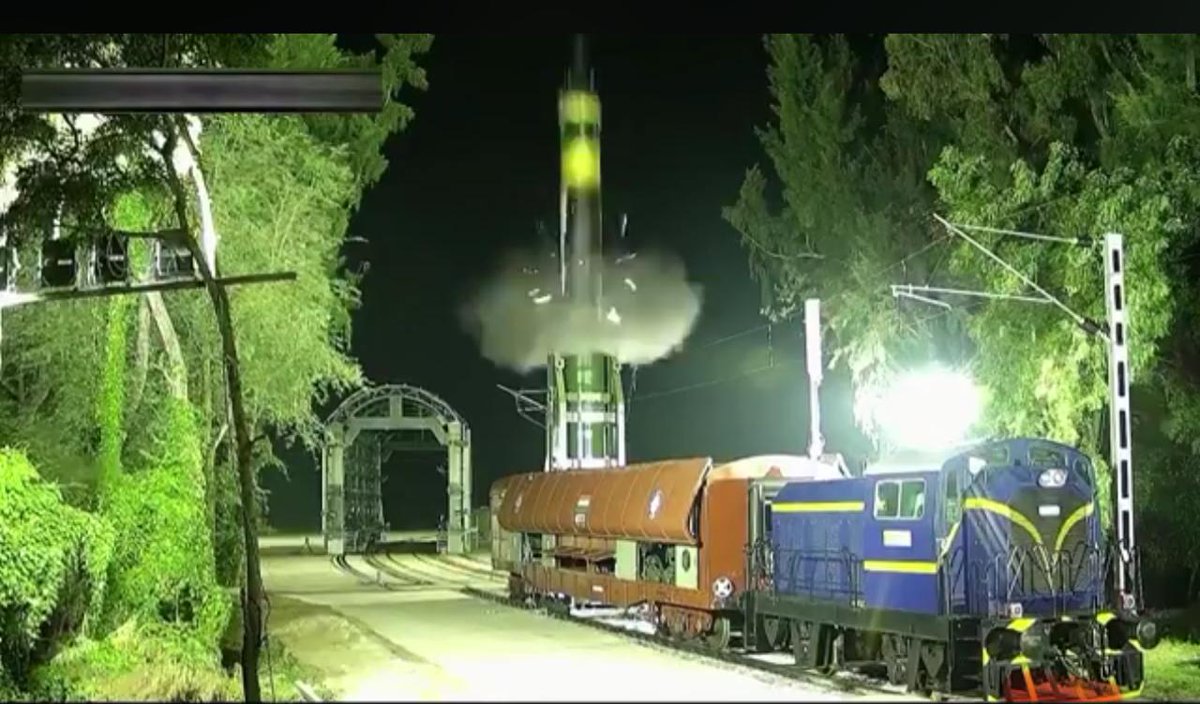
भारत ने रेल आधारित मोबाइल लॉन्चर प्रणाली से मध्यम दूरी की अग्नि-प्राइम मिसाइल का सफल प्रक्षेपण किया।
यह अगली पीढ़ी की मिसाइल 2000 किलोमीटर तक की मारक क्षमता के साथ कई उन्नत सुविधाओं से लैस है।
#रक्षाशक्ति
#स्वदेशी_शक्ति
#आत्मनिर्भर
#India
#AgniPrime
#MissileLaunch
#RailMobileLauncher
#DefencePower
#IndianArmy
#AtmanirbharBharat
#ScientificProgress
#indiandefence
#prernamedia
4
9
112

1 Aug 2025
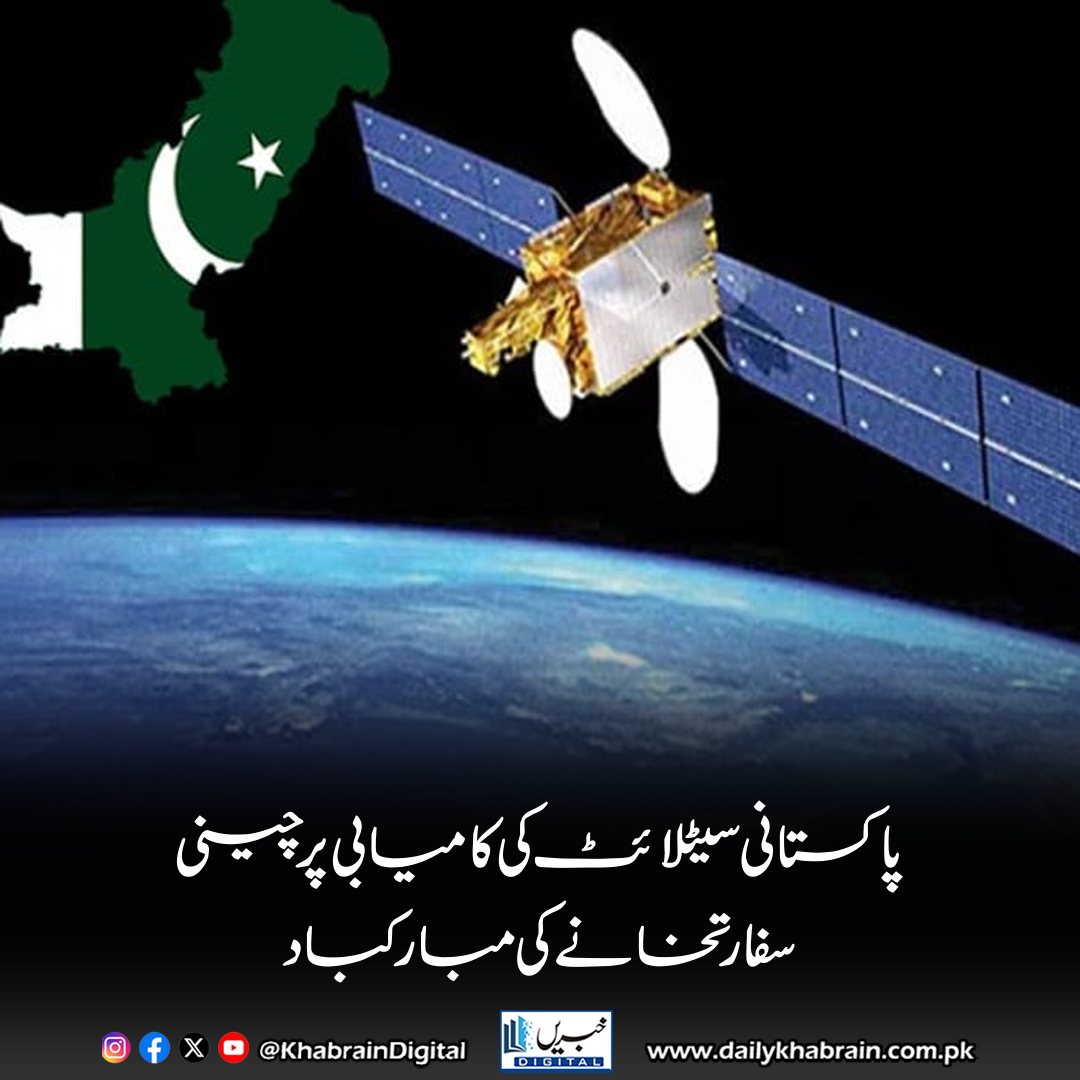
پاکستانی سیٹلائٹ کی کامیابی پر چینی سفارتخانے کی مبارکباد
dailykhabrain.com.pk/2025/08…
Tap on the link to read full story 👆
#khabraindigital #PakistanSpace #SUPARCO #RemoteSensing #ChinaPakistanCooperation #PRSS #SatelliteLaunch #XichangLaunchCenter #ScientificProgress
1
104

31 Jul 2025
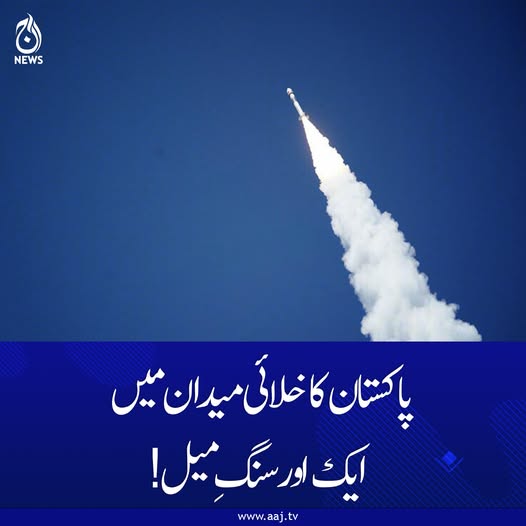
سیٹلائٹ کی مدد سے سیلاب، زلزلے، لینڈ سلائیڈنگ، گلیشیئرز کے پگھلنے اور جنگلات کے کٹاؤ جیسے عوامل کی مؤثر مانیٹرنگ ممکن ہوگی، سپارکو
مزید پڑھیئے: aaj.tv/news/30475845
#AajNews #pakistanspace #SatelliteLaunch #RemoteSensingSatellite #SUPARCO #technological #SpaceAchievement #PakistanInnovation #scientificprogress #PrideOfPakistan
1
376