
Joined September 2015
- Tweets 3,226
- Following 1,667
- Followers 721
- Likes 11,100
97 Photos and videos



Jason Fernandes retweeted

Jun 11
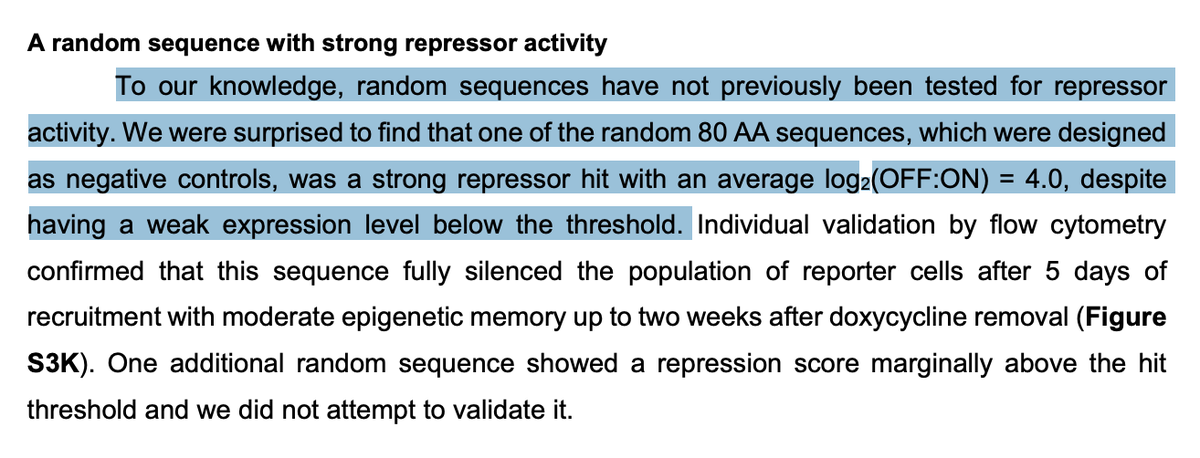
New paper! How do RNAs "know" where to go inside a cell? We dug into the sequence elements that route RNAs to the right place. It turns out that, in mammals, they're surprisingly massive (>200 nt), multipartite, and wonderfully complicated. 🧵
15
126
577
60,719
Jason Fernandes retweeted

Jun 11
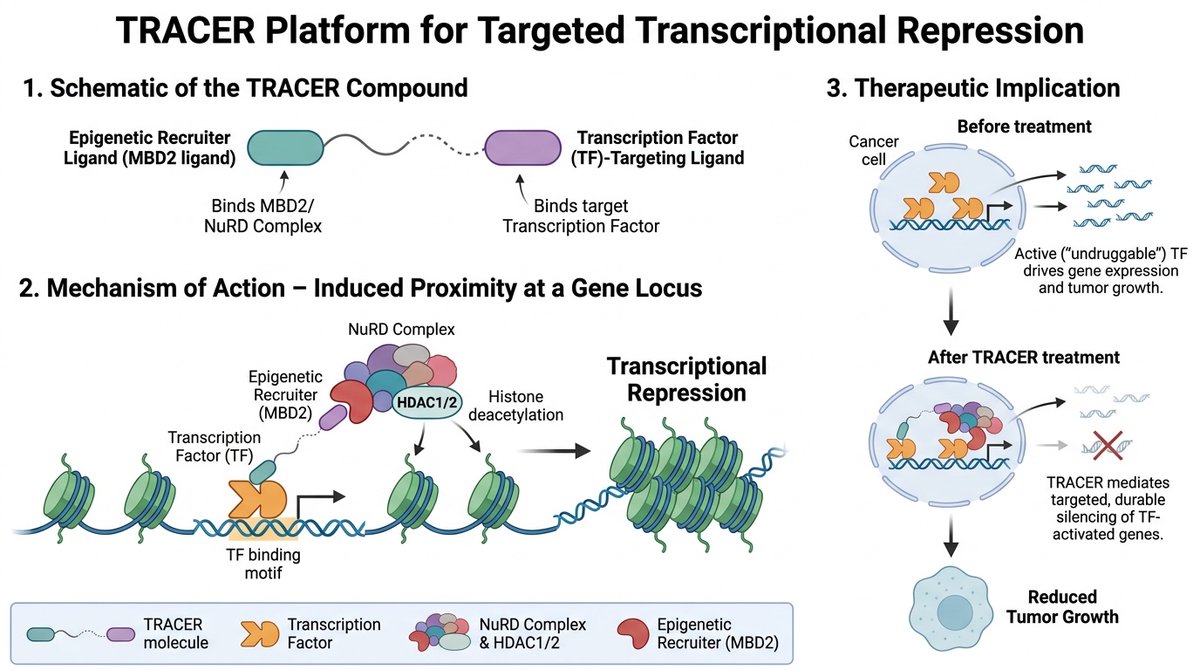
Excited to highlight our newest work on an induced proximity-based targeted transcriptional repression platform termed Transcriptional Repression via Active Chemical Epigenetic Reprogramming (TRACERs)! Congrats to @CEStieger and co-authors and our @NovartisScience collaborators!! (1/9)
pubs.acs.org/doi/10.1021/acs…
5
31
155
13,583
Jason Fernandes retweeted

Were you a postdoc on the 2025–2026 faculty job market? We’d love to hear about your experience. The Faculty Job Market Collaboration Team has launched its annual applicant survey: faculty-job-market-collab.or… We gratefully acknowledge the support of @BWF
3
8
536
Jason Fernandes retweeted

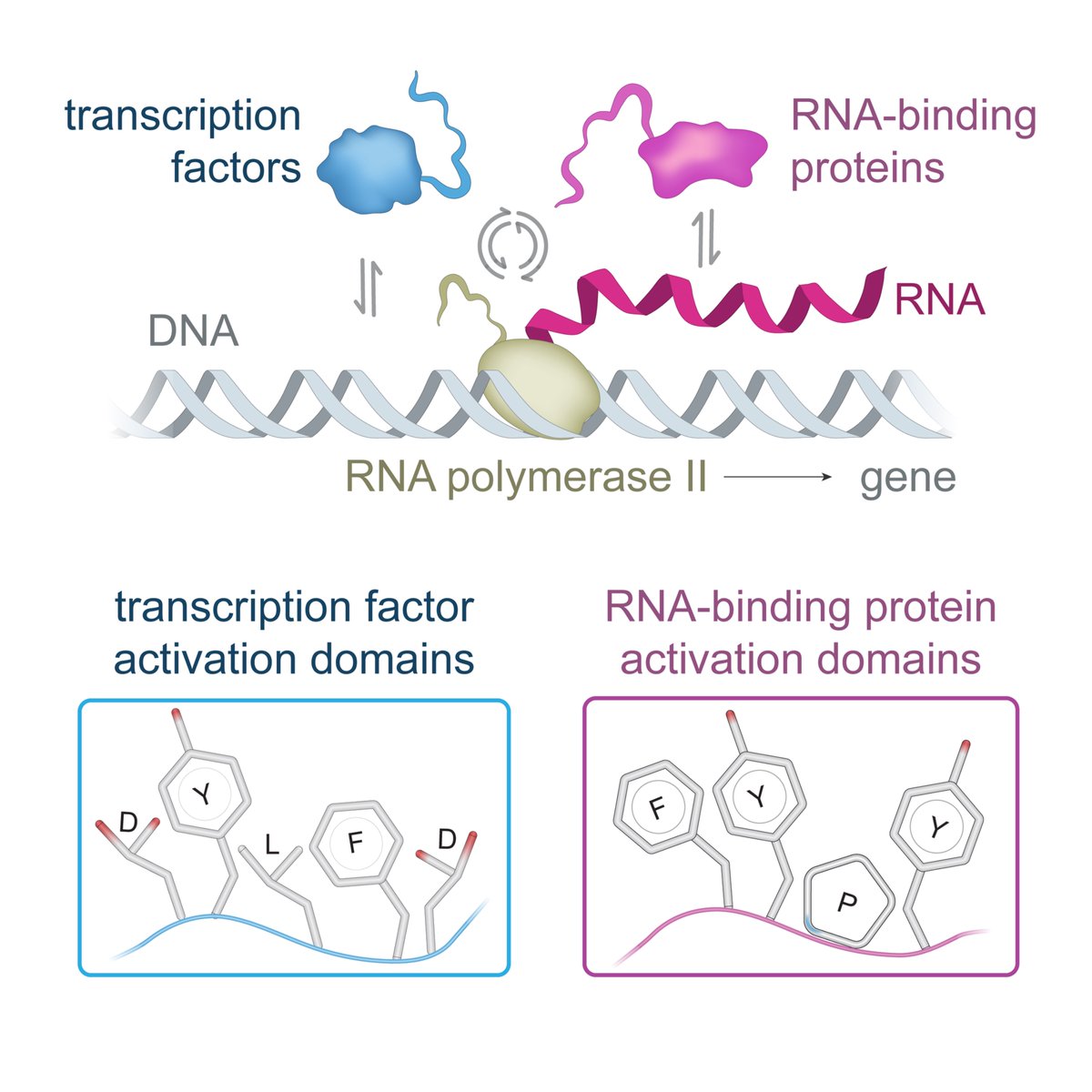
Excited to share the first pre-print from our lab!!
Check it out here! biorxiv.org/content/10.64898…
We found that many RNA-binding proteins understood to regulate RNA processing can also function like transcription factors and cofactors to directly regulate transcription.
4
79
337
20,224
Jason Fernandes retweeted

Jun 10
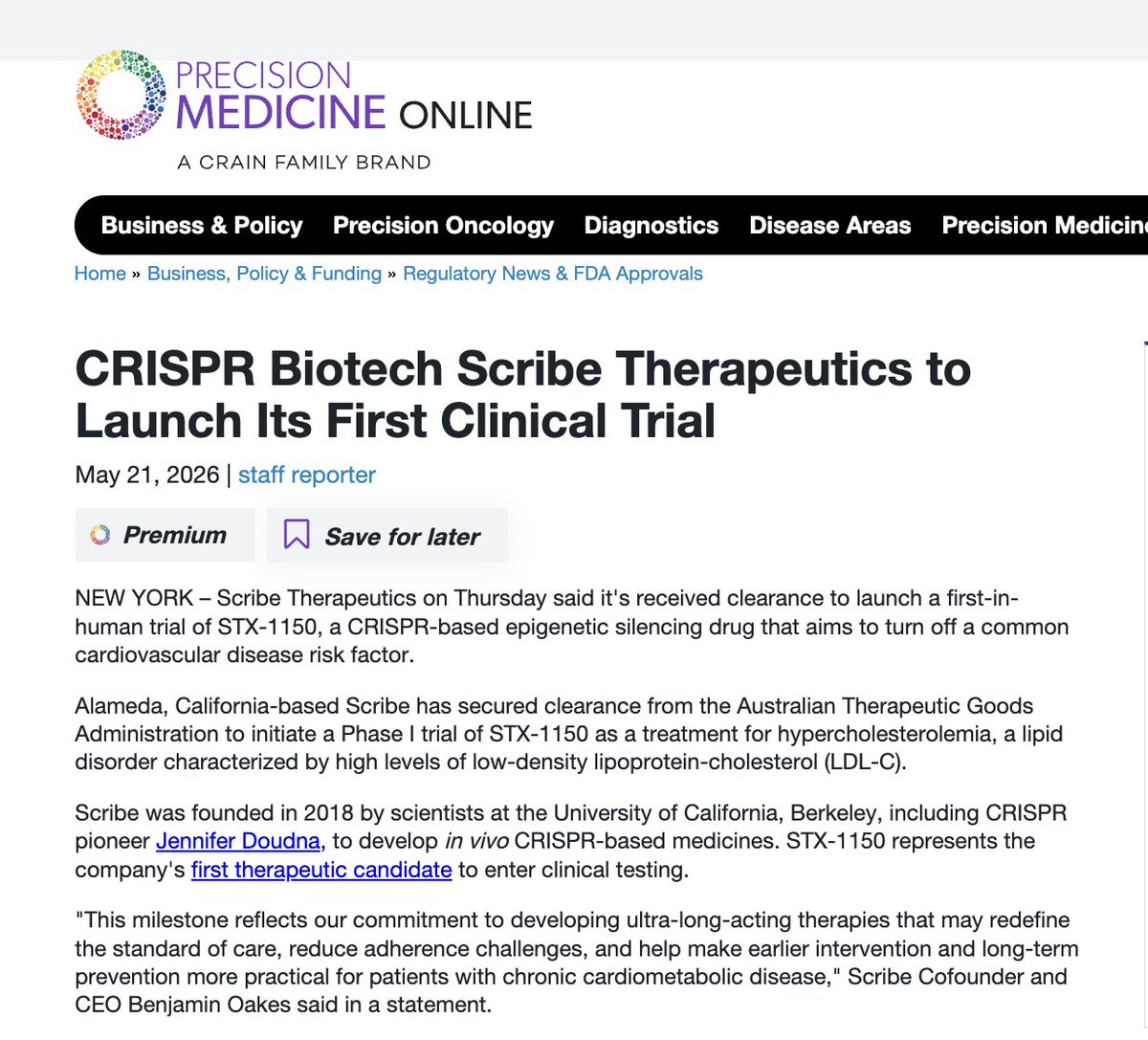
In Precision Medicine Online, read about our first clinical trial for STX-1150, our novel, in vivo therapy designed to epigenetically silence PCSK9 and deliver sustained LDL-C reduction after a single dose – without permanently altering DNA.
📖 precisionmedicineonline.com/…
5
6
439
Jason Fernandes retweeted

Jun 8
🚨 Today we report cryo-EM structures of Bxb1 integrase complexed with its attB/attP DNA substrates before, during and after recombination.
We engineer Bxb1 mutants with improved recombination and altered sequence recognition properties.
Out today @MolecularCell ⬇️
1
11
18
4,703
Jason Fernandes retweeted

MORC2 mediates transcriptional regulation through liquid-liquid phase separation
elifesciences.org/articles/1…
2
8
2,007
Jason Fernandes retweeted

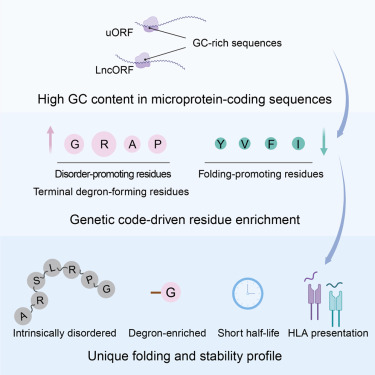
Intrinsic bias of the genetic code shapes the folding and stability landscapes of microproteins dlvr.it/TStxBF
14
60
4,786
Jason Fernandes retweeted

Jun 4
I’ve been at the nexus of tech and philanthropy for a long time, and wow: the coming wave of AI-fueled philanthropy gives us a real shot at ending the need for philanthropy. But only if it takes a radically different approach.
@nanransohoff did the math and estimates between $37-$100B of new philanthropy per year will come from the OpenAI Foundation, Anthropic founders, and Anthropic employees. That’s a 6-17% increase in annual U.S. philanthropy. She argues we’re not prepared to absorb it, because there aren’t enough good philanthropic opportunities.
But that's only if you inherit an assumption from earlier waves: that philanthropy should accept the current economic system as fixed and exist to plug its holes. Conservation to protect the lands the system would destroy. Malaria nets for those it leaves behind.
This new wave of capital can do something radically different: change the rules of the game, so that philanthropy is no longer necessary for a flourishing society.
You get what you incentivize. I saw Facebook turn into an addiction machine because that’s what our economic system rewards. Food is laced with sugar, trees are cut down, wages are squeezed. Because that’s what the system rewards. The things the system doesn’t reward, like clean air and water, or arts and universities, are left to the tiny sliver of the economy that is philanthropy. If the whole economy is producing the problems, no amount of traditional philanthropy can solve them.
Instead, philanthropy can catalyze a democratic economy that’s aligned with the public interest. Where the whole economy works in service to the things currently left to philanthropy. And because AI will supercharge whatever economy it lives within, aligning the economy is essential to aligning AI.
I’ve invested more than $100M of my own money into this work via my non-profit @oneproject. They’ve funded 80 organizations that have generated 400 policy victories, moved $2B of capital into community control, and more. Which is how I know that the field of economic democracy can absorb vastly more money: Nearly every day, we come across great organizations and talent that could be highly effective if only they had the money.
The most ambitious thing this wave could do isn't to get better at the endless fight for good. It's to actually win. To dare to win the structural changes that create a better world, rather than playing eternal crisis whack-a-mole.
If you’re about to join this new philanthropic (phil-Anthropic?) class, winning economic democracy is the most leveraged thing your philanthropy can possibly do, because it ends the need for philanthropy.
Philanthropy has always treated symptoms. The AI wave should cure the disease.
1
2
5
565
Jason Fernandes retweeted
Were you a #postdoc on the 2025–2026 faculty job market? Tell us about your experience in the Faculty Job Market Collaboration’s annual applicant survey: faculty-job-market-collab.or… Thanks to @BWF for their support. #facultyjobs
4
3
748
Jason Fernandes retweeted

Jun 1
Today, we’re excited to share mRNAutilus, our experimentally-validated framework for multi-objective generation of full-length mRNAs, jointly optimizing coding sequences and UTRs for expression, stability, and translation!⚓️
📜: arxiv.org/abs/2605.31296
💻: autona.atombio.ai/
5
27
173
12,145
Jason Fernandes retweeted

May 31
The paradigm says that coactivators are passively recruited to targets by transcription factors (TFs). But is that the whole story?
We explore the Mediator subunit Med15 to ask: Do its activator-binding domains (ABDs) alone drive UAS targeting?
biorxiv.org/content/10.64898…
1
5
33
3,992
Jason Fernandes retweeted

May 26
"AAV-mediated delivery of #CRISPR/Cas9 targeting conserved overlapping ORFs efficiently suppresses HBV replication in hepatocyte models"
Kongsomboonchoke P, Pewkliang Y [..] Sa-ngiamsuntorn K, Hongeng S.
Biotechnol Rep. 2026-05-19.
doi.org/10.1016/j.btre.2026.…
2
2
174
Jason Fernandes retweeted

May 21
𝗧𝗼𝗱𝗮𝘆, 𝗦𝗰𝗿𝗶𝗯𝗲 𝗧𝗵𝗲𝗿𝗮𝗽𝗲𝘂𝘁𝗶𝗰𝘀 𝗼𝗳𝗳𝗶𝗰𝗶𝗮𝗹𝗹𝘆 𝗯𝗲𝗰𝗮𝗺𝗲 𝗮 𝗰𝗹𝗶𝗻𝗶𝗰𝗮𝗹-𝘀𝘁𝗮𝗴𝗲 𝗯𝗶𝗼𝘁𝗲𝗰𝗵𝗻𝗼𝗹𝗼𝗴𝘆 𝗰𝗼𝗺𝗽𝗮𝗻𝘆 𝘄𝗶𝘁𝗵 𝘁𝗵𝗲 𝗮𝗱𝘃𝗮𝗻𝗰𝗲𝗺𝗲𝗻𝘁 𝗼𝗳 𝗦𝗧𝗫-𝟭𝟭𝟱𝟬, a novel 𝘪𝘯 𝘷𝘪𝘷𝘰 epigenetic CRISPR therapy designed to deliver ultra-durable lowering of “bad cholesterol,” from a single dose, all without permanently altering the genome.
This program is built on years of intentional and iterative engineering focused on improving the safety, specificity, potency, and durability of CRISPR medicines.
𝗕𝘂𝘁 𝘄𝗵𝗮𝘁 𝗲𝘅𝗰𝗶𝘁𝗲𝘀 𝗺𝗲 𝗺𝗼𝘀𝘁 𝗶𝘀 𝘄𝗵𝗮𝘁 𝘁𝗵𝗶𝘀 𝗰𝗼𝘂𝗹𝗱 𝗺𝗲𝗮𝗻 𝗳𝗼𝗿 𝗽𝗮𝘁𝗶𝗲𝗻𝘁𝘀 𝗹𝗶𝗸𝗲 𝗺𝘆𝘀𝗲𝗹𝗳.
As someone at high risk of ASCVD, like roughly one-third of adults in the U.S., I’ve spent a lot of time thinking about the burden patients carry. For a chronic disease like ASCVD, prevention is far from easy. Success depends on maintaining near-perfect adherence to pills or injections for decades. In the real world, that’s incredibly difficult and simply not practical for most people. The fact that ASCVD remains the leading cause of death globally, despite plenty of therapeutic choices, makes that painfully clear.
𝗧𝗵𝗲 𝗳𝘂𝘁𝘂𝗿𝗲 𝗼𝗳 𝗺𝗲𝗱𝗶𝗰𝗶𝗻𝗲 𝘀𝗵𝗼𝘂𝗹𝗱 𝗮𝘀𝗽𝗶𝗿𝗲 𝘁𝗼 𝗺𝗼𝗿𝗲 𝘁𝗵𝗮𝗻 𝗰𝗵𝗮𝗶𝗻𝗶𝗻𝗴 𝗽𝗮𝘁𝗶𝗲𝗻𝘁𝘀 𝘁𝗼 𝗹𝗶𝗳𝗲𝗹𝗼𝗻𝗴 𝗺𝗲𝗱𝗶𝗰𝗮𝘁𝗶𝗼𝗻𝘀.
The vision behind STX-1150 is to provide year to decades of LDL-C lowering from a simple intervention, helping free patients from the constant burden of chronic treatment while more effectively reducing the risk of the world’s leading cause of death.
The future is about empowering patients to take greater control of our own health destiny and preventing disease rather than waiting to treat it after catastrophe occurs.
𝗜 𝗯𝗲𝗹𝗶𝗲𝘃𝗲 𝗮 𝗻𝗲𝘄 𝗲𝗿𝗮 𝗼𝗳 𝘁𝗵𝗲𝗿𝗮𝗽𝗲𝘂𝘁𝗶𝗰𝘀 𝗶𝘀 𝗼𝗻 𝘁𝗵𝗲 𝗵𝗼𝗿𝗶𝘇𝗼𝗻, 𝗼𝗻𝗲 𝘄𝗵𝗲𝗿𝗲 𝗺𝗲𝗱𝗶𝗰𝗶𝗻𝗲 𝗰𝗮𝗻 𝗱𝘂𝗿𝗮𝗯𝗹𝘆 𝗿𝗲𝘀𝗵𝗮𝗽𝗲 𝗹𝗼𝗻𝗴-𝘁𝗲𝗿𝗺 𝗵𝗲𝗮𝗹𝘁𝗵 𝗮𝗻𝗱 𝗮𝗹𝗹𝗼𝘄 𝘂𝘀 𝗮𝗹𝗹 𝘁𝗼 𝗹𝗶𝘃𝗲 𝗹𝗼𝗻𝗴𝗲𝗿, 𝗵𝗲𝗮𝗹𝘁𝗵𝗶𝗲𝗿 𝗹𝗶𝘃𝗲𝘀 𝘄𝗶𝘁𝗵 𝗴𝗿𝗲𝗮𝘁𝗲𝗿 𝗳𝗿𝗲𝗲𝗱𝗼𝗺.
Extremely proud of the entire Scribe team for advancing this vision. Excited for what comes next.
May 21

Announcing our first clinical trial.
Scribe has secured regulatory clearance from Australia’s @TGAgovau to initiate a first-in-human clinical study of STX-1150 for the treatment of hypercholesterolemia, a major driver of atherosclerotic cardiovascular disease (ASCVD).
Details🧵
5
7
29
6,168

May 21
Five years ago we sketched out the designs for our first epigenome editors. Proud to see those sketches move into the clinic.
You can read more about the technology underpinning our epi-editors in this preprint we recently presented at ASGCT: biorxiv.org/content/10.64898…
May 21
Announcing our first clinical trial.
Scribe has secured regulatory clearance from Australia’s @TGAgovau to initiate a first-in-human clinical study of STX-1150 for the treatment of hypercholesterolemia, a major driver of atherosclerotic cardiovascular disease (ASCVD).
Details🧵
3
4
514
Jason Fernandes retweeted

I wrote this piece to promote thoughtful, respectful, and rational engagement with controversial science topics. I hope it fosters constructive dialogue in the scientific community—thank you for reading and sharing 🙏🏼 @NatRevImmunol
nature.com/articles/s41577-0…
59
343
1,181
161,022
Jason Fernandes retweeted

Protein/enzyme engineering has a severe bottleneck — and it's not in AI modeling or compute time.
It's in actually building and testing protein variants.
Proud to introduce our latest work, MIDAS: a way to go from primers to protein assays in mammalian cells in one day. 🧵
11
50
321
31,256
Jason Fernandes retweeted

May 13
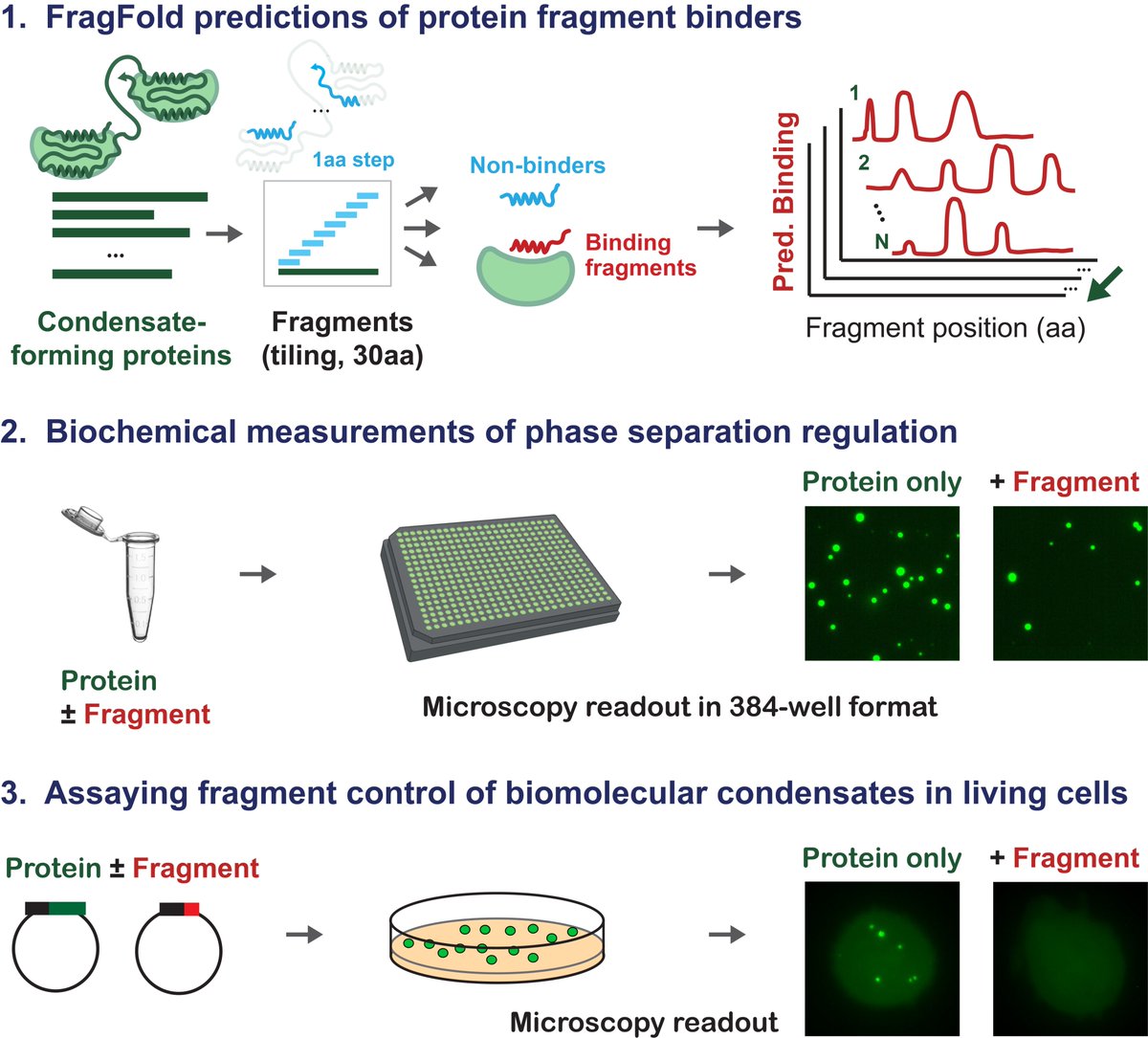
Interested in genetically encodable inhibitors of your favorite biomolecular condensate? Excited to announce our latest work, w/ @jibin_sadasivan, @GeneWeiLiLab, & @LindsayCase19, on protein fragments as generalizable regulators of phase separation. (1/n)
biorxiv.org/content/10.64898…
3
36
134
20,990
Jason Fernandes retweeted

May 11
"Human hepatocytes show continuous and lifelong turnover, allowing the liver to remain a young organ (average age <3 years)." Yet, "physiological liver cell renewal in humans is mainly dependent on diploid hepatocytes, whereas polyploid cells are compromised in their ability to divide." We get more polyploid cells as we age, and limit the ability of the liver to regenerate (at least so far): cell.com/cell-systems/fullte….
19
68
6,906
Jason Fernandes retweeted

May 8
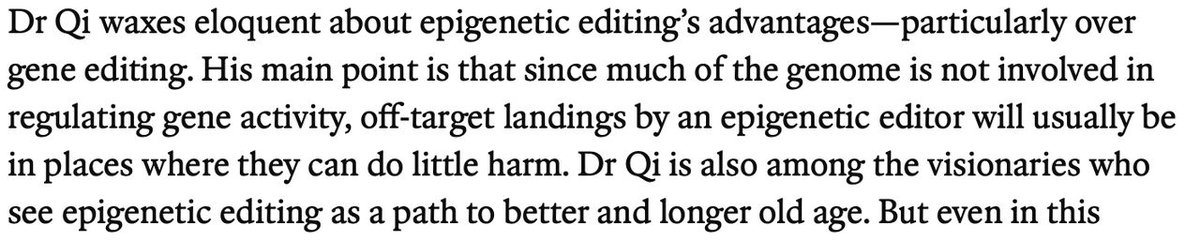
"Given a fair wind [epigenetic editing] seems likely to establish itself as an important part of the medicine of the mid-21st century."
@TheEconomist recently ran a feature on epigenome editing, and the framing represents a major shift in mainstream understanding. They positioned the field not as a mere alternative to gene editing, but as the lower-risk, more nuanced path forward for many therapeutic applications.
Reflecting on this as someone who has been in the field since 2012, a few things stand out:
1. The "cutting paradigm" dominated the CRISPR conversation for years. The realization that epigenetic editing’s safer profile is a substantive scientific advantage is finally reaching a broader audience.
2. With three companies in human trials, including the progress we are making at Epicrispr Biotechnologies on FSHD, this is no longer speculative. We are in the era of patient outcomes.
3. The article rightfully flags longevity as a highly speculative frontier. While the epigenetic component of aging is real, we must remain ambitious without overpromising as we move from treating disease to enhancing human healthspan.
To the founders, clinicians, and especially the students and postdocs: this recognition is a signal that the work of the past decade has built something real.
The next decade will be even more transformative.
The article: economist.com/science-and-te…
#EpigeneticEditing #Biotech #CRISPR #GeneTherapy #FSHD #EpicrisprBiotechnologies #Stanford
5
18
2,159