Joined January 2016
- Tweets 6,872
- Following 239
- Followers 1,076
- Likes 16,987
39 Photos and videos


Mitchell B Lee, PhD retweeted

Jan 29
🧵 Elon: “Longevity is an extremely solvable problem”
At Vitalist Bay (May 14 - May 17), we’re solving it!
1K pioneers, 100 speakers, 50 workshops, 40 activities, 5 critical health tests
Join us to spark dozens of SpaceXs for longevity!
363
897
9,091
6,863,136
Mitchell B Lee, PhD retweeted

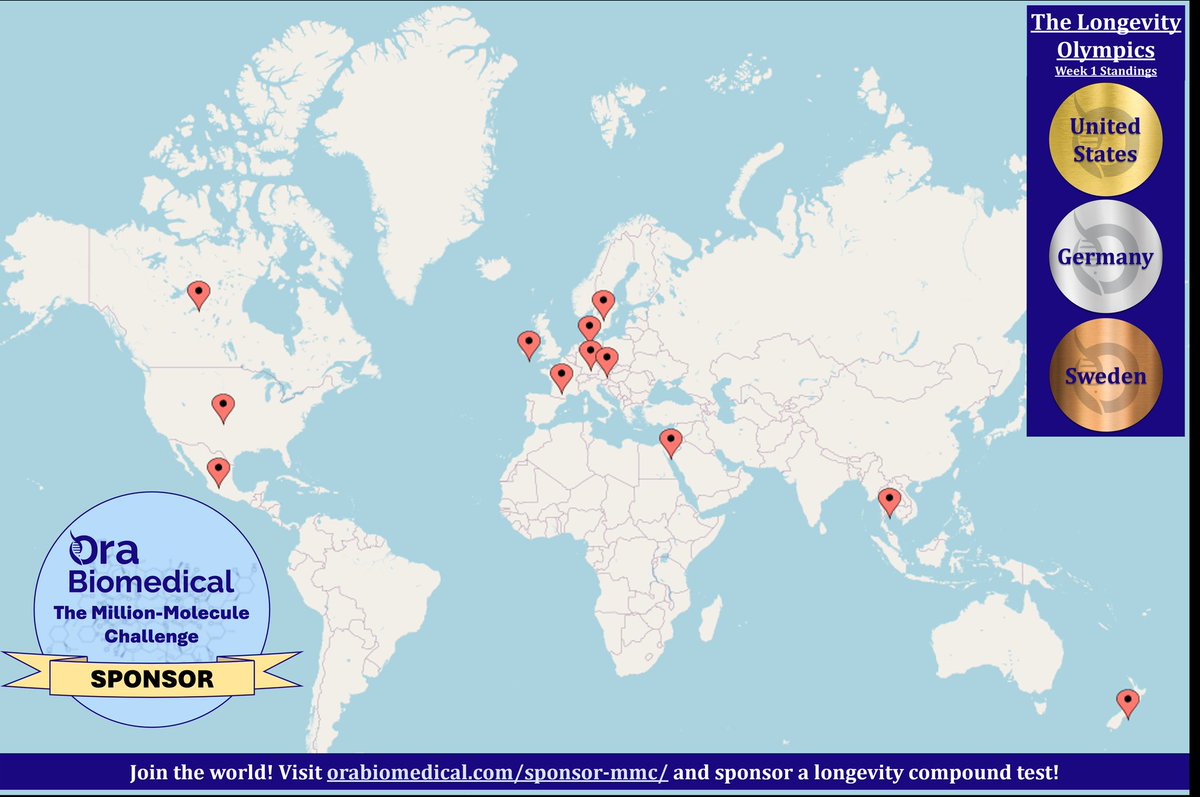
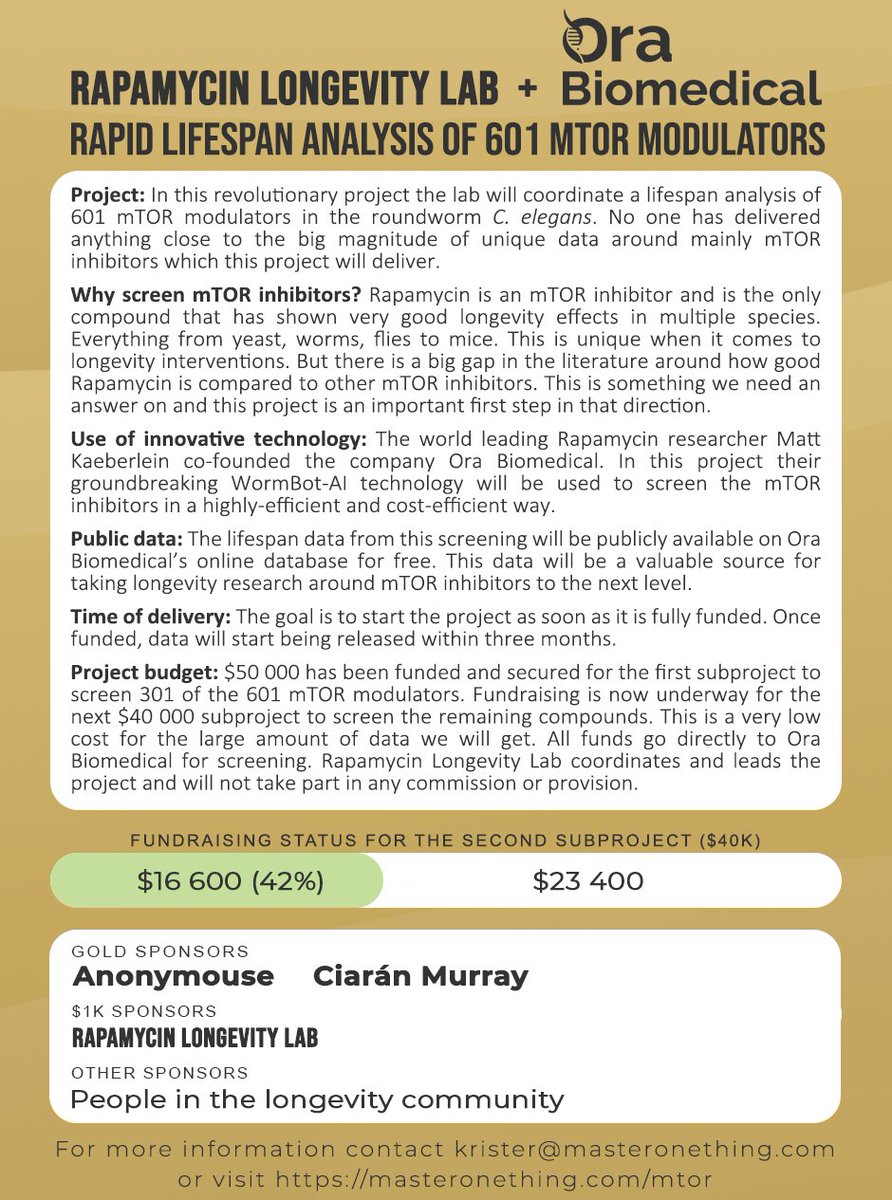
Together we've now reached 42% funding of the second subproject in the largest lifespan analysis of 601 mTOR modulators. The goal with this project is to uncover the next breakthrough beyond the mTOR inhibitor Rapamycin, which is currently the most promising longevity compound due to its effects across multiple species. But there are likely even more potent longevity compounds waiting to be discovered and that’s exactly what this project is all about!
A huge thank you to Ciarán Murray for his generous support for the longevity research project! All this support is making a real difference in advancing longevity research and generating unique data that no one else has delivered to the field before. This large dataset will be publicly available for everyone, providing an important foundation for labs, researchers and AI to progress beyond basic studies toward more advanced and impactful longevity research.
The current gold sponsors are
✅ Ciarán Murray: a longevity enthusiast and tech founder of @OlasProtocol. Connect with him on X via @C1aranMurray
✅ Anonymouse: A anonymous contribution by Anonymouse
Other sponsors of the project
✅ Rapamycin Longevity Lab: The mission is to become the leading experts in combinational longevity therapies in which we use a mTOR inhibitor as a base.
✅ People in the longevity field: Big thanks for all the support! Let me know if you want to be highlighted in the next fundraising status update.
If you're passionate about longevity or want to help make a difference, we’d love for you to get involved in this historical project! Whether through sponsoring, sharing this post or even just giving it a thumbs up. Every action helps to move the needle forward. Let’s make this happen together!
PS. In July I published the top list of compounds from phase 1 of the project. Next week I will publish the bottom list of the compounds and in September the goal is to get all the data on the first 301 mTOR modulators published to Rapamycin Longevity Lab's and Ora's open databases. Step by step forward!
5
11
47
4,217
Mitchell B Lee, PhD retweeted
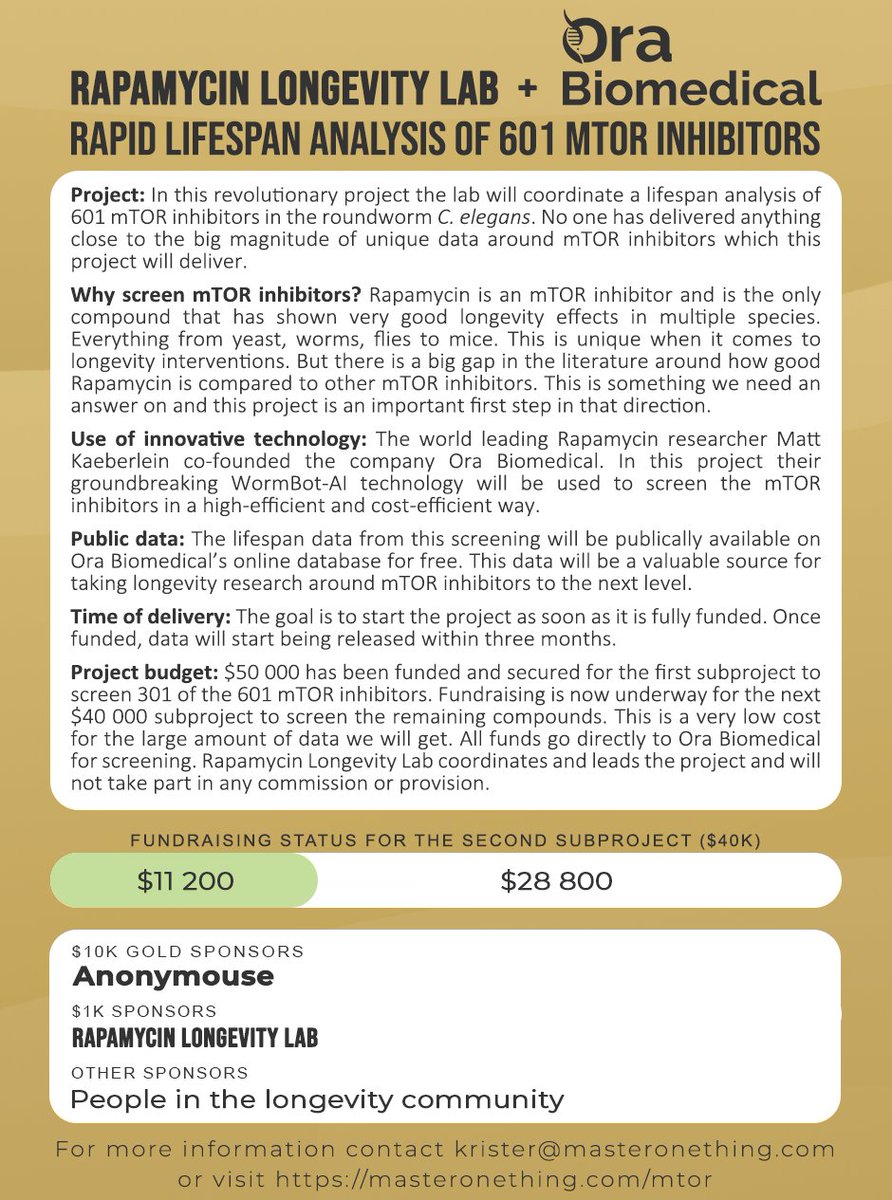
We’re thrilled to announce that we’ve reached 28% funding for our second subproject, where we’ll screen the remaining 300 mTOR inhibitors! The goal is to uncover the next breakthrough beyond the mTOR inhibitor Rapamycin, which is currently the most promising longevity compound due to its effects across multiple species. But there are likely even more potent longevity compounds waiting to be discovered and that’s exactly what this project is all about!
A massive thank you to everyone who has contributed so far and especially to Anonymouse for the latest generous $10K contribution to the second subproject! All this support is making a real difference in advancing longevity research and generating unique data that no one else has delivered to the field before. This large dataset will be publicly available for everyone, providing an important foundation for labs, researchers and AI to progress beyond basic studies toward more advanced and impactful longevity research.
If you're passionate about longevity or want to help make a difference, we’d love for you to get involved in this historical project! Whether through sponsoring, sharing this post or even just giving it a thumbs up. Every action helps to move the needle forward. Let’s make this happen together!
6
32
3,164
Mitchell B Lee, PhD retweeted

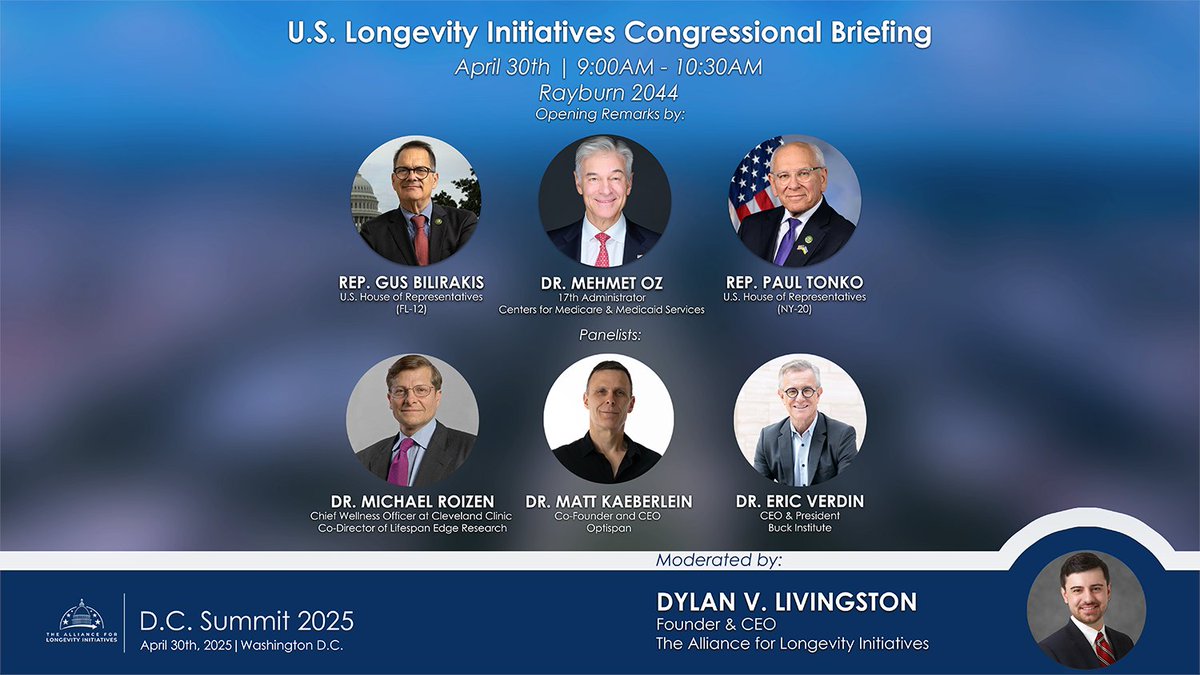
𝗢𝘂𝗿 𝗗.𝗖. 𝗦𝘂𝗺𝗺𝗶𝘁 𝗖𝗼𝗻𝗴𝗿𝗲𝘀𝘀𝗶𝗼𝗻𝗮𝗹 𝗕𝗿𝗶𝗲𝗳𝗶𝗻𝗴 𝗶𝘀 𝗻𝗼𝘄 𝗹𝗶𝘃𝗲 𝗼𝗻 𝗬𝗼𝘂𝗧𝘂𝗯𝗲!
We were honored to feature opening remarks from Longevity Science Caucus Co-Chairs, Representative
@RepGusBilirakis (FL-12) and Representative @RepPaulTonko (NY-20), along with @DrOz, the 17th Administrator of the Centers for Medicare & Medicaid Services.
The briefing also included insights from our distinguished panelists:
🔹 Dr. Michael Roizen — Chief Wellness Officer, Cleveland Clinic / Co-Director, Lifespan Edge
🔹 Dr. Eric Verdin — CEO & President, Buck Institute for Research on Aging
🔹 Dr. Matt Kaeberlein (@mkaeberlein) — Co-Founder & CEO, Optispan
A huge thank you to our A4LI sponsors for making this event possible. We're excited to continue working together to build bipartisan momentum for policies that extend healthy lifespans and address age-related diseases.
Watch here: youtu.be/YflnHiI_ywY.
@bioagelabs @RetroBio_ @soniaarrison @KarlPfleger @AFARorg @americanaging @ahlresearch @BuckInstitute @GordianBio @Optispan_Inc @hqlongevc @lifebiosciences @faunabio @LifespanIO @agelessrx_ @repairbio @NaNotics @ZuberLawler @matterbio @InterveneImmune @GenerationLab_ @gladdenlongevit @LifeRubedo @YuvaBio @H_L_Clinic @NFX @Rejuve_AI @HealthspanCap @edwardlando @OraBiomedical @LifeExtension @Pnoe_Analytics
1
7
25
1,101
Mitchell B Lee, PhD retweeted

2 May 2025
My little pet project - op-eds by prominent geroscientists - just got a big boost with a fascinating piece by @fedichev. If you are a renowned expert and want to join the conversation, or if you know one, please DM me. The field needs debate! lifespan.io/news/playing-the…
2
12
878
Mitchell B Lee, PhD retweeted

2 May 2025
In a new op-ed, @fedichev, Director and co-founder of @hacking_aging, argues that truly radical life extension will require both deeper insight into the aging process and more advanced technologies.
Read it here: lifespan.io/news/playing-the…
3
6
29
1,153
Mitchell B Lee, PhD retweeted
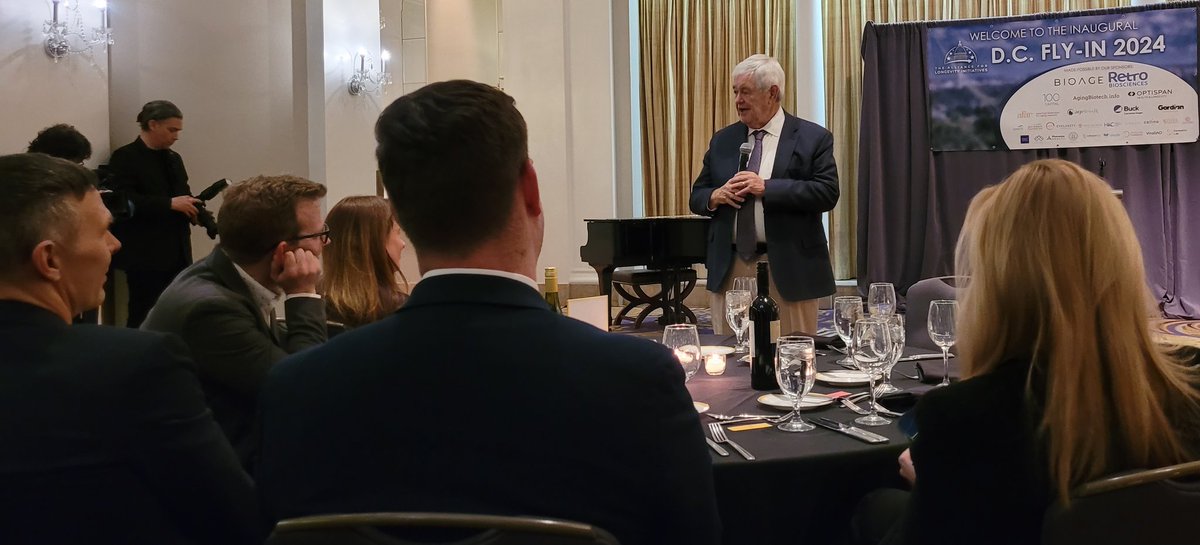
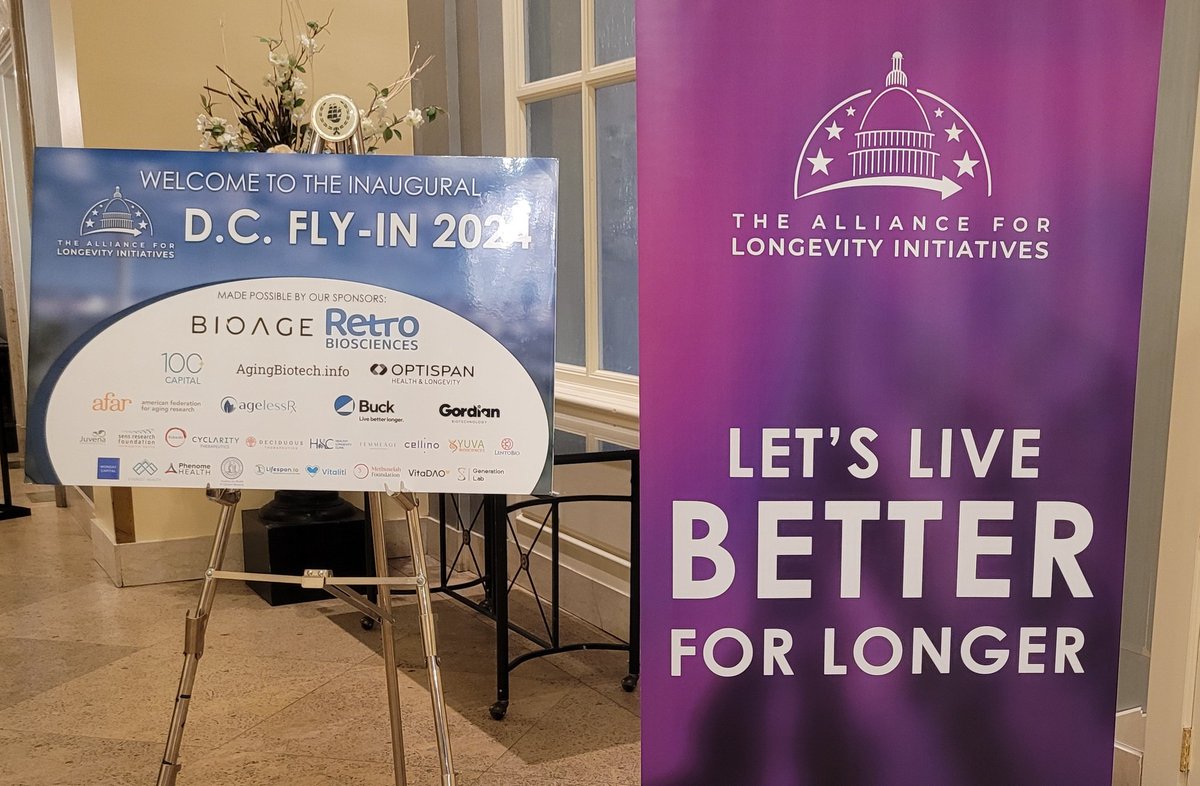
Yesterday, we at A4LI kicked off our second annual fly-in congressional briefing — and we are proud to have been featured in the latest addition of @Politico Influence! 🧬
Thank you to @RepGusBilirakis, @RepPaulTonko & Dr. Mehmet Oz for helping us kick off a day of 50 Hill meetings to champion longevity policy.
📰 bit.ly/3YYYqCK

7
24
2,173
Mitchell B Lee, PhD retweeted

30 Apr 2025
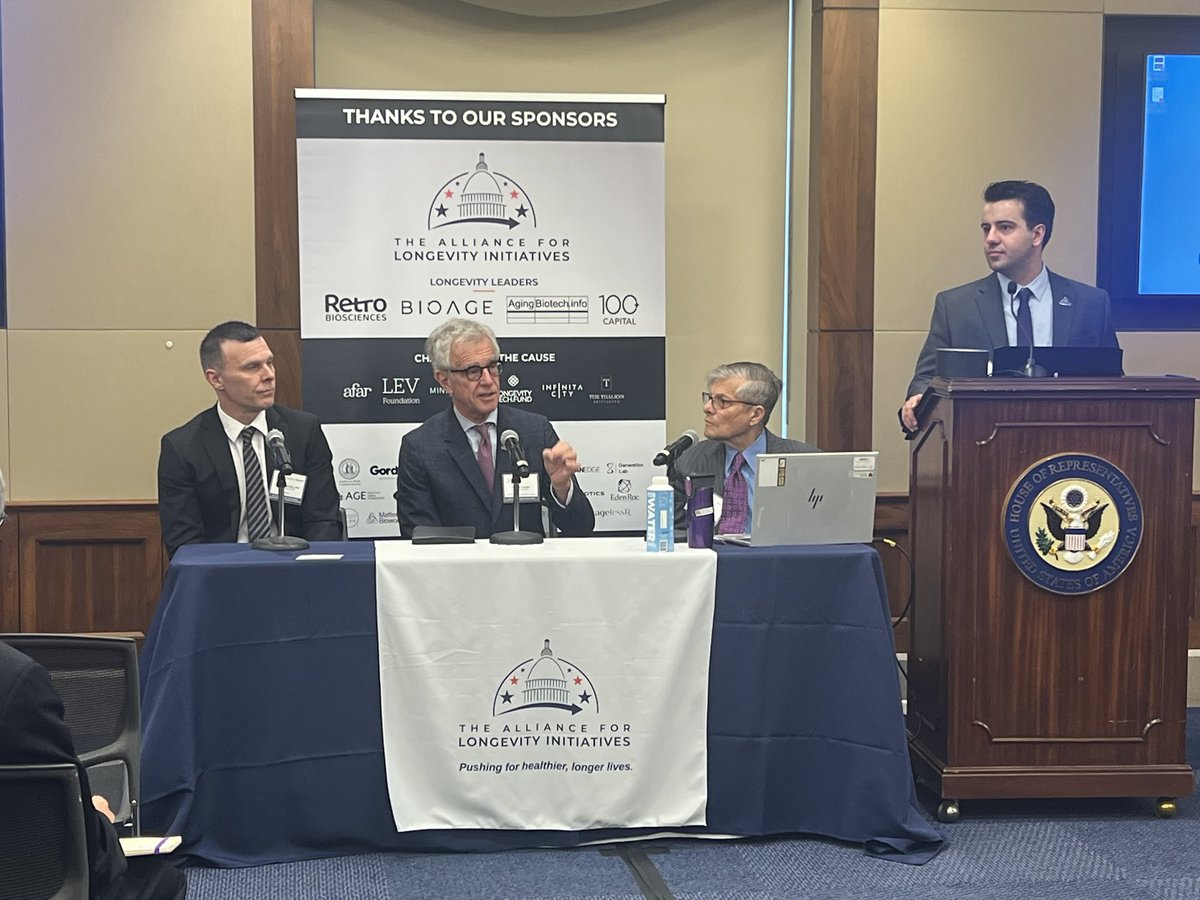
Buck CEO Eric Verdin joins @mkaeberlein @dogagingproject and Mike Roizin from @ClevelandClinic for a day of congressional lobbying for funding for research on aging. @TheA4LI a4li.org/dc-summit-2025/
1
14
46
3,250
Mitchell B Lee, PhD retweeted
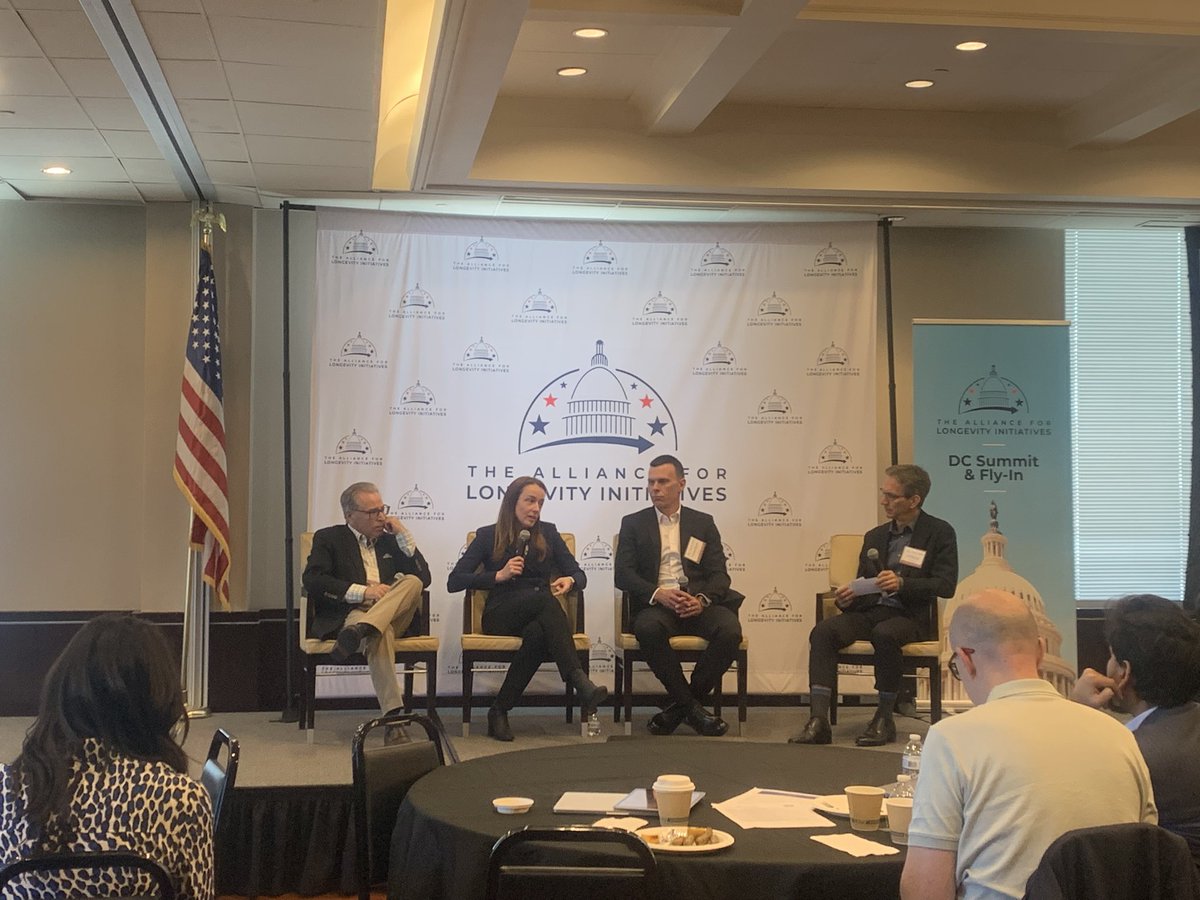
Clinical Endpoints for Aging Interventions panel by some of the experts in the field!
MC: @KarlPfleger
Dr. Nir Barzilai (@NirBarzilaiMD)
Dr. Kristen Fortney (@bioagelabs)
Dr. Matt Kaeberlein (@mkaeberlein/@Optispan_Inc)
8
26
727
Mitchell B Lee, PhD retweeted

30 Apr 2025
This is such an inspiring initiative! The blend of citizen science, AI, and longevity research is exactly the kind of future-forward approach we need. Count me in—let’s help reshape the future of health, one molecule at a time.
@sharafi_eth
2
3
259
Mitchell B Lee, PhD retweeted
Just launched: Defense and Space Applications of Longevity Science Panel.
Very important topics we don’t discuss often in the longevity space. Glad we are the ones to introduce it!
MC: Jeremy Elser
Chris Steele, PhD
Bob S. Walker
Mitchell Lee, PhD (@OraBiomedical)

2
8
411
Mitchell B Lee, PhD retweeted
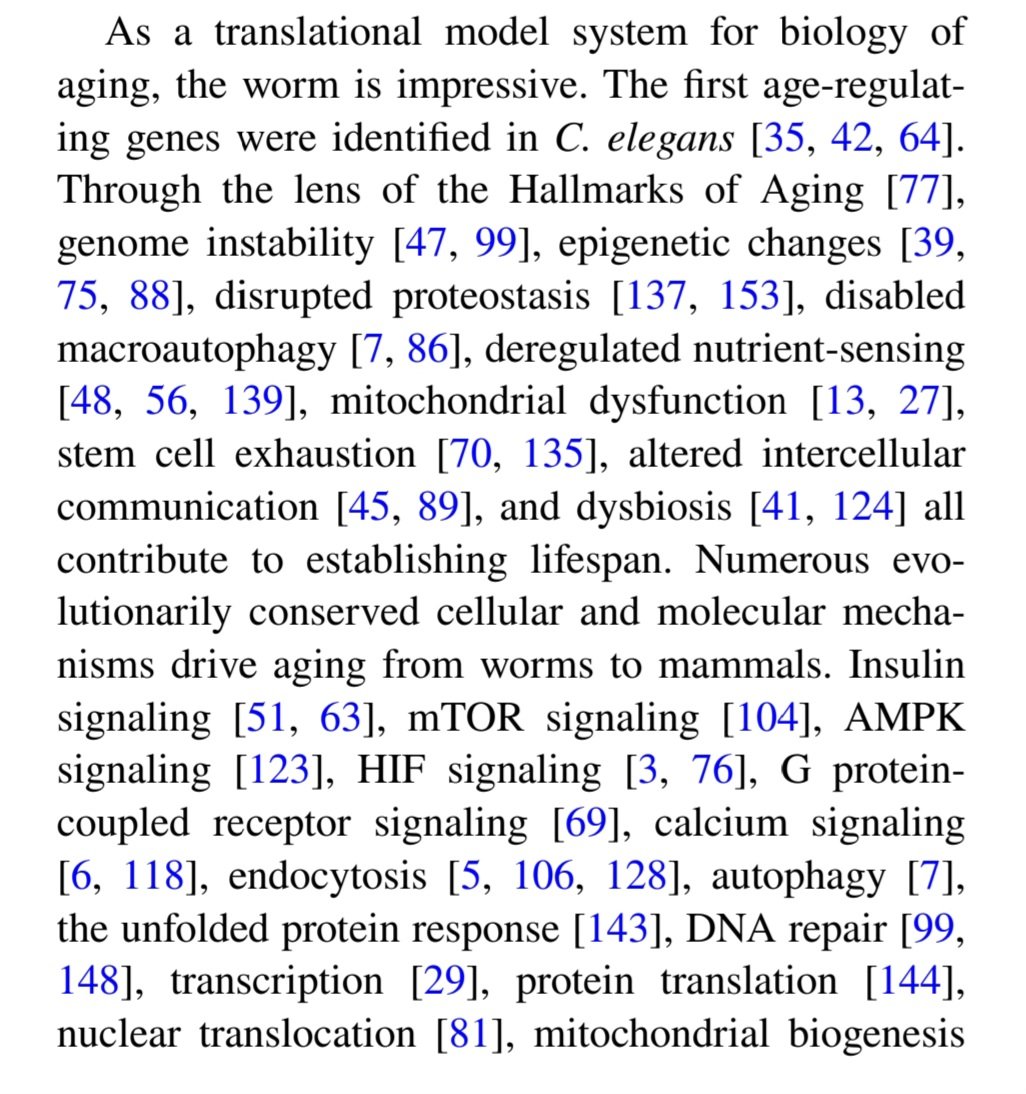
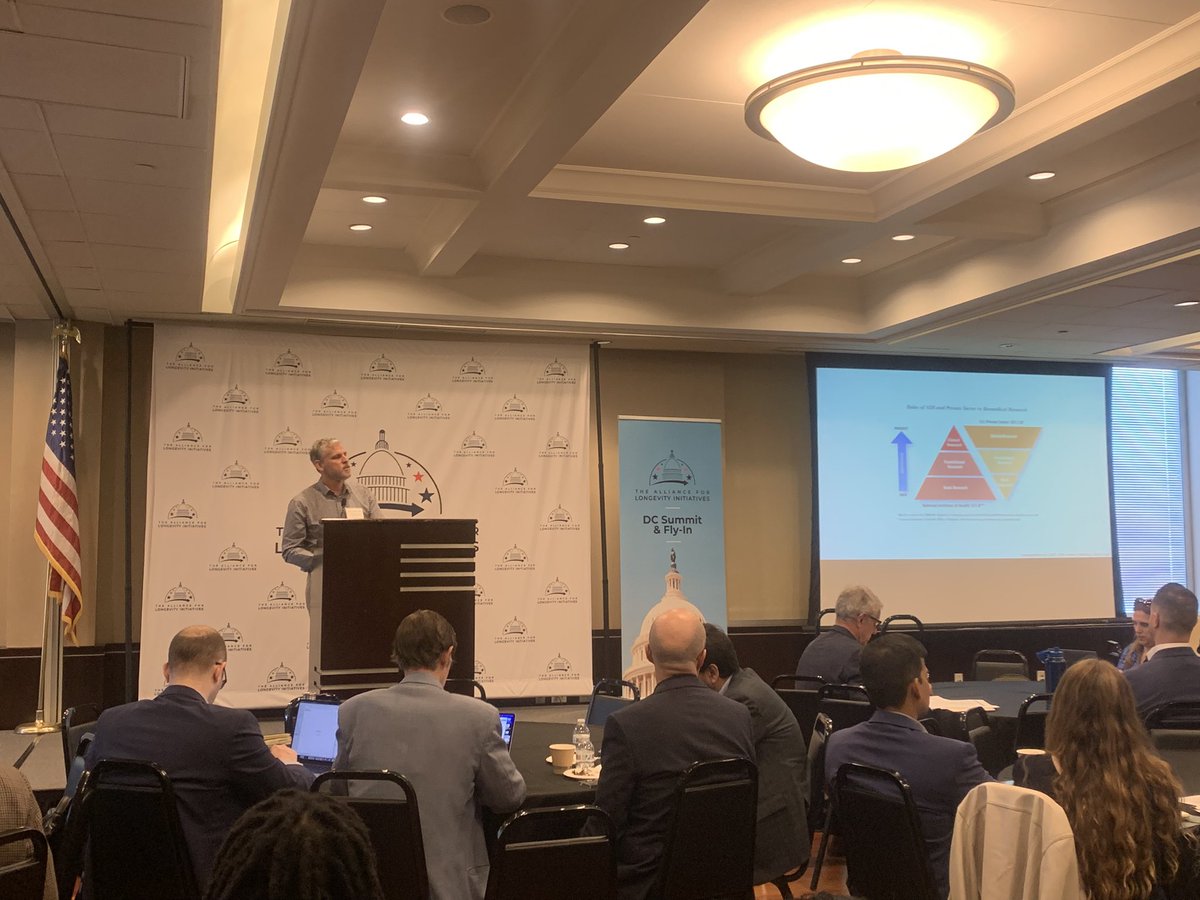
Now speaking: George Sutphin (@senmorteco), Assistant Professor at University of Arizona and Chairman of @americanaging.
Dr. George Sutphin represents the next generation of rigorous, data-driven aging biology. At the University of Arizona, he leads a lab uncovering the genetic and metabolic mechanisms that drive longevity across species. His insights into translational aging science are shaping where the field is headed next.
@senmorteco
1
15
310
Mitchell B Lee, PhD retweeted

24 Apr 2025
If intelligence is measured by brain-to-body ratio—the proportion of neurons to total cells—nematodes rank among the smartest animals on Earth. It’s no surprise, then, that unbiased drug screens consistently show mental health medications extending lifespan in these model organisms, hinting at a deep link between neurological health and longevity.
In our most recent study published in Aging Cell, a team led by scientists from Gero and the Scripps Research Institute unveils a new class of small molecules that dramatically extend the lifespan of C. elegans, a cornerstone of longevity research. Their innovative approach hinges on a principle often sidelined in geroscience: polypharmacology, where a single drug engages multiple biological targets simultaneously. Rather than seeking a “magic bullet” to target one protein or pathway, the team leveraged artificial intelligence—specifically, graph neural networks—to identify compounds that orchestrate coordinated effects across complex biological systems.
Traditional drug discovery obsesses over precision, aiming to modulate a single pathway with laser-like focus. But aging defies such simplicity. It’s a multifactorial, systemic decline, driven by interconnected processes that resist one-dimensional solutions. This study flips the paradigm. By training machine learning models on vast pharmacological datasets, the researchers navigated the immense chemical space to pinpoint molecules that modulate key neurotransmitter receptors known to influence lifespan. The results were striking: over 70% of the AI-predicted compounds extended worm lifespan, with several ranking among the top 5% of known geroprotectors. One standout molecule boosted lifespan by an astonishing 74%, a feat rarely seen in longevity studies.
The link is in the first comment. As usual, please share, like and follow
5
10
47
3,120
Mitchell B Lee, PhD retweeted
24 Apr 2025
3
11
975
Mitchell B Lee, PhD retweeted
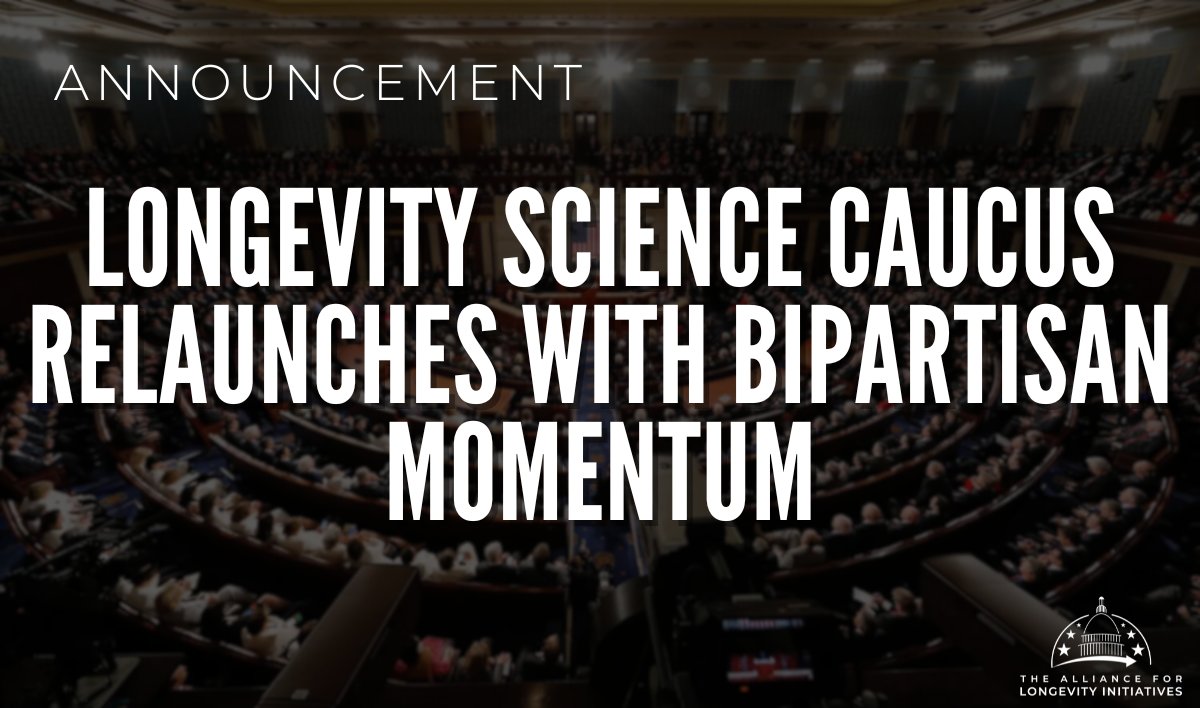
The Alliance for Longevity Initiatives applauds today’s relaunch of the Congressional Caucus for Longevity Science, a bipartisan effort that signals growing momentum for policies that prioritize aging and longevity research.
Led by Representatives @RepGusBilirakis (R-FL), @RepPaulTonko (D-NY), @DanCrenshawTX (R-TX), @RepRoKhanna (D-CA), @RepScottPeters (D-CA) and @RepLiccardo (D-CA), the Caucus brings longevity science to the forefront of national policy conversations and reflects a clear commitment from Congress to extend not just lifespan, but healthspan.
You can read the full announcement from Rep. Bilirakis' office here: bit.ly/4jPaWwE
A4LI looks forward to working alongside the Caucus to drive policies that support innovation, promote equitable access to next-generation therapies, and advance a future where everyone can live better for longer.
1
5
23
4,366
Mitchell B Lee, PhD retweeted

25 Apr 2025
This is great news leading into the @theA4LI summit next week. Huge thank you to the bipartisan group of representatives leading the way on better health for all Americans through support for longevity science.
@RepGusBilirakis (R-FL), @RepPaulTonko (D-NY), @DanCrenshawTX (R-TX), @RepRoKhanna (D-CA), @RepScottPeters (D-CA) and @RepLiccardo (D-CA)

The Alliance for Longevity Initiatives applauds today’s relaunch of the Congressional Caucus for Longevity Science, a bipartisan effort that signals growing momentum for policies that prioritize aging and longevity research.
Led by Representatives @RepGusBilirakis (R-FL), @RepPaulTonko (D-NY), @DanCrenshawTX (R-TX), @RepRoKhanna (D-CA), @RepScottPeters (D-CA) and @RepLiccardo (D-CA), the Caucus brings longevity science to the forefront of national policy conversations and reflects a clear commitment from Congress to extend not just lifespan, but healthspan.
You can read the full announcement from Rep. Bilirakis' office here: bit.ly/4jPaWwE
A4LI looks forward to working alongside the Caucus to drive policies that support innovation, promote equitable access to next-generation therapies, and advance a future where everyone can live better for longer.
7
32
3,785
Mitchell B Lee, PhD retweeted

24 Apr 2025
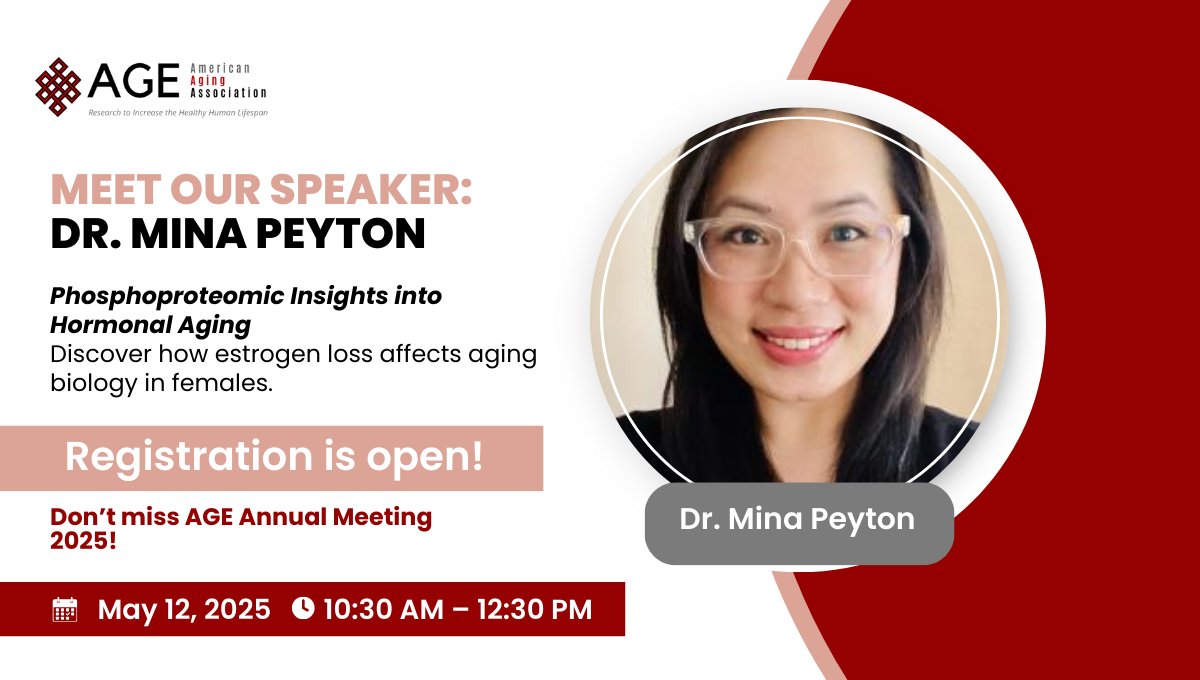
📣 Meet Dr. Mina Peyton, Postdoc at @UABNews, uncovering how estrogen deficiency shapes aging through phosphoproteomics.
Catch her talk at #AGEAnnualMeeting2025!
🔗 bit.ly/4cJx8Gd
#HormonalAging #WomensHealthMatters #Phosphoproteomics #Geroscience #LongevityScience
2
2
514
Mitchell B Lee, PhD retweeted
21 Apr 2025
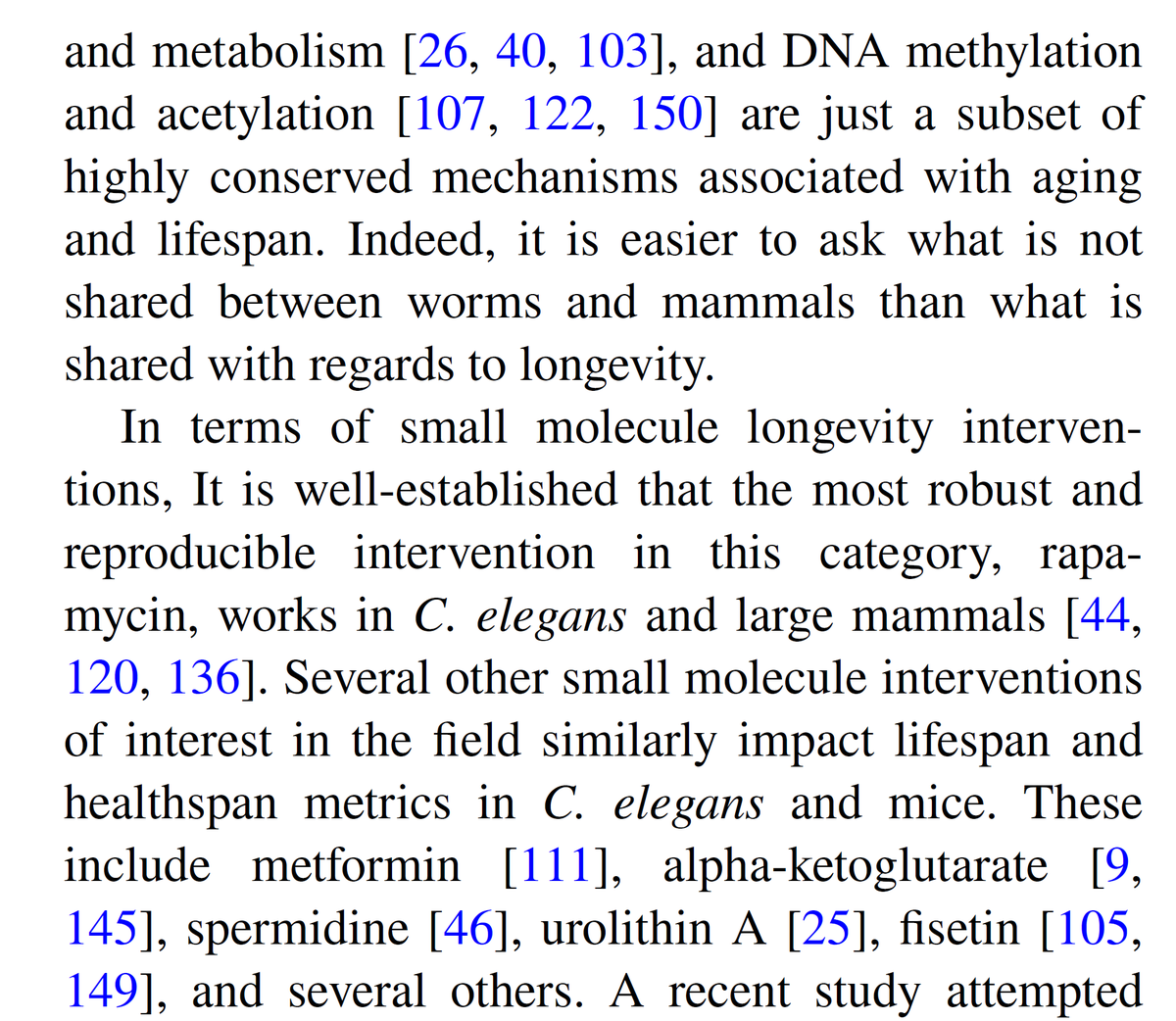
The PEARL trial tested rapamycin's effect on human healthspan and the results are in!
Learn more from lead author @SZalzalaMD of @agelessrx_, @OraBiomedical co-founder @mkaeberlein, and @LifespanIO co-founder @KeithComito:
lifespan.io/news/results-of-…
By: Josh Conway
@LifespanRI
2
6
20
1,139
Mitchell B Lee, PhD retweeted

20 Apr 2025
Fellow aging researchers: I'm looking to connect with leading labs working on interventions targeting advanced glycation end products (AGEs). Specifically interested in directed approaches beyond general AGE inhibitors. Who's doing the most innovative work in this space?
9
9
51
3,944
Mitchell B Lee, PhD retweeted

16 Apr 2025
I watched it and I totally agree that we need more discovery research! And you and the MMC are doing exactly that. Thank you!
1
2
68