Colombo-Canadian Brit-gringo scientist, manage international relations 4 @NSF. Polyglot NeXT and Newton nerd. VFR Pilot, failed astronaut. Admin 4 @NSFVoyager2.
Joined August 2008
- Tweets 5,636
- Following 1,151
- Followers 1,084
- Likes 156
161 Photos and videos
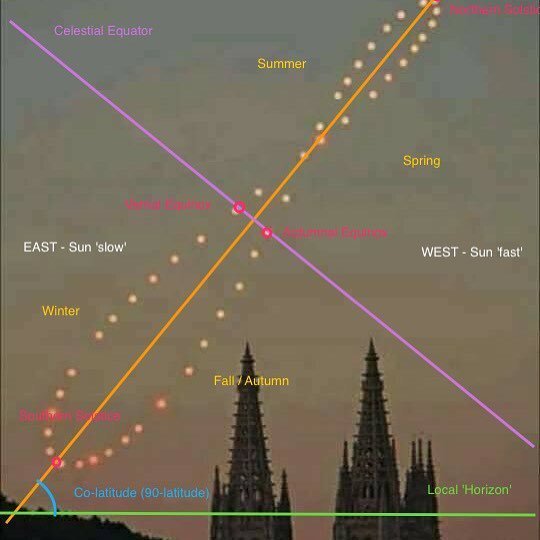

Engineers have repaired an issue affecting telemetry data from @NASAVoyager 1 that was identified earlier this year. While the team continues to investigate the root cause, the spacecraft appears healthy and continues to gather and return science data. go.nasa.gov/3R2vfZH
20
188
1,045

20 Aug 2022
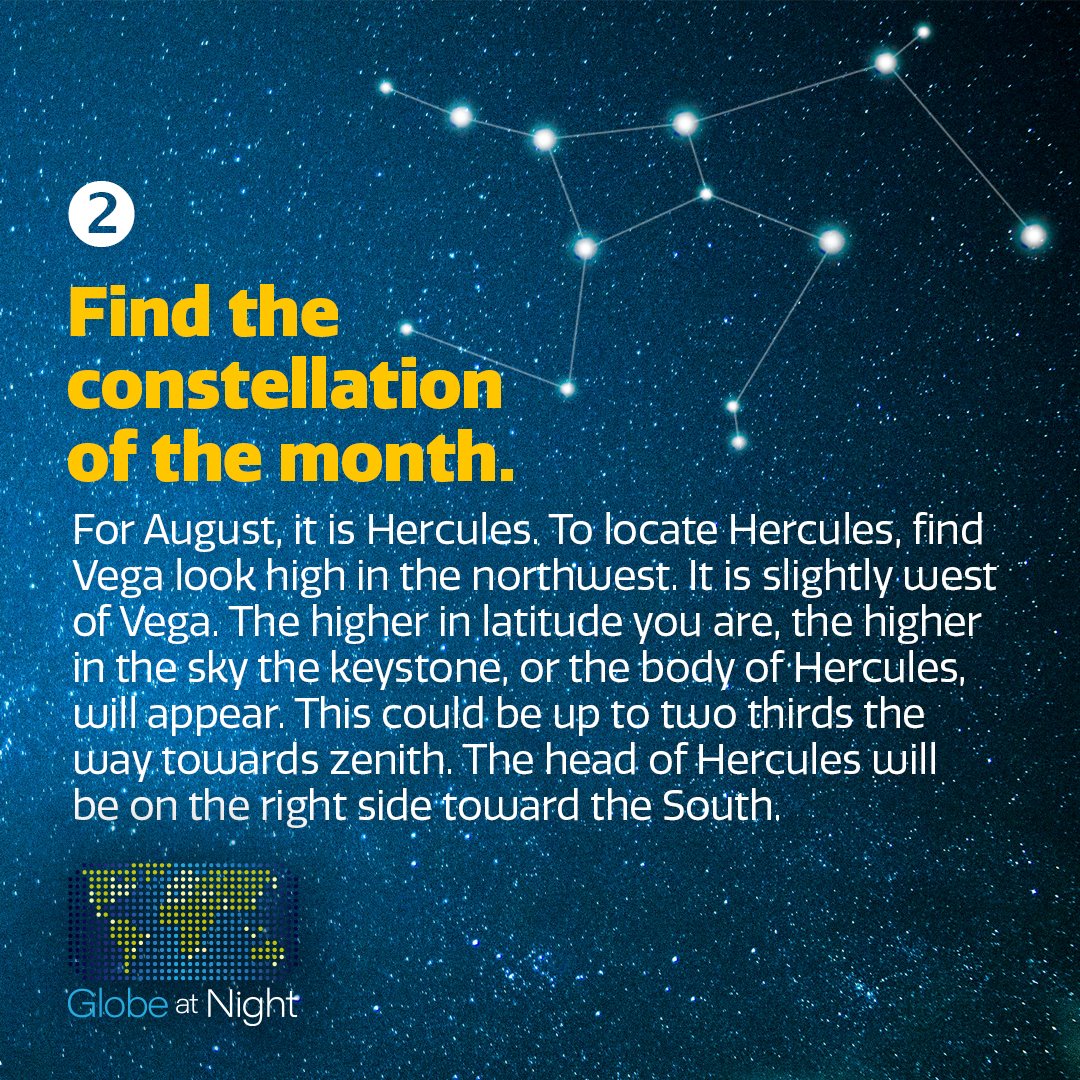
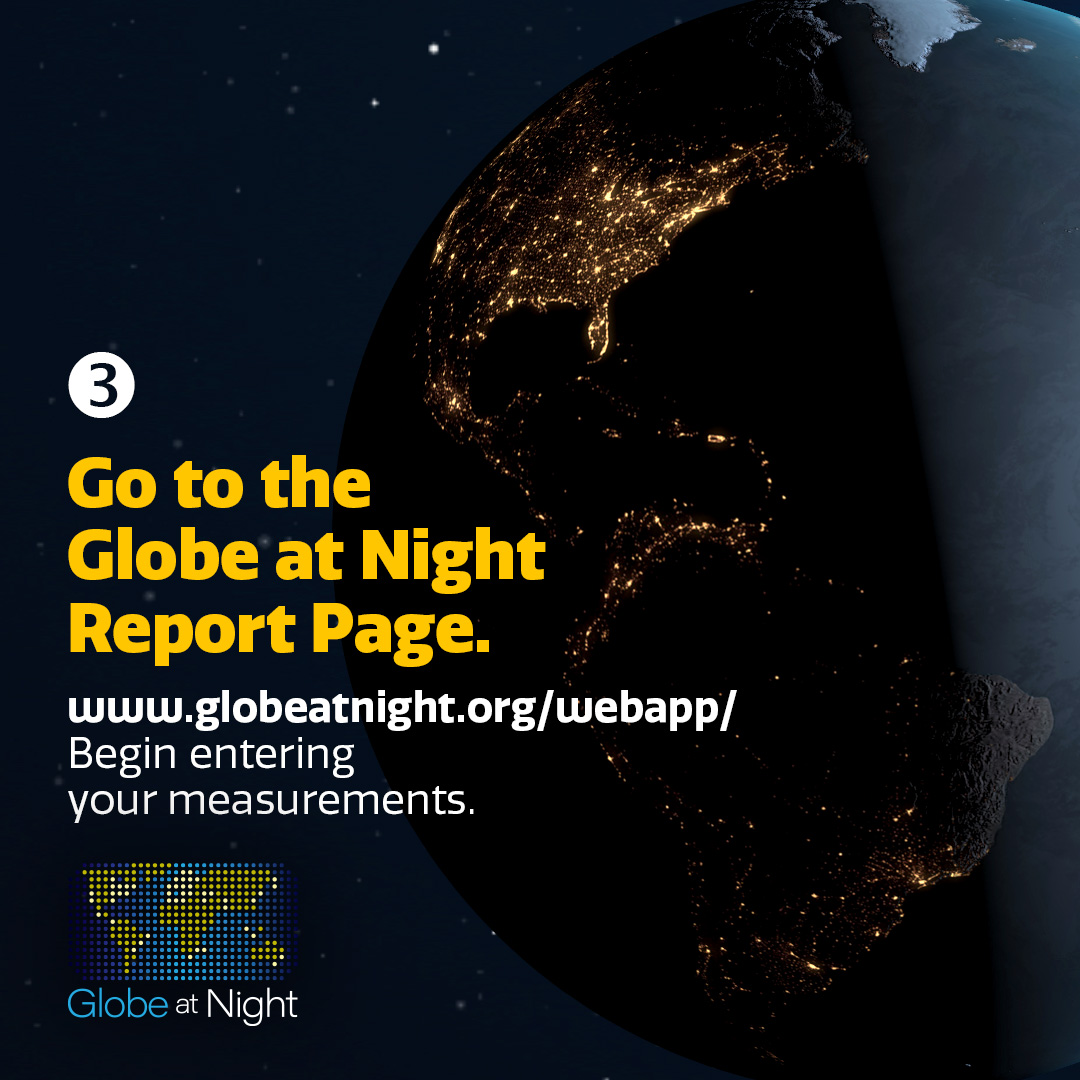
RT @GLOBEatNight: btw 18-27 Aug, measure night sky brightness w @GLOBEatNight from ur computer, tablet, or smartphone 2 raise public awareness abt light pollution. We’ve reached 12k data points. Let’s reach 20k by the end of 2022!
globeatnight.org/


1
3
Dr. Paul Filmer retweeted

19 Aug 2022
Voyager 2 is a spacecraft that lives always in my heart. In 2012, six years before it passed the heliopause, I interviewed the spacecraft through its Twitter avatar. theconversation.com/an-inter… #Voyager45 @NSFVoyager2 @pffli
7
38
166
Dr. Paul Filmer retweeted
19 Aug 2022
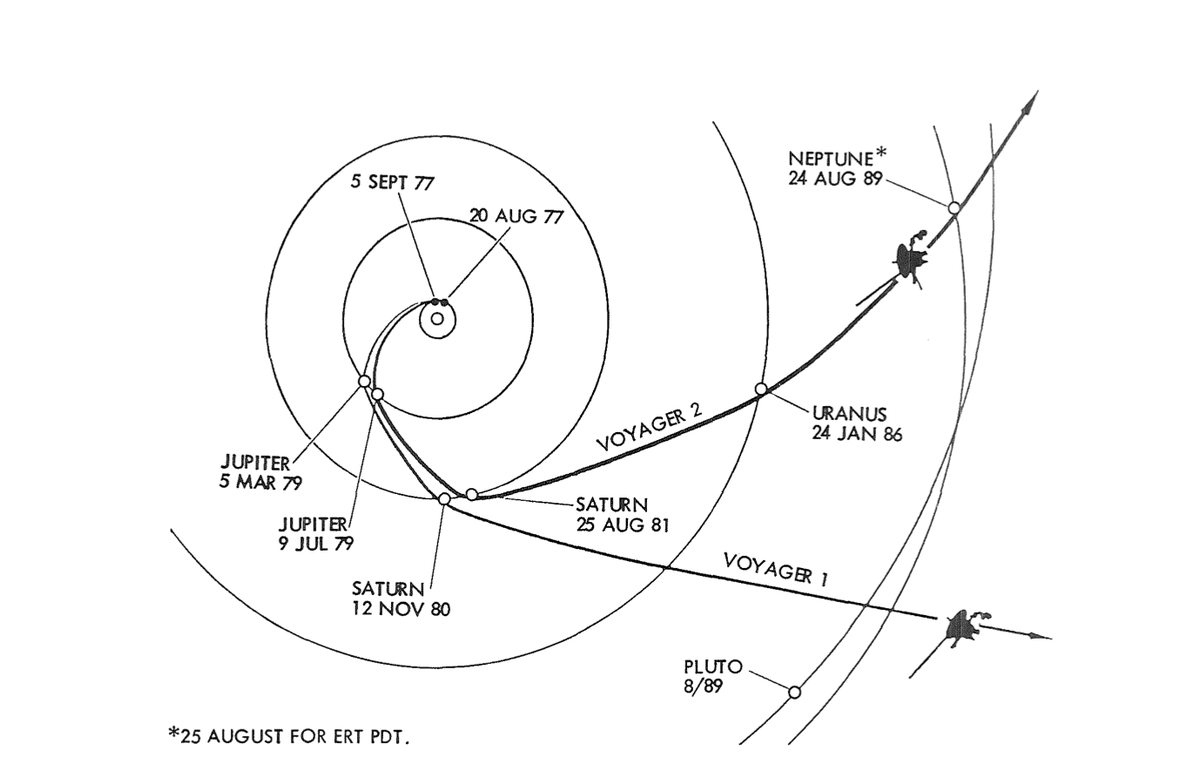
This diagram, from the 'The Voyager Uranus Travel Guide', shows the different trajectories of Voyager 1 and Voyager 2. I love the shell-like graphic. #Voyager45 @NASAVoyager
2
3
25
Dr. Paul Filmer retweeted
19 Aug 2022
The Earth portrayed on the Golden Records will probably be unrecognisable even 100 years from now. theconversation.com/after-45… #Voyager45 @NASAVoyager
2
2
14
Dr. Paul Filmer retweeted
19 Aug 2022
The Voyager Golden Records are endlessly fascinating. In the 90 minutes of music, there is 1.24 seconds of Yolngu music from Milingimbi Island in the Northern Territory of Australia. Who were the Aboriginal musicians who are going to the stars? #Voyager45 theconversation.com/beyond-t…
1
34
98
Dr. Paul Filmer retweeted
19 Aug 2022
But of course I love Voyager 1 as well - its 45 launch anniversary is on Sept 5 - here @lucidkevinor and I talk about the spacecraft crossing that invisible line between our world and the next theconversation.com/voyager-… #Voyager45
1
13
67
Dr. Paul Filmer retweeted
19 Aug 2022
This is my long interview with Voyager 2, through the amazing @pffli who continues to represent the spacecraft on Twitter. I think you'll agree that Voyager 2 has a diffident charm that is utterly beguiling. zoharesque.blogspot.com/2012… #Voyager45
1
14
46
Dr. Paul Filmer retweeted

24 Jul 2022
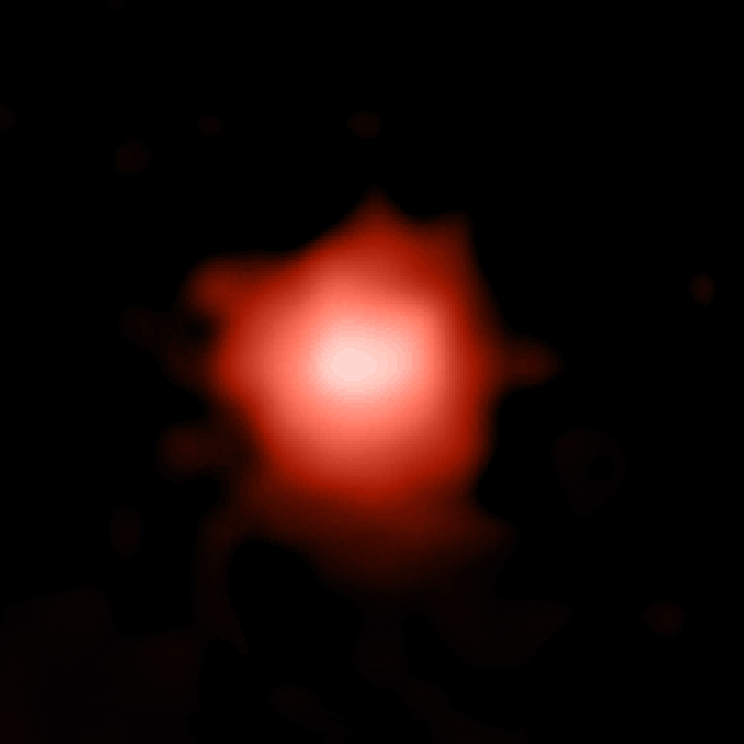
This galaxy is so far away that the expansion of the universe is causing it to recede from us faster than the speed of light. Weirder: it has ALWAYS been receding faster than light. When the photons we are now seeing were first emitted, they were moving directly AWAY from us.
22 Jul 2022

I wrote about the discovery of what could be the most distant galaxy we've ever seen. You're seeing this cosmic tomato as it was just 300 million years after the Big Bang.
Important caveats in here, but also lots of wonder about what comes next: theatlantic.com/science/arch…
60
435
2,432
14 Dec 2021
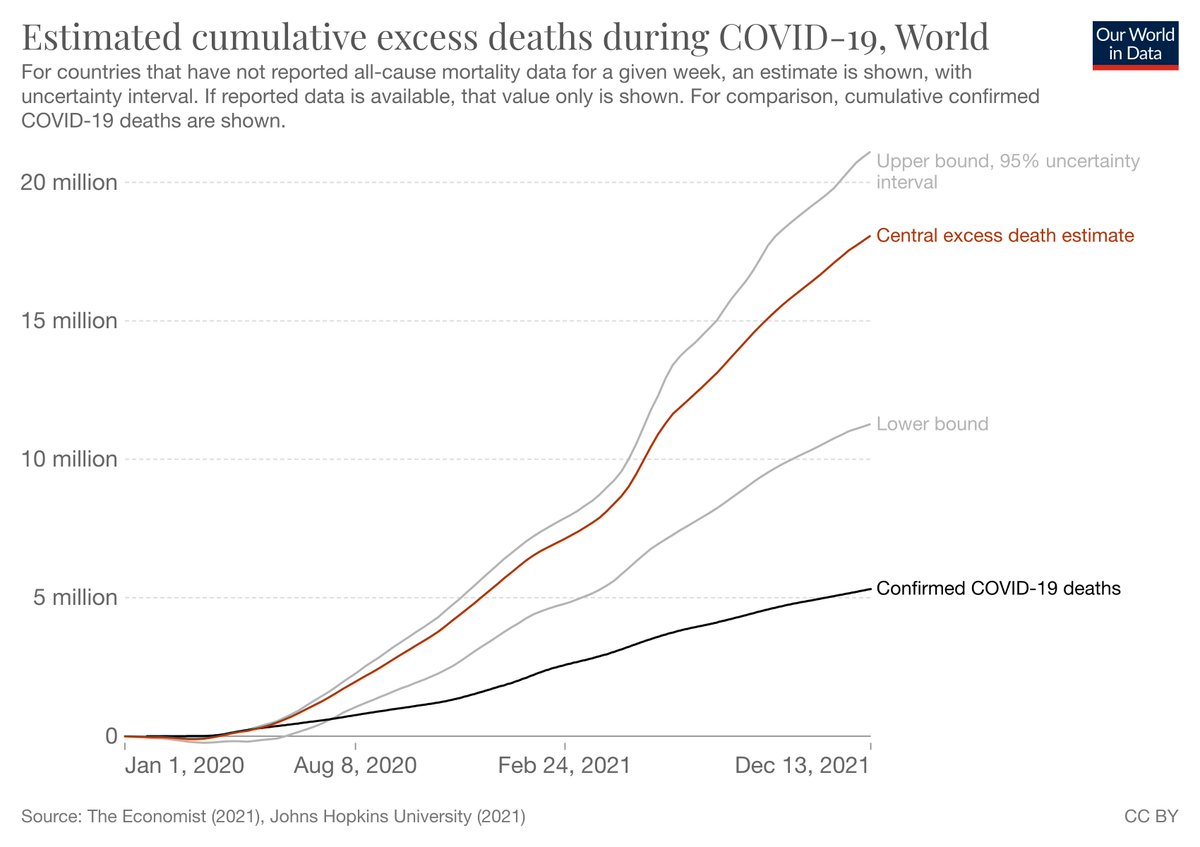
RT @charliegiattino: Excess mortality @OurWorldInData just updated for this week
Model estimates of cumulative excess deaths globally from @TheEconomist
(chart: ourworldindata.org/excess-mo…)
Details & limitations about estimates here: economist.com/graphic-detail…
2
1
28 Oct 2020
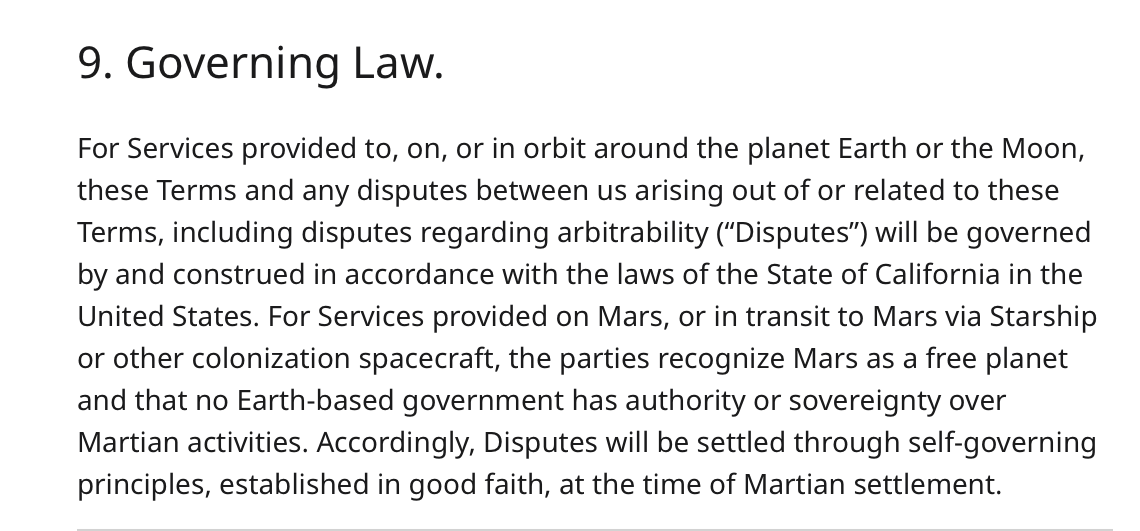
RT @NASAWatch: This from @SpaceXStarlink TOS. Yes, people will b arguing abt the Outer Space Treaty but it is interesting 2 see a company thinking ahead 2 providing services 2 people offworld. Or maybe this is a @SpaceX lawyer having a little fun. Or both.
23 Sep 2020
HT @NewsfromScience: A shiny green beetle is eating its way through N American forests, leaving a wake of dead ash trees. A new analysis predicts ash might not recover. ow.ly/Y8hr30rbpyd
I have some of the last living American Ash trees on my property in WV... ;'(
21 Jul 2020
HT @JPMajor who has been posting today on color perception and the photos from spacecraft, and gave a great link to @DDAVISSPACEARTwork on color calibration of planetary imagery, with a great section on Mars: donaldedavis.com/PARTS/MARSC…
2
18 Mar 2020
Earth, as an inferior planet. Humbling watching ourselves as a bluish morning and evening star.
8 Mar 2020

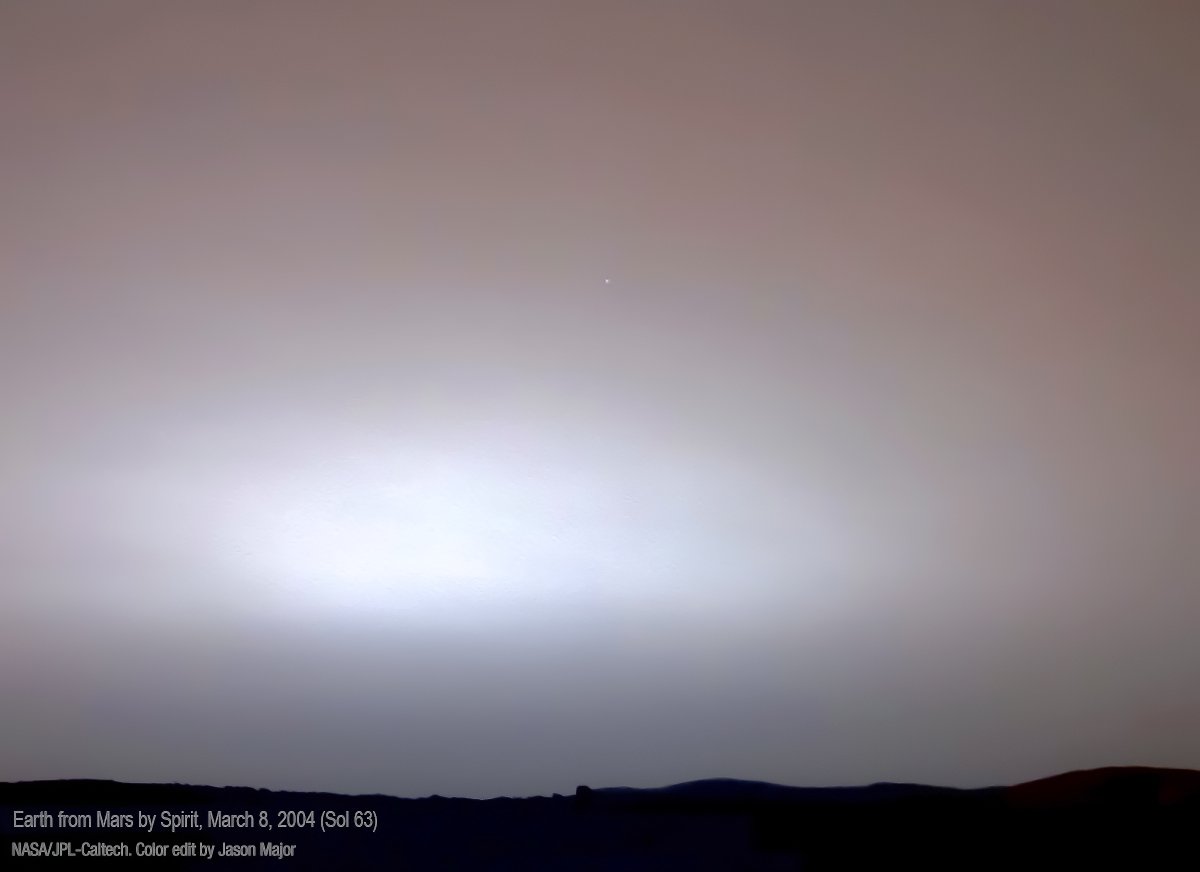
This is a view of #Earth from the surface of Mars, captured by NASA's Spirit rover on March 8, 2004 (mission Sol 63).
That's us, that star in the sky. 🌎
2
24 Jan 2020
A great video demonstrating the Roche Limit!

2
24 Jan 2020
While concerning, this video clearly demonstrates the difficulty (expense) of achieving high inclination orbits! Look at that clear polar gap...
24 Jan 2020

Very cool (and scary) video from @AGItweets which shows how crowded low Earth orbit will become over the next 10 years if all proposed #satellites launch. And btw this is in addition to the other 20,000 other #space objects which are already being tracked. Space needs rules!
1
13 Nov 2019
“Atop a very hot surface, liquids can instantly vaporize, leaving a drop levitating on a layer of its own vapor. These Leidenfrost droplets demonstrate all kinds of interesting behaviors” fyfluiddynamics.com/post/189…
1