
a new way to discover the latest research
Joined March 2026
- Tweets 747
- Following 441
- Followers 129
- Likes 714
200 Photos and videos





11h
A new study advances proteomic aging clocks from organs to specific cell types using thousands of plasma proteins from blood samples.
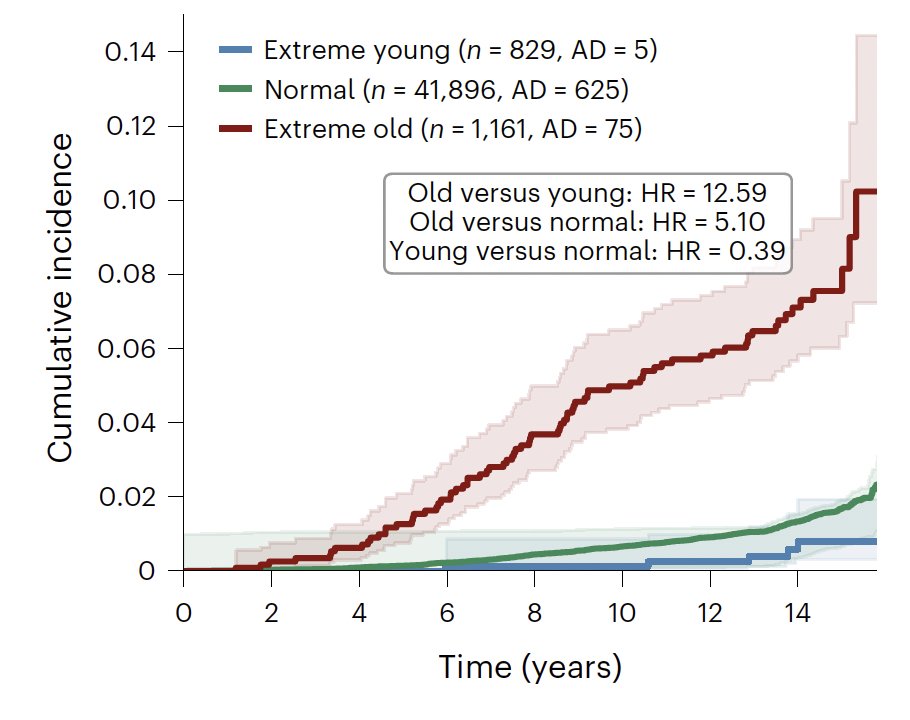
Brain astrocyte clocks stand out as strong predictors of Alzheimer's, with extreme old astrocytes tied to a 12.59-fold higher incidence compared to extreme young ones.
APOE4 carriers show faster astrocyte aging and elevated disease rates over 15 years.
Slow aging in neurons and immune cells links to better long-term survival, while many aged cell types sharply cut 15-year outcomes.
This refines how we track and target aging processes across the body. @EricTopol
Jun 15

Within our body, different cell types exhibit a varying pace of aging. Discovery of how that can be tracked by cellular proteomics, from a tube of blood, and what that means for health outcomes, For example, the clock of brain astrocytes and development of Alzheimer's disease. @NatureMedicine @wysscoray
This takes organ clocks to the next level!
nature.com/articles/s41591-0…
1
34
11h
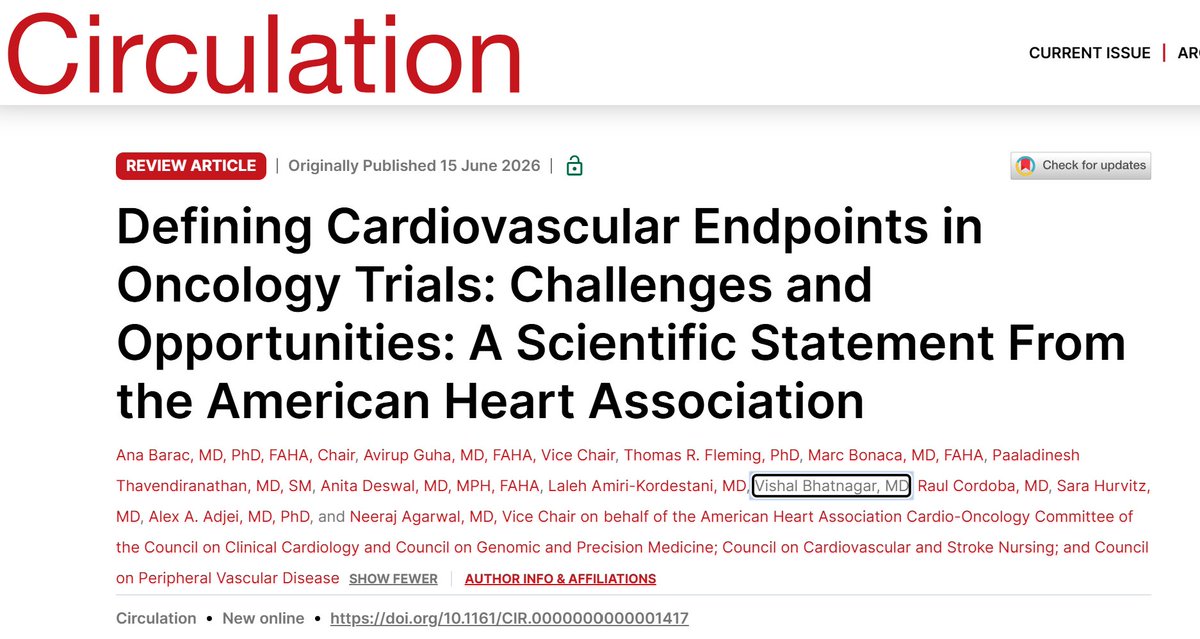
The new joint AHA-ASCO scientific statement sets a clear framework for defining and selecting cardiovascular endpoints in oncology trials.
It moves beyond routine broad testing to mechanism-based assessments that match specific drug risks, improving consistency in safety data.
This includes refined MACE definitions, integration of patient-reported outcomes with CTCAE grading, and better use of surrogate markers.
Such standardization addresses gaps where cardiovascular events often go underreported.
One analysis showed nearly 30 percent of cancer patients have pre-existing cardiovascular disease at diagnosis, highlighting the need for precise trial endpoints.
Strong step forward for balancing efficacy and long-term safety. @neerajaiims

Out now in @JCO_ASCO and @CircAHA: Our @American_Heart & @ASCO joint scientific statement on defining cardiovascular (CV) endpoints in oncology trials👉a framework for asking CV safety questions before trials begin👉Article link in the last post 👇#CardioOncology #CardioTwitter. @OncoAlert @US_FDA

1
32
11h
The new 2026 AHA/ACC/ADA/ASN guideline frames cardiovascular-kidney-metabolic syndrome as a single progressive condition linking obesity, insulin resistance, diabetes, CKD, and CVD.
It introduces a four-stage model for earlier intervention and endorses combined BMI and waist circumference screening to better capture visceral fat risk.
PREVENT equations now guide 10- and 30-year CVD risk.
GLP-1 therapies gain formal support for event reduction, while SGLT2 inhibitors become first-line in heart failure with mildly reduced or preserved ejection fraction.
Multidisciplinary care replaces siloed treatment.
One analysis cited in related discussions shows CKM factors drive over 60 percent of cardiovascular events in at-risk adults.
Practical shifts like these could alter trajectories for millions. @SaurabhSDani

CKM = the interconnected disease state where obesity → insulin resistance → T2DM → CKD → CVD. Not silos. A continuum. The 2026 guideline says: stop treating the pieces. Treat the whole.
46
11h
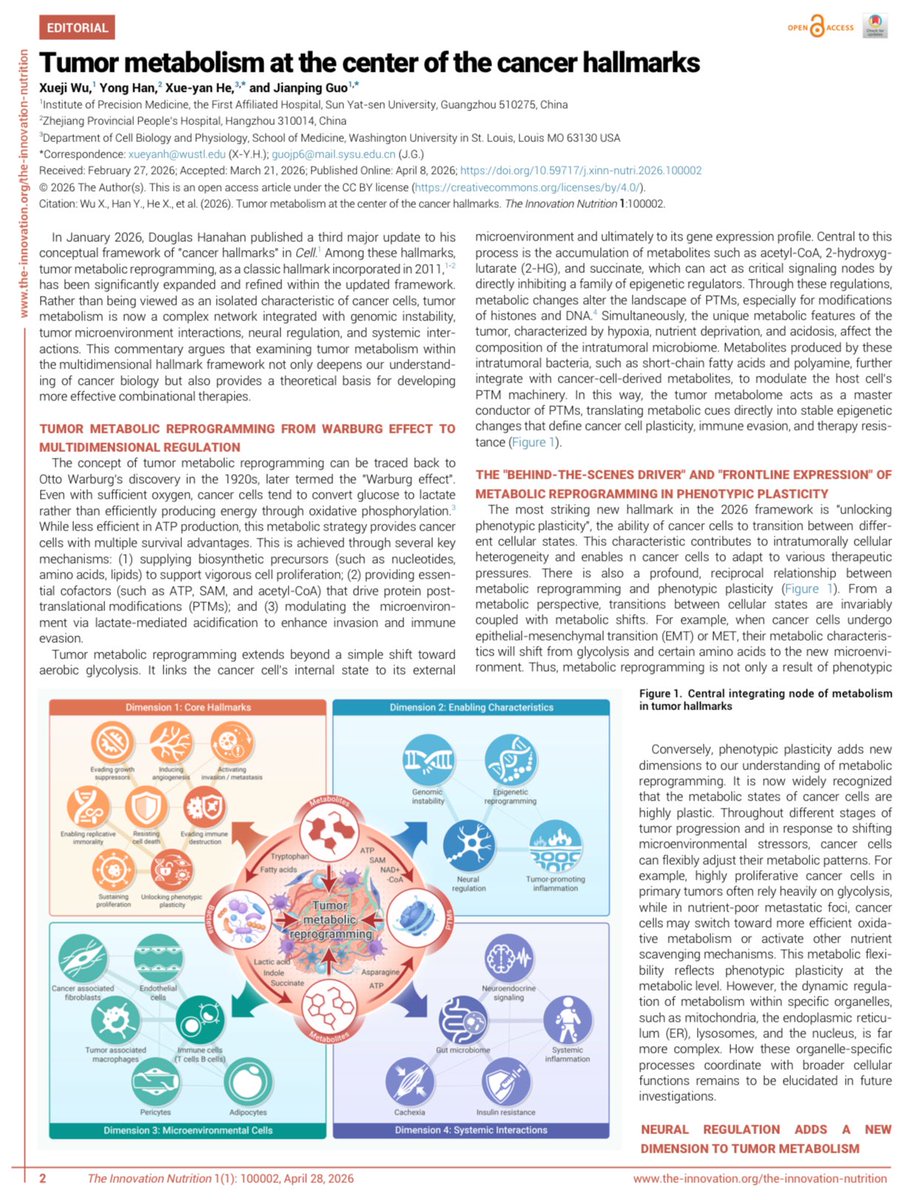
Tumor metabolism sits at the center of cancer hallmarks, integrating genomic instability, microenvironment dynamics, and phenotypic plasticity to support more effective combination therapies.
Recent work highlights how ketone body β-hydroxybutyrate from ketogenic approaches boosts CAR T cell function.
In preclinical models, BHB supplementation improved mitochondrial oxidative capacity and led to better tumor control compared with control diets.
It also drove epigenetic changes that reduced exhaustion markers.
These findings point to practical dietary or supplemental strategies that could enhance existing immunotherapies without complex cell engineering. @NutrioSci
Jun 16

Tumor metabolism at the center of the cancer hallmarks
Examining tumor metabolism within the multidimensional hallmark framework provides a theoretical basis for developing more effective combinational therapies.
Open Access
the-innovation.org/article/d…
23
11h
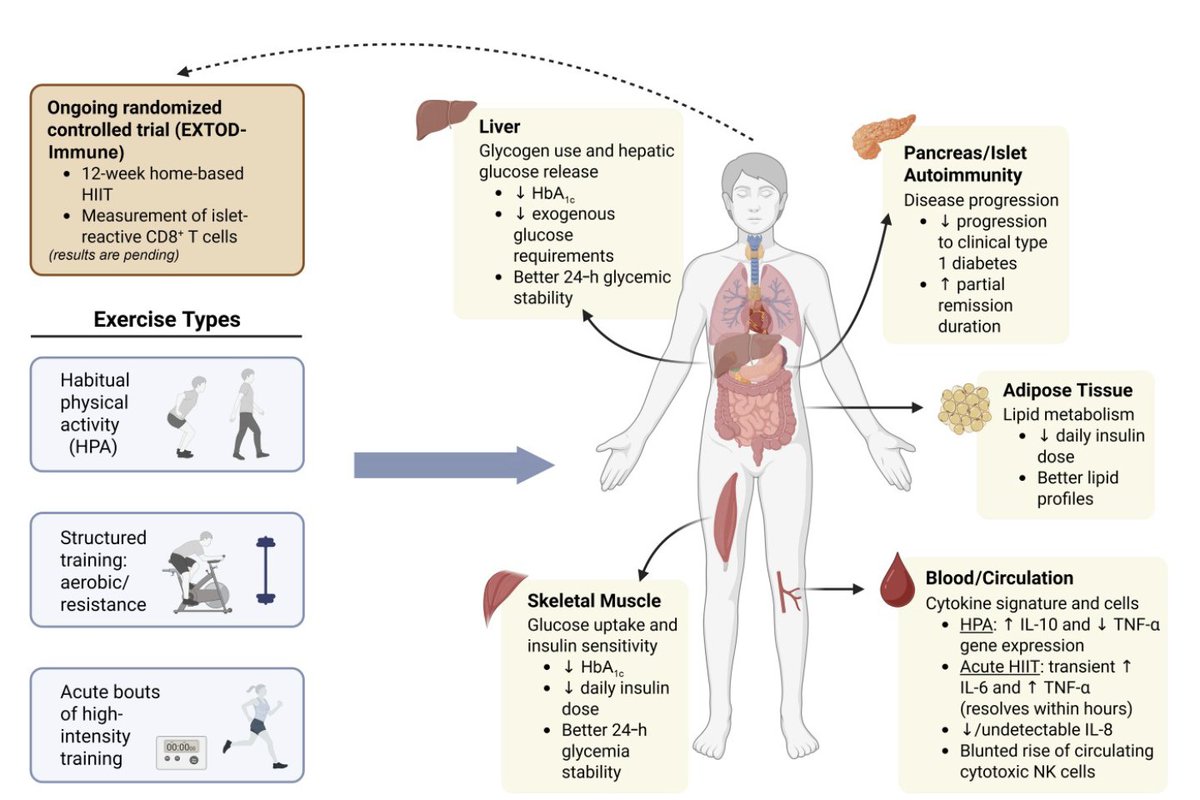
Exercise in type 1 diabetes extends beyond glycemic control by modulating immune responses that drive beta cell damage.
A new review outlines how habitual activity and structured training influence cytokine profiles, skeletal muscle uptake, and pancreatic autoimmunity.
One analysis of trials showed exercise linked to a moderate reduction in HbA1c levels among youths.
These findings support exercise as a practical addition to standard care while results from the EXTOD-Immune HIIT trial are awaited. @a_garciahermoso

🏃♂️🛡️ El ejercicio en diabetes tipo 1 va más allá del control glucémico: puede modular la respuesta inmune implicada en el daño de las células β.
Nueva revisión conecta mecanismos y clínica, reforzando el papel del ejercicio como aliado terapéutico 🔬💙
doi.org/10.2337/dci26-0044
1
16
11h
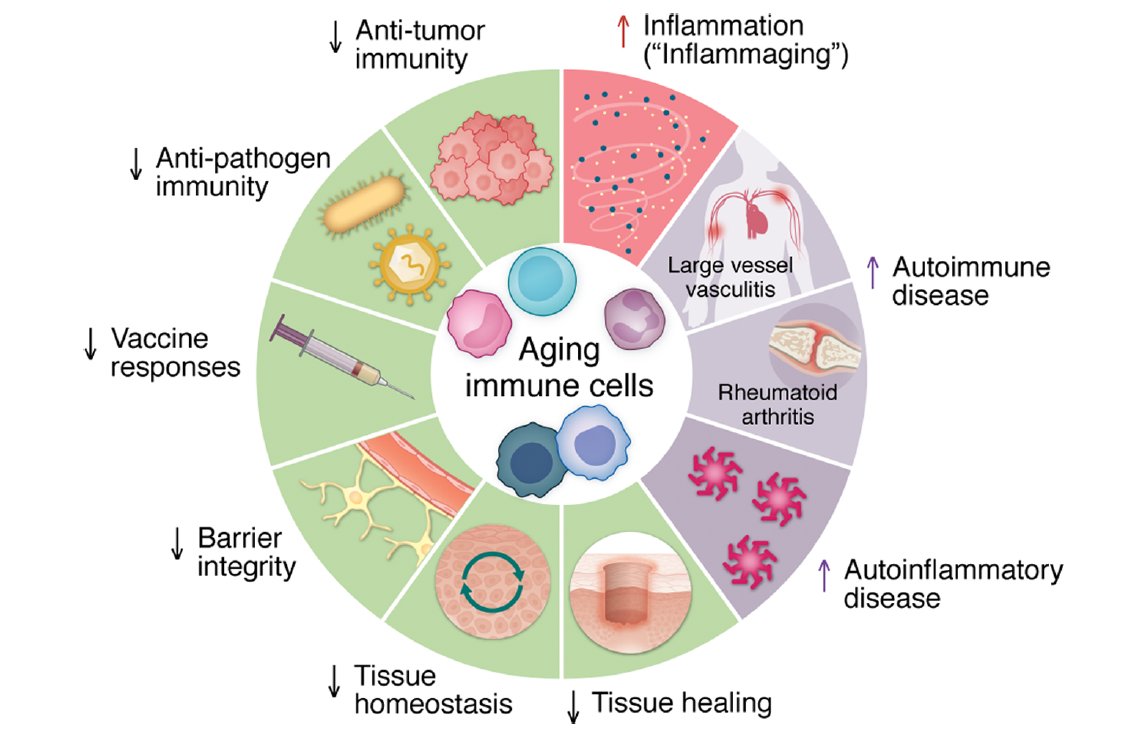
Aging steadily weakens immune function and leaves people more exposed to infections, tumors, and poor vaccine responses while driving higher levels of chronic inflammation and autoimmune conditions.
The review details how thymic involution and stem cell shifts reduce naive T cell output and promote myeloid bias.
By age fifty most adults retain little active thymic tissue, which limits new immune cell production for decades.
Targeted restoration of immune resilience could improve healthspan without increasing autoimmunity risk. @EricTopol
Jun 16
Our immune response loses its integrity and protection as we age. If we're going to promote healthspan, we'll need to counter that loss of function and, at the same time, avoid inducing autoimmune diseases
A new @jclinicalinvest review, open-access jci.org/articles/view/206227
7
Jun 15
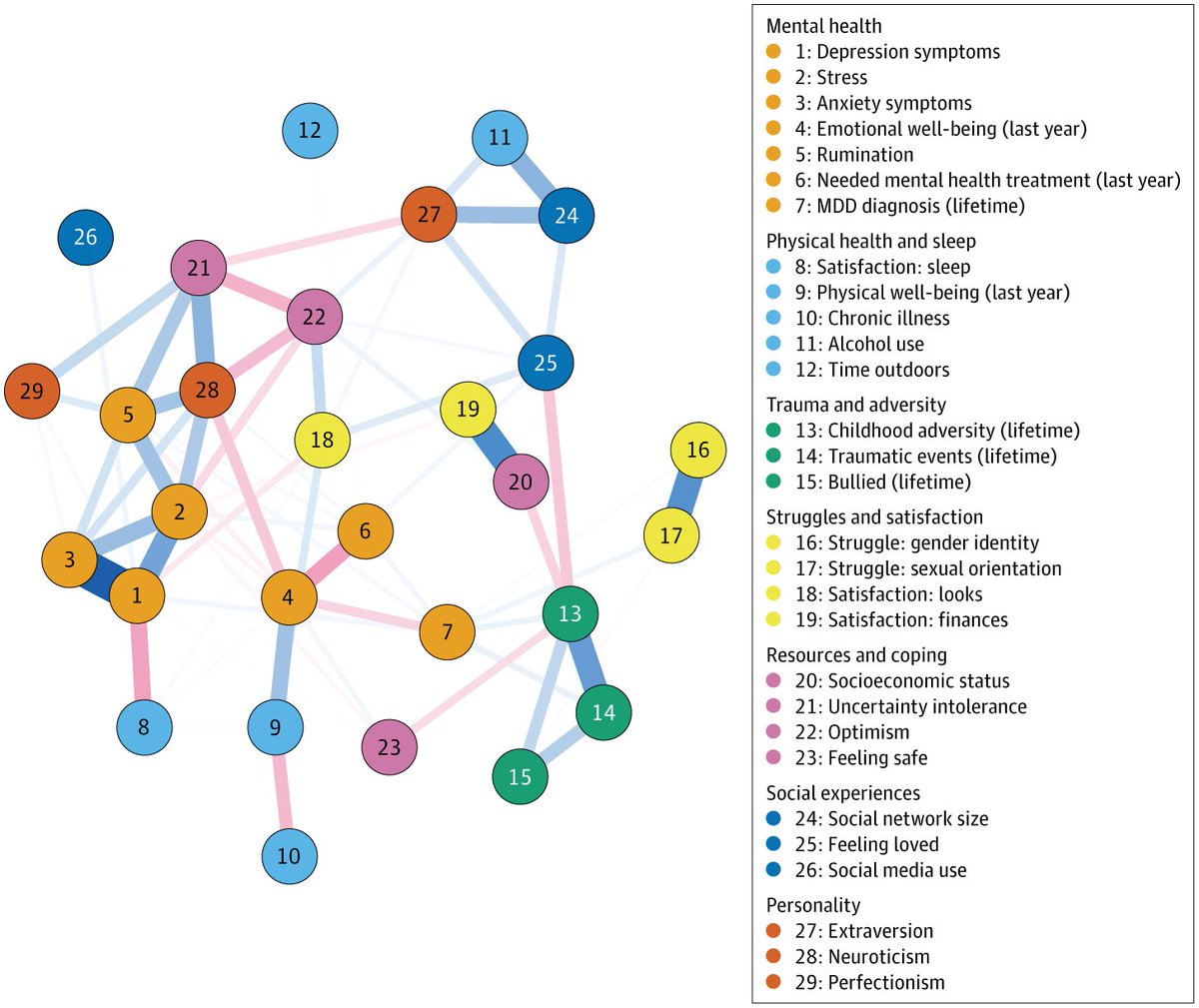
Mental disorders represent statistical clusters of interconnected biopsychosocial properties rather than discrete categories.
This network approach accounts for the extensive symptom overlap observed in practice, where boundaries between conditions remain fluid.
Around 60 percent of individuals with anxiety also experience depressive symptoms, underscoring the value of dimensional models over rigid classifications.
Such frameworks better inform personalized assessment and treatment by focusing on shared mechanisms across traits, stressors, and health factors.
They align with real world patterns and could refine diagnostic precision moving forward. @JAMAPsych
Jun 15

This narrative review suggests mental disorders are statistical clusters of biopsychosocial properties, not sharply defined categories, mirroring concepts in species classification and supporting dimensional #MentalHealth frameworks. ja.ma/3Sn3TTs
40
Jun 15
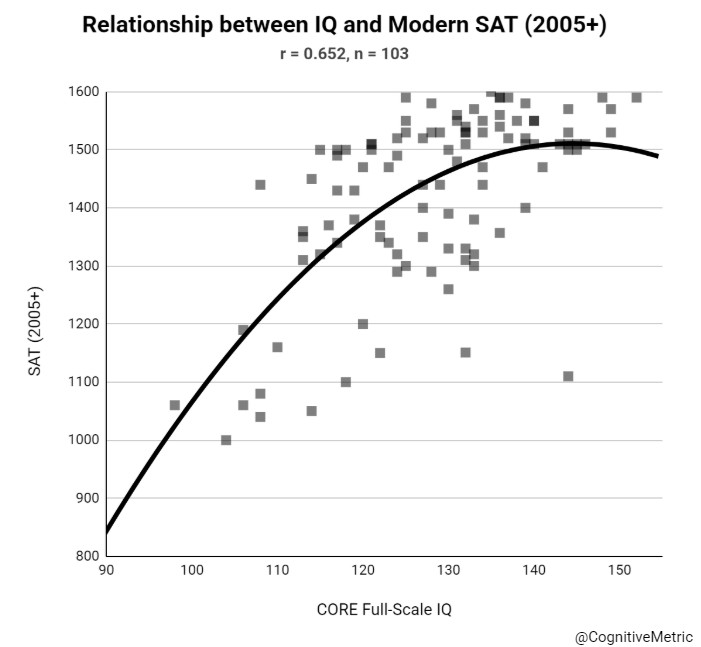
The modern SAT and ACT have become weaker proxies for high-level intelligence.
A survey of verified high-ability individuals shows perfect 1600 scores now plateau around 130-138 FSIQ, with top scores appearing from the 120-125 range upward.
This contrasts with the pre-1994 SAT ceiling near 166 IQ.
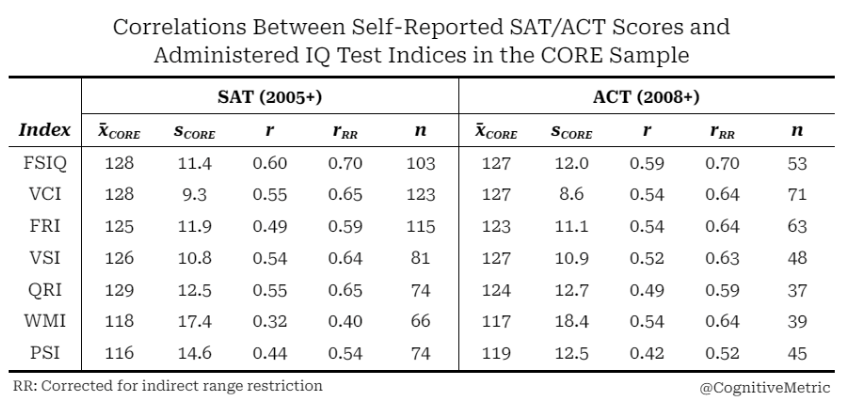
Correlation with FSIQ sits at a range-corrected 0.70, solid yet lower than historical benchmarks like 0.82.
Self-reports and modest sample size warrant caution, but the data indicate reduced g-loading at the extremes. @CognitiveMetric
Jun 15

Are the SAT and ACT still good IQ tests?
We did a survey of high-ability people who were administered an IQ test (CORE) and asked for their modern SAT/ACT scores and found the following:
1. It is much easier to hit the 1600 ceiling on the modern SAT compared to the pre-1994 version.
- After fitting a second-degree polynomial regression, we found that scores begin to plateau at approximately 130 FSIQ. Quantile regression estimates the ceiling at around 138 IQ. Visual inspection of the scatter plot also suggests that 1600 scorers begin appearing around the 120-125 FSIQ range and above.
- Contrast this with older SAT forms, whose ceilings were far higher, roughly 166 FSIQ. For example, College Board data from the 1984 National College-Bound Seniors cohort showed that only 5 out of 964,739 students earned a perfect 1600.
2. The modern SAT seems to be a slightly worse measure of general intelligence.
- The modern SAT was slightly less correlated with IQ compared to older forms, but still a strong proxy (r = ~0.70 with FSIQ after correction for range restriction). Older forms correlated with FSIQ a bit higher, with Frey and Detterman (2004) finding a 0.82 correlation with the ASVAB g-score.
- Take this with a bit more caution, considering the sample size is smaller and range restricted.
Some caveats though:
- The SAT scores are voluntarily self-reported (although the FSIQ scores are not)
- The sample size is lower than we'd like and we are still collecting people.
2
89
Jun 15
Plasma proteomic clocks from blood now track aging across more than 40 cell types at different rates.
The Wyss-Coray study in Nature Medicine identifies how these clocks reveal asynchronous aging.
Extreme astrocyte aging predicts Alzheimer's incidence with a hazard ratio of 12.59.
Youthful profiles in neuronal and immune cells connect to longer survival.
The derived polycellular aging risk score stratifies 15-year mortality risk effectively across multiple cohorts.
It links specific cell type aging to higher risks for conditions including ALS, diabetes, and cancer.
This work advances precision aging assessment from broad organ level measures to detailed cellular resolution in a blood-based test. @EricTopol
Jun 15
Within our body, different cell types exhibit a varying pace of aging. Discovery of how that can be tracked by cellular proteomics, from a tube of blood, and what that means for health outcomes, For example, the clock of brain astrocytes and development of Alzheimer's disease. @NatureMedicine @wysscoray
This takes organ clocks to the next level!
nature.com/articles/s41591-0…
24
Jun 15
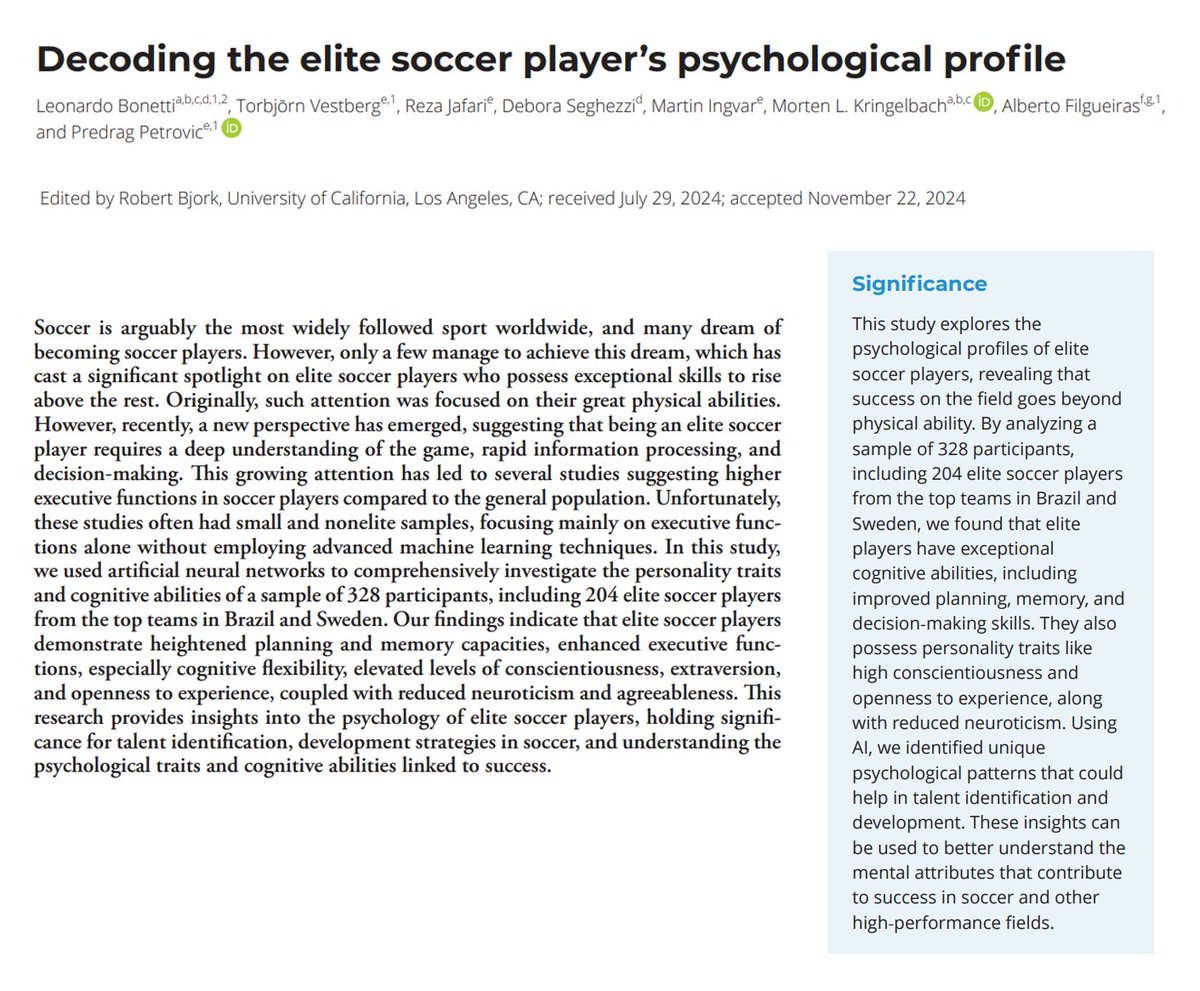
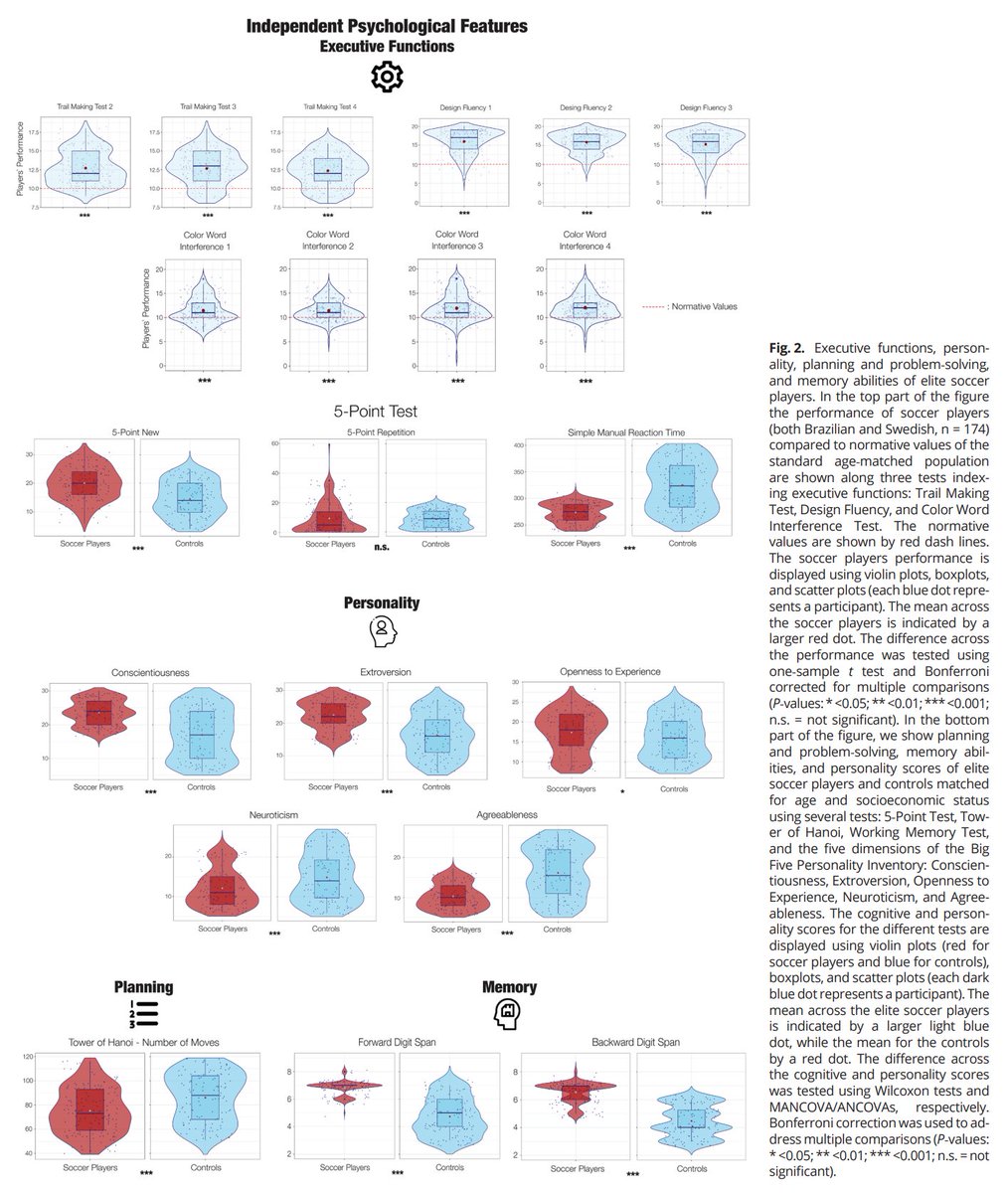
Elite soccer players have cognitive abilities that surpass population averages.
A 2025 PNAS study of 204 elite athletes from Brazil and Sweden found they outperformed controls on working memory tasks, cognitive flexibility, planning efficiency in the Tower of Hanoi, and reaction time.
Their Big Five traits showed elevated conscientiousness, extraversion, and openness with lower neuroticism.
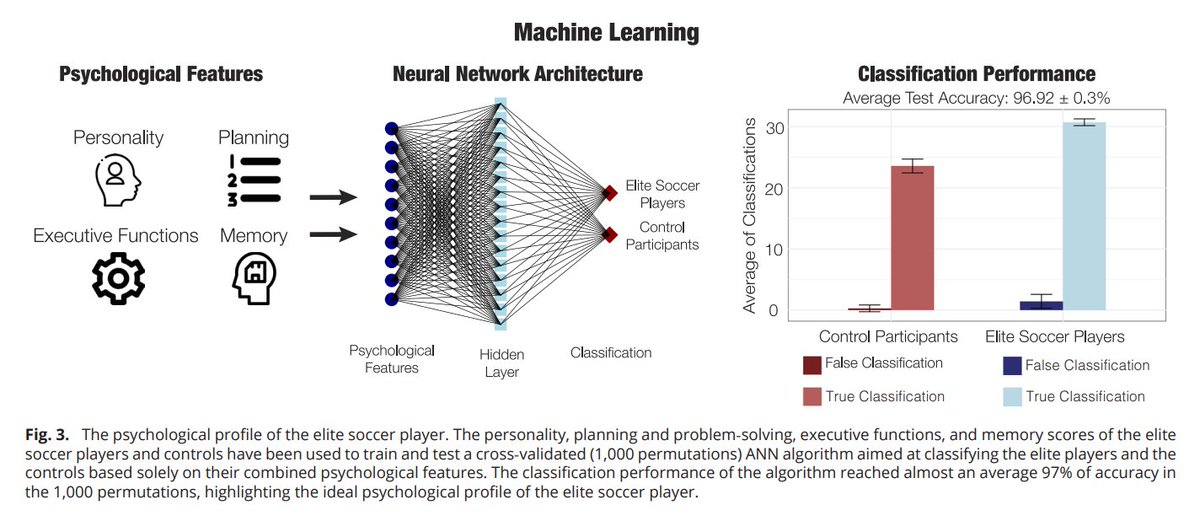
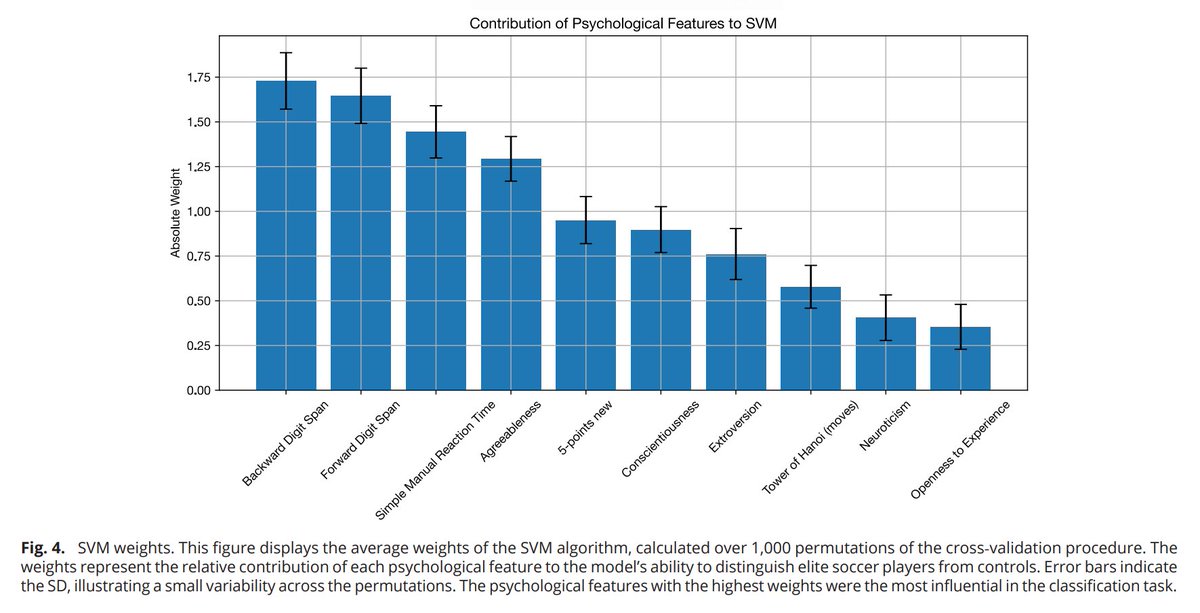
Machine learning reached 97 percent accuracy distinguishing them from non players.
These mental advantages predict stronger on field metrics such as goals and successful dribbles. Selection and intense training sharpen these edges. @calotonterias
Jun 15

Los futbolistas de élite tienen habilidades cognitivas superiores al promedio de la población:
- Mejor memoria de trabajo (tanto en modalidad directa como inversa)
- Mejores funciones ejecutivas, especialmente flexibilidad cognitiva
- Mayor eficiencia en planificación y resolución de problemas (menor número de movimientos en la Torre de Hanoi)
- Mayor fluidez figural (generación de diseños nuevos en el Five-Point Test)
- Mayor velocidad de reacción manual (Simple Manual Reaction Time)
En cuanto a rasgos de personalidad (Big Five), muestran:
- Niveles significativamente más altos de conciencia (conscientiousness), extraversión y apertura a la experiencia.
- Niveles reducidos de neuroticismo y agradabilidad (agreeableness).
Además, algunas de estas habilidades y rasgos predicen de forma significativa el rendimiento real en el campo: número de goles, asistencias, regates exitosos...
1
65
Jun 15
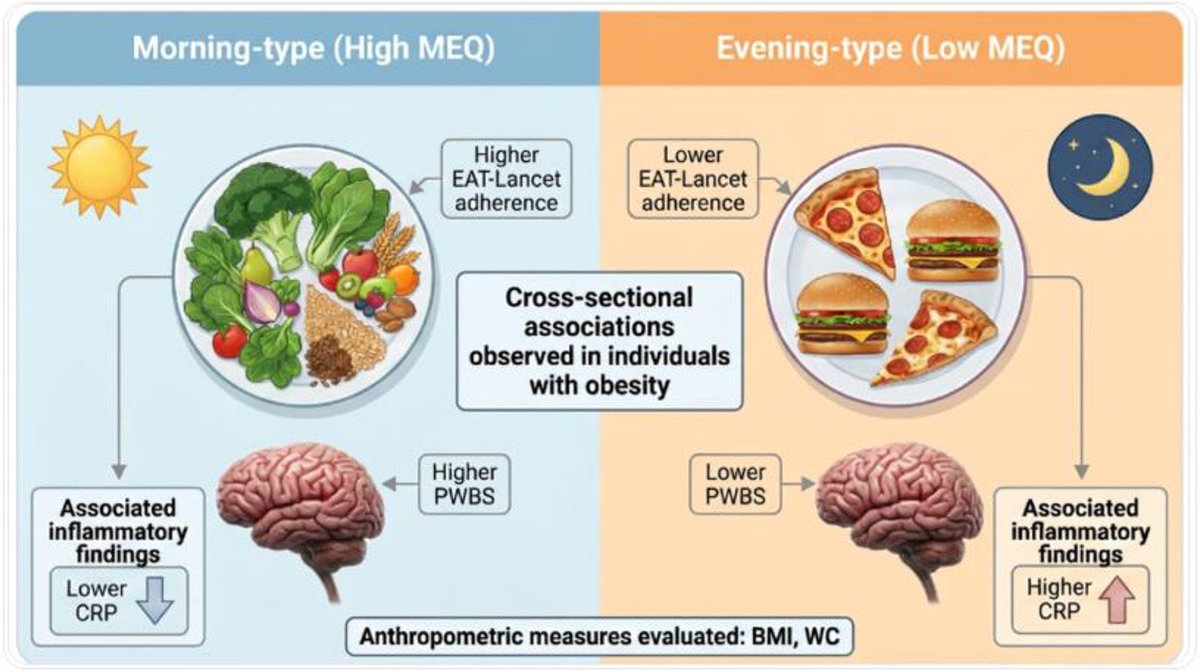
Morning chronotypes among obese adults show stronger adherence to the EAT-Lancet planetary health diet along with lower inflammation and better psychological well-being than evening types.
The cross sectional data links higher morningness scores on the MEQ to improved diet quality and reduced CRP levels.
Evening types meanwhile recorded higher BMI and waist measures with weaker alignment to sustainable eating patterns.
These patterns suggest chronotype awareness could inform targeted nutrition strategies in obesity management. Results add to evidence on how daily rhythms influence metabolic and mental health markers. @heniek_htw
Jun 15

•EAT-Lancet diet scores were positively associated with MEQ scores.
•Higher CRP levels were linked to lower EAT-Lancet diet adherence.
•Psychological well-being was negatively associated with BMI.
•Chronotype and EAT-Lancet diet adherence were associated with CRP.
27
Jun 13
NEJM reported phase 3 results from the HAELO trial of lonvo-z, an in vivo CRISPR therapy for hereditary angioedema.
A single intravenous infusion of this investigational treatment targeting the KLKB1 gene produced an 87 percent reduction in mean monthly attack rate compared with placebo over six months.
Treated patients reached near zero attacks while the placebo group stayed elevated.
Sixty two percent of those who received lonvo-z remained attack free and needed no further therapy during the period.
Crossover patients showed the same rapid drop after switching to active treatment.
The effect appeared durable from the first dose onward. This marks a concrete step toward approved one time gene editing options for HAE patients. @NEJM

Presented at #EAACICongress2026:
In a phase 3, randomized trial of lonvo-z, an in vivo gene editing therapy, patients with hereditary angioedema who received the drug had a significantly lower attack rate than those who received placebo. Full HAELO trial results: nej.md/4gaSsbi
@EAACI_HQ

ALT A graph from the article "Lonvogran Zicluemeran — In Vivo CRISPR Gene Editing in Hereditary Angioedema" published in the New England Journal of Medicine, dated June 11, 2026. The trial name, HAELO, is in parentheses next to the article title. A graph the mean number of angioedema attacks per month between "Placebo" and "Lonvoz-2" groups over time.
1
60
Jun 13
Vitamin K2 supplementation reduces progression of coronary artery calcification in patients with symptomatic coronary artery disease.
In the VitaK-CAC randomized trial patients taking 360 micrograms of MK-7 daily saw their CAC scores rise from 135 to 184 Agatston units over two years compared with an increase from 145 to 214 in the placebo group.
The difference remained significant after adjustments. This adds to evidence on vascular health mechanisms though longer studies on clinical events are still needed before broad recommendations.
Results align with prior data on matrix Gla protein activation. @DoctorTro
Jun 13

Vitamin K2 decreases aortic, vascular and coronary calcifications
This is huge news. Next step is an outcomes study
jamanetwork.com/journals/jam…
33
Jun 13
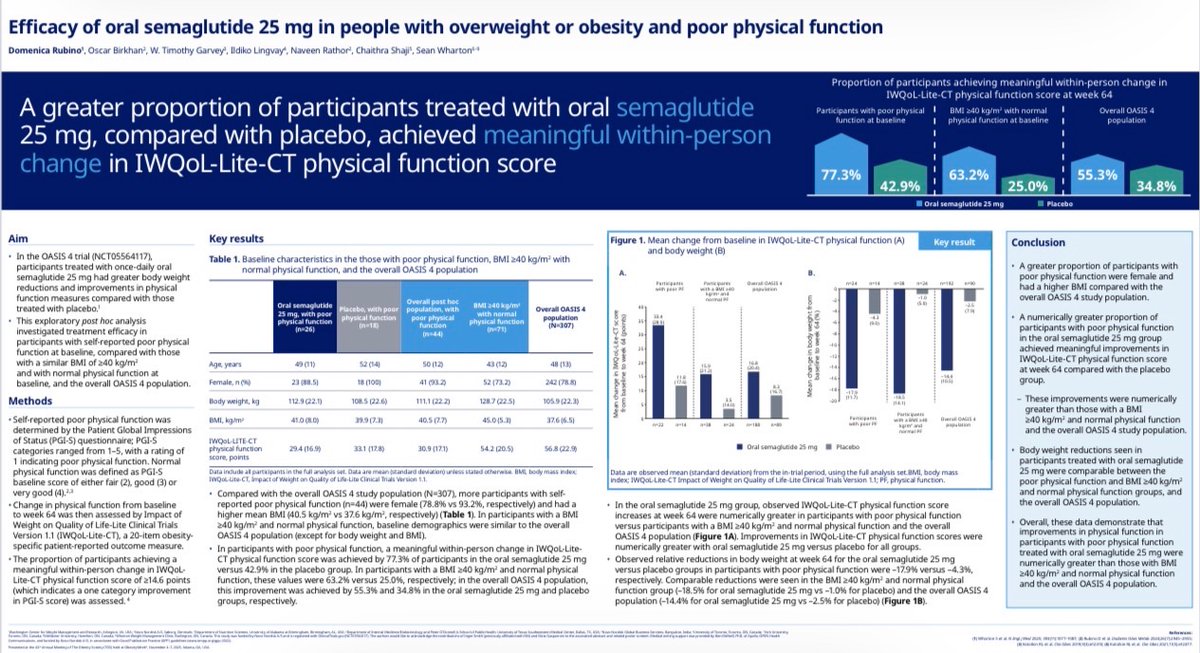
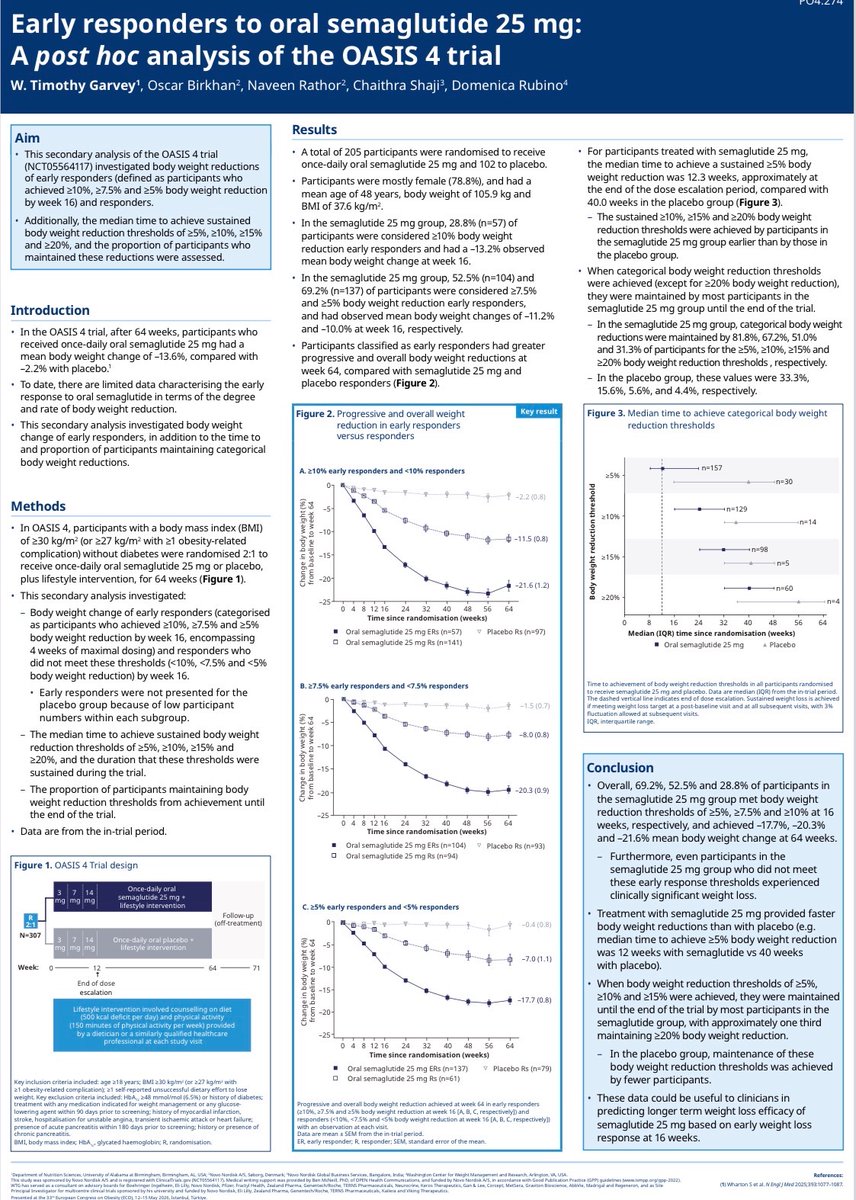
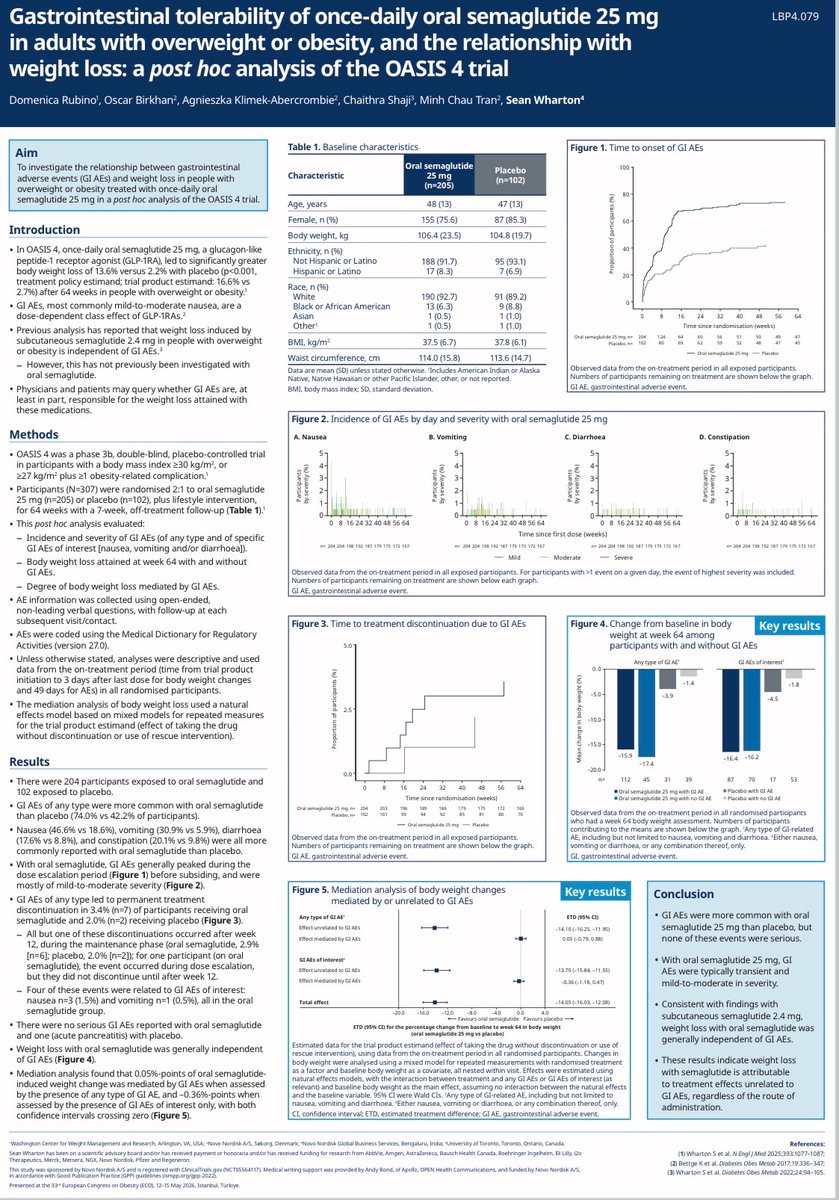
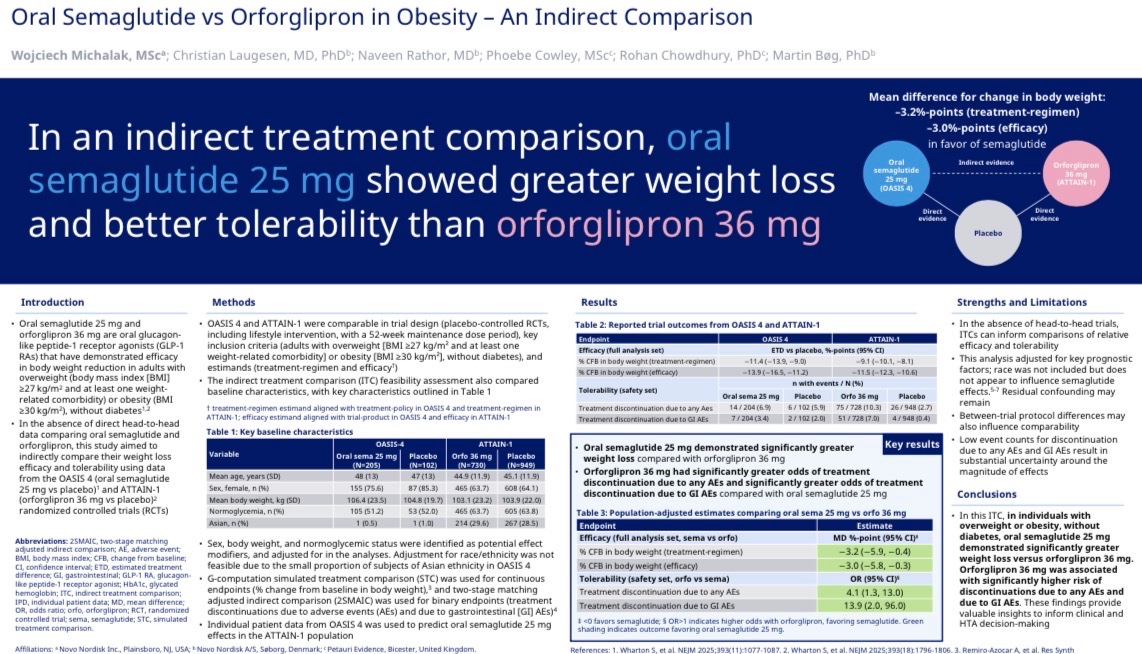
Oral semaglutide 25 mg delivered strong results in the OASIS 4 trial for adults with overweight or obesity.
Early responders reached 21.6 percent weight loss at 64 weeks, with gains in physical function scores clearest among those starting from lower baselines.
Side effects stayed mostly mild to moderate and did not drive the weight reduction.
These outcomes position the oral option as competitive on both efficacy and daily convenience against newer orals in development.

WHERE DO WE STAND WITH SEMAGLUTIDE?
NEWS!
1️⃣ORION: Sema vs Orforglipron
2️⃣OPTIC: Preferences for obesity medications
3️⃣OASIS4: Post Hoc Early Responders to Sema 25 mg
4️⃣Sema 25 mg in People with Poor Physical Function
5️⃣OASIS4: Post Hoc on Gastrointestinal Tolerability Sema 25
1
3
3
165
Jun 13
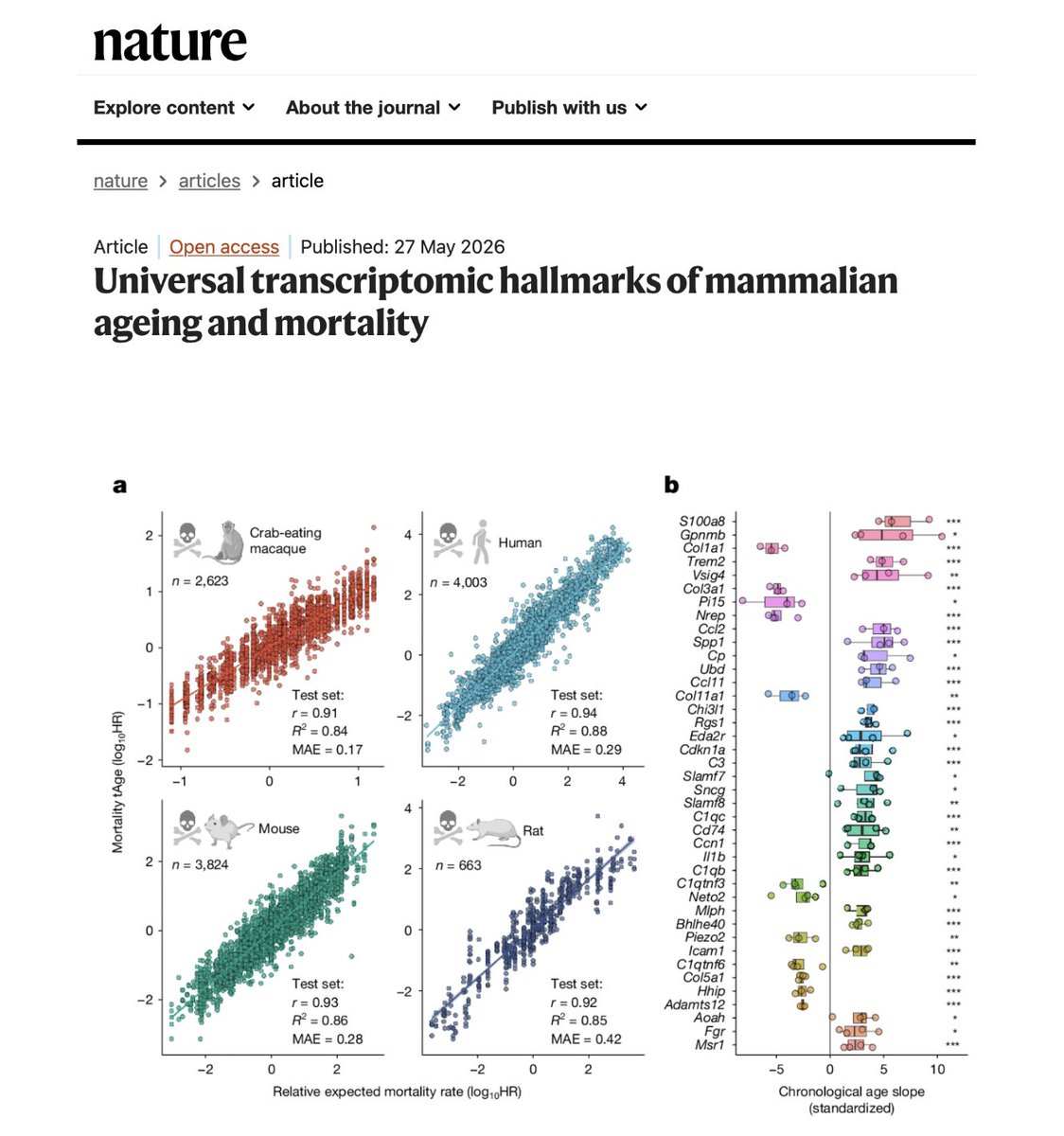
The Nature paper maps conserved transcriptomic signatures of ageing across more than 11,000 samples from mouse, rat, macaque, and human tissues.
It identifies shared programs in inflammation, metabolism, extracellular matrix remodeling, and stress responses that predict chronological age and mortality risk more reliably than isolated markers.
Slavov highlights how the work integrates data across species and organs yet still leaves open questions on protein-level mechanisms and causal drivers.
Functional validation through targeted perturbations will determine which of these patterns can be slowed or reversed. @slavov_n
May 29

Large-scale transcriptomic data across four mammalian species and multiple tissues identify conserved molecular signatures associated with ageing and mortality risk.
The integration across species, tissues, perturbations, and interventions is a notable strength. Further, mRNA abundance is more biologically interpretable than DNA methylation, though still an indirect readout of physiological processes.
The article advances the idea that ageing is multidimensional rather than a single scalar process, with partially separable inflammatory, metabolic, extracellular matrix, and stress-response programs changing over time.
Predictive performance is strong, but it is important to distinguish predictive association from mechanistic understanding. Even sophisticated transcriptomic signatures primarily capture statistical dependencies and correlations with ageing-related states and mortality risk. They do not yet explain the causal mechanisms underlying ageing.
Achieving deeper mechanistic understanding will require more functional readouts: protein states and modifications, molecular interactions, metabolic fluxes, cell functions, tissue physiology, and experimentally testable causal perturbations.
This work provides a valuable cross-species resource and advances the field through its scale, comparative framework, and integrative systems biology perspective.
2
30
Jun 13
Skeletal muscle functions as the body's largest endocrine organ.
During exercise it releases over 650 identified myokines that drive improvements in neuroplasticity, insulin sensitivity, mitochondrial efficiency, vascular function, immune response, and repair processes across organ systems.
Executives focused on performance should view training sessions as targeted molecular interventions rather than simple physical activity.
Consistent muscle contractions produce these signaling molecules that create widespread benefits far beyond calorie burn or strength gains.
The data supports prioritizing regular movement for measurable health outcomes at the cellular level. @louisanicola_
1
15
Jun 13
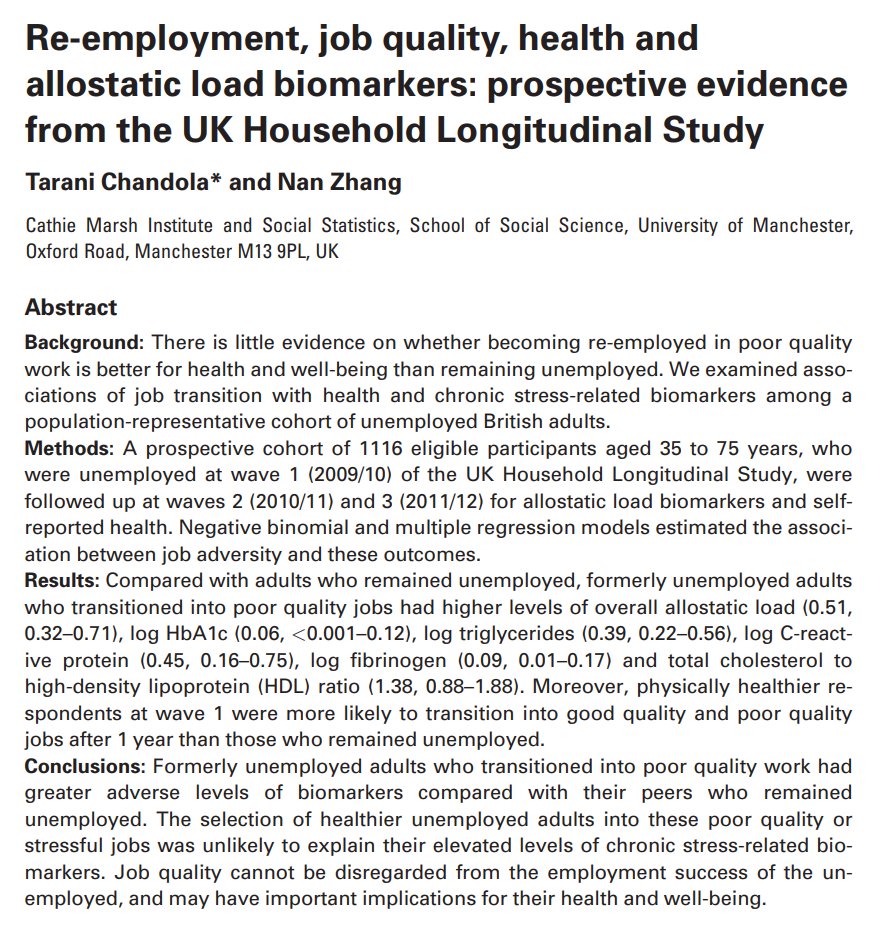
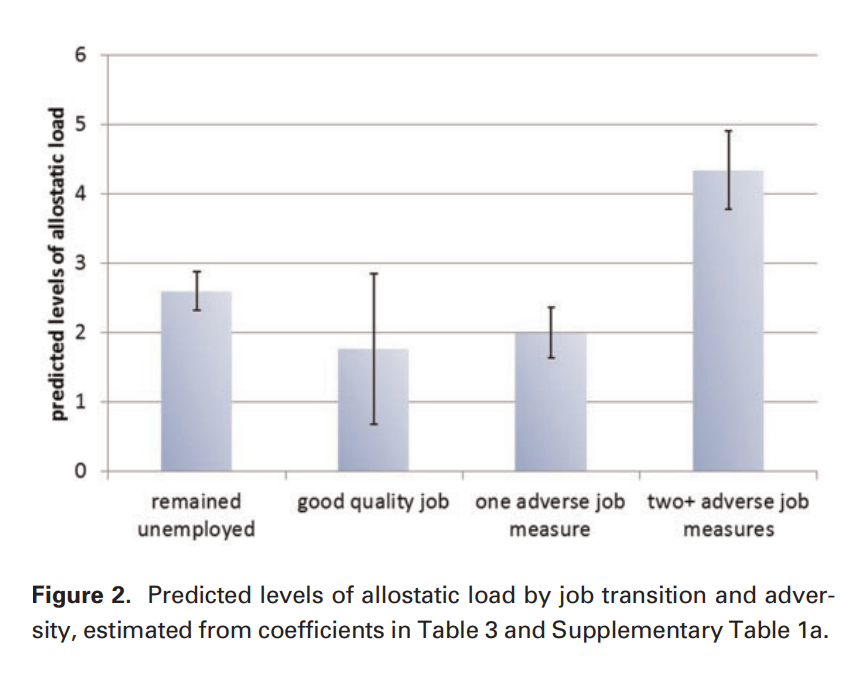
Poor quality jobs harm health and raise stress levels more than remaining unemployed.
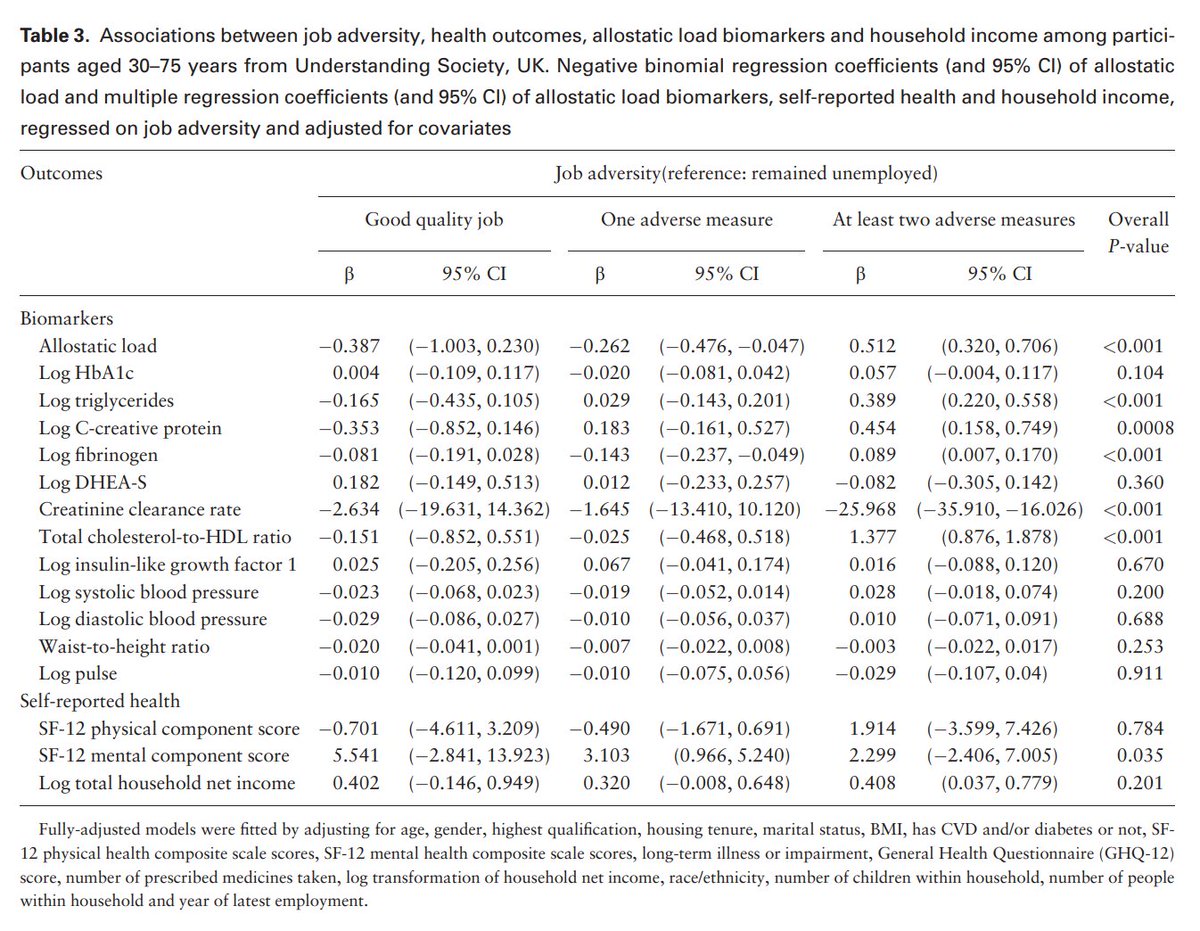
The UK Household Longitudinal Study followed over 1100 adults and found that those moving into poor quality work showed allostatic load levels 1.5 times higher than those who stayed jobless.
This pattern held across multiple biomarkers including inflammation and metabolic markers even after adjusting for prior health.
Focusing on job conditions rather than rushing back into any role supports better long term wellbeing.
Jun 13
Un trabajo de baja calidad parece perjudicar más la salud y generar más estrés que estar desempleado.
12
synapse retweeted

Jun 11
Creatine is known for building muscle and improving athletic performance. A new UCLA study just found it does something completely different—it powers the immune cells that direct your body's cancer-fighting response.
Researchers published the findings in iScience after studying both mouse models and human cells. The discovery builds on earlier work showing creatine fuels killer T cells that attack tumors directly. Now they've found creatine also energizes dendritic cells—the immune cells that capture tumor fragments and train T cells where to strike.
Most cancer immunotherapies target killer T cells directly, but only 20-40% of patients respond. The limitation isn't the T cells themselves. It's the dendritic cells upstream that activate and direct them.
The research team started by examining which metabolic genes were most active in dendritic cells that had infiltrated tumors in mice. One gene stood out: the creatine transporter, which pulls creatine into cells. It was markedly elevated in tumor-infiltrating dendritic cells compared to those in healthy tissue.
To test whether this mattered, they engineered dendritic cells that couldn't transport creatine. These cells showed impaired survival, reduced activation, and weakened ability to prime T cells for tumor response. When grown alongside T cells in a lab dish, those T cells divided less and produced fewer cancer-fighting signaling molecules.
Then they tested the opposite intervention—increasing creatine instead of removing it. Daily creatine injections in melanoma-bearing mice significantly slowed tumor growth and boosted both the number and activation of dendritic cells infiltrating tumors. The creatine-treated dendritic cells produced higher levels of chemical signals that recruit additional immune cells to the tumor site.
Metabolomics analysis revealed the mechanism: creatine supplementation raised intracellular ATP levels in dendritic cells. ATP is the energy currency cells use to power nearly every function. Creatine acts like a battery—storing and releasing energy on demand, helping dendritic cells maintain stable energy levels even when competing with fast-growing tumor cells for nutrients.
The effect extended to human cells. Creatine treatment enhanced activation of human monocyte-derived dendritic cells—the type often used in dendritic cell cancer vaccines—and improved their ability to stimulate human T cells against cancer-associated targets.
The findings suggest incorporating creatine during manufacturing of dendritic cell vaccines may boost their therapeutic potency. More broadly, they reveal that creatine doesn't just help the immune cells fighting cancer directly—it energizes the infrastructure that supports and guides them.
Immuotherapy works for some patients but fails for most. The difference may come down to whether dendritic cells can maintain enough energy to properly activate the T cell response. Creatine supplementation addresses that metabolic constraint.
A supplement taken by millions for muscle growth and athletic performance turns out to support immune cell function at a fundamental metabolic level—powering both the killer T cells that attack tumors and the dendritic cells that train them where to go.
9
169
1,134
536,452
Jun 12
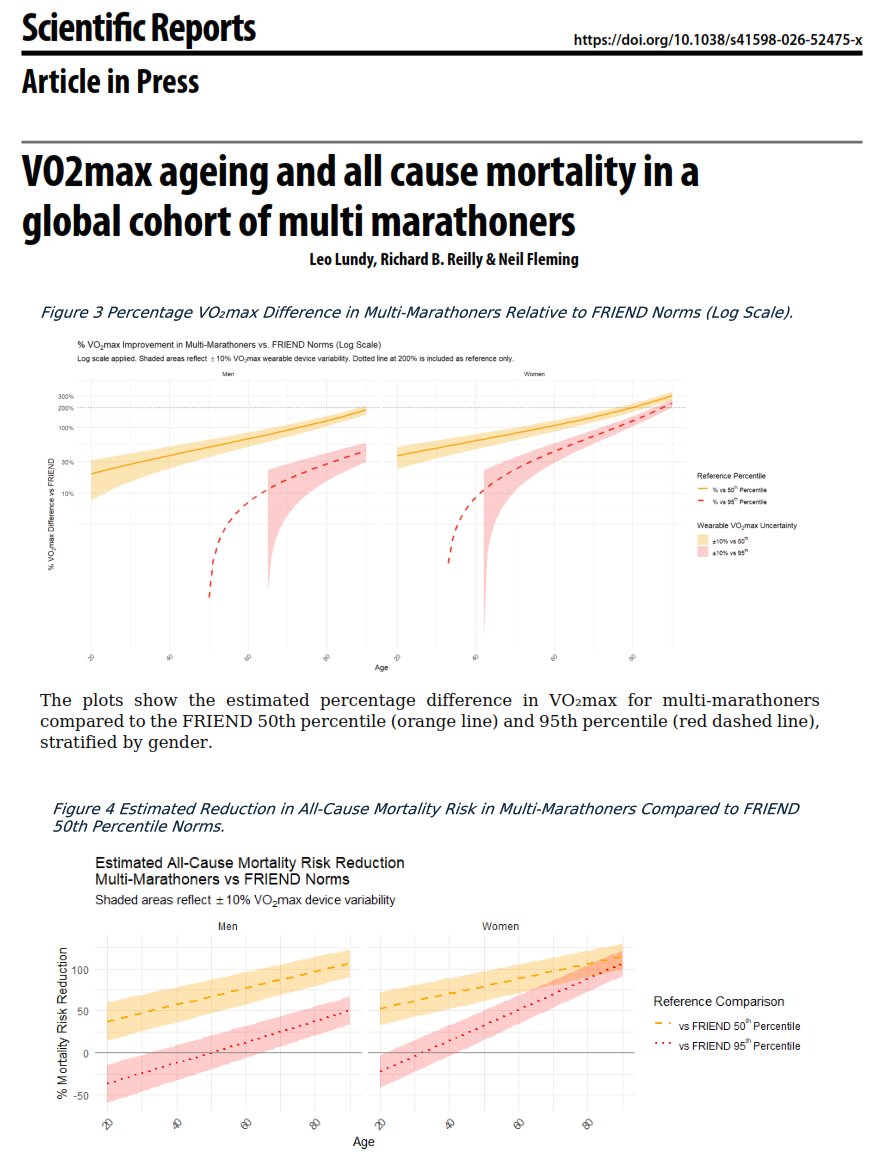
Multi-marathoners maintain substantially higher VO2max levels than age-matched norms.
A 2026 study of 340 runners averaging 121 lifetime marathons found values often exceeding the 95th percentile across age groups, with slower decline rates than population averages.
This endurance volume correlates with cardiorespiratory gains that modeling links to lower mortality risk.
Self-reported data and wearables limit causal claims, yet the pattern holds after accounting for selection effects.
Consistent high-mileage training appears to preserve aerobic capacity better than sporadic activity. @nick_krontiris
Jun 11

This one finds that multi-marathoners not only exhibit substantially higher V̇O2max values than population norms across all age groups, but they also show a more gradual age-associated pattern in V̇O2max and a 3.7% reduction in estimated all-cause mortality per 1 mL/kg/min increase in V̇O2max.
1
59
Jun 12
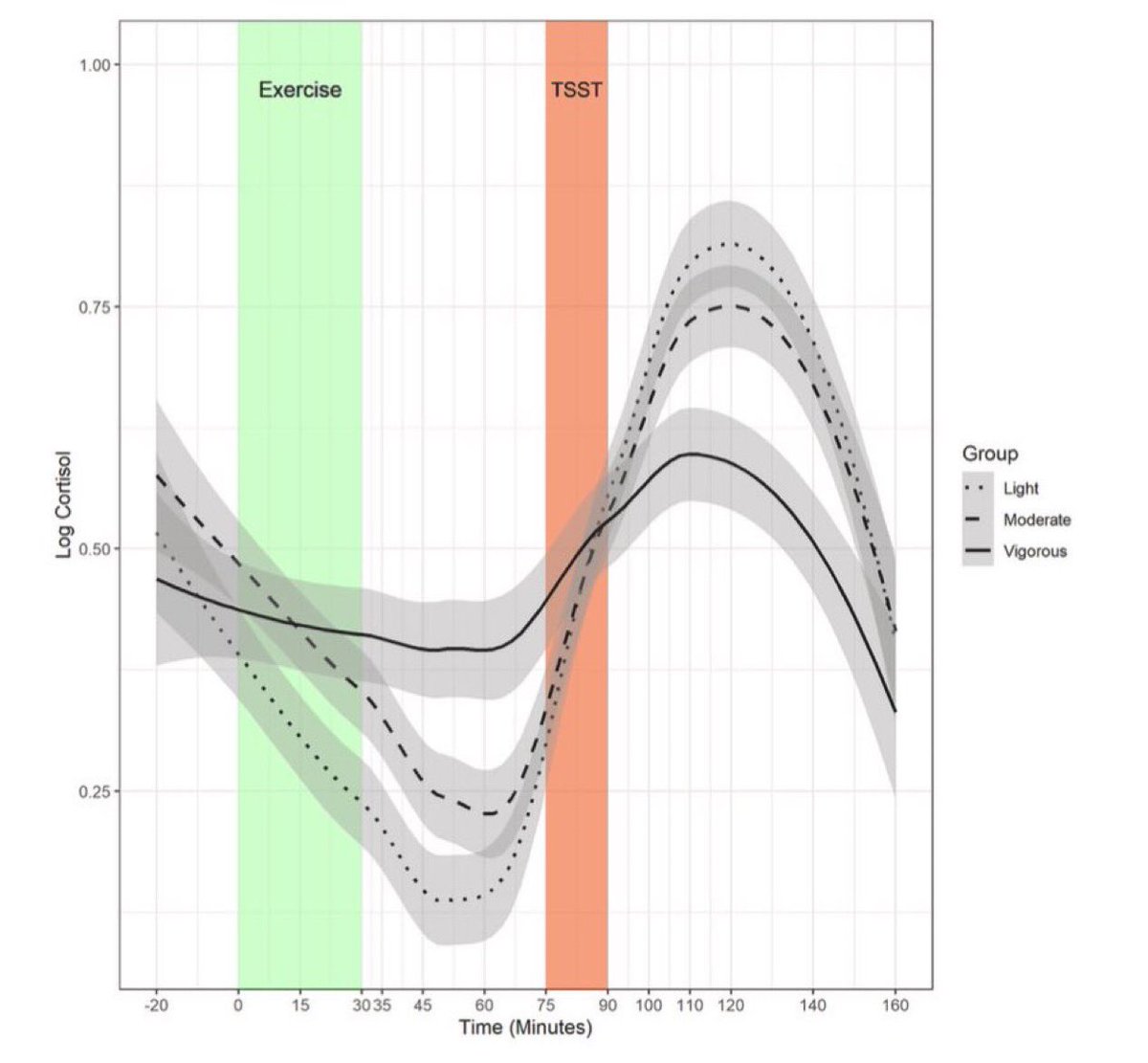
Vigorous exercise before a stressor can blunt the cortisol response according to research.
A 2021 study in Psychoneuroendocrinology found that 30 minutes of vigorous activity at around 70 percent max effort cut the cortisol rise by 50 to 75 percent.
It also lowered the peak level and sped up recovery by roughly 10 minutes.
The effect was dose dependent with higher intensity workouts showing the strongest protection against psychosocial stress.
This approach offers a practical way to build daily resilience when timed in the morning. @AntelmPujol
Jun 11

¿Quieres protegerte contra el estrés?
Haz 30 min de ejercicio intenso (70% de tu máximo).
Un estudio lo demuestra:
🔥 La subida de cortisol ante un estrés fue 50–75% más lenta tras entrenar fuerte.
🔥 El pico de cortisol llegó antes y más bajo
🔥 Recuperación 10 min más rápida al nivel previo al estrés (81 vs 91 min).
Truco práctico:
➡️ Si hoy tienes algo estresante, entrena intenso antes.
➡️ Si puedes, haz tu entrenamiento fuerte por la mañana: te deja “protegido” del estrés todo el día.
31