
Prof @WUSTL. Vice-Chair @WustlDOVS. Co-Director #WashUNeuroPhD. To understand, preserve, and restore vision.
Joined August 2021
- Tweets 248
- Following 374
- Followers 651
- Likes 416
17 Photos and videos
Pinned Tweet
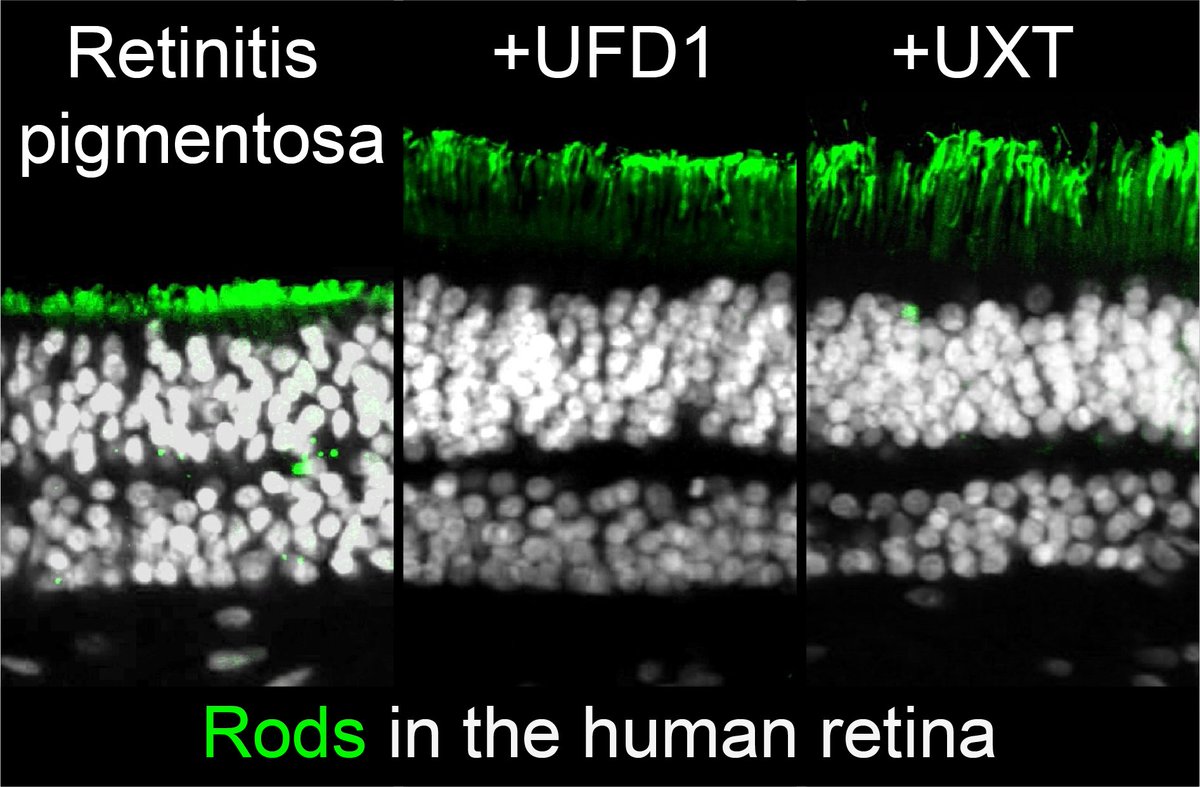
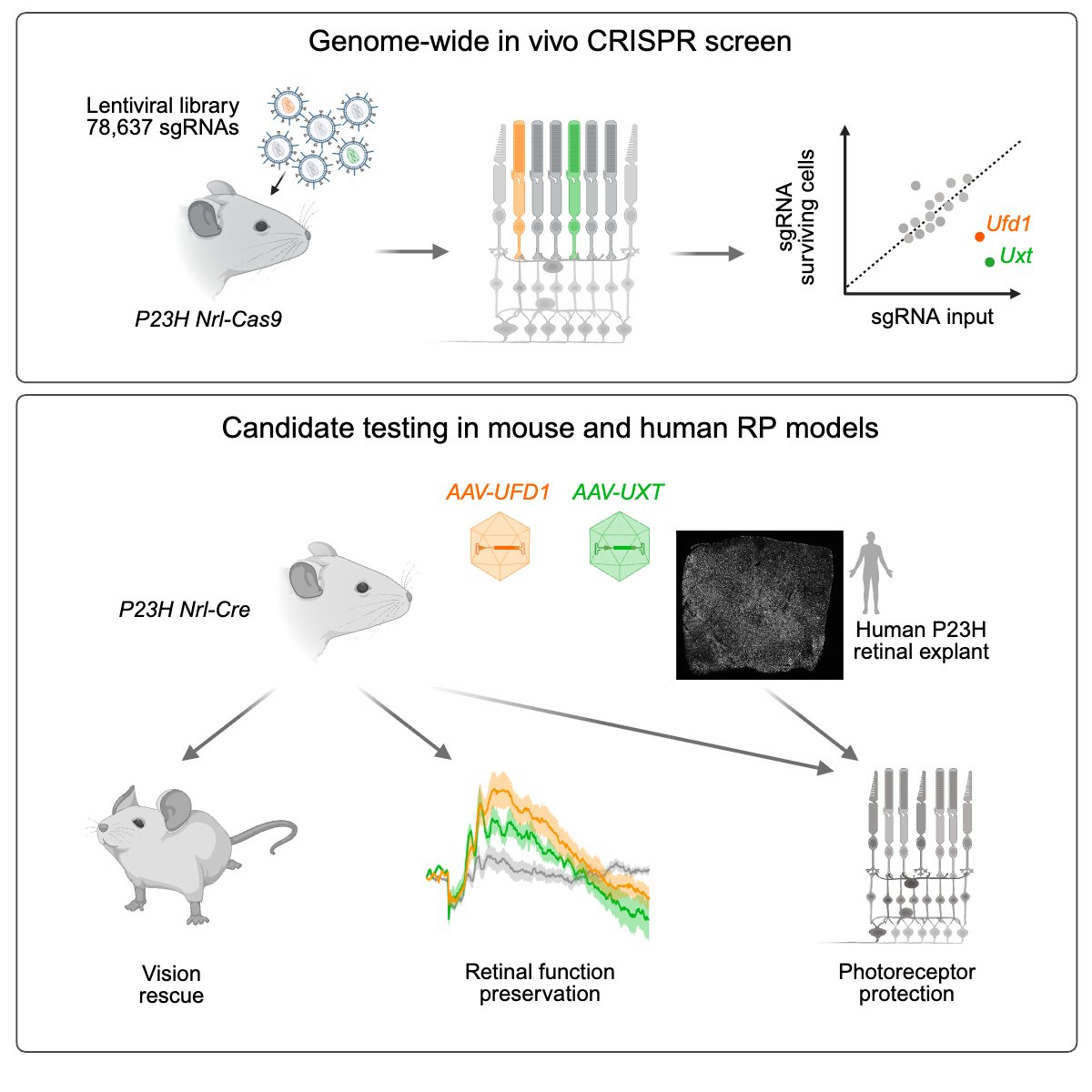
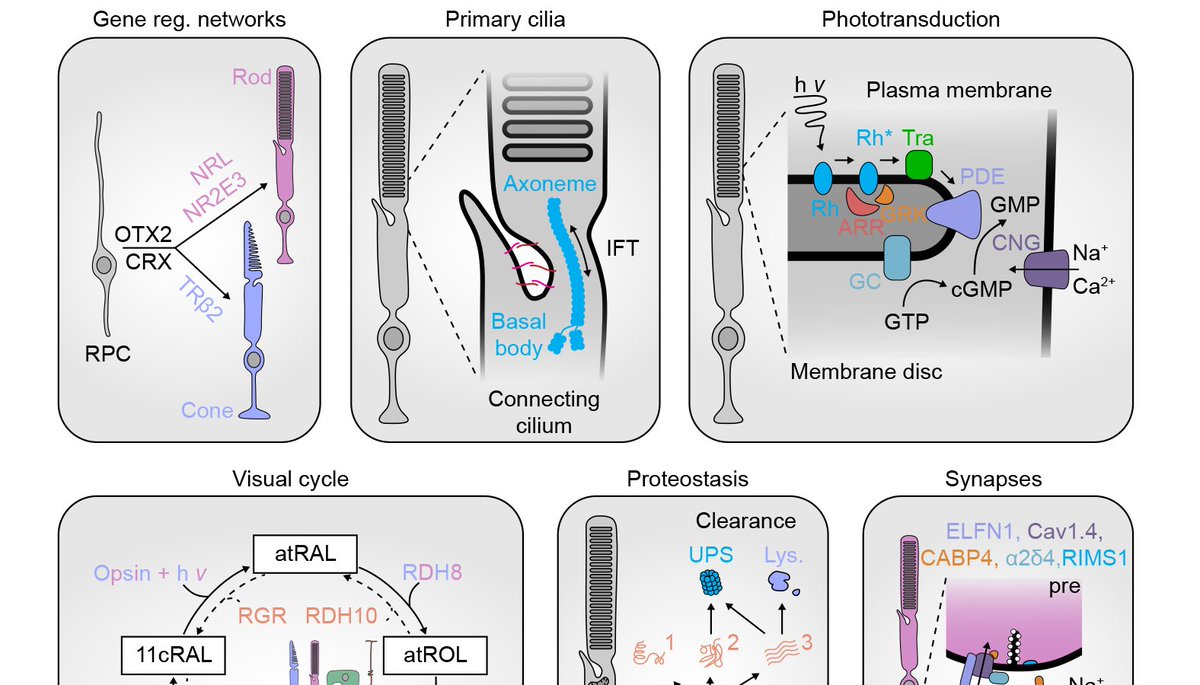
New study led by @NingShenStella w/ @phruzycki: a genome-wide in vivo CRISPR screen in a retinitis pigmentosa mouse model identifies genes whose loss accelerates photoreceptor death. Overexpressing two, UFD1 and UXT, preserves photoreceptors, retinal function, and vision. 🧵
3
7
29
3,647
Daniel Kerschensteiner retweeted

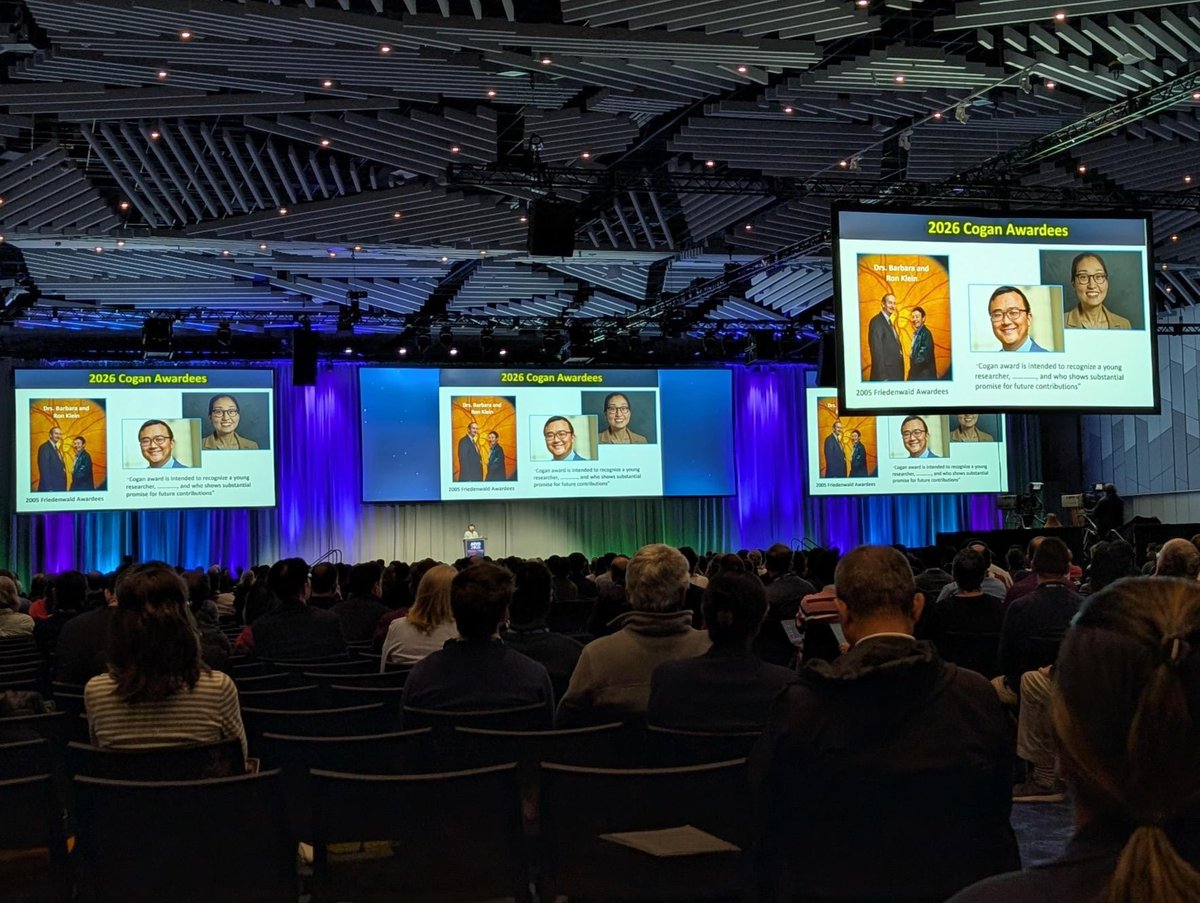
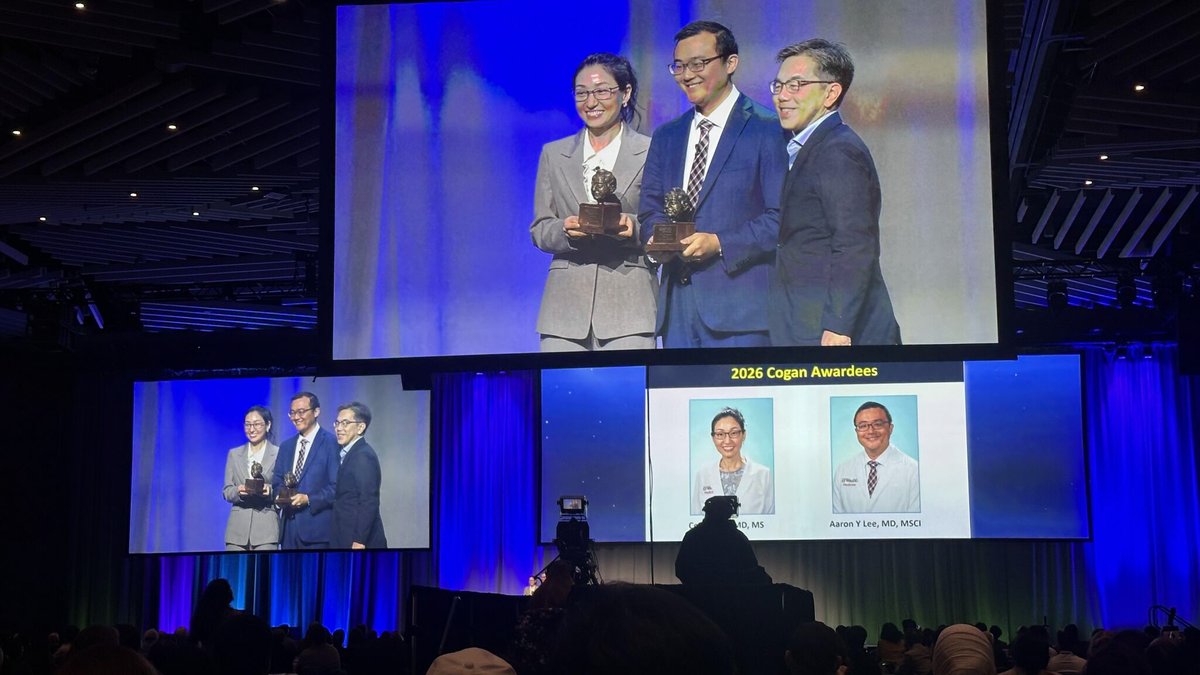
Congratulations to Aaron Y. Lee, MD, MSCI, Arthur W. Stickle Distinguished Professor and Chairman of Ophthalmology and Visual Sciences, and Cecilia Lee, MD, MS, Jane Hardesty Poole Distinguished Professor of Ophthalmology and Visual Science, on the #ARVO2026 Cogan Award! 👏

1
3
172
Daniel Kerschensteiner retweeted

Apr 28
Every experimental neuroscientist knows the feeling: you have a hypothesis, but running the experiment takes months👩🔬
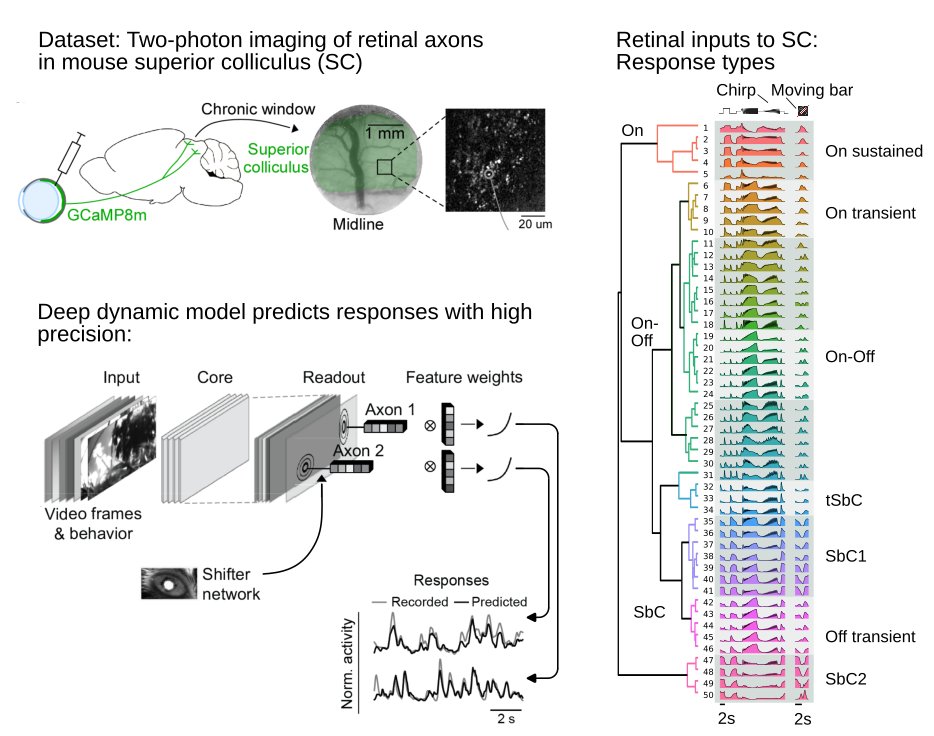
In our new preprint @biorxiv_neursci , we present an openly available functional ''digital twin'' of the retinal input to the mouse superior colliculus that lets you test hypotheses in the model first — try it out yourself using the link below 🧠
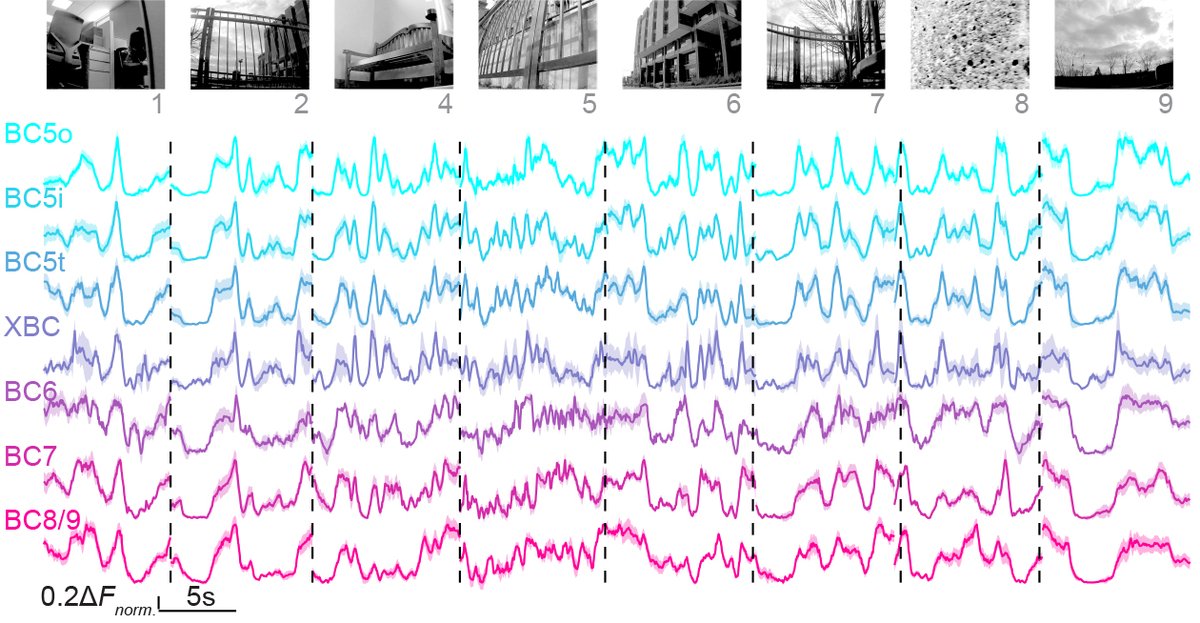
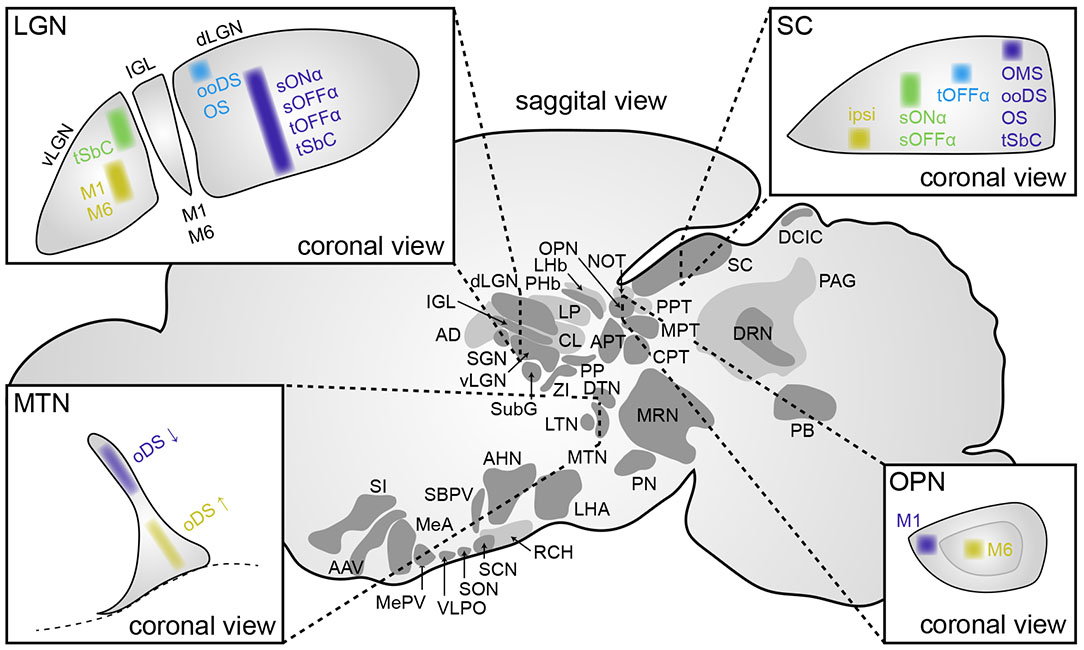
We combined chronic two-photon imaging of >200k retinal ganglion cell axonal boutons in the mouse superior colliculus (SC) with deep dynamic models that predict neural responses to parametric light stimuli and natural movies.
Key findings⚡️
▸ Retinal inputs to the SC form functionally distinct, laminar-organized response types, identified via Gaussian mixture model clustering
▸ The functional diversity of retinal output matches that of retinal input to the SC. We show this by aligning our dataset with a retinal reference dataset using a variational autoencoder with adversarial training
▸ Our deep dynamic digital twin learns stimulus–response transformations and generalizes to stimuli it was never trained on, including parametric stimuli used for cell type identification
The model functions as a virtual lab bench: feed in any stimulus you're curious about and generate predicted neural responses. As a proof of concept, we fed in a looming stimulus — known to trigger defensive behavior in mice — and identified putative response types selective for this stimulus
Try it in our Colab notebook with your own stimulus and see what the model predicts
📄 Preprint: biorxiv.org/content/10.64898…💻
Colab: colab.research.google.com/dr…📂
Code: github.com/yongrong-qiu/reti…
Huge thanks to an incredible cross-institutional team spanning @StanfordMed , @uktuebingen , @uniGoettingen , @bcm_neurosci & many more
@YongrongQ, @lisa_schmors, Na Zhou, Mels Akhmetali, Dominic Gonschorek, Cameron Smith, Anton Sumser, Marie Vallens, @crcadwell, Fabrizio Gabbiani, Maximilian Joesch, @AToliasLab, Philipp Berens, Thomas Euler, @sinzlab, @viajake 🙌
30
148
8,956
Daniel Kerschensteiner retweeted

Apr 14
Check out this "epic" summary of our recent paper from Michael Housset and @MichelCayouette !
pnas.org/doi/10.1073/pnas.26…
4
7
468
Daniel Kerschensteiner retweeted

Apr 12
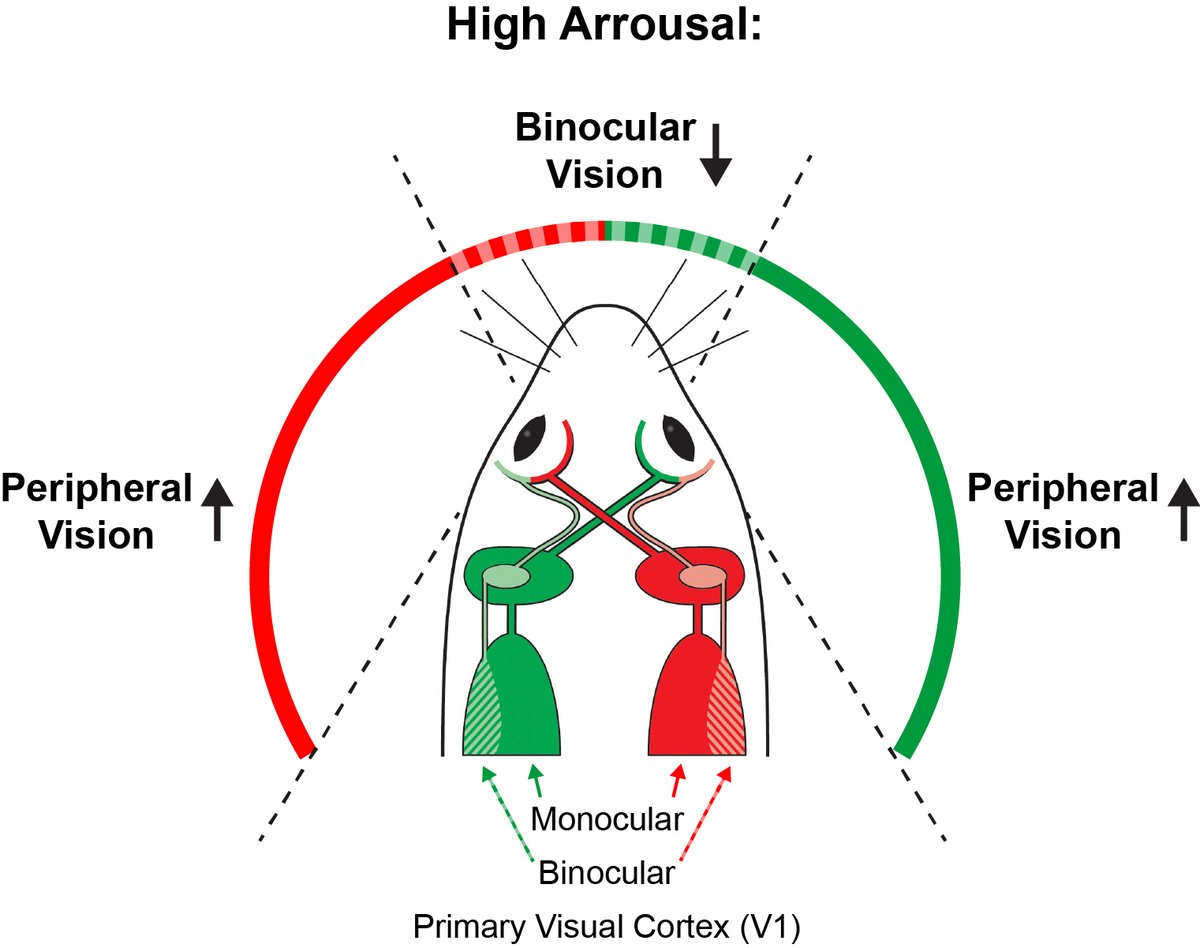
🚨Paper Alert🚨 After 4(!!!) years of revisions, the amazing @KetiCohen & team pushed out this beauty💪 Unlike what the textbooks say, V1 binocularity is not fixed: at high arousal, binocularity decreases while the strength of peripheral vision increases. nature.com/articles/s41467-0…
6
21
106
7,676
Daniel Kerschensteiner retweeted

Paper alert!
Cognitive ethology of nest building in a shell-dwelling cichlid
Swantje Grätsch et al. found that L. ocellatus builds nests through an innate behavioral sequence, which is orchestrated by a series of stimulus-response loops.
sciencedirect.com/science/ar…
1
4
12
390
Daniel Kerschensteiner retweeted

Apr 10
The Bright Center for Human Vision is now hiring! We seek a skilled researcher to support translational vision research @WashUMedDOVS! More info below🧵
1
2
2
203
New study led by @NingShenStella w/ @phruzycki: a genome-wide in vivo CRISPR screen in a retinitis pigmentosa mouse model identifies genes whose loss accelerates photoreceptor death. Overexpressing two, UFD1 and UXT, preserves photoreceptors, retinal function, and vision. 🧵
3
7
29
3,647
To bridge the gap to translation, we developed an RP model in adult human retinal explants and show that both gene therapies protect photoreceptors, highlighting their therapeutic promise as mutation-agnostic strategies against proteotoxicity. authors.elsevier.com/a/1mvXe…
1
5
233
Daniel Kerschensteiner retweeted
Mar 31
New paper out in @NeuroCellPress 🎉
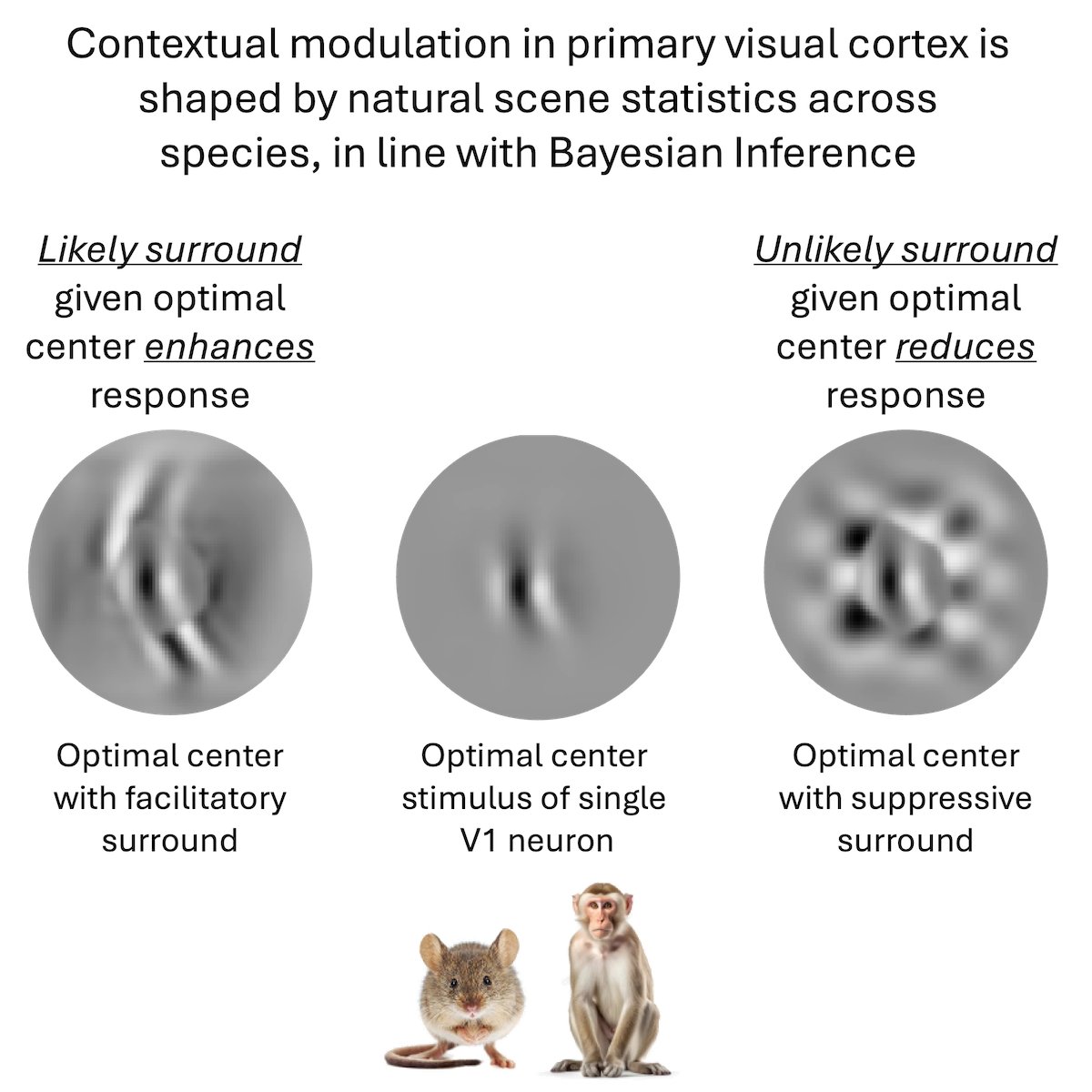
What determines contextual modulation in primary visual cortex (V1)?
The key result ⚡ V1 neurons are facilitated by surrounds that complete their optimal center feature according to natural scene statistics, and suppressed by surrounds that disrupt it — a principle explained by hierarchical Bayesian inference and conserved across mouse and macaque.
These results converge with Deveau et al. in @NeuroCellPress (cell.com/neuron/fulltext/S08…) from the lab of @HistedLab, who show that recurrent circuits in V1 filter temporal input sequences to selectively boost natural dynamics, and Lange et al. in @ScienceMagazine (science.org/doi/10.1126/scie…) from the lab of @haefnerlab, who show that perceptual learning increases population redundancy as predicted by generative inference. A consistent picture is emerging: (early) visual cortex actively infers the statistical structure of the natural world.
Amazing collaboration with @AToliasLab @haefnerlab @sinzlab Antolik Lab & many more — led by @jiakunfu, with co-authors @suhas_shrinivas & @LuchinoBaroni & many more
The paper is open-access and available here: doi.org/10.1016/j.neuron.202…
More detailed approach:
We trained CNN digital twins on large-scale two-photon recordings from mouse V1 and used them to synthesize, for each neuron individually, the surrounds that most strongly facilitate or suppress its response to its optimal center stimulus. Closed-loop in vivo inception loop experiments confirmed the predictions.
Key qualitative finding:
Surrounds that complete the optimal center feature under natural scene statistics → facilitation
Surrounds that disrupt it → suppression
We verified this with an independent generative diffusion model (blind to our CNN): statistically likely continuations of the optimal center feature were significantly more similar to facilitatory surrounds in V1 representational space. The same principle holds in macaque V1 despite major differences in receptive field organization.
We formalize these results in a hierarchical Bayesian inference model — V1 neurons represent posterior beliefs about local features, with feedback from higher areas encoding global scene structure — and find like-to-like excitatory connectivity in the MICrONS dataset as a candidate circuit mechanism.
1
29
109
11,361

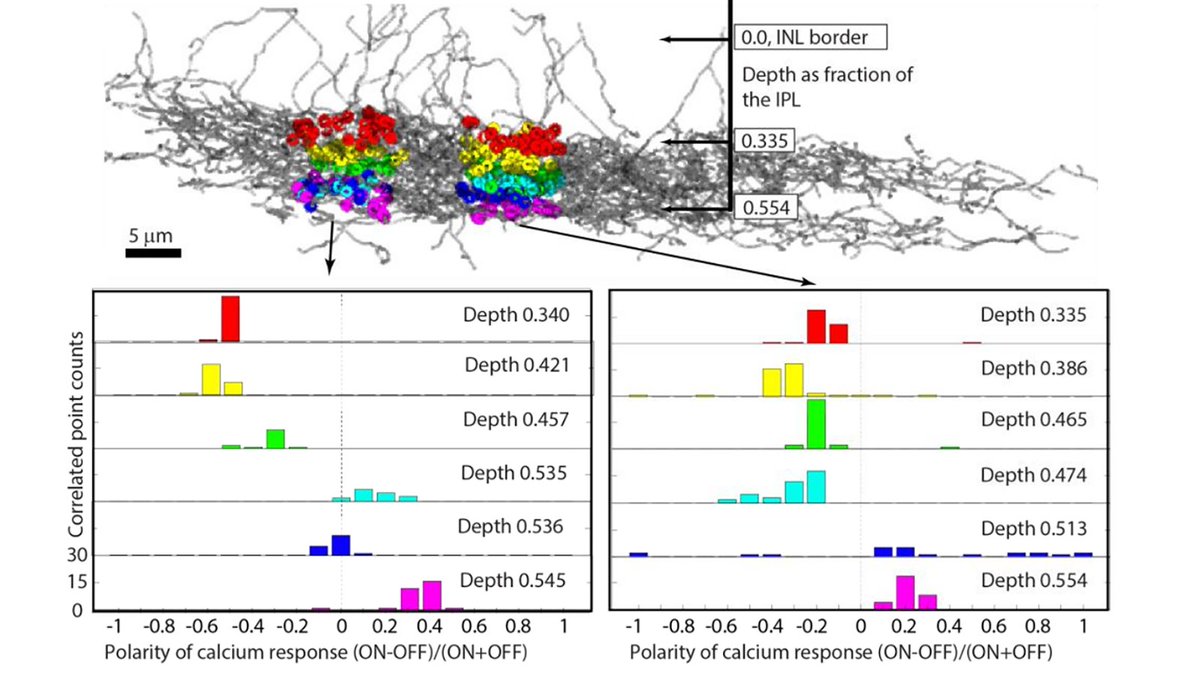
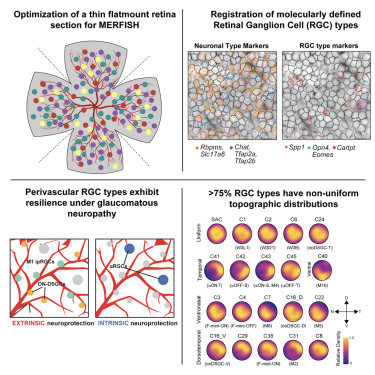
A @NeuroCellPress paper led by Kushal @UCBerkeley, Nicole&Victoria @UCSF in full collaboration with @shekharlab, Molecular and spatial analysis of ganglion cells on retinal flatmounts identifies perivascular neurons resilient to glaucoma sciencedirect.com/science/ar… #retina #MERFISH
20 Aug 2025

Online now: Molecular and spatial analysis of ganglion cells on retinal flatmounts identifies perivascular neurons resilient to glaucoma dlvr.it/TMbNkk
1
15
69
7,103
Daniel Kerschensteiner retweeted

23 Jul 2025
Finally it's out! nature.com/articles/s41586-0… Thanks to Felix Baier, Karl Farrow and Hopi Hoekstra! And a big thank you to all the co-authors, reviewers, host institutes and funding sources! @BramNuttin, Arnau Sans Dublanc, Chen Liu, Victoria Tong, Julie Murmann and Keimpe Wierda
7 Jul 2023

How flexible are essential innate behaviours and their underlying neural circuits? @Felix_Baier and I, with @HoekstraLab and @FarrowLab, addressed this question by studying the #evolution of threat avoidance in sister-species of Peromyscus mice. biorxiv.org/content/10.1101/…
5
16
60
6,605
Daniel Kerschensteiner retweeted

23 Jul 2025
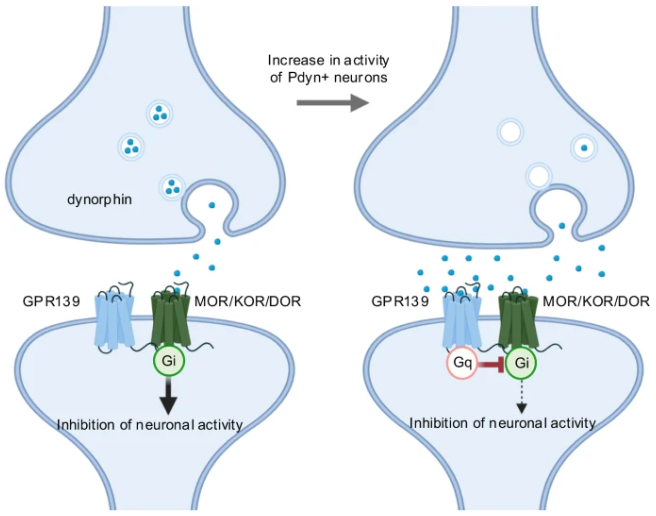
We found that endogenous ligand for GPR139 is opioid peptide dynorphin. With this, GPR139 may not be an orphan any more but the 5th opioid receptor. Heavy lift by talented Xiaona Li with great thanks to all who contributed!
nature.com/articles/s41467-0…
11
32
135
9,650
Daniel Kerschensteiner retweeted

16 May 2025
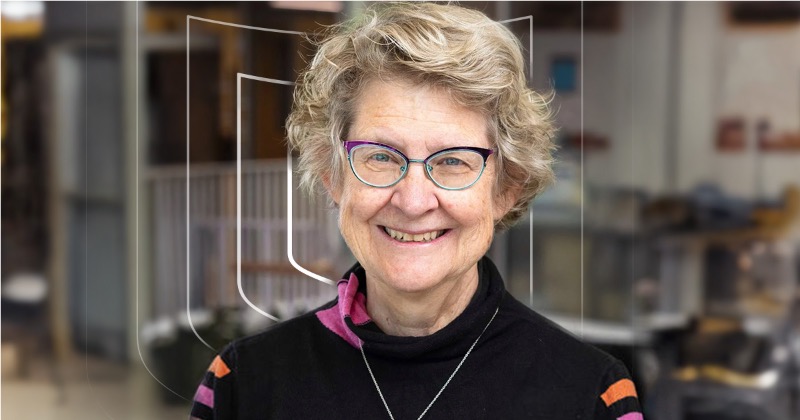
Join us in congratulating professor Susan K. Dutcher, PhD, on her election to the National Academy of Sciences. Her groundbreaking research on cilia is unlocking insights into chronic disease and continues to elevate WashU Medicine’s legacy of scientific excellence and impact.
4
18
1,682
Daniel Kerschensteiner retweeted
15 May 2025
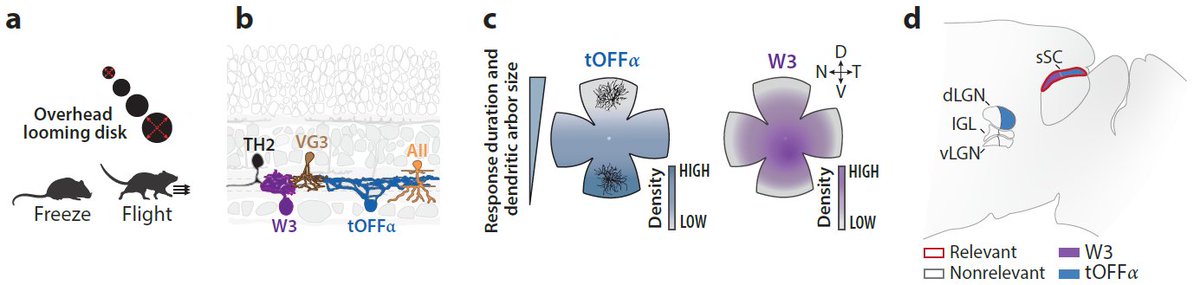
65 years after Lettvin’s bug detector neurons in the frog retina, we revisit how the retina drives behavior—from reflexes to prey capture to brain-state modulation
New review with @AnnaIntegrated & Serena Riccitelli in Annual Review of Vision Science 👇
tinyurl.com/ymp3vs4d
12
41
2,384
Daniel Kerschensteiner retweeted

1 May 2025
ATLAS, a rationally designed transsynaptic tracer is out today! Plasmids will soon be available on @Addgene addgene nature.com/articles/s41592-0…
Many thanks to first authors Jackie Rivera and Haoyang Huang, and to collaborators, @blsabatini @Kanoski_Lab @vincentw_weng @beherring
5
56
218
19,636
Daniel Kerschensteiner retweeted

27 Apr 2025
Happy to share our recent work on a conductance that shapes substantially the output of rod photoreceptors.
The role of the Ca2 -activated Cl- conductance in the membrane potential and light response of mouse rods jneurosci.org/content/early/…
6
22
690
Daniel Kerschensteiner retweeted
23 Apr 2025
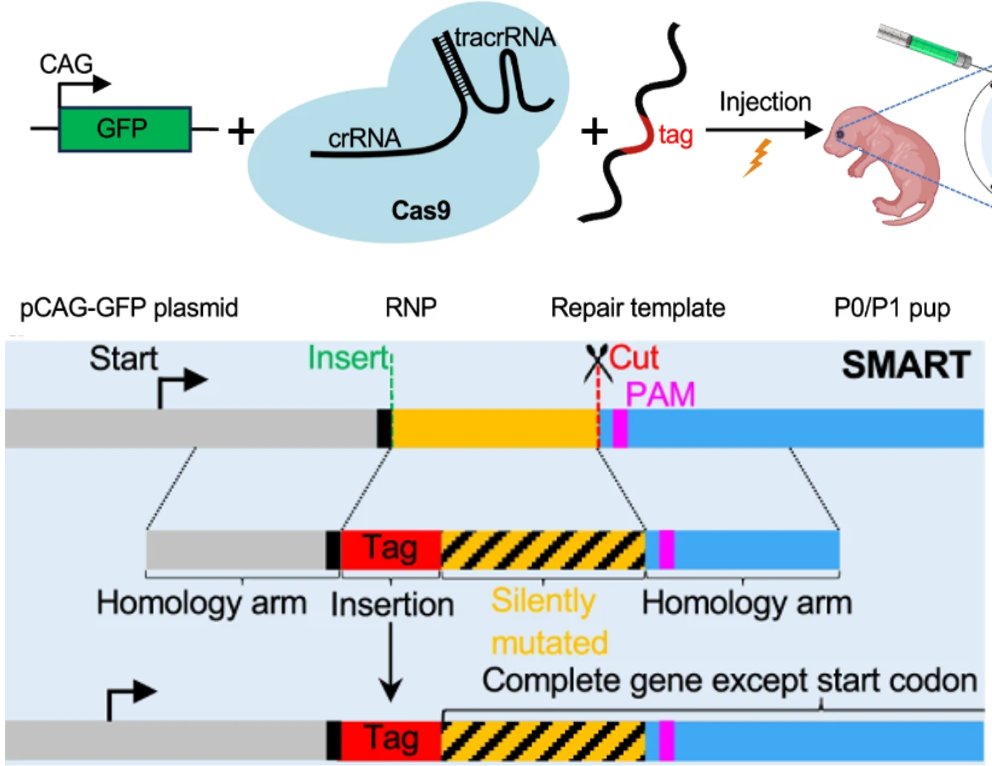
We have innovated design of templates for CRISPR/Cas9 editing which allows efficient introduction of epitope tags in vivo. It is a simple hack which we hope to be broadly useful. Work by talented graduate student Chuanping Zhao.
nature.com/articles/s41467-0…
4
23
80
8,883

21 Apr 2025
The ON/OFF dichotomy is fundamental to visual processing. In a new study led by Flori Soto, we identify a conserved molecular mechanism establishing the OFF pathway. rdcu.be/eikoa
11
39
2,177
Daniel Kerschensteiner retweeted

10 Apr 2025
1/ Why do late-stage cancer patients lose motivation & sink into apathy?
🔥Our new Science paper shows cancer activates a cytokine-sensing brain circuit to lower motivation.Great work by Aelita Zhu @sarahstarosta @Pignatelli_Lab @JanowitzTobias &team!🧵
🔗 doi.org/10.1126/science.adm8…
5
62
212
18,787
Daniel Kerschensteiner retweeted

27 Mar 2025
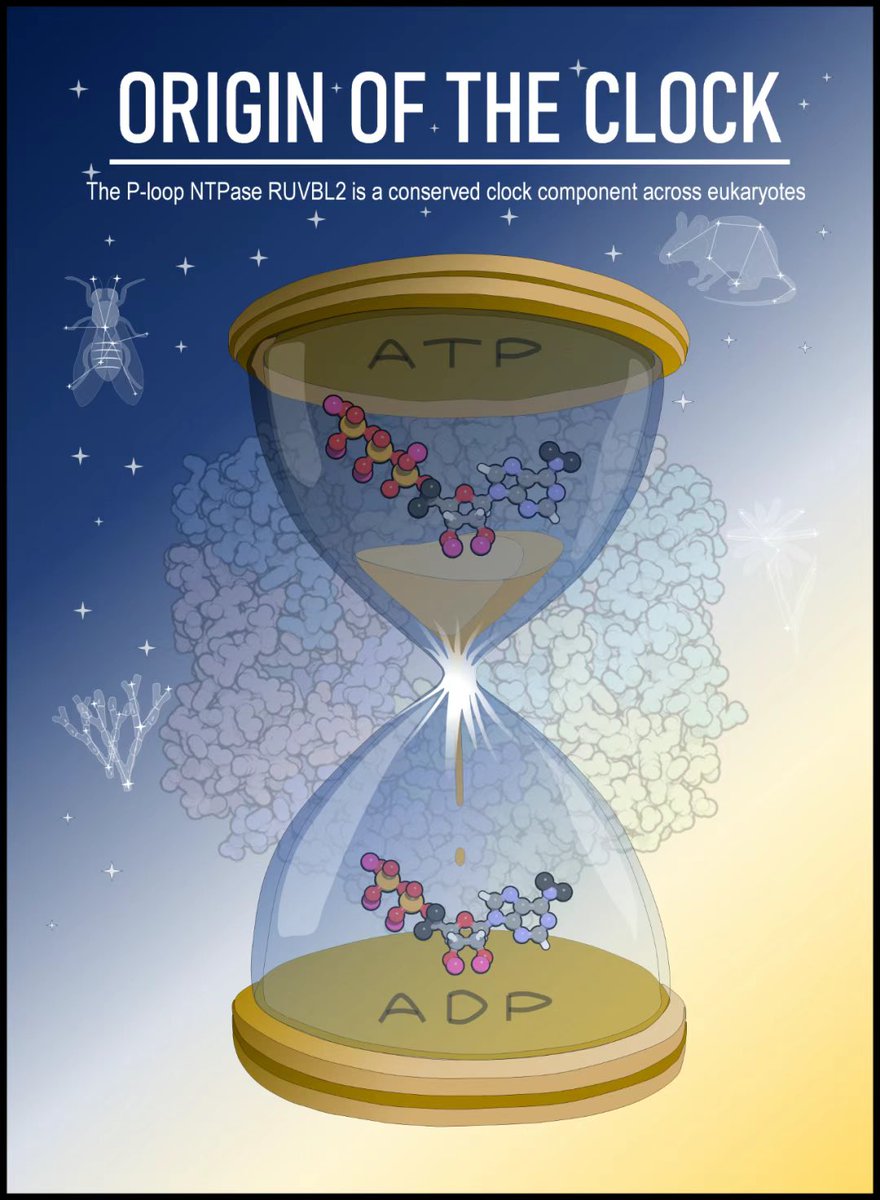
Our RUVBL2 paper is online published by Nature: trebuchet.public.springernat…
1
5
31
1,958