Longevity scientist / Author of ageless.link / Presenter youtube.com/DrAndrewSteele / Co-Founder and Director @longevityinit

Joined May 2007
3,156 Photos and videos
Pinned Tweet
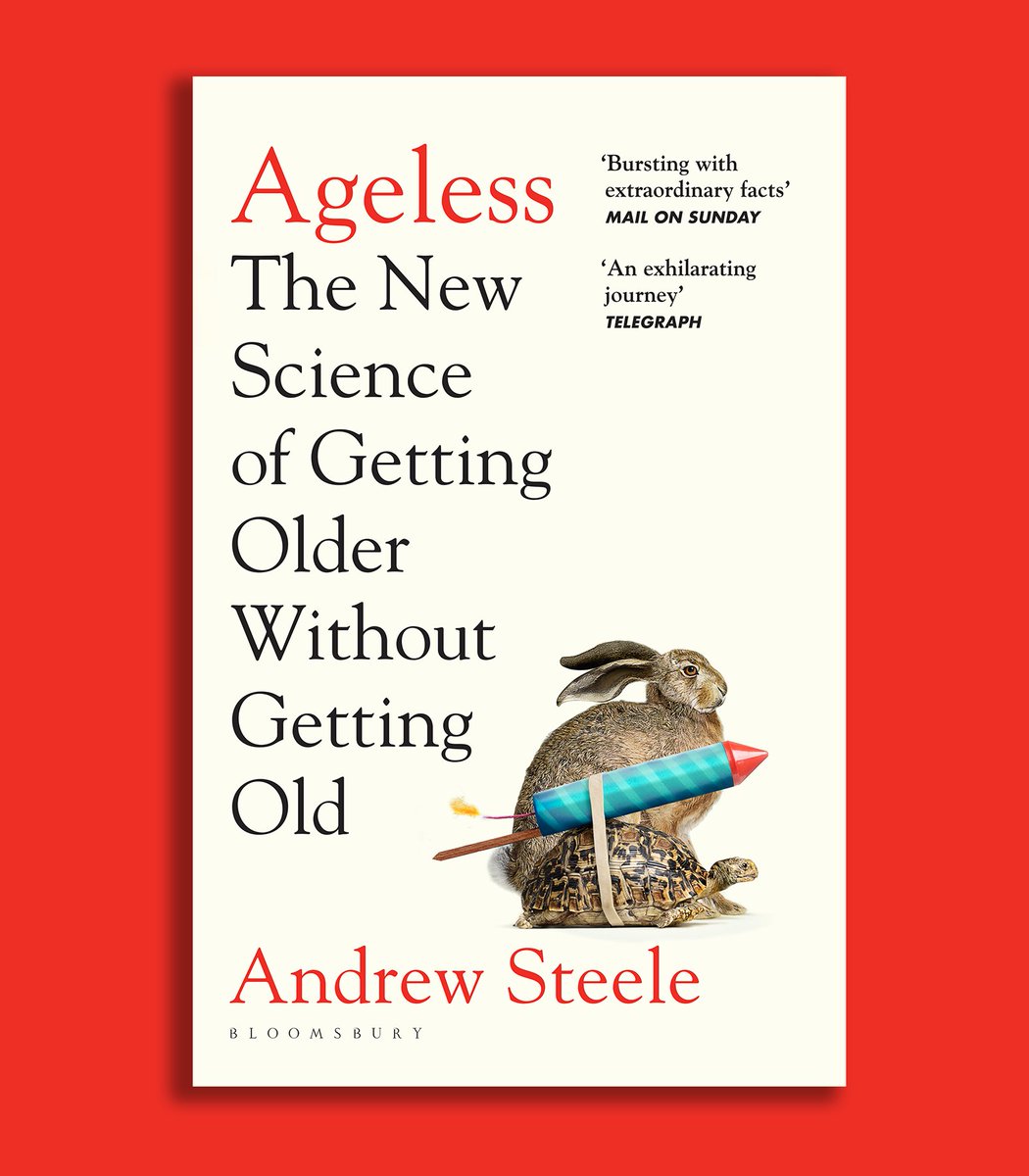
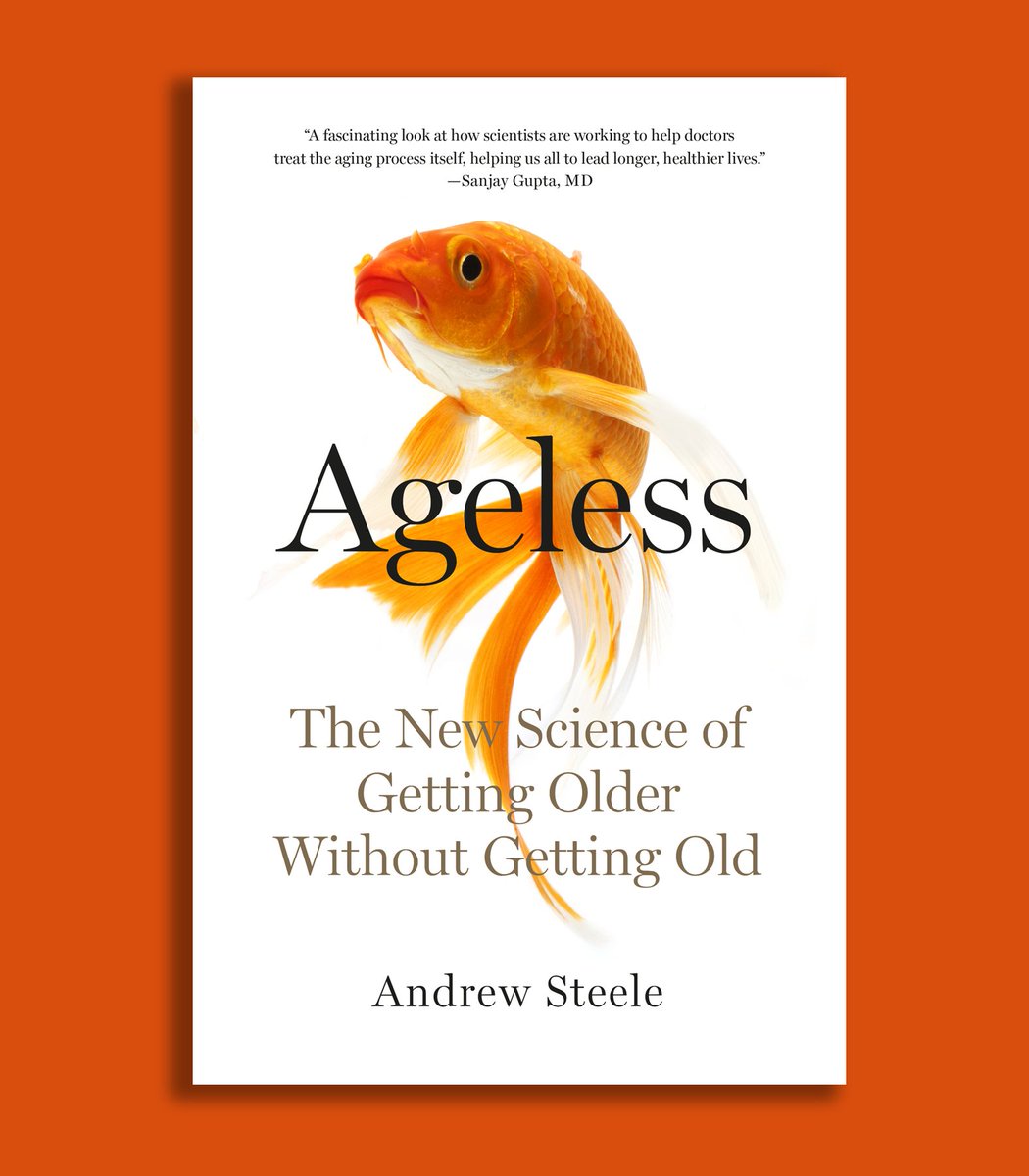
Ageless: The new science of getting older without getting old is out in paperback! ‘A tour de force of anti-ageing science’ – @thetimes ‘A fascinating look at how scientists are working to treat the aging process itself’ – @drsanjaygupta Buy a copy at andrewsteele.co.uk/ageless/
29
36
231
Andrew Steele retweeted
A recent investigation by @addictedtoigno1 uncovered more than 400 published studies that appear to have used the wrong antibody when measuring p16Ink4a, one of the most commonly used biomarkers in cancer and cellular senescence research. The story has generated understandable concern—and, in some corners of the internet, claims that it invalidates the entire senescence field. I don't think that's the right conclusion. In this episode of Longevity Science, I sat down with @NataliaMitin to discuss what actually happened, what the findings mean, and what they don't mean: youtu.be/b2Lqs4lYLRk We discuss: 🔬 How a naming and cataloging error may have propagated through hundreds of papers 🔬 Why the issue raises legitimate concerns about research rigor and reproducibility 🔬 The difference between honest mistakes, poor validation practices, and scientific misconduct 🔬 Why the strongest evidence linking senescent cells to aging comes from independent genetic and experimental approaches that are unaffected by this antibody controversy 🔬 The incentive structures in science that can reward exciting stories over careful validation My view is that this episode highlights two truths that can coexist: 1️⃣ The p16 antibody story reveals real problems in academic biomedical research that deserve scrutiny and correction. 2️⃣ The broader evidence supporting a role for senescent cells in aging biology remains strong and is based on multiple independent lines of evidence, not a single antibody. Science is not self-correcting because scientists are perfect. It is self-correcting because people are willing to question assumptions, revisit results, and follow the data wherever it leads. I believe that current incentive structures in academic career building, funding allocation, and publishing have degraded these historical guardrails. That's exactly why conversations like this matter. #Aging #Longevity #Science #ResearchIntegrity #Senescence #CancerResearch #Healthspan #LongevityScience #P16

1
5
24
3,368
Andrew Steele retweeted
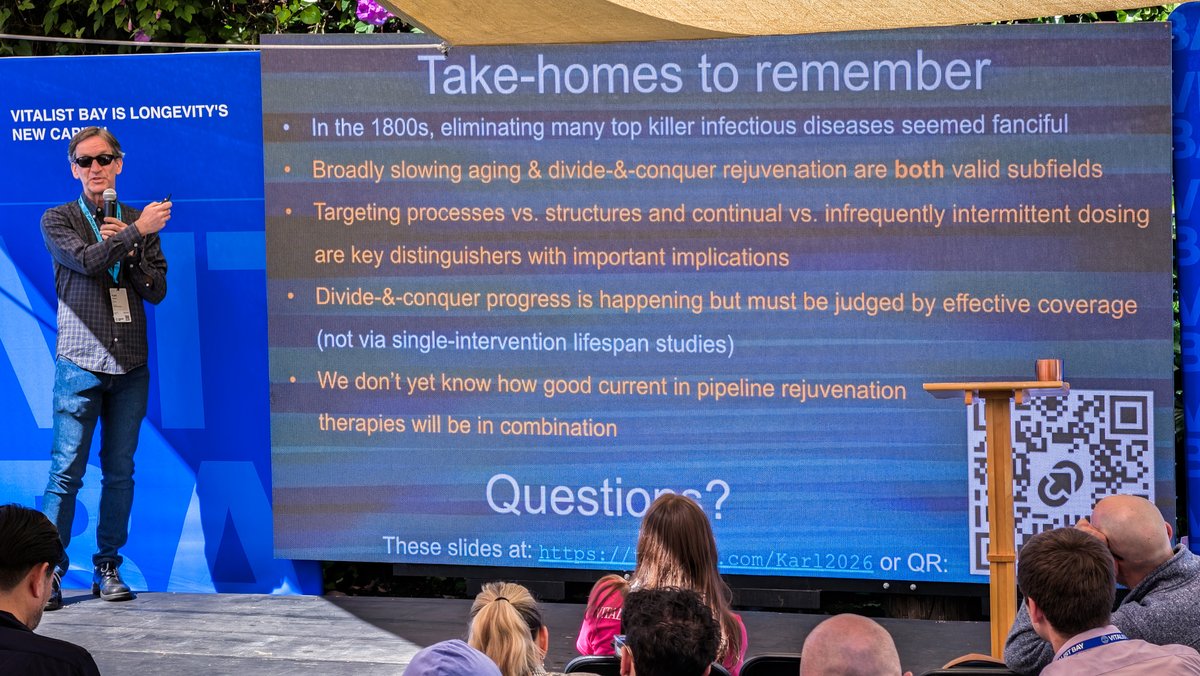
I'm more & more convinced that it has become a mistake for the aging field to focus so much lifespan at this stage of its history. Lifespan is the wrong way to measure progress against such a multifactorial problem, at least while the field is still at the stage of developing & testing single interventions that target just 1 major aging subpathology. My views on this & on why epigenetic partial reprogramming isn't full rejuvenation described here:
Replying to @jpsenescence
You: "Partial reprogramming is supposed to reverse multiple aspects of aging [..] it’s been labelled by many as age reversal, not just targeting a single aging subpathology." I agree w/ you that it has & I disagree w/ the people marketing it that way (eg PR on Life Bio's ph1 starting). All aging subpathologies (hallmarks or whatever you want to call them) interact with & affect most if not all of the others, and (partial) epigenetic reprogramming may be the one with the biggest influence over others but that doesn't mean it fully fixes (or even reverses) any or all of the others. The PR around Life's ph1 is overhype. Maybe that inaccurate overhype is good for the field by exciting outsiders---hard to tell. You: "And if we’re not extending longevity then what’s the difference between longevity science/biotech and other forms of healthcare?" The geroscience hypothesis. Disease-specific medicine finds targets in disease-specific causal chains & interferes with them. Aging science finds targets upstream of those, in other words causal chains upstream of the age-related chonic-disease-specific causal chains that are specifically upstream of multiple chonic diseases and aging biotech interferes with those. The key consequent difference then being that those interventions can then likely mitigate multiple diverse age-related chronic diseases, unlike traditional medical interventions. But since there are multiple diverse shared pathological causal chains (which we call SENS areas or Hallmarks or the term I prefer for its genericness at encompassing both of these paradigms: aging subpathologies) each of which can be life limiting, only by meaningfully mitigating all of them can one dramatically increase lifespan. So until combination therapies of several therapy types are in the mix it's best to measure progress by tracking simultaneous mitigation of multiple age-related diseases & aging-subpathology specific ways to measure progress in that area together with a checklist of areas listing the progress against each.
6
6
22
5,022
Science is not a process…it’s a process. 2.1k retweets.
Jun 14
Science is not a process, a credential, or an institution. It is the unflinching pursuit of truth, carried out by the few, co-opted by the many.
4
10
600
Endorsed by the world’s first trillionaire x.com/elonmusk/status/206608…

Replying to @naval @beffjezos
Yes
1
3
299
Great overview from @hankgreen of the new trial of a permanent gene therapy to reduce cholesterol…and the potential ethical can of worms it opens up! youtube.com/watch?v=G0xl0oIj…
2
2
9
1,506
FWIW, I’m with @hankgreen’s throwaway comment: ‘hopefully, it’ll be boring?’ I think there will be all kinds of healthspan-enhancing preventative gene therapies, and we’ll all just get some infusions, live healthier for longer, and it will just be regular preventative medicine.
2
5
455
Another near-term gene edit is APOE4 to 3 with a single-letter DNA change, which can significantly reduce dementia risk. And we have quite a few candidate longevity genes from animal studies, extremely long-lived humans, and isolated human populations. Interesting times!
1
1
7
382
This was a fun interview! Thank you @benwansell for a great chat.
Our Director Andrew Steele (@statto) was interviewed for @BBCRadio4 ’s Rethink, on the difference between chronological and biological age, and the first treatments aiming to close it. Listen here: bbc.co.uk/programmes/m002xgz…
1
3
5
1,232
Andrew Steele retweeted
Our statement on the UK government’s demand that all content on all devices sold or used in the country be scanned, on the presumption of nudity, using a dystopian combination of age verification and content scanning. This proposal will not safeguard children. It endangers us all. signal.org/blog/pdfs/2026-06…

742
8,562
41,374
2,746,459
Have fun in London, @shoylev and Vision Weekenders! Sorry I can’t be there but I have to talk longevity in Vegas…
Our Director @shoylev will be at the @foresightinst #VisionWeekendLondon. If you would like to find out more about longevity policy, join us for office hours or a chat! foresight.org/events/vision-…
2
13
686
Had fun speaking to @lex_sviridov for this @socialcapital report into longevity. Congrats getting it over the line, can’t wait to have a read!
Over the past few months, I've been collaborating with @socialcapital (@chamath's investment vehicle) on a two-part deep dive into the current state of Longevity Biotech and Aging Research. This deep dive aims to be a solid introduction to the field. It assumes no background in biology, medicine, or biotech. If you've been wondering what science knows about aging, what makes us believe aging can be slowed or reversed, or which companies are making real progress toward developing therapies against aging, this is for you! Part 1 is out now. It's a foundation for understanding the biology of aging and the current state of longevity biotech. Part 2 follows shortly, covering the strategies researchers, companies, and investors are pursuing to slow or reverse aging. Thank you, @chamath and @socialcapital team, for the opportunity to work with you on it. And thank you to all contributors who helped to make this deep dive objective and engaging, and who are making anti-aging interventions a reality: @Andrei_Tarkhov, @elimohamad, @fedichev, @KarlPfleger, @MarkHamalainen, @MartinBJensen, @MaxUnfried, @mkaeberlein, @omri_drory, @RaianyRomanni, @realnathancheng, @sebastiangiwa, @shappiron, @shoylev, @statto, @strygah, @ydeigin If any errors are to be found in this deep dive, I own them.
2
10
627
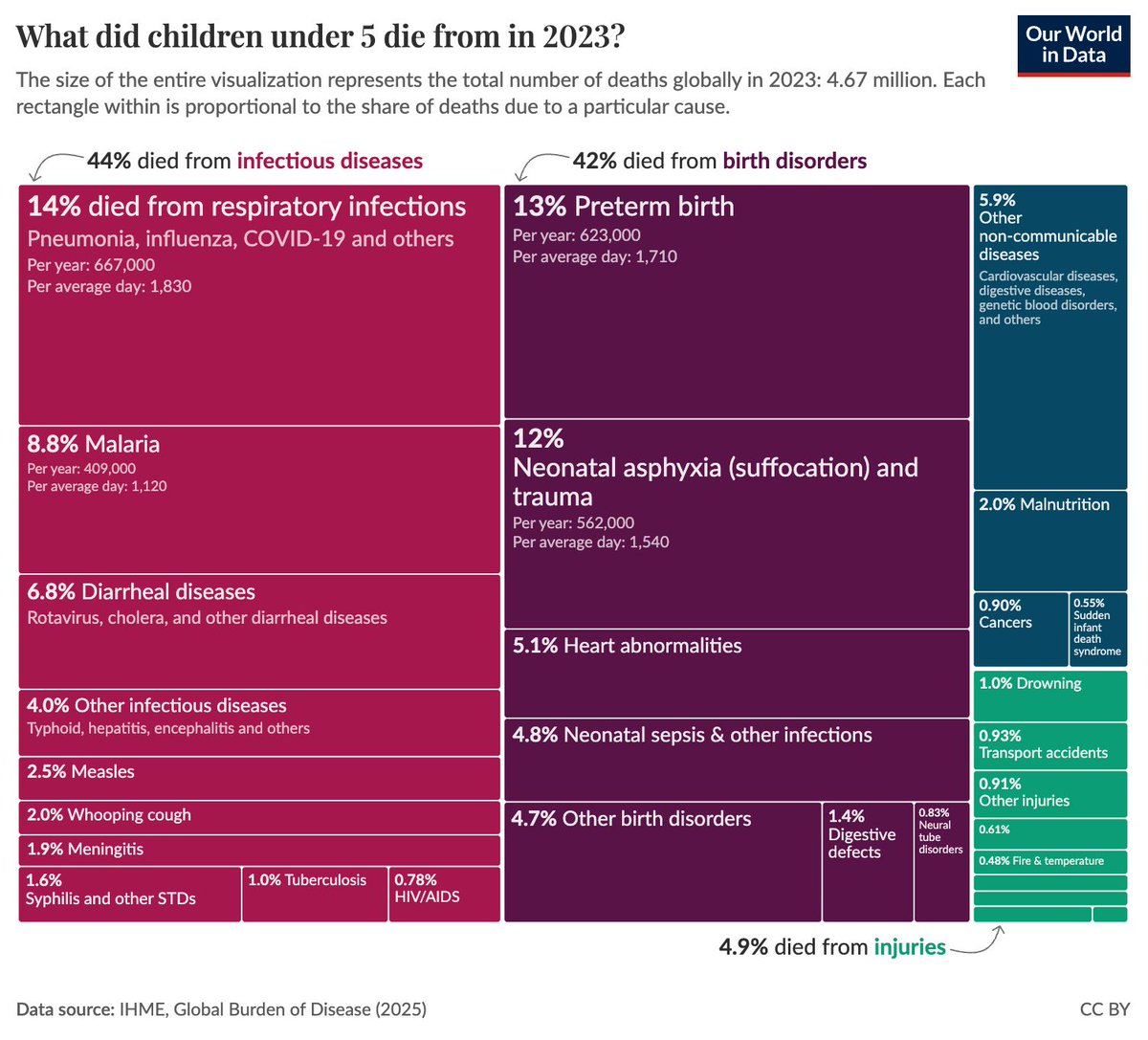
Over 100,000 people per day die due to ageing. 13,000 children die per day of largely preventable causes. I spend most of my time banging on about longevity science, but it’s also very important not to forget the tragic and avoidable deaths in early life.
The latest OWID Brief newsletter is out on Substack! It delivers all our recent work plus curated highlights from across Our World in Data, right to your inbox twice a month. This edition: Child deaths, LGBT rights, electric vehicle sales, and much more. In each edition we also share some of what our team has been reading lately. This time: an article in the Journal of Democracy about aspiring autocrats and how they can be stopped, and an announcement from OpenAI that one of their models made a breakthrough on an 80-year-old math problem.
3
19
1,481
Andrew Steele retweeted
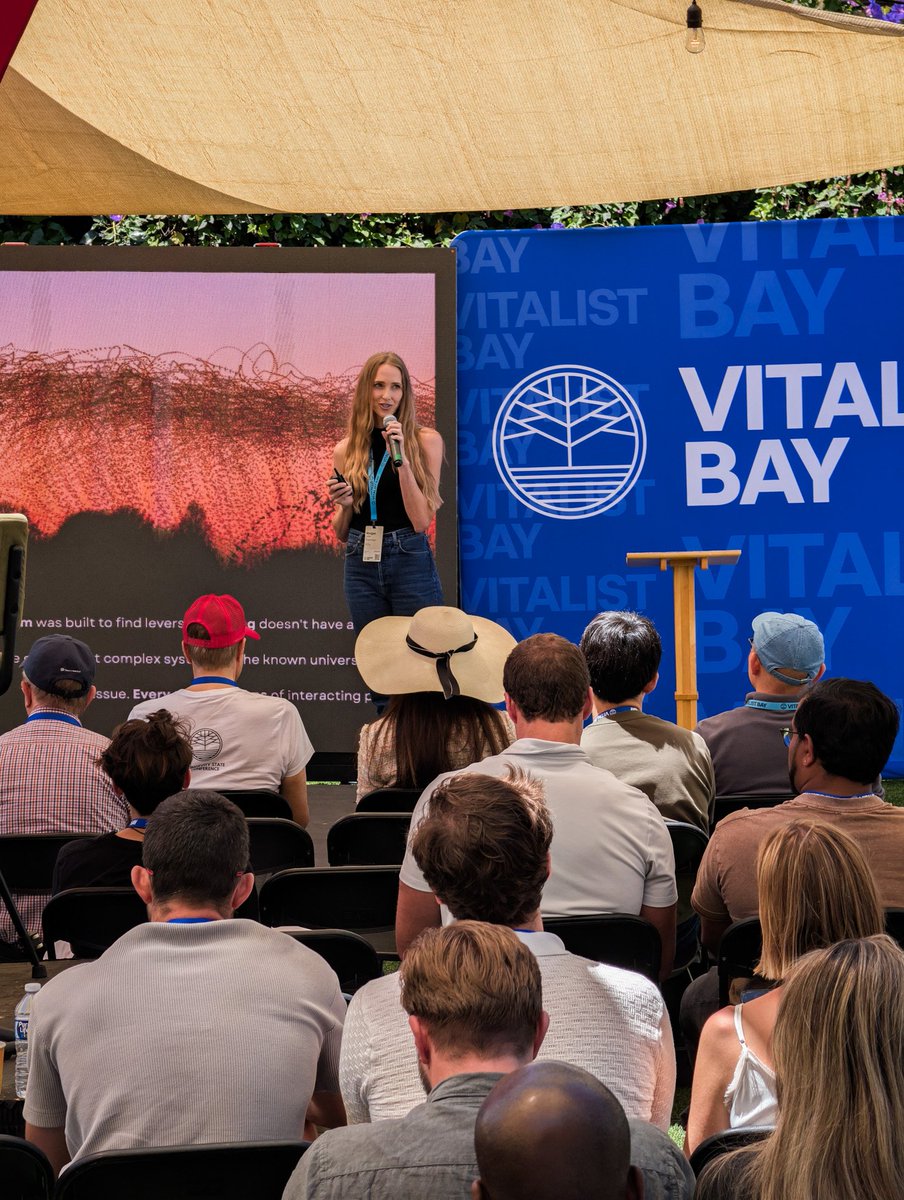
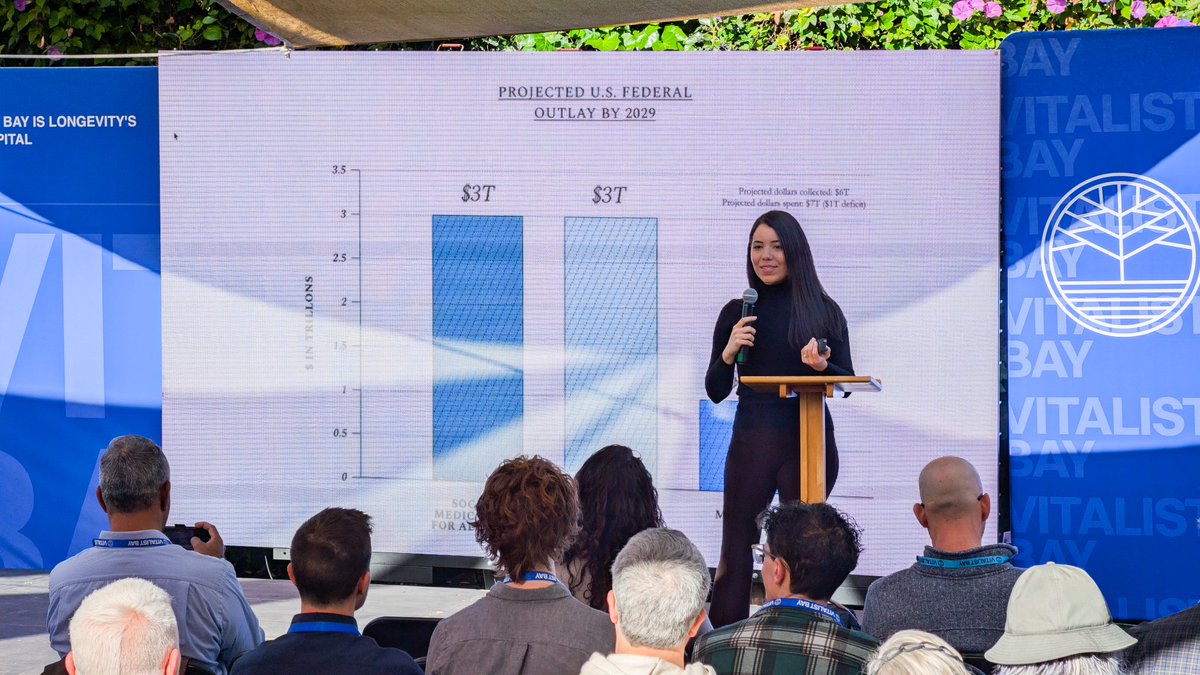
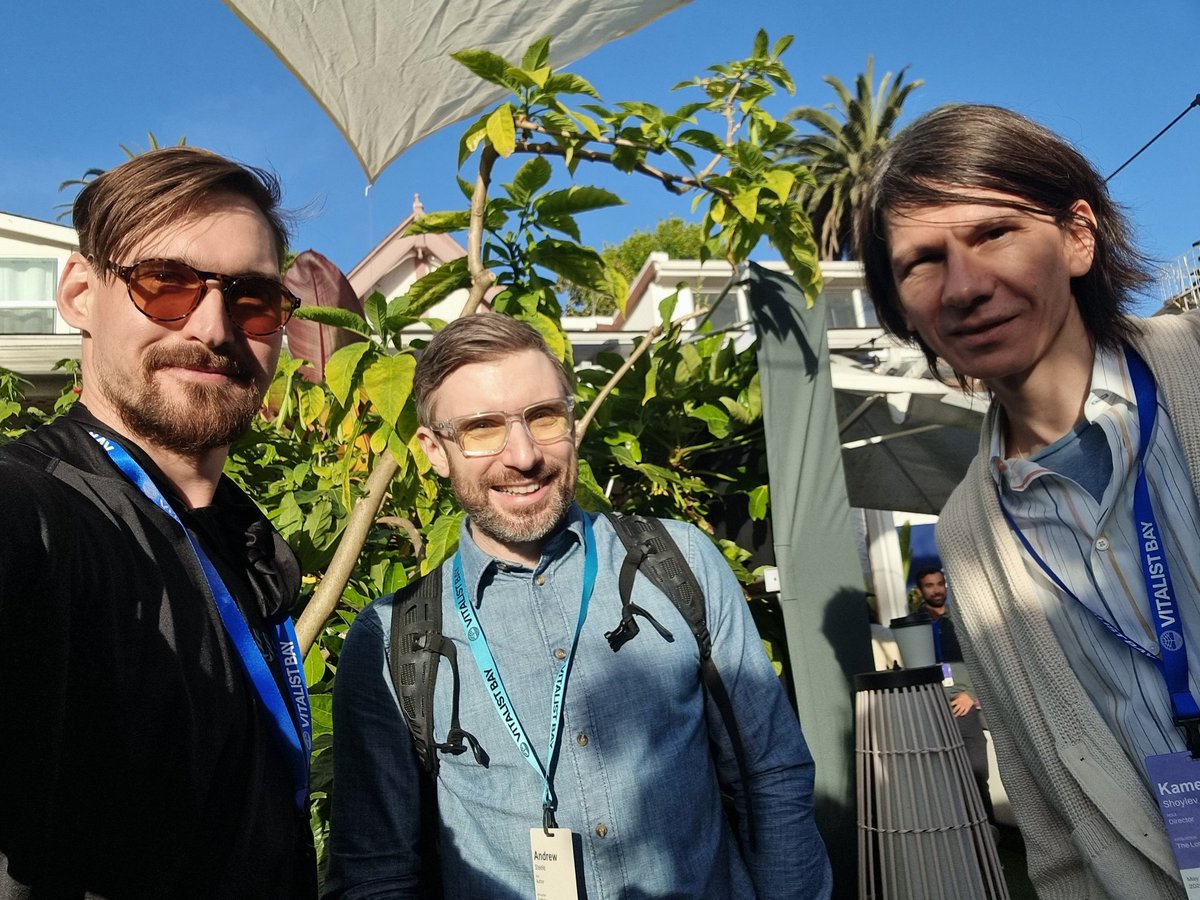
Met Kamen and Andrew from @longevityinit at Vitalist Bay. They’re working on one of the highest-leverage longevity plays: getting governments to pour BILLIONS into aging research. Advocacy like this might be 100x–1000x more impactful than funding research directly. Make sure to follow the Longevity Initiative and send all your 🤎
1
4
29
1,174
Please give us a follow on LinkedIn!
We’ve been on there for a while, but just officially launched on @LinkedIn! Check out our article on what we started a think tank, not a biotech – and please give us a follow over there and share our page with your network. linkedin.com/pulse/welcome-l…
1
3
21
2,381
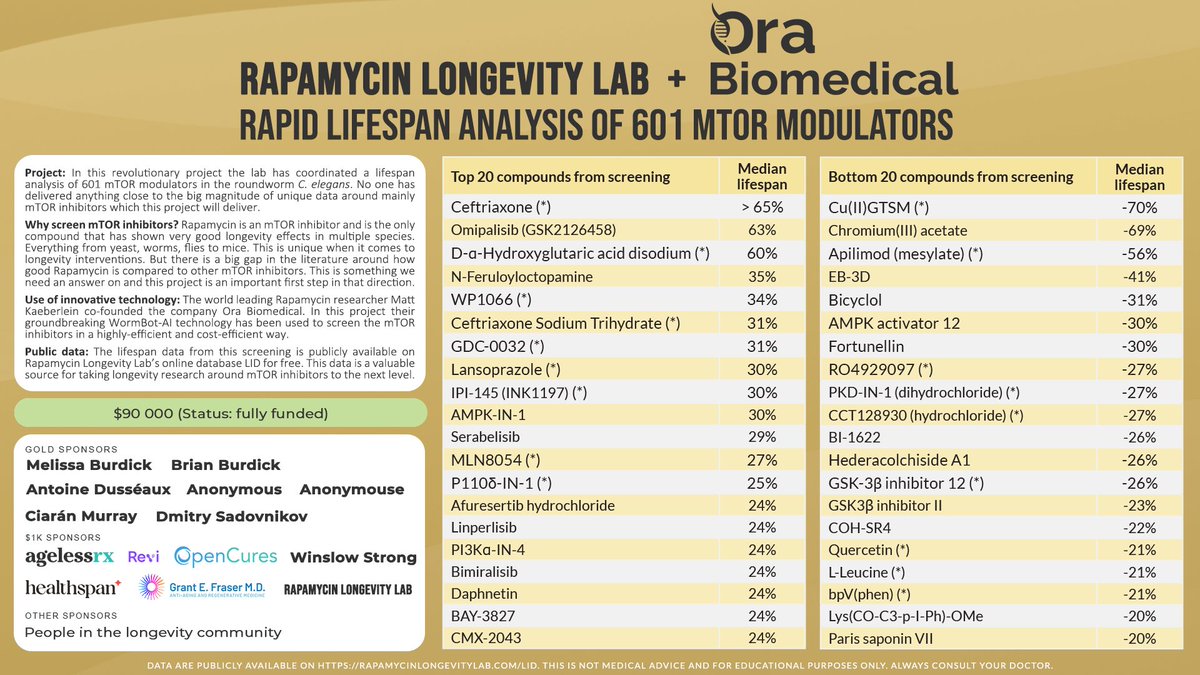
The largest-ever lifespan analysis of 601 mTOR modulators is now completed! This project has been driven by Rapamycin Longevity Lab (@omipalRLL) in partnership with @OraBiomedical (CEO @benblueAK, CSO Yan Ting Zhao, AI Engineer Ishan Ranasinghe, Co-founders @mkaeberlein , @BKennedy_aging, @mitchellblee33, @jangruber467 & Jason Pitt). Our mission has been to identify compounds even more potent than Rapamycin in extending lifespan in roundworms. I am deeply grateful for the community’s support for this historic project and big thanks to all our sponsors who made this possible! Our Gold Sponsors: ✅ Melissa Burdick & Brian Burdick: Great tech leaders and e-commerce pioneers. Connect with Brian and Melissa on LinkedIn to follow their work. ✅ Antoine Dusséaux: A London-based entrepreneur. Connect with him on X via @adssx ✅ Dmitry Sadovnikov: Connect with him on LinkedIn or X via @ksajxai ✅ Ciarán Murray: A longevity enthusiast and tech founder of @OlasProtocol. Connect with him on X via @C1aranMurray ✅ Anonymous: Two anonymous contributions to the project and one by Anonymouse. Other Sponsors of the Project: ✅ @agelessrx_ : A cutting-edge telemedicine platform specializing in making various longevity interventions accessible, actively involved in research and clinical trials. ✅ Winslow Strong: Dedicated to advancing human health and wellbeing. Follow him on X @winslow_strong. ✅ Dr. Grant Fraser: Specializes in longevity medicine, integrating lifestyle interventions with personalized medical treatments. ✅ @OpenCuresOrg: A unique online platform empowering individuals, health professionals, labs, and researchers to accelerate longevity interventions. ✅ Revi Health (@johanhedevag): Modern clinic in Sweden combining regenerative medicine, performance health, and longevity protocols for measurable results. ✅ @healthspanmed: The first-ever digital medical clinic helping patients fight cellular senescence and regain control over the levers of aging. ✅ Rapamycin Longevity Lab (@omipalRLL): Our mission is to become the leading expert around mTOR inhibitor-based combinational therapies for longevity. ✅ People in the longevity community: Thank you for every donation, like, and share. Your support has fueled this project! PS 1: Big thanks also to Victor Björk for the help with the fundraising! PS 2: All lifespan data is now available on the Rapamycin Longevity Lab’s LID database (link in the comment section). You can find the top 20 and bottom 20 lists right here in the social media image! Big thanks to Andrew Steele (@statto) for the great suggestion to create a bottom list as well! PS 3: The next step is to collaborate with different parties to analyze the data and also see if the data translates to other species. Reach out if you want to collaborate!
7
16
46
4,259
Great response from Adam to an unfortunately dismissive post from @EricTopol. As Adam notes, he very much doesn’t believe ‘aging is optional’, and he *is* often the most pessimistic person in the room—he just thinks we should be trying harder! Pretty reasonable, IMO!
I was very sorry to read this post, especially as a reader of Ground Truths and somebody who has appreciated your analyses of various health topics. That said, I am compelled to respond as a co-founder of Vitalism Foundation. 1. At Vitalism Foundation we hold ourselves to the highest scientific standards. This is evidenced by the fact that leading professors from top institutions, government leaders from ARPA-H, respected physicians, and founders of public companies have been proud to present at our events. We would never condone a sticker saying something like “aging is optional”, since it is clearly not currently optional. *That* is the problem. I’m not sure how such a sticker was connected to us, and was also sad to read the implication that we inappropriately promote certain technology “all kinds on unproven tech”; scientifically rigorous early stage products are not snake oil. Which tech is unproven in your estimation? Is it the DEXA scans? mainstream blood assays such as lipid panels? The continuous glucose monitors we provided as part of a partnership with Abbott? Please be specific. If there is anything we are missing or faulty in, we’d like to know so we may correct it. 2. It’s baffling that one would take issue with the conservative numbers in the lifespan survey STAT conducted (on their own initiative). When every other day we are promised by titans of industry that we will soon double the lifespan (Amodei) or eradicate all diseases (Hassabis, Zuckerberg), one may find the vitalist bay crowd rather conservative, since a sizable majority of respondents (65%) didn’t think they would live substantially longer than current lifespans. It’s exactly that grounded sober view that drives Vitalism Foundation to work to secure more funding for basic science and innovation so we can find the breakthrough we sorely lack. 3. One of our key problems in dealing with Aging is a prevalent cargo cult mentality that aging is immutable, despite ample evidence to the contrary. While I do not believe you hold this view, it is a perspective that has arrested the progress of much good science and therapeutics that could help extend healthspan and lifespan in the here and now, without talking about anything so grandiose as eradicating all disease. 4. I hope you will join us at the next Vitalist Bay and judge things for yourself. You would be my honored guest.
1
1
32
13,761
Andrew Steele retweeted
Lovely to see a spike in traffic for our 2025 longevity business round-up last week as the @RetroBio_ news broke! If you're catching up on the reprogramming gold rush, the biotech funding drought and recent big exits, it’s all here: thelongevityinitiative.org/2…
1
10
417
Andrew Steele retweeted
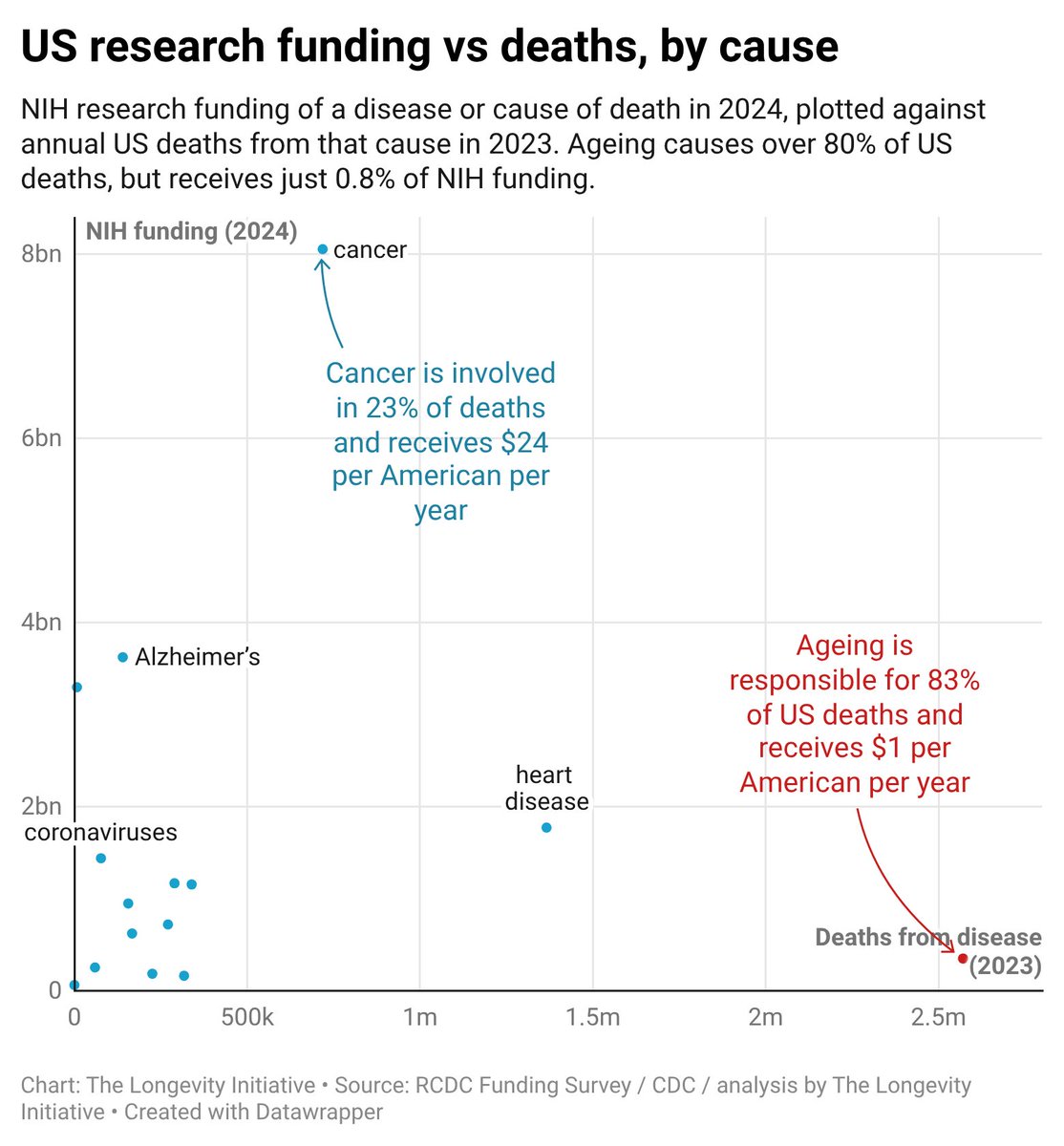
Cancer gets over 80 times more research funding per death than ageing does—even though ageing *causes* most cancer. Please share the new analysis from @longevityinit!
Does NIH research funding track what actually kills Americans? Building on @theA4LI’s new report, we ran the numbers: and ageing fares worst. Ageing causes 83% of deaths, yet receives just 1.2% of the research funding per death that cancer does—around $1 per American per year.
8
25
95
7,264
A fantastic complement to our whitepaper, kudos! The math on our current funding allocation within the NIH simply does not add up, and only by Realigning For Impact can we bring research funding in line with what really kills us. If @longevityinit's report, or ours has convinced you, we urge you to sign the petition to get this issue in front of your representatives! actionnetwork.org/petitions/…
Does NIH research funding track what actually kills Americans? Building on @theA4LI’s new report, we ran the numbers: and ageing fares worst. Ageing causes 83% of deaths, yet receives just 1.2% of the research funding per death that cancer does—around $1 per American per year.
1
4
21
848
Andrew Steele retweeted
If we cured ALL cancers, this would raise lifespan by between 3-4 years and healthspan even less. Only aging matters.
Cancer gets over 80 times more research funding per death than ageing does—even though ageing *causes* most cancer. Please share the new analysis from @longevityinit!
7
4
34
2,113