
146 Photos and videos




Jun 12
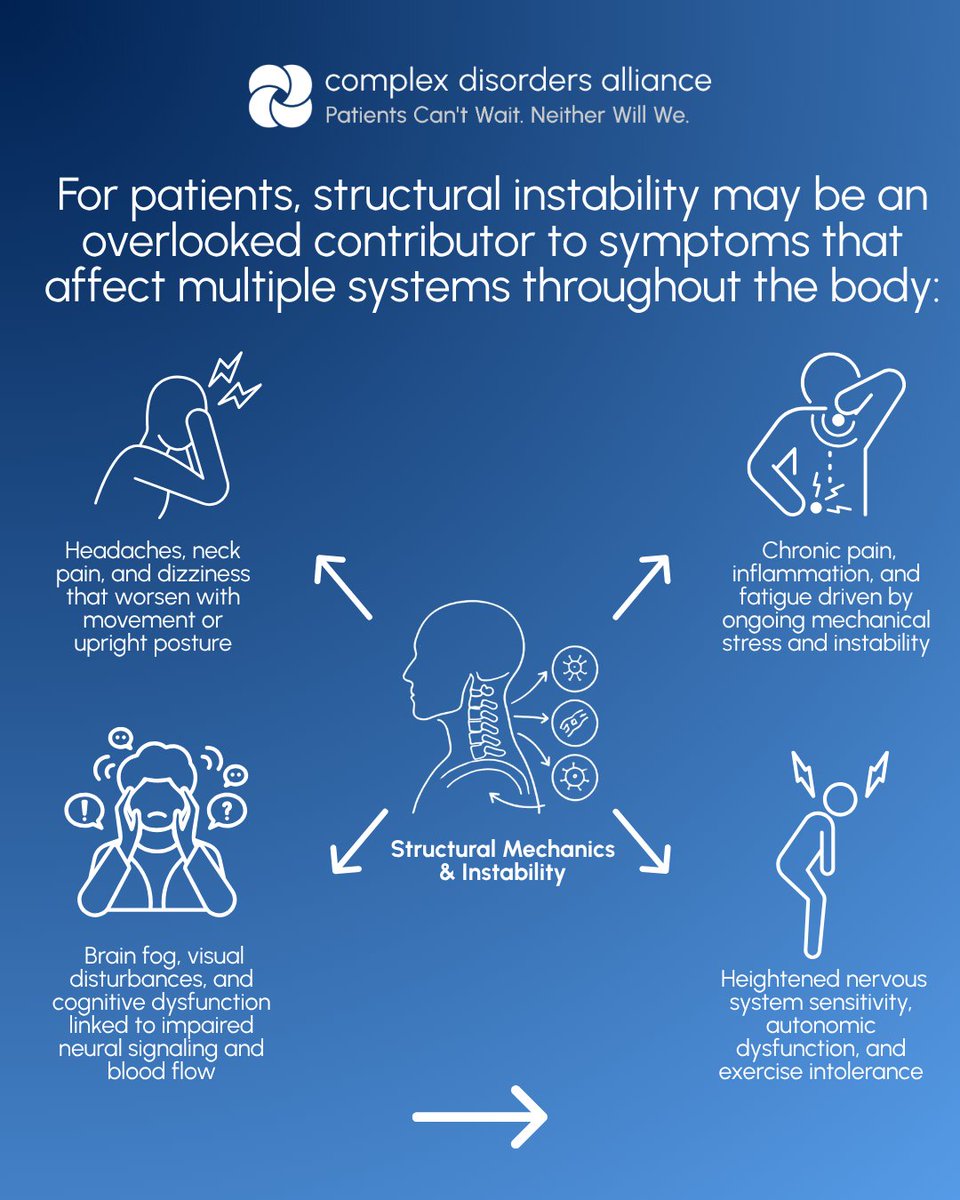
I couldn't be more excited around CODA's Craniocervical Dysfunction Initiative which includes an expert Steering Panel of 8 crossdisciplinary experts (Dr. Nancy Klimas, Dr. Petra Klinge, Dr. Lauren Natbony, Dr. Peter Rowe, Dr. Ilene Ruhoy, Dr. Mijail Serruya, Dr. Mikki Tal, Dr. Brayden Yellman) and 50 additional experts who will provide their insights and experience.
CODA CCD studies Structural Mechanics (CCI, AAI, venous compressions, CSF leaks) and beyond - to truly unravel what in the head/neck may be driving symptoms.
If ever you've thought, perhaps my structure is driving my pain, dizziness, fatigue, please stay tuned. It's important we dig deep to learn more: What classifies patients as having craniocervical dysfunction? Who are candidates for surgical interventions? What other treatments may be available? Can we better restore stability? Can we improve overall function?
We know this is a big topic for many.

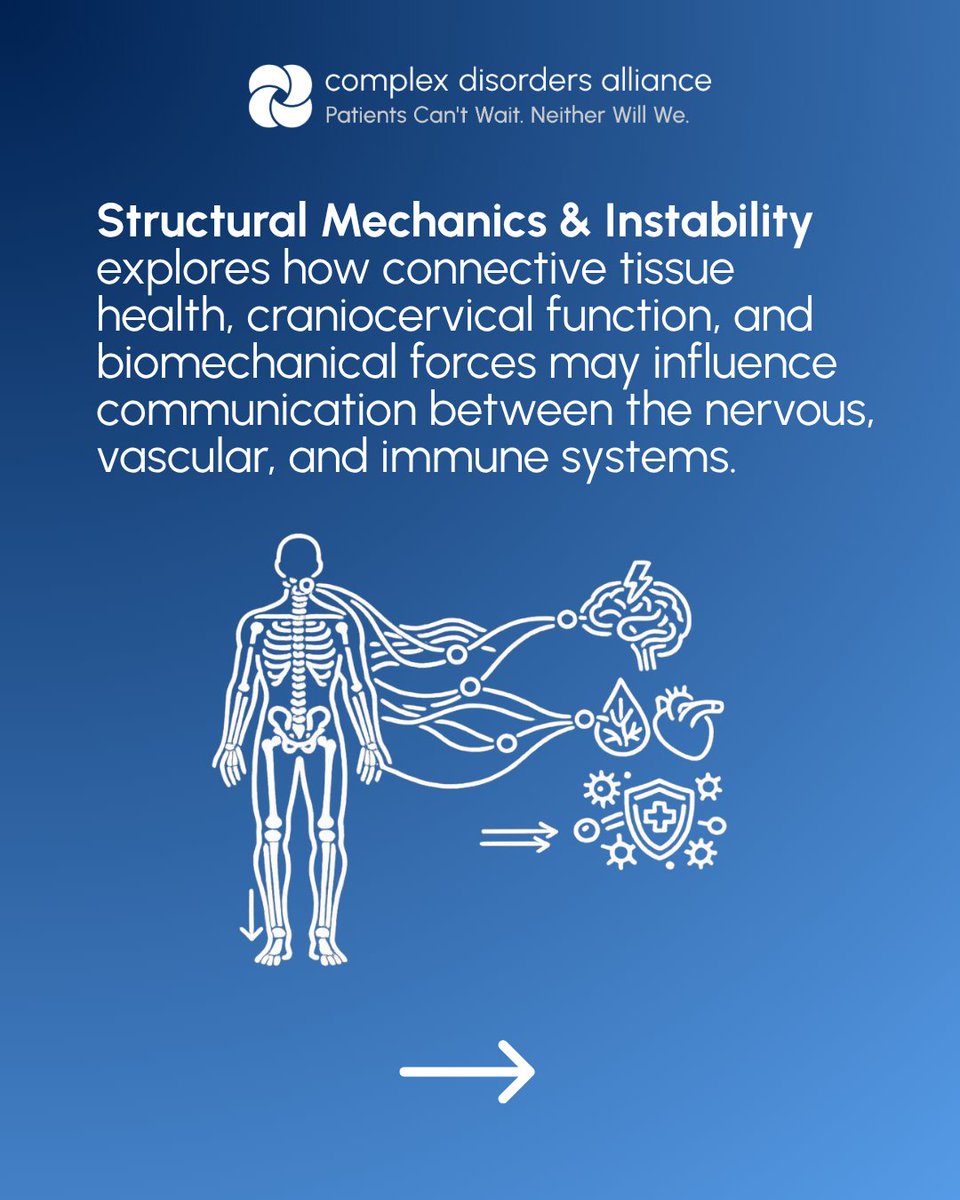
Understanding complex chronic illness starts with understanding how the body's systems work together.
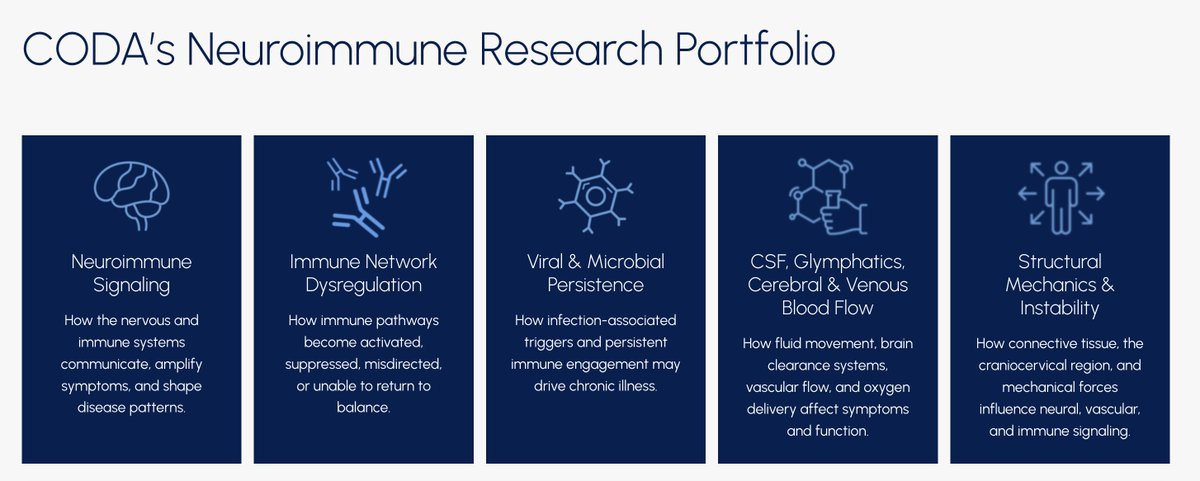
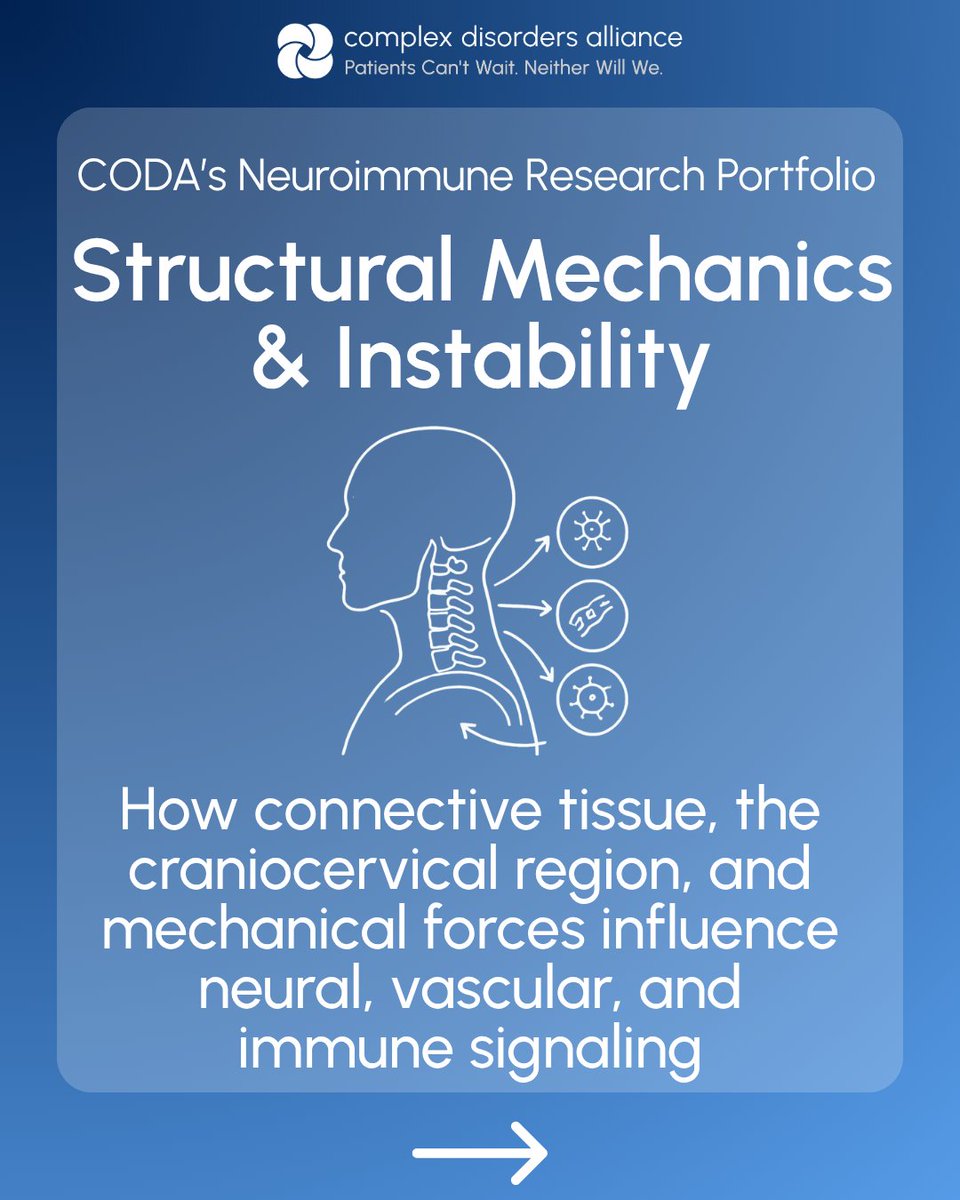
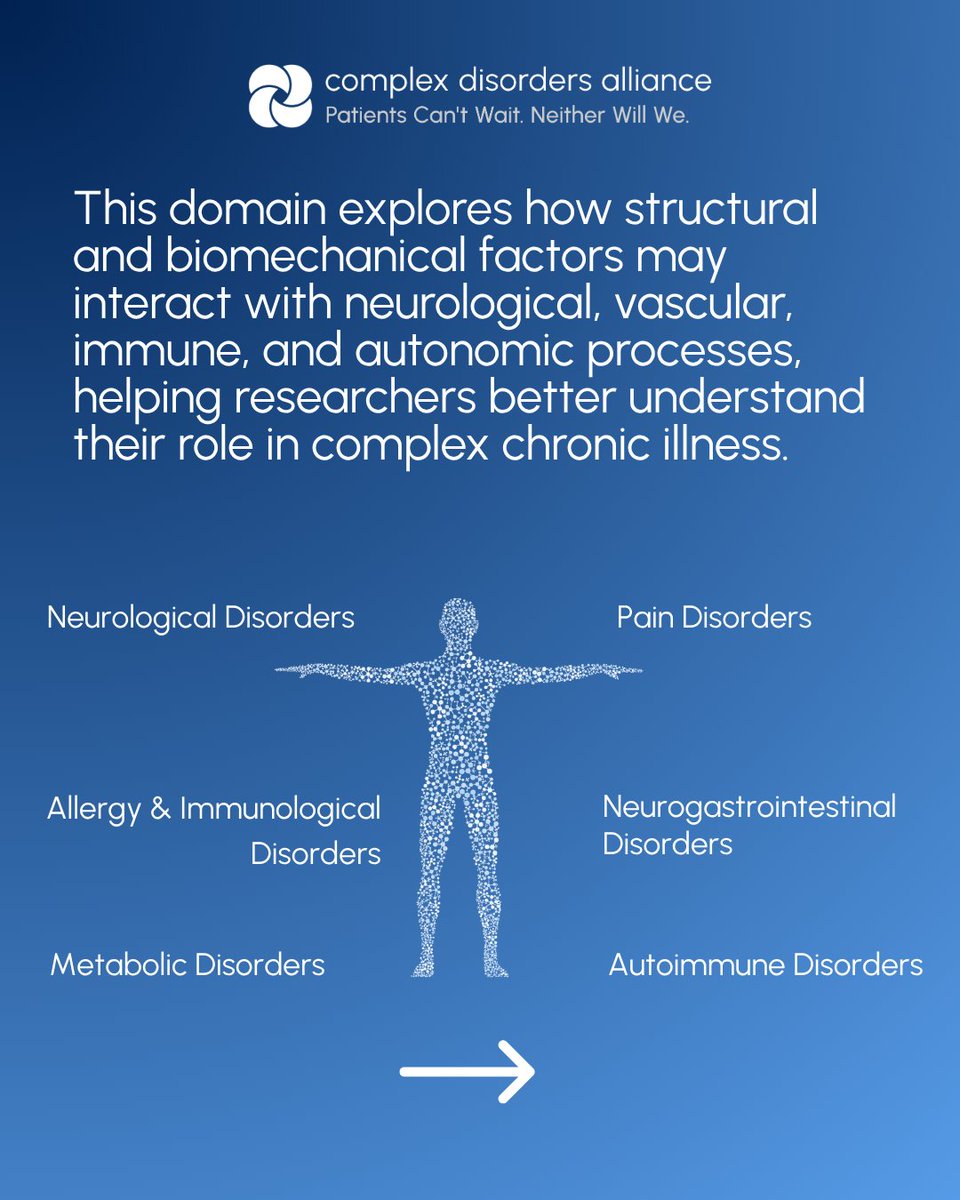
Structural Mechanics & Instability explores how connective tissue, the craniocervical region, and biomechanical forces may influence neural, vascular, and immune signaling.
Learn more about this research domain within CODA's Neuroimmune Research Portfolio:
🔗 hubs.la/Q04l4pdG0
9
52
2,314

Amy Rochlin retweeted

Starting soon! Sign up now:
ow.ly/mOKJ50YZ86t

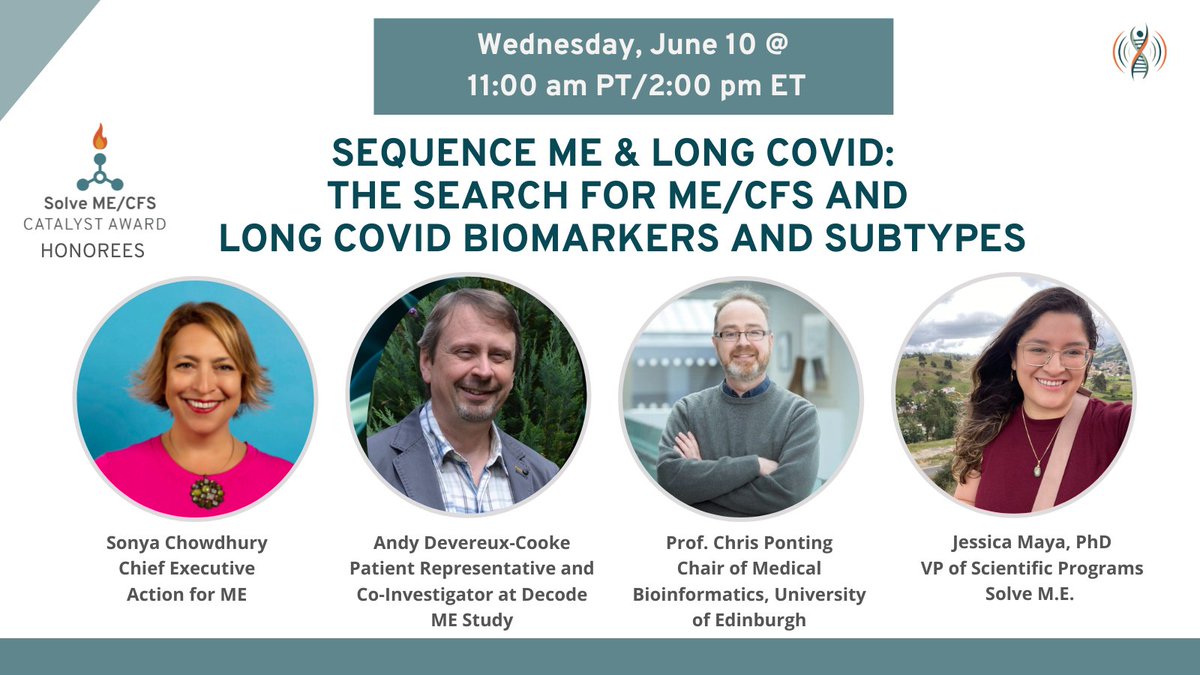
Join us for a webinar this Wednesday w/ panelists from @DecodeMEstudy
& @actionforme to discuss their Catalyst Award-winning study on Sequence ME and #LongCovid and how it could impact the search for #MECFS & LC biomarkers & subtypes.
ow.ly/mOKJ50YZ86t
ALT Headshots of Prof. Chris Ponting, Sonya Chowdhury, Andy Devereux-Cooke, and Dr. Jessica Maya are featured in an ad for a webinar on ME/CFS and Long COVID biomarkers and subtypes scheduled for June 10.
3
6
440
Amy Rochlin retweeted

Jun 10
We need to rewrite the textbooks!!! This blows my mind🤯! Instead of what we always assumed about mitochondria in the axons producing energy, NOPE. Backwards! They're actually using energy to build a gradient. I'm wondering if this is analogous to how we make red blood cells. 1/2
Jun 10

The majority of axonal mitochondria in mammalian neurons lack mitochondrial DNA and do not produce ATP biorxiv.org/content/10.1101/…
9
29
184
25,466
Jun 9
YES! Thank you for making sure we clarify that critical point. I couldn't agree more @dysclinic!
We have plenty of usable data to treat patients now (using AI makes that move even faster). The biological underpinnings - or the beginnings of - are already there for many patients.
And that same data can help us identify what additional, deeper testing may be worthwhile for a specific individual, helping match patients to repurposed treatments and other therapeutic options that might otherwise be missed.
Patients can't wait for us to understand every mechanism before we act on what we already know. They need answers now.

Thanks @amyrochlin for your thoughtful comments and sharing our paper! I agree with everything you said with one caveat: while we all want biomarkers and improved diagnostic tests, waiting for this has stalled progress in our field. We can't wait any longer, our patients can't wait any longer. Time to move forward with novel and repurposed therapeutic trials using what we've got. I look forward to working with Pharma on this: there is a large slice of patient population that needs treatment NOW! 💉🧬🩺
1
4
412
Jun 9
A few things come to mind.
One of the most important lessons from modern medicine is that progress follows biology.
Patients with diabetes aren't asked to prove their illness through symptom questionnaires alone. We measure glucose metabolism.
No one diagnoses a heart attack based solely on fatigue and chest discomfort. We measure biomarkers, blood flow, and tissue injury.
We don't debate whether skin cancer exists because a patient reports a suspicious mole. We examine the tissue, study the biology, and make a diagnosis.
The path to treatment has always been the same: understand the biology.
That is why I find the comparison in this paper between complex disorders and multiple sclerosis compelling.
The transformation of multiple sclerosis did not occur because people became more sympathetic to patients.
It happened because researchers developed tools that allowed them to see the disease.
MRI revealed lesions. Immune profiling uncovered underlying mechanisms. Biomarkers provided objective measures of disease activity.
Biology changed everything.
Complex disorders are in the midst of the same scientific ambition.
The future is not asking physicians, researchers, policymakers, or society to simply believe patients more.
The future is generating a level of biological understanding that makes these diseases impossible to ignore.
In this paper there are excellent highlights for deeper testing and I agree, we should be investing aggressively in:
• 7T MRI to visualize the brainstem and autonomic control networks•
• PET imaging to understand neuroimmune activity and neuroinflammation
• Advanced immune profiling to characterize the cellular and molecular drivers of disease
• Cerebral blood flow measurements to quantify physiologic dysfunction
• Longitudinal studies that connect biological changes to patient outcomes (oh how we need these).
• I'd also add AI-driven research to add speed and depth
These technologies and approaches give us the opportunity to move beyond broad symptom categories and begin identifying the biological pathways that drive illness.
Medicine advances because better biology leads to better diagnostics. Better diagnostics lead to better clinical trials. Better clinical trials lead to better treatments. Better treatments lead to health.
That is how we transformed diseases like multiple sclerosis.
That is how we transformed cancer.
That is how we transformed cardiovascular disease.
And that is how we will transform and treat complex neuroimmune disorders.
When patients ask me why research matters, when all they need is better care: This is why.
Better science drives better care.
And the exciting part is that we can do this now.
We have technologies that previous generations of researchers could only dream of. We have advanced imaging. We have immune profiling. We have AI. We have wearable devices. We have large clinical datasets. We have unprecedented computing power.
The challenge is bringing the data, technologies, researchers, clinicians, and patients together in ways that allow us to see the biology more clearly.
That is why expert collaboration matters.
No single lab, institution, specialty, or dataset will solve these conditions alone. Progress will come from connecting expertise across neuroscience, immunology, autonomics, imaging, computational biology, and clinical medicine.
The opportunity is here. @CODA_research is following a specific path: finding answers for patients.
CODA CCD unites 8 experts in the field and then will go out to 50 more experts on the best ways to evaluate and treat craniocervical dysfunction.
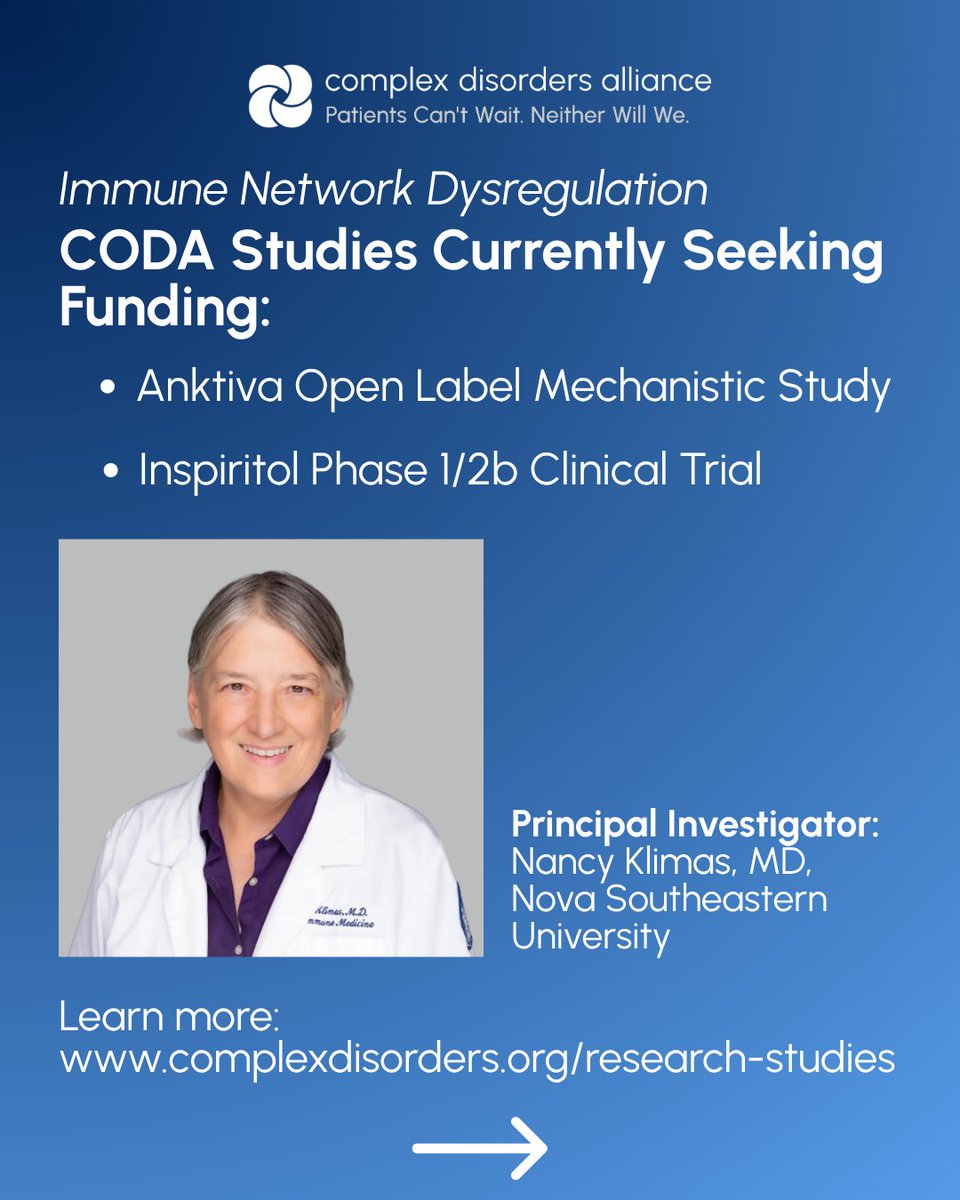
Immune studies (Anktiva and Inspiritol) are based on specific exploration of biomarkers, subgroups.
Vagus nerve modulation shows huge promise for RA - how do we bring it to our diseases.
AI data specialists - both internal and our partners - are using multiomics and clinical data to subtype and get a clearer picture of underlying biology.
This is just a small amount of where we're going with our partners.
And we partner with as many leading scientists and other foundations - we believe we are stronger together.
One of the greatest moments we had this year, was coming together with @actionforme Schmidt Initiative for Long COVID, @PlzSolveCFS @weandmecfs to get a massive @DecodeMEstudy long-read genomics study launched - with an amazing £4.5 invested by th UK govt because of this partnership. That wasn't my idea - it was @SonyaChowdhury and team's brilliant idea and we were glad to be a part of it.
I have a child in this space and I talk to patients every single day who are suffering beyond measure. I know patients can't wait for better care.
The more we work together, the more experts engage, the better we can use science to accelerate real progress and the more people we can help. Quickly.
Thank you @dysclinic et. al. for the paper. And @BrainInflCollab for calling it out for me this morning.
buff.ly/HqR7NKH
4
35
116
7,369
Jun 6
Women’s health has clearly lagged, and this massive investment from @melindagates has the potential to put focus where it was long deserved.
For complex disorders, women’s hormonal health may help us answer bigger questions about why so many chronic diseases are more common and often more severe in women.
Conditions like ME/CFS, Long COVID, POTS, EDS, and MCAS disproportionately affect women, yet we still don’t fully understand why.
nytimes.com/2026/06/04/opini…
1
3
337
Amy Rochlin retweeted

New paper in @TheLancet ft. PLRC member Dr. Megan Fitzgerald:
"In this paper, a group of bioethicists, clinician-scientists and people.. with #LongCovid argue that it is ethically imperative to conduct trials of disease-modifying treatments for LC now." 🧵thelancet.com/journals/eclin…
2
14
36
1,706
Amy Rochlin retweeted

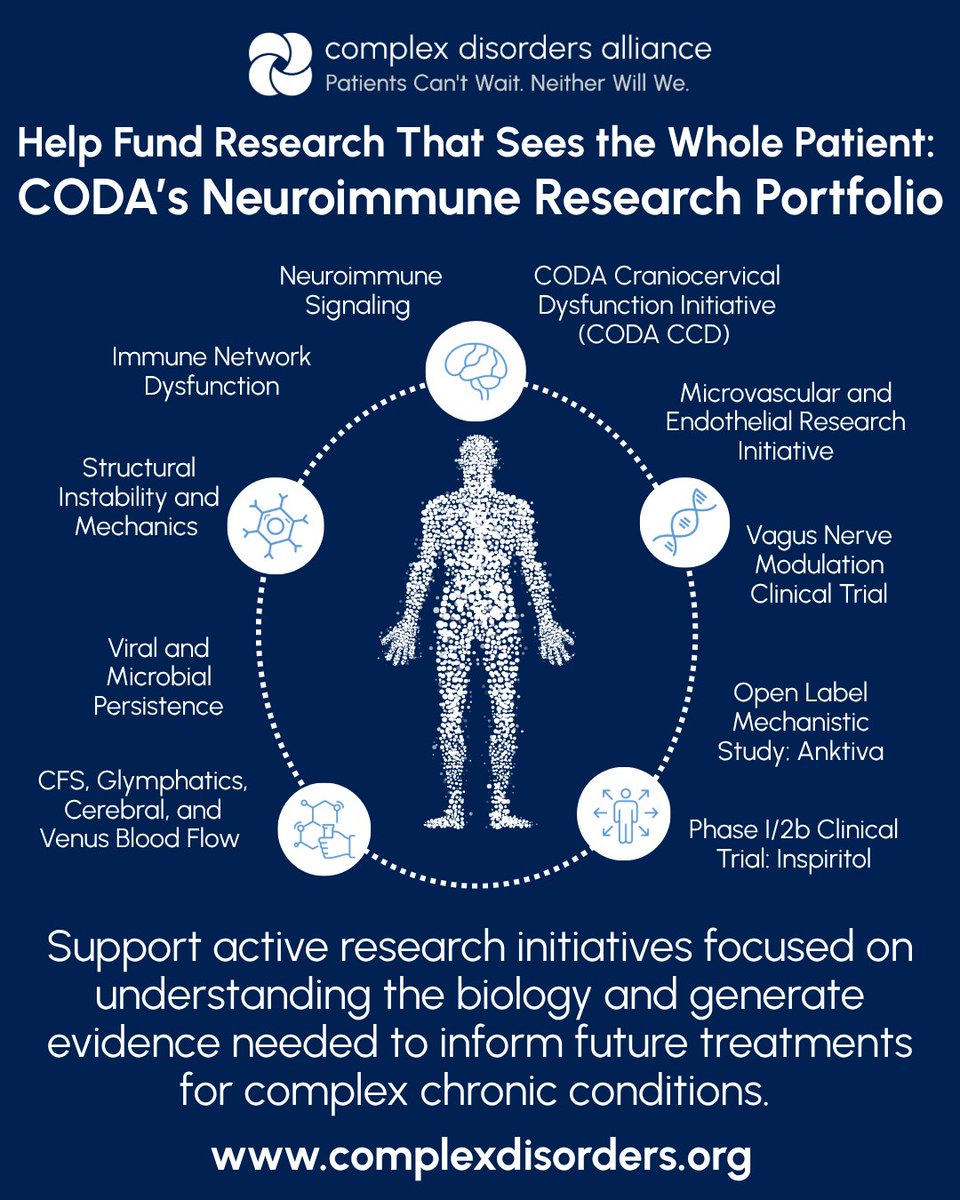
CODA's Neuroimmune Research Portfolio supports active studies exploring the interconnected biology of Long COVID, ME/CFS, dysautonomia, craniocervical dysfunction, and related conditions.
Help fund research designed to advance scientific understanding and inform future treatments.
🔗 hubs.la/Q04kj8q30
1
4
163
Amy Rochlin retweeted

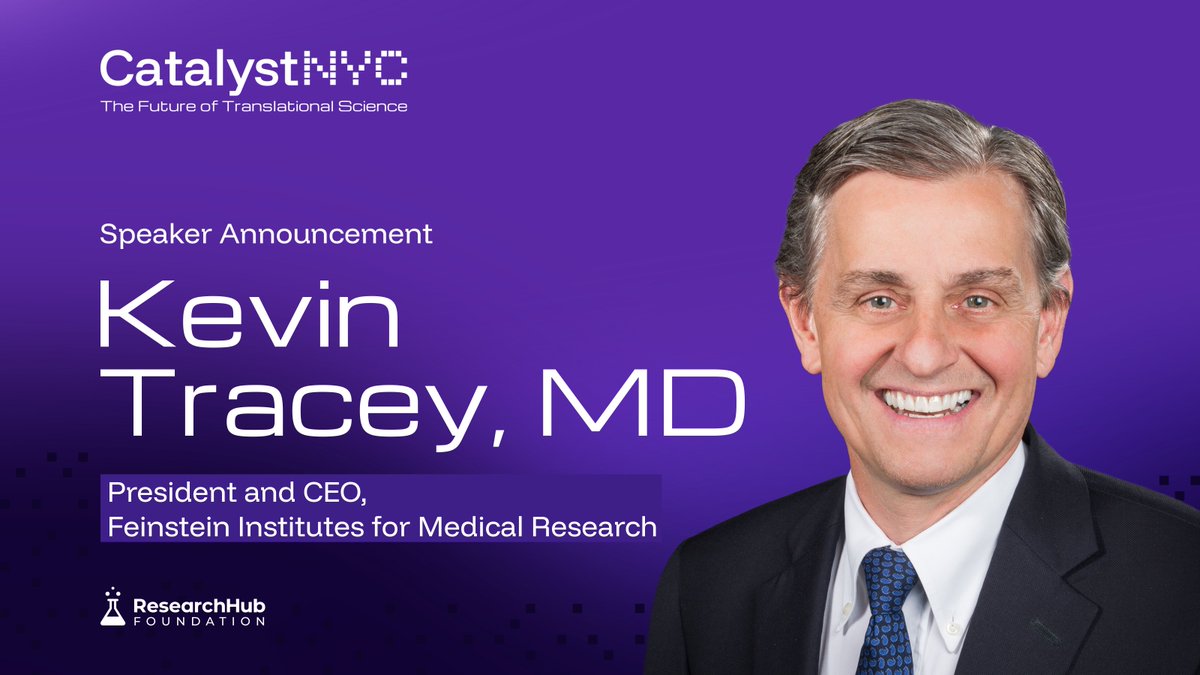
We're thrilled to welcome @KevinJTraceyMD as a speaker at #CatalystNYC!
A neurosurgeon and pioneer of bioelectronic medicine, Dr. Tracey's vagus nerve research led to the first FDA-approved bioimplant for rheumatoid arthritis.
Today, he serves as the CEO of the Feinstein Institutes for Medical Research at @NorthwellHealth.
Don't miss his talk!
Request an invite here ➡️ luma.com/66yycaak
11
39
2,600
Jun 5
I've been watching discussions this week and I have a few thoughts I'd like to share as a disease research expert who worked for years in precision medicine oncology, as well as a caregiver of a complex chronic illness patient.
1. The complex chronic illness community is one of the strongest and most vocal in all of medicine. This is a superpower, and we must use it to help move science forward.
2. Years of neglect have led our community down countless rabbit holes. As a result, we are often drawn to those who believe, when belief alone isn't enough. We now have an opportunity to channel that energy toward the strongest science.
3. We know many of the problems with healthcare in our space. It's time to focus on better scientific solutions. We have years of study under our belt. It needs to be put to use. Let's get it out of the labs and into the hands of patients.
4. To do this, we must create and demand a coordinated system built on scientific rigor that focuses on high-impact translation at scale and reflects the medical diversity of our population.
5. While these conditions are multisystemic, that does not mean they are untreatable. In fact, every diagnosis, every pathway, every communication across systems is a clue.
6. The field of neuroimmunology has tremendous potential to help our patient population. Again, let's focus on communication across systems.
7. AI has changed the game. We need full systems in place to maximize this technology. Data analytics, signal reduction, and more.
8. So what is our goal? Learn quickly from clinicians and scientists who have already identified the strongest hypotheses. Fund the experts who can prove or disprove these hypotheses and translate findings into patient care. Develop clear patient subtypes. Test treatments against those subtypes. Enlist support, both investment and philanthropic. Find the right treatment for the right patient.
9. This doesn't have to move slowly. In fact, there is so much information from other disease states that we can apply to ours. But we need systems-based approaches.
10. Expertise. Scientific rigor. Collaboration. Focus on the patient.
Again and again.
We've got work to do together. Stay tuned - more specifics to come.
5
9
58
2,311
Jun 4
As a 1984 freshman Hoya whose heart was literally broken by Nova in the last minutes of the game, I never thought I'd find my way back to Villanova.
But my youngest headed to Nova 5 years ago and she got to experience the magic of Jay Wright, Mikal Bridges and Jalen Brunson and a championship win. Through her eyes, I loved every minute.
The Nova Knicks displayed every ounce of who they are last night.
With the @nyknicks dynasty filled with Big East legends - Patrick, Jalen, Mikal, Hart, et. al. - my heart Is finally unbroken. This is great basketball and such a personal history.
Seriously. Love the heart and soul of this team. Lets go Knicks!
Jun 4

NBA Finals: Hobbled and struggling, Jalen Brunson still took the game in his hands again, leading Knicks rally from 14-point deficit to beat Spurs in Game 1 newsday.com/sports/basketbal…
1
352
Jun 4
Excellent recap from @CortJohnson on the exciting @CellCellPress publication by @VirusesImmunity, Wang, @PutrinoLab, et al. linking autoantibodies to neurological symptoms in a subset of Long COVID patients.
This is literally neuroimmunology in action.
Key Takeaways:
• Compelling evidence that autoantibodies can drive symptoms in a subset of patients
• Autoantibodies targeted regions involved in autonomic regulation, sensory processing, pain, cognition, and sleep - helping explain how immune dysfunction can contribute to symptoms such as fatigue, brain fog, pain, dizziness, and sleep disturbances
• Findings reinforce biological overlap across Long COVID, ME/CFS, and dysautonomia, suggesting that insights from one condition may help accelerate progress across all three.
• Transfer of patient antibodies into mice reproduced key symptoms, providing some of the strongest evidence to date that autoantibodies can directly contribute to disease processes
• Results provide an improved path toward biomarker-driven, precision therapies
Let's keep excellent work like this going!
Bench to bedside means we find the best science and get behind it to move it more quickly and into the hands of patients.
Subgroups, neural circuits, immune pathways.
Connect mechanisms to symptoms and develop targeted treatments for patients in these subgroups!!
Jun 3

Major Study Validates a Long COVID Autoimmune Subset (and an ME/CFS one) healthrising.org/blog/2026/0… #longCOVID #MECFS
2
8
53
2,354
Amy Rochlin retweeted

Check out these talk summaries from our recent PolyBio Symposium👇
Highlights include that four groups — Tim Henrich (UCSF), Marcus Buggert (Karolinska), Nicolas Huot (Institut Pasteur), and Esen Sefik (Yale) — presented different lines of evidence (human gut biopsies, non-human primate models, humanized mice) all pointing to the same conclusion: SARS-CoV-2 persists in #LongCovid gut tissue and adjacent lymphoid structures, and that persistence drives ongoing immune dysregulation.
Jun 1

Written summaries of PolyBio’s Spring symposium presentations are available now! Check out shortened, simplified summaries, or full technical explanations of your favourite research projects.
Interactive resource: 2026-spring-symposium-polybi…
#longcovidresearch #mecfsresearch #lymeresearch
5
54
162
11,531
Amy Rochlin retweeted
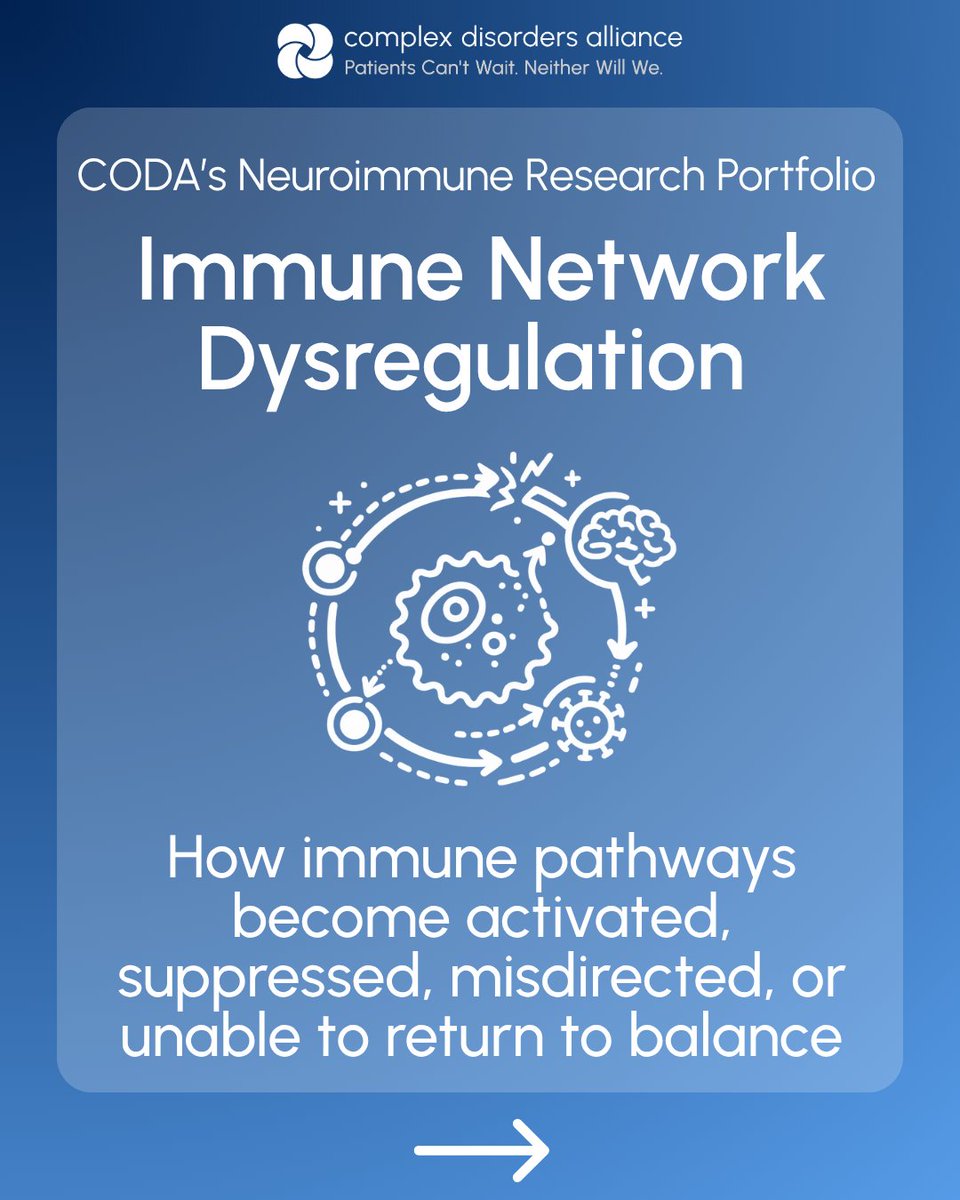
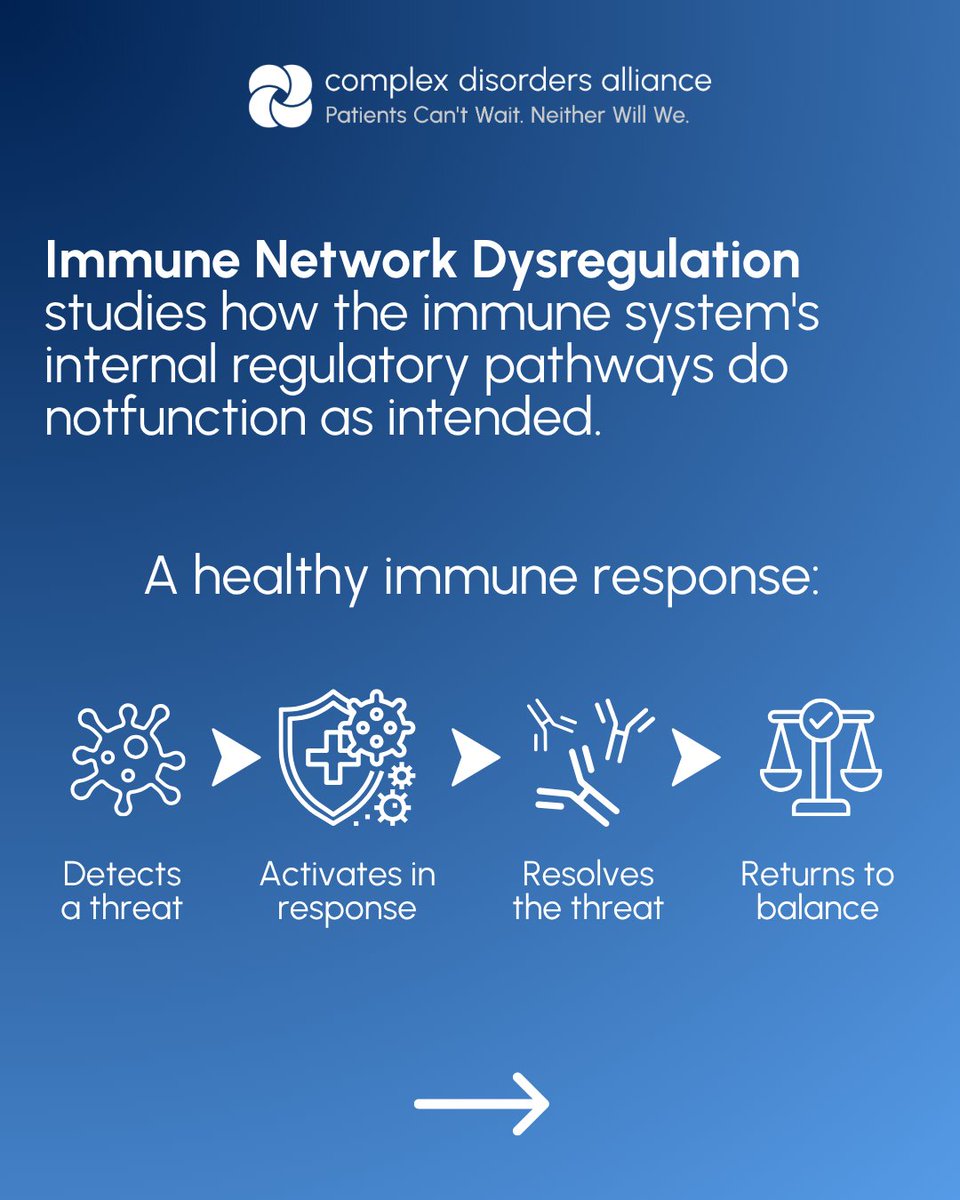
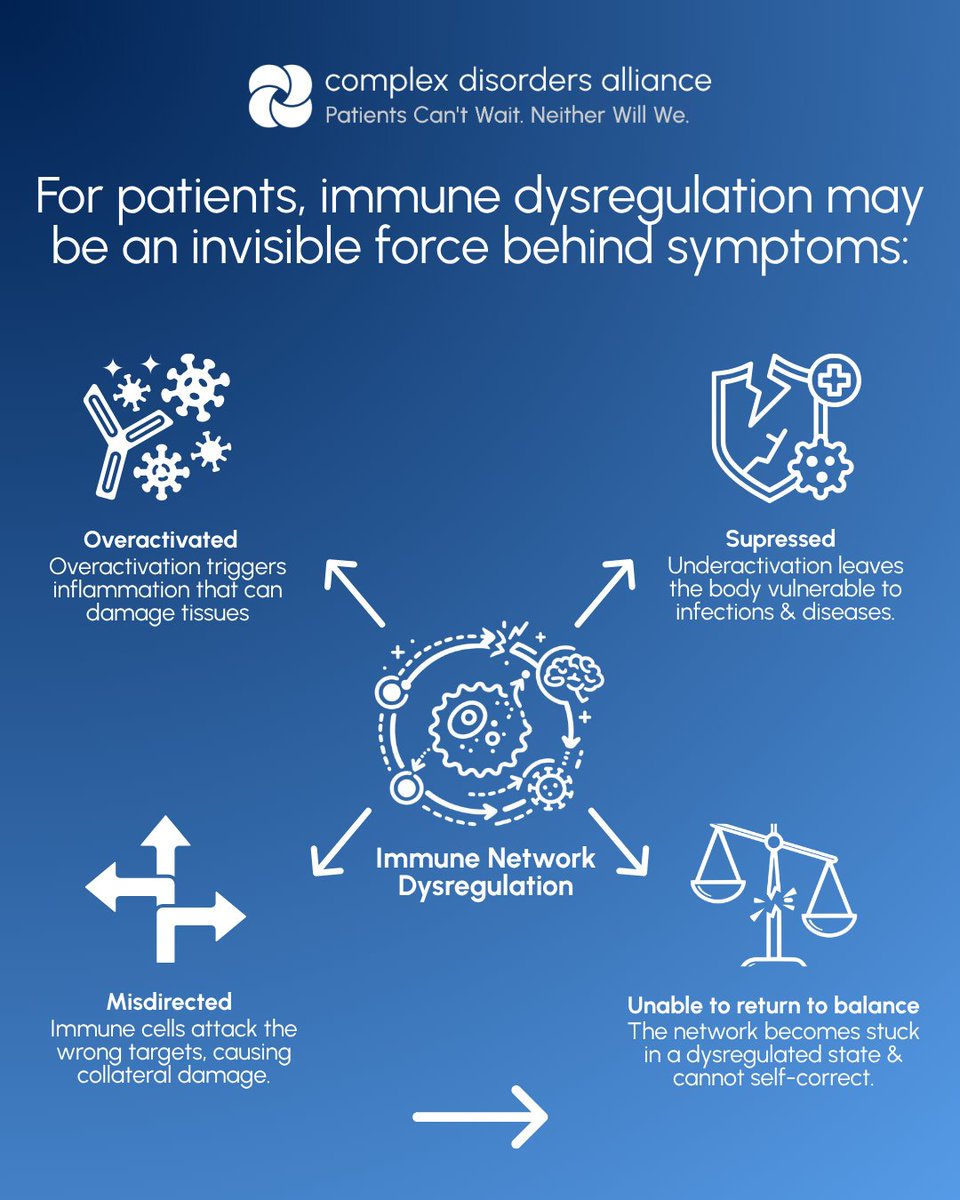
The immune system is designed to activate in response to a threat and then return to balance. At CODA, we are studying what happens when the mechanisms that regulate that process stop functioning properly.
Swipe to learn more about the science and the studies behind this work.
🔗 hubs.la/Q04jVGG30
1
2
4
293