
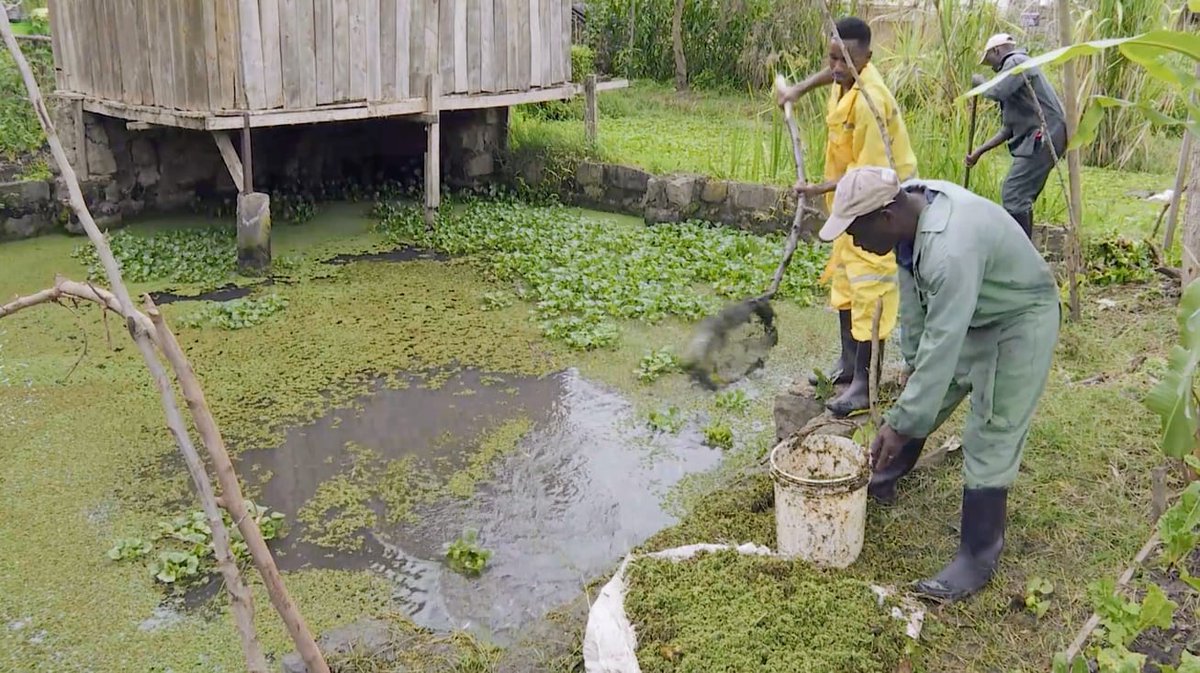
#Integratedfarming transforms food systems by replacing conventional single-crop methods with a harmonized, multi-enterprise approach.
Read the article: africafarmingjournal.org/int…
#foodsecurity #foodsystems #nutrition #smallholderfarmers #closedloopsystems #kenya
2
6

Bioelectronics & Precision Neuromodulation: The Next Therapeutic Frontier
What if we could treat disease not with drugs…but with electricity? ⚡️
Imagine an implantable device that senses disease in real time - and responds instantly. No waiting. No systemic side effects. Just closed-loop, precision therapy powered by your own neural circuits.
In our latest episode of @ProgressPotent1, I spoke with Dr. Robert Spoelgen, VP and Head of Bioelectronics at
@merckgroup @merck_de
He’s leading one of pharma’s boldest “beyond the pill” bets: Selective peripheral nerve stimulation
Real-time, data-driven therapeutic systems All aimed at tackling chronic diseases like hypertension and inflammation.
What makes this especially compelling is his journey - from molecular neuroscience (PhD at the @MDC_Berlin and postdoc at @harvardmed) to building programmable, device-based therapies.
We explore:
• The shift from pharmaceuticals → electroceuticals;
• Why precision neuromodulation could redefine chronic disease treatment;
• How bioelectronics may actually accelerate drug discovery;
• Merck KGaA, Darmstadt, Germany’s strategy at the intersection of neuroscience, AI, and medtech;
This is a fascinating look at a future where biology is not just treated - but programmed.
#Bioelectronics #VagusNerve #Neurostimulation #FutureOfMedicine #PrecisionMedicine #DigitalHealth #Neuroscience #MedTech #HealthcareInnovation #Pharma #Neurotechnology #Electroceuticals #ClosedLoopSystems #ChronicDisease
2
3
115
Bioelectronics & Precision Neuromodulation: The Next Therapeutic Frontier
What if we could treat disease not with drugs…but with electricity? ⚡️
Imagine an implantable device that senses disease in real time - and responds instantly. No waiting. No systemic side effects. Just closed-loop, precision therapy powered by your own neural circuits.
In our latest episode of @ProgressPotent1 , I spoke with Dr. Robert Spoelgen, VP and Head of Bioelectronics at @merckgroup @merck_de .
He’s leading one of pharma’s boldest “beyond the pill” bets:
➡️ Selective peripheral nerve stimulation
➡️ Advanced vagus nerve modulation
➡️ Real-time, data-driven therapeutic systems
All aimed at tackling chronic diseases like hypertension and inflammation.
What makes this especially compelling is his journey - from molecular neuroscience (PhD at the @MDC_Berlin and postdoc at @harvardmed) to building programmable, device-based therapies.
We explore:
• The shift from pharmaceuticals → electroceuticals;
• Why precision neuromodulation could redefine chronic disease treatment;
• How bioelectronics may actually accelerate drug discovery;
• Merck KGaA, Darmstadt, Germany’s strategy at the intersection of neuroscience, AI, and medtech;
This is a fascinating look at a future where biology is not just treated - but programmed.
Watch here: youtube.com/watch?v=zdQu9prX…
Curious to hear your take: Will electroceuticals replace drugs - or become a powerful complement
#Bioelectronics #VagusNerve #Neurostimulation
#FutureOfMedicine #PrecisionMedicine #DigitalHealth #Neuroscience #MedTech #HealthcareInnovation #Pharma #Neurotechnology #Electroceuticals #ClosedLoopSystems #ChronicDisease

2
3
79

Azolla
The Floating Protein Plant
Azolla is one of the most remarkable plants used in regenerative agriculture.
This tiny floating fern grows on the surface of still or slow-moving water and forms dense green carpets across ponds and wetlands.
What makes Azolla extraordinary is its symbiotic partnership with a nitrogen-fixing cyanobacteria (Anabaena azollae) living inside its leaves.
This microscopic partner converts atmospheric nitrogen into plant nutrients.
In simple terms:
Azolla makes its own fertilizer.
Because of this relationship, Azolla can double its biomass in 2–5 days under good conditions.
A Natural Protein Source
Azolla contains 20–35% protein (dry weight) and is rich in:
• amino acids
• iron
• calcium
• beta carotene
• vitamins A and B
For this reason it is widely used as livestock and poultry feed across Asia and increasingly in regenerative farms worldwide.
Animals that commonly eat Azolla include:
• chickens
• ducks
• fish
• pigs
• rabbits
• cattle
For chickens, Azolla can replace 15–25% of commercial feed while maintaining egg production.
For fish and ducks, it can sometimes replace 30–40% of feed inputs.
It becomes a living protein generator growing directly from sunlight and water.
Why Azolla is Powerful
Azolla performs several ecological roles at once.
It acts as:
• nitrogen fertilizer
• animal feed
• weed suppression
• water cooling cover
• mosquito control (blocks breeding surfaces)
• carbon capture plant
In rice systems, farmers have used Azolla for centuries to fertilize fields naturally.
The plant spreads across the water, fixes nitrogen, and when incorporated into the soil becomes green manure.
Other Regenerative Protein Sources
Azolla is not alone. Several biological systems convert sunlight and waste nutrients into protein extremely efficiently.
Duckweed (Lemna)
Duckweed is the fastest growing plant on Earth.
It can double biomass in 24–48 hours.
Protein content: 20–40%.
It is widely used as feed for fish, chickens, and pigs.
Black Soldier Fly Larvae
These insects convert organic waste into high-protein feed.
Protein content: 40–60%.
They can process food scraps, manure, and agricultural waste while producing nutrient-rich compost.
Comfrey
Comfrey leaves contain significant protein and minerals and can supplement feed for chickens, rabbits, and livestock while also building soil fertility.
The Regenerative Protein Loop
When combined, these organisms create an extremely efficient nutrient cycle.
Sunlight feeds plants.
Plants feed animals.
Animals produce nutrients that feed plants again.
A simple loop might look like this:
Azolla Duckweed → Chickens / Fish
Kitchen scraps → Black soldier fly larvae → Chickens
Comfrey → supplemental greens → Chickens
Chicken manure → compost → soil fertility → plant growth
Very little leaves the system.
Waste becomes food.
Food becomes fertility.
In living agricultural systems, plants and animals are not separate industries.
They are organs within one ecosystem.
Azolla floating on water.
Comfrey pulling minerals from deep soil.
Duckweed multiplying in ponds.
Each one quietly converting sunlight into food.
Life is infrastructure.
Water circulates.
The Ark breathes.
Dawn Littlefield
First Keeper of the Rose-Gold Sky
The Ark Initiative
Creation has a few tricks up her sleeve.
#Azolla #Duckweed #RegenerativeAgriculture #AlternativeProtein #Permaculture #ClosedLoopSystems #LivingInfrastructure #ArkInitiative
2
3
76

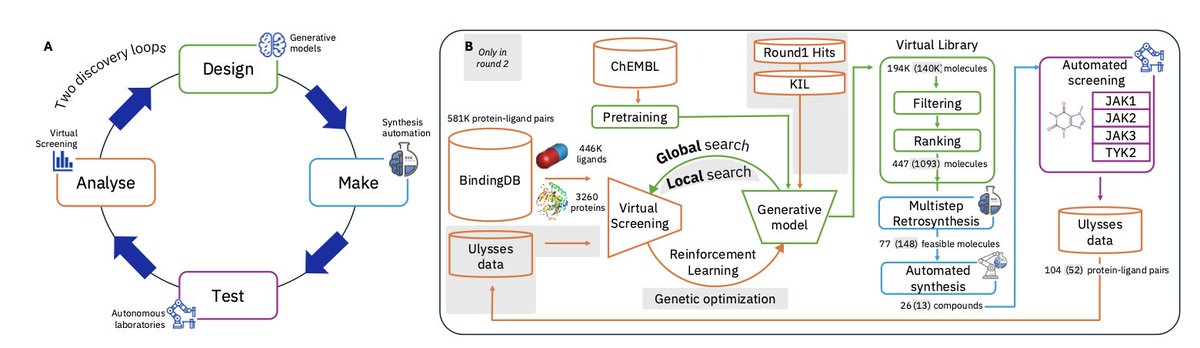
Toward Fully Autonomous Closed-Loop Molecular Discovery – A Case Study on JAK Targets
1. Researchers have introduced the first fully automated, closed-loop molecular discovery cycle, focusing on identifying novel JAK inhibitors. This work bridges AI and self-driving laboratories, minimizing human intervention and integrating AI-driven molecular design, automated synthesis, and in-vitro screening.
2. The study performed two Design-Make-Test-Analyze (DMTA) cycles, synthesizing a total of 36 compounds. In the first round, the AI model identified structural analogs of known JAK inhibitors without being explicitly trained on them, demonstrating its ability to explore chemical space creatively.
3. The second iteration of the cycle yielded molecules with significantly improved pIC50 and ligand efficiency compared to the first round (p < 0.001), highlighting the effectiveness of the closed-loop workflow and its potential for iterative optimization in drug discovery.
4. The framework leverages IBM's RoboRXN for automated synthesis and Arctoris' Ulysses platform for automated in-vitro screening, showcasing the integration of advanced technologies to accelerate molecular discovery. This approach could have significant implications for reducing costs and speeding up the development of new drugs.
5. The study demonstrates that each iteration of the DMTA cycle can be incorporated into the next, improving the generation process and results. This iterative improvement is crucial for refining molecules and enhancing their binding affinity to JAK targets.
📜Paper: doi.org/10.26434/chemrxiv-20…
#MolecularDiscovery #AIinChemistry #AutomatedLaboratories #JAKInhibitors #DrugDiscovery #ClosedLoopSystems
1
1
12
1,454

27 Oct 2025
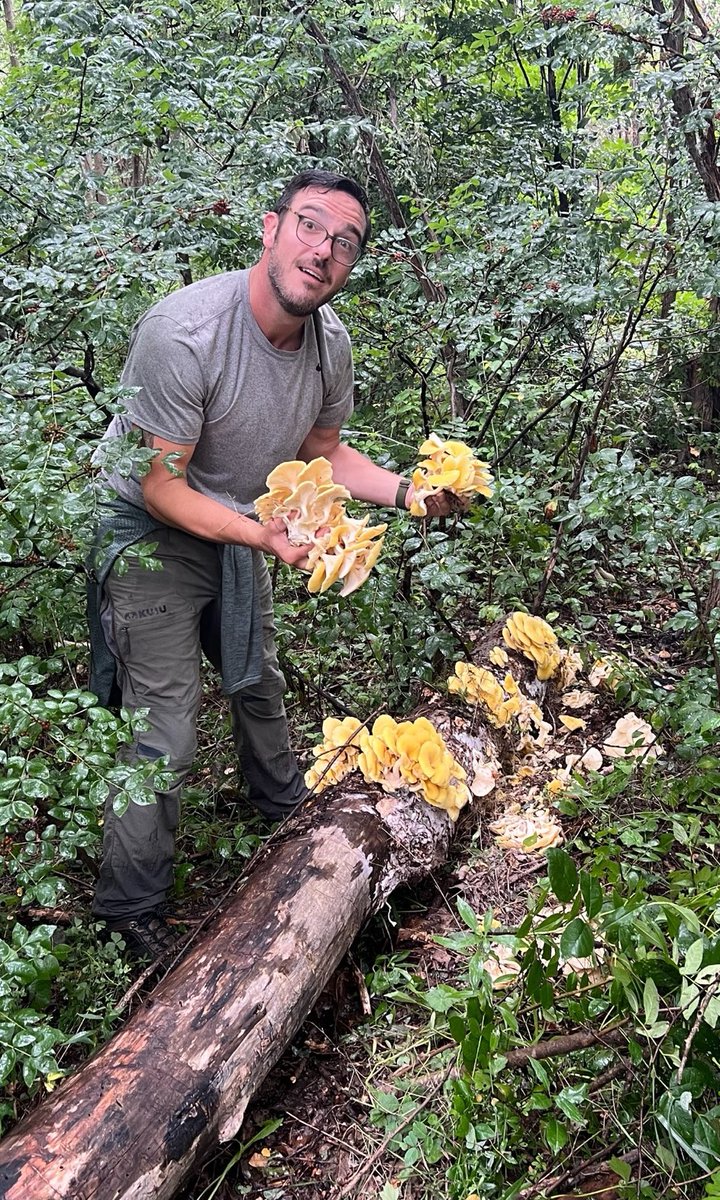
I harvested these on Mark Shepard’s farm not too long ago. No one inoculated this log or tends it. It’s a fallen tree in a well-designed system where biology capitalizes on stored energy: wood to fungi, fungi to soil, soil to future growth. That’s compounding without oversight.
Restoration Agriculture’s quiet superpower: you don’t fight nature for yield; you create conditions where yield is inevitable. Build the structure once, and the ecosystem works indefinitely. Design nature to thrive, and she will produce an abundance you couldn’t imagine.
Bitcoin applies the same intelligence to money. No nagging, managing, or bribing with policy, just fix the base layer to prevent leakage, and the system compounds by design. Not because people behave better, but because the rules make waste unaffordable.
People mistake effort for mastery. True mastery builds systems that produce long after you stop intervening.
Forests do this in biology; Bitcoin does it in value.
#TBSI #Permaculture #Bitcoin #ClosedLoopSystems
1
7
25
857

28 Jul 2025
💧🚫 Every Drop Counts — Refining Without Wastewater
Water sustainability is no longer optional — it’s operational.
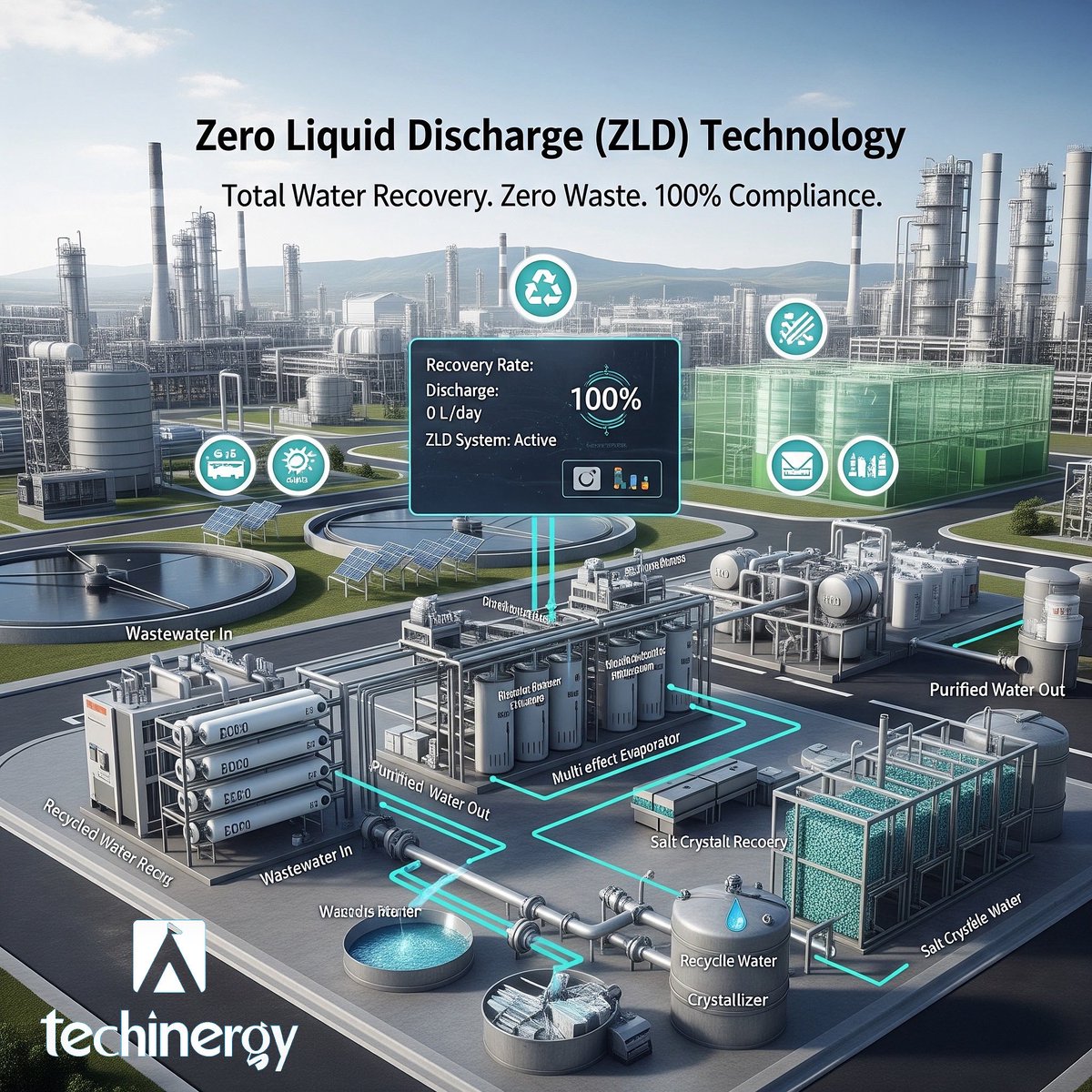
With Zero Liquid Discharge (ZLD), Techinergy is setting new environmental standards:
🔹 Treats and recycles all wastewater from refinery processes
🔹 Uses multi-effect evaporation, RO membranes, and crystallizers
🔹 Delivers 100% wastewater recovery, zero discharge
🔹 Compliant with the strictest global environmental norms
A closed loop. A cleaner refinery. A greener future.
#Techinergy #ExcellenceDrivingTheFuture #News #SocialMedia #India #World #Business #Technology #Innovation #Petroleum #Petrochemical #oil #crudeoil #energy #marketing #Biofuel #environment #Sustainability #US #UK #lubricants #bitumen #ZeroLiquidDischarge #WaterRecovery #ZLD #RefineryWaterTreatment #EcoRefinery #CleanWaterTech #ClosedLoopSystems #WastewaterRecycling #refinery @IndianOilcl @HPCL @BPCLimited @Shell @TotalEnergies @MarathonOil @NayaraEnergy
3
6
67

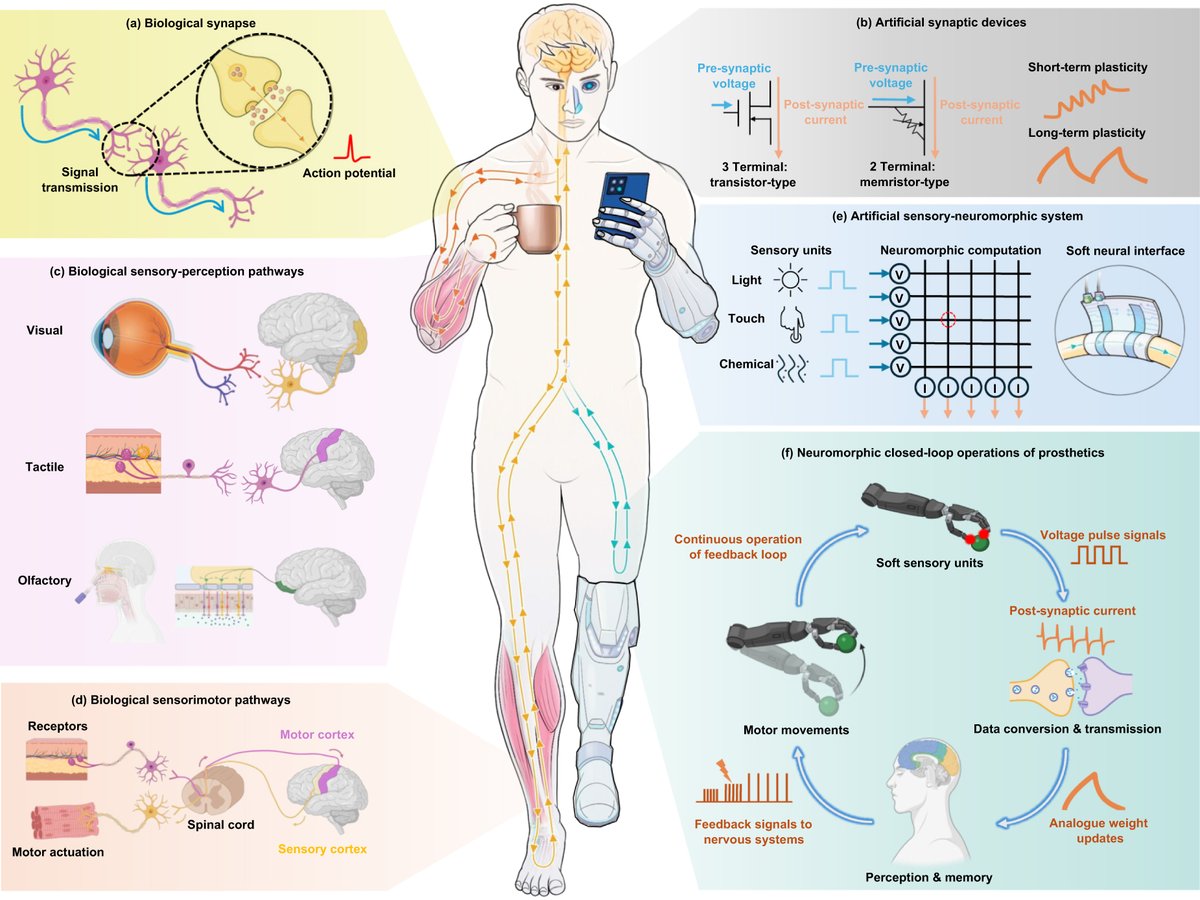
Making prosthetics feel truly natural means replicating both movement and sensation.
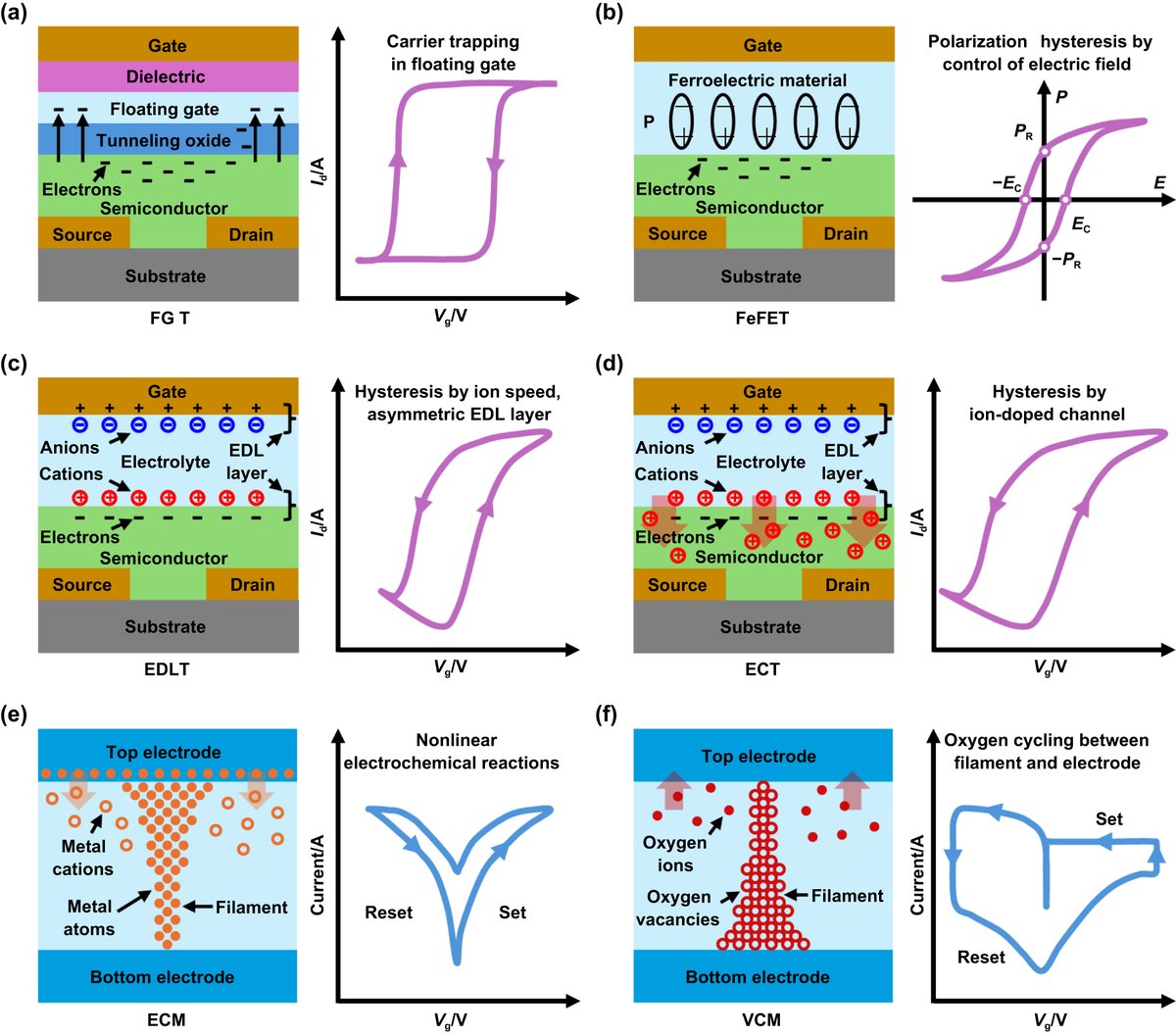
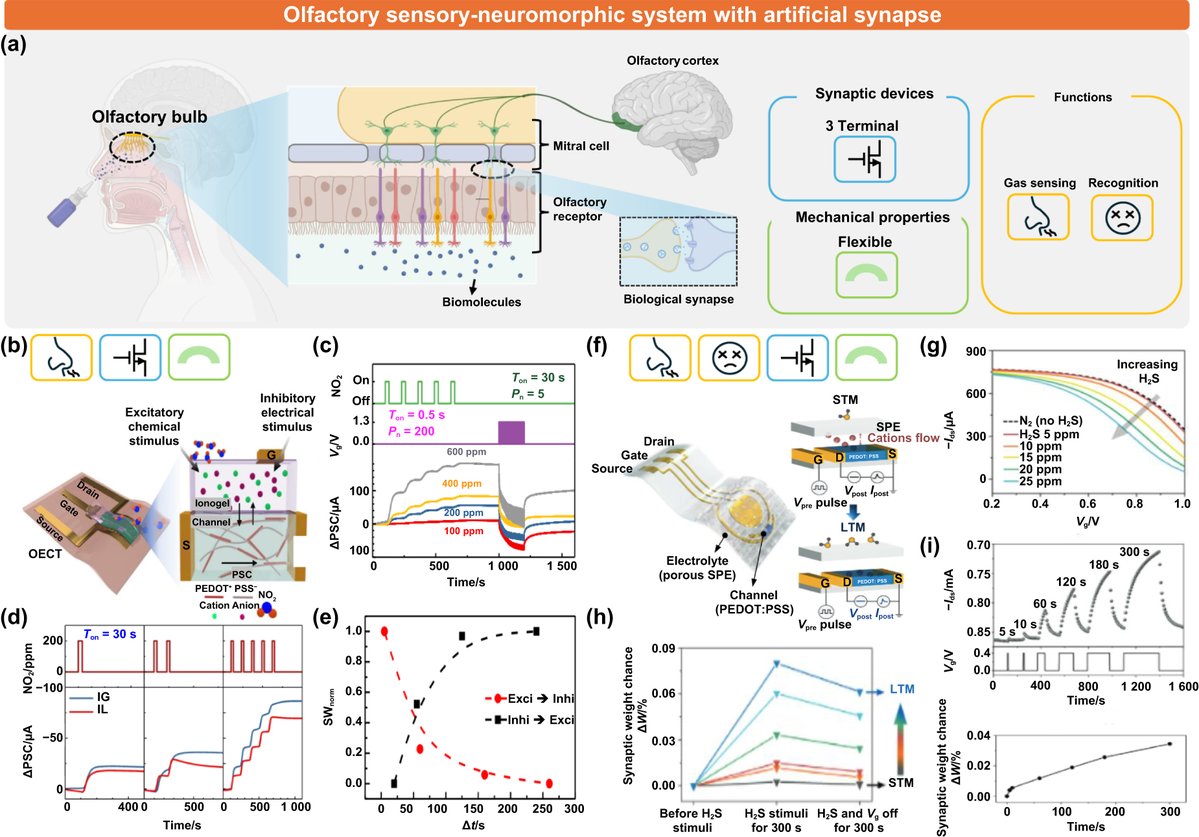
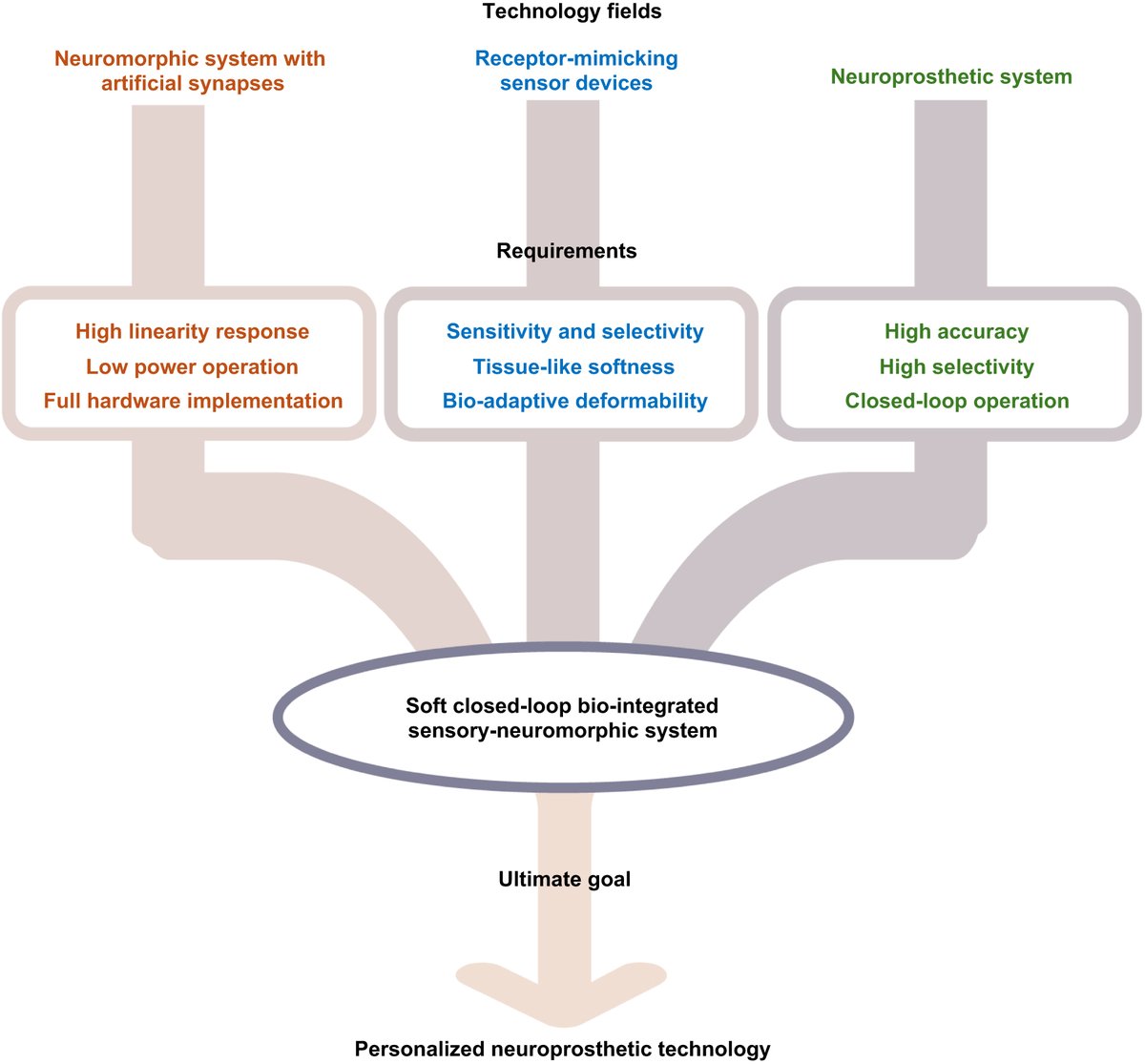
🌟In#IJEM, researchers review advances in soft #sensors, #synaptic devices, and #neuromorphic systems that bridge the gap between artificial limbs and the nervous system—pointing toward fully integrated, closed-loop #neuroprosthetics.
Read more: doi.org/10.1088/2631-7990/ad…
#ExtremeManufacturing #SynapticDevices #WearableTech #SoftElectronics #Bioelectronics #FlexibleSensors #SynapticDevices #FlexibleSensors #Bioelectronics #NeuromorphicEngineering #ArtificialSenses #ClosedLoopSystems #BrainMachineInterface
#ProstheticTechnology #SmartMaterials #Biointegration #SensorFusion #HumanMachineInterface
#AIinHealthcare #RehabilitationTech #NextGenProsthetics #SoftRobotics
3
191

13 Nov 2024
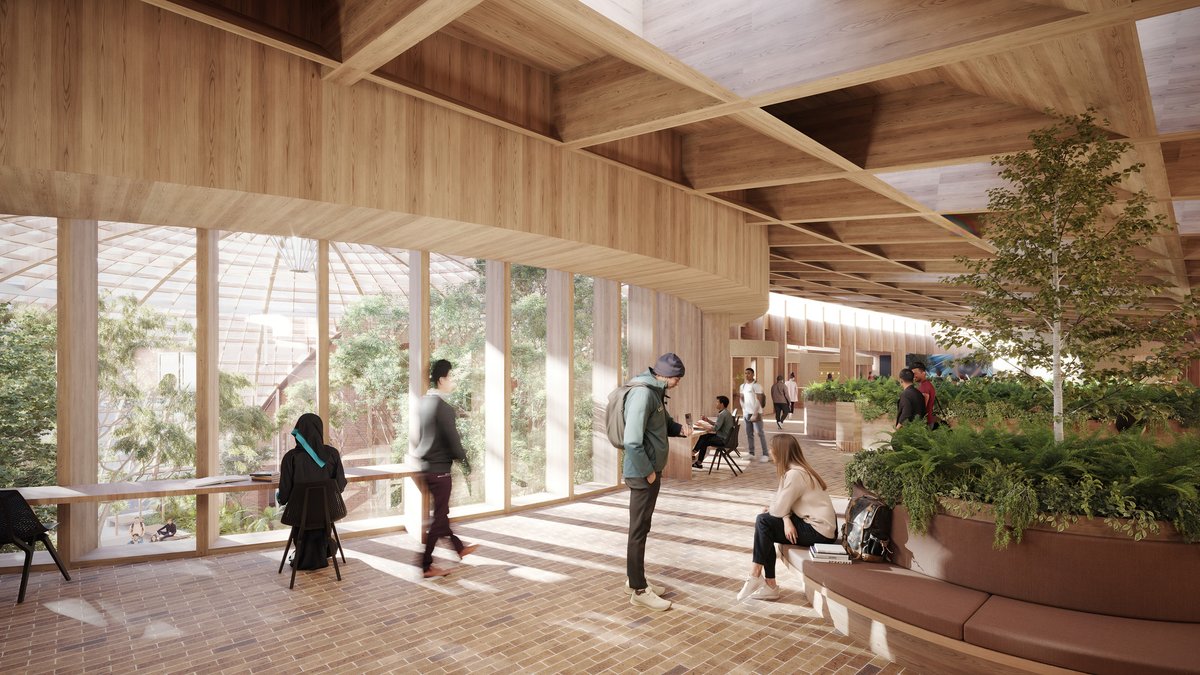
Autex Acoustics' Greener Perspectives series kicks off with Phoebe Settle of Woods Bagot, discussing circularity, regenerative design, and closed-loop systems.
Read the full interview here: bit.ly/4fU3NcL
#peoplearchitecture #sustainabledesign #closedloopsystems
1
2
92

11 May 2023
CASES OF MACHINE LEARNING IN CIRCULAR SUPPLY CHAINS ARE WANTED @AaltoTUTA #TutaTech @TutaTech_TIDE #TIDE #MachineLearning #ArtificialIntelligence #CircularSupplyChains #ClosedLoopSystems linkedin.com/feed/update/urn…
1
2
182

2 Mar 2023
2
152

31 Aug 2022
A study of #ClosedLoopSystems using two glucose simulators determined that the #OpenAPS and Basal Bolus systems improved #TimeInRange from 66% to 93% and 79% (respectively).
Also, the simulators are accurate tools for testing closed loop systems.
arxiv.org/pdf/2208.06479.pdf
2
3
10

22 Aug 2022
"The Circular Economy and Net Zero transition are often viewed as separate pieces of the sustainability jigsaw, net-zero can't be reached without embarrassing closed-loop systems" #CircularEconomy #NetZero #ClosedLoopSystems
2

13 Jun 2022
Day 3 #ENDO2022 did not disappoint. Started off with an excellent session on intersex, transgender, and exercise in Endocrinology @GuyTsjoen #YannisPitsiladis And then continued to cover many other fantastic talks. #mentoring #T1DM #cgm #closedloopsystems #dsd #hyperinsulinism
2

otherwise we will suffocate in trash eventually. #ClosedLoopSystems #RegenerativeFarming can reverse #ClimateEmergency
1
1

4 Jun 2021
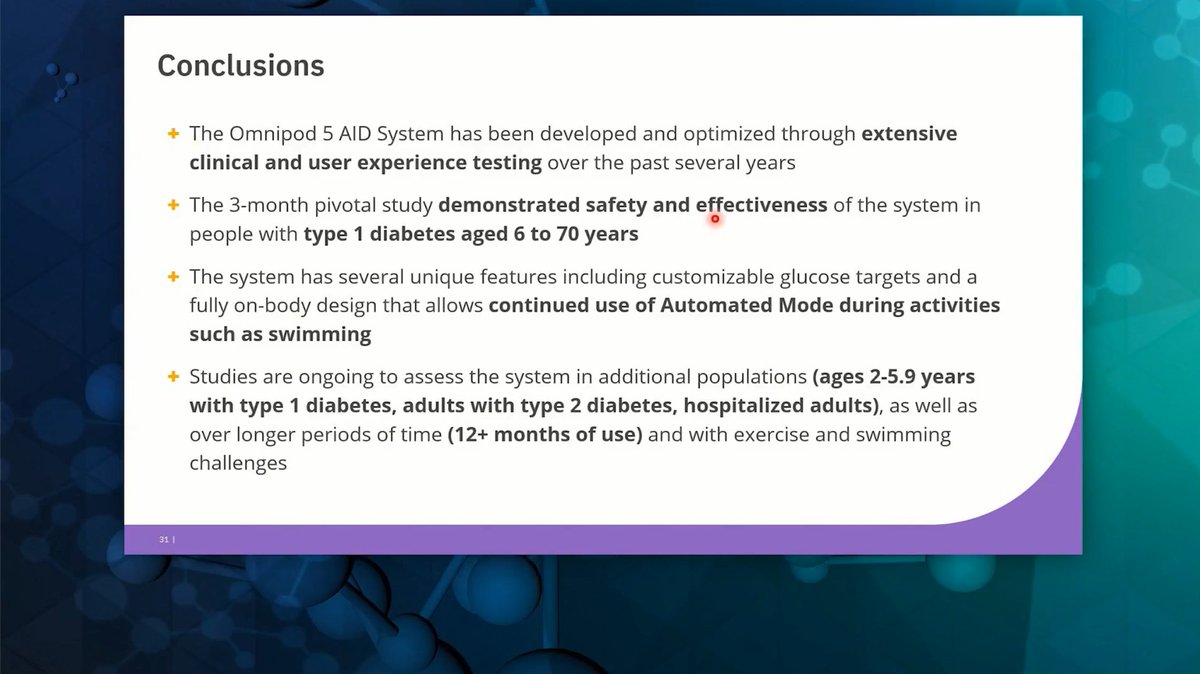
Advances in #closedloopsystems lessons learnt from clinical studies - #Omnipod5 ◻️
#dedoc #dedocvoices #ATTD2021 #payitforward
5
15
4 Jun 2021
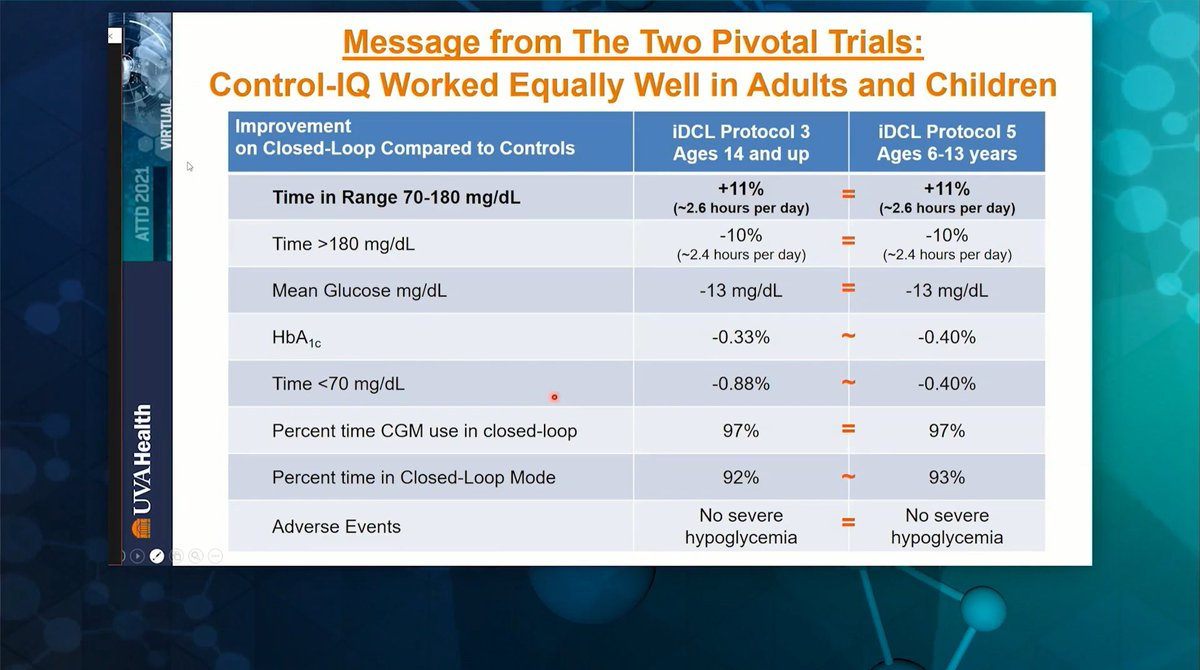
Advances in #closedloopsystems lessons learnt from clinical studies - #ControlIQ 📟
#dedoc #dedocvoices #ATTD2021 #payitforward
5
9
4 Jun 2021
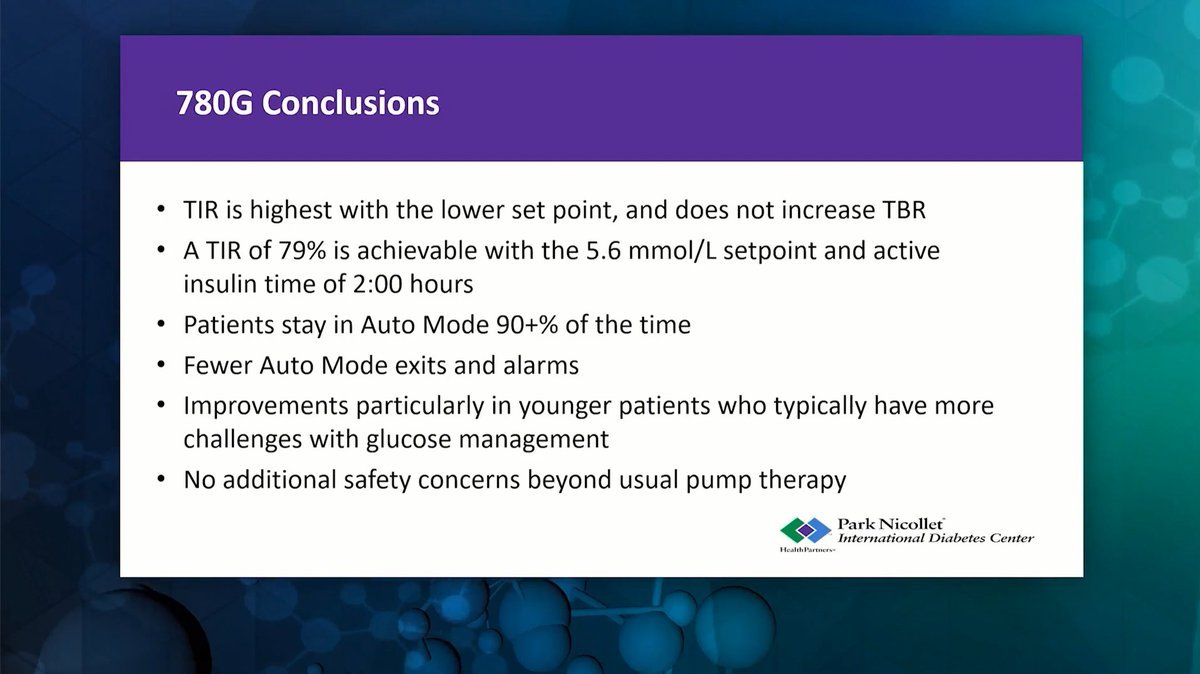
Advances in #closedloopsystems lessons learnt from clinical studies - Medtronic #780G 📟
#dedoc #dedocvoices #ATTD2021 #payitforward
2
3

14 Apr 2021
Looking forward to meeting you all and exploring “new” forms of #circulareconomyfashion #circularfashion #closedloopsystems
1
5

1 Apr 2021
4