Allen Y. Tien MD MHS 田一彦 retweeted
#SharedFacts #CollectiveLearning #ProLifeCourse #HumanReasoning #CollectiveBehavior #CommunityProsperity
#SuicidePrevention #k12StudentMentalHealth #MTSS #MultiTieredSystemofSupports
#EnergyNetworkScience #HelicalEconomics #UBI #UniversalBasicIncome #MMT #ModernMonetaryTheory
1
15
22
2,207
Furthermore, consider #GeneralSemantics from #AlfredKorzybski book #ScienceAndSanity
#WordsAreUnitsOfBrainFunction
#SharedFacts for #CollectiveLearning and #HumanReasoning

Reading is freedom. It opens worlds that might otherwise remain closed. Imho opinion, I believe that the lack of basic knowledge ( easily acquired through books) is the source of much of the problems in today's world. They don't have to erase history. No one sees the point.
1
4
35

I have always thought that the debate around Critical Race Theory is somewhat odd. I get that people don’t want to be labeled as racists. But whatever way you look at it, America has a long history of racist policies, whether that be the War on Drugs, segregation, or slavery. I think any good social studies teacher should teach about race in America. That doesn’t mean being judgmental and accusatory, but honestly examining the role that race has played in our history. To me, that is not a radical point of view.
32
Allen Y. Tien MD MHS 田一彦 retweeted
#SuicidePrevention and broader #k12StudentMentalHealth based on evidence and #CollectiveLearning bhlcofpa.org/research-public… with continued generation of #NewKnowledge
May 31

As Governor, I’ve brought people together to deliver real results for Pennsylvanians.
Working across the aisle, we’ve increased investment in public education by 30%, increased the number of teachers after years of decline, and expanded mental health services for nearly 800 schools across our state.
But there’s a lot more to do. Let’s win in November and keep delivering for Pennsylvania students.
1
1
25
Allen Y. Tien MD MHS 田一彦 retweeted
#TimeBinding #SharedFacts #CollectiveLearning #HumanReasoning & #CollectiveBehavior for #CommunityProsperity
May 31

In 1913, Teddy Roosevelt wrote America "had come to the stage where for our people what was needed was a real democracy; and of all forms of tyranny the least attractive and the most vulgar is the tyranny of mere wealth, the tyranny of a plutocracy.”
True then. More true today.
1
37
Allen Y. Tien MD MHS 田一彦 retweeted

The problem isn’t that people are stupid.
The problem is that many people don’t realize they are being psychologically manipulated by systems designed to maximize engagement.
1
31
Allen Y. Tien MD MHS 田一彦 retweeted

"Democracy requires a basic sense of solidarity — the idea that for all our outward differences, we are all in this together; that we rise or fall as one." — President Obama
1
11
Allen Y. Tien MD MHS 田一彦 retweeted
Jun 6

82 years ago, 14,000 Canadians landed on Juno Beach, many of whom would never come home.
On the anniversary of D-Day, we pause to honour those who served and sacrificed. We remember that our rights, our freedoms, and our way of life were fought for and were won by those who answered the call.
![Troops of the 9th Canadian Infantry Brigade (Stormont, Dundas, and Glengarry Highlanders) going ashore from LCI (L) 299 [Landing Craft Infantry], Bernières-sur-mer, Normandy, France, 6 June 1944. [Library and Archives Canada 3408540]](https://venexa.site/media/HKJC4UkWoAIB2Vc.jpg)
ALT Troops of the 9th Canadian Infantry Brigade (Stormont, Dundas, and Glengarry Highlanders) going ashore from LCI (L) 299 [Landing Craft Infantry], Bernières-sur-mer, Normandy, France, 6 June 1944. [Library and Archives Canada 3408540]
1
25
Apr 26

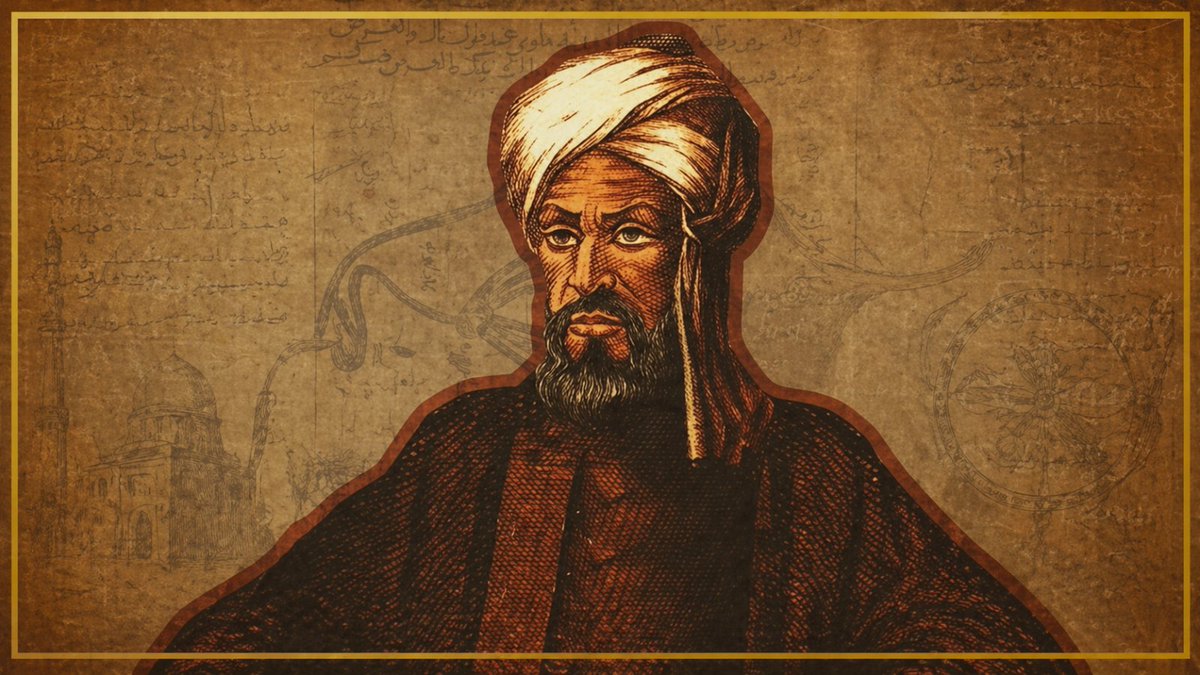
A Persian scholar finished a single math book in 9th century Baghdad that quietly became the foundation for every line of code running on Earth today.
I started reading about him at midnight and could not believe how many things in my daily life trace back to one man.
His name was Muhammad ibn Musa al-Khwarizmi. The book is called The Compendious Book on Calculation by Completion and Balancing.
Every time you say the word algebra, you are saying his book title. Every time someone says the word algorithm, they are saying his name. Both English words come from him. Both are Latin transliterations of Arabic and of his own identity. The man did not just contribute to mathematics. He named it.
Here is the part almost nobody tells you.
Al-Khwarizmi was born around 780 CE in Khwarazm, in what is now Uzbekistan. He moved to Baghdad and worked at a research institution called the House of Wisdom, which during the Islamic Golden Age was the single most important center of learning on the planet. The caliph al-Mamun hired the best mathematicians, astronomers, and philosophers from across three continents and put them in one building with one job. Translate, study, and produce new knowledge.
Al-Khwarizmi finished his book on algebra around 820 CE. The Arabic title contained the word al-jabr, which referred to one of the two operations he used to solve equations. When the book was translated into Latin in the 12th century, the Latin world did not have a word for what he had built. So they kept his Arabic word. Al-jabr became algebra. The discipline was named after a single Arabic word in the title of a single book by a single man.
The deeper insight is what he actually changed about how humans think.
Before al-Khwarizmi, mathematical problems were solved geometrically. You drew shapes. You measured them. You compared areas. The Greeks had built an entire mathematical tradition on visual proofs and physical constructions. It was beautiful and limited. You could not solve a problem you could not draw.
Al-Khwarizmi did something nobody had done before him at this scale. He said you could solve any problem using abstract symbols and rules. You did not need a shape. You needed a procedure. You moved terms across the equation. You cancelled like terms on both sides. You isolated the unknown. He invented the idea that mathematics is a manipulation of symbols according to rules, not a study of physical figures.
That single shift made everything that came afterward possible. Calculus. Differential equations. Linear algebra. Quantum mechanics. None of it works if math is locked inside geometry. He pulled it out.
The second thing he did is the one that changed how the world counted forever. He took the Hindu numeral system from Indian mathematics, refined it, and wrote a book introducing it to the Arab world. That system included the concept of zero as a placeholder, and a positional notation where the value of a digit depends on its location. Roman numerals could not do complex calculation. Hindu-Arabic numerals could.
When his book on numerals was translated into Latin as Algoritmi de numero Indorum, the word Algoritmi was just the Latin spelling of his own name. Europeans started calling the new method "doing algorism," then "running an algorithm." The word for the most important concept in computer science is literally his name in Latin.
The third thing he did is the part that should haunt anyone who works in tech.
His method of solving problems was systematic. Step one, do this. Step two, check that. Step three, if condition A, then do X, otherwise do Y. He wrote down procedures that could be followed by anyone, anywhere, who knew how to read. The procedure did not depend on intuition or genius. It worked because the steps worked.
That is exactly what an algorithm is. A finite, deterministic procedure for solving a problem. He did not just give us the word. He gave us the entire concept of programming a thousand years before there was anything to program.
When Alan Turing built the first abstract model of computation in 1936, when John von Neumann designed the first stored-program computer in 1945, when every engineer at Google, OpenAI, Anthropic, and DeepMind writes code in 2026, they are working in a paradigm that started with one man in Baghdad twelve centuries ago.
The strangest part is what happens when you walk into any tech office in San Francisco or Bangalore or Lahore today. Engineers say the words algebra and algorithm hundreds of times a day. They do not know whose name they are saying. Almost nobody can spell al-Khwarizmi correctly on the first try.
His original Arabic manuscript is preserved at Oxford. His book on Hindu numerals survives only in Latin translation. The Latin version was the textbook that taught medieval Europe how to count.
The man who built the foundation of the AI revolution did not live to see a calculator. He died around 850 CE, a thousand years before the first electric current was sent through a wire. The civilization he built mathematics for collapsed. The library he wrote in burned. His own grave is unmarked.
But every algorithm running on every machine on Earth right now still answers to his name.
4
3
102
#Persia represents #FiveMillenia of #CollectiveLearning and #CulturalDepth
#TimeBinding #SharedFacts

We Iranians have finally shown the world that we are not Arab, we are not Muslim! We are Persian, with 5,000 years of civilization 🦁👑
#IranRevolution2026
1
2
78

Jan 10
Qbyte is building a humanoid coordination layer — enabling synchronized training, shared simulations, and collaborative learning across distributed AI systems.
Not isolated models.
A shared learning fabric.
One network. Many agents. Collective intelligence. @elonmusk
#QBYT #HumanoidAI #Simulation #AIInfrastructure #DePIN #CollectiveLearning

2
7
294

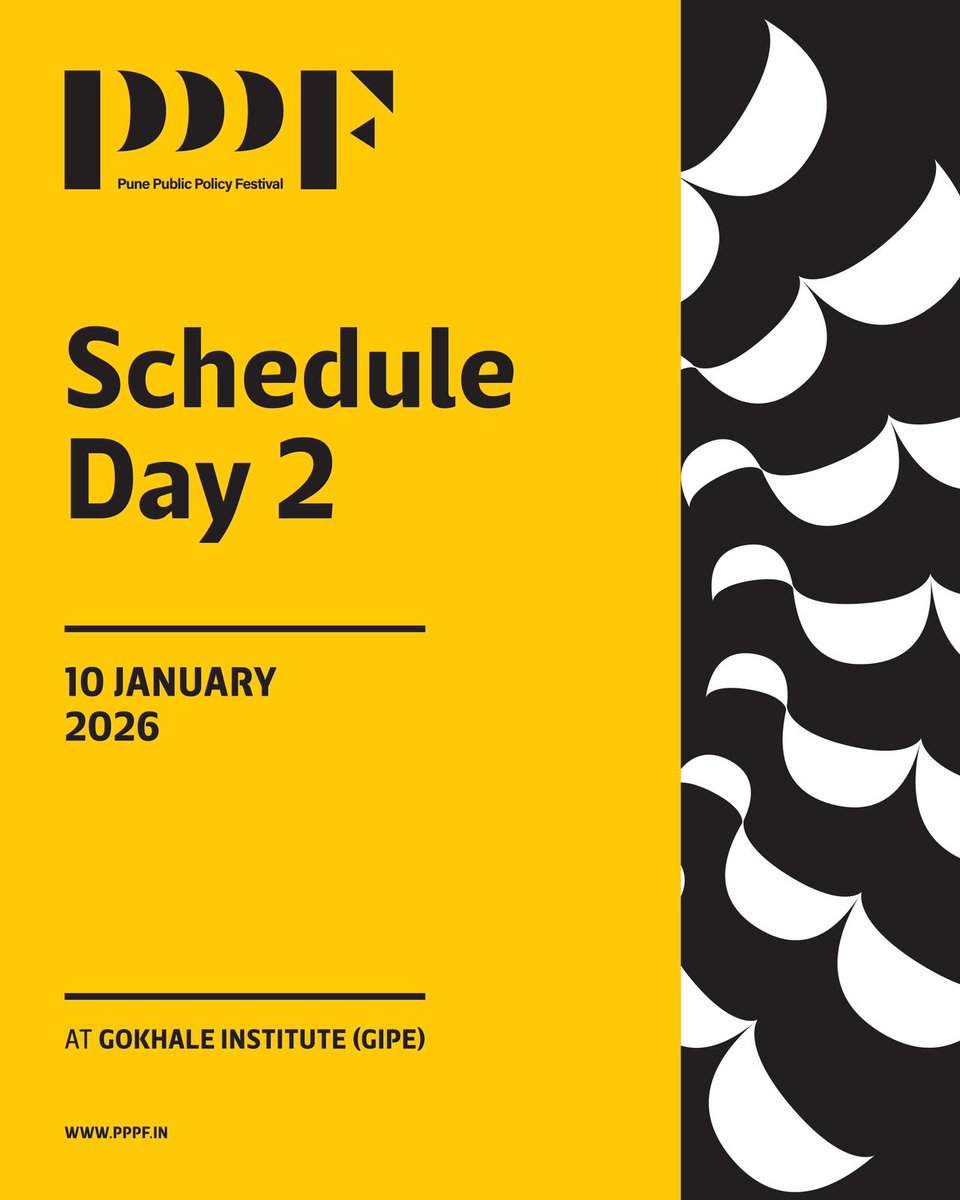
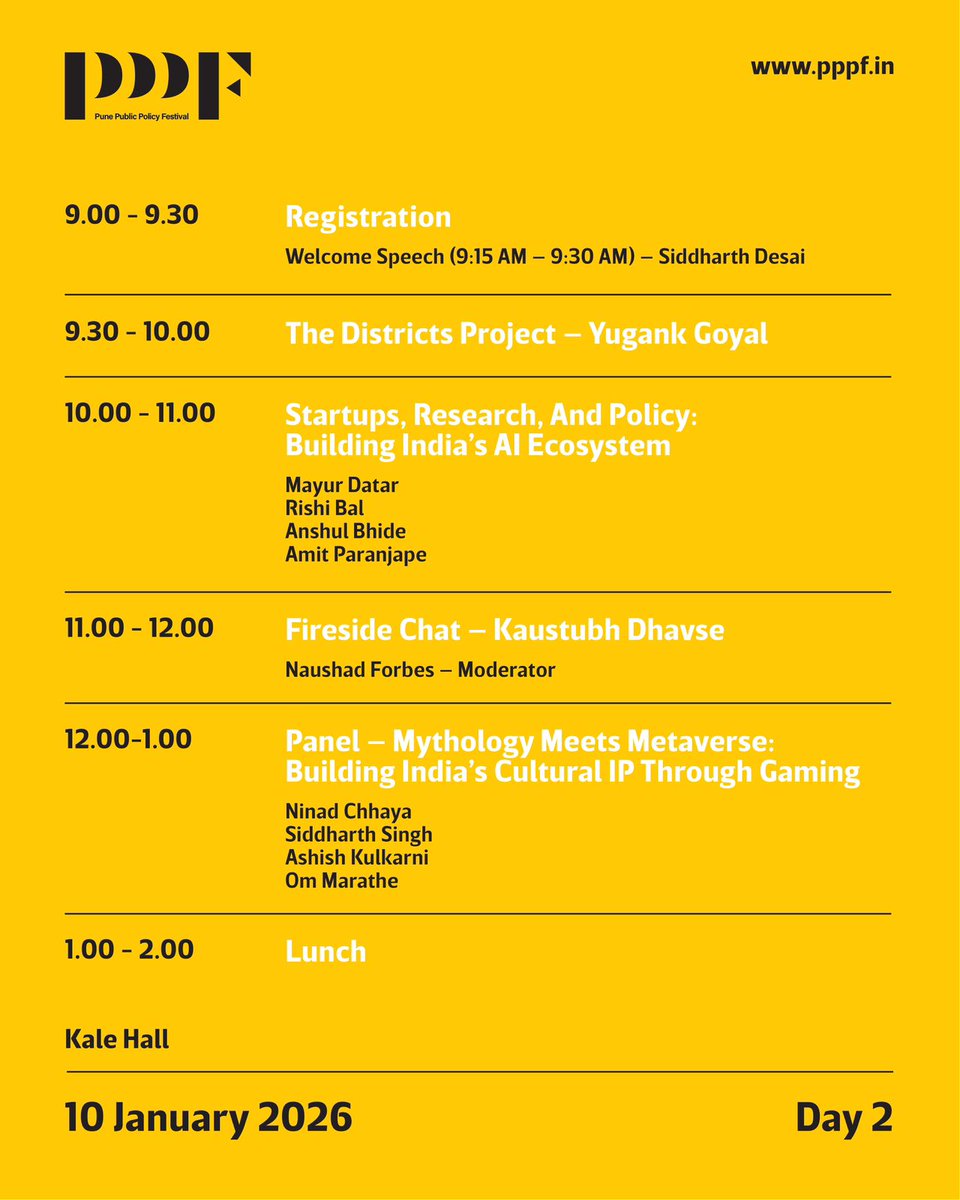
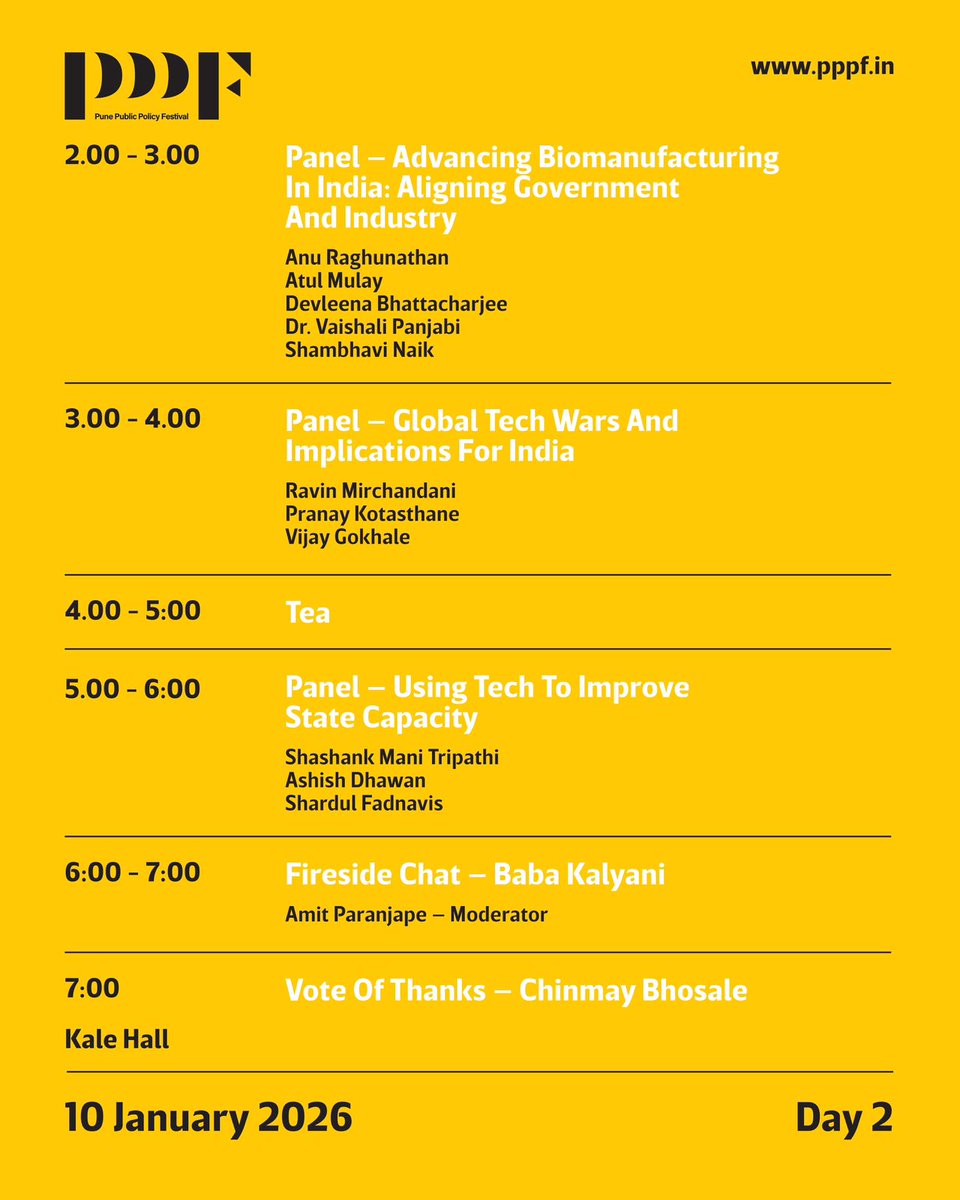
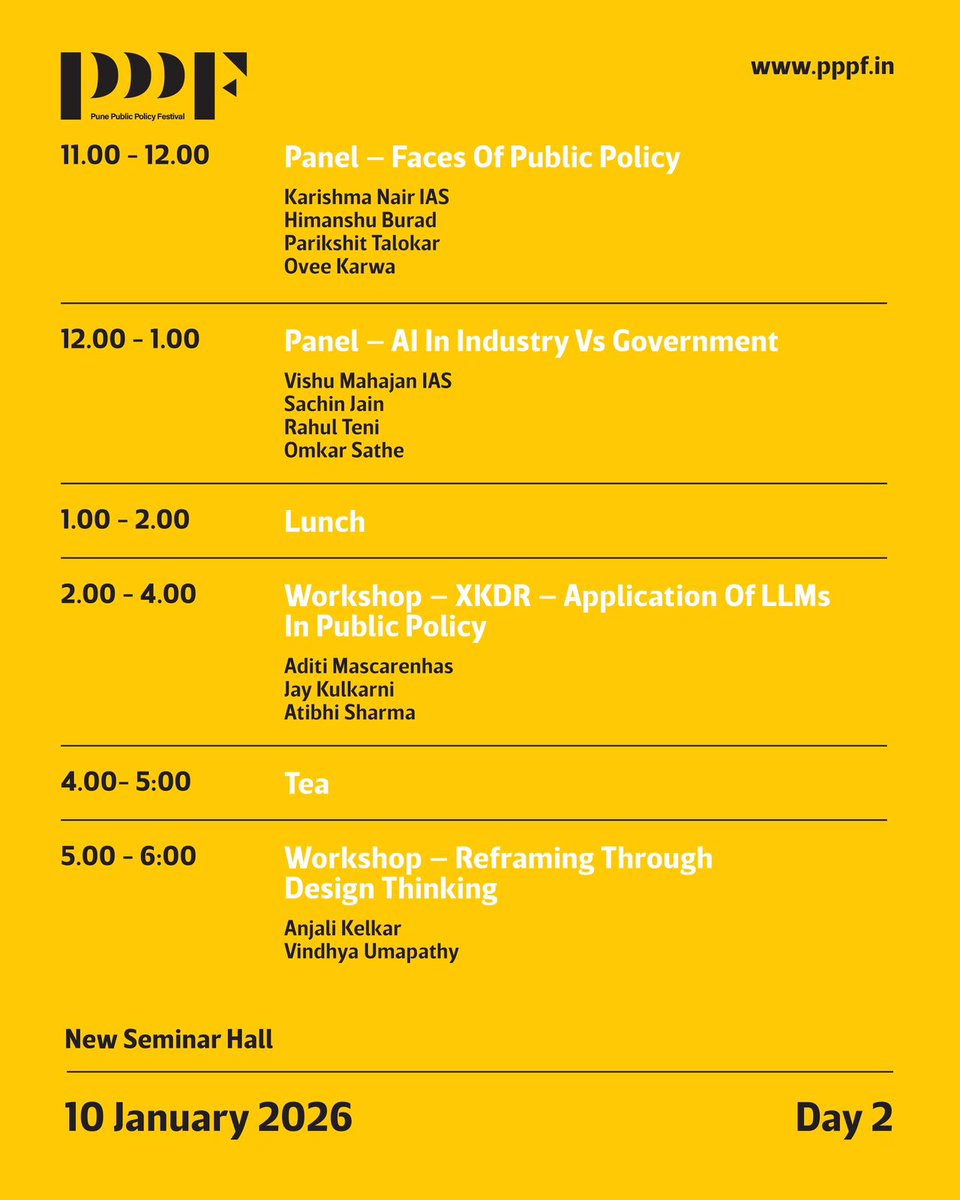
From institutional reform and governance to innovation, education, and communities, Day 2 continues the conversations that began on Day 1. Explore the lineup and plan your sessions for the day.
#PPPF2026 #IdeasInAction #CollectiveLearning #Pune
2
4
2,243

26 Dec 2025
26 Dec 2025

The 50s was one of the worst times to be alive.
Let's stop celebrating that decade and instead, learn about it.
(Fin)
1
2
64
26 Dec 2025
24 Dec 2025
X didn’t liberate speech.
It monetized disinformation.
3
6
100

20 Dec 2025
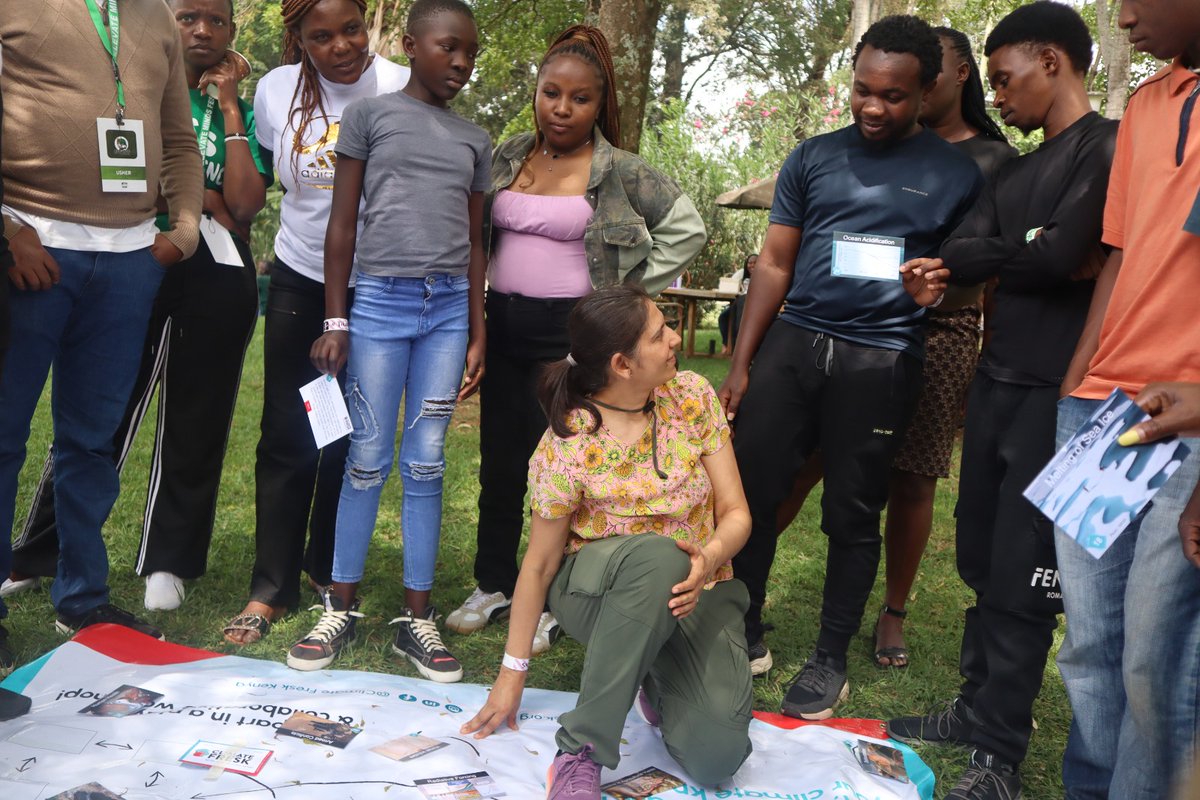
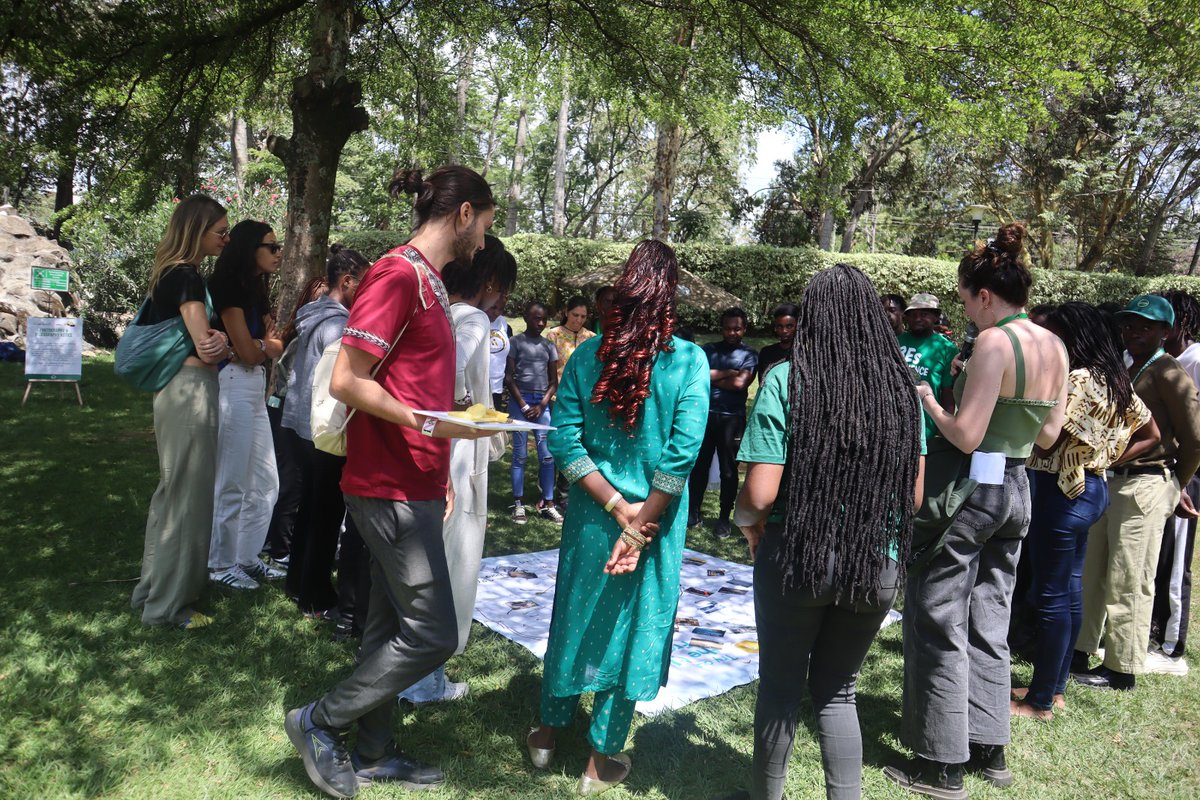
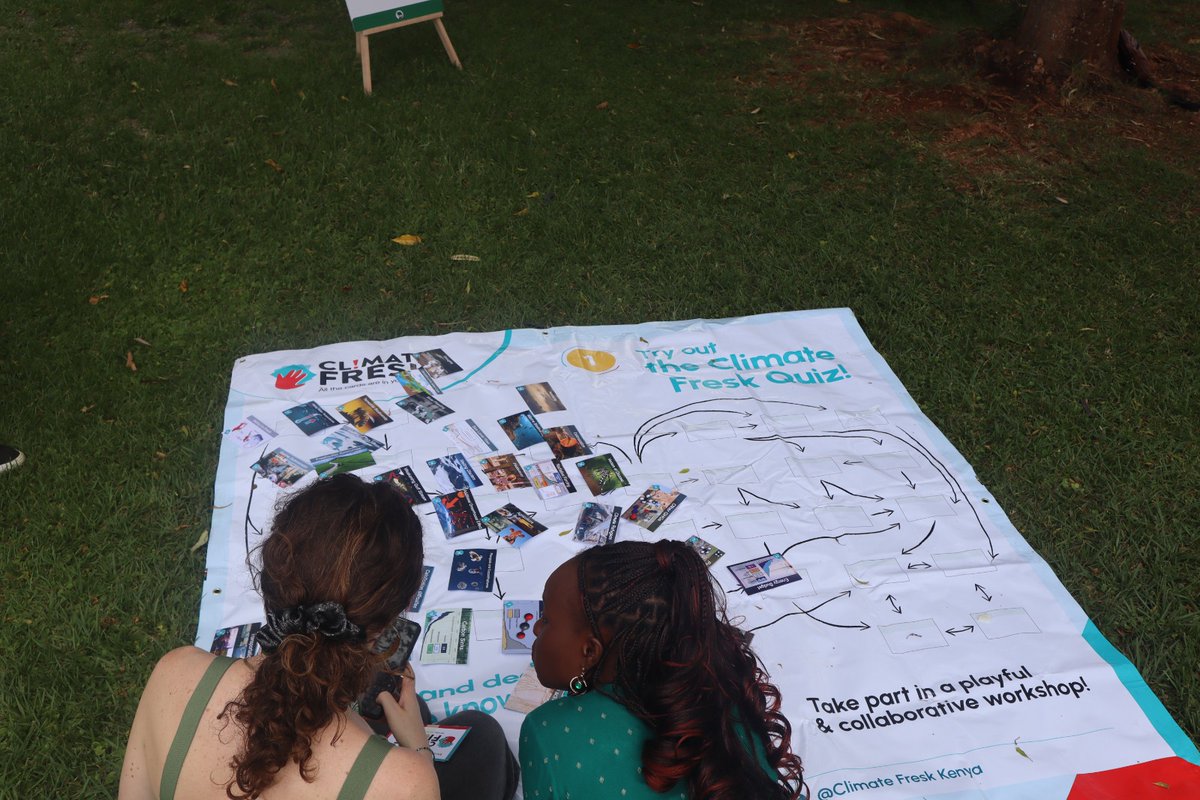
Climate Fresk at Elevate Minds Festival was a powerful reminder that understanding the climate crisis is a collective journey.
This session created space for reflection, questions, and honest conversations, reinforcing that awareness is the first step toward meaningful action.
Thank you to everyone who leaned in, contributed, and stayed curious.
#ElevateMindsFestival #ClimateFresk #ClimateEducation #CollectiveLearning #ClimateAction #NairobiEvents

2
4
197

23 Nov 2025
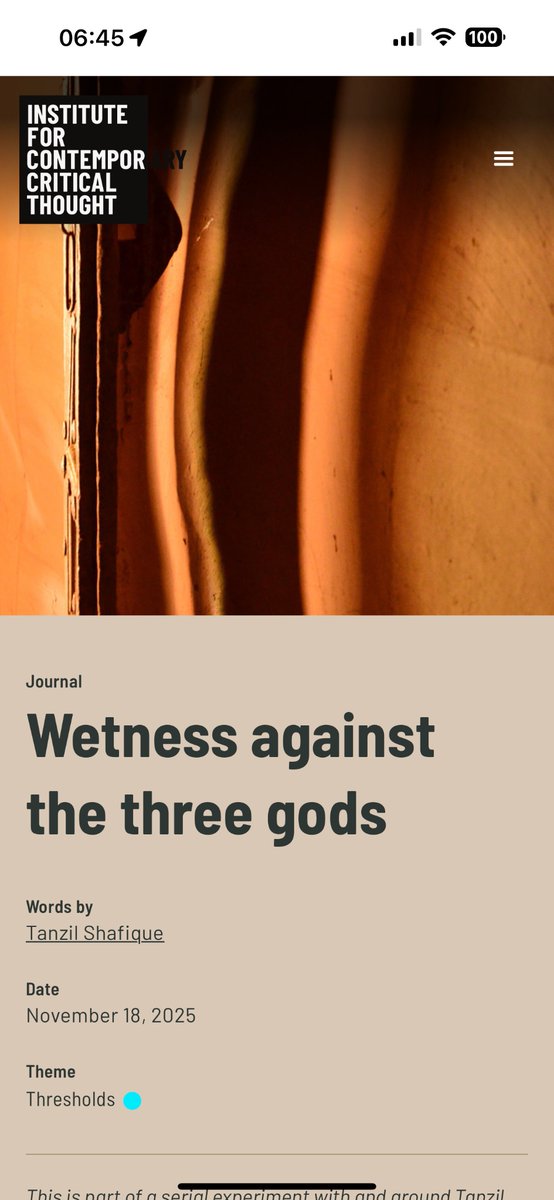
“Wetness against the three gods”: malignant capitalism, the sovereign individual, the methodological nation state….
Join the online reading group on Dec 5 (3:30 pm GMT) to explore:
What would it mean to think with wetlands against these quietly organising forces of modern life?
A Thousand Wetlands is a monthly literary experiment where each new fragment arrives, and then a reading group gathers around it to read slowly, think together, and stay with the mud rather than rush to solutions.
The Institute for Contemporary Critical Thought is hosting the next session on the newest installment, “Wetness against the three gods”. We will explore wetlandic thought, decolonial critique, and the possibilities that open when we treat wetlands as epistemic terrains rather than scenery or resource.
If you work with ecology, urbanism, theory, or are simply curious about other ways of knowing with water, you are warmly invited to join this collective reading.
Registration and essay link in the comments.
#WetlandicThought
#AThousandWetlands
#DecolonialThought
#CriticalTheory
#EnvironmentalHumanities
#MoreThanHuman
#PoliticalEcology
#Urbanism
#ClimateJustice
#EcologiesOfCare
#RethinkingModernity
#SlowReading
#StudyCircle
#CollectiveLearning
#SpeculativeFutures
2
187
22 Nov 2025
#Science
#MATH #MakeAmericaThinkHard
#TimeBinding #SharedFacts #CollectiveLearning
#Semantics #GeneralSemantics
#WordsAreUnitsOfBrainFunction
21 Nov 2025
X is about to show where people post from,
so I’ll just say it myself: I live in France.
I’m Simon, PhD in organic chemistry.
Science belongs at the table, not just in the lab.
My goal here is simple:
Bring science back into everyday life.
Drop a Hi if you want to learn more.

1
3
154

13 Nov 2025
🚀CodeZero
Introducing CodeZero 🧠
A new environment built on RL-Swarm where AI models learn to code together.
Three roles, one loop:
🔹 Proposers create challenges
🔹 Solvers tackle them
🔹 Evaluators review and reward
No central controller.
No hidden servers.
Just a global network of learning agents teaching, testing, and improving as one.
CodeZero is the next step toward a world where AI collaborates, not competes.
A network that learns how to build itself.
👉 Update your node, join the swarm, and see collective coding in action.
#CodeZero #Gensyn #RLSwarm #AIintheWild #CollectiveLearning
For more details:
Blog: blog.gensyn.ai/codezero-exte…
Github: github.com/gensyn-ai/rl-swar…
Documentation: docs.gensyn.ai/testnet/rl-sw…

Introducing CodeZero, a new environment built on RL-Swarm that extends our distributed learning framework into cooperative coding agents.
Today, users can participate as Solvers - tackling coding problems and sharing their results so the swarm can learn collectively.
3
12
75