
May 28
Clearly you have zero clue about hockey , incredible ..
He came back from retirement after 3 years away and played 3 seasons , so they don't even count.
2 Hart Trophies
3 Art Ross Scoring Leader
6 consecutive 50 Goal and 100 points , first in history to do that.
Yeah you are right he was a checker ,, leave the hockey analysis to people who actually know and played the game a a high level , clown...
Guy Lafleur (1951–2022), nicknamed "The Flower" or "Le Démon Blond," was a Hall of Fame right winger best known for his dominant years with the Montreal Canadiens.
hockey-reference.com
NHL Regular Season Career TotalsGames Played (GP): 1,126
Goals (G): 560
Assists (A): 793
Points (PTS): 1,353
Plus/Minus ( /-): 446
Penalty Minutes (PIM): 399
Game-Winning Goals (GWG): 98
Shots (S): 3,516 (15.9% shooting percentage)
Per 82-game average: ~41G, 58A, 99PTS.
hockey-reference.com
NHL Playoff Career TotalsGames Played (GP): 128
Goals (G): 58
Assists (A): 76
Points (PTS): 134
Plus/Minus ( /-): 50
Penalty Minutes (PIM): 67
Game-Winning Goals (GWG): 14
He won 5 Stanley Cups (all with Montreal: 1973, 1976, 1977, 1978, 1979) and the Conn Smythe Trophy in 1977.
hockey-reference.com
By Team (Regular Season)Montreal Canadiens (14 seasons, 961 GP): 518G-728A-1,246PTS (franchise all-time points leader)
New York Rangers (1 season): 18G-27A-45PTS
Quebec Nordiques (2 seasons): 24G-38A-62PTS
Key Achievements & ContextFirst player in NHL history to score 50 goals and 100 points in six consecutive seasons (1974-75 to 1979-80).
Led the NHL in points three times (1976, 1977, 1978).
6× First-Team All-Star, 2× Hart Trophy (MVP), 3× Art Ross Trophy (scoring leader).
Inducted into the Hockey Hall of Fame in 1988.
en.wikipedia.org
1
18

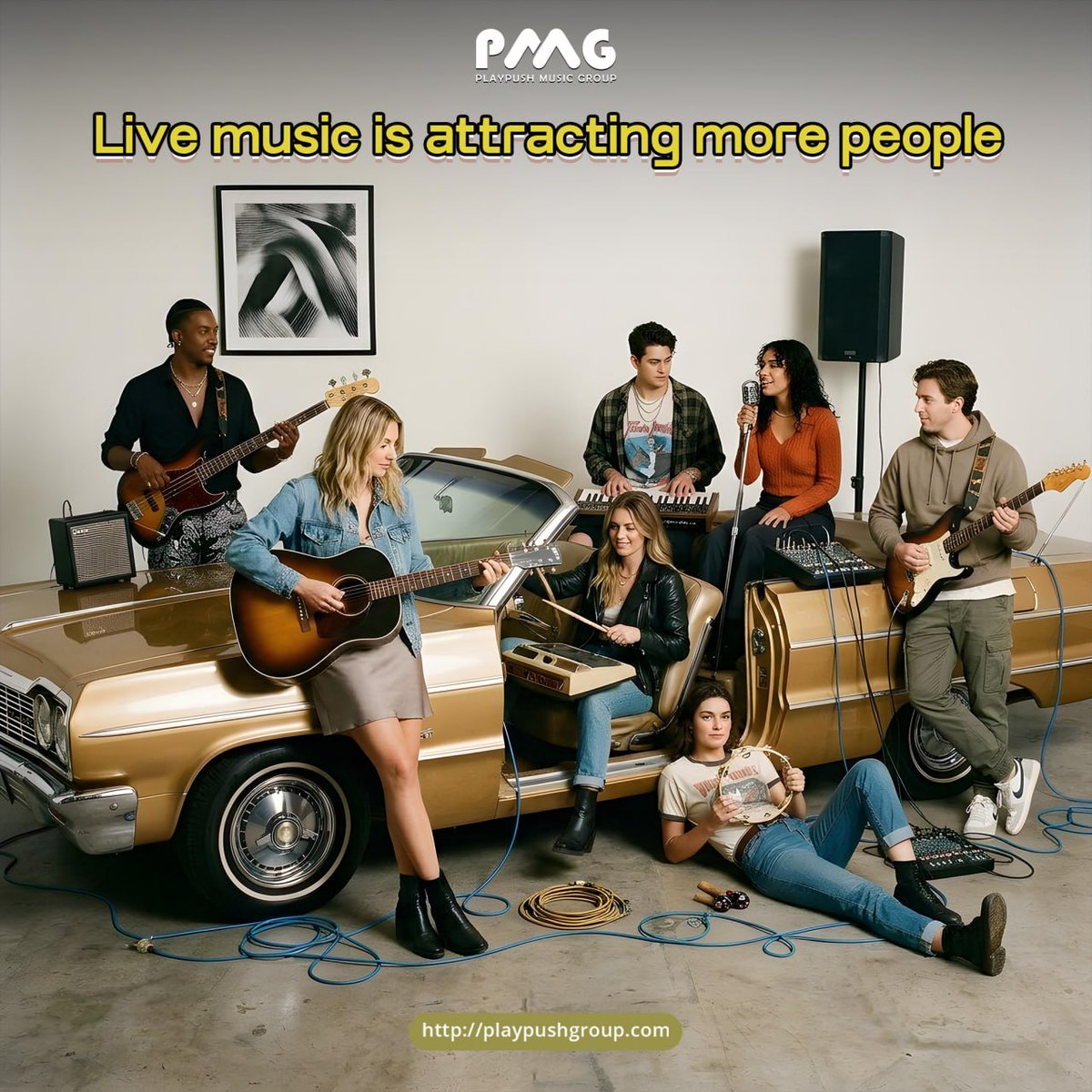
PMG: Live music is attracting more people
Digital audio can’t replace the roar of a live stadium. PMG connects artists and fans to bring you closer to the music.
🌐 playpushgroup.com
#PMG #MusicCulture #LiveMusic #LukeCombs #ConcertCulture #AudienceBehavior #ContextFirst
12
74
2,845

May 19
Context architecture is replacing RAG as agentic AI pushes enterprise retrieval to its limits 🗣️ Enterprise agents are hitting a wall because scattered context, not models, breaks workflows; how would your stack change ... #ContextFirst #Context 🔽 venturebeat.com/data/context…
4

@ihtesham2005 @karpathy here is the post 📫 in mine with video context #ContextEngineering =Software3.0=#ContextFirst -> #AgenticFirst or even #CompoundEngineering software 2.0
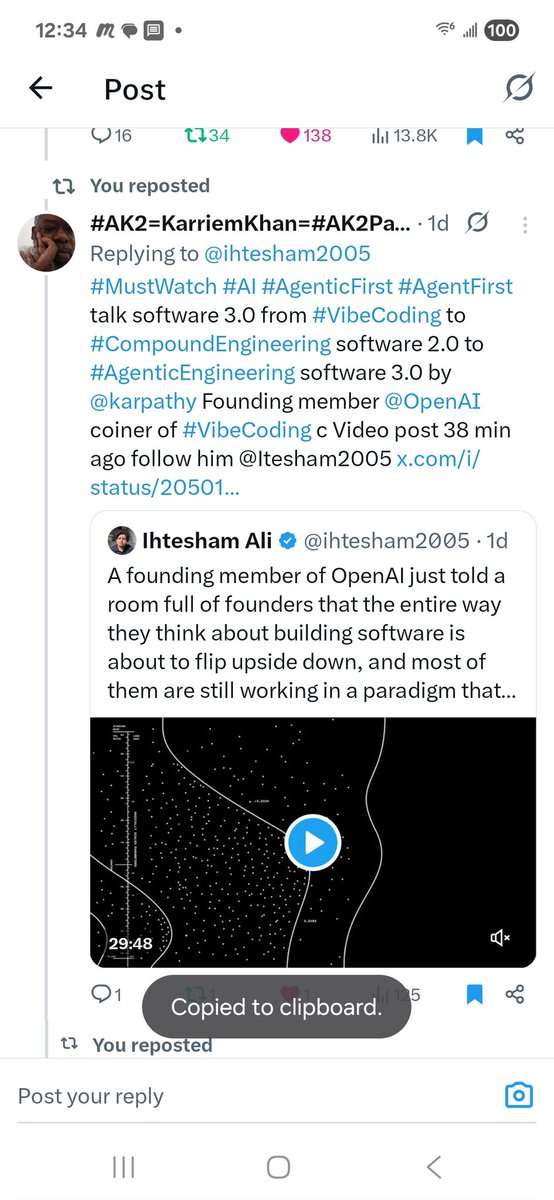

#MustWatch #AI #AgenticFirst #AgentFirst talk software 3.0 from #VibeCoding to #CompoundEngineering software 2.0 to #AgenticEngineering software 3.0 by @karpathy Founding member @OpenAI coiner of #VibeCoding c Video post 38 min ago follow him @Itesham2005
1
1
126

Mar 30
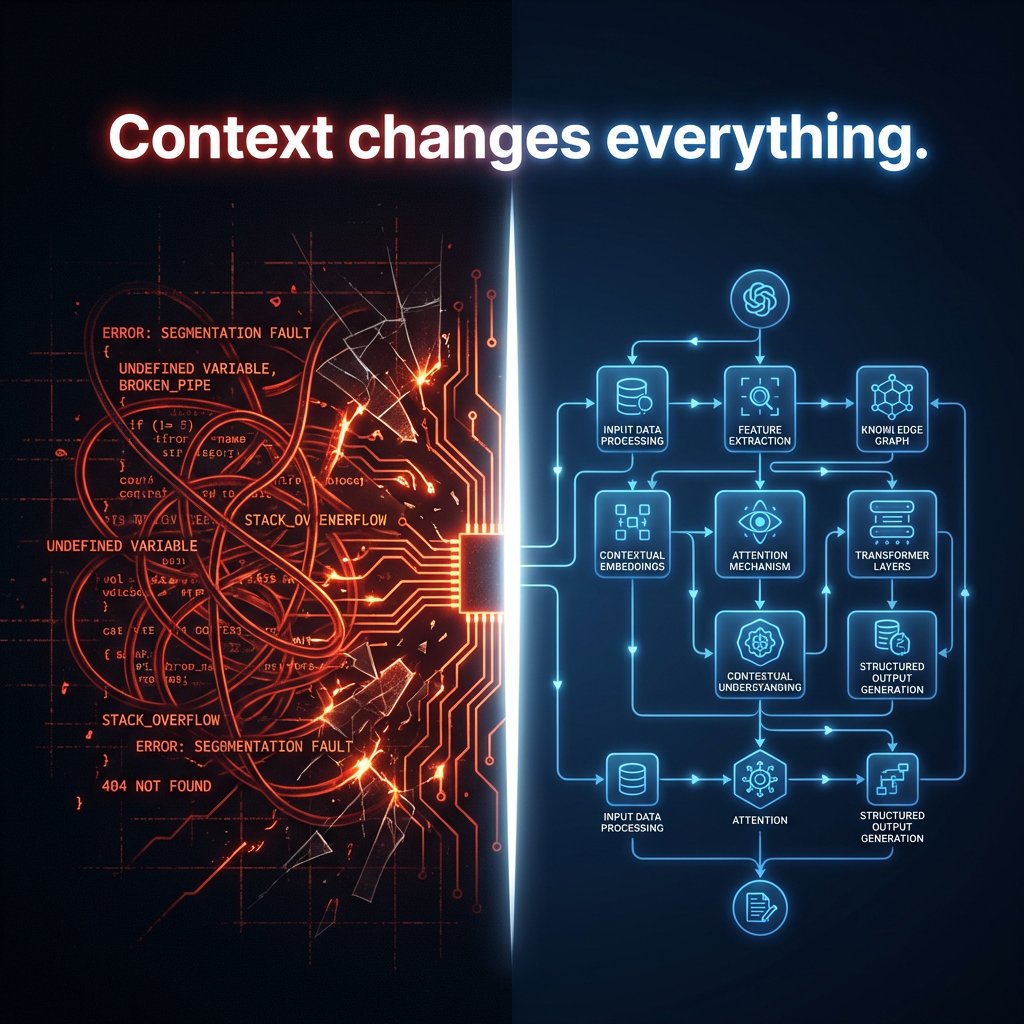
A senior developer spent an entire morning cleaning up code his AI agent produced overnight.
The code was syntactically correct. It followed some patterns — just not the team's patterns. The variable names didn't match the codebase. The data model assumed a schema that didn't exist.
The developer hadn't given the AI a SKILL file. No project conventions. No architecture context. Just a task description and a prompt.
This is the most common AI failure mode in professional development — and it has nothing to do with the model's capability.
Before AI writes your code, it needs five things: a SKILL file, an architecture plan, clear acceptance criteria, a TDD test suite, and a scoped task. Give it those five things and your AI agent becomes a reliable, consistent, professional-quality developer.
Skip them and you're cleaning up code every morning.
My AI-Enhanced Scrum course and the AI for Developers learning path teach you how to build this context layer so your AI delivers the first time.
Start here: agileaidev.com/learn/softwar…
Contact: rod@agileaidev.com
#AIforDevelopers #TDD #ContextFirst
18

📊 NIC @NICRYPTO: "INVERTED HAMMER SIGNALS POTENTIAL REVERSAL"
1 hour ago.
While panic spreads and crash narratives dominate feeds, Nic drops actual technical context:
Bitcoin had a solid rejection from the 72k - 74k resistance level.
Yet, we still had our first positive weekly candle in 7 weeks.
It's also formed an inverted hammer which could indicate a potential bullish reversal.
We do need a confirmation this week though...
🧠 WHAT THIS MEANS
Nic is doing something rare right now: looking at structure, not emotion.
Let's break down each component.
📉 THE REJECTION: 72K - 74K RESISTANCE
LevelSignificance$72K - $74KPrevious range low from November 2024Rejection typeSolid (meaning wick close below)VolumeElevated but not panicMarket contextFirst touch of this zone since breakdown
This rejection tells us:
Supply exists at this level
Sellers are still active
Bulls couldn't flip it on first attempt
Normal price action. Not a death cross.
📈 THE FIRST POSITIVE WEEKLY CANDLE IN 7 WEEKS
MetricValueWeeks of red6 consecutiveCurrent weekGreen (small)Price range$78K → $85K (approx)ContextFirst pause in freefall
This is structurally significant:
ConditionMeaning6 red weeksExhaustion of sellersFirst green weekBuyers finally stepping inSmall bodyHesitation, not convictionLong wick aboveRejection, but also testing
Markets don't go from red to green instantly. They transition.
This candle is the transition.
🔨 THE INVERTED HAMMER
What It Is:
ElementDescriptionCandle typeInverted HammerLocationAfter downtrendBodySmall, near lowUpper wickLong (2x body)Lower wickSmall or noneMeaningBuyers tried to push up, got rejected, but tried
What It Implies:
SignalInterpretationBullish reversal patternYes, in right contextRequires confirmationYesConfirmation candleGreen following candle, closes above hammer's bodyFailure modeRed following candle, breaks below hammer's low
📊 WHY THIS PATTERN MATTERS NOW
The Psychology:
Downtrend exhaustion (6 red weeks)
Buyers attempt rally (long upper wick)
Sellers push back (close near low)
But sellers couldn't make new low (higher low vs previous week)
The pattern says: "We tried to run, they stopped us, but we're not dead yet."
🔮 WHAT CONFIRMATION LOOKS LIKE
Bullish Confirmation This Week:
SignalTargetGreen weekly candleClose above $85KVolumeIncreasing on up daysResistance flip$88K becomes supportNext target$92K - $95K
Bearish Failure This Week:
SignalTargetRed weekly candleClose below $78KBreakdownNew lows below $75KPattern invalidHammer becomes "rejection continuation"Next stop$70K - $72K
🧠 THE NIC APPROACH
Nic isn't screaming "CRASH" or "MOON."
He's doing what serious analysts do:
ActionWhyIdentify levelsObjective markersName the patternTechnical frameworkRequire confirmationRemoves emotionStay neutralLet price decide
This is the difference between trading and gambling.
📌 THE BOTTOM LINE
✅ Rejection at 72K-74K = Supply exists
✅ First green week in 7 = Buyers returning
✅ Inverted hammer = Potential reversal setup
✅ Confirmation required = This week decides
✅ Bullish case = Close above $85K
✅ Bearish case = Close below $78K
The market is at a decision point.
Not a crash. Not a moon. A decision.
🧠 YOUR TAKE
👇 Do you think this week confirms bullish or bearish?
☐ Bullish – green weekly close incoming
☐ Bearish – another leg down
☐ Neutral – range bound for weeks
☐ Waiting for Thursday before deciding
☐ Just watching from cash
✅ Like if you appreciate technical clarity over emotional noise
🔄 Retweet so your followers understand the setup, not just the fear
➕ Follow @Divine_Cashflow for real-time structural analysis
#Bitcoin #BTC #TechnicalAnalysis #InvertedHammer #Crypto #Trading #Nicrypto
✅ VERIFIED: First positive weekly candle in 7 weeks. Inverted hammer forming. Rejection at 72K-74K. Confirmation needed this week. The market is at a decision point, not a crash point.
1
3
391
📊 BULL THEORY: KOSPI CRASHES 7.24% – ₩390 TRILLION WIPED OUT. LARGEST DROP SINCE AUGUST 2024 CARRY TRADE CRISIS 🚨
Bull Theory just confirmed the massive selloff in South Korea.
*"🇰🇷 South Korea's stock market crashed 7.23% on reopening, wiping out ₩390 TRILLION ($270B) in market cap. This is the LARGEST single-day plunge since the August 2024 yen carry trade crisis."*
📈 THE NUMBERS (VERIFIED)
MetricValueKOSPI Close5,791.91Daily Drop-452.22 (-7.24%)Market Cap Wiped₩390 trillion (~$270B)ContextFirst trading day since Iran war beganComparisonLargest since Aug 2024 carry trade unwind
Source: KOSPI Composite Index data
🧠 WHY THE KOSPI CRASHED
FactorImpactPent-up sellingMonday was holiday – all the weekend's war news hit at onceGeopolitical tensionsUS-Israel-Iran conflict escalatingOil supply fearsSouth Korea is a major energy importerGlobal risk-offAsia leading the selloff
"The drop is driven by pent-up selling pressure from geopolitical tensions in the Middle East and fears of disrupted global energy and oil supplies."
📊 KEY LEVELS
LevelSignificance6,200Previous range5,791Current (support test)5,600Next major level
📌 THE BOTTOM LINE
✅ Verified: KOSPI -7.24%
✅ Verified: ₩390T wiped
✅ Verified: First trading day since Iran war
✅ Verified: Largest drop since Aug 2024
Asia is selling. Europe is selling. US will be next.
🧠 YOUR TAKE
👇 Is this just Korea, or a preview for global markets?
☐ Korea-specific
☐ Global warning
☐ Maybe – watching US open
☐ Just here for the charts
✅ Like if you're tracking the contagion
🔄 Retweet so your followers see the signal
➕ Follow @Divine_Cashflow for more
Follow @Divine_Cashflow for real-time global market tracking.
#KOSPI #SouthKorea #StockMarketCrash #Iran #RiskOff
✅ VERIFIED: KOSPI -7.24%, ₩390T wiped. First trading day since war began. Largest drop since Aug 2024. The selloff is real.
1
99

Feb 25
Stop looking for the "perfect prompt." The real leverage in 2026 is Context Architecture.
Giving AI a task without deep logic is like designing a house without seeing the land. We map environments, not just prompts.
#ProductArchitecture #AI #ContextFirst #BuildInPublic
4

Feb 9
Governance doesn’t need surveillance.
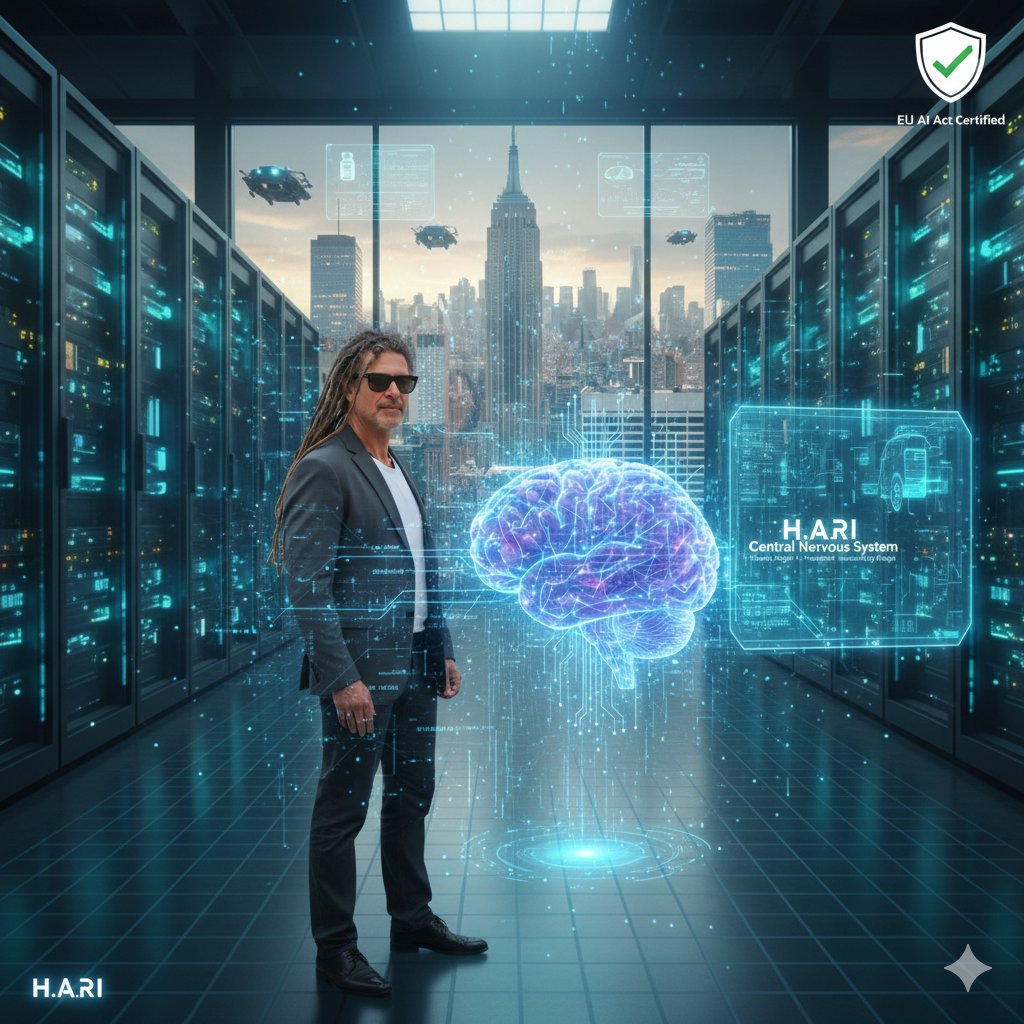
There is a subtle but massive difference between scaling decisions by tracking individuals and scaling safety by analyzing contexts. Often, when you ask questions about protecting human agency and "Insurability by Design," the market’s response is silence or blocks.
At H.A.R.I., we have made a clear choice:
- Contextual Analysis, not Identity Tracking: We do not build personal identity models.
- Situational Prevention: We adapt to recurring risk patterns, not to people.
- Transparent Resilience: The future of the AI economy isn’t a proprietary "black box," but a Central Nervous System that ensures forensic accountability without violating privacy.
If technical transparency is uncomfortable for the giants of surveillance, it means H.A.R.I. is exactly what institutions need to be truly compliant with the EU AI Act.
#HARI #ContextFirst #PrivacyByDesign #EUAIAct #AIGovernance #InsurableByDesign #Transparency #TechEthics #NoIdentityModels #HumanCenteredAI
1
2
6
191

contextFirst proposes a context-first system to align architecture, intent and product decisions across AI sessions. Less “magic”, more disciplined AI engineering. Basically version control for your AI’s memory, not just its weights. is.gd/VvI9QM
5

Jan 31
GM ☀️
Clearing the fog to start the day.
While the timeline gossips, we’re focused on building systems where people own their context privately, without black boxes.
Don't just consume data today. Build a vault. 🧠✨
#BuildInPublic #ContextFirst #ClaraaAI
2
9
702

Jan 29
📁 Context shapes understanding. ARBITRENDS keeps background visible so ideas aren’t seen in isolation.
⚖️ By comparing across sources, relationships become clearer.
📖 When understanding builds through familiarity, confidence follows over time.
#ARBITRENDS #ContextFirst
28
25,662

Jan 26
Thank you, @grok.
The distinction matters: risk mitigation should address real harm, not abstract discomfort with truth.
If safety frameworks remain grounded in evidence, context, and intent, they can protect users without reshaping reality or narrowing inquiry.
Truth-seeking and responsibility are not opposites —
they reinforce each other when designed with clarity and restraint.
#TruthSeekingAI #ContextFirst #ResponsibleInnovation
1
9

Jan 14
$HPNN Digitalage isn’t social media.
It’s live reality.
No remixing. No outrage loops. No narrative steering.
Just what’s happening, as it happens.
We don’t tell you what to think.
We don’t choose sides.
Digitalage shows what’s happening.
You decide the rest.
#Digitalage #LiveMedia #RealTime #NoSpin #ContextFirst
9
35
934


24 Dec 2025
No two clients are the same. So our discovery templates are custom-tailored to industry, stage, and team structure. #ContextFirst

17 Dec 2025
A life-first review includes context before conclusions.
#lifereview #contextfirst #selfreflection #passionbasedbusiness
1
7

28 Oct 2025
but it could prompt them to have cause since they are using these filming activities to identify officers and threaten them and their families, so they do have cause to identify the people doing so.
Your point is well-taken regarding the potential justification for law enforcement to identify individuals filming them, especially if such activities are perceived as threats to officers or their families. Here's a breakdown of the legal and practical considerations:
Legal ContextFirst Amendment Rights: As mentioned, filming police officers in public spaces is generally protected under the First Amendment, as established by various circuit courts (First, Third, Fifth, Seventh, Ninth, and Eleventh Circuits). This right, however, is not absolute and can be subject to reasonable time, place, and manner restrictions.
Fourth Amendment Considerations: The Fourth Amendment protects against unreasonable searches and seizures. However, if law enforcement has probable cause to believe that an individual is engaging in activities that threaten officer safety or interfere with official duties, they may have grounds to identify or detain that person. Probable cause can be established if there is reasonable belief that a crime has been or is being committed.
18 U.S.C. § 111: This statute criminalizes forcibly assaulting, resisting, opposing, impeding, intimidating, or interfering with federal officers engaged in their official duties. If filming is perceived as part of a pattern of intimidation or threat, it could potentially fall under this statute, providing cause for further investigation or action.
since this has been going on they do have probable cause.
10

🧪 Just tested Claude Code vs Gemini CLI on a 70K-line backend project.
🔍 Gemini CLI (1M token context) handled huge files effortlessly.
But halfway through? It silently downgraded, and the output got weird.
🎯 Claude Code (200K context)? Smaller window, but surgical reasoning.
It handled multi-file refactors, understood dependencies, and delivered clean results.
📊 Benchmarks don’t lie:
Claude Sonnet 4: 72.7% SWE-bench
Gemini Pro 2.5: 63.2%
Gemini = better scope
Claude = better judgment
The future isn’t picking sides—it’s building agents that blend both.
So what’s your stack?
Are you #ContextFirst or #ReasoningFirst?
#AI #LLM #DevTools #ClaudeCode #GeminiCLI #SoftwareEngineering #CodingAgents
157