
6 Nov 2024
Pattern matching is such an important part of data analytics and it is very easy to use in SQL.
𝗟𝗲𝘁'𝘀 𝘂𝗻𝗱𝗲𝗿𝘀𝘁𝗮𝗻𝗱 𝗵𝗼𝘄 𝘆𝗼𝘂 𝗰𝗮𝗻 𝗽𝗲𝗿𝗳𝗼𝗿𝗺 𝗽𝗮𝘁𝘁𝗲𝗿𝗻 𝗺𝗮𝘁𝗰𝗵𝗶𝗻𝗴 𝗶𝗻 𝗦𝗤𝗟 𝗮𝘀 𝗮 𝗱𝗮𝘁𝗮 𝗮𝗻𝗮𝗹𝘆𝘀𝘁:
You can use the 'LIKE' keyword in SQL for pattern matching.
Also, you have wildcards in SQL that can be used in combination with the 'LIKE' keyword.
𝗟𝗲𝘁'𝘀 𝘀𝗲𝗲 𝘁𝗵𝗲 𝘄𝗶𝗹𝗱𝗰𝗮𝗿𝗱𝘀 𝗮𝗻𝗱 𝘁𝗵𝗲𝗻 𝗜 𝘄𝗶𝗹𝗹 𝗽𝗿𝗼𝘃𝗶𝗱𝗲 𝘆𝗼𝘂 𝘀𝗼𝗺𝗲 𝗲𝘅𝗮𝗺𝗽𝗹𝗲𝘀 𝗮𝘀 𝘄𝗲𝗹𝗹:
'%' - It is used to represent n number of characters after/before or between desired text.
𝗘𝘅𝗮𝗺𝗽𝗹𝗲:
• 𝗪𝗛𝗘𝗥𝗘 𝗰𝗼𝗹𝘂𝗺𝗻_𝗻𝗮𝗺𝗲 𝗟𝗜𝗞𝗘 '𝗦%' (finds values that start with S with n number of characters.)
• 𝗪𝗛𝗘𝗥𝗘 𝗰𝗼𝗹𝘂𝗺𝗻_𝗻𝗮𝗺𝗲 𝗟𝗜𝗞𝗘 '%𝘀' (finds values that end with 's' with n number of characters.)
• 𝗪𝗛𝗘𝗥𝗘 𝗰𝗼𝗹𝘂𝗺𝗻_𝗻𝗮𝗺𝗲 𝗟𝗜𝗞𝗘 '%𝘀%' (finds values that have 's' in between with n number of characters.)
'_' -> It represents a single character.
𝗘𝘅𝗮𝗺𝗽𝗹𝗲:
• 𝗪𝗛𝗘𝗥𝗘 𝗰𝗼𝗹𝘂𝗺𝗻_𝗻𝗮𝗺𝗲 𝗟𝗜𝗞𝗘 '𝗦_' (find values that have only 2 characters starting with 'S')
So, this is how you can perform pattern matching in SQL as a data analyst.
Enjoy. Follow for more!
#DataAnalysis #SQLPatternMatching #SQLTips #DataAnalyst #PatternMatching #DataScience #DataAnalystLife #SQLSkills #DataCleaning #DatabaseManagement #DataAnalytics #DataJobsUSA #SQLUSA #AnalyticsCareersUSA #DataAnalystUK #SQLUK #AnalyticsUK #DataAnalystEurope #SQLEurope #AnalyticsEurope #GlobalDataJobs #SQLWorldwide #DataScienceGlobal #AnalyticsCareersGlobal
2
20
6 Nov 2024
Working with SQL as a data analyst is so fun and I really love it.
It is also very important to learn SQL if you want to work as a data analyst.
While working with SQL as a data analyst, a lot of times, we need to delete rows, columns, views, and other objects as well.
Today, let's discuss how you can delete objects from a database using SQL keywords.
𝗗𝗶𝗳𝗳𝗲𝗿𝗲𝗻𝘁 𝗸𝗲𝘆𝘄𝗼𝗿𝗱𝘀/𝗰𝗼𝗺𝗺𝗮𝗻𝗱𝘀 𝘁𝗼 𝗱𝗲𝗹𝗲𝘁𝗲 𝗿𝗼𝘄𝘀 𝗮𝗻𝗱 𝗼𝘁𝗵𝗲𝗿 𝗼𝗯𝗷𝗲𝗰𝘁𝘀 𝗳𝗿𝗼𝗺 𝗮 𝗱𝗮𝘁𝗮𝗯𝗮𝘀𝗲 𝗶𝗻𝗰𝗹𝘂𝗱𝗲:
1. 𝗗𝗘𝗟𝗘𝗧𝗘
2. 𝗧𝗥𝗨𝗡𝗖𝗔𝗧𝗘
3. 𝗗𝗥𝗢𝗣
𝗟𝗲𝘁'𝘀 𝗱𝗶𝘀𝗰𝘂𝘀𝘀 𝗮𝗯𝗼𝘂𝘁 𝘁𝗵𝗲𝗺 𝗶𝗻 𝗮 𝗯𝗶𝘁 𝗱𝗲𝘁𝗮𝗶𝗹:
• 𝗗𝗘𝗟𝗘𝗧𝗘: It is used to delete rows from a table. If a WHERE clause is not provided in DELETE statements then it deletes all the rows from the table. Also, it doesn't free up the space occupied by the table.
𝗘𝘅𝗮𝗺𝗽𝗹𝗲:
DELETE FROM employees
WHERE fired_employee = 'Yes'
• 𝗧𝗥𝗨𝗡𝗖𝗔𝗧𝗘: It deletes all the rows from the table. It also clears the space that a table occupies. It is faster than DELETE. Also, in some databases, it cannot be rolled back unless it is used in a transaction.
𝗘𝘅𝗮𝗺𝗽𝗹𝗲:
TRUNCATE TABLE old_employees
• 𝗗𝗥𝗢𝗣: It is used for the deletion/removal of a database object. This command deletes all the rows present in the table and removes the complete table structure as well. It can also be used to delete databases
𝗘𝘅𝗮𝗺𝗽𝗹𝗲:
DROP DATABASE marketing
So, these are the keywords/commands that you can use to delete rows and other objects from the database as a data analyst.
Enjoy. Follow for more!
#DataAnalysis #SQLTips #SQLCommands #DatabaseManagement #DataAnalyst #SQLForData #DataCleaning #SQLSkills #DataScience #DataAnalystLife #TechTips #SQL #DataJobsUSA #SQLUSA #AnalyticsCareersUSA #DataAnalystUK #SQLUK #AnalyticsUK #DataAnalystEurope #SQLEurope #AnalyticsEurope #GlobalDataJobs #SQLWorldwide #DataScienceGlobal #AnalyticsCareersGlobal
1
3
37
5 Nov 2024
Identifying and solving null values is such an important task when you are working as a data analyst.
Also, when you use Python for data analysis for various tasks such as automation, cleaning, EDA, in-depth analysis, and more, you will be using pandas for data manipulation and analysis.
Today let's understand how you can check if a variable has null values using Python and pandas.
The answer is very simple by using the ".isna()" function.
𝗦𝗼, 𝘄𝗵𝗲𝗻𝗲𝘃𝗲𝗿 𝘆𝗼𝘂 𝘄𝗮𝗻𝘁 𝘁𝗼 𝗰𝗵𝗲𝗰𝗸 𝗶𝗳 𝗮 𝗰𝗼𝗹𝘂𝗺𝗻 𝗰𝗼𝗻𝘁𝗮𝗶𝗻𝘀 𝗻𝘂𝗹𝗹 𝘃𝗮𝗹𝘂𝗲𝘀 𝗶𝗻 𝗣𝘆𝘁𝗵𝗼𝗻, 𝗷𝘂𝘀𝘁 𝗿𝘂𝗻 𝘁𝗵𝗲 𝗴𝗶𝘃𝗲𝗻 𝘀𝘁𝗮𝘁𝗲𝗺𝗲𝗻𝘁:
df['column_name'].isna()
This will return a series of boolean values, where True means a specific row has a null value in that column, and False means it does not.
So, this was a quick tutorial on how to check if a variable has null values or not in Python as a data analyst.
Enjoy and Follow for more!
#DataAnalysis #PythonForData #PandasLibrary #DataCleaning #NullValues #DataAutomation #DataScience #PythonTips #DataAnalystTools #EDA #DataManipulation #PythonProgramming #DataInsights #DataJobsUSA #PythonDataUSA #AnalyticsCareersUSA #DataAnalystUK #PythonUK #AnalyticsUK #DataAnalystEurope #PythonEurope #AnalyticsEurope #GlobalDataJobs #PythonWorldwide #DataScienceGlobal #DataCareersGlobal
2
44
5 Nov 2024
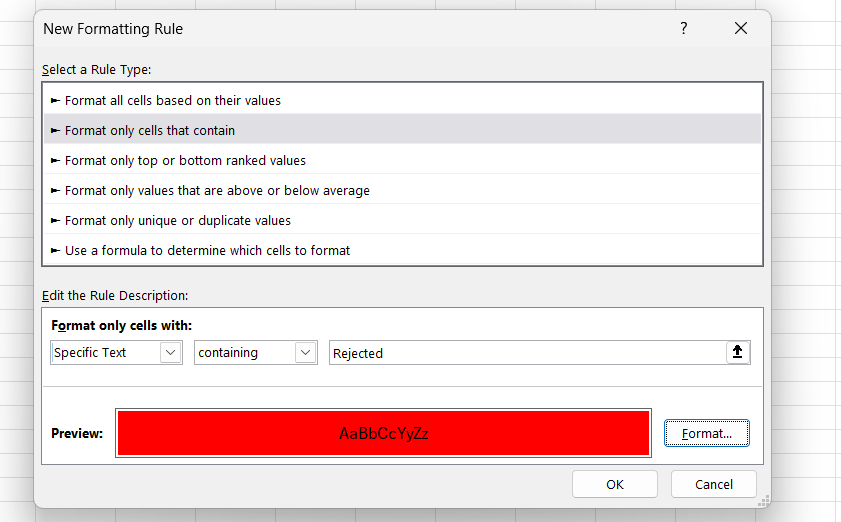
So, Excel is one of the most used tools in data analytics.
As a data analyst, you will use Excel for a lot of tasks such as data cleaning, summarization, reporting, and dashboard generation.
Let's discuss that in this thread.
#DataAnalysis #ExcelTips #ExcelForData #DataAnalytics #ConditionalFormatting #DataCleaning #DataVisualization #Excel2024 #DataReporting #AnalyticsCommunity #DataSkills #DataAnalyst #DataJobsUSA #AnalyticsCareersUSA #ExcelUSA #DataAnalystUK #ExcelUK #AnalyticsUK #DataEurope #ExcelEurope #AnalyticsEurope #GlobalDataJobs #ExcelWorldwide #DataScienceGlobal #InternationalDataAnalysis
1
1
2
63
4 Nov 2024
As a data analyst, you will use Excel a lot.
From data cleaning, transformation to creating data summary, reports or dashboards.
So, here are some Excel functions that you will be use on a daily basis as a data analyst in this thread.
#ExcelTips #DataAnalytics #DataAnalyst #ExcelFunctions #DataTransformation #DataCleaning #DataSummarization #Reporting #DataAnalysis #ExcelSkills #ExcelForAnalysts #TechCareers #AnalyticsCommunity #DataProfessional #AnalyticsUSA #ExcelForDataUSA #DataJobsUSA #USTech #DataAnalyticsUK #ExcelUK #UKDataAnalyst #UKTechJobs #DataEurope #ExcelEurope #DataJobsEU #EuropeanTech #GlobalAnalytics #ExcelWorldwide #InternationalDataJobs #DataScienceGlobal
1
3
105
3 Nov 2024
A lot of time, you don't want to interact with null values in databases when you are working as a data analyst.
Let's discuss that in this thread.
#DataCleaning #SQLTips #DataQuality #SQLFunctions #DataWrangling #DatabaseManagement #DataPreparation #DataAnalyst #DataAnalysis #TechCareers #DataScienceCommunity #DataProfessional #DataAnalyticsUSA #SQLInUSA #DataCareersUSA #USTechJobs #DataAnalyticsUK #SQLUK #UKTechCareers #DataAnalystUK #EuropeData #SQLInEurope #DataJobsEU #EUTech #GlobalDataCommunity #SQLWorldwide #InternationalAnalytics #DataScienceGlobal
1
3
43
3 Nov 2024
You will need to clean data in an extensive manner when you are working as a data analyst. Generally, you will be using SQL for data cleaning as a data analyst.
Let's discuss that in this thread.
#DataCleaning #SQLFunctions #DataQuality #SQLTips #DataPreparation #SQLSkills #DataAnalyst #DataAnalysis #DataWrangling #AnalyticsSkills #TechCareers #DataScienceCommunity #DataAnalyticsUSA #SQLInUSA #DataCareersUSA #USTechJobs #DataAnalyticsUK #SQLUK #UKTechCareers #DataAnalystUK #EuropeData #SQLInEurope #DataJobsEU #EUTech #GlobalDataCommunity #SQLWorldwide #InternationalAnalytics #DataScienceGlobal
1
2
36
3 Nov 2024
When you are working as a data analyst, you will have to join a lot of tables in SQL to get the desired results.
Also, a lot of times you will not have a direct relationship between two tables.
So, how will you join two tables together?
Let's discuss that in this thread.
#SQLJoins #BridgeTable #DataAnalysis #SQLTips #DataAnalyst #DataEngineering #DataScienceCommunity #AnalyticsSkills #BusinessIntelligence #TechCareers #SQLForDataAnalysis #DataInsights #DataScienceUSA #AnalyticsUSA #SQLInUSA #USDataCareers #UKDataScience #AnalyticsUK #SQLUK #DataAnalystUK #EuropeData #SQLInEurope #DataAnalystEU #EUTechCareers #GlobalAnalytics #SQLWorldwide #DataScienceGlobal #InternationalDataCommunity
1
1
17
2 Nov 2024
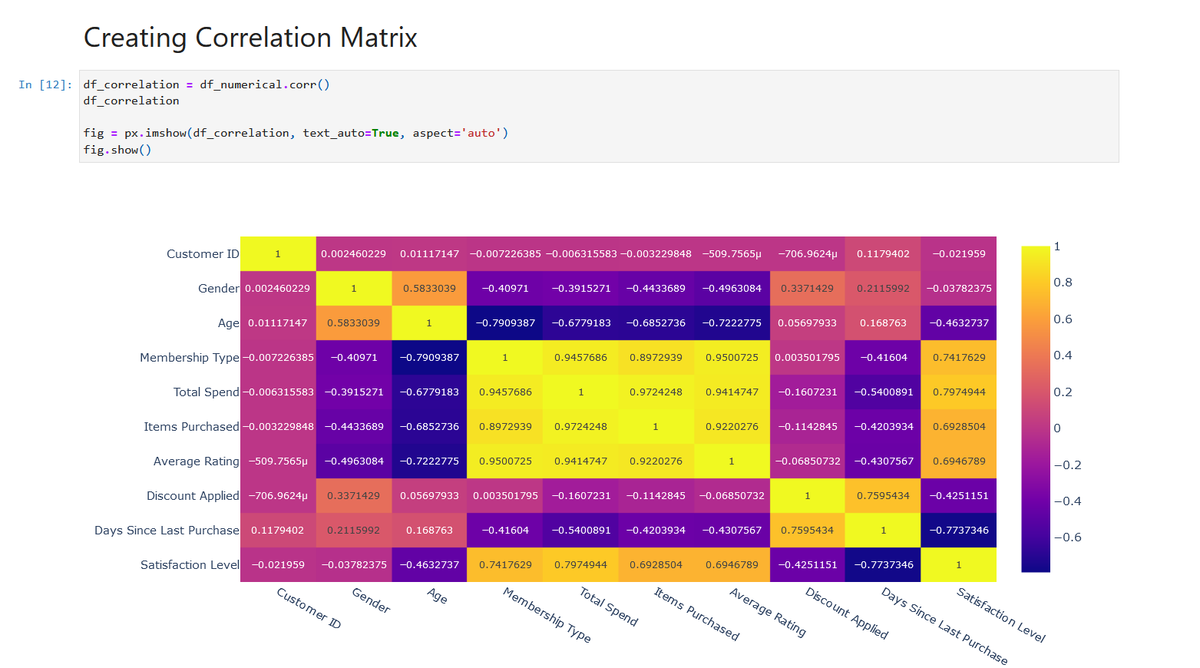
When you are working as a data analyst using Python, you have a lot of tools with which you can understand your data more.
To understand the relationship between your variables, you can create a correlation matrix in a second.
Let's discuss that in this thread.
#DataAnalysis #PythonForData #CorrelationMatrix #DataVisualization #AnalyticsInsights #DataScienceTools #DataAnalytics #DataAnalystLife #TechTips #DataTechniques #DataCommunity #DataScienceUSA #AnalyticsUSA #USDataCareers #DataAnalystUSA #UKDataScience #AnalyticsUK #DataAnalystUK #UKTechCareers #EuropeData #DataAnalystEU #EUDataCareers #AnalyticsEurope #GlobalData #AnalyticsWorldwide #DataScienceGlobal #InternationalDataCommunity
1
2
22