
Document extraction isn't just about OCR. It's about stopping bad data from leaking downstream. #Valitract combines high-precision AI with Human-in-the-Loop validation to scale your pipelines safely.
Everything you need for better data extraction: valitract.com/extraction-pla…
#DataExtraction #DocumentIntelligence #Automation #AIPlatform #IntelligentDocumentProcessing #DataPipelines

1

🚀 AI Starts With Data, Not Prompts.
Many engineers jump directly into:
✅ RAG
✅ Agents
✅ MCP
✅ LLMs
✅ Vector Databases
But there is one problem.
Most real-world enterprise data is not AI-ready.
It's buried inside:
📄 PDFs
📄 Claims
📄 Contracts
📄 Invoices
📄 Reports
📄 Scanned Documents
Before AI can reason, retrieve, or automate...
it first needs structured, high-quality data.
That's where Document Intelligence comes in.
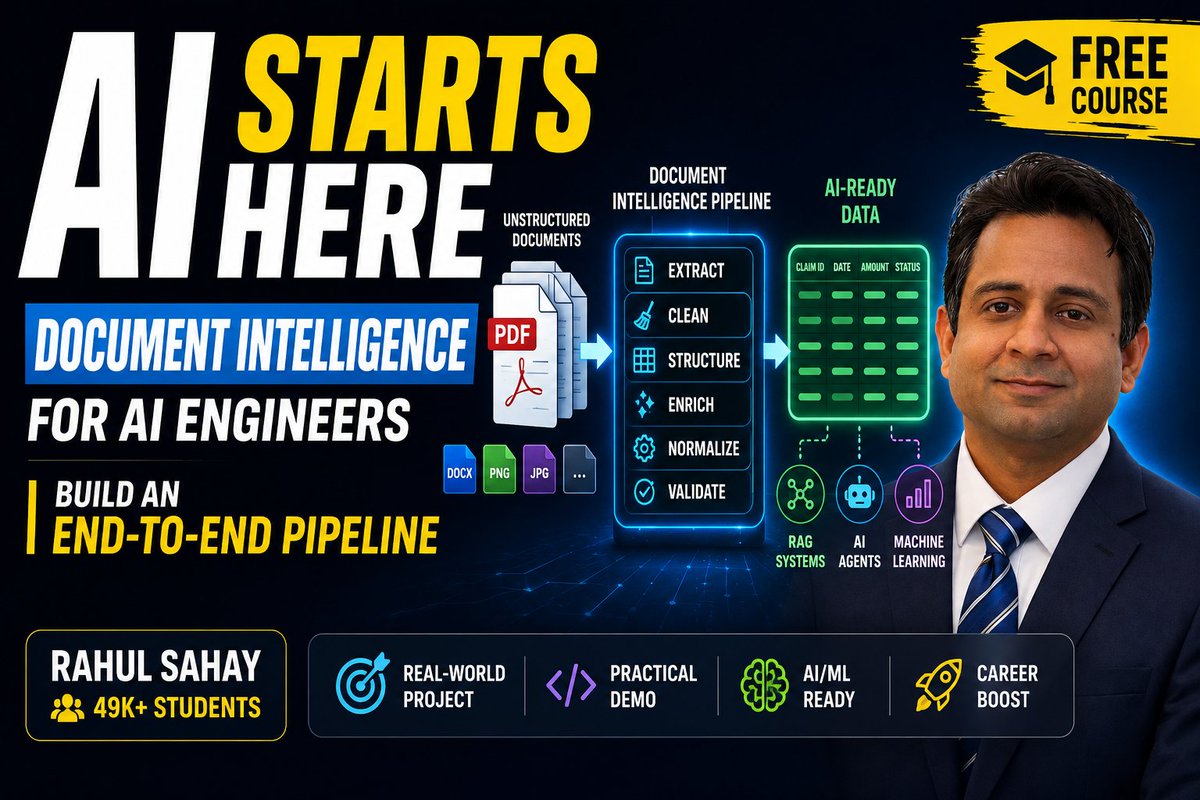
In this free hands-on session, I walk through how to build an end-to-end Document Intelligence pipeline that transforms raw PDFs into AI-ready datasets.
Topics covered:
🔹 PDF Text Extraction
🔹 Claim-wise Document Processing
🔹 Data Cleaning & Normalization
🔹 Chunking Strategies
🔹 Embeddings & Vector Databases
🔹 RAG Foundations
🔹 AI Agents
🔹 Structured Data Extraction
🔹 ML-Ready Dataset Creation
If you're a Software Engineer looking to move into AI Engineering, this is one of the most practical starting points.
AI doesn't begin with ChatGPT.
AI begins with data.
🎥 Full video available on my YouTube channel.
What do you think is harder today?
1️⃣ Building the AI model
2️⃣ Preparing the data for the AI model
#AI #AIEngineering #DocumentIntelligence #RAG #AIAgents #LLM #MachineLearning #DataEngineering #SoftwareArchitecture #CloudArchitecture #CareerGrowth #AIArchitect #RahulSahay
youtube.com/watch?v=seITz8Cx…
45

The challenge isn't collecting documents.
The challenge is turning them into actionable information.
Intelligent Document Processing transforms unstructured documents into usable business data, enabling faster decisions and more efficient operations.
Is your organization ready?
Read more: zurl.co/pJt0L
#idtmarketing #DataManagement #DocumentIntelligence #IDP #AI #BusinessAutomation #InformationGovernance #DigitalInnovation

1

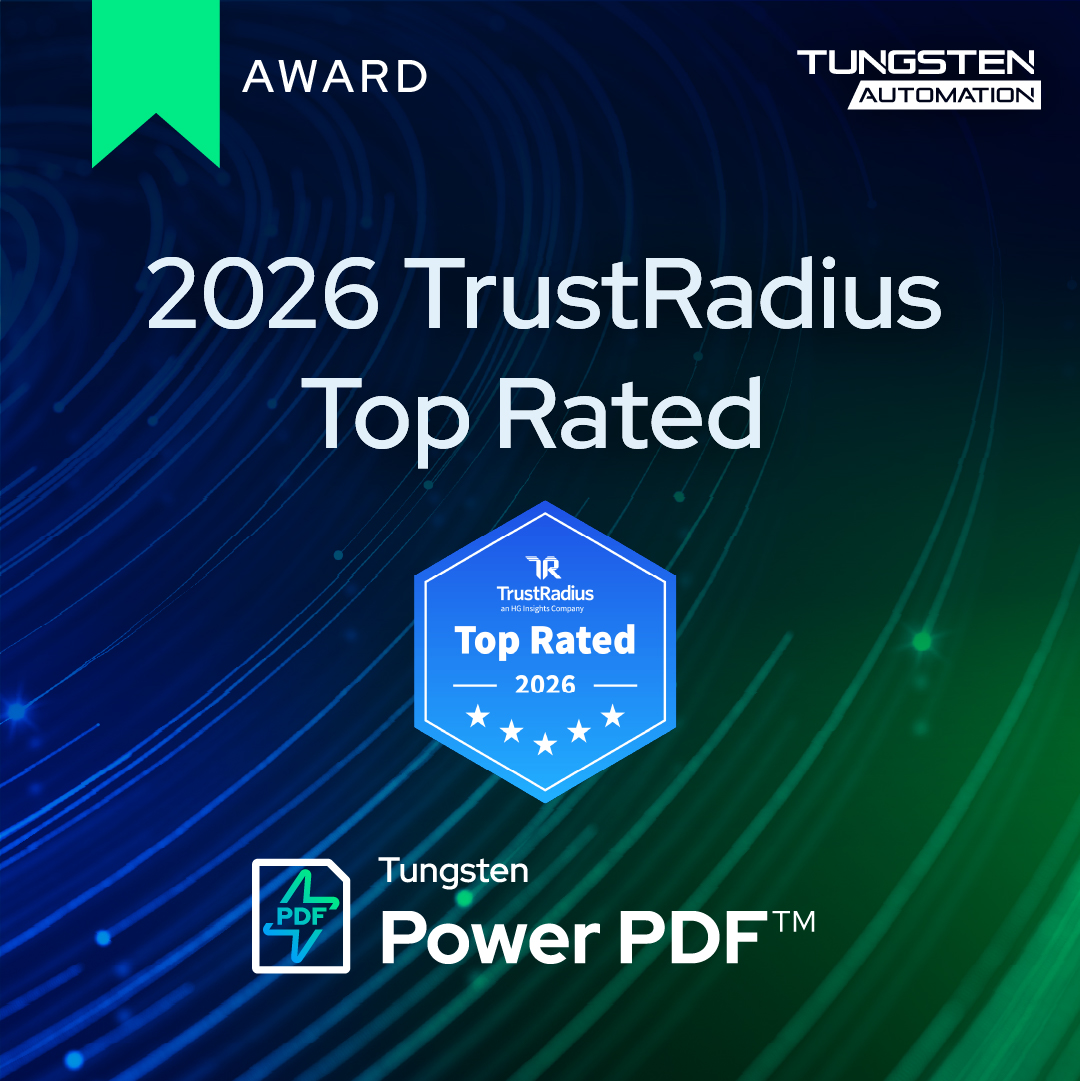
A TrustRadius Top Rated hat trick for Power PDF!⚽
Three wins, one goal: delivering trusted documents.
🏆 PDF Editors
🏆 Document Management
🏆 OCR
Thank you to our customers for helping make this possible.
#PowerPDF #TrustRadius #DocumentIntelligence #AIReadyData #PDF
ALT 2026 TrustRadius Top Rated award badge for Tungsten Power PDF on a blue and green gradient background.
36

Jun 10
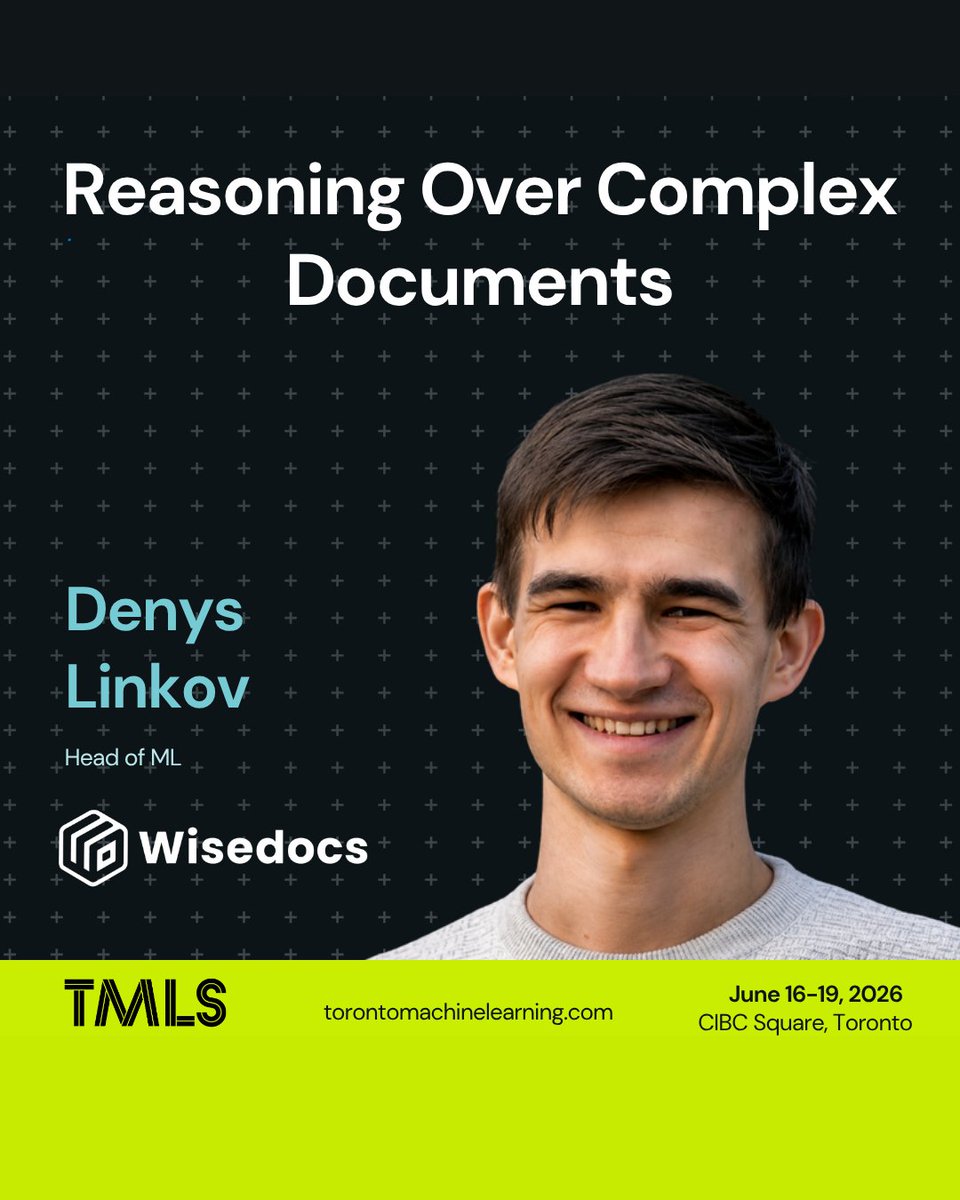
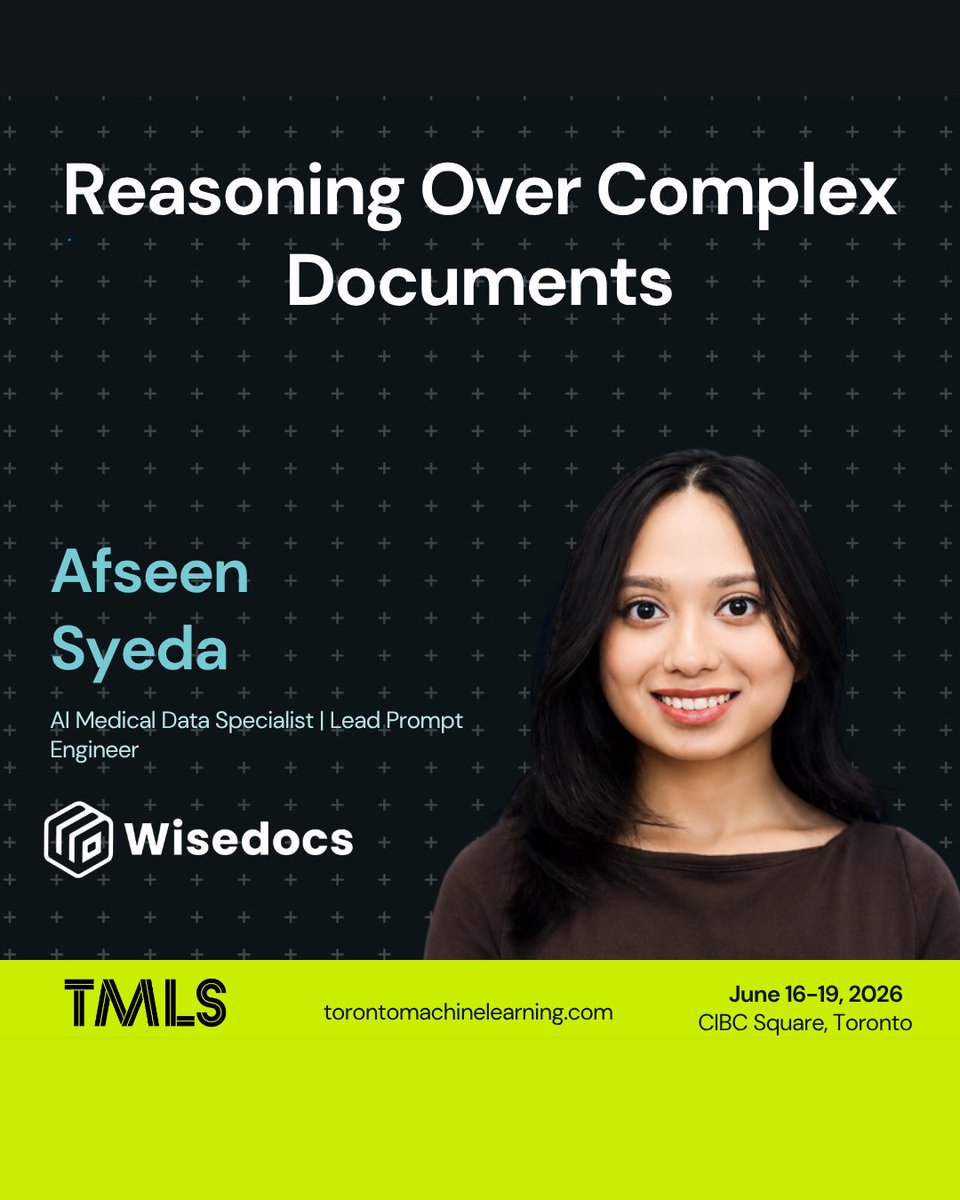
The Wisedocs Machine Learning team is taking the stage at @TMLS_TO 2026 next week.
Join @denyslinkov Head of ML, and Afseen Syeda, AI Medical Data Specialist | Lead Prompt Engineer, for: Reasoning Over Complex Documents
This session will explore Wisedocs' experience building advanced document processing evaluations and what happens when AI moves beyond extraction and summarization into more nuanced, human-style reasoning tasks across complex document sets.
📅 Thursday, June 18, 2026
🕜 1:35 pm – 2:05 pm
📍 Toronto Machine Learning Summit (TMLS)
If you're attending the summit, make sure to join the session and hear directly from the team building AI systems for real-world document intelligence challenges.
👉 Make sure to join our session if you're at the summit
hubs.ly/Q04kvVY20
#Wisedocs #TMLS #MachineLearning #ArtificialIntelligence #DocumentIntelligence #AIResearch #GenerativeAI
1
2
44

May 8
Beyond Traditional RAG: Building Truly Intelligent Document Systems 🚀
The era of simple semantic search is starting to show its limitations.
Traditional Retrieval-Augmented Generation (RAG) changed how we interact with data, but when it comes to deeply technical, fragmented, and interconnected documentation, basic vector search often struggles to maintain context and reasoning across systems.
Lately, I’ve been exploring a shift from standard chunk-based retrieval toward Graph-powered Document Intelligence.
Why Traditional RAG Starts Breaking Down
Most RAG pipelines treat documents as isolated chunks of text.
That works well for retrieving a specific paragraph or matching keywords semantically, but complex enterprise documentation rarely exists in isolation. Requirements, systems, stakeholders, dependencies, compliance rules, and technical constraints are all interconnected.
The problem?
Vector similarity can retrieve relevant text, but it often misses the relationships between pieces of information.
And in enterprise-scale documentation, relationships are everything.
Enter Knowledge Graphs Graph-RAG
To address this, we started leveraging Knowledge Graphs (KGs) as the foundation for document understanding.
If you’ve used Google Search panels, recommendation engines, or modern AI assistants, you’ve already interacted with Knowledge Graphs.
A Knowledge Graph models:
• Entities → systems, requirements, APIs, teams, users, regulations
• Relationships → dependencies, ownership, constraints, impacts, compliance mappings
Instead of storing documents as disconnected chunks, the system understands how information is linked together.
The Shift Toward Graph-Based / Vectorless RAG
By converting documentation into graph structures, AI can reason through relationships instead of relying only on embedding similarity.
Now when someone asks about a requirement, the system doesn’t just retrieve a paragraph.
It can understand:
→ Which systems are impacted
→ Which stakeholders are involved
→ What dependencies exist
→ Which compliance rules apply
→ What technical constraints are connected
This transforms retrieval into contextual reasoning.
Making Complex Documentation Feel Human
Once intelligence is layered across the entire document ecosystem, static documentation becomes far more than searchable storage.
It becomes conversational infrastructure.
Some of the biggest improvements we’ve seen:
→ Contextual Understanding
The AI understands intent, dependencies, and relationships — not just keywords.
→ Unified Intelligence Across Silos
Scattered technical docs, compliance sheets, APIs, and specifications start behaving like one connected knowledge system.
→ Human-Centric Interaction
Teams can interact with highly technical information in natural language without needing deep domain expertise.
We’re moving beyond “searching documents.”
We’re building systems that actually understand them.
#AI #RAG #KnowledgeGraph #GraphRAG #DocumentIntelligence #GenerativeAI #MachineLearning #DataScience #LLM #TechInnovation
4
9
243

May 7
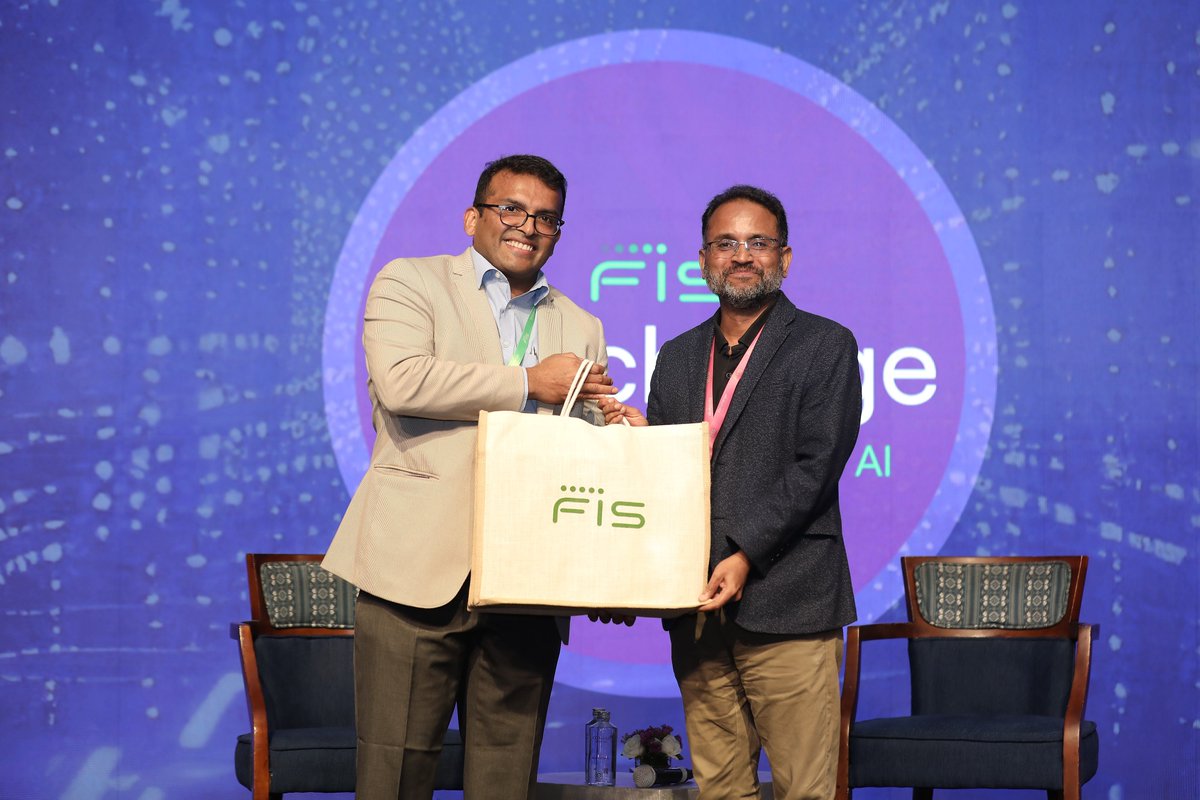
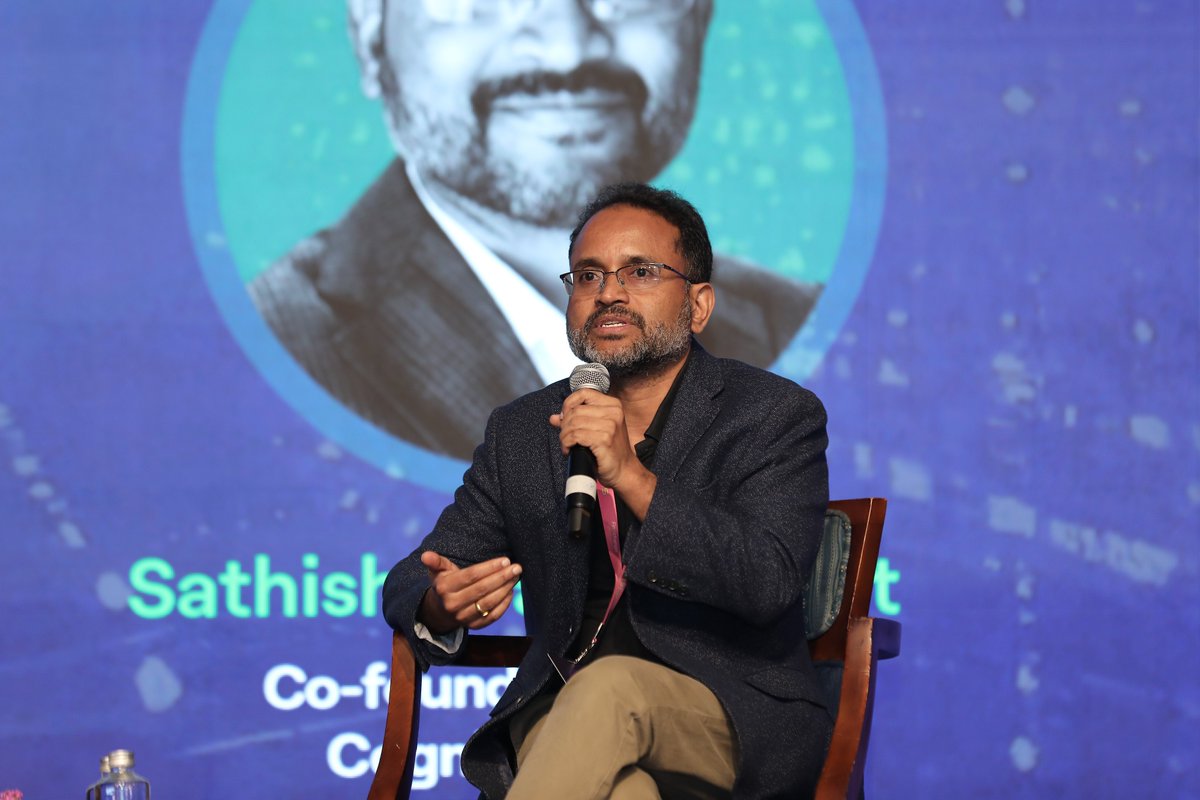
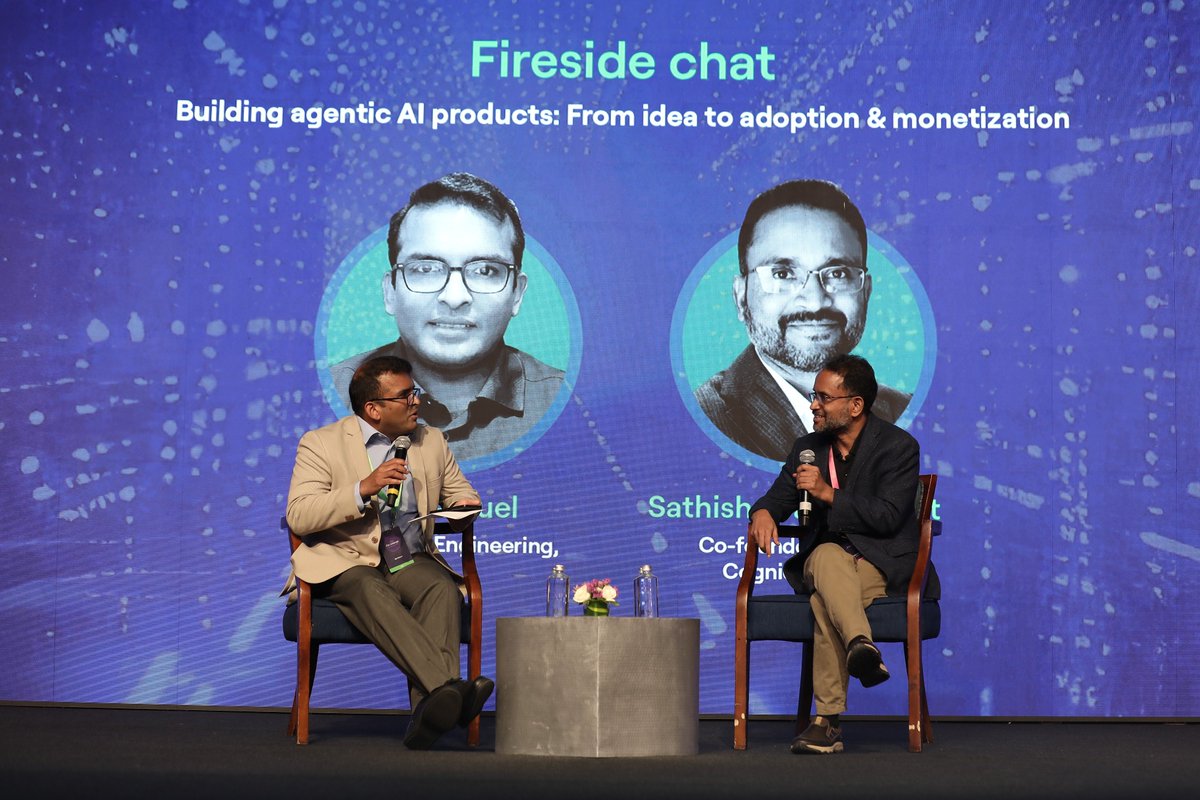
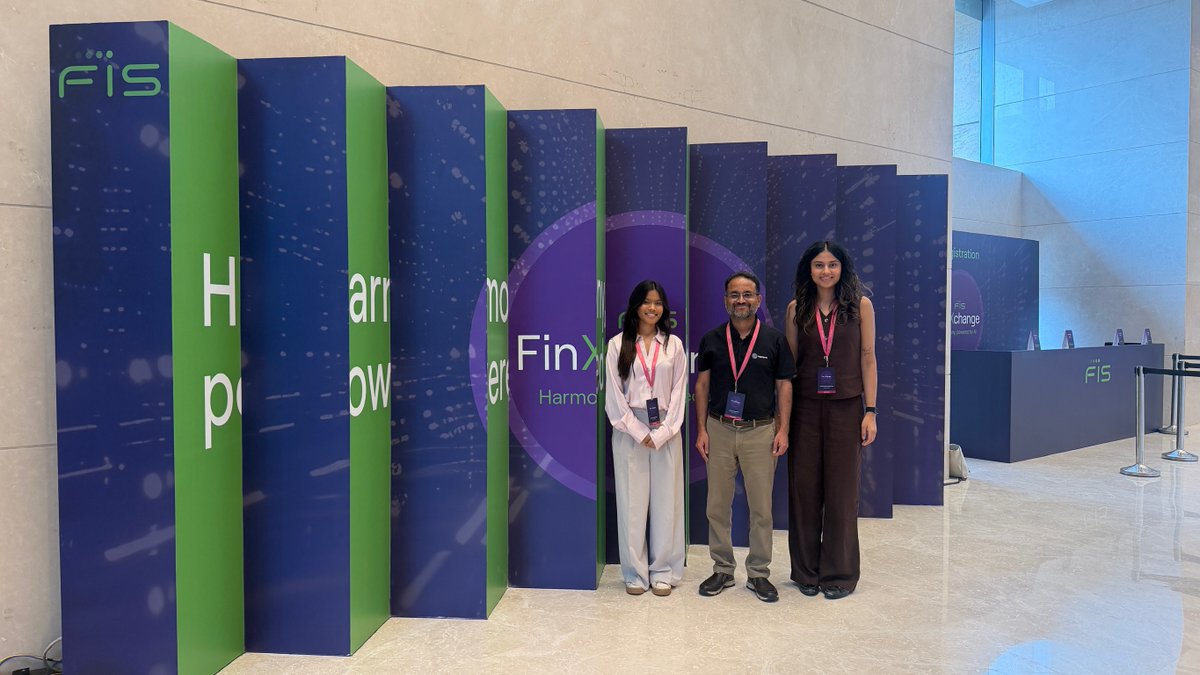
We were proud to have our CEO, Satish Grampurohit, featured in a fireside chat at FIS FinXchange 2026, where he shared his perspective on “Building Agentic AI Products: From Idea to Adoption and Monetisation” in conversation with Biju Samuel, VP of Product Engineering at FIS.
The session explored what it truly takes to build agentic AI products that go beyond experimentation, from identifying the right problem to driving real adoption and building a clear path to monetisation.
#FISFinXchange #HarmonyPoweredByAI #FISGlobal #DocumentIntelligence #CogniquestAI #EnterpriseAI #Fintech #BengaluruTech
1
5
48

Apr 28
Databricks erweitert Agent-Bricks
#AgentBricks @Databricks #DocumentIntelligence #Governance #Identität #künstlicheIntelligenz #MultiAI #Wissensassistent
netzpalaver.de/2026/04/28/da…

2
4
70

Apr 26
Built a @Databricks Document Intelligence Agents reference implementation, entirely through spec-driven development with Claude Code.
@Databricks shipped several AI capabilities in 2025–26:
- Document Intelligence
- Agent Bricks
- Agent Framework
- AI Gateway
- Lakebase
- Databricks Apps, etc.
Tutorials show each piece in isolation. Couldn't find an implementation showing them wired together to handle unstructured documents with evals, governance, and deployment the way you'd actually ship to production.
So I built a worked example, and open-sourced it.
Repo: github.com/SatyKrish/databri…
#Databricks #AgenticAI #AgentBricks #SpecKit #ClaudeCode #DocumentIntelligence #DataEngineering
3
2
74

🚨 What happens when you point an AI Researcher Agent at 4 years of your personal receipts? I decided to find out in my new video “How I Used the Researcher Agent Against My Personal Receipts”.
📂 800 receipts
📆 Collected over 4 years
🔍 Fully analyzed using a Researcher Agent
💡 3 Real Scenarios Tested:
💰 Expense Investigation
Where is the money actually going?
🏅 Receipt Olympics
Comparing spending patterns in ways I never expected
🧾Tax Prep Evidence Checklist
Are my records actually audit-ready?
🎥 Watch here: youtu.be/r24uLKIedgs
Watch 👀 or bookmark 🔖, learn 🧠 and share🥰.
#AITools 🚀#MicrosoftCopilot #PowerPlatform #DocumentIntelligence #SharePointSyntex #KnowledgeManagement #LowCode #Receipts #PersonalFinance
1
3
14
1,473

Mar 27
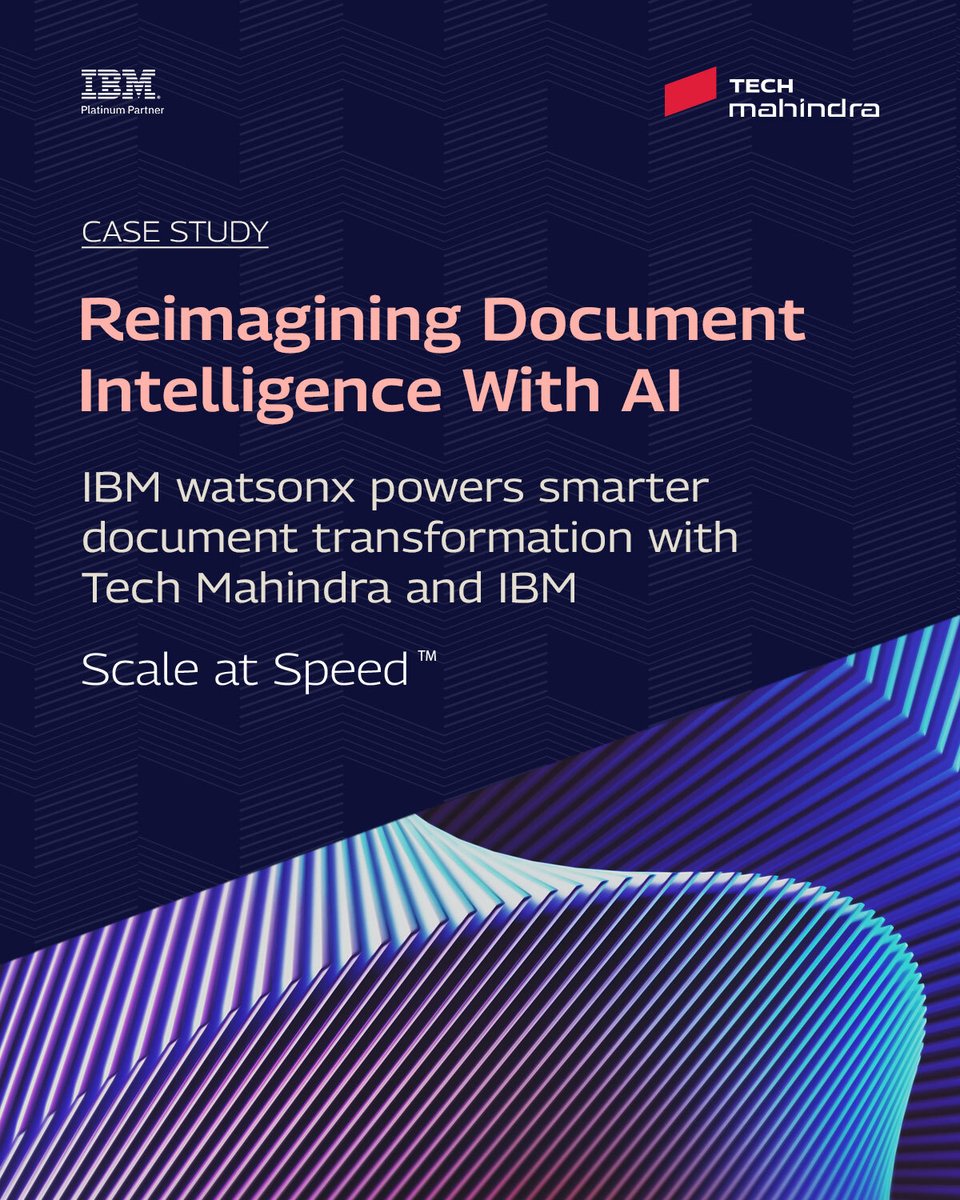
From data chaos to clarity, #AI is changing how enterprises work with documents.
Explore how @tech_mahindra and @IBM are helping organizations use watsonx.ai to bring structure, intelligence, and governance to large volumes of unstructured data, enabling faster, smarter, and more reliable outcomes.
By reimagining document driven workflows, this collaboration is delivering tangible results:
✔️ Up to 70 percent faster document processing
✔️ Over £500K in annual cost savings
✔️ Around 30 percent improvement in productivity
From improving operational efficiency to unlocking real time insights, this AI led transformation is helping organizations move from data overload to data driven growth.
Read the full case study to see how this transformation is delivered in action: ibm.co/6040EGLLq?utm_campaig…
#ScaleAtSpeed #DocumentIntelligence #Watsonx #DigitalTransformation #EnterpriseAI
1
5
173

Mar 18
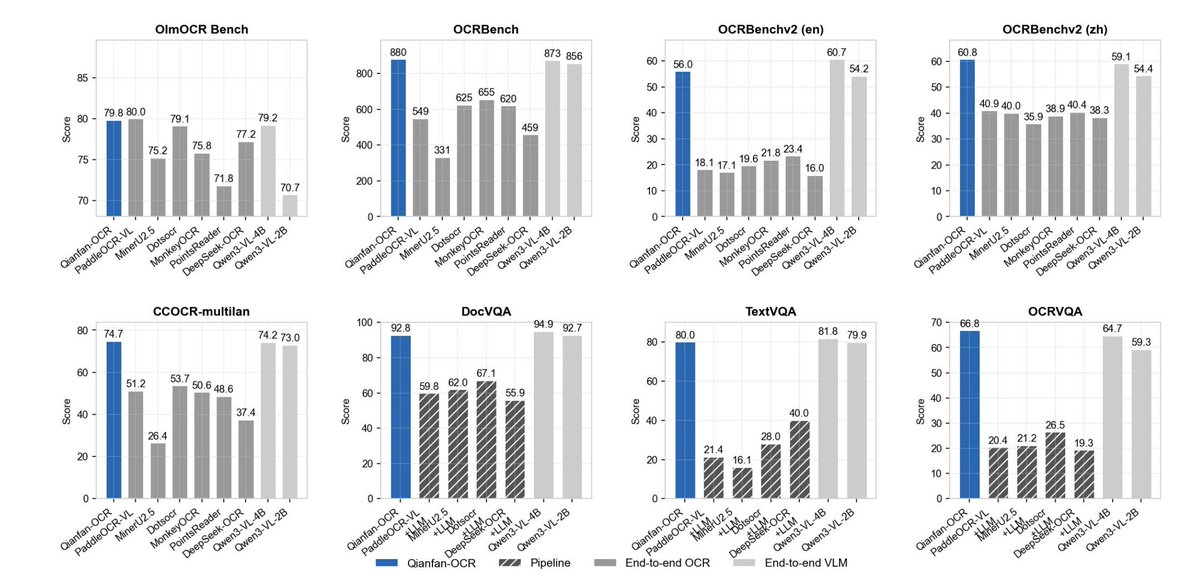
🚀 Baidu Research introduces Qianfan-OCR: A 4B-parameter unified end-to-end model for document intelligence!
Key Highlights:
• Unifies layout analysis, text recognition, and semantic understanding into a single architecture.
• Introduces "Layout-as-Thought" to generate structural representations via <think> tokens.
• Ranks #1 on OmniDocBench v1.5 (93.12) and OlmOCR Bench (79.8) among end-to-end models.
• Outperforms Gemini-3.1-Pro and Qwen3-VL-235B on Key Information Extraction (KIE) benchmarks.
• Supports high-resolution inputs up to 4K via the Any Resolution vision encoder.
Full analysis: marktechpost.com/2026/03/18/…
Check it out: github.com/baidubce/Qianfan-…
Paper: arxiv.org/pdf/2603.13398
Model on HF: huggingface.co/collections/b…
#AI #OCR #Baidu #MachineLearning #DocumentIntelligence #ComputerVision @Baidu_Inc
5
11
1,135

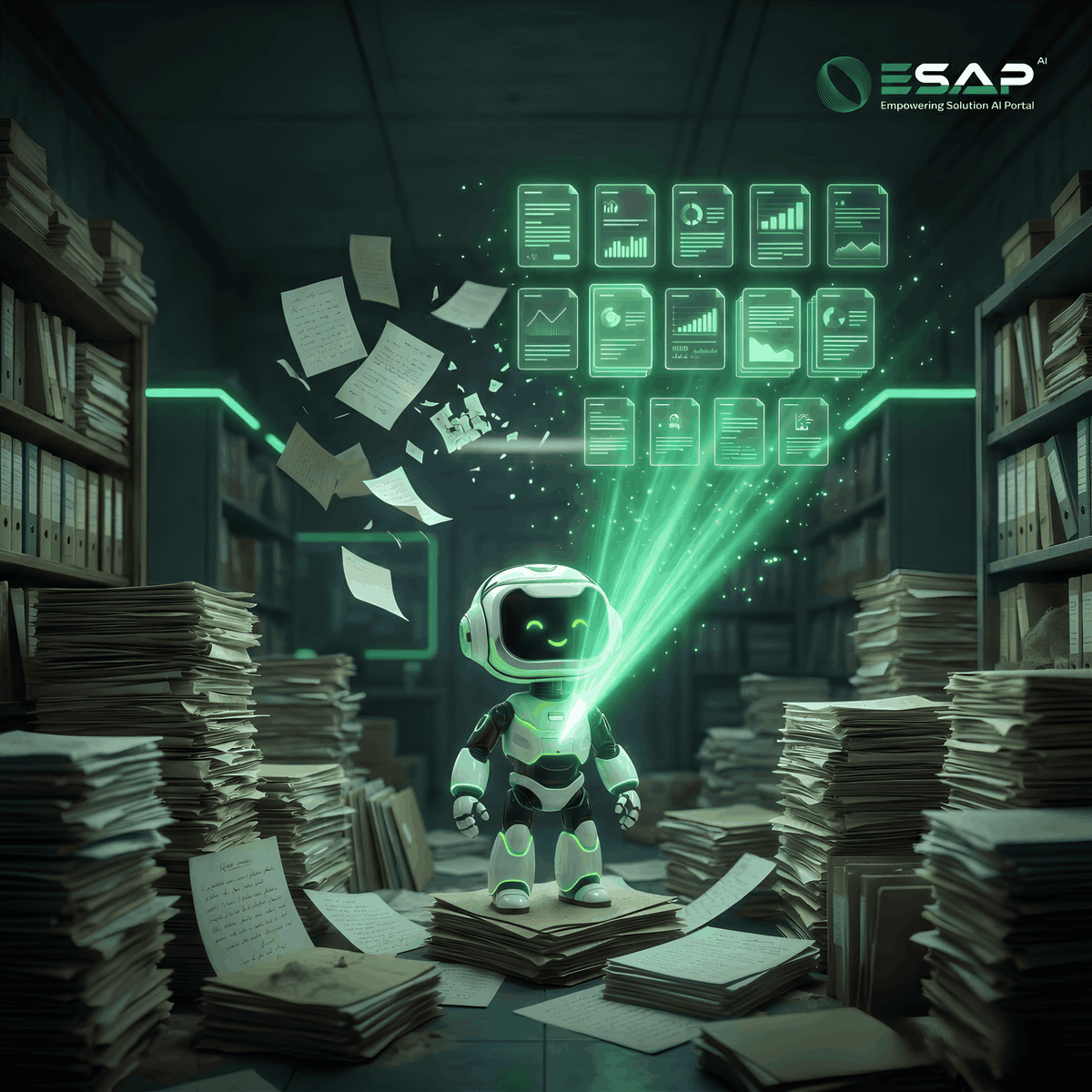
Organizational knowledge should not stay buried in paper.
Old contracts, scanned files, handwritten notes valuable information often takes hours to find.
Across both private and public sectors, employees still spend too much time searching instead of deciding.
We are building AI that makes institutional memory instantly searchable.
Accurate answers. Exact sources. In Arabic and English.
Less delay. Stronger decisions.
A smarter future for modern organizations.
#AgenticAI #DocumentIntelligence #EnterpriseAI #ESAPAI
2
17

Mar 2
Joe Furlong sits down with Chris Bruner on The Business Leader’s Legacy Podcast to talk about how AiCR is changing the way financial teams process documents.
Catch the full episode here: okt.to/q62Hjr
#AiCR#DocumentIntelligence#MortgageTechnology#WorkflowAutomation
2
17

✨ Every brand's mascot starts somewhere...
Meet Vee - Veryfi's mascot and the living embodiment of our brand. Vee didn't just appear overnight. It took research and dozens of sketches before our favorite one-eyed alien became the face of a document intelligence company.💚
🔗 Read the full story here: veryfi.com/technology/the-cr…
💡 How do you humanize your brand?
#BrandDesign #MascotDesign #AITechnology #DocumentIntelligence #OCR #Veryfi #BrandIdentity #DesignThinking

3
4
147

Feb 15
What if your AI had to defend its answers before 60 other AI agents — before you ever saw the output?
That’s PAK4L.
#AI #DocumentIntelligence
1
2
120

Jan 19
Insurance document workflows rarely fail outright, they slow teams down step by step. Our latest survey highlights where insurers feel that friction most, from inconsistent formats to manual data extraction. These insights show why smarter document intelligence is becoming essential for smoother insurance operations.
#InsuranceTech #DocumentIntelligence #AIinInsurance #WorkflowAutomation #DigitalInsurance #xcubeLABS
2
43

Jan 13
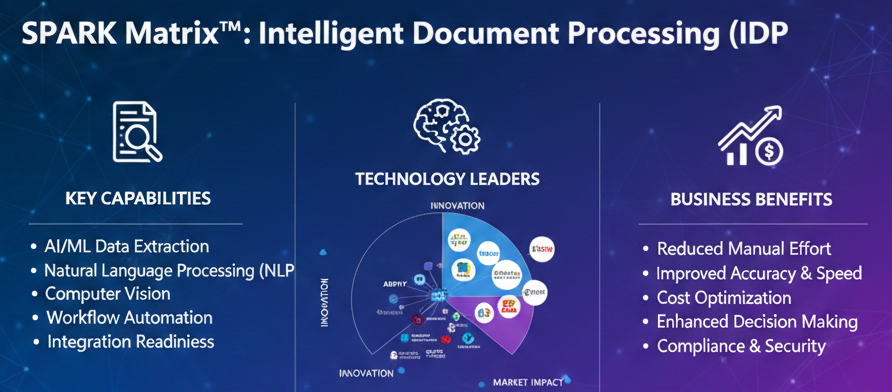
The Future of IDP: How AI and GenAI Are Redefining Document Automation
quadrantknowledge.blogspot.c…
qksgroup.com/market-research…
#IntelligentDocumentProcessing #IDPMarket
#DocumentIntelligence #EnterpriseAutomation
#GenAI #AIinBusiness
2
18
Jan 9
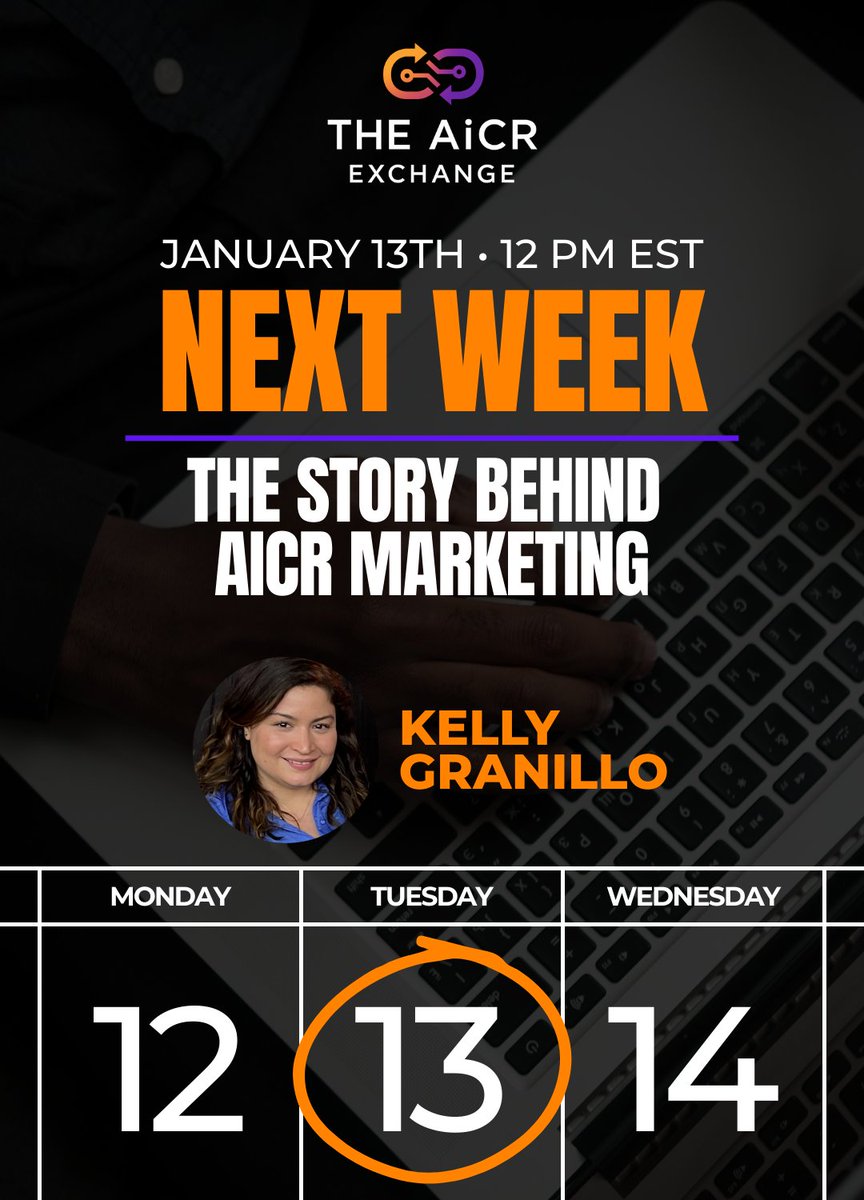
We’re joined by Kelly Granillo for a conversation on The Story Behind AiCR Marketing.
No slides. No scripts.
Just a grounded discussion with someone who knows the work.
linkedin.com/events/theaicre…
#TheAiCRExchange #LinkedInLive #MortgageIndustry #DocumentIntelligence
1
2
8

18 Dec 2025
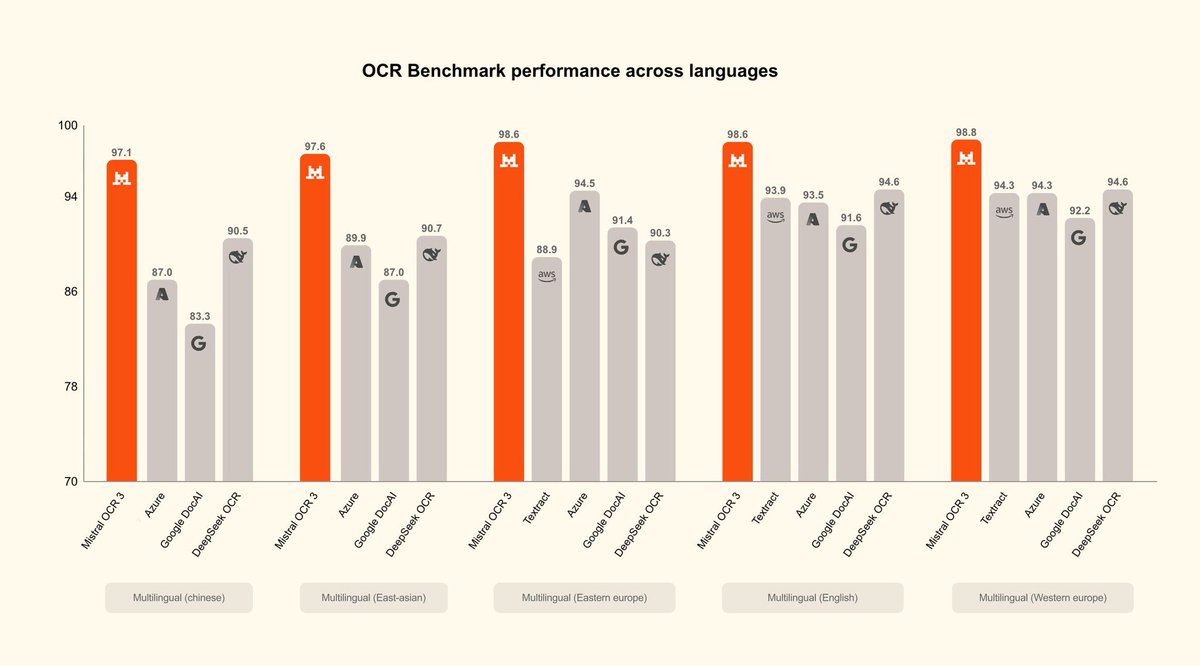
AzureのDocumentIntelligenceやDeepSeek OCRよりもさらに数段上の高精度差で手書きすら読み取るMistral OCR。
Coding部分でもMistralすごい伸びており、このOCRは流石に強いですね。
日本語性能めっちゃ気になるところ。
18 Dec 2025

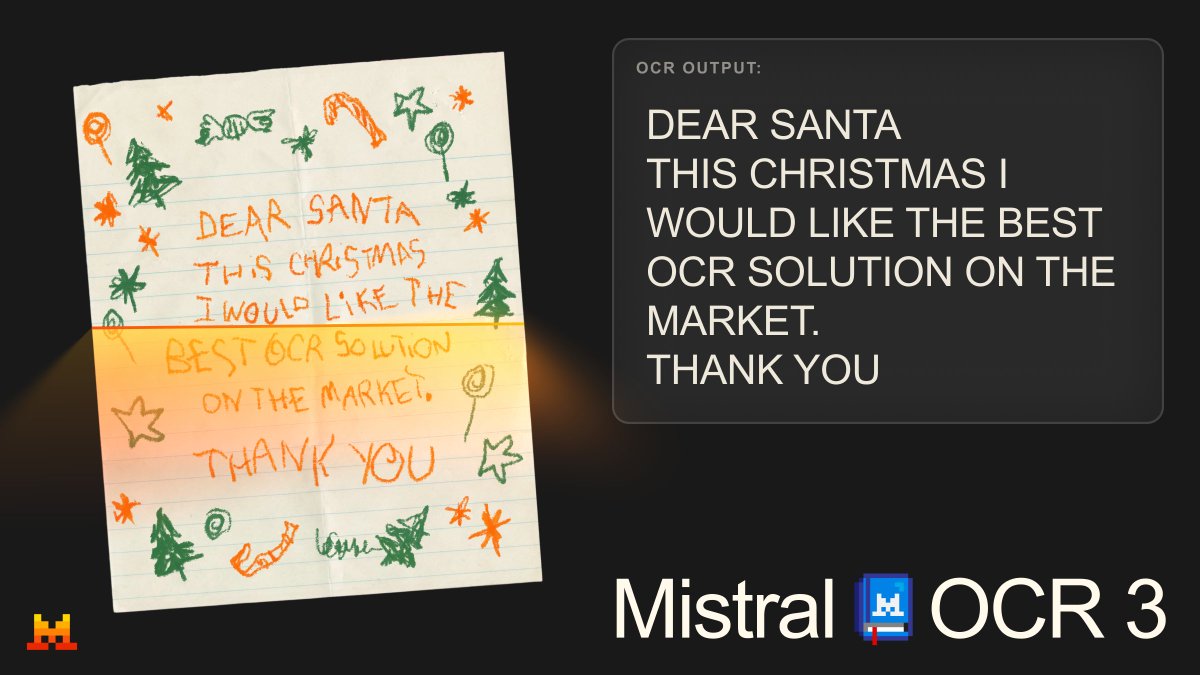
Introducing Mistral OCR 3, a new frontier in document intelligence! 🧵👇
4
20
2,725