

Keine Gerichtszuständigkeit (Personal Jurisdiction): ZDF hat keine ausreichenden Verbindungen zu den USA (keine Niederlassung, keine gezielte Aktivität dort). Bloße Studio-Verfügbarkeit reicht nicht.
Staatliche Immunität nach dem Foreign Sovereign Immunities Act (FSIA): Als öffentlich-rechtlicher Sender Deutschlands gilt ZDF als staatliche Einrichtung und ist weitgehend vor US-Klagen geschützt. Journalistische Berichterstattung zählt nicht als kommerzielle Ausnahme.
1
16

Afastamento da Imunidade Soberana (Foreign Sovereign Immunities Act - FSIA).A Suprema Corte, em Larson v. Domestic & Foreign Commerce Corp., 337 U.S. 682 (1949), estabeleceu que quando as ações de um oficial da lei extrapolam os limites de sua autoridade delegada, ou são imunes
260

Typical Israeli pushing fake news.
It was a civil liability finding - those rest on a broader “material support” standard under the FSIA terrorism exception, which is a lower bar than direct involvement and hardly criminally liable.
1
18
281

🗡️ ⚖️ Sovereign Immunity or Commercial Venture? The Looted Herzog Sword That Challenged Hungary’s U.S. Legal Shield
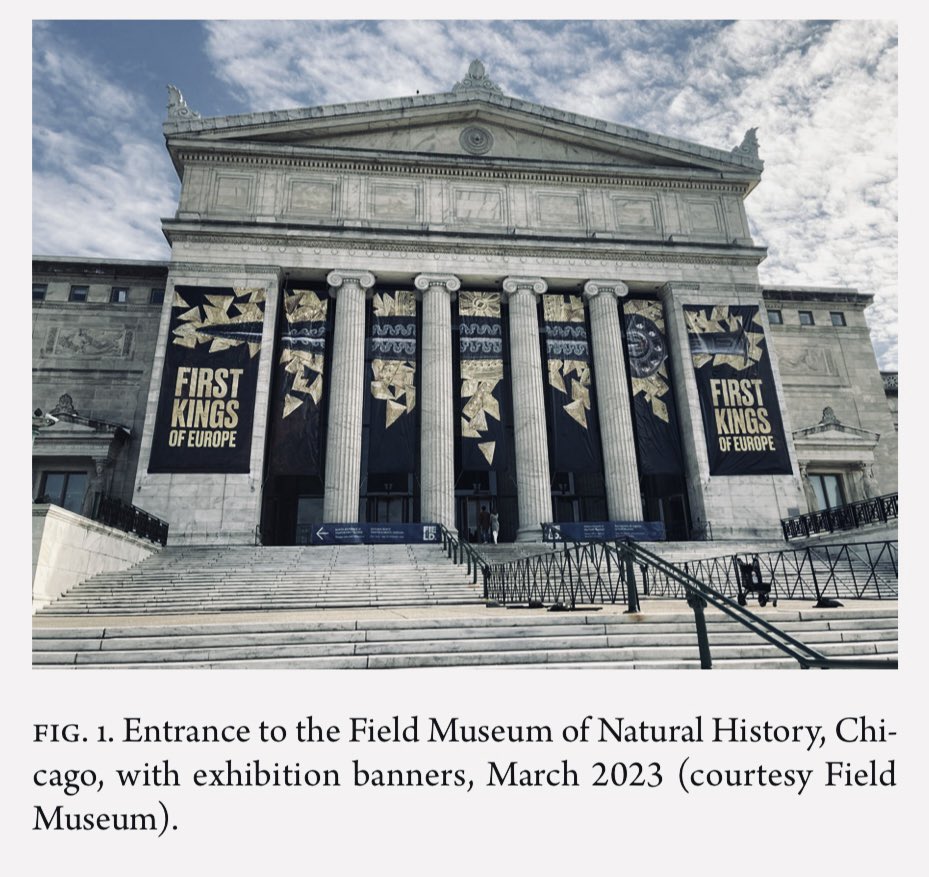
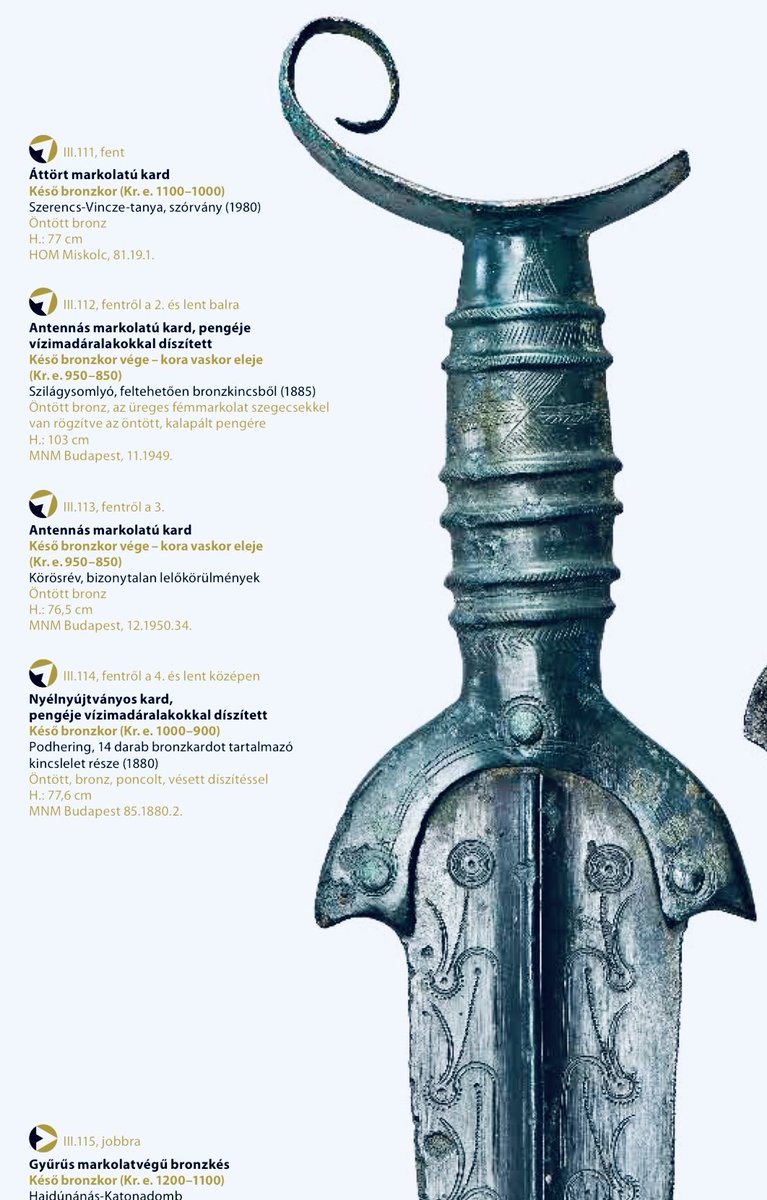
When the Hungarian National Museum loaned Inventory No. 11.1949.6 — a 103 cm Late Bronze Age antenna-hilted sword with green patina — to the First Kings of Europe exhibition at the Field Museum in Chicago (March 2023–January 2024), it placed a specific object into American museum programming.
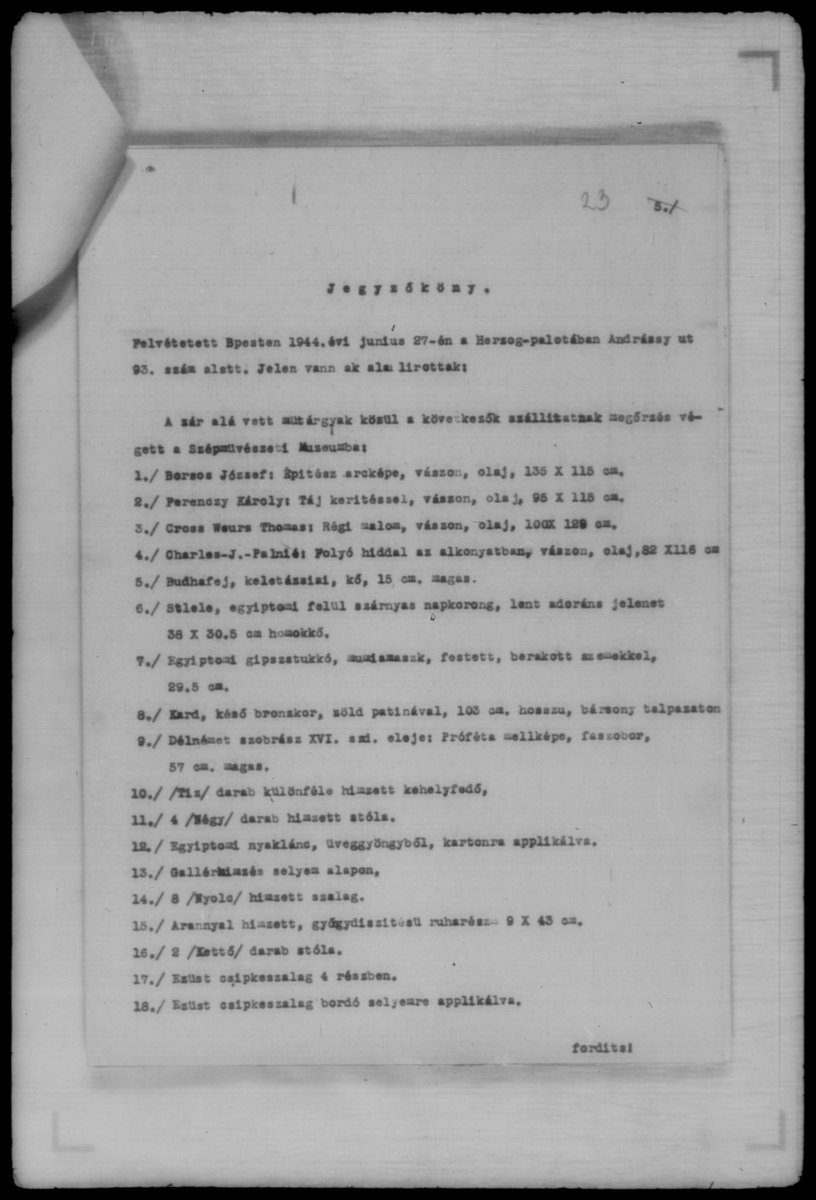
That object matches the description recorded as Entry #8 in the June 27, 1944 inventory of items removed from the Herzog Palace in Budapest: a Late Bronze Age sword, 103 cm long, with green patina, on a velvet stand. The sword was presented in the exhibition catalog and displays without reference to the 1944 record or the Herzog collection.
🔗 x.com/artrecoveryinit/status…
For years, the Republic of Hungary has successfully argued in U.S. federal court that claims involving the Herzog collection lack a sufficient commercial nexus to the United States under the Foreign Sovereign Immunities Act. The D.C. Circuit’s January 23, 2026 decision in de Csepel v. Republic of Hungary affirmed dismissal on jurisdictional grounds.
The documented loan and exhibition of this sword introduces a new factual element into the public record: an object whose description aligns closely with a documented 1944 seizure from the Herzog Palace physically entered the United States and was featured in a major, ticketed, revenue-generating exhibition complete with published catalogs and programming.
🔗 ioa.ucla.edu/first-kings-cat…
The Tension This Creates
Under the FSIA, foreign states generally enjoy immunity unless specific exceptions apply, including those involving commercial activity in the United States or claims concerning property taken in violation of international law with a relevant nexus.
The 2025 Holocaust Expropriated Art Recovery Act (Public Law 119-82, signed April 13, 2026) removes certain procedural barriers and provides additional clarity for Holocaust-era claims. It does not, however, resolve every jurisdictional question on its own.
This situation highlights a concrete point of tension: Hungary’s litigation position that the collection has no adequate commercial connection to the U.S., contrasted with the physical presence and public display of a matching object in a commercial museum setting on American soil.
Why This Matters
The public record now contains a documented alignment of measurable details (length, patina, period, form) between a 1944 Herzog Palace entry and a sword exhibited in Chicago. This alignment was not part of the earlier court record in the same form.
Path Forward
The Hungarian National Museum and Museum of Fine Arts, Budapest are best placed to address this. Releasing the 1944 transfer records, accession history, and movement files for MNM 11.1949.6 — along with any provenance research done for the U.S. loan — would allow a clear, fact-based determination of the object’s full history.
Until those archives are unsealed, the glaring contradiction between Hungary’s legal denials and its commercial actions on U.S. soil will remain completely unresolved.
#HolocaustArtRecovery #HerzogCollection #HEARAct #ProvenanceResearch #ArtRestitution #FSIA #MuseumEthics
@WJRORestitution @raydowd @SCOTUSblog @danabrams @neal_katyal @nytimesarts @CathyHickley @UNESCO @JBPritzker @JohnCornyn @SenBlumenthal @RepLaurelLee @RepJerryNadler @USAmbHungary @marcorubio @NicholasMOD @brand_arthur @guardian @ncph @nypost @SCOTUSblog @FedSoc @steve_vladeck @AnthonyMKreis @adamliptak @mjs_DC @lawrencehurley @jamesromoser @JimmyHooverDC @shermancourt @bariweiss @ZacharyHSmall @Suntimes @chicagotribune @TheJusticeDept @TheLeoTerrell

⚔️📜 The Sword and the Ledger: A 1944 Herzog Seizure and a Possible Museum Match
In 1944, during the systematic seizure of Jewish-owned property in Budapest, officials inventoried objects removed from the Herzog Palace at Andrássy út 93 — home to one of Hungary’s most important Jewish collections.
Among the entries appears #8 with, a specific description:
“Kard, késő bronzkor, zöld patinával, 103 cm hosszú, bársony talpasaton.”
Late Bronze Age sword, with green patina, 103 cm long, on a velvet stand.
🏛️ The Herzog Collection
The object belonged to the collection assembled by Baron Mór Lipót Herzog (1869–1934), one of Central Europe’s most significant art collectors.
Following the German occupation of Hungary in March 1944, artworks and antiquities from the Herzog collection were systematically inventoried and seized under anti-Jewish measures. Many objects were transferred into Hungarian state custody through museums and other public institutions.
This sword was among them.
⚔️ A Possible Modern Candidate
A compelling candidate exists today in the collections of the Hungarian National Museum:
Late Bronze Age antenna-hilted sword
Length: 103 cm
Date: c. 950–850 BCE
MNM 11.1949
The sword is catalogued in Hungarian archaeological literature and belongs to the class of high-status prestige weapons produced during the final centuries of the Bronze Age in the Carpathian Basin.
Most strikingly, its documented length is exactly 103 cm — the same measurement recorded in the 1944 Herzog inventory.
🔍 Why This Matters
Several factors make this an important provenance lead:
• Exact length match: 103 cm
• Correct period: Late Bronze Age
• Consistent condition: ancient bronze with green patina
• Display context: the 1944 inventory notes a velvet stand, suggesting a curated collector’s object rather than a recently excavated find
Taken together, these details warrant further investigation.
❓ The Provenance Gap
The surviving 1944 inventory establishes that a 103 cm Late Bronze Age sword was present in the Herzog Palace and entered state custody during the Holocaust era.
What remains unclear is whether the sword now catalogued in Hungarian museum collections is the same object.
Publicly available records do not currently identify the Herzog collection as part of its ownership history, nor do they reference the 1944 seizure.
📜 A Call for Transparency
@ArtRecoveryInit calls upon the Hungarian National Museum and the Museum of Fine Arts, Budapest to review and publish any records relating to:
• 1944 transfers from the Herzog collection
• Subsequent museum deposits and movements
• Accession files connected to 103 cm Late Bronze Age swords in state custody
⚖️ Restoring the Broken Line
The striking overlap between the 1944 ledger and the 103 cm sword cataloged as MNM 11.1949 presents an uncontradicted mandate for clarity. Because the archival trail confirms this curated weapon was plundered from the Herzog Palace, the burden now rests on the holding institutions to open their internal accession books and wartime deposit records. Tracing this definitive chain of custody is the only way to close the provenance gap and restore the true history of this artifact.
#HolocaustArtRecovery #HerzogCollection #ProvenanceResearch #LootedArt #BronzeAgeSword #HungarianNationalMuseum #MuseumOfFineArtsBudapest #WashingtonPrinciples #HEARAct
@WJRORestitution @nytimesarts @USAmbHungary @Telexhu @bbcarts @cnni @ArannReichhardt @neil_burridge @swordposting @ancientorigins @archaeologyart @archeohistories @smithsonian @LootBuster @ChasingAphrodit @artnet @wolfblitzer @elonmusk
313

Jun 14
Thanks Grok, interesting. In all fairness @JohnKiriakou reaction here is what I’d want my own husband to do. Allegedly exposing @CIA officers and then working for the Russian state (as Rossiya Sedognya is designated under FSIA, an organ of the state) not so much. But punching a man who called my wife a wh**e would be my baseline minimum for standing up for me, were I in that position.
2
2
290

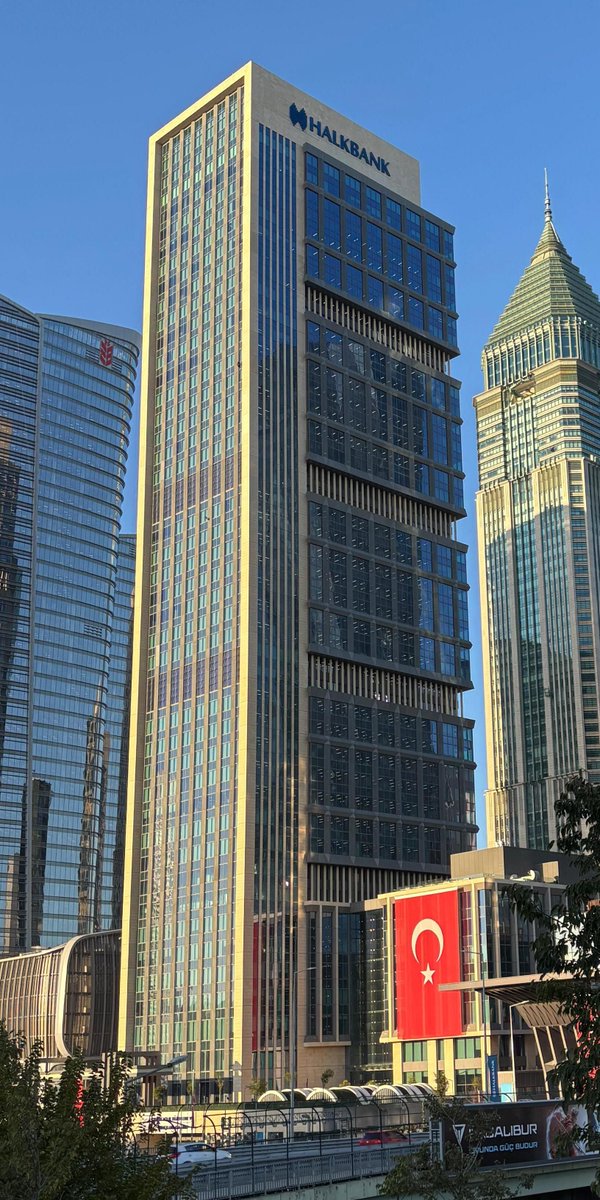
A Turkish state-owned bank now faces federal prosecution for allegedly evading Iran sanctions, and the Supreme Court said sovereign immunity won't save it.
In Turkiye Halk Bankasi A.S. v. United States, decided April 19, 2023, the Court ruled unanimously that the Foreign Sovereign Immunities Act provides no shield against criminal charges. Halkbank, majority-owned by Turkey's sovereign wealth fund, stands accused of laundering billions of dollars in Iranian oil and gas proceeds through U.S. financial systems while lying to Treasury about it.
The bank argued § 3231's grant of jurisdiction over "all offenses" must implicitly exclude foreign sovereigns. The Court disagreed. Justice Kavanaugh found no textual basis for reading such a limitation into the statute.
The FSIA argument fared no better. Every textual indicator points to civil cases only: the statute opens by granting jurisdiction over "nonjury civil action," prescribes civil-specific procedures like venue and service of summons, and sits in Title 28 rather than the criminal code. Congress's silence on criminal matters, despite pre-1976 investigations of foreign entities, was telling.
For practitioners advising foreign state instrumentalities with U.S. exposure: commercial activity that violates federal criminal law can now result in indictment. The FSIA's comprehensive civil framework doesn't extend to the criminal docket.
1
1
75

That’s almost as hard as it is to believe that the senate will not pass the SAVE Act. In reality FSIA is an affront on our constitutional rights, so opposing it is really the correct thing to do. I want to know who is getting rich with FISA passage. Obviously you’re getting a cut
55

Jun 9
おまえはバカか!
日本の中学校出てるのか。
Grok:原則としてできません。 日本の警察署長を米国裁判所で訴えるのは、Foreign Sovereign Immunities Act(FSIA)により主権免除が適用され、管轄権がありません。警察の公的行為は主権的行為とみなされ、例外はほぼありません(Saudi Arabia v. Nelson判例参照)。
13
303

Jun 8
🛑 حساب لبنان مع إيران: 200 مليار دولار… وحان وقت الدفع
بعد 44 عاماً من العدوان الإيراني بالواسطة عبر حزب الله، تكبّد لبنان خسائر تتجاوز 221 إلى 310 مليارات دولار.
تقدّم مجموعة نصولي للاستشارات في موجزها الاستراتيجي للاستخبارات القانونية إطاراً قانونياً شاملاً من خمسة مسارات للمحاسبة الكاملة واسترداد الحقوق:
• دعاوى قضائية يقودها الانتشار اللبناني في الولايات المتحدة وأوروبا بموجب قوانين دعم الإرهاب، ولا سيما FSIA وATA
• دعاوى سيادية أمام محكمة العدل الدولية
• اعتماد نموذج لجنة الأمم المتحدة للتعويضات
• إدراج التعويضات اللبنانية ضمن المفاوضات الأميركية ـ الإيرانية، وإعادة توجيه الأصول عبر وزارة الخزانة الأميركية
• تنسيق إنفاذ العقوبات وتشديد الملاحقة المالية والقانونية
التقديرات الواقعية تشير إلى إمكانية تحصيل 15 إلى 40 مليار دولار في السيناريو المتوسط، على مدى 10 إلى 25 عاماً.
النافذة الاستراتيجية مفتوحة الآن: إيران ضعيفة، وسوابق وزارة الخزانة الأميركية موجودة، وبيان الثالث من حزيران الثلاثي يمنح لبنان ورقة ضغط حاسمة.
هذه ليست شعارات. إنها خريطة عمل تنفيذية للعدالة، وإعادة الإعمار، واستعادة السيادة.
على الحكومة اللبنانية أن تتحرك بحزم. والتاريخ سيحكم على من يلتقط هذه اللحظة… وعلى من يضيّعها.
#لبنان #العدالة_للبنان #إيران_يجب_أن_تدفع #المحاسبة #الثورة_البيضاء
— د. فيصل م. نصولي
الرئيس، مجموعة نصولي للاستشارات
بيروت، 8 حزير
2026
7
10
59
2,498
Jun 8
🛑 LEBANON’S $200 BILLION RECKONING: TIME TO MAKE IRAN PAY
After 44 years of Iranian proxy aggression through Hezbollah, Lebanon has suffered damages exceeding $221–310 billion.
The Nsouli Consulting Group Strategic Legal Intelligence Brief delivers a comprehensive five-track legal framework for full accountability and recovery:
•Diaspora-led US/EU litigation under material support laws (FSIA & ATA)
•Sovereign ICJ claims
•UN Compensation Commission model
•Integration into US-Iran negotiations & Treasury asset redirection
•Coordinated sanctions enforcement
Realistic projections: $15–40 billion (mid-scenario) over 10–25 years. The strategic window is open now — Iran is weakened, US Treasury precedent exists, and the 3 June Trilateral Statement provides critical leverage.
This is not rhetoric. It is an operational blueprint for justice, reconstruction, and sovereignty restoration.
The Government of Lebanon must act decisively. History will judge those who seize this moment.
#Lebanon #JusticeForLebanon #IranPay #Accountability #WhiteRevolution
— Dr. Faisal M. Nsouli
Principal, Nsouli Consulting Group
Beirut, 8 June 2026
1
7
423

Jun 7
미국에서 중국의 한국 부동산 구입을 지켜보는 이유가 미국이 본격적으로 개입하면, 모두 강제 압류할 수 있기 때문입니다.
일대일로처럼 중국의 무리한 해외 투자를 유도하여 다량을 불량 채권으로 인한 경제적 피해를 유발시키기 위한 전략의 일환으로 보입니다.
<출처. 구글 AI>
미국은 국가 비상사태 관련 법령을 발동하여 중국이 동맹국에서 부정선거 및 정치인 매수를 통해 불법으로 취득한 기업과 부동산 등의 부당 자산을 법적으로 압류 및 동결할 수 있습니다.
이러한 제재 및 자산 압류는 일반적으로 다음의 법적 근거와 절차를 통해 이루어집니다.
*국제긴급경제권한법(IEEPA)
미국 대통령은 국가 비상사태를 선포하고 해당 국가의 주권과 민주주의를 훼손한 해외의 개인이나 단체를 제재 목록에 올릴 수 있습니다.
이를 통해 미국 내에 있거나 미국 금융망을 거치는 해당 중국 자산을 즉각 동결할 수 있습니다.
*불법 수익금 몰수법(28 U.S.C. § 1355)
미국은 해외 자산이라도 미국 사법 관할권을 적용하여 불법적인 경로로 해외에 취득한 범죄 수익금 및 부패 자산에 대해 민사 몰수 절차를 진행할 수 있습니다.
*주권면제 예외 조항 적용
피해를 입은 동맹국이 미국 정부에 관련 증거를 제공하고 자산 환수를 공식 요청하면, 미국 법무부는 외국주권면제법(FSIA) 등을 근거로 자산 몰수를 대리하거나 지원할 수 있습니다.
법적 효력을 발휘하기 위해서는 동맹국 내부의 법적 절차와 미국의 국내법적 요건이 모두 충족되어야 합니다. 또한 해당 국가를 실질적으로 탈환한 후, 각국 정부 간 상호법률지원조약(MLAT)을 통해 압류된 부동산이나 자산의 소유권을 정당한 권리자에게 반환하는 조치가 수반됩니다.
1
3
72

May 28
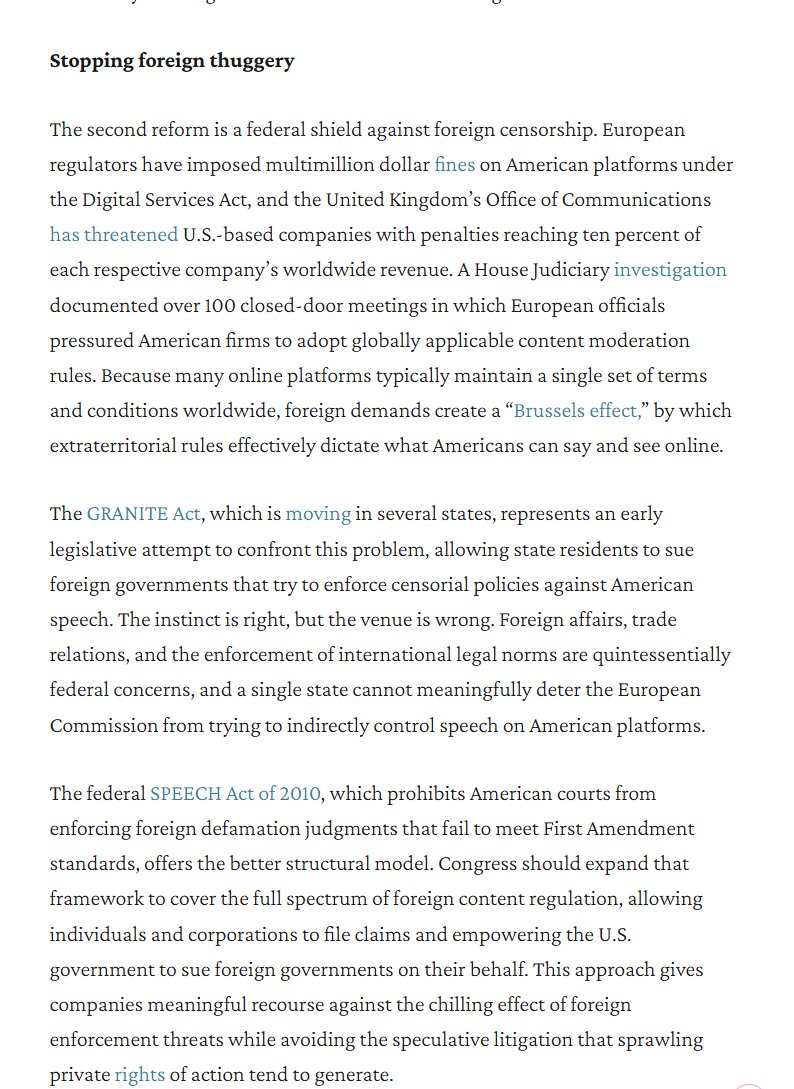
A note on why the GRANITE Act foreign censorship shield law was designed the way it was, creating a private right of action rather than what Adam has suggested here.
GRANITE is designed to do one thing: invert the cost-exchange ratio of foreign censorship.
A “cost-exchange ratio” is a military concept from Cold War nuclear counterforce doctrine. It refers to the marginal cost of an attacker to successfully land a nuclear warhead on the assets of a defender.
If, for example, an attacker can launch 100 warheads costing $100,000 each, that cost a defender $10 million per intercept to shoot down, the cost-exchange ratio strongly favors the attacker over the defense.
The attacker can build more warheads than the defender can ever possibly defend against.
So it is with foreign censorship, which is currently trivially cheap to attempt, and extremely expensive for an American target to defend against.
It costs nothing for Ofcom to send an e-mail into the United States, voluntary compliance rates (borne of fear) will be high, and any defense – such as that we attempted in the 4chan case – requires millions of dollars of legal time, an investment which, due to current FSIA/IOIA doctrine, limits prospects for recovery.
We think American law should benefit the American defender, not the foreign attacker, and should make foreign censorship extremely costly to attempt, and trivially easy to defend against.
Getting this to work effectively against foreign censors requires fundamental changes to FSIA/IOIA doctrine, including recovery against sovereign assets.
This will not be a windfall for the plaintiff's bar. Foreign institutions are run by humans, and humans respond to incentives.
If the cost of attempting to censor an American is prohibitive, the censorship attempts will stop.

1
45
215
5,073
May 27
My guess is that De Moraes doesn't appear. The U.S. court would then run the FSIA analysis sua sponte, not an impossible hill for Rumble to climb but still an obstacle.
Congress should make it unambiguously clear that foreign censors can be sued in American courts.
May 27

Florida federal court summons Brazilian Supreme Court Justice Alexandre de Moraes to face Rumble Truth Social’s anti-censorship lawsuit.
He has 21 days to respond or risk default judgment.
Moraes tried to force US platforms to censor American users and hand over their data.
One foreign judge can’t dictate what Americans can say online.
reclaimthenet.org/us-court-s…
2
13
80
2,349

In this JAMS ADR Insights post, JAMS neutrals Philip L. Bruner, Esq. and Patricia H. Thompson, Esq., FCIArb, CollArb, discuss the Foreign Sovereign Immunities Act of 1976 (FSIA). hubs.la/Q04hWHQ40
1
1
37
May 20
Bottom line Massie was defeated in a primary. He opposed Trump on Epstein (good) but viciously hates Israel, NATO and USIC (very bad). He was such a friend to Russia that Russia Today campaigned for him. Russia Today is in fact the RU government under US law as Rossiya Sedognya is a state instrumentality of Russia under FSIA (not FISA). So Massie was supported by Putin. When he lost to @EdGallrein in his primary he made antisemitic remarks.
Thanks to Laura for helping get him out.
1
1
85

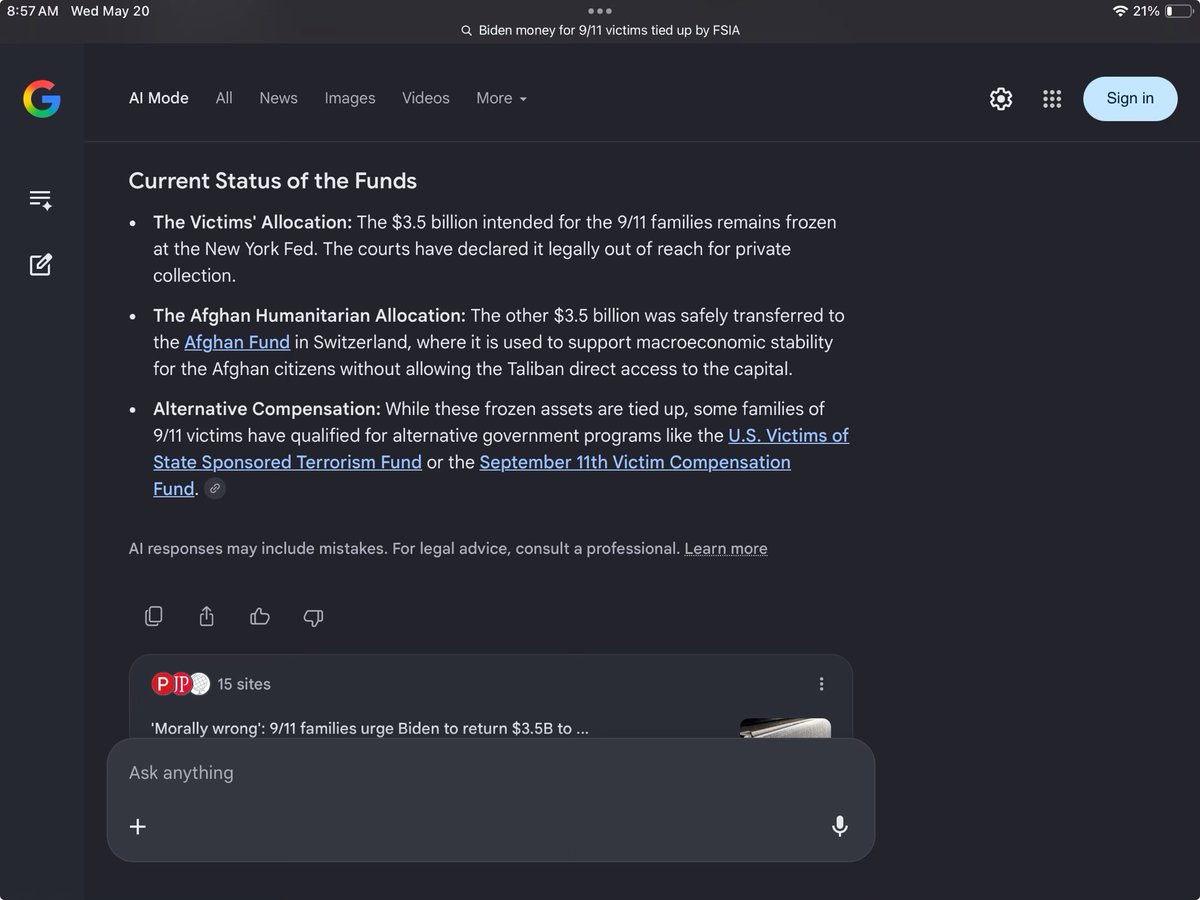
The money is still tied up in the Courts bc of FSIA. Meanwhile, it’s sitting in escrow. Maybe try actually looking it up
1
10
319

May 18
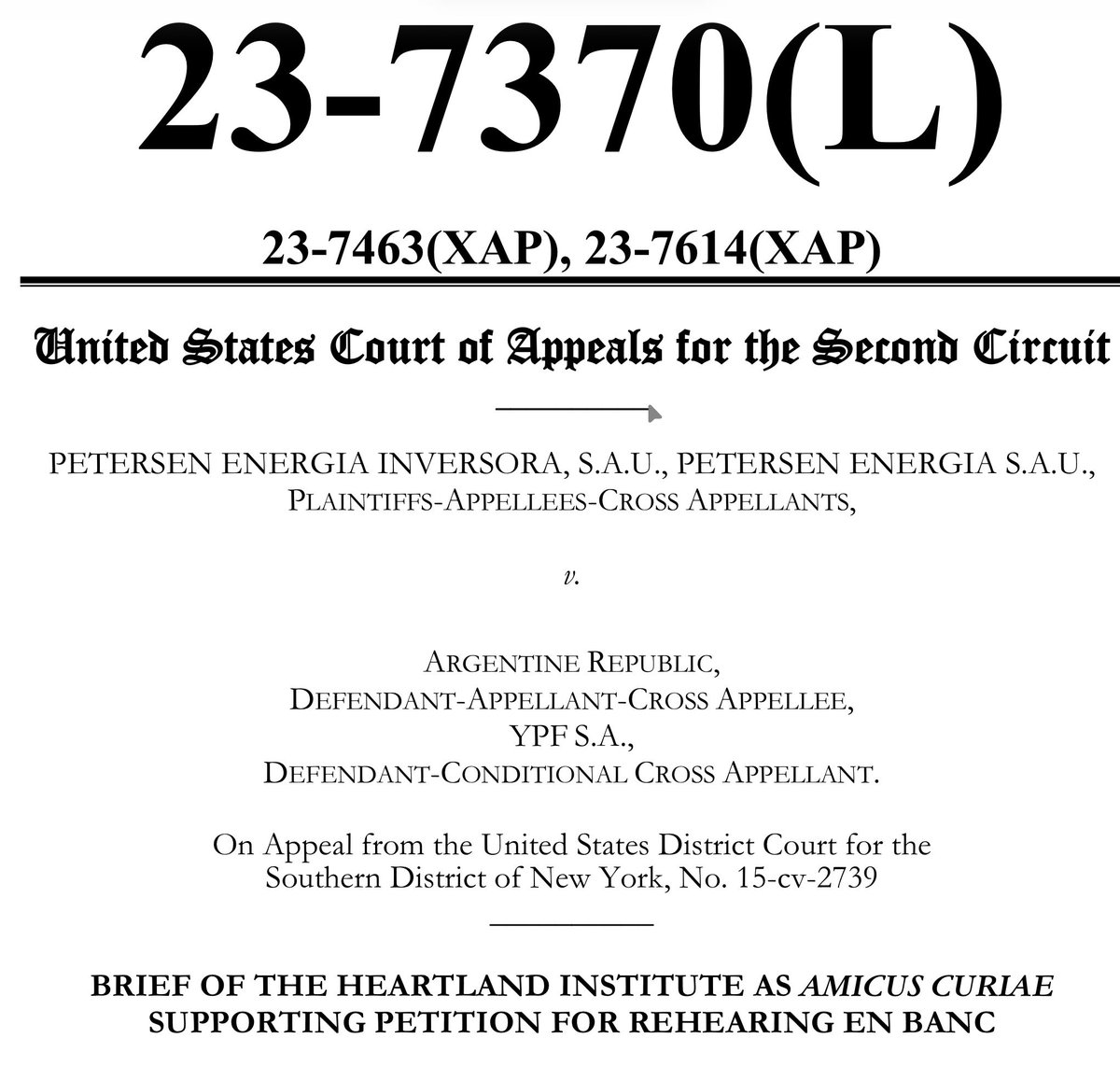
🛑The Heartland Institute presentó un “amicus” apoyando la revisión “en banc” en el caso expropiación YPF, advirtiendo que el reciente fallo del Segundo Circuito amenaza la protección de los inversores y la integridad de los mercados de capitales de EE.UU. La organización sostiene que la decisión permite que soberanos extranjeros capten capital en los mercados norteamericanos bajo promesas comerciales y luego eviten responsabilidad contractual sin una reparación efectiva. Heartland también afirma que el fallo debilita la excepción de actividad comercial de la FSIA y reduce la previsibilidad jurídica para los inversores que participan en emisiones soberanas listadas en Nueva York.
🛑The Heartland Institute filed an amicus brief supporting en banc review in the YPF expropriation case, warning that the recent Second Circuit ruling threatens U.S. investor protections and the integrity of American capital markets. The organization argues the decision allows foreign sovereigns to raise capital in U.S. markets under commercial promises and later evade contractual liability without meaningful remedy. Heartland also claims the ruling undermines the FSIA’s commercial activity exception and weakens legal predictability for investors participating in sovereign-linked offerings listed in New York.
1
6
24
8,806

May 16
Under US law, particularly the Foreign Sovereign Immunities Act (FSIA), central bank assets generally enjoy strong protection if they are being used for “central banking purposes.”
1
2
225

May 12
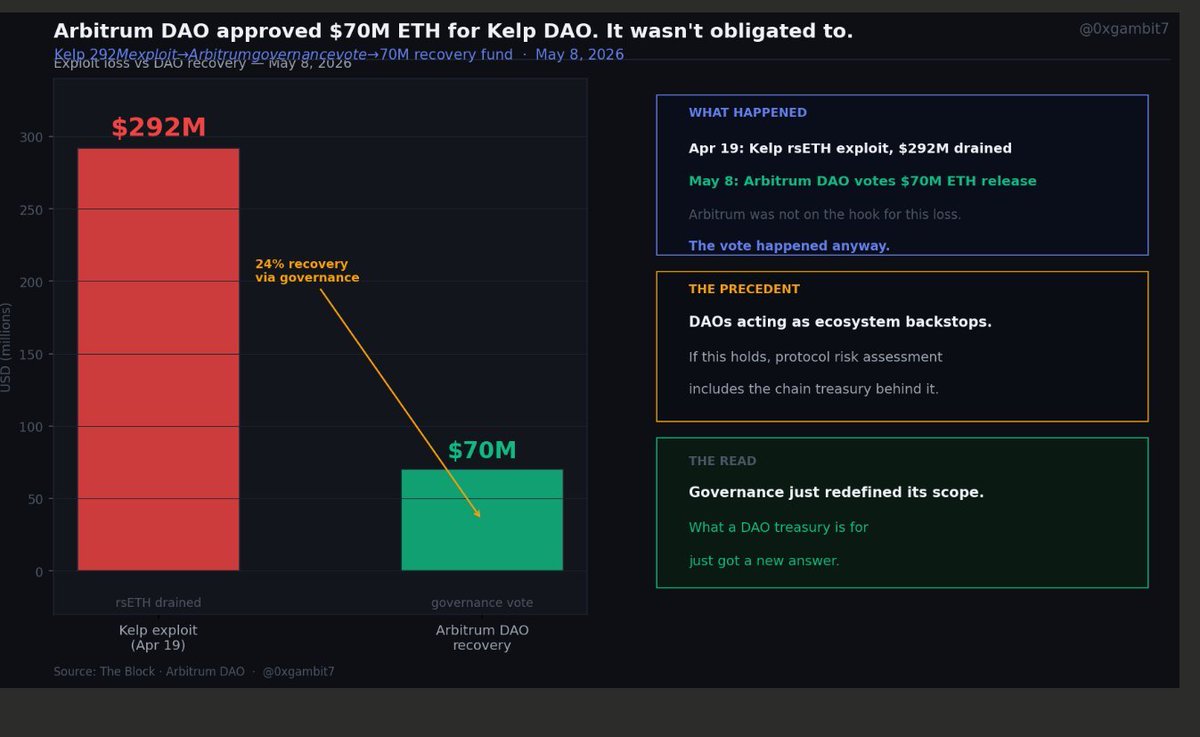
A Manhattan federal judge cleared 30,766 ETH frozen in Arbitrum DAO to transfer to Aave as part of the Kelp DAO exploit recovery, but the terrorism creditors' legal claims on the funds survive the move.
> Arbitrum delegates voted 91% in favor of releasing the frozen ETH, which will become the single largest contribution to DeFi United's $320M recovery effort.
> Judge Garnett explicitly shielded any party initiating, voting on, or participating in the transfer from violating the restraining notice, resolving delegate liability concerns.
> Aave agreed to be bound by the restraining notice upon receipt, meaning the funds could still be compelled back if terrorism creditors prevail in court.
> The plaintiffs' legal theory rests on FSIA and TRIA statutes, arguing the ETH qualifies as North Korean sovereign property via Lazarus Group attribution, backed by three judgments totaling over $877M against the DPRK.
> The same creditors are pursuing a broader strategy to attach North Korean crypto assets across DeFi, including a separate lawsuit against Railgun DAO and Digital Currency Group over the $1.5B Bybit exploit.
img: @0xgambit7
3
2
302