Art, Memory, and the Holocaust: From 1944 Records to the HEAR Act
After over 600 documented posts,
@ArtRecoveryInit closes this public series with a clear sense of what has been accomplished — and what remains unfinished.
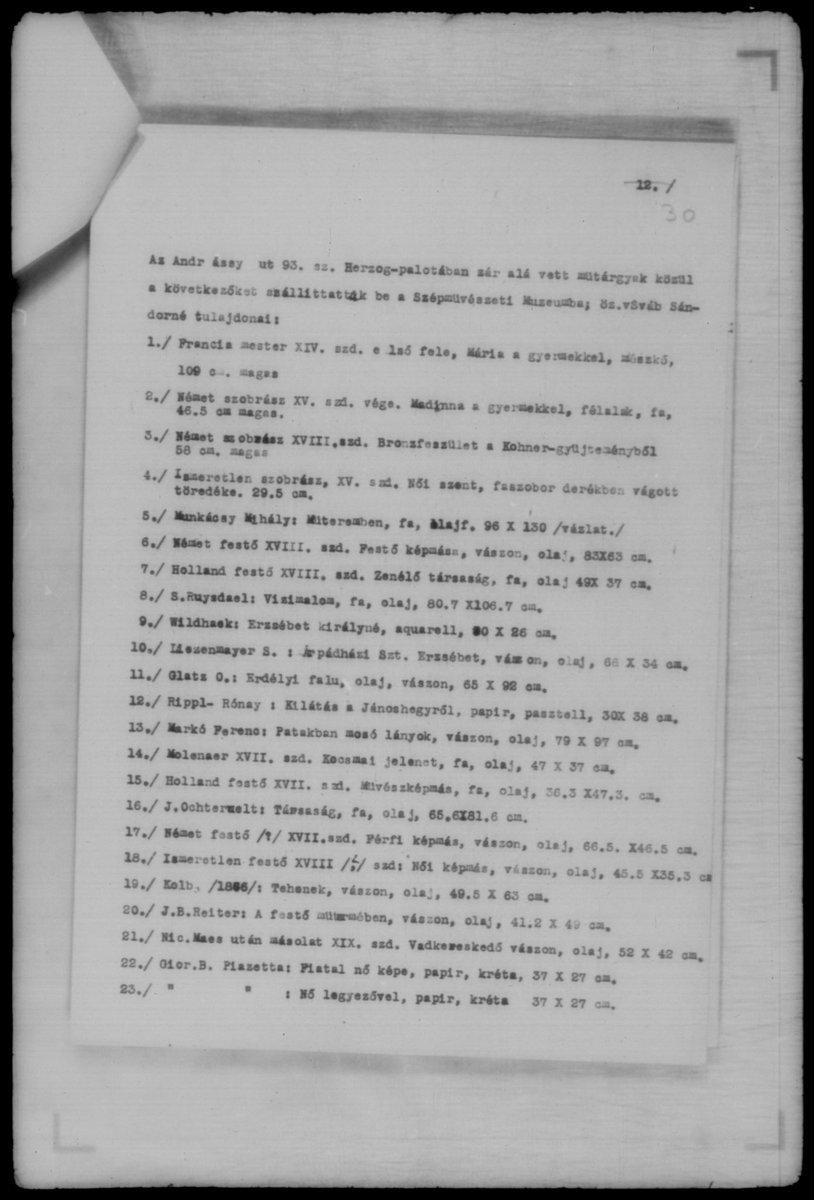
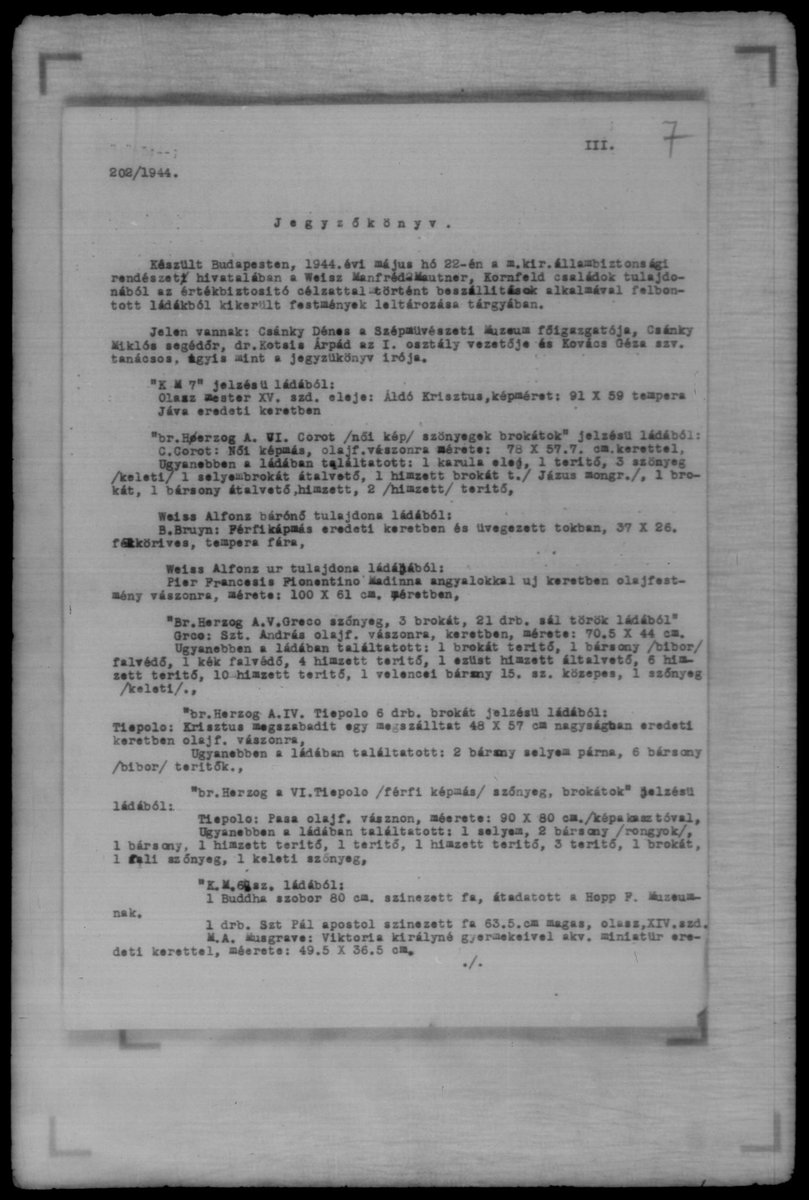
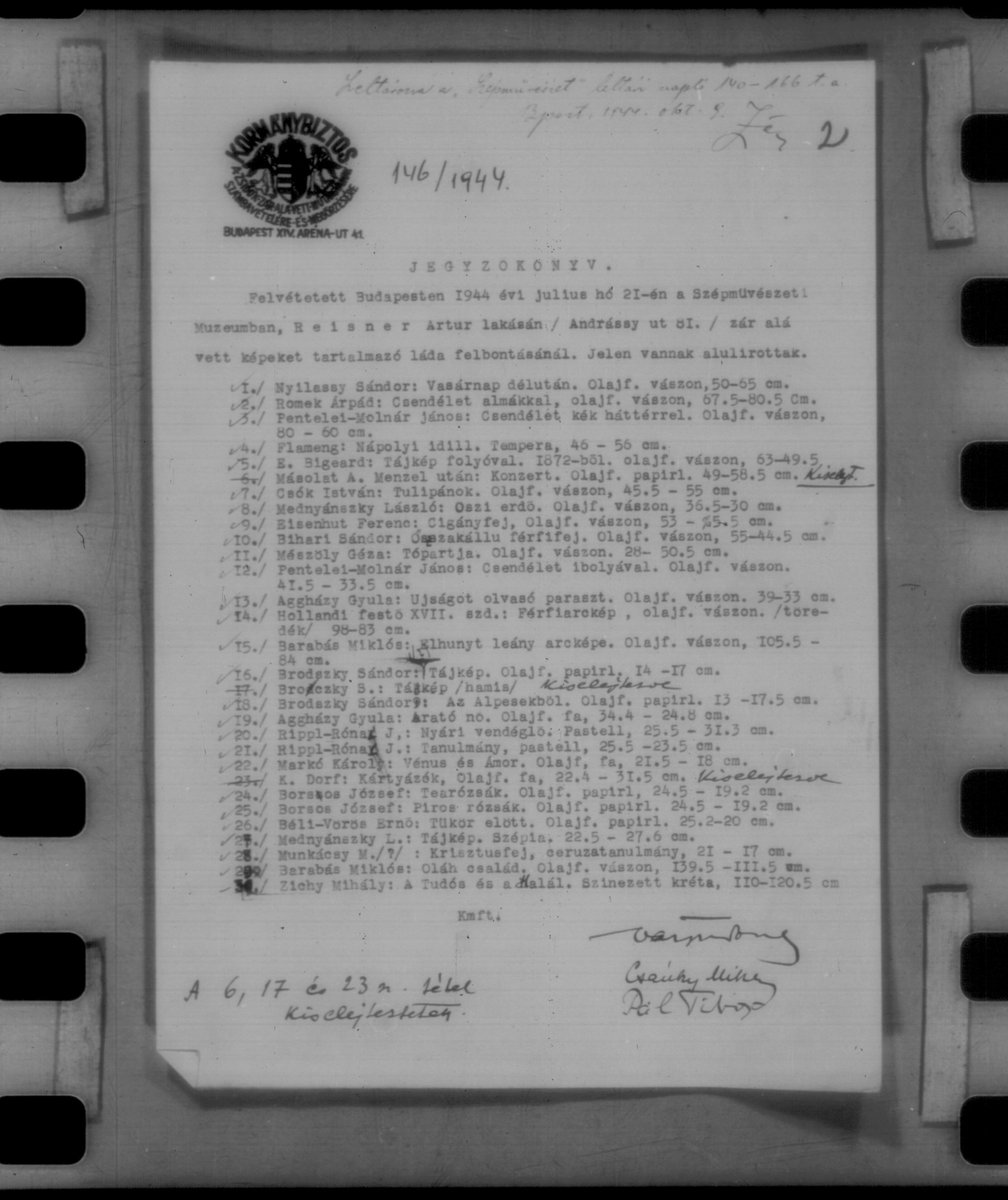
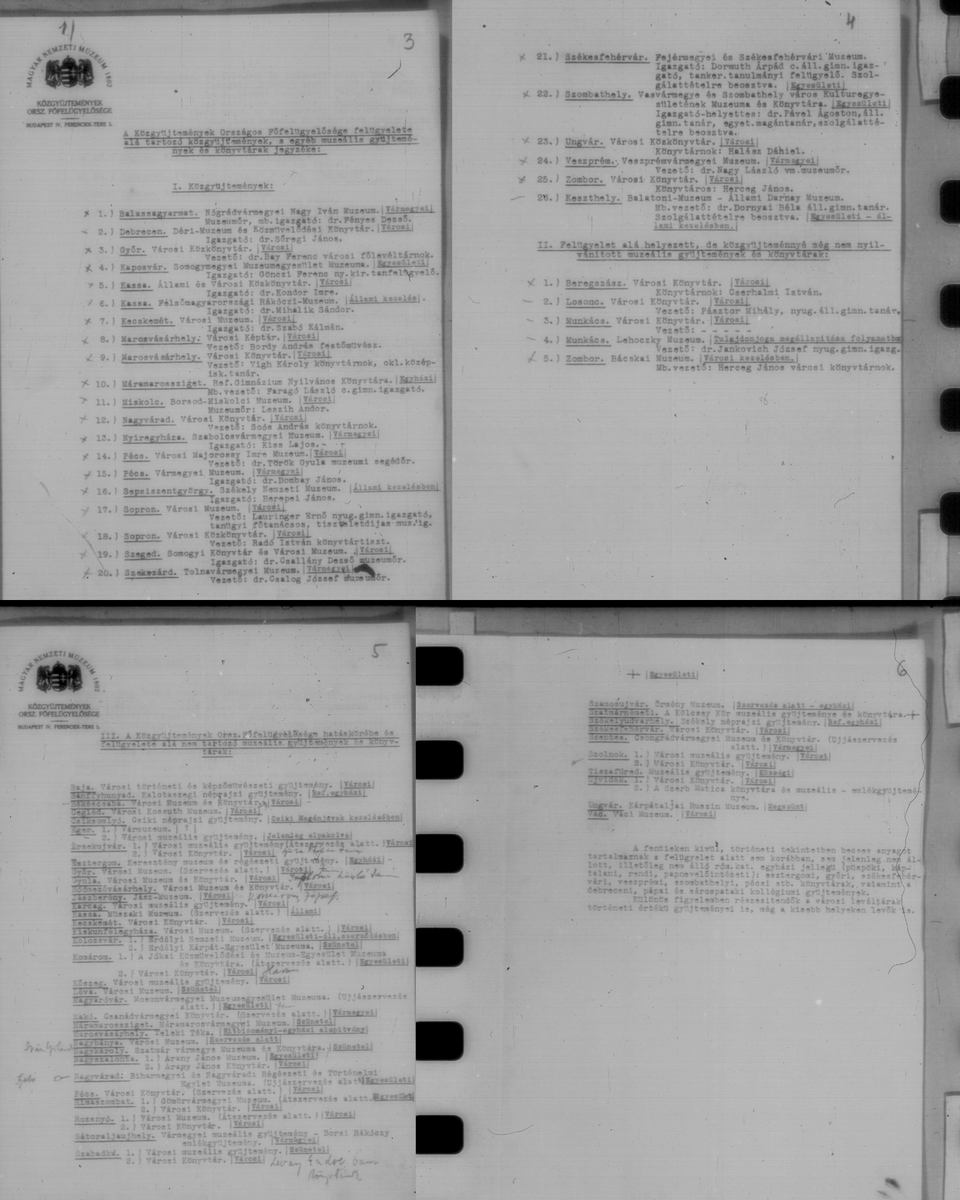
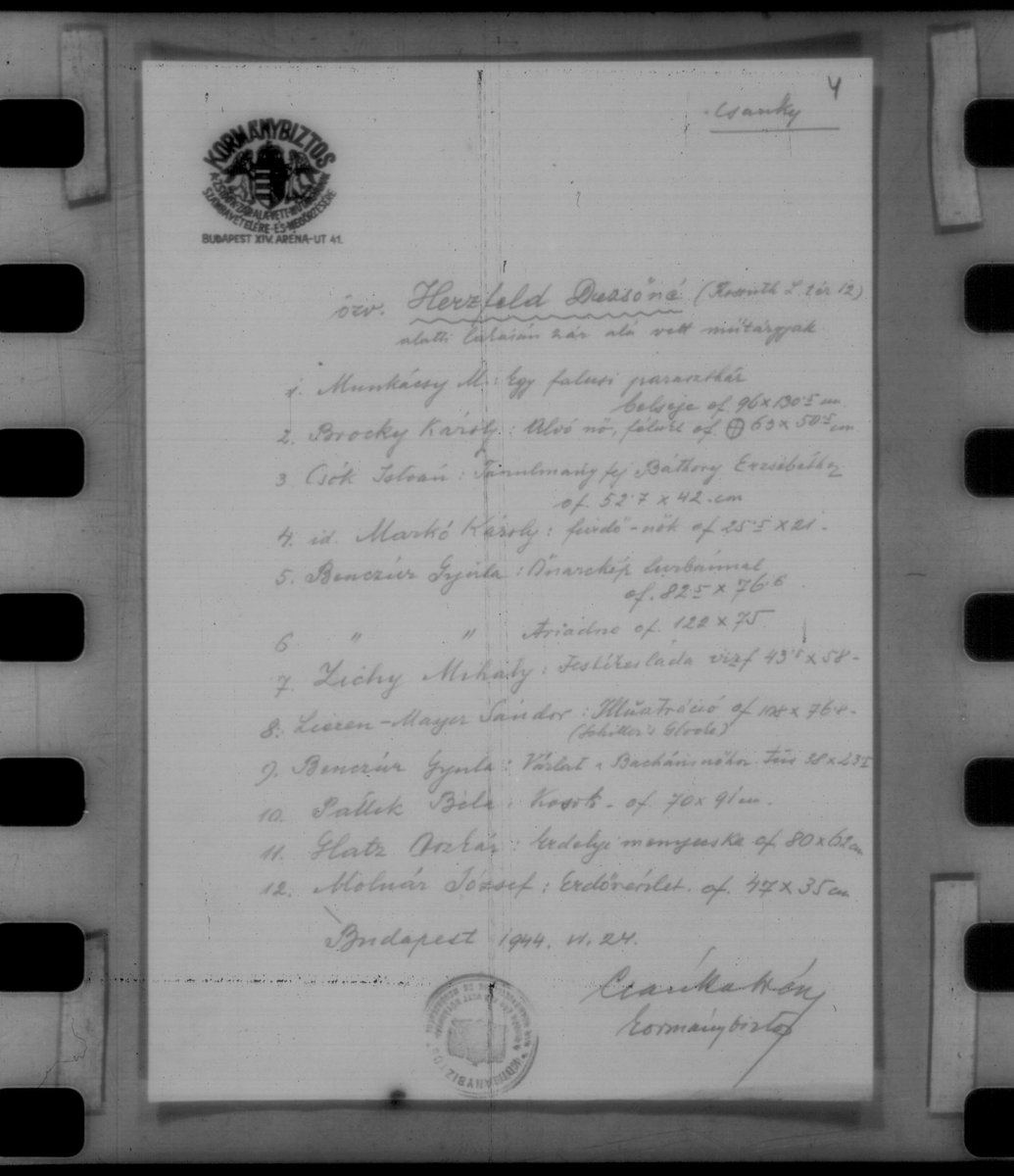
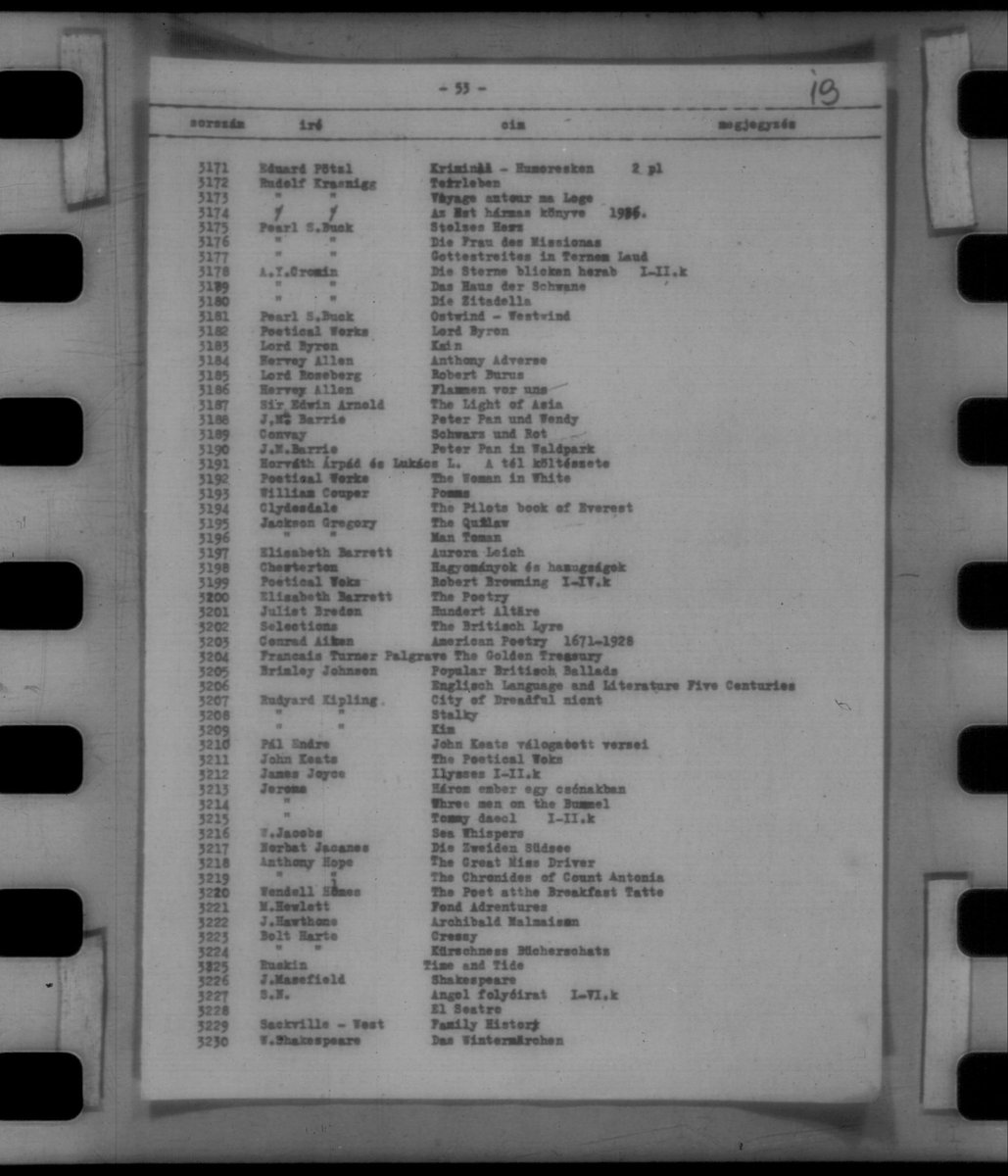
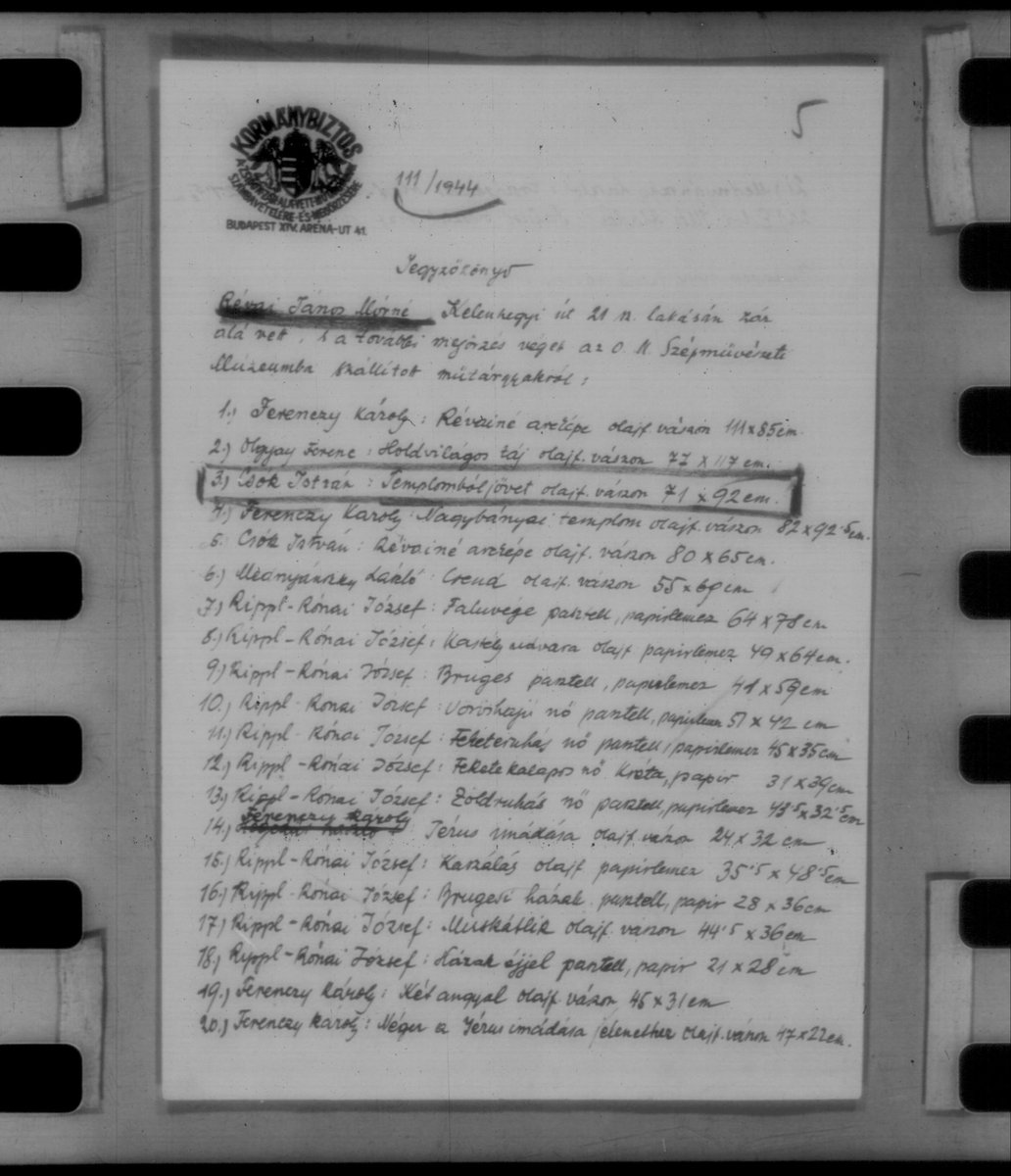
Our work developed into detailed archival casework drawn from 1944 seizure inventories preserved on microfilm at
@HolocaustMI (Reels 143, 144, 145, and related files), and digitized by the
@WJRORestitution.
Those wartime documents record Jewish families by name and address alongside artists, titles, materials, and dimensions. In case after case, those entries align with postwar museum holdings, auction records, and private collections where provenance remains incomplete or undisclosed. Our posts rested on transcription, comparison with modern records, and a consistent call for full institutional disclosure, expert review, and publication of 1944–1946 intake and accession records.
These records are surviving fragments of a displaced cultural map — echoes of lives interrupted by state seizure.
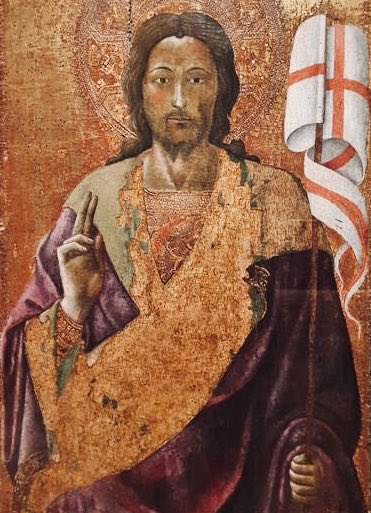
Representative match candidates documented include:
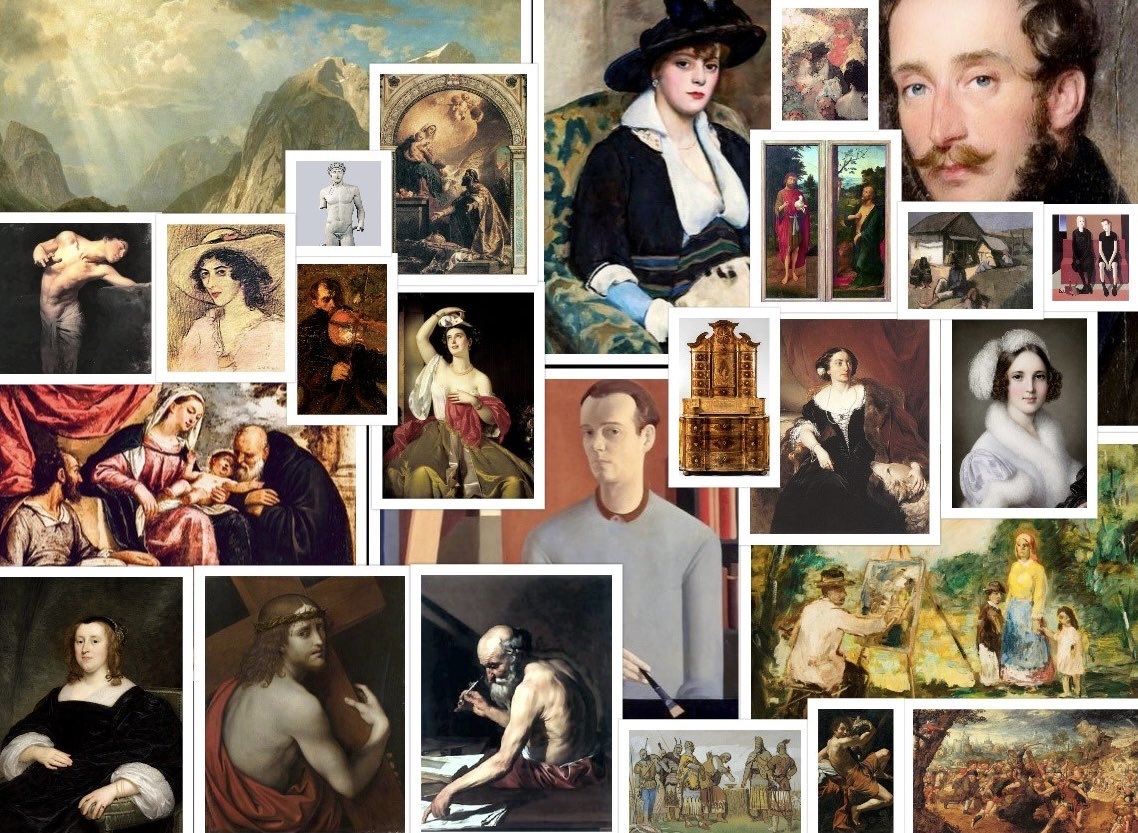
Isenbrandt — Triptych wings (Saint John the Baptist and Saint Jerome), 87 × 31 cm (exact) — Herzog collection, 19 June 1944 — Szépművészeti Múzeum inv. 9047/b–c.
Giampetrino — Christ Carrying the Cross, 62 × 49 cm (exact) — Herzog collection, 14 June 1944 — Szépművészeti Múzeum inv. 58.2.
Renoir — Portrait of a Young Woman, 56 × 47 cm (near-exact) — Baroness Ilona Kiss (Herzog family), 8 June 1944 — Szépművészeti Múzeum inv. 435.B.
Gerrit Dou — Leiden Civic Guard Officer (Alabárdos), 66 × 51 cm (exact) — Dr. Surányi Miklós, June 1944 — Szépművészeti Múzeum inv. 62.10.
Bruyn the Elder — Portrait of Petrus von Clapis, 37 × 26 cm (exact) — Weiss Alfonz bárónő, May 1944 — Szépművészeti Múzeum inv. 50.754.
Corot — Lady with Daisies, 78 × 57.7 cm (near-exact) — Br. Herzog A. — Magyar Nemzeti Galéria inv. 501.B.
Iványi Grünwald — Öreg hegedűs, 81 × 48 cm — Munther collection, May 1944 — Magyar Nemzeti Galéria inv. 59.118T.
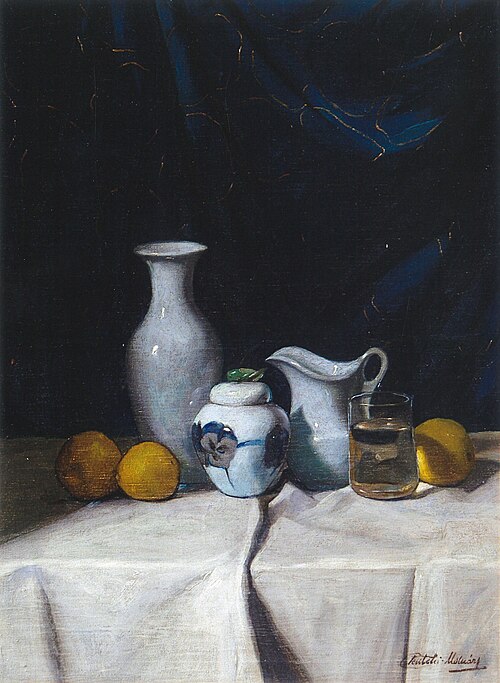
Ruysch — Floral Still Life, 107 × 82 cm (near-exact) — Csetényi Ilona — National Museum of Women in the Arts, Washington, D.C., inv. 1986.282.
Key collections documented include the Kaszab family (50 objects, among them works by Ligeti, Csók, and Markó the Younger), the Weiser Miklós collection (Thorma János and Maticska Jenő), and the Herzog Palace group (including Tiepolo’s Apotheosis of Aeneas, now at Harvard’s Fogg Museum, Acc. 1949.76). Families from the 101-page Szeged dossier — Szilárd, Fabó, Grünwald, Lázár, Révai, Winter, and others — follow the same pattern: detailed 1944 inventories, fragmented postwar trajectories, and provenance that remains publicly unaccounted for.
The 1944 inventories were never created for historical reckoning. Yet today they function as precisely that: a structured evidentiary framework through which loss, movement, and institutional responsibility can be traced.
The bipartisan HEAR Act of 2025 would extend and strengthen the existing framework by removing its sunset provision and narrowing procedural barriers that have prevented claims from being heard on the merits. What these posts collectively document is the persistent presence of unresolved history that the HEAR Act’s passage would finally allow courts to reach.
To the many families whose names appear across these inventories, what was once recorded as administrative seizure now stands as enduring proof of cultural loss awaiting resolution.
Thank you to every reader, researcher, journalist, and supporter who engaged with this work. The documentation remains public, citable, and available for continued scholarship and review. These records are the foundation of future restitution. The law can remove barriers in court; the archive preserves the evidence.
We close this series not because the work is finished, but because the evidence is now firmly in public view. The ledger is open. The responsibility is now shared.