
The Global Structure Network Limited is redefining how consumers build capability, establishing the architecture through which their everyday decisions translate directly into long‑term economic value.
theglobalstructurenetwork.co…
#WEF26 #Davos2026 #CommercialArchitecture #InfrastructureStudies #PoliticalEconomy #PlatformCapitalism #BehavioralEconomics #SelfCareEconomy #HealthTech #DigitalHealth #WellnessIndustry #FemTech #Biohacking #DigitalEthics #ConsumerProtection
#DataPrivacy #HumanAgency #TechRefor
#WorldEconomicForum #ASpiritOfDialogue #GlobalRisks #FutureOfGrowth #InclusiveAI #QuantumEconomy #SustainableFinance #AIatScale #TripleBubble #Leadership #Strategy #Innovation #AI #Banking2026 #FinancialStability #BankResilience
1

Jun 13
Now, it seems that almost nothing in our lives moves without AI.
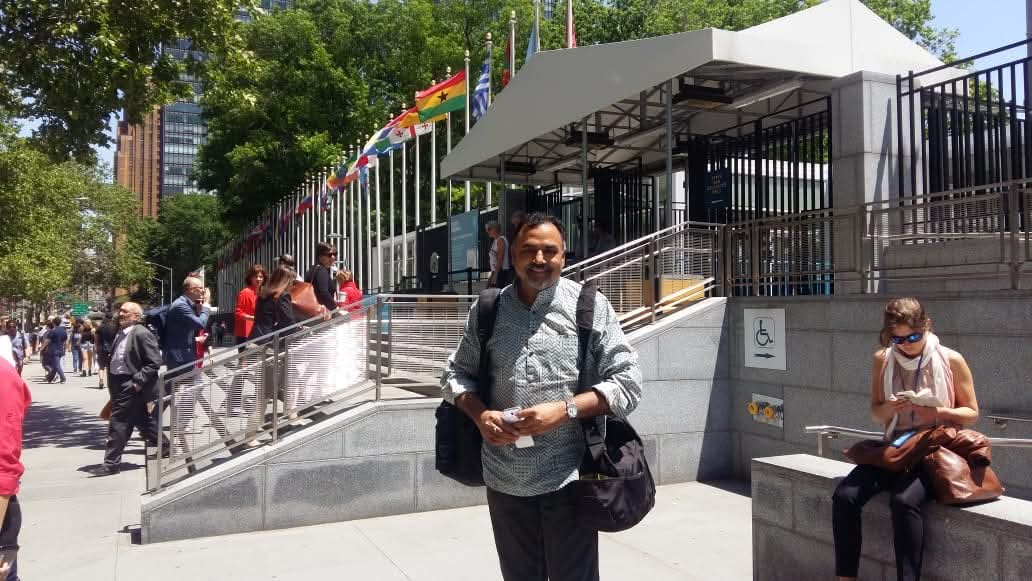
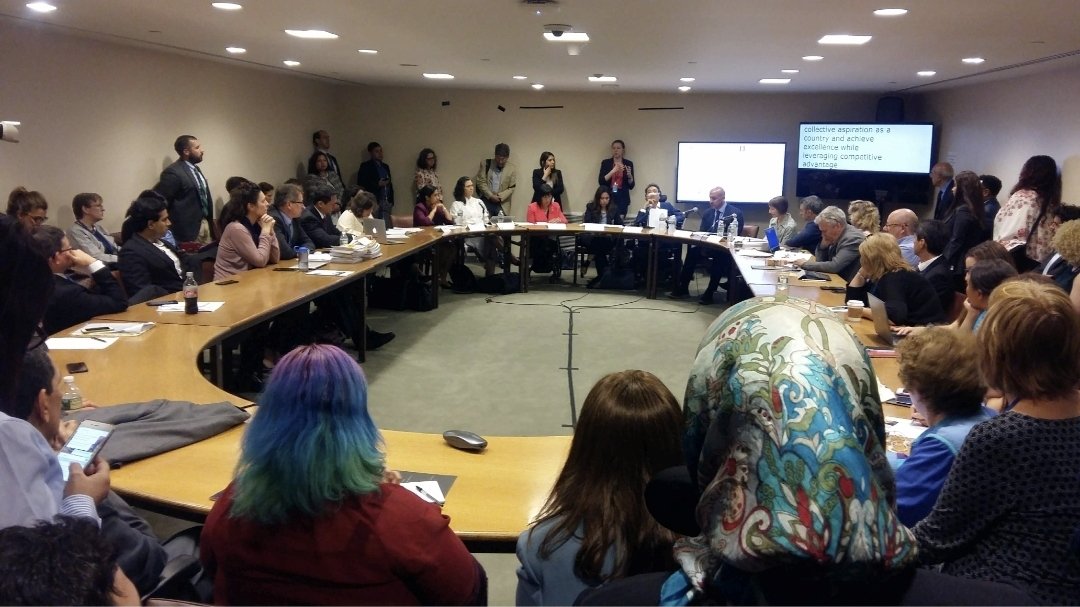
On 12 June 2018, long before the world became so obsessed with artificial intelligence, I had the opportunity to participate in an Inclusive AI Conference at the UN Headquarters in New York. The United Nations had already foreseen both the immense potential and the serious risks associated with AI. The objective was clear: to chart a roadmap for Inclusive AI so that marginalized, vulnerable, and underserved communities would not be pushed further to the margins by this transformative technology.
Eight years later, I find myself reflecting on how far we have come—and how far we still have to go.
Despite remarkable technological advancements, the world appears increasingly unequal, discriminatory, abusive, and undemocratic for many sections of society. The UN and countless organizations deserve credit for their efforts to address these challenges, but the broader trajectory remains worrying. Systemic discrimination, skewed income distribution, ecological degradation, and escalating climate impacts continue to deepen existing inequalities.
The rich are getting richer, often at the expense of both the poor and the planet. Not surprisingly, they also dominate access to and control over emerging technologies, including AI.
The contradictions are striking. AI-powered drones can help irrigate crop fields and improve agricultural productivity. The same technology can also be deployed to bomb innocent children in conflict zones. Yet the small and marginal farmers who feed much of the world often cannot afford these innovations, nor are they positioned to benefit from them.
This is why we need to fundamentally rethink how technology is developed, governed, and adopted. Technological progress, by itself, cannot be the measure of human progress. No matter how sophisticated our tools become, the rights of poor, Indigenous, and marginalized communities to land, water, forests, livelihoods, and dignity must remain non-negotiable.
Democracies, too, need to be reconnected to principles of inclusion, justice, and accountability. If AI is to serve humanity, it must be guided not merely by innovation and profit, but by equity, rights, and ecological responsibility.
The future should not belong only to those who own technology. It must also belong to those whose lives are most affected by it.
~ Ranjan Panda
13th June, 2026
#InclusiveAI #EthicalAI #AIandSociety #ClimateJustice #HumanRights #SocialJustice #IndigenousRights #SmallFarmers #FoodSecurity #Democracy #JustTransition #LeaveNoOneBehind #CombatClimateChangeIndia #WaterInitiatives #Youth4WaterIndia #MahanadiRiverWaterkeeper
@WaterInitiativ1 @MahanadiRiver @Waterkeeper @Youth4WaterIn @WFP @FoodSystems @IFAD @theGCF @theGEF @Welthungerhilfe @WHH_India @BoellStiftung @boell_India @FESinAsia
1
2
53

Jun 12
Please watch the @UKAIofficial #WomeninAI #Podcast featuring Emma Beattie, that explores how AI can help individuals perform their best work by reducing cognitive load and structuring thinking. It also highlights how AI can make work more accessible, particularly for neurodivergent employees, navigating systems that were not originally designed for them.
Please subscribe and watch here 👉 m.youtube.com/watch?v=2VizLQ…
#ResponsibleAI #EthicalAI #InclusiveAI #UKAI
@ChamberVoice @SciTechgovuk @AdaLovelaceInst @turinginst
2
4
130
The Global Structure Network Limited is redefining how consumers build capability, establishing the architecture through which their everyday decisions translate directly into long‑term economic value.
theglobalstructurenetwork.co…
#WEF26 #Davos2026 #CommercialArchitecture #InfrastructureStudies #PoliticalEconomy #PlatformCapitalism #BehavioralEconomics #SelfCareEconomy #HealthTech #DigitalHealth #WellnessIndustry #FemTech #Biohacking #DigitalEthics #ConsumerProtection
#DataPrivacy #HumanAgency #TechRefor
#WorldEconomicForum #ASpiritOfDialogue #GlobalRisks #FutureOfGrowth #InclusiveAI #QuantumEconomy #SustainableFinance #AIatScale #TripleBubble #Leadership #Strategy #Innovation #AI #Banking2026 #FinancialStability #BankResilience
2

Jun 12
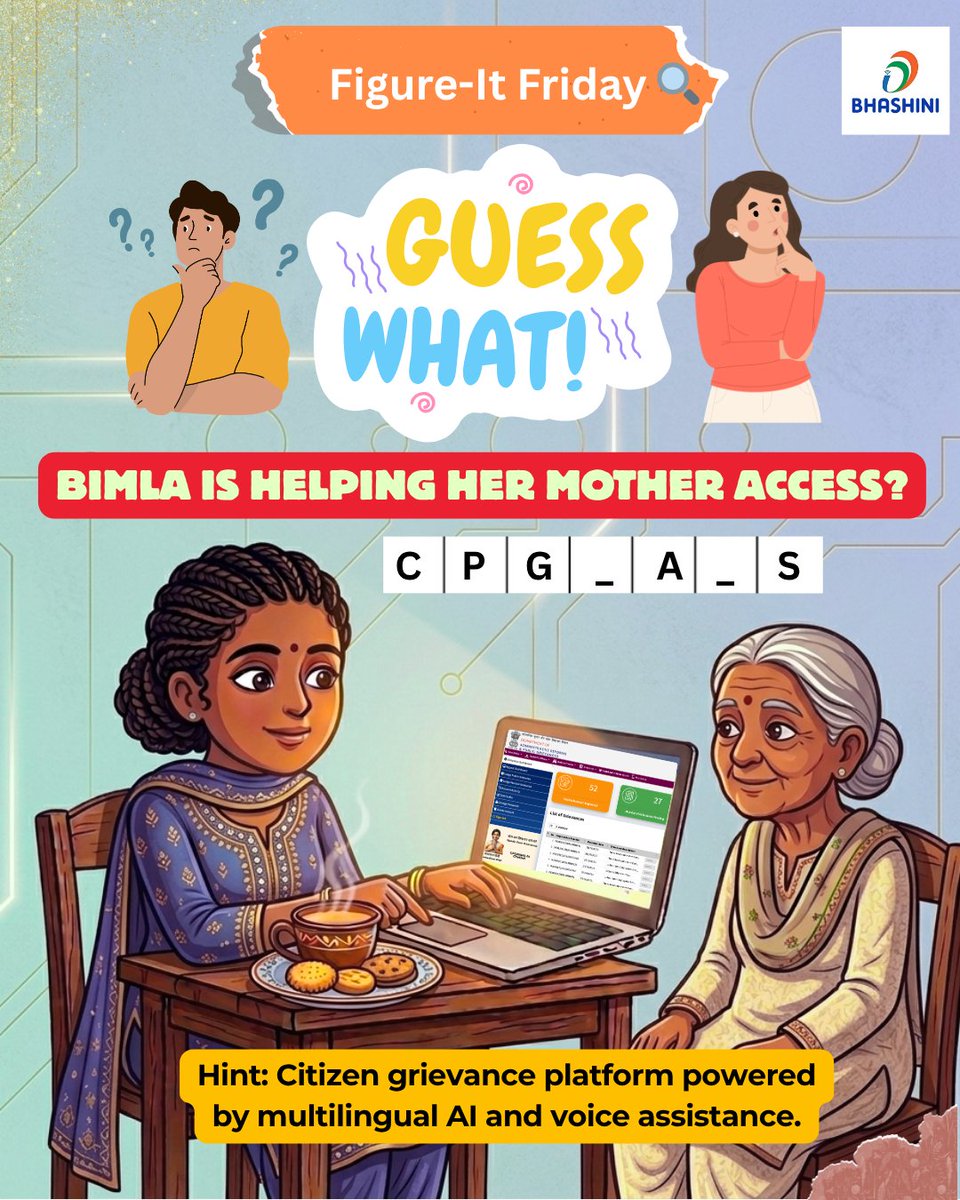
It’s Figure-It Friday 🧩✨
What if raising a concern was as simple as speaking in your own language?
Bimla is helping her mother discover a voice-first public service platform powered by multilingual AI.
Citizens can submit their grievances using natural voice or text in any of India's 22 scheduled languages, without navigating complex forms or needing to identify the correct government department.
The platform understands the issue, asks relevant follow-up questions, assists with categorization, and helps connect citizens to the appropriate government office.
By making public services more accessible through voice and language technology, it helps bridge language, literacy, and digital access barriers for citizens across the country. ✨
Can you guess which initiative Bimla is exploring today? 👀👇
Hint: AI-powered multilingual platform enabling citizens to register and track public grievances using voice and text.
#FigureItFriday #BHASHINI #DARPG #LanguageAI #VoiceFirst #DigitalIndia #CitizenServices #InclusiveAI #MultilingualIndia #PublicServices
@GoI_MeitY @narendramodi @PMOIndia @AshwiniVaishnaw @JitinPrasada @SecretaryMEITY @amitabhnag @spalsi @_DigitalIndia @DPIITGoI @OfficialINDIAai @mygovindia @RajbhashaVibhag @HMOIndia @AmitShah @Zoho @amitabhk87 @OfficialINDIAai @startupindia @NICMeity @ndtv @republic @DDNational @EconomicTimesAI @EconomicTimes @PIB_India @ETNOWlive @DrJitendraSingh @DARPG_GoI @ANI @CNBCTV18News
1
1
2
91

Jun 12
The future of technology will be shaped by decisions being made now about AI governance, funding, procurement and accessibility regulation. The question is whether that future will be inclusive. Read more: davebanesaccess.medium.com/a…
#InclusiveAI #Accessibility #DisabilityInclusion
13

Jun 12
Build inclusive AI with Proaipath’s diverse data—smarter models start with better representation.
#Proaipath #InclusiveAI #ArtificialIntelligence #AIInnovation #MachineLearning #DataScience #EthicalAI #FutureOfAI #AIDevelopment #TechForGood #AIDiversity #SmartAI
Jun 10
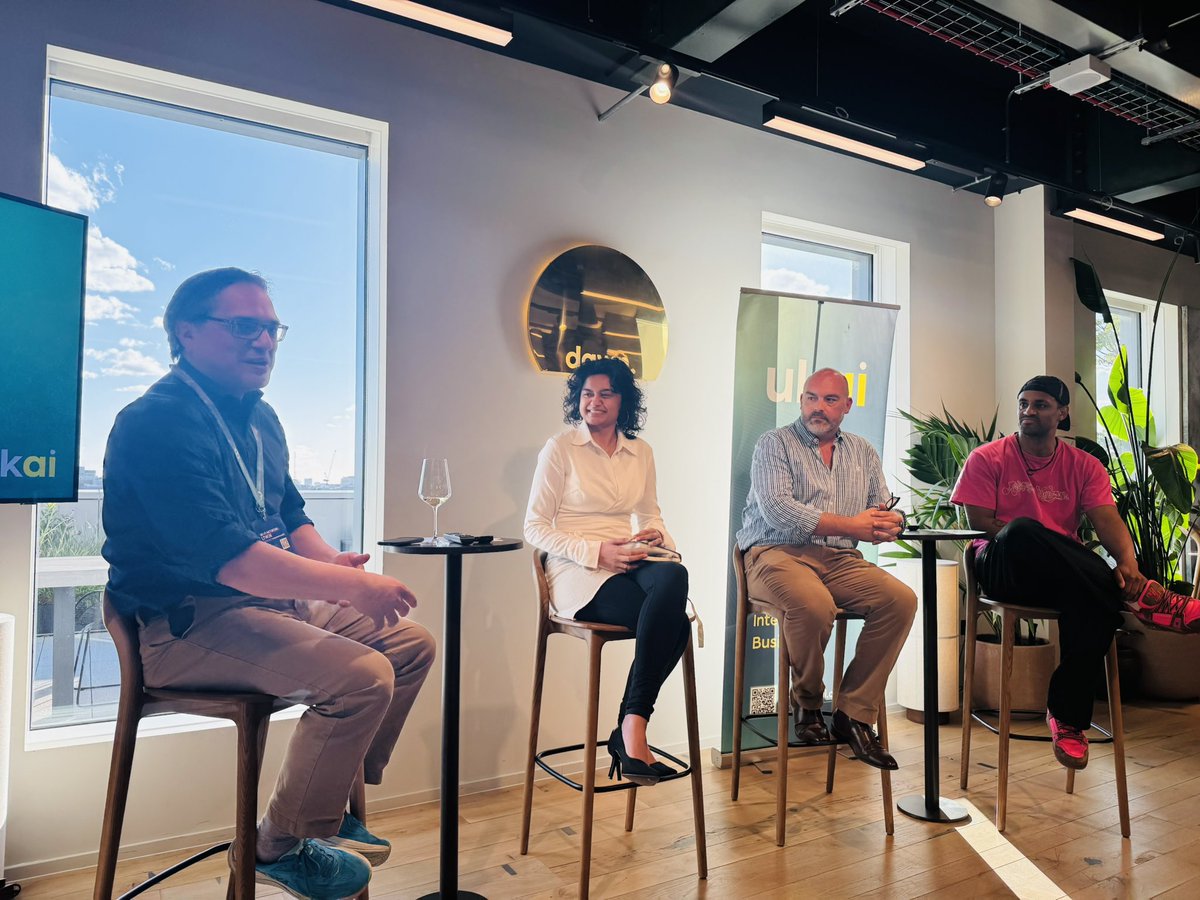
Thought-provoking @UKAIofficial panel on Sovereign AI at @dawncapital, expertly chaired by @Timforchange with Isvari Maranwe, James Hilmes, and Christopher Kenna. They brought deep knowledge, real-world experience, diverse perspectives, and clearly articulated opinions on whether the UK’s lack of ownership over AI models, data and infrastructure poses a national security risk.💡
#ResponsibleAI #EthicalAI #SovereignAI #EquitableAI #InclusiveAI #NationalSecurity #LondonTechWeek
@SciTechgovuk @AISecurityInst @ChamberVoice @UKSovereignAI
2
1
232
The Global Structure Network Limited opens a new chapter in the economic architecture of consumer capability
theglobalstructurenetwork.co…
#WEF26 #Davos2026 #CommercialArchitecture #InfrastructureStudies #PoliticalEconomy #PlatformCapitalism #BehavioralEconomics #SelfCareEconomy #HealthTech #DigitalHealth #WellnessIndustry #FemTech #Biohacking #DigitalEthics #ConsumerProtection
#DataPrivacy #HumanAgency #TechRefor
#WorldEconomicForum #ASpiritOfDialogue #GlobalRisks #FutureOfGrowth #InclusiveAI #QuantumEconomy #SustainableFinance #AIatScale #TripleBubble #Leadership #Strategy #Innovation #AI #Banking2026 #FinancialStability #BankResilience #CapitalStrength #RiskManagement #MacroStability #SovereignStrength #RegTech #BaselFramework #StressTesting #GlobalMarkets #CapitalMarkets
2

This includes ensuring that new technology solutions are designed with #ethics in mind. #aiethics #ethicalbydesign #inclusiveai

Too often, living with a disability means living in a world designed by & for others.
Luckily, it's possible to redesign a world where everyone has the chance to pursue their dreams.
Together, let’s build a fair future for all.
10
Global Competition Between Capital Environments: Environmental Physics, Liquidity Architecture, and Jurisdictional Advantage.
gsdiandadvocacy.co.uk/global…
#WEF26 #Davos2026 #CommercialArchitecture #InfrastructureStudies #PoliticalEconomy #PlatformCapitalism #BehavioralEconomics #SelfCareEconomy #HealthTech #DigitalHealth #WellnessIndustry #FemTech #Biohacking #DigitalEthics #ConsumerProtection
#DataPrivacy #HumanAgency #TechRefor
#WorldEconomicForum #ASpiritOfDialogue #GlobalRisks #FutureOfGrowth #InclusiveAI #QuantumEconomy #SustainableFinance #AIatScale #TripleBubble #Leadership #Strategy #Innovation #AI #Banking2026 #FinancialStability #BankResilience #CapitalStrength #RiskManagement #MacroStability #SovereignStrength #RegTech #BaselFramework #StressTesting #GlobalMarkets #CapitalMarkets
9

Jun 9
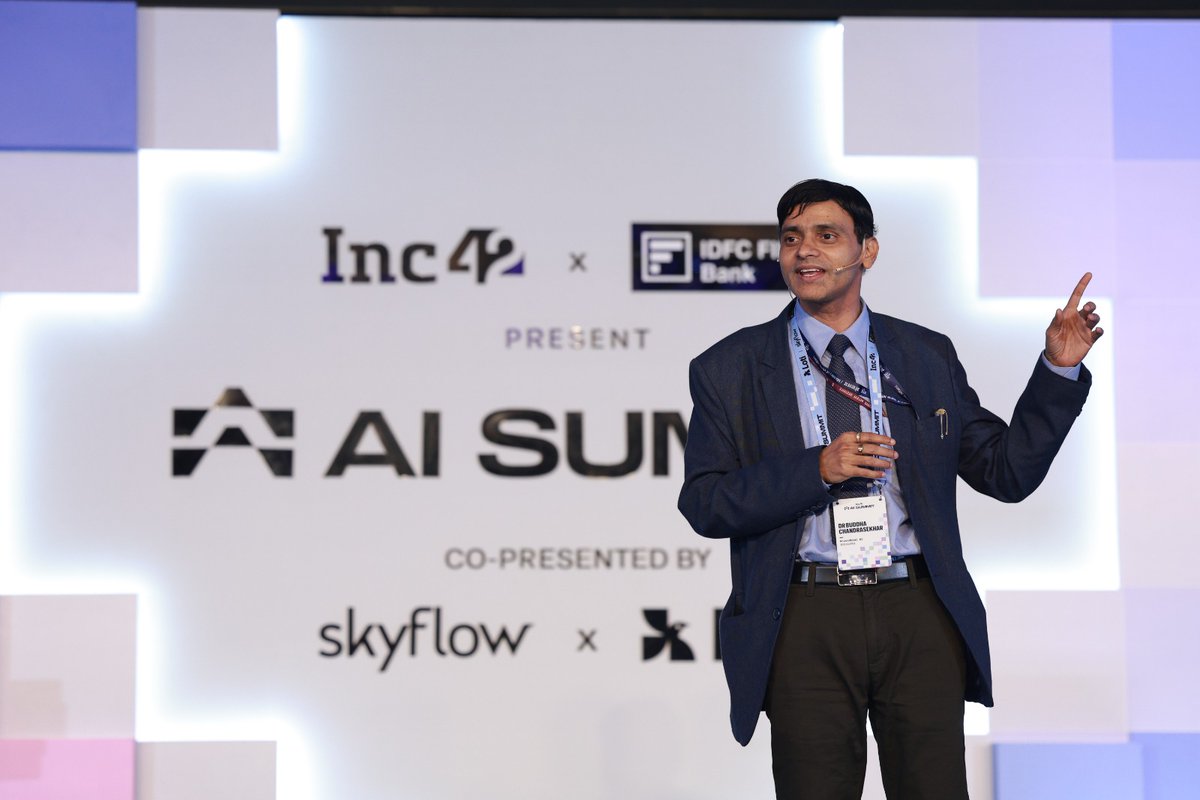
🇮🇳 Proud to represent Anuvadini AI at the #Inc42AISummit2026, India's largest invite-only AI gathering, alongside 600 founders, innovators, and business leaders in Bengaluru.
At a time when the world is talking about AI, we're building AI that speaks India's languages.
🔹 150 Cr pages translated
🔹 700 NCERT books enabled
🔹 2,000 hours of multilingual video processed
🔹 22 Indian languages 89 foreign languages supported
Developed under AICTE, Ministry of Education, Government of India, Anuvadini AI is powering multilingual communication across education, healthcare, judiciary, defence, and enterprise ecosystems.
India's linguistic diversity isn't a challenge; it's an opportunity. Multilingual AI is not a feature. It's the foundation for truly inclusive technology.
Thank you, @Inc42, for the platform and everyone who joined the conversation.
@buddhabjp
#AnuvadiniAI #AIForIndia #MultilingualAI #GenerativeAI #ArtificialIntelligence #LanguageAI #DigitalIndia #BharatAI #AIInnovation #MadeInIndia #TechIndia #AIStartup #AIProducts #LanguageTechnology #InclusiveAI
10
28
267
Global Competition Between Capital Environments: Environmental Physics, Liquidity Architecture, and Jurisdictional Advantage.
gsdiandadvocacy.co.uk/global…
#WEF26 #Davos2026 #CommercialArchitecture #InfrastructureStudies #PoliticalEconomy #PlatformCapitalism #BehavioralEconomics #SelfCareEconomy #HealthTech #DigitalHealth #WellnessIndustry #FemTech #Biohacking #DigitalEthics #ConsumerProtection
#DataPrivacy #HumanAgency #TechRefor
#WorldEconomicForum #ASpiritOfDialogue #GlobalRisks #FutureOfGrowth #InclusiveAI #QuantumEconomy #SustainableFinance #AIatScale #TripleBubble #Leadership #Strategy #Innovation #AI #Banking2026 #FinancialStability #BankResilience #CapitalStrength #RiskManagement #MacroStability #SovereignStrength #RegTech #BaselFramework #StressTesting #GlobalMarkets #CapitalMarkets
7
Global Competition Between Capital Environments: Environmental Physics, Liquidity Architecture, and Jurisdictional Advantage.
gsdiandadvocacy.co.uk/global…
#EnvironmentalSubstitution #PISCES #UKCapitalMarkets #CityofLondon #FutureOfFinance #GlobalFinance #FinancialCentres #CapitalAllocation #SystemicRisk #FinanceResearch #InvestmentResearch #WEF26 #Davos2026 #CommercialArchitecture #InfrastructureStudies #PoliticalEconomy #PlatformCapitalism #BehavioralEconomics #SelfCareEconomy #HealthTech #DigitalHealth #WellnessIndustry #FemTech #Biohacking #DigitalEthics #ConsumerProtection
#DataPrivacy #HumanAgency #TechRefor
#WorldEconomicForum #ASpiritOfDialogue #GlobalRisks #FutureOfGrowth #InclusiveAI #QuantumEconomy #SustainableFinance #AIatScale #TripleBubble #Leadership #Strategy #Innovation #AI #Banking2026 #FinancialStability #BankResilience
30

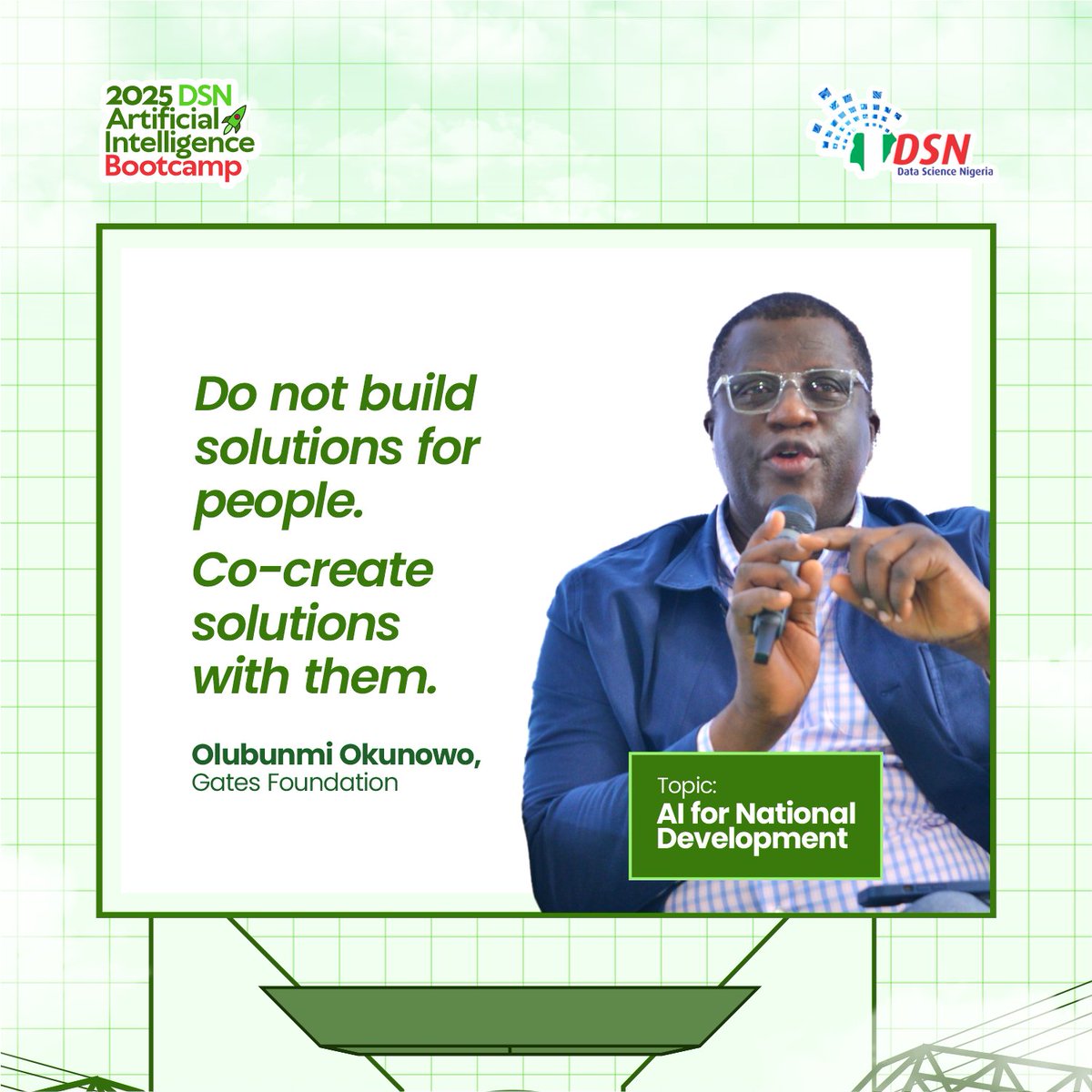
“Do not build solutions for people. Co-create solutions with them.” — Olubunmi Okunowo, Gates Foundation
At the #DSNAIBootcamp25, @bunmiokunowo delivered a message that went beyond product design. When you sit with the people you are building for — when you have real conversations with them — you gain something no dataset can give you. You gain context. And context is what determines whether a solution gets adopted or abandoned.
He reminded us: AI is no longer a frontier privilege reserved for researchers and tech companies. It is becoming a public infrastructure. And like all infrastructure, it must be built to serve everyone — not just those closest to the drawing board.
The most important measure of your solution’s success is not investor backing or benchmark scores. It is adoption — whether the people it was built for actually use it, trust it, and find it useful for the very purpose it was created.
At DSN, we hold this as a core belief. Every advancement in AI must be adapted to the specific needs and environmental context of the people it is meant to serve.
#DataScienceNigeria #DSNAIBootcamp25 #TechForAll #InclusiveAI #AfricaTech #AIForGood #BuildWithPeople
1
19
191

To make AI truly impactful across India, simple translation isn't enough. We need technology that natively understands the deep cultural roots and nuances of our diverse languages.
@ManishGuptaMG1 , Senior Director at @GoogleDeepMind , highlighted this perfectly at Mumbai Tech Week:
"𝘈𝘐 𝘮𝘶𝘴𝘵 𝘮𝘰𝘷𝘦 𝘣𝘦𝘺𝘰𝘯𝘥 𝘴𝘪𝘮𝘱𝘭𝘺 𝘵𝘳𝘢𝘯𝘴𝘭𝘢𝘵𝘪𝘯𝘨 𝘌𝘯𝘨𝘭𝘪𝘴𝘩-𝘨𝘦𝘯𝘦𝘳𝘢𝘵𝘦𝘥 𝘢𝘯𝘴𝘸𝘦𝘳𝘴. 𝘊𝘶𝘭𝘵𝘶𝘳𝘢𝘭𝘭𝘺 𝘳𝘰𝘰𝘵𝘦𝘥 𝘳𝘦𝘴𝘱𝘰𝘯𝘴𝘦𝘴, 𝘥𝘦𝘴𝘪𝘨𝘯𝘦𝘥 𝘧𝘰𝘳 𝘐𝘯𝘥𝘪𝘢'𝘴 𝘥𝘪𝘷𝘦𝘳𝘴𝘦 𝘷𝘰𝘪𝘤𝘦𝘴, 𝘢𝘳𝘦 𝘱𝘢𝘳𝘢𝘮𝘰𝘶𝘯𝘵 𝘧𝘰𝘳 𝘢𝘥𝘰𝘱𝘵𝘪𝘰𝘯 𝘢𝘯𝘥 𝘪𝘮𝘱𝘢𝘤𝘵."
This is the exact mission behind 𝐏𝐫𝐨𝐣𝐞𝐜𝐭 𝐕𝐚𝐚𝐧𝐢.
Reflecting on the core purpose of this journey, Prof. Prasanta Ghosh of IISc shared:
"𝘞𝘦 𝘴𝘵𝘢𝘳𝘵𝘦𝘥 𝘝𝘢𝘢𝘯𝘪 𝘣𝘦𝘤𝘢𝘶𝘴𝘦 𝘵𝘩𝘦 𝘲𝘶𝘦𝘴𝘵𝘪𝘰𝘯 𝘸𝘰𝘳𝘵𝘩 𝘢𝘴𝘬𝘪𝘯𝘨 𝘸𝘢𝘴𝘯'𝘵 '𝒉𝒐𝒘 𝒎𝒖𝒄𝒉 𝒔𝒑𝒆𝒆𝒄𝒉 𝒅𝒂𝒕𝒂 𝒄𝒂𝒏 𝒘𝒆 𝒄𝒐𝒍𝒍𝒆𝒄𝒕'; 𝘪𝘵 𝘸𝘢𝘴 '𝒅𝒊𝒔𝒄𝒐𝒗𝒆𝒓𝒊𝒏𝒈 𝒉𝒐𝒘, 𝒉𝒐𝒘 𝒎𝒖𝒄𝒉, 𝒂𝒏𝒅 𝒇𝒓𝒐𝒎 𝒘𝒉𝒊𝒄𝒉 𝒔𝒑𝒓𝒆𝒂𝒅 𝒐𝒇 𝒖𝒏𝒅𝒆𝒓𝒔𝒆𝒓𝒗𝒆𝒅 𝒑𝒐𝒑𝒖𝒍𝒂𝒕𝒊𝒐𝒏𝒔 𝒘𝒆 𝒎𝒖𝒔𝒕 𝒄𝒐𝒍𝒍𝒆𝒄𝒕 𝒅𝒂𝒕𝒂 𝒕𝒐 𝒃𝒓𝒊𝒏𝒈 𝒗𝒐𝒊𝒄𝒆 𝒕𝒆𝒄𝒉𝒏𝒐𝒍𝒐𝒈𝒚 𝒕𝒐 𝒕𝒉𝒐𝒔𝒆 𝒘𝒉𝒐 𝒏𝒆𝒆𝒅 𝒊𝒕 𝒎𝒐𝒔𝒕.' 𝘞𝘩𝘢𝘵 𝘤𝘰𝘮𝘦𝘴 𝘯𝘦𝘹𝘵 𝘪𝘴 𝘴𝘵𝘢𝘺𝘪𝘯𝘨 𝘸𝘪𝘵𝘩 𝘵𝘩𝘢𝘵 𝘲𝘶𝘦𝘴𝘵𝘪𝘰𝘯: 𝘥𝘦𝘦𝘱𝘦𝘳 𝘤𝘰𝘷𝘦𝘳𝘢𝘨𝘦 𝘰𝘧 𝘶𝘯𝘥𝘦𝘳𝘴𝘦𝘳𝘷𝘦𝘥 𝘭𝘢𝘯𝘨𝘶𝘢𝘨𝘦𝘴, 𝘳𝘪𝘤𝘩𝘦𝘳 𝘮𝘰𝘥𝘢𝘭𝘪𝘵𝘪𝘦𝘴, 𝘢𝘯𝘥 𝘤𝘭𝘰𝘴𝘦𝘳 𝘤𝘰𝘭𝘭𝘢𝘣𝘰𝘳𝘢𝘵𝘪𝘰𝘯 𝘸𝘪𝘵𝘩 𝘵𝘩𝘦 𝘣𝘶𝘪𝘭𝘥𝘦𝘳𝘴 𝘱𝘶𝘵𝘵𝘪𝘯𝘨 𝘝𝘢𝘢𝘯𝘪 𝘵𝘰 𝘸𝘰𝘳𝘬"
Built by @iiscbangalore , ARTPARK, and @Google . Open to everyone.
Watch the full interview here: youtube.com/watch?v=HhlL4M9t…
#ProjectVaani #IndiaFirstAI #GoogleDeepMind #TechForGood #InclusiveAI
3
165

May 29
Pope Leo XIV’s encyclical Magnifica Humanitas, released on May 25, reflects on the opportunities and challenges posed by artificial intelligence through the lens of human dignity, the common good, inclusion and responsibility.
In this video, we examine how several themes in the encyclical draw parallels with Prime Minister Narendra Modi’s remarks on AI at international forums and summits.
Watch: youtu.be/4LBS1S3zG8g
#PopeLeoXIV #MagnificaHumanitas #PMModi #ArtificialIntelligence #AI #AIEthics #HumanCentricAI #ResponsibleAI #EthicalAI #AIGovernance #HumanDignity #CommonGood #InclusiveAI #Technology #CNBCTV18Digital OC_SL
1
2,942
May 29
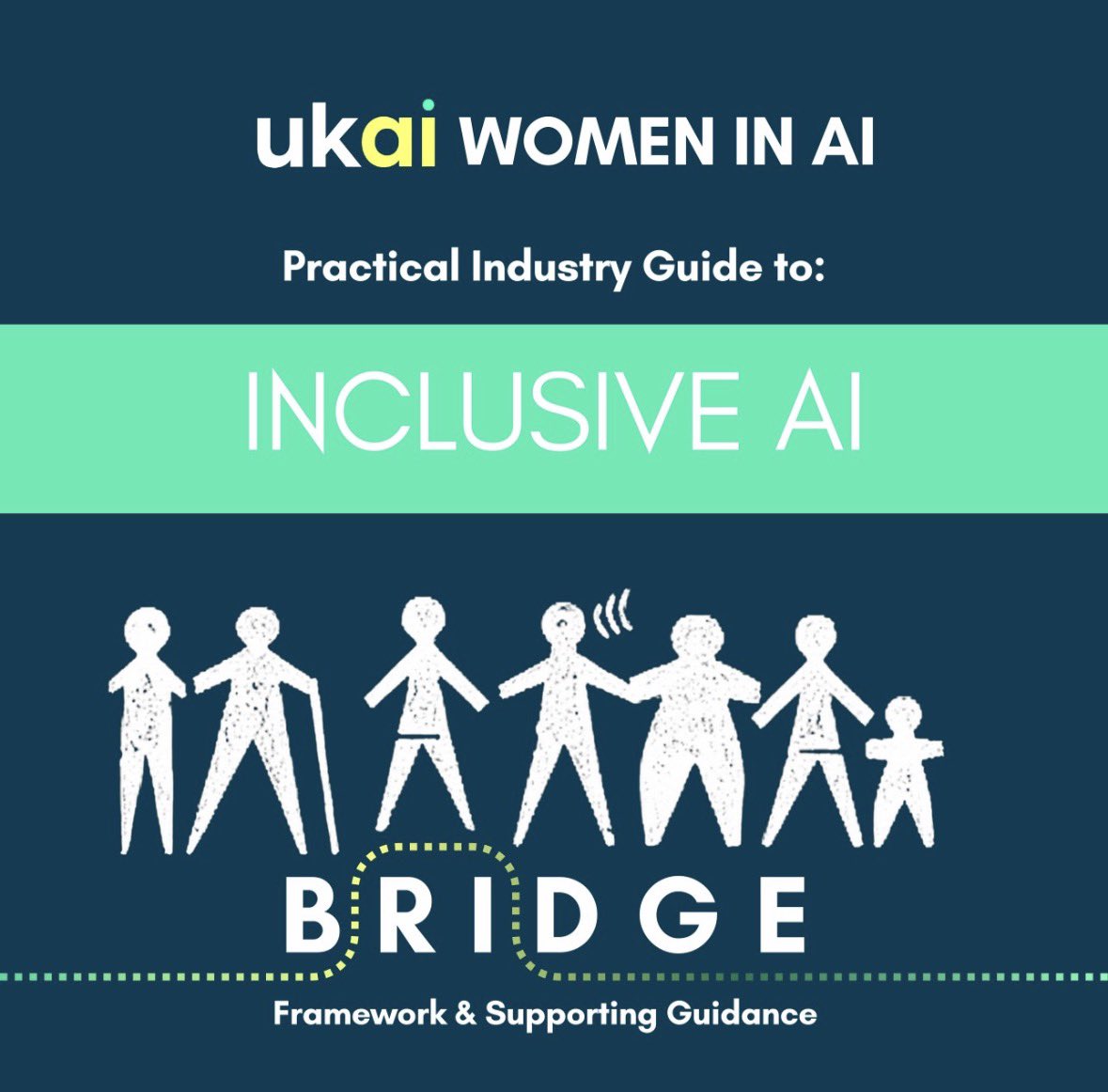
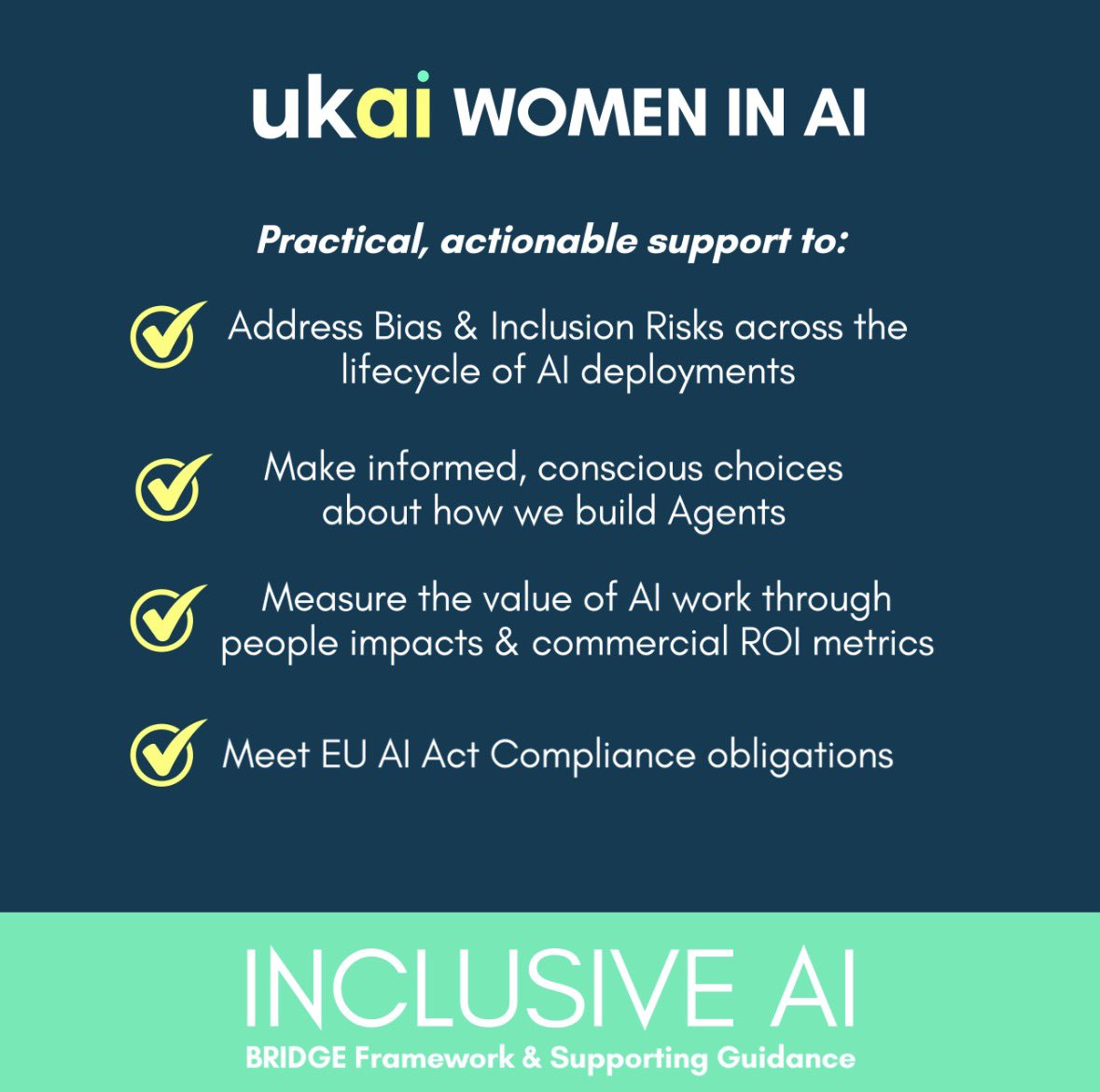
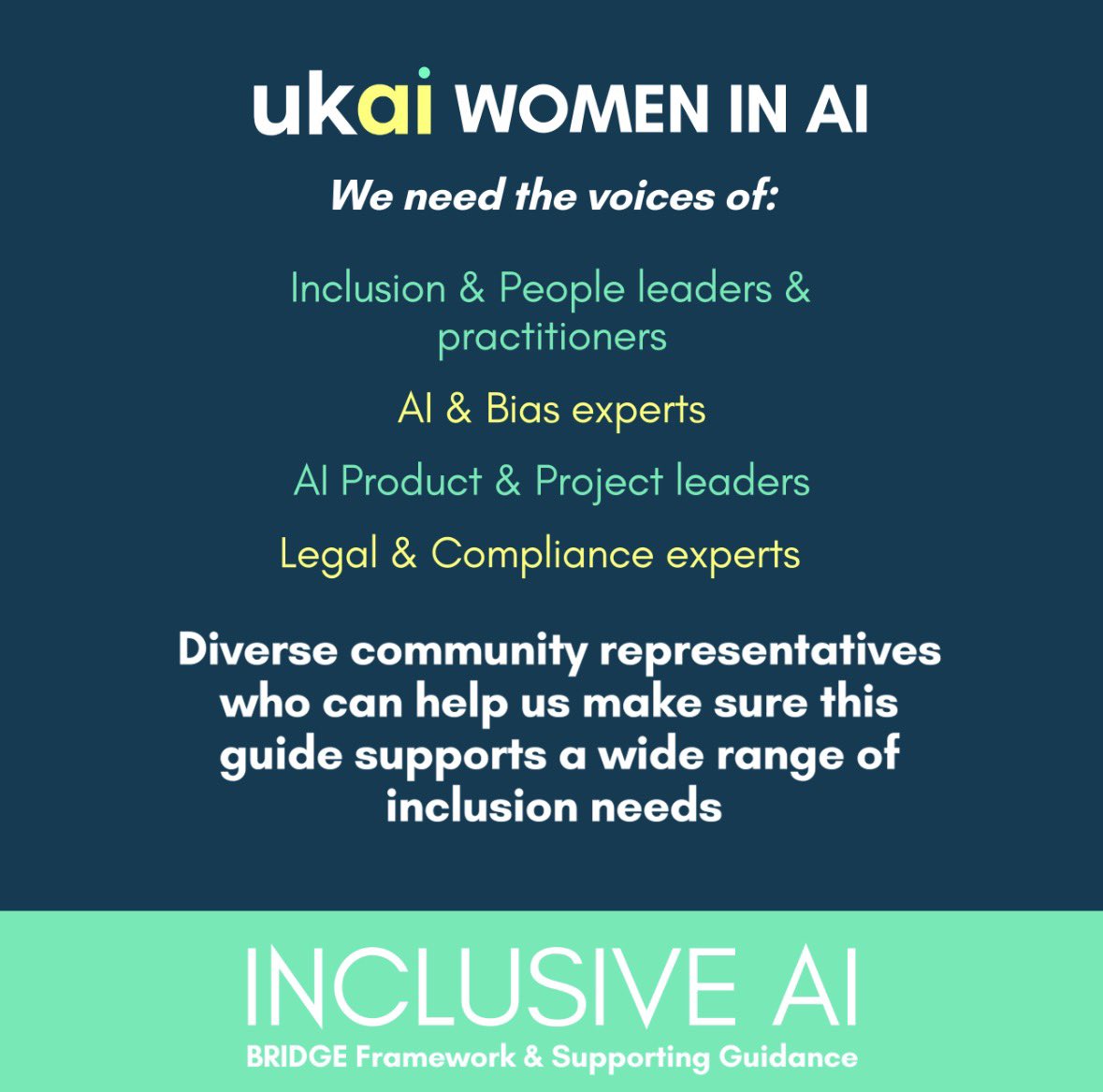
Today marks the kick-off of an exciting new project from the @UKAIofficial Women in AI Working Group: the development of a practical framework for the inclusive use of AI.🚀
We will be sharing more as the work develops. If you are working on the intersection of AI and inclusion and would like to be part of the conversation, we would love to hear from you.🙏
#ResponsibleAI #EthicalAI #EquitableAI #InclusiveAI #UKAI #WomeninAI
@ChamberVoice @SciTechgovuk @NCWGB @WomenDefiningAI @UKHouseofLords

1
2
110

May 29
Join the Inclusive Africa Conference 2026 under the theme:
"Accelerating Digital Accessibility and AI Solutions for Africa’s Future"
📍 Register now: inclusiveafrica.org
#InclusiveAfrica2026 #DigitalAccessibility #InclusiveAI #TechForGood #AfricaInnovation
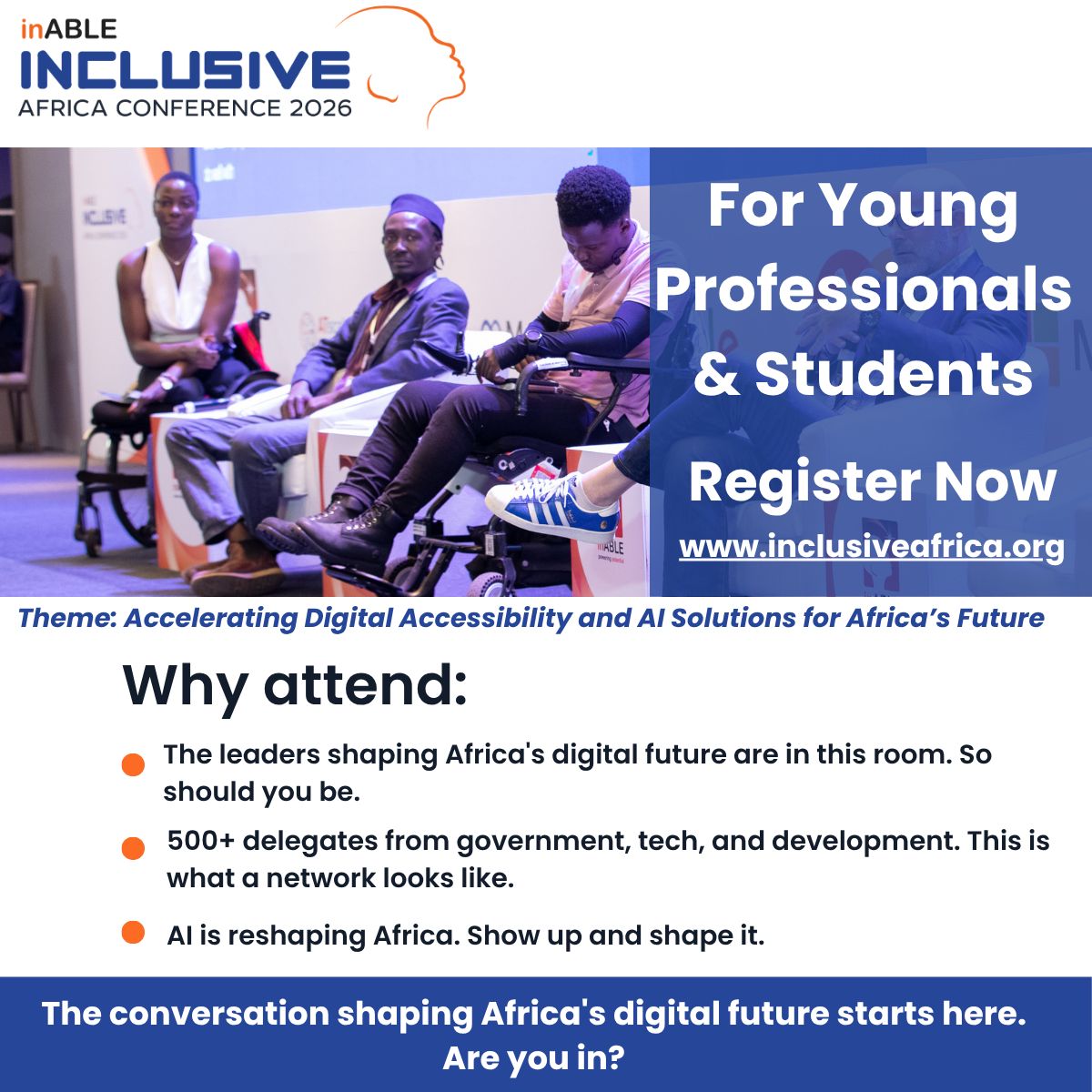
ALT Al Overview " The Inclusive Africa Conference 2026 brings together leaders and innovators to shape the future of digita accessibility and Al policy across the continent. m From setting harmonized ICT standards to engaging with ministers from over 20 countries, this is where the agenda for a truly inclusive Africa is being built. No one should be left behind in the digital age. #InclusiveAfrica2026 #DigitalAccessibility #AlforGood #TechForInclusion #AfricaRisino
3
7
144
May 27
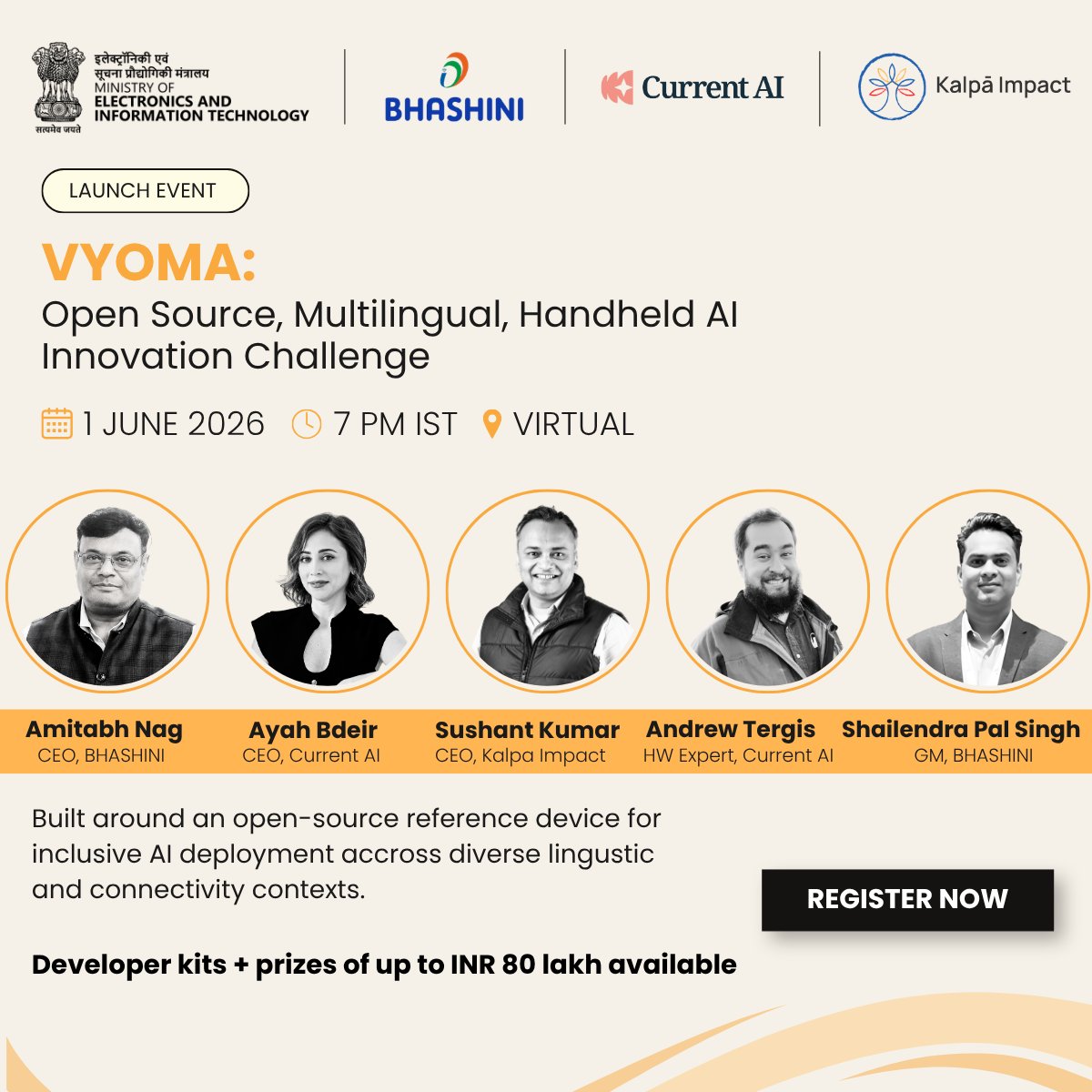
We invite researchers, founders, developers, hardware innovators, and public-interest technologists to join us for the virtual launch of the VYOMA Innovation Challenge on 1 June 2026.
Register for the launch event: luma.com/72pk5gbh
The session will introduce the challenge framework, participation details, and opportunities for innovators to build inclusive, multilingual AI systems for real-world deployment.
Organised by #BHASHINI in collaboration with Current AI, with Kalpa Impact as knowledge and implementation partner, VYOMA centres around “Suno Sutra” – an open-source, multilingual, privacy-preserving handheld AI device designed for offline and low-to-no-connectivity environments.
The challenge seeks AI solutions addressing accessibility, linguistic diversity, digital literacy, and low-to-no-connectivity constraints.
Developer kits and prizes of up to INR 80 lakh available through the challenge.
Explore the challenge: bhashini.gov.in/sahyogi/hack…
#VYOMAInnovationChallenge #BHASHINI #CurrentAI #InclusiveAI #AIForIndia #DigitalIndia #TechForGood #MultilingualAI #Innovation #Hackathon
@GoI_MeitY @narendramodi @AshwiniVaishnaw @JitinPrasada @SecretaryMEITY @abhish18 @amitabhnag @spalsi @_DigitalIndia @RajbhashaVibhag @HMOIndia @AmitShah @svembu @Zoho @iitbombay @iitmadras @IITKanpur @iitdelhi @bitspilaniindia @IIMAhmedabad @IIM_Calcutta @IIM_Bangalore @DelhiTechnical @IITGuwahati @IIM_I @KalpaImpact
3
5
160