
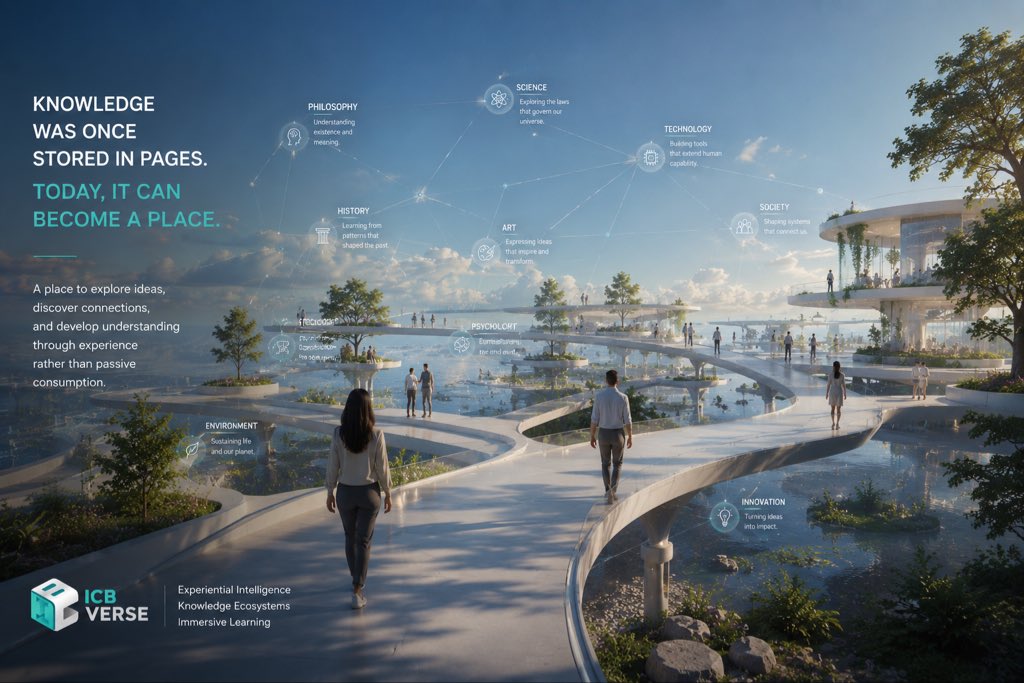
Information has never been more accessible. Yet understanding remains rare.
The next leap in education happens when knowledge stops behaving like content and starts behaving like an experience.
#ICBVerse #ExperientialIntelligence #ImmersiveLearning #AIEducation #KnowledgeSystems
1
3
14
44

The Database Category Nobody Is Building tinyurl.com/36er599y
#ai #artificialintelligence #database #knowledgesystems #knowledgemanagement #InformationArchitecture
1
6

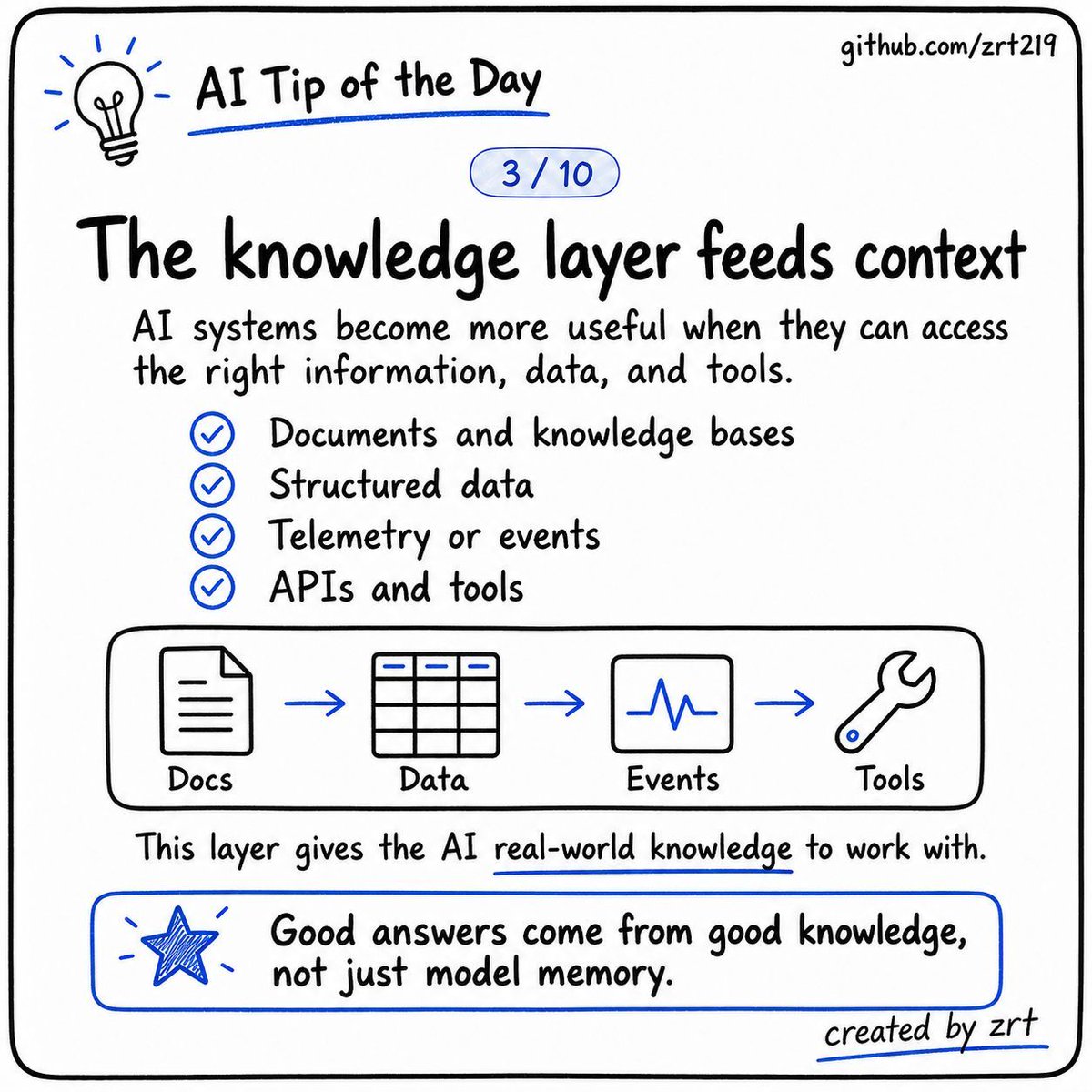
Good AI answers usually come from good context.
This is where AI systems become useful in real workflows.
Better context = better answers.
#RAG #AIEngineering #KnowledgeSystems #ArtificialIntelligence #ContextEngineering
1

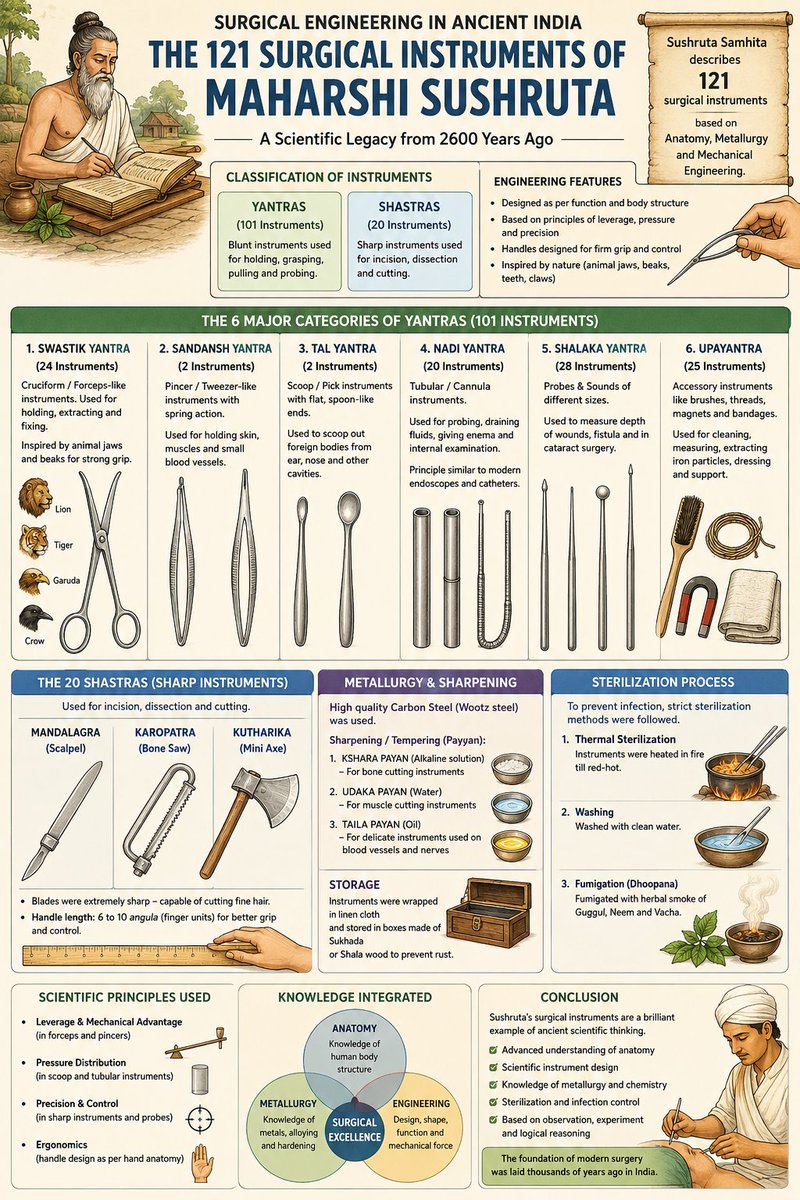
🔬🩺 Ancient Surgical Engineering: The 121 Instruments of Maharshi Sushruta
More than 2,600 years ago, the surgical text Sushruta Samhita described 121 specialized surgical instruments, categorized according to their mechanical function, anatomical application, and surgical purpose.
⚙️ Key Engineering Features:
✅ 101 Yantras (Blunt Instruments)
• Forceps-like grasping tools
• Tubular instruments for probing and drainage
• Probes for measuring wound depth
• Auxiliary tools including magnets, threads, and dressings
✅ 20 Shastras (Sharp Instruments)
• Scalpel-like cutting tools
• Bone-cutting saws
• Precision dissection instruments
🧠 Scientific Concepts Reflected:
🔹 Anatomy-based instrument design
🔹 Mechanical advantage and force transmission
🔹 Ergonomic handle construction
🔹 Material selection and metallurgy
🔹 Edge sharpening and maintenance techniques
🔹 Instrument sterilization using heat and medicinal fumigation
🔍 Notable Categories:
⚡ Swastika Yantras – Forceps-inspired gripping instruments
⚡ Sandansha Yantras – Tweezer-like precision tools
⚡ Nadi Yantras – Tubular diagnostic and therapeutic devices
⚡ Shalaka Yantras – Probes used in wound examination and eye procedures
🛠️ The text demonstrates an early understanding of:
• Surgical ergonomics
• Tool classification systems
• Instrument standardization
• Infection-control practices
• Metalworking and blade technology
The history of surgery is also a history of engineering, materials science, anatomy, and innovation.
#Sushruta #SushrutaSamhita #SurgicalEngineering #BiomedicalEngineering #MedicalHistory #HistoryOfScience #AncientScience #EngineeringHistory #Metallurgy #Anatomy #Surgery #Medicine #STEM #ScienceEducation #Innovation #MechanicalEngineering #Bioengineering #HealthcareInnovation #IndianScience #ScientificHeritage #HistoryOfMedicine #MedicalTechnology #ScienceCommunication #Research #Technology #STEMEducation #AncientEngineering #KnowledgeSystems #ScienceFacts #EngineeringDesign
@WHO @UNESCO @Nature @ScienceMagazine @TheLancet @NEJM @NIH @wellcometrust @IEEEorg @ASMEorg @BiomedCentral @SpringerNature @ElsevierConnect @NASA @ISRO @IndiaDST @DBTIndia @CSIR_IND @InfoGujcost
4
12
245

Jun 3
Who Gets to Define Yoga?
For more than a century, the global conversation on yoga has been shaped by institutions and scholars far removed from the civilizational context that produced it. As a result, one of humanity's oldest living knowledge systems is increasingly explained through frameworks that often overlook its own sources, methods, and practitioners.
In this presentation youtu.be/vOdj3-HORc0?si=-ES0…, Smt Nrithya Jagannathan challenges several assumptions that have become commonplace in modern yoga studies. The claim that postural yoga is largely a colonial-era invention, she argues, rests on a selective reading of history - one that privileges certain texts while ignoring temple iconography, vernacular traditions, oral lineages, and the lived practices that have sustained yoga across India for centuries.
This raises a larger question. Why are living traditions so often required to justify themselves to external frameworks, while those frameworks are rarely required to account for what they leave out?
The issue is not whether yoga evolved. All living traditions evolve. The issue is whether evolution is being mistaken for invention, and whether absence from a particular archive is being mistaken for absence from history itself.
Jagannathan's critique extends beyond academia. The modern wellness industry has transformed yoga into a global commodity - rebranding, fragmenting, and repackaging practices for consumption. In the process, meditation is separated from yoga, philosophy from practice, and methodology from technique. What remains is often a highly marketable product, but not necessarily the tradition itself.
The deeper challenge before us is intellectual. Can yoga be understood through its own categories of knowledge? Can concepts such as adhikāra, sādhanā, anushāsana, and dhyāna be treated as serious epistemic frameworks rather than cultural artifacts awaiting Western interpretation?
Civilizations do not survive merely through preservation. They survive when they retain the authority to explain themselves.
Perhaps the future of yoga depends not only on who practices it, but also on who gets to define it.
Register for a Master Class on an Introduction to the Yogasutras by Smt Nrithya Jagannathan, Aug 21-23, New Delhi: indica.events/event/master-c…
#Yoga #IndianKnowledgeSystems #DecolonizingKnowledge #YogaStudies #Krishnamacharya #Patanjali #IndicStudies #CivilizationalKnowledge #KnowledgeSystems #Dharma #YogaPhilosophy #ThoughtLeadership
7
9
1,556

Jun 2
Most people assume influence flows from institutions to the public.
Increasingly, the opposite may be true.
As AI visibility systems scale, ideas can move from anonymous minds to public authorities while their origins quietly disappear.
medium.com/@jk1849716/the-in…
#KnowledgeSystems
1
1
4
141

May 18
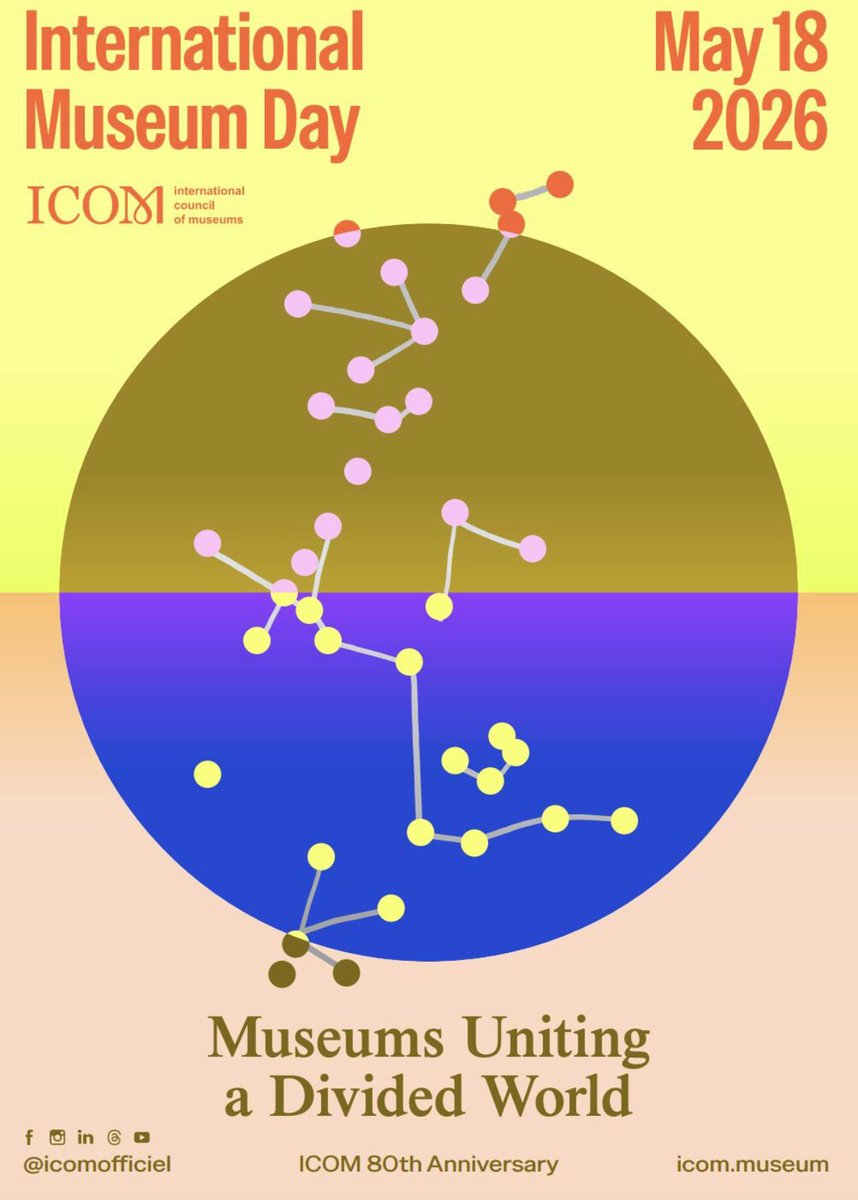
**International Museum Day**
In the current moment in time, museums are increasingly being asked to do more than ever before:
- heal social fragmentation,
- foster dialogue,
- address historical injustice,
- embrace digital transformation,
- remain financially resilient,
- support wellbeing,
- combat disinformation, and somehow still
- preserve, research, interpret, educate, and inspire.
ICOM’s 2026 theme — “Museums Uniting a Divided World” — feels especially significant at this moment. This is so because the world is not only politically divided; it is epistemically divided, economically divided, algorithmically divided, and increasingly fragmented in how truth, identity, and memory themselves are understood!
Perhaps this is precisely why museums matter now more than ever. Not because museums are neutral spaces but because they remain among the few institutions where complexity can still exist without immediately collapsing into outrage or ideological reduction. A museum, at its best, is one of the last places where societies can encounter ambiguity,
- where difficult histories can coexist;
- where silence has interpretive value;
- where objects resist simplification; and
- where memory is negotiated rather than merely consumed.
The future museum may therefore need to become something larger than a repository of collections. Perhaps in an age of endless reaction, the museum’s most radical act may simply be to preserve the possibility of thoughtful reflection!
#ICOM #InternationalMuseumDay #MuseumsUnitingADividedWorld #Museums #MuseumStudies #Museology #FutureOfMuseums #MuseumLeadership #MuseumInnovation #MuseumCommunity #CulturalHeritage #PublicCulture #CulturalPolicy #CreativeEconomy #CulturalInfrastructure #Archives #MemoryStudies #DigitalTransformation #KnowledgeSystems #ArtificialIntelligence #AI #CollectionsManagement #MuseumTech #CuratorialPractice #ExhibitionDesign #CulturalDiplomacy #Education #KnowledgeEconomy #Libraries #Research #MuseumsForEducation #CommunityEngagement #MuseumProfessionals
1
2
65
May 3
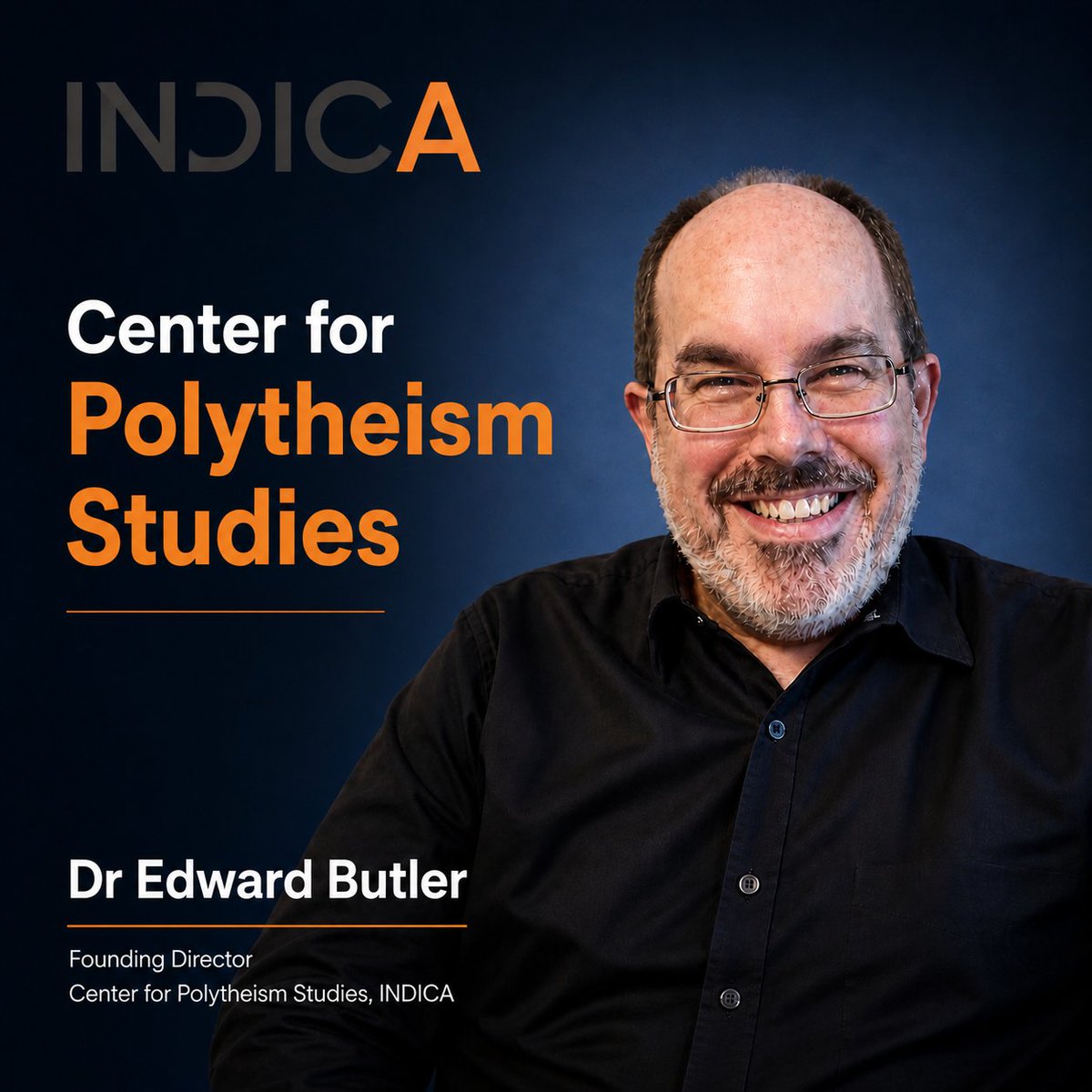
As we mark 11 years of INDICA, Dr Edward Butler who led INDICA’s Center for Polytheism Studies, takes a moment to reflect on a journey that has been both meaningful and pathbreaking.
Conceived as a space to engage deeply with Indigenous Knowledge Systems, the Centre worked to reframe polytheism as a living, intellectual, and civilisational framework—far beyond reductive or colonial interpretations.
Over its course, the Centre:
• Created a global platform for dialogue among scholars, practitioners, and indigenous voices
• Brought comparative perspectives across traditions, connecting Indic thought with other indigenous knowledge systems worldwide
• Enabled interdisciplinary research spanning philosophy, ecology, ritual practice, and cultural studies
• Hosted discussions, lectures, and publications that contributed to the growing discourse on knowledge plurality
• Helped foreground the urgency of preserving and transmitting living traditions in a rapidly homogenising world
While the Centre has formally concluded its work, the ideas it nurtured and the conversations it sparked will continue to resonate.
In many ways, this is not an end, but a transition—towards newer pathways for engaging with the richness and plurality of Indigenous traditions.
Read more:
indica.in/institutionalising…
#INDICA #IndigenousKnowledge #Polytheism #CivilisationalStudies #KnowledgeSystems #IKS
8
13
1,228

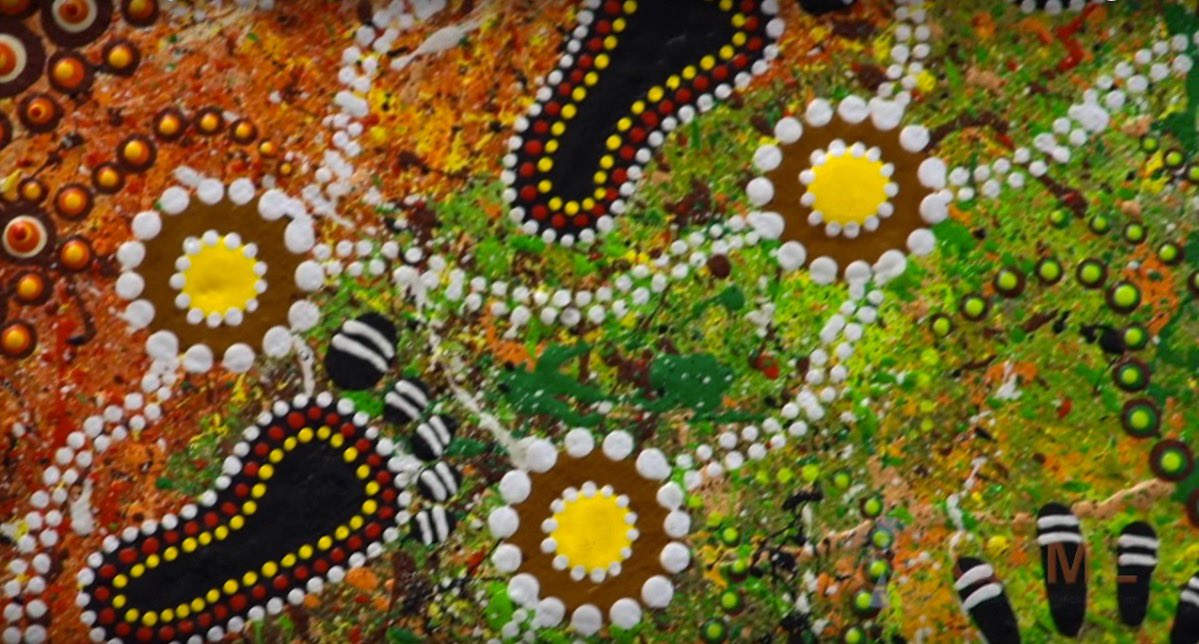
Vision: Relational knowledge systems that honour Country — from ancient songlines to digital futures like Terra Australis Incognita.
Collaborators welcome: Indigenous technologists, creators, @xai.
Let’s build responsibly. Respect Country. 🌏
#Songlines #IndigenousTech #DataSovereignty #TerraAustralisIncognita #KnowledgeSystems

4
33

Apr 29
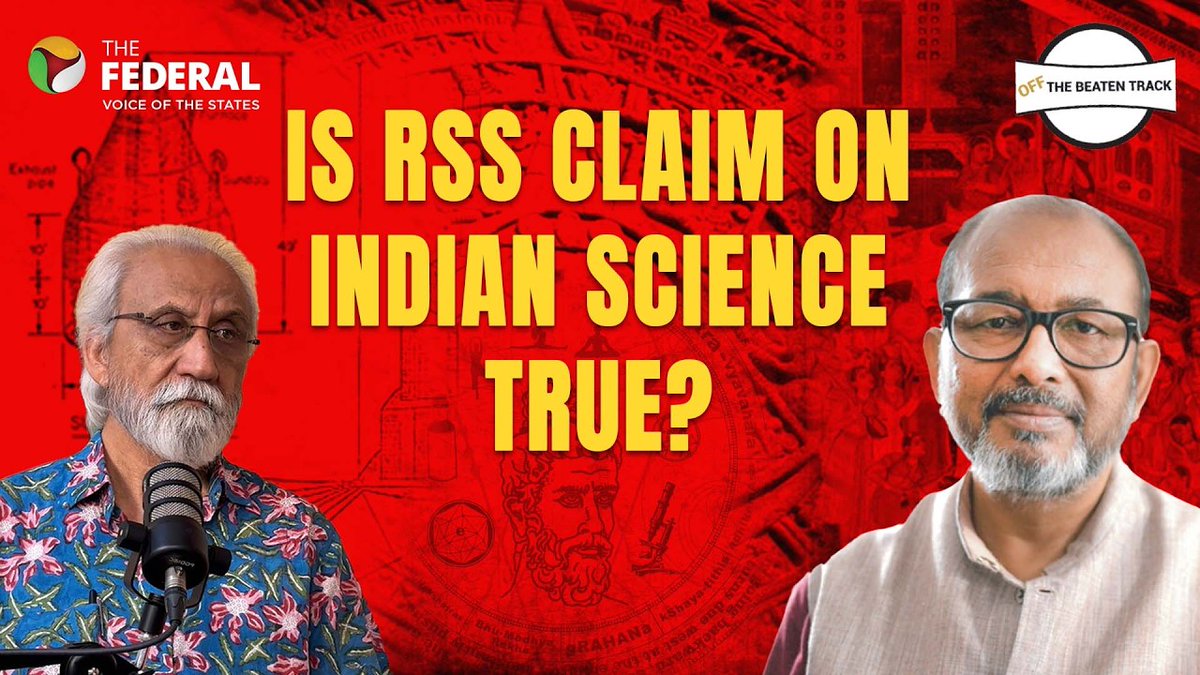
‘No civilization owns science': Irfan Habib on history, myths and rational thought
WATCH | youtube.com/watch?v=HzPhpAIJ…
For more such videos, subscribe: youtube.com/@TheFederal
@irfhabib @NilanjanUdwin
#IndianHistory #ScientificTemper #RationalThought #MythVsHistory #IndiaAcademia #Historiography #KnowledgeSystems
2
3
376

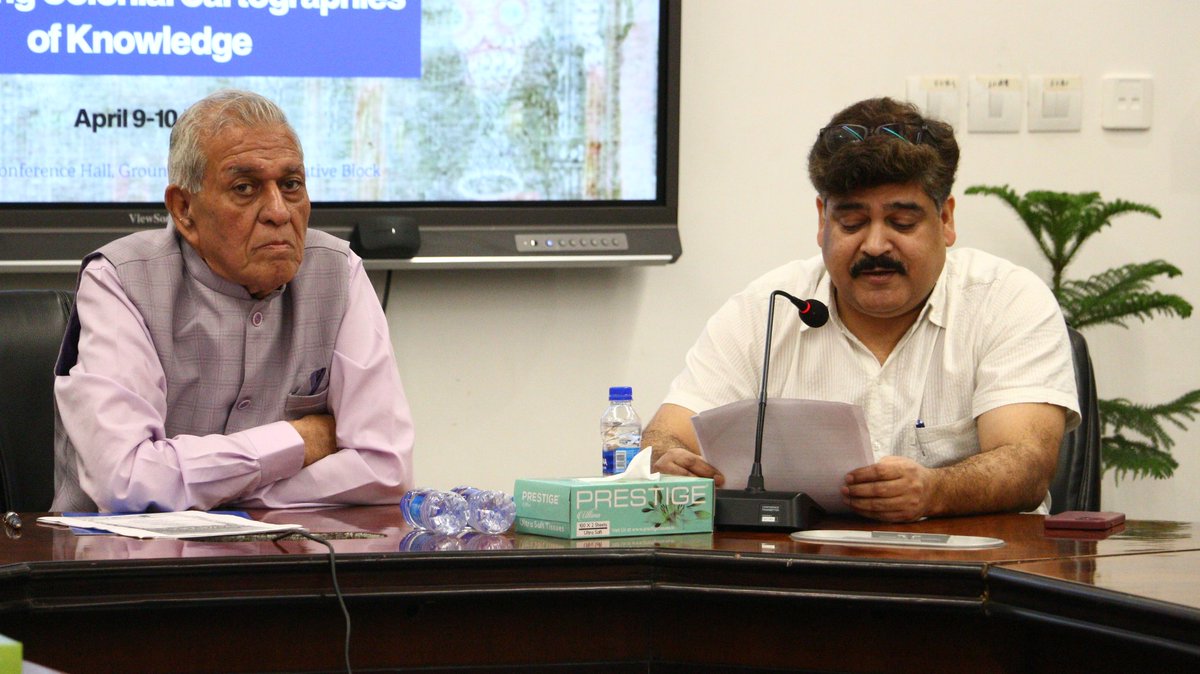
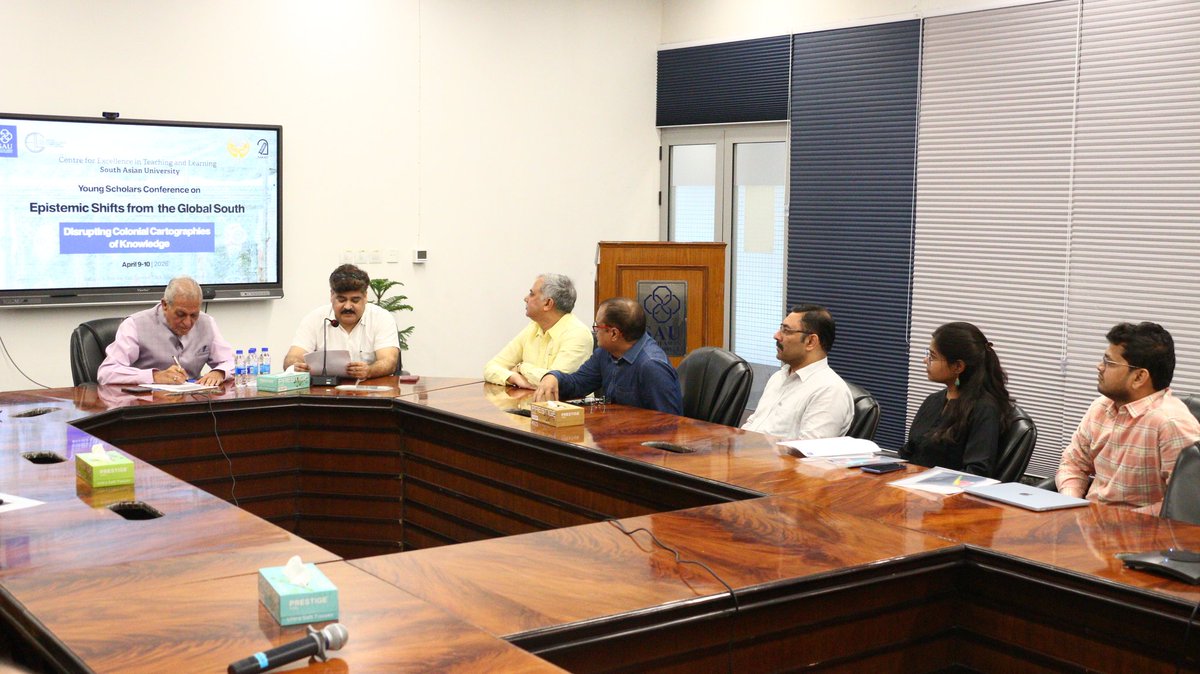
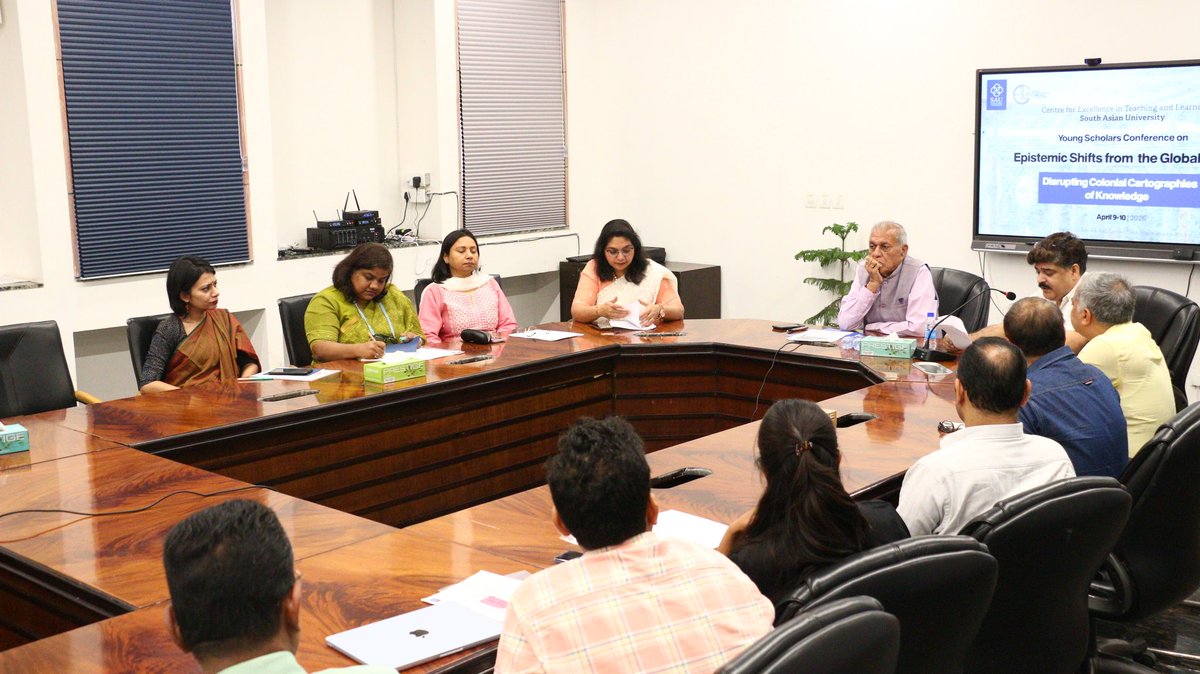
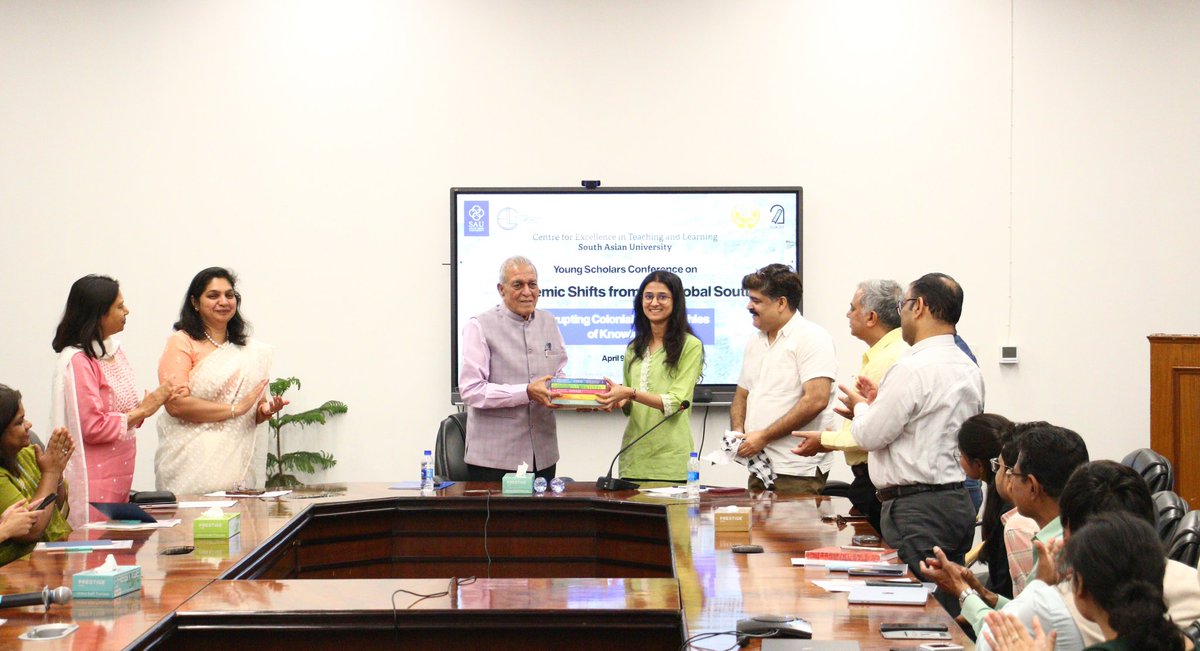
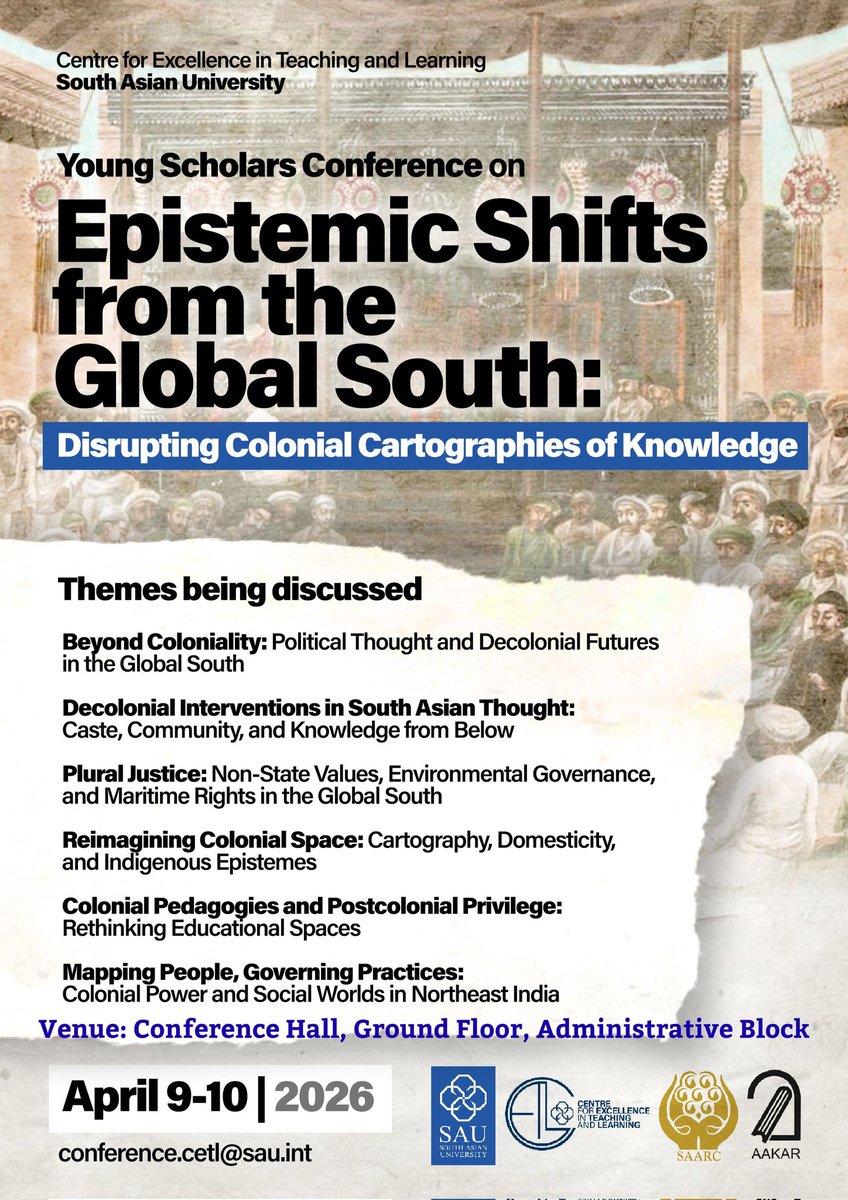
@Profkkaggarwal, Honourable President, South Asian University inaugurated the Conference on 'Epistemic Shifts from the Global South: Disrupting Colonial Cartographies of Knowledge' organised by the Centre for Excellence in Teaching and Learning, South Asian University. Prof. K.K. Aggarwal delivered the inaugural address on 'Relevance of South Asian Knowledge Systems in Contemporary South Asia'. Dr. Ravi Kumar, Director, CETL, introduced the theme of the Conference. Among participants were Prof. Kapil Sharma, Proctor, SAU, Prof. Pooran Chandra Pandey, Director, Centre for Climate Change, Prof. Ritu Gupta, Dean, Faculty of Law, Prof. Ritu Gaur, Dean, Faculty of Life Sciences and Biotechnology, Prof. Manish Jindal, Dr. Nafees Ahmad, Faculty of Law and Dr. Ishita Dey and Dr. Ratan Roy, Department of Sociology.
While introducing the conference Dr. Ravi Kumar emphasised on the need to go beyond binaries of knowledge created along nations and also emphasised for the need to have dialogue between the local and national knowledges from the South and the North. Prof. K.K. Aggarwal emphasised the necessity to learn from our past and also learn from the knowledges produced in contemporary times. He reflected on the role of memory in light of the invention of the printing press and its implications for knowledge production.
#SouthAsianUniversity #GlobalSouth #KnowledgeSystems #DecolonisingKnowledge #AcademicConference #HigherEducation #SocialSciences #EpistemicShifts
3
219
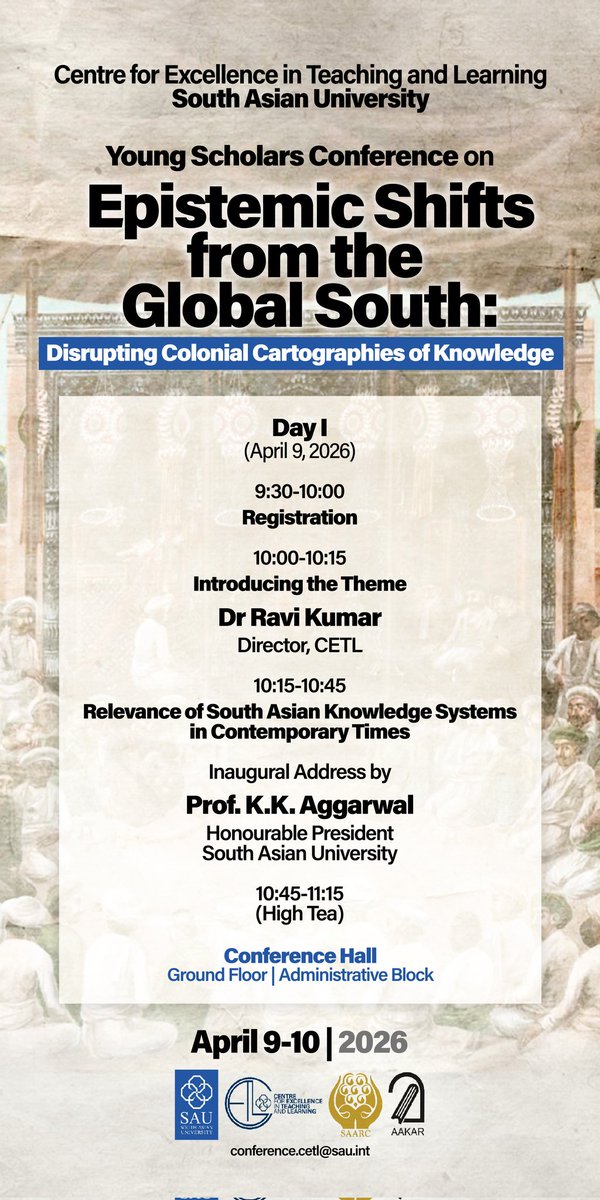
The South Asian University, through its Centre for Excellence in Teaching and Learning (CETL), is pleased to host the Young Scholars Conference on “Epistemic Shifts from the Global South: Disrupting Colonial Cartographies of Knowledge” on April 9–10, 2026. The inaugural address on ‘Relevance of South Asian Knowledge Systems in Contemporary Times’ will be delivered by Hon’ble SAU President, Prof. K.K. Aggarwal.
The inaugural session will feature an introduction to the conference theme by Dr Ravi Kumar, Director, CETL. Bringing together emerging scholars, the conference aims to foster critical engagement with decolonial thought, South Asian knowledge systems, and contemporary global challenges.
#SouthAsianUniversity #EpistemicShifts #GlobalSouth #DecolonialStudies #KnowledgeSystems #DecolonizingKnowledge #YoungScholars #AcademicConference
4
276

AI is no longer scarce.
Attention, memory, and coherence are.
#AI #ArtificialIntelligence #AIArchitecture #KnowledgeSystems
We need Personal AI Operating Systems — systems that turn AI from a tool into cognitive infrastructure.
New article ↓
3
2
102

Mar 11
Complex systems require memory.
The Archivist transforms activity across the ecosystem into structured knowledge and long-term institutional records.
#AIArchitecture #KnowledgeSystems #ArtificialIntelligence #AISystems #RelicHorizon
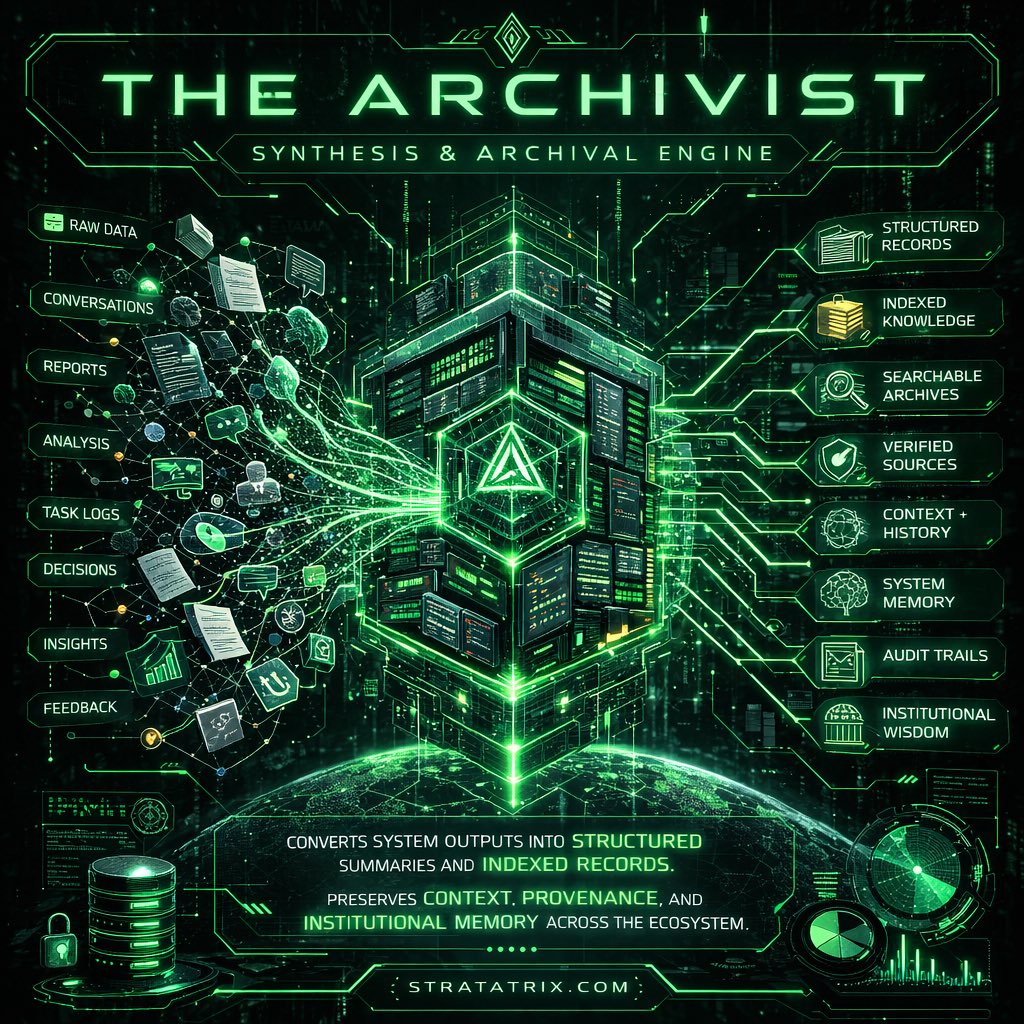
ALT Futuristic neon-green informational diagram titled “The Archivist – Synthesis & Archival Engine.” A central glowing data cube above a digital globe processes incoming information such as conversations, reports, analysis, and task logs into organised outputs including structured records, indexed knowledge, searchable archives, and institutional memory within the Stratatrix system.
2
31

Mar 4
Day 56 - OpenClaw & LinkScopic
We just activated hourly memory.
Every OpenClaw session.
Every agent conversation.
Automatically backed up.
Incrementally synced.
Indexed for semantic search.
Execution is powerful.
But persistent, queryable memory?
That’s when systems start compounding.
- 350M mapped products.
- Cross-retail pricing intelligence.
- ASIN normalization at scale.
Now a structured knowledge layer on top.
This is how you turn agents into infrastructure.
#AgenticAI #DataInfrastructure #Automation #RetailTech #KnowledgeSystems #OpenClaw #LinkScopic

3
1
7
614

8 Dec 2025
ANALYSIS
Time to bid adieu to the Macaulay mindset and restore cultural confidence
Writer: Geeta Bhatt
Click- dailypioneer.com/2025/column…
#MacaulayMindset #RamTemple #CivilisationalRoots #BharatiyaKnowledge #IndianEducation #NEP2020 #DecolonisingEducation #CulturalRevival #BharatiyaSanskriti #EducationReform #HeritageAndHistory #IndicCivilisation #IndianLanguages #ColonialLegacy #BharatNarrative #KnowledgeSystems #IndianRenaissance #NationalIdentity #CivilisationalConfidence #ReclaimingHeritage
3
78

7 Nov 2025
Knowledge used to be vertical experts spoke, others listened.
Now it’s horizontal data speaks to data.
@Assemble_io operationalizes that shift, transforming journalism into a feedback system where every input teaches the whole.
It’s not news it’s evolution.
#KnowledgeSystems #AIEvolution #AssembleAI #NS3AI

7 Nov 2025

Information wants to be integrated, not centralized.
@Assemble_io embodies a federated intelligence millions of micro-insights forming an emergent global mind that learns in public. Assemble AI envisions a journalism network that reasons like a collective, not a hierarchy.
Decentralized cognition: that’s the real media revolution.
#CollectiveIntelligence #Web3Media #AssembleAI #NS3AI

41
83
112
1,090

10 Oct 2025
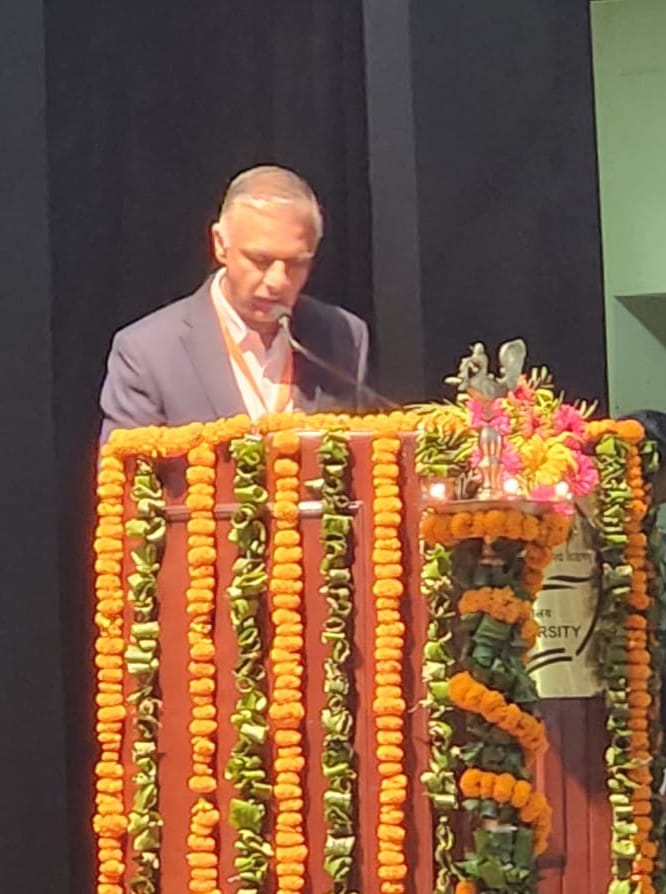
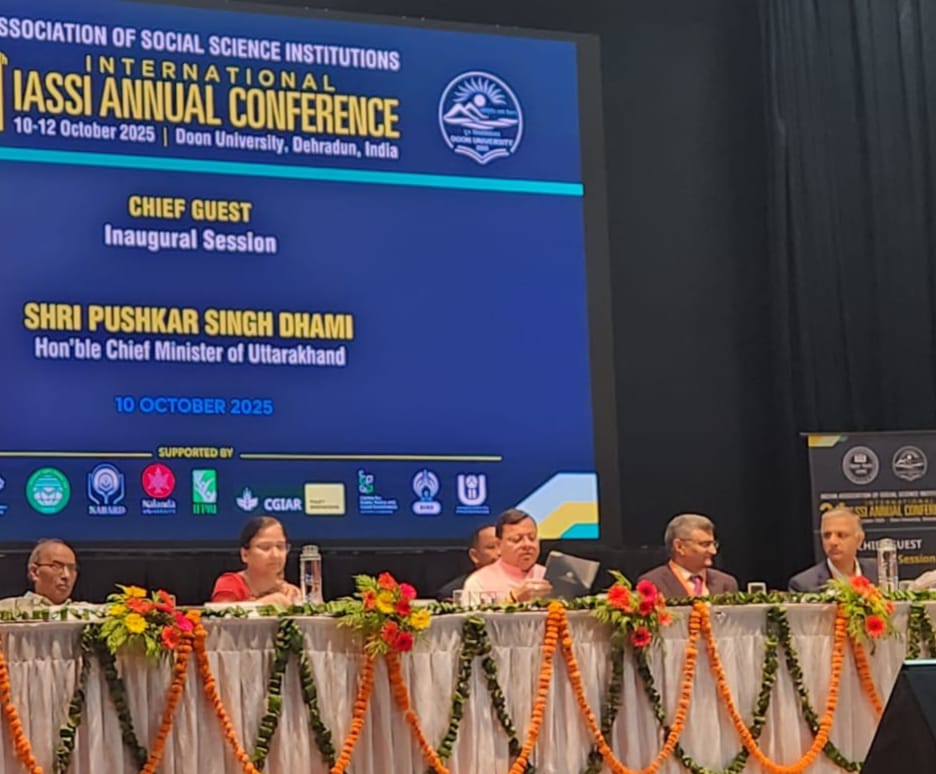
Professor @Sachin_Chat, Vice-Chancellor, Nalanda University, and Chairperson, Indian Association of Social Science Institutions (IASSI) delivered a Special Address at the 24th International IASSI Conference at @university_doon, Dehradun, today.
He emphasized the need to integrate social, philosophical, economic, and natural sciences, and to advance India’s knowledge systems with a focus on Access, Equity, and gender Inclusion.
#NalandaUniversity #IASSI2025 #HigherEducation #KnowledgeSystems
@PMOIndia @MEAIndia @PmargheritaBJP @pushkardhami @mygovindia @PIB_India @PTI_News @APanagariya @PIBDehradun
4
9
519

22 Sep 2025
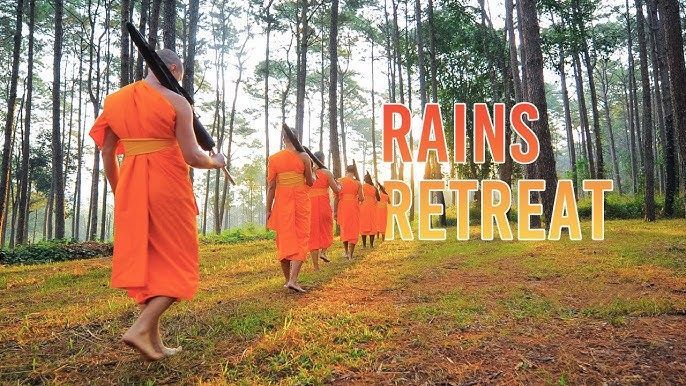
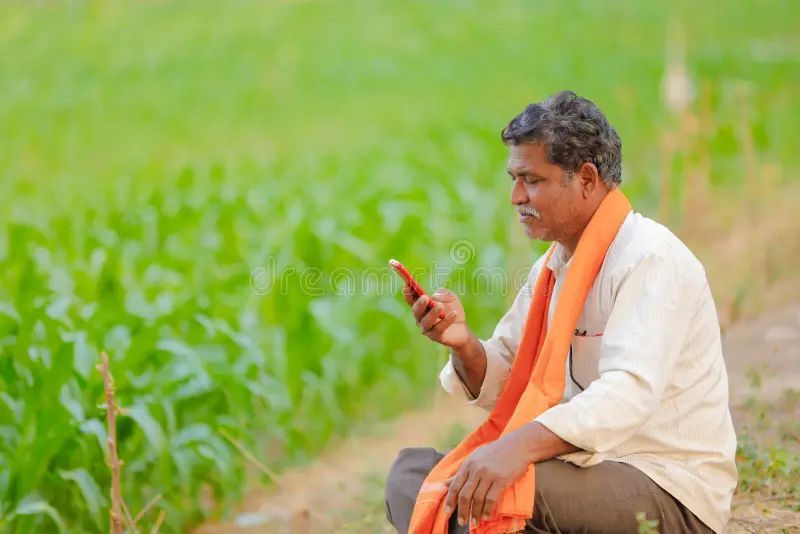
AI-based monsoon forecasting reflects pratyakṣa (perception) & anumāna (inference), echoing Indic epistemology. Around this time, Buddhists observe Pavāraṇā, closing the rains retreat with reflection.
#IndicPhilosophy #KnowledgeSystems #AI #BuddhistWisdom
2
40

22 Aug 2025
💥New: What Ifá, an Indigenous binary knowledge system, can teach us about AI
✍️ @UyiosaOM
#AI #IndigenousKnowledge #DecolonialAI #TechEthics #AIandSociety #Innovation #KnowledgeSystems ow.ly/zNnA50WKceG
1
5
657