
#Machinelearning doesn’t replace #engineering judgment. It depends on it.
This #PDF walks through the fundamentals of applying #ML in #upstreamworkflows, from #data preparation to #modelevaluation and explainability.
Key takeaways:
- Most of the work is in the data, not the model
- #Modelaccuracy without explainability has limited value
- #Geology and #completions interactions require careful interpretation
- Small mistakes in setup can invalidate results
This is a practical look at how ML is actually used in oil and gas.
2
89

21 Aug 2025
Improving ADME Property Predictions by Integrating Public and Proprietary Data
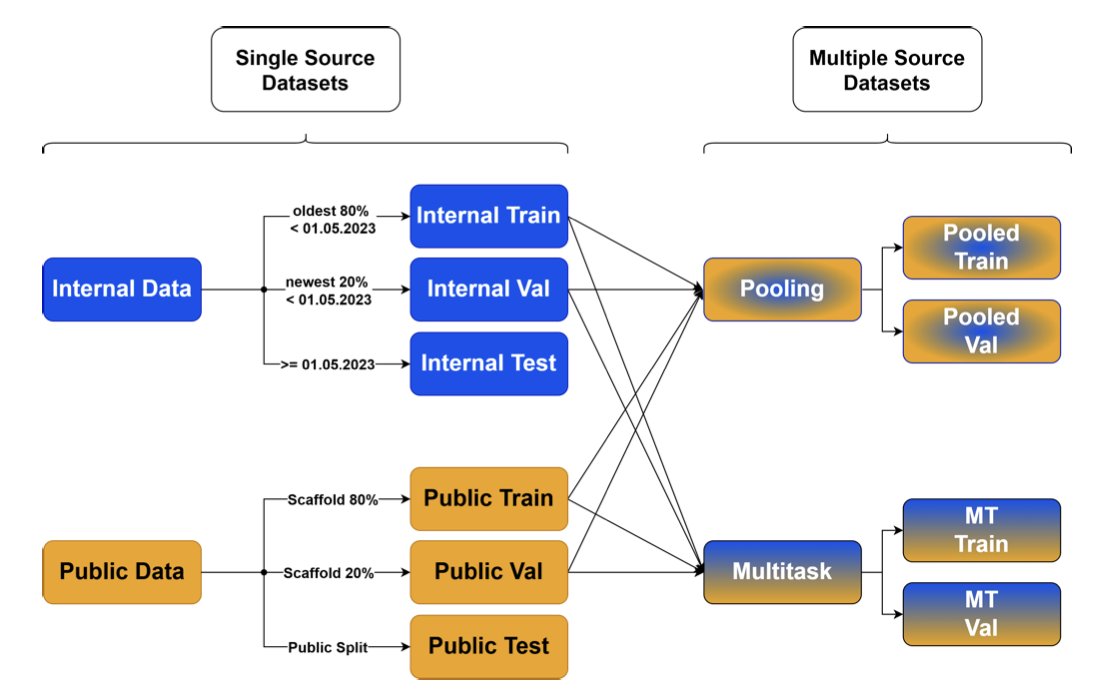
1. This study explores enhancing ADME (Absorption, Distribution, Metabolism, Excretion) property predictions by integrating high-quality public datasets with proprietary data, demonstrating significant improvements in model accuracy and generalization.
2. The research leverages extensive internal datasets from Merck and publicly available data from sources like the Biogen report. It compares single-source models, pooled single-task models, and multi-task learning models across six pharmacokinetic endpoints.
3. Key findings show that models trained on combined datasets, especially multi-task models, outperform single-source models on both internal and public test sets, with notable gains in prediction accuracy and reliability.
4. The study highlights the importance of data quality and diversity. It demonstrates that curated integration of public and proprietary data can expand the applicability domain of in silico ADME models and improve prediction confidence.
5. The authors provide full access to the public data, processing scripts, and training details to support transparency and reproducibility, emphasizing the potential for multi-task learning to enhance computational compound design in drug discovery.
6. The research underscores the need for careful curation and balancing of mixed datasets to maximize generalization and reliability. It suggests that future work should focus on standardized, high-quality data releases to further enable generalizable ADME predictors.
📜Paper: doi.org/10.26434/chemrxiv-20…
#ADME #DrugDiscovery #MachineLearning #MultiTaskLearning #PublicData #ProprietaryData #ModelAccuracy #ComputationalChemistry
3
4
1,144

20 Jul 2025
Statistician George E.P. Box said it best: “All models are wrong, but some are useful.”
Right now, it feels like either the BLS or QCEW model—or both—are more wrong than useful.
Time to revisit the methodology. The public deserves transparency and context, not a single headline number treated as gospel.
#JobsReport #BLS #QCEW #DataMatters #EconTwitter #StatsNotSpin #ModelAccuracy
1
3
459

10 Apr 2025
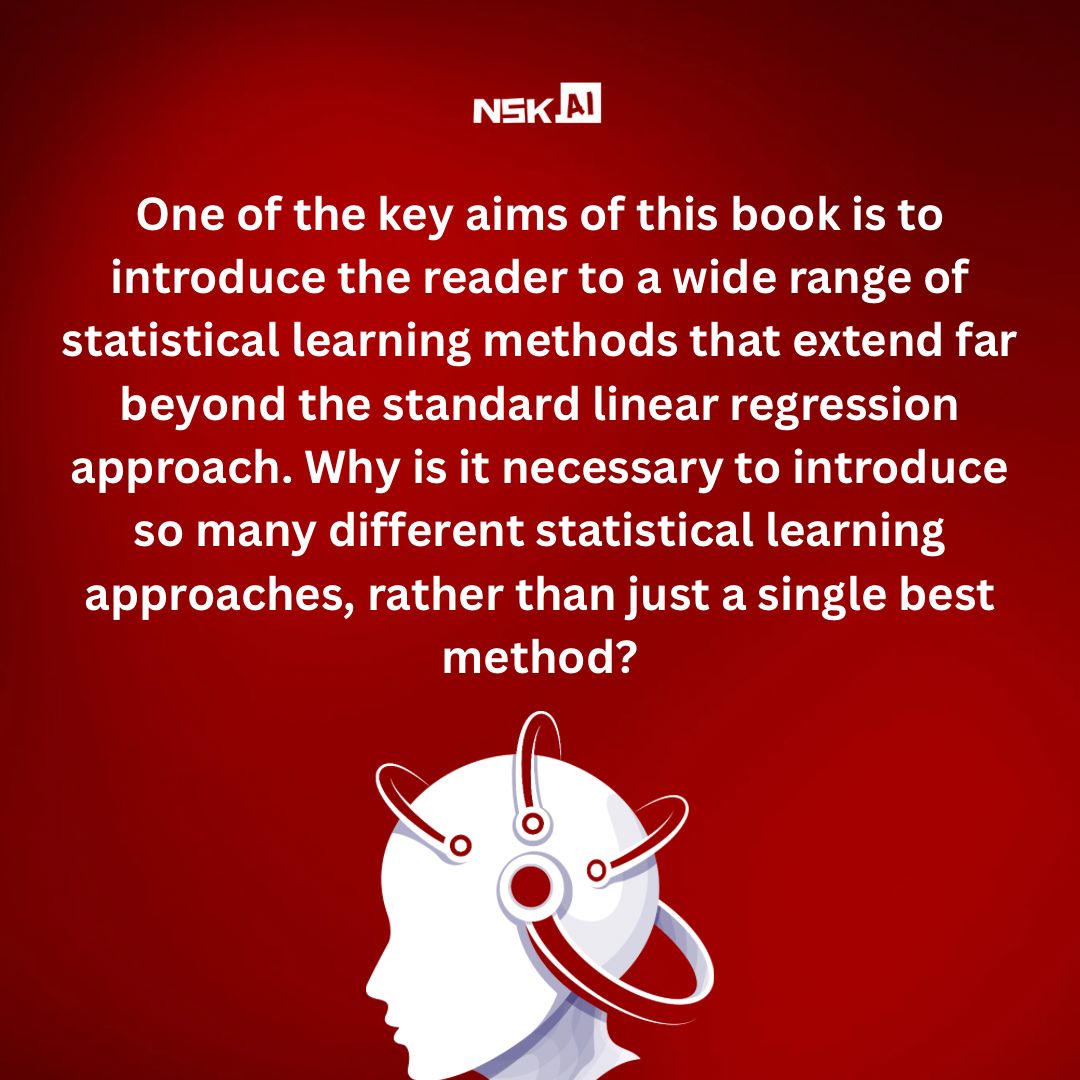
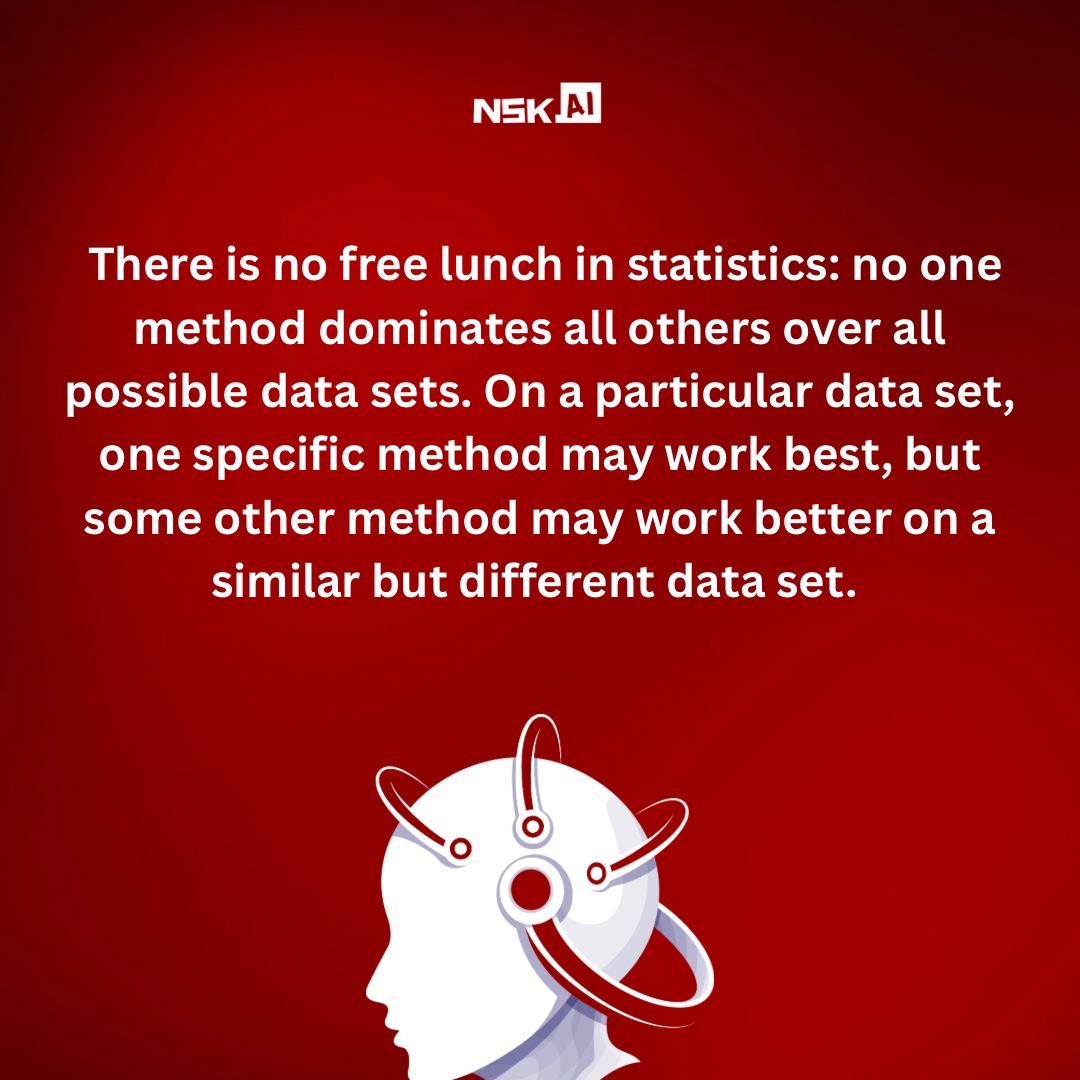
How accurate is your model really?
Statistical learning methods reveal what’s under the hood—beyond surface-level metrics.
Access clarity, not just numbers. Tap in for smarter evaluation with NSKAI!
#ModelAccuracy #AIresearch #MachineLearning #nskai #nskaicommunity
1
4
9
84

26 Nov 2024
H2O. ai improves #AIagent accuracy with predictive models
ow.ly/jskT50UeBN7
#AI #PredictiveModels #MachineLearning #DataScience #ArtificialIntelligence #H2Oai #ModelAccuracy #TechInnovation #AIResearch

1
6
211
4 Nov 2024
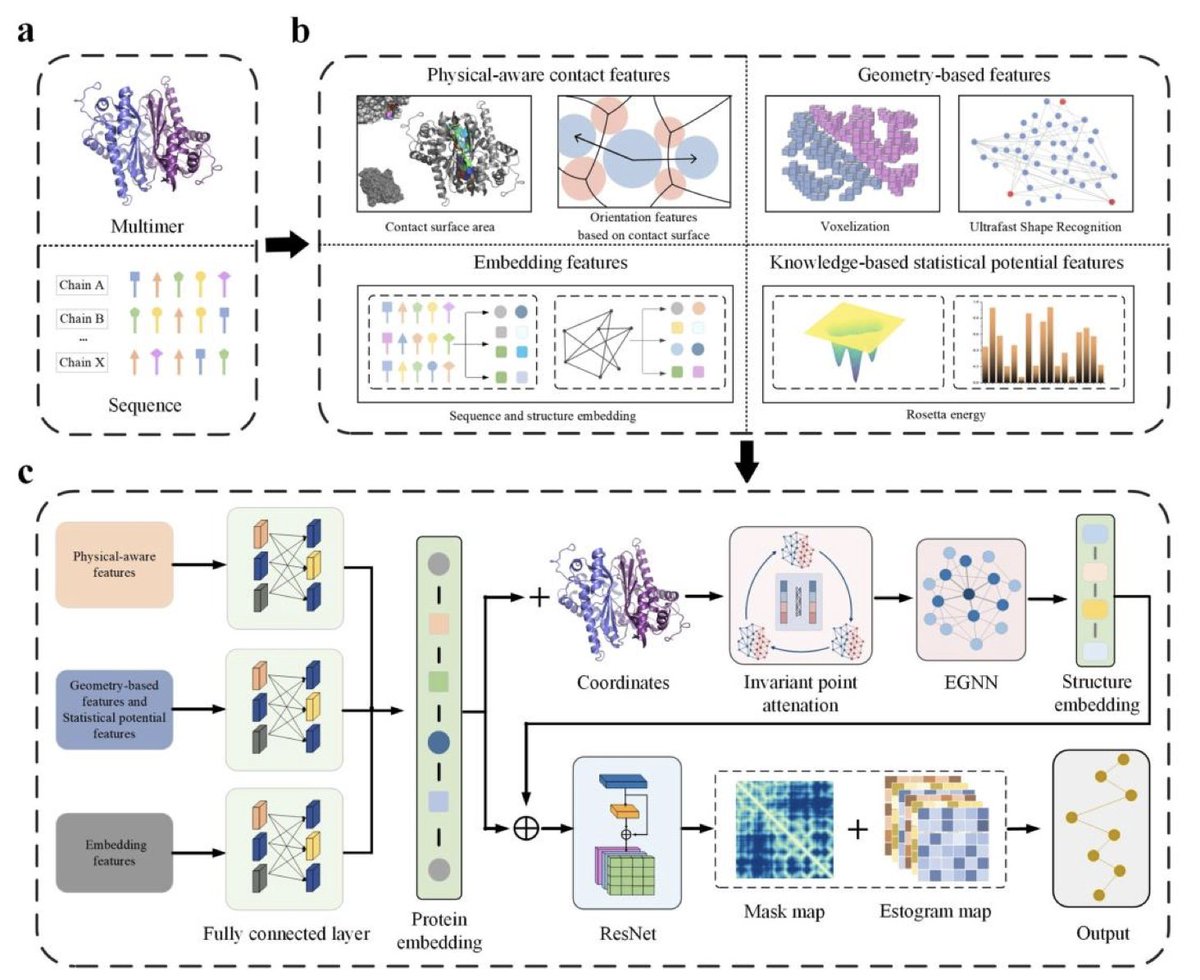
Physical-aware model accuracy estimation for protein complex using deep learning method
1. This study introduces DeepUMQA-PA, a deep learning model designed to estimate the accuracy of protein complex structures by integrating physical-aware features like contact surface area and orientation, enhancing model precision for multimeric proteins.
2. Using Voronoi tessellation, DeepUMQA-PA calculates detailed contact features, capturing critical interactions between residues and solvents, which is especially useful for complexes with weak evolutionary signals like nanobody-antigen pairs.
3. The model leverages equivalent graph neural networks (EGNN) and ResNet layers with attention mechanisms, allowing it to outperform previous models like DeepUMQA3 in residue-wise prediction accuracy, with significant improvements of 16.8% in Pearson and 15.5% in Spearman correlations on specific nanobody-antigen datasets.
4. DeepUMQA-PA surpasses AlphaFold-Multimer and AlphaFold3 on 43% and 50% of tested targets, respectively, particularly excelling in regions where these models show high uncertainty, thus complementing traditional methods in protein structure accuracy assessment.
5. Ablation studies confirm the essential role of physical-aware features, showing a marked decline in accuracy when contact area and orientation features are removed, highlighting their contribution to capturing protein-protein interaction dynamics.
6. This approach represents a major step in protein structure validation, and the authors anticipate that expanding DeepUMQA-PA to DNA/RNA-protein complexes and small molecule interactions will unlock further applications in structural biology.
📜Paper: biorxiv.org/content/10.1101/…
#ProteinComplex #DeepLearning #ModelAccuracy #Bioinformatics #GraphNeuralNetworks
5
28
2,627

31 Aug 2024
Can TensorFlow Lite accurately judge how many questionable dance moves I'll bust out at the club?
Source: devhubby.com/thread/how-test…
#AIModels #ModelAccuracy #Programming #MachineLearning
3
20

21 Aug 2024
Akridata's Data Explorer takes accuracy analysis to the next level, offering an interactive platform that connects accuracy metrics directly to your data.
akridata.ai/blog/modern-mode…
#modelaccuracy #AI #computervision #confusionmatrix
2
2
51
31 Jul 2024
Using Akridata's interactive model diagnosis, users root cause issues 2x faster thus accelerating model production.
Ready to experience the power of Akridata Data Explorer?
akridata.ai/model-diagnosis/
#modeldiagnosis #modelaccuracy #visualdata
2
2
50

How confident are you in the accuracy of your AI models?
#AI #MachineLearning #DataScience #TechPoll #AIConfidence #ModelAccuracy
67%
Very confident
33%
Somewhat confident
0%
Not confident enough
3 votes • Final results
2
26

This week in Heartbeat: Simple tweaks to your data can significantly enhance #ModelAccuracy and robustness. From flipping to scaling, discover different techniques to take your #ML projects to the next level.
Learn more in Daniel Onugha's article: comet.com/site/blog/image-au…
1
149

6 Jan 2024
😌 Checking these measures of central tendency can reassure you that your split isn't skewing your model's view of the world. #ModelAccuracy #DataScienceTips
1
10


26 Oct 2023
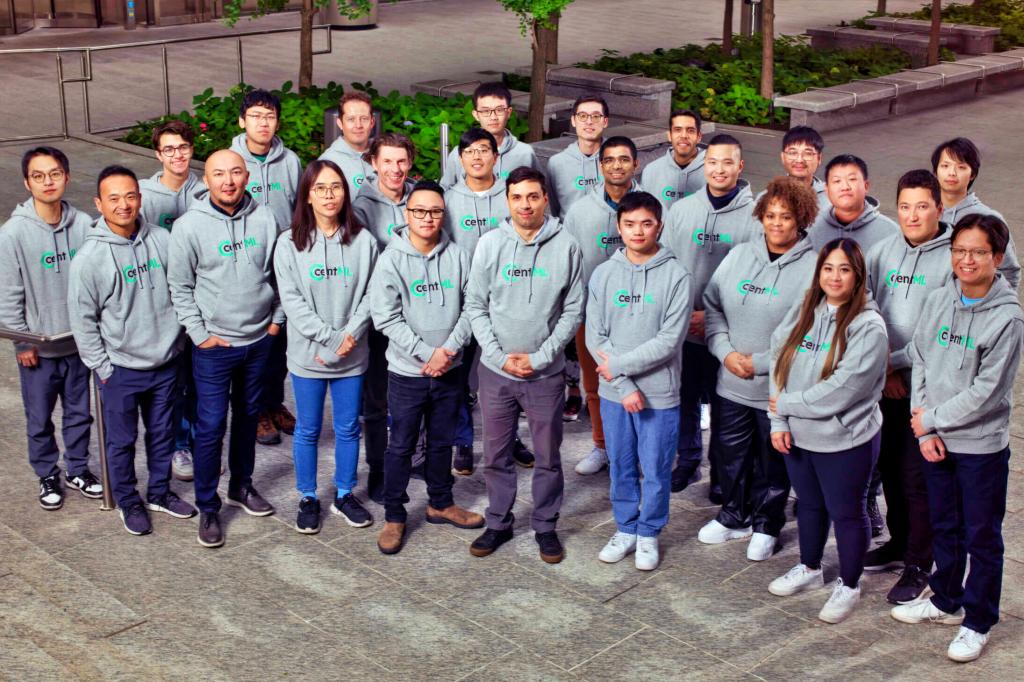
Optimizing AI: CentML Secures $27M Investment to Enhance Model Efficiency
#AI #AIchipsupply #AIstartup #artificialintelligence #CentML #chipshortages #Funding #GPU #Investment #llm #machinelearning #machinelearningcosts #modelaccuracy #modelinference
multiplatform.ai/optimizing-…
ALT AI News
2
19

19 Sep 2023
🚀Today, @CESGA_ and @nvidia hosted the @EuroCC_SpainRES GPU Bootcamp.
👉 Participants delved into #AI, #DeepLearning, #modelaccuracy, and #datapreprocessing. 🤖They received direct mentorship and hands-on guidance.
🔴 Stay tuned for @EuroCC_SpainRES future events!
2
4
159

4 May 2023
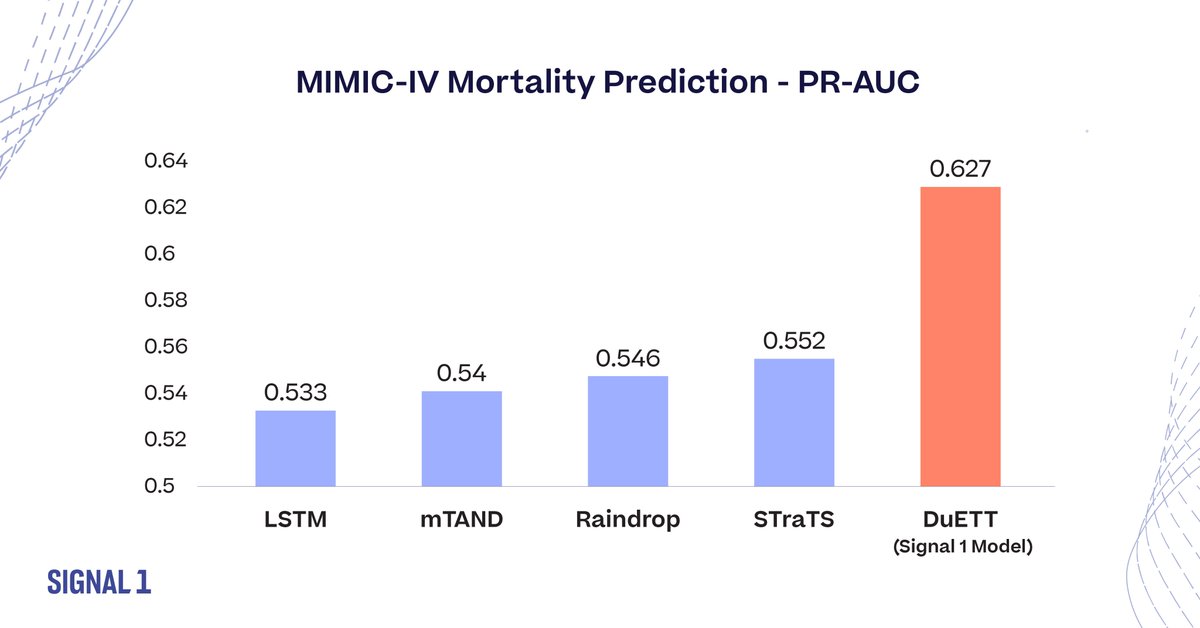
A collaboration between Signal 1 and @Layer6AI has produced the top-performing benchmark for predicting mortality in the MIMIC-IV dataset, outperforming state-of-the-art deep learning models. Read more here: arxiv.org/pdf/2304.13017.pdf
#HealthTech #AI #ModelAccuracy
1
1
3
146

What exactly is feature engineering for #machinelearning and why is it important? Get all of the must-know details here: | bit.ly/3eRmMr0 | #featureengineering #modelaccuracy #datascience
2

1 Jul 2021
Secrets revealed - how TruEra #MLMonitoring delivers important #ML model insights, quickly and accurately, across all of your models.
Read the latest blog post.
#XAI #AIQM #AIQuality #MLPM #AI #ModelMonitoring #datadrift #modelaccuracy #AUM
truera.com/truera-ml-monitor…
4
3

5 Jun 2019
Quote of the Day: It’s like finding a needle in a haystack if the haystack is just a stack of needles #modelaccuracy #PredictiveAnalytics
1

16 Aug 2018
Big thunderstorm here in Pittsburgh as we're talking to @cknoch of @big_squid
Coincidence? I don't think so!
#ReleaseTheKraken!
bit.ly/2MSAI45
Learning about how to "finish the song" with machine learning
#ML #Analytics #Operationalize #ModelAccuracy
#Kaggle #value
1
2