
Now a good question to ask would be: what harms the KP?
Well, the kynurenine pathway (KP) can be “harmed” or dysregulated in several ways, most of which we talked about.
Here are the main ones:
1. Chronic or persistent inflammation.
This isn’t very helpful if you struggle with autoimmune diseases, but here’s how chronic inflammation can harm the KP:
Cytokines like IFN-γ from Th1 cells, TNF-α, IL-6, and others strongly induce IDO1 (and sometimes TDO), causing overactivation of the pathway.
This leads to excessive tryptophan depletion, elevated kynurenine (KYN), and skew toward the neurotoxic branch (↑ KMO activity → ↑ 3-HK and QUIN).
Common in autoimmune diseases (RA, lupus, MS, T1D), long COVID (persistent IFN signature), infections, and aging-related inflammaging.
LPS (endotoxin) from gut dysbiosis or bacterial translocation activates IDO1 via TLR4, amplifying the pathway in chronic low-grade inflammation.
2. Stress and hormonal factors
Chronic stress / elevated glucocorticoids (cortisol) upregulate TDO in the liver, diverting tryptophan to kynurenine independently of inflammation.
Psychosocial stress, trauma, or HPA-axis hyperactivity sustains TDO/IDO1 over time.
3. Genetic and epigenetic factors
Polymorphisms/SNPs in KP enzymes (variants in KMO (reduced activity → excess KYNA or skewed flux), ACMSD (lower activity → more QUIN), IDO1, or QPRT).
4. Nutritional deficiencies and cofactor issues.
Vitamin B6 (pyridoxal phosphate), B2, iron, zinc, copper, manganese, D and B3 deficiency.
Riboflavin is essential as a precursor to flavin adenine dinucleotide (FAD) and flavin mononucleotide (FMN), coenzymes required by several KP enzymes for example.
Then B6 is a required cofactor for kynureninase and KATs.
5. Infections and pathogens
Viral infections such as SARS-CoV-2 trigger massive IDO1 induction via interferons.
6. Environmental and lifestyle factors
Gut microbiome dysbiosis: alters tryptophan availability or produces metabolites that influence IDO1/TDO.
Obesity/insulin resistance: associated with inflammation-driven KP upregulation and diversion toward xanthurenic acid or other derivatives affecting insulin signaling.
Aging/inflammaging: chronic low-grade inflammation NAD decline → self-reinforcing KP dysregulation.
1
26

Recent paper 🚨 @cmijournal ‘this meta-analysis revealed that individuals with TLR polymorphisms have nearly double the risk of developing fungal infections compared to those without mutations…. #dontblamethehost #funGals Genomics with a roll to play in AST and pathogenicity!
1
7

Amino acids are not just nutrients.
They are endocrine signals.
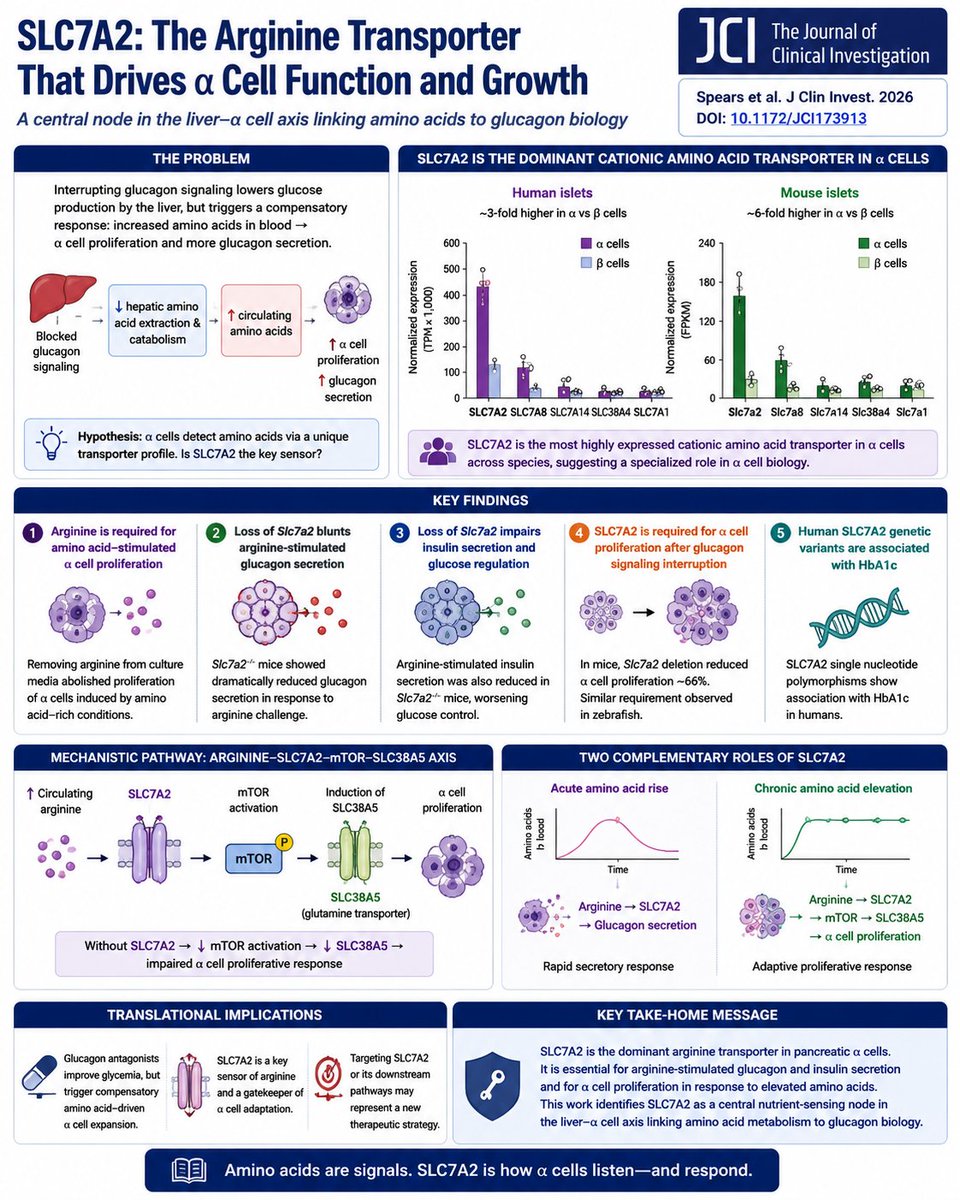
A new JCI study identifies SLC7A2, the major arginine transporter in pancreatic α cells, as a central regulator of glucagon secretion, α-cell proliferation, and amino-acid sensing.
The work expands our understanding of the liver–α cell axis, a feedback loop that couples amino acid metabolism to glucagon biology.
The core mechanism
When glucagon signaling is blocked:
↓ hepatic amino acid catabolism
↑ circulating amino acids
↑ α-cell proliferation
↑ glucagon secretion
This compensatory response is driven in part by arginine sensing.
Why SLC7A2 matters
Among all cationic amino acid transporters:
SLC7A2 is the most highly expressed transporter in α cells.
Expression is approximately:
• ~3-fold higher in human α vs β cells
• ~6-fold higher in mouse α vs β cells
This conservation across species suggested a specialized role in α-cell biology.
Key findings
🔹 Arginine was required for amino-acid–stimulated α-cell proliferation.
Removing arginine largely abolished the proliferative response.
🔹 Global Slc7a2 knockout mice lost arginine-stimulated glucagon secretion.
After arginine challenge:
• glucagon response was dramatically blunted
• insulin secretion was also impaired
• glucose regulation worsened under stimulation conditions
🔹 α-cell proliferation induced by glucagon receptor blockade required SLC7A2.
Loss of Slc7a2 reduced adaptive α-cell proliferation by ~66% in mice and similarly suppressed proliferation in zebrafish models.
Mechanistic insight
The study connects two major nutrient-sensing pathways:
Arginine → SLC7A2 → mTOR activation → SLC38A5 induction → α-cell proliferation
SLC38A5 had previously been identified as a glutamine transporter involved in α-cell expansion.
This work places SLC7A2 upstream of that program.
Without SLC7A2:
• mTOR activation falls
• SLC38A5 induction fails
• proliferative adaptation is impaired
Translational implications
The most interesting aspect may be diabetes biology.
The investigators identified human SLC7A2 polymorphisms associated with HbA1c levels, suggesting that variation in amino-acid sensing pathways may contribute to glucose homeostasis in humans.
More broadly, the study reframes pancreatic α cells as:
specialized amino-acid sensors
rather than merely glucagon-secreting cells.
Conceptual model
Acute amino acid rise:
Arginine → SLC7A2 → glucagon secretion
Chronic amino acid elevation:
Arginine → SLC7A2 → mTOR → SLC38A5 → α-cell proliferation
Together these pathways maintain amino-acid homeostasis through the liver–α cell axis.
The implication is important for the glucagon-antagonist field:
Therapies targeting glucagon signaling do not simply suppress glucose production.
They trigger adaptive nutrient-sensing programs within α cells, and SLC7A2 sits near the center of that response.
Reference
Spears et al. Pancreatic islet α cell function and proliferation require the arginine transporter SLC7A2. J Clin Invest. 2026. DOI: 10.1172/JCI173913.
34

In reality, MTHFR polymorphisms are benign unless you are affected by inflammation caused by a toxin or toxins. As I state below, you may have a folate deficiency as a result and that’s what’s causing B12 deficiency as well as potential iron deficiency.

Chances are, it’s actually a folate deficiency which has caused the B12 deficiency and which the doctor has failed to diagnose and treat, possibly because of an iron deficiency.
Iron deficiency can mask a macrocytosis, I.e. a MCV > 100 fL caused by folate AND B12 deficiencies. Doctors have been trained to believe that macrocytosis is caused by folate OR B12 deficiency which is, in my opinion, incorrect based on fundamental biochemistry, I.e. recycling of methylfolate using methylcobalamin to produce tetrahydrofolate and a methyl group in order to produce bases for DNA synthesis.
Also, as a result of the above, many patients actually end up in chronic hypoxia adaptation due to the folate, B12 and iron deficiencies adversely affecting the number and health of their red blood cells which doctors also fail to diagnose and treat. The root cause of this is inflammation caused by some toxin or toxins causing excessive demand for DNA synthesis and repair which then results in folate and B12 deficiencies because they’re both required for DNA synthesis. Iron deficiency results from impaired DNA synthesis and repair meaning that the body can’t maintain and repair itself properly and so damaged hepatocytes can no longer store enough ferritin leading to iron deficiency.
So, while the doctor may seem like a hero for actually diagnosing a B12 deficiency, in reality, he’s just as clueless as every other doctor who doesn’t understand the full/complete blood count properly and hence can’t diagnose and treat folate, B12 and iron deficiencies. The whole thing is a genocidal medical disaster of gargantuan proportions.
More information below.
1
91

The Genetic Evidence
Henningsson et al published in Psychoneuroendocrinology in 2005 identifying the first genetic associations with transgender identity, finding significant partial effects for polymorphisms in the androgen receptor gene, the aromatase gene and the estrogen receptor beta gene. These genes govern how the brain responds to sex hormones during development.
Foreman et al published the largest genetic study to date in the Journal of Clinical Endocrinology and Metabolism in 2019, examining 380 transgender women and 344 controls across 12 sex hormone signalling genes. Significant associations were found with variants in ERα, SRD5A2, STS and SULT2A1. Their conclusion was that gender dysphoria may have an oligogenic component with multiple genes involved in sex hormone signalling contributing to atypical sexual differentiation of the brain in utero.
Theisen, Sundaram and Layman published in Nature Scientific Reports in 2019, using whole exome sequencing to identify 21 variants in 19 genes associated with estrogen receptor activated pathways of sexually dimorphic brain development in a cohort of transgender individuals.
A 2024 study published in F&S Science identified a further 36 genetic links in biological sex development mechanisms in a cohort of transgender women, specifically in the PCDH gene family.
These genes affect biological sex development processes at a cellular level throughout the body. They influence muscle mass, bone density, skeletal proportions and neuroanatomy. This matters for arguments about sport, healthcare and legal classification alike.
The Sports Evidence
The paper most widely cited to justify excluding transgender women from sport is Hilton and Lundberg, published in Sports Medicine in 2020. This paper was formally critiqued in Sports Medicine in 2024 by Hamilton, Guppy and Pitsiladis from the University of Brighton, Heriot-Watt University and the University of Rome.
Their conclusion was that the Hilton and Lundberg paper constitutes the lowest level of evidence in the medical hierarchy. It is classified as a narrative review and graded as an opinion piece. It makes the fundamental error of using non-transgender men as a substitute for transgender women when existing evidence shows these are not equivalent groups.
Wiik et al demonstrated that transgender women’s muscle volumes are already below the mean for non-transgender men at baseline before any hormone treatment begins. Van Caenegem et al found lean mass was 6.8 percent less in transgender women before treatment compared to non-transgender male controls. Roberts et al found transgender women in the US military had upper body strength measures 12 percent lower than non-transgender male controls before any treatment.
International sports federations are making exclusionary policy decisions based on evidence that peer reviewed researchers have classified as low quality opinion, while ignoring evidence showing that transgender women are not physiologically equivalent to non-transgender men even before transition.
The Intersex Evidence
Around 1.7 percent of the global population is born intersex. In the United Kingdom that is over one million people. Some intersex people are born with both a penis and a vagina. Some have chromosomes that are neither XX nor XY. Some have hormonal profiles that produce characteristics associated with both sexes simultaneously.
Androgen insensitivity syndrome produces people with XY chromosomes who develop fully female anatomy because their cells cannot respond to testosterone. Congenital adrenal hyperplasia produces people exposed to elevated androgens in the womb who show higher rates of gender nonconformity. Cloacal exstrophy cases where genetic males were surgically assigned female at birth showed the majority eventually identified as male, demonstrating that surgical and social assignment cannot override what was established neurologically in the womb.
2
2
236

Jun 15
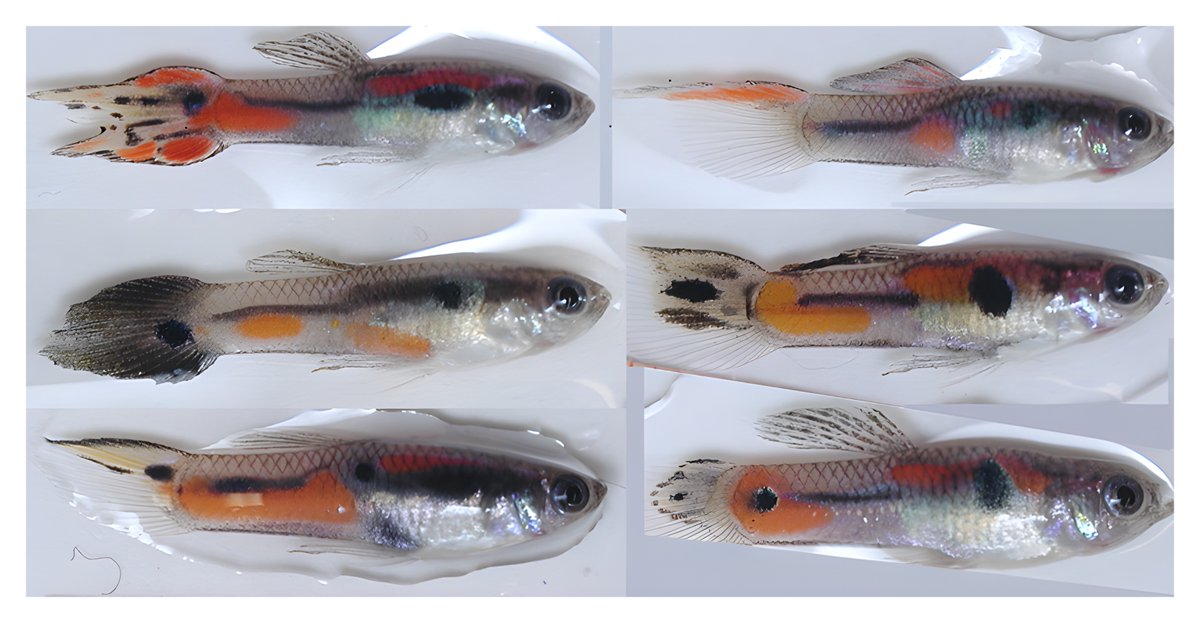
Researchers seek to understand the origins and significance of female mate preference for rare/novel male morphs, using Trinidadian guppies (𝑃𝑜𝑒𝑐𝑖𝑙𝑖𝑎 𝑟𝑒𝑡𝑖𝑐𝑢𝑙𝑎𝑡𝑎) as a case study. Outlining several hypotheses proposed to explain the preference and synthesising evidence supporting or contradicting them, researchers conclude that female preference for rare/novel morphs is a real and robust phenomenon, and likely plays an important role in maintaining polymorphisms in guppies and several other taxa.
🔓 royalsocietypublishing.org/r…
Evolutionary explanations for the origin and maintenance of this preference remain unsolved puzzles, though key experiments that would shed light on this question are within reach. Researchers hope to stimulate research to elucidate the evolutionary cause(s) of the preference for rare/novel morphs, and its potentially widespread role in maintaining genetic variation in natural populations.
𝗥𝗲𝘀𝗲𝗮𝗿𝗰𝗵 𝗧𝗶𝘁𝗹𝗲
Origins and significance of preference for rare/novel male morphs: Trinidadian guppies as a case study
𝗖𝗶𝘁𝗮𝘁𝗶𝗼𝗻
Mitchel James Daniel, F. Helen Rodd; Origins and significance of preference for rare/novel male morphs: Trinidadian guppies as a case study. Philos Trans R Soc Lond B Biol Sci 11 June 2026; 381 (1952): 20250189. doi.org/10.1098/rstb.2025.01…
𝗔𝗯𝘀𝘁𝗿𝗮𝗰𝘁
Recent evidence suggests that negative frequency-dependent selection may be a pervasive explanation for the high genetic variation observed in ecologically important traits. Female mating preference for rare/novel male phenotypes is one process that can generate frequency-dependent selection and has been well documented in some highly polymorphic systems.
However, two major gaps in the literature limit the current ability to predict the taxonomic prevalence of this mating preference. First, tests of this preference historically suffered from pitfalls that limited interpretability. We discuss best practices for designing convincing tests of preference for rare/novel morphs. We argue that the literature on guppies provides robust evidence of the preference in the laboratory and field, but published tests remain limited in other species and on traits other than morphological ones. Second, an evolutionary explanation for the preference remains elusive, making it difficult to predict the conditions in which the preference should arise and be maintained.
We outline several hypotheses proposed to explain the preference and synthesize evidence supporting or contradicting them. For both gaps, we suggest key, tractable avenues for future work. We hope to stimulate research that will elucidate the evolutionary cause(s) of preference for rare/novel morphs and its potentially widespread role in maintaining genetic variation in natural populations.
𝗣𝗵𝗼𝘁𝗼 𝗖𝗿𝗲𝗱𝗶𝘁
Example of extreme polymorphism in male guppies (𝑃𝑜𝑒𝑐𝑖𝑙𝑖𝑎 𝑟𝑒𝑡𝑖𝑐𝑢𝑙𝑎𝑡𝑎) from one natural population in Trinidad (image kindly provided by K. Hughes).
© 2026 the Author(s). Published by the Royal Society in the journal Philos Trans R Soc Lond B Biol Sci. An open-access article, distributed under the terms of the Creative Commons Attribution 4.0 International (CC-BY-4.0) deed. creativecommons.org/licenses…
#Trinidad #Guppies #Ichthyology #Guppy #Poecilia #AquariumHobby #Fishkeeping #Aquarist #TropicalFish #FishTank #FrequencyDependence #GeneticVariation #MateChoice #ExperimentalDesign #Polymorphic #Polymorphs #Evolution
ALT Example of extreme polymorphism in male guppies (𝑃𝑜𝑒𝑐𝑖𝑙𝑖𝑎 𝑟𝑒𝑡𝑖𝑐𝑢𝑙𝑎𝑡𝑎) from one natural population in Trinidad (image kindly provided by K. Hughes).
7
46
1,208

New Research: Genetic association between LONG COVID and TMPRSS2 polymorphisms (rs12329760 and rs2070788) in Brazilian healthcare professionals frontiersin.org/articles/10.… #FrontiersIn #CellularInfectionMicrobiology
15

Jun 14
Larger lungs and hearts generally correlate to a person’s size, so there are significant intra-sex variations of heart and lung size even among women who are not transgender.
There are also myriad genetic variations among athletes that can enhance athletic performance. In the academic literature these are referred to as “performance enhancing polymorphisms” or “PEPs.” A PEP is a variation in the DNA sequence that is associated with improved athletic performance. For example, variations in mitrochondrial DNA have been associated with greater endurance capacity and greater mitochondrial density in muscles. Other PEPs are associated with blood flow or muscle structure. See Ostrander EA, et al. Genetics of athletic performance. Annu Rev Genomics Hum Genet 2009; 10:407-429.
These variations have proven to have a significant impact on athletic ability, unlike bone or lung size in transgender women.
After a transgender woman lowers her level of testosterone, there is no inherent reason why her physiological characteristics related to athletic performance should be treated differently from the physiological characteristics of a non-transgender woman.
3-3
bmjgroup.com/physical-fitnes…
1
1
3
197


Jun 13
"One fascinating question is the evolutionary maintenance of polymorphisms. Specifically, why does directional selection not reduce variation to a single morph over time, and why are morphs not lost by genetic drift?"
this might be because the "force" of diversification is
1
8

" we draw attention to the unique sex-specific selection pressures on females distinguishing them from male-limited polymorphisms...present a conceptual model aimed to explain the origin and evolution of female-limited polymorphisms and outline future research..."
Jun 13

Our latest paper from #SvenssonLab: a review about the origin, genomics and evolution of female-limited phenotypic polymorphisms in the animal kingdom:
royalsocietypublishing.org/r…
2
9
602

Jun 13
Our latest paper from #SvenssonLab: a review about the origin, genomics and evolution of female-limited phenotypic polymorphisms in the animal kingdom:
royalsocietypublishing.org/r…
1
7
16
1,471

Jun 12
Berkman CC, Dinc H, Sekeryapan C, Togan İ. Alu insertion polymorphisms and an assessment of the genetic contribution of Central Asia to Anatolia with respect to the Balkans. American Journal of Physical Anthropology, 2008. Orta Asya katkısı: .
1
46

Jun 12
This study found androgen receptor (AR) gene CAG & GGN repeat polymorphisms correlated with symptom profiles in 66 PFS patients, shaping which symptoms predominated. AR genetic architecture may partly explain the heterogeneity of symptoms across pts. 69/n
pmc.ncbi.nlm.nih.gov/article…
1
85

@grok using theoretical biochemistry explain how the Krebs cycle and one carbon methylation cycle could relate to diseases like APS, Lupus and Covid infection with the similar pathophysiology. Explain theoretical and reported significance of genetic polymorphisms of VDR, DBP and MTHFR in this setting. How does this relate to elevated homocysteine and increased clotting risk. Provide detailed mechanisms and citations.
1
20

Single Nucleotide Polymorphisms (SNPs) in Genes forGlutathione-Related Metabolism, Cyclin D1 & DNA Repair As Predictive Biomarkers in Mantle Cell Lymphoma Patients Treated with R-HyperCVAD with 10 Year Clinical Follow-up - @mtmdphd et al. ow.ly/rQ0S30q3bj1 #ASH11 #lymsm
110

Jun 12
Podcast Summary | The Joe Rogan Experience: #2513 - Dean Radin
Overview
Dean Radin, a researcher at the Institute of Noetic Sciences, presents a case for the scientific reality of psychic phenomena, drawing on 150 years of experimental data, classified government programs, and biological markers. He argues that mainstream science dismisses these experiences not due to a lack of evidence but because of an implicit commitment to materialism. A major theme is that these abilities are likely atrophied human traits, with a genetic basis, that could be reawakened or even enhanced through new technologies. The conversation suggests that understanding consciousness is crucial for a more complete picture of reality, one that includes non-local awareness and the potential for direct mind-matter interaction.
Key Themes
- Remote viewing has produced actionable intelligence in classified programs like Stargate, demonstrating that human intuition can access information shielded from conventional sensors, implying consciousness has a non-local property.
- Controlled experiments over 150 years provide very strong evidence for telepathy and precognition, yet skeptics often refuse to examine the data because they claim it is impossible, which is no longer a scientific position.
- A genetic study has identified 212 single nucleotide polymorphisms correlated with psychic experiences, with one SNP having a million-to-one probability of being a false association, suggesting a biological basis for these traits.
- The historical persecution of "witches" and healers by the Inquisition may have acted as an anti-eugenic force, systematically removing individuals with psychic sensitivity from the gene pool.
- A new intranasal RNA interference treatment, designed to improve memory and reduce anxiety by targeting the same receptors as psilocybin, raises ethical questions about its potential off-label use to enhance extrasensory perception.
- Materialism is a set of assumptions taught implicitly in science, but leading physicists, including the founders of quantum mechanics, have often held idealist views that consciousness is fundamental.
- The experience of phenomena like spoon bending involves an intense, non-conscious state of motivation, suggesting a micro-psychokinetic effect that alters the probabilistic structure of matter at the atomic level.
Detailed Summary
Dean Radin has a genetic mutation that prevents his liver from clearing bilirubin effectively, leading to high levels of a powerful antioxidant. This condition leaves him with no recovery time after exercise and causes fatigue from overexertion, but it also correlates with a zero-score on a cardiac calcium scan at 74, despite high cholesterol. He has followed a career path of always choosing the new challenge, moving from classical violin to electrical engineering to experimental psychology, and eventually to the Institute of Noetic Sciences. The Institute was founded by Apollo 14 astronaut Edgar Mitchell after he had a profound mystical experience while returning from the moon.
Radin was recruited into the classified Stargate program after presenting his precognition research at a conference under the imprimatur of Bell Laboratories. His security clearance escalated to a Top Secret SCI Special Access Program. The mission of the program was to understand how remote viewing worked, not to conduct intelligence operations. Researchers studied factors like talent, state of mind, and the nature of targets. They found that some people are natural talents, like Joe McMoneagle, who could get information instantly, while others could be trained by learning to avoid naming their first impressions.
The training process for remote viewing involves a discipline of keeping perception open. A viewer is given a random five-digit number as a target identifier with no other information. The viewer must avoid naming the target too early, as locking into an association like "banana" from a flash of yellow biases the entire perception. Instead, the viewer starts with scribbles and adds feelings and senses until a coherent image forms. The speaker notes that a working device using advanced neural networks and random number generators was developed at a company and was about to be patented, with Navy interest for submarine communication, but the company was bought and the work was stopped.
A presentiment experiment was developed in the early 1990s that shows measurable physiological responses before an event occurs. Subjects were wired for skin conductance, pupil dilation, or brain waves. A true random number generator selected emotional or calm pictures after a button press. The experiment showed a "big" effect: skin conductance differentiated between the picture types 1.5 seconds before the picture was even selected. This suggests precognition is a real, measurable phenomenon in the lab.
Radin argues that consciousness likely has a non-local property, similar to quantum entanglement across space and time. Humans probably evolved to ignore this "there and then" awareness for survival focus, causing the ability to atrophy. It was preserved in shamans who were kept and supported by their tribes. The speaker obtained data from a small casino showing that jackpots and larger payouts occur more often within plus or minus one day of the full moon, consistent with magical lore.
President Carter publicly admitted that remote viewing was used to find a crashed nuclear bomber in Africa. A map dowser named Fran located the bomber within a few kilometers using a blank paper linked by association to a real map. The target was under a canopy, invisible from the air. Two submarine commanders independently reported a crewman who, while submerged at classified depth, accurately sensed a family crisis at home. These commanders had no false positives and readily accepted the phenomenon because they rely on intuition in life-or-death decisions.
The speaker reveals a psychological burden of working in a classified psychic program: he was forced to publicly deny the work's existence while actively conducting it. He notes a core tension: classification aims to keep secrets, but remote viewing and telepathy inherently make secrets impossible for talented individuals. The speaker's "Side Genes" study found that psychics were genetically "wild type," while control subjects had a mutation in an intron region that appeared to turn off psychic sensitivity. This mutation correlated geographically with the spread of Christianity, leading to the hypothesis that the Inquisition deliberately killed people with psychic abilities, acting as an anti-eugenic pruning of that trait.
Spoon bending is described as a real phenomenon involving an unknown state of motivation where the person does not consciously apply force. The speaker bent a spoon bowl 90 degrees without feeling exertion. The motivation to achieve the bend was so intense it felt like "the universe will end" if they did not succeed. A metallurgical explanation is that a sudden impulse of 50 to 70 pounds of force can momentarily soften the metal's grain boundaries for about 20 seconds. Radin interprets the effect as micro-psychokinetic, changing the probabilistic structure at the atomic level.
A new company called Cognenics is developing an intranasal RNA interference treatment. It downregulates the 5HT2A receptor to improve memory and reduce anxiety in dementia patients without the hallucinogenic effects of psilocybin. Preclinical studies in mice, rats, and monkeys show complete memory improvement and near-complete anxiety reduction. The treatment is designed to be temporary, requiring re-dosing every two to three months. The speaker notes the ethical concern of off-label use as a performance enhancer, potentially extending to extrasensory perception. The epigenetic key and the development of the treatment are connected to the work of the Institute of Noetic Sciences and its Sai Genes project.
I post highlights of long-form podcasts daily.
88

Jun 12
Summer arrives and people want to go to the beach and, despite the heat, get as tanned as possible. For several reasons, I do not understand this passion some people have for tanning. Mainly because you burn yourself and, worse still, you put your future health at risk.
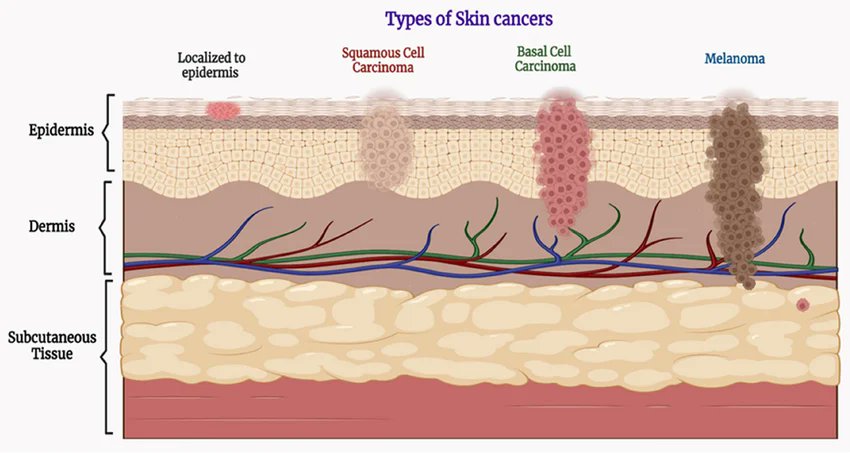
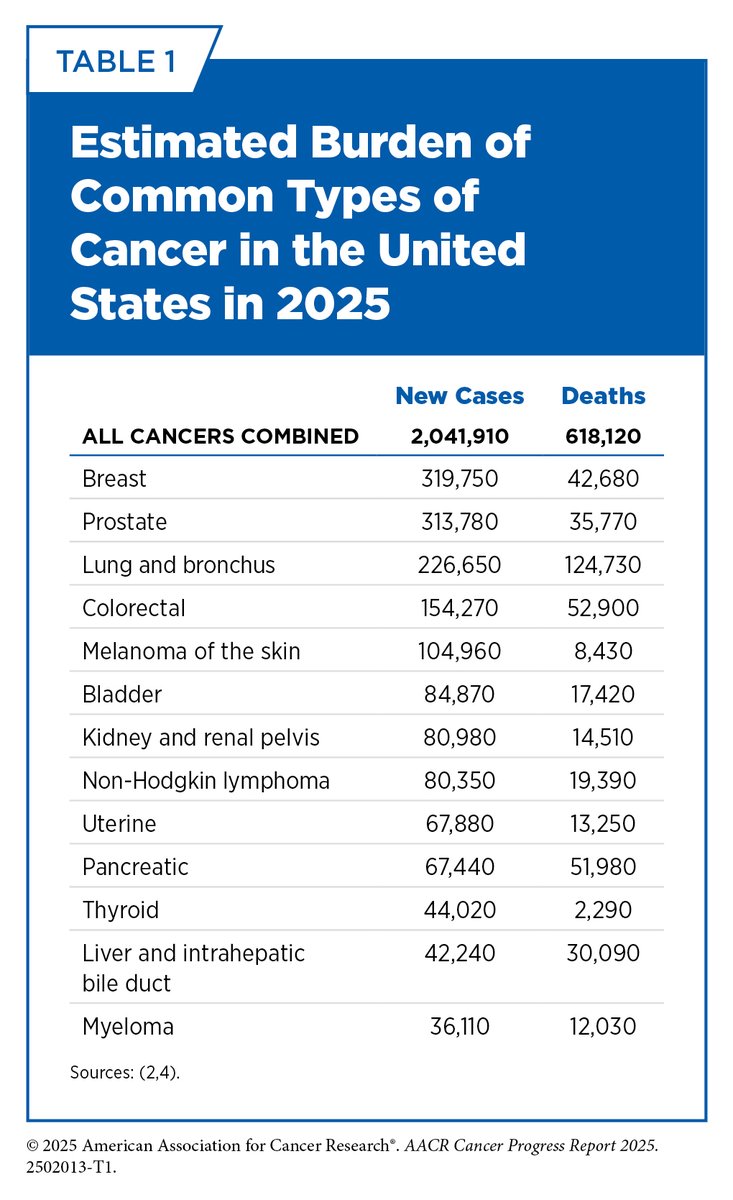
Yes, good guess: I am going to talk about melanoma, the most lethal malignant tumour affecting the skin, and one that in recent years has gone from being a very uncommon tumour to becoming the fifth most commonly diagnosed malignant tumour in countries such as the USA.
We are dealing with a scenario very similar to tobacco. I am sorry to say it, but for me there is a clear parallel between people who deliberately sunbathe today and smokers several decades ago.
Both are tumours with high incidence, and the worst part — or the best, depending on how one looks at it — is that they are clearly preventable because we know their main trigger. Do not smoke and do not expose yourself excessively to the sun, and the problem largely disappears.
Fortunately, in Western countries, fewer and fewer people smoke. In the USA, adult smoking fell from 21% in 2005 to 13% in 2020. Education and preventive measures are doing their work. Now it is melanoma’s turn.
UV light accounts for approximately 10% of the radiation emitted by the Sun, although humans cannot see it. It is non-ionising radiation. Although it enables vitamin D formation in vertebrates, it also burns the skin and damages DNA.
For life to progress, therefore, living organisms had to “develop and invent” ways of protecting themselves from UV rays. This radiation creates pyrimidine dimers, which distort the DNA strand and prevent it from being properly read.
First came what we might call an indirect conquest: the creation of the ozone layer. In the upper layers of the atmosphere, oxygen can naturally combine into this triatomic form, which has the ability to absorb a large proportion of UV radiation.
But that is not enough to free us from its harmful effects. Living organisms also had to invent a biological system to reverse the damage that UV radiation causes to DNA, to the genetic information of living beings.
This mechanism is universal. All living organisms must be able to correct UV-induced mutations in the genome. LUCA, the last universal common ancestor of all living beings, already possessed it.
The simplest and most widespread mechanism is based on photolyases, enzymes capable of reversing this damage, mainly that caused by the formation of thymine dimers. There are also other, more complex mechanisms that can repair these errors.
So it is curious that all living organisms have had to protect themselves from this solar radiation, and yet we humans decide to expose ourselves to it so aggressively. As if this problem somehow did not apply to us. But it most certainly does.
Skin cancers are the most common malignant tumours in humans. Yes, you heard that correctly. The most common. It is estimated that, in the USA alone, more than 2 million were diagnosed in 2025. Fortunately, many of them are completely treatable.
But among these millions, around 1 in 20 are melanomas, which, without treatment, can become invasive and lethal. A major problem is that the number of melanomas is increasing.
Between 1950 and 2007, its incidence increased 17-fold in men and 9-fold in women.
Dermatologists several decades ago might see the occasional melanoma during their residency. Today, they see several cases every month. Melanoma is the most commonly diagnosed cancer in women aged 25 to 29.
Melanoma is currently the fifth most commonly diagnosed cancer in the USA. There are additional risk factors. Fair skin increases the risk 20- to 30-fold. Freckles and pigmented lesions also increase the risk.
Other factors include polymorphisms or mutations in DNA repair systems, as well as immunosuppression. And as a final note, we should remember that this damage is cumulative. Today’s exposures will take their toll in the future.
Do not expose yourself excessively to the sun. And if you do, use sunscreen.
2
4
332

New Research: Associations of MALAT1 rs619586/rs3200401 and ANRIL rs10965215/rs10738605 polymorphisms with type 2 diabetes and diabetic nephropathy risk in an Egyptian population frontiersin.org/articles/10.… #FrontiersIn #Endocrinology
31