
22h
#BharatReloaded | When governments build strong institutional capacity and execution capabilities in one sector, such as education, how often do those learnings and best practices translate into improvements across other sectors as well?
Ashish Dhawan, Founder and CEO of Convergence Foundation, in an #exclusive conversation with @capitalcalculus only on DD News.
Watch The Full Program: youtu.be/uJaeAhqfnPA
#BharatReloadedOnDDNews #AshishDhawan #Governance #StateCapacity #InstitutionBuilding #PublicPolicy #PolicyInnovation #AdministrativeReforms
1
3
598
22h
#BharatReloaded | India has seen notable success in several mission-mode initiatives. What factors help drive these outcomes, and how can similar approaches be adapted to strengthen routine urban governance and public service delivery?
Ashish Dhawan, Founder and CEO of Convergence Foundation, in an #exclusive conversation with @capitalcalculus only on DD News.
Watch The Full Program: youtu.be/uJaeAhqfnPA
#BharatReloadedOnDDNews #AshishDhawan #Governance #PublicPolicy #UrbanGovernance #StateCapacity #InstitutionBuilding
2
3
623
22h
#BharatReloaded | Based on your work at the intersection of philanthropy, public policy, institution-building, and state capacity, has India finally begun to crack the code on execution and acquire the transformational muscle needed for sustained development?
Ashish Dhawan, Founder and CEO of Convergence Foundation, in an #exclusive conversation with @capitalcalculus only on DD News.
Watch The Full Program: youtu.be/uJaeAhqfnPA
#BharatReloadedOnDDNews #AshishDhawan #ConvergenceFoundation #PublicPolicy #StateCapacity #InstitutionBuilding #Governance #IndiaGrowthStory
2
2
1,086

Jun 11
We encourage you to submit and share this opportunity.
#GenderAndGovernance #Corruption #PoliticalEconomy #StateCapacity #GenderEquality #PublicPolicy #LatinAmerica #GlobalSouth #Research #Academia #Economics #Governance #Transparency #UniversidadIberoamericana #CECRIGE
19

VDM and his Ratels went to a military base in Abuja to ask a direct question: if you have the weapons and resources to point guns at civilians, why don't you go into the bushes and use them on the bandits? They made it clear that the government has the capacity, but it lacks the will to use it properly.
· Confronting Security Forces: In a video from the protest, VDM challenged armed personnel at a military base, pointing out the disconnect of being heavily armed around civilians while terrorists commit atrocities elsewhere.
· The ‘Beheaded a Teacher’ Rebuke: He specifically mentioned the beheaded teacher in Oyo and the children still held captive in the bush, asking security agents if they were not ashamed of their inaction.
· Challenging the Air Force: The activist went further to dare the Nigerian Air Force to take their aircraft into the bush to shoot the kidnappers, arguing that the resources are there but being misdirected.
· An Ideological War: VDM has also argued that the crisis isn't just about ransom but an ideological war linked to a long-standing Islamisation agenda, referencing Usman Dan Fodio’s campaign.
The conclusion of the protesters is that the state has the capacity but not the will. That is why Oyo still bleeds while Abuja is over-secured.
From the team at Real‑Fact News: Short. Straight. No boredom. Come let’s build Nigeria. ✅
#RealFactNews #VeryDarkMan #Ratels #NavyProtest #ShootTheBandits #OyoAbduction #Insecurity #NigerianMilitary #SecurityFailure #StateCapacity
---
From the team at Real‑Fact News:
Short. Straight. No boredom. Come let’s build Nigeria. ✅
1
1
1
164

Jun 10
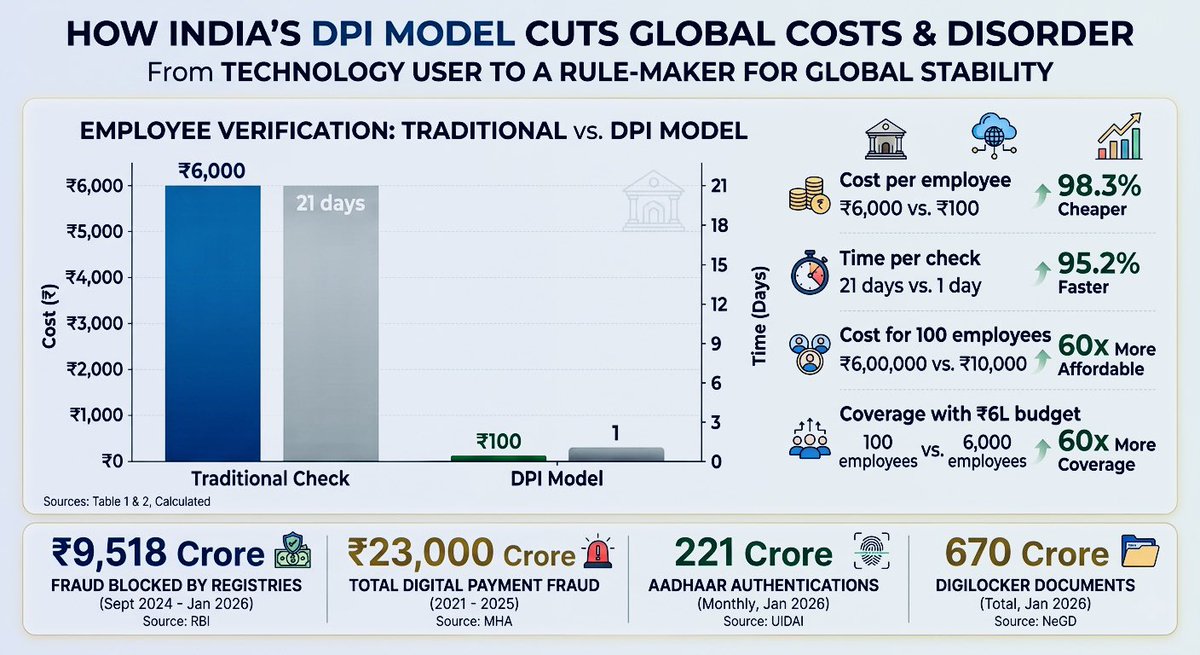
DPI-based verification uses automated, consent-based systems to slash costs, improve security, and boost economic trust.
#DPI #Governance #DigitalTrust #TechPolicy #StateCapacity #Innovation #GlobalGood
1
29

Jun 10
Building State Capacity for Responsible Health AI Governance in India -The Playbook is Here!
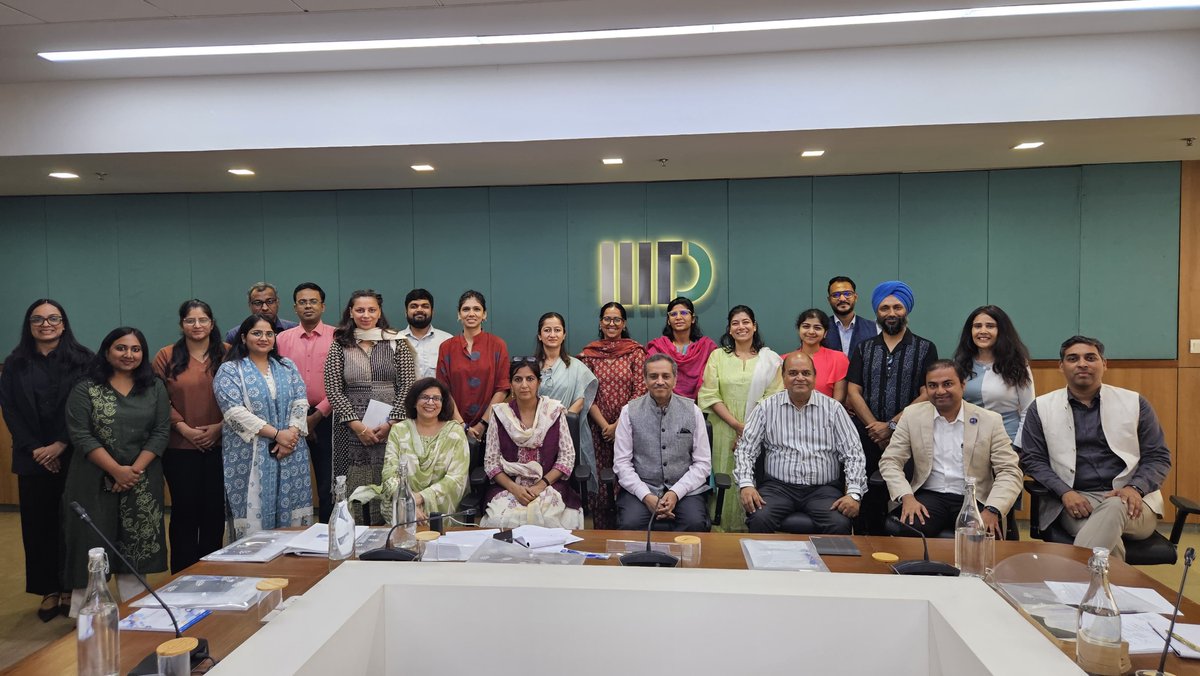
Indian Council of Medical Research – National Institute for Research in Digital Health (@icmr_nirdh) and #IIITD convened the Technical Working Group 3 Write-shop on “Capacity Building of different Stakeholders for Health AI implementation in India” - bringing together government, academia, public health, and AI governance experts to shape India's approach to responsible AI adoption in healthcare.
Keynote Address on Strengthening Digital Health and Capacity Building for Healthcare AI by Shri Madhukar Bhagat, Joint Secretary, Health, MoHFW, with opening remarks from Dr. Mona Duggal, Director, ICMR-NIRDH, Prof. @raghavagps, Director, IIIT-Delhi and Prof. @Tavpritesh, Professor, and Head Center of Excellence in Healthcare, IIIT-Delhi.
The workshop deep-dived into the draft "AI in Health: A Practical Governance and Implementation Manual for State Health Systems" - a lifecycle-based resource covering readiness assessment, data governance, procurement, validation, ethics, equity, monitoring, capacity building, and operational tools, designed specifically for Indian state health systems.
The core message: AI adoption in health is a governance challenge, not just a technical one. State governments must move from fragmented pilots to deliberate, accountable, and scalable AI stewardship with human judgement firmly at the center.
A significant step toward safe, equitable, and trustworthy AI across India's public health ecosystem.
#HealthAI #ResponsibleAI #AIGovernance #DigitalHealth #CapacityBuilding #StateCapacity #TrustworthyAI #HealthSystemsStrengthening #IndiaAI #DigitalIndia #FromPilotToScale #ResponsibleInnovation #PublicHealth #AIReadiness #GovernanceFramework
141

Global Competition Between Capital Environments: Environmental Physics, Liquidity Architecture, and Jurisdictional Advantage.
gsdiandadvocacy.co.uk/global…
#GreenIndustrialRevolution #NetZero #SupplyChainSecurity #CustomerExperience #RetailTech #Omnichannel #SustainableRetail #RetailESG #ShopperInsights #AIinRetail #IndustrialAI #AdvancedManufacturing #BrainEconomy #Governance #GlobalHealthSecurity #SustainableDevelopment #EvidenceBasedPolicy #Leadership #Entrepreneurship #ThinkTank #PolicyInnovation #Governance #RiskManagement #GRC #StateCapacity #StateCapability
#PublicPolicy #PublicGovernance
#NAO #Leadership #Policy #EconomicPolicy #PublicSector #ESG
#FutureOfGovernance #InstitutionalReform #DecisiveDecade #CMA #Aldi #Lidl #Supermarkets #Grocery #Retail
6

Pakistan's real economic paradox isn't that the state is weak and the informal economy is strong. It's that the strength of Pakistani society repeatedly masks the weakness of Pakistani institutions. Every crisis is absorbed by families, remittances, traders and social networks, allowing the state to postpone reform yet again. Resilience is admirable, but when survival becomes a substitute for governance, it creates a cycle where collapse is avoided and progress is deferred. The informal economy is Pakistan's shock absorber, not its growth strategy.
kasurian.com/p/informal-econ…
#Pakistan #Economy #PakistanEconomy #EconomicReform #Development #Governance #PublicPolicy #SouthAsia #EmergingMarkets #FiscalReform #InformalEconomy #PakistanPolicy #EconomicGrowth #StateCapacity #ReformNow
1
2
44
A very interesting and a timely read.
Pakistan's real economic paradox isn't that the state is weak and the informal economy is strong. It's that the strength of Pakistani society repeatedly masks the weakness of Pakistani institutions. Every crisis is absorbed by families, remittances, traders and social networks, allowing the state to postpone reform yet again. Resilience is admirable, but when survival becomes a substitute for governance, it creates a cycle where collapse is avoided and progress is deferred. The informal economy is Pakistan's shock absorber, not its growth strategy.
kasurian.com/p/informal-econ…
#Pakistan #Economy #PakistanEconomy #EconomicReform #Development #Governance #PublicPolicy #SouthAsia #EmergingMarkets #FiscalReform #InformalEconomy #PakistanPolicy #EconomicGrowth #StateCapacity #ReformNow
May 31

The Informal Economy is Pakistan’s Backstop
How Pakistan’s economy endures when its formal institutions fail.
kasurian.com/p/informal-econ…
1
2
83

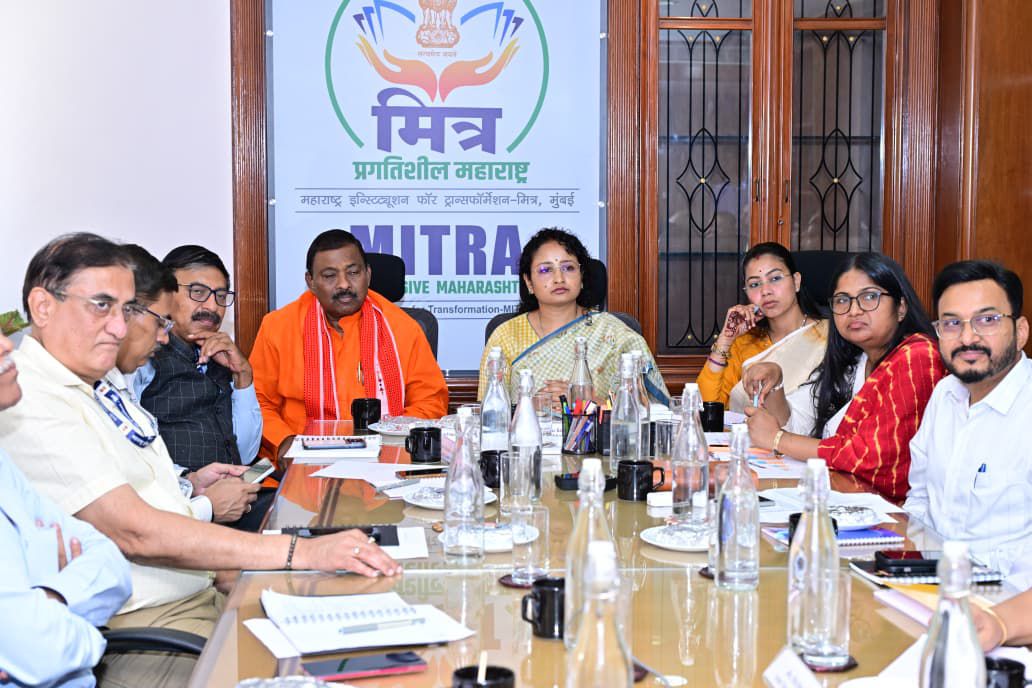
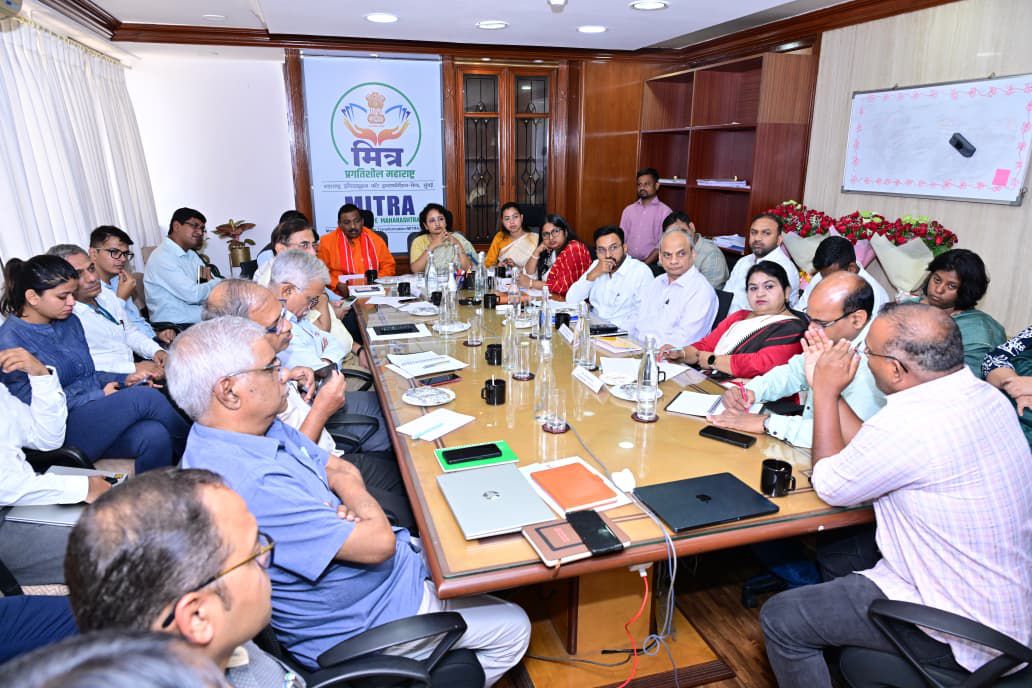
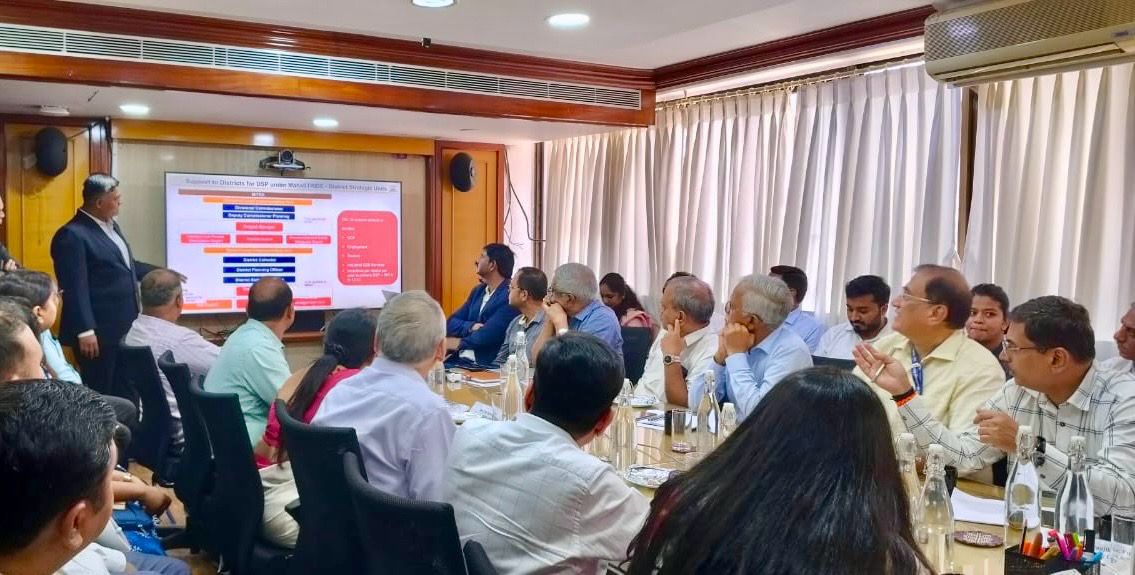
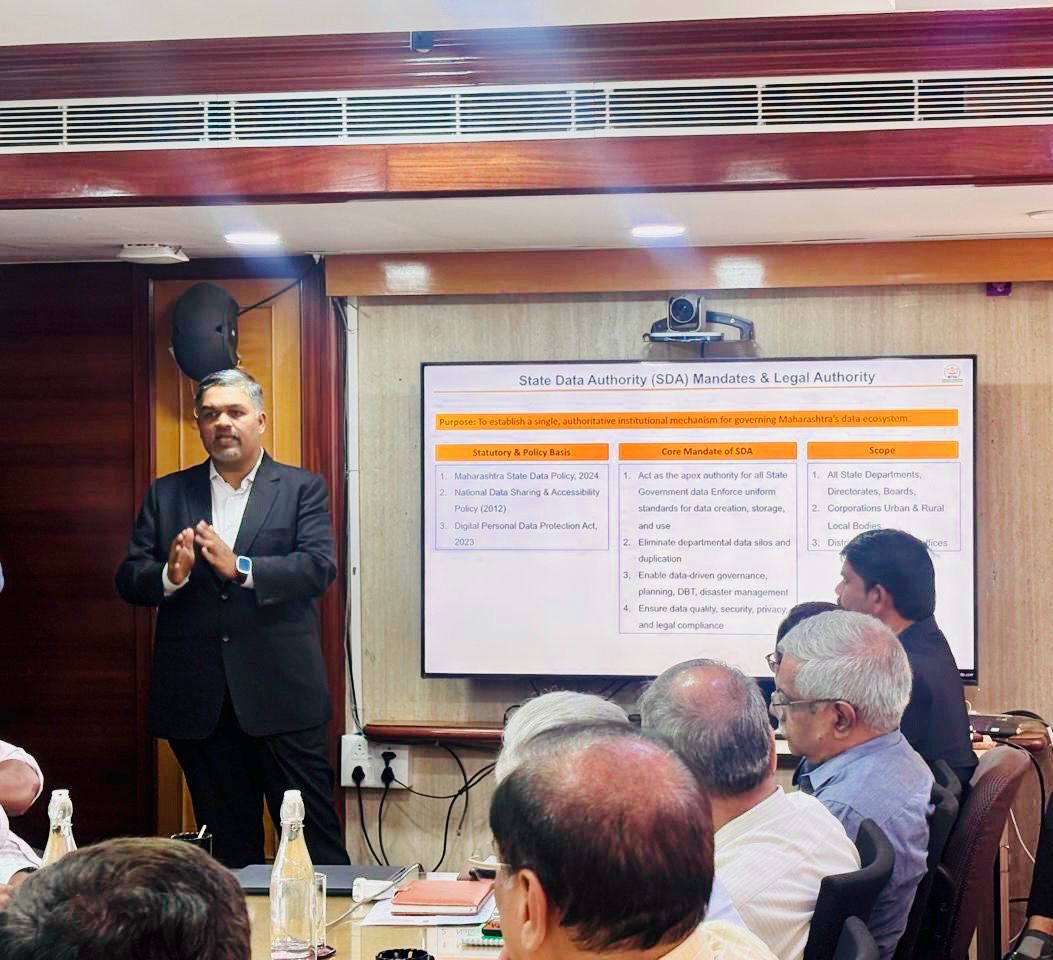
𝐏𝐫𝐢𝐦𝐮𝐬 𝐓𝐞𝐚𝐦, 𝐬𝐞𝐫𝐯𝐢𝐧𝐠 𝐚𝐬 𝐭𝐡𝐞 𝐇𝐢𝐠𝐡 𝐂𝐚𝐩𝐚𝐜𝐢𝐭𝐲 𝐔𝐧𝐢𝐭 (𝐇𝐂𝐔) 𝐚𝐭 𝐌𝐈𝐓𝐑𝐀, had the opportunity to present the 𝐌𝐈𝐓𝐑𝐀 𝐦𝐨𝐝𝐞𝐥 𝐚𝐬 𝐚 𝐍𝐈𝐓𝐈-𝐟𝐨𝐫-𝐒𝐭𝐚𝐭𝐞 𝐟𝐫𝐚𝐦𝐞𝐰𝐨𝐫𝐤 𝐭𝐨 𝐭𝐡𝐞 𝐯𝐢𝐬𝐢𝐭𝐢𝐧𝐠 𝐉𝐡𝐚𝐫𝐤𝐡𝐚𝐧𝐝 𝐝𝐞𝐥𝐞𝐠𝐚𝐭𝐢𝐨𝐧 𝐜𝐨𝐦𝐩𝐫𝐢𝐬𝐢𝐧𝐠 𝐌𝐋𝐀𝐬 𝐚𝐧𝐝 𝐈𝐀𝐒 𝐨𝐟𝐟𝐢𝐜𝐞𝐫𝐬.
The team supported the end-to-end facilitation, coordination, and execution of the engagement, showcasing MITRA’s strategic approach towards strengthening governance delivery and institutional capacity in the State.
The delegation appreciated the work being undertaken by the High Capacity Unit and acknowledged the team’s efforts in enabling effective coordination and execution across priority areas. They also expressed interest in exploring the replication of the High Capacity Unit model in Jharkhand to support governance transformation and institutional strengthening.
The interaction further reinforced MITRA’s growing role as a model for good governance and state-led transformation.
#PrimusPartners #MITRA #HighCapacityUnit #PublicPolicy #GoodGovernance #InstitutionalStrengthening #StateCapacity #PolicyImplementation #GovernmentEngagement #CapacityBuilding
1
2
33

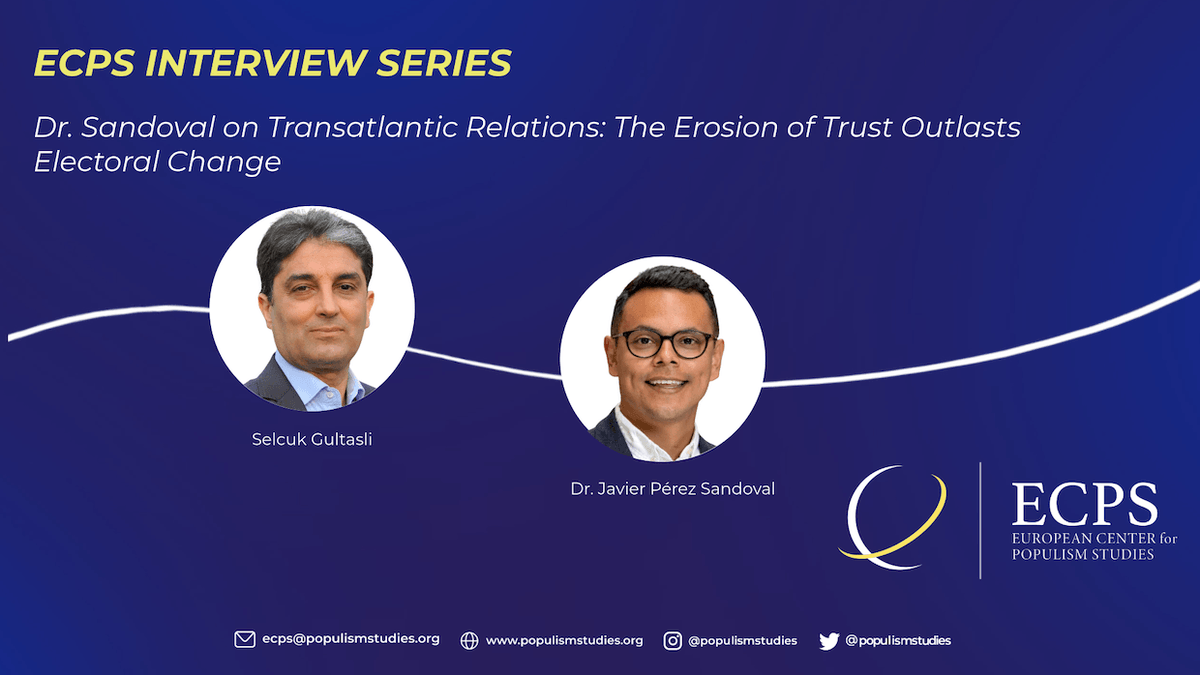
📺 ECPS Interview | Now Streaming
🗳️ Dr. Javier Pérez Sandoval: “The Erosion of Trust Outlasts Electoral Change”
✍️ Interview by Selçuk Gültaşlı
🚨 In this timely and wide-ranging ECPS interview, Dr. Javier Pérez Sandoval (Kellogg Institute for International Studies, University of Notre Dame) explores how contemporary democratic erosion is increasingly shaped not only by executive aggrandizement, but also by 🌐 global illiberalism, 🤖 digital manipulation, 🔫 criminal governance, and 🏛️ the gradual hollowing out of state institutions.
📌 Drawing on comparative cases—from Mexico’s “ballots, bots, and bullets” dynamic to broader transnational patterns of democratic decline—Dr. Sandoval argues that democratic backsliding now unfolds within an international environment that has become less supportive of democratic resistance and more permissive of authoritarian practices.
🔎 The interview examines:
▪️ Global illiberalism and democratic erosion
▪️ Criminal governance and political violence
▪️ State capture and institutional hollowing
▪️ Digital disinformation and manipulation
▪️ Subnational authoritarianism
▪️ Populism and democratic distrust
▪️ The fragility of democratic resilience
▪️ Why electoral defeat alone does not reverse authoritarian damage
⚠️ Dr. Sandoval warns that even when populist or illiberal leaders lose elections, “state erosion and state damage are much harder to undo.”
💬 An essential conversation on democratic resilience, trust, political violence, and the uncertain future of liberal democracy in an increasingly fragmented global order.
▶️ Watch the interview: youtube.com/watch?v=TnH2up2u…
📕 Read the interview: populismstudies.org/dr-sando…
#ECPS #Democracy #Populism #Authoritarianism #DemocraticBacksliding #Illiberalism #PoliticalViolence #Mexico #LiberalDemocracy #GlobalPolitics #DemocraticResilience #Trust #StateCapacity #SubnationalAuthoritarianism
1
2
266
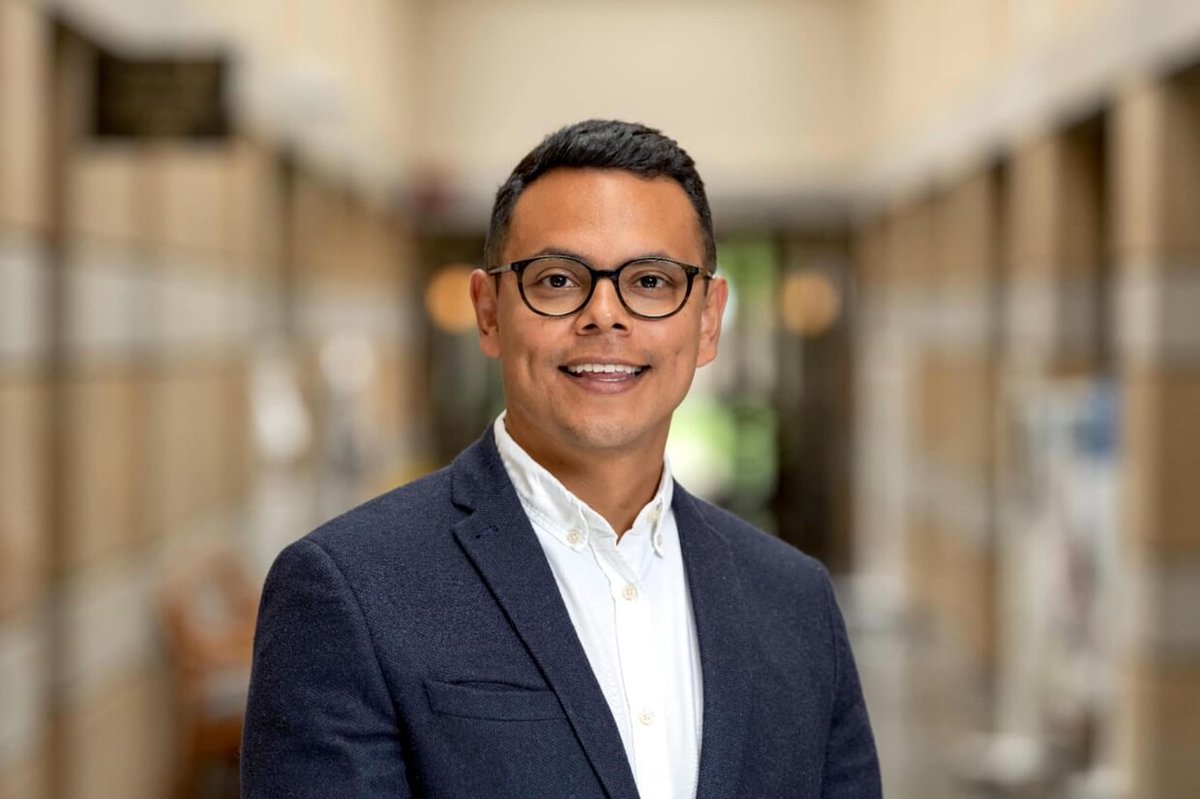
📢 ECPS Interview
🗳️Dr. Sandoval: The Erosion of Trust Outlasts Electoral Change
✍️Interview by Selcuk Gultasli
🚨 In this timely interview, Dr. Javier Pérez Sandoval (Kellogg Institute for International Studies, University of Notre Dame) examines how democratic erosion is increasingly driven not only by executive aggrandizement, but also by 🌐 global illiberalism, 🤖 digital manipulation, 🔫 criminal governance, and 🏛️ the hollowing out of state institutions.
📌Drawing on cases ranging from Mexico’s “ballots, bots, and bullets” dynamic to the international normalization of illiberal practices, Dr. Sandoval argues that democratic backsliding today unfolds within a global environment that has become less supportive of democratic resistance and more permissive of authoritarian practices.
⚠️ Even when populist leaders are electorally defeated, “state erosion and state damage are much harder to undo.”
⚡️An essential conversation on democratic resilience, trust, political violence, and the future of liberal democracy.
📕Read the interview: 🔗 populismstudies.org/dr-sando…
#ECPS #Democracy #Populism #Authoritarianism #DemocraticBacksliding #Illiberalism #PoliticalViolence #Mexico #LiberalDemocracy #GlobalPolitics #DemocraticResilience #Trust #StateCapacity #SubnationalAuthoritarianism
2
2
356

Apr 28
Ricardo Teixeira: “Citizens tolerate, even support, the state when it provides security, enforces law, delivers services and maintains order. When it fails, legitimacy shifts from ‘right’ to ‘might’, and eventually collapses altogether.” #SouthAfrica #Governance #StateCapacity
Read here: dailyfriend.co.za/2026/04/28…
2
5
558

Apr 16
How Governance Breakdown Fuels Instability in Balochistan
_________________
Governance failure is fueling instability in Balochistan by deepening deprivation, weakening trust, and creating space for violence and organized crime
A closer look at northern Balochistan shows why sustainable peace depends not just on security, but on credible governance and basic public service delivery
__________________
Credits: Script based on research paper “Governance Gaps and the Cycle of Instability: Local Narratives from Northern Balochistan’s Four Districts” by Abdul Wasay Ajmal, Hamid Iqbal, & Imran Khan. Pub in Contemporary South Asia on 26 March 2026
#Balochistan #Pakistan #Governance #Instability #PublicPolicy #SouthAsia #Geopolitics #PoliticalAnalysis #PolicyFailure #StateCapacity #SecurityStudies #ConflictAnalysis
38
31
39
3,011

In a recent @CNBC Africa interview, Ivor Chipkin described the Public Service Amendment Act of 2025 as the most significant structural reform to South Africa’s system of government in three decades.
At its core, the Act redraws the line between political and administrative authority, limiting political control over appointments and operations, and moving toward a more professional public service.
This reform addresses a model embedded in 1994, where political control over the bureaucracy was seen as necessary during transition. Over time, however, it enabled patronage, weakened institutional performance, and contributed to state capture.
Sectors such as policing offer a clear example: the politicisation of senior appointments has often diverted focus away from public safety and toward internal political dynamics.
The shift now is toward merit, competence, and administrative stability. But legislation alone is not enough.
The real test will be implementation, and whether informal political influence, backdoor arrangements, and weak accountability mechanisms are effectively addressed.
This is the next phase of reform: building a public service that is professional in its operations, but still accountable in a democratic system.
#PublicServiceReform #Governance #SouthAfrica #StateCapacity #ThirdTransition @thedpsa @PSC_ZA @thensgZA @DpmeOfficial
cnbcafrica.com/media/7775560…
5
148

Apr 14
TECHAIDE
The silicon shackle: Why Pax Silica cannot become India’s digital zamindari
Writer: Nishant Sahdev
Click- dailypioneer.com/news/the-si…
#IndiaUS #ForeignPolicy #Geopolitics #DigitalSovereignty #AI #ArtificialIntelligence #TechGeopolitics #PaxSilica #AlgorithmicMonroeDoctrine #ManagedInterdependence #DataSovereignty #DigitalIndia #IndiaAI #CloudComputing #Hyperscalers #AWS #MicrosoftAzure #GoogleCloud #DigitalGovernance #Census2026 #Delimitation #PublicPolicy #NationalSecurity #CyberSecurity #EpistemicSovereignty #TechSovereignty #Semiconductors #ComputeEconomy #AIInfrastructure #DataEconomy #GlobalPowerShift #USIndiaRelations #SupplyChain #TechStrategy #InnovationPolicy #DigitalPublicInfrastructure #NITIAYog #MeitY #StrategicAutonomy #IndiaTech #GeopoliticalRisk #FutureOfAI #AIGovernance #StateCapacity #InformationWarfare
2
61
Apr 13
OPINION
Reworking Civil Services remuneration
Writer: VK Bahuguna
Click- dailypioneer.com/news/rework…
#8thPayCommission #PayCommission2025 #CentralGovernmentEmployees #GovernmentEmployees #FitmentFactor #SalaryRevision #Pensioners #IndiaEconomy #CivilServices #PublicAdministration #GovernanceReform #AdministrativeReform #IndianBureaucracy #PerformanceLinkedPay #TotalRewardsFramework #PayStructure #PensionReform #OldPensionScheme #NewPensionScheme #India2047 #DevelopedIndia #PublicService #PolicyReform #GoodGovernance #StateCapacity #AdministrativeEfficiency #CareerProgression #EmployeeWelfare #IndiaGrowthStory #EconomicPowerhouse #CivilServiceReform #GovernanceIndia #PublicSectorReform #WorkforcePolicy #EquityInPay #InstitutionalReform #PolicyDebate #IndianEconomy #FutureOfWork #GovernmentPolicy
3
92

A lot of mainstream economic theories would tell you that India should have outperformed China — democracy, stronger private property rights, English advantage, younger population, cheaper labor, deeper integration with the West. On paper, it ticks almost every box. And yet, reality turned out very differently.
That’s the interesting part. The issue isn’t that India “lacked the right conditions.” It’s that those conditions were never enough in the first place. Development is not just about how private your system is or how “free” your market looks. It’s about whether a country can actually build a functioning national market, enforce rules, invest in infrastructure, control corruption, and coordinate large-scale industrial upgrading.
China’s experience is uncomfortable for a lot of theories because it shows something simple but often ignored: markets don’t just emerge on their own — they are built. They require state capacity, organization, and long-term coordination. Without that, even perfect “textbook conditions” don’t automatically translate into growth.
That’s why this comparison matters. It’s not about ideology. It’s about what actually works in practice.
#China #India #Economics #Development #GlobalSouth #IndustrialPolicy #StateCapacity #Geopolitics
1
4
12
1,396

The Quiet Power of Street‑Level Bureaucrats
webref.org/wp/the-quiet-powe…
#PublicAdministration #StreetLevelBureaucracy #PolicyImplementation #Governance #FrontlineWorkers #PoliticalScience #PublicService #StateCapacity #AdministrativeDiscretion

3
3
45