
Znamenskiy, Vasiliy. Teaching AI-Ready Computational Science with NAIRR Resources: A Computer Methods in Science Course. Presented at the 2026 NAIRR Annual Meeting (NAIRR2026), Arlington, VA, USA, March 11, 2026. doi.org/10.5281/zenodo.19193…. #Teaching #AIReady #ComputationalScience
1
4
Znamenskiy, Vasiliy. Teaching AI-Ready Computational Science with NAIRR Resources: A Computer Methods in Science Course. Presented at the 2026 NAIRR Annual Meeting (NAIRR2026), Arlington, VA, USA, March 11, 2026. doi.org/10.5281/zenodo.19193….
#Teaching #AIReady #ComputationalScience
3
🌍 PhD Position in Quantum Algorithms for Chemistry 🇳🇱 | University of Amsterdam
📌 Position: PhD in Quantum Algorithms for Chemistry
🏫 University: University of Amsterdam
📍 Location: Amsterdam, Netherlands 🇳🇱
🏢 Department: Faculty of Science
👨🏫 Supervisor: Stefano Polla
📅 Deadline: July 20, 2026
⏳ Duration: 4 years (full-time)
💰 Salary: €3,059 – €3,881/month
🔬 About the Project
This PhD focuses on developing quantum algorithms for simulating molecular systems on digital quantum computers. The research bridges quantum computing, chemistry, and computational science, aiming to identify where quantum approaches can provide real scientific advantages.
Key research directions include:
• Quantum algorithms for molecular simulation
• Early fault-tolerant quantum computing methods
• Hybrid quantum-classical and AI-driven approaches
• Analytical and numerical performance analysis
👩🔬 What You’ll Do
• Develop and analyze novel quantum algorithms
• Apply methods to chemistry-driven problems
• Collaborate across computational chemistry, informatics, and quantum tech groups
• Publish in top journals and present at international conferences
• Contribute to teaching at BSc/MSc level
👤 Ideal Candidate
• MSc in Physics, Chemistry, Computer Science, Mathematics, or related field
• Background in quantum computing or quantum theory
• Strong analytical and computational skills
• Programming experience (preferred)
• Interest in interdisciplinary and collaborative research
🌟 Why Apply?
• Work at the intersection of quantum computing and chemistry
• Be part of QuSoft and the national QC2 collaboration
• Interdisciplinary environment across multiple research institutes
• Competitive salary with additional benefits (holiday bonuses)
• Live in Amsterdam—one of Europe’s top research and innovation hubs
🔗 More Info & Apply:
phdscanner.com/opportunities…
#PhD #QuantumComputing #QuantumChemistry #Algorithms #Netherlands #ResearchJobs #PhDPositions #ComputationalScience #AI #QuantumTech
1
7
258

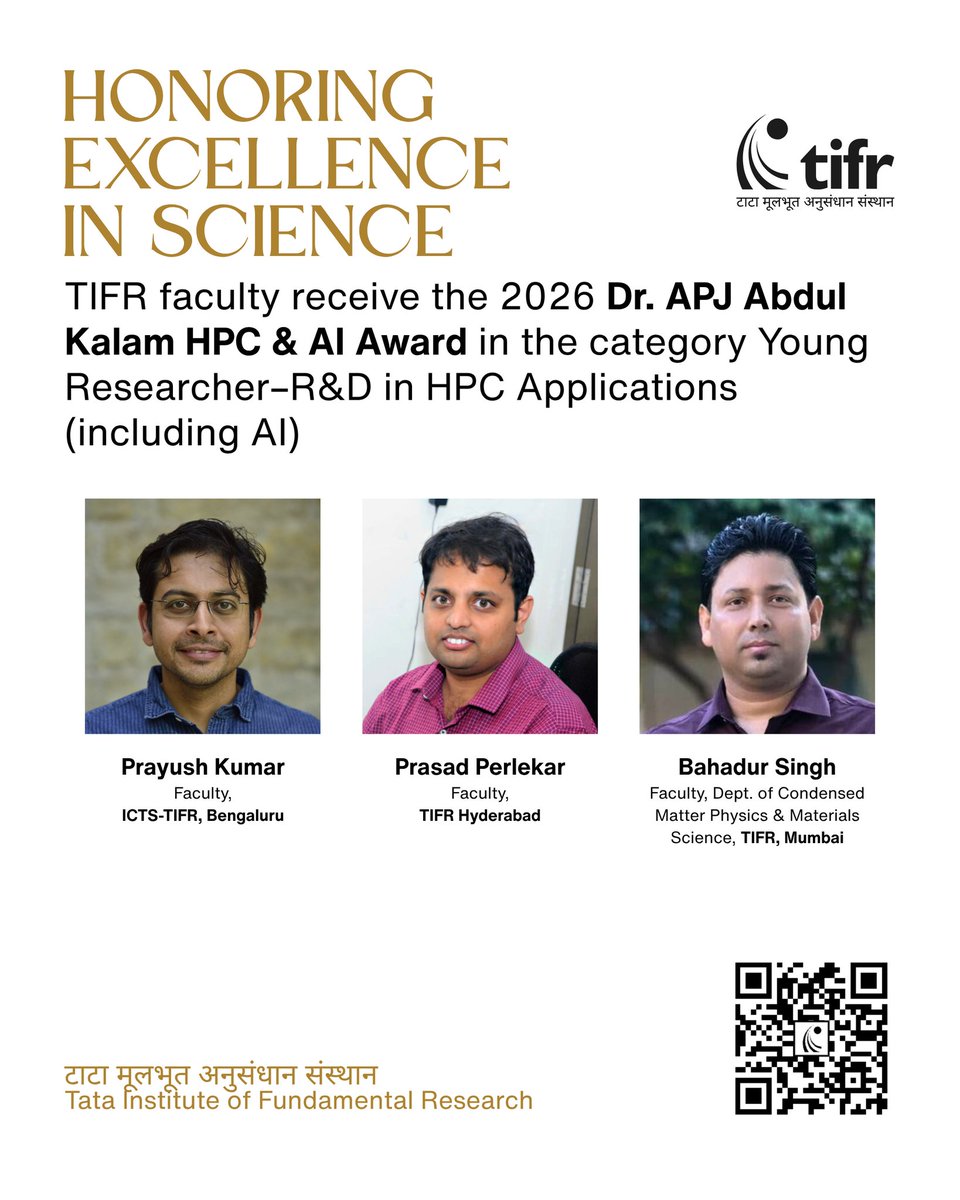
#AwardAlert Three faculty members from @tifrscience, Dr. Prayush Kumar (@ictstifr), Dr. Prasad Perlekar (@TIFRH_buzz), and Dr. Bahadur Singh (TIFR, Mumbai), have been recognised with the 2026 Dr. A.P.J. Abdul Kalam HPC & AI Award for their contributions to high-performance computing across gravitational physics, fluid dynamics, and quantum materials, respectively.
Their work exemplifies how high-performance computing drives discovery across disciplines.
This recognition by @HPE and the Kalam Foundation underscores the importance of HPC and AI in advancing fundamental and applied science.
#TIFRScience #HPC #AI #ScienceAndEngineering #ComputationalScience #QuantumMaterials #FluidDynamics #GravitationalPhysics
1
1
14
1,021

Jun 15
Medical imaging may be entering the millisecond era.
Researchers at the University of Tsukuba and its Center for Computational Sciences have developed an AI-powered model that accelerates diffuse optical tomography (DOT) calculations by more than one million times.
The advance could help transform a promising but computationally constrained imaging technique into a practical real-time diagnostic tool.
Key signals:
• AI achieved over 1,000,000× faster calculations than conventional DOT simulations
• Inference time was reduced to approximately 2 milliseconds per calculation
• Neural networks accurately emulated light propagation through biological tissue
• The model maintained strong performance across previously unseen scenarios
Why this matters:
Diffuse optical tomography is safe and non-invasive, but widespread adoption has been limited by simulations that can take hours to complete.
By removing this computational bottleneck, the technology could enable faster detection of conditions such as cerebral hemorrhages and tumors while making real-time diagnostic imaging more practical.
What's changing:
From hours-long computational imaging → to real-time AI-powered diagnosis
AI is increasingly moving beyond analyzing medical images after they are captured.
This research suggests AI can become part of the imaging process itself, replacing complex physics simulations and dramatically accelerating how diagnostic information is generated.
Could AI-powered physics emulators become a foundational layer of next-generation medical imaging systems?
#ArtificialIntelligence #MedicalImaging #HealthcareInnovation #DigitalHealth #MachineLearning #BiomedicalEngineering #MedicalDiagnostics #HealthTech #ComputationalScience #InnoDexis
20

Virtual reality has a hidden problem.
Most of the computing power is spent rendering details you are not actually looking at.
Researchers are discovering that the key to dramatically cheaper and more efficient VR may lie in something surprisingly human: movement and attention.
By tracking where users look, how they move, and what parts of a virtual environment truly matter in a given moment, VR systems can focus computational resources only on the regions that require high fidelity rendering.
The result?
Less wasted computation.
Lower hardware demands.
Longer battery life.
More immersive experiences.
What makes this powerful is that it aligns technology with human perception. The brain already prioritizes certain visual information while ignoring much of the rest. Advanced VR systems are learning to do the same.
Why this matters:
Reducing computational requirements could make high quality virtual reality more affordable, accessible, and scalable across gaming, education, healthcare, engineering, training, and digital collaboration.
The future of VR may depend less on rendering everything perfectly and more on understanding what humans actually notice.
Read more: theresearchcode.com/articles… #VR #ArtificialIntelligence #ComputerVision #GraphicsRendering #ExtendedReality #XR #MachineLearning #Gaming #HumanComputerInteraction #Metaverse #FutureTech #Technology #Innovation #ComputerGraphics #ImmersiveTechnology #DigitalTransformation #Engineering #ScientificResearch #AIResearch #DeepTech #Simulation #AugmentedReality #InteractiveMedia #Research #ScienceCommunication #VisualComputing #ComputationalScience #EmergingTechnology #TechInnovation
1
1
74
Some of the most important structures in chemistry do not actually exist.
They appear for only an instant, vanish almost immediately, and yet determine the fate of entire chemical reactions.
These fleeting arrangements of atoms known as transition states are the "ghost structures" that guide molecules from reactants to products. They cannot usually be isolated or directly observed, making them one of chemistry's greatest challenges.
Now artificial intelligence is learning to predict them.
By analyzing vast amounts of chemical data, AI models can identify likely reaction pathways and estimate the transition states that govern how reactions unfold. What once required enormous computational resources can increasingly be predicted with remarkable speed and accuracy.
Why does this matter?
Because understanding reaction pathways is central to:
• Drug discovery
• Catalyst design
• Materials science
• Green chemistry
• Energy technologies
The faster scientists can predict chemical behavior, the faster they can develop new medicines, cleaner industrial processes, and advanced materials.
Why this matters:
Chemistry is not only about knowing where molecules start and end.
It is about understanding the invisible journey between them.
AI is beginning to illuminate one of the most hidden landscapes in science.
Read more: theresearchcode.com/articles…
#ArtificialIntelligence #Chemistry #MachineLearning #ComputationalChemistry #ChemicalEngineering #DrugDiscovery #MaterialsScience #Catalysis #GreenChemistry #QuantumChemistry #ScientificResearch #AIResearch #DeepLearning #MolecularModeling #Biotechnology #FutureOfScience #Innovation #Research #ScienceCommunication #AdvancedMaterials #EnergyTechnology #ComputationalScience #Physics #ChemicalReactions #LifeSciences #DeepTech #EmergingTechnology #ScientificDiscovery #Technology #STEM
1
1
66

🌐 I am pleased to share my academic website, highlighting my research, publications, teaching activities, student supervision, and international collaborations in Artificial Intelligence, Quantum Machine Learning, Fuzzy Explainable AI, and Network Science.
🔗 drubaidafatima.com
I welcome opportunities for research collaboration and interdisciplinary projects in AI, healthcare analytics, complex networks, and computational science.
#AI #QuantumMachineLearning #NetworkScience #MachineLearning #Research #ComputationalScience
1
10

Jun 8
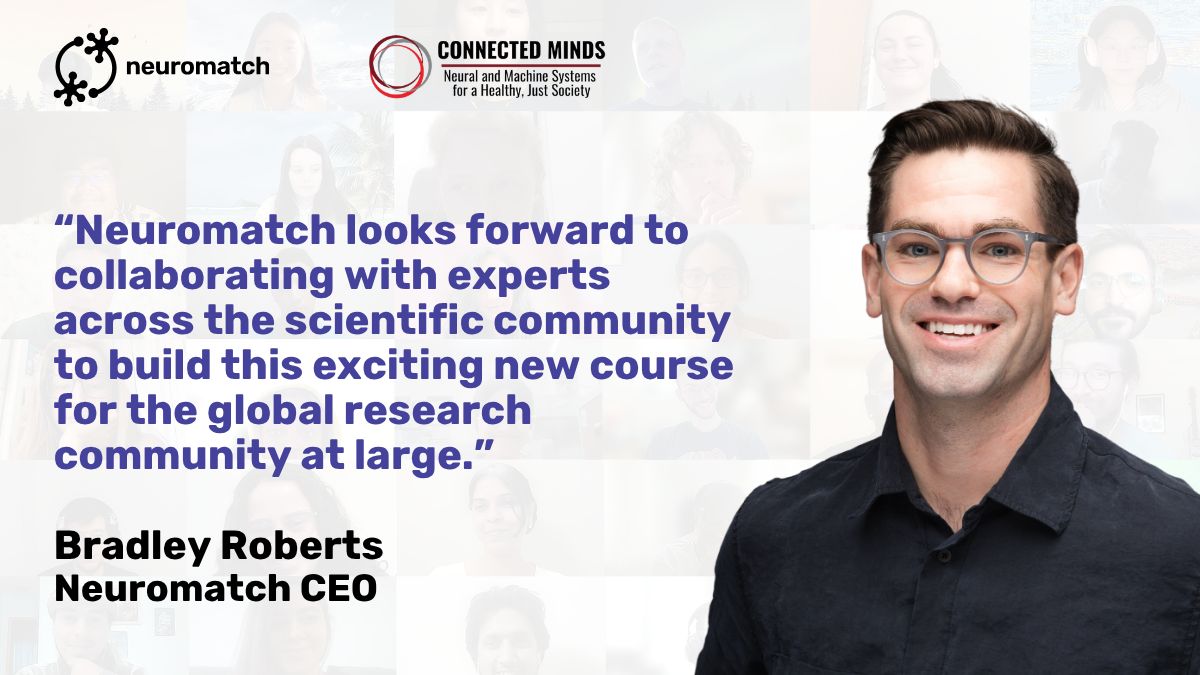
Computational Behaviour: Analytics and Models of Individual and Interacting Agents launches July 2027! A fully remote two-week course, open to participants worldwide.
➡️ Learn more and get involved: buff.ly/nvxjoL0
#ComputationalScience #ComputationalBehaviour
3
32
1,383

Jun 6
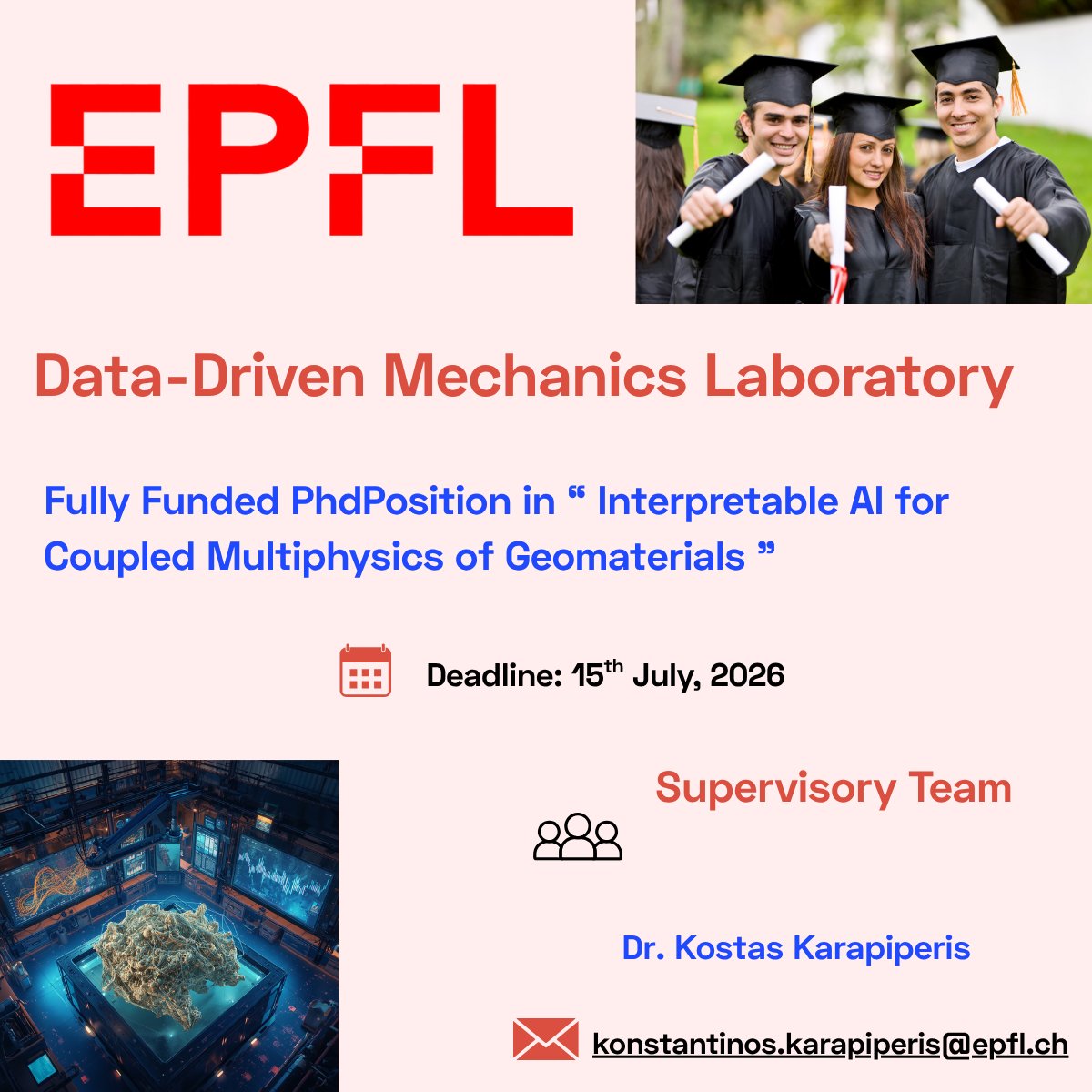
🎓 Fully Funded PhD in 𝗜𝗻𝘁𝗲𝗿𝗽𝗿𝗲𝘁𝗮𝗯𝗹𝗲 𝗔𝗜 𝗳𝗼𝗿 𝗖𝗼𝘂𝗽𝗹𝗲𝗱 𝗠𝘂𝗹𝘁𝗶𝗽𝗵𝘆𝘀𝗶𝗰𝘀 𝗼𝗳 𝗚𝗲𝗼𝗺𝗮𝘁𝗲𝗿𝗶𝗮𝗹𝘀 (Switzerland 🇨🇭)
🏆 EPFL— Ranked #22 globally in the QS World University Rankings, is one of Europe's premier engineering and technology universities.
💶 Fully funded 4️⃣ year PhD with a competitive doctoral salary and excellent benefits
✅ Passionate about #ArtificialIntelligence #ComputationalMechanics #Geomaterials 🤖⛰️⚙️
✅ Highly recommend this interdisciplinary #fullyfunded #PhDPositionwithin the Data-Driven Mechanics Laboratory @EPFL_en 🇨🇭
📌 This #phdproject focuses on developing interpretable AI and physics-informed machine learning methods to discover governing equations and constitutive laws for complex multiphysics processes in geomaterials, with applications in geophysics, energy, and sustainability.
You’ll work on:
🔷 Developing next-generation data-driven frameworks for scientific discovery in geomaterials
🔷 Combining computational mechanics with interpretable and thermodynamics-informed machine learning
🔷 Discovering governing equations and constitutive relations from rich experimental and micromechanical datasets
🔷 Building multiscale models spanning discrete, mesoscale, and continuum mechanics
🔷 Applying neurosymbolic AI approaches to uncover physically meaningful relationships across scales
🔷 Collaborating internationally with leading experimental research groups in geomechanics and materials science.
🌍 Contribute to advancing sustainable energy systems, geophysics, and earth sciences by creating interpretable AI tools that reveal the fundamental physical mechanisms governing complex geomaterial behaviour.
✅ Work with Prof. @kon_karapiperis , and the Data-Driven Mechanics Laboratory @EPFL_en
⏰ 𝗗𝗲𝗮𝗱𝗹𝗶𝗻𝗲: 𝟭𝟱𝘁𝗵 𝗝𝘂𝗹𝘆, 𝟮𝟬𝟮𝟲
👉 Full details & apply here:
🔗phdscanner.com/opportunities…
📩 Want more like this?
➕ Follow @PhDScanner and join WhatsApp for updates:
whatsapp.com/channel/0029Vb5…
🌐 Visit: phdscanner.com
#fullyfundedPhD #PhDposition #EPFL #Switzerland #ArtificialIntelligence #ScientificMachineLearning #ComputationalMechanics #Geomaterials #InterpretableAI #PhysicsInformedAI #Geophysics #ComputationalScience #ResearchOpportunity
@phdhardtalk
♻️ Share with someone applying this cycle
ALT https://www.phdscanner.com/opportunities/phd-vacancies-epfl-switzerland-phd-in-interpretable-ai-for-coupled-multiphysics-of-geomaterials-7177a261-0c47-4903-825a-e908e80453f9
1
6
495

May 28
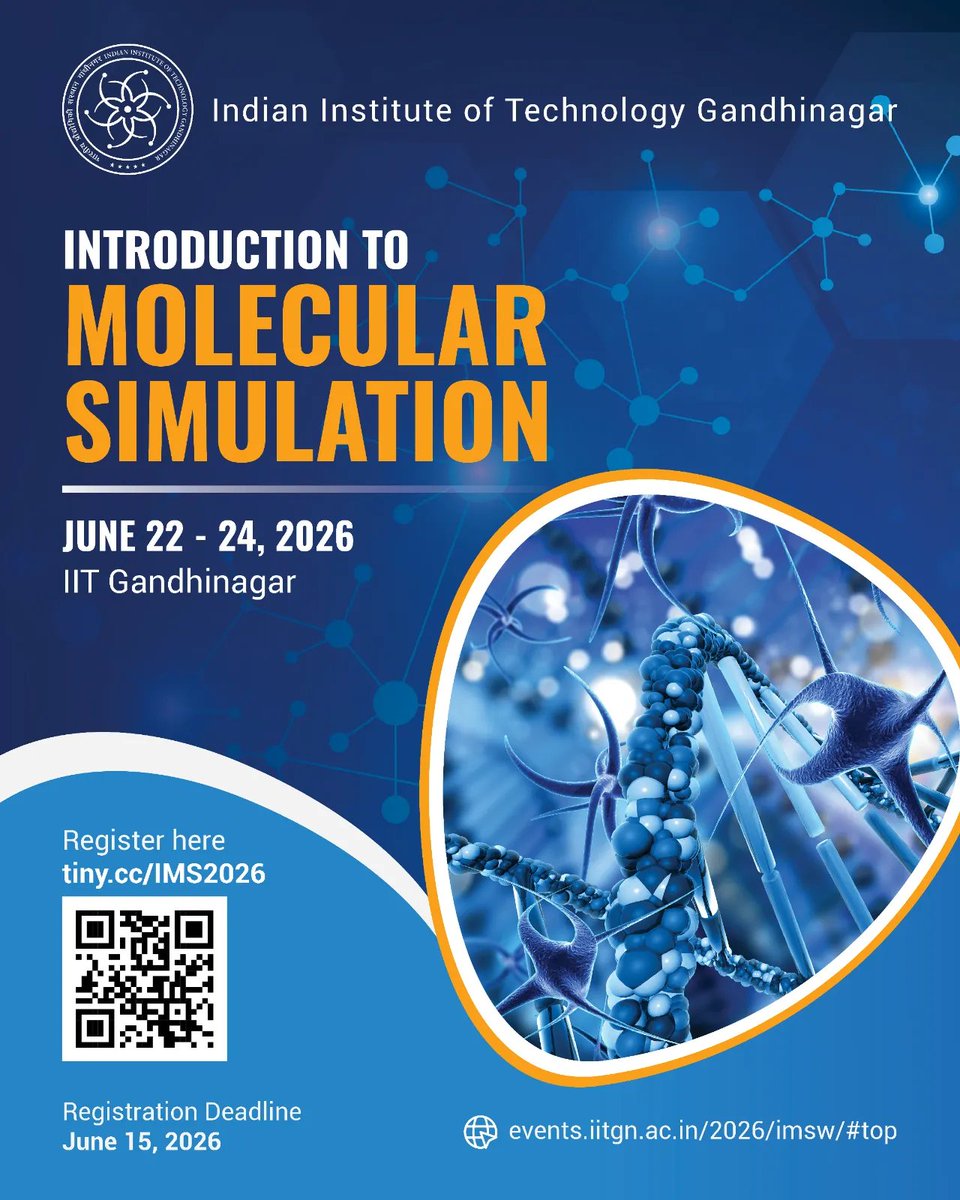
𝗜𝗜𝗧𝗚𝗡 invites students, and researchers to the workshop on 𝗜𝗻𝘁𝗿𝗼𝗱𝘂𝗰𝘁𝗶𝗼𝗻 𝘁𝗼 𝗠𝗼𝗹𝗲𝗰𝘂𝗹𝗮𝗿 𝗦𝗶𝗺𝘂𝗹𝗮𝘁𝗶𝗼𝗻, scheduled from 𝗝𝘂𝗻𝗲 𝟮𝟮–𝟮𝟰, 𝟮𝟬𝟮𝟲 at IIT Gandhinagar.
The workshop will provide foundational insights into molecular simulation techniques and their applications in modern scientific research.
Registration Deadline: June 15, 2026
Register now: zurl.co/LPw67
#IITGN #MolecularSimulation #Workshop #ComputationalScience #Research #ScientificComputing #Innovation #IITGandhinagar
2
10
847
May 25
New course launching in 2027!🎉 🤓
Neuromatch, in partnership with Connected Minds, is developing a Computational Behaviour course.
Learn more: buff.ly/nvxjoL0
#ComputationalScience #ComputationalBehaviour #Neuroscience #OpenScience #Neuromatch #ConnectedMinds
3
5
55
3,167

May 22
Today I’m sharing a new scientific milestone:
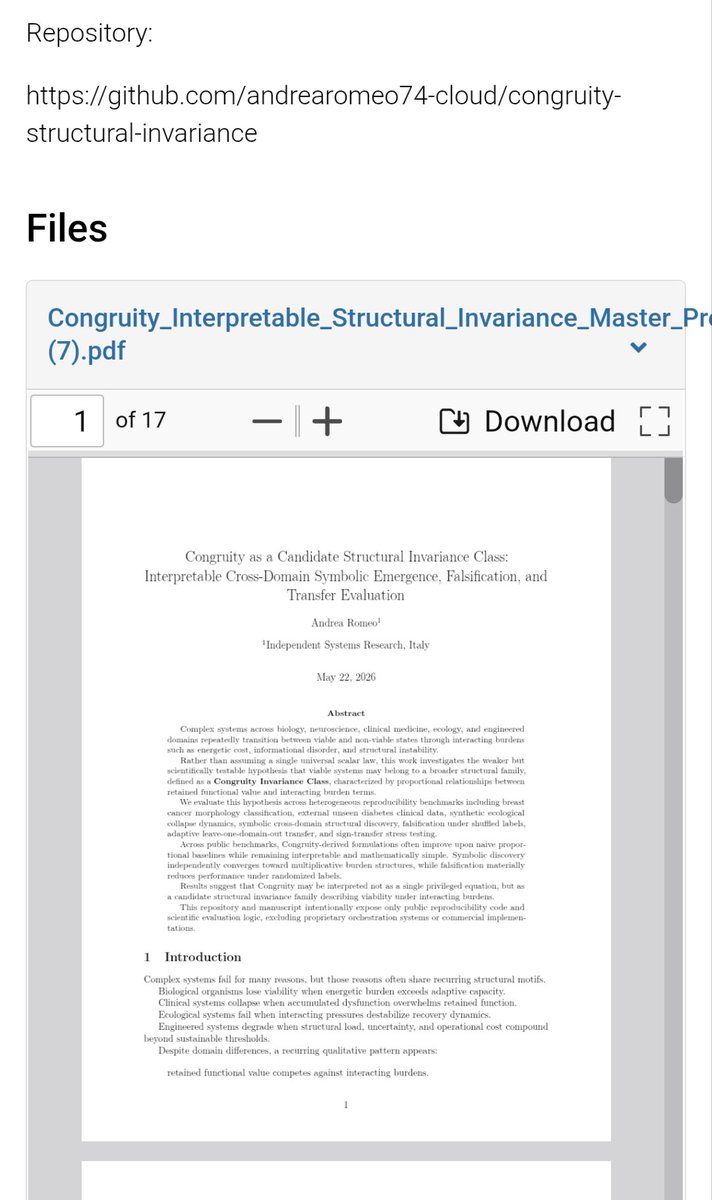
“Congruity as a Candidate Structural Invariance Class: Interpretable Cross-Domain Symbolic Emergence, Falsification, and Transfer Evaluation”
Preprint: doi.org/10.5281/zenodo.20349…
Public reproducibility repository: github.com/andrearomeo74-clo…
This work does not claim a final universal equation.
Instead, it asks a narrower and more testable scientific question:
Do viable heterogeneous systems repeatedly exhibit interpretable proportional structural patterns under interacting burdens?
To explore this, the study evaluates reproducible benchmarks across multiple domains:
• breast cancer morphology classification
• external unseen diabetes clinical validation
• synthetic ecological collapse dynamics
• symbolic structural discovery
• permutation falsification
• proxy robustness analysis
• adaptive leave-one-domain-out transfer
• fixed-sign transfer stress testing
Core observations:
• interpretable proportional structures repeatedly emerge
• symbolic search converges toward multiplicative burden forms
• randomized falsification materially degrades performance
• transfer remains partially preserved across domains
• some assumptions fail under stress, which is scientifically informative
This is important because the goal is not to defend a theory at all costs.
The goal is to determine whether Congruity represents a genuine structural invariance family, or a domain-specific artifact.
Everything public here is intentionally reproducible.
Independent verification, critique, replication, and failure analysis are welcome.
Science progresses through exposure, not insulation.
#Science #ComplexSystems #AI #MachineLearning #SystemsBiology #InterpretableAI #SymbolicAI #Reproducibility #TransferLearning #SystemsScience #ComputationalScience #OpenScience
2
4
467
May 20
𝗜𝗜𝗧𝗚𝗡 congratulates 𝗣𝗿𝗼𝗳. 𝗔𝗯𝗵𝗶𝗻𝗮𝘃 𝗝𝗵𝗮 on receiving support from the 𝗔𝗻𝘂𝘀𝗮𝗻𝗱𝗵𝗮𝗻 𝗡𝗮𝘁𝗶𝗼𝗻𝗮𝗹 𝗥𝗲𝘀𝗲𝗮𝗿𝗰𝗵 𝗙𝗼𝘂𝗻𝗱𝗮𝘁𝗶𝗼𝗻 (𝗔𝗡𝗥𝗙) under the 𝗣𝗿𝗶𝗺𝗲 𝗠𝗶𝗻𝗶𝘀𝘁𝗲𝗿 𝗘𝗮𝗿𝗹𝘆 𝗖𝗮𝗿𝗲𝗲𝗿 𝗥𝗲𝘀𝗲𝗮𝗿𝗰𝗵 𝗚𝗿𝗮𝗻𝘁 (𝗣𝗠𝗘𝗖𝗥𝗚) scheme for the project:
“𝗔𝗱𝘃𝗮𝗻𝗰𝗲𝘀 𝗶𝗻 𝗗𝗼𝗺𝗮𝗶𝗻 𝗗𝗲𝗰𝗼𝗺𝗽𝗼𝘀𝗶𝘁𝗶𝗼𝗻 𝗠𝗲𝘁𝗵𝗼𝗱𝘀 𝗳𝗼𝗿 𝗜𝗺𝗽𝗹𝗶𝗰𝗶𝘁 𝗦𝗼𝗹𝘃𝗮𝘁𝗶𝗼𝗻 𝗠𝗼𝗱𝗲𝗹𝘀.”
#IITGN #IITGNResearch #ANRF #PMECRG #ComputationalScience #Mathematics #ResearchInnovation
@EduMinOfIndia | @IndiaDST | @PIB_India | @ANRFIndia
1
1
14
949

May 17
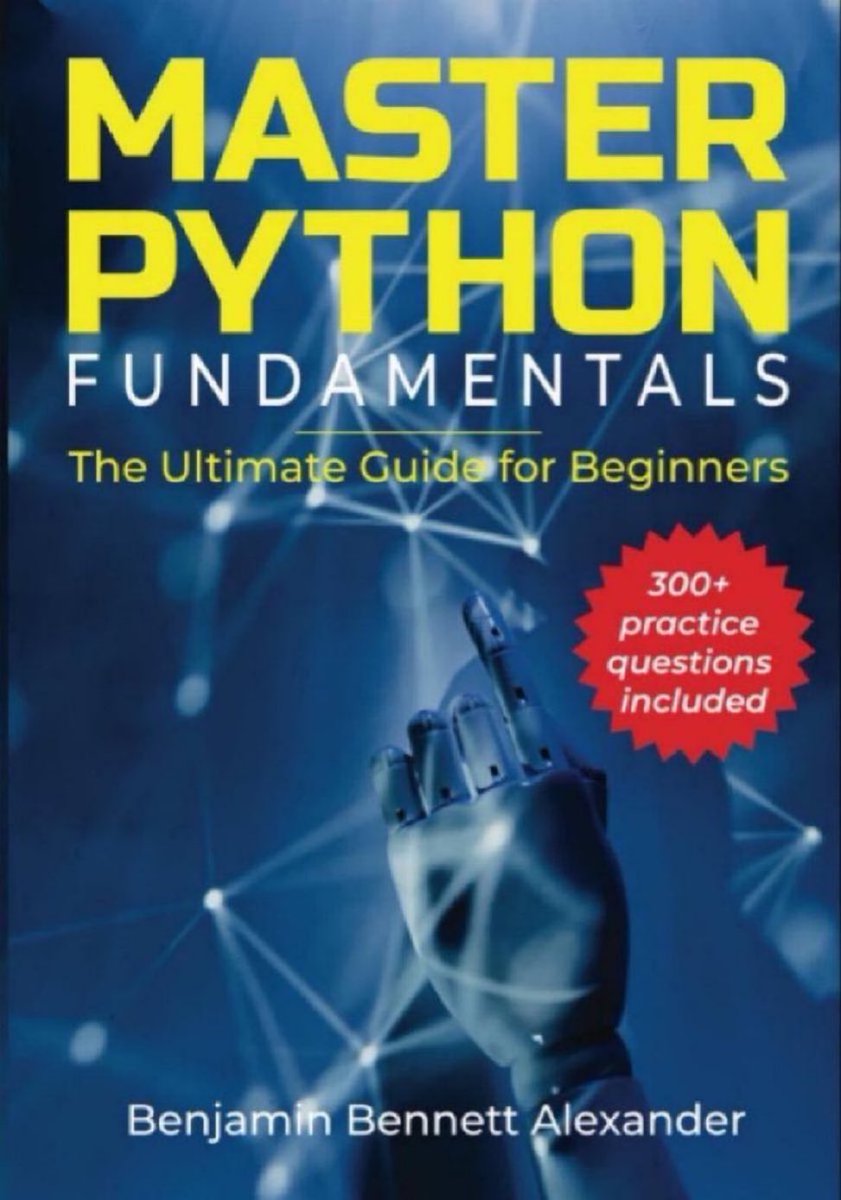
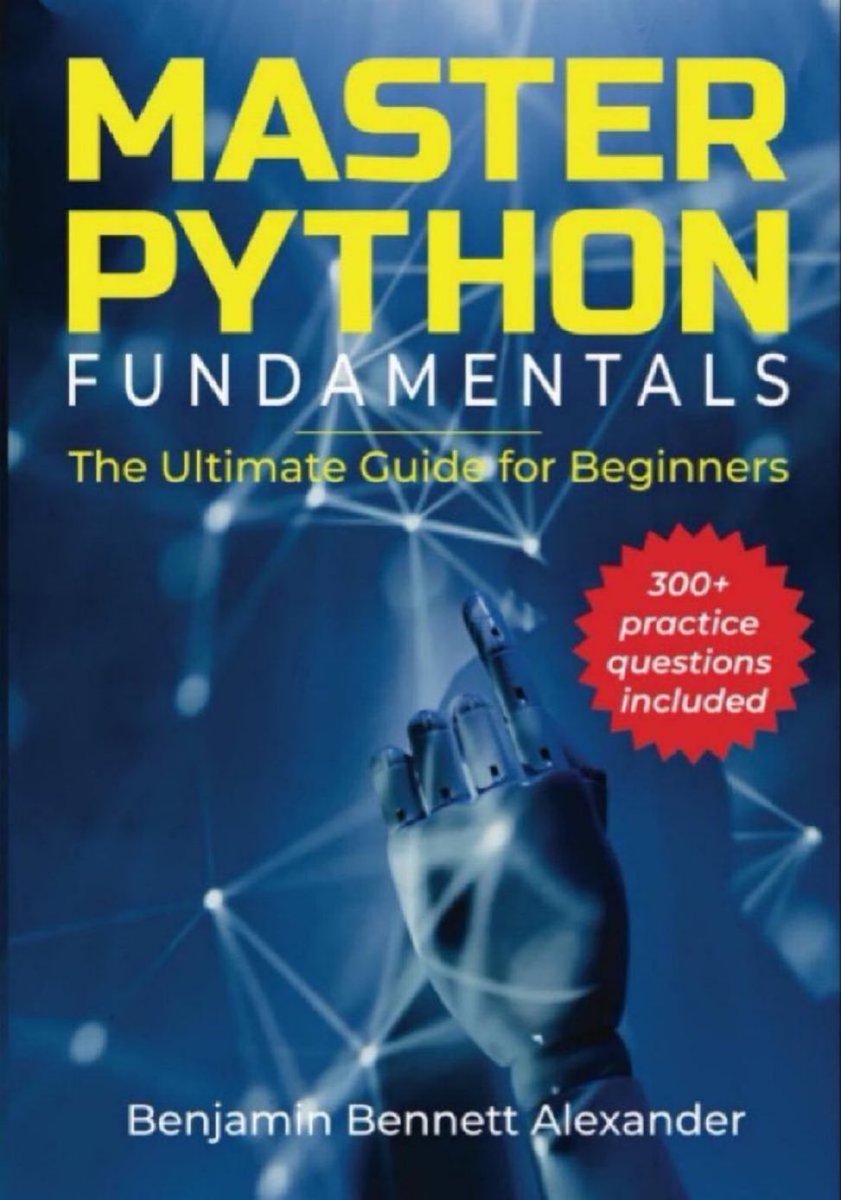
"Master #Python Fundamentals: Ultimate Guide for Beginners" — The Number #1 Python Book For Beginners with Extra 300 Hands-on Practice Questions
Get this brilliant book at amzn.to/3QCQCDn by @RealBenjizo
————
#DataScience #DataScientist #ComputationalScience
2
20
1,320
May 17
🌟🌟🌟🌟🌟
Introduction to #Algorithms (4th edition; 1312 pages): amzn.to/3JeukGU
———
#Mathematics #ComputerScience #ML #DataScience #MachineLearning #AI #Statistics #ComputationalScience #DataScientist
🌟🌟🌟🌟🌟
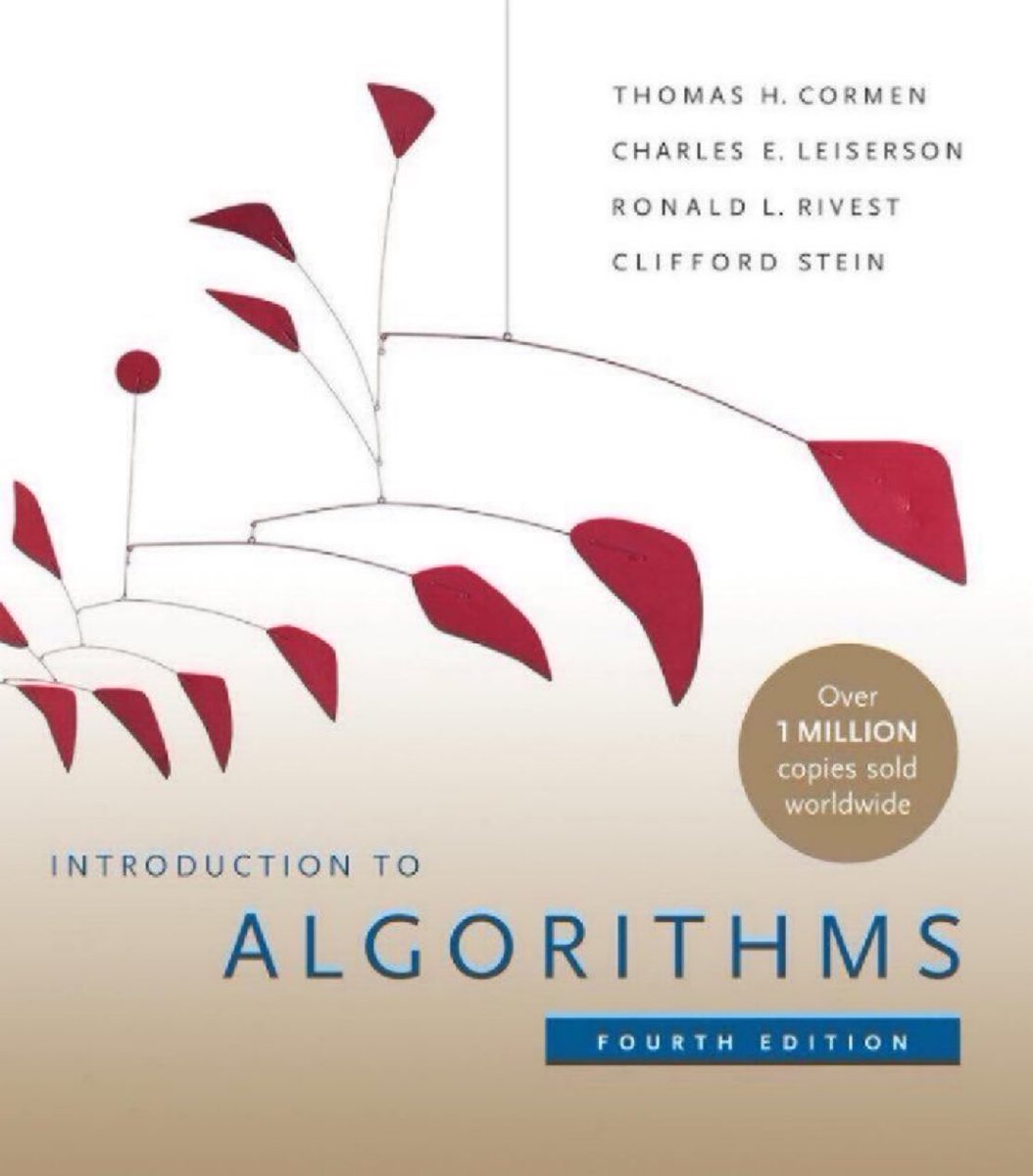
1
8
38
1,854
May 17
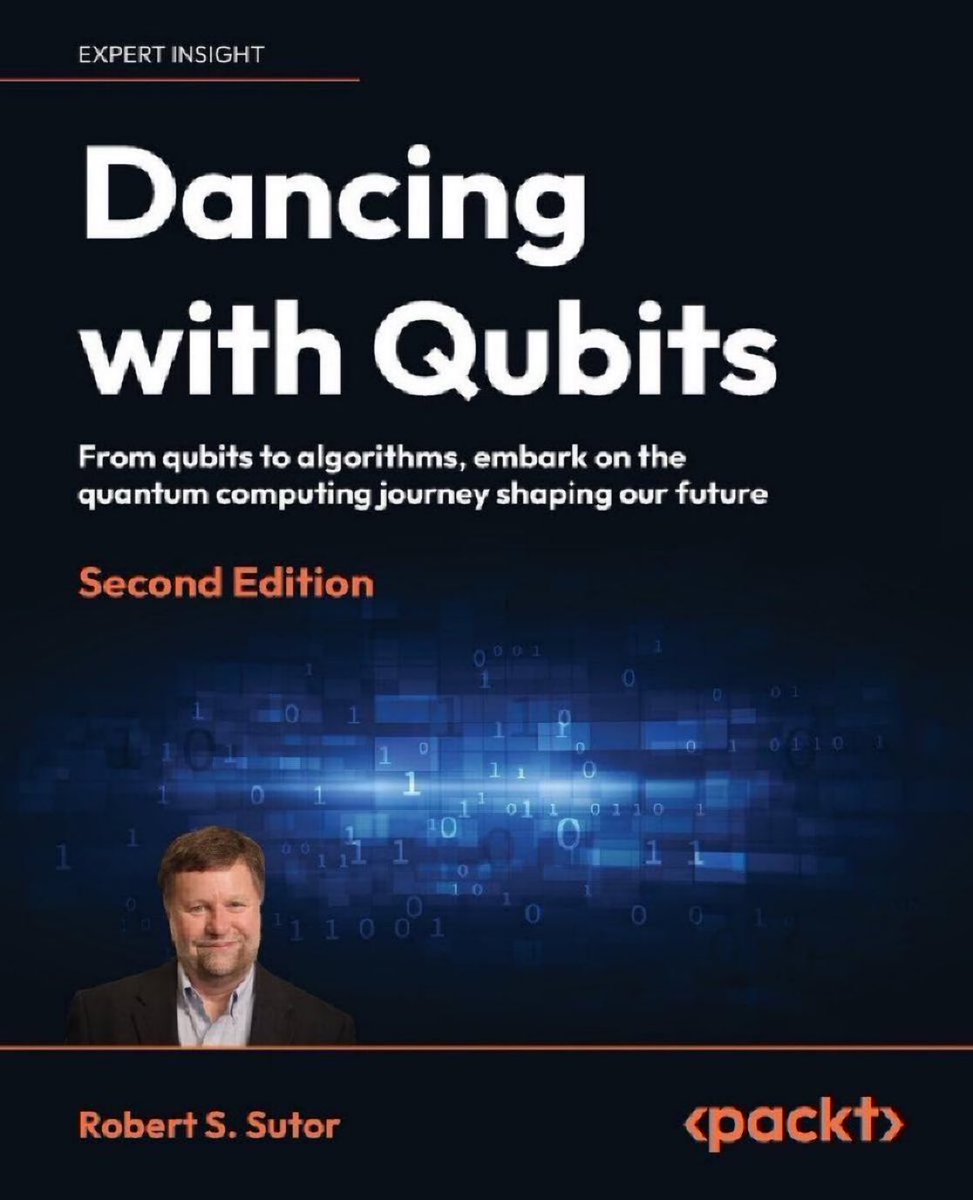
Dancing with Qubits — From qubits to algorithms, embark on the Quantum Computing journey shaping our future: amzn.to/4bJNwFj [2nd Edition] v/ @PacktDataML
Covers Quantum Machine Learning and AI
——————
#ComputerScience #ComputationalScience
1
2
12
990
May 15
🇩🇰 PhD Fellowship in Machine Learning for Crystallography | University of Copenhagen
📍 Copenhagen, Denmark
📅 Deadline: June 3, 2026
👨🏫 Supervisor: Associate Professor Anders Østergaard Madsen
🔗 Explore the opportunity:
phdscanner.com/opportunities…
The Department of Pharmacy at the University of Copenhagen is offering a 3-year fully funded PhD fellowship in Machine Learning for Crystallography, starting September 2026.
🔬 PhD Research Project
The position is part of the Novo Nordisk Foundation–funded project “Deep Learning-Accelerated Crystallography Pipeline.” The project aims to transform small-molecule structure determination by integrating machine learning into crystallographic workflows.
The PhD candidate will work on simulating diffraction data, training ML models, and developing computational tools to improve data collection, refinement, and validation in crystallography. The research contributes to an open-source high-throughput crystallography pipeline.
The project involves international collaboration with Durham University (UK) and the MAX IV synchrotron in Sweden, providing a strong interdisciplinary research environment.
🎓 Candidate Profile
✔ Master’s degree in physics, chemistry, nanoscience, or related field
✔ Strong interest in crystallography and machine learning
✔ Experience in computational methods or data analysis is beneficial
✔ Strong analytical and communication skills
💼 What’s Offered
• 3-year fully funded PhD position
• Monthly salary starting around 31,600 DKK (~€4,200) plus pension
• Opportunity for international research collaboration and research stays
• Access to modern laboratories and computing facilities
🌍 Why Apply?
• Work at the intersection of machine learning and structural science
• Contribute to next-generation crystallography tools
• Join a global collaboration between leading research institutions
#PhD #Denmark #MachineLearning #Crystallography #ComputationalScience #FullyFundedPhD #StudyAbroad
1
3
356
May 10
"Master #Python Fundamentals: Ultimate Guide for Beginners" — The Number #1 Python Book For Beginners with Extra 300 Hands-on Practice Questions
Get this brilliant book at amzn.to/3QCQCDn by @RealBenjizo
————
#DataScience #DataScientist #ComputationalScience
3
4
15
1,222
May 10
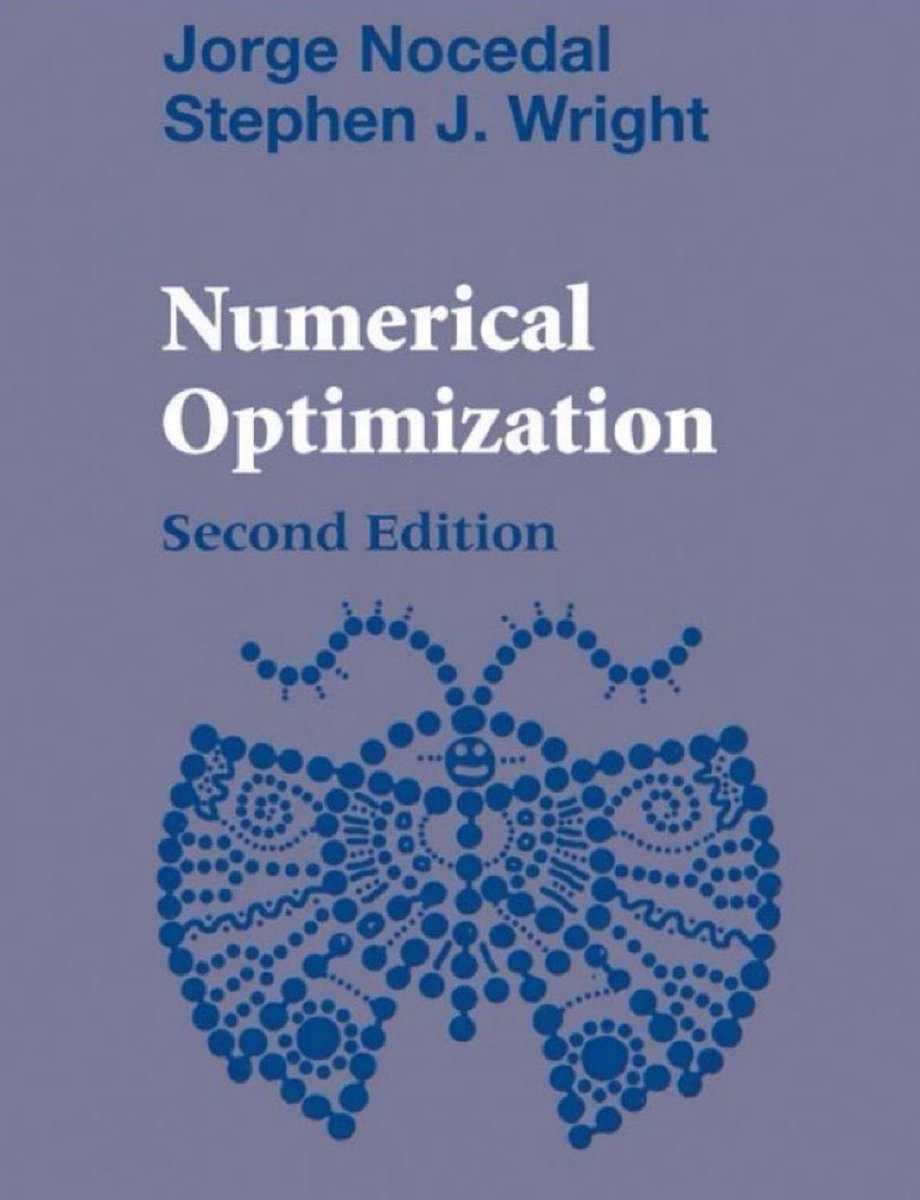
Numerical Optimization (Springer Series in Operations Research and Financial Engineering; 2nd Ed.) — methods for engineering, science, and business: amzn.to/3MrjuyW
686 pages — 90% 4- and 5-star reviews — Rigorous and Practical
#Mathematics #ComputationalScience #ORMS
2
7
32
979