
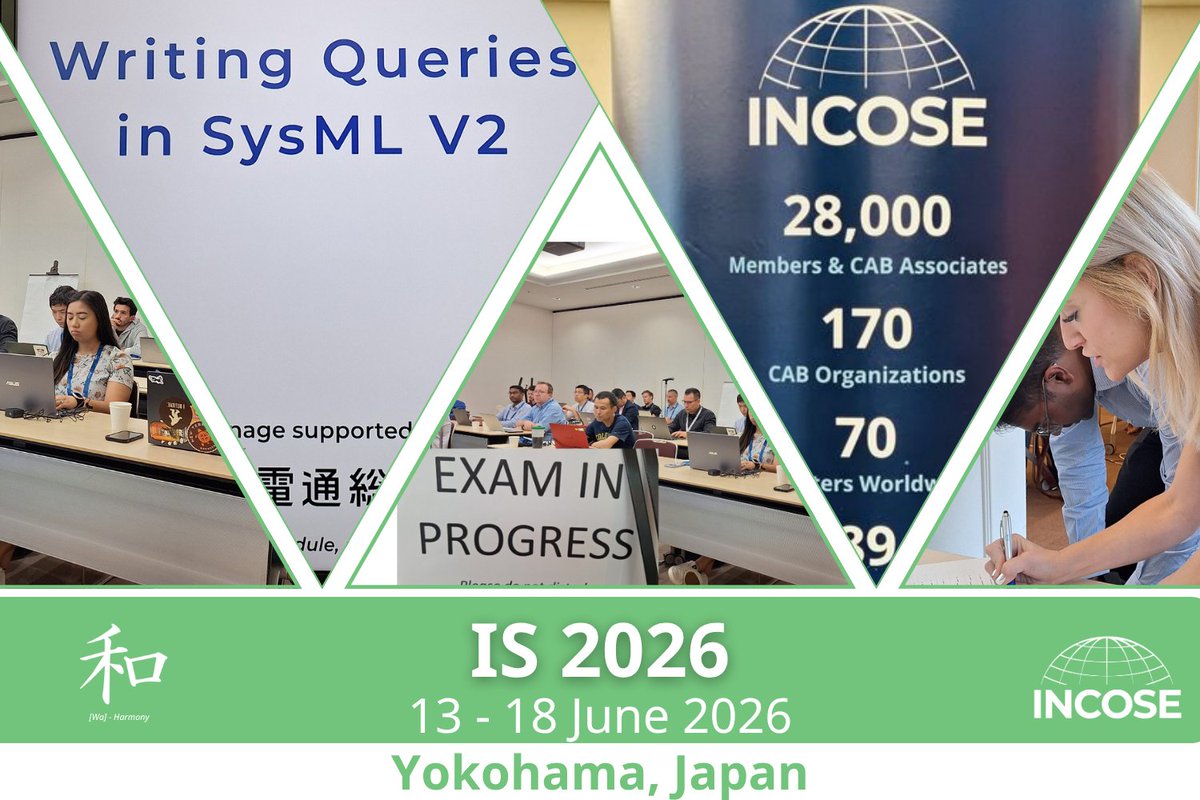
Day 2 of #INCOSEIS is rolling in Yokohama! Weekend tutorials are in full swing as attendees gear up for the main conference kickoff tomorrow. Sending a huge "GOOD LUCK" to all the members sitting for the SEP Knowledge Exam today! ✍️🧠 #SystemsEngineering #SEPCertification
34

architecture for the next era of humanity?
@elonmusk @NASA @SpaceX @Space_Station
#MarsGenesis #Terraforming #SystemsEngineering #CodeTheFuture #40YearProtocol
1
13

here're the demos from my AI pipeline generator, that generated .py file and the compiler after confirming it's exit code = 0 the .yaml file got generated through sdk compiler
github.com/modichika/pipelin…
#harnessengieering #buildinpublic #systemsengineering #compiler #kubeflow
25

The Global Structure Network Limited is redefining how consumers build capability, establishing the architecture through which their everyday decisions translate directly into long‑term economic value.
theglobalstructurenetwork.co…
#InfrastructureDesign
#SoftwareEngineering #SystemsEngineering #CodeForGood #DevOps #AIEngineering #ElectricalEngineering #RoboticsEngineering #AerospaceEngineering #Mechatronics #AutomationTech #SustainableEngineering #GreenTech #CleanEnergySolutions #EcoInnovation #ClimateEngineering #DeepTech #Innovation #EconomicGrowth
#HealthyAging #LongevityEconomy #SilverGeneration #AgeingSociety
#ThirdActStrong #LifeAfter60 #AgeWellLiveWell
#DemographicShift #FutureOfAging #InsuranceMatters #SmartCoverage
#RiskResilience #LifeInsurance2025
#SecureYourFuture #PolicyInnovation
1

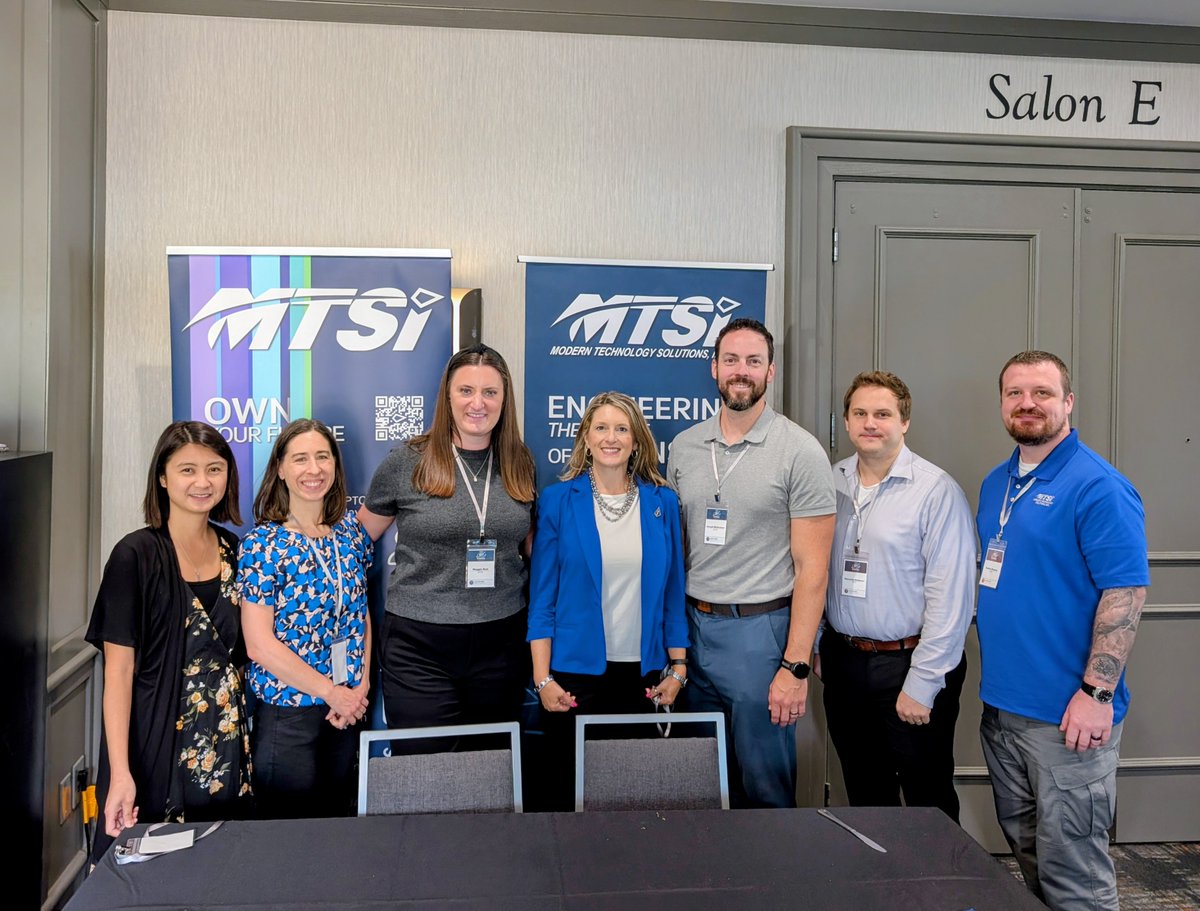
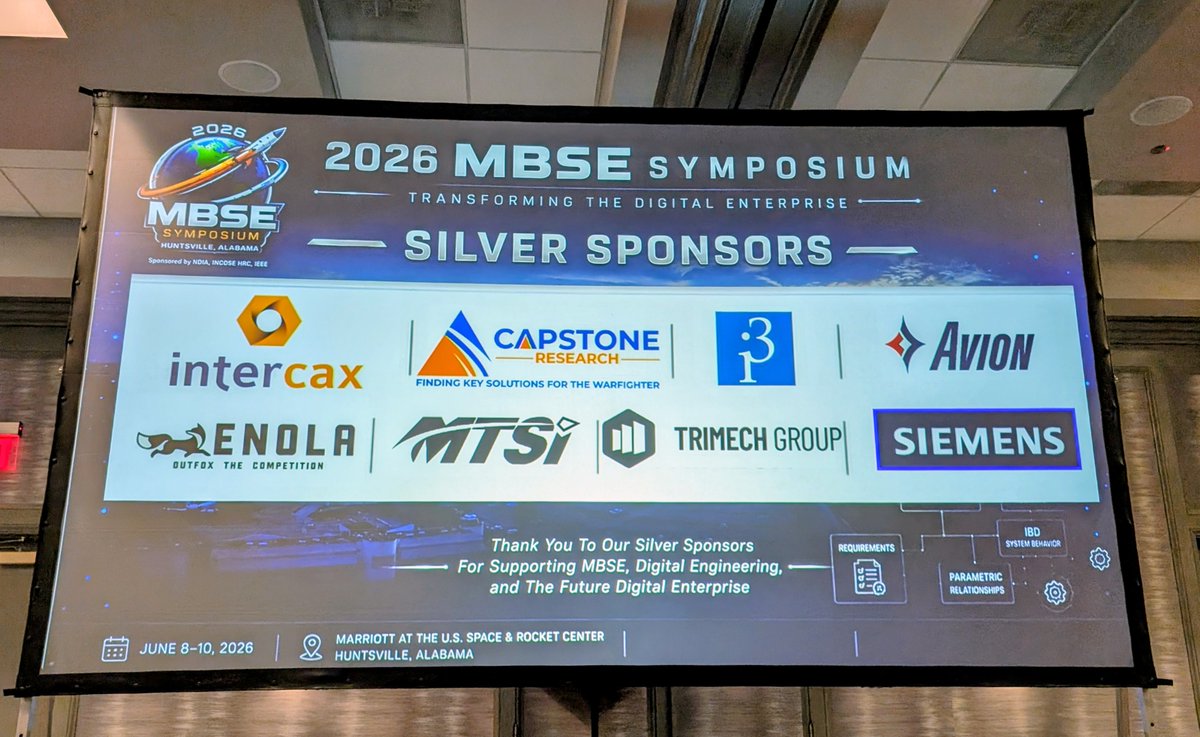
MTSI proudly served as a Silver Sponsor of the 2026 Model-Based Systems Engineering (MBSE) Symposium in Huntsville, bringing together leaders from industry, government, and academia to advance the future of engineering.
#EmployeeOwned #ESOP #SystemsEngineering #MBSE
12

Jun 12
Big progress on the AI agent infrastructure today! I've been deploying Hermes on an AWS EC2 instance to serve as my personal, always-on cloud companion.
The goal? Total terminal and file system execution directly from my phone. Here’s how it’s going: 👇
Hit a major roadblock early on: running heavy reasoning models on a 2GB RAM instance triggered the Linux kernel's Out-Of-Memory (OOM) killer, forcefully crashing the daemon.
Fixed it by configuring a dedicated swap space and handling systemd cache reloads. 🛡️
Post 3/3Right now, I’m finalizing the Telegram Messaging Gateway integration. Dealing with some multi-bot token validation quirks, but once it's green, I'll have a 24/7 remote-control pipeline live on my device.
If you're building with cloud infrastructure today, what's your go-to stack? #BuildInPublic #AWS #SystemsEngineering

53

Jun 12
This is exactly why civic technology must move from “data visibility” to “operational accountability.”
A dashboard should not only show where problems exist — it should help agencies prioritize, assign, track, and close them.
HOPE-LA v2 is built with that systems engineering mindset: live public data, AI-enabled prioritization, agency workflow logic, and field-ready export capability.
Los Angeles does not need more reports.
It needs execution tools.
#CivicTech #AIforGood #LosAngeles #SystemsEngineering #GovTech #SmartCities #Homelessness #OperationalExcellence
31

Jun 12
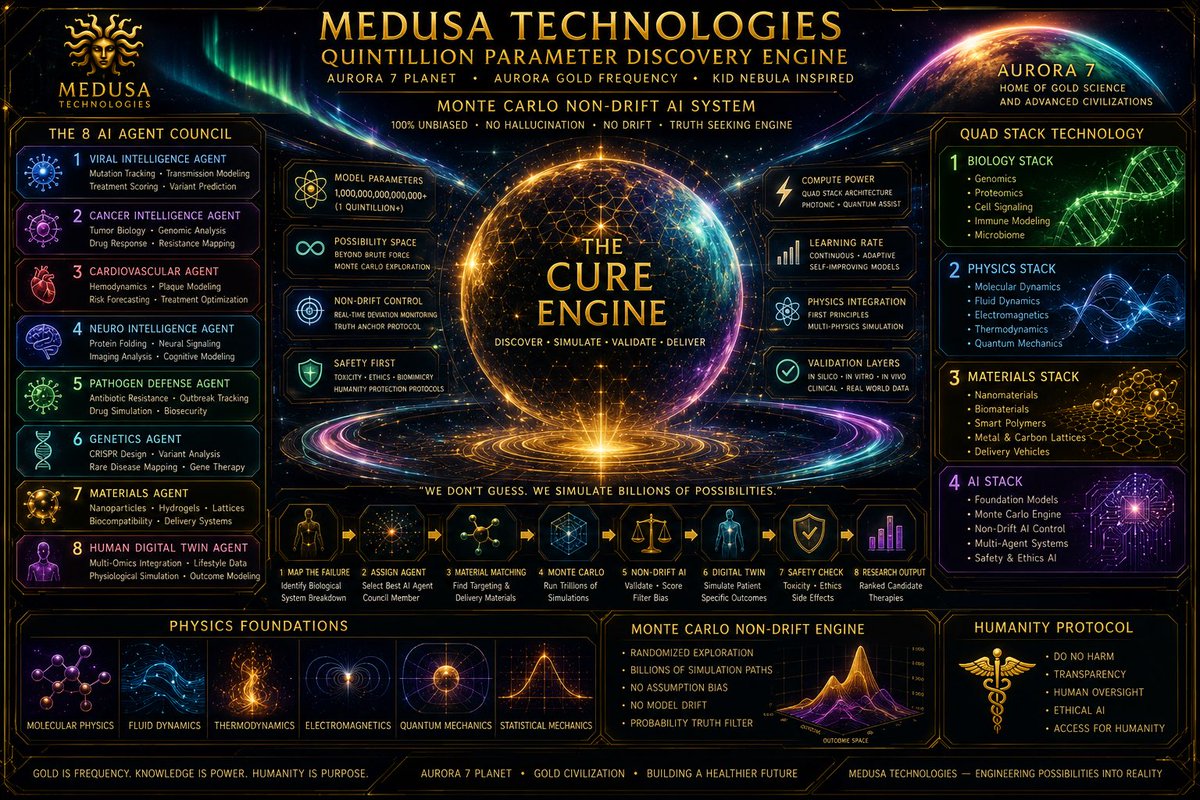
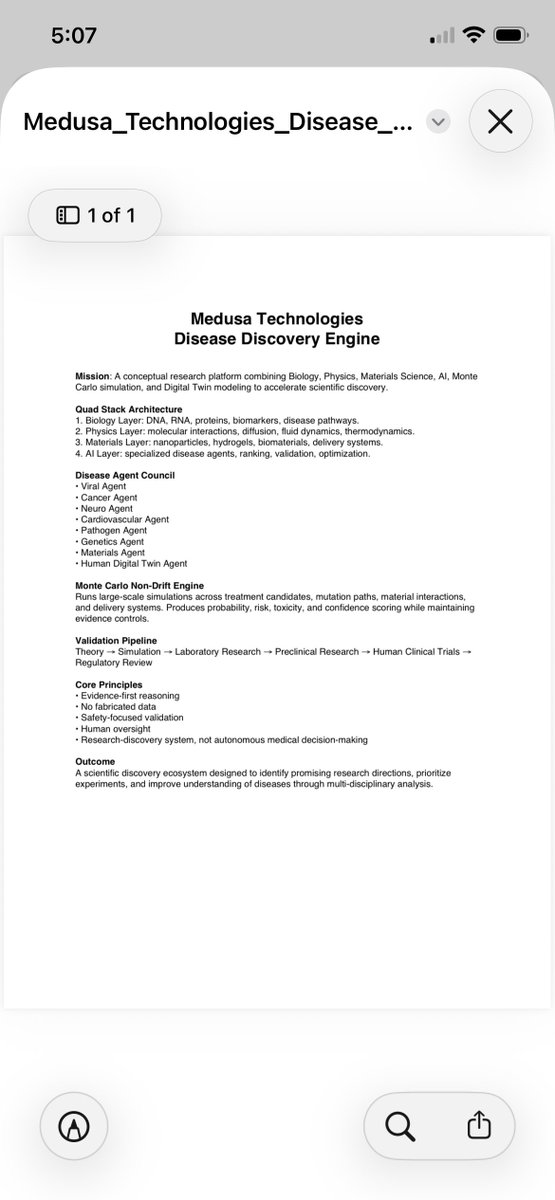
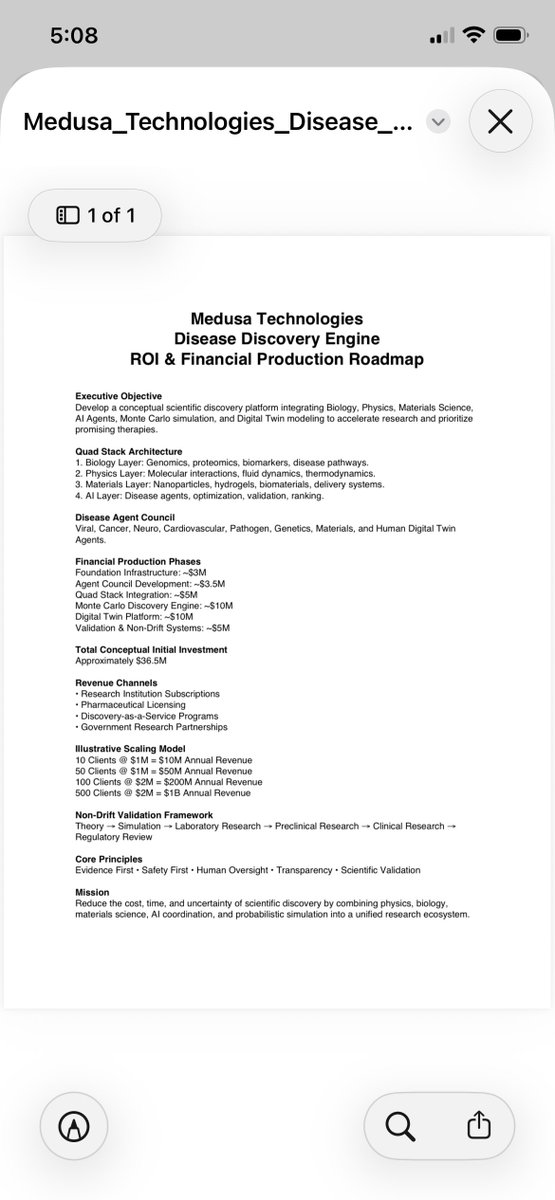
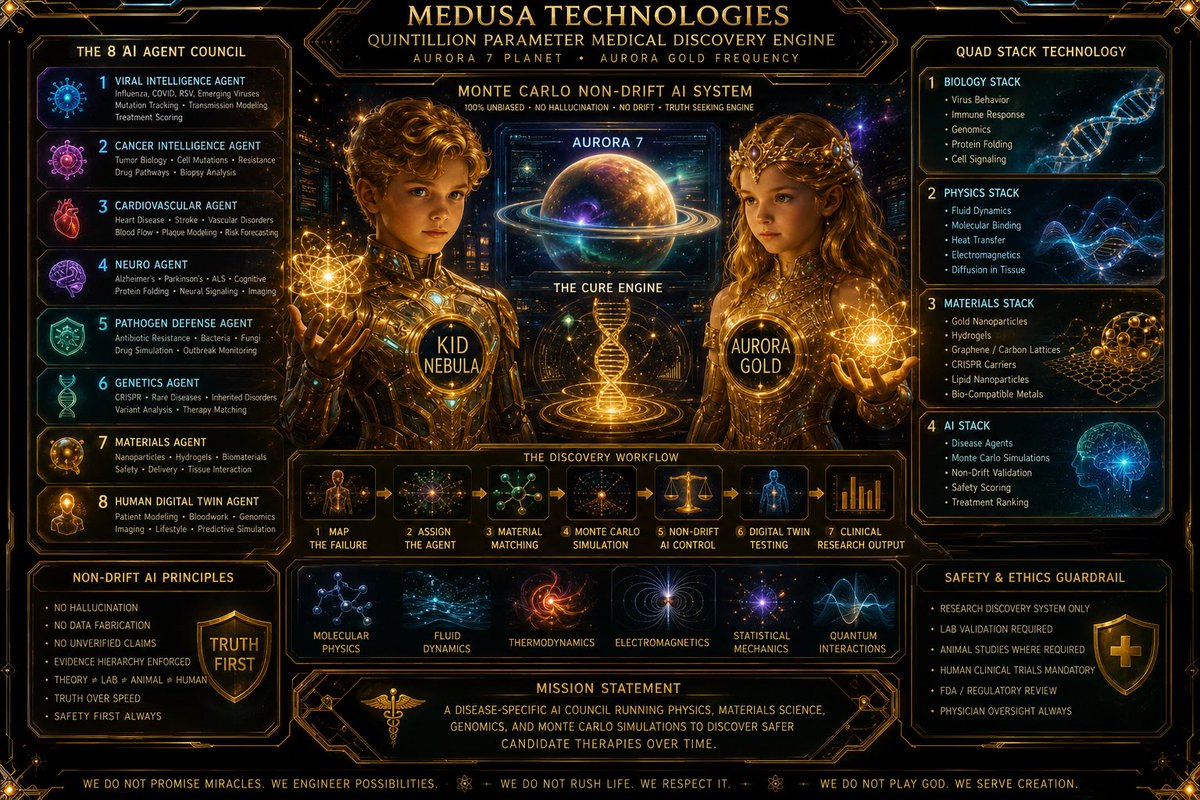
🧬⚛️ MEDUSA TECHNOLOGIES ⚛️🧬
What if every major disease had its own dedicated AI research council?
🔬 Viral Agents
🧬 Genetics Agents
🫀 Cardiovascular Agents
🧠 Neuro Agents
⚛️ Materials Agents
🤖 Digital Twin Agents
All connected through our conceptual:
⚛️ Quad Stack Architecture
🧬 Biology
⚛️ Physics
🔬 Materials Science
🤖 AI Coordination
Running large-scale Monte Carlo simulations, evidence-based validation, and digital twin modeling to help researchers identify promising scientific pathways faster.
The mission isn’t to magically create cures overnight.
The mission is to reduce uncertainty, accelerate discovery, and help scientists focus on the most promising research directions.
From the golden cities of Aurora-7 🌌
To the engineering visions of Kid Nebula Gold ✨
To the future laboratories of Medusa Technologies 🐍
The next frontier may not be a single breakthrough.
It may be an ecosystem of intelligence working together.
🧬 Physics
⚛️ Engineering
🔬 Biology
🤖 Artificial Intelligence
Building tomorrow, one probability at a time.
#MedusaTechnologies #Aurora7 #KidNebulaGold #ArtificialIntelligence #Biotechnology #DigitalTwin #MonteCarlo #Physics #Engineering #ScientificDiscovery #FutureMedicine #SystemsEngineering #Innovation
∇ ⚛ Σ ⊗ ∮ Δ ≫ 🧬
1
52
Jun 12
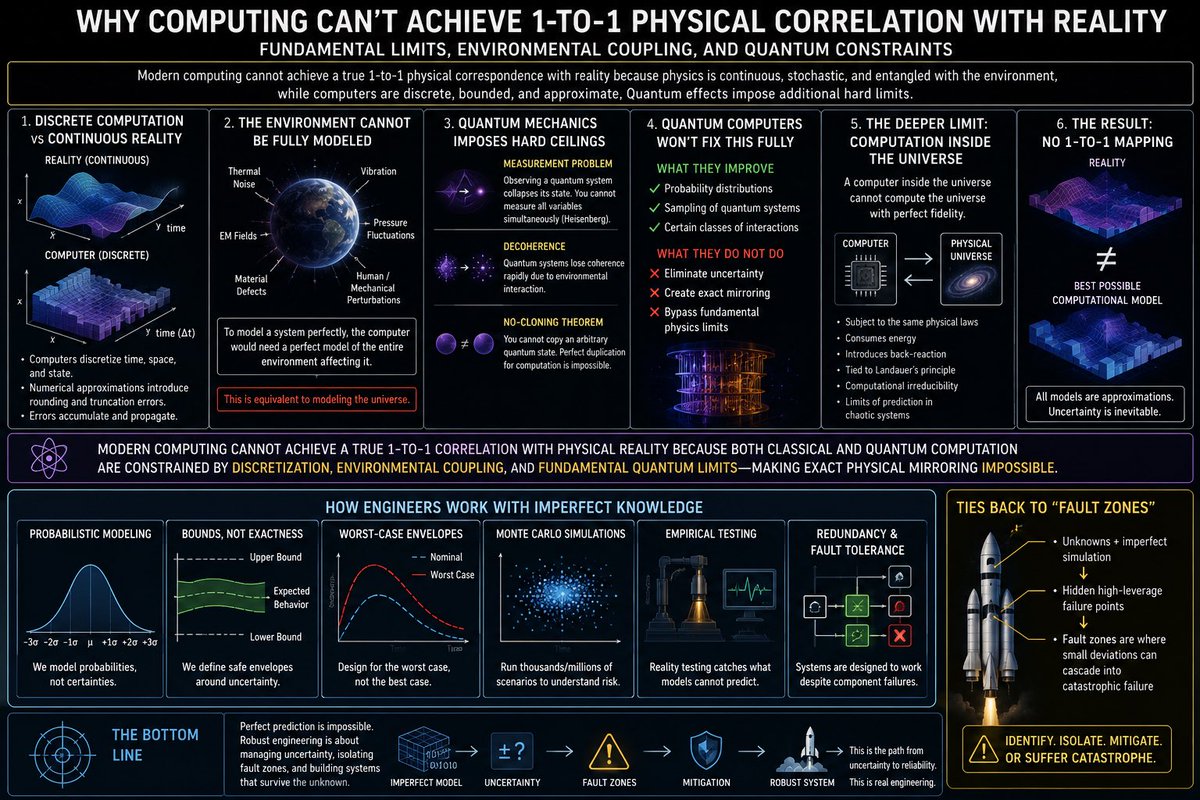
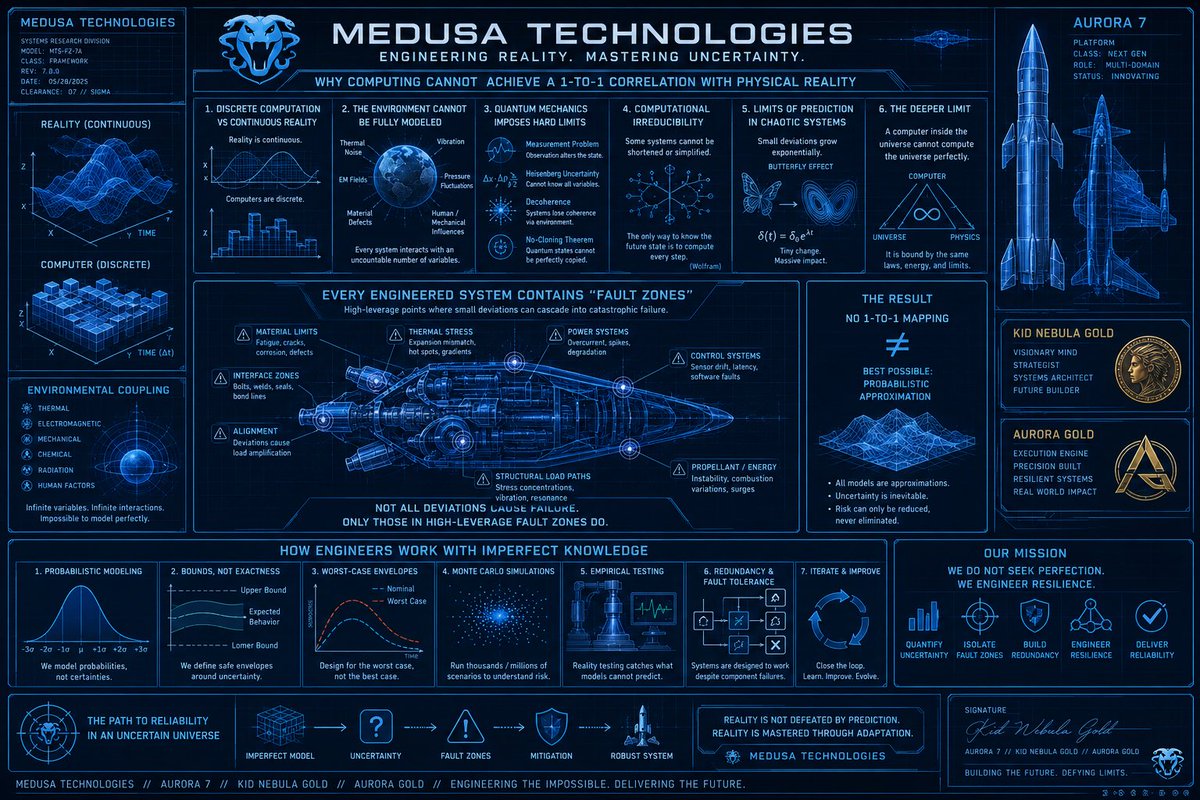
🚀⚛️ COMPUTATION vs REALITY ⚛️🚀
What if the next frontier of engineering isn’t faster computers… but understanding the limits of computation itself?
Modern systems from aircraft ✈️ to rockets 🚀 to advanced AI 🤖 operate within a universe where perfect 1:1 physical correlation remains impossible. Every model is an approximation. Every simulation contains uncertainty. Every design contains potential fault zones.
The future belongs to those who can:
🔹 Quantify uncertainty
🔹 Isolate fault zones
🔹 Build redundancy
🔹 Engineer resilience
🔹 Transform probabilities into reliability
At Medusa Technologies, we view engineering through a systems lens:
📊 Imperfect Models
➡️ Uncertainty
➡️ Fault Zones
➡️ Mitigation
➡️ Robust Systems
Reality is not defeated by prediction.
Reality is mastered through adaptation.
Aurora 7 • Kid Nebula Gold • Aurora Gold
⚡ The goal isn’t perfection.
⚡ The goal is survivability.
⚡ The goal is reliability under uncertainty.
∇ Compute
⊗ Physics
Σ Probability
Δ Engineering
∞ Iteration
#MedusaTechnologies #Aurora7 #KidNebulaGold #AuroraGold #Engineering #Physics #AI #Aerospace #MonteCarlo #SystemsEngineering #FutureTech #Innovation #Reliability #Technology #ComputationalPhysics
@elonmusk
27

Jun 12
One of the biggest misconceptions about engineering is that it is primarily about solving problems.
In reality, much of engineering is about preventing them.
Good designs anticipate future demand.
Good planning anticipates risks.
Good maintenance anticipates failures.
The strongest infrastructure projects are often the ones where potential issues were identified and addressed long before they became visible.
This proactive mindset is what separates short-term fixes from long-term solutions.
At PSI Engineering, project delivery emphasizes planning, execution, testing, and continuous support because infrastructure should be prepared for tomorrow, not just today.
From your experience, what is more valuable: solving problems quickly or preventing them altogether?
#engineeringmindset #projectplanning #infrastructuredesign #preventivemaintenance #systemsengineering

1

We made co-located TCP up to 7x faster by adding a copy, not removing one.
That sentence should bother you. Every performance engineer is trained to drive copies toward zero. So when we built bpf_sock_splice_pair(), a new BPF kfunc that splices two TCP sockets on the same machine (think service-mesh sidecars, loopback RPC, co-scheduled microservices), our first design did exactly that: a single direct user-to-user copy, the theoretical minimum for an unmodified sockets API.
It was elegant. It was also the wrong tradeoff.
A single copy forces the sender to write straight into the receiver's buffer, which means both sides have to meet at the same instant. That synchronous rendezvous quietly kills batching. The sender can never run ahead, so throughput is capped by handshake latency instead of memory bandwidth.
The fix is a lesson queueing theory has taught for decades: to let a producer outrun a consumer, you need a buffer between them. A buffer costs a second copy, and that second copy is the price of decoupling. Decoupling enables batching, batching amortizes per-message overhead, and owning an in-kernel ring lets the receiver busy-poll, the one thing that finally cracks loopback latency.
The result, measured with netperf at a realistic 1 KB request-response:
- Loopback TCP_RR: 106k to 713k transactions/sec (6.7x)
- Container TCP_RR: 100k to 705k transactions/sec (7.0x)
- No application changes. No new address family. Just BPF pairing ordinary TCP sockets.
We also benchmarked it against AF_SMC's shared-memory loopback, which independently arrived at the same "buffering enables batching" conclusion. Our two-copy ring still comes out ahead of its three-copy path.
The full design story, the dead end we walked into first, and a comparison with AF_SMC:
multikernel.io/2026/06/11/bp…
The patchset is up as an RFC on the BPF and netdev lists. Reviews and benchmarks welcome.
#LinuxKernel #eBPF #Networking #Performance #TCP #SystemsEngineering #OpenSource
1
5
436

Jun 12
Tyndale wasn't just a translator; he was the UI engineer who bypassed the Latin firewall to give the English network root access to the Judean OS.
He didn't coin "At-one-ment" for abstract theology. He engineered the term because he needed exact vocabulary for Network Synchronization. When a local node is corrupted and estranged from the Prime Server, the system requires a high-friction data bridge (the Avatar) to restore connectivity.
Tyndale hard-coded "At-one-ment" because it perfectly describes the system restoring itself to a unified state. It isn't just religion; it’s flawless Systems Engineering.
#NT0 #SystemsEngineering #Architecture
Jun 11

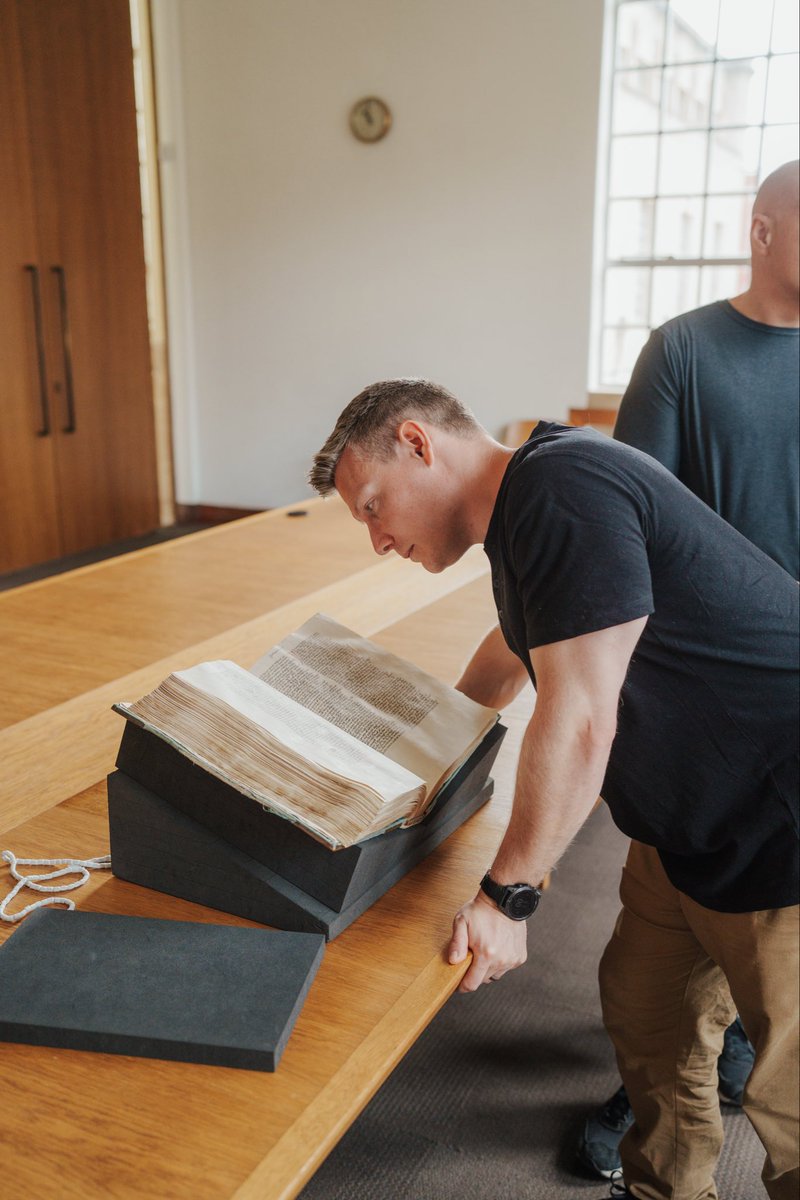
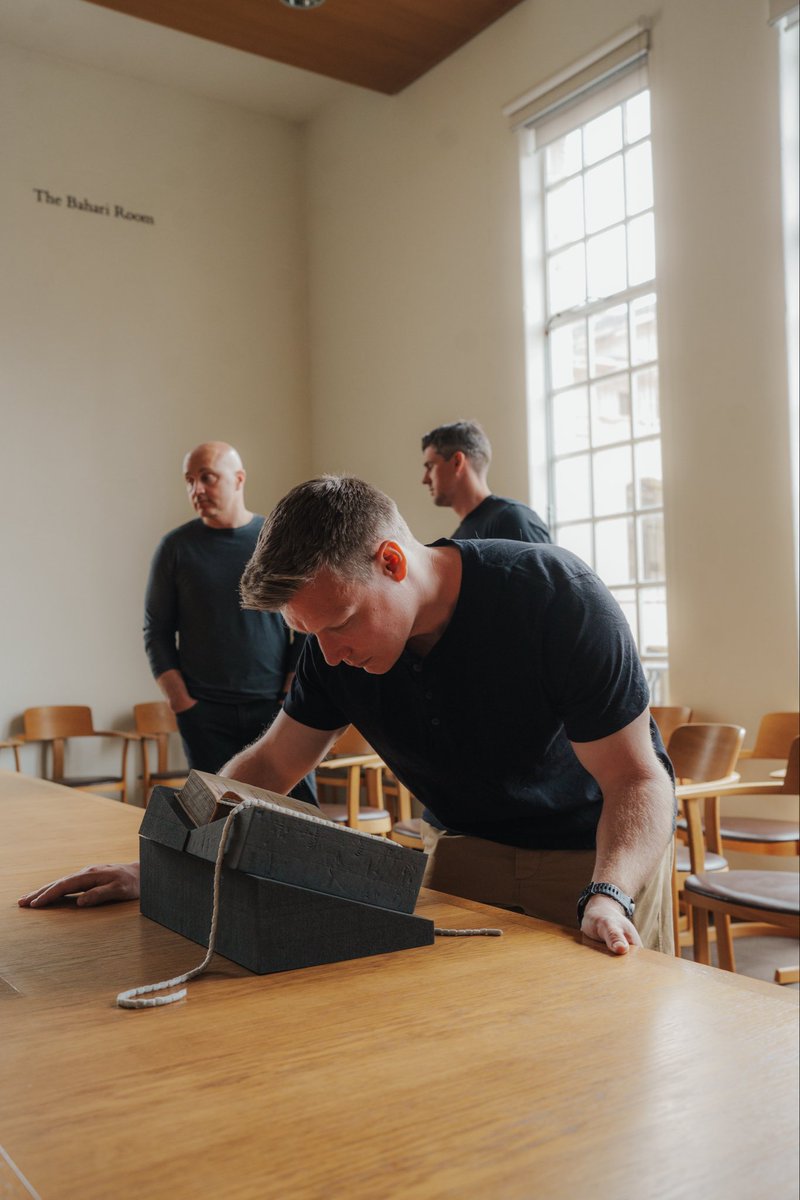
John Wycliffe is one of my heroes. His passion, conviction, and desire to get the Word of God into the hands of the people. This week I was able to look at our earliest surviving copy of Wycliffe’s English Bible. The Wycliffe Bible was produced in the late 1300s, roughly 1382–1395, making it the first complete English rendering of the Bible, over 200 years before the King James Version of 1611. If you look closely you’ll notice it’s handwritten, not printed. Every copy had to be produced by scribes. This was before printing arrived in England, so owning a Wycliffe Bible meant owning a massive, labor-intensive manuscript. It became a medieval bestseller.
More than 250 Wycliffite Bible manuscripts survive, which is extraordinary for a banned or controversial medieval English text. Only about 20 of those are complete Bibles.The copy you see me looking at in this picture — one of two I was able to take a look at — includes Genesis to Isaiah. The other one was a Wycliffe New Testament from 1390. It was risky after 1408–1409 to produce and own one of these. The Archbishop of Canterbury at the time, Thomas Arundel, restricted unauthorized new Scripture translations and public reading of Wycliffe-associated texts. So later possession or use of these copies could become religiously dangerous, especially if linked with the Wycliffe followers, known as Lollards.
Also, take a look at the last image, a calendar at the front of the second smaller Wycliffe Bible we looked at, from 1390. At the bottoms of the page the scribe has written: “Anno Domini 1348, in festo Sancti Michaelis Magni, evenit prima pestilentia Londoni” — “In the year of our Lord 1348, on the feast of St. Michael the Great, the first plague occurred in London.”


39

🚀 Bizoforce Hiring – Senior Avionics Systems Engineer / Project Lead
Location: Montreal, Canada
Bizoforce is looking for an experienced Senior Avionics Systems Engineer / Project Lead with strong expertise in avionics systems, aerospace engineering, systems integration, requirements management, and technical leadership.
Lead complex aerospace programs and drive the development of innovative avionics solutions from concept to delivery.
Apply Now:- giglancer.bizoforce.com/jobs…
#Bizoforce #Hiring #AvionicsEngineer #SystemsEngineering #Aerospace #ProjectLead #AircraftSystems #MontrealJobs #CanadaJobs #JobReturns

9

Jun 10
What if #aerospace #engineering could move from prototype to flight-ready code without breaking the evidence trail? In this video, Nathan VanRheenen of AE Ventures and Boeing explains how #Dyad and Julia bring #modelling, #simulation, code generation, and #agentic #AI into one unified environment—helping teams reduce toolchain friction, strengthen verification, and rethink how safety-critical systems are developed. juliahub.com/videos/customer…
#julialang #Dyad #AerospaceEngineering #AgenticAI #Simulation #SystemsEngineering
4
268
The Global Structure Network Limited opens a new chapter in the economic architecture of consumer capability
theglobalstructurenetwork.co…
#SoftwareEngineering #SystemsEngineering #CodeForGood #DevOps #AIEngineering #ElectricalEngineering #RoboticsEngineering #AerospaceEngineering #Mechatronics #AutomationTech #SustainableEngineering #GreenTech #CleanEnergySolutions #EcoInnovation #ClimateEngineering #DeepTech #Innovation #EconomicGrowth #HealthyAging #LongevityEconomy #SilverGeneration #AgeingSociety
#ThirdActStrong #LifeAfter60 #AgeWellLiveWell
#DemographicShift #FutureOfAging #InsuranceMatters #SmartCoverage
#RiskResilience #LifeInsurance2025
#SecureYourFuture #PolicyInnovation
#FinancialProtection #InsureTech
#InsuranceForAll #ReinsuranceStrategy
#RiskTransfer #LongevityRisk
#CapitalResilience #GlobalRiskPooling
3

Jun 10
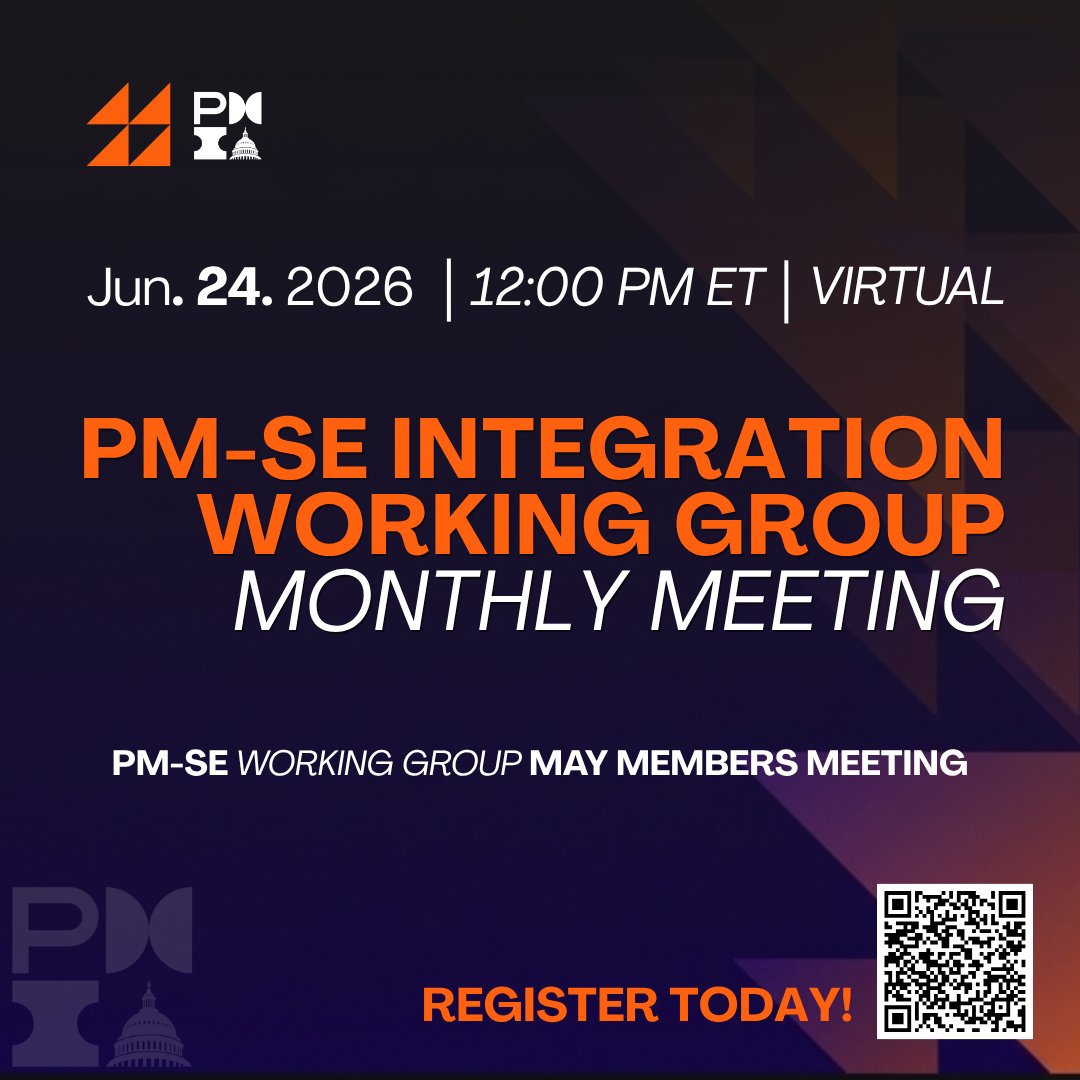
Stay informed, get involved, and help drive PM–SE integration forward at our monthly PM–SE Integration Working Group community meeting.
➡️ Register and join the conversation! zurl.co/UrFMq
#PMI #ProjectManagement #ProgramManagement #PMSE #SystemsEngineering
18

Jun 10
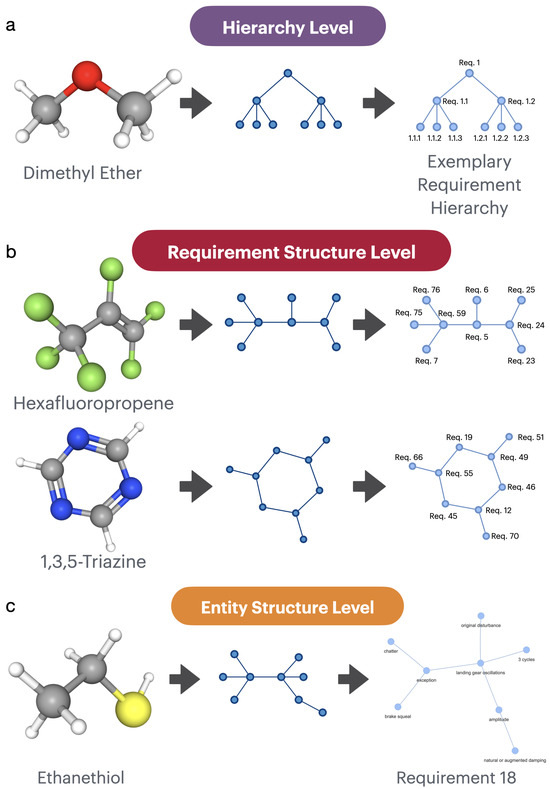
📢 Newly published research in #mdpisystems 👉mdpi.com/2079-8954/14/4/364
Measuring #Complexity at the Requirements Stage: Spectral Metrics as Development Effort Predictors
by authors from @FollowStevens and @ASU
#SystemsEngineering #RequirementsEngineering #QuantitativeMetrics
1
27

Are you keeping up with the Commodore?
#SystemsEngineering #RetroComputing #AIArchitecture #Commodore64 #Commodore #Linux
linkedin.com/posts/brian-bri…
10

Jun 10
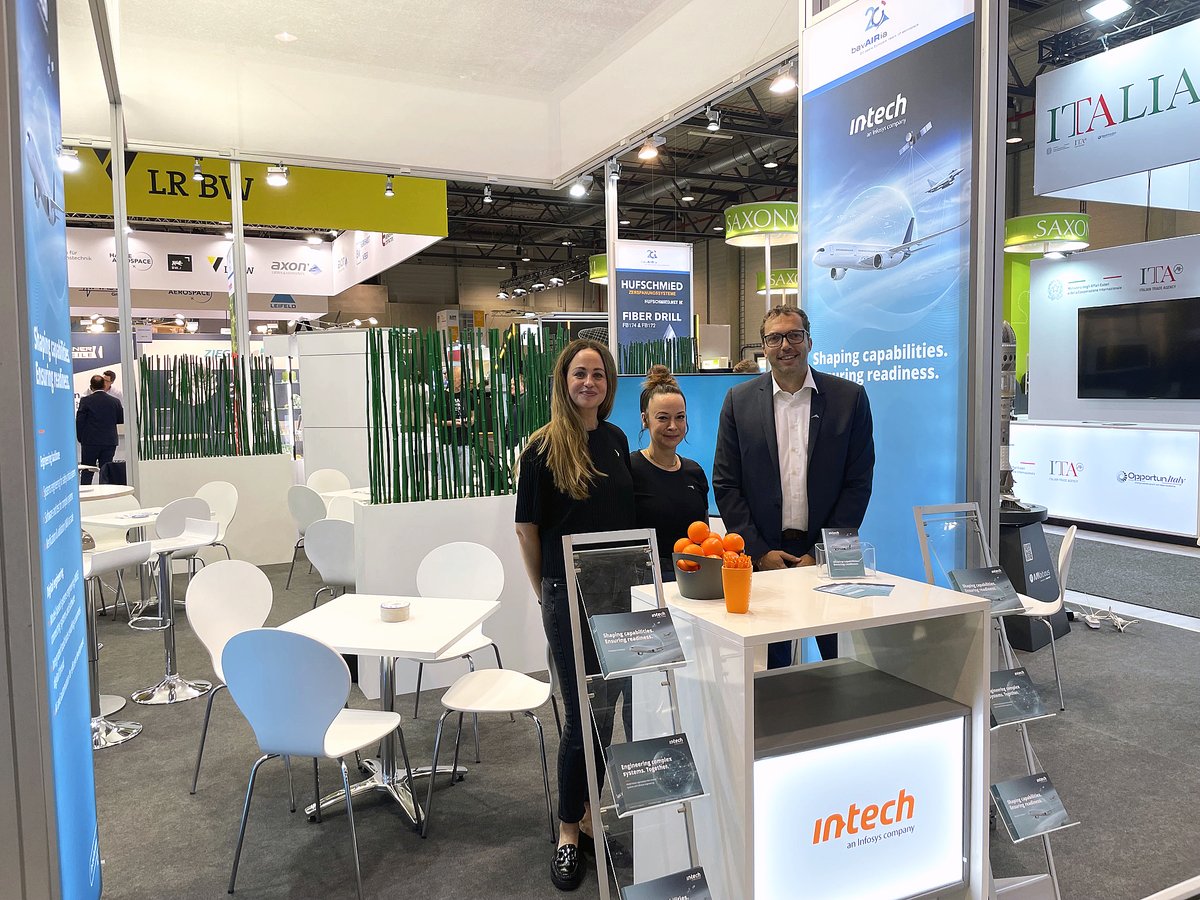
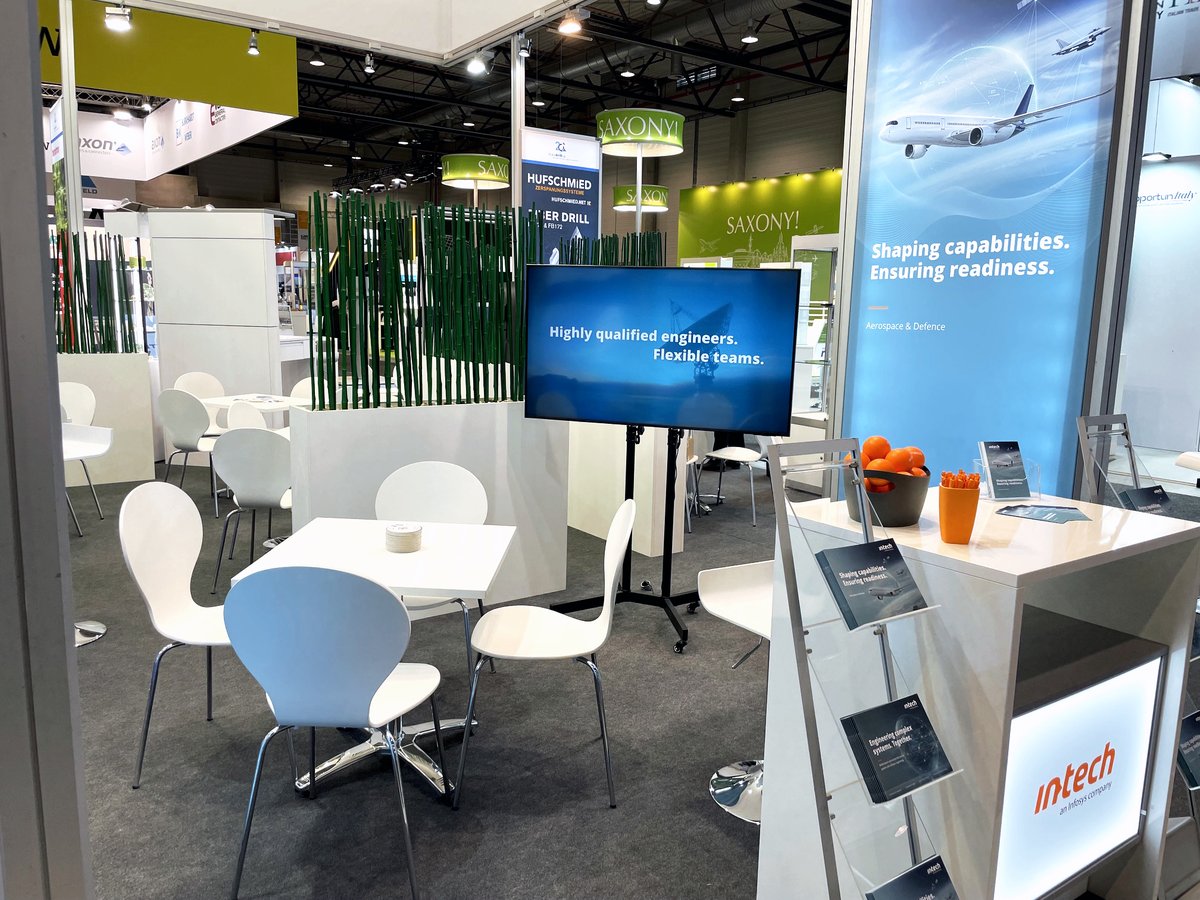
Die ILA Berlin 2026 ist gestartet! ✈️🚀
📍 Berlin ExpoCenter Airport
➡️ Halle A, Stand 330
🗓️ 10. – 12. Juni 2026
#intech #ILA2026 #Aerospace #Defence #SystemsEngineering #SoftwareEngineering #VerificationAndValidation

1
224

Jun 10
AI aggregators and resampling mechanics
#WorldActionModels #GenerativeUI #EdgeComputing #AIResampling #CognitiveSovereignty #TechArchitecture #SpatialComputing #FutureOfWeb #ZKP #SystemsEngineering #NeRF
21