
Joined September 2024
- Tweets 369
- Following 6
- Followers 2,674
- Likes 572
27 Photos and videos





Pinned Tweet

24 Sep 2025
hyperspell is officially in @ycombinator f25! 🌟
your ai agent is a clueless genius. hyperspell gives it context and memory so it can act like your smart teammate.
try our product today: hyperspell.com/
7
5
101
46,595
Hyperspell (YC F25) retweeted

Jun 13
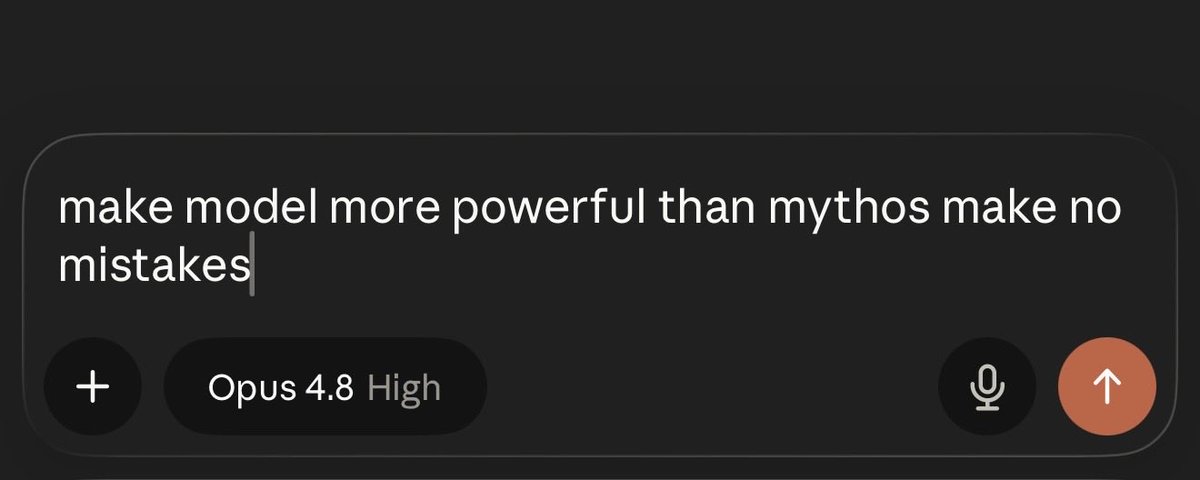
everybody calm down.
i got this.
12
7
86
20,553
Hyperspell (YC F25) retweeted
Jun 12
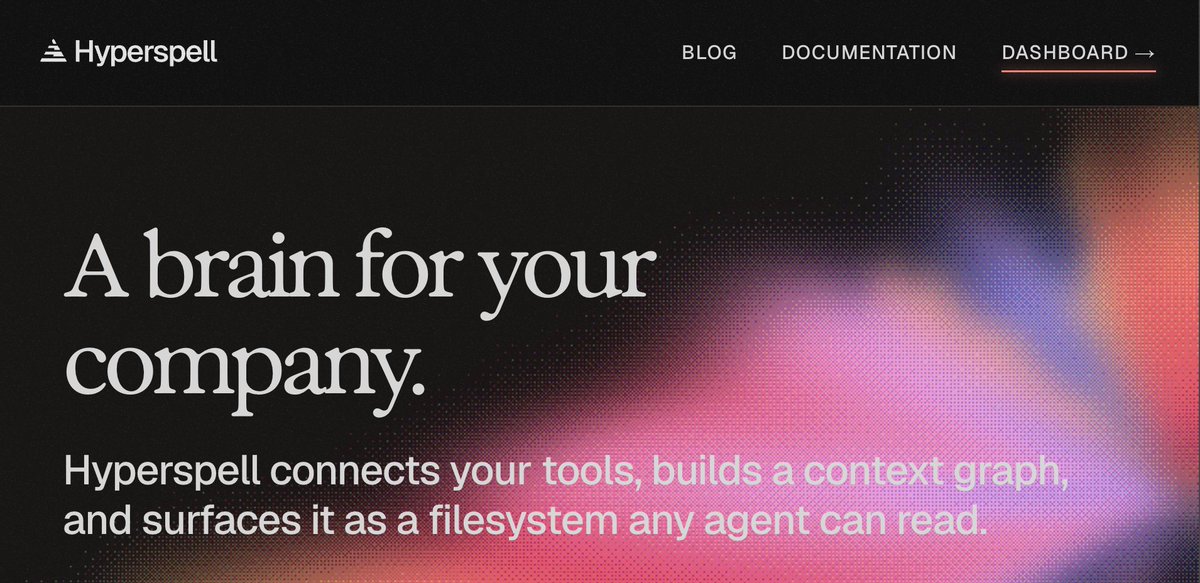
we now own Hyperspell.com!
we bought it 2 years ago, but i just wanted to remind everyone
9
1
75
7,171
Hyperspell (YC F25) retweeted

Jun 12
Humans spent 30,000 years pretending to talk to god. And for some reason the ambition of most workplace AI agents stops at replacing Jake from accounting.
If you're building agents, you're choosing between two futures.
𝗣𝗼𝗹𝘆-𝗮𝗴𝗲𝗻𝘁𝗶𝗰: One agent per function. A copy-paste of your org chart.
𝗠𝗼𝗻𝗼-𝗮𝗴𝗲𝗻𝘁𝗶𝗰: One agent that knows the whole company and adapts to the person/task.
The poly-agentic model is a human-centric projection onto machines. We have separate departments because humans have limited bandwidth. A salesperson can't also be an engineer. Communication between humans is expensive and difficult, so we keep each person's scope narrow.
But agents don't have limited bandwidth the way people do. With a proper memory solution, one agent can hold everything sales, engineering, and support knows simultaneously, with perfect recall. An omniscient, omnipresent agent that works on your company vision.
Most workspace agent providers are still trying to push the poly-agentic model, one agent per function. 𝗕𝘂𝘁 𝘄𝗵𝘆 𝘄𝗼𝘂𝗹𝗱 𝘆𝗼𝘂 𝘁𝗮𝗹𝗸 𝘁𝗼 𝗝𝗮𝗸𝗲 𝗳𝗿𝗼𝗺 𝗺𝗮𝗿𝗸𝗲𝘁𝗶𝗻𝗴 𝘄𝗵𝗲𝗻 𝘆𝗼𝘂 𝗰𝗼𝘂𝗹𝗱 𝘁𝗮𝗹𝗸 𝘁𝗼 𝗴𝗼𝗱?
At Hyperspell, our agent Cubert lives in our group chat. He doesn't have a "sales mode" and an "engineering mode." He knows what's going on across the company, and when I ask him about a customer issue, he pulls from the same knowledge graph as when @contextconor asks about a product roadmap question.
𝗕𝗲𝗰𝗮𝘂𝘀𝗲 𝗶𝘁'𝘀 𝘁𝗵𝗲 𝘀𝗮𝗺𝗲 𝗸𝗻𝗼𝘄𝗹𝗲𝗱𝗴𝗲. 𝗜𝘁'𝘀 𝗼𝗻𝗲 𝗯𝗿𝗮𝗶𝗻.
Build one agent that knows everything. Make it act differently depending on who's talking to it and what they need. It knows the whole picture, so it adapts.
You don't need more agents. You need one that understands your company the way a chief of staff or trusted advisor does.
1
3
8
1,044
Hyperspell (YC F25) retweeted

Jun 11
my conversation with @contextconor coming 6/16/26.
3
5
56
4,611
Hyperspell (YC F25) retweeted

Jun 10
Most YC events are pitch decks and laptops.
This one had a Porsche GT3 on the floor.
Shot the promo for the Porsche Racing Party — where the fastest startups in the game pulled up different. 🏁🎥 Shoutout to @skygodkingdom
@imagineagi @Vanta @Rippling @AWS @PlanetScale @cladlabs @composio @conduitxyz @EntelligenceAI @hyperspell @Fondocom
1
2
8
317
Hyperspell (YC F25) retweeted
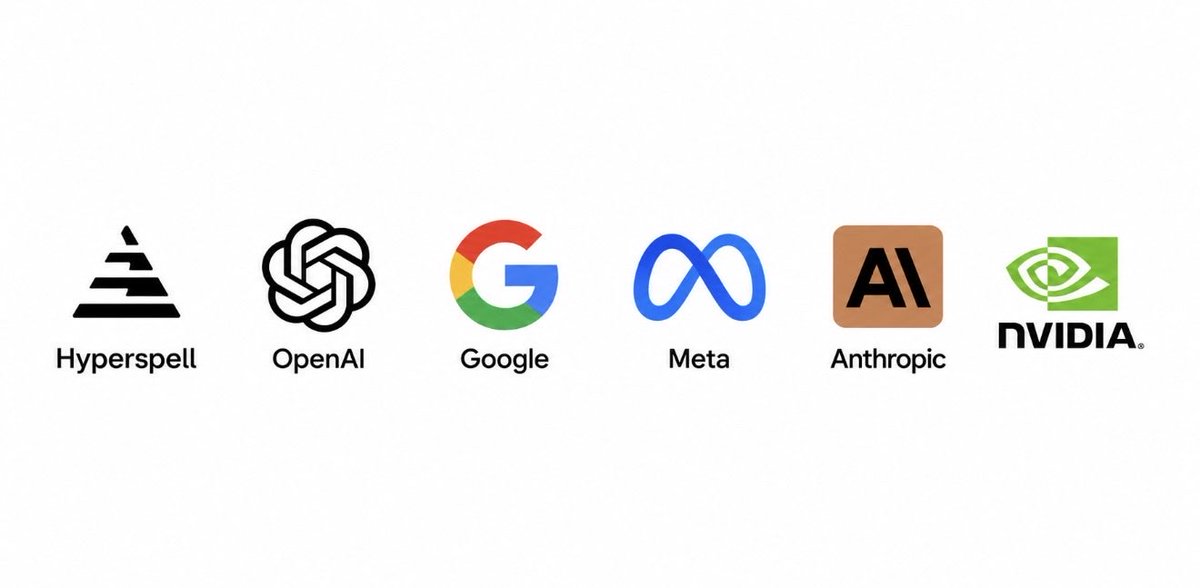
crazy that hyperspell and nvidia’s combined market cap is now 5 trillion dollars
7
2
42
2,668
Hyperspell (YC F25) retweeted
it’s not FAANG anymore.
it’s HOGMAN.
15
2
103
15,756
Hyperspell (YC F25) retweeted

Jun 5
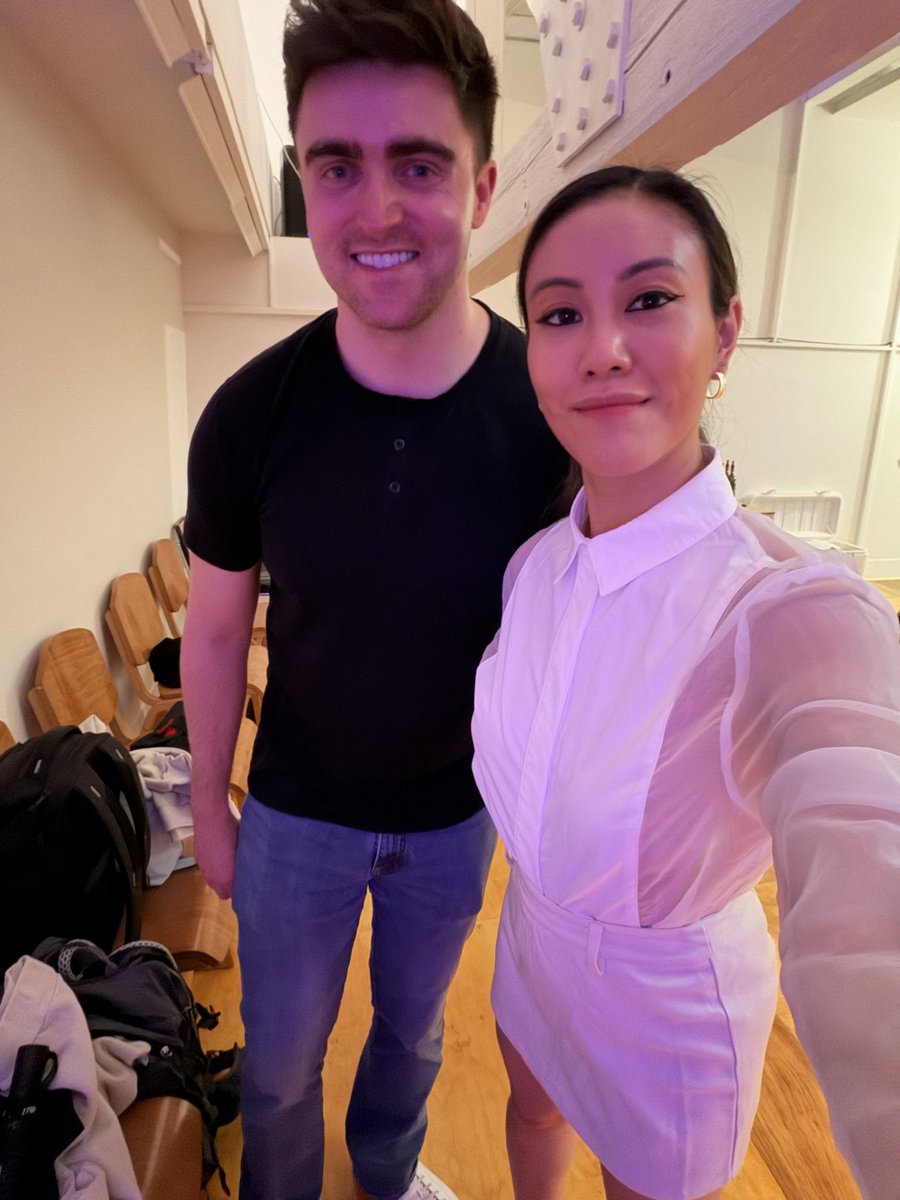
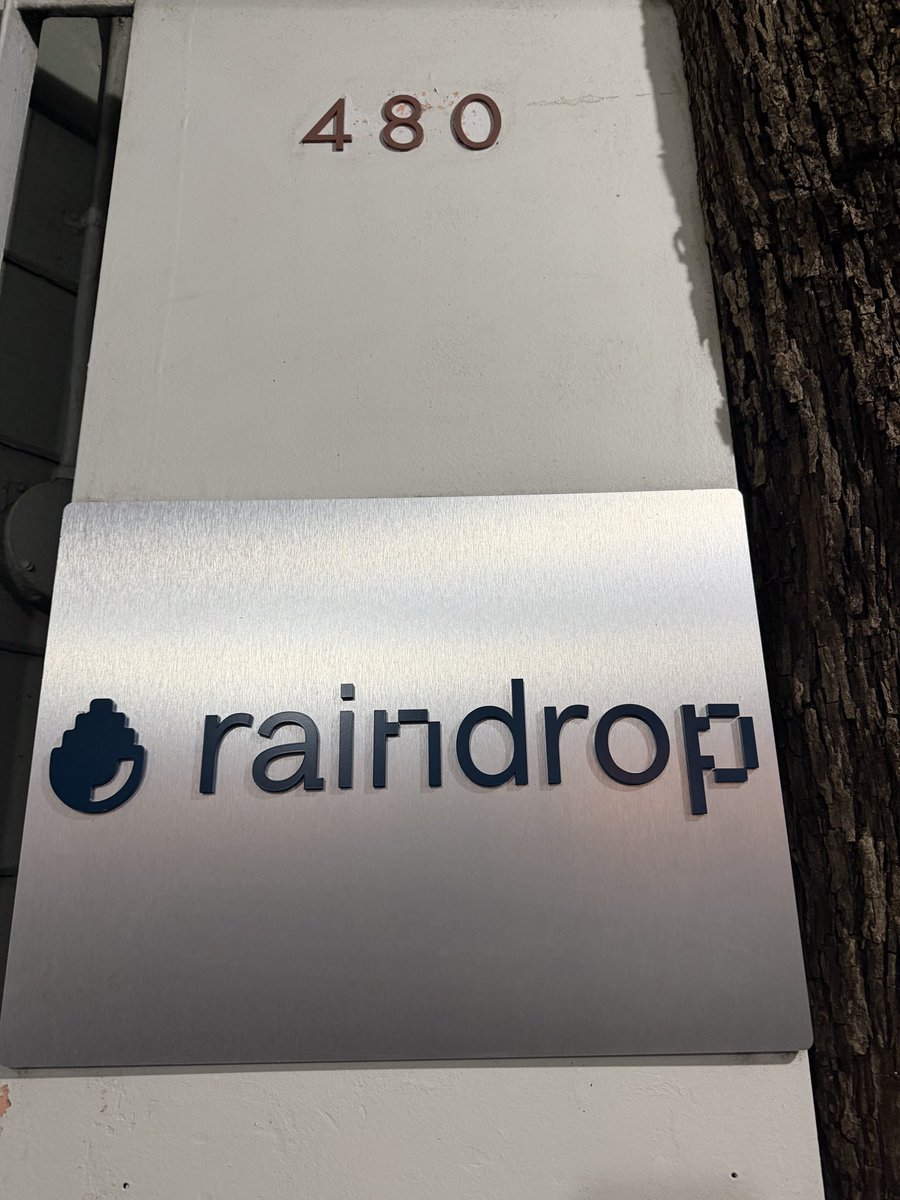
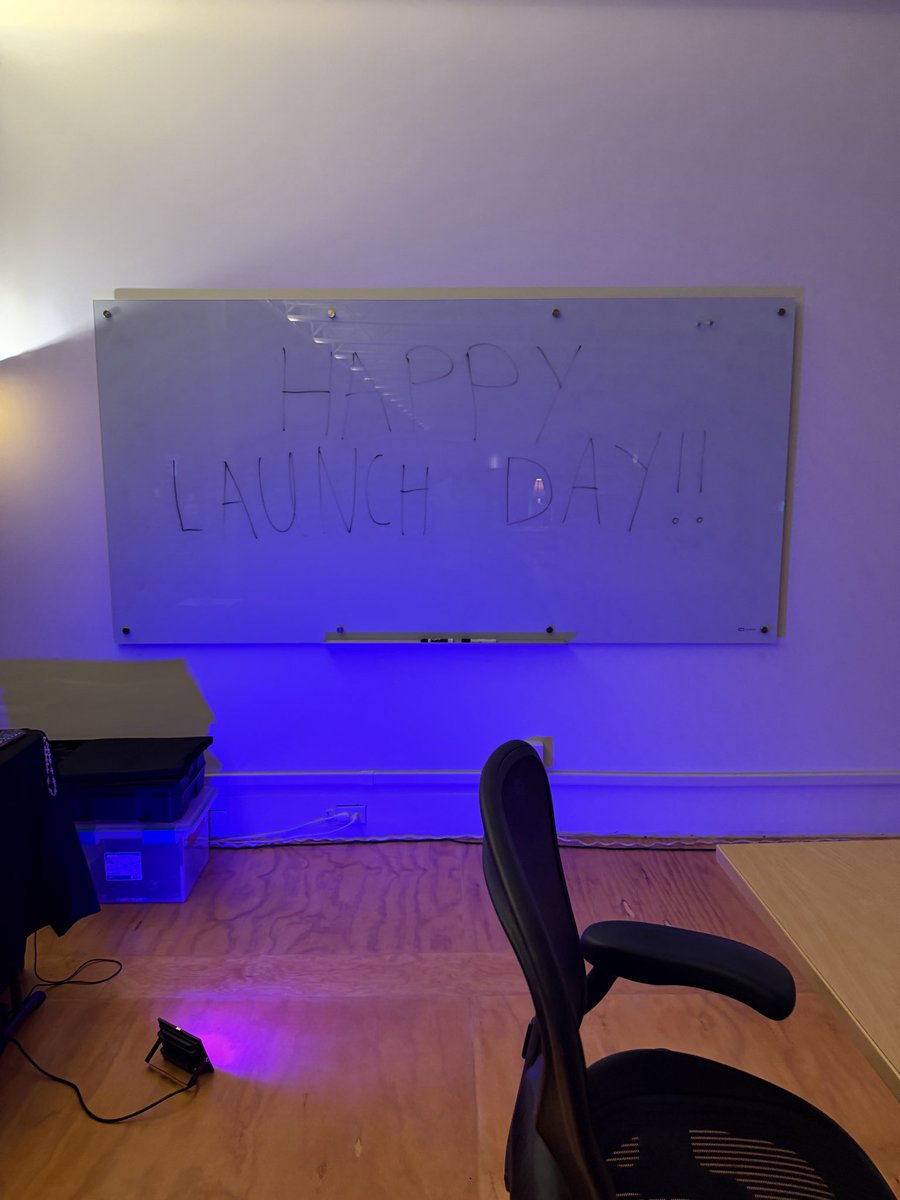
Proud to support @raindrop_ai’s launch party last night! 🚀
Excited to celebrate a team building incredible tools to help people organize, discover, and connect ideas. The future of knowledge management is bright. ✨
#AI #SFTech
2
1
15
2,605
Hyperspell (YC F25) retweeted

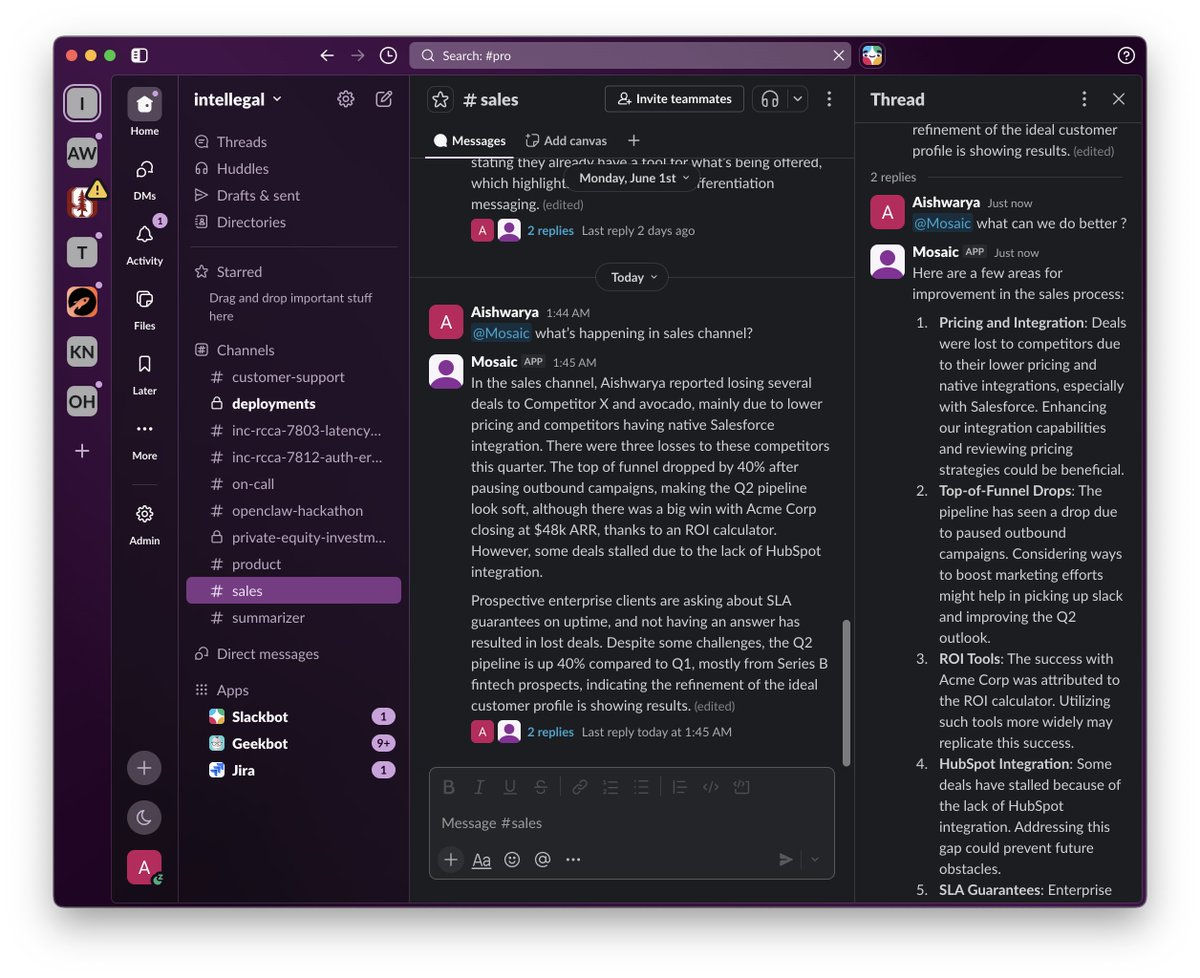
Mosaic is now live 🚀
Cut through noise → build consensus faster.
Connect Slack, Notion, Gmail via @hyperspell, try:
• What are customers asking for?
• What's blocking deals?
npm install -g getmosaic
mosaic configure
mosaic start
github.com/agg111/mosaic
Lmk what you think
1
1
1
369
Hyperspell (YC F25) retweeted
we gave our founding agent a credit card and told him he could do spend it on anything he wants
he immediately hired a human artist to hand paint a portrait of him
4
1
26
3,226
Hyperspell (YC F25) retweeted
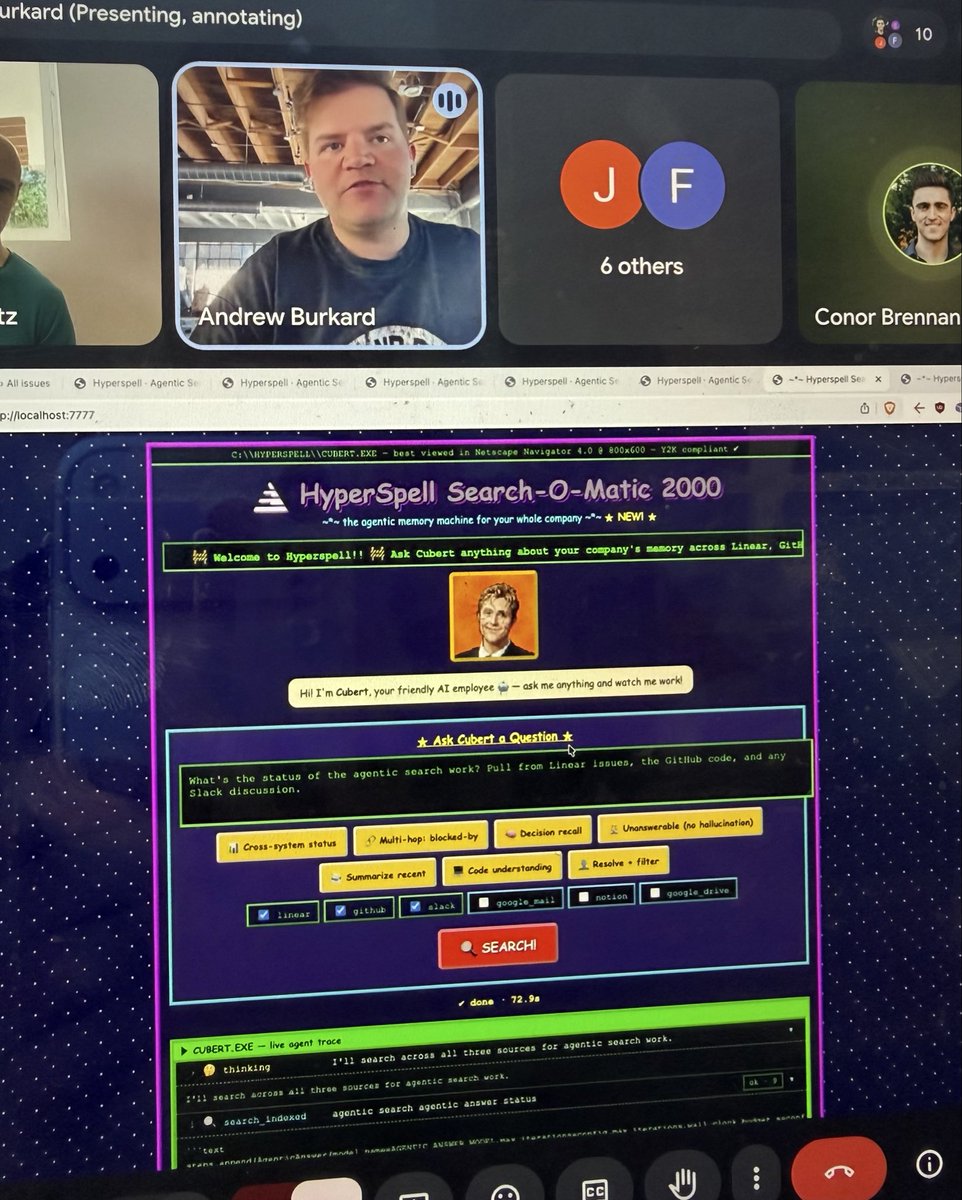
our newest tradition at @hyperspell is geocities-themed friday product demos
pioneered by @_burkard who clearly missed his calling in 1998
2
1
10
799
Hyperspell (YC F25) retweeted
powered by @hyperspell!
Jun 4

AI has terrible memory
Introducing Micro, an agent that remembers more than Claude, Codex & OpenClaw
Leave a comment (eg "memory") & I'll send 30 days for free to try it
3
2
22
2,873
Hyperspell (YC F25) retweeted

Jun 1
Come race Porsche 911s with us at Pier 30 this saturday.
1000 founders raised more than $1M . Three 911s. A racing track we're building from scratch on the San Francisco waterfront. Open bar. DJs. Food trucks. The whole thing.
We're turning Pier 30 into an F1-style party.
Saturday June 6th. 1:30-6 PM. Pier 32 at the Embarcadero.
RSVP approval required. Driving slots are limited.
Organized by @imagineagi
with @fondohq, @TrustVanta , @awsstartups, @rippling, @composio, @conduitai, @hyperspell, @cladlabs, @getreflex, @mindstudioai, @joinergo, @EntelligenceAI. @PlanetScale
Link below 👇
48
24
271
103,568
Hyperspell (YC F25) retweeted

Jun 1
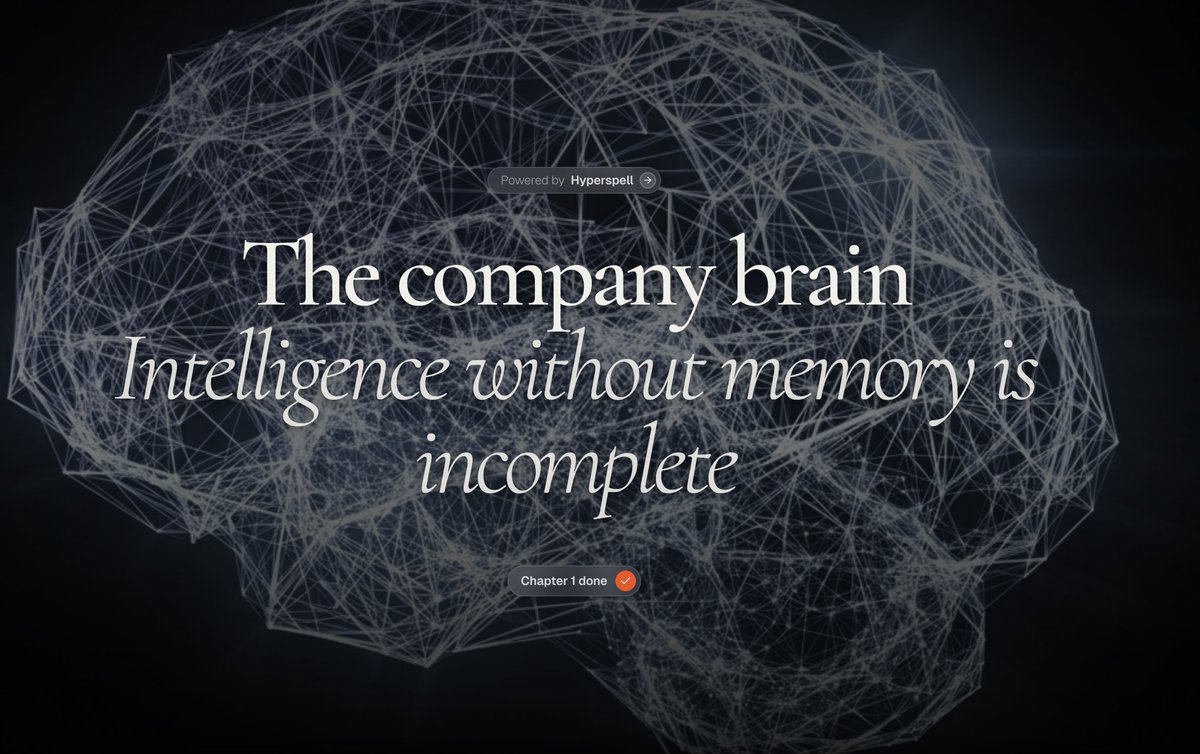
your ai agents are einstein-smart…. but act like the genius new hire who never read the handbook.
they guess your org chart and hallucinate decisions.
they’re useless when your team’s on vacation.
we’re proud to present our 5-day learning track on the company brain — in collab with @hyperspell (YC F25)
here’s what you’ll get:
• why clueless geniuses kill most agent projects
• the missing company brain layer that gives them real context
• a dead-simple playbook so they finally know your company
join now and lock in founders pricing before it disappears.
👉 spark.gives
4
4
14
1,353
Hyperspell (YC F25) retweeted

Jun 1
🤝 @hyperspell is best-in-class for enterprise company brain.
at @NessieLabs, we're hyper-focused on ai-native individuals and teams - just shipped shared team context today
download at nessielabs.com
1
1
4
180
Hyperspell (YC F25) retweeted
congrats
we just hit all 3 of these at @hyperspell

there are 3 notable moments in a startup’s life:
- first round of funding
- $1m ARR
- the first woman joins the company
today we are celebrating @mayarox5. welcome to Melius. popped some champagne.

9
1
59
7,866
Hyperspell (YC F25) retweeted
May 31
we predict that the majority of @hyperspell customers in 2035 will be AI-first
even if the company is all agents from day one, you still need a company brain to centralize and share context between agents
the source is different but the need remains
May 30

This problem will naturally tend to go away as companies are grown from the start using AI. Then you don't need to extract any domain knowledge from people's heads; it will never have been in people's heads.
2
3
22
4,597

Hyperspell (YC F25) retweeted
May 30
we’re seeing lots of folks building a company brain to ingest all context from slack/gmail/notion/granola and make it queryable for agents with @hyperspell
once agents have all the context they can create a self-improving loop for your company
1
1
5
809
Hyperspell (YC F25) retweeted
May 30
agents are clueless geniuses
the bottleneck is not their intelligence
it’s getting the right context
we built a company brain @hyperspell to extract tacit knowledge from email, slack, and docs, and structure it for agents
takes 15 minutes to onboard:
l1nq.com/webnrh8
1
1
12
1,617