
Joined January 2014
- Tweets 2,616
- Following 8,057
- Followers 10,146
- Likes 18,073
488 Photos and videos

Pinned Tweet

23 Jul 2023
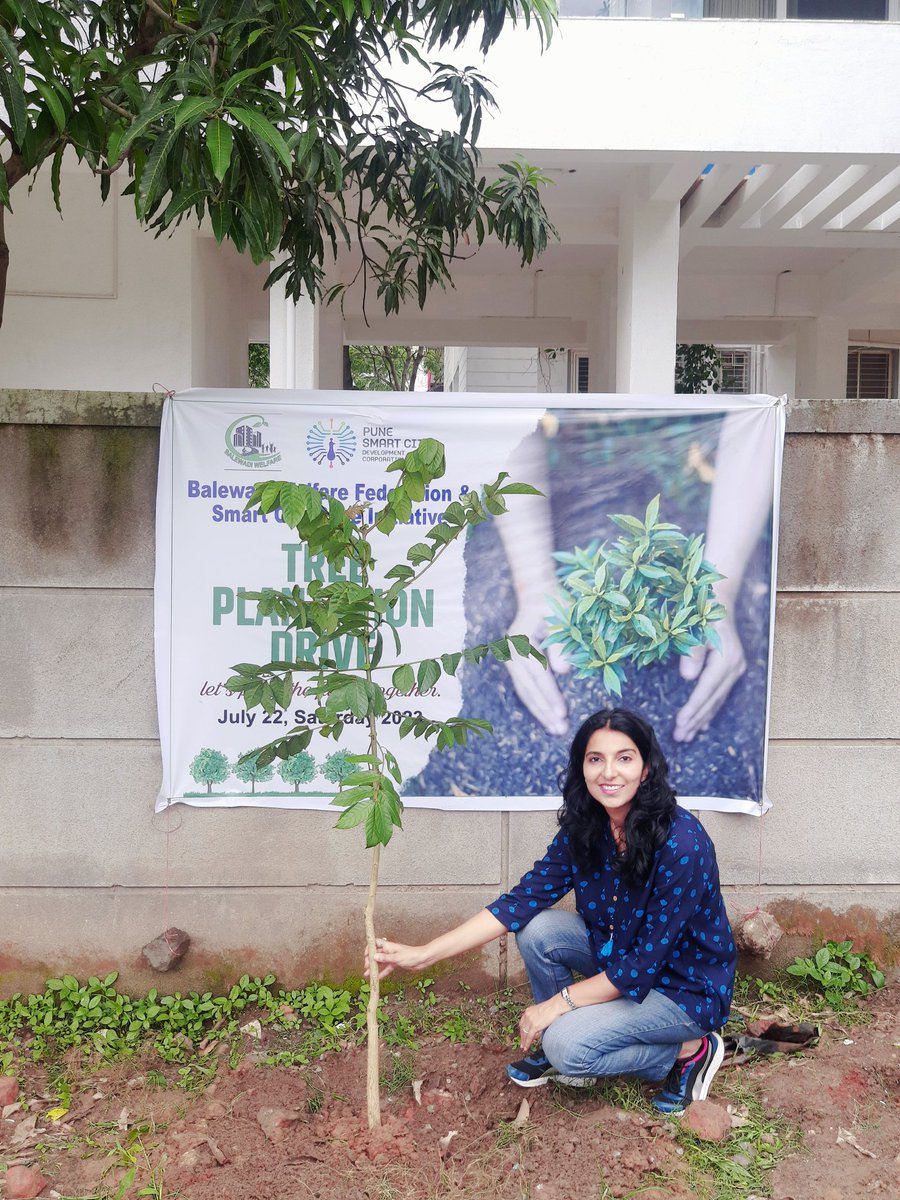
🌳Trees are vital to our planet🌏 and our well-being.🌱 Plant trees whenever you can!🙏
#trees #plantation #urban #ClimateActionNow #saveearth #greeninitiative #Pune #SmartCity
66
159
785
37,335
Vandana Chaudhary retweeted

Jun 3
Saluting Bajirao's statue at Shaniwar Wada is not enough.
We must protect the living legacy of Maharashtra's history.
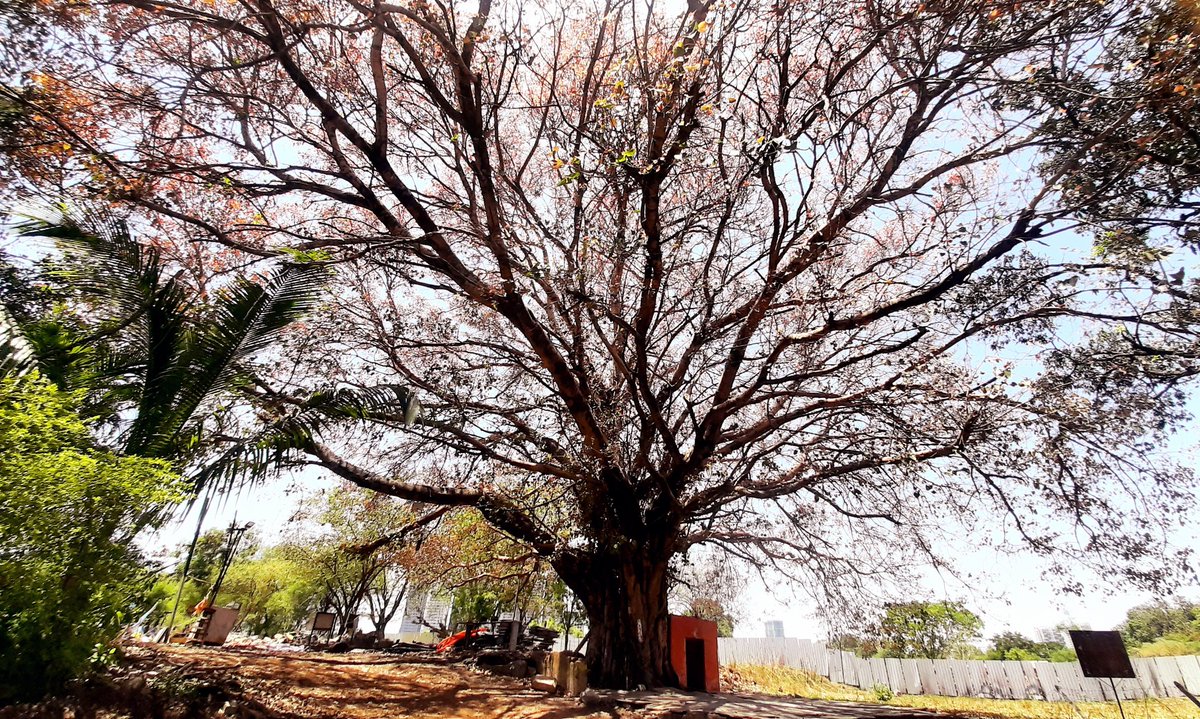
According to experts, only two trees over 200 years old remain in Pune — the historic mango tree at BHS and the peepal tree at Shukrawar Peth.
These are not just trees. They are living witnesses to history.
The peepal tree at Shukrawar Peth is linked to the story of Umaji Naik, the legendary Ramosi freedom fighter who was hanged by the British on 3 February 1832. To spread fear, his body was displayed on this very tree for three days. His sacrifice remains a symbol of resistance and courage.
The BHS mango tree and the Shukrawar Peth peepal tree have silently witnessed generations of Pune's history. Once lost, they can never be replaced.
🌳 Protect Heritage. Protect History. Protect Trees.
#SaveHeritageTrees #SavePuneTrees #PeshwaLegacy #BHSMangoTree #ShukrawarPeth #UmajiNaik #RamosiWarrior #FreedomFighter #PuneHistory #MaharashtraHistory #LivingHeritage #SaveOurTrees #TreeProtection #ClimateAction #CitizensForNature
3
21
80
2,302
Vandana Chaudhary retweeted

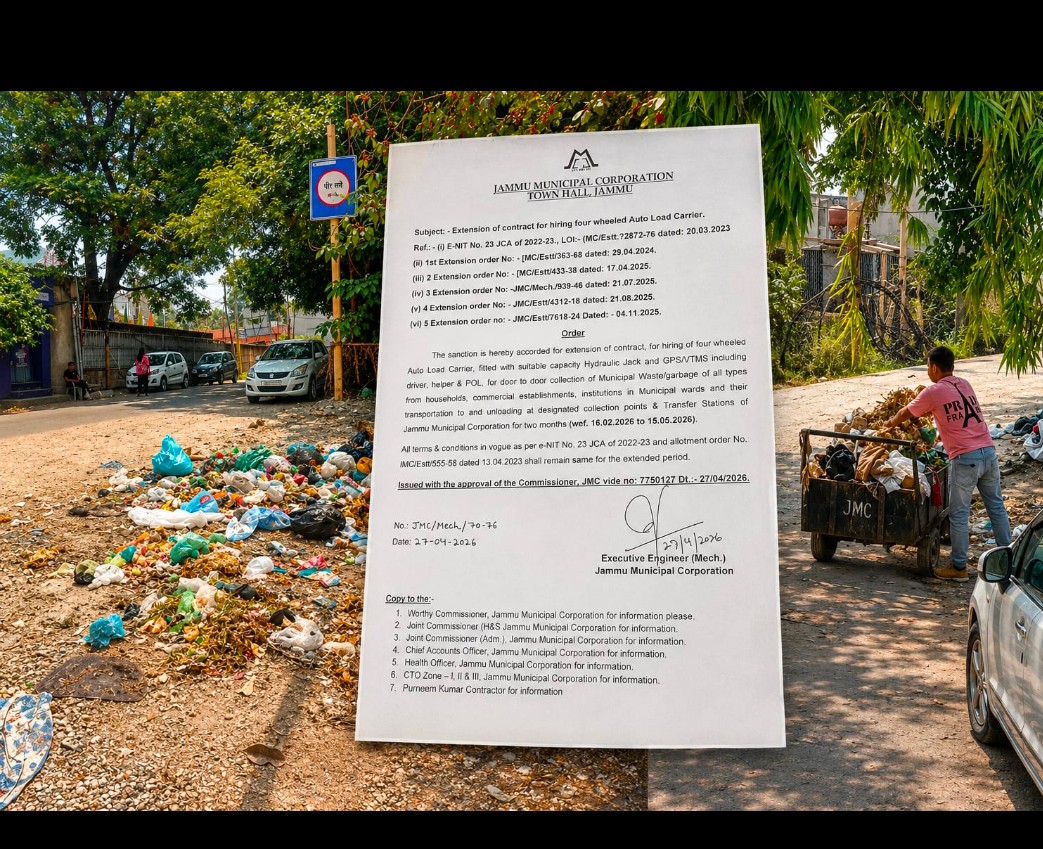
No FWALC , only extensions !
Taxpayers money looted !
Manual garbage lifting,
5 extensions without performance !
Repeated complaints ignored with ulterior motives, HLG @manojsinha_ sb @LokBhavanJandK
@JKACB @JKHUDD1
#Corruption
Wake up @Devansh_IAS ji
@ajaykraina @diprjk

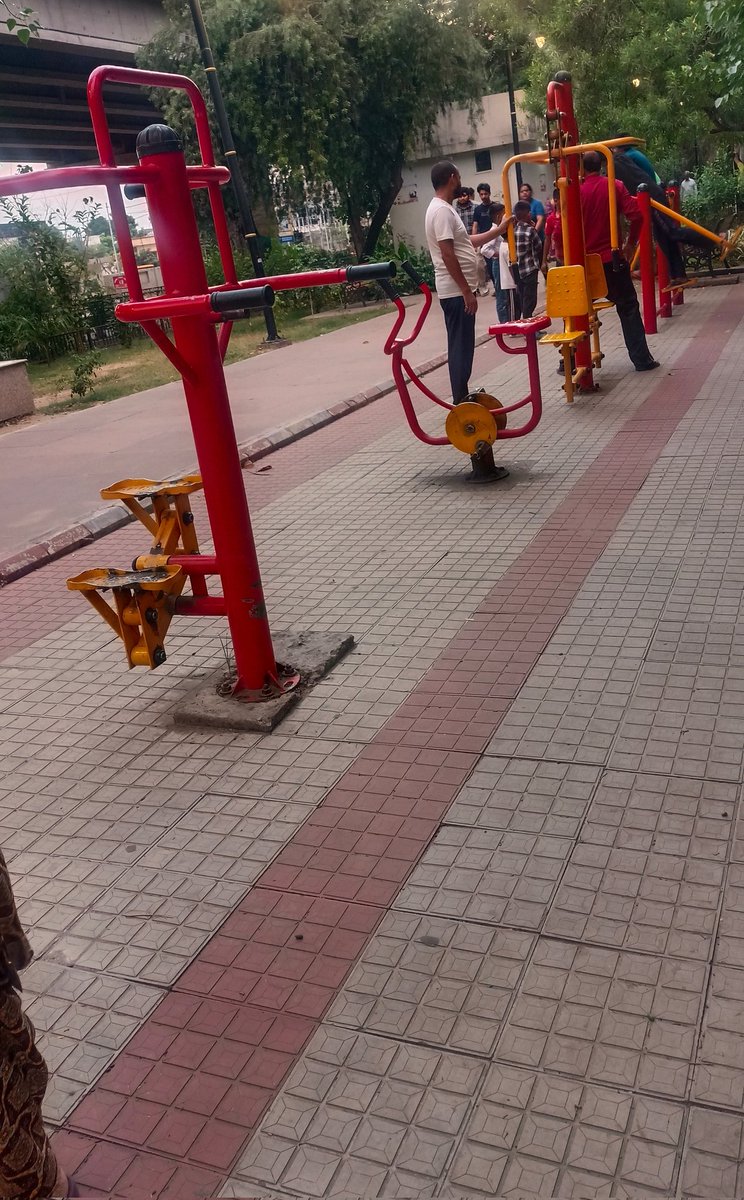
Miles to Go ! T-77/199
"Look at the condition of outdoor gym equipment at Ranbir canal's #BlueGreenWalkway , broken for months , yet no action from @Jammu_SmartCity
Negligence
at its peak" @DrJitendraSingh ji
#JammuDeservesBetter
Sir @ajaykraina
2
16
32
815
Vandana Chaudhary retweeted
Jun 4
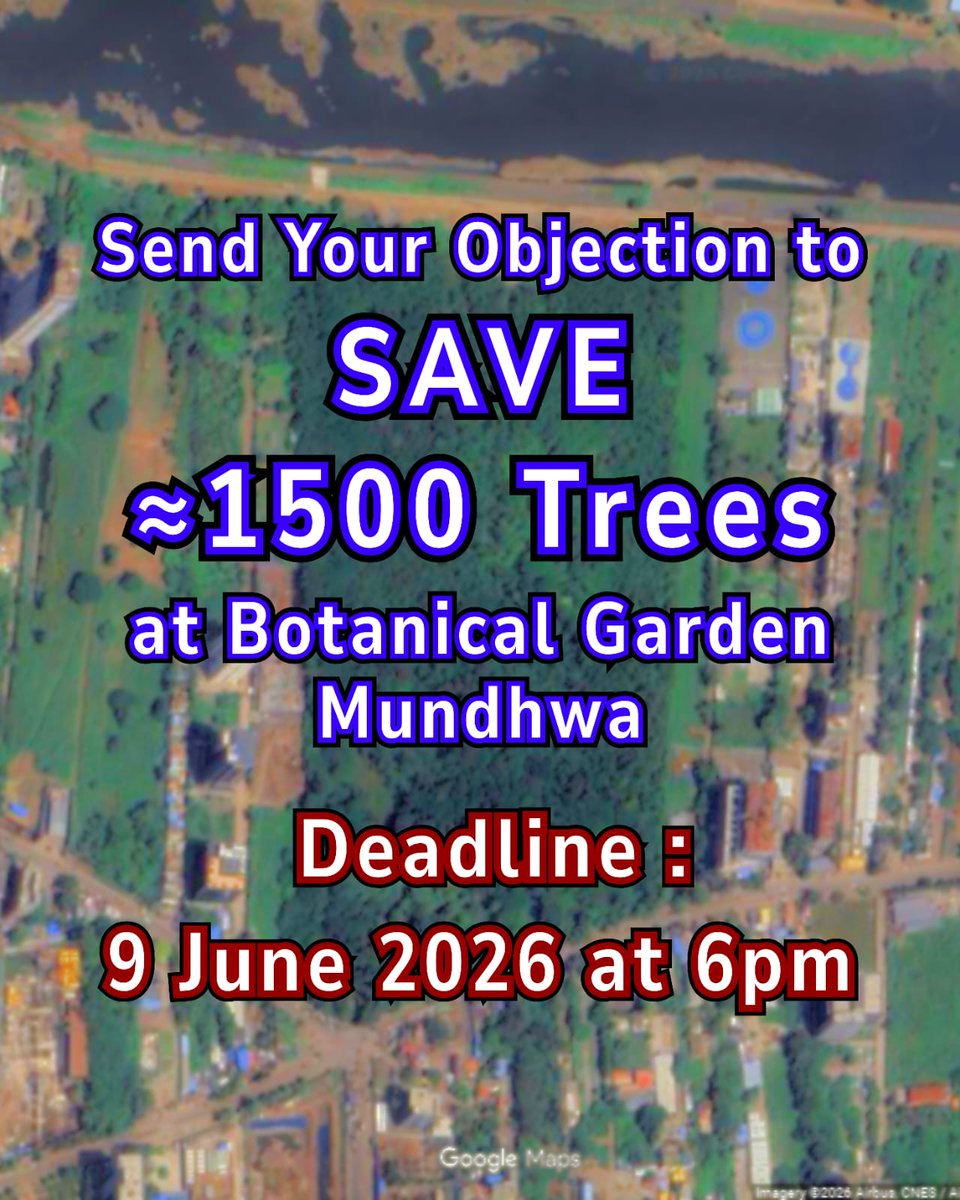
🚨 Save *≈1500* Trees 🌳🪚❗
at *Botanical Garden Mundhwa* ☠️
✉️ Send *Objection* Email : punesamvad.wordpress.com/202… ✊🏽
⏰ Deadline: *9 June 2026* (Tuesday) at *6pm*
⚠️ Please Share and Spread... 🙏🏽
1
12
19
787
Vandana Chaudhary retweeted

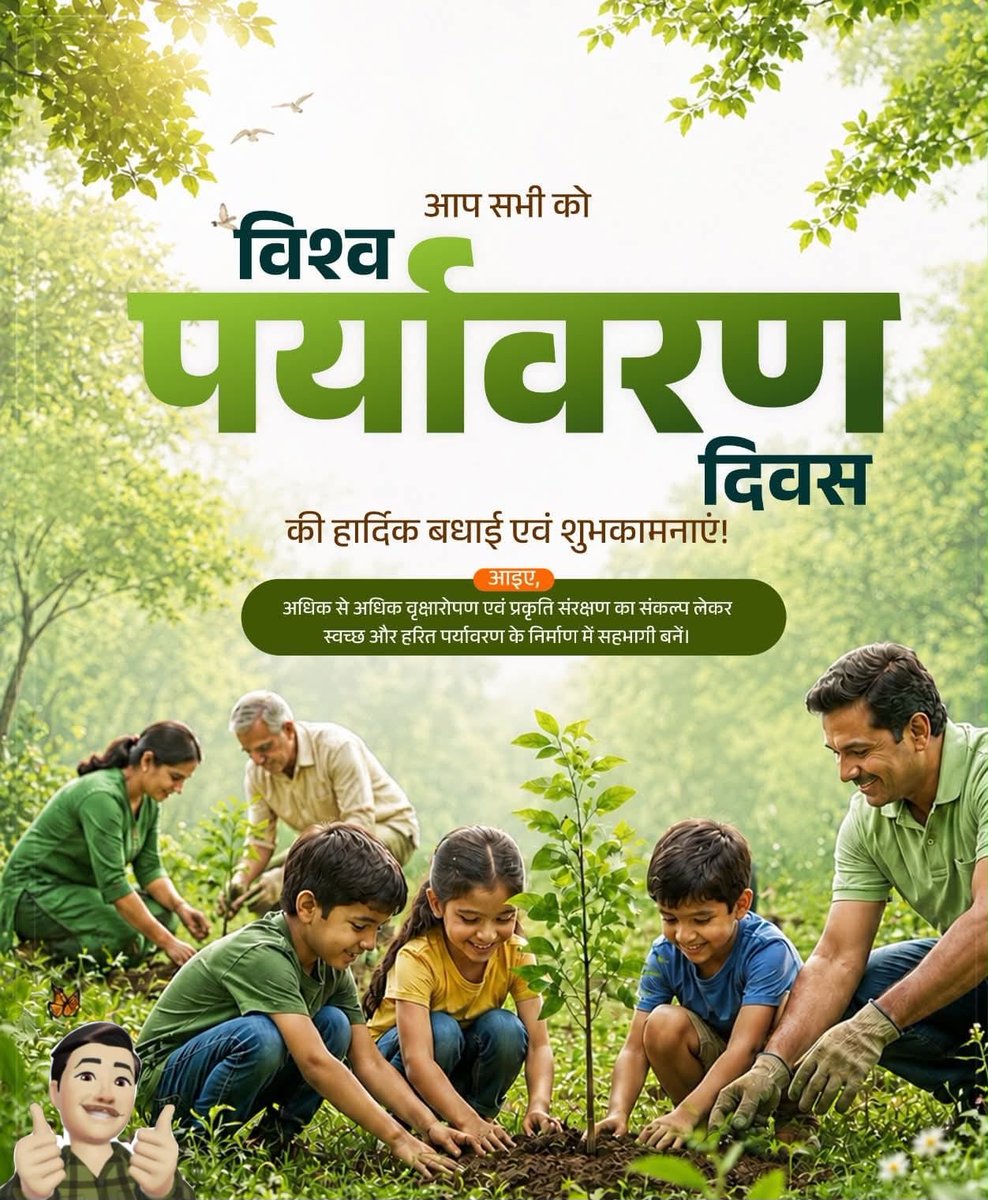
🌎🌻Jai Hind! 🇮🇳
🌿A greener Earth begins with a single tree and a shared commitment. On World Environment Day, let us renew our resolve to protect nature, conserve resources, and build a sustainable future for generations to come.
🌍 Nature is our heritage; its protection is our responsibility. 🌱
#WorldEnvironmentDay #SaveEnvironment #PeopleAndPlanet #NGOs #PlantTrees #Sustainability
@UNEP @ipsa_aisp @Rotary @ACUNStweets @Ilo @dr_madaanKKC @craigjcalhoun @YaggieYachi @vandymini @BBCWorld @_NSSIndia @ugc_india @YouthKiAwaaz @PTI_News
(pic : Courtesy 📍@dr_madaan SDC, Ambala Cantt ) 🇮🇳

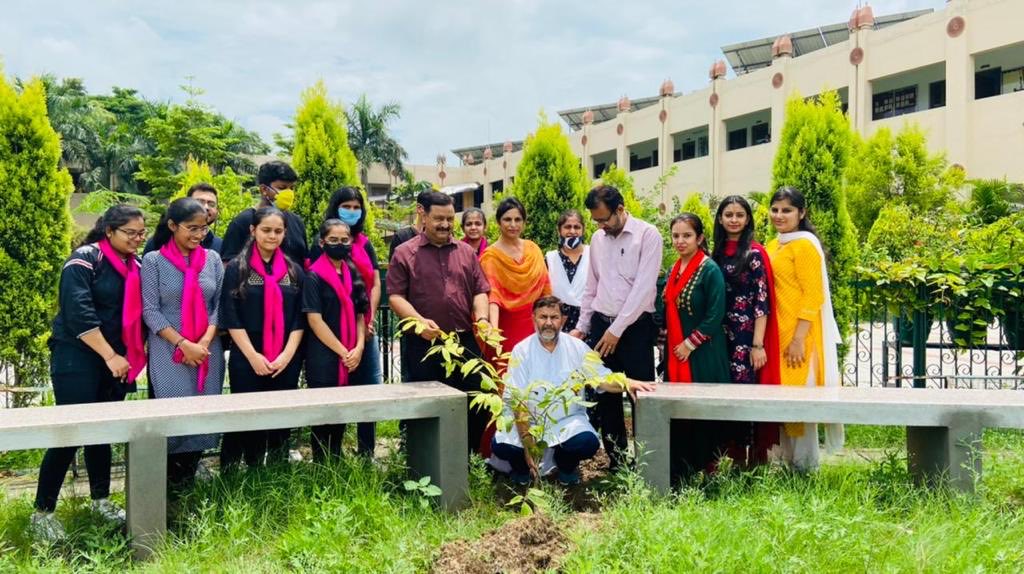
4
8
78
Vandana Chaudhary retweeted

May 30
#पुणे नदी काठ सुधार प्रकल्पामुळे पर्यावरण धोक्यात येत असल्याचा आरोप होत आहे. आज सर्वोच्च न्यायालयाने नियुक्त केलेल्या केंद्रीय सक्षमीकरण समितीचे सदस्य अंजन कुमार यांनी राम-मुळा नदी संगम, बालेवाडी, दादाघाट, सांगवी आदी भागात पाहाणी केली.
#Pune
#Punenews
#PuneRFD
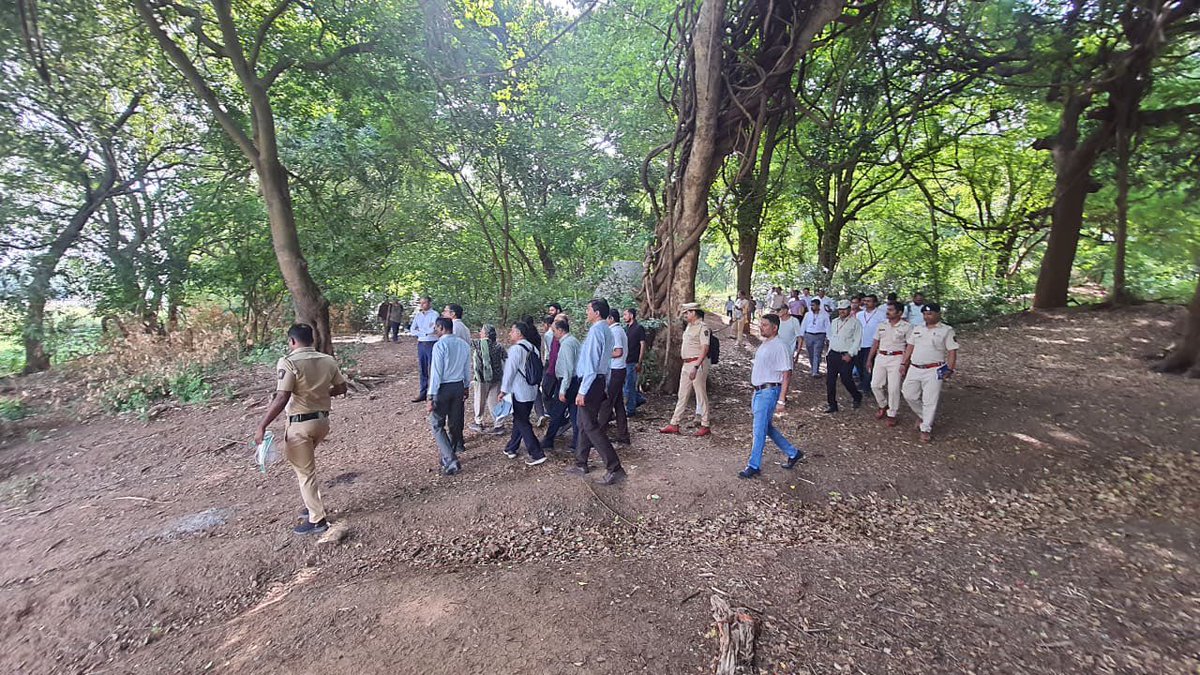
2
8
57
2,819
Vandana Chaudhary retweeted
T-69/199
It's no longer just garbage - it's proof of @jmcjammu #CORRUPTION
Ward 39 (Temple)
Ward 19 (Bikram Chowk)- &
Ward 29 as usual bins buried under filth. My negligence if not of @Devansh_IAS
"Kooda Dabbe CH PAO" stands exposed as a grand fraud @JKACB
Sir @ajaykraina
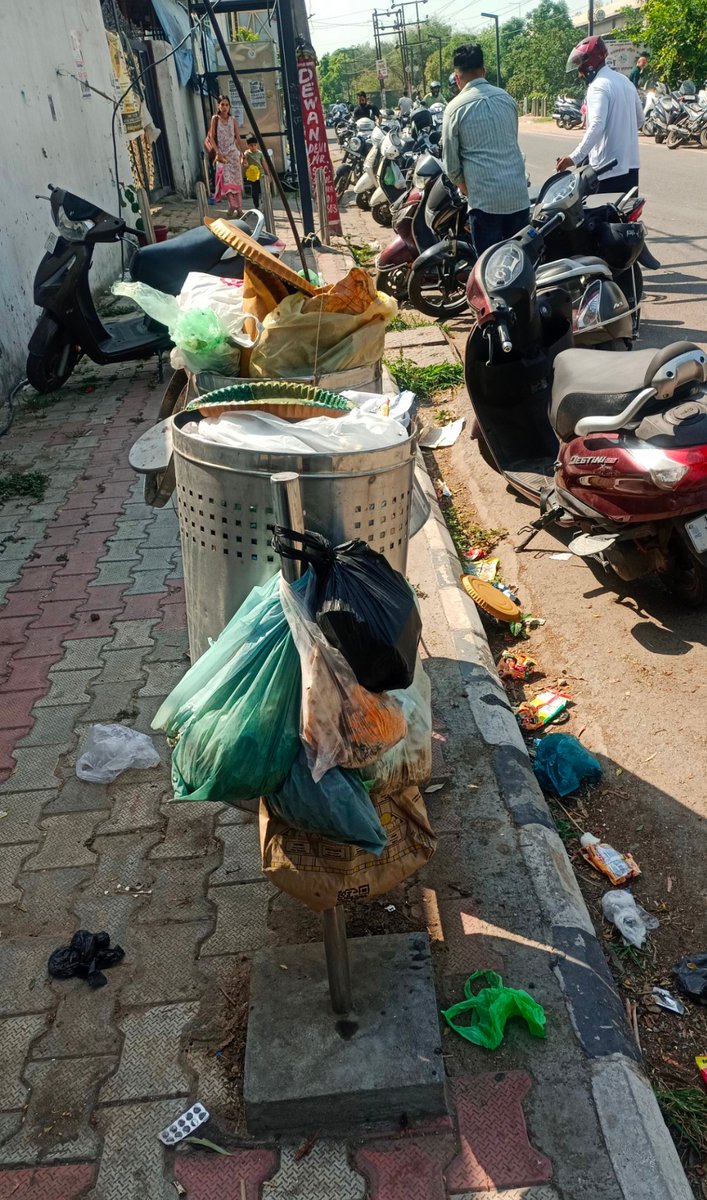
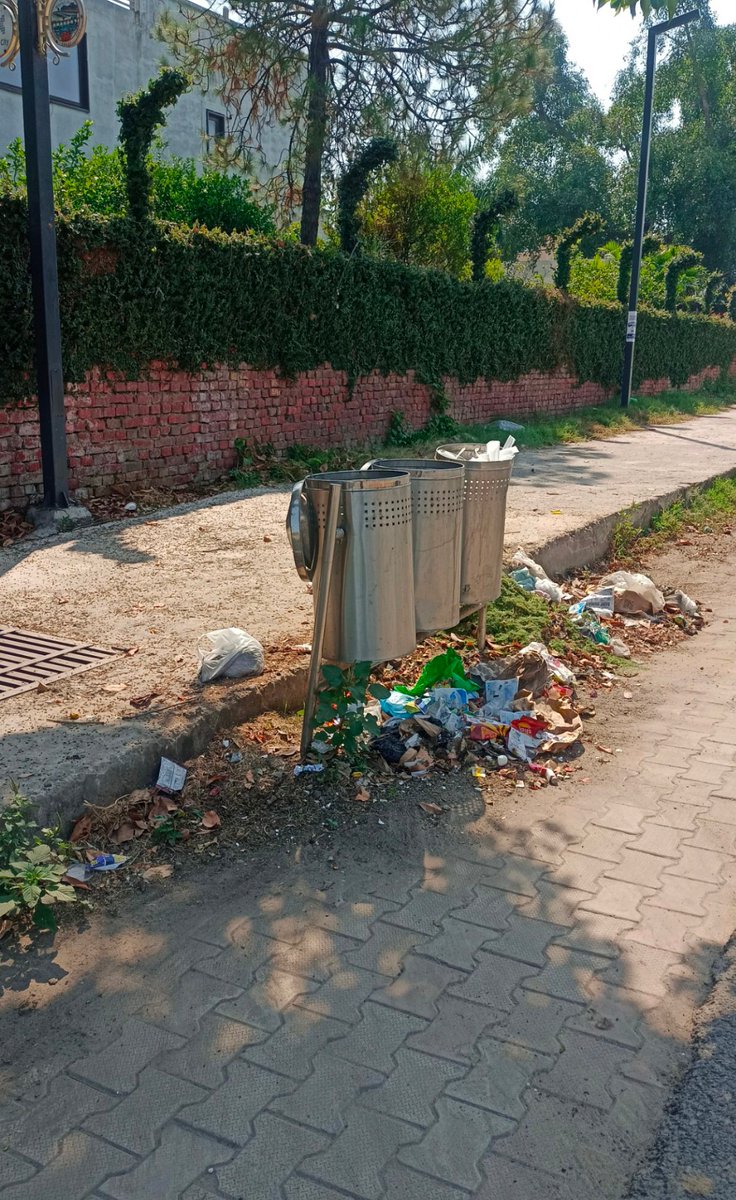
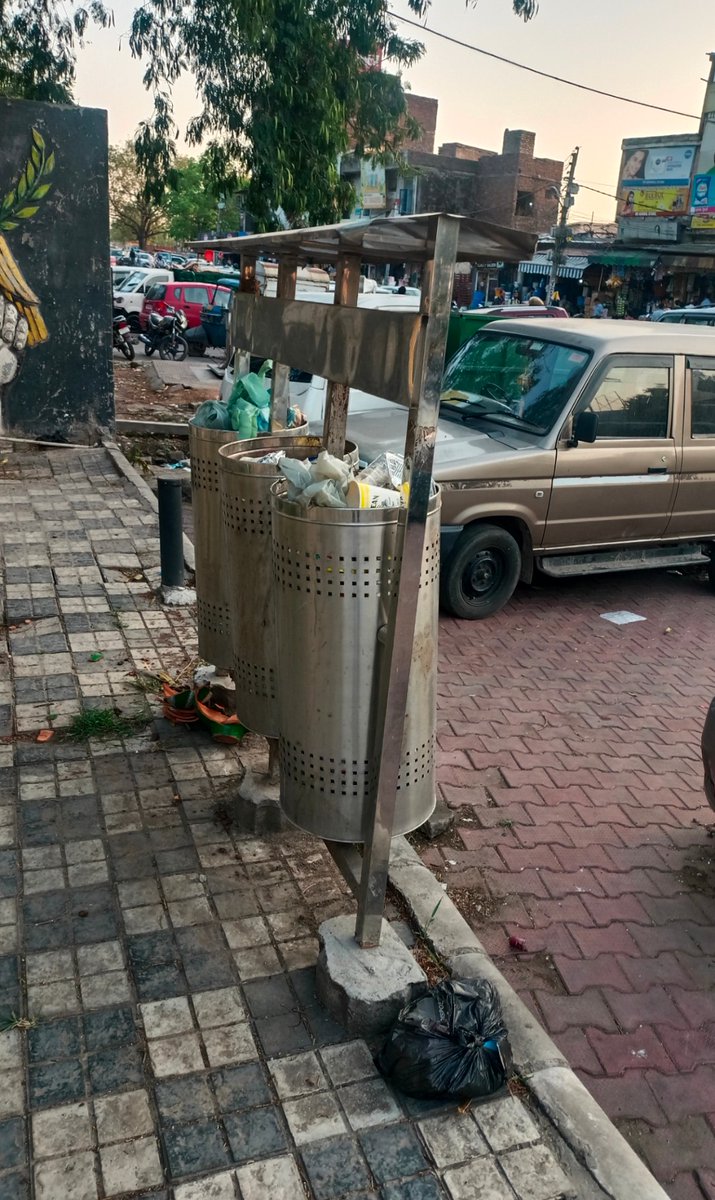
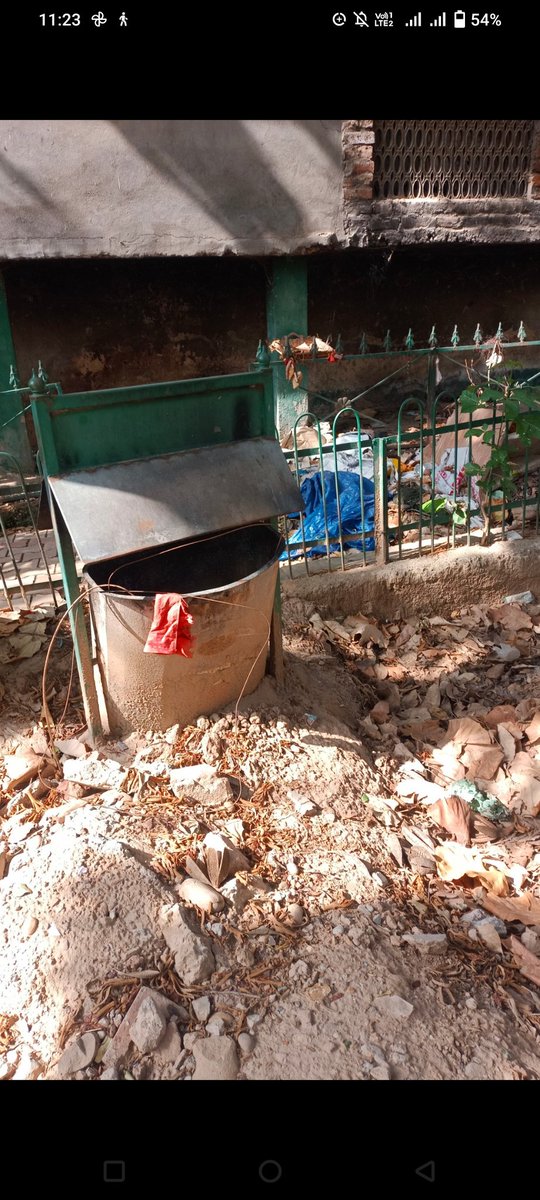
T-68/199
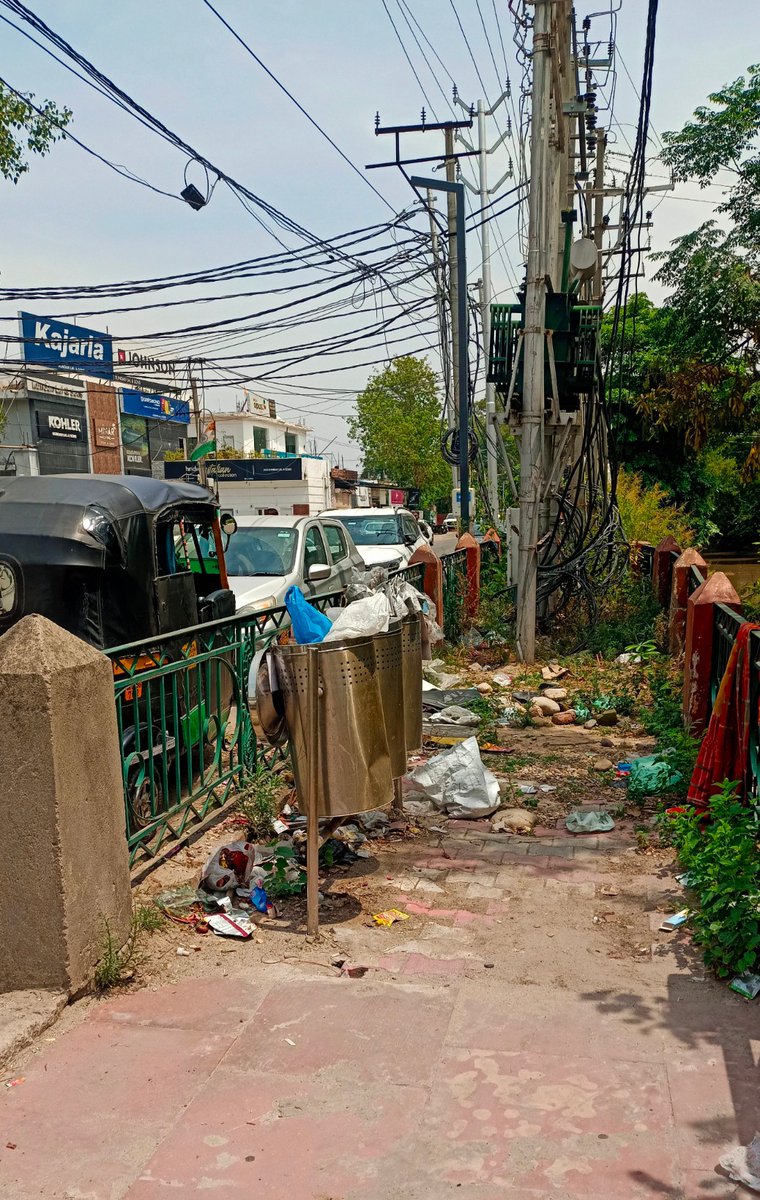
@jmcjammu Park Ward 15:dustbins damaged & buried deep @JKHUDD1
HQ shows buckets instead of dabba- promises cheap @MoHUA_India
Much advertised #BlueGreenWalkway
greets with overflowing bins.
Cleanliness campaign reduced to dust & sins @Secretary_MoHUA
Sir @ajaykraina


4
25
60
4,317
Vandana Chaudhary retweeted
T-70/199
Overflowing bins aren't @jmcjammu problem - they are opportunity,
Double ghost vehicles - double money HPM @narendramodi
Yesterday's shame (middle visual) reloaded today
"Kooda Dabbe CH PAO" is just a cover for systemic loot @JKACB
@LokBhavanJandK
Sir @ajaykraina
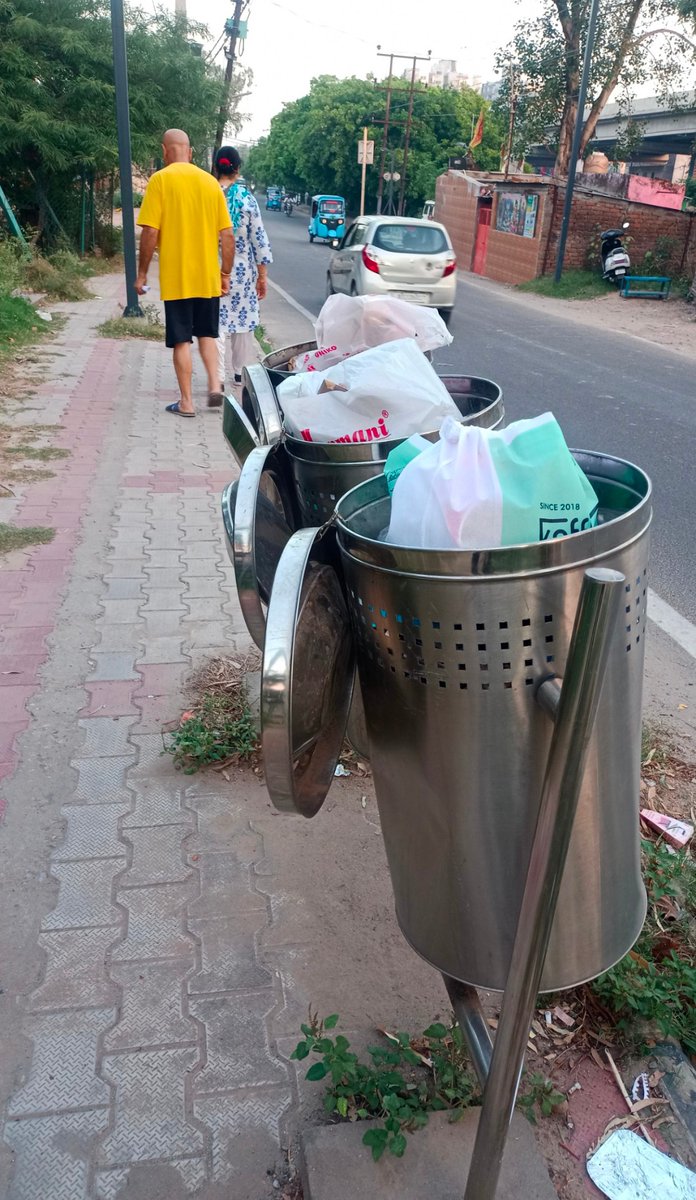
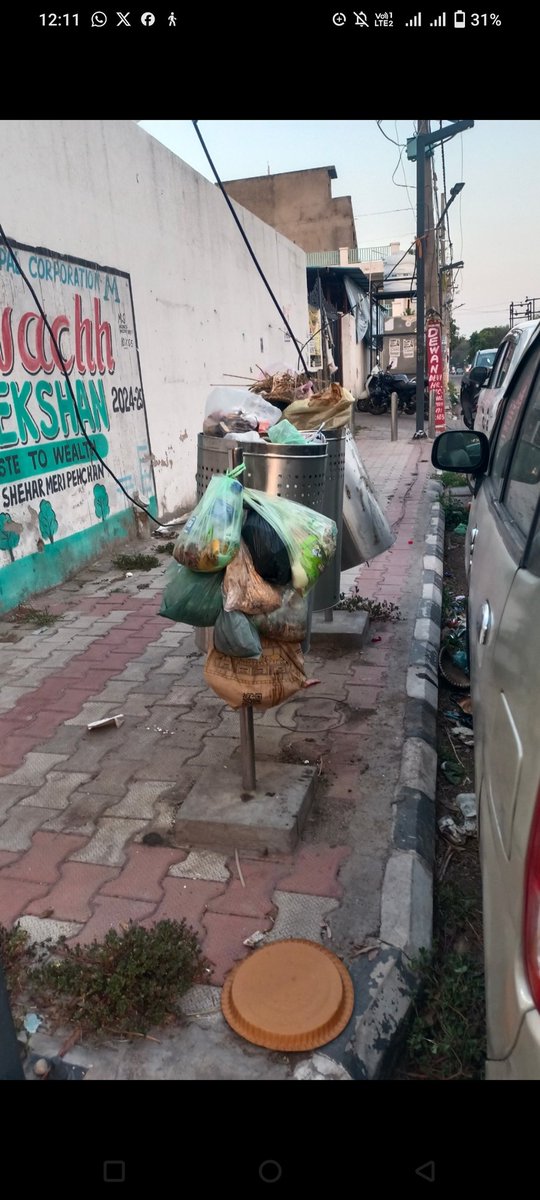
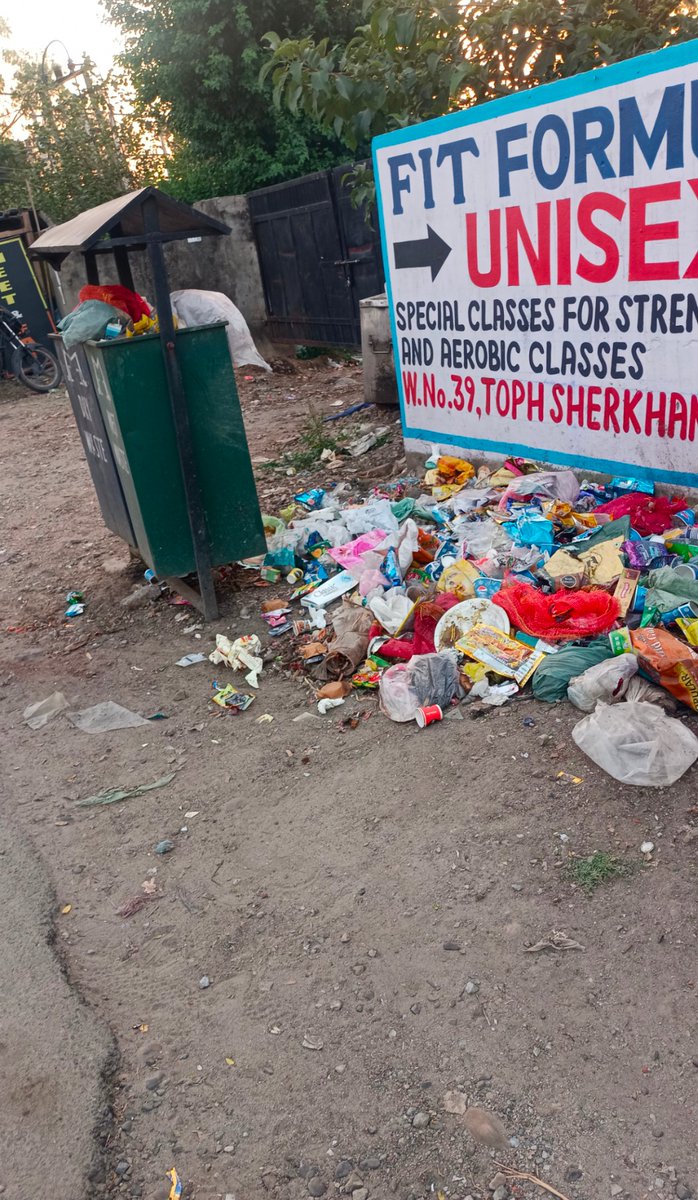
T-69/199
It's no longer just garbage - it's proof of @jmcjammu #CORRUPTION
Ward 39 (Temple)
Ward 19 (Bikram Chowk)- &
Ward 29 as usual bins buried under filth. My negligence if not of @Devansh_IAS
"Kooda Dabbe CH PAO" stands exposed as a grand fraud @JKACB
Sir @ajaykraina
14
19
200
Vandana Chaudhary retweeted

May 23
While you remain busy, budgets are getting approved. People's representatives are planning ways to destroy #Pune's signature natural features. They claim that the ruin is for "public good".
Be there to let them know there are things to avoid. Tell your friends too.
10am, 30 May
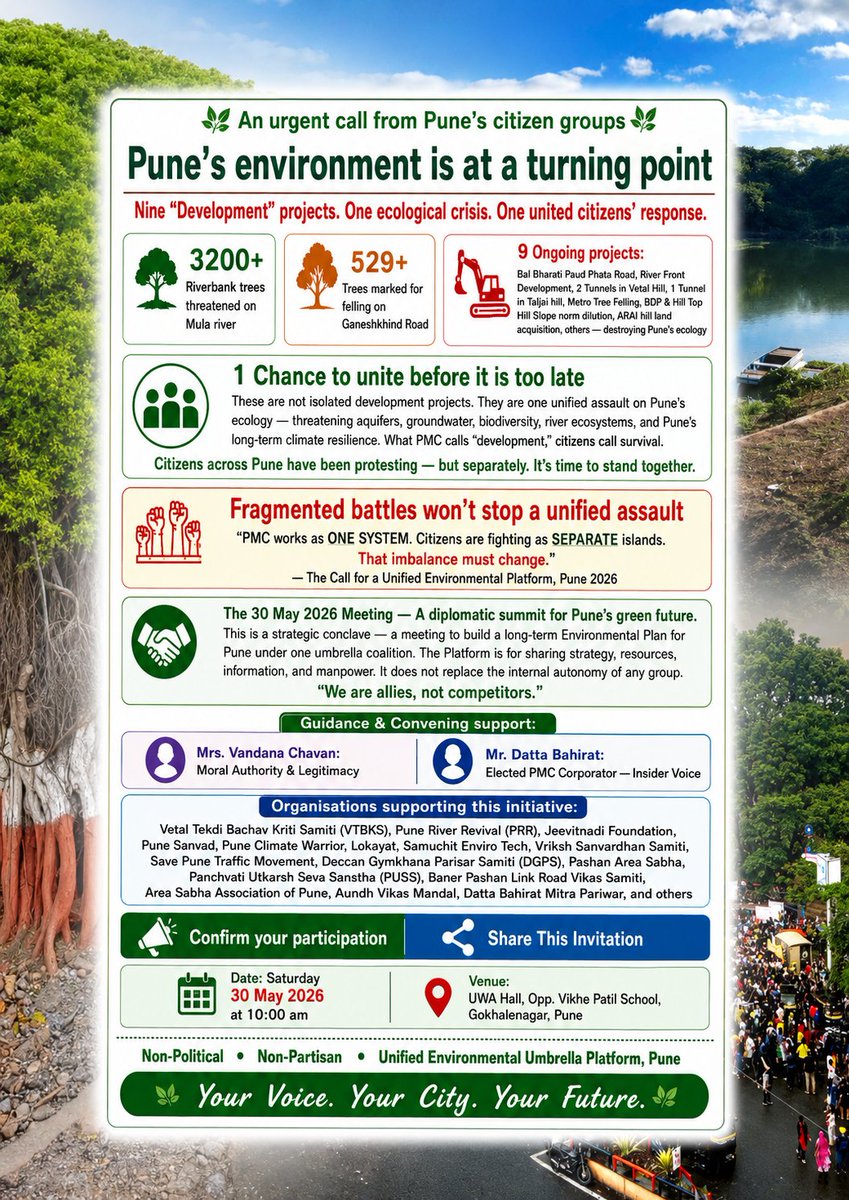
6
7
133
Vandana Chaudhary retweeted
#Pune’s urban planning is failing to balance growth with ecological preservation. The Ganesh Khind Widening Road protests are not isolated—they symbolize a larger struggle for sustainable urban futures. @MoHUA_India #SaveHeritageTrees #ClimateActionNow @PMCPune @navalMH @PMOIndia
6
23
62
3,281
Vandana Chaudhary retweeted

Appreciate the effort going into saving Punes heritage trees. Citizen are braving the blistering heat to come out and be heard. 🙏🏼🙏🏼🙏🏼
#SaveFullyGrownTrees

#Pune’s urban planning is failing to balance growth with ecological preservation. The Ganesh Khind Widening Road protests are not isolated—they symbolize a larger struggle for sustainable urban futures. @MoHUA_India #SaveHeritageTrees #ClimateActionNow @PMCPune @navalMH @PMOIndia
2
8
213
Vandana Chaudhary retweeted
May 4
Legal notice served to Commissioner
@navalMH & Mr. Ghorpade — yet silence continues.
This isn’t delay, it’s a blatant insult to the Hon’ble High Court order.
General Body conducted, but the mandatory Tree Committee still not formed.
Clear violation. Zero accountability.
2
67
171
5,992
Vandana Chaudhary retweeted
Miles to Go 'indeed' T-65/199
"My Town My Pride " drowned in garbage and weeds @jmcjammu
Where fountains were meant to sing - taxpayers dreams rusting in broad day light HPM @narendramodi ji
Responsive administration ? Just a cruel poetic lie @LokBhavanJandK
@ajaykraina
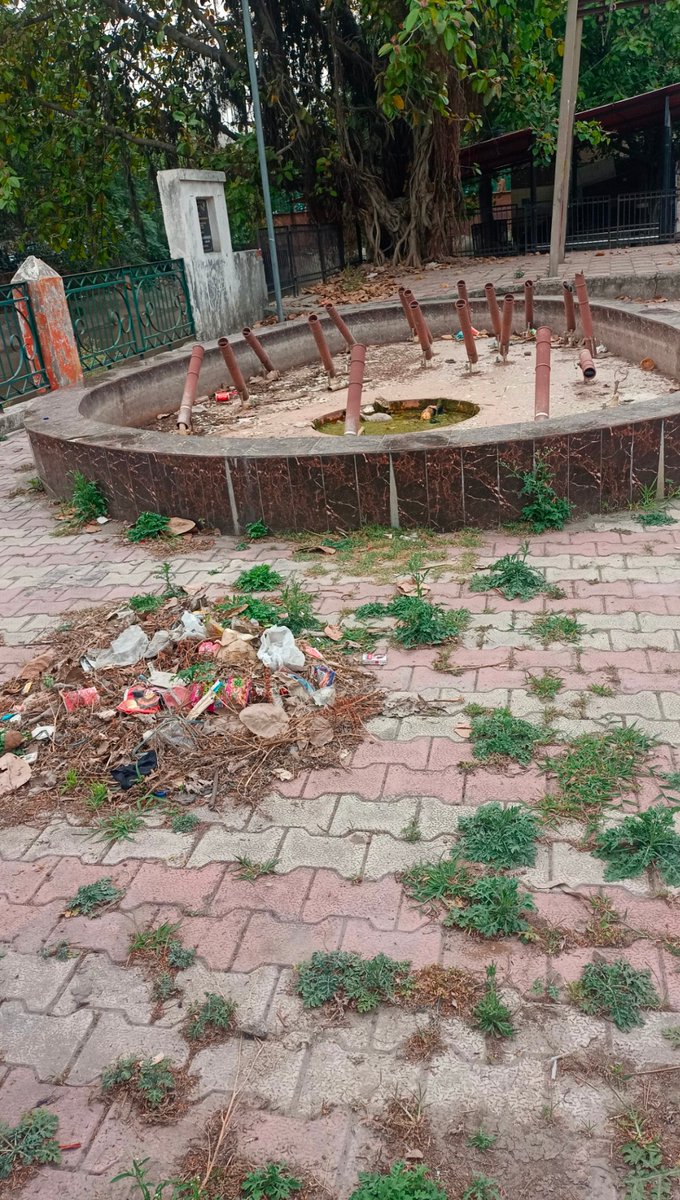
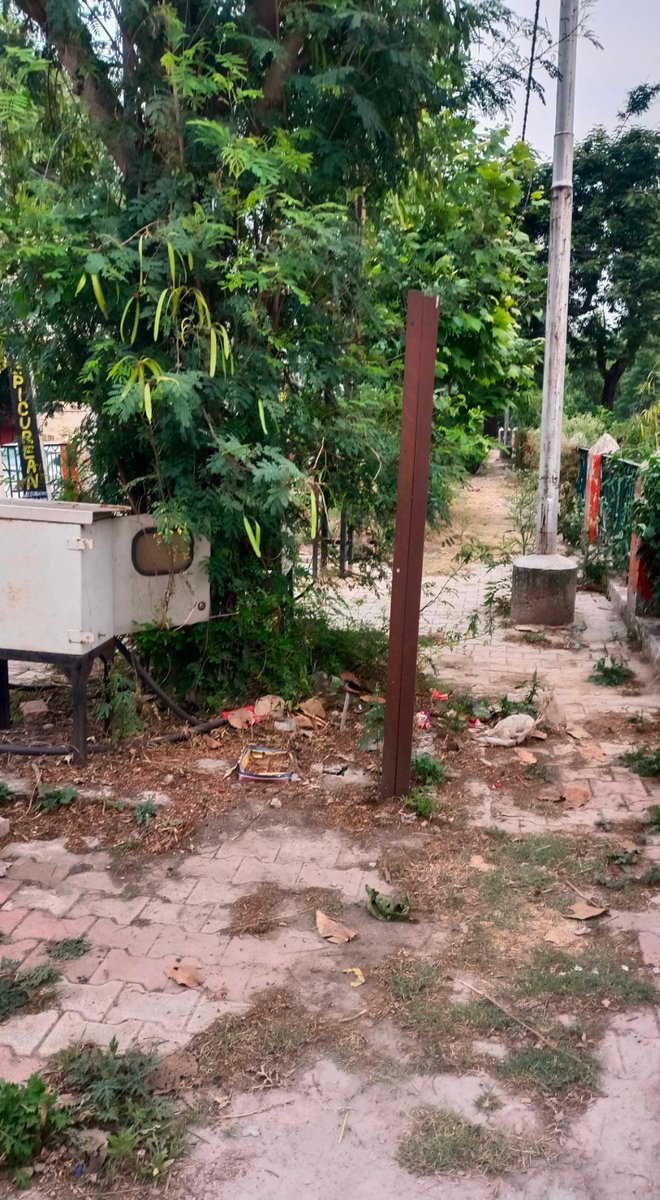
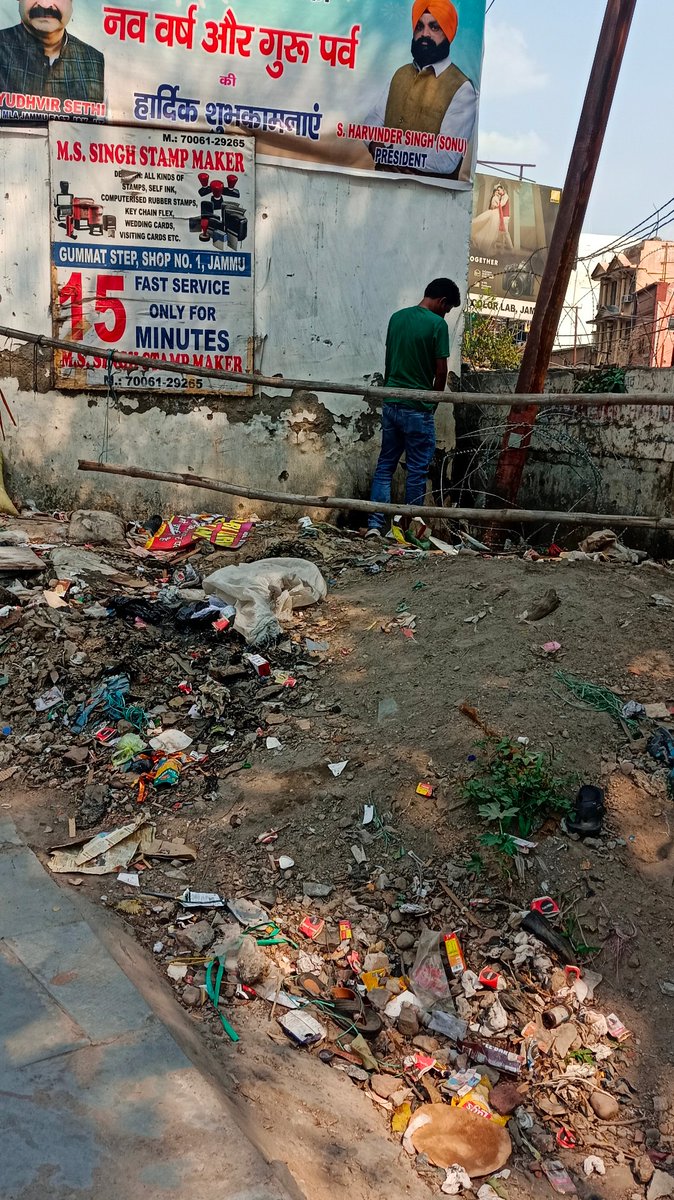
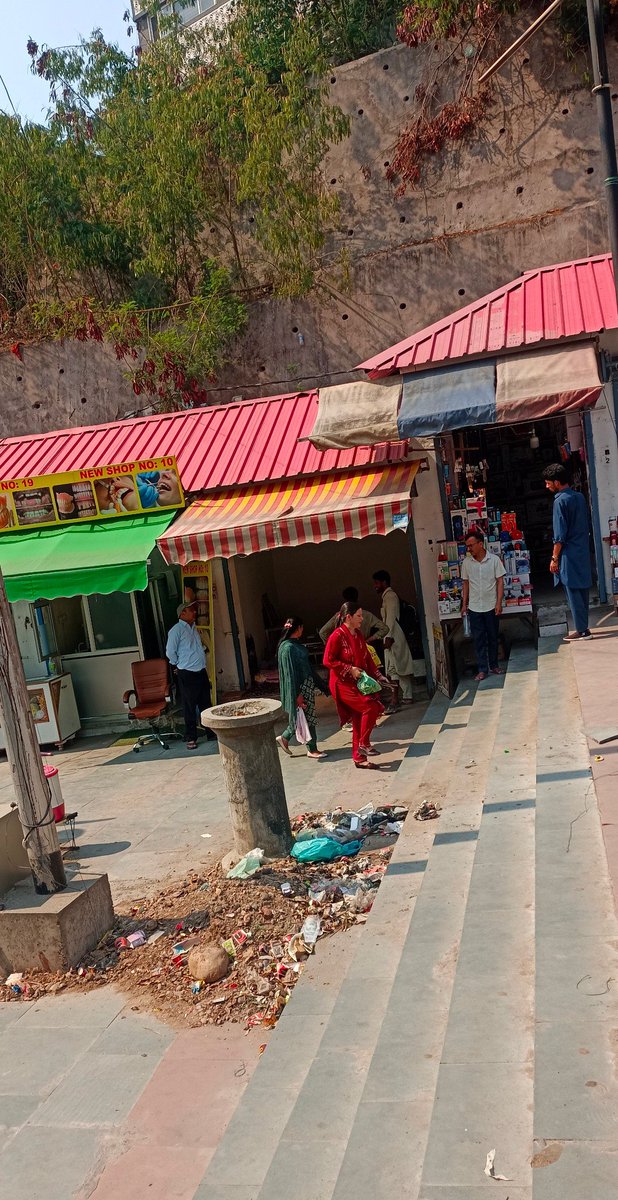
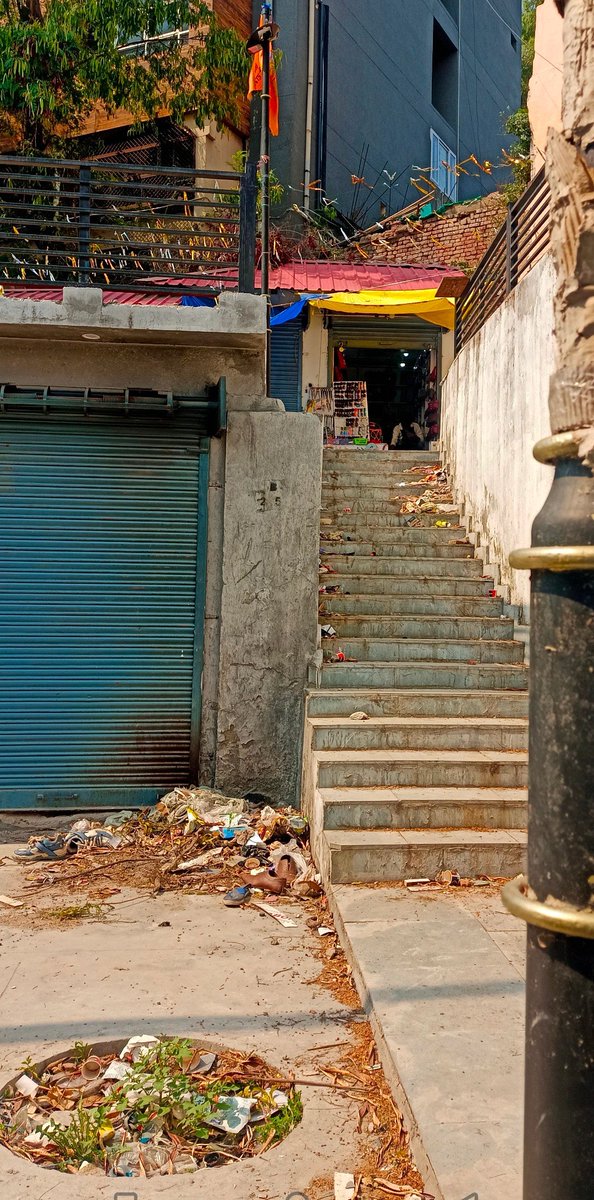
Poetic irony : The @jmcjammu that claims to clean #Jammu can not even keep its own backyard clean.From @Devansh_IAS chamber to Gummat stairs Market every inch screams neglect , arrogance & heartbreaking failure. HPM @narendramodi ji
Miles to Go T-64/199
@ajaykraina @BhavreenMK

2
22
34
2,206
Vandana Chaudhary retweeted

May 10
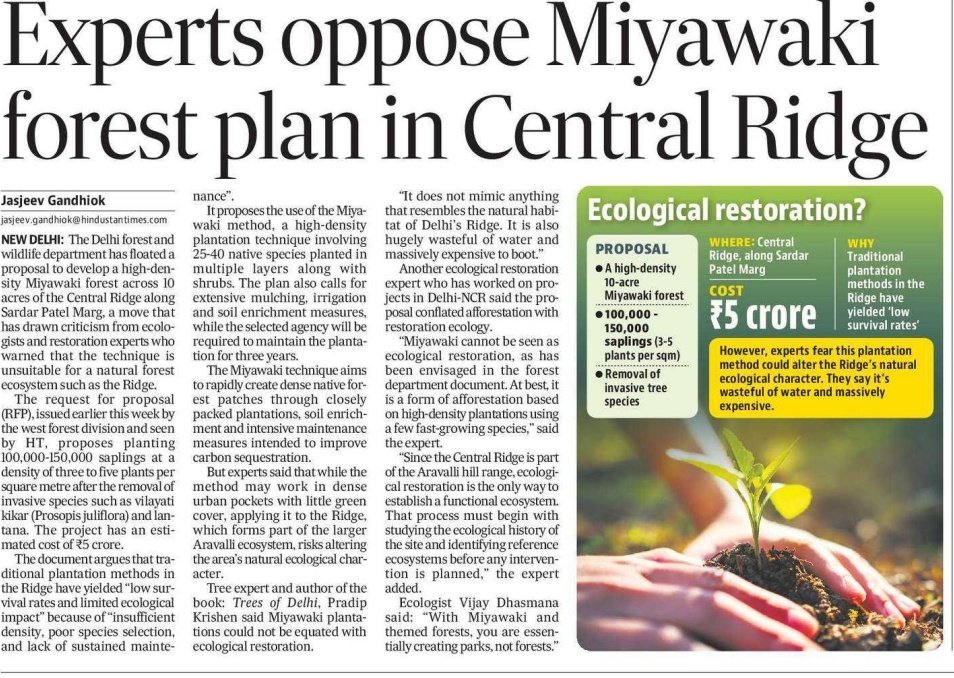
See the article below by @JasjeevGandhiok for @htTweets
The Delhi Forest Department's proposal to green 10 acres of Central Ridge using Miyawaki plantations to address low survival rates of traditional methods raises the following serious ecological and economic concerns.
Economic Disparity
At Rs.1.25 crores per hectare, which is app 10 to 12 times the standard departmental costs of ₹8–10 lakh/hectare, this high outlay for intensive irrigation and soil enrichment is hard to justify when funds could restore far larger areas via site-specific ecology.
Structural Flaws
Miyawaki emphasises rapid growth over ecosystem health; ultra-high inputs of organic manure and profuse watering create high-density planting, forcing weak, pole-like trees competing for light. Central Ridge's Aravalli ecosystem thrives on natural hardiness—artificial mulching/watering risks creating intervention-dependent "forests."
A true forest requires horizontal and vertical space for natural processes, including the recruitment of native grasses, shrubs, and the movement of local wildlife.
Further, packing 100,000–150,000 saplings into a restricted area creates an impenetrable thicket. While this may provide high carbon sequestration metrics on paper, it suppresses the complex, multi-layered biodiversity inherent to the Delhi Ridge
While the MoEFCC may support Miyawaki-style projects in small-scale urban pockets—often under Corporate Social Responsibility (CSR) initiatives—the method lacks formal national policy endorsement for sensitive ecological zones. Implementing this without rigorous, zone-specific research across India’s diverse eco-climatic regions is premature
Restoration Priority
In the meantime lets accord priority and practice restoration by referencing native ecosystems, removing invasives like Prosopis juliflora, and using moderate-density planting to let abused ridges heal naturally.
#Miyawaki #forest #trees #restoration
4
27
71
3,313
Vandana Chaudhary retweeted

May 11
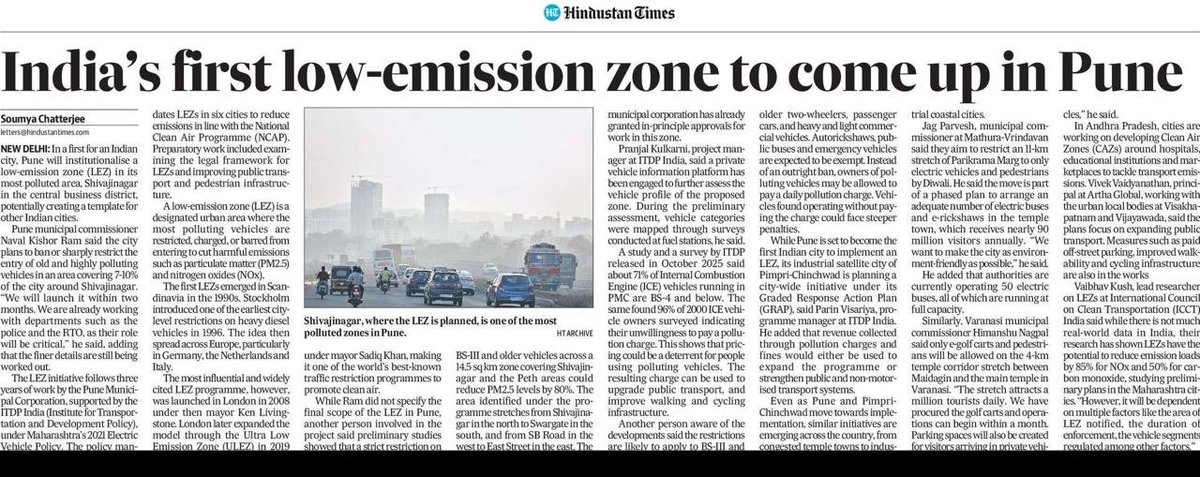
Moms & citizens have been raising their voices for cleaner air, safer streets & healthier cities for our children.
With Pune set to introduce India’s first Low Emission Zone (LEZ) in Shivajinagar, this is more than a policy win, it’s proof that citizen led movements can shape urban futures.
Less pollution. Better public transport. Walkable neighbourhoods. Healthier childhoods. @WMMaharashtra @walkingproject
7
20
29
4,016
Vandana Chaudhary retweeted
May 12
🌳⚖️ Know The Power Of A Tree Officer
A Tree Officer can STOP tree cutting if rules, environment, or public interest are at risk. 🚫🪓
Their duty is to protect trees, not just approve files. 🌱✊
#KnowTheAct #SaveTrees #TreeAct #GreenPune #ChaloPMC 🚩
3
22
62
1,023
Vandana Chaudhary retweeted

अती शहाण्यांनी बाजार उठवला.
विकासाचा भांग पिऊन त्यांनी डोंगर, नदीकाठ, रस्त्याच्या कडेची सगळी झाडं “अडथळा” म्हणून उपटून टाकली… जंगलं साफ केलं
शहरं हीट आयलंड झाली, AQI ची पार वाट लागली
AC गाडीत बसून, झाडांना वाचवण्यासाठी धावलेल्या लोकांना पाहून हे खुळे म्हणतात
"वेड्यांचा बाजार"
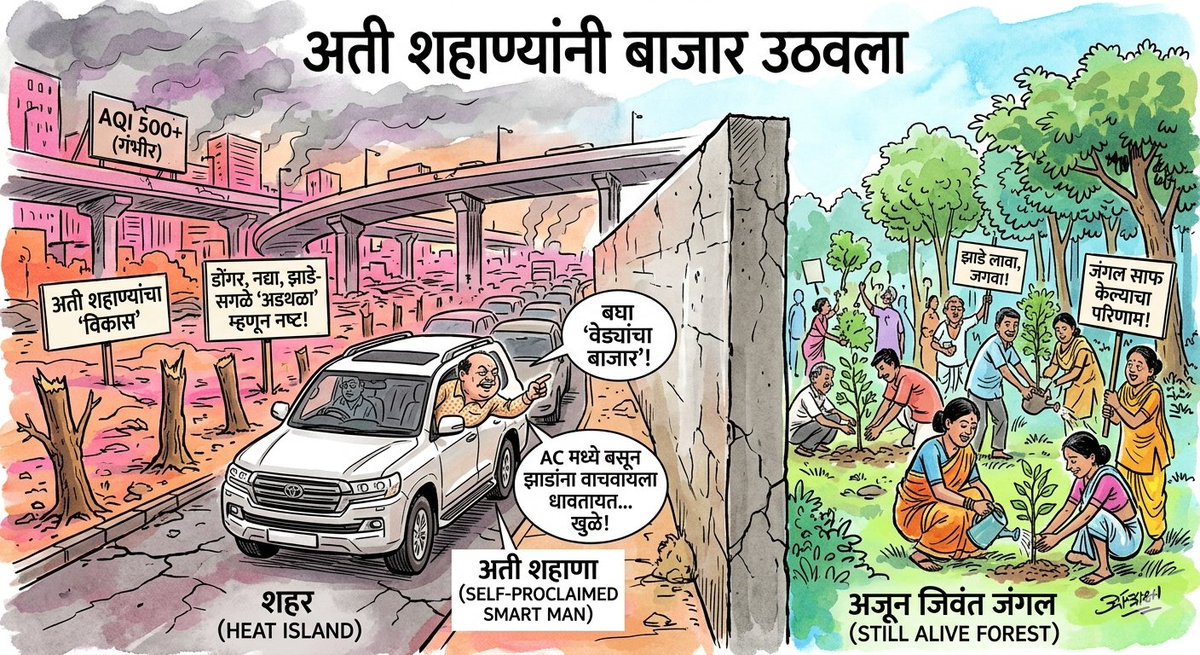

Vedyancha baazar 😂
1
20
58
1,491
Vandana Chaudhary retweeted
"झाडे वाचवा पुणे वाचवा,
एक झाड हजार श्वास"
असा ताल धरत कॉलेजची ही मुले,
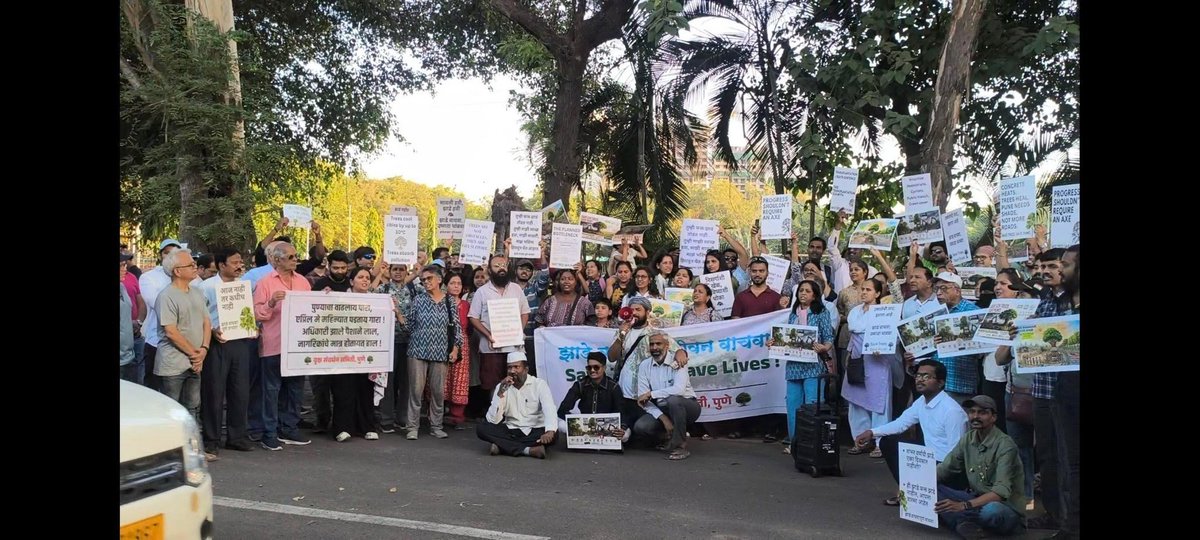
वृक्षतोडीविरोधात आयोजित केलेल्या मानवी साखळीत सामील झाली.
रस्ता रुंदीकरणामुळे वाहतूककोंडी सुटेल का? आणि वाहनांच्या धुराने, प्रदूषणाने वाट लागणाऱ्या हवेच्या गुणवत्तेचे(AQI) काय? याचे उत्तर अधिकारी देणार का?

Pune citizens protesting against massacre of 529 trees for road widening at University Road.
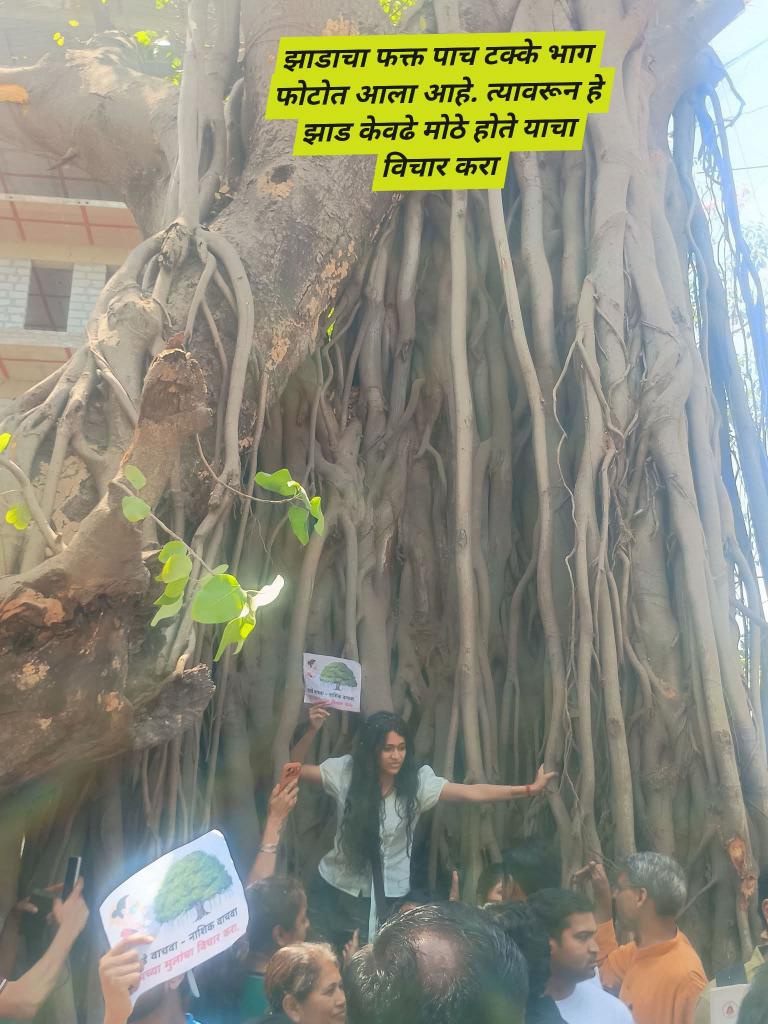
Many of the trees are more than century old.
@navalMH
@ameetgsingh
@AUThackeray
@Pankajamunde
@AnneAnish
@ChaitanyaKet
@DefenceBrat
8
78
243
4,555