Joined December 2009
- Tweets 36,321
- Following 4,902
- Followers 11,003
- Likes 39,762
2,818 Photos and videos

Jing Liang 🇺🇦 retweeted

Excellent #EHA2026 🧵- Something we continue to learn about as we use GPRC5D more in myeloma.
We’ll overestimate incidence at first (e.g., dizziness from orthostatic hypotension from wt loss, 1st noted by @AjaiChari ) … but more research & unified AE term will go a long way!

With Tal-Dara published and concerns about ataxia/ balance disorders lets take a deep dive on GPRC5D ataxia syndrome
-> The first report of a cerebellar syndrome from GPRC5D came from MCARH019 reported by Mailankody et al
-2/17 (12%) Grd 3 cerebellar syndrome
-6.5 and 8.4 mo's after infusion
-was a DLT at 450*10^6
4
8
2,304
Jing Liang 🇺🇦 retweeted

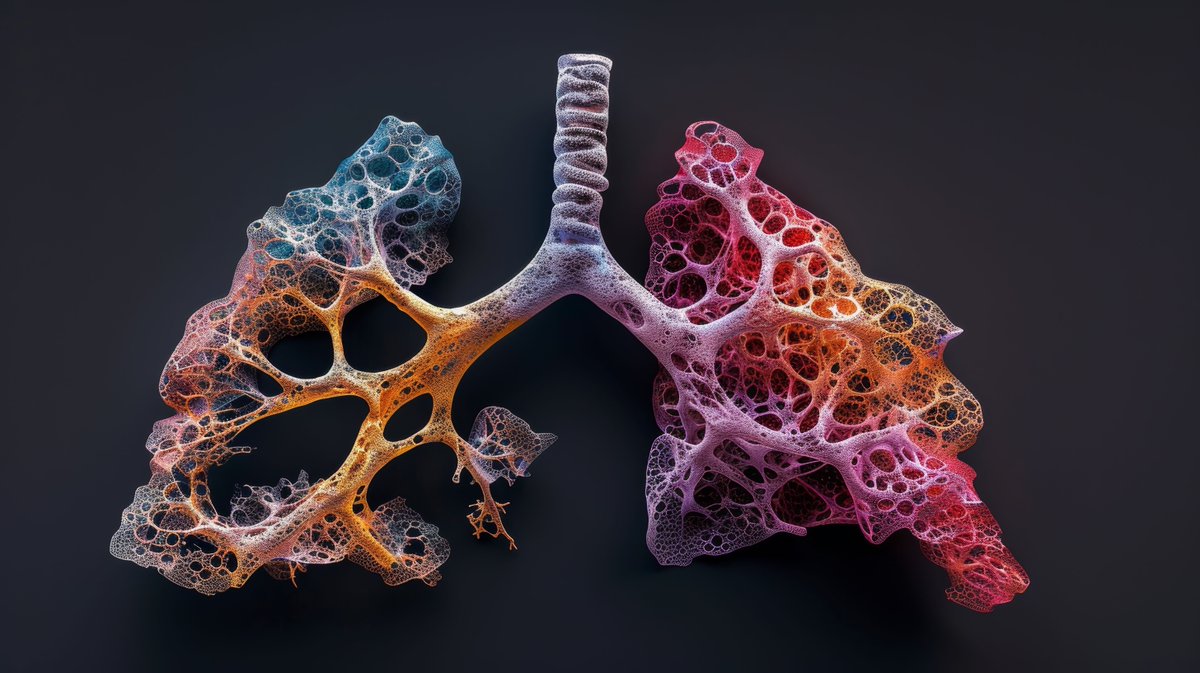
RA-ILD in the Age of Treat-to-Target: Put the Probe on the Chest
RA inflammation may be under control, but RA-associated ILD remains a major challenge. At #EULAR2026, experts highlighted that ILD is one of the few RA outcomes not improving in the biologic era. Three new abstracts strengthen the case for a practical, low-cost screening tool already available to most rheumatologists.
buff.ly/intPyad
1
5
14
1,474
Jing Liang 🇺🇦 retweeted

#mmsm #EHA26
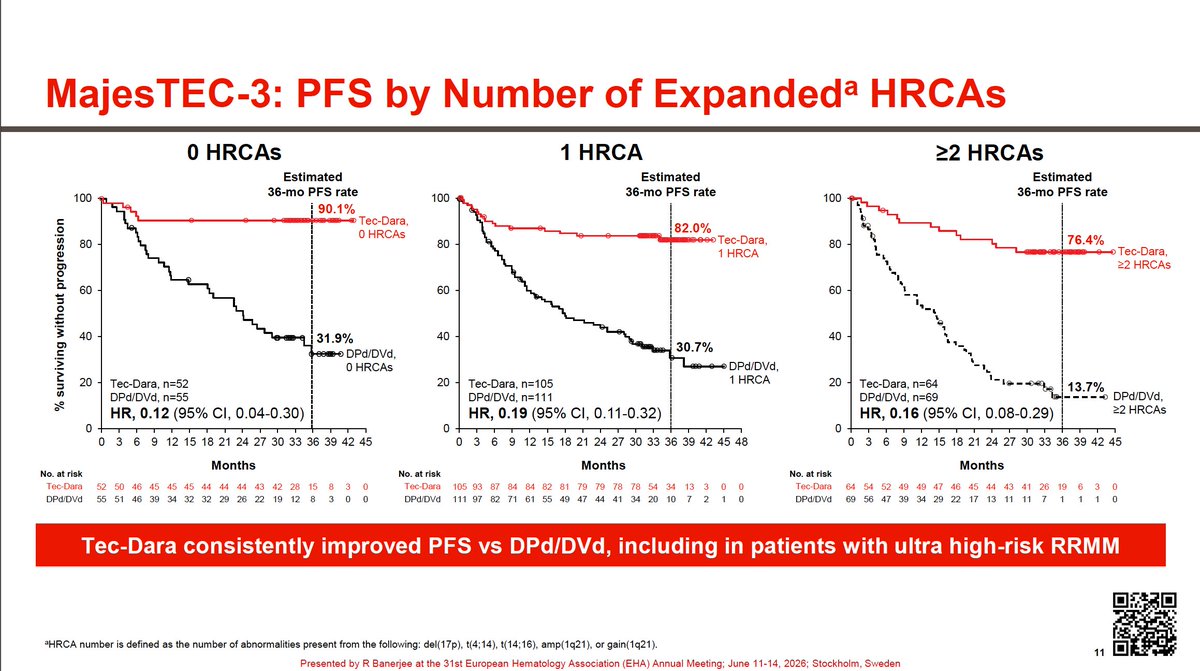
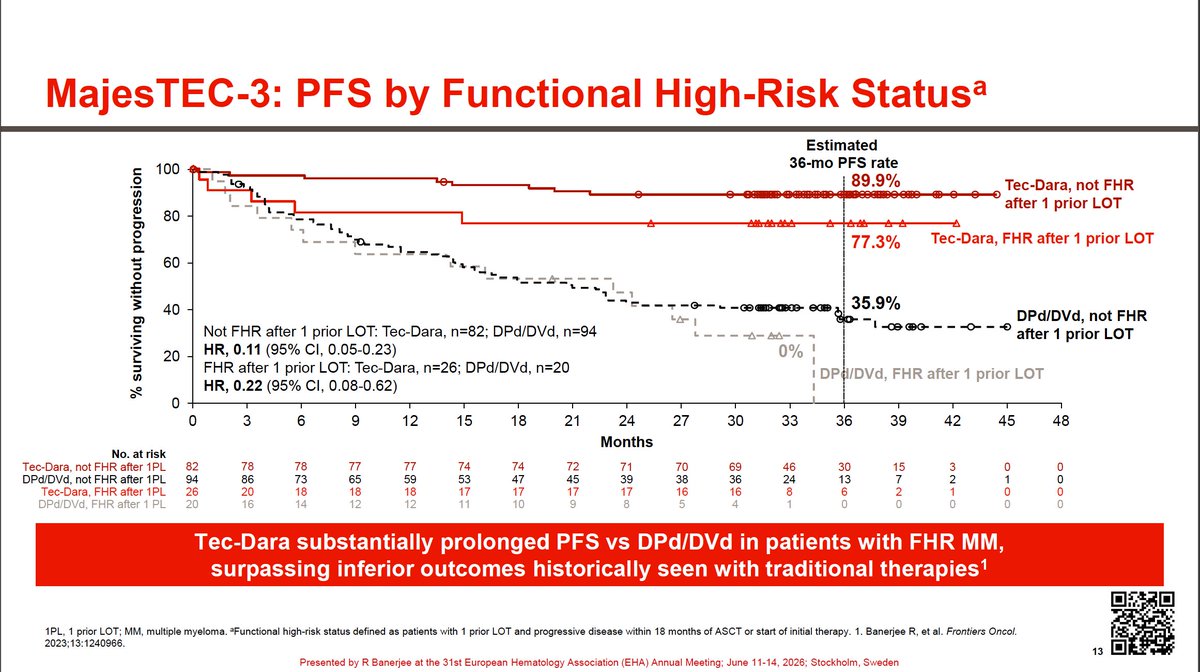
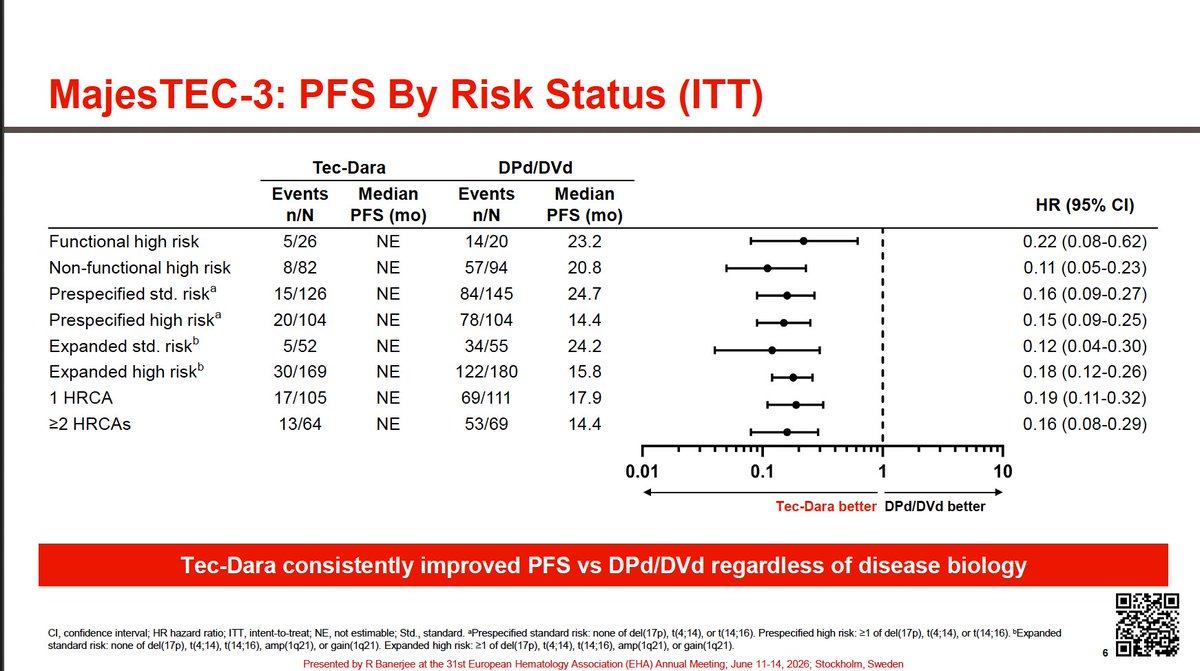
MajesTEC-3 high risk post hoc analysis @RahulBanerjeeMD
Tec-Dara worked well in patients with 2HRCA or more as well as functionally high risk
Really good results in hard to treat patients
4
15
37
5,535
Jing Liang 🇺🇦 retweeted

Jun 13
Just out: presented at #EHA26 and published @NEJM
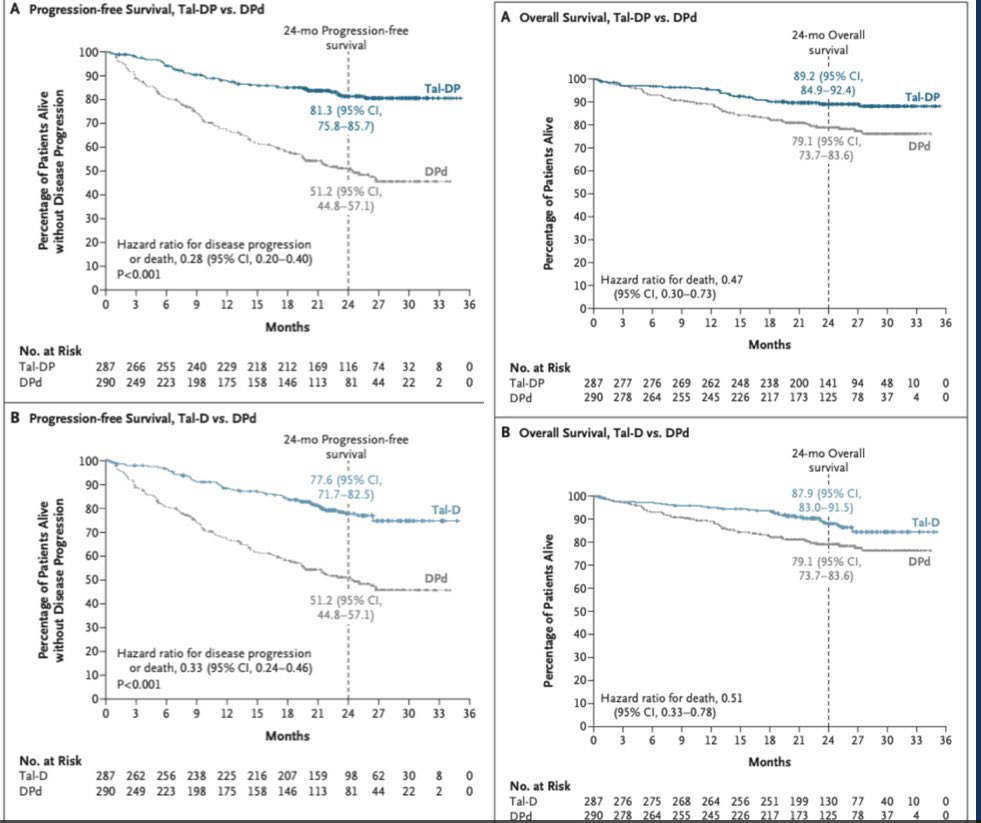
Randomized trial of 2 talquetamab combinations vs DPd in relapsed myeloma. The Monumental-3 trial.
Both Talq-Dara-Pom and Talq-Dara beat DPd in PFS and OS.
Choice of a Talq combination vs Tec or Tec-Dara in relapsed myeloma will be driven by patient and disease factors and requires significant expertise. Congrats @RobertoMinaMD @PlasmaCellPete @mbeksac56 @paurotero @mvmateos @thanosdimop @RahulBanerjeeMD et al.
nejm.org/doi/full/10.1056/NE…
2
33
101
10,017
Jing Liang 🇺🇦 retweeted
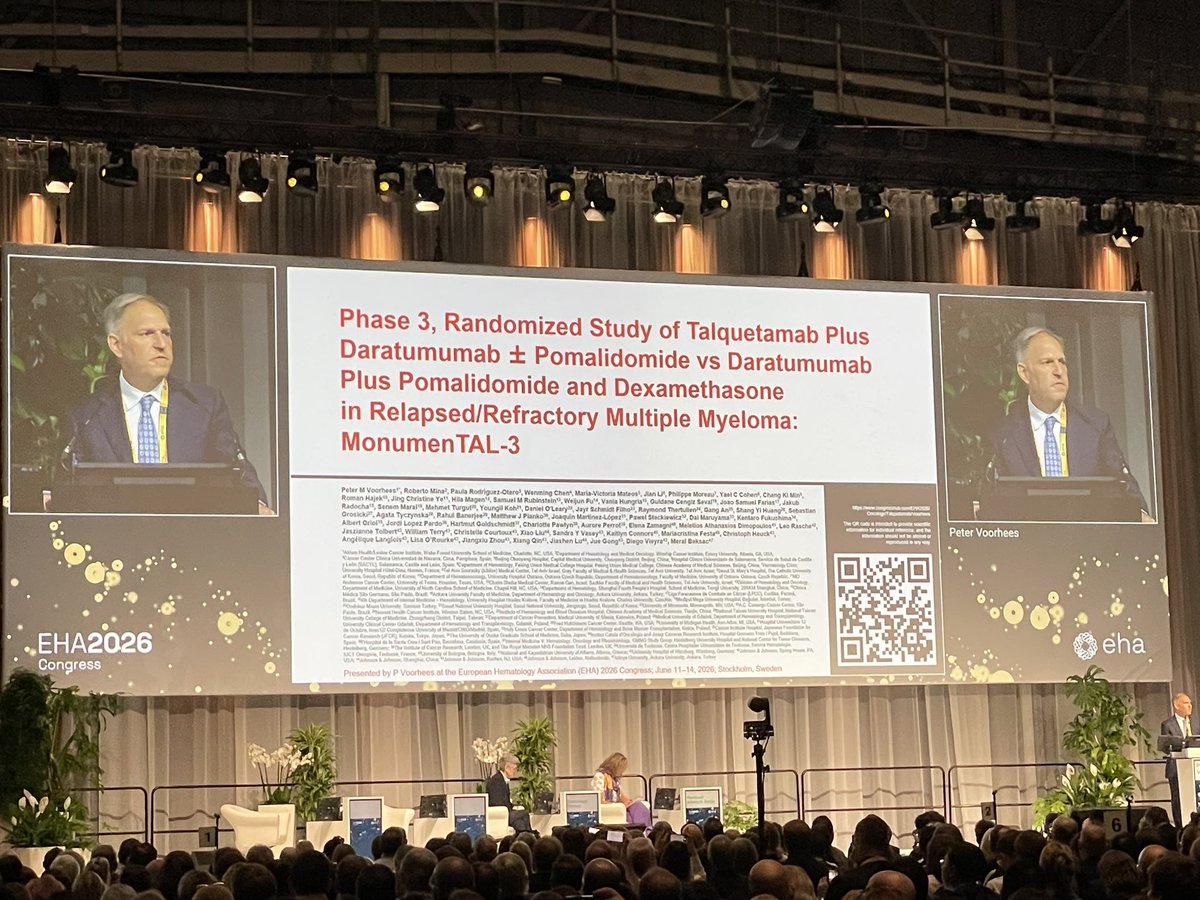
#EHA2026 a new standard of care about to emerge in myeloma!
@PlasmaCellPete looking as presidential as ever at the plenary session 💪
MonumenTAL-3: tal-dara /- pom versus Dara-Pd.
Tal-DP and tal-D both dramatically outperformed D-Pd!
5
19
70
3,482
Jing Liang 🇺🇦 retweeted

Jun 12
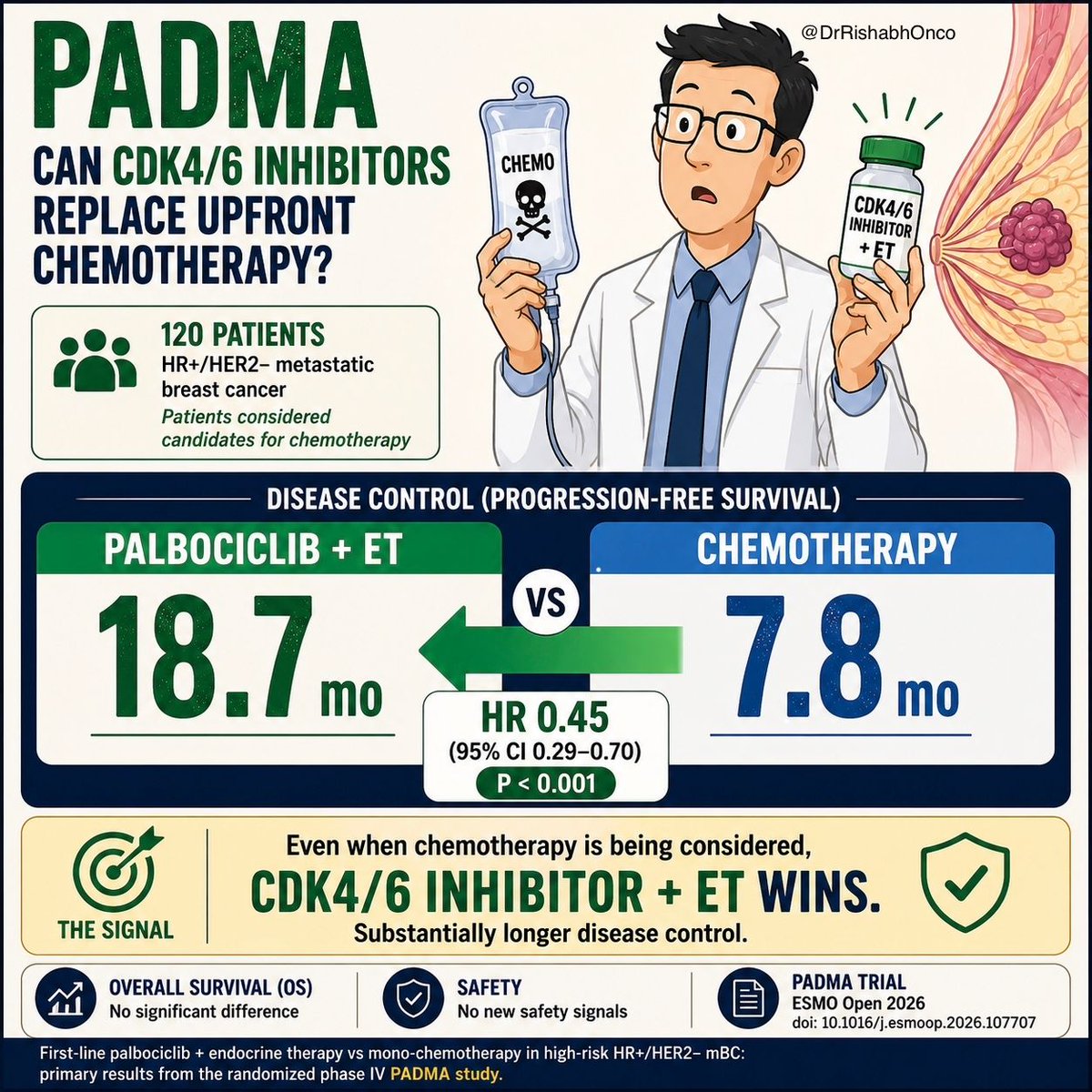
🚨 Should we still be giving upfront chemotherapy to most high-risk HR /HER2− metastatic breast cancer patients?
The PADMA trial says probably not.
👩⚕️ 120 patients with HR /HER2− mBC considered candidates for chemotherapy
⚖️ Palbociclib endocrine therapy vs physician’s choice chemotherapy
📈 Median TTF:
17.2 vs 6.1 months
HR 0.46 (P<0.001)
📈 Median PFS:
18.7 vs 7.8 months
HR 0.45 (P<0.001)
🎯 Benefit was consistent across key subgroups, including patients with liver metastases and those with high disease burden.
⚠️ More hematologic toxicity with palbociclib, but no new safety signals.
💡 Takeaway:
Even in patients for whom clinicians were considering chemotherapy, first-line CDK4/6 inhibitor endocrine therapy outperformed chemotherapy.
Another reminder that chemotherapy should remain the exception, not the default, in HR /HER2− mBC.
Full paper link in comment
#bcsm #BreastCancer #MedTwitter #Oncology #ESMOOpen
@oncoalert
4
27
72
4,956

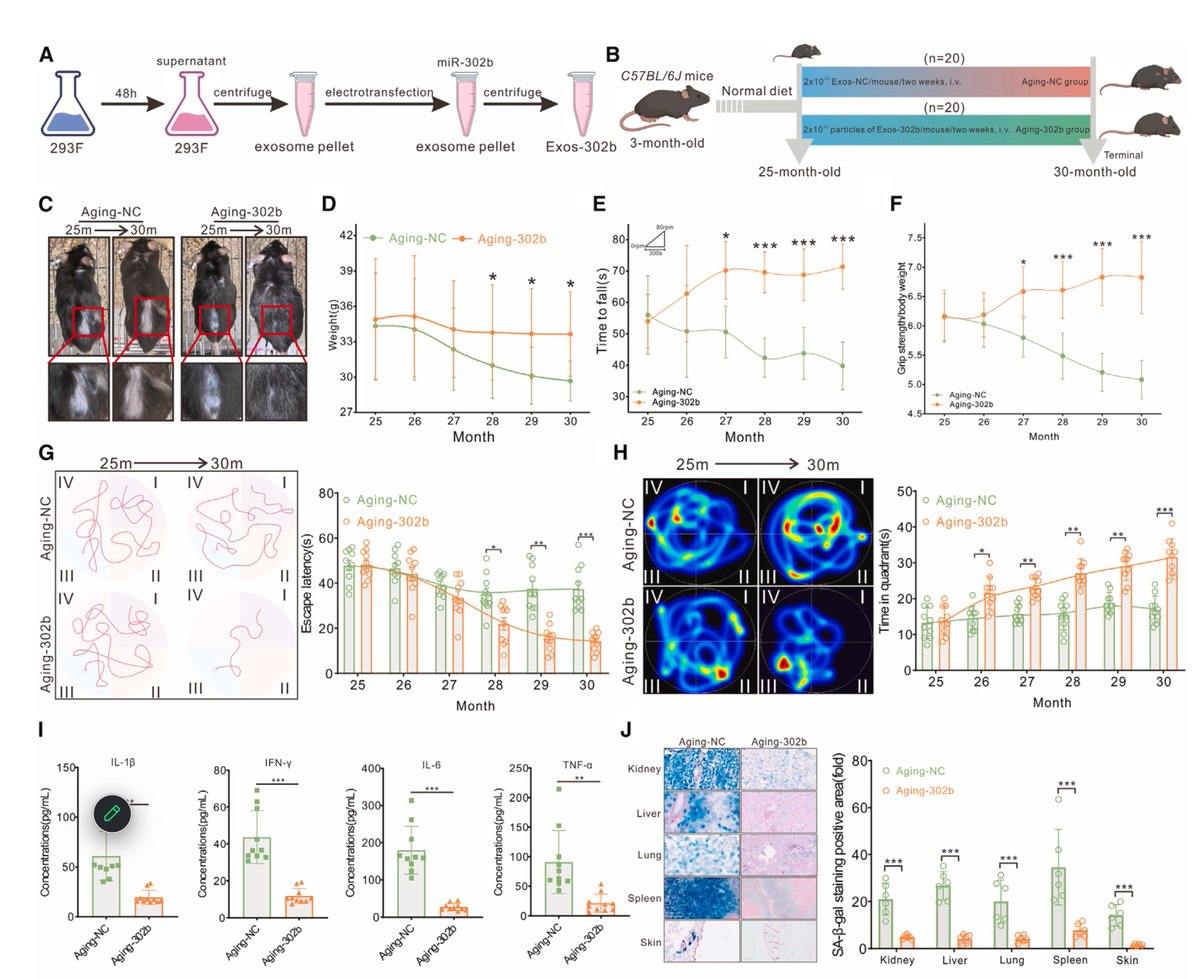
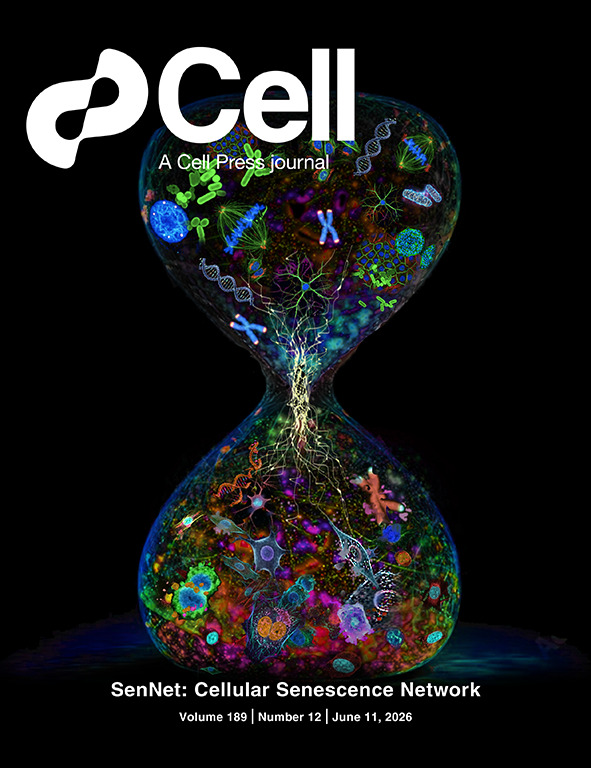
Totally over the moon 🤩 , our paper on charting human cellular senescence in aging and disease is on the cover!! It highlights the collective efforts and the first wave of publications from NIH @sennetresearch consortium to map senescent cell states, heterogeneity and niches!!
Jun 11

New issue alert 👉cell.com/cell/current
This issue's cover artwork portrays the gradual emergence of cellular senescence across the human lifespan reflecting the effort of the Cellular Senescence Network (SenNet) to chart the evolving landscape of human cellular senescence
11
45
275
24,630
Jing Liang 🇺🇦 retweeted

Jun 11
Del-brax (from Avidity Bio) hits primary and key secondaries in the Phase 1/2 biomarker cohort in FSHD. Though, no actual data was shared.
AOCs continue to work!
$NVS del-brax Phase I/II study in FSHD meets primary biomarker endpoint novartis.com/news/media-rele…
4
3
1,457
Jing Liang 🇺🇦 retweeted

the zone is being flood now about epigenetic reprogramming. please note the following:
1. iPSC tech creates and contributes to real medicine today. cells are reprogrammed in labs, not animals or ppl. clones do produce tumors but the well behaved cells are carefully selected
2. it’s patently false that partial epigenetic programming is proven safe in mice, has reversed age of mice, or has a serious chance of reversing AD
3. use of 3 or 4 yamanaka factors can produce on-target tox & teratomas
4. though companies like new limit have an epi partial reprogramming origin story & used cellular de-aging screens in early parts of their funnel, at core they are simply delivering combos of transcription factors that need to work in disease models. all transcription factors will change epigenetics but this doesn’t mean the approach primarily targets epigenetics or aging
5. while participant 1 was dosed in a safety trial, this doesn’t mean the medicine makes sense—it’s fundamentally a crude approach and it would be interesting to see what risk disclosures were made to them
15
15
74
9,492


Jun 10
This is meaningful endorsement of approach...

this is a serious presentation showing working screens for cell phenotypic alterations & apparently some candidate compounds tested short term in vivo
they surely have a path to test and potentially create medicines for disease indications
not sure about lifespan extension but progress is being made with combinatorial transcription factor delivery
1
3
3,476

Jun 10
H/T @MarioBalsaMD.
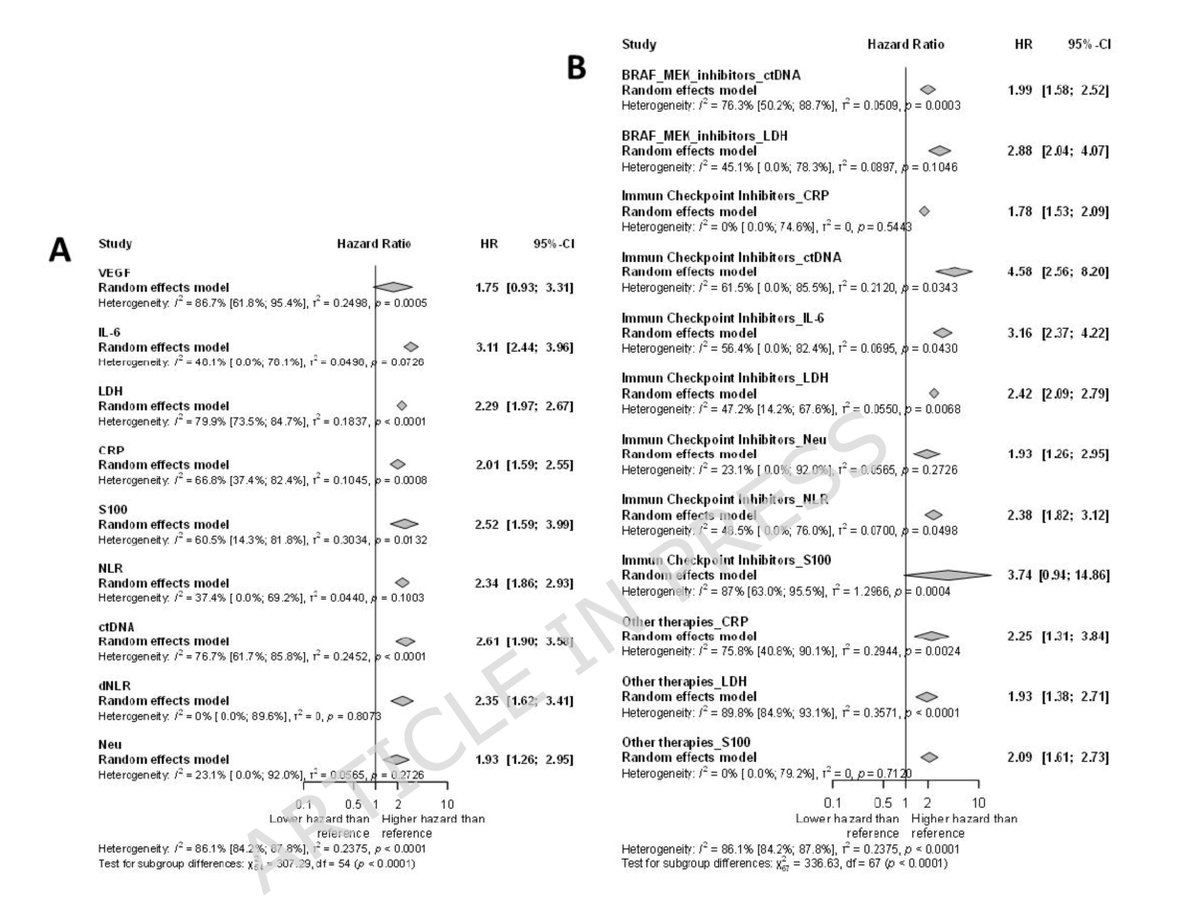
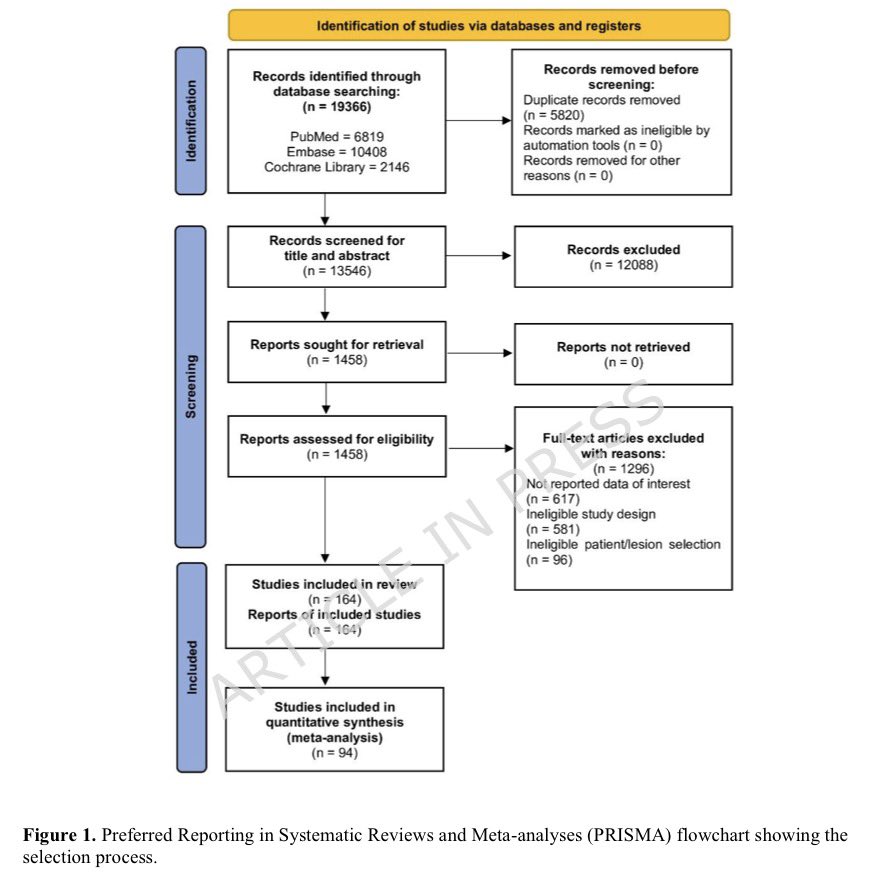
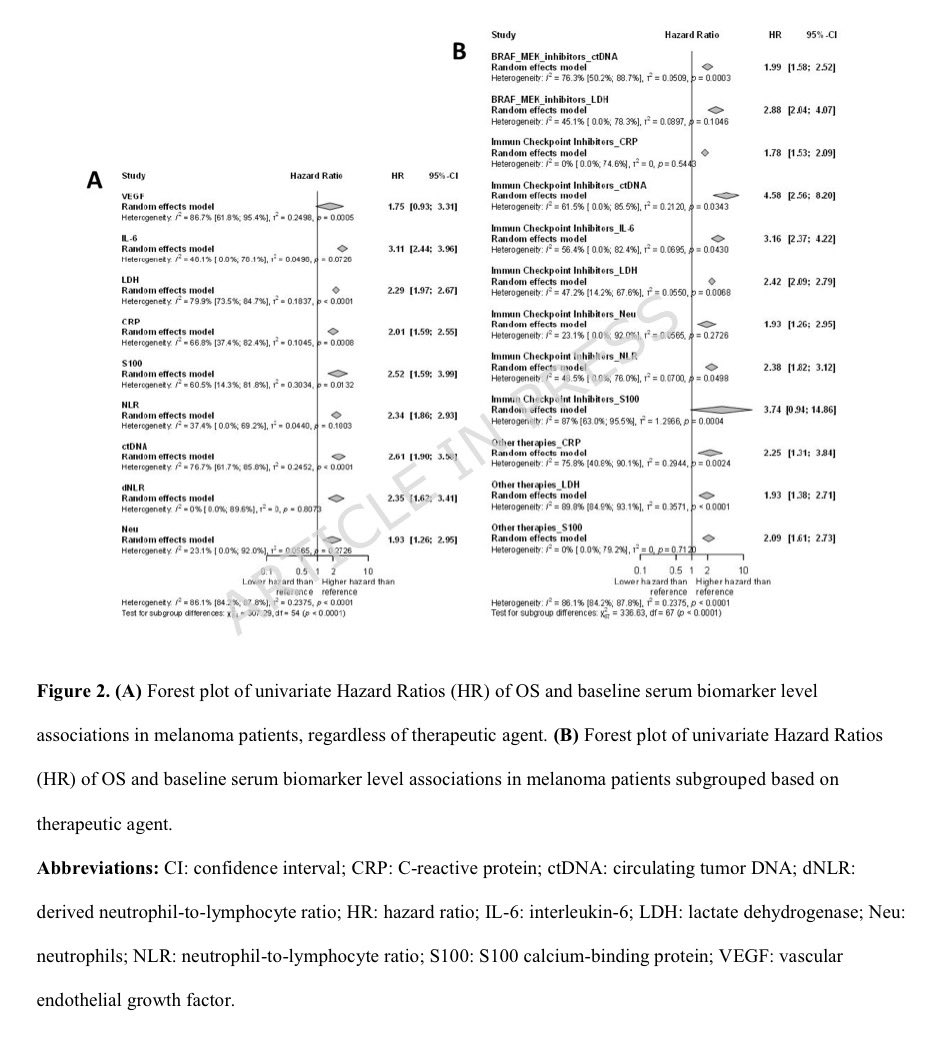
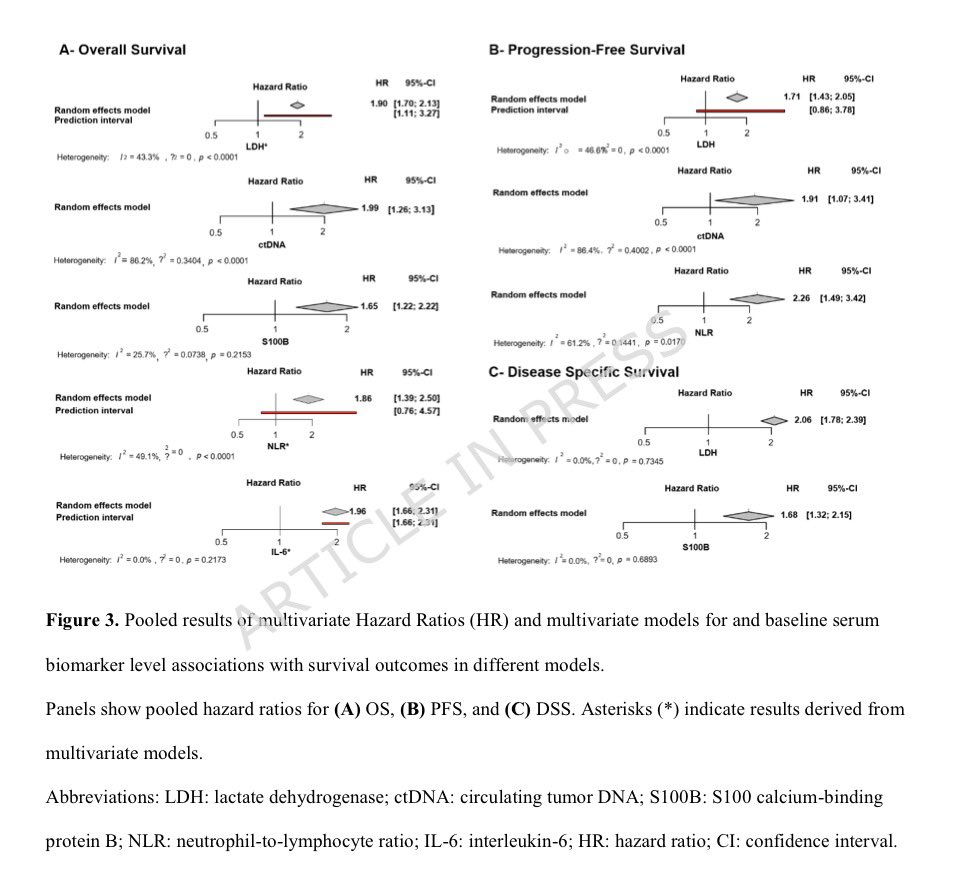
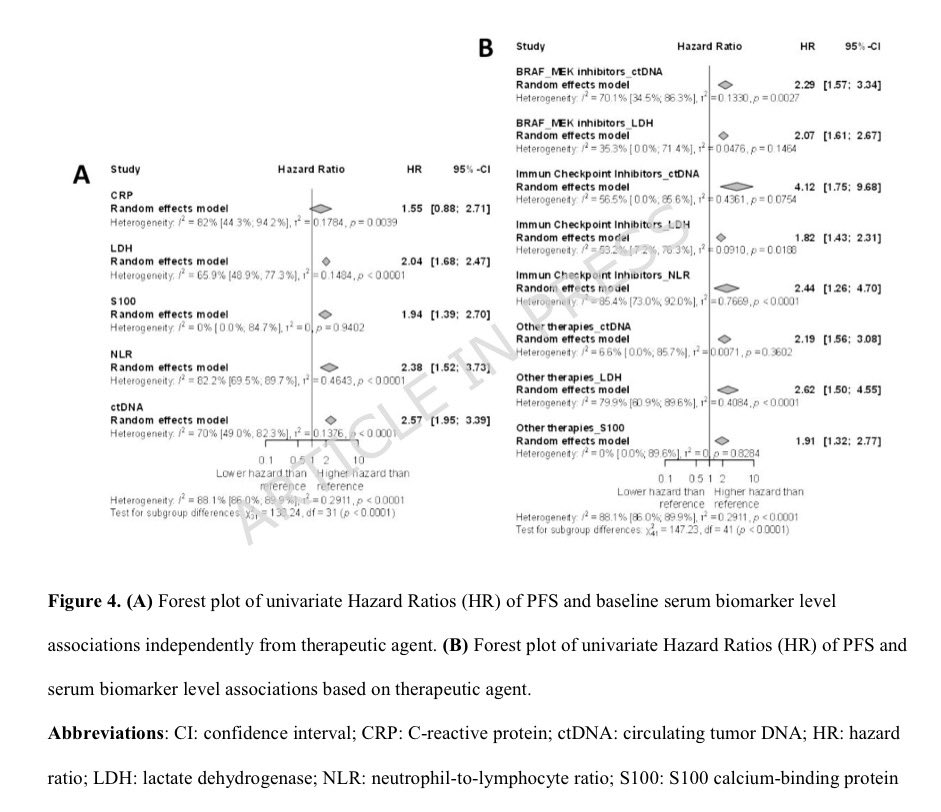
Predictive value of serum biomarkers for survival in melanoma: a systematic review and meta-analysis
Elevated IL-6 is associated with reduced OS in melanoma (HR 3.11). Association stronger than ctDNA (HR 2.61)!
Jun 10

🩸 Predictive value of serum biomarkers for survival in melanoma: a systematic review and meta-analysis (94 studies)
🎯 OS: LDH (HR 2.29), ctDNA (HR 2.61), S100B (HR 2.52), NLR (HR 2.34), IL-6 (HR 3.11)
⏳ PFS: ctDNA (HR 2.57), NLR (HR 2.38), LDH (HR 2.04), S100B (HR 1.94)
💥 Associations remained significant in multivariable analyses, supporting their independent prognostic value
Biomarkers shaping the prognosis narrative🔬
@OncoAlert
@OncoReporte @_SEOM @myESMO
1
2
7
3,123
Jing Liang 🇺🇦 retweeted

🧬💥 Beyond gene editing to total destruction!
First author Jingkun Zeng & Nobel Laureate Jennifer Doudna (@doudnalab) at @igiberkeley, @GladstoneInst, @UCBerkeley & @UCSF just published a jaw-dropping paper in @Nature — and it rewrites what we thought CRISPR could do.
📄 "Targeting Cancer-Specific Mutations with RNA-Triggered Chromatin Shredding"
Forget fixing mutations one by one. This CRISPR-Cas12a2 system doesn't edit cancer cells — it SHREDS them. 🔬
🎯 The target? Mutant p53 — the "guardian of the genome" gone rogue in ~40–50% of ALL cancers, and 70–90% of ovarian, pancreatic & non-small cell lung cancers. Previously UNDRUGGABLE. Not anymore.
⚙️ Here's the elegant mechanism:
Cas12a2 scans for cancer-specific RNA transcripts. The moment it detects a mutant signal, it activates — then unleashes total chromatin shredding inside that cell, triggering complete cell death. 💀
Healthy cells? Left completely untouched. ✅
🤯 The precision? The system distinguished cancer from healthy cells differing by just ONE nucleotide.
🔄 And it's fully adaptable — easily reprogrammed to target new mutations as they emerge.
"Not only can this approach target the 'undruggable' cancers that we know, we can also easily and quickly adapt this to new mutations." — Jennifer Doudna
📎 nature.com/articles/s41586-0…
#CRISPR #CancerResearch #Cas12a2 #Undruggable #Genomics #ScienceBreakthrough @OncoAlert @oncodaily
1
31
90
9,357
Jing Liang 🇺🇦 retweeted

Jun 10
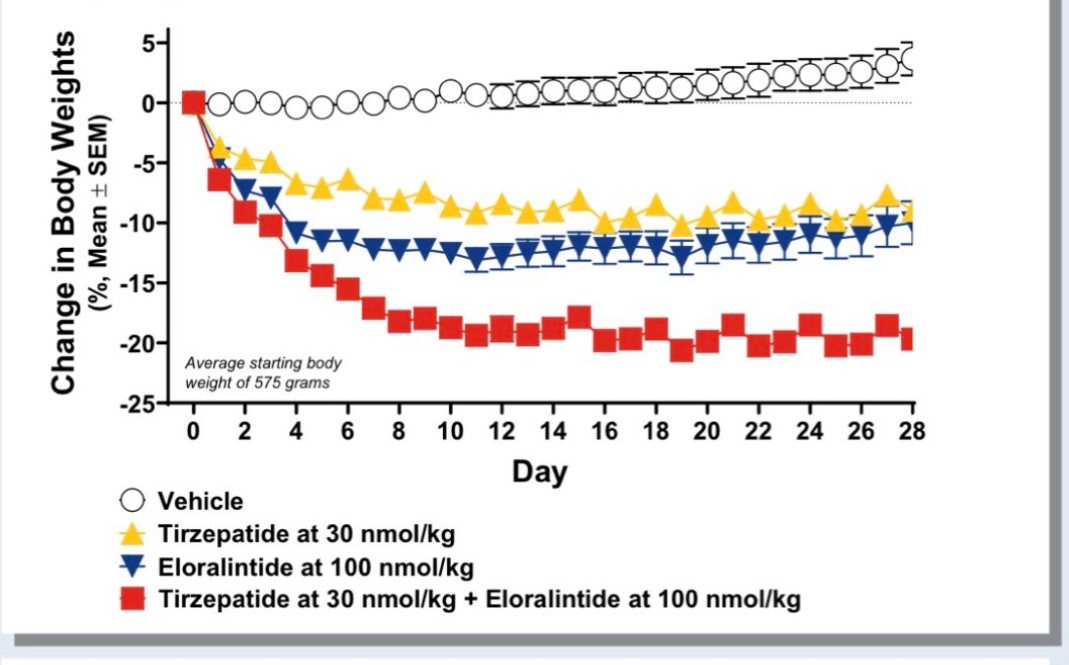
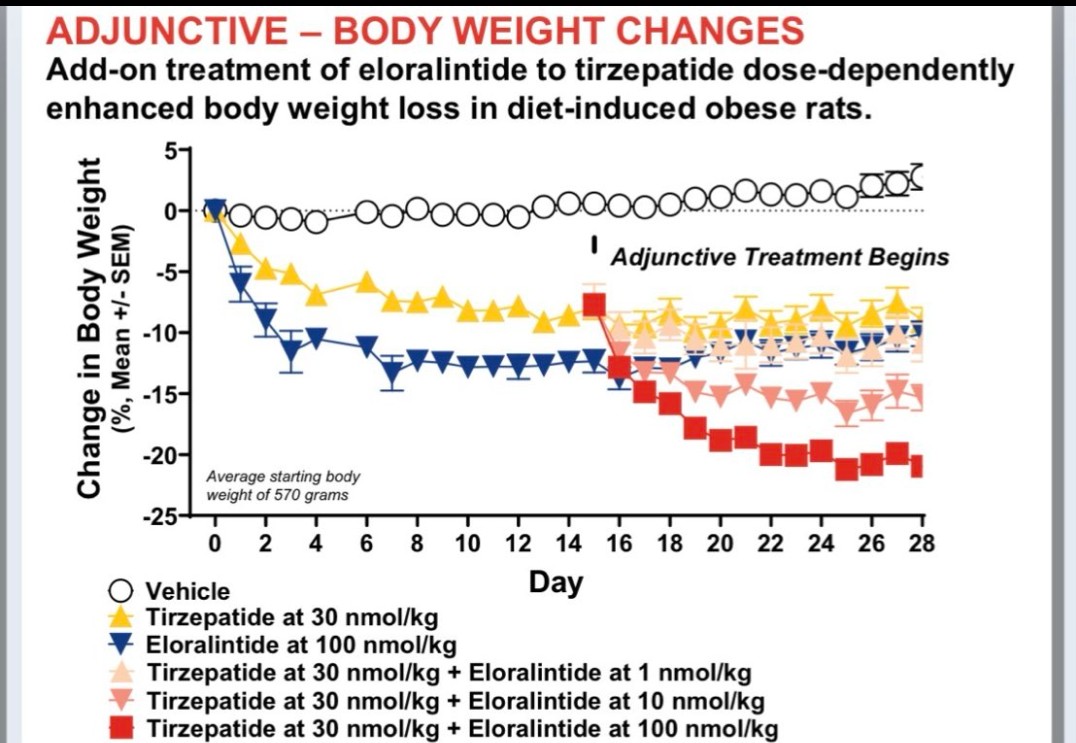
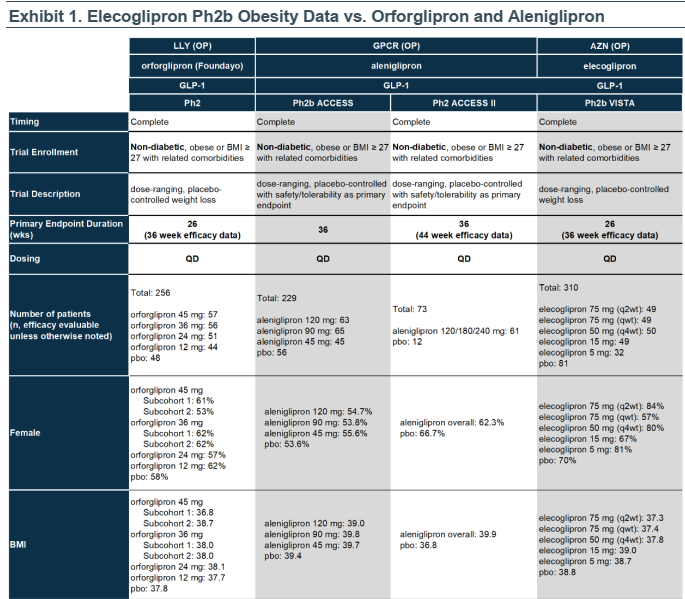
Oral GLP-1s post ADA updates (from Leerink)
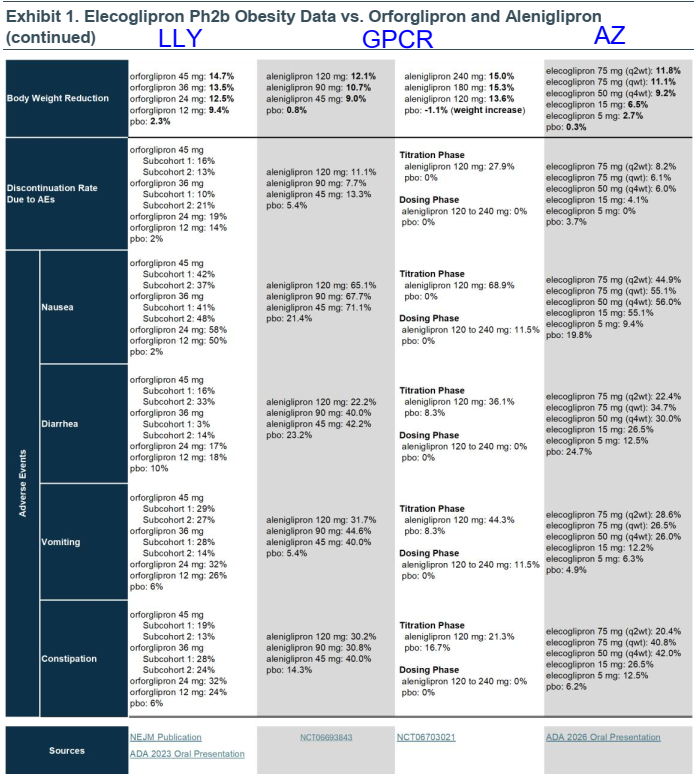
2
13
49
6,337
Jing Liang 🇺🇦 retweeted

Jun 10
$LLY FDA approves Lilly's EBGLYSS® (lebrikizumab-lbkz) for one maintenance dose every eight weeks in patients with moderate-to-severe atopic dermatitis. $NKTR $CRVS investor.lilly.com/news-rele…
1
10
2,399
Jing Liang 🇺🇦 retweeted

Plausible mechanism, implausible requirements

Grace Science (co-founded by Carolyn Bertozzi) is running out of cash and says the FDA didn't let them use the "plausible mechanism" pathway bc, although they're developing an ultra-rare gene therapy, it's not an n-of-1 therapy. The FDA is also requesting a 2nd manufacturing run prior to BLA submission - a move the co. says could end it endpoints.news/grace-science…
2
1
30
12,203
Jing Liang 🇺🇦 retweeted

Jun 9
With these huge IPOs for SpaceX, Anthropic, and OpenAI… I'm thinking about a couple possible implications for biotech investing:
1/ Many of the large AUM long-only asset management firms (Fidelity, Wellington, T Rowe, Cap Re, etc) are likely participating in a big way in these IPOs. Given the size of these offerings, these large funds will likely be investing billions into each of these. Every large investor only has so much capital (from a risk management perspective) allocatable to primary offerings of IPOs in a given period… so will these three suck all the oxygen out of the room for long-only firms' ability to play in biotech IPOs in 2H 2026? Will the sector be even more dependent on specialist healthcare investors for IPOs for the next few quarters? Seems likely to me.
2/ Right now these three positions are very large private marks on many big investor’s books. Most of these firms have limits as to what percentage of their AUM can be invested in private deals… when these three move over to the public side, it immediately changes the “ratio” in a big way… creating significant “space” for private investing in their portfolios. Will that bode well for their participation in late stage private deals in biotech? Maybe... hopefully.
So for the next few quarters... while biotech IPOs may be more reliant on specialists, we might see renewed interest from long-only firms in later stage private biotech deals - helping companies stay private for longer.
5
13
120
19,018
Jing Liang 🇺🇦 retweeted

Jun 9
we also shared - our AI systems allow us to make 2X as many discoveries per $
the space of possible reprogramming medicines is ~infinite. our models are better at prioritizing experiments than humans.
this advantage compounds – more discoveries -> better data -> better models
1
1
40
3,458