
Biochemist. Postdoc @mvh_lab @KochInstitute | he/him | BlueSky: @edreesrashan.bsky.social
Joined September 2019
- Tweets 3,418
- Following 921
- Followers 976
- Likes 7,708
154 Photos and videos


Pinned Tweet

22 Jun 2025
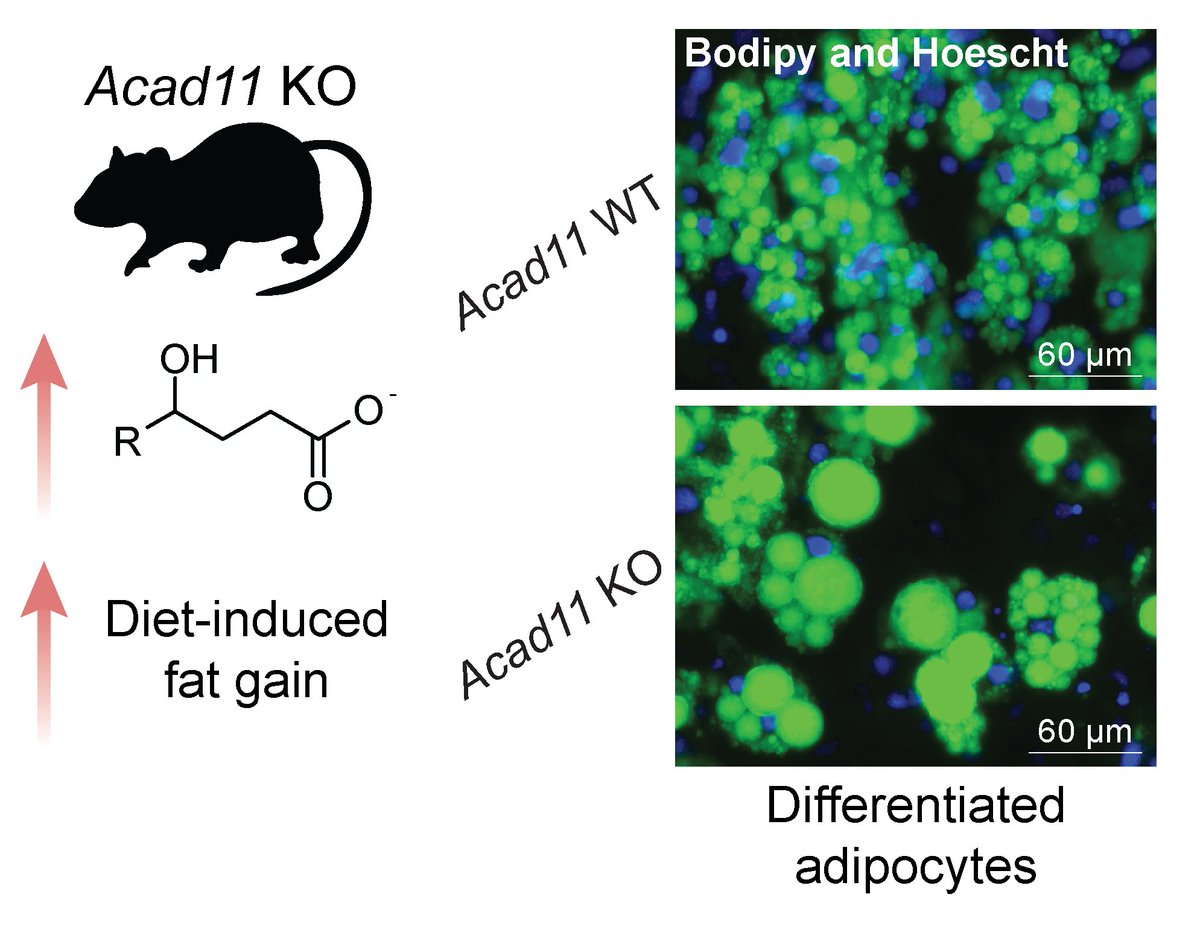
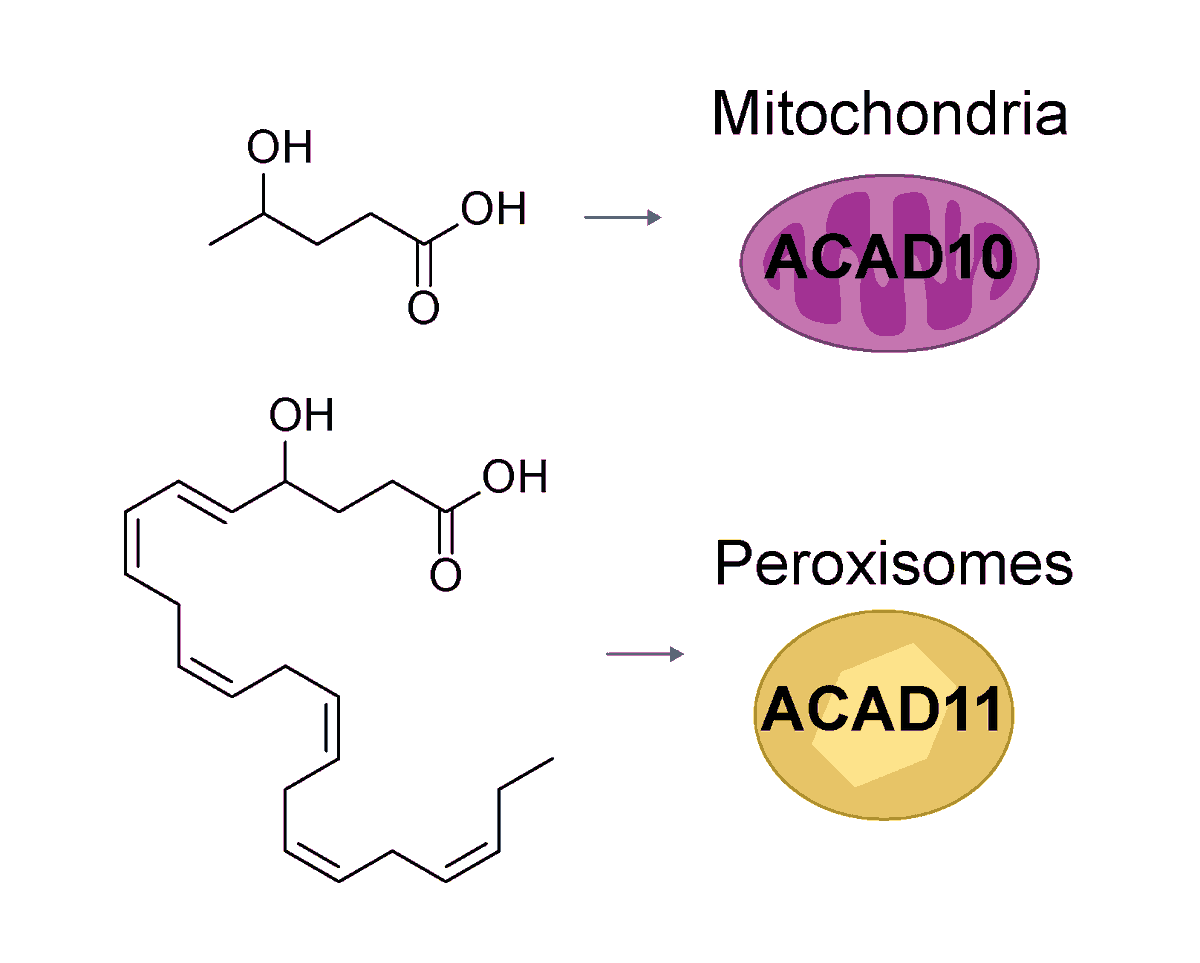
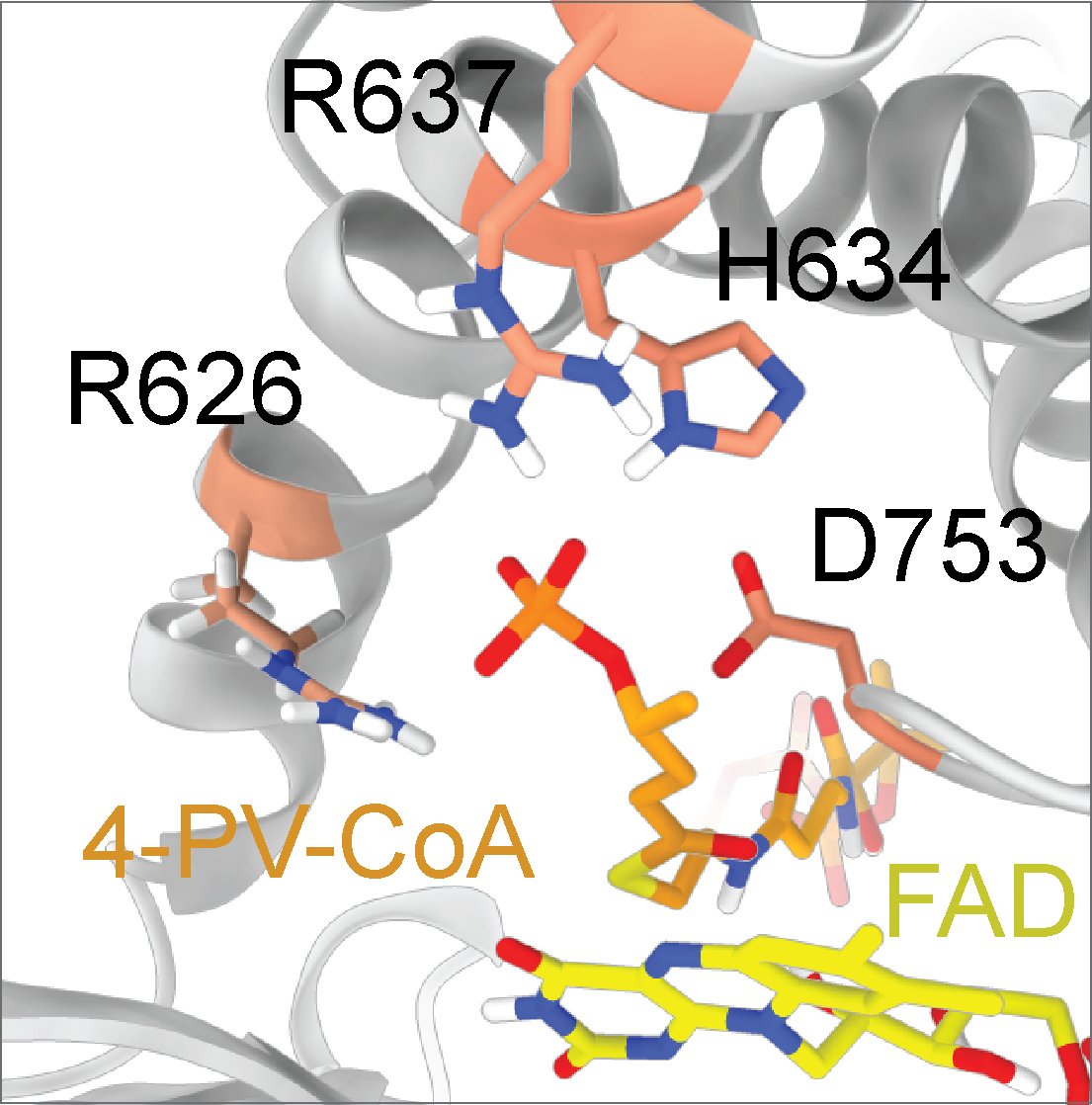
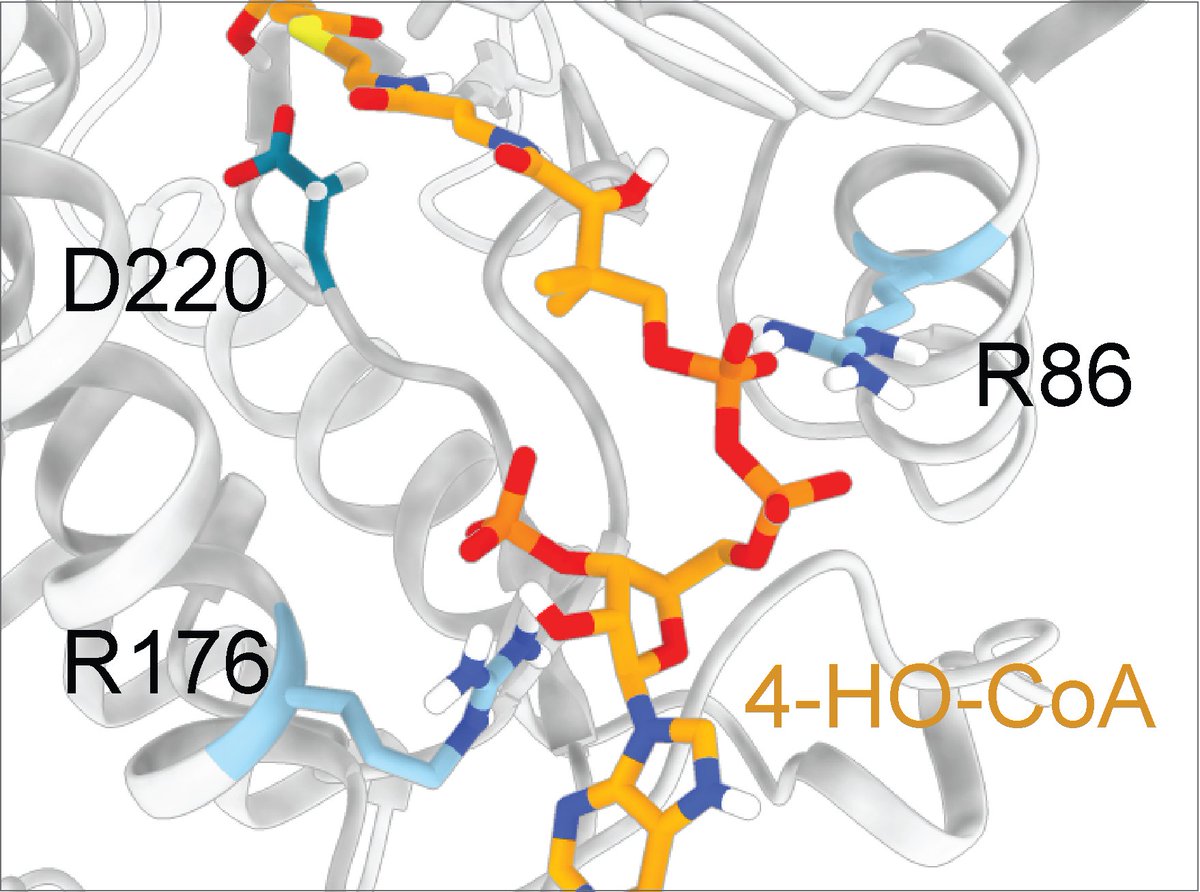
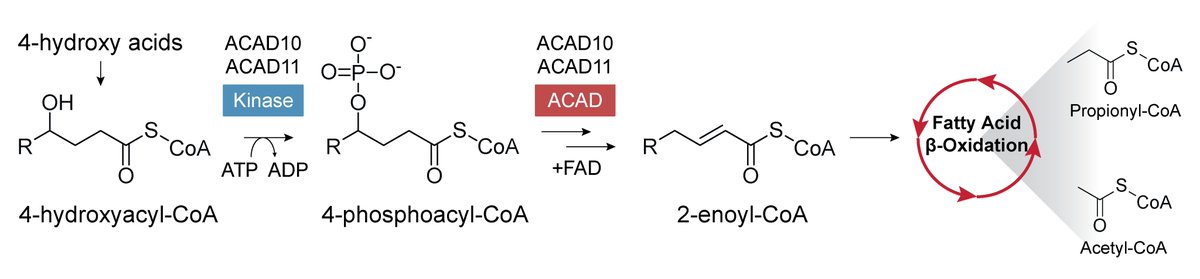
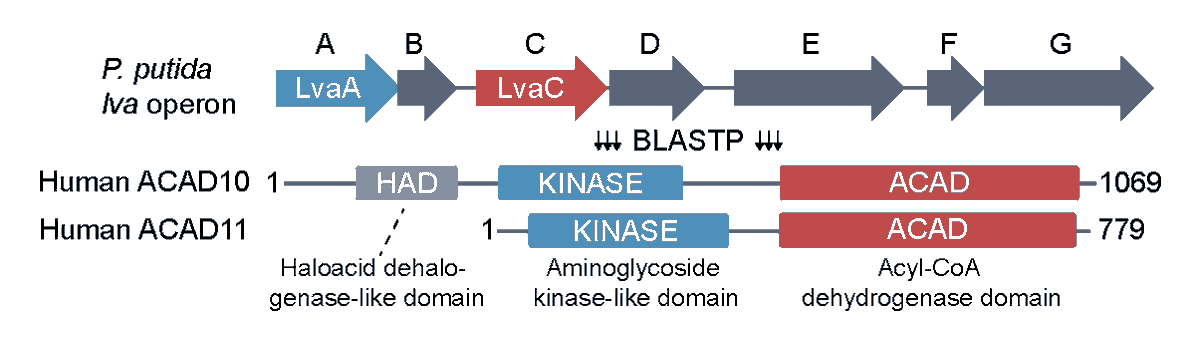
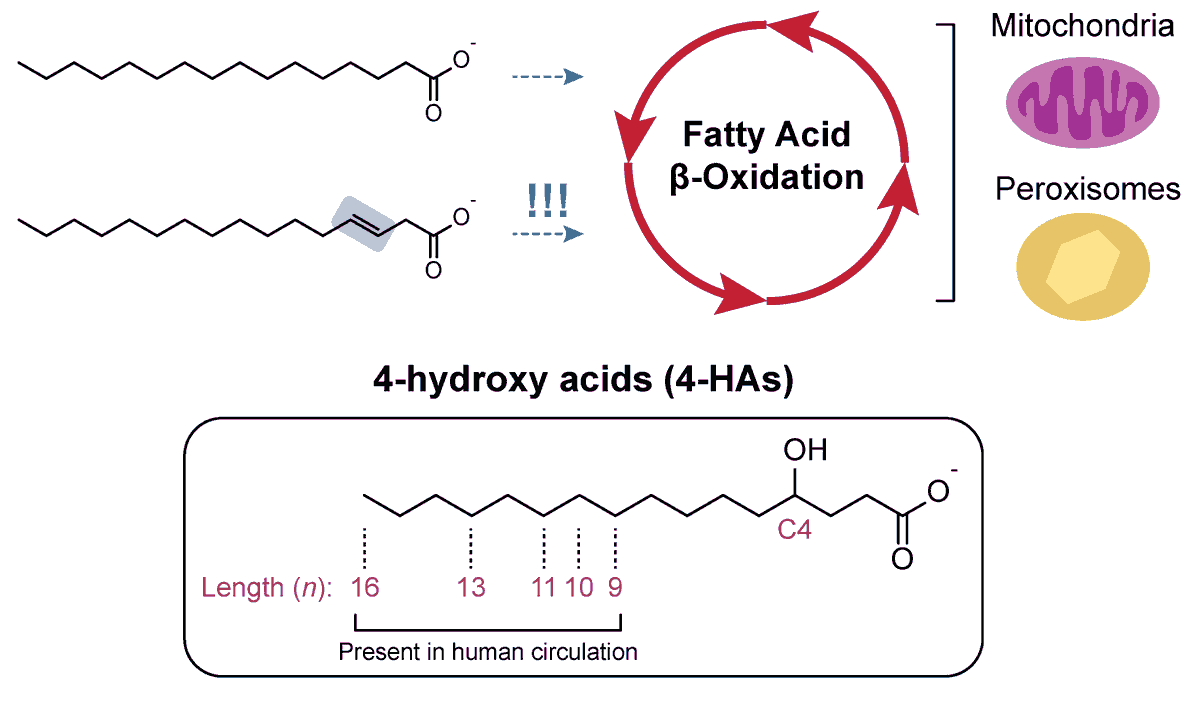
As promised, a 🧵 on our recent article now out in @NatureSMB! Co-led with @AbbyBartlett_ @Pagliarini_Lab @JudithSimcox, we find ACAD10/11 are NOT like other acyl-CoA dehydrogenases and instead catabolize atypical lipids called 4-hydroxy acids 🤯#lipidtime doi.org/10.1038/s41594-025-0…
5
22
72
13,722
Eddie Rashan retweeted

Jun 10
So excited our paper on mitochondrial phosphatidylinositol (PI) is finally out and chosen as an Editor’s Highlight in @NatureComms! PI is a known component of mitochondrial membranes, yet how its levels within mitochondria shape core functions, is unknown.
nature.com/articles/s41467-0…
4
6
21
1,721
Eddie Rashan retweeted

PI is a prominent #mitochondrial lipid but little is known about its regulation and function. In work led by @Zak_Bakes and Rachel Guerra, we discovered that Fmp30p is a PI hydrolase that affects IM protein organization and CoQ production.
#HHMInews
#WashU
nature.com/articles/s41467-0…
1
14
27
2,510
Eddie Rashan retweeted

Jun 9
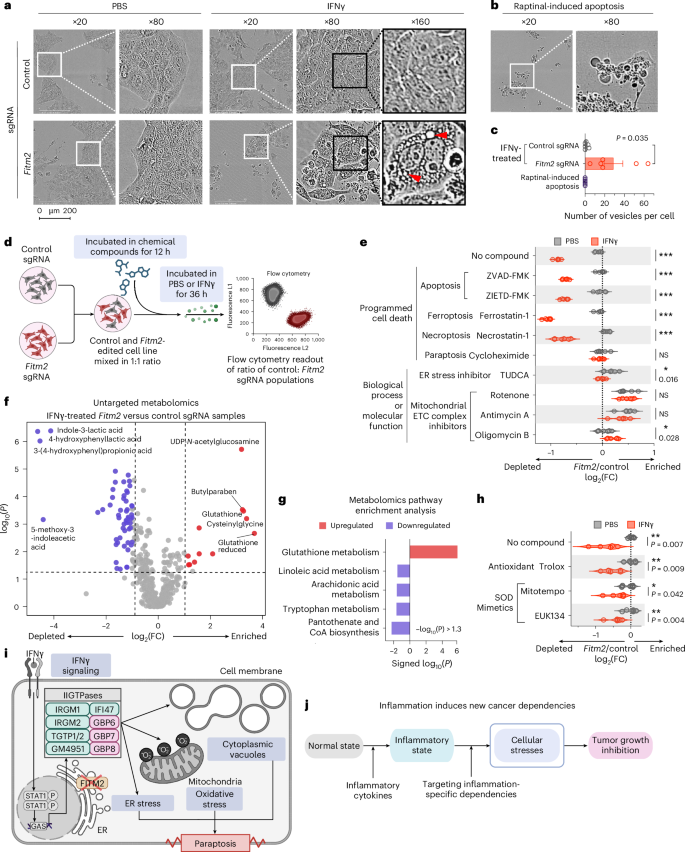
Inflammatory cytokines induce new cancer dependencies @NatureGenet @broadinstitute @MangusoLab
nature.com/articles/s41588-0…
23
98
5,877
Eddie Rashan retweeted

More good news in pancreatic cancer:
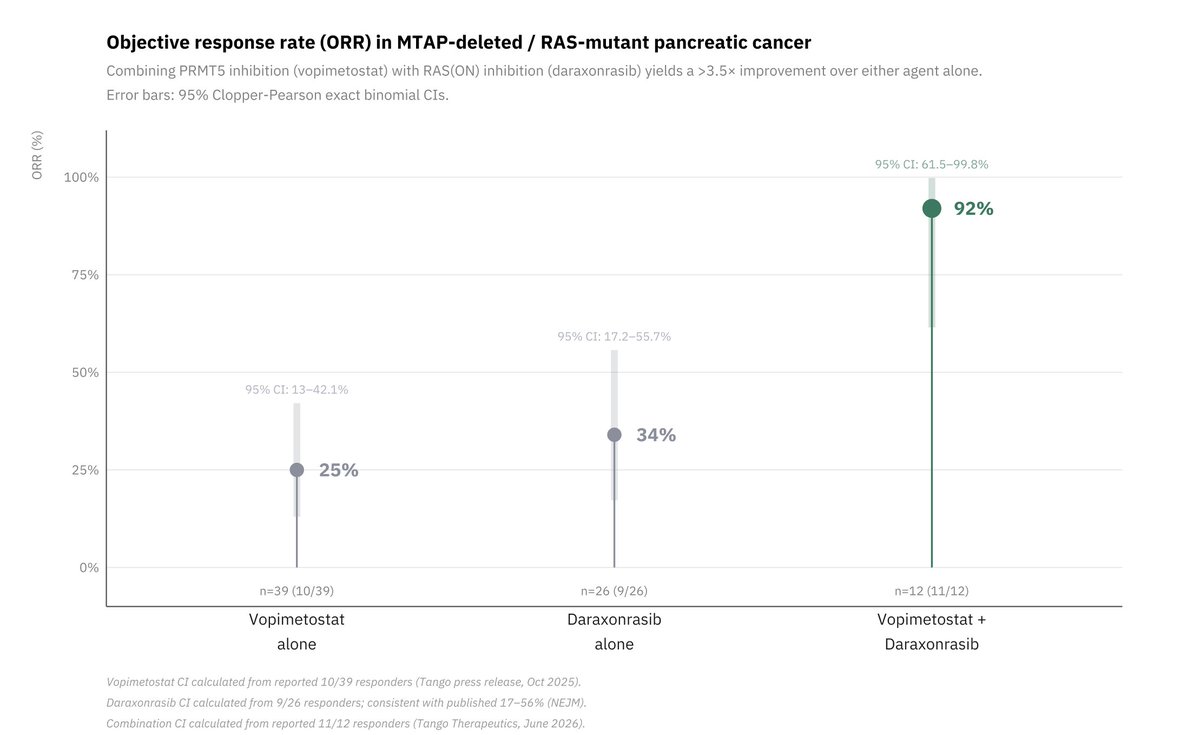
Daraxonrasib recently doubled survival in metastatic disease in Phase 3. Now, combined with vopimetostat, it has shown a 92% objective response rate. This is far above the 25–35% seen with either drug alone.
Thread below 👇
6
50
241
35,130
Eddie Rashan retweeted

Jun 8
Pretty interesting story in @ScienceMagazine this week on what looks like a serious problem in the senescence field. More than 400 papers apparently used the wrong antibody for p16-INK4a — an antibody that actually recognizes a completely different, unrelated protein (a component of the actin cytoskeleton). This affects work on senescent cell accumulation in aging and disease, and most critically, some of the evidence base for senolytic drug research.
What concerns me most is that many of these papers somehow got the "right" answer using the wrong antibody. That's not just an innocent reagent mix-up — it raises real questions about data fabrication or selective reporting in at least some of these labs. I've commented before about how ignoring data that doesn't fit the narrative is a major problem in certain areas of the longevity literature (e.g. sirtuins and NAD), and here a potentially widespread example in senescence.
Hopefully journals will investigate and retract as necessary, but based on my experience that seems optimistic. One concrete fix is that journals should flag problematic antibody product codes at submission so reviewers can catch this before publication. Reviewers should absolutely be on the lookout for this going forward.
However, these fixes won't address the larger problem. We need to understand how these scientists got the results they wanted and published them over 400 times (!!!): whether through intentional deception, incompetence, accident, or some legitimate explanation.
Credit for discovering this goes to @addictedtoigno1 who wrote about it first on his blog: For Better Science
science.org/content/article/…?
23
92
367
97,895
Eddie Rashan retweeted

Excited (and a little relieved!) that our R13 for #KernLipidConference is officially funded by #NIH & #NIA 🎉
This year: lipid-centric mechanisms in #cardiometabolic & #neurodegenerative disease.
Still time to register—see you in Breckenridge this August!
kernconference.org/registrat…

2
7
714
Eddie Rashan retweeted

May 31
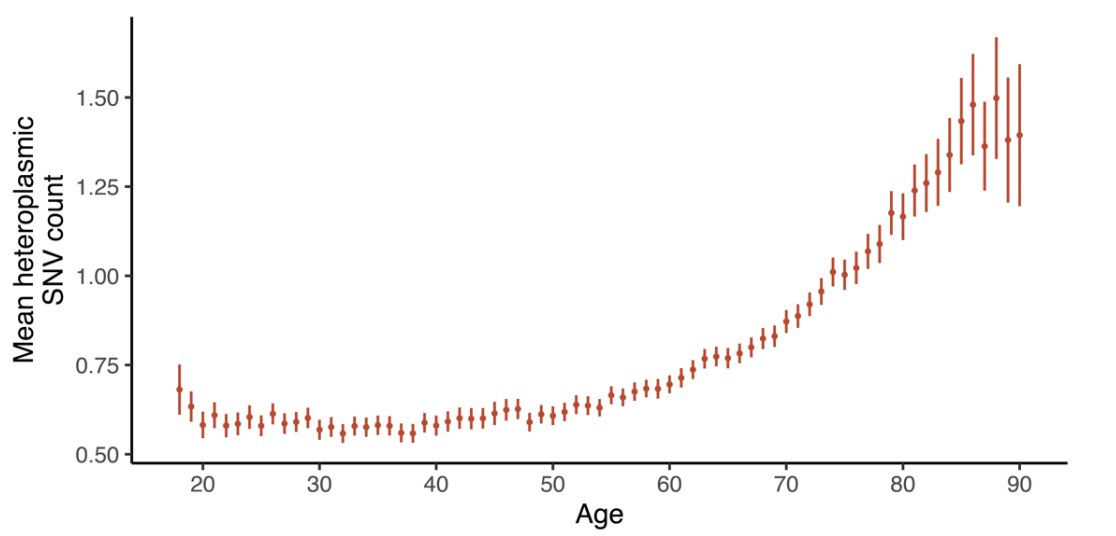
We took ~750,000 whole genomes and found the putative mechanism by which mitochondrial DNA mutations accumulate with age in blood. Spoiler: we think these mutations arise by replication error and tag age-related clonal hematopoiesis. Read @Nature broad.io/ob2jft
4
8
28
4,376
Eddie Rashan retweeted

Collaboration between our group and the Tirosh lab exploring a novel mTOR activator (they devloped) in combination with ixazomib for treatment of Acute Myeloid Leukemia! - link.springer.com/article/10…
3
3
259
Eddie Rashan retweeted

May 30
📢NEW REVIEW: We introduce the distinction between essentiality and disproportionate essentiality when targeting OxPhos in cancer, and explain why this target does not support a therapeutic window once we consider the rest of the organism.
portlandpress.com/biochemj/a…
2
5
30
1,891
Eddie Rashan retweeted

May 29
In a paper just published in @sciencemagazine, we teamed up with @teichlab to construct the most detailed atlas to date of hormone production and action in humans at cellular resolution. (1/8)
Link: science.org/doi/10.1126/scie…
5
93
348
33,332
Eddie Rashan retweeted

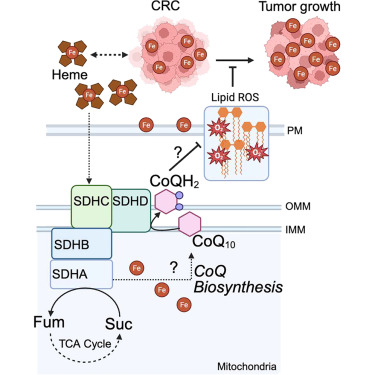
New! Online now: Iron-addicted colorectal cancers exploit heme-complex II axis to resist oxidative cell death dlvr.it/TSlWK5
24
67
4,725
Eddie Rashan retweeted

May 28
1/5
Cell identity is written in the proteome, not in the DNA, and not always in the RNA. Out on bioRxiv today: The first cell type-resolved, MS-based proteomic atlas of the human body.
biorxiv.org/content/10.64898…
5
88
352
34,144
Eddie Rashan retweeted

May 27
Delighted to share the final version of our story on mtDNA mutations and aging, published today.
We show mtDNA mutation burden is a sensitive marker of somatic mosaicism (due to CHIP) in blood.
Curious if this pattern will extens to solid organs, too.
rdcu.be/fk4Ou
29 May 2025

As we all age, we accumulate mtDNA mutations, but what underlies this hockey stick pattern? See our new pre-print: we treat mtDNA SNV burden as a "trait" and use GWAS to uncover the mechanism in blood. Led by newly minted MD-PhD @rahulg603 w/ @LabNeale.
shorturl.at/IqYY8
6
33
145
30,409
Eddie Rashan retweeted

May 27
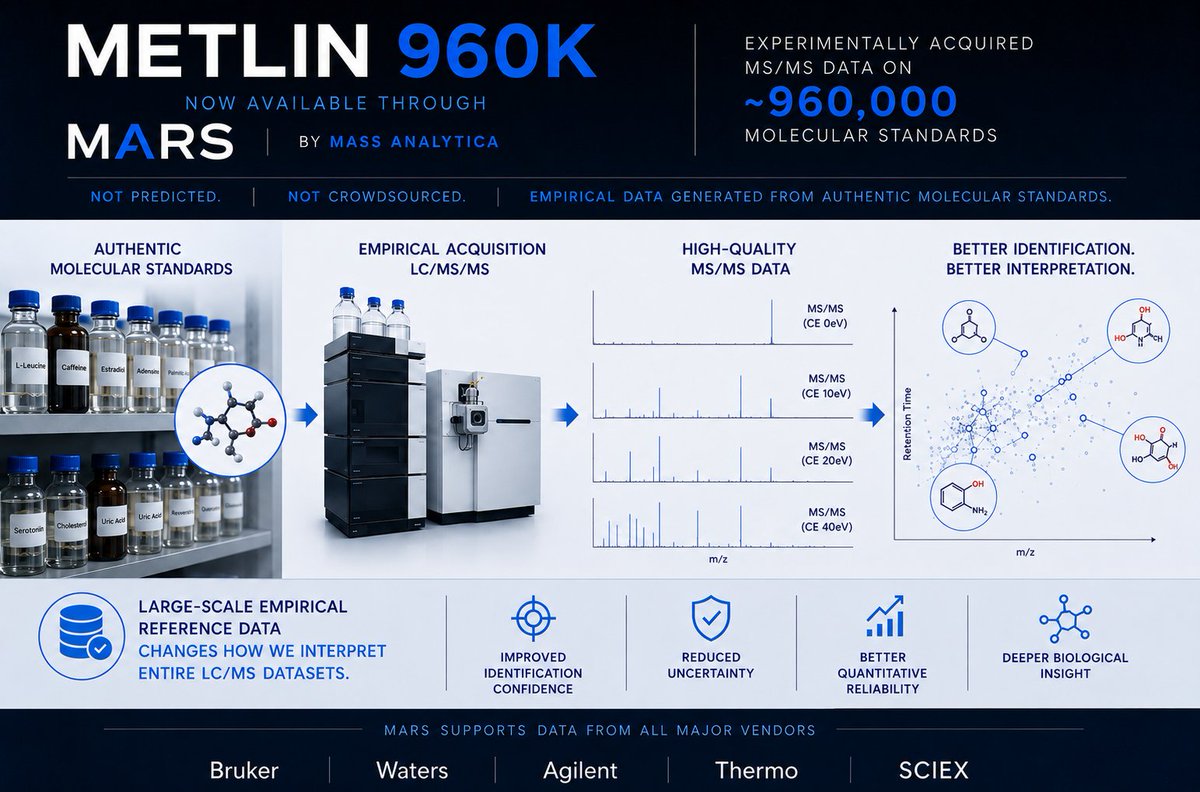
METLIN 960K is now integrated into the Mass Analytica MARS platform.
Empirical MS/MS spectra from ~960,000 authentic standards.
Not predicted. Not crowdsourced.
Experimental data at scale.
mass-analytica.com/products/…
#Metabolomics #METLIN
Publication: pubs.acs.org/doi/10.1021/acs…
6
14
1,209
Eddie Rashan retweeted

May 27
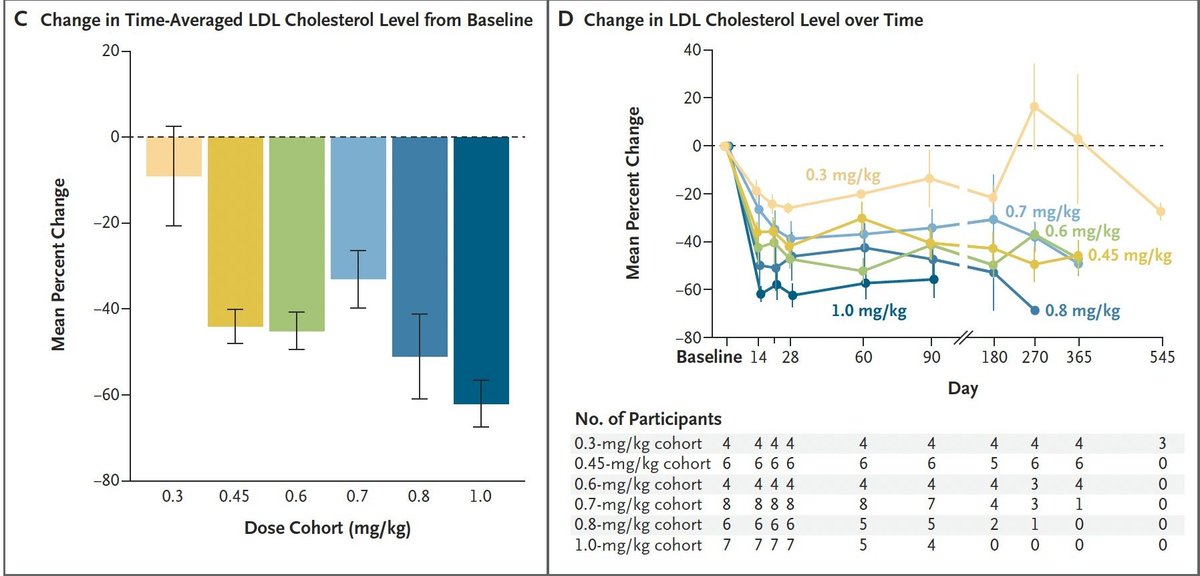
@editasmed is also doing very exciting preclinical work with EDIT-401 by deleting the 3' UTR of LDLR, leading to 6-fold upregulation of the LDL receptor. They get 90% reduction of LDL-C, LPa, and ApoB in monkeys - the three major atherogenic lipoproteins
VERVE-102 only gets 62% reduction of LDL-C...but of course this is human data. Editas IR says they will have first-in-human POC of their program by end of 2026. Stay tuned!
May 25

Eli Lilly has done it.
They've gone and made what seems to be a powerful, permanent gene therapy for LDL cholesterol.
That means they'll be able to effectively prevent most heart disease with a single infusion!
4
7
75
14,462
Eddie Rashan retweeted

May 25
Just published @NEJM
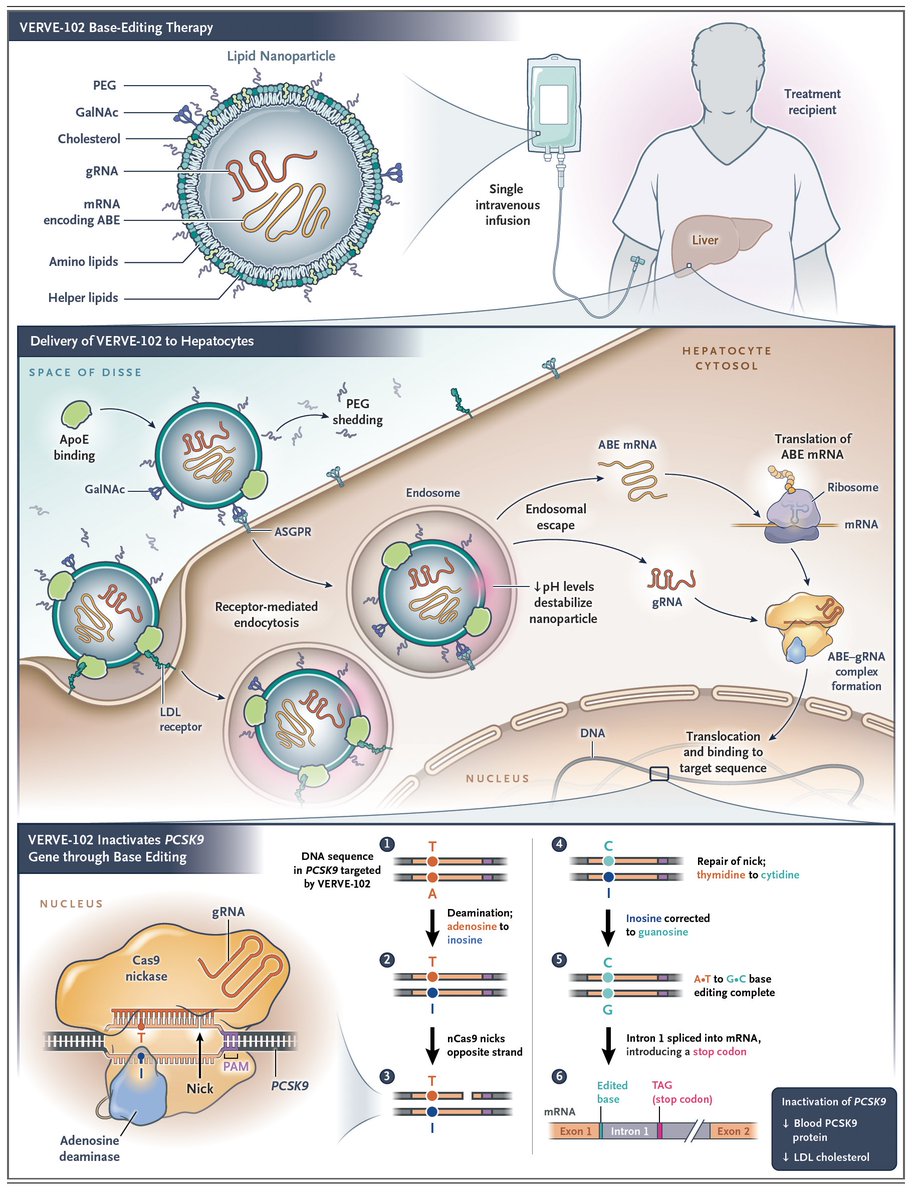
Marked and durable reduction of LDL cholesterol with one shot PCSK9 gene base editing @skathire nejm.org/doi/full/10.1056/NE…
38
272
1,208
450,849
Eddie Rashan retweeted

May 25
Excited to share our new publication: "Exome-wide association study for blood lipids in 1,158,017 individuals from diverse populations." nature.com/articles/s41588-0…
This study explores how multi-ancestry DNA sequencing has identified rare coding variants that influence blood lipids and atherosclerotic risk.
Highlights include:
• Discovery of rare coding variants across more than 1 million participants
• Identification of novel lipid-associated genes
• Insights into variant annotation and recessive associations
• Potential therapeutic targets for coronary artery disease
• The power of global biobank collaboration
I extend my gratitude to all collaborators, participants, and consortium teams who made this research possible. I am proud to be part of this effort. Special thanks to my mentors, Drs. Yan Sun, Peter Wilson, @patrick_ellinor, and @pnatarajanmd, for their guidance and support throughout this work!
For more details, see the previous thread:
x.com/skoyamamd/status/18367…
19 Sep 2024

We are pleased to share our latest study entitled "Exome wide association study for blood lipids in 1,158,017 individuals from diverse populations" (1/19) medrxiv.org/content/10.1101/…
19
41
5,629
Eddie Rashan retweeted

May 25
This one is hard to see.
The NIH Early Independence Award, one of the most competitive grants in the country for young scientists, will not go forward in FY2026. NIH says this is due to “administrative changes to funding opportunity processing and delays in approvals.”
9
67
301
91,375
Eddie Rashan retweeted

Excited to share our new @biorxivpreprint from the @BradyLab & @PaulTitchenell lab on MASH, phosphatidylcholine metabolism, and copper biology with @JaclynE_x8 &
biorxiv.org/content/10.64898…
1
9
36
4,484
Eddie Rashan retweeted

May 22
Please share!!:
If you know of any Afghan women/girls who were accepted to a university but couldn’t get a scholarship or find funding, please DM me.
We’re working on a few things to approach this.
9
82
212
16,951