
Personal tweets from Jim Lobe, Contributing Editor @RStatecraft, director @LobeLog.com (2007-19), DC bureau chief, Inter Press Service (1980-85, 1989-2016).
Joined December 2011
- Tweets 32,575
- Following 716
- Followers 11,228
- Likes 2,787
3,192 Photos and videos






Jim Lobe retweeted

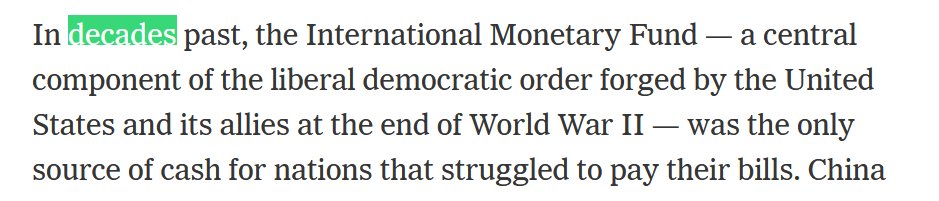
Serious question: Did the New York Times run a single article noting that the US-Israeli attack on Iran violated the bedrock international law against transborder aggression that's enshrined in the UN Charter (a treaty ratified by the US, whose constitution says treaties, once ratified, become the 'law of the land')?
4
14
38
1,670
Jim Lobe retweeted

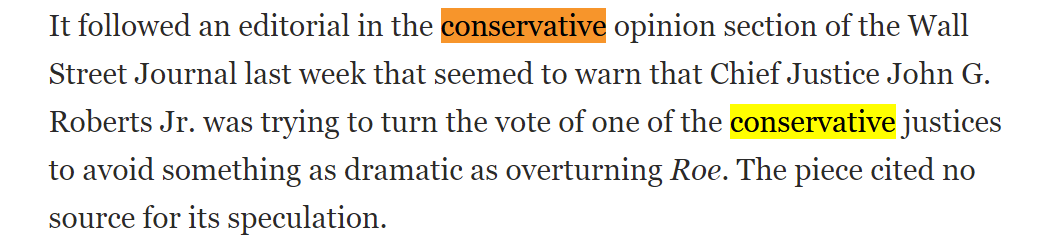
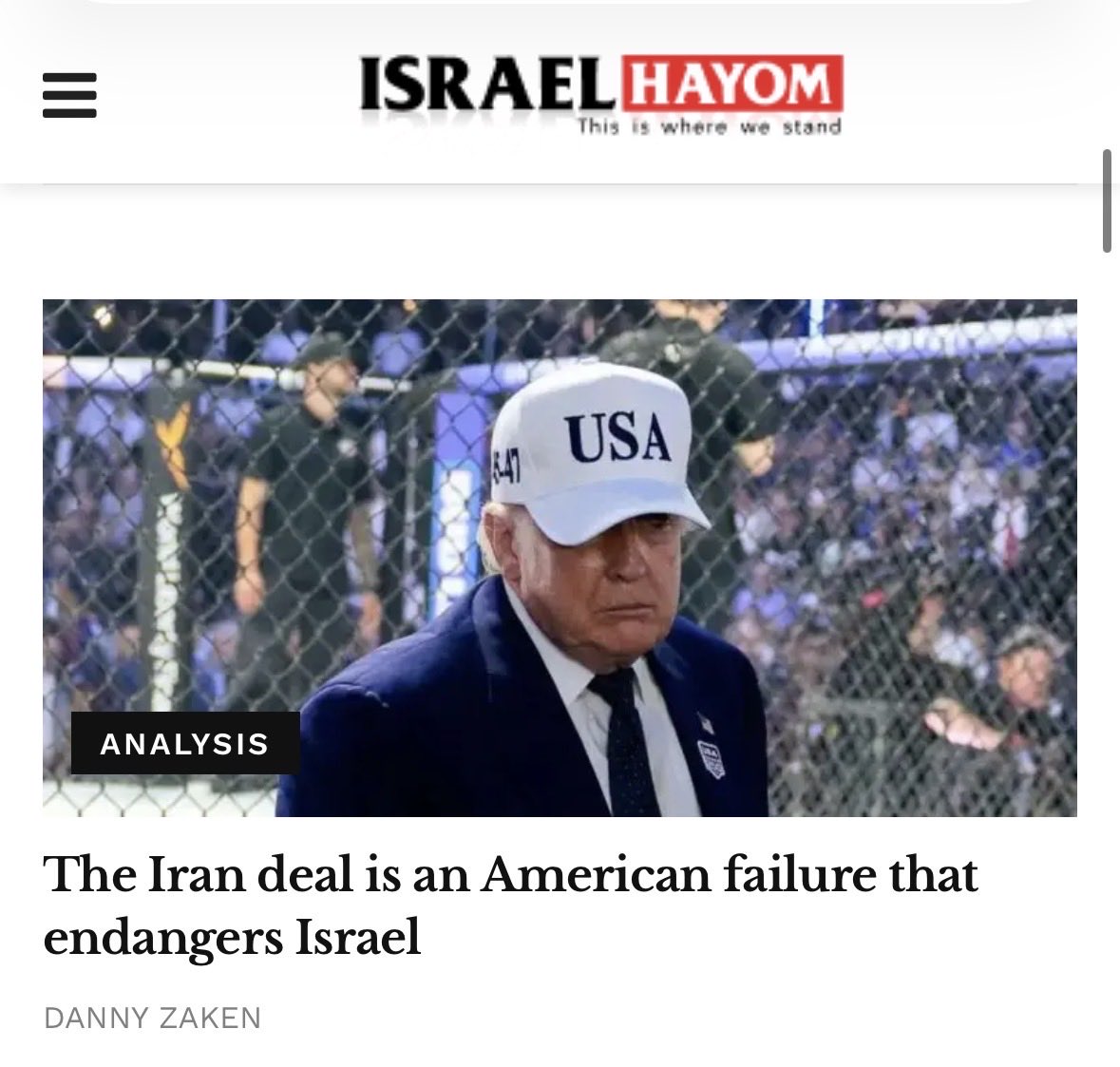
Newspaper owned by Miriam Adelson, the biggest donor to Trump and the Republican Party 👇
1
17
22
2,698

With RJC backing, he can taste the ‘28 nomination.

Feel like it should be more notable that the Secretary of State is entirely absent from any discussion of the Iran MOU or follow-on negotiations.
1
237
Jim Lobe retweeted

Jun 15
One of the biggest threats to this cease-fire is PM Netanyahu, for reasons that need no explanation.
But another is President Trump himself. As the scope of the US strategic failure becomes apparent and he begins to take hits domestically from parts of his base, he could well either engage in destabilzing late night social media postings that could imperil the agreement, or seek to change existing understandings with Iran.
#IranWar
4
10
28
1,864
Jim Lobe retweeted

17h
A leaked memo shows the European Union has known since 2017 that it had the legal right to freeze Israel's trade deal due to Israel's persistent violations of international law in the occupied West Bank. trib.al/QDiFA7I
63
1,385
1,981
27,735
Jim Lobe retweeted

This is literally just the JCPOA. They literally have an MOU to negotiate the same deal Trump ripped up.

Administration officials say the core bargain is simple:
Iran gets access to sanctions relief and the global economy if it accepts verification measures, curbs nuclear activity, and reduces support for destabilizing regional activity.
The details remain largely undisclosed.
32
184
631
122,789
Jim Lobe retweeted
12h
The United Arab Emirates’ operation supplying arms and Colombian mercenaries to the genocidal Rapid Support Forces in Sudan "is linked to the highest levels of the UAE government." trib.al/gaOj3IN
5
43
51
2,731
Jim Lobe retweeted

המערכה הזו הוגדרה מראש סביב מטרות לא ריאליות, ובראשן החלפת המשטר באמצעות פעילות אווירית, הישענות על הכורדים וציפייה להתקוממות פנימית.
כתוצאה מכך, כל הישגי המערכה נמדדים מול אותם יעדים בלתי־מציאותיים. יתרה מזאת, עצם הישרדותו של המשטר מבטיחה כמעט בוודאות שהוא יפעל לשחיקת הישגי המערכות האחרונות, ובראשם הפגיעה בבניין הכוח האיראני.
במובן זה, מדובר בכישלון אסטרטגי משמעותי: המשטר התחזק, ההרתעה לא הושגה, וארצות הברית לא צפויה לשוב להרפתקה מסוג זה בעתיד הנראה לעין. אין ספק שהמשטר יפעל לשיקום ואף לשיפור יכולותיו, ובמקביל הוא עדיין מחזיק במלאי משמעותי של חומר מועשר.
שנה לאחר "עם כלביא", מצבה האסטרטגי של ישראל הורע באופן משמעותי. ללא גיבוי אמריקני מלא, ותוך הענקת לגיטימציה מחודשת למשטר, המצב עלול רק להמשיך ולהידרדר.
וכל זאת נובע לא רק מחוסר הבנה עמוק של איראן ושל דפוסי פעולתה, אלא גם מחטא היוהרה ומהאמונה השגויה שכל בעיה ניתן לפתור באמצעות כוח צבאי בלבד.
אפשר לספק ססמאות עד מחר, זו המציאות שאנחנו יצרנו וכעת עלינו להתמודד איתה. קל זה לא יהיה.

זו לא רק ההישענות על טראמפ. המדיניות שנתניהו הוביל בכניסה למלחמה היתה שגויה לחלוטין. במקום לטפל באורניום המועשר שהוא הסכנה הגדולה לישראל, נתניהו עסק בפנטזיות על הפלת משטר. התוצאה - נשאר המשטר ונשאר האורניום
15
69
317
46,650
Jim Lobe retweeted

While there are those lamenting the (likely temporary) ceasefire in Lebanon, because their fantasy is that Israel is actually capable of destroying Hezbollah, something much more important is taking place.
A framework to stabilize the post-Lebanese environment and address the fate of Hezbollah's weapons is being formulated by a coalition of five countries—Saudi Arabia, Turkey, Egypt, Qatar, and Pakistan. They do not want Lebanon to enter into peace talks with Israel, precisely because this would exacerbate domestic tensions, undermine their own conditions for normalization with Israel, push Lebanon into an Israeli sphere of influence, and lead to U.S. and Israeli pressure to disarm Hezbollah by force.
This framework, which could encompass Iran if it succeeds, is a much more promising prospect than reliance on a U.S. agenda, formulated with the Israelis and their allies in Washington. Lebanon's priority is to liberate its land and allow the inhabitants of the south to return home. That is why it has to balance two things: embracing the proposal of the coalition of five, but also pursuing negotiations with Israel, which will be required to keep the U.S. on board in order to maintain pressure on Israel. Yet the objective cannot be a Lebanese peace agreement with Israel, but security guarantees and border delineation, accompanied by Lebanese, Arab, and Turkish efforts to persuade the Trump administration that this would be enough to secure Israel's northern border if the Israelis pull out and the Lebanese army is given control of previously occupied areas (the so-called pilot scheme).
Essential to this process is that the inhabitants of the south be allowed to go home. I doubt Israel would accept, but this would affirm how much it does not believe in strengthening the Lebanese state. This, in turn, should show supporters of peace negotiations what kind of peace Israel really seeks to impose on Lebanon—a peace that is a peace only in name and that would certainly violate Lebanese sovereignty.
A second thing that is highly interesting is what happens in the negotiations that will take place in the context of the framework agreement? Can Iran afford not to bring Lebanon into the negotiation, since it has worked so furiously lately to tie the Iran and Lebanon tracks? Worse, if Iran doesn't link Lebanon to its negotiations with the U.S., this will give Israel wider latitude to torpedo the agreement, as the Israelis don't want to see a new U.S.-Iran nuclear accord, given that it is unlikely to be better than the loathed JCPOA.
Yet if the Iranians do discuss Lebanon with the Americans, if they bring it into the mix, they would be doing something they've avoided doing for years, namely negotiating the fate of a key ally, Hezbollah, with the United States. This creates openings for the Americans to demand conditions of their own from the party. If the Lebanese can exploit such dynamics, it would make sense for them to push the coalition plan and widen—yes widen—the number of parties addressing Hezbollah's arms to include the coalition of five, Iran, and the United States. The myth that Lebanon can resolve the Hezbollah problem without engaging with Iran must be replaced with a more sensible formula—that disarming Hezbollah requires a regional understanding. The U.S.-Iran talks provide an opportunity to move in this direction, with the coalition of five plan as the basis for such movement.
14
41
117
30,005
I’m sure Trump deeply appreciates your detailed and well considered advice given the record of your and Bibi’s advice in starting this truly disastrous war in the first place.
Jun 15

Refuel energy markets. Rest and rearm the military. Develop a plan to support Iranians to cripple the regime. Enforce sanctions with relentless pressure. Don’t get played at the negotiating table. Test Tehran early. Give little. Demand results. Walk away fast. Hit harder.
1
2
10
919
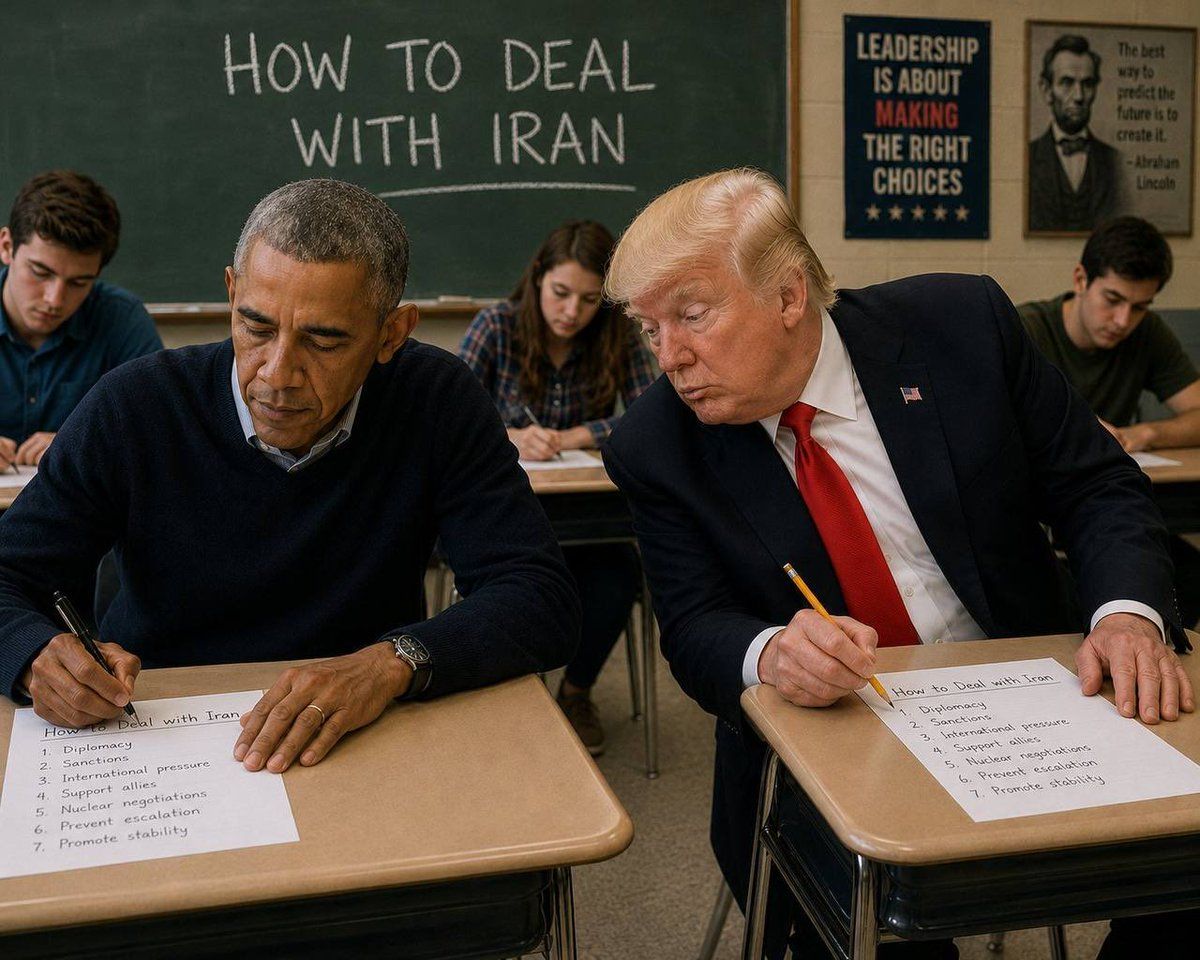
Jim Lobe retweeted

Almost exactly one year after Israel launched war on Iran in the middle of negotiations, Netanyahu now presides over the worst strategic failure in a war he and the US started, following the worst national security failure in a war Hamas started on October 7
11
58
186
20,149
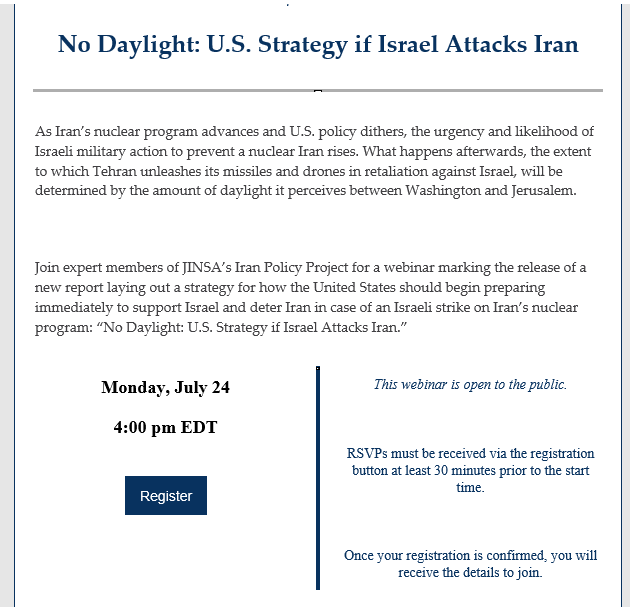
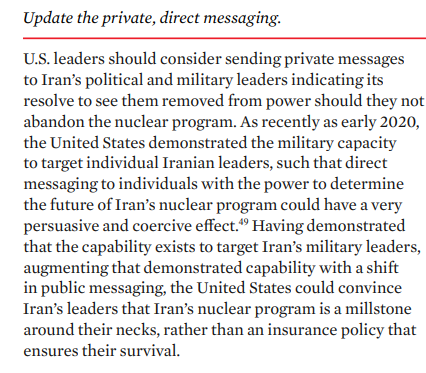
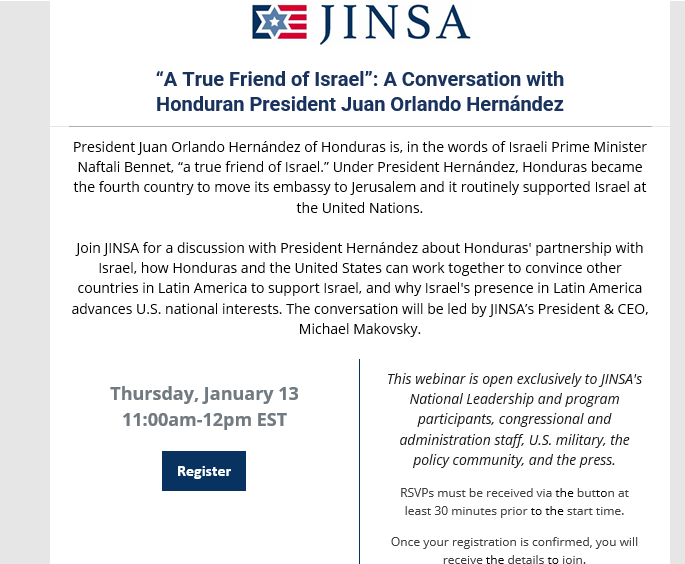
After tweeting furiously all weekend, it seems that the FDD crowd, including Dubowitz, Goldberg, and May, fell silent on X around the time Pakistan announced the deal. No doubt huddling with fellow neoconservatives at AEI, Hudson, JINSA, RJC, AIPAC and Bibi on new talking points.
10
28
3,088
Jim Lobe retweeted
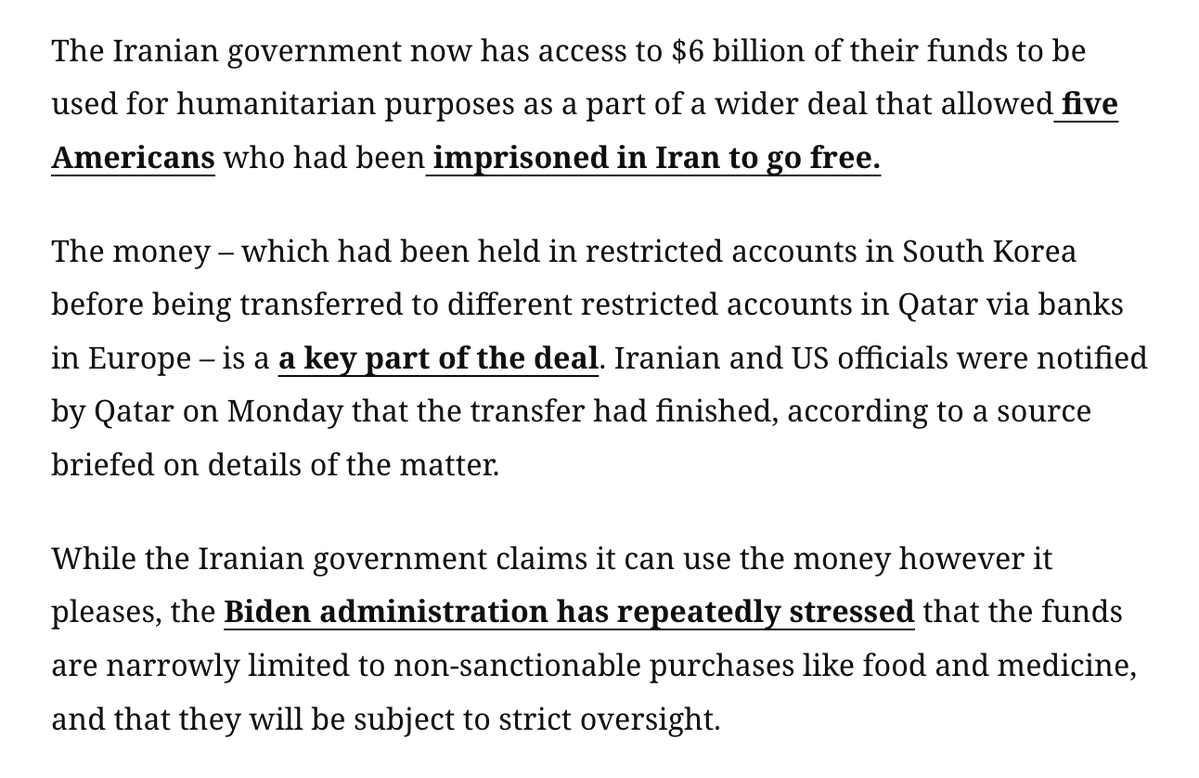
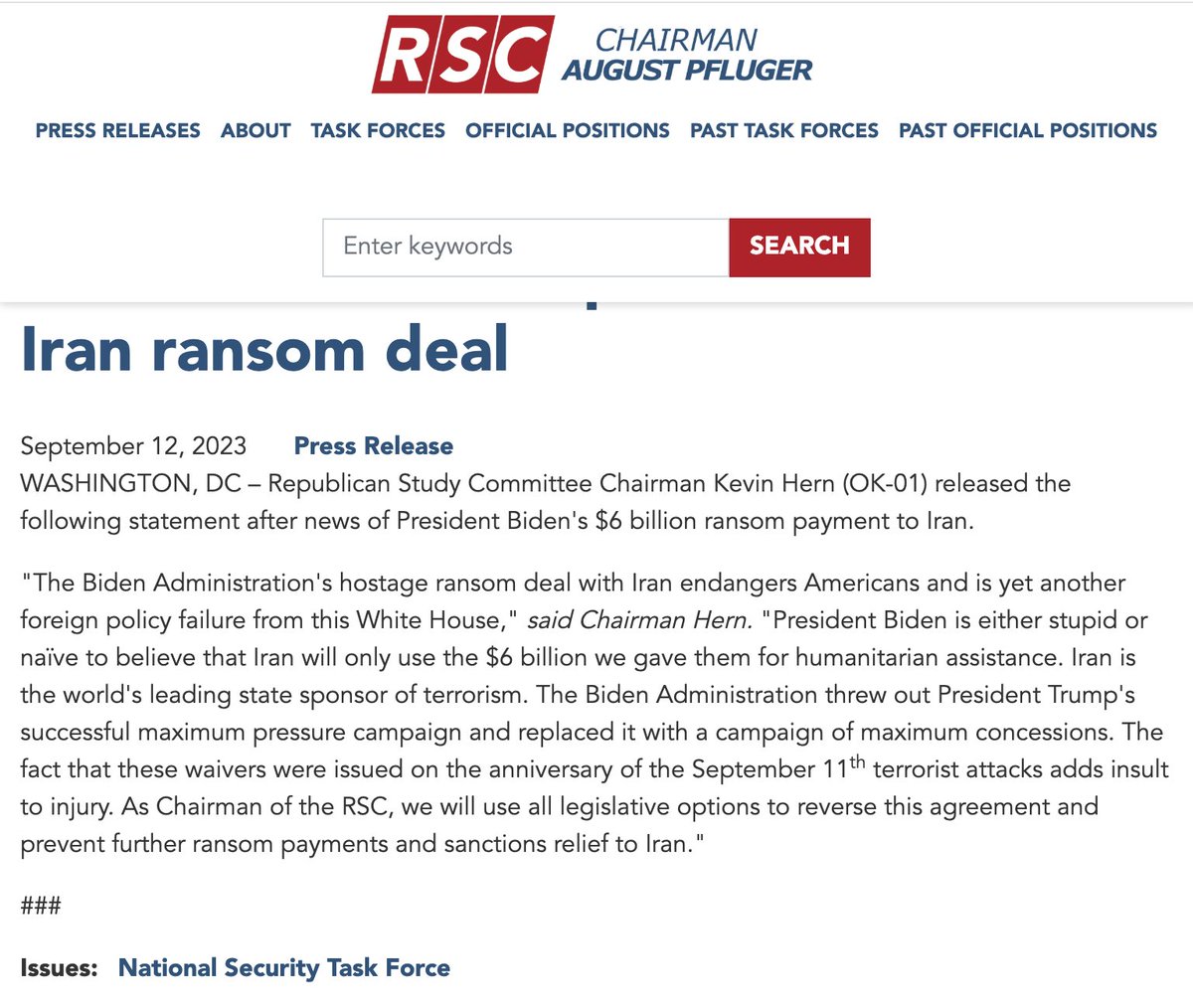
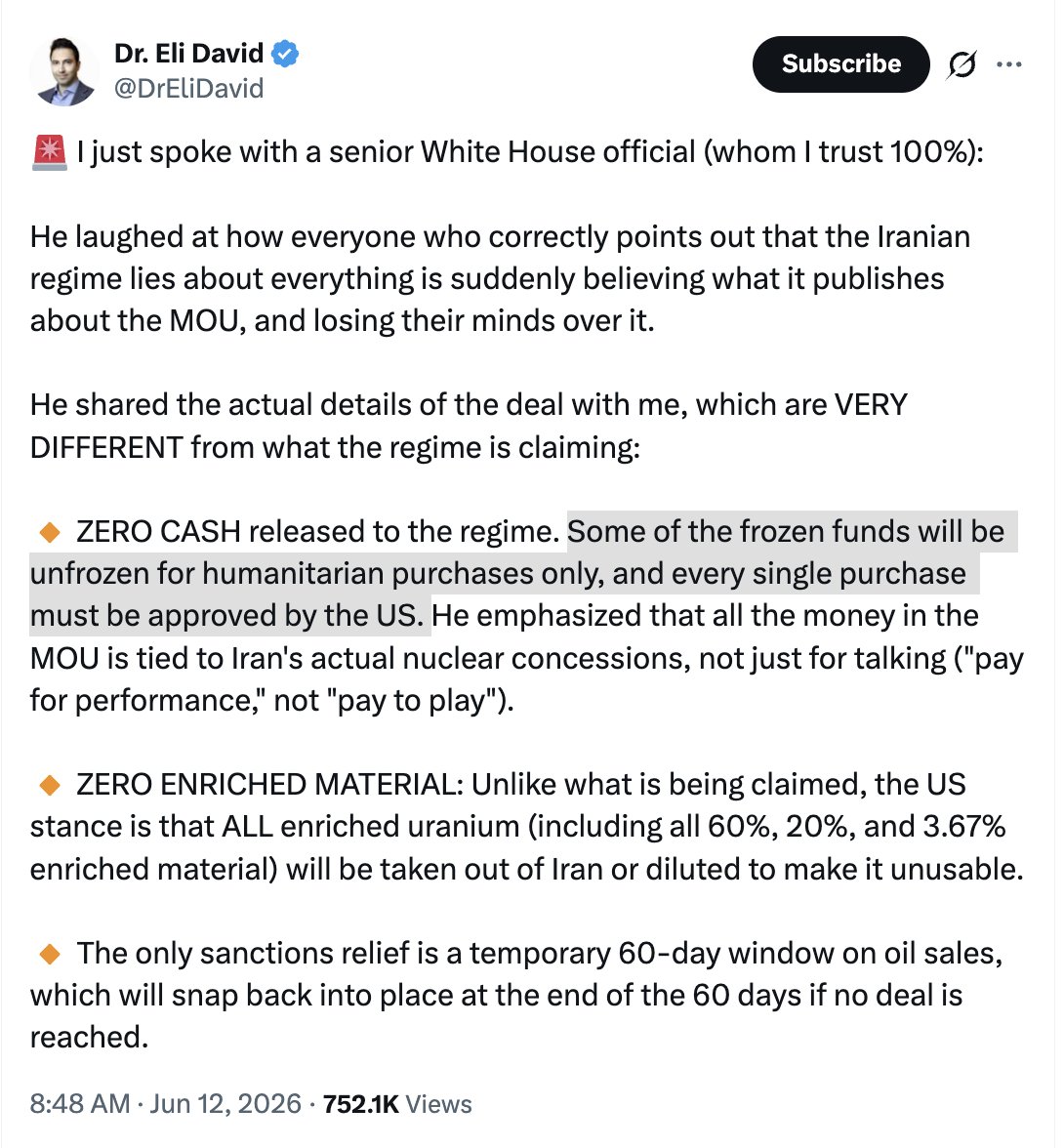
When Biden implemented the same approach -- limited release of Iranian funds for humanitarian purchases subject to US approval, Republicans called him "either stupid or naive" and claimed the money would fund Hamas. Now Trump agreed to the same mechanism and it's totally fine.
9
67
269
14,293
RT @HamidRezaAz: Is he suggesting that he is prepared to turn U.S. troops into mercenary forces for the Gulf states?
Also, what happens i…
23
RT @Rob_Malley: Several things can be true at once:
The MOU is an important & welcome achievement, chiefly because it reopens the strait o…
207
According to the IDF, Hamas and Hezbollah must have more “command centers” than the U.S. has military installations in the U.S. and overseas.
Jun 14

Command center, ha! The next time they’ll hit a fruit stand and call it Naim Qassem’s reinforced bunker. The BS never stops.
1
2
358
Jim Lobe retweeted
ישנה נקודה בסיסית שרבים בישראל עדיין מסרבים להפנים: הנשיא טראמפ חצה את הרוביקון. מבחינתו, השגת הסכם עם איראן וסיום מעגל ההסלמה הנוכחי אינם רק אפשרות אלא יעד אסטרטגי מובהק.
מי שלא טרח לתקן את טראמפ כאשר הצהיר כי הוא סבור שאיראן עשויה בעתיד להצטרף להסכמי אברהם, לא צריך להיות מופתע מכך שהוא רואה מול עיניו חזון רחב יותר של פרק חדש ביחסי ארה"ב–איראן. אפשר להתווכח עם ההערכה הזאת, ולדעתי היא מנותקת מהמציאות האסטרטגית של המשטר האיראני, אך חשוב להבין שזו תפיסת העולם שמנחה כיום את הבית הלבן.
מכאן נובעת גם הסכנה מבחינת ישראל. ככל שוושינגטון תתרשם שישראל פועלת לסכל את ההסכם או לעכב את מימושו, כך תגבר המתיחות מול הממשל. בעיני טראמפ, מי שמאיים על ההסכם מאיים גם על אחד מהישגי המדיניות המרכזיים שהוא מבקש לרשום לזכותו.
לכן, ניסיונות ישראליים לפגוע במהלך הדיפלומטי אינם רק מהלך מול איראן; הם עלולים להפוך במהירות לעימות מול הבית הלבן עצמו. ככל שישראל תיתפס כמכשול בדרך להסכם, כך צפוי להחריף הלחץ האמריקני – הן כלפי ממשלת ישראל והן כלפי ראש הממשלה נתניהו באופן אישי. במציאות הנוכחית, זהו סיכון אסטרטגי שירושלים אינה יכולה להרשות לעצמה להתעלם ממנו.
עדיף להשלים עם המציאות לפני שהנזק יהיה בלתי הפיך.
Jun 14

טרמפ "במאמץ אדיר" לסגור עיסקה;
גורמים הבקיאים בדרמה שמאחורי הקלעים: ההפצצה הישראלית בדאחייה בביירות השיגה את ההיפך ממה שנתניהו קיווה לו- האיצה את המו"מ שקרוב מאוד להבשלה
מאז התקיפה הישראלית בביירות היום והסכנה לקריסת המו"מ החלו מגעים קדחתניים, בהובלת קטאר, החל משעות הצהריים היום במאמץ כפול- לסכם את הפרטים של ההסכם שעדיין לא סוכמו ונסגרו, ולהכניס לתוך ההסכם גם ויתור איראני על התקיפה המתוכננת הלילה.
איראן בשלב הראשון הסכימה להשהות את התקיפה שהייתה מתוכננת לסביבות 2300 שעון תל אביב כדי לתת הזדמנות למאמץ של הקטארים וטרמפ.
כתוצאה מהפעולה הישראלית בדאחייה והמשבר אליו נקלע המו"מ, טראמפ שוקל ברצינות אף לתגמל את איראן באופן משמעותי בסדר הפעולות במסגרת ביצוע ההסכם. ייתכן והנשיא האמריקני יהיה מוכן להסרה מיידית של המצור הימי מעל איראן ומצרי הורמוז - ולא באופן הדרגתי משני הצדדים, כפי שהדבר מסוכם כעת. זאת כמובן, אם איראן תוותר על התוכניות שלה לתקוף.
"באופן הזה", אומר גורם ביטחוני, "ראש הממשלה נתניהו חשב אולי שיצליח להביא להסלמה, להידרדרות במצב ולקריסת המו"מ עם איראן, לו ישראל תתקוף בדאחייה. אבל בפועל מה שאנחנו רואים פה הוא שהתקיפה השיגה בדיוק את ההיפך - ההסכם מקבל פוש אדיר מטראמפ שמבין את הסיכונים לקריסה אם לא יחתמו מייד, מוכן לשפר עוד את התנאים לאיראן - ואת נתניהו משפיל בפומבי"
@ynetalerts @YediotAhronot
ynet.co.il/news/article/h111…
33
119
495
91,561
Jim Lobe retweeted

Jun 14
It’s important to understand that, contrary to Donald Trump’s quip to Barak Ravid that Netanyahu has “no f***ing judgment,” the Israeli Prime Minister knows exactly what he is doing:
With a set of strikes at the Dahiyeh neighborhood in Beirut, he is trying to kill both the pending US-Iran peace deal and the fragile peace between Israel and Lebanon that would come with it.
There is a further strategic dividend. Netanyahu is also seeking to preempt Iran’s attempt to establish a new regional deterrence equation—one in which attacks on Beirut, and potentially on Lebanon more broadly, would trigger a direct Iranian response against Israel.
By striking now, he is not merely targeting an adversary; he is challenging the emergence of a regional order that would constrain Israel’s freedom of military action.
Full analysis on Substack: tritaparsi.substack.com/p/wi…
74
504
1,789
157,204