
PhD candidate studying the role of somatic mutations in human aging with Vijg & Sidoli Labs @EinsteinMed
Joined June 2018
- Tweets 2,704
- Following 953
- Followers 514
- Likes 4,499
28 Photos and videos




Ronnie Cutler retweeted

Jun 12
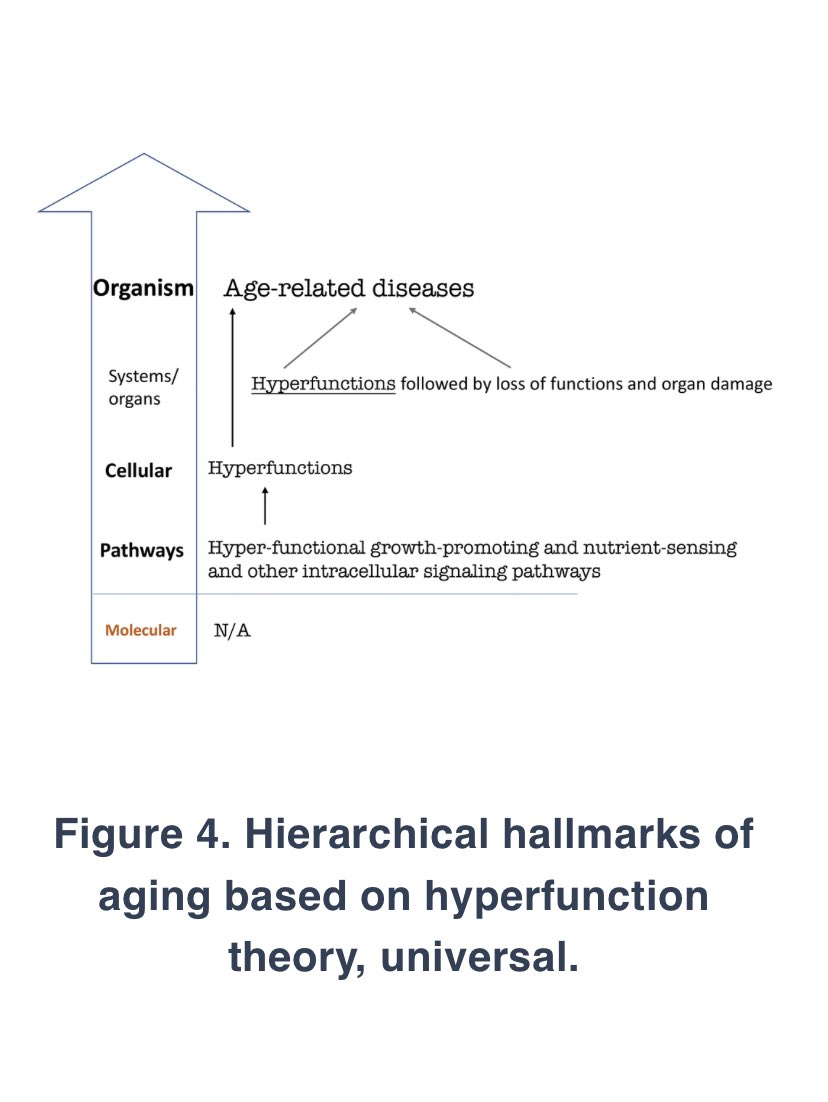
Getting to the root of age-related diseases. By studying a rare accelerated aging genetic disorder, gain-of-function mutations of DNMT3A were found to be causal.
DNA hyper-methylation was then linked to stem cells dysfunction and multiple age-related diseases (blood, bone, metabolic). Work in mice and humans. @NatureGenet
nature.com/articles/s41588-0…
7
44
255
25,801
Ronnie Cutler retweeted

Jun 12
Prepare for takeoff. ✈️ Flight simulator is now available globally on web to all users. goo.gle/4fBYnWO
We've recently added many our most powerful professional desktop features to web. Elevation profiles, new import types, but there's always been one other feature you've been asking us to add to the web version of Google Earth, just for fun...
Where will you fly? Share your best maneuvers, views, and flyovers with us!
447
4,050
31,209
9,192,799
Ronnie Cutler retweeted

Jun 10
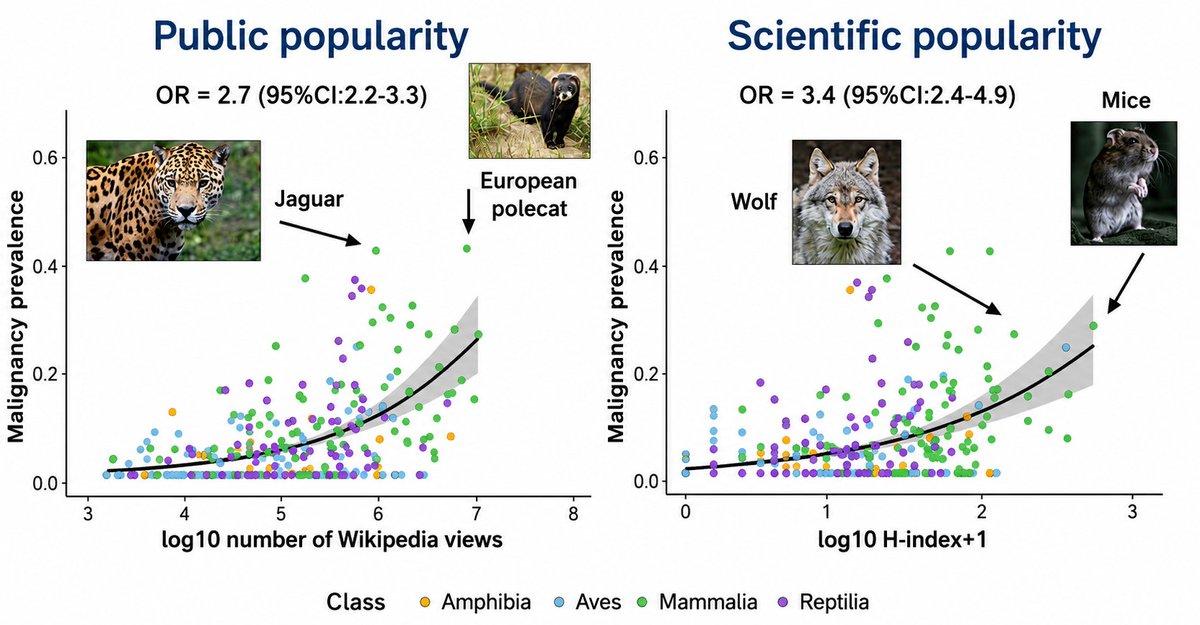
Do popular species really have more cancer, or are we simply better at finding it?
Our new study shows cancer prevalence in captive animals is strongly linked to species popularity, highlighting major sampling bias risk in comparative oncology datasets.
doi.org/10.1098/rspb.2026.05…
1
1
3
71
Ronnie Cutler retweeted

Jun 11
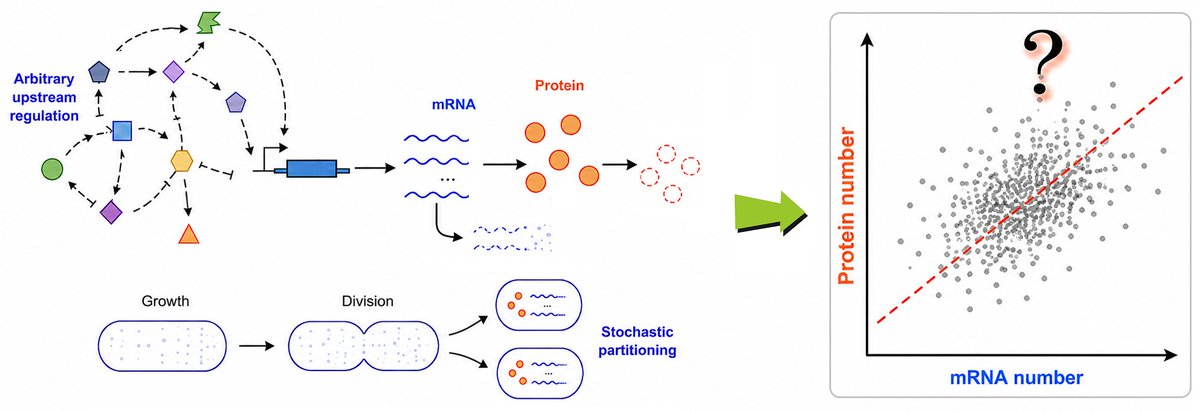
A puzzle in gene expression:
Theory predicted a universal positive correlation between mRNA and protein levels.
But prior single-cell experiments in E. coli reported almost no correlation at all.
So where is the problem — the theory, the experiments, or both...? 1/5
4
32
229
26,521

Jun 10
!!!
Jun 10

Arguably the most boring step in genomics is the first one: normalization. Settled science. Scale log. Move on.
Except that here's been a huge blind spot in the field. And it matters for AIxBio. A 🧵about what I think may be one of the most important papers I've written. 1/
150
Ronnie Cutler retweeted

I got curious about the real story of Ozempic Gila monster spit people cite when advocating for basic research funding. The truth is more interesting, and shows us more about the stories we tell ourselves about science than it convinces people to maintain the funding status quo

5
50
358
33,631
Ronnie Cutler retweeted

Jun 8
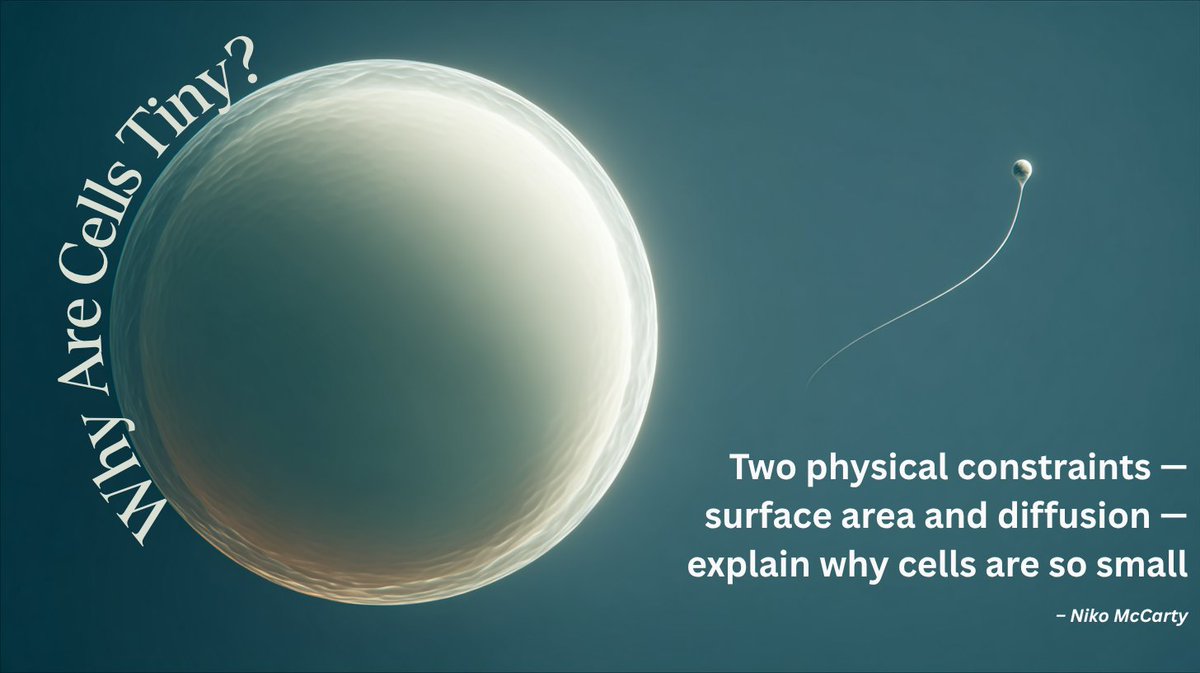
I'm writing an interactive book about the cell. My next chapter, "Why Are Cells Small?" is now live.
TL;DR: Cells are limited by two physical constraints; diffusion rates and their ratio of volume and surface area.
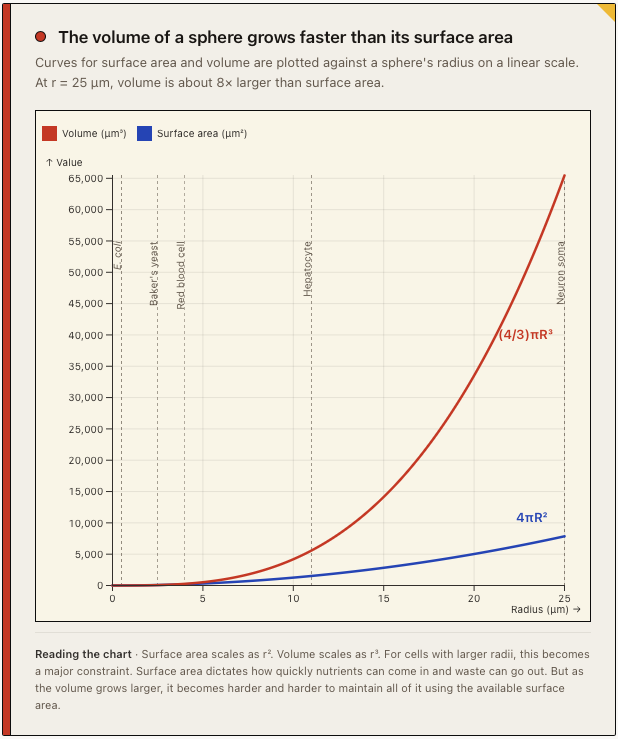
First, surface area: Assuming that a cell is roughly spherical in shape, its internal volume grows proportionally to the cube of its radius, whereas its surface area grows proportionally to the square of that radius. This means that the available amount of membrane (where nutrients come in, and waste goes out) grows much slower than the volume as a whole. So as a cell's radius goes up, it gets harder and harder to maintain cellular functions.
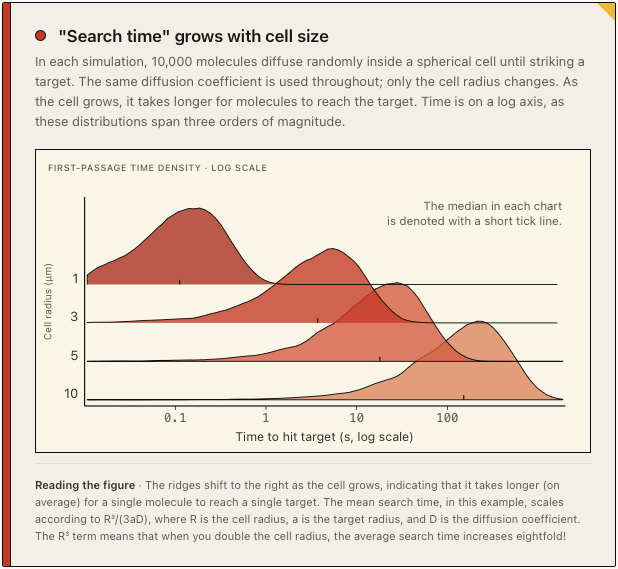
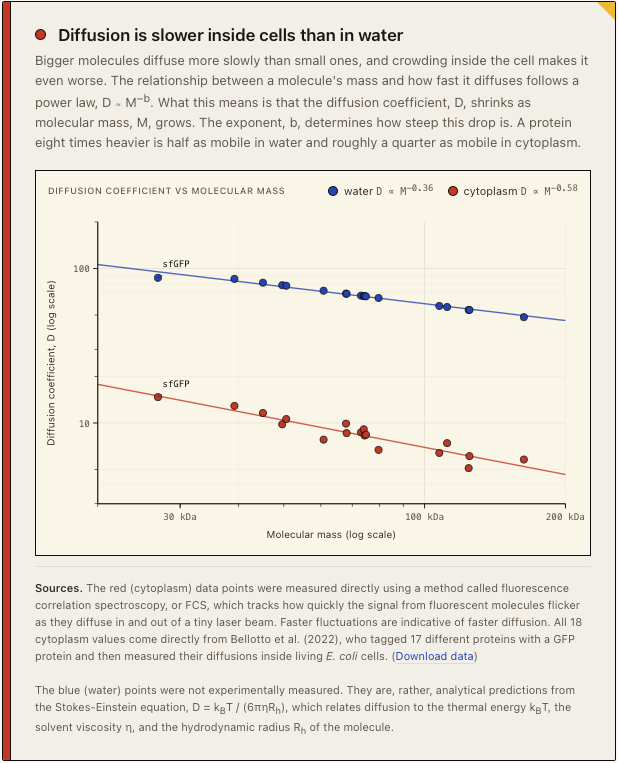
Second, diffusion: Molecules need to collide with each other for biology to work. Enzymes must find substrates, signaling molecules must reach receptors, and ribosomes must collide with messenger RNAs. Inside a cell, nearly everything happens by chance encounters amongst these molecules! As a cell’s volume grows, though, the chance that these encounters will happen decreases (assuming the total numbers of molecules stay constant).
With these constraints in mind, we can begin to speculate as to why various cells are shaped the way they are.
Red blood cells are tiny and shaped like biconcave discs to aid with diffusion; by abandoning a spherical shape and evolving more toward a ‘donut,’ they increase their surface area without compromising volume.
Human eggs are by far the largest cells in the body, growing to about 100 micrometers in diameter. They can do this because they are not so metabolically active, and thus don't require random collisions to occur frequently. Instead, they stockpile nutrients during oogenesis to wait out fertilization.
Finally, there is a giant bacterium, called Thiomargarita magnifica, that can extend about one centimeter in length, so large that it is visible to the naked eye. It does this by breaking the surface area-to-volume rule, filling between 65–80 percent of its internal volume with an empty vacuole. In other words, it pushes most of its molecules to the cell periphery, thus shortening diffusion distances.
14
46
330
16,266

Ronnie Cutler retweeted

Jun 9
An 80-year-old woman with advanced Alzheimer's, all but silent for five years, took 5 grams of psilocybin and woke up the next day telling stories about her life.
This case study was published just a few days ago in Frontiers in Neuroscience, and I can't stop thinking about it.
She had lived with Alzheimer's for a decade. The last five of those years she spent in the state we are all taught to dread: she was incontinent, could barely walk, and couldn't dress herself.
Her speech had collapsed into single syllables, and her family had come to a painful acceptance that the woman they remembered was no longer reachable.
Then she took five grams of psilocybin mushrooms in a single supervised session in Brazil. The first hours of her journey were hard, with heavy sweating and a long, deep sleep-like state. Then, roughly nineteen hours later, she woke and spoke about her own life for close to four hours, pulling up real memories and events from her past.
Over the following days, the changes kept coming.
She regained bladder control after five years. She started dressing herself and walked with far less help than before. She started meeting people's eyes again. She recognized her family and remembered who had visited her and what they had said.
A month later, with the improvements still holding, the clinicians gave her a second, smaller dose of 3 grams. In that session, she described surfing with her son on a peaceful island, her whole face lighting up as she spoke. At one point, she looked at the people caring for her and said, simply, "It is pleasant to come here."
Her neurodegeneration is still there, and many of these improvements lasted for only weeks. Psilocybin did not completely reverse her Alzheimer's.
But it forces a new potential to the surface, one that would stop any family that has lived through this in its tracks.
We have treated the silence of late-stage dementia as a direct readout of dead tissue. We assumed the lost functions were gone, erased along with the neurons. This case suggests those functions may never have been destroyed at all, only locked away, and that a powerful enough shake-up of the brain's networks can briefly make them accessible again.
I wrote recently about a 92-year-old woman with advanced Alzheimer's who had slipped into a near-vegetative state after eleven years with the disease.
Once her caregiver began giving her microdoses of LSD, she started talking, reading, and recognizing the people she loved, and her wit and personality came back with her.
Both psychedelics produced the same result no one thought was possible: a person their family had already grieved, back in the room with them for a while. If this much can come back, even briefly, then the question worth asking is what else we could reach through responsible psychedelic therapy.
Which neurological condition would you most want to see psilocybin studied for next?

35
216
1,068
79,323
Ronnie Cutler retweeted

Jun 10
The human proteome just expanded by thousands of proteins—and most of them are sized perfectly for peptide therapeutics.
A new Nature study from the TransCODE Consortium analyzed 95,520 proteomics experiments and found that approximately 25% of 7,264 non-canonical open reading frames encode detectable microproteins in human cells.
These sequences produce peptides ranging from 8 to 100 amino acids. That's the therapeutic window where synthetic peptides can be manufactured, modified for stability, and delivered as drugs.
Peptide therapeutics have been constrained by the need to target biologically active sequences that are small enough to synthesize but specific enough to produce therapeutic effects. The challenge has been identifying which endogenous peptides perform essential cellular functions and which can be modified into pharmacologically stable molecules.
This study systematically maps thousands of naturally occurring peptides that cells translate and use across tissues and disease states. Many were detected in the HLA PeptideAtlas—240 million mass spectrometry spectra from immunopeptidomics datasets showing which peptides cells present on their surface.
That's direct evidence of biological relevance. Cells don't randomly present peptides on HLA molecules. Presentation indicates processing, translation, and integration into cellular signaling or immune surveillance.
The therapeutic implications operate across multiple modalities.
First: peptide replacement therapy. If microproteins perform essential cellular functions but decline with age or disease, synthetic versions could restore activity. This mirrors the logic behind hormone replacement—when endogenous production drops, exogenous supplementation compensates.
The consortium demonstrated that one peptidein from the OLMALINC long non-coding RNA produces a pan-essential cellular phenotype. CRISPR screens showed its loss disrupts fundamental processes. That's a candidate for peptide replacement if expression declines in specific tissues or aging contexts.
Other microproteins may regulate mitochondrial function, proteostasis, or cellular senescence. If age-related decline in these peptides contributes to metabolic dysfunction, peptide-based interventions could target those pathways directly rather than modulating upstream regulatory machinery.
Second: peptide antagonists. Some microproteins may drive pathological processes—inflammatory signaling, oncogenic pathways, or maladaptive stress responses. Designing antagonist peptides that block microprotein activity creates therapeutic options for conditions where microprotein overexpression or dysregulation contributes to disease.
The study found cancer-specific microproteins expressed in malignant cells but not normal tissues. These represent targets for peptide-based inhibitors that disrupt cancer cell signaling without affecting healthy cells. Because these sequences aren't part of the canonical proteome, conventional small molecule screens wouldn't have identified them.
Third: peptide vaccines. The HLA PeptideAtlas detected peptides from 1,785 ncORFs presented on cell surfaces. Cancer cells presenting unique microprotein-derived peptides expose targetable antigens for therapeutic vaccines.
This approach already exists with neoantigens—tumor-specific mutations that generate novel peptides recognized by T cells. Microprotein-derived peptides expand that target space. They're not mutations—they're translation products from sequences that normal cells suppress but cancer cells express.
Peptide vaccines could train the immune system to recognize and eliminate cells presenting these cryptic antigens. Because microproteins are often cancer-restricted, this strategy may produce stronger anti-tumor responses with fewer autoimmune risks than vaccines targeting overexpressed canonical proteins.
Fourth: cell-penetrating peptides and delivery vehicles. Some microproteins may function as endogenous cell-penetrating sequences—naturally occurring peptides that cross membranes or localize to specific organelles. Identifying these sequences could improve drug delivery technology.
Current peptide therapeutics face bioavailability challenges. Oral delivery is difficult due to enzymatic degradation. Systemic delivery requires modifications to extend half-life and prevent renal clearance. Intracellular targeting remains complex because most peptides don't efficiently cross lipid bilayers.
If evolution has already produced microproteins with membrane-crossing or organelle-targeting capabilities, those sequences could be incorporated into therapeutic peptides to improve cellular uptake and subcellular localization.
Fifth: synthetic biology and designed peptides. The study provides a catalog of naturally occurring bioactive peptides that cells translate and tolerate. That catalog becomes a training set for designing synthetic peptides with desired pharmacological properties.
Machine learning models trained on microprotein sequences—combined with data on their tissue expression, HLA presentation, and evolutionary constraint—could predict which synthetic peptide sequences will be stable, non-immunogenic, and biologically active.
This accelerates peptide drug development by narrowing the design space. Rather than screening random sequences, developers can modify known functional microproteins or generate synthetic analogs based on evolutionary patterns.
The manufacturing advantage: peptide synthesis is straightforward. Unlike biologics requiring expression systems and purification pipelines, peptides can be chemically synthesized at scale. Modifications to enhance stability—D-amino acids, cyclization, lipidation—are well-established.
The pharmacokinetic challenge has been specificity and half-life. Endogenous microproteins solve the specificity problem—they're already performing targeted cellular functions. Engineering modifications to extend circulation time becomes the primary optimization.
The evolutionary analysis supports therapeutic viability. The consortium developed ORF relative branch length (ORBL) to measure selective constraint on microproteins. Sequences under purifying selection across mammalian evolution are preserved because they perform functions that natural selection maintains.
That's evidence these peptides matter biologically. Therapeutic interventions modulating microprotein activity aren't targeting random noise—they're engaging functional molecules shaped by millions of years of selection pressure.
The annotation framework enables systematic peptide therapeutic development. By formalizing peptideins as a recognized classification in GENCODE and PeptideAtlas, the consortium creates searchable databases where researchers can identify microproteins relevant to specific diseases, tissues, or cellular processes.
Pharma companies developing peptide therapeutics can now query: which microproteins are dysregulated in this disease? Which are cancer-specific? Which show tissue-restricted expression? Which are presented on HLA in patient samples?
Those queries weren't possible when microproteins remained unannotated. Now they're part of the reference proteome.
The clinical development timeline depends on functional validation. Demonstrating that a microprotein performs a therapeutically relevant function—and that modulating it produces measurable clinical benefits—requires the same rigor as conventional drug development.
But the discovery phase just accelerated. Instead of screening millions of synthetic peptides for activity, researchers can start with endogenous sequences that cells already use.
The study detected 183 ncORFs with high-confidence peptide evidence in conventional samples and 1,785 in HLA immunopeptidomics. That's thousands of potential therapeutic leads—some for replacement, some for antagonism, some for immune targeting.
The immediate research agenda involves characterizing which microproteins show disease-specific expression patterns, which can be chemically synthesized with therapeutic stability, and which produce pharmacological effects when administered exogenously.
The decisions about which microproteins to develop as therapeutics will depend on target validation showing that the peptide performs a function relevant to human disease and that synthetic versions can recapitulate or block that function.
Peptide therapeutics have been limited by the need to find biologically relevant short sequences. This study just mapped thousands of them.
1
8
35
3,978
Ronnie Cutler retweeted

Entropy is random. Its effects on aging are not.
Aging destabilizes the regulatory networks in blood stem cells🩸 But not every part breaks equally.
The hallmarks of blood stem cell aging trace to one thing: fragile TF programs collapse with age, while stable ones expand.
🧵1/8
3
18
35
6,858
Ronnie Cutler retweeted

Jun 9
in our 2026 @newlimit progress update, we announced our first candidate medicine.
it has the one of the most striking effects i’ve ever seen.
a single treatment accelerates recovery from alcohol in old animals. it’s so dramatic you can see it with your bare eyes!
28
46
401
118,875
Jun 10
Just use mass spec
Jun 8

Pretty interesting story in @ScienceMagazine this week on what looks like a serious problem in the senescence field. More than 400 papers apparently used the wrong antibody for p16-INK4a — an antibody that actually recognizes a completely different, unrelated protein (a component of the actin cytoskeleton). This affects work on senescent cell accumulation in aging and disease, and most critically, some of the evidence base for senolytic drug research.
What concerns me most is that many of these papers somehow got the "right" answer using the wrong antibody. That's not just an innocent reagent mix-up — it raises real questions about data fabrication or selective reporting in at least some of these labs. I've commented before about how ignoring data that doesn't fit the narrative is a major problem in certain areas of the longevity literature (e.g. sirtuins and NAD), and here a potentially widespread example in senescence.
Hopefully journals will investigate and retract as necessary, but based on my experience that seems optimistic. One concrete fix is that journals should flag problematic antibody product codes at submission so reviewers can catch this before publication. Reviewers should absolutely be on the lookout for this going forward.
However, these fixes won't address the larger problem. We need to understand how these scientists got the results they wanted and published them over 400 times (!!!): whether through intentional deception, incompetence, accident, or some legitimate explanation.
Credit for discovering this goes to @addictedtoigno1 who wrote about it first on his blog: For Better Science
science.org/content/article/…?
56
Ronnie Cutler retweeted

At Tahoe, one of the reasons we are excited about perturbation prediction is to ultimately predict how patient samples will respond to any of the many drugs in our library
3
14
52
8,708
Ronnie Cutler retweeted

Jun 9
Today we release Rhaister, an elegant statistical model that predicts drug phenotypes in new contexts w/ accuracies comparable to experimental assays.
And dropping Emerald Bay, a 2M cell dataset measuring long time-course phenotypes across 1000s of drug-cell line interactions.
14
54
250
57,728
Ronnie Cutler retweeted

DREAM repressive activity links somatic mutation, lifespan and disease
nature.com/articles/s43587-0…
1
8
23
2,296
Ronnie Cutler retweeted

Now live on YouTube, Round 2 with @drmichaellevin!
youtube.com/watch?v=C-5ZA7sX…
2
4
36
3,147
Ronnie Cutler retweeted

How much of the human genome is essential?
Two pieces out today from our lab: 1) a method to map essential genomic intervals at gigabase scale, and 2) an argument that it's time to consider synthesizing a minimal human genome.
biorxiv.org/content/10.64898…
nature.com/articles/d41586-0…
8
47
179
40,951
Ronnie Cutler retweeted

🚨 BREAKING: A "holy grail" moment for lung cancer prevention. Funded in part by a @TheMarkFdn ASPIRE Award & published in @CellCellPress, @CharlesSwanton & team have discovered a 14-protein blood signature that can predict lung cancer risk over 5 years before a diagnosis. 🧵👇
themarkfoundation.org/portfo…
1
23
67
11,113
Ronnie Cutler retweeted

Jun 4
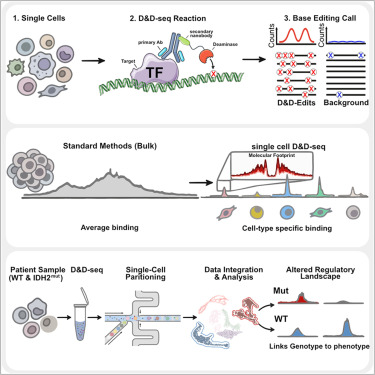
Exciting breakthrough technology from the lab, now live in @CellCellPress ! Instead of cutting the genome where proteins bind (e.g., Cut&Tag), D&D-seq scars the DNA with a deaminase, allowing single cell genome mapping of TFs and chromatin remodellers!
17
168
646
53,029