Lead Research Scientist @Mak_CHAP
Joined September 2009
- Tweets 5,381
- Following 3,005
- Followers 1,675
- Likes 12,650
240 Photos and videos


Dan Kajungu, PhD retweeted

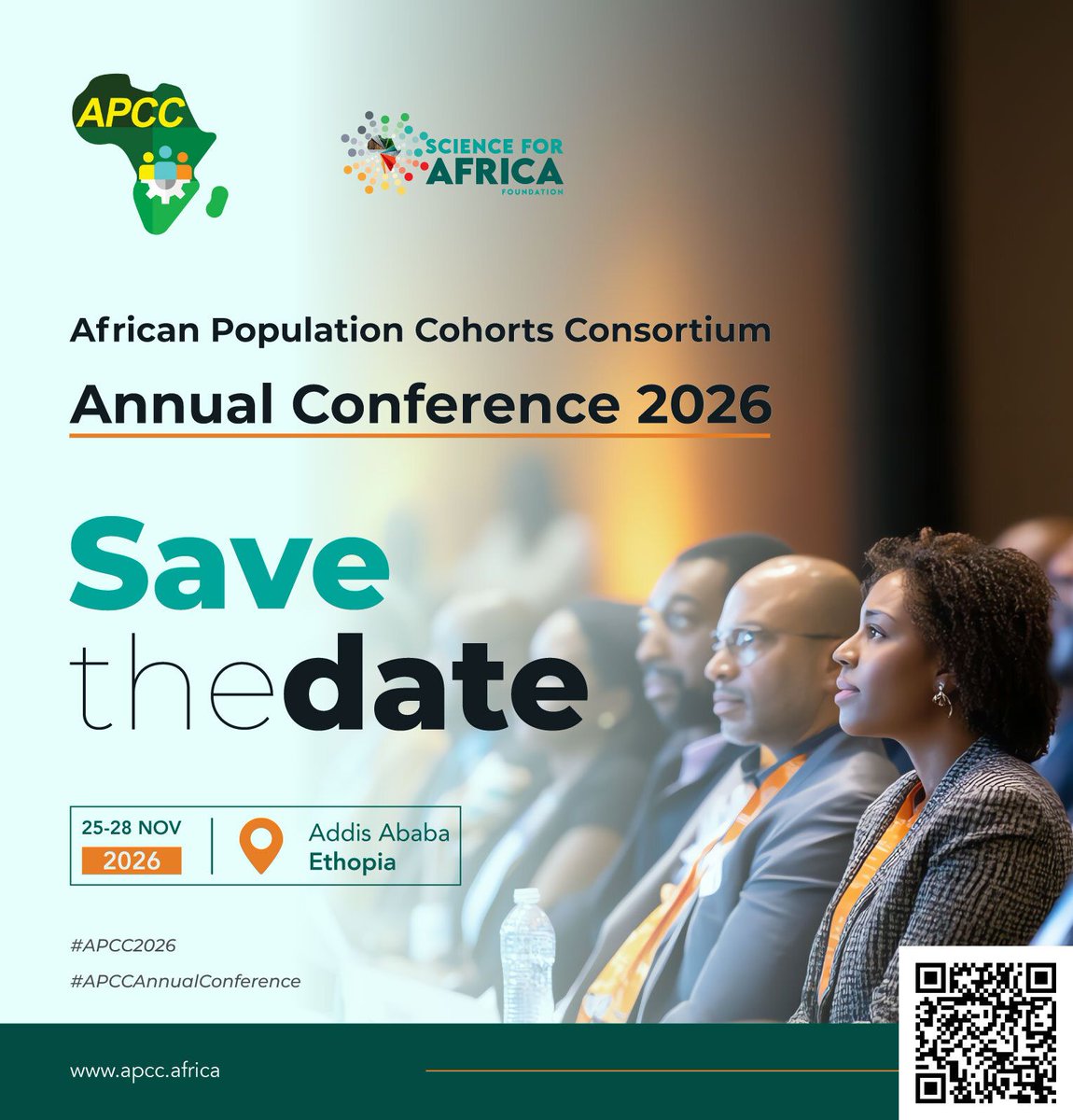
Join us for the inaugural Conference of the African Population Cohorts Consortium (#APCC) in Addis Ababa, Ethiopia, from 25-27 November 2026.
The meeting, themed "Connected Cohorts, Stronger Systems: Driving Africa’s Health Transformation, Harnessing Longitudinal Evidence and Collaboration to Inform Policy and Improve Population Health," is bringing together:
➡️ 80 cohorts
➡️ 200 delegates
➡️ 25 countries
and will serve as a premier platform for #collaboration, #data harmonization, scientific exchange, and evidence-informed #policy.
More information about the event 👉: bit.ly/4uaqujn
#APCC2026 #PopulationHealth #AfricanResearch #HealthSystems #LongitudinalResearch #DataForImpact #EvidenceToPolicy #GlobalHealth #AfricaHealth #ResearchCollaboration @DKamuya @dkaj04 @agnes_kiragga
3
3
234
Dan Kajungu, PhD retweeted

🔬📊 Who gets sick in Uganda—and why?
@Makerere 's “living laboratory” is generating real-time evidence linking disease patterns to income, education, gender & location, giving policymakers the data needed to act. The science is clear. Inequities are visible. What must change?
1
2
3
65
Dan Kajungu, PhD retweeted
📊 Strengthening Uganda’s health systems & saving lives through research! From improving vital statistics for #CRVS reform to groundbreaking malaria insights that can predict child mortality, Makerere researchers are driving change. The question is, are we listening?
@dkaj04
1
1
2
76
Dan Kajungu, PhD retweeted

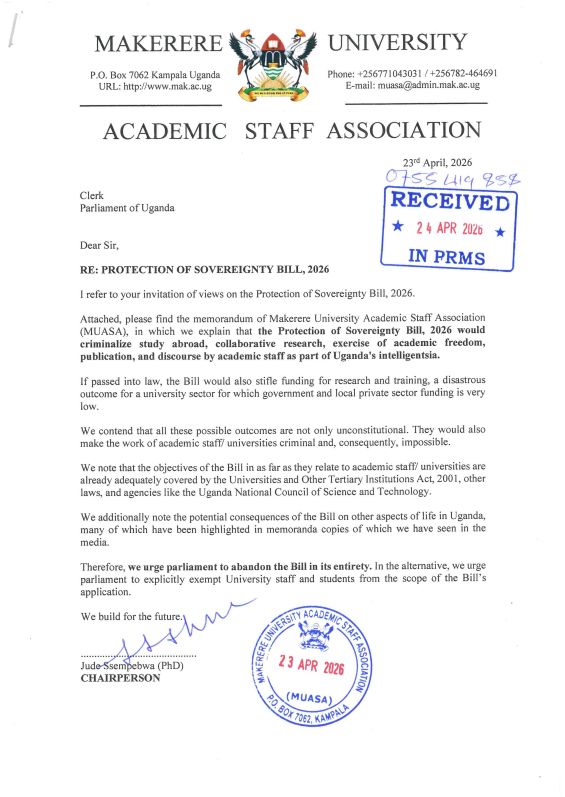
MUASA Position
The Makerere University Academic Staff Association, MUASA, represents academic staff at Makerere University.
@MuasaFraternity is concerned that the proposed Protection of Sovereignty Bill, 2026 could negatively affect universities, academic staff, and the future of research in Uganda.
Our concern is not political. It is professional and institutional.
Universities exist to teach, research, question, test ideas, and generate knowledge for society. Any law that makes normal academic work risky, including collaboration, policy critique, public discussion, and access to research funding, weakens the institutions that help a country solve problems.
A country that fears its thinkers eventually runs out of solutions.
Sovereignty is not protected by silencing knowledge. It is protected by strengthening the people and institutions that produce it.
@Parliament_Ug @ubctvuganda @Makerere @JoeliaNasaka @pwatchug @centre4policy
25
162
428
53,055
Dan Kajungu, PhD retweeted

Apr 9
A community college professor taught the same study skills lecture for 30 years, and the video quietly became one of the most watched educational recordings on the internet.
His name is Marty Lobdell. He spent his career as a psychology professor watching students fail not because they were lazy, but because nobody had ever taught them how their brain actually works under the pressure of learning something hard.
The lecture is called "Study Less Study Smart." Over 10 million views. Passed around in Reddit threads, Discord servers, and university study groups for over a decade. And the core insight buried inside it has been sitting in cognitive psychology research for years, waiting for someone to explain it in plain language.
Here is the framework that completely changed how I think about effort.
Your brain does not sustain focus the way you think it does. Studies tracking real students found that the average learner hits a wall somewhere between 25 and 30 minutes.
After that, efficiency doesn't just decline. It collapses. You're still sitting at your desk, still looking at the page, but almost nothing is going in.
Lobdell illustrated this with a student he knew personally. She set a goal of studying 6 hours a night, 5 nights a week, to pull herself out of academic probation. Thirty hours of studying per week. She failed every single class that quarter.
She wasn't failing because she lacked effort. She was failing because she had confused time spent near books with time spent actually learning. The 25-minute crash hit her at 6:30pm every night. She spent the next five and a half hours sitting in the wreckage of her own focus and calling it studying.
The fix sounds almost too simple. The moment you feel the slide, stop. Take five minutes. Do something that actually gives you a small reward. Then go back. That five-minute reset returns you to near full efficiency. Across a six-hour window, the difference is not marginal. It is the difference between thirty minutes of real learning and five and a half hours of it.
The second thing he taught destroyed something I had believed about how memory actually works.
Highlighting feels productive. Going back over your notes and recognizing everything feels like knowing. But recognition and recollection are two completely different cognitive processes, and your brain is very good at making you confuse them.
You can see something you've read before and feel completely certain you understand it, even when you couldn't reconstruct a single sentence from memory if the page were blank.
He proved this live in the room. He read 13 random letters to his audience. Almost nobody could recall them. Then he rearranged the same 13 letters into two words: Happy Thursday. The whole room got all 13 without effort.
Same letters. Same count. The only thing that changed was meaning.
The brain stores meaning. Not repetition. The moment new information connects to something you already understand, the retention changes entirely.
This is what the cognitive psychology literature calls elaborative encoding, and it is the mechanism underneath every effective study technique.
The third principle was the one that hit me hardest, and the one almost nobody applies.
Lobdell cited research showing that 80 percent of your study time should be spent in active recitation, not passive reading. Close the material. Say it back in your own words.
Teach it to someone else, or to an empty chair if no one is around. The struggle of retrieval is where the actual learning happens. Reading your notes again is watching someone else do the work.
His parting line has stayed with me longer than almost anything else I have read about learning.
He told the room that if what he shared didn't change their behavior, they hadn't actually learned it. It would just live in their heads as something they had heard once and felt good about.
He was right. And most people leave every lecture exactly like that.
The students who remember everything aren't putting in more hours.
They stopped confusing the feeling of studying with the fact of it.
216
4,848
18,670
1,901,043

Mar 26
I have just completed AI Governance and Ethics course on Alison! alison.com/course/ai-governa…
13
Dan Kajungu, PhD retweeted

Mar 17
Wild chimpanzees in Uganda consume alcohol.
A recent study detected ethanol in 85% urine samples from wild chimps, confirming regular consumption of fermented fruit.
So the question is: what advantage does it give them?
Nature rarely wastes a pattern.
#Nature #Uganda
1
1
58
9 Dec 2025
Data from Uganda shows excess mortality during COVID-19 especially among children under five.
Population cohorts like Iganga Mayuge HDSS of @Makerere were crucial in revealing these hidden impacts, filling gaps where routine data systems fall short.
rdcu.be/eTGeU
1
37
9 Dec 2025
Investing in strong surveillance platforms is essential for detecting excess mortality early and protecting vulnerable communities.
rdcu.be/eTGeU
@Mak_CHAP @MinofHealthUG @Makerere @AfricaCDC apcc.africa
34
Dan Kajungu, PhD retweeted

11 Nov 2025
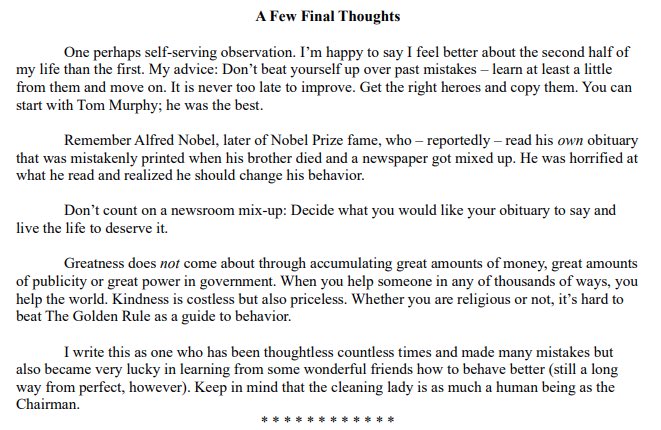
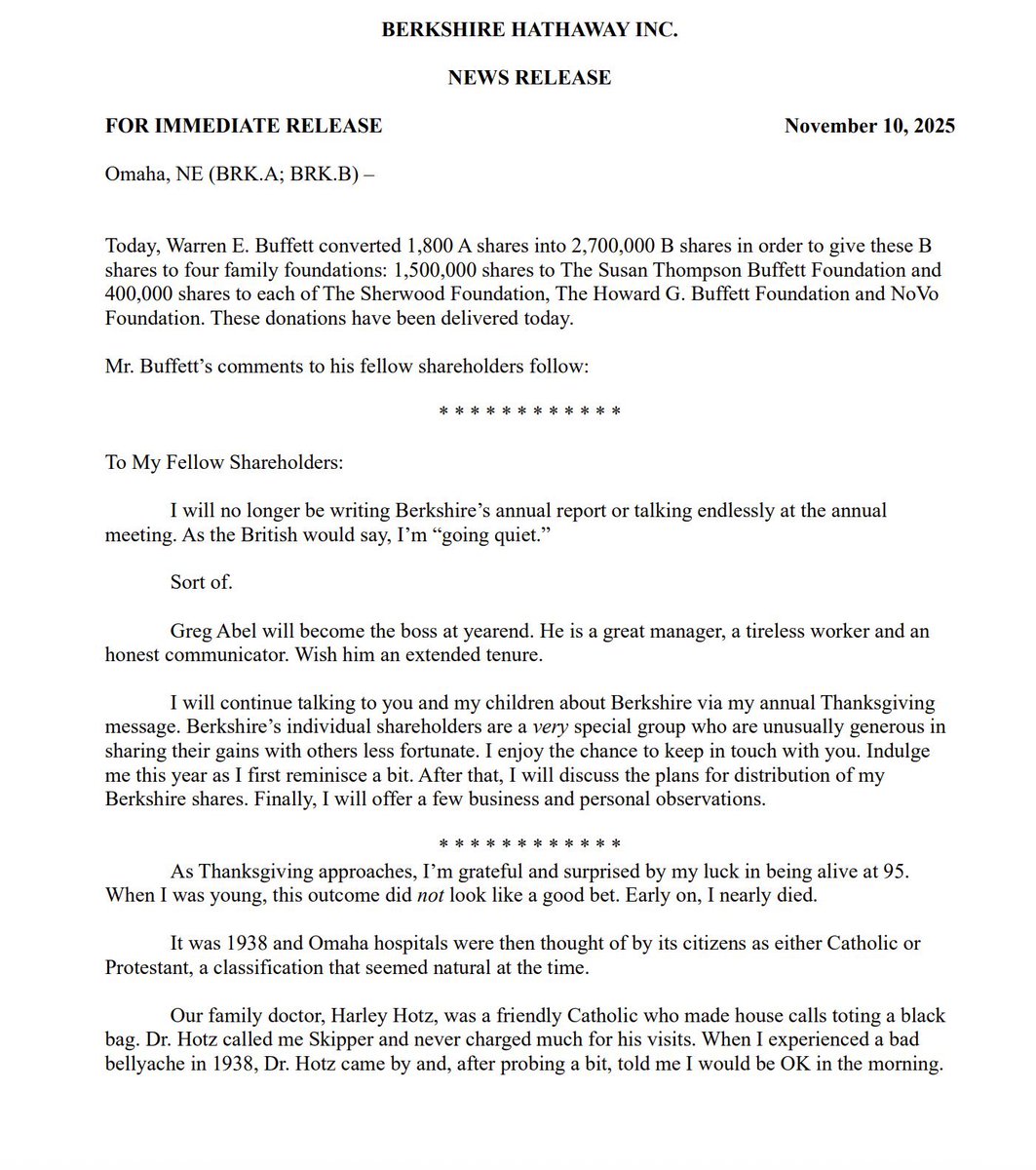
Warren Buffet says goodbye in his final annual letter.
As he signed off, the following were final words of advice:
"One perhaps self-serving observation. I’m happy to say I feel better about the second half of my life than the first. My advice: Don’t beat yourself up over past mistakes – learn at least a little from them and move on. It is never too late to improve. Get the right heroes and copy them. You can start with Tom Murphy; he was the best.
Remember Alfred Nobel, later of Nobel Prize fame, who – reportedly – read his own obituary that was mistakenly printed when his brother died and a newspaper got mixed up. He was horrified at what he read and realized he should change his behavior.
Don’t count on a newsroom mix-up: Decide what you would like your obituary to say and live the life to deserve it.
Greatness does not come about through accumulating great amounts of money, great amounts of publicity or great power in government. When you help someone in any of thousands of ways, you help the world. Kindness is costless but also priceless. Whether you are religious or not, it’s hard to beat The Golden Rule as a guide to behavior.
I write this as one who has been thoughtless countless times and made many mistakes but also became very lucky in learning from some wonderful friends how to behave better (still a long way from perfect, however). Keep in mind that the cleaning lady is as much a human being as the Chairman."
3
87
213
32,465
3 Jul 2025
I had a productive meeting with Prof. Jerrold Ellner (@Rutgers_NJMS) in Uganda, exploring collaboration on TB research and population health surveillance at Iganga Mayuge #HDSS. Looking forward to impactful work with @MakerereU and @Mak_CHAP @BuyinzaMukadasi @MJoloba
1
11
223
Dan Kajungu, PhD retweeted

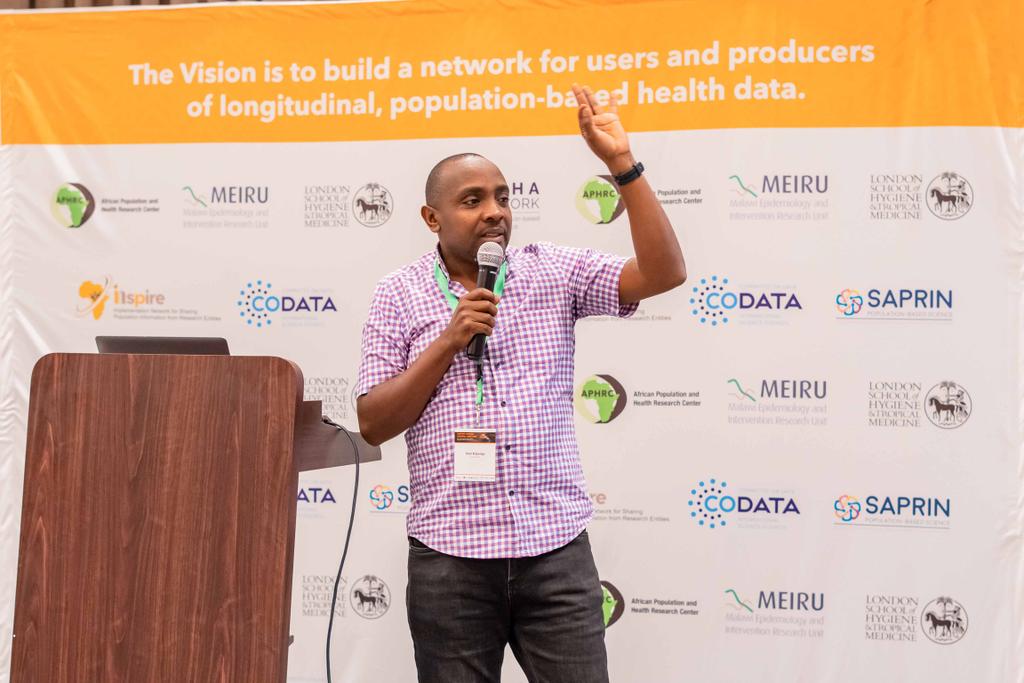
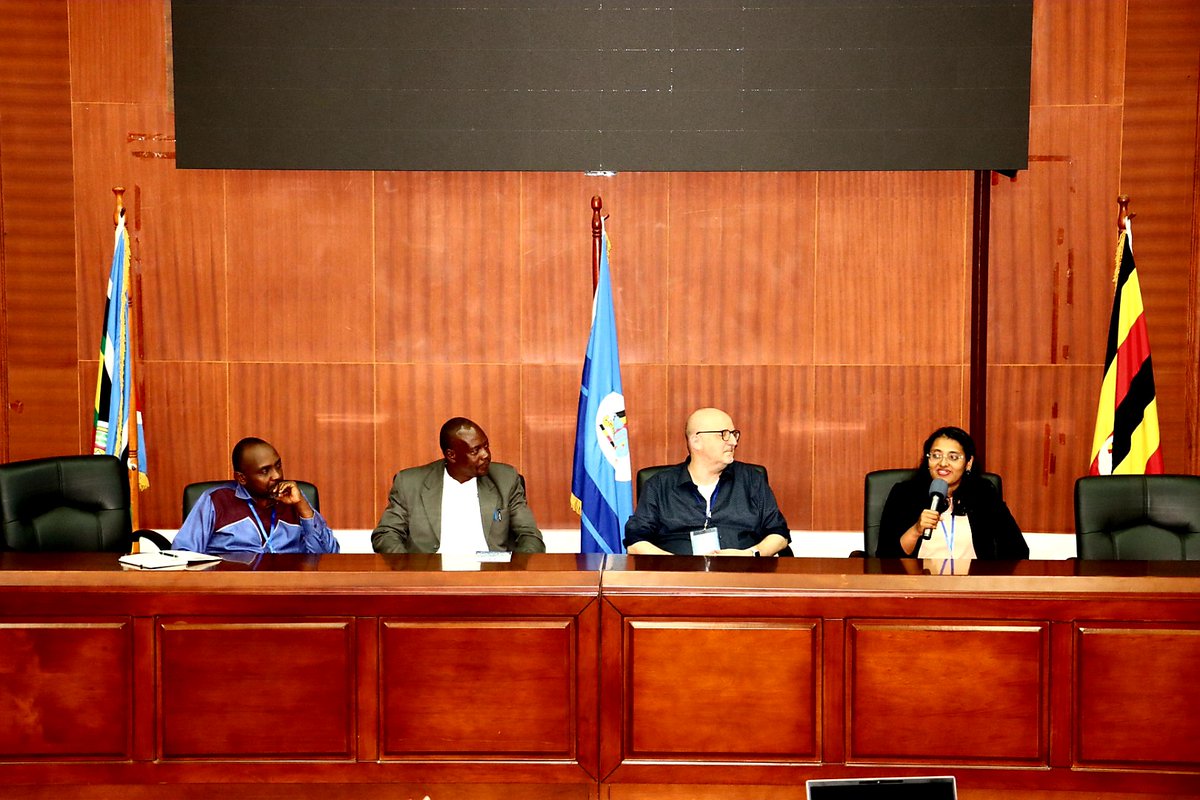
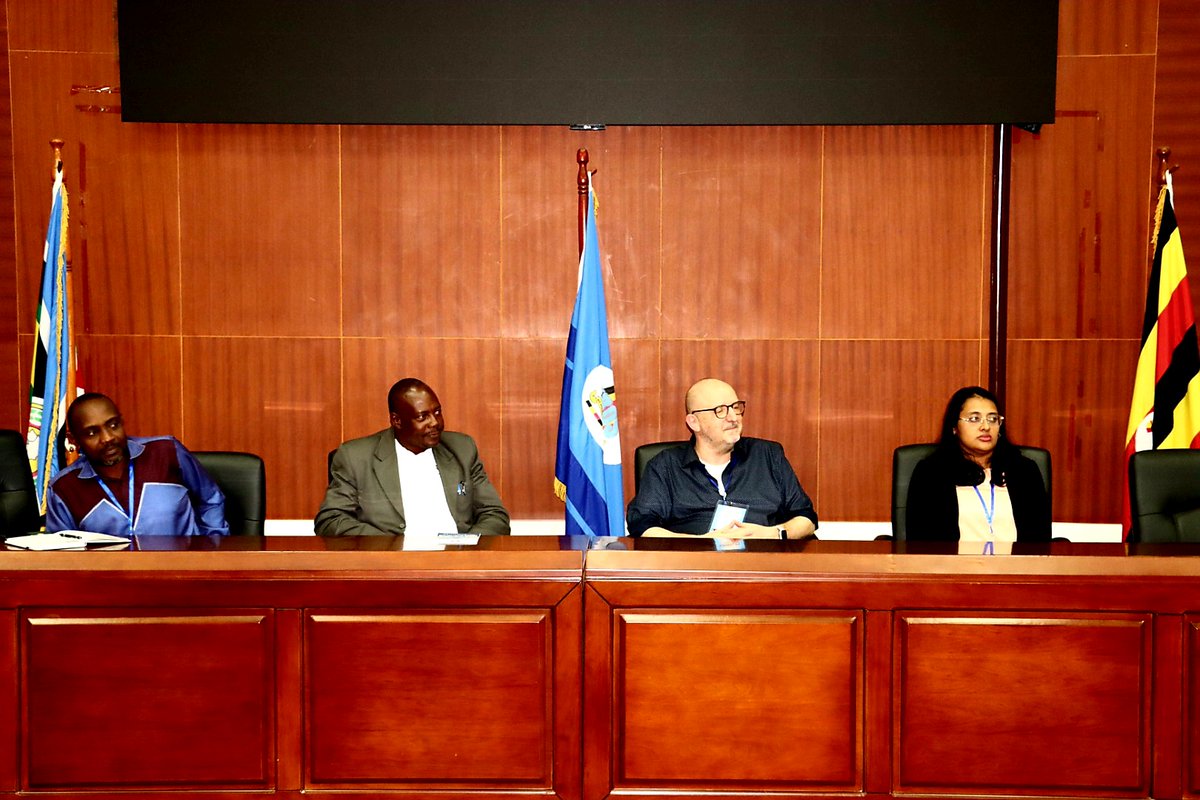
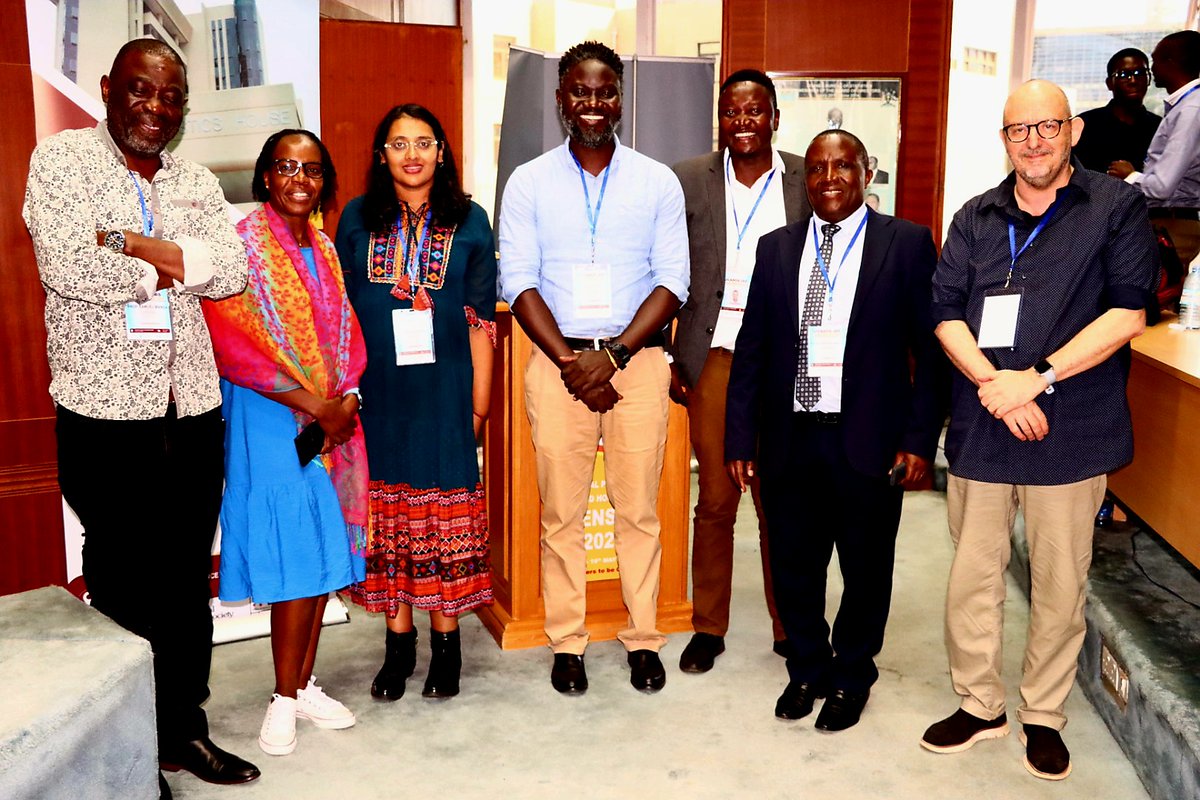
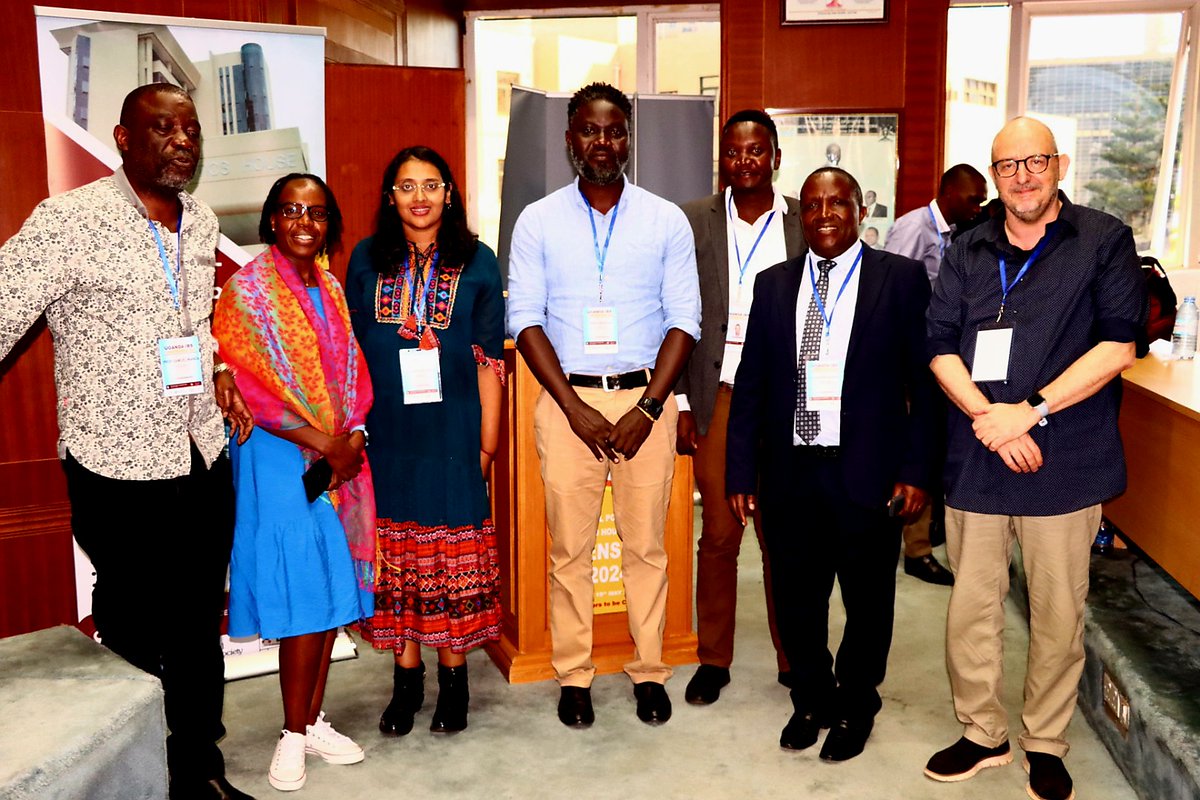
There was a panel discussion with @dkaj04 of @muchap @felixwamono of @Makerere @zivshkedy of @DSI_Uhasselt , @TaryleeR of @MRCza and @samuelmwambi of @UPTuks .
@kelzyt
3
5
648
Dan Kajungu, PhD retweeted

11 May 2025
Our workshop in Kampala “Strengthening Biostatistics and Data Science in the Sub Saharan region is just around the corner We start on Monday 12/05.
Full program: erbiostat.wixsite.com/itp5
#DELTASAfricaSSACABII
@VLIRUOS
@R_Forwards
#rstat #RLadies #openscience
1
2
188
Dan Kajungu, PhD retweeted
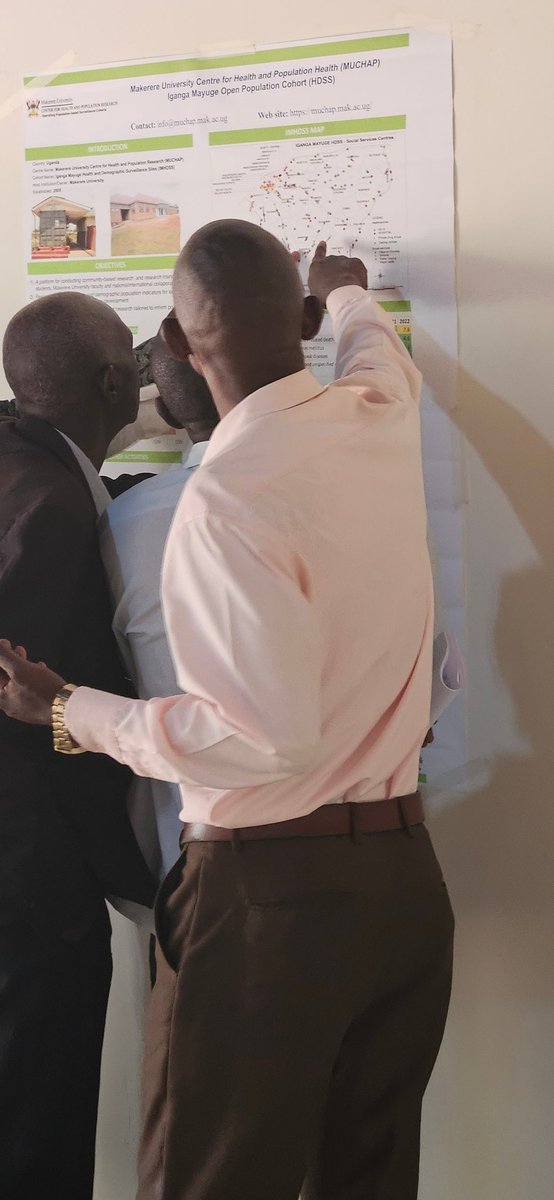
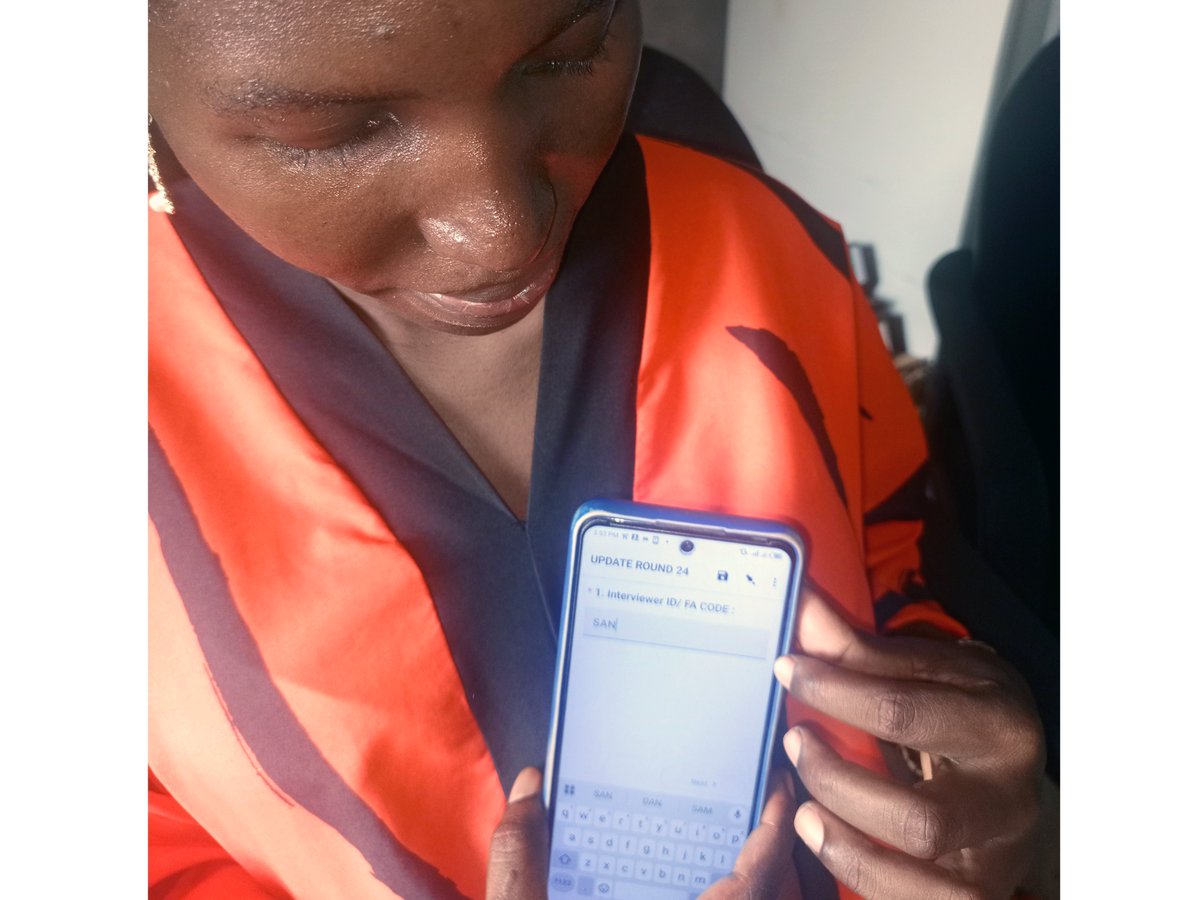
This week marked the start of our #24thDataCollectionUpdateRound at the Iganga- Mayuge Health Demographic Survey site. We are tracking births, deaths, and migration to support evidence-based research for decision-making at local, national, and international levels. #HealthData

2
5
258
12 Mar 2025
To know who we are and what we do @Mak_CHAP. Listen to this podcast. notebooklm.google.com/notebo… @Makerere @MakerereNews @JohnsHopkinsSPH @AfricaCDC @EDCTP3 @gatesfoundation @GatesAfrica @pfizer @aphrc @NIRA_Ug @StatisticsUg @namagembelilian @wellcometrust @AdrianMuwonge
2
9
500
Dan Kajungu, PhD retweeted
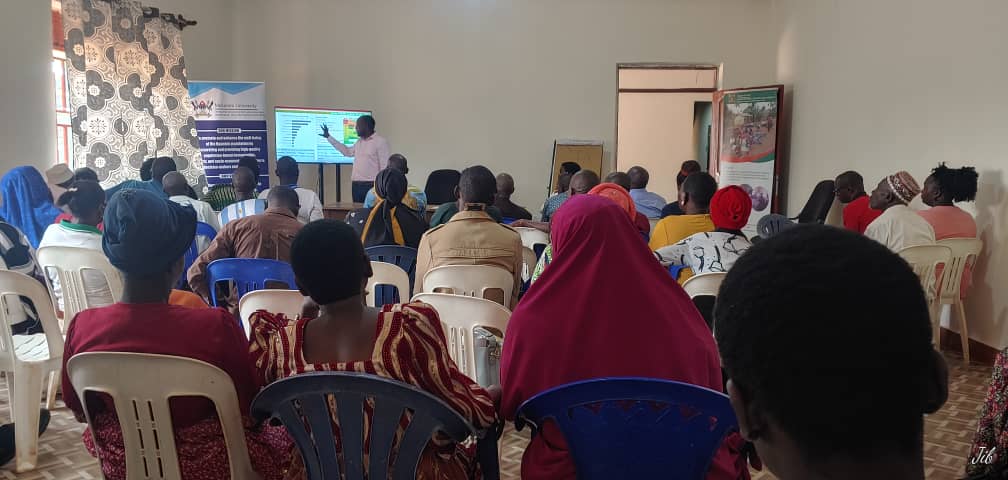
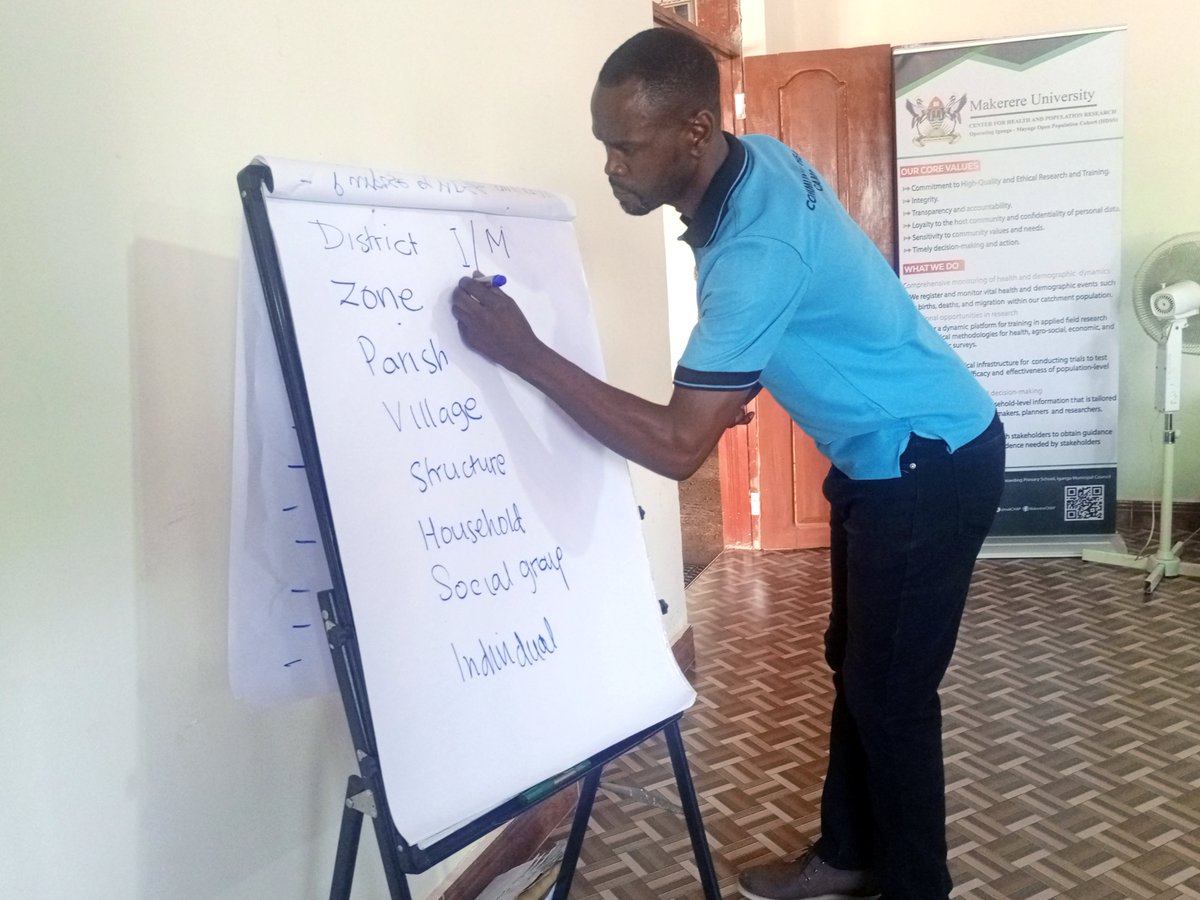
#KeyFocusAreas included accurate recording of responses and unique individual identifiers, particularly for newborns and in-migrants, using electronic tools to reduce errors.#Surveillance
@Makerere @dkaj04 @MakerereNews
2
4
186
Dan Kajungu, PhD retweeted
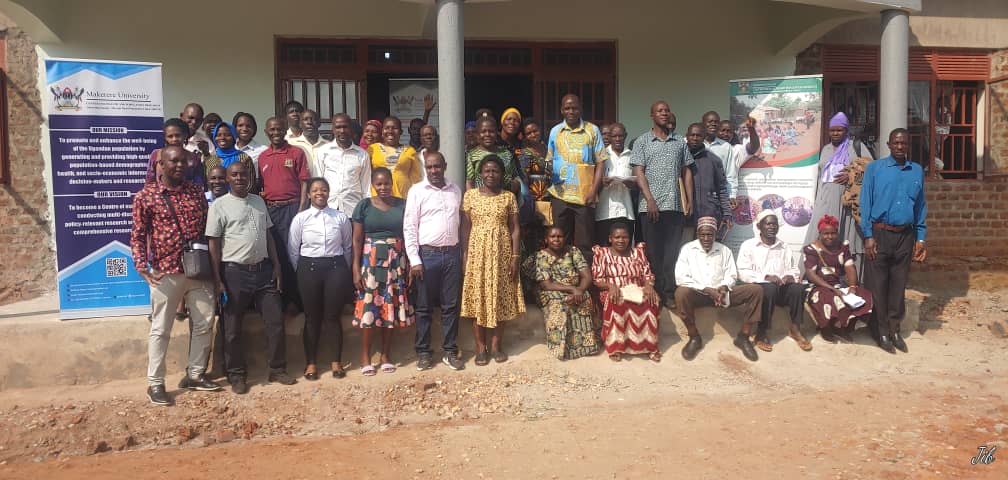
#DayTwo: Yesterday concluded our two-day annual refresher course for supervisors and research assistants. As we prepare for the 24th @Mak_CHAP data update round, set to begin next week, this training ensures accuracy in data collection. #DataAccuracy
1
2
5
200