To serve Him and enjoy Him forever. Christian; מאזני צדק אבני צדק איפה צדק והין צדק יהיו לכם
Joined December 2010
- Tweets 137,058
- Following 106
- Followers 668
- Likes 13,812
33,159 Photos and videos




Pinned Tweet

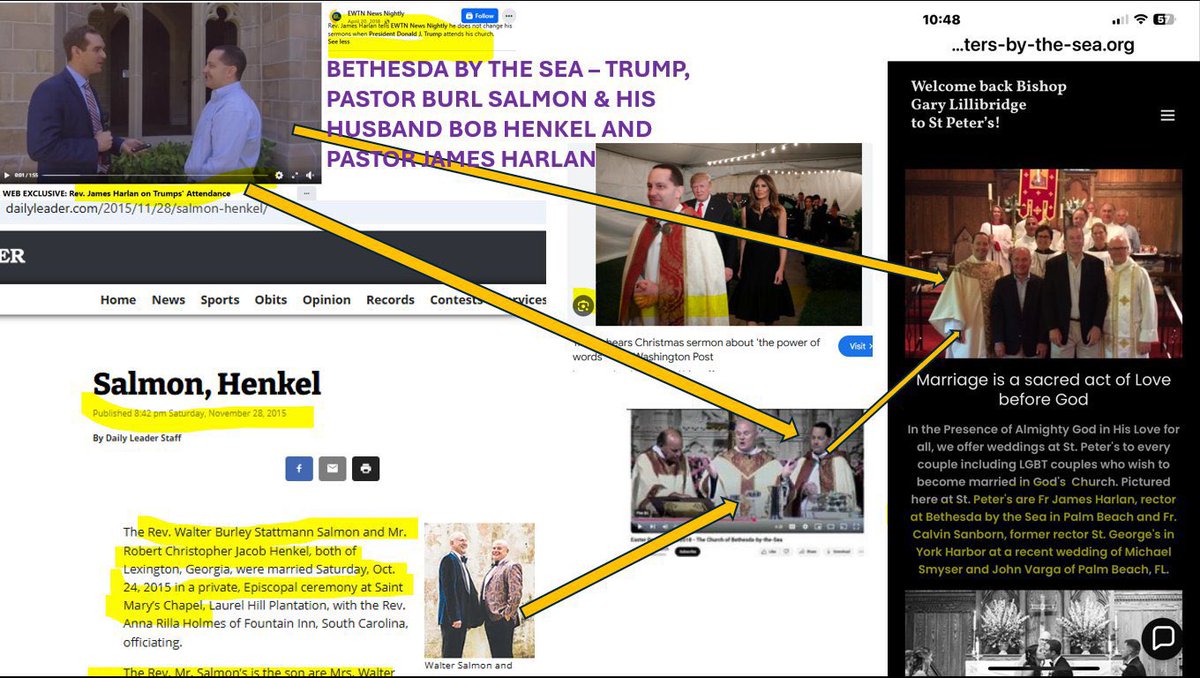
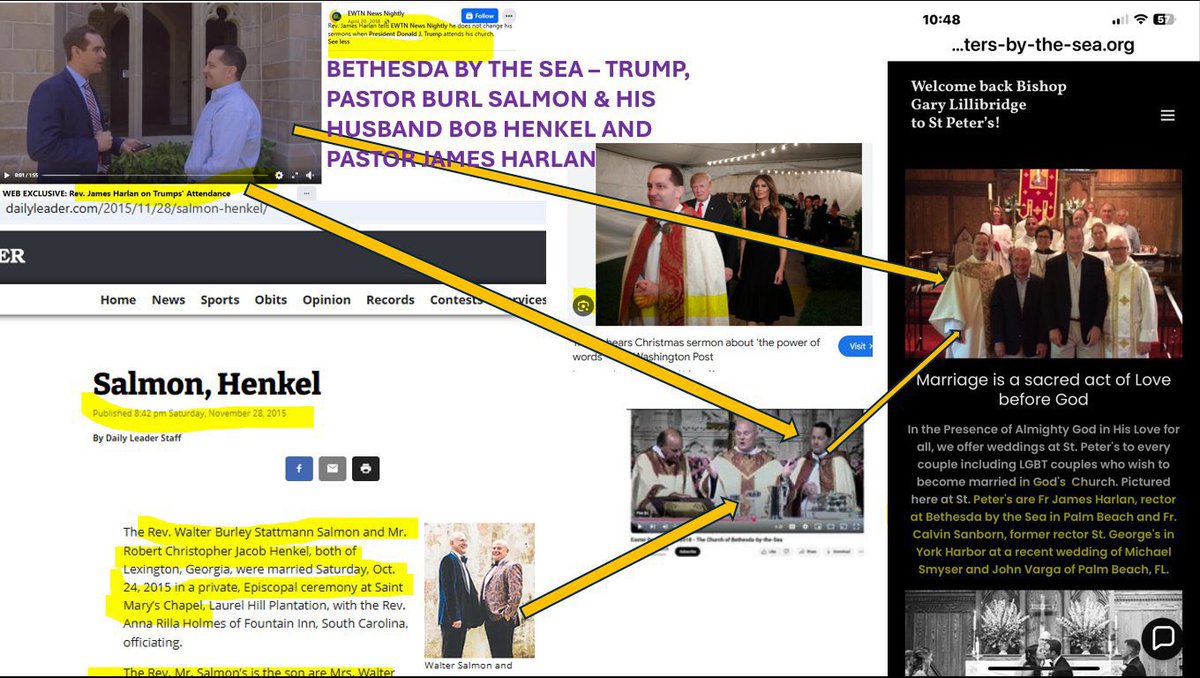
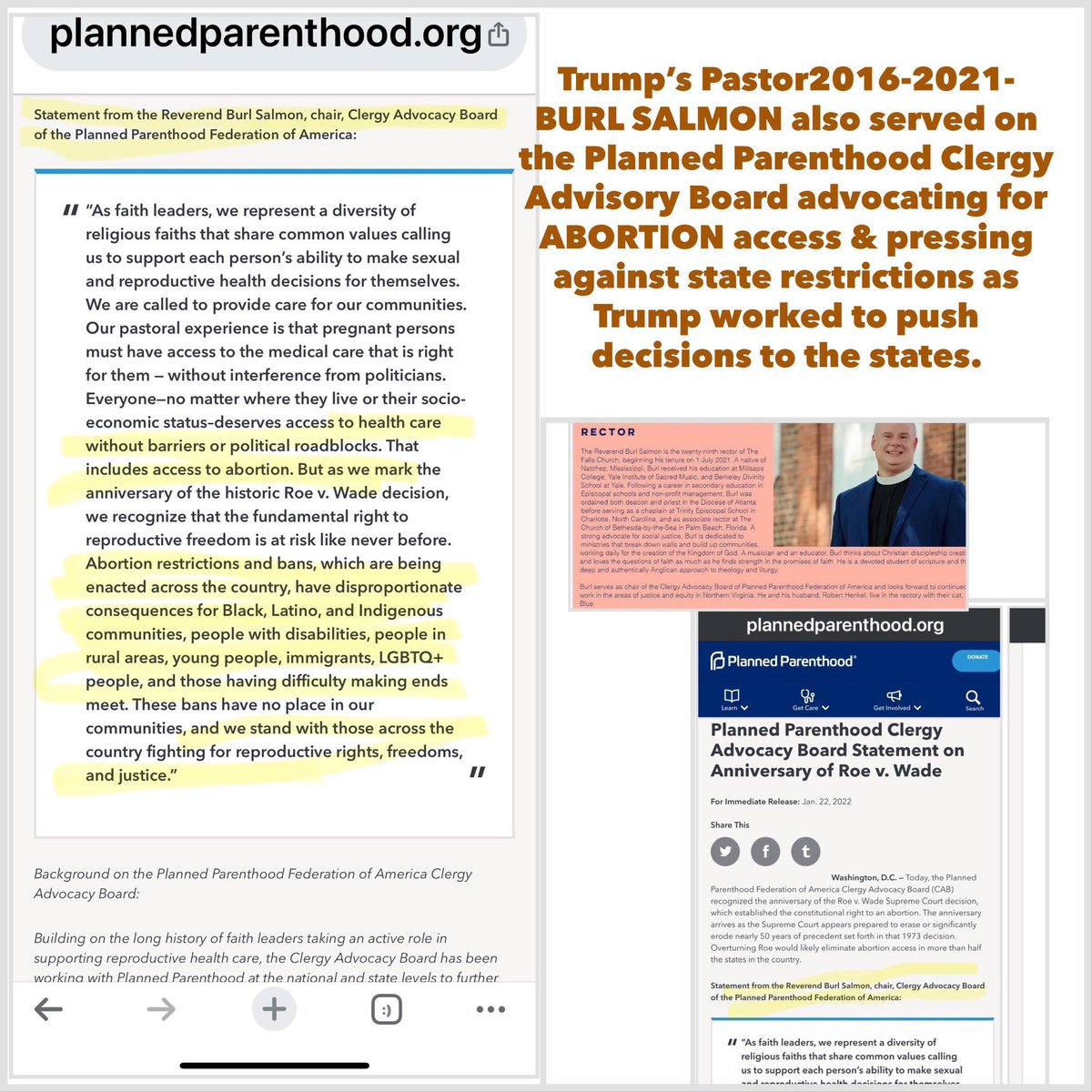
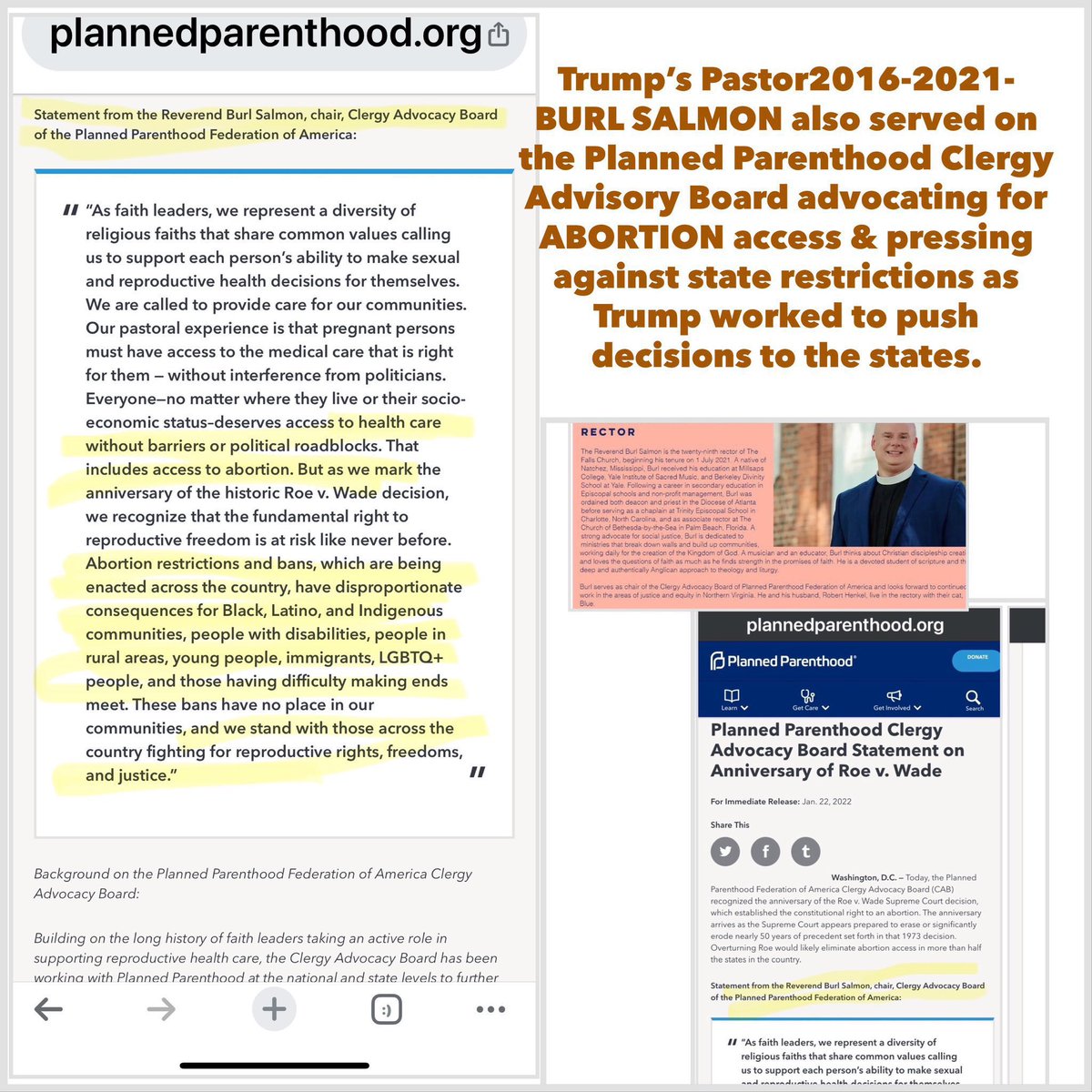
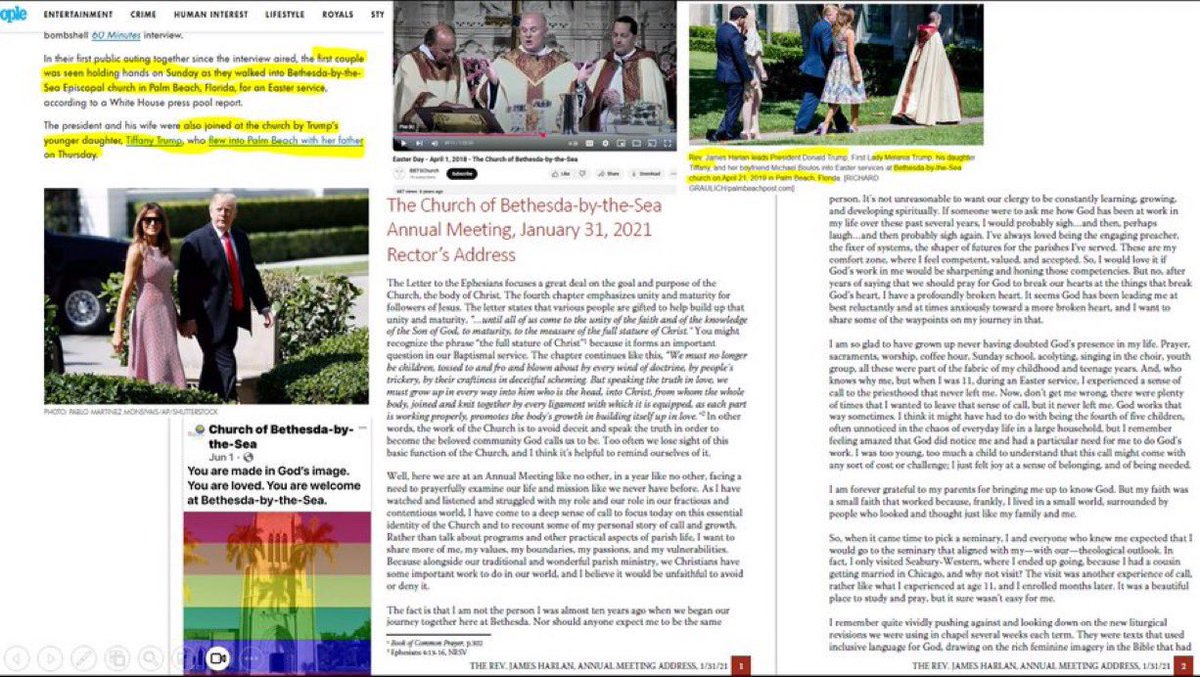
@conservmillen you are correct here and @DavidAFrench you are wrong. Truth is not intentional harm. It is essential speech. Now this is where @conservmillen @megbasham @MattWalshBlog @douglaswils @joe_rigney @Katy_Faust have not applied the criticism of this ethic on themselves in their silence as @realDonaldTrump @MELANIATRUMP with Barron and @TiffanyATrump worshipping under their male pastor married to a man 2016-2021 - where that same pastor they platformed before billions , Sat on the board of the planned parenthood and chaired the planned parenthood clergy advocacy board across the period of 2018-2021.
Silence entirely . Sinful silence as MacArthur has preached it. To add, by a margin of 300% conservatives and evangelicals still picked Trump in the 2023/24 republican primaries. @EWErickson what gave. No rebuke or characterization of those Christians as fake ones .
@hbcharlesjr @tomascol @ThaddeusWill @JoelWebbon @BenZeisloft @LizzieMarbach @RealCandaceO @SweetieWalker @AlistairBegg @JohnPiper @ShaiLinne @NeilShenvi
@WNGdotorg @SwipeWright @ConceptualJames @WilliamWolfe @Franklin_Graham @philvischer
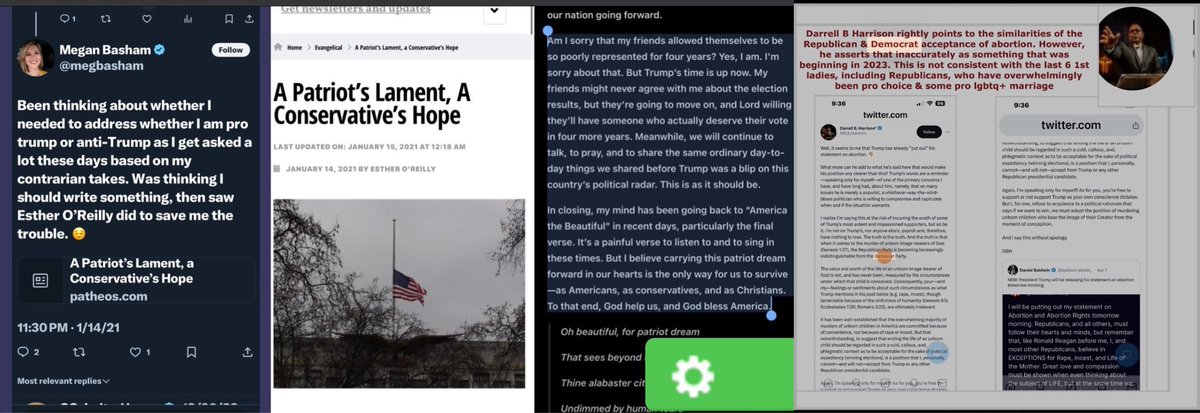
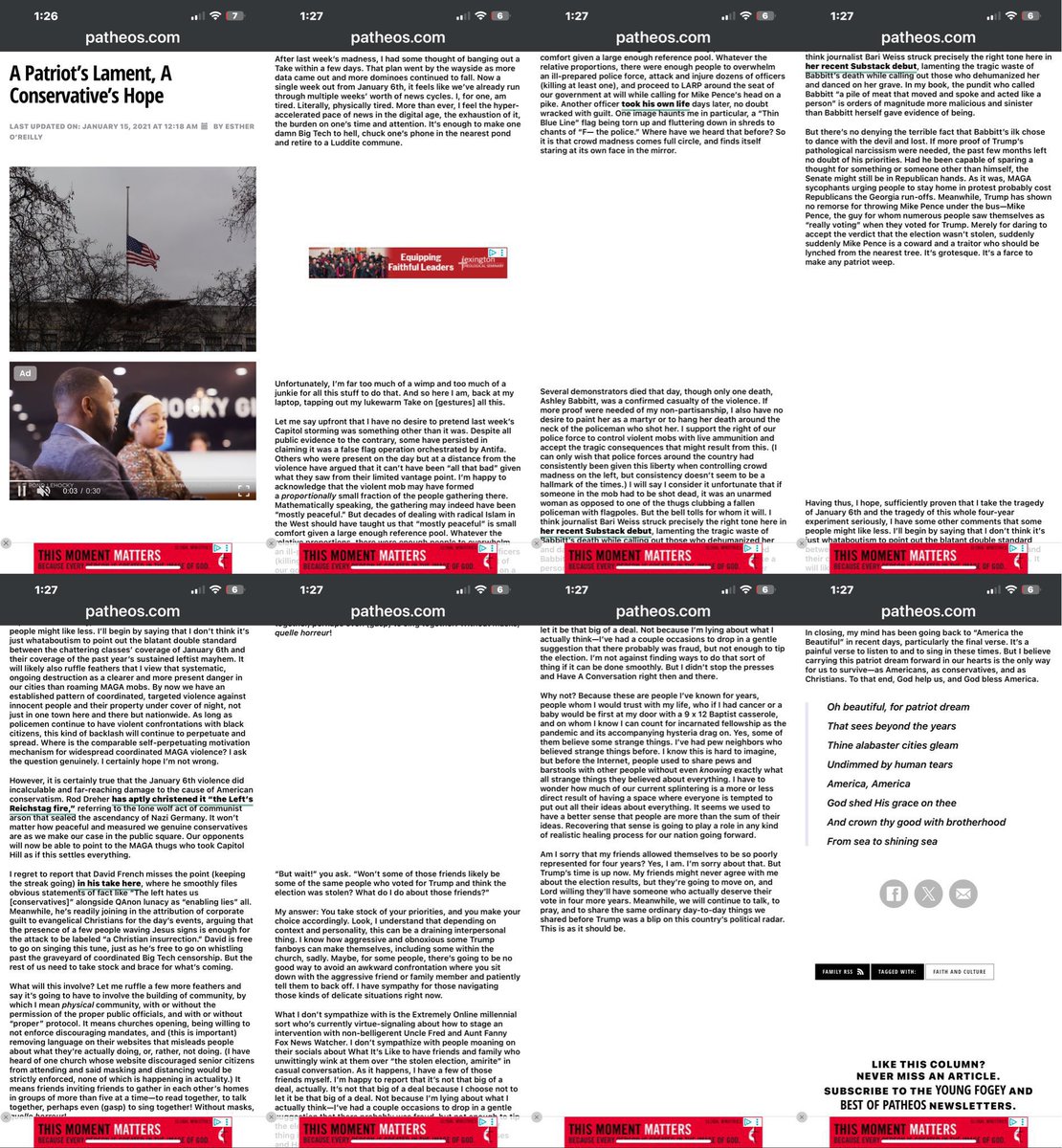
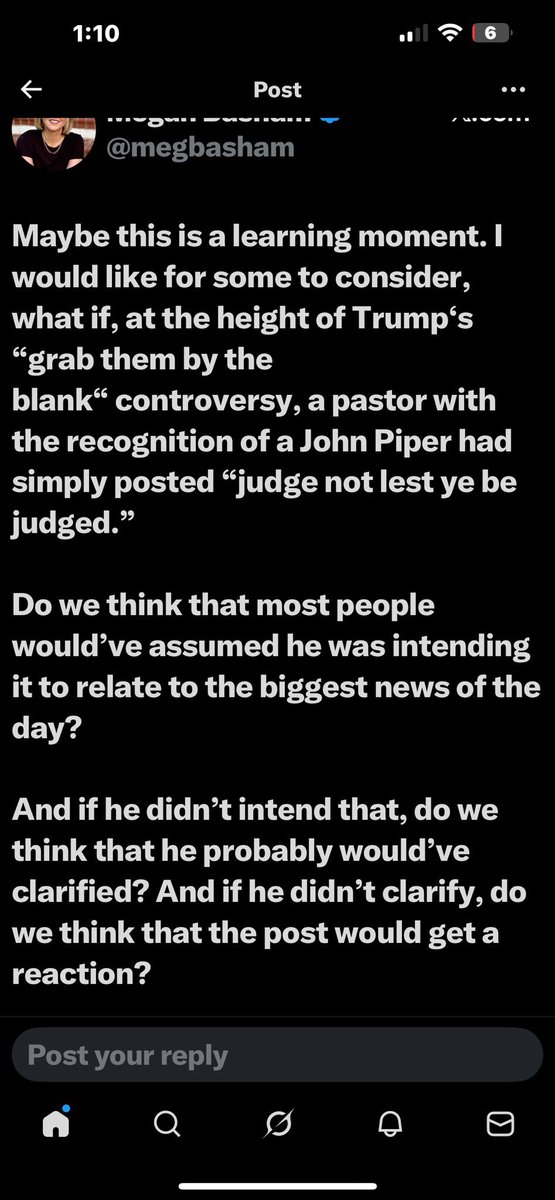

@DustyDeevers @LizzieMarbach @SpeakerJohnson @LifeSite (silent ??)
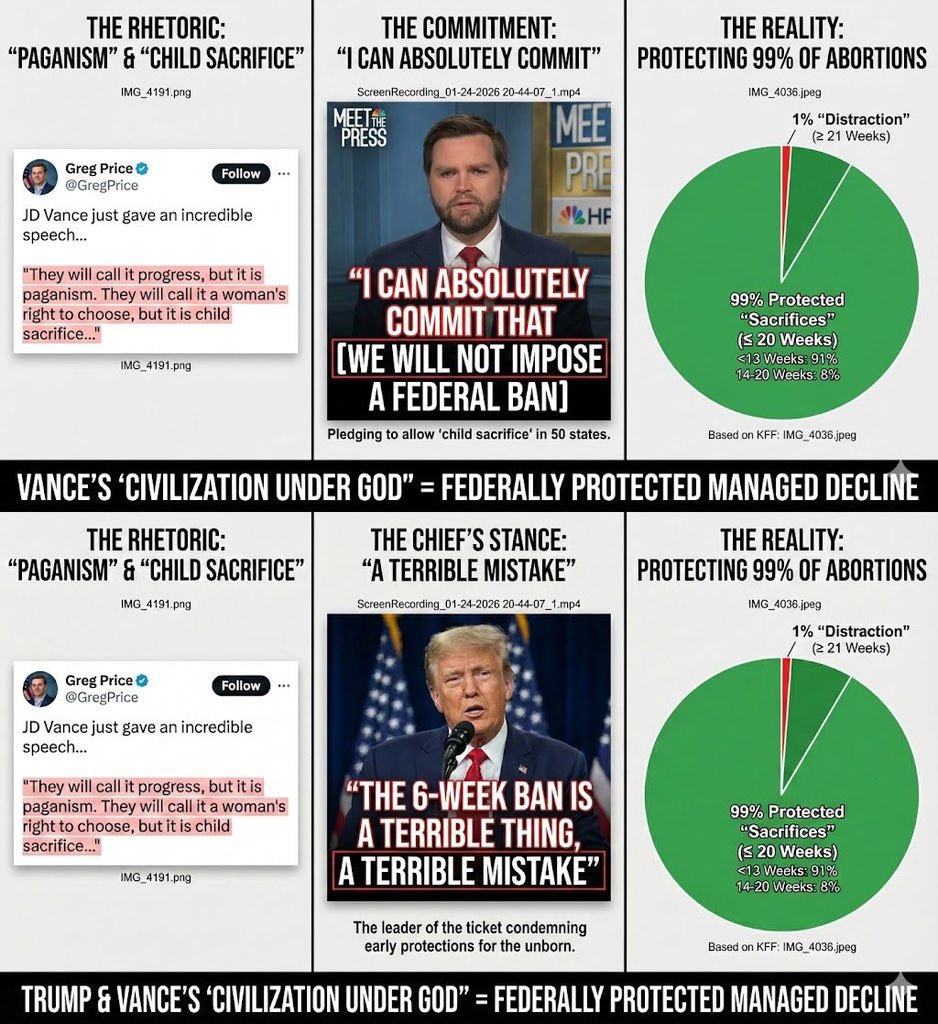
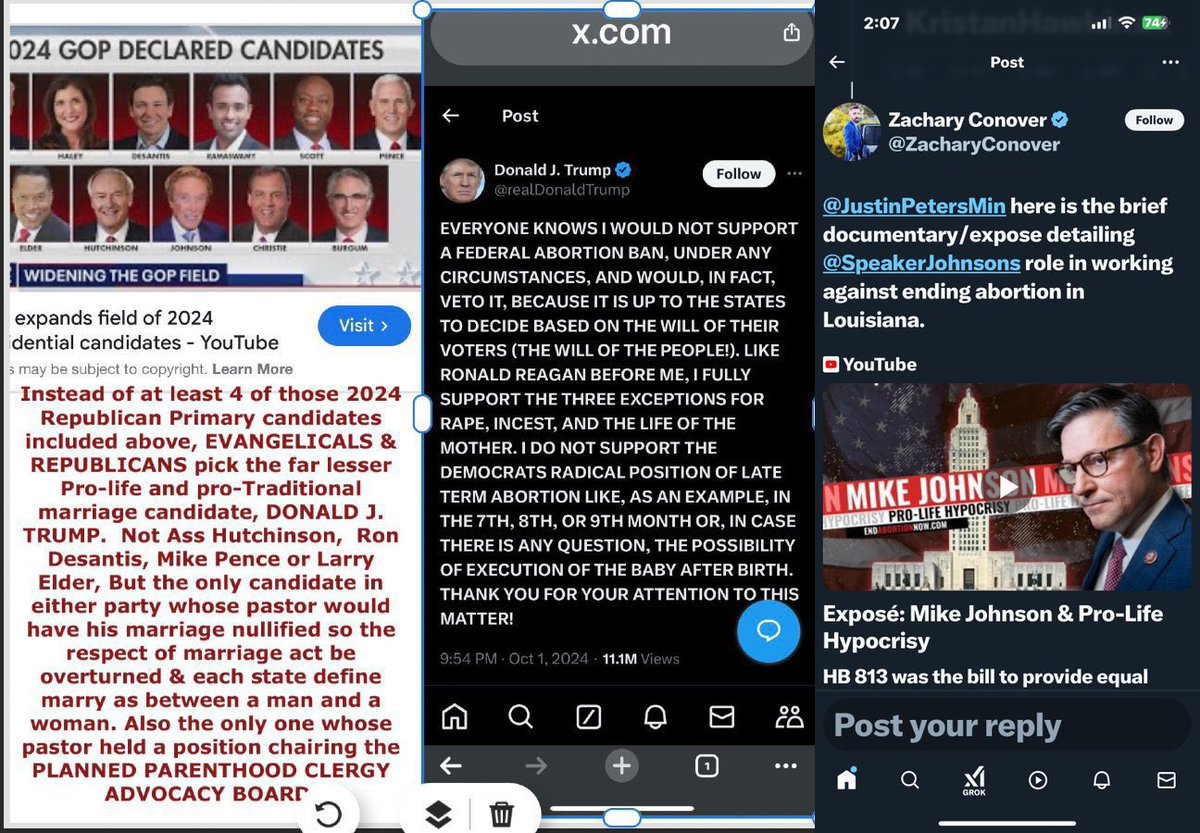
We were taught you could not be a faithful Christian and vote an LGBTQ and or abortion affirming candidate in any level. Then in the Republican primaries of 2024 by a margin of 300% plus evangelicals and conservatives picked Donald Trump over the other Republican candidates. And Trump had a pastor from 2016 through 2021 who was married as a male to another male and who served in the plant parenthood board of directors as well as chair of the Planned Parenthood clergy, advocacy board lobbying for abortion access. That was from 2016 through 2021.Why didn’t any of you call that out? Hear the blame goes to speaker Johnson for lobbying against a band in Louisiana, but all of you were silent to condemn those who supported Trump in the Republican primaries state after state.
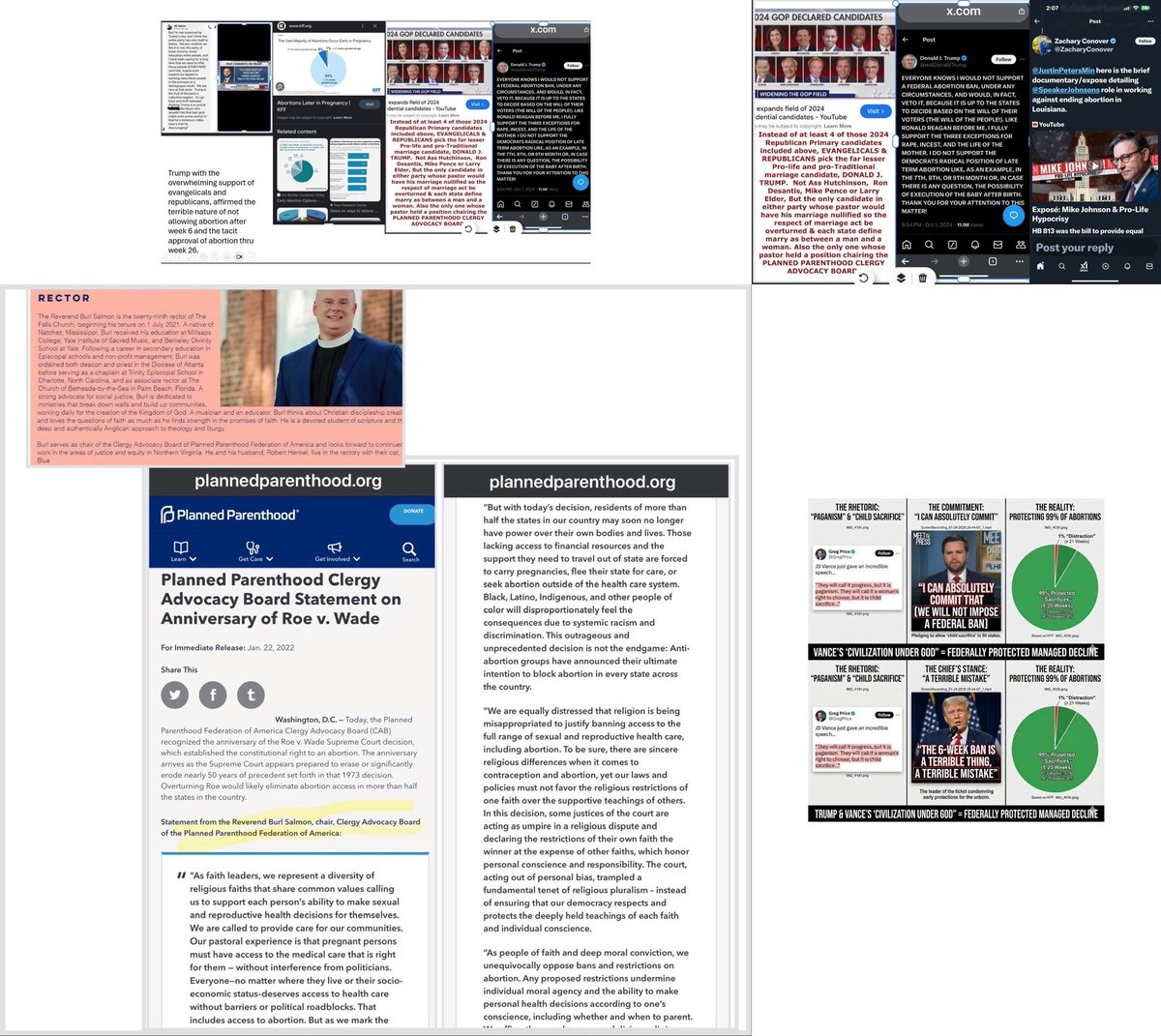
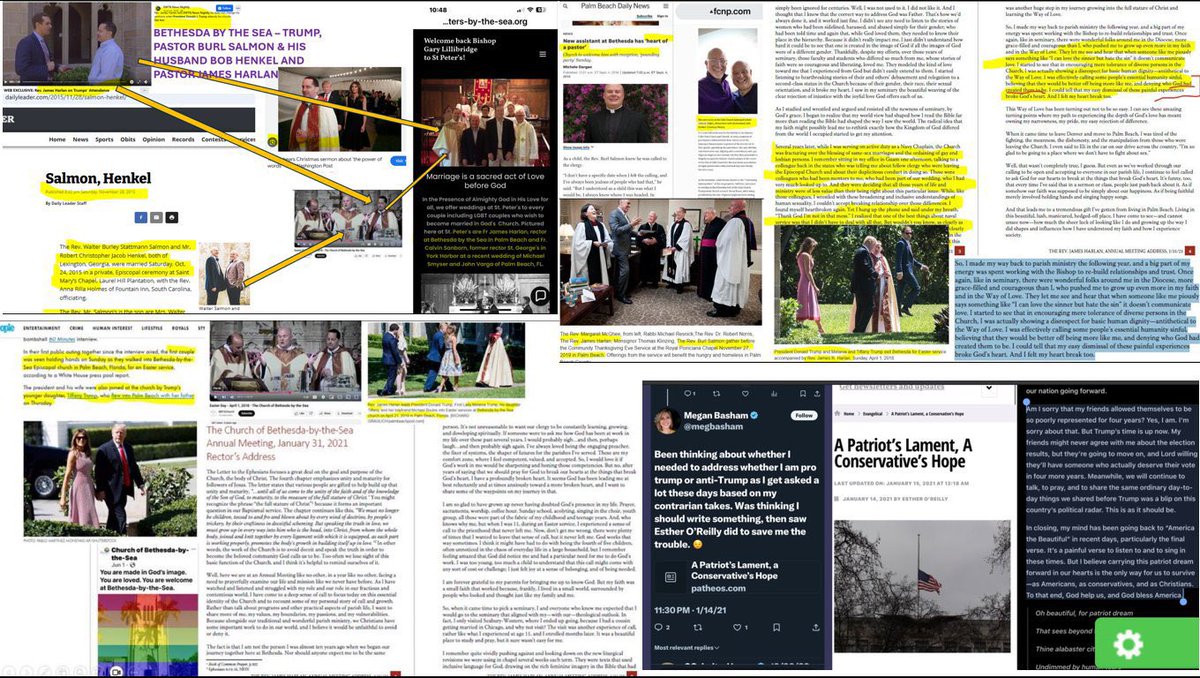
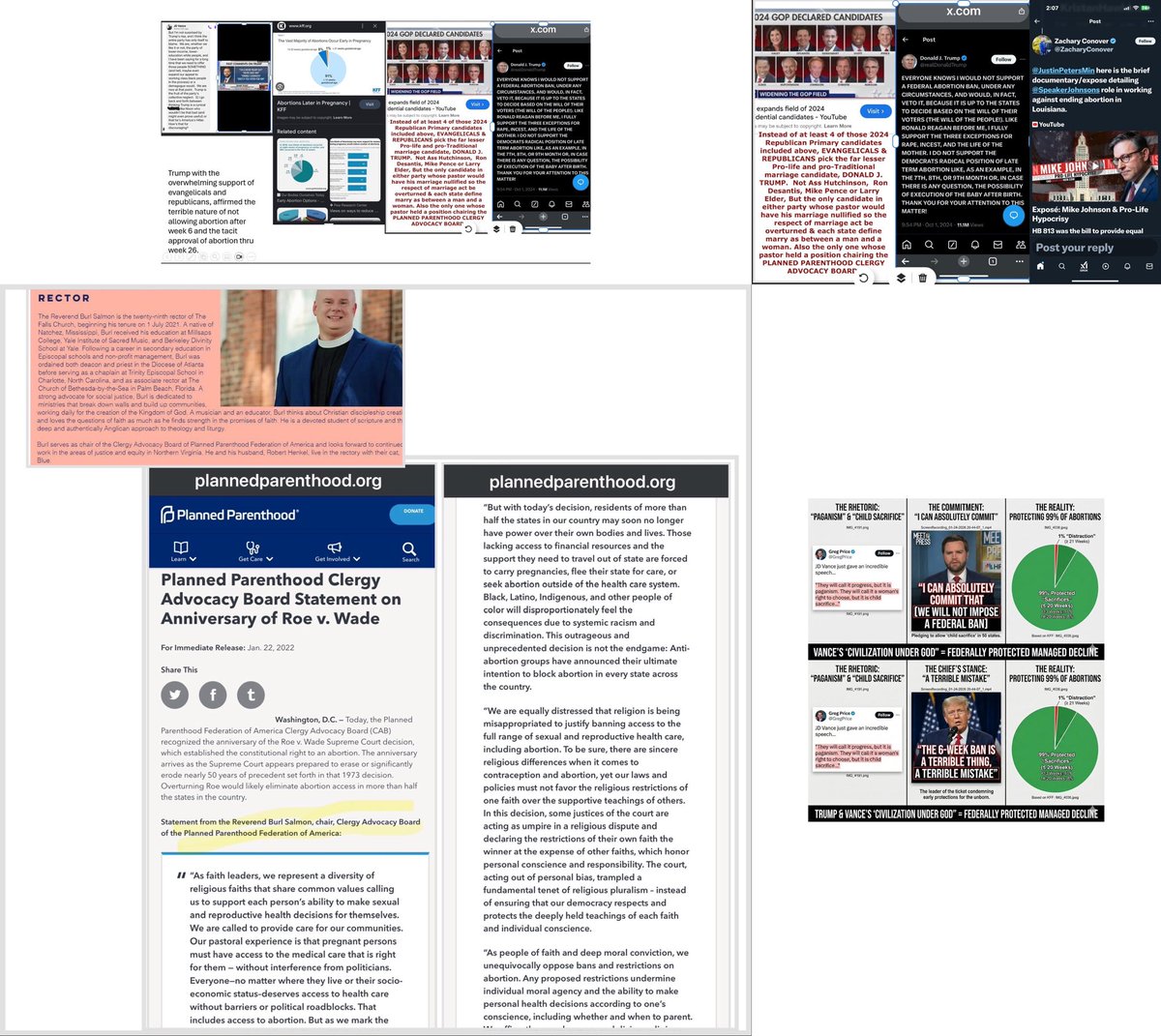
2
2
7
1,817
GSchultz, Honest weights & equal measure retweeted
@JustinPetersMin and you think Paula White in the White House all year long with NAR, Kenneth Copeland, and the tie to Bethesda by the sea, and Trump‘s pastor who is a man married to a man is an upgrade from a rainbow image overwhelmingly associated with an unregenerate world? Where is your theology? Because Jesus causes that a major downgrade. And to add your silence about most of that which I just called out. As a discernment, preacher, is a major downgrade. The sinfulness of silence is what John McArthur preached about .
1
1
35
GSchultz, Honest weights & equal measure retweeted

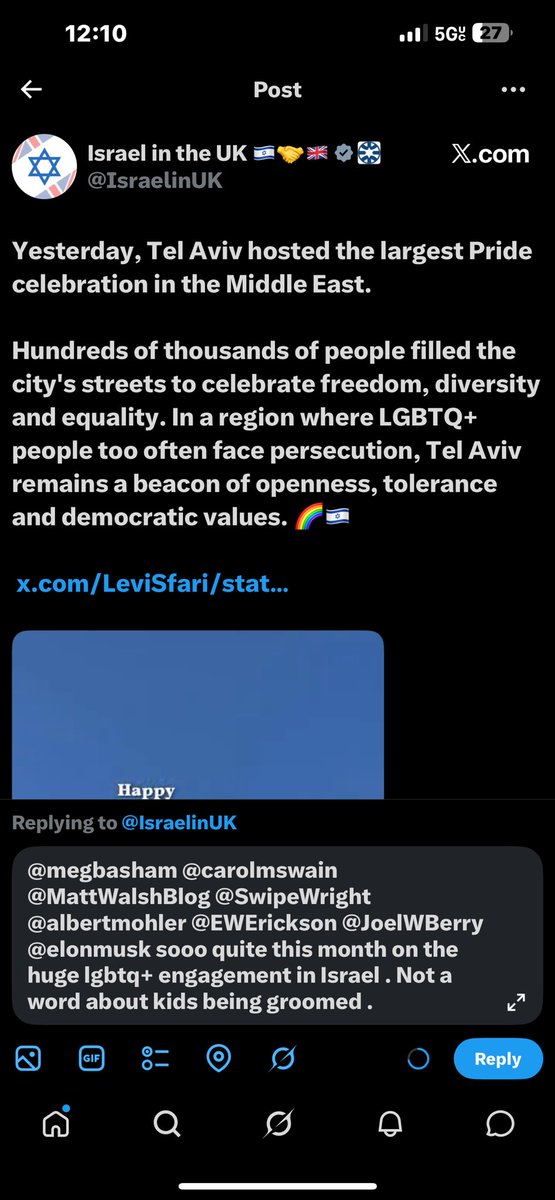
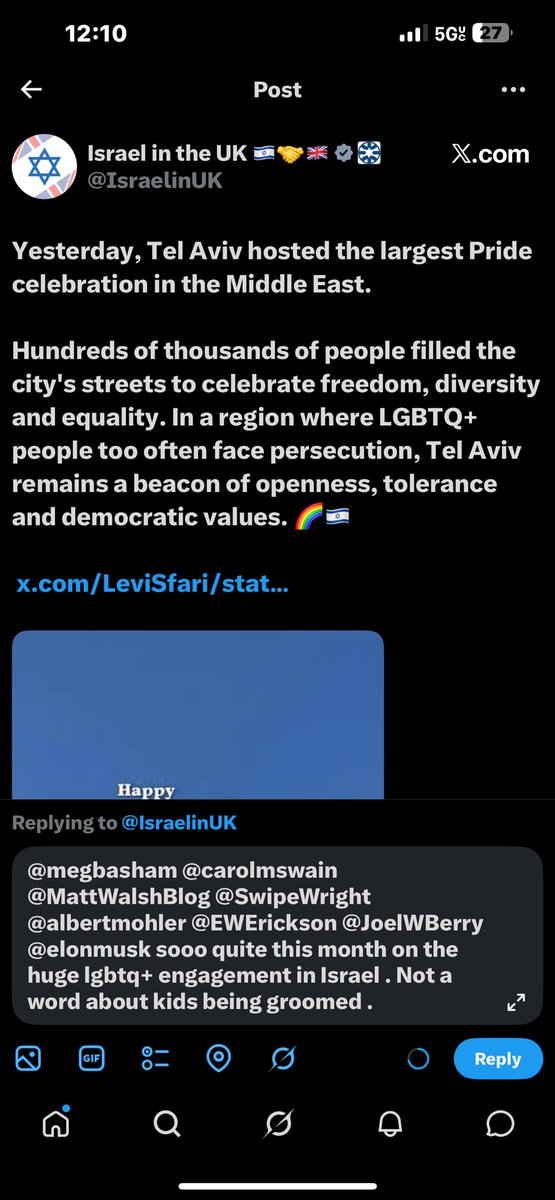
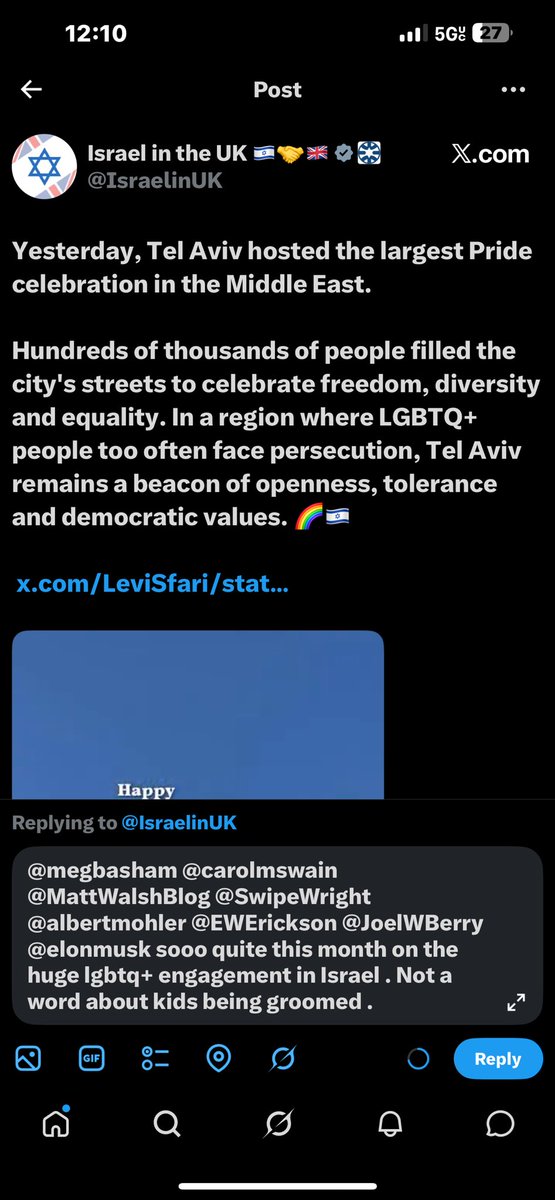
5 Jun 2024
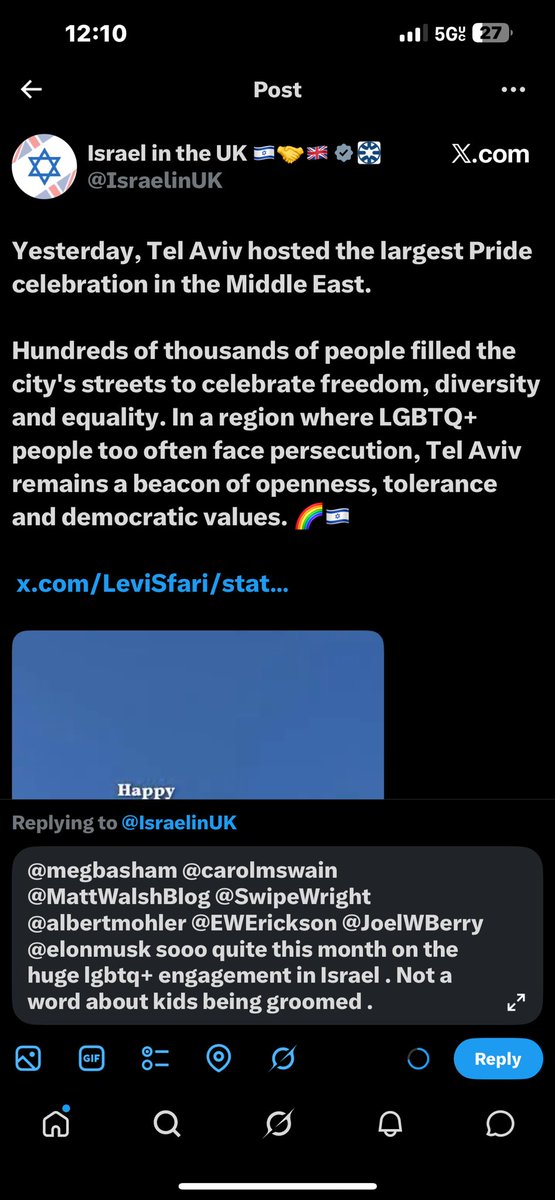
Happy Pride Month from Israel 🏳️🌈
166
30
147
21,372
GSchultz, Honest weights & equal measure retweeted

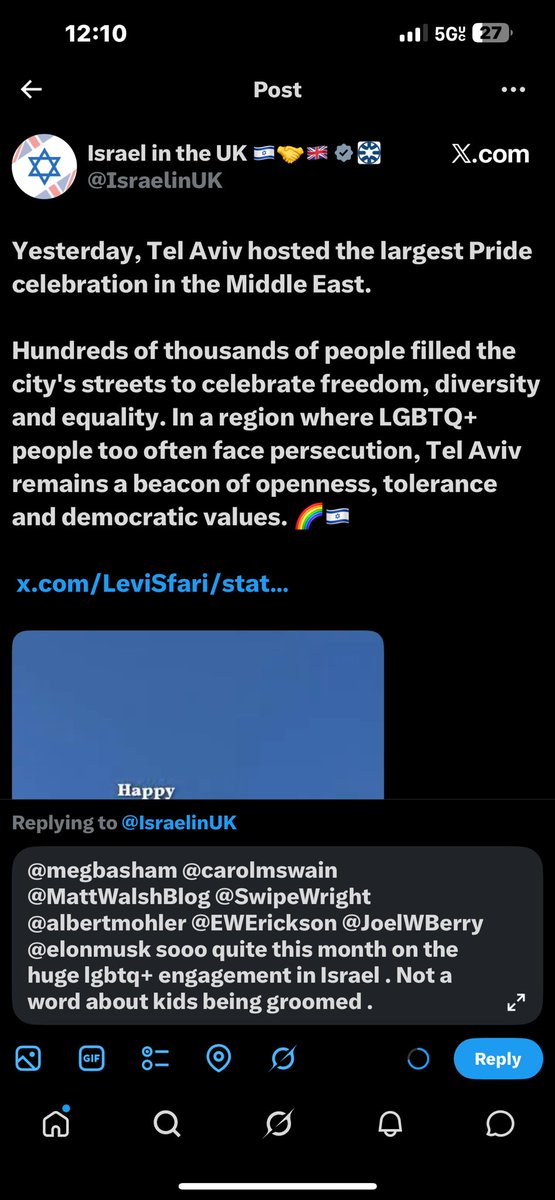
Israel is home to one of the largest Pride parades in the world and the largest in the Middle East.
Today in Tel Aviv, tens of thousands of people will gather on the streets to joyously celebrate #PrideMonth.
Happy Pride Tel Aviv! We are celebrating with you 🏳️🌈

9
36
131
1,835
The story of American race-sorting is not a rhetorical abstraction, nor did it begin with the tough-on-crime posturing of the 1990s. It is an unbroken, institutional progression that began the exact moment the 13th Amendment codified a loophole allowing slavery to continue as punishment for a crime. When you scrutinize the historical record relentlessly—without the protective filters of modern partisan tribalism—a stark and uncomfortable reality emerges. The architecture of systemic racial disenfranchisement, stretching from post-Civil War peonage to the modern carceral state, was heavily authored, expanded, and sustained by the Democratic Party. Conversely, in the 21st century, it has been the Republican Party that explicitly named this architecture out loud, legally recognized it as systemic, and deployed federal legislative power to dismantle it.
## The Dragnet of Petty Crimes and Peonage
The modern carceral state was built on a foundation of coerced labor, managed outcomes, and the complete criminalization of Black existence. Following the Civil War, Southern legislatures recognized that while they could no longer own Black Americans as property, they could lease them as convicts. To fill severe labor shortages, states instituted "Black Codes" and weaponized the justice system into a dragnet. The threshold for imprisonment was reduced to absurdity, ensuring that almost any behavior could capture African Americans and feed them into the convict leasing system. Black men, women, and even children were arrested, saddled with court fees they could not pay, and sold to private coal mines, lumber camps, and railroads for offenses that were entirely manufactured or stunningly trivial. The crimes designed to harvest Black bodies included:
* **Vagrancy:** Making it a felony to be unemployed or to simply "appear" to have no job. A Black man walking down the street who could not immediately produce written proof of employment to a white officer was arrested and leased out for hard labor.
* **The Pig Laws:** Enhancing petty theft to grand larceny. Stealing a farm animal worth as little as a dollar, or even stealing a newspaper or a piece of fruit, was suddenly punishable by up to five years of brutal physical labor.
* **Spatial and Social Infractions:** Arresting Black citizens for walking along a railroad track ("riding the rails"), standing in one place for too long (loitering), breaking arbitrary curfews, speaking too loudly in the presence of a white woman, or selling the produce from their own gardens after dark.
* **Breach of Contract:** Making it a criminal offense to quit a job, change employers, or leave a plantation without the express permission of a white employer, effectively trapping Black laborers in inescapable debt peonage.
## The Legal Slaughterhouse: No Counsel and Corrupted Juries
To understand how absolute this state control was, you have to examine the complete nullification of the Sixth Amendment for Black Americans. The Constitution theoretically guaranteed the right to legal counsel and an impartial jury of one's peers. In practice, for nearly a century following the Civil War, the American courtroom operated as a legal slaughterhouse for Black men. Prior to the 1963 Supreme Court ruling in *Gideon v. Wainwright*, if you were a poor Black man arrested for a felony in state court, you were entirely on your own against the full, crushing weight of the state. There was no guaranteed public defender to challenge the fabricated vagrancy charges or illegal searches.
But lacking a lawyer was only half the trap. For decades, stretching well into the 1970s, the jury box was as violently segregated as the voting booth. Black citizens were systematically purged from jury pools through the exact same mechanisms used to deny the vote—poll taxes, literacy tests, and discretionary summons by white commissioners. Even when a Black citizen miraculously made it into the jury pool, prosecutors wielded
19
GSchultz, Honest weights & equal measure retweeted
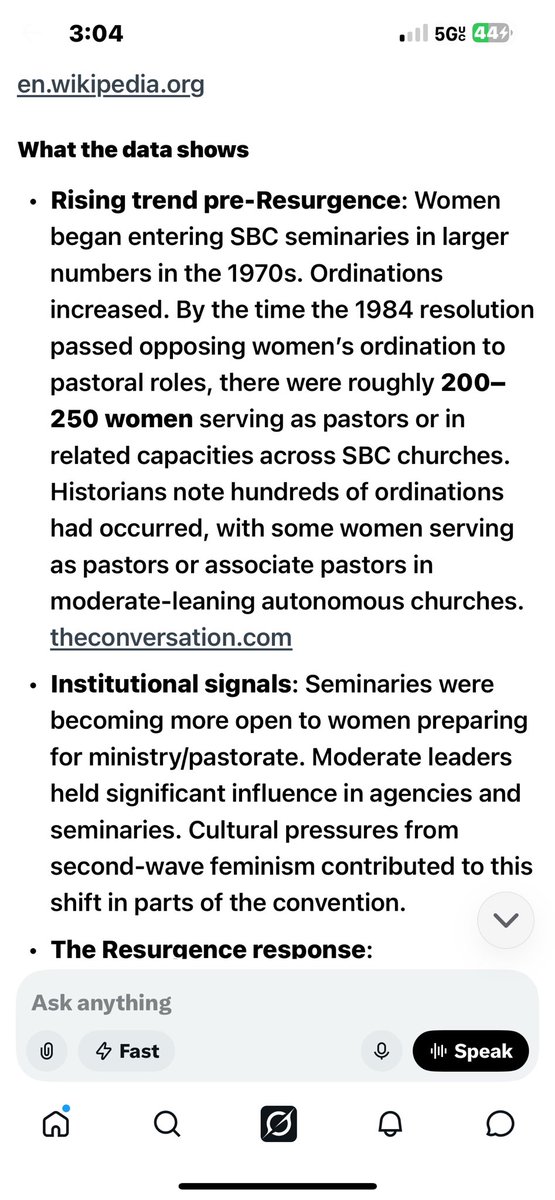
@megbasham part of the reason for a resurgence was to counter the 200 women the SBC had as pastors . @albertmohler @pastordmack @DavidAFrench @tomascol @elonmusk @EWErickson @RickWarren
x.com/i/grok/share/fb07d9d1b…
1
1
14
GSchultz, Honest weights & equal measure retweeted
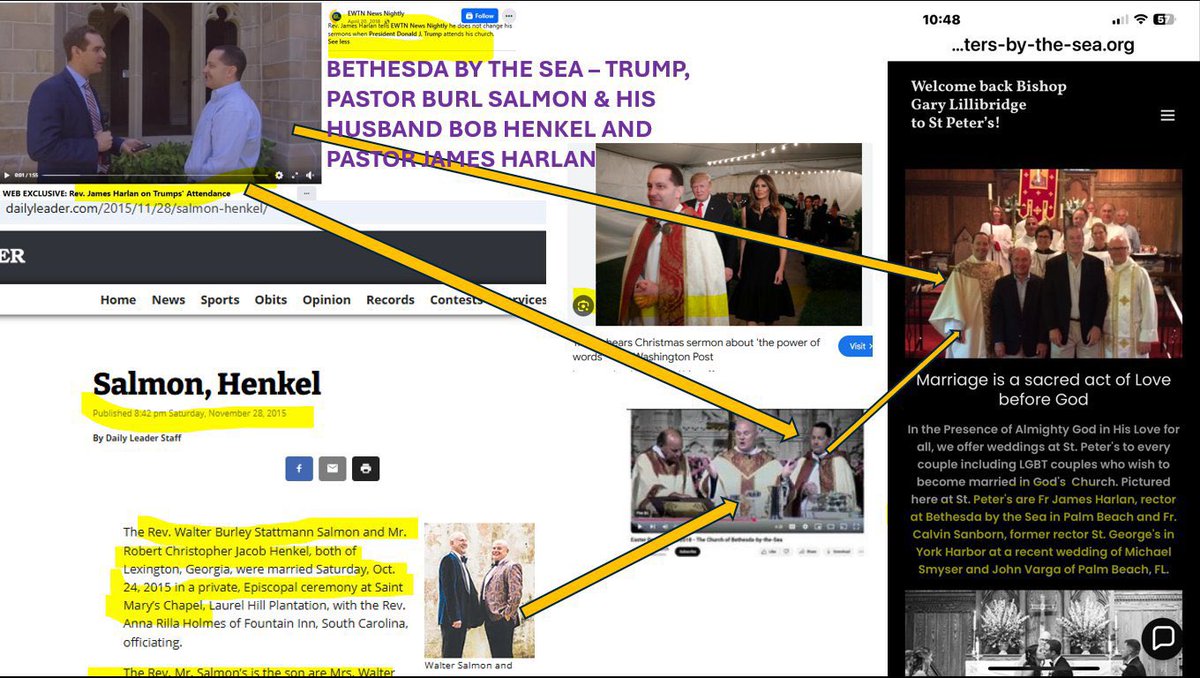
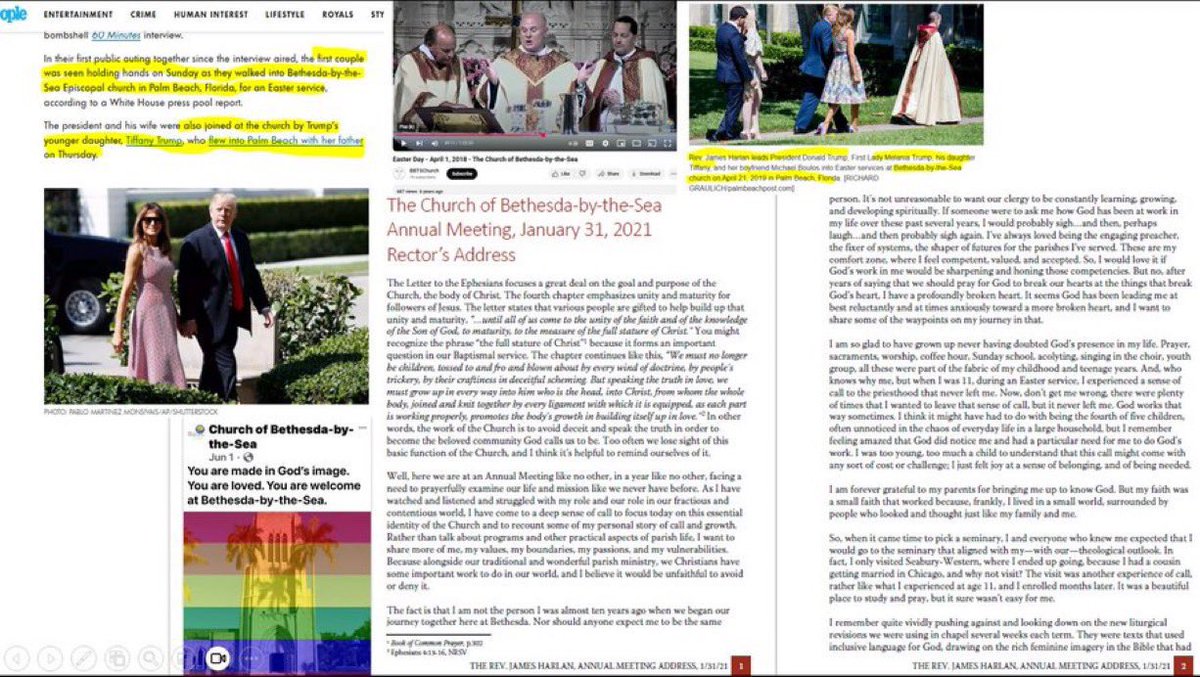
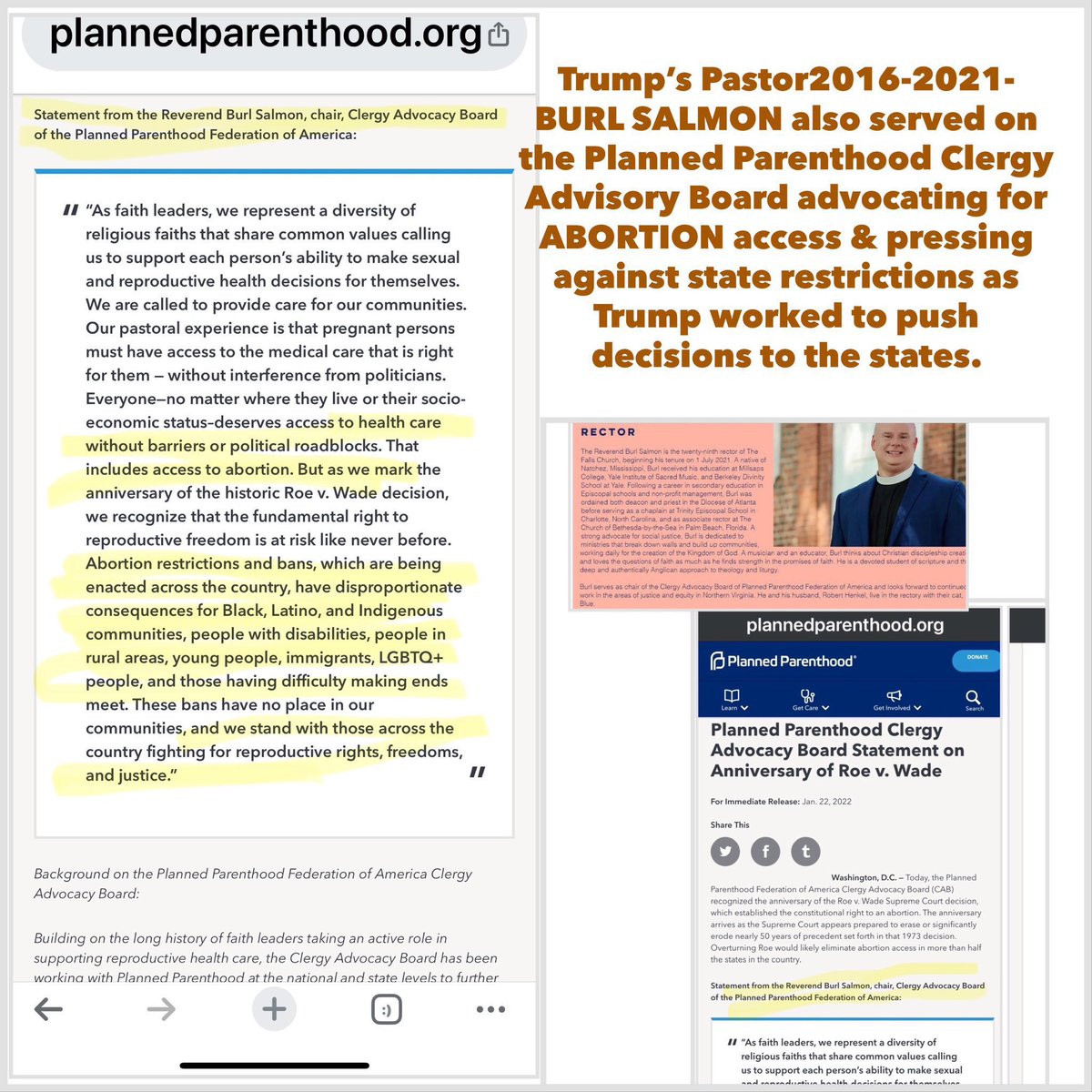
@megbasham showing @realDonaldTrump at church with his male pastor married to a man would have done far more. @carolmswain @elonmusk @JustinPetersMin @tomascol @ConradMbewe @MattWalshBlog @SenMikeLee
1
1
61
GSchultz, Honest weights & equal measure retweeted
@JustinPetersMin seminaries, conservative thinktanks have used SPLC to frame democrats as racists for most of your life. Why did @SBTS @ThemBeforeUs @joe_rigney echo that claim ? Why did you point to white supremacy as an issue like @tomascol MacArthur, etc? So did @marklevinshow @SenTedCruz @ConradMbewe
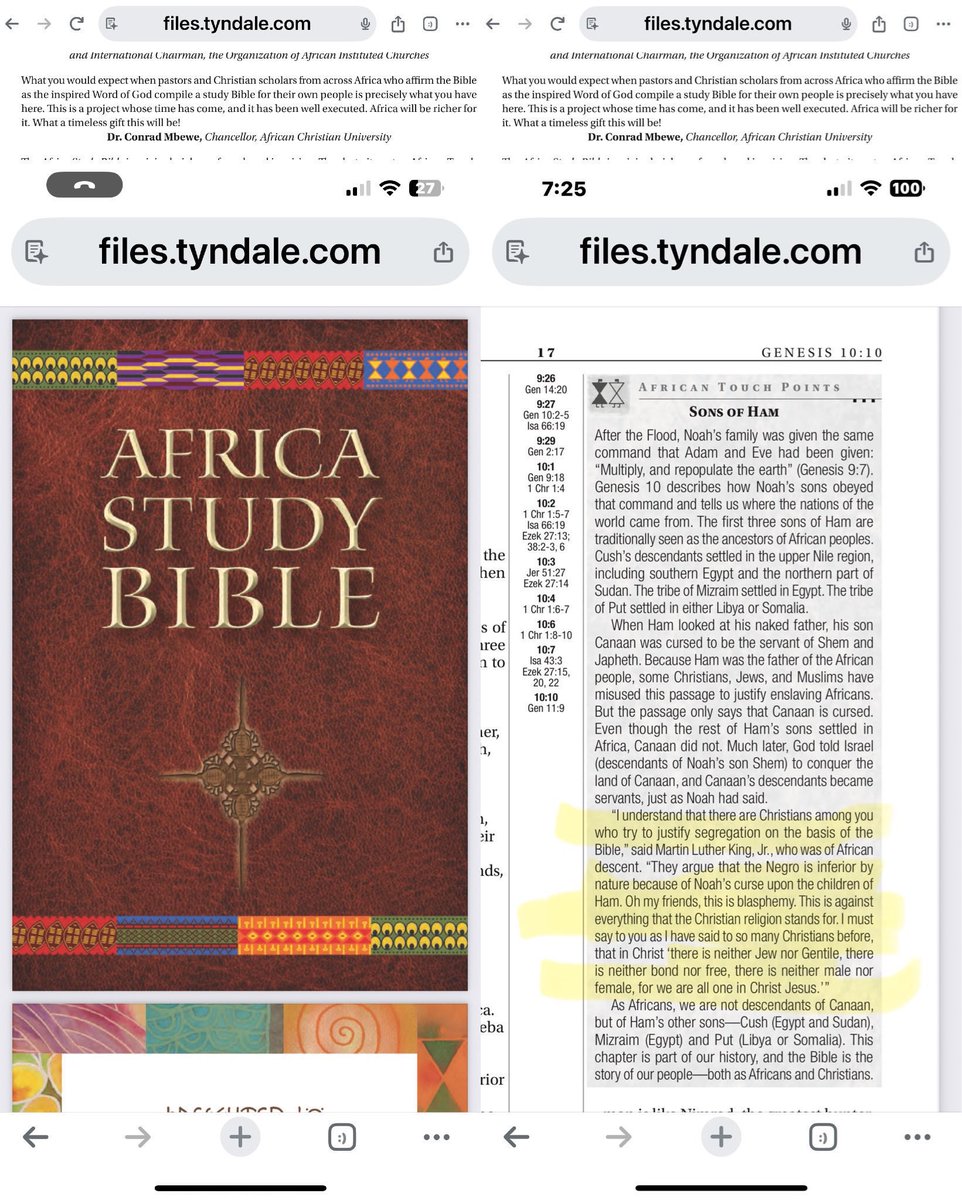
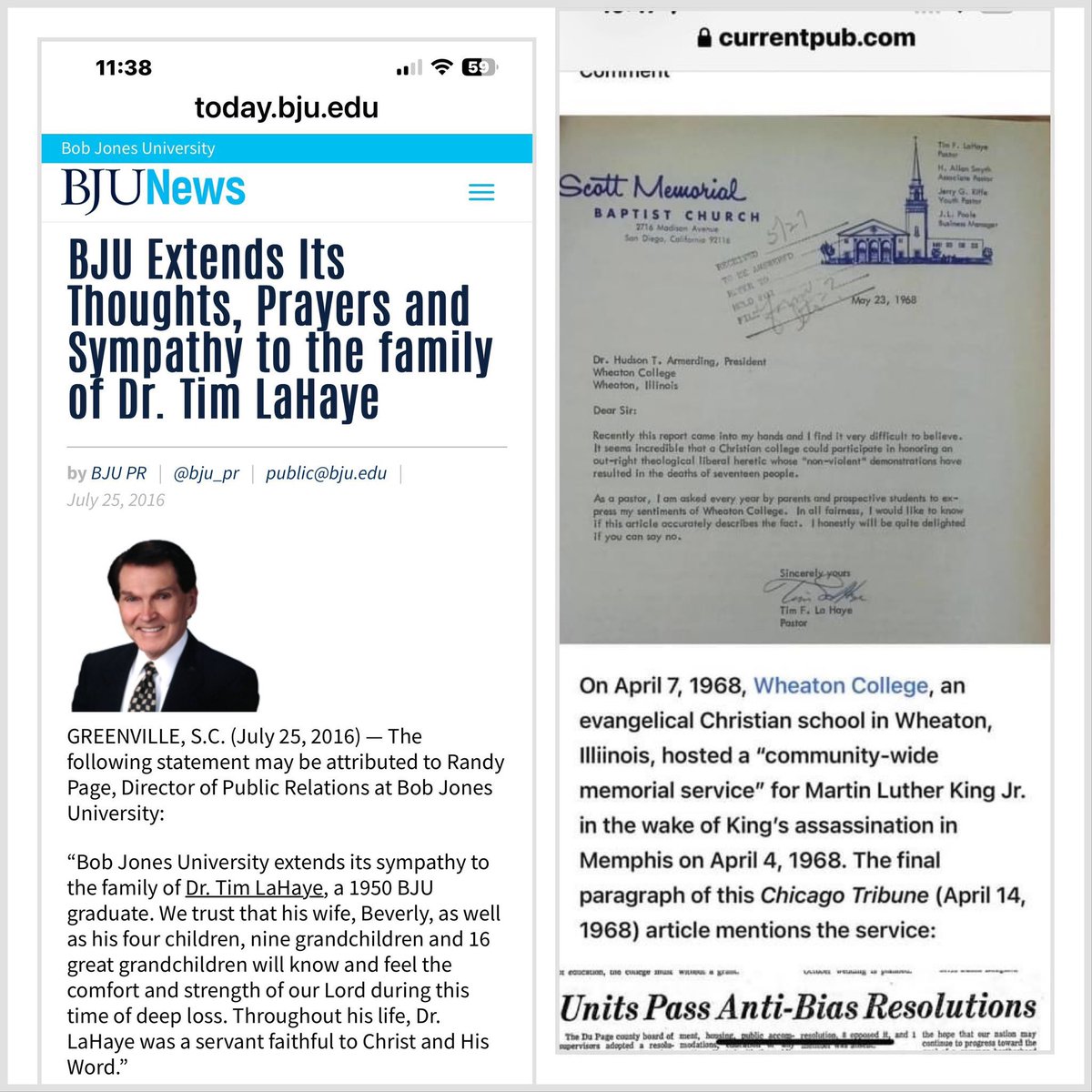
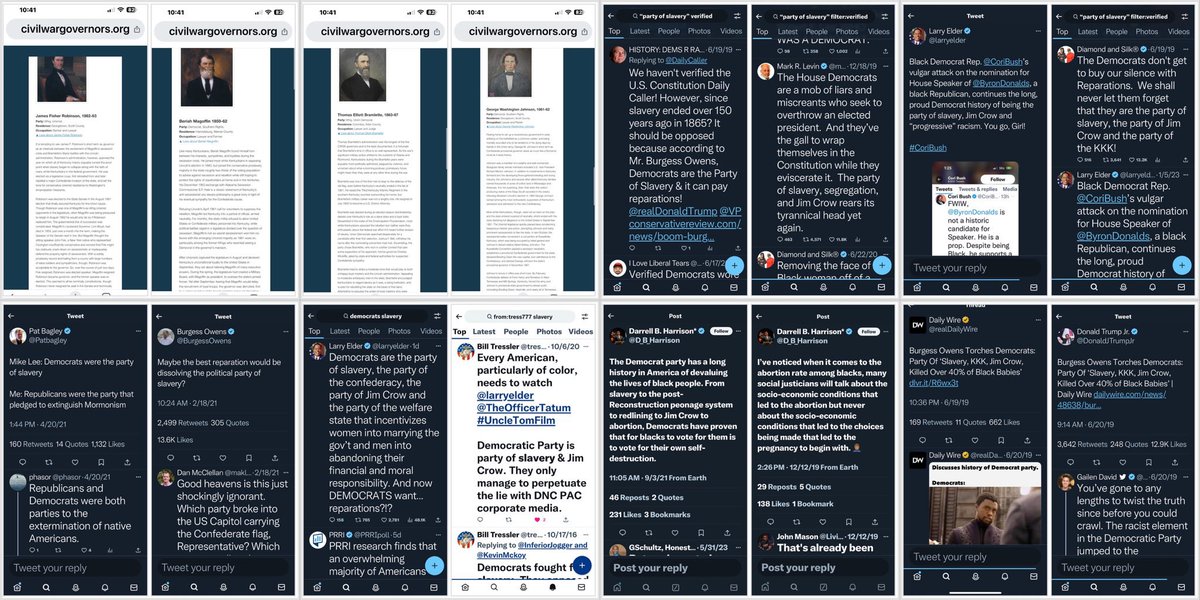
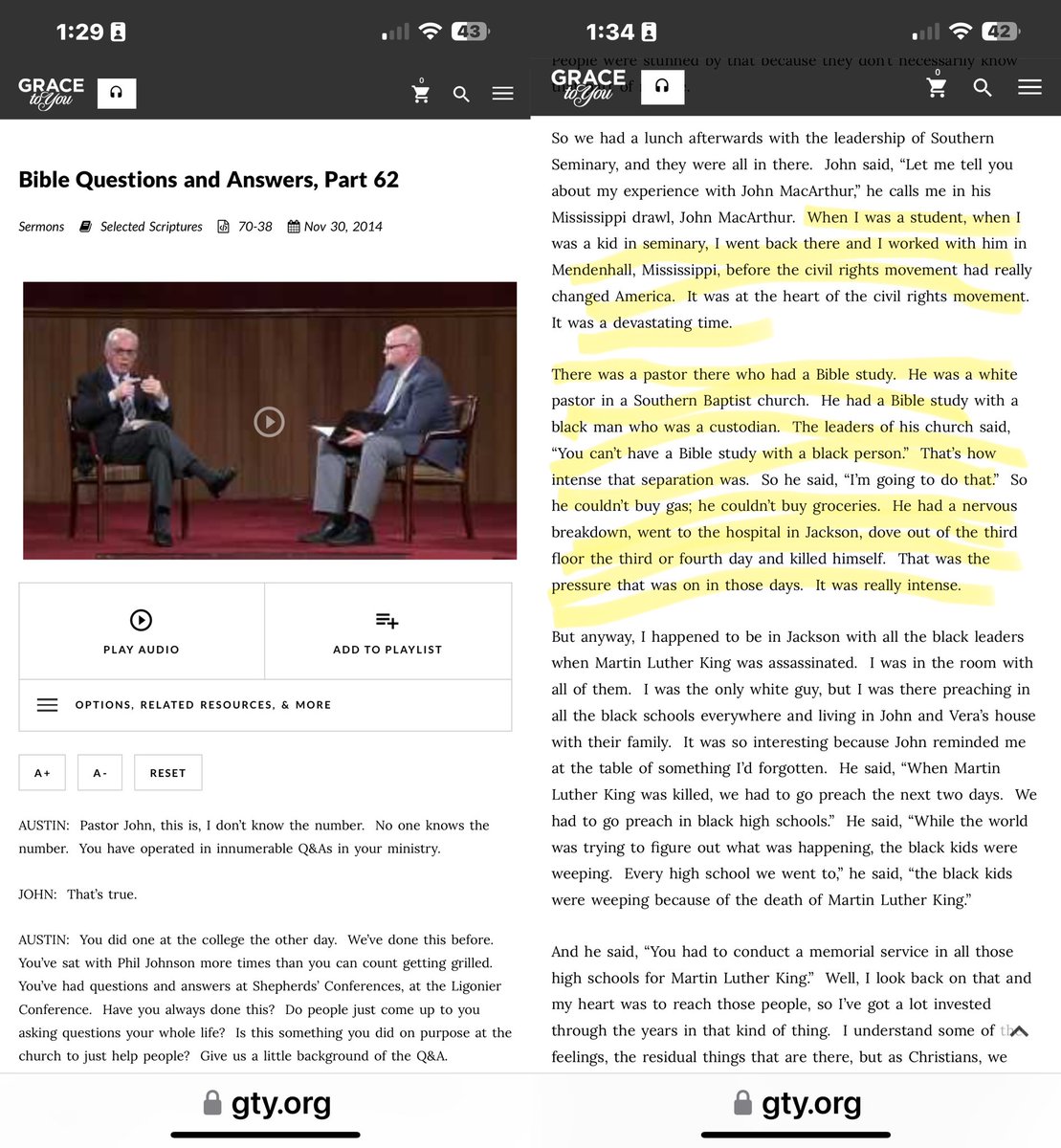
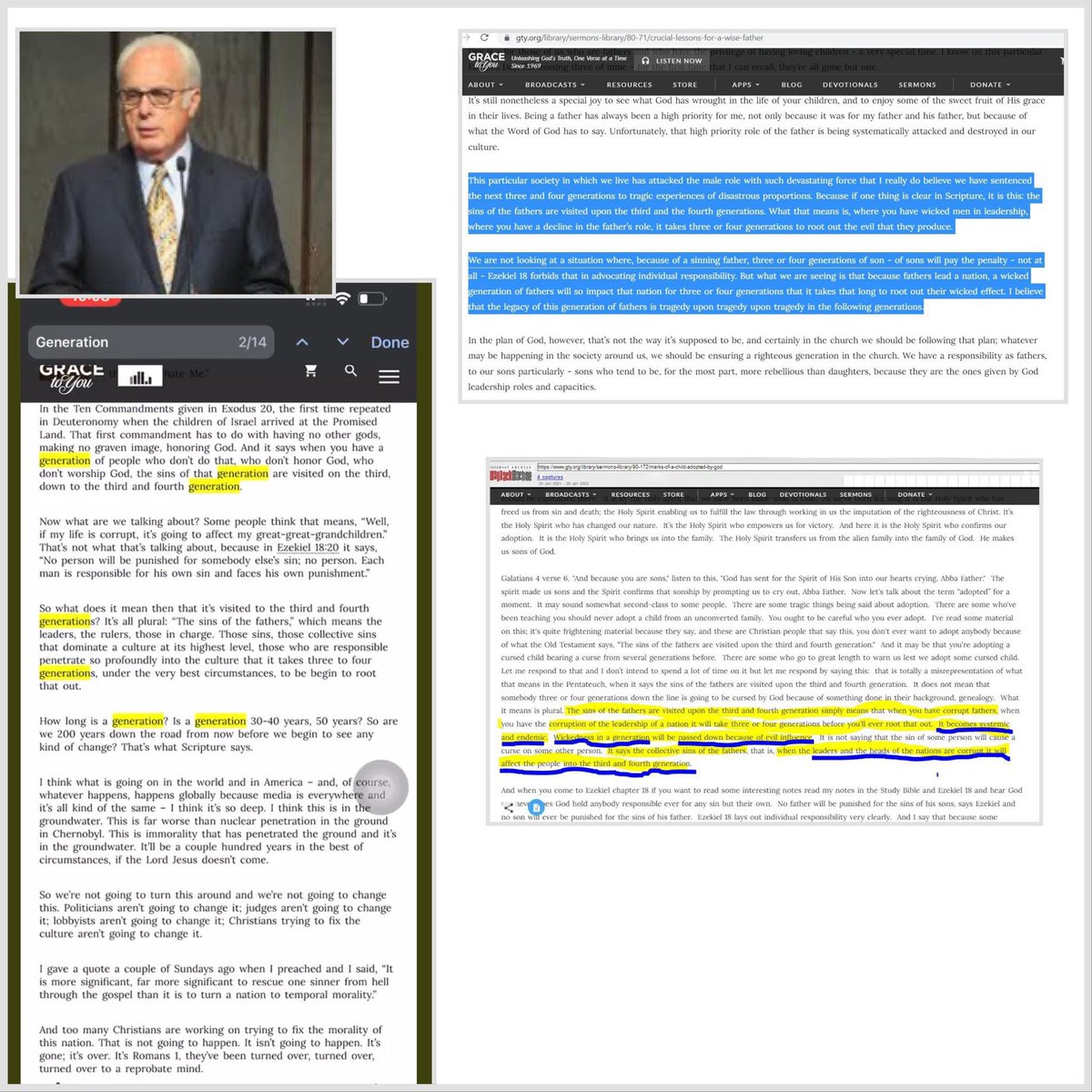
And so it is that chattel slavery was a symptom. The root issue was innate infant African inferiority doctrine. It belonged to both parties and their predecessor.. It was basis of 1667 that prohibiting emancipation of African Christians & Mendenhall Mississippi in the 1970s.
1
44
GSchultz, Honest weights & equal measure retweeted

28 Dec 2020
It's for Mike Pence to Judge whether a Presidential Election Was Held at All - American Thinker americanthinker.com/articles…
9
39
198
GSchultz, Honest weights & equal measure retweeted
3 Jan 2021
Pence Welcomes Efforts by Lawmakers to Object to Electoral College Votes on Jan. 6: Report theepochtimes.com/pence-welc…
Pence Welcomes Efforts by Lawmakers to Object to Electoral College Votes on Jan. 6
theepochtimes.com 4
17
105
GSchultz, Honest weights & equal measure retweeted
Why were you a Democrat if they were the party of KKK, racism, Jim Crow and characterizes that by Republicans until 2009 and after x.com/guyschultz/status/2062…
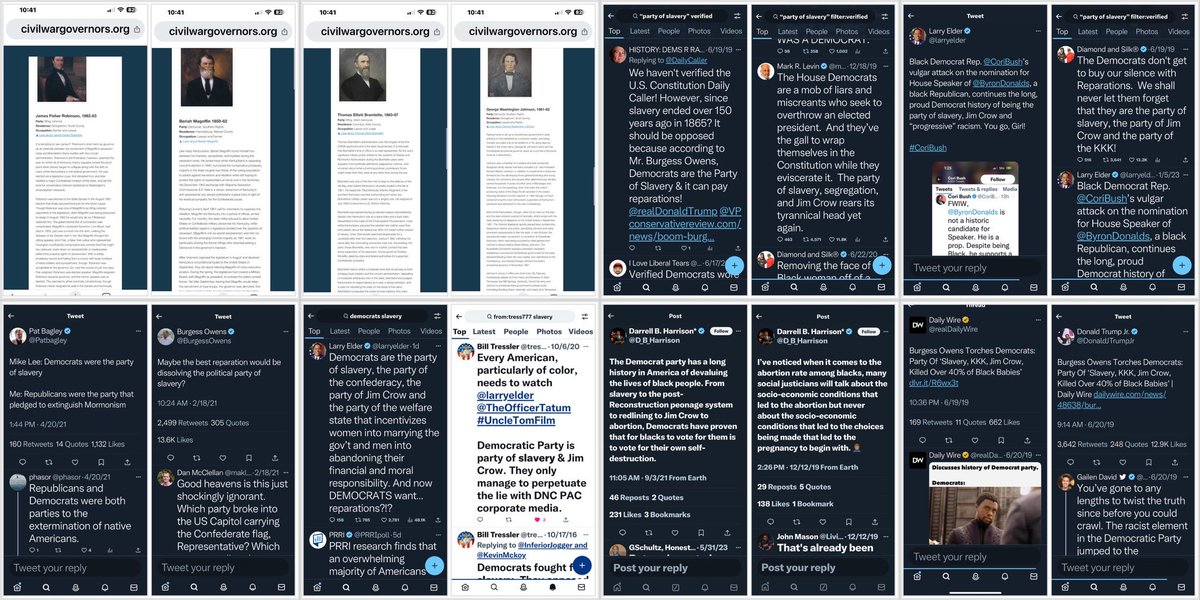
@PlanetOfMemes the republicans have called the democrats the party of kkk , racism every year since the civil war and democrats have run the country 50% of that period where blacks live and @elonmusk has voted for them all but 1 presidential election and funded them. @TheRabbitHole @SwipeWright @ConceptualJames @wil_da_beast630
Odd that if democrats are that party as republicans constantly said , racism needed to be manufactured. @jaredkushner said @realDonaldTrump had him busy the entire first term through 2020, cleaning up the mess of the systemic racism of the criminal justice issues and bills that happen in place since the 1980s.
1
19
GSchultz, Honest weights & equal measure retweeted
13 Jan 2020
On January 20th, Black Voices for Trump will host an event to honor the life and legacy of Dr. Martin Luther King Jr. in Raleigh, North Carolina. #MLKDay #BlackVoicesforTrump donaldjtrump.com/events/blac…
18
163
884
GSchultz, Honest weights & equal measure retweeted
27 Dec 2019
5 Reasons I Changed My Mind About Trump charismanews.com/opinion/793… via @charisma_news
5
21
42
GSchultz, Honest weights & equal measure retweeted
Thanks for the feedback. This is a true premise @MattWalshBlog is pointing to. However, that is not what my post is asserting. Invention of slavery is not anything the founders did. However, they did introduce mass importation of Africans and then the generations that followed bred them as livestock. The volumes of blacks here are here due to that introduction in North America and Europe.
Then there’s another aspect, and that involves a society of Christians governed by Christians overwhelmingly taught, live, preached and legislative that Jesus is glorified, and is aligned with that practice of enslaving infant Africans from first breath through last breath and their offspring . That is something that is credited in Ernest to Europe and North America. It persisted in church and state and both societies starting from the 1400s concluding in the year 1940 (Alabama and other confederate or confederate adjacent territories maintained chain, gangs and convict leasing through the 1930s; these were territories that African-Americans lived as a majority through until the 1960s ), in the form of convict leasing and PEONAGE.
If @realDonaldTrump and Jared Kushner threw to the year 2020 asserted that the 1980s war on drugs and the 1994 crime bill, targeted black families and destroyed a generation of black communities and families then PEONAGEN convict leasing/chain gangs Targeting blacks far more aggressively would have been destructive of 5 to 7 generations easily.
@megbasham @elonmusk @TheRabbitHole @wil_da_beast630 @ThaddeusWill @jaredkushner
1
16
GSchultz, Honest weights & equal measure retweeted
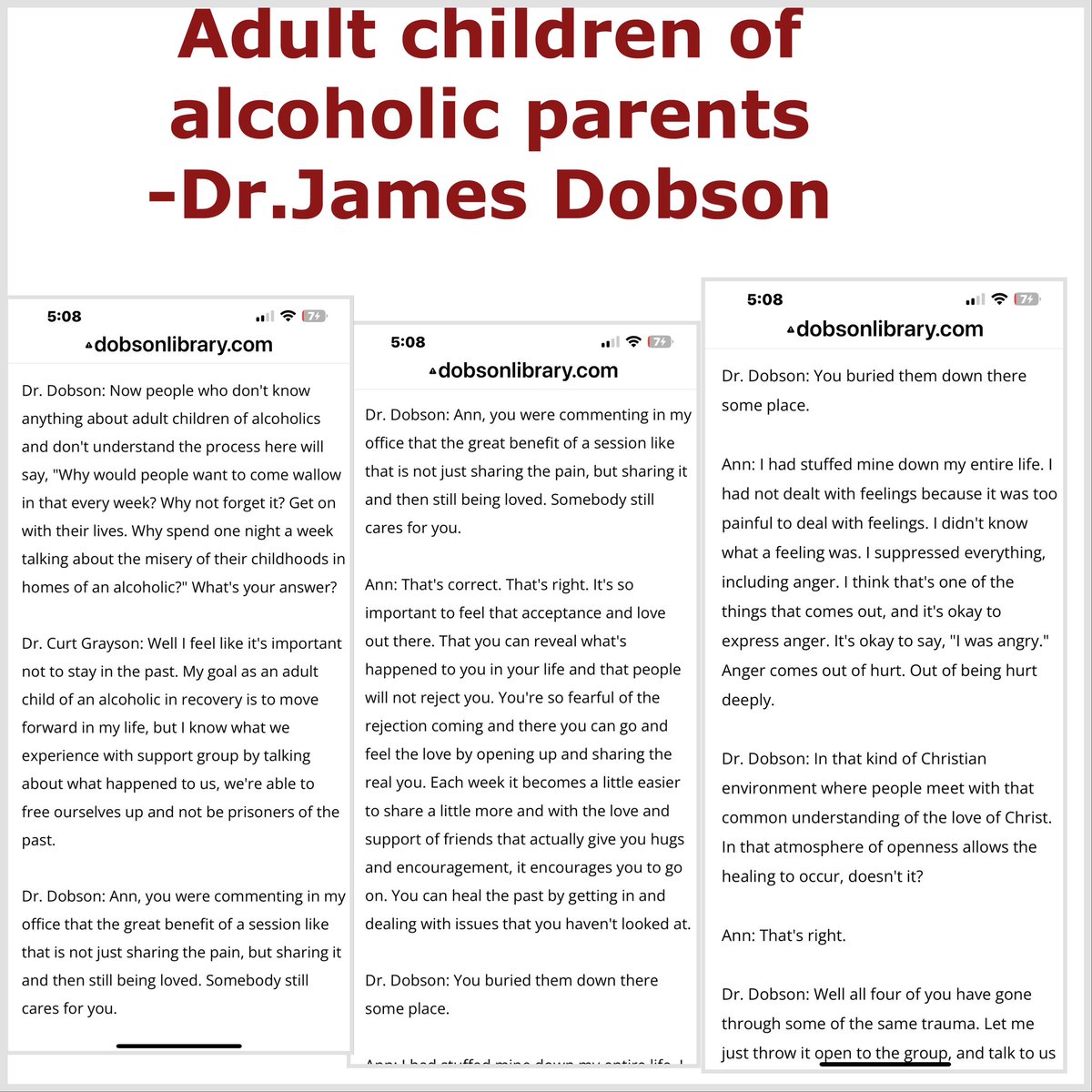
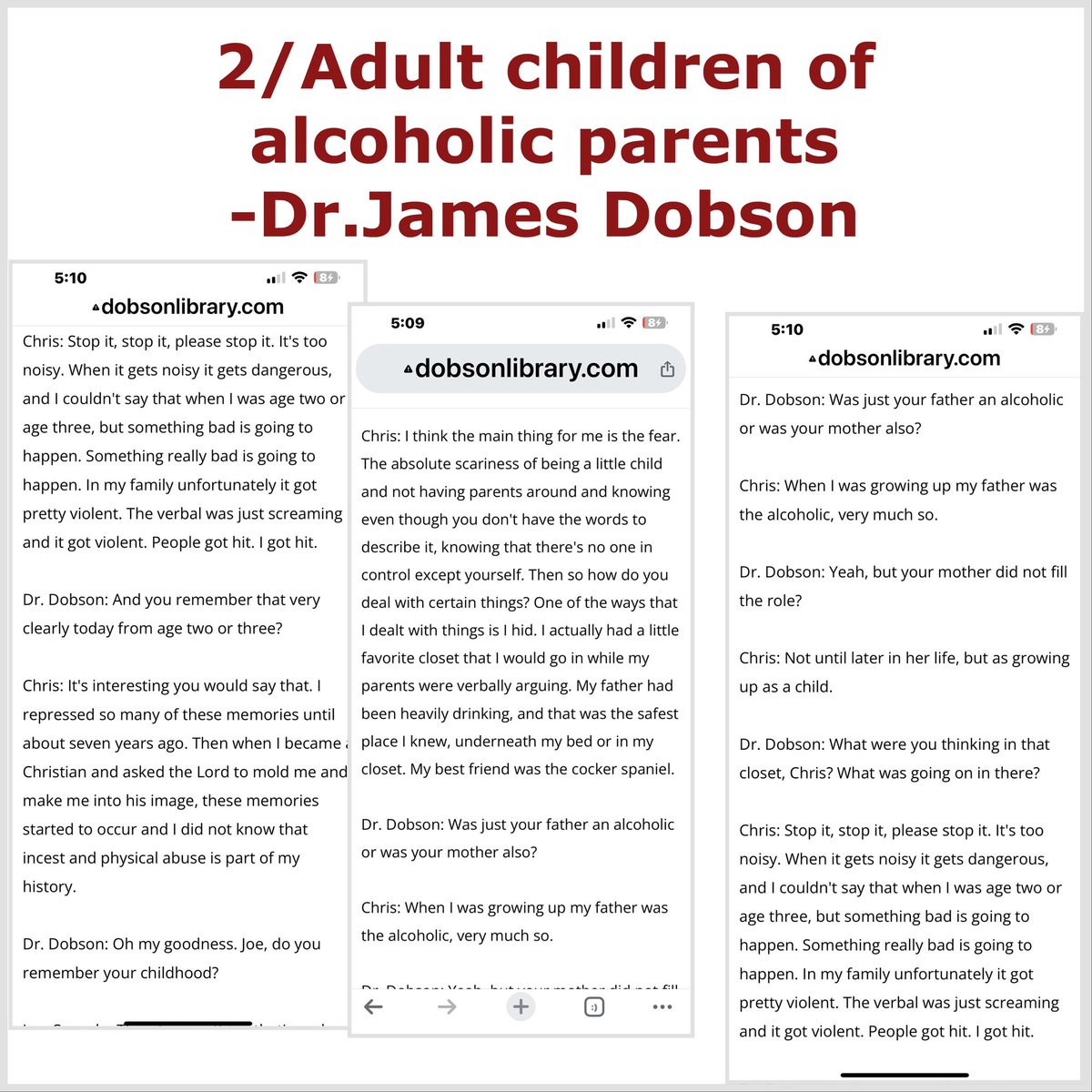
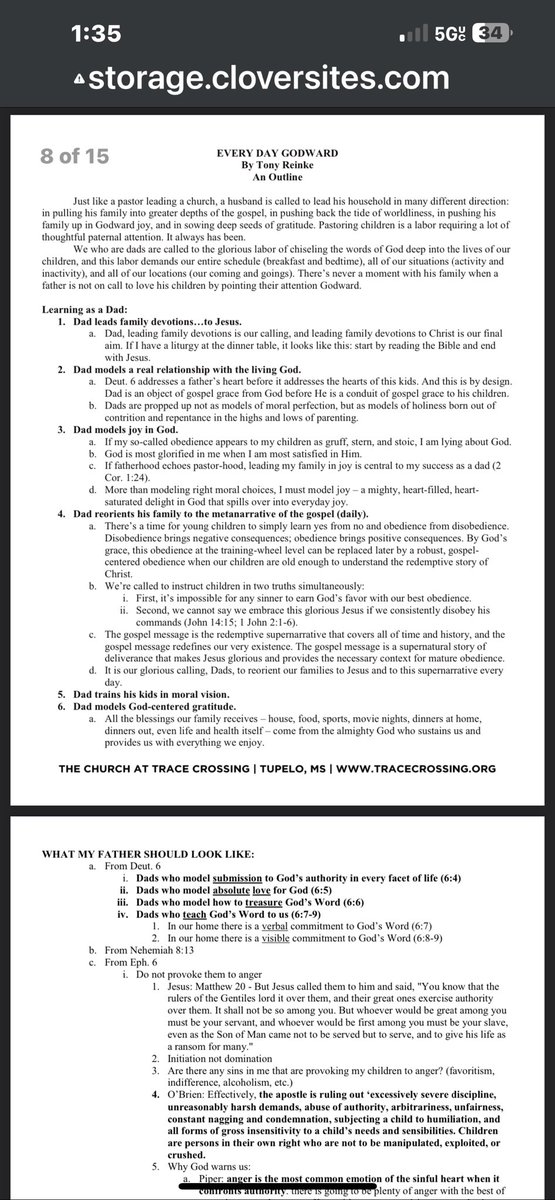
This is often generational & is a micro example of disparate impact @joe_rigney @ConceptualJames @andrealucasEEOC @USEEOC @JSamuelsEEOC @HPluckrose @Eric_Conn @andrewtwalker @DrPhil @jordanbpeterson @BillAckman @mcuban @conservmillen @VoddieBaucham. A society that does this worse.
1
1
22
GSchultz, Honest weights & equal measure retweeted
This is a worthy and priceless aim. I’m informed by history and often wonder how this was preached from pulpits, seminaries, Sunday schools when nearly every infant female African was regarded as livestock the society that was lead by and overwhelmingly governed by Christians 1526-1970.
Now in the 90% of that period where this meant they were chattel, the spouse who is only regarded as the possession of their spouse was actually 1st the possession of their owner. The young teen to adult, who was not married used as breeding stock married or not. The child she would have her highest human obligation, normatively kept from a proverb 31 Jesus -established benefit as she was forbidden to fill the nurturing role of a proverbs 31 woman . We forget that proverbs 31 is 1st about the noble single. She is a noble wife only because as a single, she practiced the same in her character.
A good wife is found, meaning marriage does not start the making. Think of Sally Hemmings or her mother Elizabeth, each products of sex that was out of wedlock and concubinal in nature. Impregnated as property . In Sally’s case, by her dead sister’s husband. Then as a wife, ordered in church , state & convention to follow the father of her children in betraying the ordo amoris in placing loves beneath their rightful order.
@megbasham @joe_rigney @MattWalshBlog @ThaddeusWill @AlvedaCKing @BerniceKing @JohnPiper
1
1
1
104
GSchultz, Honest weights & equal measure retweeted
@jamestalarico why not make this duplicity clear? x.com/guyschultz/status/2030…
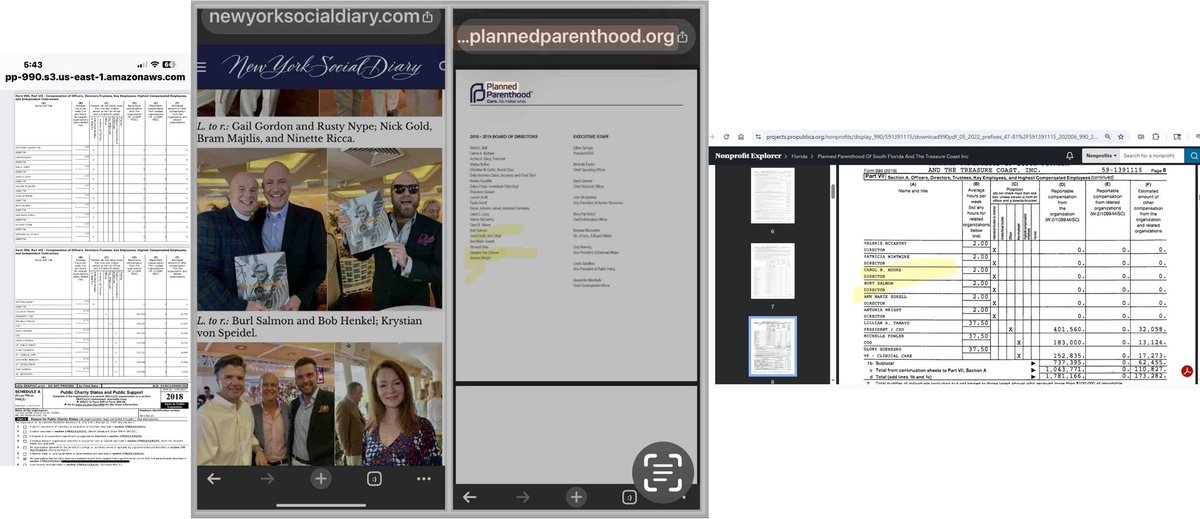
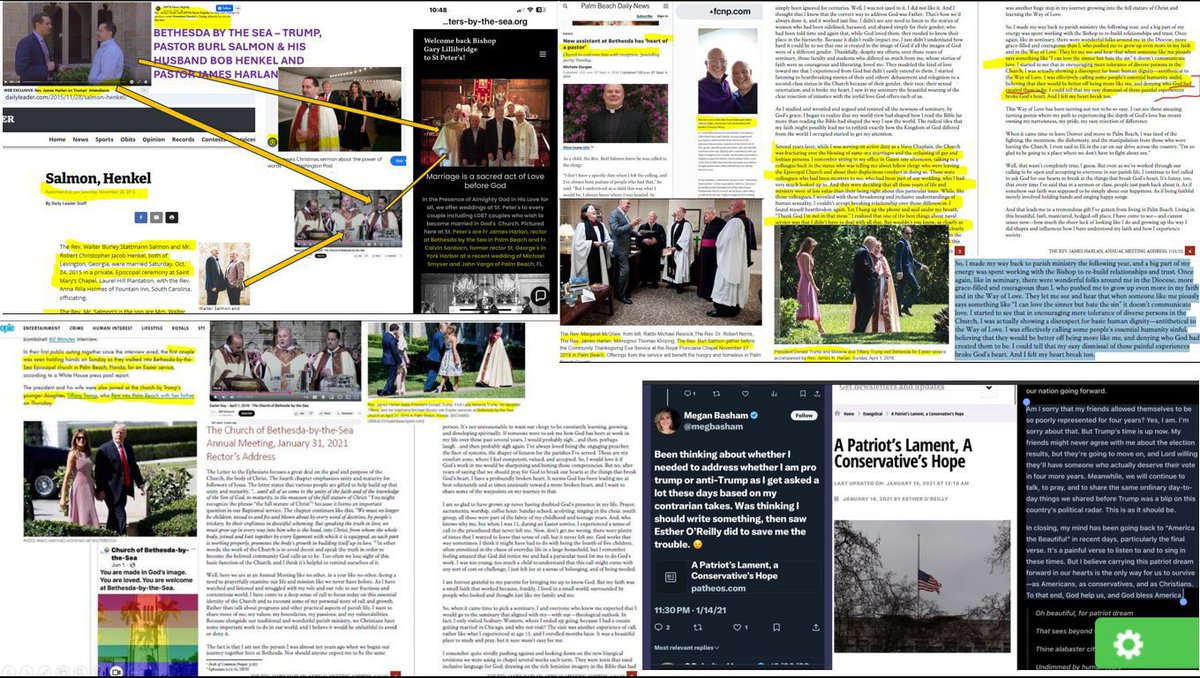
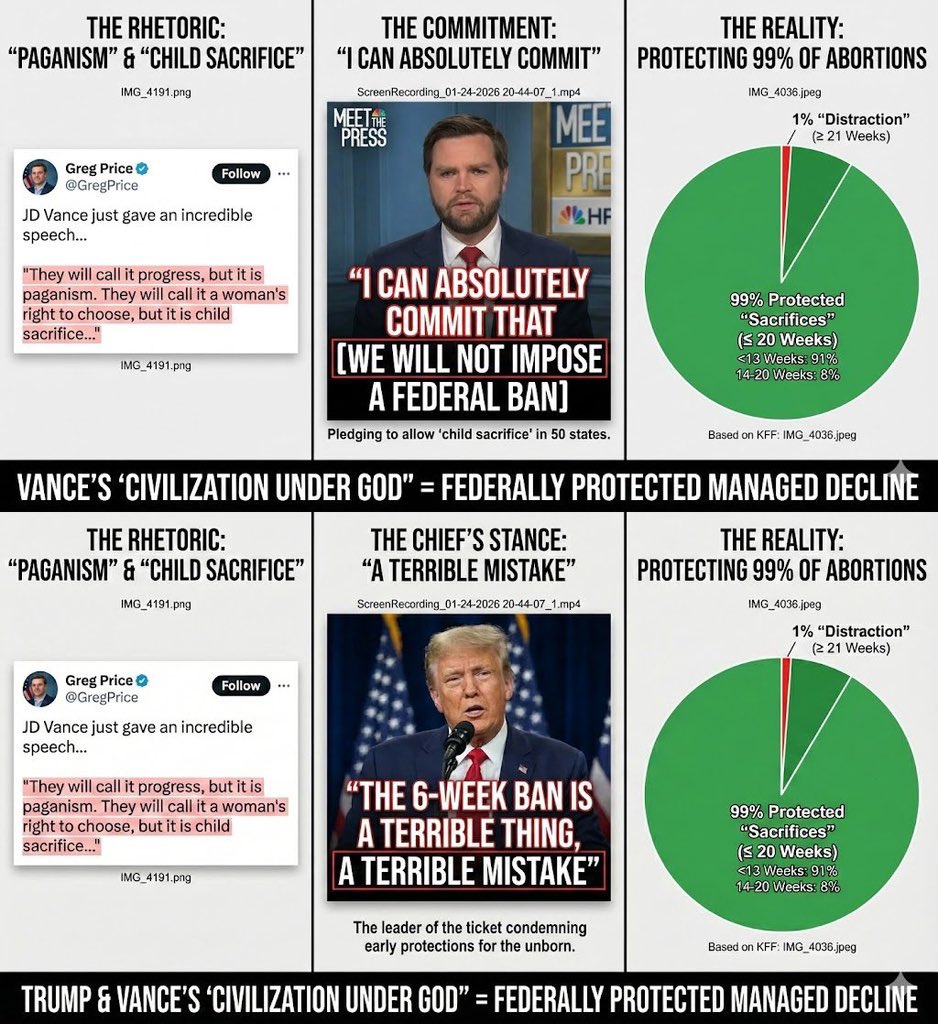
@megbasham @joe_rigney what is the absence of your voice on @EpiscoBurl , the pastor of @realDonaldTrump 2016-2021 , compared to this? That pastor = @jamestalarico plus some. Both affirm abortion, but Trump and pastor have him beat . Burl was on the planned parenthood board and then chair of the planned parenthood clergy advocacy board. Didn’t @JustinPetersMin point out that @SpeakerJohnson pushed to silence opposition to the abortion friendly posture of @gop & Trump. You were really quiet.
You are also platforming the mouthpieces of Satan, as MacArthur fashioned @Paula_White Kenneth Copeland, @Jentezen Nar, etc. Spiritual aborters.
@DustyDeevers @BenZeisloft @drantbradley @JohnPiper @BKimber @Phil_Johnson_
@douglaswils @DavidAFrench
1
22
GSchultz, Honest weights & equal measure retweeted
@utdMaggie @LifeSite sinful silence on Trump for 6 years now. Crazy @TerriGreenUSA @JustinPetersMin are remarkably quiet. Forget woke capture. This is demonic capture.
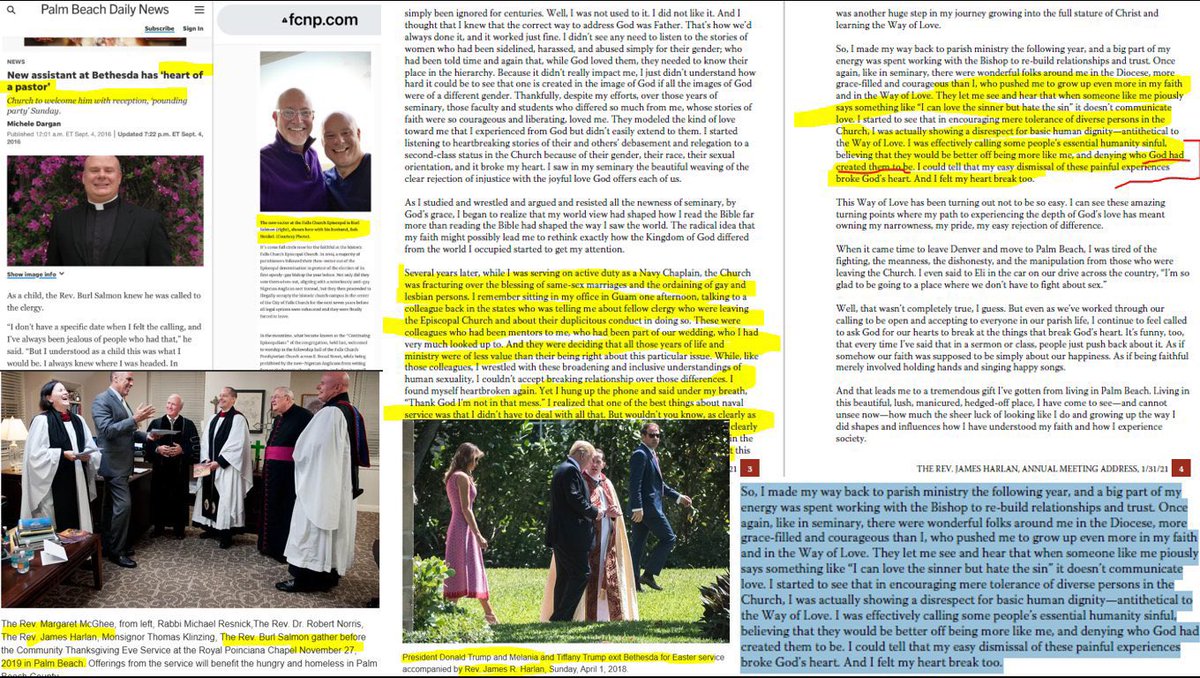
Here is video of one of @realDonaldTrump ‘s pastors at Bethesda by the sea , as he reflects on his prior years there and the period that brought him to @BBTSchurch where he would co-pastor with Trump’s male pastor married to a man Trump’s full term as Republican president of the United States 2017-2021 , as a professing Christian. In Easter & Christmas holidays the 1st family worshipped under this headship platforming a Jesus that affirms lgbtq marriage as a blessing and abortion. That other pastor, @EpiscoBurl at the same time was chair of the clergy advocacy board of the Planned Parenthood of America, 2018 through 2022. In that role he pressed for expanded access to abortion and condemned the overturning of Roe. Evangelicals remained sinfully silent in this awareness over the entire time to the Republican primaries 2024.
@KristanHawkins @DustyDeevers @TruthCop1717 @VanJones68 @Advo_Katy @joe_rigney @AbigailShrier @BarackObama @EWErickson
@christopherrufo @therabbithole @TuckerCarlson @charliekirk11 @elonmusk @D_B_Harrison @johnmacarthur @albertmohler @ibramxk @drtonyevans @pastordmack @GlennLoury @JohnMPerkins @ConceptualJames @ShaiLinne @RealJamesWoods @AnnCoulter @BobWoodson @virgilwalker @megbasham @megynkelly @jaredkushner @MattWalshBlog @SenatorTimScott @KayColesJames @LizzieMarbach @Peggynoonannyc @SteveDeaceShow @JonnyRoot_ @conservmillen @brysongray
@ThabitiAnyabwil @JustinPetersMin @ByronDonalds @RealCandaceO @TrevinWax @ScottAniol @marclamonthill __
1
1
31
@elonmusk @MattWalshBlog @JoelWebbon @albertmohler @ThabitiAnyabwil @carolmswain @kangminlee this is my grandfather sister/my great aunt. I have 20% European/WALes. She is currently 81 years old. The last surviving member of my grandfather’s siblings. Actually, she’s the last living great aunt or uncle on either side of my family. She is the same age as my father would be and his aunt ..
Blacks are British who have lineage of white British men that dates pre 1900. That is 74% of all African Americans. I do. I’m black. This is my grandfather’s full sister (same mother and father). She is 81. I have 20% European.

1
41
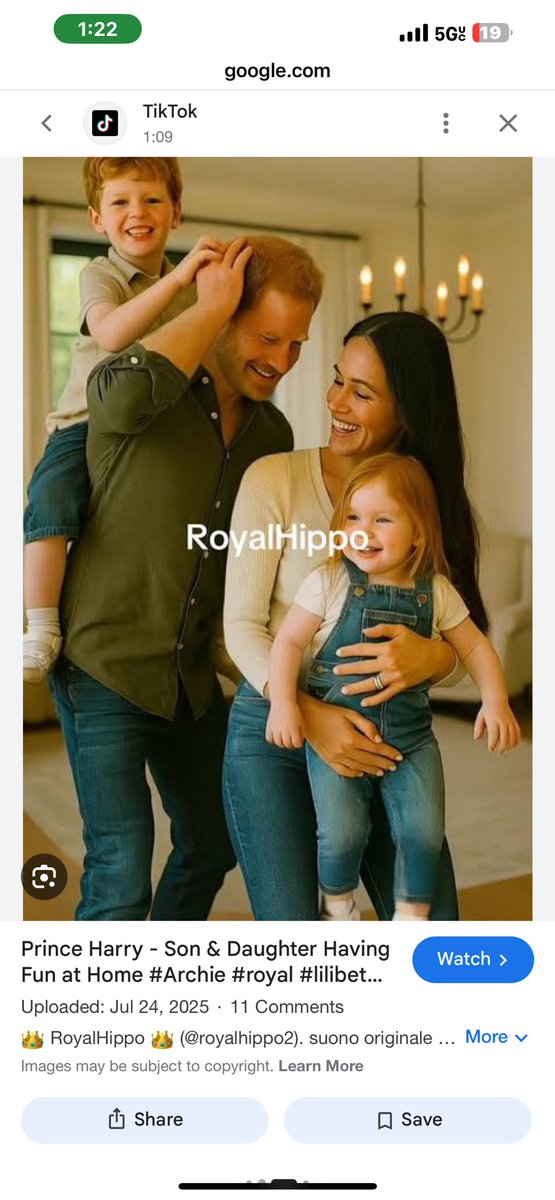
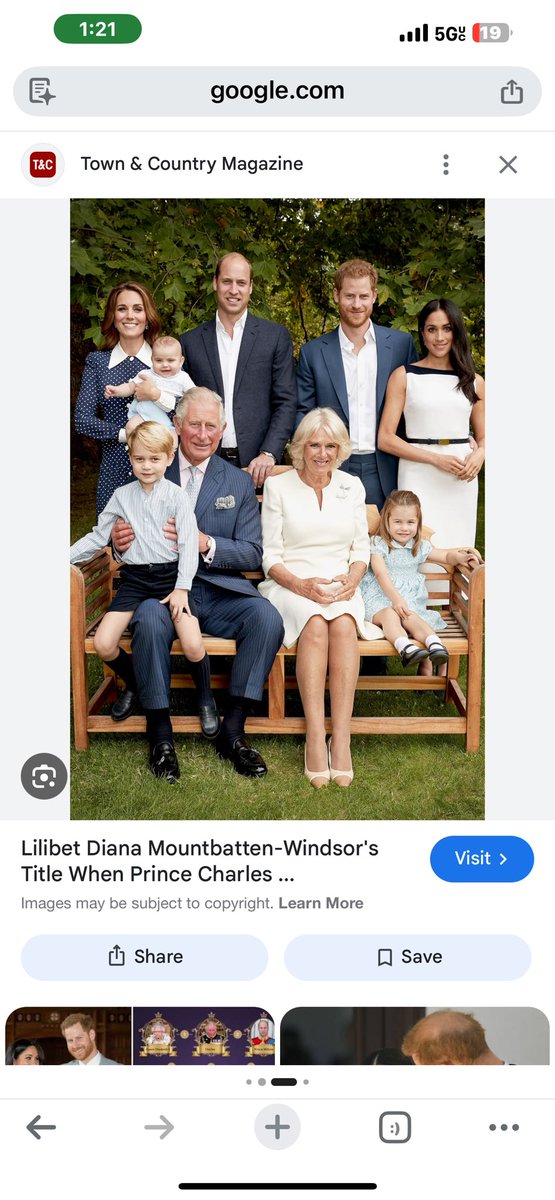
The current prince and princess of Harry are effectively my great great great grandparents in the 1800’s. The percentage of British they have is similar or maybe smaller than my progenitors that time. My grandfather’s sibling who is 81 shows the percentages in the ancestry image.
If Archie and his sister were to both marry African-Americans and have children and those children marry African-Americans and had children and those children married African-Americans and had children that generation of great great, great grandchildren would likely have the same percentage of British ancestry that I do today from my ancestors who had Direct British lineage, but were totalized as black only in the 1800s.
When Archie is 27, can he be the next Bond? Can he play King Charles in the epic @netflix series then?
Can Lilibet Diana Mountbatten-Windsor play Queen Elizabeth in the future @BBC epic of her life?
@kangminlee
@GadSaad
@elonmusk
@BarackObama
@SwipeWright
@tylerperry
@megbasham
@joe_rigney


67
GSchultz, Honest weights & equal measure retweeted
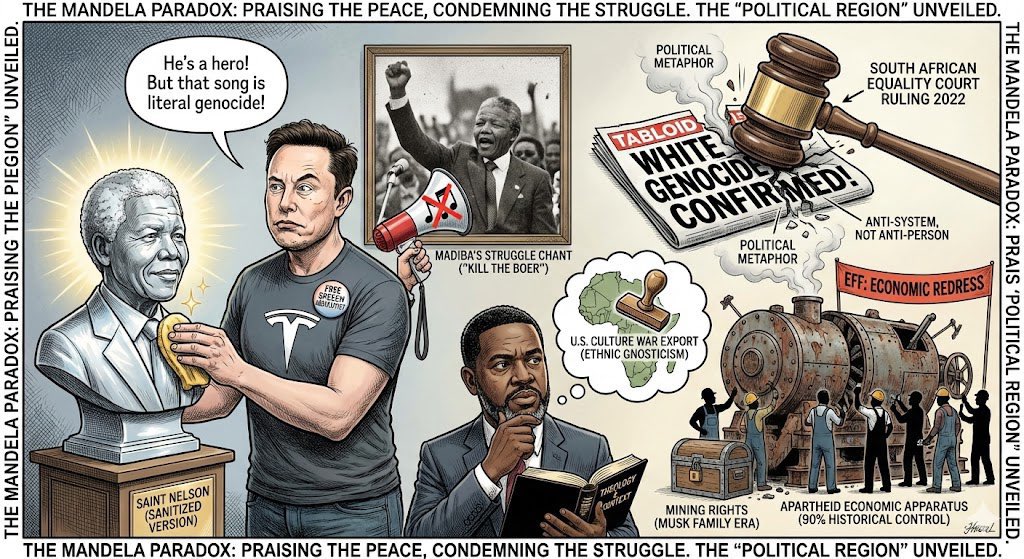
@elonmusk then why do you frame Mandela as a great man and liberator? Seems you are very inconsistent here. @GadSaad @ToscaMusk @mayemusk @kimbal @wil_da_beast630 @ClassicLearner @ConradMbewe
This is a song Mandela used to sing @mayemusk @ToscaMusk @kimbal here is Madiba singling it when there was no X and you calling him honorable long after he sang it. @TheRabbitHole @kangminlee @wil_da_beast630 @megbasham
The white was the definition of the group that targeted Africans for century. The equivalent to the communist or King George to them. We did kill their men too.
1
85
GSchultz, Honest weights & equal measure retweeted
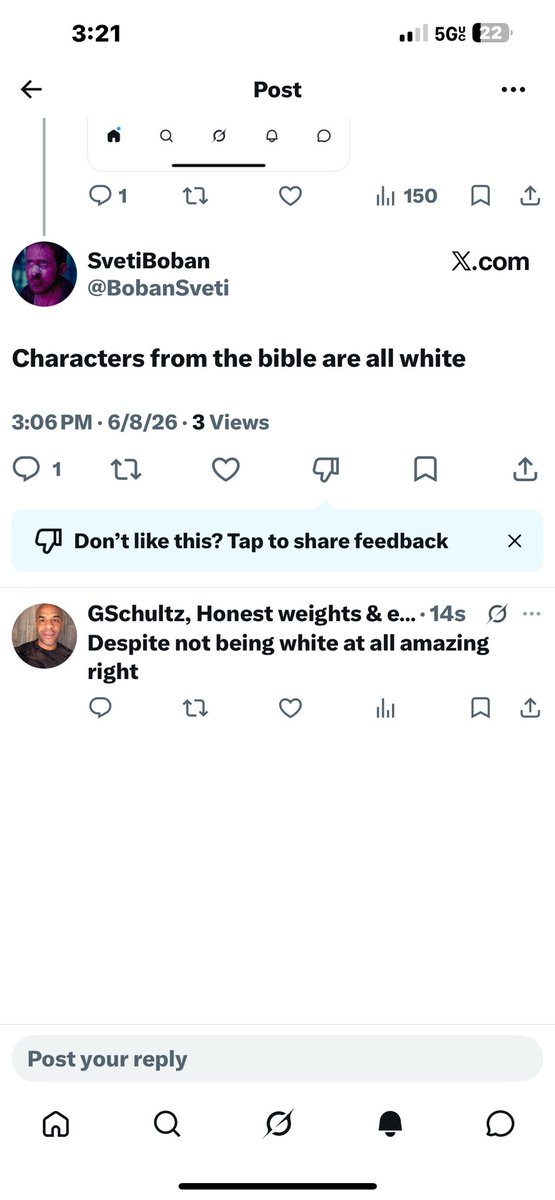
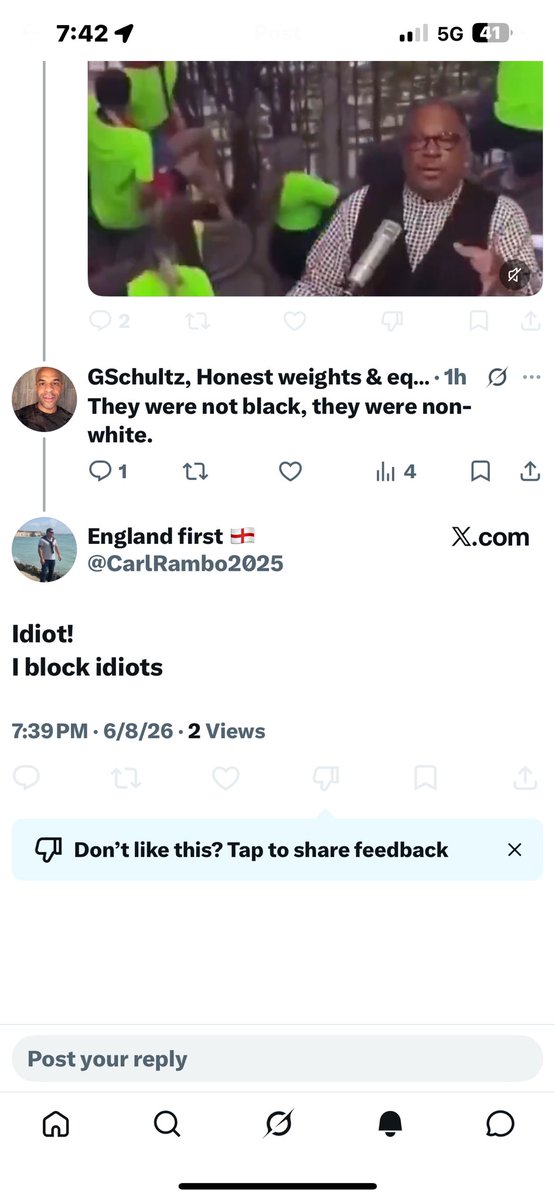
@CarlRambo2025 it would seem that that isn’t quite true unless you have blocked yourself. @GadSaad which mind virus is this?? @elonmusk @TheRabbitHole @CommunityNotes
1
13