
Jun 11
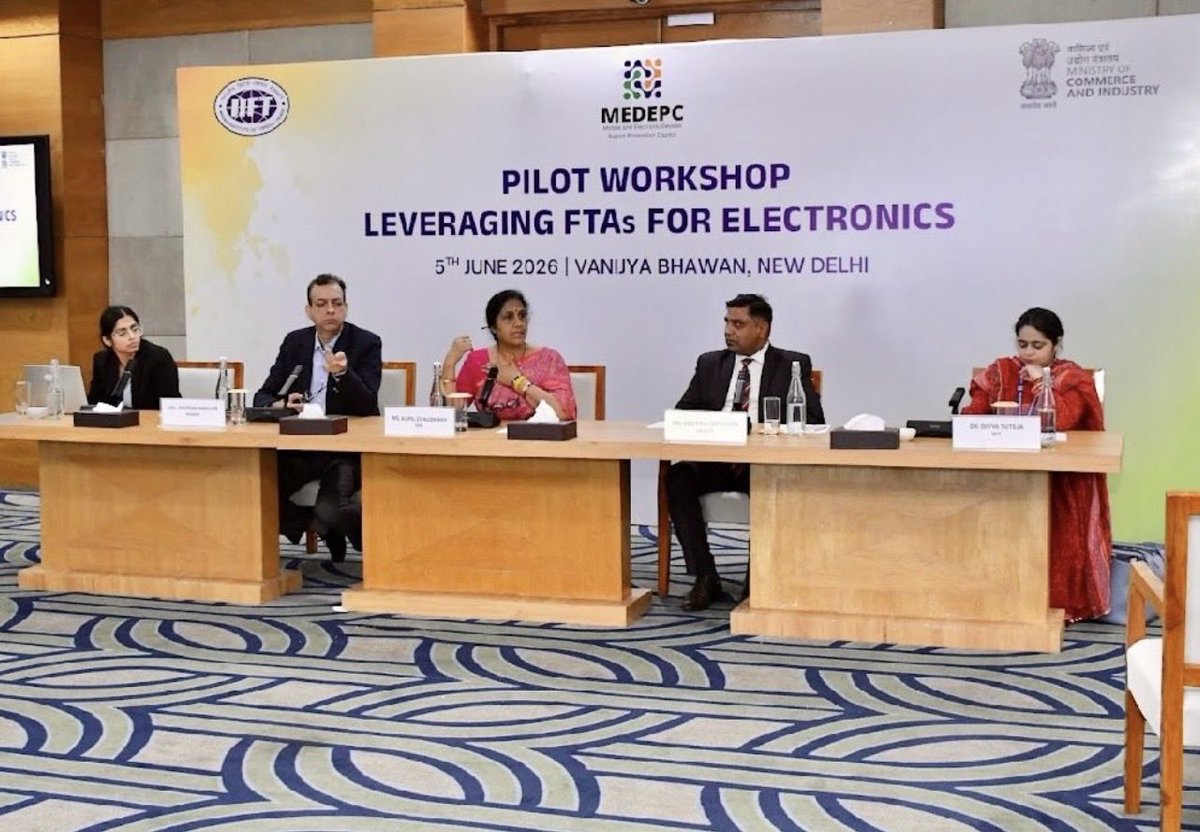
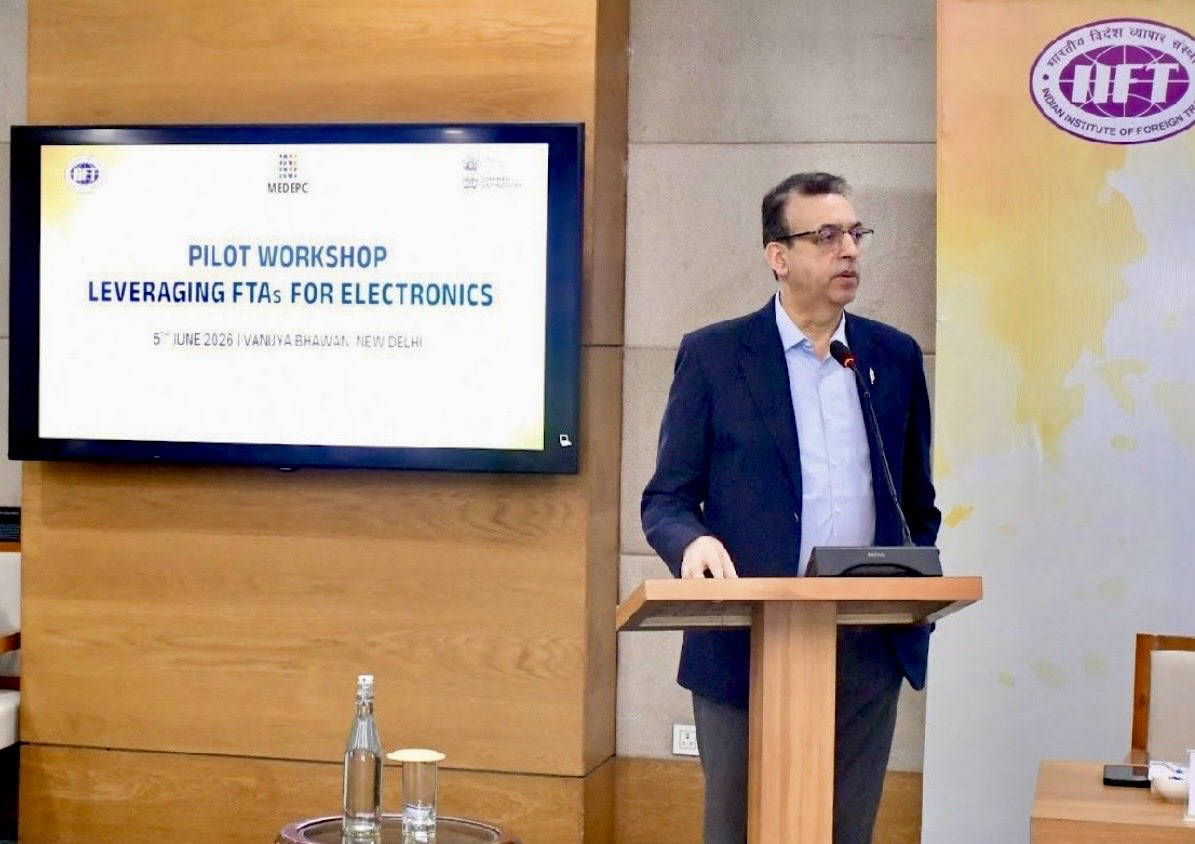
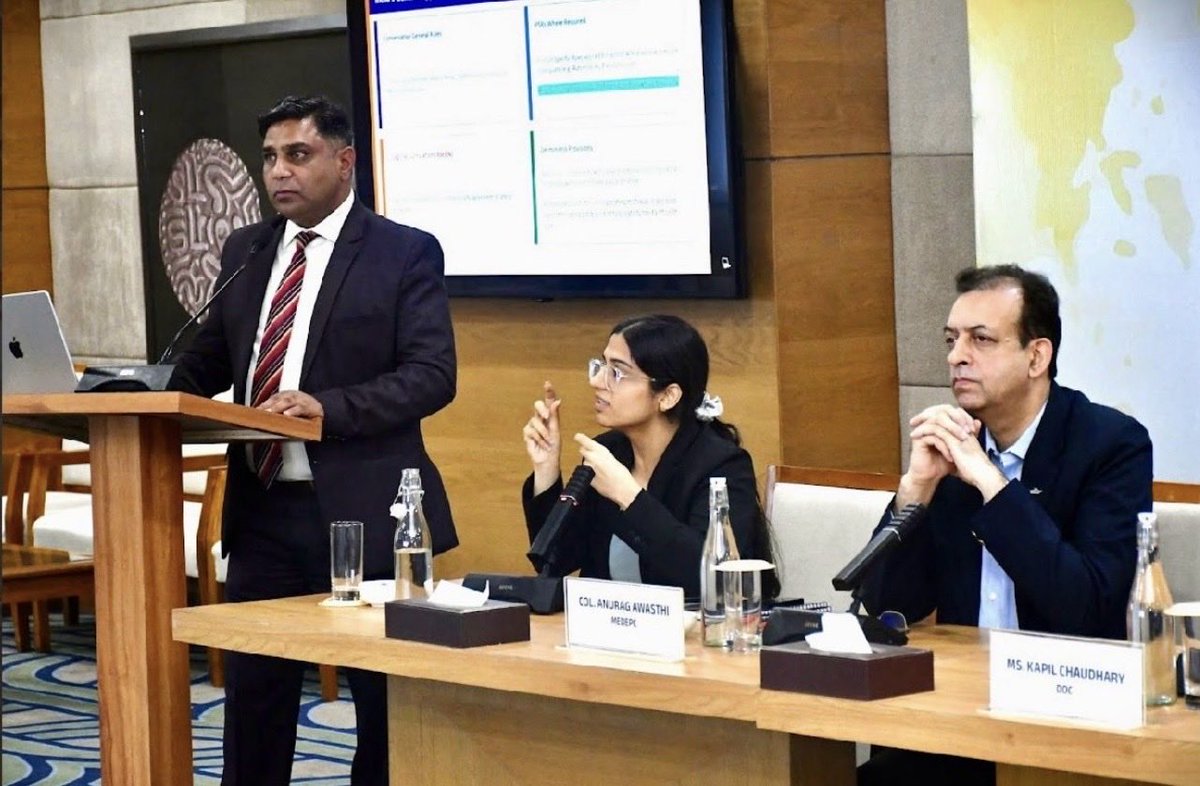
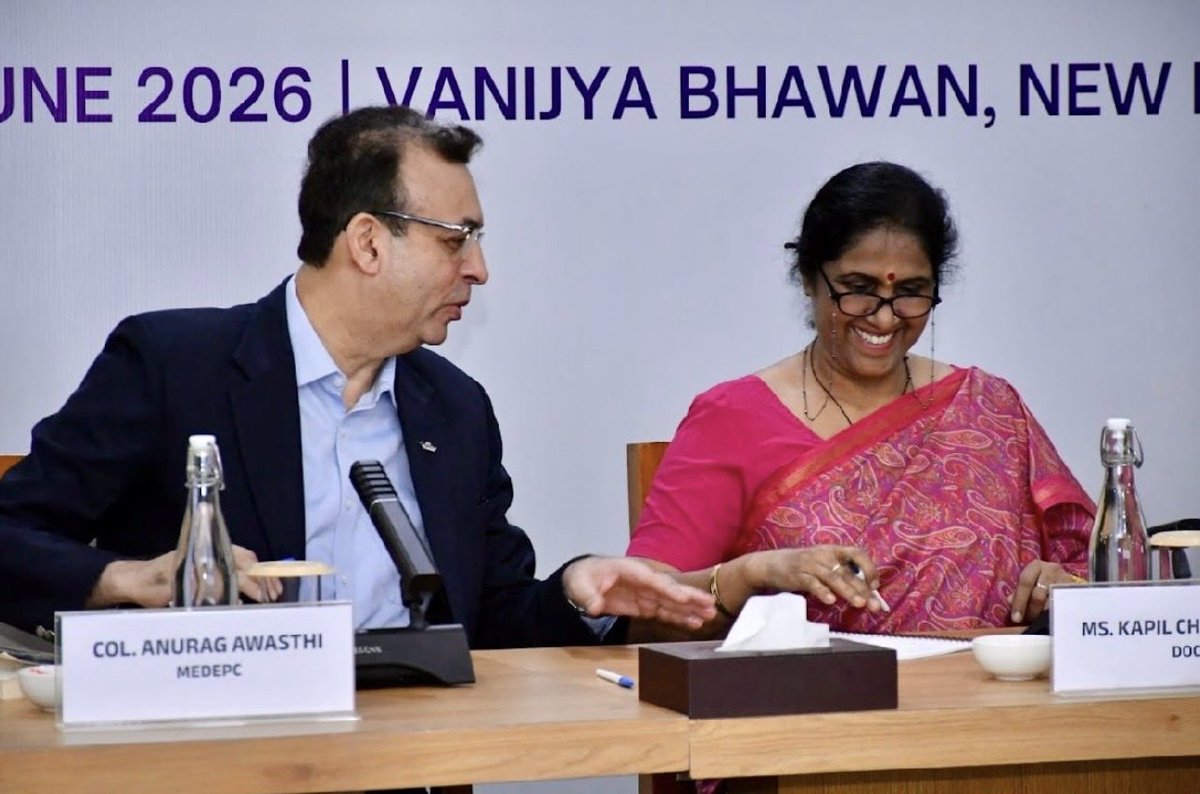
Glad to steer the pilot workshop on “Leveraging FTAs in Electronics” in Vanijya Bhawan with team @MEDEPC attended by senior stakeholders from the government as also industry & economic experts
#criticaltech #FTAs #Electronics
@SemiconIndia @chakranewz @SandeepUnnithan @BhadanaDesh @AnushkaSikka
4
9
691

Jun 10
The Trust Paradox: Men of Color and AI Bias #AIBias #AlgorithmicJustice #MenOfColor #TechEquity #AITransparency #CriticalTech #DiversityInTech #AlgorithmAudit #TechAccountability #InformedChoice #BiasInAI #TechInclusion
2

May 26
🌏 The Quad is back in New Delhi.
India, US, Australia & Japan met for the third time in under 18 months to tackle maritime security, supply chains & critical tech gaps in the Indo-Pacific.
The leaders delivered a message of unity in a fractured world. 🤝
#Quad #IndoPacific #QuadMeeting #Jaishankar #MarcoRubio #PennyWong #India #Japan #Australia #US #CriticalTech #SupplyChain #CNBCTV18Digital
1
2
1,139
May 18
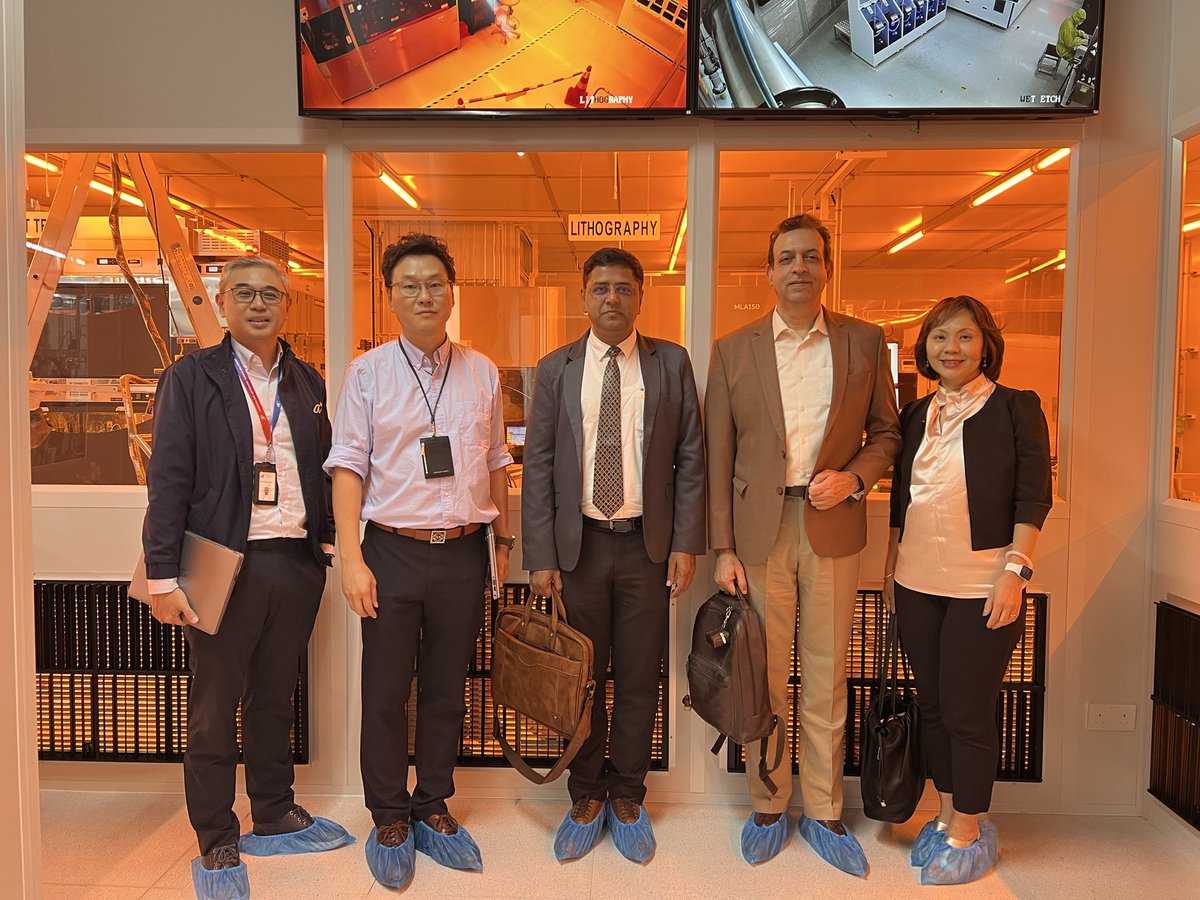
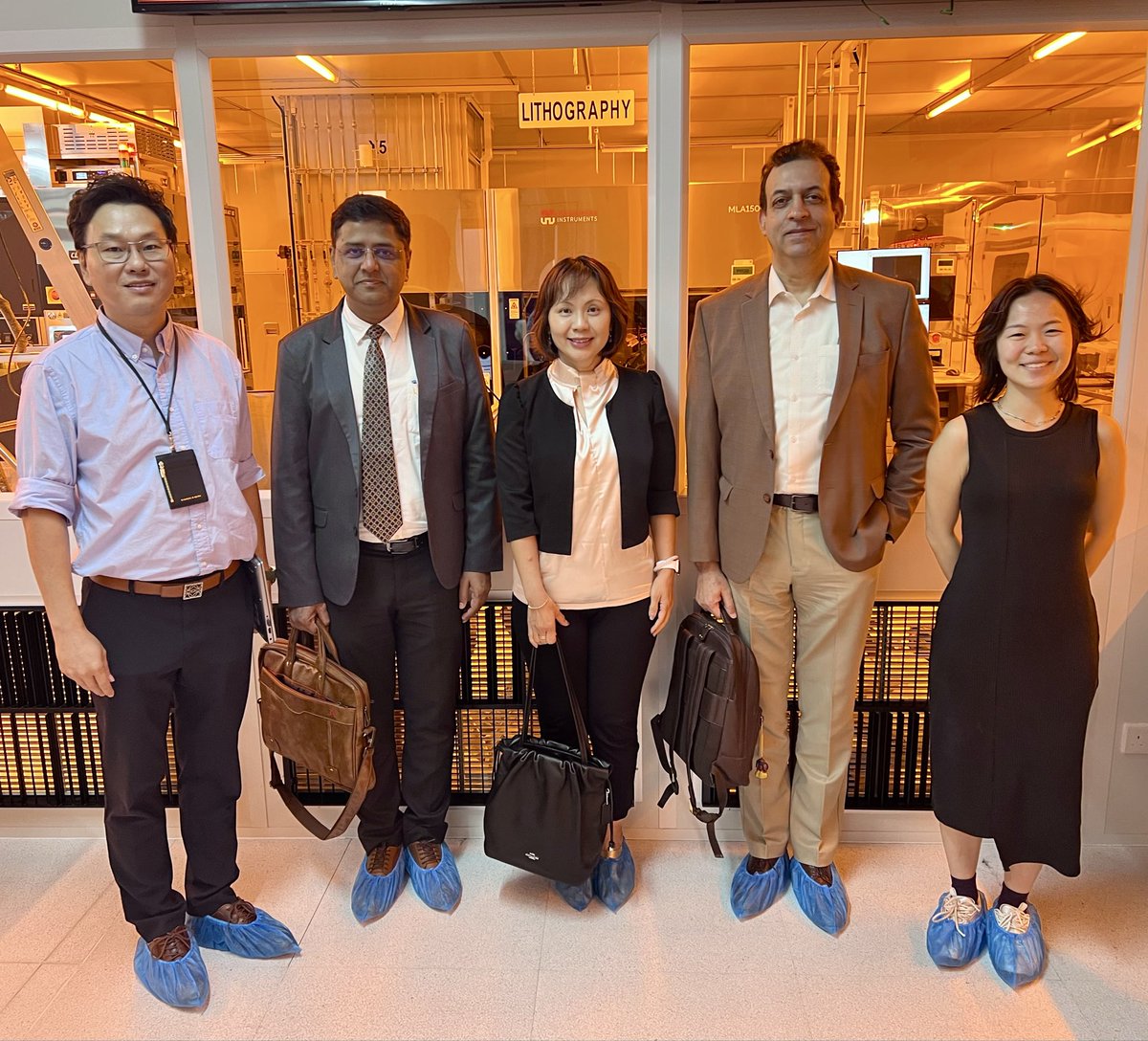
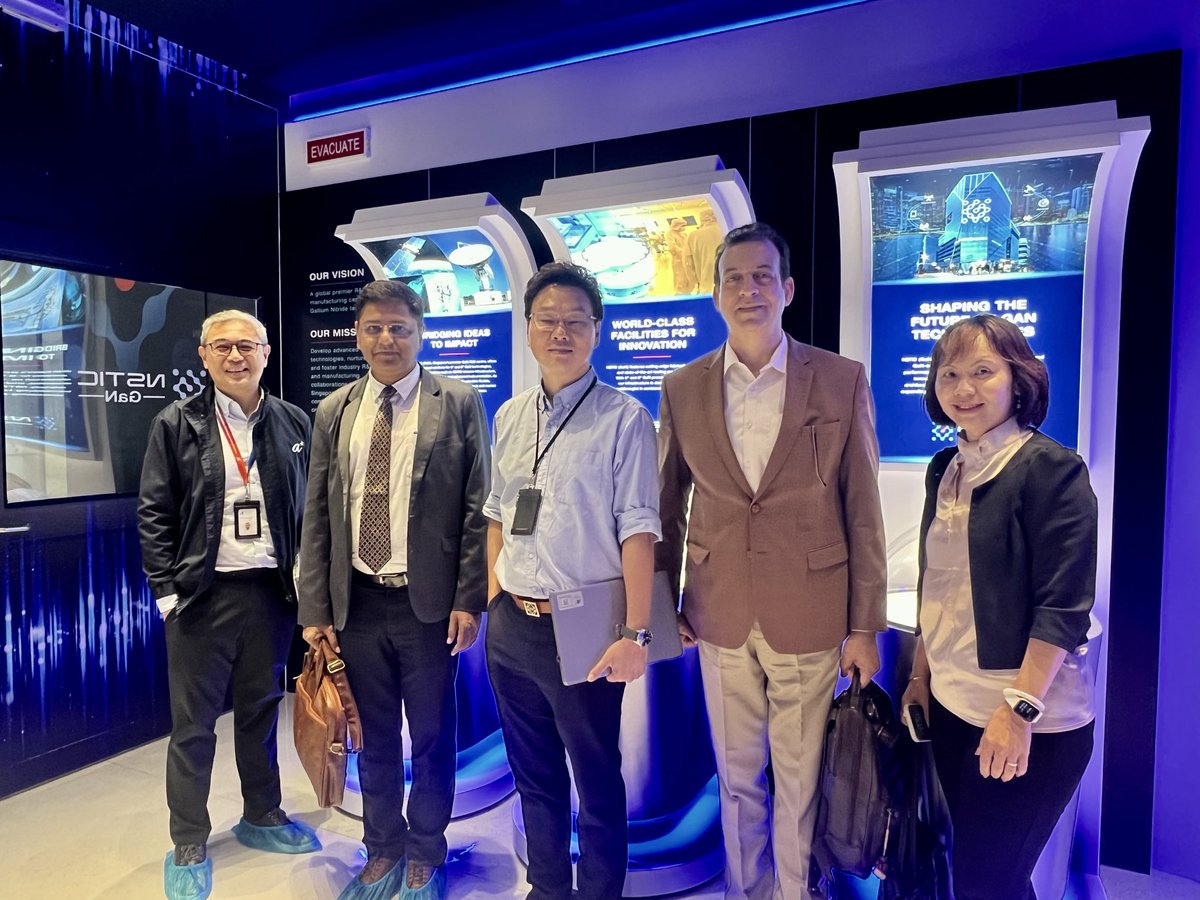
A pleasure to visit @ASTARsg with @SSIA_semicon & @HCI_Singapore today
🇮🇳 🇸🇬 have an enabling MoU & there are many collaborations in the offing
Looking forward to a number of them in the future
#GaNonSi #Semicon #CriticalTech
@chakranewz @SemiconIndia @MEDEPC @MEAIndia

2
6
12
803
May 15
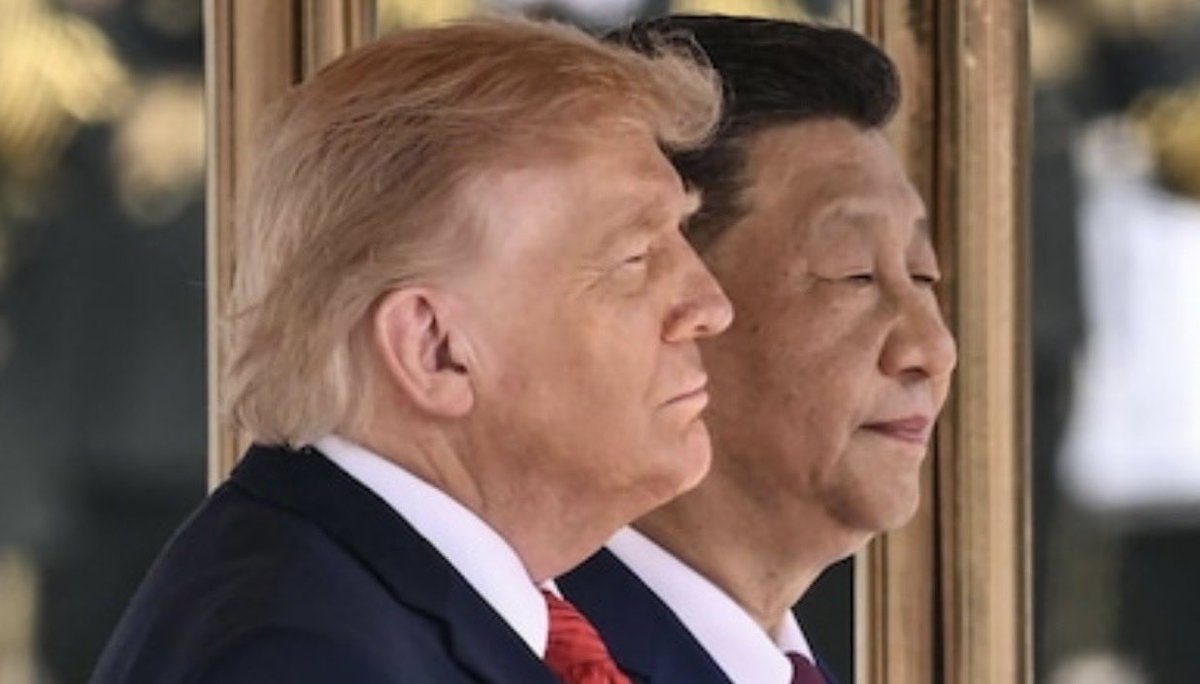
From Peloponnesian War (432-404 BCE) to the present day, the mention of “Thucydides Trap” by Xi yet again is not a benign statement
It encapsulates clear strategic INTENT in trade,tech,economics & use of force
#IranWar #Taiwan #trade #CriticalTech #Space #TrumpXimeeting
@chakranewz @SandeepUnnithan
3
5
168

In my latest op-ed for the Bulletin of the Atomic Scientists, I argue the Defense Department should focus less on what is already saturated with investment (i.e. AI) and more on underfunded gaps of critical technologies such as advanced materials, energy resilience, and emerging manufacturing capabilities. @CSETGeorgetown @BulletinAtomic
Read here: thebulletin.org/2026/05/beyo… #AI #NatSecTech #CriticalTech
1
6
270

May 5
VisionWave Holdings, Inc.
(Nasdaq: $VWAV)
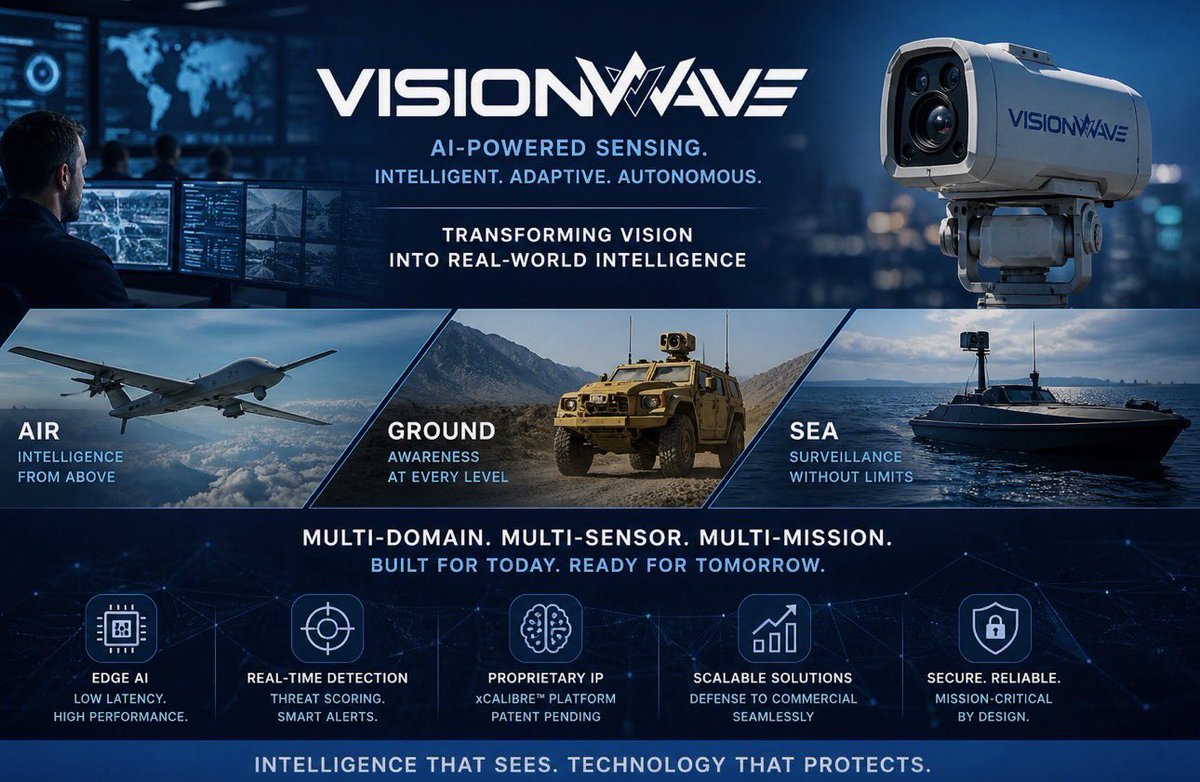
VWAV stands out in the expanding AI defense sector, capitalizing on surging global investment in intelligent sensing and autonomy technologies amid rising geopolitical and security priorities.
The Company’s focus on proprietary edge-AI solutions positions it to capture opportunities in perimeter security, counter-UAS, and multi-domain surveillance — delivering vital capabilities precisely when U.S. and allied procurement emphasizes domestic, supply-chain-secure innovation over legacy systems.
Backed by Nasdaq listing and a clear technology roadmap, VWAV is ideally aligned with macro tailwinds driving record defense technology spending.
How do you see current defense AI budgets impacting companies like $VWAV?
#DefenseInnovation #CriticalTech #SupplyChain #Ad
8
9
17
12,332

Apr 14
On #WorldQuantumDay, as the world explores the transformative potential of quantum technologies, India is steadily emerging as a significant force through its National Quantum Mission (NQM)—a flagship initiative to build a robust ecosystem across quantum computing, communication, sensing, and advanced materials, driving innovation, economic growth, and technological leadership.
India has achieved important milestones, including the development of indigenous quantum computing platforms, the open-access quantum testbeds, and the creation of advanced research and development hubs. Progress in quantum communication and the nurturing of a vibrant deep-tech ecosystem underscore India’s growing capabilities.
India is also strengthening global partnerships, contributing to international collaboration, standards development, and research exchange in critical and emerging technologies.
#WorldQuantumDay #NationalQuantumMission #QuantumIndia #Innovation #EmergingTech
#criticalTech
@HCI_Ottawa @MEAIndia @IndianDiplomacy @IndiaDST @GoI_MeitY @PrinSciAdvOff
3
10
914

Apr 9
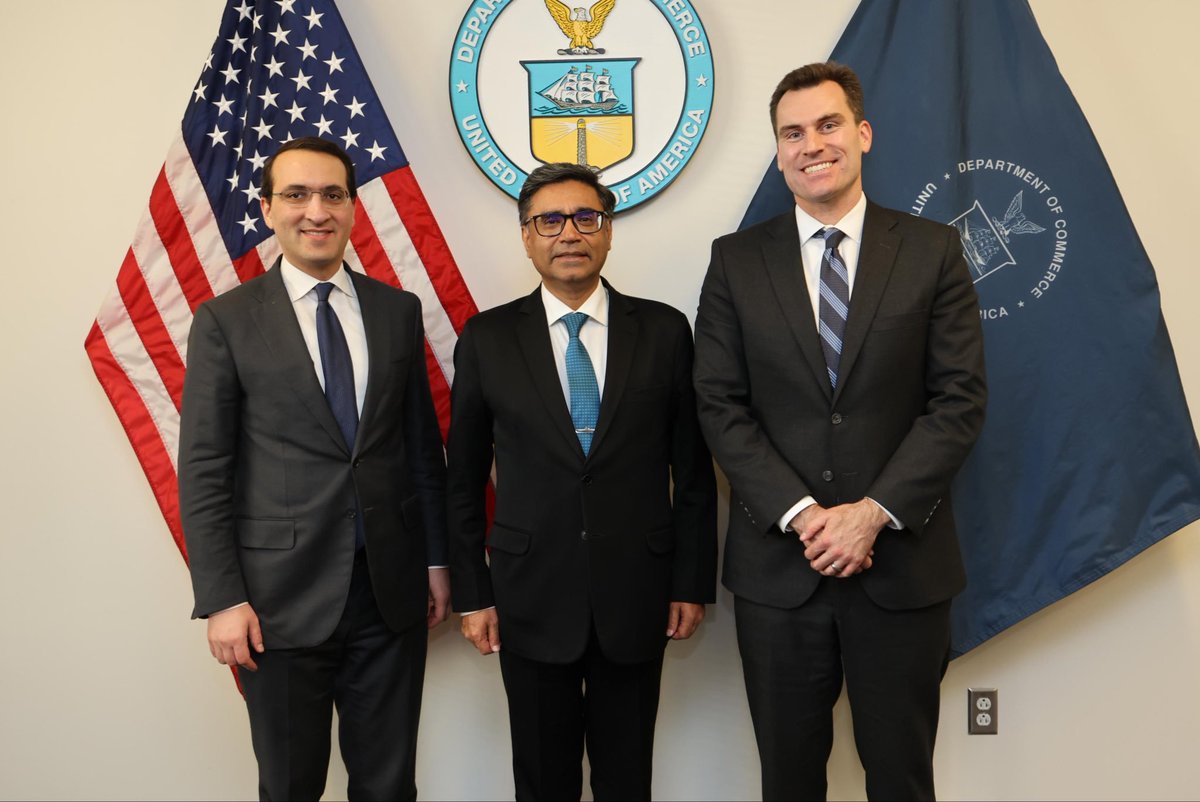
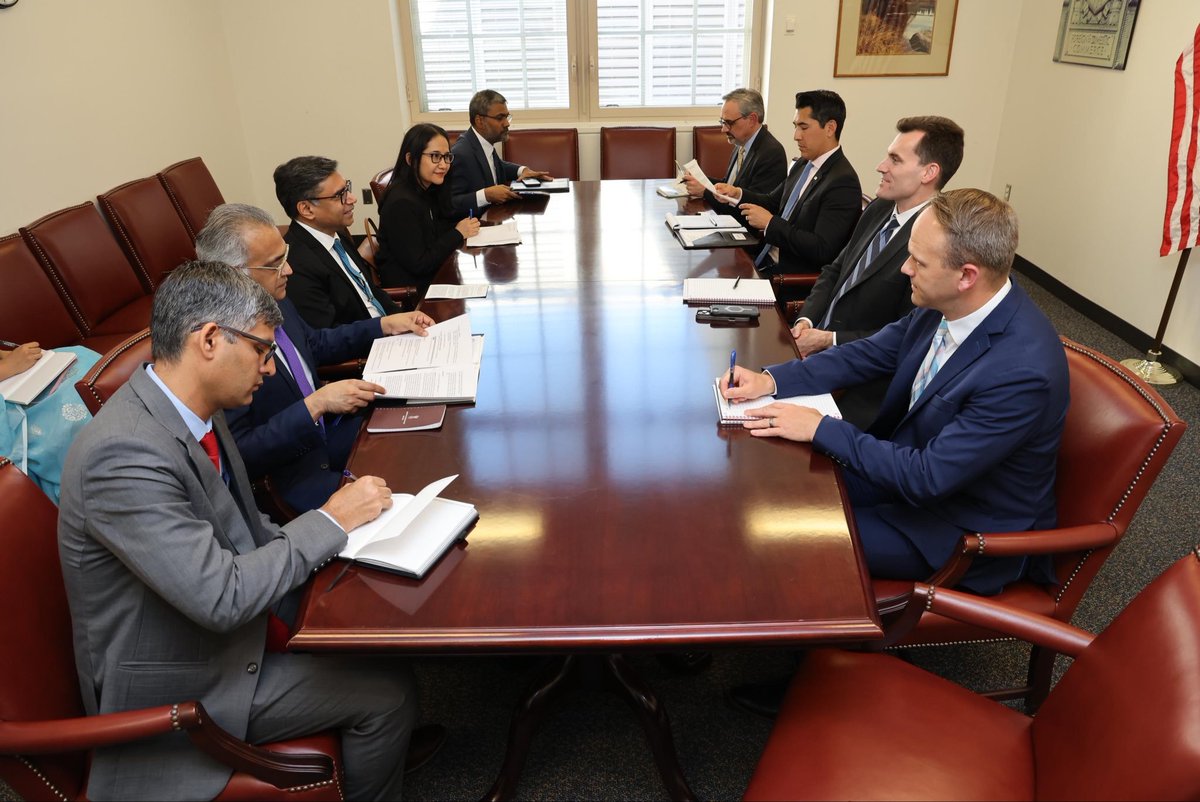
Foreign Secretary Vikram Misri met US officials Jeffrey Kessler and William Kimmitt to boost cooperation in commercial & critical technologies, a key step in strengthening the India-US partnership for the 21st century. Discussions also focused on building resilient and trusted supply chains.
#IndiaUS #StrategicPartnership #CriticalTech #SupplyChains #Geopolitics #IndiaTodayGlobal
4
102

How do technologies shape power, identity, and inequality?
DSI brings students and scholars together to critically engage these questions across race, gender, disability, class, and more.
Support this work → myumi.ch/3RbD1
#GivingBlueday #DigitalStudies #CriticalTech
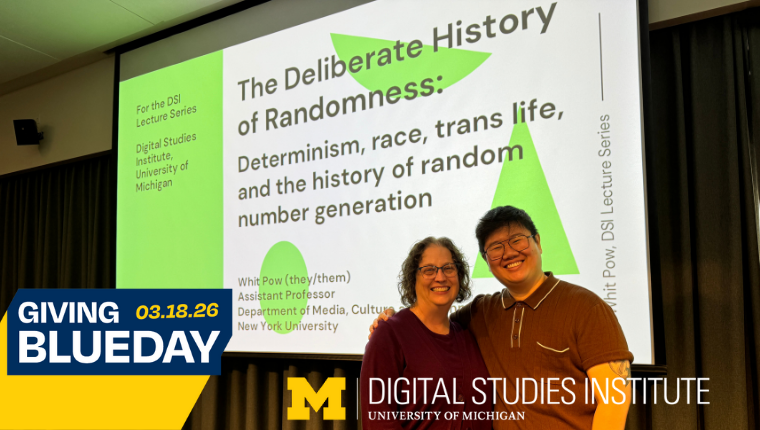
ALT Photo of scholars Sheila Murphy and Whit Pow at the DSI Lecture Series. They are standing in front of screen with Whit Pow's lecture title in the background that reads, "The Deliberate History of Randomness: Determinism, race, trans life, and the history of random number generation."
2
43

Feb 28
India–U.S. partnership powering the AI Revolution 🇮🇳🇺🇸
From semiconductors to secure supply chains, the world’s two largest democracies are shaping the future of critical technologies. With 10 projects approved under the Semicon India mission and new hubs rising from Sanand & Dholera to Noida, Assam, Odisha & Punjab, India is moving fast in the chip era.
@narendramodi @MIB_India @GoI_MeitY
#SemiconIndia #IndiaUSPartnership #AIRevolution #Semiconductors #MakeInIndia #CriticalTech #SupplyChainSecurity
1
3
165
🚨 5 days left!
Digital IDEAS applications close Feb. 1.
Please share with students, scholars, artists & technologists in your networks who are thinking critically about the digital AFTER.
Apply: myumi.ch/rAP6M
#DigitalIDEAS2026 #CriticalTech

ALT The words "Digital IDEAS" with "IDEAS" in a 3D checkered style and the University of Michigan's Digital Studies Institute logo below.
4
213

Jan 19
Want to repurpose the surveillance apparatus’s analytical methods for investigative journalism, activism, or critical media art? Here’s an open-source toolset to install on your local rig:
🔍 Realtime (ZenML): MLOps pipeline for automating data harvesting, LLM enrichment, and real-time analysis. Maps discourse patterns (e.g., slogans in influence campaigns) with agentic, privacy-first workflows. Ideal for journalists, activists, and PhDs doing network analysis of events/entities. 🔗 zenml.io
🌐 Open Semantic Search: Build custom knowledge graphs from unstructured data. Enrich sources via LLMs, tag with graphs, and trace interconnected speaker positions in cognitive warfare. Local, open-source, and evidence-focused. 🔗 opensemanticsearch.org
📊 GraphRAG (Microsoft): Graph databases RAG for semantic pattern analysis. Visualize influence networks, track discourse shifts, and expose hidden connections in multipolar threats. Local, stats-ready, and powerful for securitization studies. 🔗 microsoft.github.io/graphrag
📚 Haystack (deepset.ai): Production-grade RAG for parsing unstructured data. Modular, local, and reliable for long-term projects (e.g., military leaks, geopolitical essays). Supports forensic entity searches and mindmaps. 🔗 haystack.deepset.ai
⚡ LlamaIndex: Fast prototyping for activists/academics. Ingests, enriches, and tags sources with LLMs. Automate entity searches, map discourse influences, and blend empirical/theoretical analysis in real time. 🔗 llamaindex.ai
🕵️ SociaLens (Sandia Labs): Social data forensics for parsing unstructured sources. Graph semantics for mindmaps, entity pattern searches, and networked stats. Essential for dissecting influence campaigns on X or in leaks. 🔗 github.com/sandialabs/sociaL…
📂 Datashare (ICIJ): Collaborative tool for large unstructured docs. Graph tagging, forensic entity analysis, and stats-based discourse mapping. Proven in leaks like the Panama Papers. 🔗 datashare.icij.org
All tools run locally, prioritize privacy, and support evidence-based forensics.
#CriticalTech #InvestigativeJournalism #MediaArt #OpenSource
4
134

2 Dec 2025
⛏️ @NORCAT x CIT = real-world testing in an underground mine.
Ontario SMEs get no-cost access through CIT’s DC & TAP programs.
🎥 Watch the spotlight: youtu.be/THHvnivG6qk
#CITInnovation #MiningTech #CriticalTech
1
1
148

17 Nov 2025
DoD and SBIR Funding: Context and Facts
It is helpful to clarify what DoD funding does and doesn't imply
Spruce claimed that funding from the U.S. Department of Defence (DoD) implies IperionX’s hydrogen-assisted reduction (HAMR) technology and titanium projects are fully commercialised.
However, publicly available documentation from official sources shows that IBAS, DPA Title III, and SBIR programs are explicitly designed to de-risk, scale, and transition early-stage capabilities — not to certify them as commercially mature.
This report examines programs that use only working, publicly accessible sources (all URLs provided in plain text and working at the time of publication).
Industrial Base Analysis and Sustainment (IBAS)
IBAS is a program within the DoD’s Office of Industrial Base Policy. It is designed to improve the readiness and competitiveness of the U.S. industrial base by establishing high-priority domestic capabilities for supply chains needed for national security.
Working source link:
virginiaapex.org/useful-link…
IBAS authorities include monitoring and assessing the industrial base, addressing urgent operational needs, expanding domestic capability, and addressing supply-chain vulnerabilities.
A detailed overview is also available from NERDIC:
Working source link:
nerdic.us/wp-content/uploads…
Mission and Priorities
According to a presentation by the DoD’s Innovation Capability and Modernisation (ICAM) Office, the IBAS mission is to:
“Strengthen, prepare and ready the nation’s defence industrial base.”
Source:
nerdic.us/wp-content/uploads…
Its priorities include:
Strengthening competitiveness and innovation
Preparing the workforce
Readying a modern industrial base through technology adoption
Assessing and shaping risk in supply chains
Building government-industry-academic partnerships
These objectives confirm that IBAS is meant to build and de-risk capability before full commercial deployment, not certify readiness.
Defense Production Act (DPA) Title III
Purpose of Title III
The Defense Acquisition University (DAU) describes the DPA Title III program as ensuring domestic industrial capacity for national defence by providing funding and support to address critical gaps.
source link:
dau.edu/defense-production-a…
Title III investments are used to: Create, maintain, protect, expand, and restore domestic production capabilities when the private market alone cannot support them.
This means Title III funding is not proof of commercial maturity; it is intended to accelerate the scale-up of emerging domestic capability.
Examples of Working Title III Projects
1. Graphite One US$37.5M Title III Award
In 2024, the DoD announced a US$37.5 million Title III agreement to help Graphite One develop a domestic graphite supply chain.
DoD release (working link):
war.gov/News/Releases/Releas…
This funding will: fast-track the feasibility study, accelerate the development of a domestic supply chain to support mining (Alaska), processing (Washington State), and battery-anode manufacturing, and enable recycling of graphite/battery materials
DoD officials stated that the investment:
“Exemplifies Industrial Base Policy’s commitment to building a resilient industrial base.”
This is explicitly early-stage capability building, not commercial certification.
2. Urban Mining Company US$28.8M Title III Award
A DoD release describes a US$28.8 million agreement with Urban Mining Company to establish a domestic source of NdFeB rare-earth magnets.
DoD release :
war.gov/News/Releases/Releas…
Title III funding will: maintain critical workforce capabilities, develop a domestic rare-earth supply chain, and support production in Austin, Texas
Again, the goal is development and de-risking, not certification of commercial readiness.
Conclusion of Title III Analysis
These examples show clearly that Title III funds scale early-stage projects, build domestic capacity, and de-risk industrial capability — not indicate full commercial maturity.
Small Business Innovation Research (SBIR) Program
Purpose of SBIR/STTR
The SBIR/STTR Policy Directive explains that the program aims to stimulate technological innovation,
meet federal R&D needs, increase private-sector commercialisation of innovations
Working source link:
sbir.gov/about/policies
SBIR Phase III
The policy directive (May 2023) clarifies that Phase III:
derives from or extends SBIR/STTR projects, is funded by non-SBIR/STTR sources, is oriented toward commercialisation, includes production or deployment for government use, does not mean the technology is fully commercialised
Working source link (SBIR Phase III definition):
sbir.gov/sites/default/files…
Examples of Phase III work include: commercial application of SBIR-funded research, government procurement of SBIR-derived system, ands continuation of R&D using non-SBIR funds
The directive emphasises:
“Phase III awards are still SBIR/STTR awards.”
Agencies may issue sole-source Phase III awards without competition.
This makes clear: Phase III exists to transition technologies into commercialisation, not to certify full commercial maturity.
Conclusion
Public records from the DoD and SBA show conclusively that:
IBAS
strengthens, prepares, and readies the defence industrial base, rather than certifying technology maturity.
(Sources: virginiaapex.org/useful-link…
and nerdic.us/wp-content/uploads…)
DPA Title III
funds early-stage scale-up and feasibility work where domestic capacity is insufficient.
(Sources: dau.edu/defense-production-a…
and DoD releases at war.gov)
SBIR Phase III
It is explicitly about commercialisation and transition, not end-state maturity.
(Sources: sbir.gov/about/policies
and sbir.gov/sites/default/files…)
These facts directly contradict any claim that DoD or SBIR funding signals full commercial readiness.
DoD funding means:
→ strategic importance
→ early-stage capability
→ de-risking
→ acceleration
→ domestic industrial development
It does not mean:
→ fully commercial
→ mature and certified
→ ready for unrestricted private-sector deployment
Therefore, using IBAS, Title III, or SBIR awards as evidence that IperionX’s technology is “already commercial” is factually wrong and misrepresents the purpose of these programs.
#DefenseIndustrialBase
#IndustrialBaseResilience
#DPAIII
#TitleIII
#IBAS
#SBIR
#SBIRPhaseIII
#TechTransition
#TechnologyReadiness
#ScaleUpFunding
#USSupplyChain
#CriticalMinerals
#NationalSecurityInnovation
#DefenseManufacturing
#DoDFunding
#IndustrialPolicy
#InnovationEcosystem
#AdvancedManufacturing
#AcquisitionPolicy
#DefenseAcquisition
#TechnologyDeRisking
#IndustrialBaseGaps
#FederalRAndD
#InnovationPolicy
#StrategicMaterials
#SupplyChainSecurity
#DefenseEconomics
#TechAccountability
#DefenseTransparency
#PublicSectorInnovation
#DeepTech
#HardTech
#Commercialization
#PilotToProduction
#ScaleUpNation
#HardwareIsHard
#RAndDToRevenue
#EmergingTech
#StrategicTech
#CriticalTech
#AdvancedMaterials
#MaterialsScience
#MetalInnovation
#AdditiveManufacturing
#ManufacturingUSA
#Reshore
#Onshoring
#AmericanManufacturing
4
954
12 Nov 2025
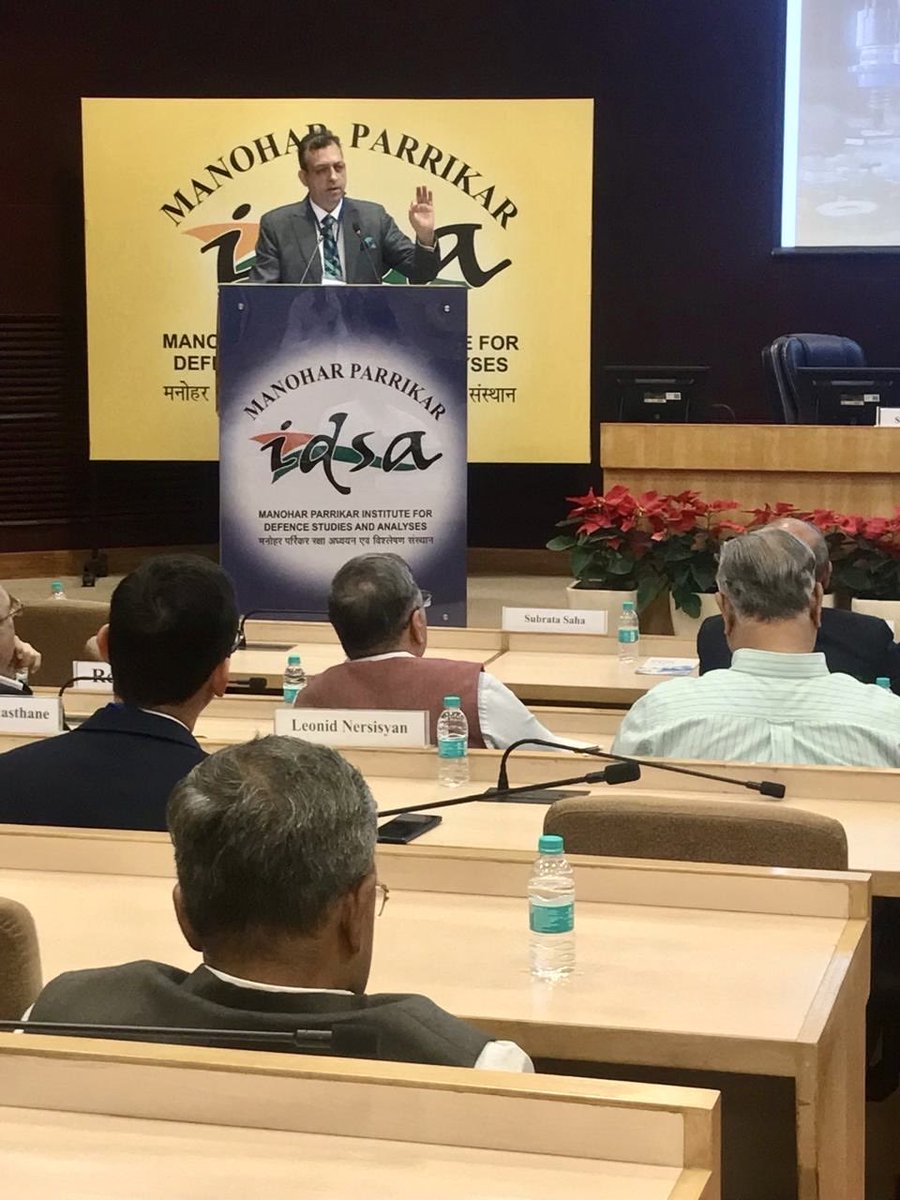
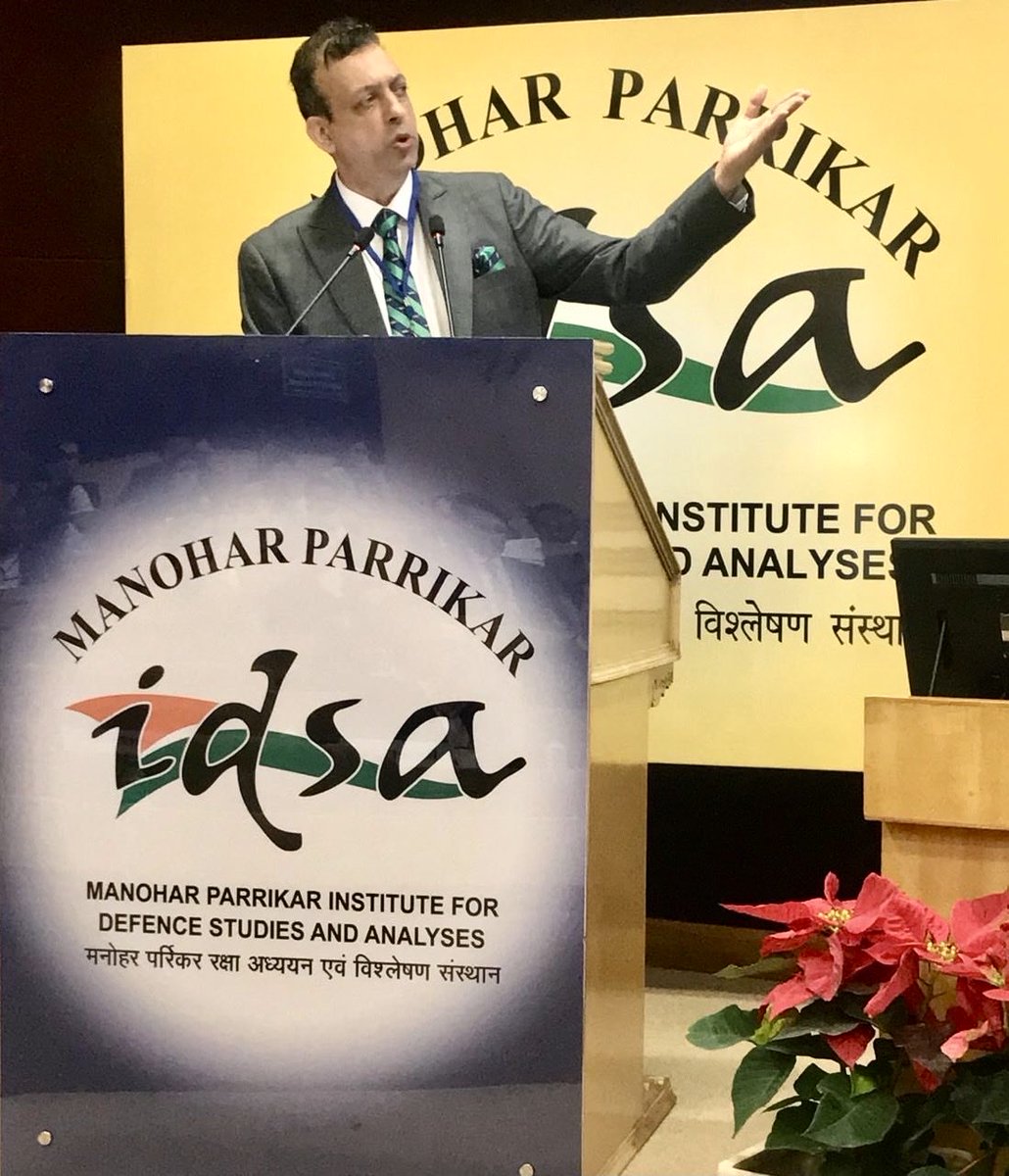
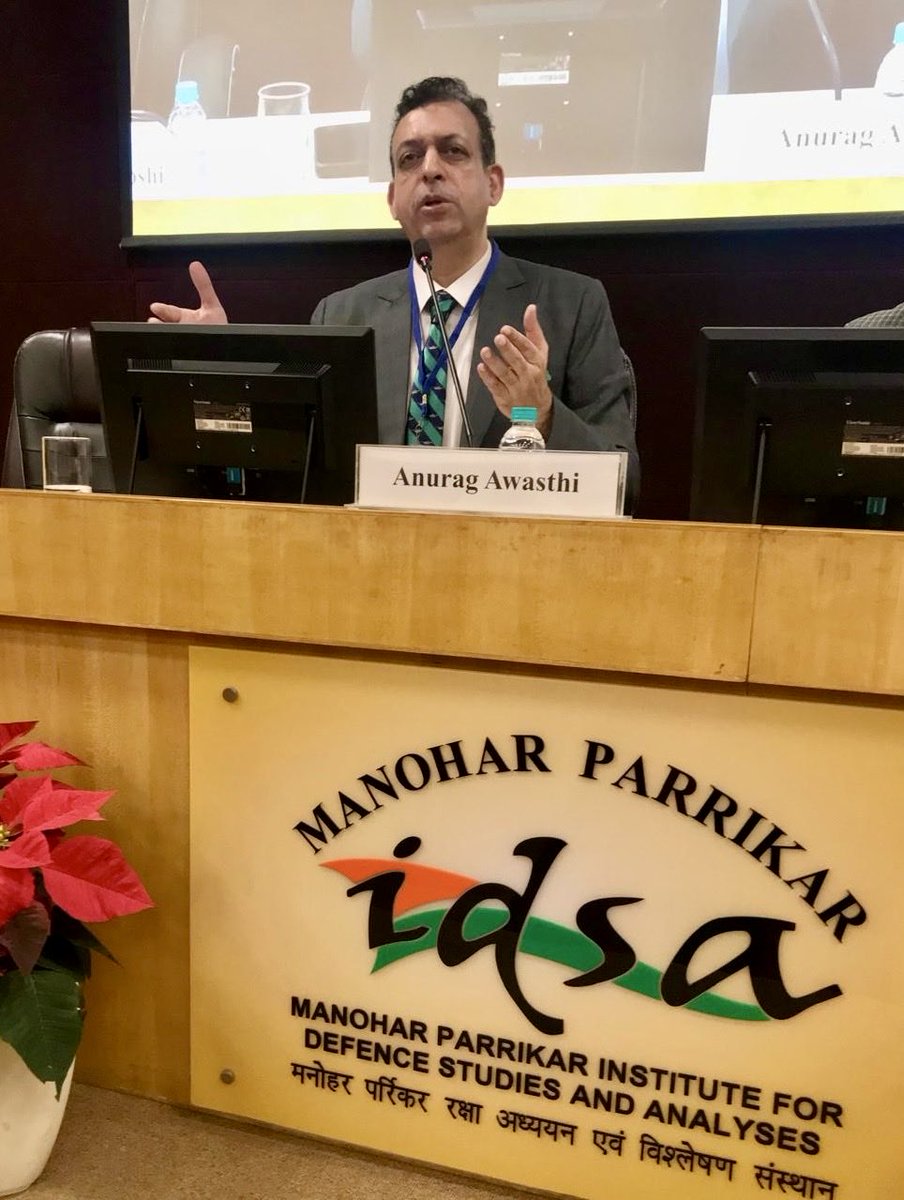
Privileged to speak in “Delhi Defence Dialogue” by @IDSAIndia-tech battlefield & strategy for “Collaboration,Co-Devp & Co-Production”of #criticaltech #Semiconductors 🇮🇳
@chakranewz @LTGSubrataSaha @joe_sameer @DRDO_India @adgpi @vivek_chadha @SujanChinoy @SpokespersonMoD

1
3
14
649

31 Oct 2025
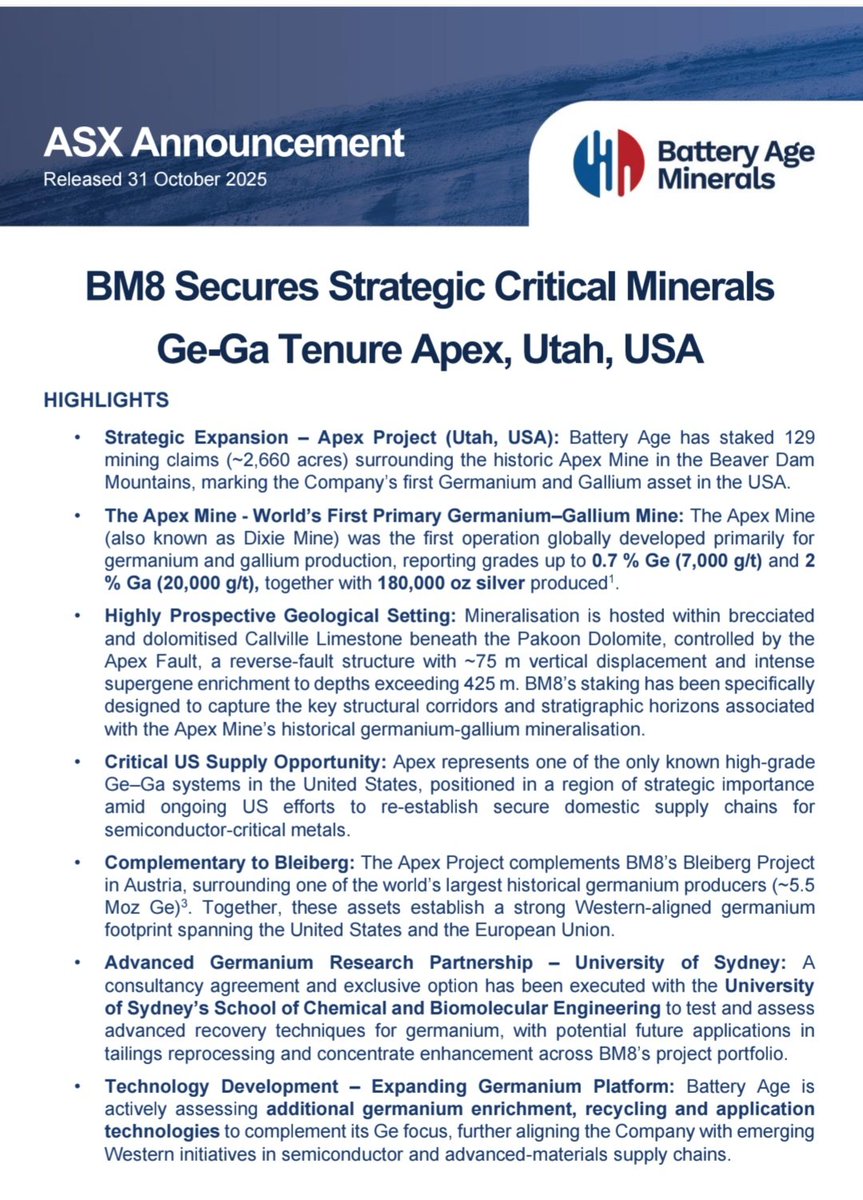
A must read news from Battery Age Minerals #BM8 BM8.ax today
The company has secured a strategic 2,660 acres tenure in Utah, USA. Prospective land for Germanium/Gallium, acquisition includes 129 mining claims surrounding the historic #ApexMine in USA 🇺🇸
🟢 Collaboration with University of Sydney to advance recovery technique for germanium
🟢 BM8 strategically integrating germanium supply platform.
Question is are you saddled up ?
#Germanium #Gallium #Austria #CriticalTech
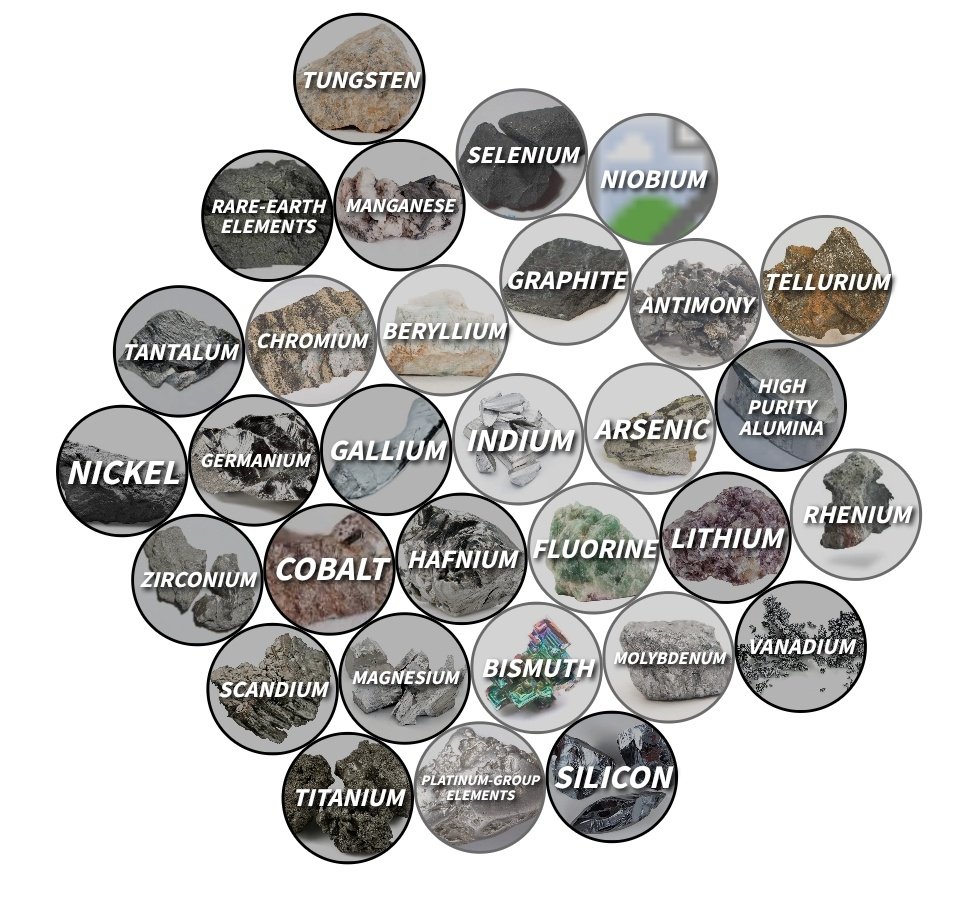
1
2
10
692

28 Oct 2025
𝗜𝗻𝗱𝗶𝗮’𝘀 𝗦𝗲𝗺𝗶𝗰𝗼𝗻𝗱𝘂𝗰𝘁𝗼𝗿 𝗟𝗲𝗮𝗽: 𝗙𝗿𝗼𝗺 𝗔𝘀𝘀𝗲𝗺𝗯𝗹𝘆 𝘁𝗼 𝗖𝗼𝗺𝗽𝗼𝗻𝗲𝗻𝘁𝘀
𝗛𝗼𝗻’𝗯𝗹𝗲 𝗠𝗶𝗻𝗶𝘀𝘁𝗲𝗿 𝗔𝘀𝗵𝘄𝗶𝗻𝗶 𝗩𝗮𝗶𝘀𝗵𝗻𝗮𝘄’𝘀 post today marks a clear inflection point; India is moving 𝗯𝗲𝘆𝗼𝗻𝗱 𝗮𝘀𝘀𝗲𝗺𝗯𝗹𝗶𝗻𝗴 𝗲𝗹𝗲𝗰𝘁𝗿𝗼𝗻𝗶𝗰𝘀 to 𝗲𝗻𝗴𝗶𝗻𝗲𝗲𝗿𝗶𝗻𝗴 𝘀𝗲𝗺𝗶𝗰𝗼𝗻𝗱𝘂𝗰𝘁𝗼𝗿 𝗰𝗼𝗺𝗽𝗼𝗻𝗲𝗻𝘁𝘀.
In the global tech race, India is positioning itself not just as a participant but as a 𝘀𝘁𝗿𝗮𝘁𝗲𝗴𝗶𝗰 𝗵𝘂𝗯 𝗳𝗼𝗿 𝗰𝗵𝗶𝗽 𝗱𝗲𝘀𝗶𝗴𝗻, 𝗰𝗼𝗺𝗽𝗼𝗻𝗲𝗻𝘁 𝗺𝗮𝗻𝘂𝗳𝗮𝗰𝘁𝘂𝗿𝗶𝗻𝗴, 𝗮𝗻𝗱 𝗮𝗱𝘃𝗮𝗻𝗰𝗲𝗱 𝗽𝗮𝗰𝗸𝗮𝗴𝗶𝗻𝗴.
☑️ 𝗕𝘆 𝗹𝗮𝘁𝗲 𝟮𝟬𝟮𝟱, India aims to produce its 𝗳𝗶𝗿𝘀𝘁 𝗽𝗮𝗰𝗸𝗮𝗴𝗲𝗱 𝗰𝗵𝗶𝗽𝘀 (28–90 nm), ramping up production through 2026.
☑️ 𝗠𝗮𝗶𝗻𝘀𝘁𝗿𝗲𝗮𝗺 𝘄𝗮𝗳𝗲𝗿 𝗼𝘂𝘁𝗽𝘂𝘁 from Dholera is expected by 𝟮𝟬𝟮𝟲–𝟮𝟳.
☑️ Ten semiconductor units have now been sanctioned across six states, spanning fabs, ATMP/OSAT, and compound semiconductors, backed by ₹𝟭.𝟲 𝗹𝗮𝗸𝗵 𝗰𝗿𝗼𝗿𝗲 (~$𝟭𝟵𝗕) in investments.
Why this matters:
📍 Higher value-add through precision manufacturing & yield excellence
📍Strengthened sovereign supply chains — telecom, EVs, defence, renewables
📍Creation of a deep skill ecosystem for fabs and advanced packaging
📍Global integration via export-linked component supply
The 𝗘𝗹𝗲𝗰𝘁𝗿𝗼𝗻𝗶𝗰𝘀 𝗖𝗼𝗺𝗽𝗼𝗻𝗲𝗻𝘁𝘀 𝗠𝗮𝗻𝘂𝗳𝗮𝗰𝘁𝘂𝗿𝗶𝗻𝗴 𝗦𝗰𝗵𝗲𝗺𝗲 (𝗘𝗖𝗠𝗦), launched in April 2025 with ₹22,919 crore, is accelerating this upstream shift.
Today’s clearance of 7 projects (₹5,532 crore capex) projects ₹𝟰𝟰,𝟰𝟬𝟲 𝗰𝗿𝗼𝗿𝗲 𝗼𝘂𝘁𝗽𝘂𝘁 and 𝗮𝗽𝗽𝗿𝗼𝘅𝗶𝗺𝗮𝘁𝗲𝗹𝘆 𝟱,𝟭𝟬𝟬 𝗱𝗶𝗿𝗲𝗰𝘁 𝗷𝗼𝗯𝘀, early signs of scale and momentum.
India is steadily evolving from 𝗮𝘀𝘀𝗲𝗺𝗯𝗹𝘆 𝘄𝗶𝗻𝘀 𝘁𝗼 𝗰𝗼𝗺𝗽𝗼𝗻𝗲𝗻𝘁 𝗱𝗲𝗽𝘁𝗵, → 𝗳𝘂𝗹𝗹-𝘀𝘁𝗮𝗰𝗸 𝘀𝗲𝗺𝗶𝗰𝗼𝗻𝗱𝘂𝗰𝘁𝗼𝗿 𝗰𝗮𝗽𝗮𝗯𝗶𝗹𝗶𝘁𝘆.
At 𝗕𝘂𝗰𝗲𝗽𝗵𝗮𝗹𝘂𝘀 𝗘𝗰𝗼𝘃𝗲𝘀𝘁𝗺𝗲𝗻𝘁, we continue to track and analyze India’s industrial transformation — where infrastructure, policy, and investment converge to build resilient, future-ready ecosystems.
read more here
lnkd.in/g-5kTY-J
#IndiaSemiconductorMission #MakeInIndia #TechManufacturing #SemiconductorRevolution #ChipDesign #AdvancedPackaging #ElectronicsManufacturing #AtmanirbharBharat #DigitalIndia #India2030 #ManufacturingExcellence #CriticalTech #InnovationEcosystem #FutureReadyIndia #BucephalusEcovestment #IndustrialTransformation #SustainableGrowth #Dholera #ComponentManufacturing #HighTechIndia
1
2
16
19 Oct 2025
Here’s a sneak peak into fabrication of the most complex technology in the world with a huge lateral & downstream industry impact
Absolutely Stunning #TSMC #ASML #Semiconductors #CriticalTech #ExtremeUV #Taiwan
@ASMLcompany @SemiconIndia @GoI_MeitY @chakranewz @sanahashmi1
18 Oct 2025

TAIWAN SEMICONDUCTOR $TSM DROPPED A VIDEO FROM ITS ARIZONA FAB SHOWING THE ASML $ASML EUV MACHINES PRINTING NEXT-GEN CHIPS…
THIS IS ABSOLUTELY STUNNING TO WATCH. 🤯
3
5
417

15 Oct 2025
ಅಮೆರಿಕ, ಚೀನಾ ಟ್ರೇಡ್ War ಅಸಲಿ ಕಥೆ! | News Affairs |
#ustradewar #ChinaVsAmerica #GlobalSemiconductorWar #qualcomm #QualcommAntitrustProbe #techwar #USChinaTradeTariffs #SemiconductorsChipGeopolitics #rareearthminerals #RareEarthExportControls #ChipWar #GlobalSupplyChainShift #TradeTensions #TrumpAdministrationTariffs #5GTechnology #AIandChipManufacturing #geopolitics #CriticalSoftwareExport #antitrust #ChineseMarketInvestigation #techdominance #USTechGiantsinChina #chineseeconomy #DomesticDevelopment #usforeignpolicy #CriticalTech #TechSectorVolatility #techindustrynews #techfight #tradewarexplained
1
2
23