
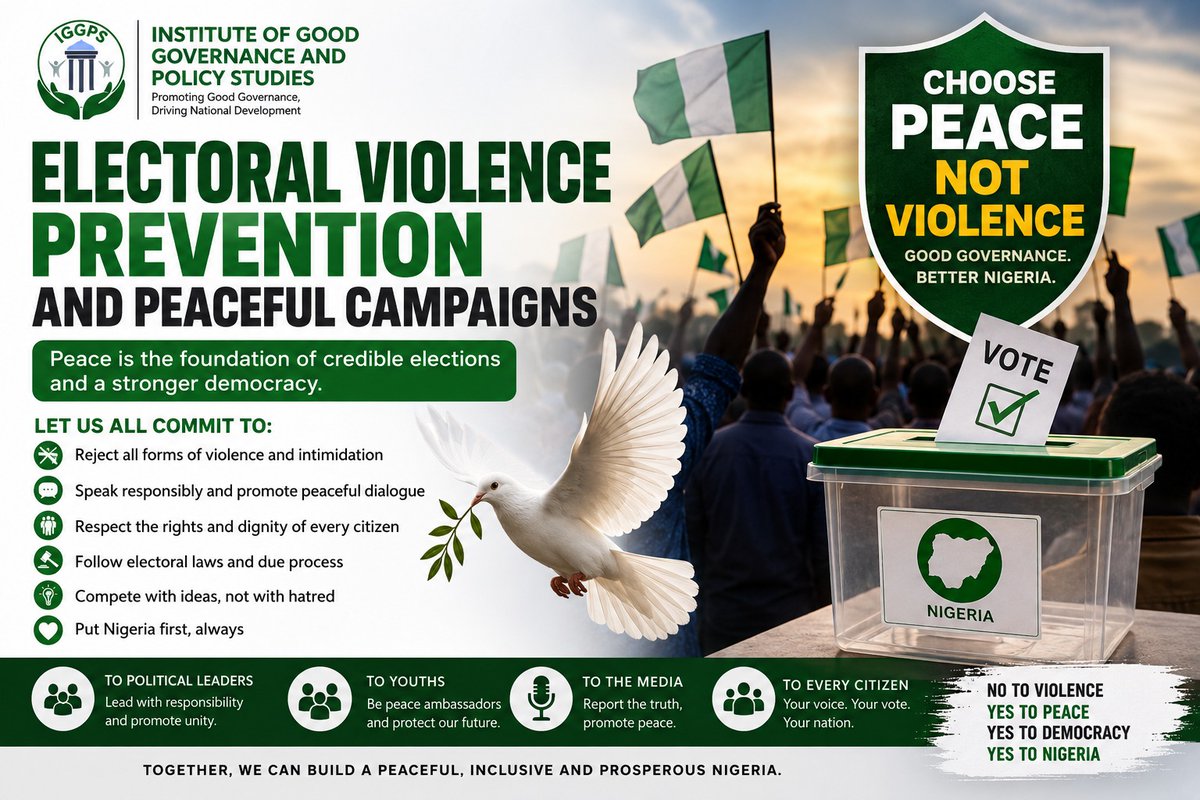
Electoral Violence Prevention and Peaceful Campaigns: Safeguarding Nigeria’s Democracy Ahead of 2027
As Nigeria gradually moves toward the 2027 general elections, the responsibility of protecting the nation’s democracy must not rest on government institutions alone. Political leaders, citizens, youth groups, civil society organizations, traditional rulers, religious leaders, and the media all have a vital role to play in ensuring that the electoral process remains peaceful, credible, and violence-free.
The Institute of Good Governance and Policy Studies (IGGPS) believes that elections should never become a battlefield where lives are lost, properties destroyed, and communities divided. Elections are meant to be a democratic exercise where citizens peacefully choose leaders who will shape the future of the nation.
Unfortunately, Nigeria’s political history has repeatedly witnessed incidents of electoral violence, political intimidation, hate speech, voter suppression, and post-election conflicts that weaken public trust in democracy.
As preparations for 2027 begin to intensify across the country, this is the time for Nigerians to collectively embrace peaceful political participation and reject every form of violence capable of threatening national unity.
Understanding Electoral Violence
Electoral violence refers to any act of intimidation, harassment, destruction, physical attack, or threat carried out before, during, or after elections in order to influence electoral outcomes or suppress political participation.
This violence may occur through:
•Physical attacks on opponents or supporters
•Destruction of campaign materials
•Hate speech and inciting statements
•Political thuggery
•Voter intimidation
•Manipulation of electoral processes
•Ethnic or religious provocation
•Online misinformation and digital harassment
Electoral violence does not only damage lives and properties; it also damages the integrity of democratic institutions and discourages citizens from participating in governance.
The Danger of Political Tension
One of the major threats to democratic stability is the increasing level of political tension that often begins years before elections. The rise of aggressive political rhetoric, propaganda, divisive campaigns, and misinformation can create hostility among citizens and increase the possibility of violence.
When politics becomes centered on hatred instead of ideas, democracy suffers.
Nigeria’s democracy can only grow stronger when political parties focus on:
•Policies rather than personal attacks
•National development instead of division
•Issue-based debates instead of emotional manipulation
•Unity instead of political hostility
The future of Nigeria must never be sacrificed for political ambition.
The Role of Political Leaders
Political leaders and party stakeholders carry enormous responsibility during election periods. Their words, actions, and behavior greatly influence supporters and the political atmosphere across the country.
IGGPS strongly urges political actors to:
•Avoid inflammatory speeches
•Publicly condemn violence
•Promote tolerance among supporters
•Respect electoral laws and institutions
•Accept peaceful democratic competition
•Prioritize national peace above personal ambition
True leadership is measured not by the ability to win elections through tension, but by the ability to preserve peace, stability, and democratic values.
The Responsibility of Nigerian Youths
Young people remain the most active participants during election periods, yet they are often the most exploited victims of political violence. Many youths are manipulated into political thuggery, online harassment, violent protests, and acts capable of destabilizing communities.
IGGPS encourages Nigerian youths to reject every attempt to use them as instruments of violence.
The energy, intelligence, and creativity of Nigerian youths should instead be directed toward:
•Civic engagement
•Election observation
•Community peacebuilding
•Voter education
•Policy advocacy
•Democratic participation
The future belongs to youths who build nations, not those who destroy them.
The Importance of Peaceful Campaigns
Peaceful campaigns are essential for free and fair elections. Campaign periods should provide opportunities for candidates and political parties to present their ideas, developmental plans, and policy directions to the people.
Political campaigns should not become platforms for:
•Hate speech
•Character assassination
•Ethnic division
•Religious manipulation
•Violent mobilization
Healthy democratic competition strengthens democracy, while violent competition weakens national unity.
IGGPS believes that issue-based campaigns will help Nigerians make informed decisions based on competence, vision, integrity, and leadership capacity rather than fear or manipulation.
The Role of the Media and Social Media
In today’s digital age, social media has become one of the most influential tools during elections. While it offers opportunities for civic engagement and public enlightenment, it can also spread fake news, incitement, propaganda, and political tension when abused.
Media organizations, bloggers, influencers, and online users must promote responsible communication by:
•Verifying information before sharing
•Avoiding inflammatory content
•Promoting peaceful dialogue
•Encouraging fact-based political discussions
•Rejecting misinformation and hate campaigns
Words have the power to build peace or destroy peace.
Building a Violence-Free Electoral System
For Nigeria to experience peaceful elections in 2027 and beyond, all stakeholders must work together to strengthen democratic institutions and public confidence.
Key measures include:
•Continuous voter education
•Strong enforcement of electoral laws
•Improved election security
•Transparent electoral processes
•Civic awareness campaigns
•Community dialogue initiatives
•Peace accords among political parties
•Youth empowerment and inclusion
Democracy thrives where peace, justice, and participation exist together.
IGGPS Position on the 2027 Elections
The Institute of Good Governance and Policy Studies (IGGPS) firmly advocates for:
•Peaceful political participation
•Electoral integrity
•Responsible leadership
•Democratic accountability
•National unity
•Inclusive governance
IGGPS calls on all Nigerians to remember that elections are temporary, but the nation remains permanent. No political ambition is greater than the peace and stability of Nigeria.
As the nation prepares for another democratic transition, Nigerians must rise above political division and embrace a culture of peace, tolerance, and responsible citizenship.
A peaceful election is not only the responsibility of government institutions it is the collective responsibility of every Nigerian citizen.
Conclusion
Nigeria’s democratic future depends largely on the choices made before, during, and after elections. The path toward national development cannot be built on violence, intimidation, hatred, or division.
The 2027 elections should become a turning point where Nigerians demonstrate political maturity, democratic responsibility, and commitment to peaceful coexistence.
The time has come for citizens, political parties, institutions, and stakeholders to unite in protecting democracy through peaceful campaigns and violence-free elections.
Nigeria deserves elections driven by ideas, integrity, competence, and peace.
Editorial Quote of the Day
“Democracy grows stronger when elections are guided by peace, truth, and responsible leadership rather than violence and division.”
Institute of Good Governance and Policy Studies (IGGPS)
#IGGPS #GoodGovernance #Nigeria2027 #Leadership #Governance #Democracy #PoliticalStudies #YouthParticipation #NationalDevelopment #Accountability #PublicPolicy #DemocraticDevelopment #LeadershipMatters #Nigeria
1
2
6
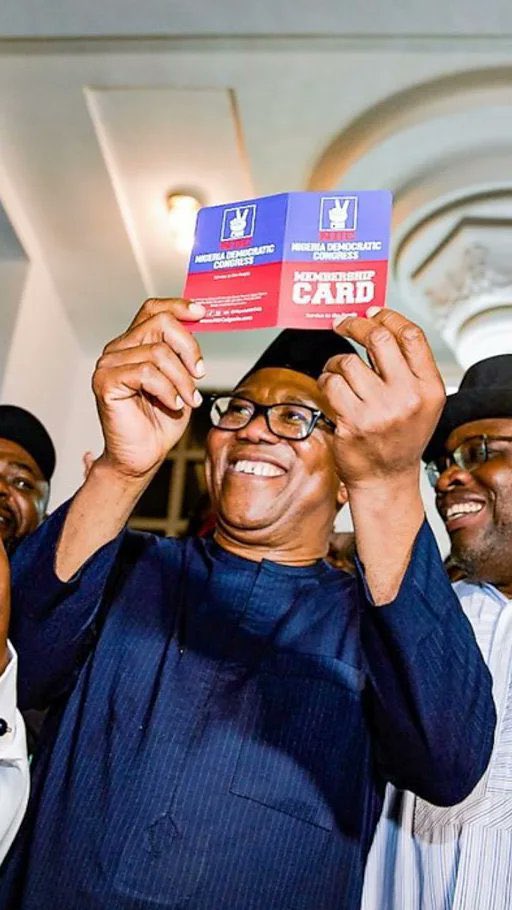
Critical Analysis of Peter Obi’s Political Journey from Labour Party to ADC and His Emergence as Sole Presidential Candidate of NDC Ahead of the 2027 Election
As Nigeria gradually approaches the 2027 general election cycle, the nation’s political landscape is witnessing significant realignments capable of reshaping democratic participation, opposition politics, governance expectations, and institutional accountability.
One of the most prominent developments remains the political journey of Peter Obi from the Labour Party to coalition politics involving the ADC and eventually his emergence as the sole presidential candidate of the Nigeria Democratic Congress (NDC).
At IGGPS, we believe this development represents more than an ordinary political transition. It reflects the deepening search by Nigerians, particularly youths and reform-minded citizens for credible governance alternatives capable of addressing the country’s persistent socio-economic and institutional challenges.
The Labour Party Movement and the Rise of Reform Politics
Peter Obi’s emergence during the 2023 presidential election under the Labour Party platform introduced a new dimension to Nigeria’s democratic environment.
For the first time in recent political history, large numbers of young Nigerians became actively involved in:
•political discussions,
•voter mobilization,
•civic participation,
•and governance advocacy.
The “Obidient Movement” evolved beyond party politics into a broader social and democratic consciousness movement demanding:
•transparency,
•prudent leadership,
•institutional accountability,
•economic productivity,
•and governance reforms.
At IGGPS, we consider this shift important for democratic growth because issue-based political engagement strengthens civic awareness and encourages greater citizen participation in governance processes.
Crisis Within the Labour Party and the Shift Toward Coalition Politics
Despite the momentum generated after the 2023 elections, the Labour Party experienced internal crises involving:
•leadership disputes,
•factional divisions,
•organizational instability,
•and legal disagreements.
These developments exposed the structural weaknesses that often affect emerging political movements in Nigeria.
Peter Obi’s movement into broader coalition politics under the ADC was widely interpreted as an attempt to:
•strengthen opposition unity,
•consolidate reform oriented political forces,
•and create a stronger institutional platform capable of competing nationally.
However, coalition politics in Nigeria has historically been challenged by:
•conflicting political ambitions,
•regional interests,
•ideological inconsistencies,
•and weak internal democratic culture.
The eventual transition toward the NDC platform further demonstrates the instability and fluidity that currently characterizes Nigeria’s opposition politics.
Peter Obi’s Emergence as Sole Presidential Candidate of NDC
Reports surrounding Peter Obi’s emergence as the sole presidential candidate of the NDC ahead of the 2027 elections have generated widespread national attention.
Supporters view the development as:
•a consolidation of reform politics,
•a strategic opposition move,
•and an opportunity to build a more focused political alternative.
Critics, however, continue to raise concerns regarding:
•party institutional strength,
•coalition sustainability,
•and the risks associated with personality centered political movements.
At IGGPS, we believe the real significance of this development lies not merely in electoral calculations, but in what it reveals about the evolving expectations of Nigerian citizens.
Increasingly, many Nigerians are demanding:
•accountable leadership,
•policy-driven governance,
•economic reforms,
•institutional efficiency,
•and youth-inclusive democracy.
Implications for Good Governance
Positive Democratic Impact
From a governance perspective, Peter Obi’s political movement has contributed positively in several ways:
1. Increased Youth Political Participation
The movement has inspired greater political awareness among young Nigerians, many of whom were previously disengaged from democratic processes.
2. Shift Toward Issue-Based Politics
Public political conversations have increasingly focused on:
•economic management,
•governance performance,
•public accountability,
•education,
•industrialization,
•and institutional reforms.
3. Stronger Democratic Competition
Competitive opposition politics strengthens democracy by:
•improving accountability,
•encouraging policy debates,
•and increasing governmental responsiveness.
4. Civic Consciousness and Governance Advocacy
The political movement has encouraged citizens to pay closer attention to:
•public policy,
•electoral processes,
•leadership conduct,
•and democratic institutions.
Areas of Concern
At the same time, IGGPS believes several important concerns must also be critically examined.
A. Personality-Driven Politics
Strong democracies are built on institutions, not individuals alone.
Political movements that rely excessively on personal popularity without building durable institutional structures may struggle with long-term sustainability.
B. Opposition Fragmentation
Frequent political defections and unstable coalitions may weaken public confidence in opposition credibility and democratic consistency.
C. Governance Expectations
Public expectations surrounding reform candidates are often extremely high. Sustainable governance transformation requires:
•institutional reforms,
•legislative cooperation,
•policy continuity,
•and long-term national planning.
D. Political Polarization
Nigeria must avoid excessive political hostility capable of undermining national unity and democratic stability.
The Broader Governance Lesson for Nigeria
At IGGPS, we believe the most important lesson from the current political developments is that Nigerians are increasingly demanding:
•competent governance,
•transparency,
•economic inclusion,
•youth empowerment,
•institutional reform,
•and responsible leadership.
This reflects a gradual transition from traditional patronage politics toward a more policy-conscious democratic culture.
Regardless of political affiliation, all political actors must recognize that sustainable democratic development requires:
•strong institutions,
•respect for democratic principles,
•electoral credibility,
•rule of law,
•and inclusive governance.
IGGPS Position
The Institute of Good Governance and Political Studies (IGGPS) maintains that:
•democracy thrives where citizens remain politically informed,
•governance improves where leaders are held accountable,
•and national development becomes sustainable where institutions are stronger than personalities.
As Nigeria prepares for the 2027 elections, political actors, institutions, and citizens must collectively prioritize:
•peaceful democratic engagement,
•issue-based politics,
•national unity,
•youth inclusion,
•institutional strengthening,
•and good governance practices.
Nigeria’s future will ultimately depend not only on political personalities, but on the country’s ability to build transparent institutions, responsible leadership systems, and a democratic culture rooted in accountability and national development.
Institute of Good Governance and Political Studies (IGGPS)
Promoting Leadership Excellence, Democratic Values, Policy Development and National Transformation.
#IGGPS
#GoodGovernance
#PoliticalStudies
#PeterObi
#Nigeria2027
#Democracy
#Leadership
#Governance
#PublicPolicy
#YouthParticipation
#NationalDevelopment
#PoliticalReform
#Accountability
#DemocraticDevelopment
1
2
64
Welcome to the official X page of the Institute of Good Governance and Political Studies (IGGPS).
We are committed to promoting good governance, democratic development, credible leadership, political education, policy advancement, institutional accountability, youth inclusion, and national transformation in Nigeria and across Africa.
As we begin this journey, IGGPS stands as a platform for intellectual engagement, policy dialogue, leadership development, democratic values, and sustainable nation-building.
Together, let us rebuild public trust, strengthen democratic institutions, and advance responsible governance for future generations.
Join us as we shape conversations that matter for Nigeria, Africa, and the global democratic community.
#IGGPS
#GoodGovernance
#Democracy
#PoliticalDevelopment
#Leadership
#NationBuilding
#PublicPolicy
#Governance
#Nigeria
#Africa
#DemocraticDevelopment
#InstitutionalReform
#PoliticalLeadership
#YouthInPolitics
#CivicEngagement
#Accountability
#Transparency
#Abuja
#PeterObi
#NigerianPolitics
#2027Elections
#PoliticalEducation
#GovernanceMatters
#LeadershipDevelopment
#PolicyMaking
#DemocraticInstitutions
1
2
16

25 Apr 2025
Social Organizations and Citizens to Collaborate with Punjab MLAs in Decision Making: Neel Garg yespunjab.com/?p=117130
#RanglaPunjabVikasYojana #AAP #BhagwantMann #PunjabDevelopment #AAPForCommonPeople #PunjabBudget2025 #DemocraticDevelopment #NeelGarg #PublicParticipation #PunjabPolitics
27

17 Apr 2025
Join the conversation on data governance, hosted by @SDPIPakistan.
@LIRNEasia’s Senior Policy Fellow @Aslamhayat63 & Research Fellow @pranesh will share insights from our project, 𝗛𝗮𝗿𝗻𝗲𝘀𝘀𝗶𝗻𝗴 𝗗𝗮𝘁𝗮 𝗳𝗼𝗿 𝗗𝗲𝗺𝗼𝗰𝗿𝗮𝘁𝗶𝗰 𝗗𝗲𝘃𝗲𝗹𝗼𝗽𝗺𝗲𝗻𝘁 𝗶𝗻 𝗦𝗼𝘂𝘁𝗵 𝗮𝗻𝗱 𝗦𝗼𝘂𝘁𝗵𝗲𝗮𝘀𝘁 𝗔𝘀𝗶𝗮. Drawing on research across the region, they will explore key issues in data governance in Pakistan and beyond.
🗓️ Tune in on 23rd April
📝 Register via the link below or scan the QR code on the poster to join the discussion online.
🔗us02web.zoom.us/webinar/regi…
#dataforgood #datagovernance #digitaldevelopment #southasia #southeastasia #policyresearch #democraticdevelopment #openknowledge #lirneasia #digitalrights #techpolicy #evidencebasedpolicy #pakistan #sdpi
linkedin.com/events/datagove…
1
2
376

11 Nov 2024
👉 From voting on concepts to providing feedback in real-time, every member has a say in shaping the games we build together. Join SlingshotDAO and be part of a gaming revolution where you make the difference! 🎮💥 #CommunityPower #SlingshotDAO #GameDev #DemocraticDevelopment
1
1
36

18 May 2024
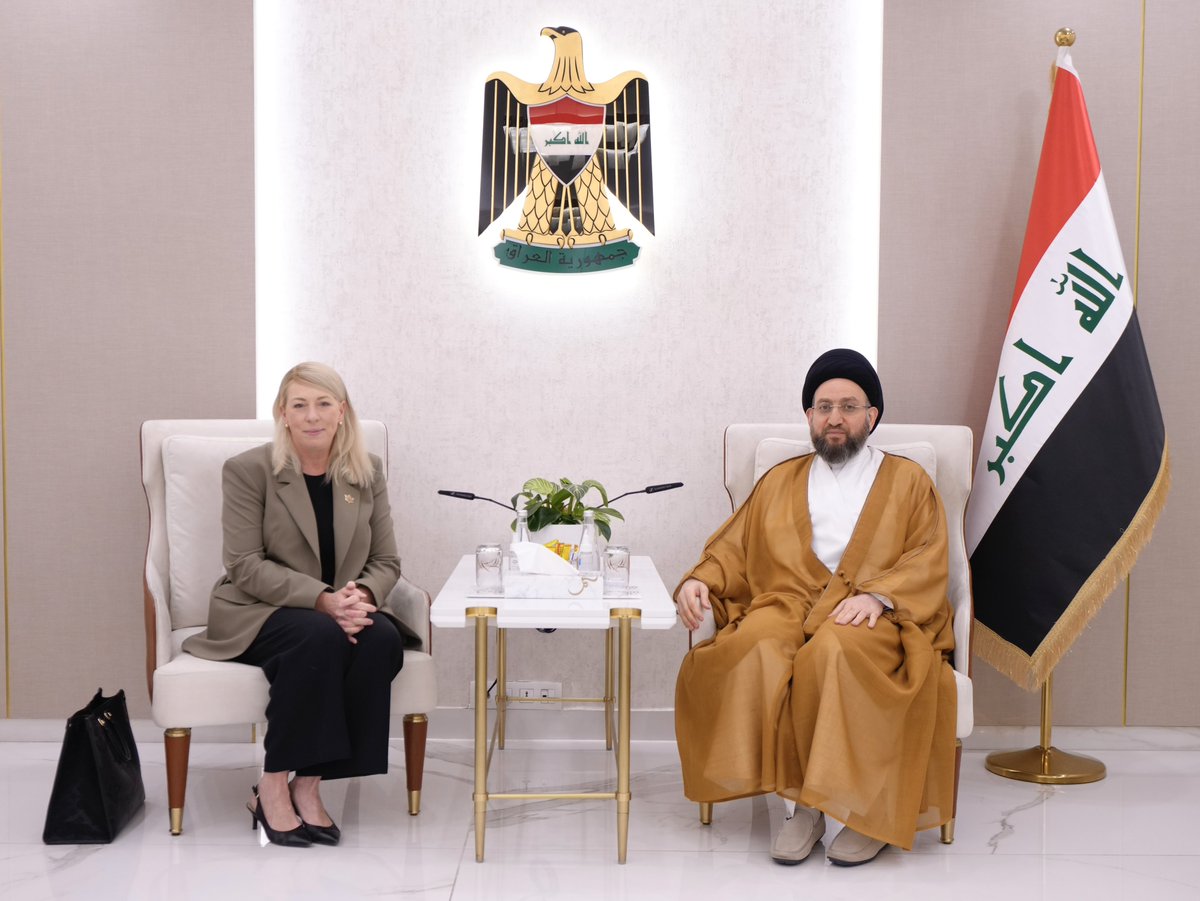
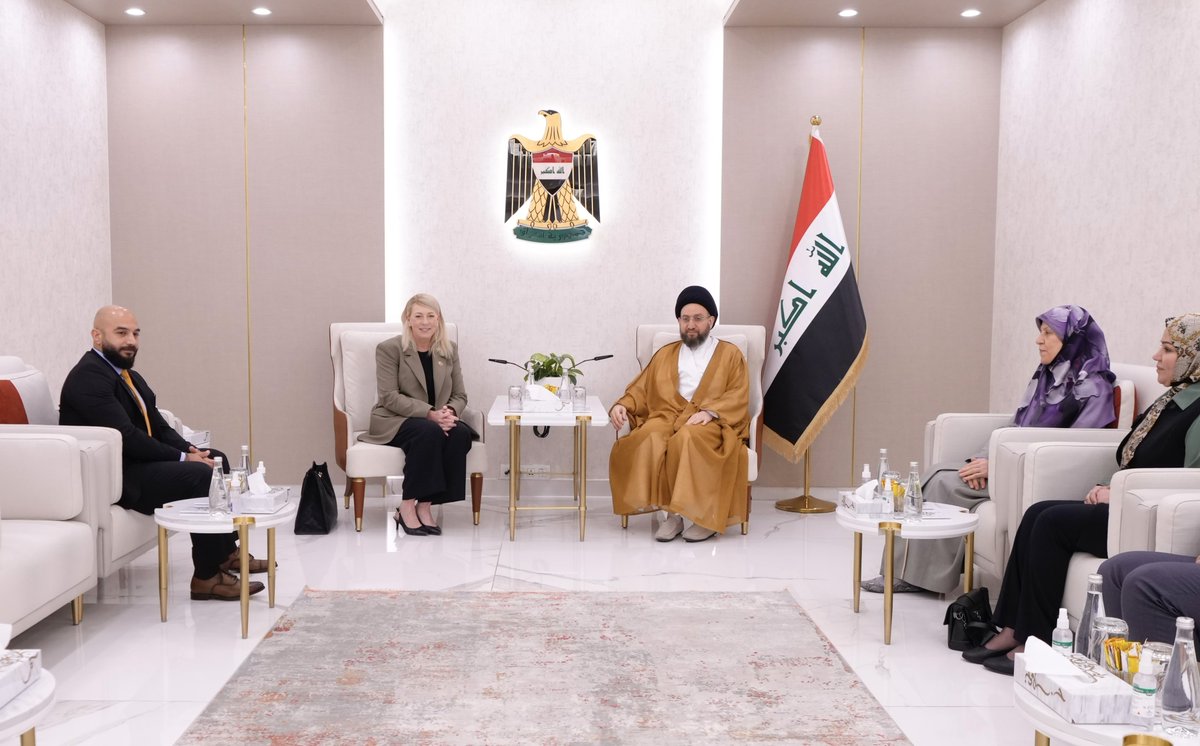
I held a constructive and informative discussion today with @Ammar_alhakeem on political consolidation and security developments in Iraq, as well as shifting alliances in the lead-up to 2025 federal elections #democraticdevelopment #security #Iraq
18 May 2024

إلتقينا صباح اليوم سعادة السيدة كاثي بانكا سفيرة كندا الجديدة لدى العراق، وتداولنا في تطورات المشهد السياسي في العراق والمنطقة، وأكدنا أهمية الاستقرار المتحقق وأثره وانعكاساته الإيجابية على أمن العراق والمنطقة، وشددنا على ضرورة إدامة هذا الاستقرار وتحويله إلى استقرار دائم وحمّلنا الجميع مسؤولية تحقيق هذا الهدف.
دعونا إلى ملاحظة الرضا الشعبي عن الحكومة والقوى السياسية الداعمة لها ، وبيّنا أن هذا الرضا ناتج عن رؤية الحكومة ومشاريعها الخدمية والتنموية التي بدأ المواطن يتلمسها ويعيش تفاصيل إنجازها .
شددنا أيضا على تطوير العلاقات مع كندا، حيث إن العراق يقدم فرصا واعدة في مجال البناء والإعمار، ودعونا لاستثمار هذه الفرص عبر حضور الشركات في السوق العراقية.
جددنا مطالبتنا بتطبيق قرارات الشرعية الدولية ووقف إطلاق النار في غزة وإغاثة الشعب الفلسطيني الذي يتعرض إلى إبادة جماعية.
1
2
22
2,040

2 Jan 2024
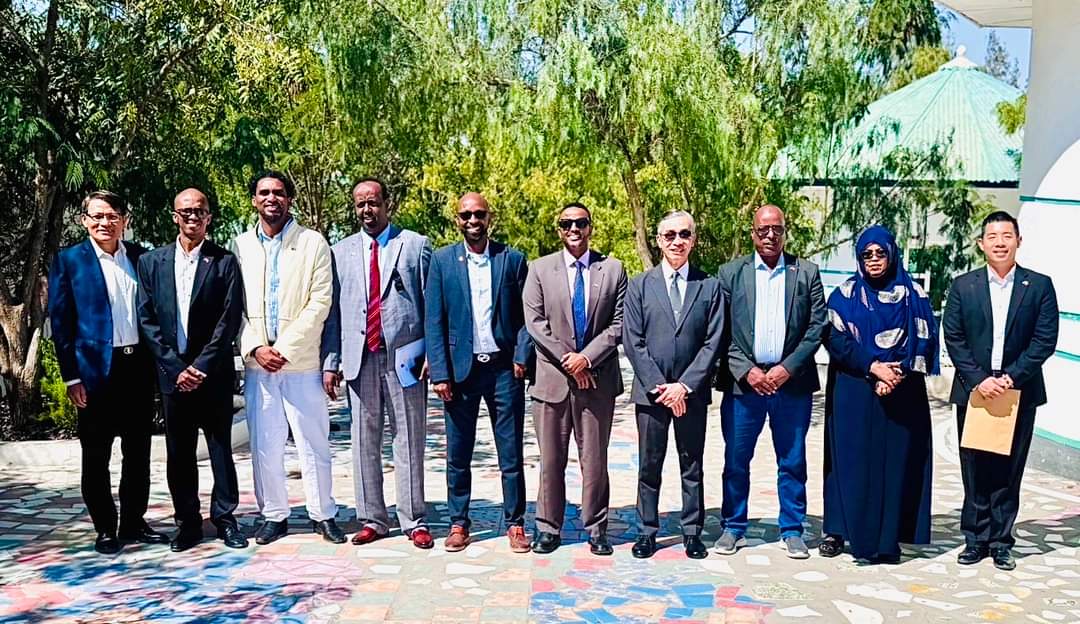
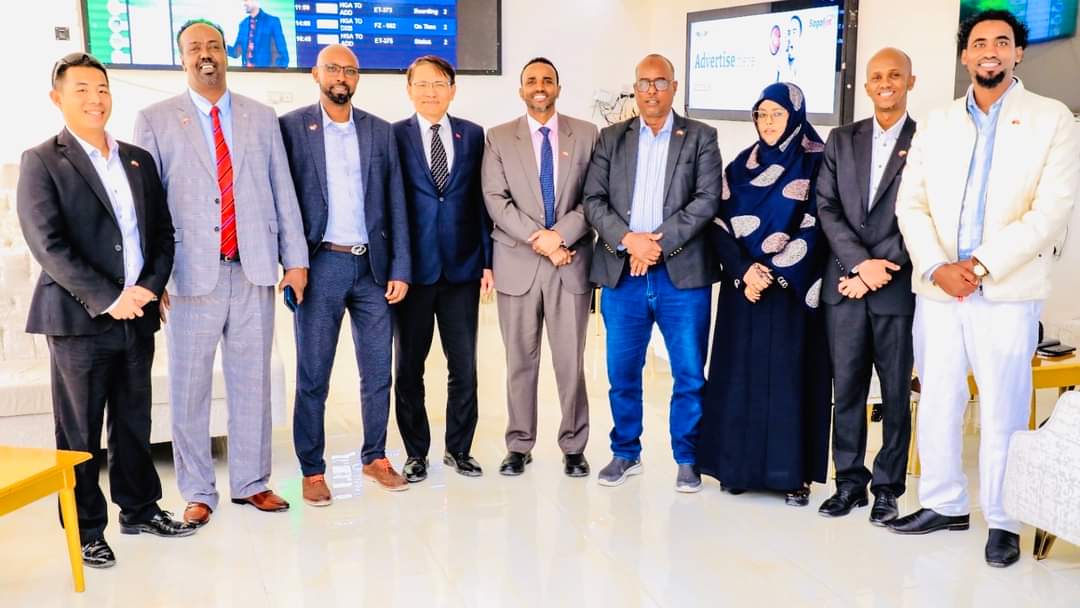
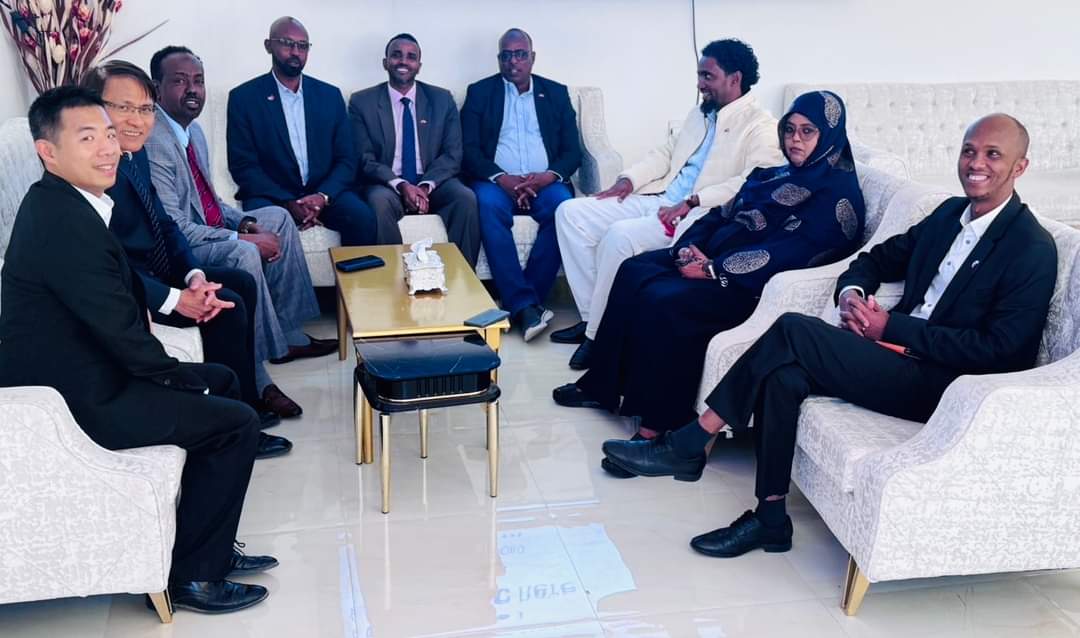
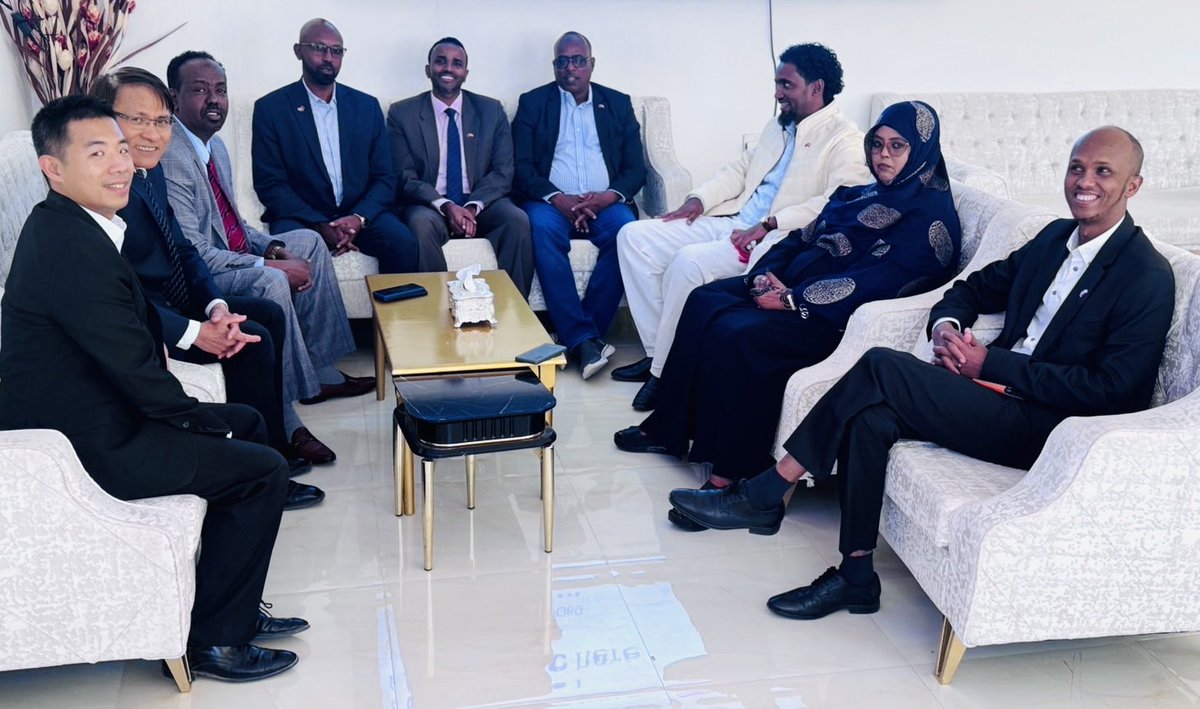
The Republic of Somaliland's Election Commission departed for Taiwan as Taiwan’s presidential and parliamentary elections draw closer on January 13, 2024. @SLNECHQ Chairman and Commissioners will join Democratic Like-Minder Partners and International Medias to observe and have some exposure from this important election. #DemocraticDevelopment
1
8
30
2,633

2 Jan 2024
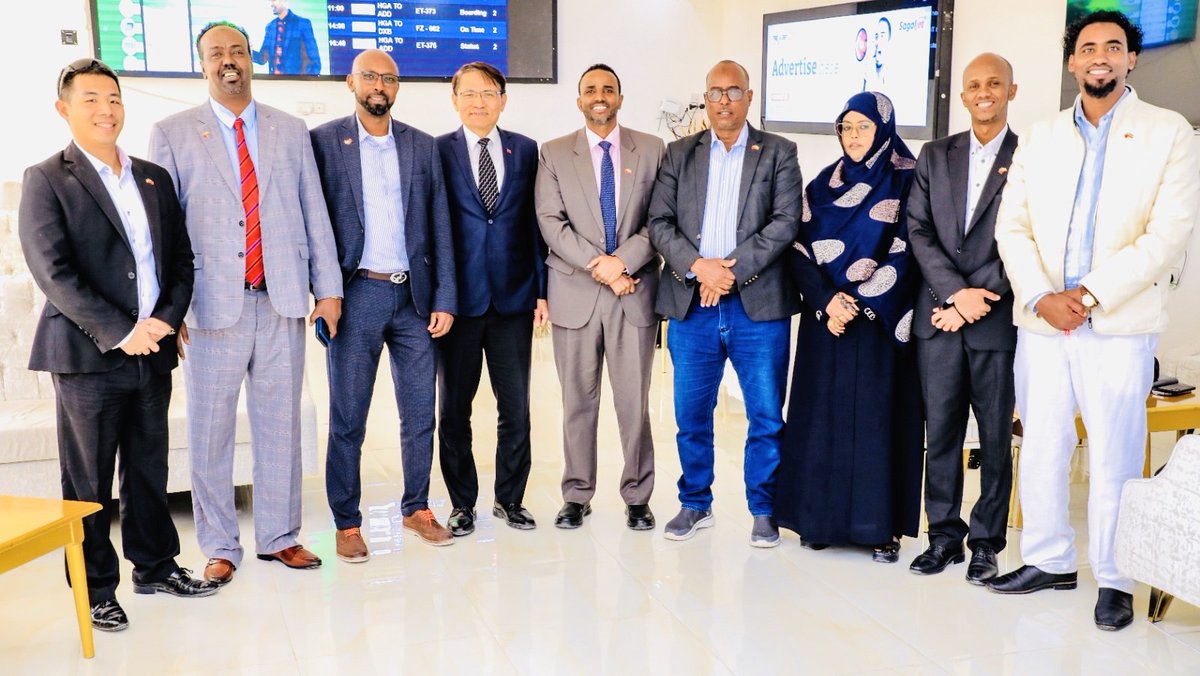
and have some enlightment from this important election. 2/
#DemocraticDevelopment #DemocraciesHelpDemocracies #WeShareTaiwansbest
1
3
316

29 Oct 2023
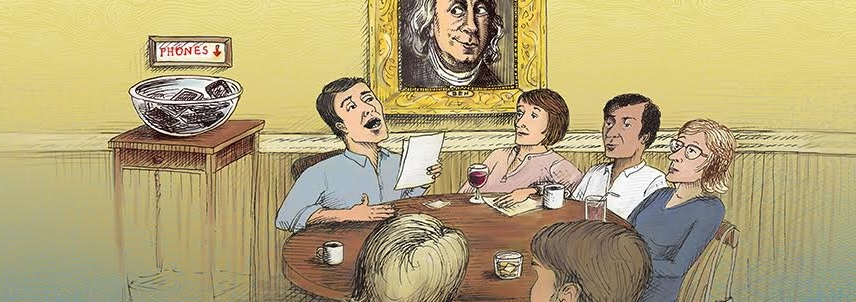
EL DESARROLLO DEMOCRÁTICO Y LA VIRTUAL MENTIRA
Se debe resistir y combatir la era de la virtual mentira. Es necesaria una revolución de la verdad y de la transparencia. Enseñar ética y estética, tanto a los padres o representantes como a sus hijos e hijas desde la temprana edad, es enseñar el respeto a la dignidad del ser humano y de todos los seres vivos, es conciencia ecológica, es colaboración, integridad, respeto por la diversidad; es amar la verdad frente a la tiranía del engaño, es enseñar que el que no piensa, ni siente, ni percibe como nosotros no es un enemigo y es alguien que puede enseñarnos algo, porque de nadie aprendemos más que de aquel que hace tambalear nuestros valores.
DEMOCRATIC DEVELOPMENT AND THE VIRTUAL LIE
The era of virtual lies must be resisted and combated. A revolution of truth and transparency is necessary. Teaching ethics and aesthetics, both to parents or representatives and their children from an early age, is to teach respect for the dignity of human beings and all living beings, ecological awareness, collaboration, integrity, and respect for diversity. It is to love the truth in the face of the tyranny of deception, and it is to teach that a person who does not think, feel, or perceive as we do is not an enemy and is someone who can teach us something because we learn more from no one than from those who stagger our values.
#Politics #politicallying #DemocraticDevelopment #Ethics #aesthetics #psychology
miguelescotet.com/2023/desar…
4
5
241

29 Oct 2021
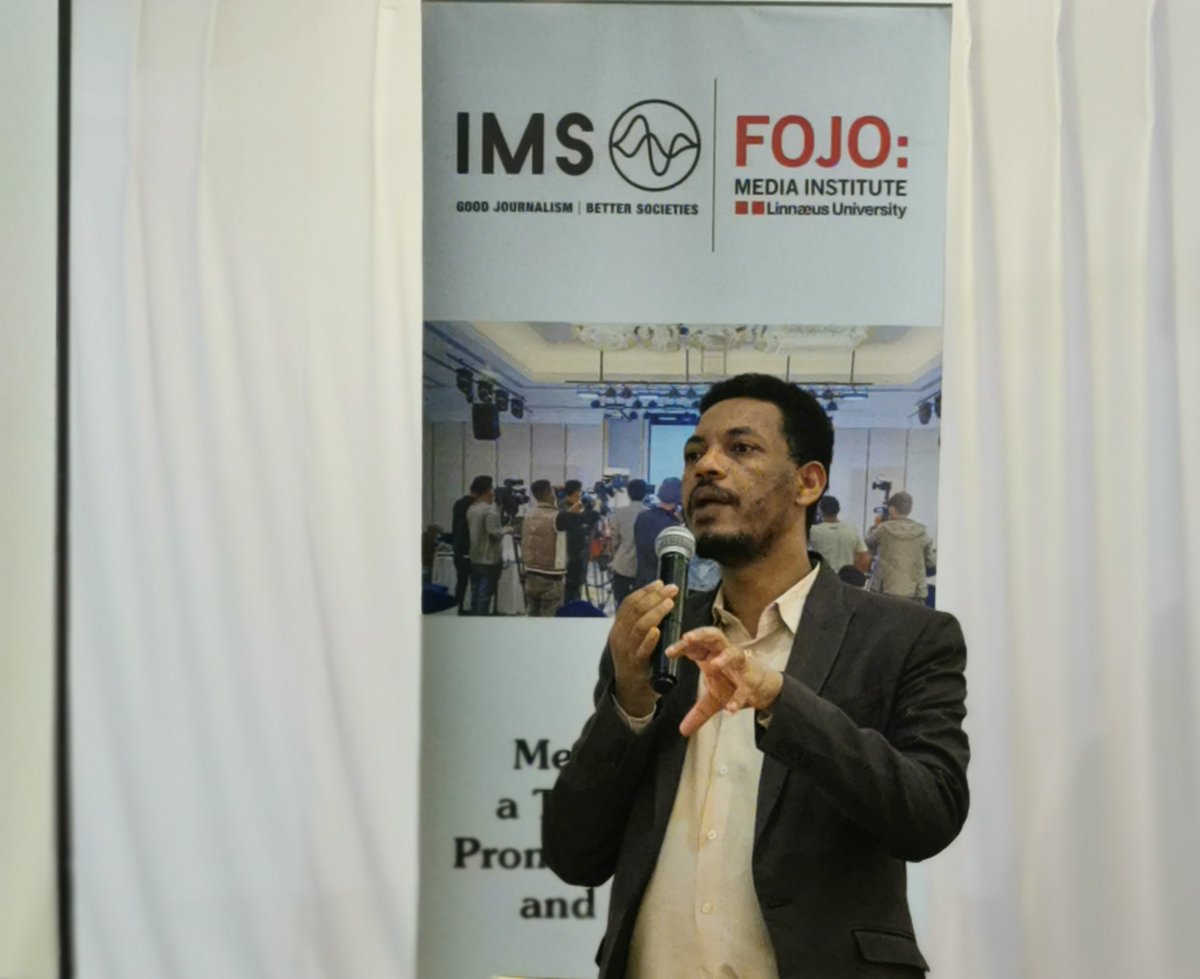
Solomon Goshu of @FojoIms is an active attendee & contributing on this big talk with his engagement for #mediareforms,#professionalism,& independence in #Ethiopia.
The event is part of #Sweden's #DriveforDemocracy,to be a strong voice & actor for #democraticdevelopment in the🌍
3
3

16 Apr 2021
What the fuck is wrong with #WesternMedia houses like @Reuters @nytimes @BBC!? Huge #ChineseFunds has strong armed them to forcibly portray their rivals in negative like #India :even on lost wars like #VaccineDiplomacy, soft power and #DemocraticDevelopment.
1
5

12 Mar 2021
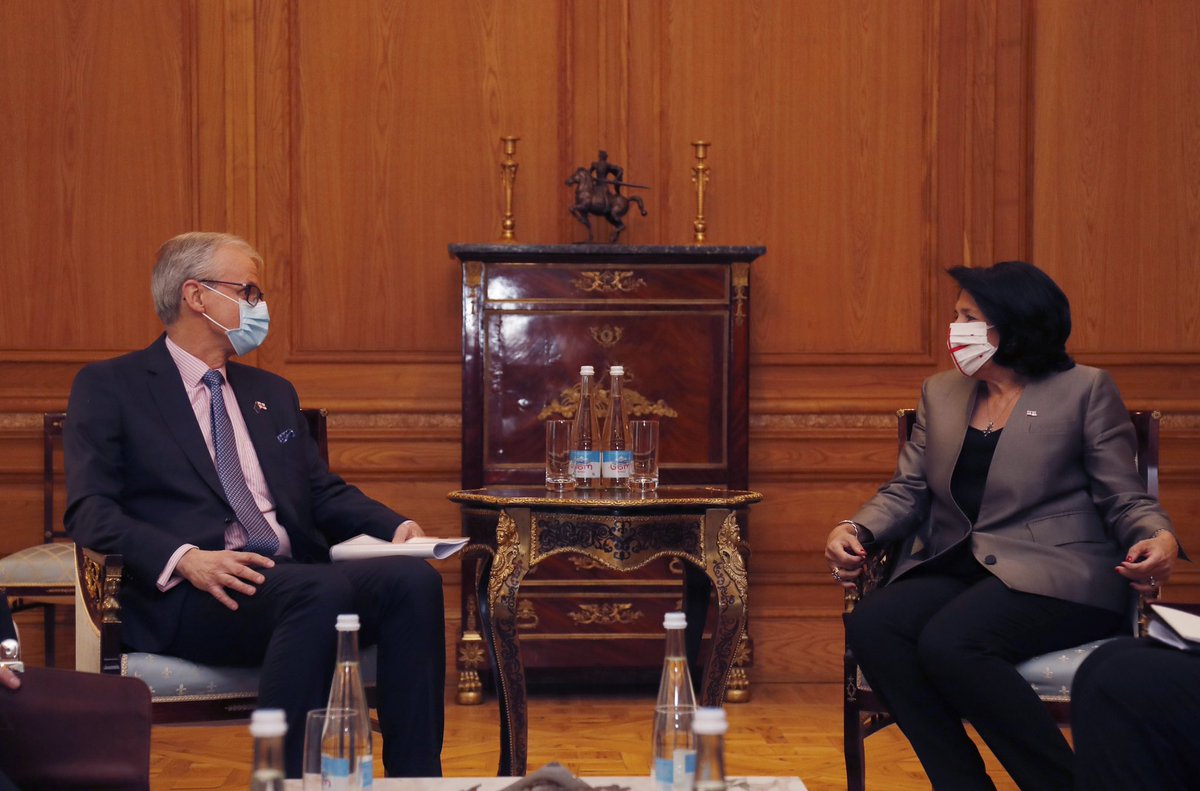
.@DanielssonEU’s arrival to Tbilisi shows us that the EU will continue to work for the #democraticdevelopment of Georgia. A very productive meeting with the Special Envoy. Once again, each side must put country first and fight for depolarization and stability.
6
14
76

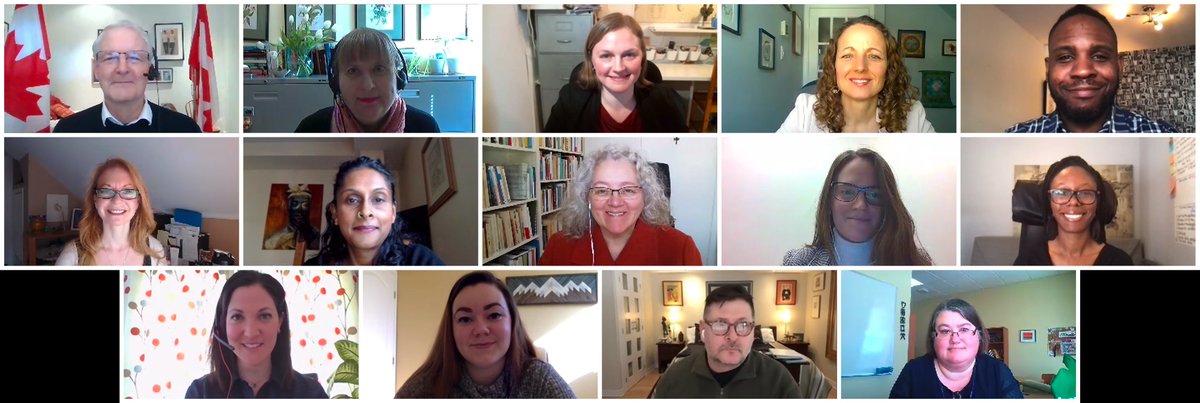
@parlcent in discussion with @MarcGarneau on 🇨🇦‘s #FeministForeignPolicy. Support to reform democratic institutions is crucial so they become inclusive spaces where women and marginalized groups have real political voice and power.
#DemocraticDevelopment #DefendDemocracy
11 Feb 2021

Today, Minister Garneau hosted a roundtable about our Feminist Foreign Policy and heard recommendations from partners to advance and protect international law, human rights, gender equality and diversity & inclusion.
4

9 Feb 2021
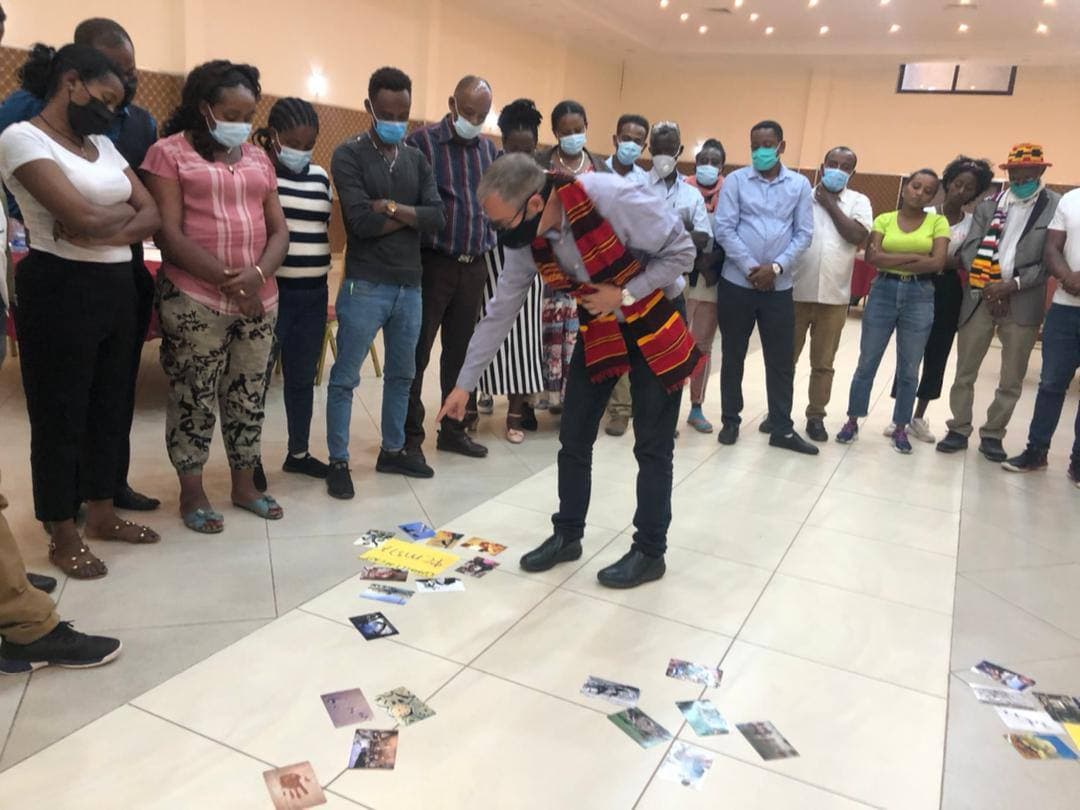
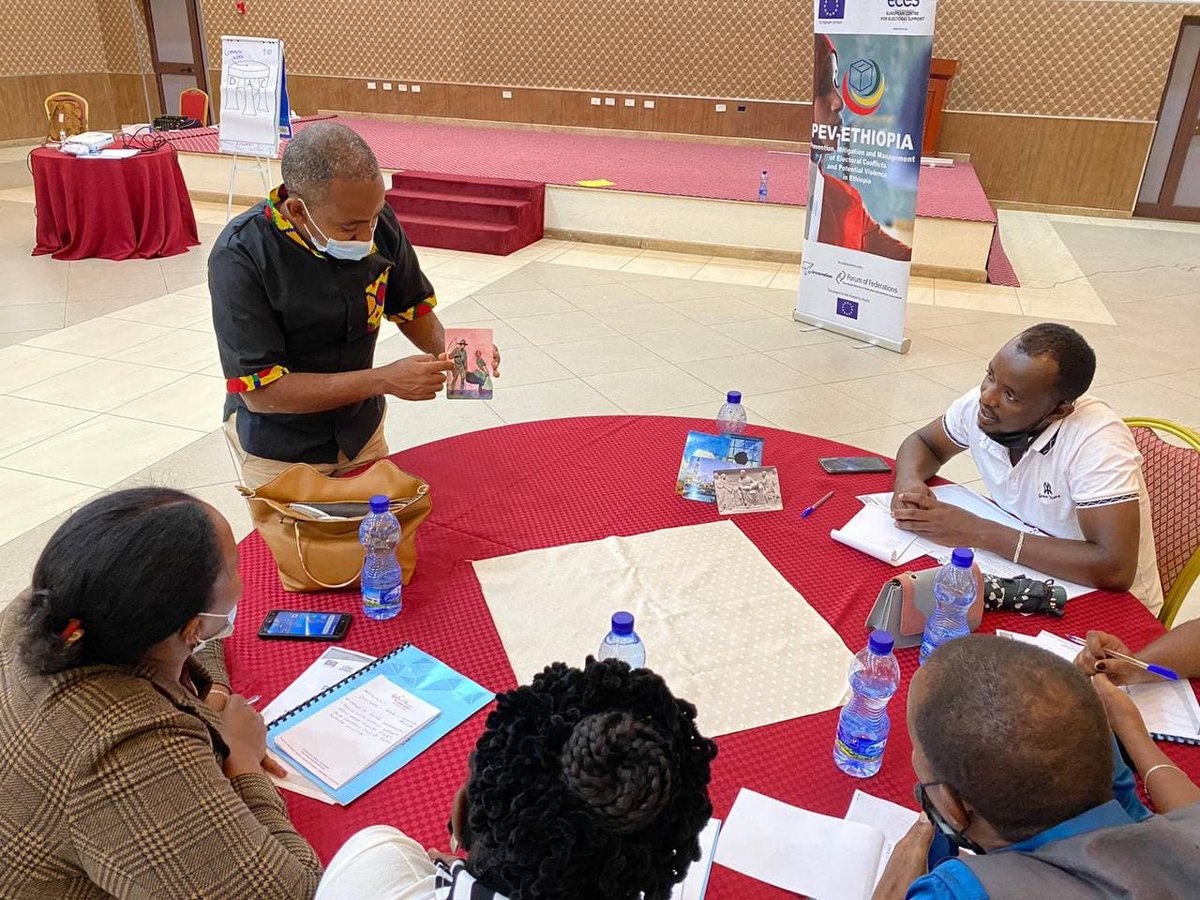
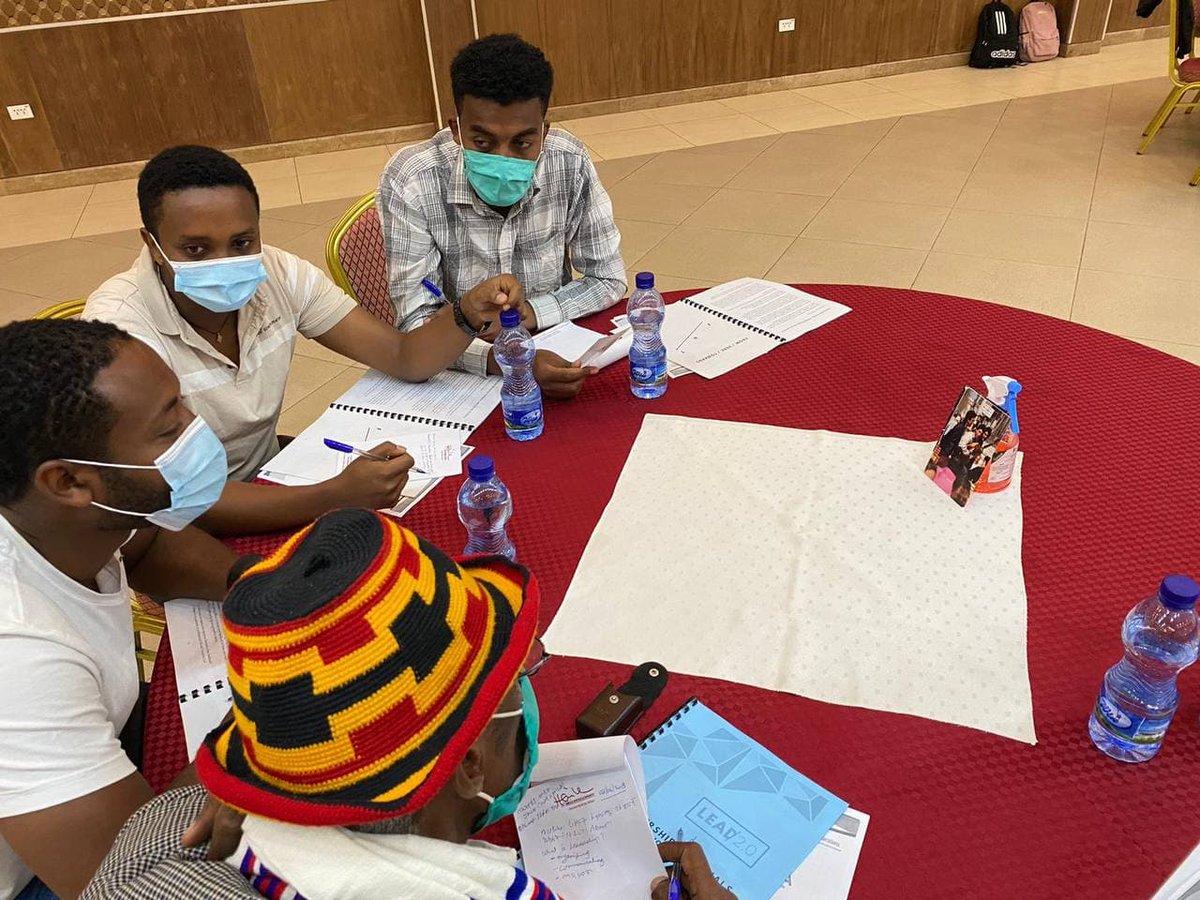
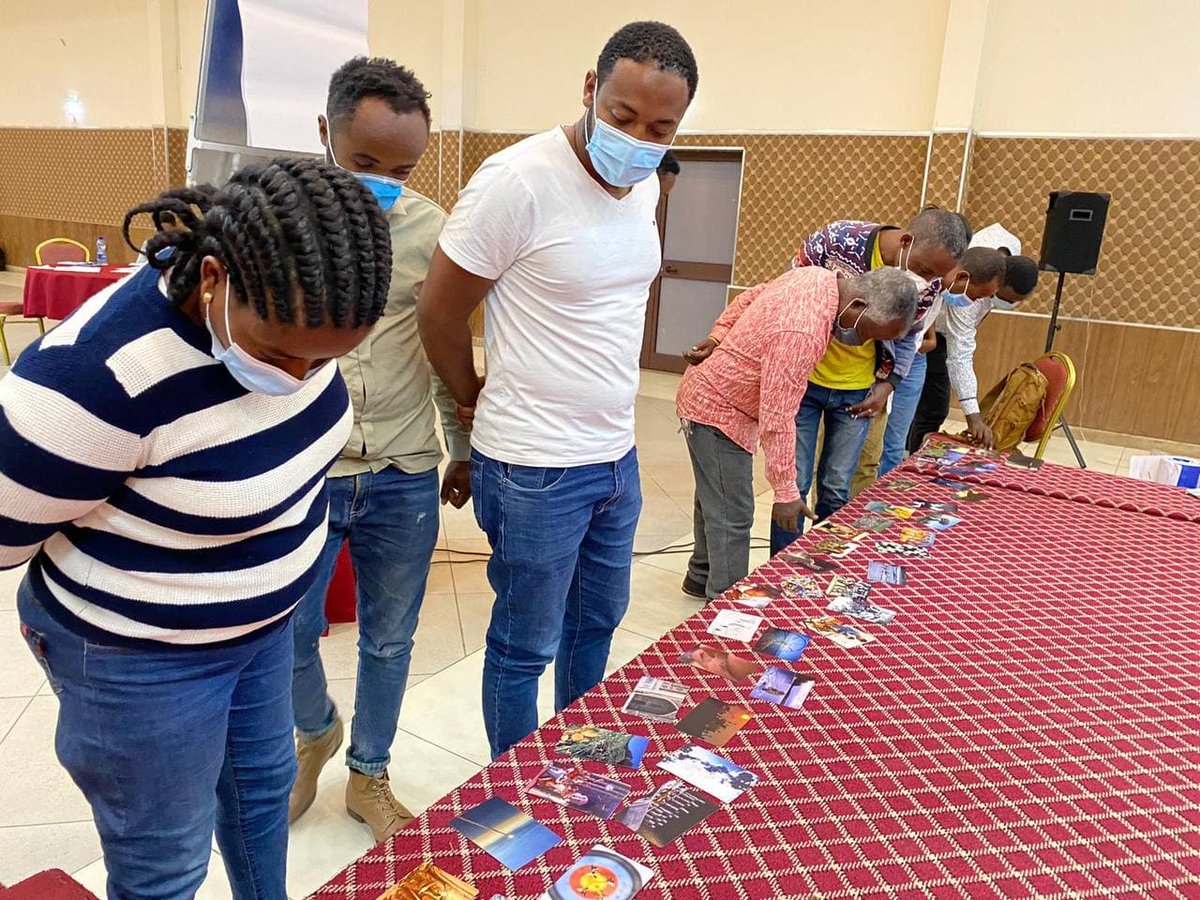
Pictures from Day 1 of the LEAD workshop in Arbaminch
Excited to meet this energetic group of leaders who represent their communities through the meaningful work that they do!
#leadership #eces #ethiopia #democraticdevelopment #democracyinaction #eu4democracy
3
8

2 Dec 2020
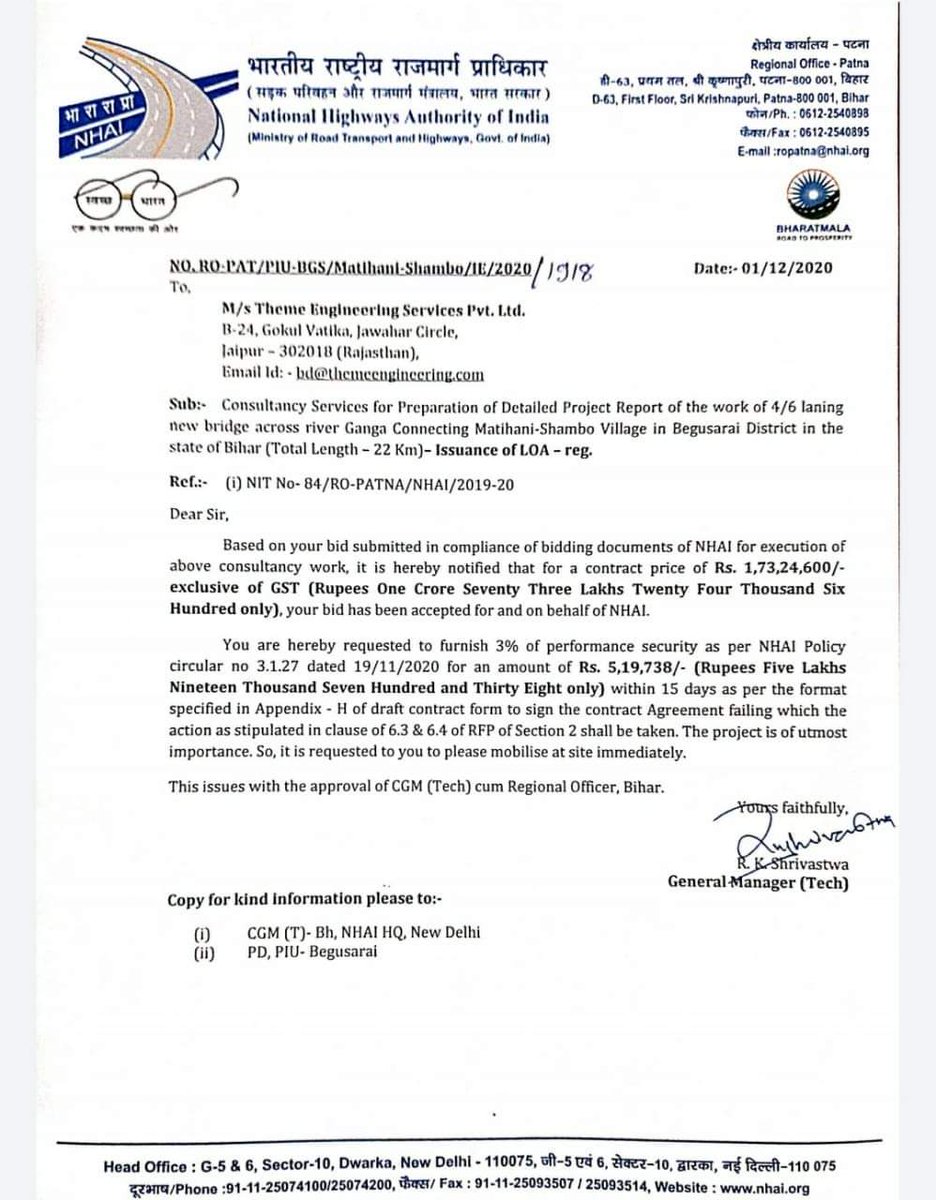
You need each Member of Parliament to work for you as a citizen of India. The system will work if politics is kept aside. Well done @RakeshSinha01 ji. #democraticdevelopment #Goa
2 Dec 2020

सारे माँ भारती के पुत्रों को ह्रदय से धन्यवाद।
10
61

7 Nov 2020
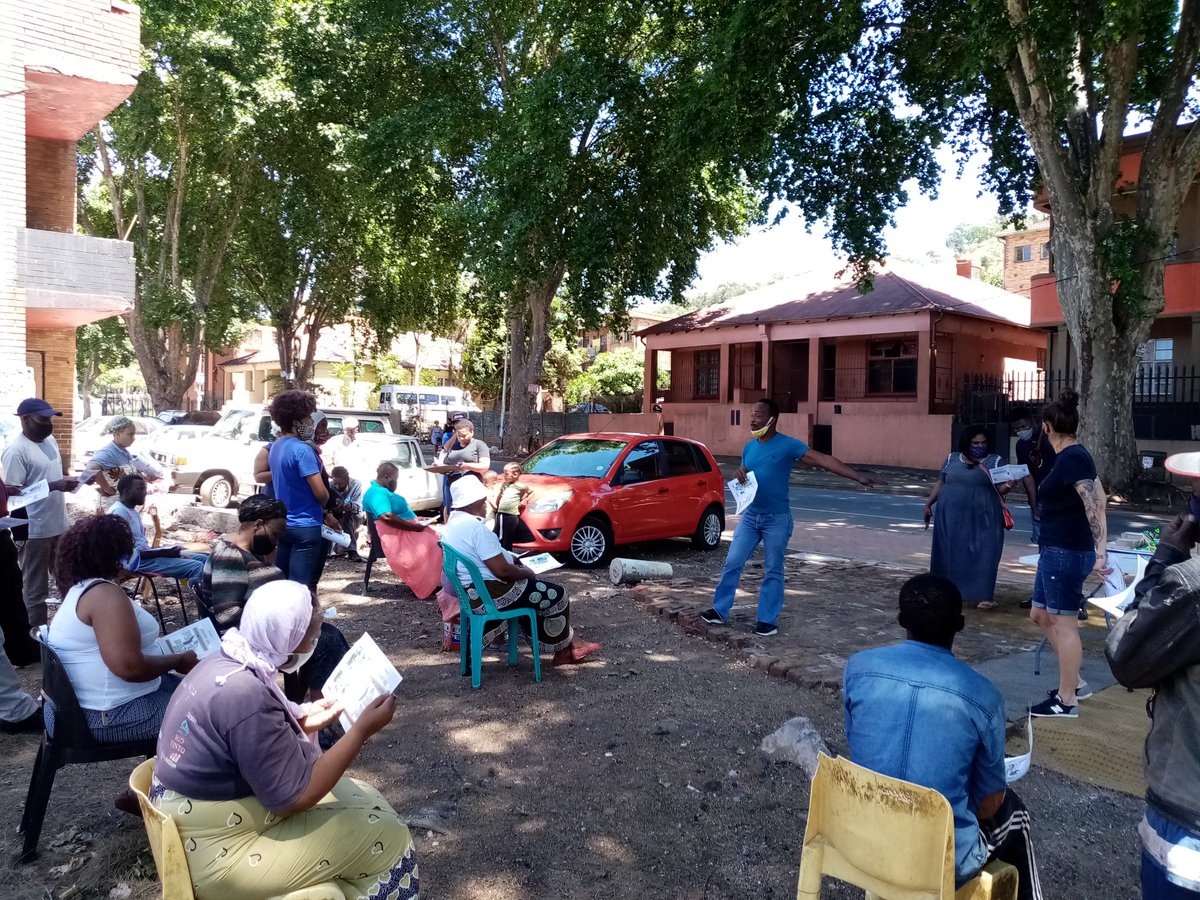
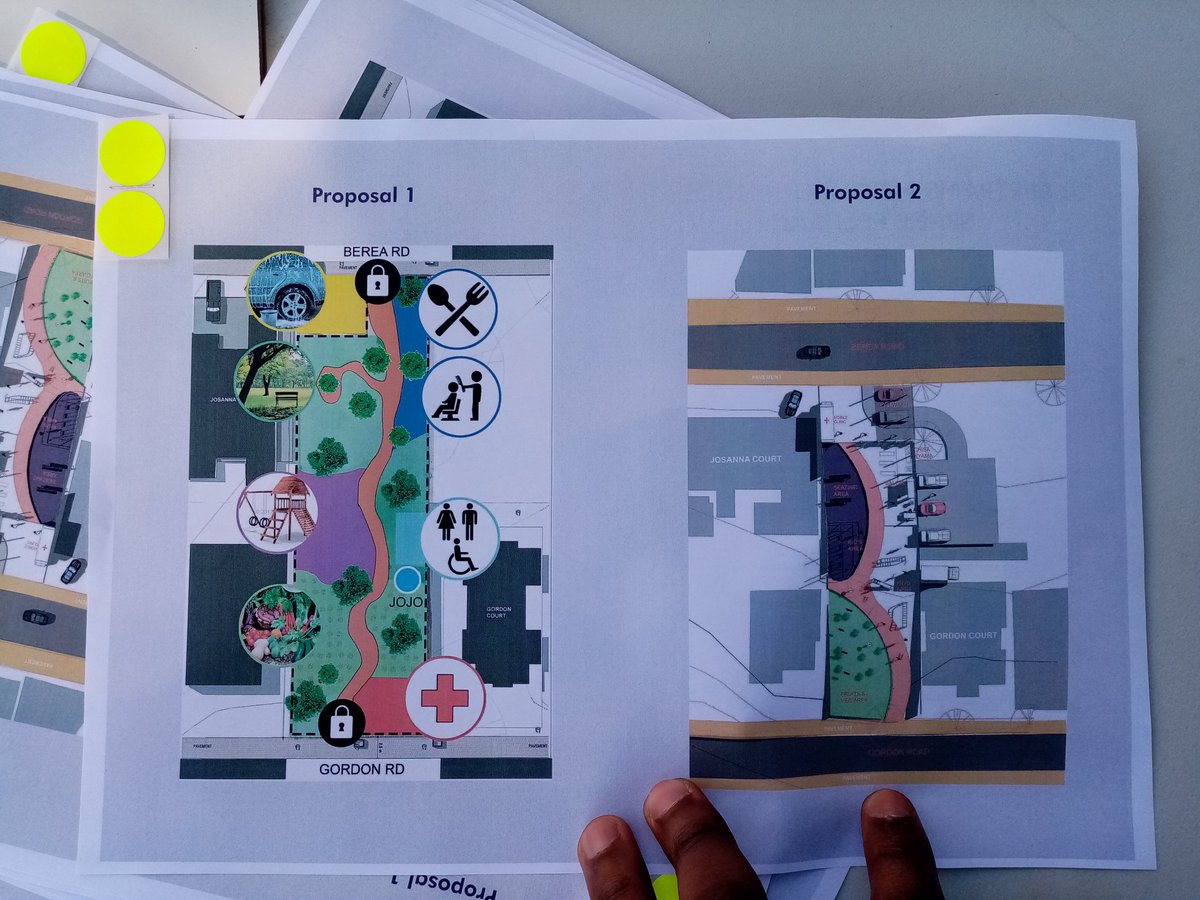
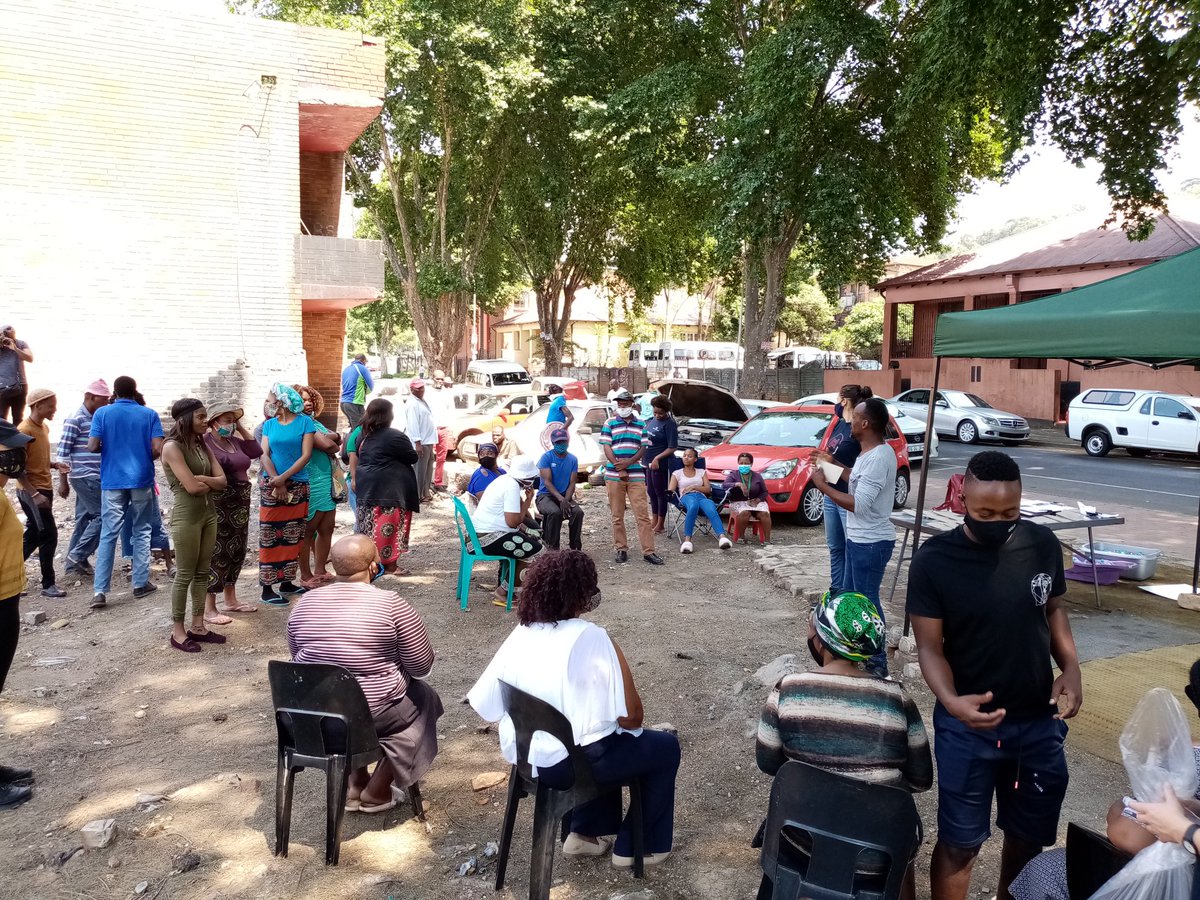
Bertrams priority block workshop: residents are presenting 2 proposals where they will decide what to do with the open spaces between buildings. @1to1_AoE and Inner City Resource Center.
#democraticdevelopment
#WeWontMove
1
5
5
24 Oct 2020
Bottom up approaches are key to sustainable development. Bertram workshop where residents are brainstorming ideas on what must happen to an empty space between buildings. Working hard with @1to1_AoE and Inner City Resource Center.
#democraticdevelopment #WeWontMove
5
14

19 Aug 2020
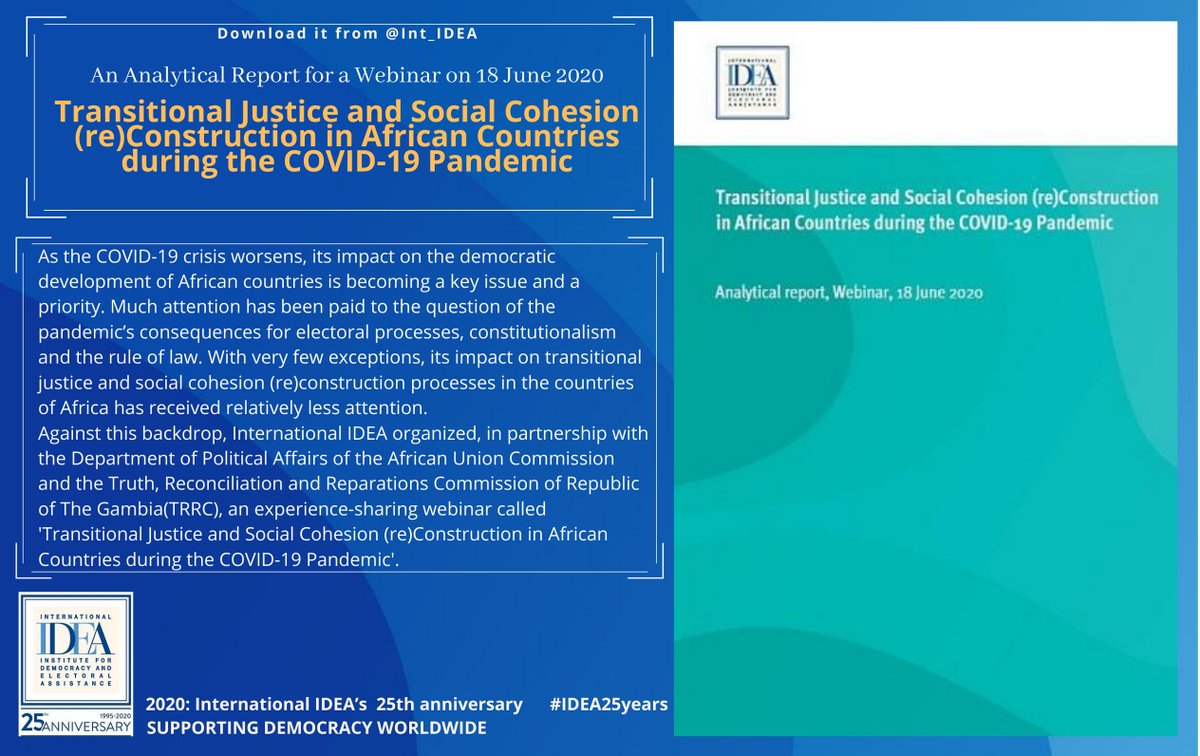
How to keep #justice and #reconciliation at the top of the #democraticdevelopment agenda during complex contexts? This Event Report by @Int_IDEA analysis a webinar discussed shared experiences on #TransitionalJustice and #SocialCohesion during #COVID19: doi.org/10.31752/idea.2020.4…
4
6

3 Jan 2020
मेरा यही मानना है की लोकतंत्र में विकास हमेशा लोगों के मुताबिक़ होना चाहिए। #SmartCity #Dharamshala #DemocraticDevelopment pehalinazar.com/?p=2495
1
2
8