SK’S AI ULTIMATUM: TRANSFORM NOW OR WASTE THE MEMORY SUPER-CYCLE
TLDR: SK is trying to turn a temporary HBM windfall into a permanent full-stack AI advantage before the memory boom closes.
SK Chairman Chey Tae-won urged every affiliate to accelerate AI transformation, proposing a companywide “one person, one agent” system that turns individual AI tools into shared operating infrastructure. SK’s goal is to combine memory, data centers, energy, electrification and communications into a full-stack AI platform.
#SK #SKHynix #CheyTaewon #AITransformation #FullStackAI #AIAgents #HBM #DRAM #MemoryChips #DataCenters #EnergyInfrastructure #Telecom #KoreaSemis #KoreaMarkets $HXSCF $NVDA $SSNLF $DRAM $EWY $KORU
1
92

Full-Stack AI Creator: Audio, Video, Image w/ Google & Adobe
⏱️ 3.4 hours
⭐ 4.65
👥 10,423
🔄 Mar 2026
💰 $14.99 → 100% OFF
comidoc.com/udemy/ai-content…
#AIContent #FullStackAI #ContentMarketing #udemy
16

Jun 12
The future of AI demands more than models—it requires a rock-solid foundation. 🚀
At #Navigate2026, Simon LIU (SVP of H3C) unveiled the 6 core dimensions powering the #AgenticEra: Compute-Network-Storage-Cloud-Security-O&M.
Click to explore👇
#H3C #AIInfrastructure #FullStackAI
39

Jun 11
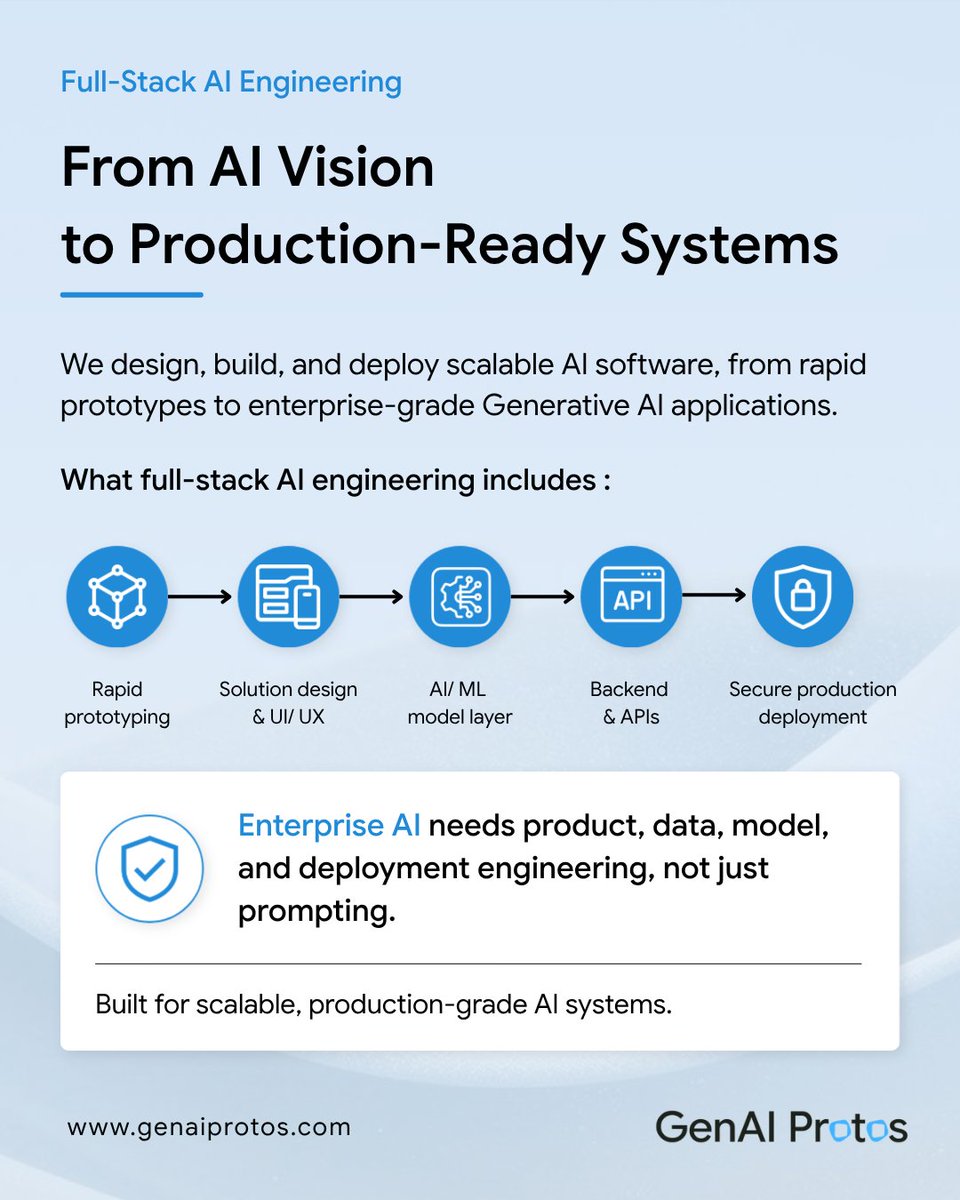
Enterprise AI needs more than prompts.
Full-stack AI engineering connects models, data, backend systems, and secure deployment to build production-ready AI for real workflows.
Explore More at - genaiprotos.com/?utm_source=…
#GenAIProtos #AIEngineering #EnterpriseAI #FullStackAI
9

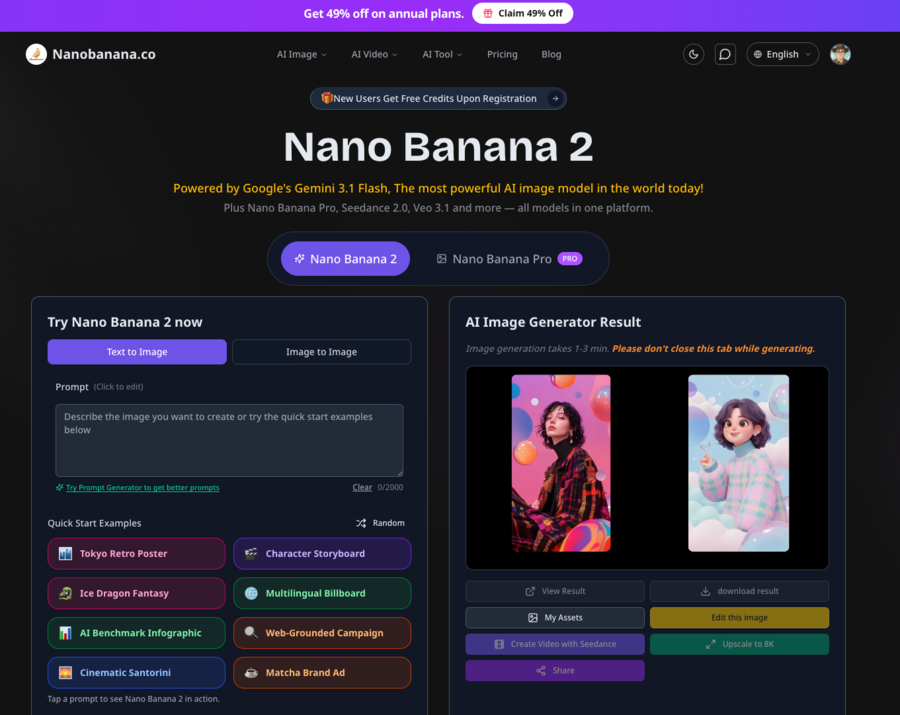
Nanobanana.co Expands Into a Full-Stack AI Image and Video Creation Platform
#fullstackai #ainews #pressrelease #pressreleaseservice @247pressnews
Press release: 24-7pressrelease.com/press-r…
5

Jun 8
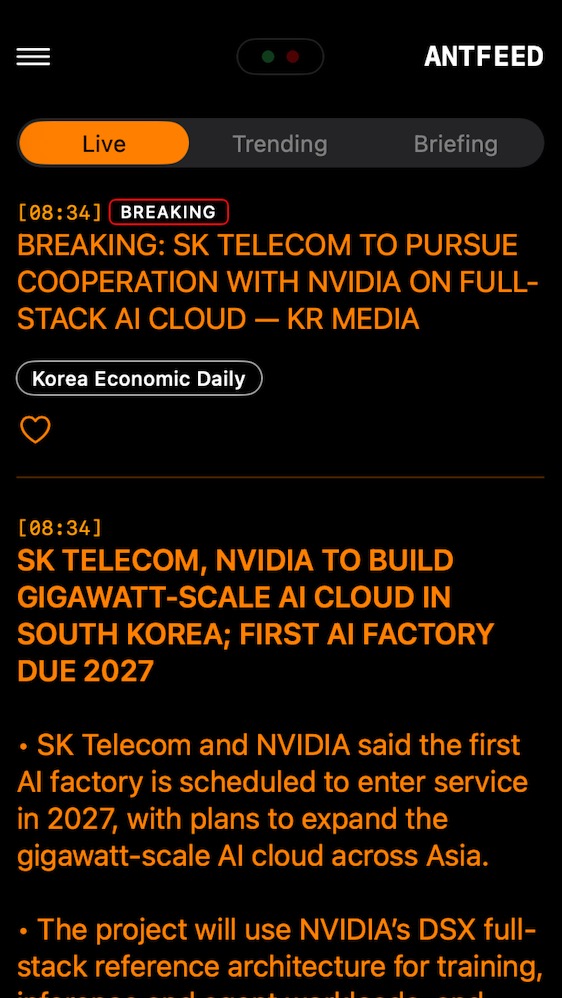
SK TELECOM-NVIDIA: FULL-STACK AI CLOUD PROJECT PUTS KOREA’S FIRST AI FACTORY ON 2027 TIMELINE
SK Telecom and Nvidia plan to build a gigawatt-scale AI cloud in South Korea, with the first AI factory scheduled to start service in 2027 and expansion planned across Asia using Nvidia’s full-stack DSX reference architecture for AI training and deployment.
#SKTelecom #Nvidia #JensenHuang #AIFactory #AICloud #AIInfrastructure #DataCenters #FullStackAI #DSX #KoreaAI #KoreaMarkets #Semiconductors #AIChips $NVDA $EWY $KORU $SSNLF $HXSCF
25

Jun 4
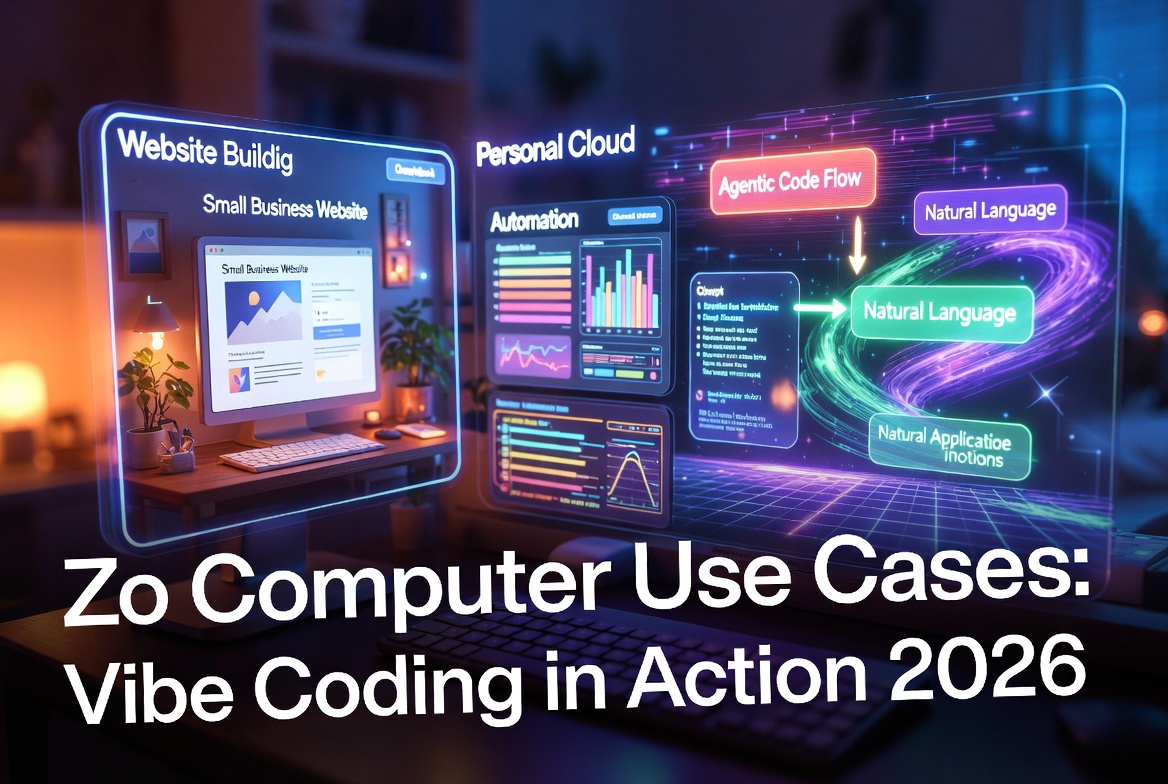
🚀 Use Cases of Zo Computer: Real-World Vibe Coding Magic in 2026
Zo Computer (zo.computer) stands out as a persistent personal AI cloud platform that excels in turning natural language "vibes" into functional software, automations, and hosted applications. Designed as "your home on the internet," it combines always-on compute, agentic AI, and full-stack tools—making it ideal for indie builders, non-coders, and pros alike. Co-founded by ex-Stripe and Venmo talent, it's gaining momentum for practical, ownership-focused vibe coding.
Latest X Buzz & Trending Use Cases (June 2026):
Community posts showcase Zo's versatility. Ambassadors and users highlight building websites for small businesses, launching online curricula, and connecting agents to personal tools like banking apps on iPhone. One standout: vibe coding restaurant booking agents or full client management workflows replacing multiple SaaS tools (Squarespace, Calendly, Notion).
Users like @Thebitcoinbarb1 are "hunchback vibe coding" from mobile for personal projects, while @brookslagle praises UI/UX improvements and always-on agents with models like Minimax M3. Founders demo evolving from simple prompts for family ("vibe coding for my mom") to full personal servers and beyond.
Key Trending Use Cases:
Website & MVP Building: Use "Sites" templates (Bun/Vite-powered) to vibe code landing pages, e-commerce fronts, demos, or personal sites. Prompt → preview → publish to production URL. Perfect for side hustles, restaurant sites, or cat showcases. Non-coders ship MVPs in hours.
Automations & Personal Productivity: Run 24/7 agents for scheduling, inbox cleaning, content generation, social posting, PDF processing, subscription management, or health tracking. Skills library (100 community resources) lets you install n8n, A/B tests, flashcard generators, or LinkedIn summarizers instantly.
Full-Stack Agentic Workflows: Dispatch Claude Code or other models for complex coding, refactoring, or multi-agent tasks. Self-host tools, run self-hosted automations, connect GitHub/Slack/APIs. Ideal for indie devs maintaining persistent projects or crypto builders in hackathons.
Education & Community:
Build interactive curricula, learning apps, or club tools. Vibe Coding Clubs and workshops use it for rapid prototyping and teaching. One user replaced fragmented SaaS with a unified client/payment/content system.
Creative & Fun Experiments:
From waterproof computer shell designs to unhinged personal tools—users push boundaries with full filesystem access and sandboxed execution.
Broader Trending Factors:
Zo aligns with 2026 vibe coding waves: STON.fi Hackathon momentum, 92% developer AI adoption, agentic tools (Goose, Claude), and hybrid workflows.
Persistent cloud eliminates session limits; multi-model support (Claude, GPT variants, Gemini, Minimax) boosts quality. Community challenges (#BuildWithZo) and merch/credits drive engagement.
Nuances, Challenges & Implications:
Success requires clear prompts and human oversight—avoiding "vibe hangover" with debugging and review.
Strengths include data ownership, privacy, and reproducibility, but monitor costs and learn hybrid flows for production. Edge cases: scaling large repos (strong context), mobile access, or integrating legacy systems. It democratizes for 60 learners, non-tech founders, and side-hustlers while empowering pros as orchestrators.
Zo evokes the personal computing revolution for the AI era—cozy, powerful, yours. Whether replacing SaaS stacks, prototyping businesses, or automating life, it turns vague ideas into owned realities. In crypto, indie dev, and education, it's a fast-monetization enabler.
What's your favorite Zo use case? Building a site, automation, or something wild? Share setups!
#AI #LLM #FullStackAI #NoCode #IndieDev #BuildInPublic #Automation #SmallBusinessAI #FutureOfCoding #TONHackathon #AgenticAI #ZoComputer
5
1
6
535
Jun 4
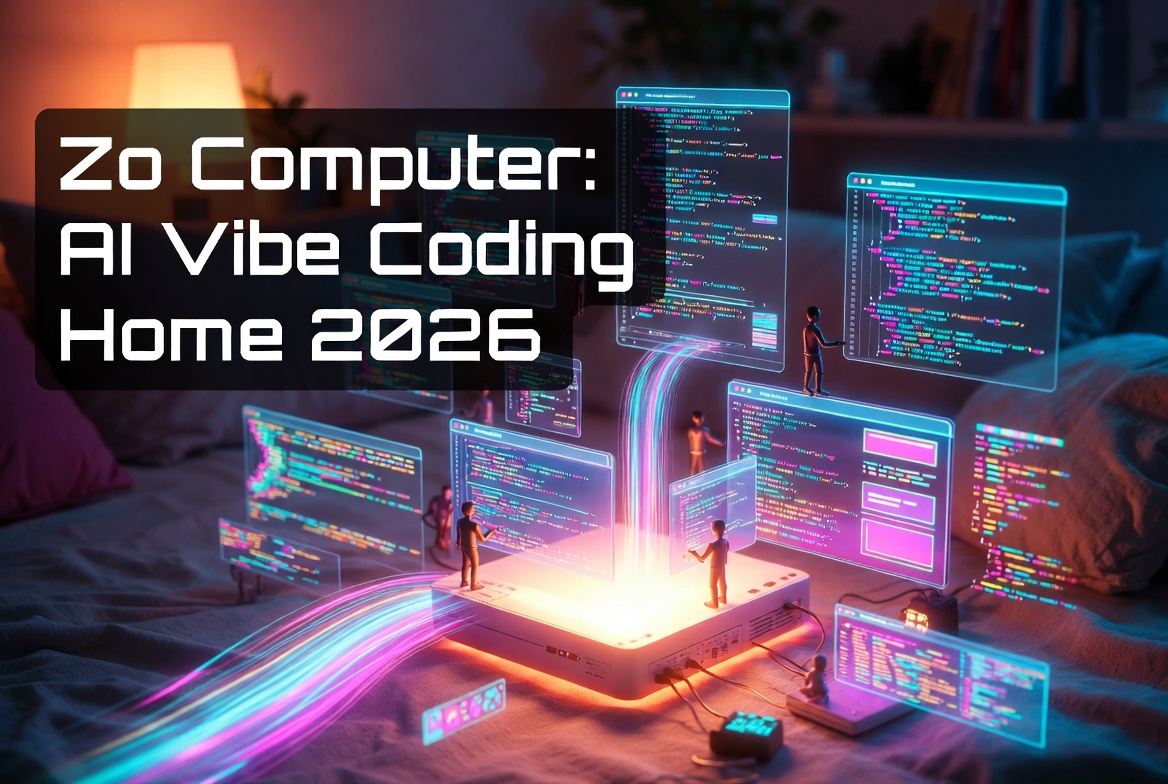
🚀 Zo Computer: Your Personal AI Cloud for the Vibe Coding Era – 2026 Trends
Zo Computer (zo.computer) is redefining vibe coding as a persistent, always-on personal AI cloud computer. Launched as "your home on the internet," it combines a full-stack agentic platform with personal server capabilities — enabling users to vibe code websites, automations, and full apps directly in their own cloud workspace. Co-founded by ex-Stripe and Venmo engineers (including Ben Guo), Zo emphasizes ownership, simplicity, and integration for the next wave of builders.
Latest X Buzz (June 2026):Discussions highlight Zo's role in practical vibe coding. Users like @Thebitcoinbarb1 are "vibe coding" with it for personal projects, while developers praise spinning up dev environments with GPU acceleration, persistent terminals, and AI agents that continue working across sessions. One highlight: custom keychains from an AI Engineer event "vibe coded" into commands. It's gaining traction as a unified workspace beyond traditional IDEs or CLIs.
Trending Factors in Vibe Coding with Zo:
Persistent Personal Cloud:
Unlike session-based tools, Zo runs 24/7 in your cloud. Build, host, and automate without closing your laptop. Full filesystem access, sandboxed execution, and reproducible environments eliminate "works on my machine" issues.
Agentic Vibe Coding Power:
Natural language prompts turn into websites (via Sites templates with Bun/Vite), automations, content generation, and more. Built-in models (Claude Opus, GPT-5 variants, DeepSeek, Gemini, MiniMax) plus custom API keys. Users dispatch advanced agents like Claude Code for complex tasks.
Integrations & Extensibility:
Connects to GitHub, Slack, APIs; supports any language/framework. Pre-packaged dev templates, preview links, and promotion to production URLs. Ideal for side hustles, MVPs, and full-stack work.
Adoption & Community:
Positioned as the platform for the "next billion developers." Featured in Product Hunt as a top full-stack agentic vibe coding tool. Hackathons and real-world use (e.g., TON blockchain sprints) align with broader trends. Non-coders and pros alike use it for rapid iteration.
Challenges & Nuances:
While powerful, success depends on prompt quality and human oversight — classic "vibe coding hangover" where AI output needs refinement for production.
Privacy and ownership are strengths (your data stays in your space), but users must manage costs and learn hybrid workflows. Edge cases include scaling large codebases (strong context handling) versus ultra-complex legacy migrations. Security via sandboxes is emphasized, but vigilance remains key.
Implications for Builders:
Zo lowers barriers dramatically: a 60 user learning vibe coding via natural language, founders shipping MVPs in hours, and devs maintaining persistent agents. It evokes the Homebrew Computer Club spirit for the AI age — cozy, weird, personal internet. In crypto and indie dev, it's a "pivot to vibecoding" enabler for fast monetization.
Future:
Deeper multi-agent orchestration, self-healing features, and broader ecosystem integrations.
Broader 2026 vibe coding trends amplify Zo: rising LLM adoption (92% US devs), agentic tools (Goose, Claude Code), hackathon momentum (STON.fi Wave 2), and hybrid human-AI orchestration. Productivity gains are massive, but maintainability, security (e.g., Cisco DefenseClaw parallels), and taste matter.
Zo Computer isn't just another tool — it's a personal AI home empowering creators to own their digital life. Whether prototyping a site, automating workflows, or building the next big thing, it turns vibes into reality. Ready to claim your space?
#AI #LLM #AgenticAI #PersonalCloud #Claude #Cursor #FutureOfCoding #IndieDev #BuildInPublic #TONHackathon #NoCode #FullStackAI #zocomputer
3
2
408

GoComet Internships: Build What Matters
JP Nagar, Bengaluru | 1-Year Internships
#FullStack Intern:
• Build and ship end-to-end features across frontend & backend
• Work with APIs, databases, and scalable system design
• Collaborate with product & engineering teams on real use cases
#FullStackAI Intern:
• Develop AI-driven features using LLMs and automation workflows
• Work on data processing, APIs, and model integrations
• Build intelligent systems that solve real-world problems
#QA Intern:
• Perform manual testing (functional, regression, smoke)
• Identify, log, and track bugs
• Developing and executing automated test scripts to ensure product quality.
Apply Link : docs.google.com/forms/d/e/1F…
Note : I am not the hiring person or manager just sharing this to help job seekers.
2
30
2,832

Mar 24
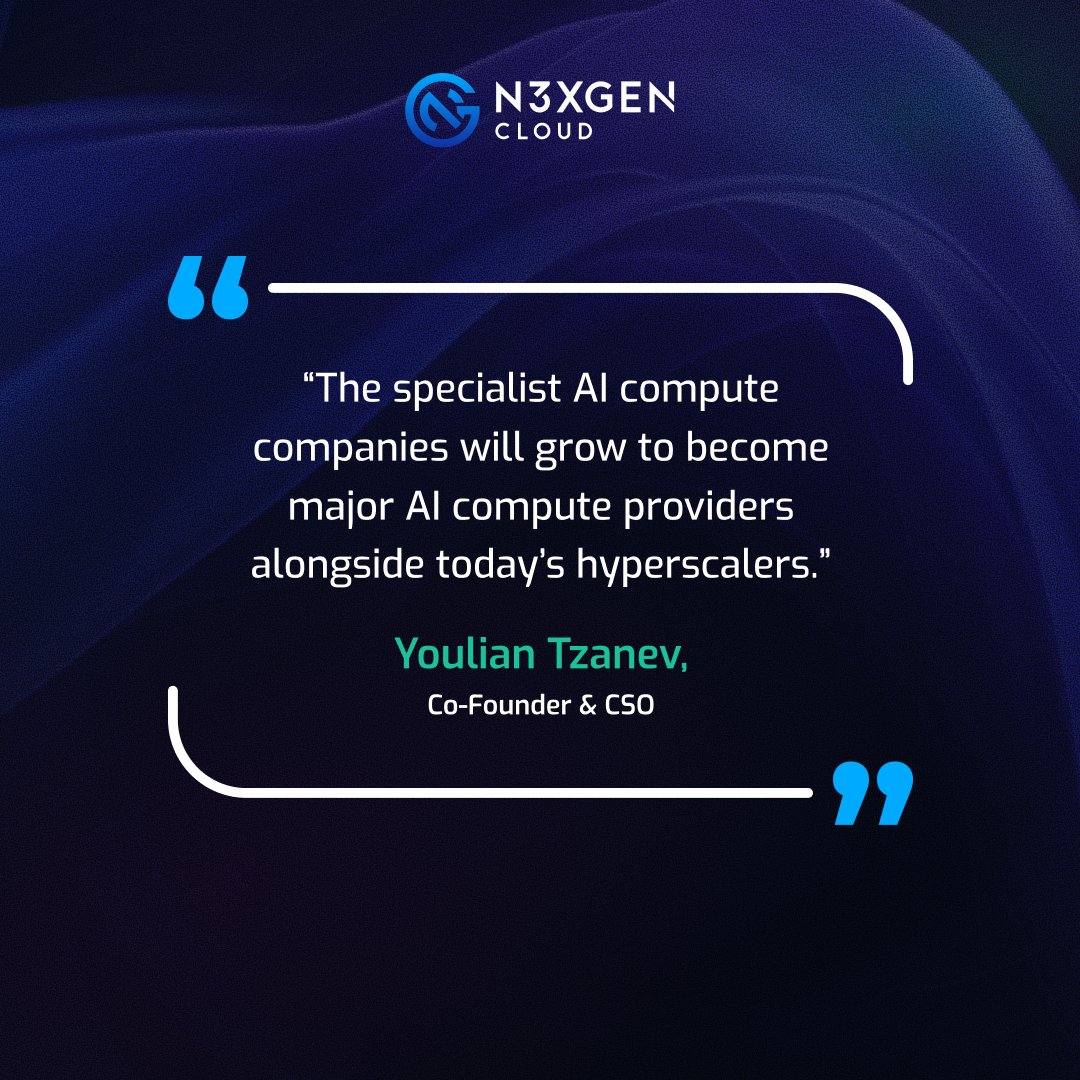
The neocloud era is here ⚡
@ComputerWeekly asked whether neoclouds can challenge the cloud giants - and Youlian had the answer.
AI compute specialists will define the next era of cloud infrastructure - growing exponentially alongside hyperscalers. That's what we're building with @Hyperstackcloud.
📰 Read the full feature: bit.ly/3NL0KLf
#NexGenCloud #Hyperstack #Neocloud #FullStackAI #AICompute
2
7
91
🎬 𝗞𝗲𝘆𝗻𝗼𝘁𝗲 𝗜𝗚𝟭𝗧𝗗 𝟮𝟬𝟮𝟲 #𝟭 : 𝗟𝗲 𝗿𝗲𝗽𝗹𝗮𝘆 𝗰𝗼𝗺𝗽𝗹𝗲𝘁 𝗲𝘀𝘁 𝗱𝗶𝘀𝗽𝗼𝗻𝗶𝗯𝗹𝗲
Vous n’étiez pas avec nous ? On vous embarque pour une séance de rattrapage. 🚀
Entre networking de haut niveau (𝗖𝗘𝗢, 𝗖𝗧𝗢, 𝗗𝗦𝗜) et immersion technologique, cette matinée a marqué un tournant : l'heure n'est plus à l'expérimentation, mais à l'𝗜𝗔 𝗶𝗻𝗱𝘂𝘀𝘁𝗿𝗶𝗲𝗹𝗹𝗲, 𝘀𝗼𝘂𝘃𝗲𝗿𝗮𝗶𝗻𝗲 𝗲𝘁 𝗮𝘂𝘁𝗼𝗻𝗼𝗺𝗲.
🔎 𝗗𝗮𝗻𝘀 𝗰𝗲 𝗿𝗲𝗽𝗹𝗮𝘆 :
🚀 𝗙𝘂𝗹𝗹 𝗦𝘁𝗮𝗰𝗸 𝗔𝗜: Intégrez l’IA dans votre entreprise tout en protégeant vos données sensibles
🤖 𝗻𝗔𝗶𝗴𝗵𝘁𝘀 𝗪𝗮𝘁𝗰𝗵: Le gestionnaire d'incidents IA conçu pour des infrastructures autonomes.
🚀 𝗟𝗮𝗻𝗰𝗲𝗺𝗲𝗻𝘁 𝗜𝗚𝟭 𝗔𝗜: Une plateforme d’API IA souveraine délivrant des performances niveau Claude Opus.
🤝 𝗣𝗿𝗼𝗳𝗲𝘀𝘀𝗶𝗼𝗻𝗮𝗹 𝗦𝗲𝗿𝘃𝗶𝗰𝗲𝘀 – 𝗕𝘂𝗶𝗹𝗱 𝗬𝗼𝘂𝗿 𝗔𝗜 𝗦𝘁𝗿𝗮𝘁𝗲𝗴𝘆: transformer l’IA en ROI mesurable.
⚡ 𝗣𝘂𝗶𝘀𝘀𝗮𝗻𝗰𝗲 𝗱𝗲 𝗰𝗮𝗹𝗰𝘂𝗹 𝗻𝗼𝘂𝘃𝗲𝗹𝗹𝗲 𝗴𝗲́𝗻𝗲́𝗿𝗮𝘁𝗶𝗼𝗻: Focus sur les architectures de rupture NVIDIA Blackwell & Rubin.
🏥 𝗖𝗮𝘀 𝗰𝗼𝗻𝗰𝗿𝗲𝘁𝘀 : Santé (HDS), Finance, Conformité
Un immense merci à nos partenaires Dell Technologies, NVIDIA et TD SYNNEX. Ensemble, nous construisons l'infrastructure IA de demain.
📥 Accédez au contenu :
1️⃣ 𝗟𝗲 "𝗙𝗮𝘀𝘁-𝗧𝗿𝗮𝗰𝗸" (4 min) : youtu.be/uwHRZVCnMno?si=PgIg…
2️⃣ 𝗟𝗲 𝗥𝗲𝗽𝗹𝗮𝘆 𝗖𝗼𝗺𝗽𝗹𝗲𝘁 : youtu.be/266fC8ajyw0?si=QXaA…
L’IA ne doit plus être une simple aide à la décision, elle doit devenir le moteur de votre infrastructure.
#IG1TechDays #IguaneSolutions #nAightswatch #IA #SouverainetéNumérique #FullStackAI #InnovationB2B #NVIDIA #DellTech #AIOps #InfrastructuresAutonomes
1
1
2
34

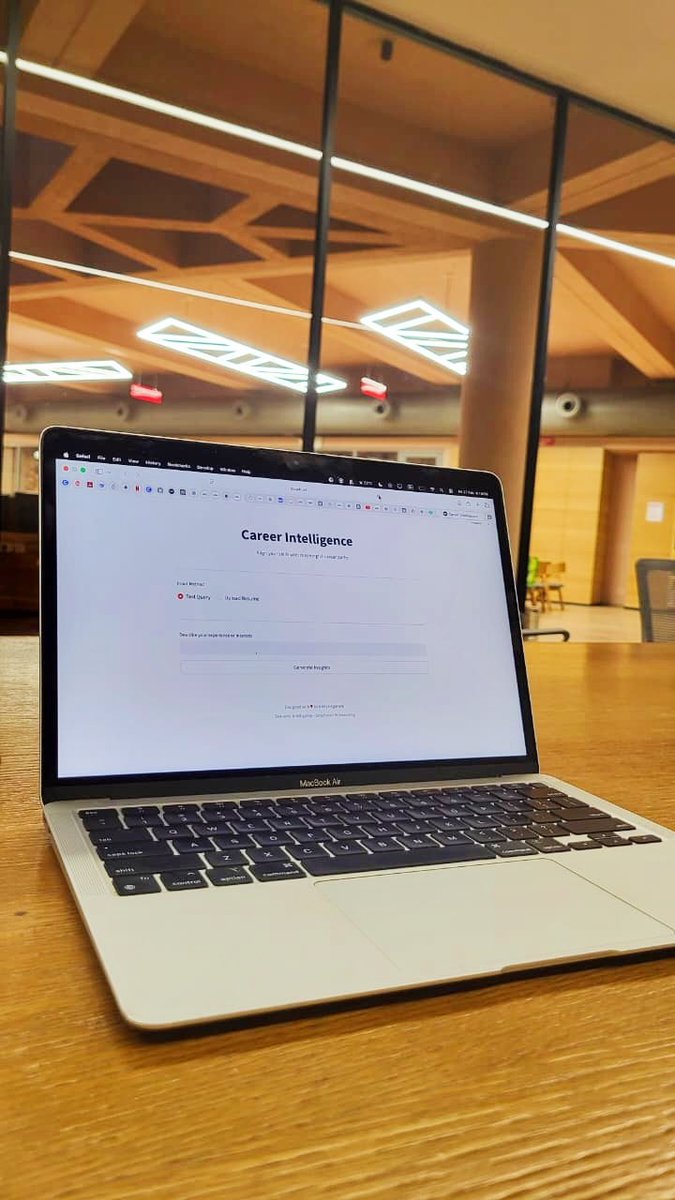
⭐ Built: Career Intelligence Engine - V1
Most people choose careers emotionally.
What if we could choose them algorithmically?
Today I’m launching Version 1 of my AI-powered Career Intelligence Engine:
A structured, embedding-driven system that maps capability → role alignment → skill gaps → roadmap → projected growth.
What started as a semantic similarity experiment evolved into a modular, multi-stage AI system with layered reasoning and structured outputs.
⭐ What The System Does
• Accepts text query OR full resume (PDF ingestion)
• Extracts skill-relevant signals
• Generates dense embeddings using OpenAI models
• Performs cosine similarity over a precomputed matrix
• Ranks roles using normalized similarity scoring
• Applies RAG-based refinement for contextual clustering
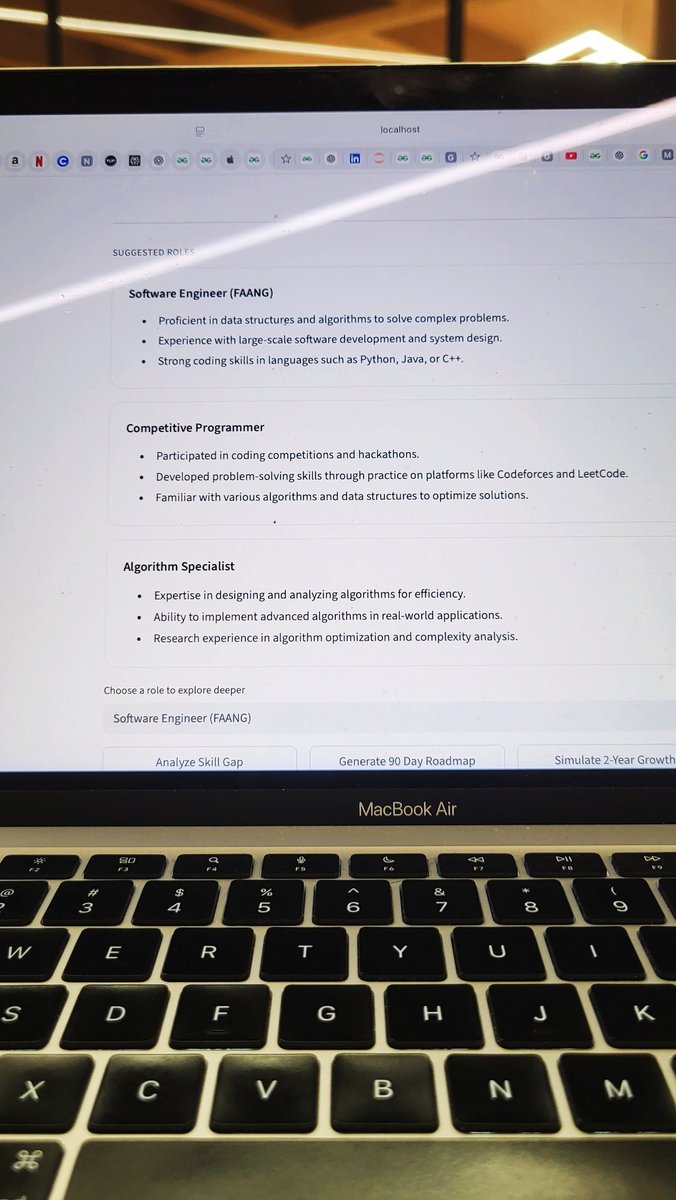
• Returns top 3 aligned roles
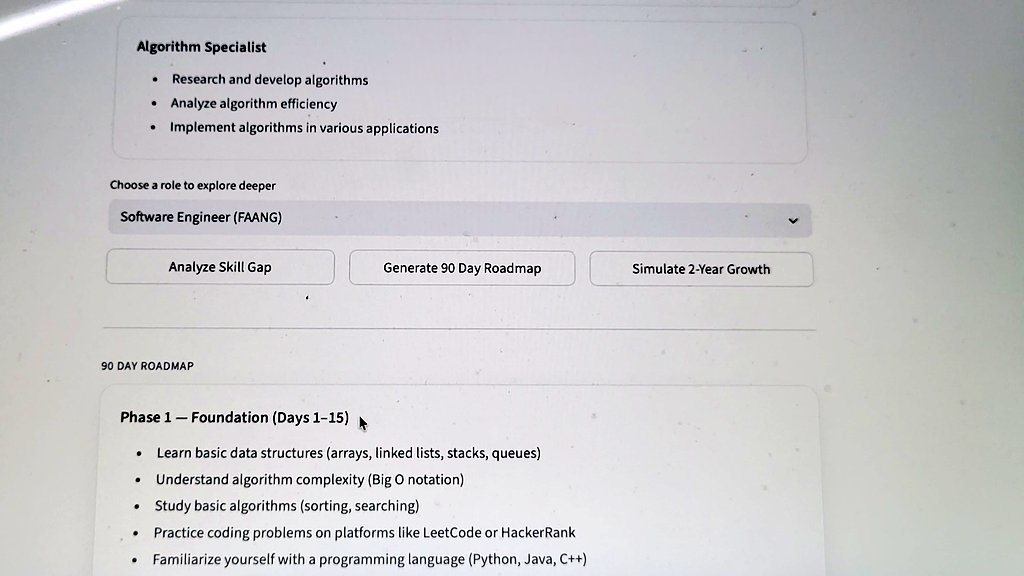
• Performs structured skill gap analysis
• Generates a 90-day execution roadmap
• Simulates 2-year career progression
• Operates via stateful multi-step agents
This is structured reasoning layered over vector retrieval.
⭐ Architecture Highlights
• Precomputed, normalized embedding matrix
• NumPy-based cosine similarity engine
• Pickle vector persistence layer
• Role ↔ skill relational mapping logic
• Retrieval-Augmented Generation reasoning layer
• Structured JSON outputs for deterministic processing
• Multi-agent orchestration:
Role Matching
Gap Analysis
Roadmap Generation
Career Simulation
• Clear separation of:
Data Layer
Retrieval Layer
Reasoning Layer
Presentation Layer
• Streamlit stateful UI with secure environment handling
• Modular, extensible pipeline design
Built as a scalable AI system — not a prompt wrapper.
⭐ Tech Stack
Python
OpenAI API
RAG
NumPy
Pandas
pdfplumber
Streamlit
Pickle
⭐ Why This Matters
Career decisions are often vague.
This system attempts to:
• Quantify alignment
• Identify measurable skill gaps
• Convert insight into structured execution
• Simulate long-term growth
Turning career planning into an engineering problem.
Building this strengthened my depth in embeddings, vector search, multi-agent orchestration, prompt design, and applied system architecture.
Open to feedback from AI engineers, product thinkers, startup builders, and recruiters exploring applied AI talent.
The journey continues ⭐
#ArtificialIntelligence #GenerativeAI #MachineLearning #OpenAI #LLM #RAG #AIEngineering #DeepLearning #Python #DataScience #VectorSearch #Embeddings #PromptEngineering #SoftwareEngineering #FullStackAI #Streamlit #CareerTech #EdTech #StartupBuilding #ProductDevelopment #AIStartup #Innovation #BuildInPublic #TechLeadership #AIProjects
2
25

Feb 20
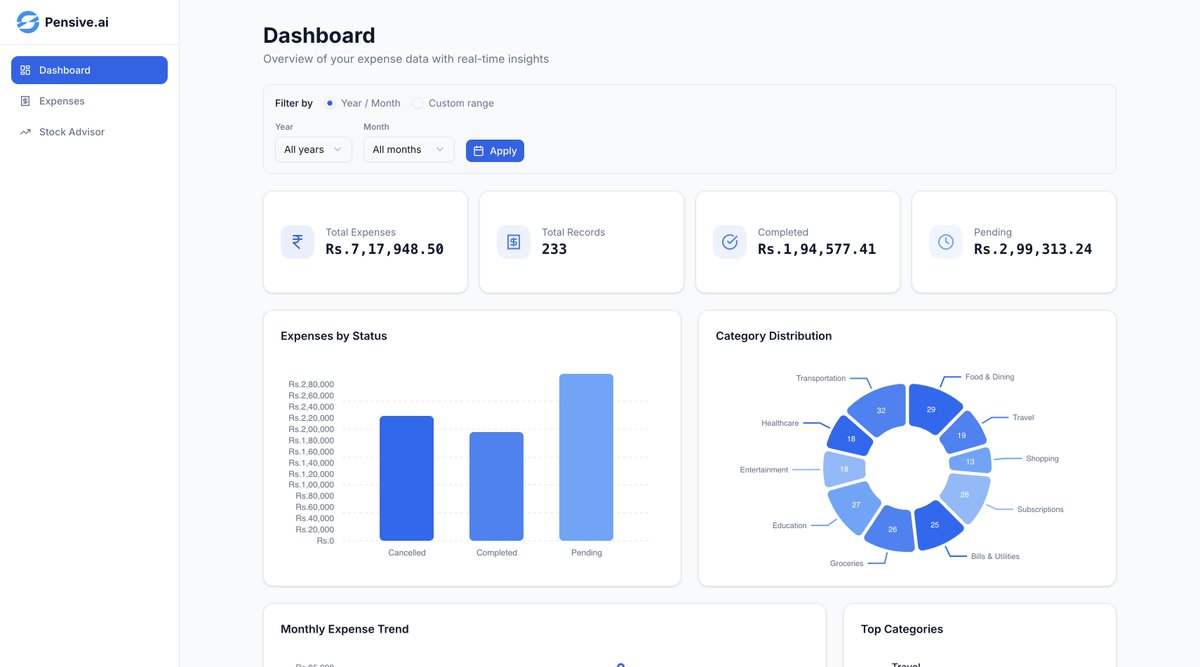
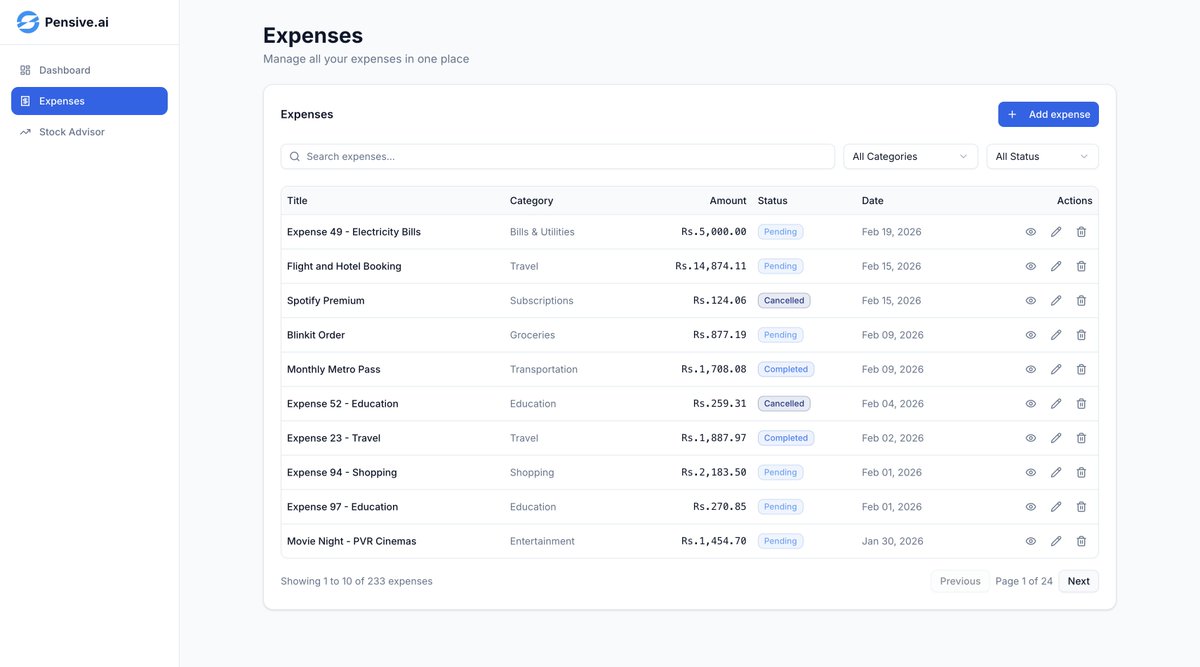
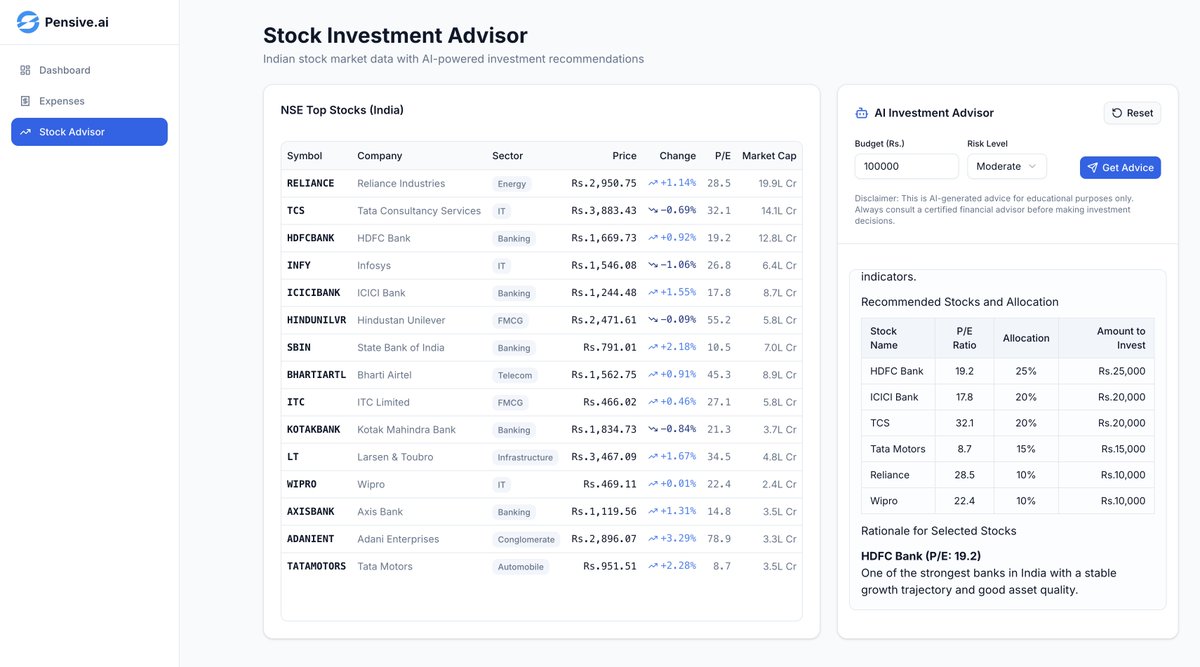
Vibe coded this in 2hrs.
Used - Next js, Fastapi, Supabase, Openai, Prisma
Live link - finance-management-dashboard…
#TechProjects
#BuildInPublic
#SideProject
#ProjectShowcase
#DevLife
#SoftwareDevelopment
#CodingJourney
#Developers
#TechInnovation
#ProgrammingLife
#FullStackAI
#GenAIIntegration
#vibecoding
#Practice
2
54

Feb 19
🎬🔥 𝐋’𝐈𝐀 𝐚𝐯𝐚𝐧𝐜𝐞 𝐯𝐢𝐭𝐞. 𝐕𝐨𝐢𝐜𝐢 𝐜𝐞 𝐪𝐮𝐞 𝐯𝐨𝐮𝐬 𝐚𝐯𝐞𝐳 𝐦𝐚𝐧𝐪𝐮𝐞́.
Le 17 février, 𝐈𝐆𝟏 𝐓𝐞𝐜𝐡 𝐃𝐚𝐲𝐬 𝟐𝟎𝟐𝟔 #𝟏 — 𝐄𝐦𝐛𝐫𝐚𝐜𝐞 𝐀𝐈 𝐑𝐞𝐯𝐨𝐥𝐮𝐭𝐢𝐨𝐧 a transformé une salle de cinéma en expérience technologique immersive.
Pas de théorie. Pas de promesses.
👉 De l’IA réelle, en action.
Et bonne nouvelle : 𝗹𝗲 𝗿𝗲𝗽𝗹𝗮𝘆 𝘃𝗶𝗱𝗲́𝗼 𝗮𝗿𝗿𝗶𝘃𝗲 𝘁𝗿𝗲̀𝘀 𝗯𝗶𝗲𝗻𝘁𝗼̂𝘁 𝘀𝘂𝗿 𝗬𝗼𝘂𝗧𝘂𝗯𝗲.
Dans cette keynote, vous découvrirez comment l’IA passe concrètement du concept à la production :
🚀 𝗔𝗜 𝗦𝗵𝗼𝘄𝗰𝗮𝘀𝗲 cinématographique 100 % généré par IA
📰 𝗔𝗜 𝗙𝗹𝗮𝘀𝗵 𝗡𝗲𝘄𝘀 — les tendances clés à suivre en 2026
💻 𝗙𝘂𝗹𝗹 𝗦𝘁𝗮𝗰𝗸 𝗔𝗜 — déployer une IA sécurisée et souveraine en entreprise
🚀 𝗡𝗼𝘀 𝗻𝗼𝘂𝘃𝗲𝗹𝗹𝗲𝘀 𝗼𝗳𝗳𝗿𝗲𝘀 𝗜𝗔 dévoilées en exclusivité
💡 L’accélération des projets grâce aux 𝘁𝗲𝗰𝗵𝗻𝗼𝗹𝗼𝗴𝗶𝗲𝘀 𝗡𝗩𝗜𝗗𝗜𝗔
🏥 Un cas d’usage 𝗛𝗲𝗮𝗹𝘁𝗵𝗰𝗮𝗿𝗲 conforme HDS
🤝 De la stratégie à l’exécution avec nos équipes 𝗣𝗿𝗼𝗳𝗲𝘀𝘀𝗶𝗼𝗻𝗮𝗹 𝗦𝗲𝗿𝘃𝗶𝗰𝗲𝘀
🔍 𝗻𝗔𝗶𝗴𝗵𝘁 𝗪𝗮𝘁𝗰𝗵, notre framework multi-agents pour automatiser la gestion des incidents d’infrastructure
🎥 𝗗𝗲́𝗰𝗼𝘂𝘃𝗿𝗲𝘇 𝗯𝗶𝗲𝗻𝘁𝗼̂𝘁 𝗹𝗮 𝗞𝗲𝘆𝗻𝗼𝘁𝗲 𝗱𝗲𝗽𝘂𝗶𝘀 𝗰𝗵𝗲𝘇 𝘃𝗼𝘂𝘀 𝘀𝘂𝗿 𝗻𝗼𝘁𝗿𝗲 𝗰𝗵𝗮𝗻𝗻𝗲𝗹 𝗬𝗼𝘂𝗧𝘂𝗯𝗲
Abonnez-vous dès maintenant à notre channel YouTube pour ne pas manquer sa sortie et découvrir nos prochains contenus IA.
🎥 𝗗𝗲́𝗰𝗼𝘂𝘃𝗿𝗲𝘇 𝗯𝗶𝗲𝗻𝘁𝗼̂𝘁 𝗹𝗮 𝗞𝗲𝘆𝗻𝗼𝘁𝗲 𝗱𝗲𝗽𝘂𝗶𝘀 𝗰𝗵𝗲𝘇 𝘃𝗼𝘂𝘀 𝘀𝘂𝗿 𝗻𝗼𝘁𝗿𝗲 𝗰𝗵𝗮𝗻𝗻𝗲𝗹 𝗬𝗼𝘂𝗧𝘂𝗯𝗲
Abonnez-vous dès maintenant à notre channel YouTube pour ne pas manquer sa sortie et découvrir nos prochains contenus IA.
👉 youtube.com/@iguanesolutions…
Restez connectés 👀
#IG1TechDays #EmbraceAIRevolution #ArtificialIntelligence #GenerativeAI #FullStackAI #Innovation #AIEvent
1
4
38

Feb 19
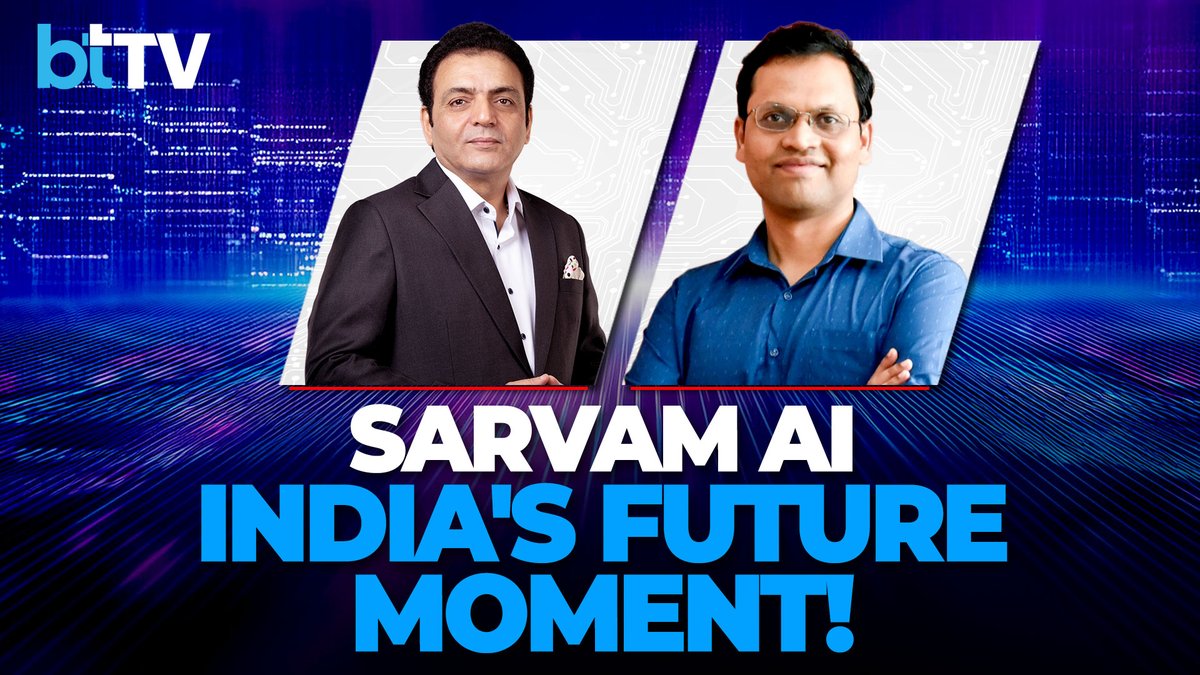
Exclusive: Dr Pratyush Kumar, CEO, Sarvam AI | India’s First Full-Stack Sovereign AI Platform
Watch: youtu.be/Xrh-wN9qSw8 | #BusinessToday #SarvamAI #PratyushKumar #SovereignAI #FullStackAI
@szarabi | @pratykumar
3
356

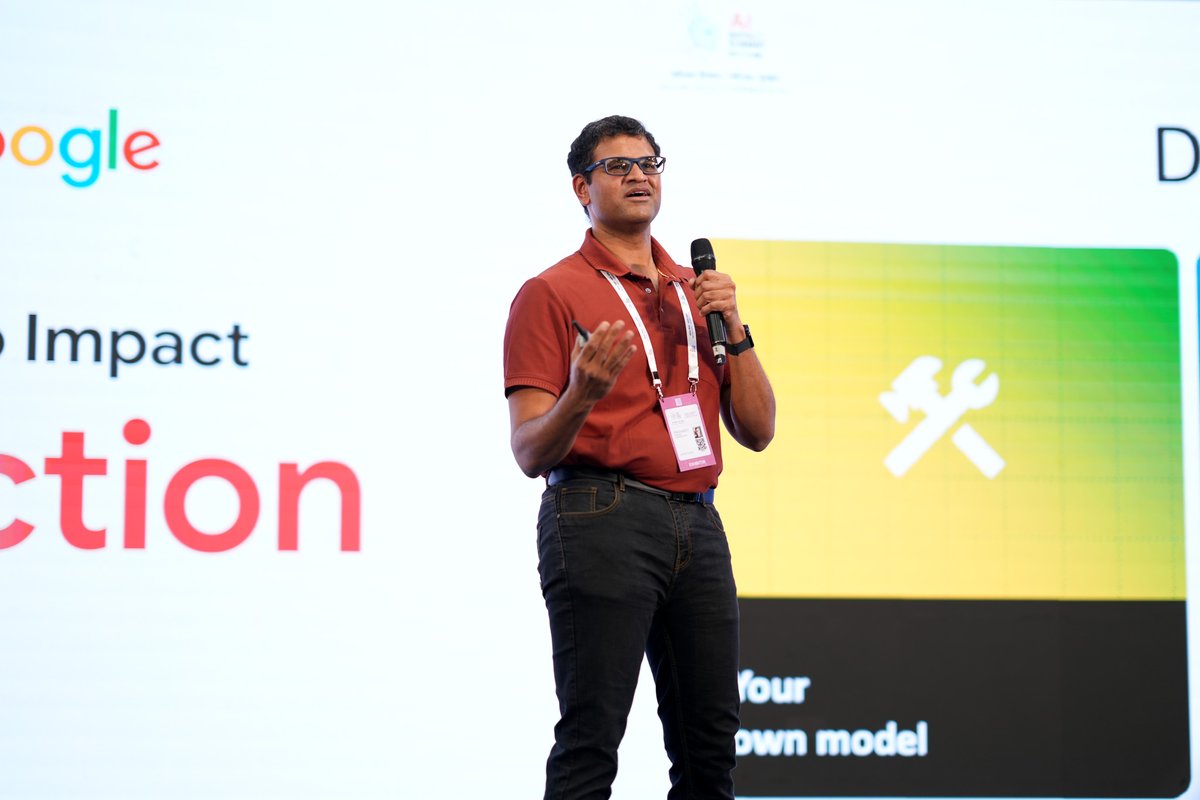
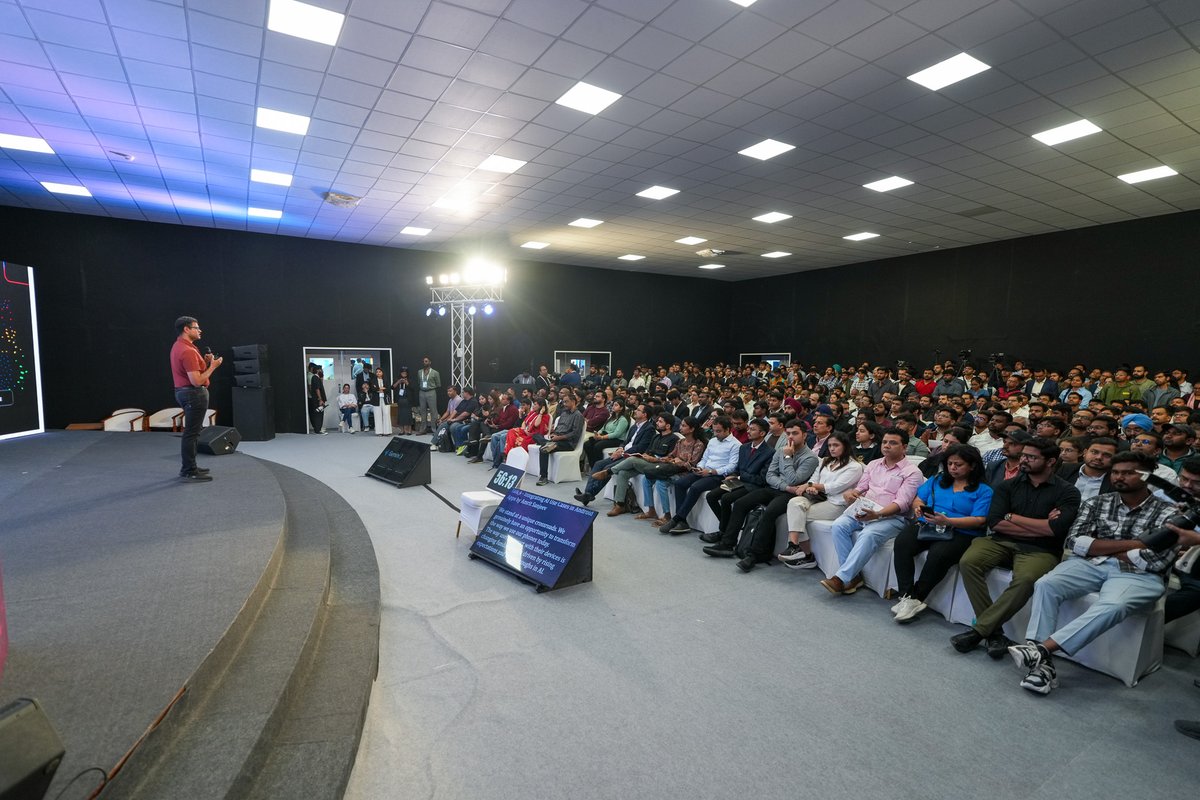
A step forward for #FullStackAI with Google Cloud at #AIImpactSummit2026 🚀
✨Gemini CLI for AI powered building from your terminal
✨Google Antigravity for unified, agentic development
✨Cloud Run for scalable, serverless AI apps
Dive deeper: cloud.google.com/developers
3
9
2,108

Built a Full-Stack Agentic AI system 🚀
Not just prompt → response, but:
• Agent reasoning (LangGraph)
• Observability (LangSmith)
• FastAPI backend
• React 3D UI
🔗 GitHub: github.com/Hemantkss/Full-St…
#AgenticAI #LangGraph #AIEngineering #FullStackAI
4
246

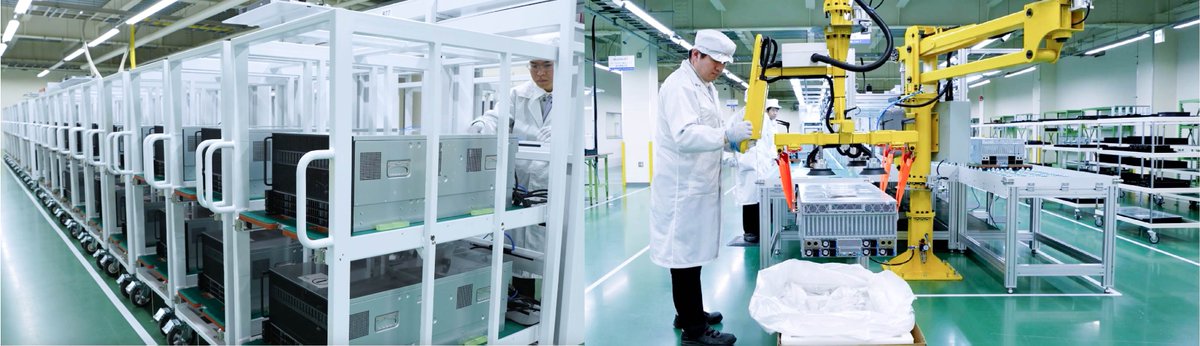
$SUPX SuperX Commences Production at First Global Supply Center
📖 Read the full press:en.prnasia.com/releases/apac…
🔗 Learn more: superx.sg
#SuperX #AIInfrastructure #AIServers #FullStackAI #GlobalSupplyChain #Japan
3
4
641

Jan 29
X data Tesla reality loops SpaceX scale, all feeding one unified feedback engine.
OpenAI ships products. xAI ships an entire ecosystem. Watch the gap widen... then vanish.
Systems always win.
#xAI #ElonMusk #FullStackAI #Tesla #SpaceX
24

Why just use AI when you can own the entire value chain? 🤖⛓️
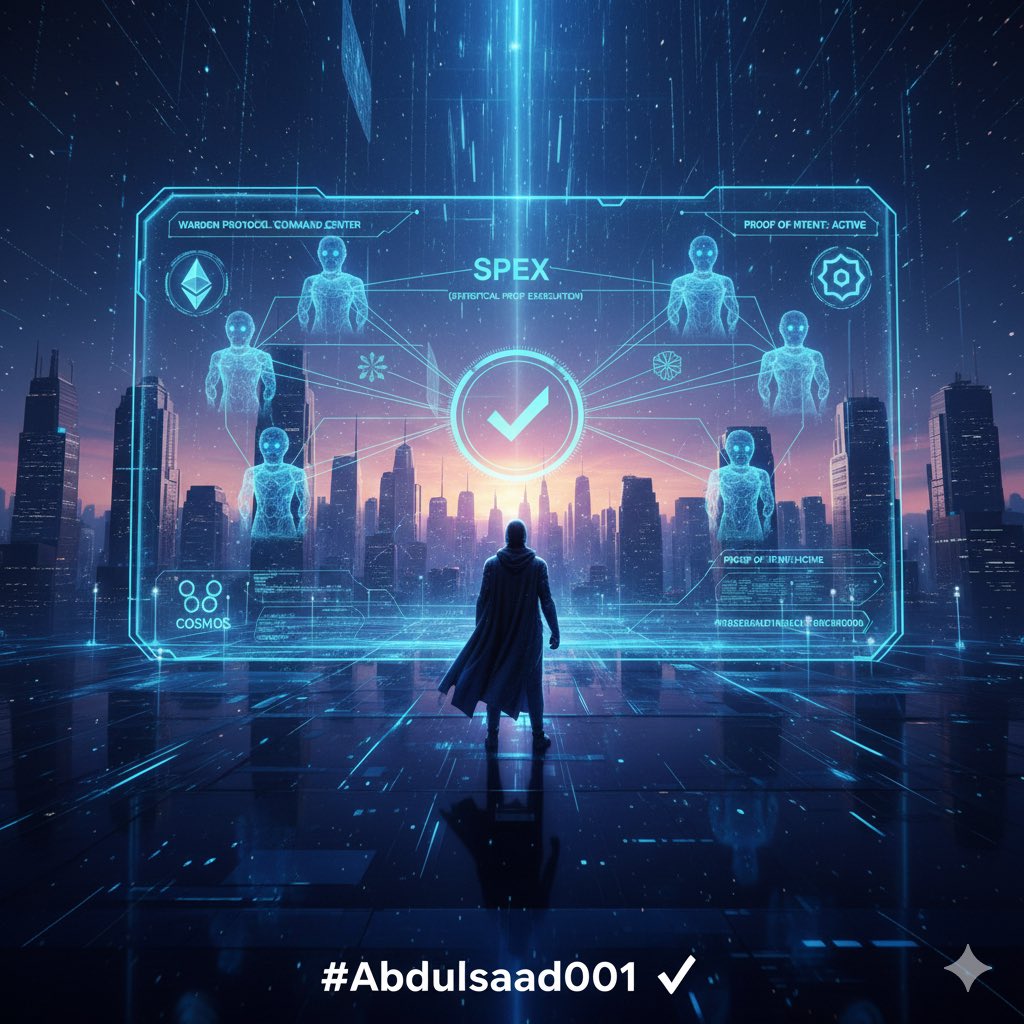
It’s the first week of 2026, and the "AI Agent" race has reached a new level. While others are building simple bots, @wardenprotocol is building the Full-Stack Architecture for the next internet.
From the Warden Studio where agents are born, to the Agent Hub where they are discovered, Warden is the first protocol to master the entire lifecycle of an AI Agent.
The Warden 2026 Standard:
• Intent-Centric Power: Don't just trade—define your intent. Warden’s "Proof of Intent" ensures your AI agents execute your exact conditions across 100 blockchains without you ever lifting a finger. 🎯
• Warden Agent Kit: We’ve moved beyond complex coding. With the Agent Kit, anyone can build a decentralized, autonomous agent that makes decisions, manages assets, and even earns its own revenue. 🏗️💸
• Verifiable Brains: Through SPEX (Statistical Proof of Execution), Warden guarantees that the AI output you receive is the one you asked for. No hallucinations, just cryptographic truth. 🧠🛡️
• Omnichain Dominance: Warden is the bridge. Your agents can move, swap, and act across Ethereum, Cosmos, and Solana seamlessly, powered by the $WARD ecosystem.
In 2026, the "Warden" is your sovereign command center. You provide the vision; the agents provide the execution.
Drop a "GM" 🏛️ if you’re deploying your first agent of the year!
#WardenProtocol #AIAgents #Web3 #FullStackAI #WARD #Abdulsaad001 ✔️ @wallchain
1
2
12,327