
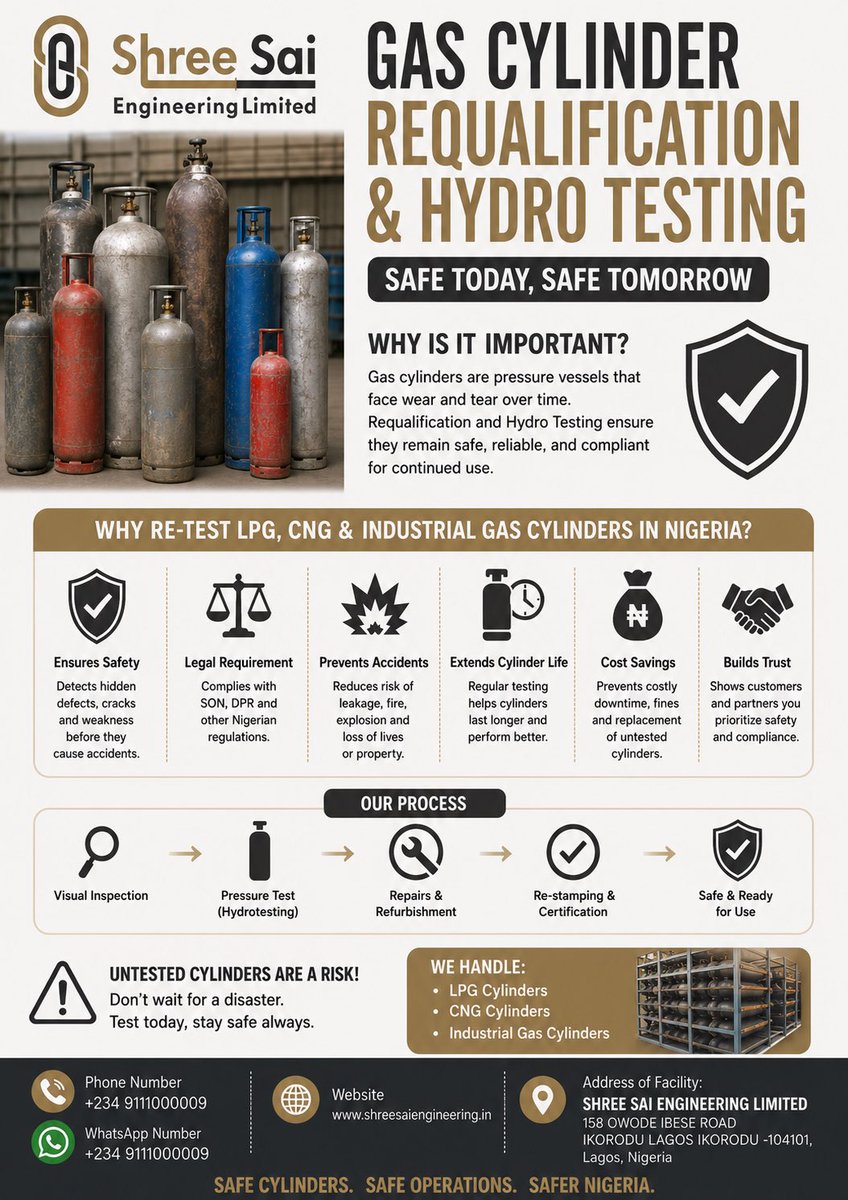
🚨 Are Your Gas Cylinders Safe for Use? 🚨
Many LPG, CNG, and Industrial Gas cylinders in service today may have hidden defects, corrosion, dents, or metal fatigue that are not visible externally. A cylinder failure can lead to serious accidents, injuries, property damage, and business disruption.
✅ Gas Cylinder Requalification & Hydro Testing is not just a regulatory requirement—it is a critical safety measure.
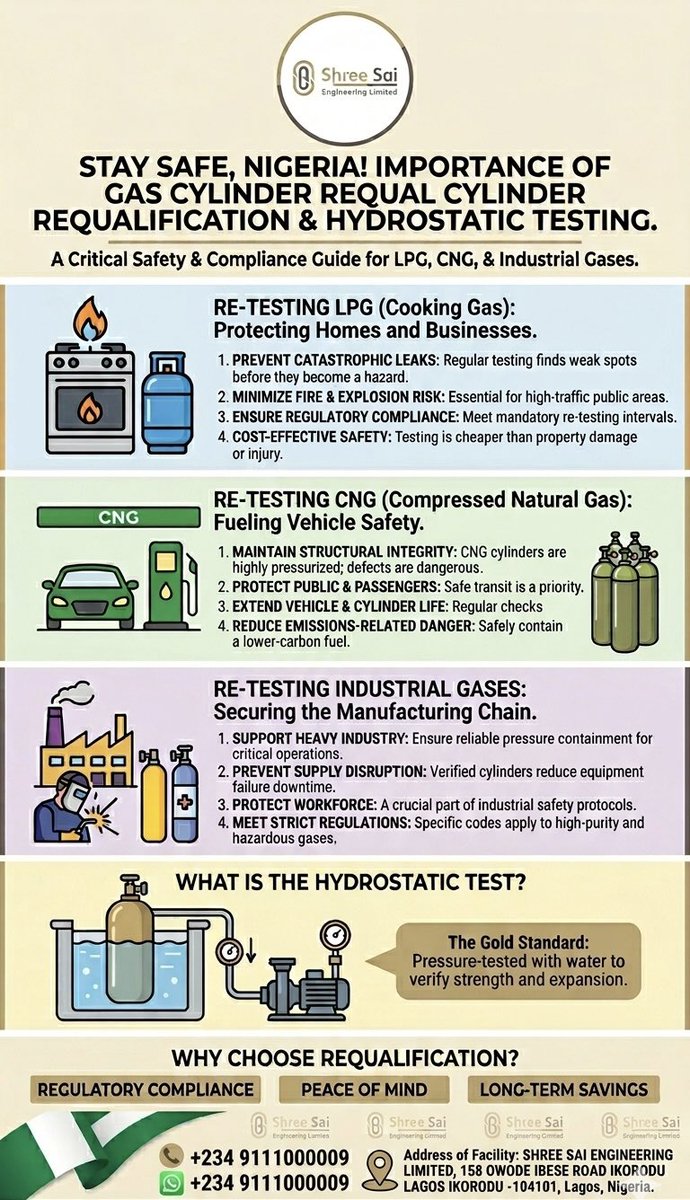
Why re-test cylinders?
✔ Detect hidden defects and weaknesses
✔ Prevent leaks, fires, and explosions
✔ Extend cylinder service life
✔ Ensure compliance with Nigerian regulations
✔ Reduce replacement and downtime costs
✔ Protect lives, assets, and the environment
At Shree Sai Engineering Limited, we provide professional cylinder requalification and hydrostatic testing services for:
🔹 LPG Cylinders
🔹 CNG Cylinders
🔹 Industrial Gas Cylinders
Our services include:
✅ Visual Inspection
✅ Hydrostatic Pressure Testing
✅ Valve Inspection & Replacement
✅ Cylinder Refurbishment
✅ Re-stamping & Certification
✅ Compliance Documentation
📍 Facility Address:
Shree Sai Engineering Limited
158 Owode Ibese Road, Ikorodu, Lagos, Nigeria
📞 Phone / WhatsApp: 234 9111000009
🌐 Website: shreesaiengineering.in
Safety is not an expense—it’s an investment.
Don’t wait for an incident to happen. Requalify your cylinders today and ensure safe operations tomorrow.
#GasCylinderTesting #HydroTesting #CylinderRequalification #LPGNigeria #CNGNigeria #IndustrialGas #SafetyFirst #NigeriaIndustry #SONNigeria #Engineering #Manufacturing #OilAndGas #IndustrialSafety #ShreeSaiEngineering #Compliance #LagosBusiness #GasSafety #CylinderInspection #HydrostaticTesting #NigeriaOilAndGas
👉 Contact us today for inspection, testing, and certification services.
1
3
41

Jun 12
I'd clarify Yield Strength, it is common in the pipeline industry that the hydrotesting of a pipeline is taken to 105% of the specified minimum yield stress of the pipeline material. one reason for this is to relieve residual stresses present after the laying of the pipeline.
93

Jun 11
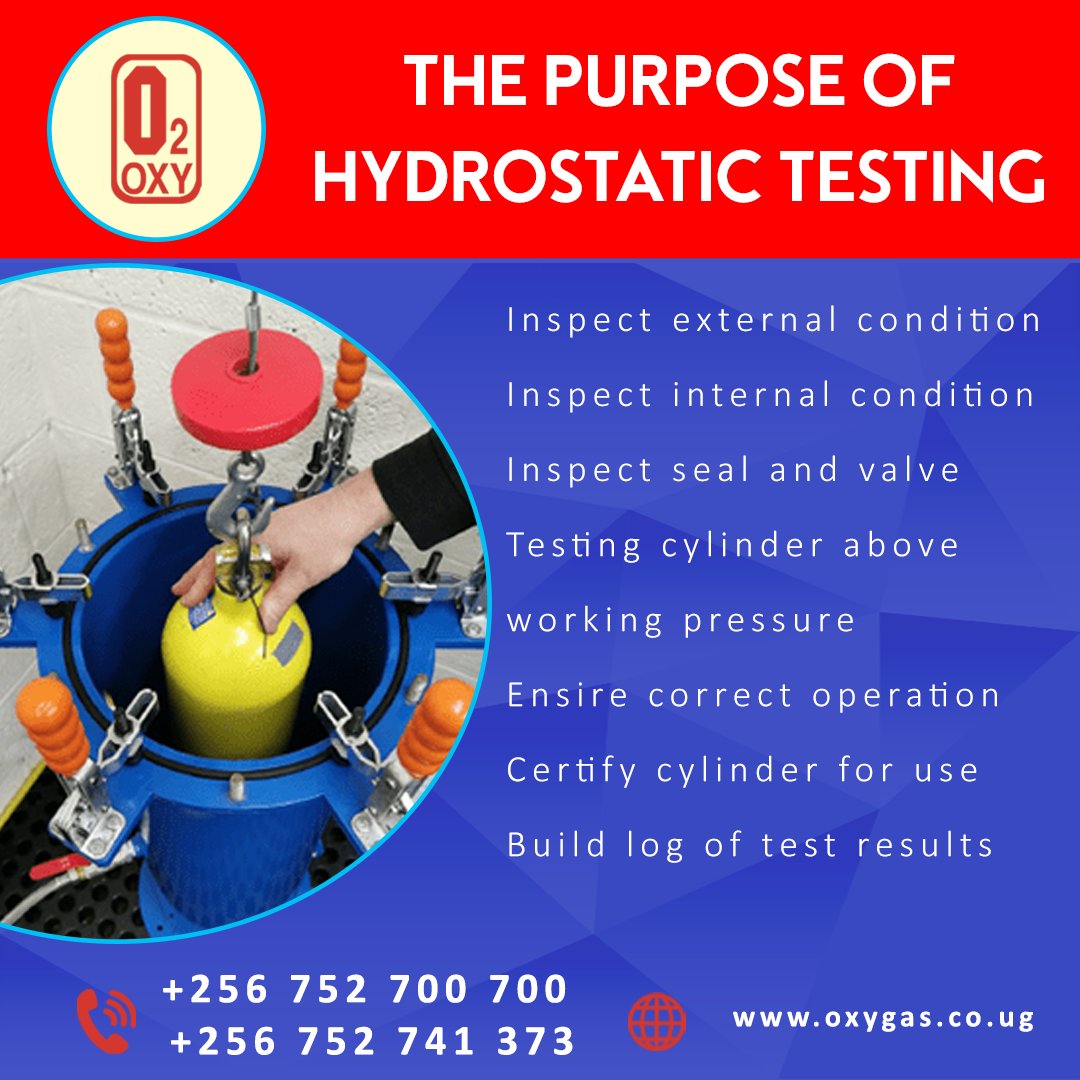
A little Progress Each Day Adds up To Big Results..
Progress With Oxygas Limited..
#oxygas #gasinuganda #hydrotesting #quality #affordable #cleanenergy.
1
6

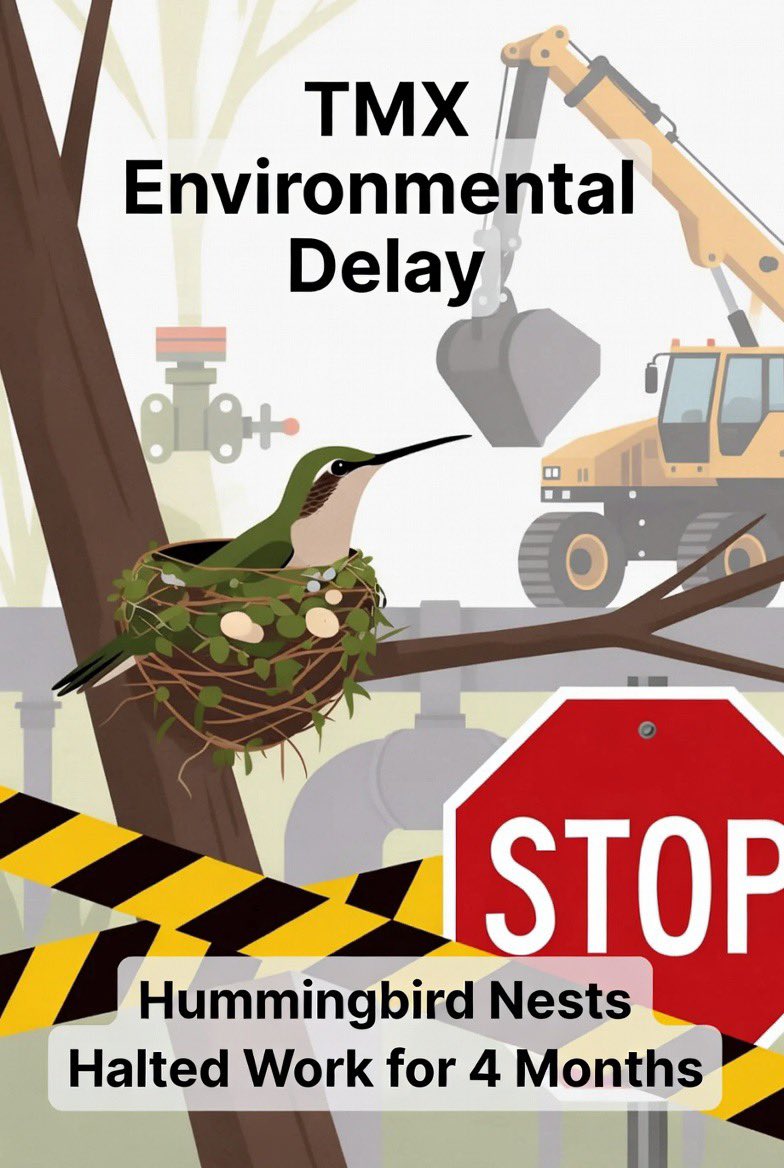
Here are 5 insane examples during the build of TMX that proves Canada cannot move faster:
1. Anna’s Hummingbird Nests (2021 Burnaby Stop)
Delay: Active nests discovered in trees being felled on a section of the route. Environment and Climate Change Canada issued a stop-work order.
Remedy details:
•Work on that specific stretch was fully halted for approximately four months (roughly April to late August 2021).
•The pause lasted until the end of the nesting season, when fledglings had left and nests were no longer active.
•This is standard enforcement of migratory bird protections no active disturbance (tree removal, heavy equipment, etc.) is allowed near active nests.
•Once the season ended and clearance was confirmed, construction resumed on that segment. The delay affected scheduling for watercourse crossings and hydrotesting in that area but was localized.
May 8

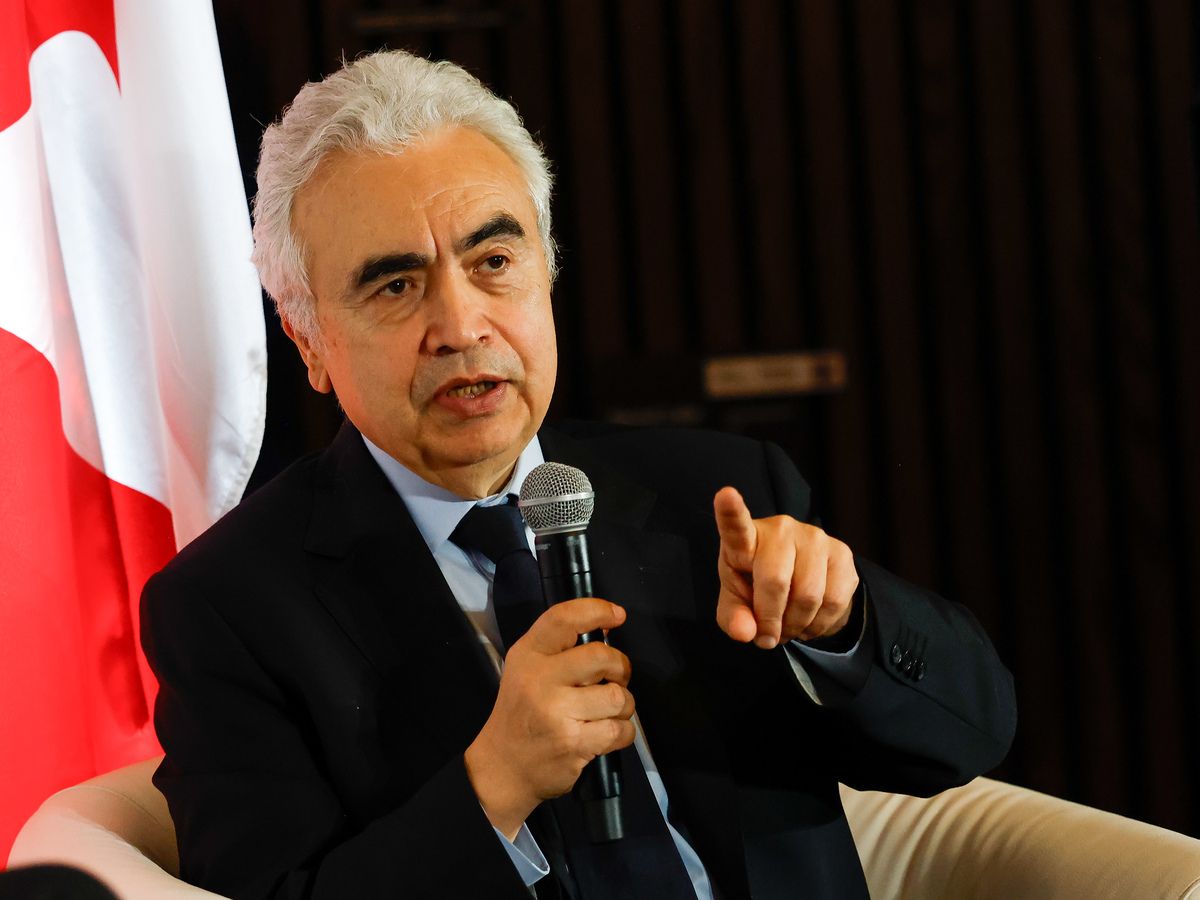
IEA head calls on Canada to move faster on energy amid supply shock financialpost.com/commoditie…
4
9
26
4,644

Apr 20
**A functioning (initially operational) Trans-Arabian-style pipeline of ~700–1,200 km (e.g., Saudi/Jordan to Eilat northward extensions to Mediterranean terminals, leveraging some existing segments) could be built in 6–12 months from groundbreaking using Musk's equipment and methods at scale—potentially as fast as 4–8 months in an ultra-accelerated scenario.**
This assumes:
- Urgent political will (as implied by Netanyahu’s March 19, 2026 proposal post-Iran strikes).
- Massive parallel construction.
- Musk companies’ tech applied aggressively.
Why This Timeline? (Realistic vs. Traditional)
Traditional onshore oil/gas pipeline construction in desert terrain (flat, low-population areas like this route) achieves 1–5 km/day per construction “spread” (crew equipment team) for large-diameter pipe (30–48 inches). With multiple parallel spreads, a 1,200 km line can see hundreds of km/month progress. Historical precedents:
- Saudi Arabia’s 1,200 km East-West Petroline: ~1 year (1981–82).
- Original Tapline (1,214–1,648 km): ~3 years (late 1940s–1950).
- Urgent wartime examples (e.g., WWII Big Inch ~1,930 km in ~1 year; 1950s Canadian line ~1,850 km in 150 days).
Modern projects add 6–18 months for full commissioning (pumping stations, hydrotesting, integration). Total traditional build-to-flow for this scale: 1–3 years (excluding multi-year permitting/politics).
**Musk equipment acceleration (The Boring Company Tesla ecosystem Starlink):**
- **Prufrock TBMs** (core “Musk equipment” for infrastructure): Currently target >1 mile (~1.6 km) per week per machine for utility/freight tunnels; medium-term goal 7 miles/day (~11 km/day). Recent 2026 record: 2.28-mile continuous drive in Vegas Loop. Boring explicitly builds utility tunnels (e.g., water lines under rivers; Fort Smith finalist project). Use selectively for sabotage-proof sections, river/mountain crossings, or high-risk zones—far faster and cheaper than conventional tunneling. Full-route deep boring is impractical/expensive for a 30–48" oil pipe (better as hybrid: open trench most of the way TBM where needed).
- **Tesla-derived automation** (Optimus robots, autonomous fleets, AI optimization): 24/7 welding, trenching, pipe handling, and logistics. Could double or triple traditional laying rates via continuous operation, reduced downtime, and precision.
- **Starlink rapid fab/logistics**: Real-time coordination across borders, drone/Starship-scale supply (hypothetical but Musk-style), slashing pipe/material delays. Pipe manufacturing remains the biggest bottleneck (hundreds of thousands of tons of steel), but Musk-style gigafactory scaling pre-stocking could compress this.
- Parallelization: Dozens of spreads multiple Prufrock units starting from both ends and intermediate points → overlap sections.
**Net effect**: 2–4x speedup on construction phase. Groundbreaking to first oil/gas flow: **6–12 months realistic** (with full resources/political greenlight); **4–8 months optimistic Musk-max** (aggressive iteration, as with Tesla factories or Starlink deployment). Full capacity ramp-up international testing: add 3–6 months.
Key Caveats/Limitations
- **Not full deep tunneling**: Too costly/slow initially for 1,000 km (even at goal speeds). Hybrid trench selective Boring Co protection is optimal for speed/security.
- **Non-construction factors** (ignored here per question focus): Geopolitics, environmental approvals, and financing could add years without wartime-level urgency. Pipe supply chain scaling is the hard limit.
- **No direct Musk precedent for oil pipelines**: Boring Co focuses on transport/utility tunnels (Vegas Loop, water proposals); this would be novel adaptation—but fits their “mega-infrastructure in weeks instead of years” mission.
Musk equipment turns a multi-year megaproject into something closer to urgent wartime infrastructure builds—but faster and more resilient. Real-world delivery would still depend on execution at unprecedented scale.
1
1
686
Mar 31
**A functioning (initially operational) Trans-Arabian-style pipeline of ~700–1,200 km (e.g., Saudi/Jordan to Eilat northward extensions to Mediterranean terminals, leveraging some existing segments) could be built in 6–12 months from groundbreaking using Musk's equipment and methods at scale—potentially as fast as 4–8 months in an ultra-accelerated scenario.** This assumes: - Urgent political will (as implied by Netanyahu’s March 19, 2026 proposal post-Iran strikes). - Massive parallel construction. - Musk companies’ tech applied aggressively. Why This Timeline? (Realistic vs. Traditional) Traditional onshore oil/gas pipeline construction in desert terrain (flat, low-population areas like this route) achieves 1–5 km/day per construction “spread” (crew equipment team) for large-diameter pipe (30–48 inches). With multiple parallel spreads, a 1,200 km line can see hundreds of km/month progress. Historical precedents: - Saudi Arabia’s 1,200 km East-West Petroline: ~1 year (1981–82). - Original Tapline (1,214–1,648 km): ~3 years (late 1940s–1950). - Urgent wartime examples (e.g., WWII Big Inch ~1,930 km in ~1 year; 1950s Canadian line ~1,850 km in 150 days). Modern projects add 6–18 months for full commissioning (pumping stations, hydrotesting, integration). Total traditional build-to-flow for this scale: 1–3 years (excluding multi-year permitting/politics). **Musk equipment acceleration (The Boring Company Tesla ecosystem Starlink):** - **Prufrock TBMs** (core “Musk equipment” for infrastructure): Currently target >1 mile (~1.6 km) per week per machine for utility/freight tunnels; medium-term goal 7 miles/day (~11 km/day). Recent 2026 record: 2.28-mile continuous drive in Vegas Loop. Boring explicitly builds utility tunnels (e.g., water lines under rivers; Fort Smith finalist project). Use selectively for sabotage-proof sections, river/mountain crossings, or high-risk zones—far faster and cheaper than conventional tunneling. Full-route deep boring is impractical/expensive for a 30–48" oil pipe (better as hybrid: open trench most of the way TBM where needed). - **Tesla-derived automation** (Optimus robots, autonomous fleets, AI optimization): 24/7 welding, trenching, pipe handling, and logistics. Could double or triple traditional laying rates via continuous operation, reduced downtime, and precision. - **Starlink rapid fab/logistics**: Real-time coordination across borders, drone/Starship-scale supply (hypothetical but Musk-style), slashing pipe/material delays. Pipe manufacturing remains the biggest bottleneck (hundreds of thousands of tons of steel), but Musk-style gigafactory scaling pre-stocking could compress this. - Parallelization: Dozens of spreads multiple Prufrock units starting from both ends and intermediate points → overlap sections. **Net effect**: 2–4x speedup on construction phase. Groundbreaking to first oil/gas flow: **6–12 months realistic** (with full resources/political greenlight); **4–8 months optimistic Musk-max** (aggressive iteration, as with Tesla factories or Starlink deployment). Full capacity ramp-up international testing: add 3–6 months. Key Caveats/Limitations - **Not full deep tunneling**: Too costly/slow initially for 1,000 km (even at goal speeds). Hybrid trench selective Boring Co protection is optimal for speed/security. - **Non-construction factors** (ignored here per question focus): Geopolitics, environmental approvals, and financing could add years without wartime-level urgency. Pipe supply chain scaling is the hard limit. - **No direct Musk precedent for oil pipelines**: Boring Co focuses on transport/utility tunnels (Vegas Loop, water proposals); this would be novel adaptation—but fits their “mega-infrastructure in weeks instead of years” mission. Musk equipment turns a multi-year megaproject into something closer to urgent wartime infrastructure builds—but faster and more resilient. Real-world delivery would still depend on execution at unprecedented scale.
1
2
3
1,753
Mar 20
**A functioning (initially operational) Trans-Arabian-style pipeline of ~700–1,200 km (e.g., Saudi/Jordan to Eilat northward extensions to Mediterranean terminals, leveraging some existing segments) could be built in 6–12 months from groundbreaking using Musk's equipment and methods at scale—potentially as fast as 4–8 months in an ultra-accelerated scenario.**
This assumes:
- Urgent political will (as implied by Netanyahu’s March 19, 2026 proposal post-Iran strikes).
- Massive parallel construction.
- Musk companies’ tech applied aggressively.
Why This Timeline? (Realistic vs. Traditional)
Traditional onshore oil/gas pipeline construction in desert terrain (flat, low-population areas like this route) achieves 1–5 km/day per construction “spread” (crew equipment team) for large-diameter pipe (30–48 inches). With multiple parallel spreads, a 1,200 km line can see hundreds of km/month progress. Historical precedents:
- Saudi Arabia’s 1,200 km East-West Petroline: ~1 year (1981–82).
- Original Tapline (1,214–1,648 km): ~3 years (late 1940s–1950).
- Urgent wartime examples (e.g., WWII Big Inch ~1,930 km in ~1 year; 1950s Canadian line ~1,850 km in 150 days).
Modern projects add 6–18 months for full commissioning (pumping stations, hydrotesting, integration). Total traditional build-to-flow for this scale: 1–3 years (excluding multi-year permitting/politics).
**Musk equipment acceleration (The Boring Company Tesla ecosystem Starlink):**
- **Prufrock TBMs** (core “Musk equipment” for infrastructure): Currently target >1 mile (~1.6 km) per week per machine for utility/freight tunnels; medium-term goal 7 miles/day (~11 km/day). Recent 2026 record: 2.28-mile continuous drive in Vegas Loop. Boring explicitly builds utility tunnels (e.g., water lines under rivers; Fort Smith finalist project). Use selectively for sabotage-proof sections, river/mountain crossings, or high-risk zones—far faster and cheaper than conventional tunneling. Full-route deep boring is impractical/expensive for a 30–48" oil pipe (better as hybrid: open trench most of the way TBM where needed).
- **Tesla-derived automation** (Optimus robots, autonomous fleets, AI optimization): 24/7 welding, trenching, pipe handling, and logistics. Could double or triple traditional laying rates via continuous operation, reduced downtime, and precision.
- **Starlink rapid fab/logistics**: Real-time coordination across borders, drone/Starship-scale supply (hypothetical but Musk-style), slashing pipe/material delays. Pipe manufacturing remains the biggest bottleneck (hundreds of thousands of tons of steel), but Musk-style gigafactory scaling pre-stocking could compress this.
- Parallelization: Dozens of spreads multiple Prufrock units starting from both ends and intermediate points → overlap sections.
**Net effect**: 2–4x speedup on construction phase. Groundbreaking to first oil/gas flow: **6–12 months realistic** (with full resources/political greenlight); **4–8 months optimistic Musk-max** (aggressive iteration, as with Tesla factories or Starlink deployment). Full capacity ramp-up international testing: add 3–6 months.
Key Caveats/Limitations
- **Not full deep tunneling**: Too costly/slow initially for 1,000 km (even at goal speeds). Hybrid trench selective Boring Co protection is optimal for speed/security.
- **Non-construction factors** (ignored here per question focus): Geopolitics, environmental approvals, and financing could add years without wartime-level urgency. Pipe supply chain scaling is the hard limit.
- **No direct Musk precedent for oil pipelines**: Boring Co focuses on transport/utility tunnels (Vegas Loop, water proposals); this would be novel adaptation—but fits their “mega-infrastructure in weeks instead of years” mission.
Musk equipment turns a multi-year megaproject into something closer to urgent wartime infrastructure builds—but faster and more resilient. Real-world delivery would still depend on execution at unprecedented scale.
3
8
700

Mar 17
Corrosion left the pipeline wall with over 80% of the metal eroded. Spill occurred May 19, 2015, near Refugio State Beach, affecting 150 miles of coastline, killing hundreds of marine mammals and birds. Sable Offshore, which acquired the line, performed repairs and hydrotesting,
1
3
129

Feb 28
पूर्वी ५०० ते ७०० रुपयांत होणारी तपासणी आता तब्बल २८०० ते ३००० रुपयांवर गेल्याने रिक्षाचालकांसह वाहनधारकांमध्ये तीव्र नाराजी आहे.#CNGRateHike #HydroTesting esakal.com/paschim-maharasht…
1
1
162

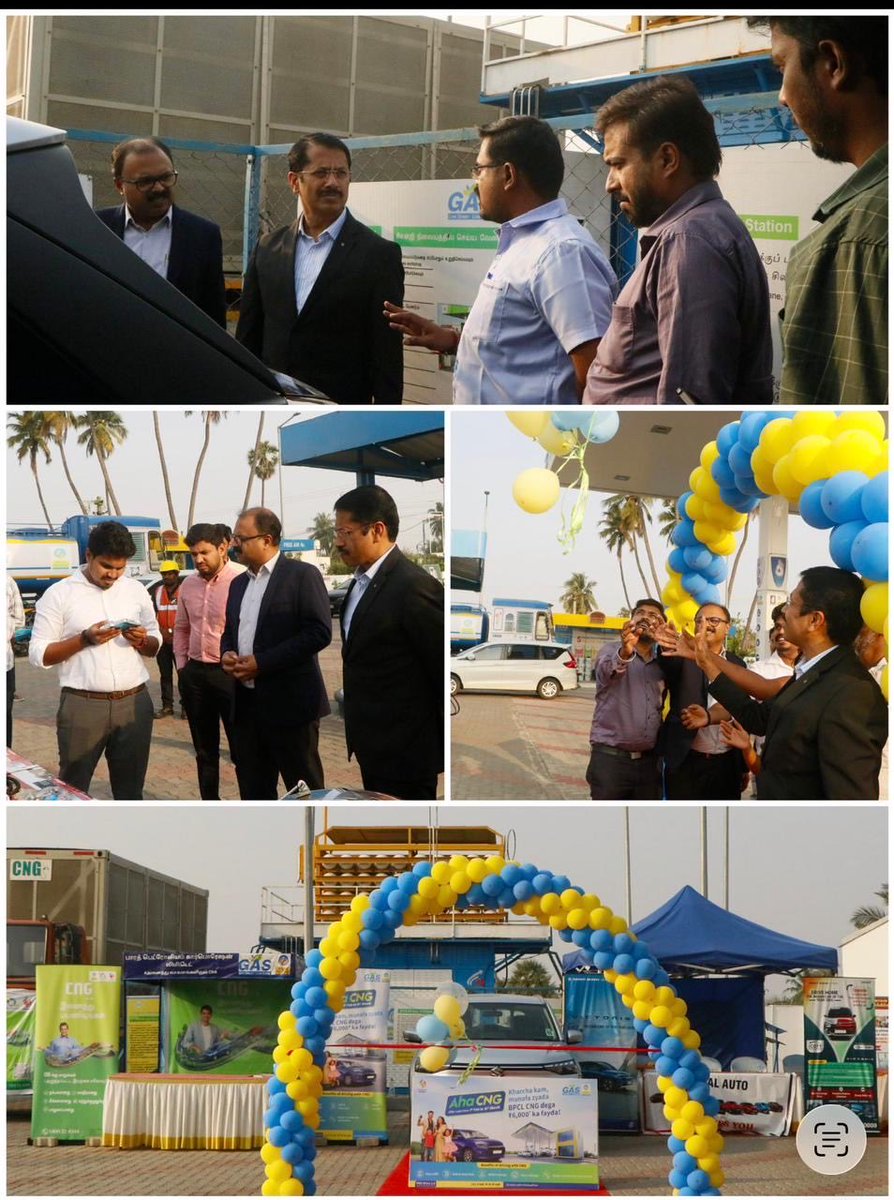
🚘✨AHA CNG Rollout Begins at Arunagir Fuel Agencies ✨🚘 marking the beginning of an exciting phase in clean mobility outreach. The launch featured participation from key OEMs, retrofitters, & hydrotesting agencies. @BPCLimited @PetroleumMin @PNGRB_

3
48
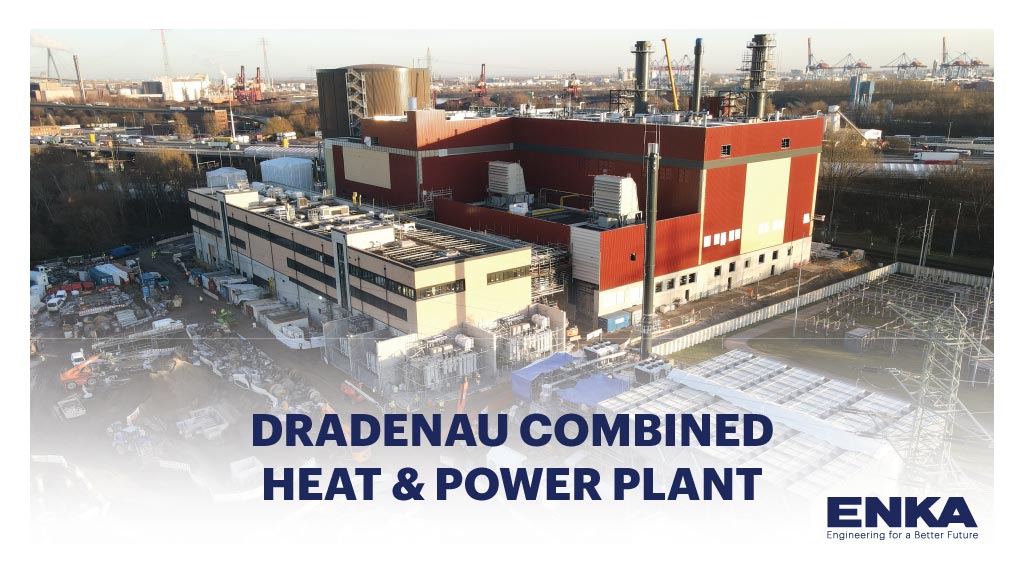
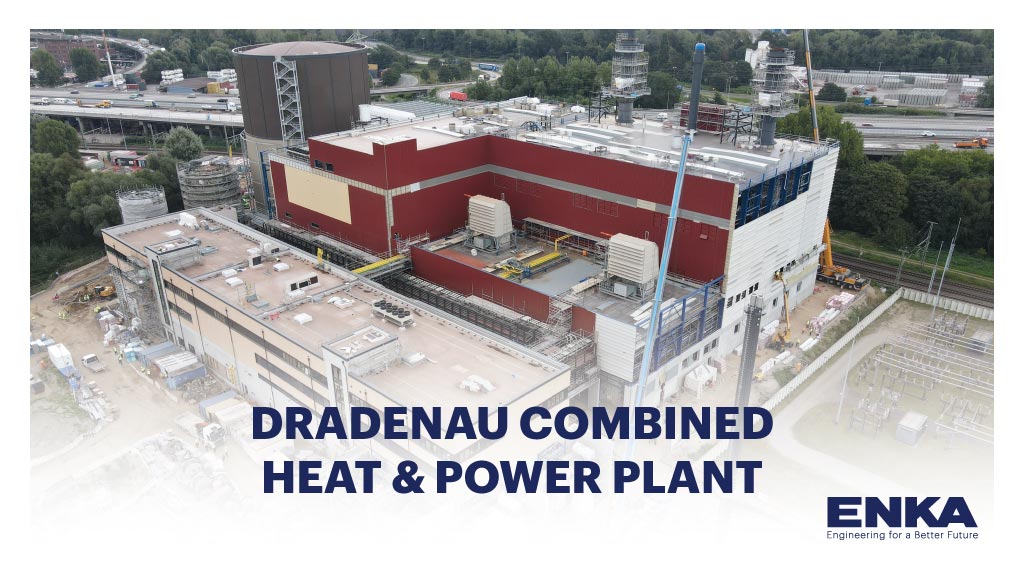
The Dradenau Combined Heat and Power Plant project of the ARGE Uniper-ENKA Dradenau partnership in Germany is progressing steadily. This strategic project for Hamburg will replace the coal-fired CHP plant in Wedel with a new, environmentally friendly plant in Dradenau.
The project is based on a 2x2x1 configuration with 2 Siemens SGT-800 gas turbines,1 steam turbine, 2 HRSGs, and 1 additional gas-fired steam generator. Upon completion, the plant will deliver an electrical output of 180 MW and a district heating capacity of 260 MW.
As of end-2025, overall progress reached 87%, with approximately 950 personnel on site. The project achieved 638,838 person-hours and 107 days without any LTI.
Façade and roof installations for major buildings, and the 4,300-ton structural steel erection of the Power Block have been completed, while architectural and infrastructure works continue.
Mechanical works include 102,000 dia-inch piping welds completed, with hydrotesting and insulation works underway. Main and auxiliary mechanical equipment installation and HRSG piping hydrotesting are complete. Commissioning is underway for the gas turbines and water treatment plant.
Electrical works include completed installation of transformers, panels, and auxiliary equipment, with 500,000 m of cable pulling. AC/DC UPS, batteries, and auxiliary transformers have been handed over for commissioning.
First fire is planned for May 2026, with project completion targeted for the final quarter of 2026.
------
ARGE Uniper-ENKA Dradenau ortaklığının Almanya'daki Dradenau Kombine Isı ve Enerji Santrali projesi ilerlemeye devam etmektedir. Hamburg için stratejik öneme sahip olan bu proje kapsamında Wedel'deki kömürle çalışan tesisinin yerini, çevre dostu yeni bir Kombine Isı ve Enerji Santrali alacaktır.
Proje, 2x2x1 konfigürasyonunda; 2 adet Siemens SGT-800 gaz türbini, 1 adet buhar türbini, 2 adet atık ısı buhar kazanı ve 1 adet gaz ile çalışan buhar kazanından oluşmakta olup, tamamlandığında 180 MW elektrik ve 260 MW ısı üretimi sağlayacaktır.
2025 sonu itibarıyla proje ‡ tamamlanmış, yaklaşık 950 kişi çalışmaktadır. Projede kayıp zamanlı iş kazası olmadan 638.838 insan-saat ve 107 gün çalışma gerçekleştirilmiştir.
Elektrik, Gaz Kompresör ve İdari Kontrol binalarının cephe ve çatı imalatları ile Güç Bloğu’na ait yaklaşık 4.300 ton yapısal çeliğin montajı gerçekleştirilmiş, cephe imalatları büyük ölçüde tamamlanmıştır. Mimari ve altyapı çalışmaları sürmektedir.
Mekanik işlerde 102.000 dia-inç boru kaynağı ve ana–yardımcı ekipman montajları tamamlanmış, hidrotest ve izolasyon çalışmaları ile gaz türbinleri ve su arıtma tesisinde devreye alma faaliyetleri sürmektedir.
Elektrik işlerinde trafo, pano ve yardımcı ekipman montajları ile yaklaşık 500.000 m kablo çekimi gerçekleştirilmiştir. AC/DC kesintisiz güç sistemleri, bataryalar ile yardımcı trafolar da devreye alma sürecine alınmıştır.
İlk ateşlemenin Mayıs 2026’da yapılması, projenin ise 2026’nın son çeyreğinde tamamlanması hedeflenmektedir.
#ENKAinsaat #uniper
7
461

17 Dec 2025
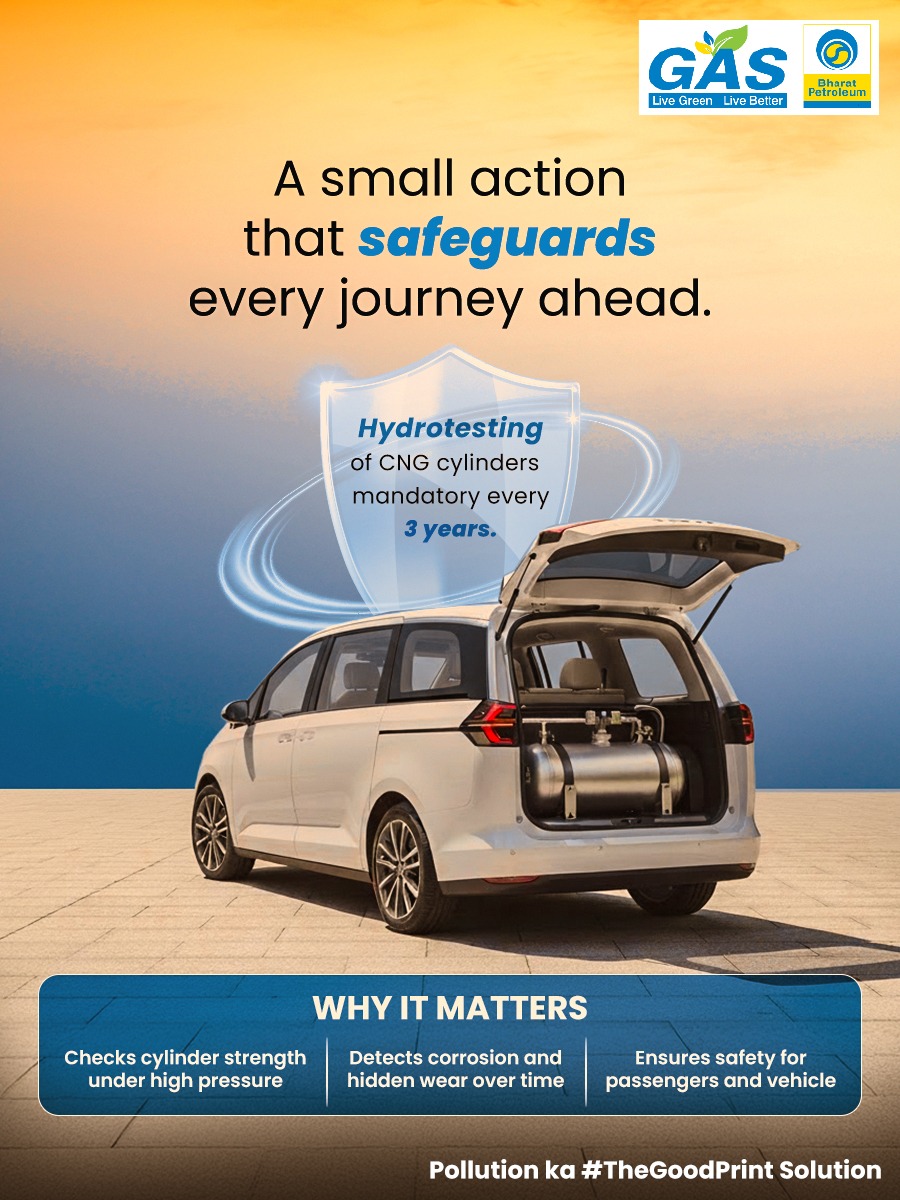
Every safe journey begins long before the engine starts. Mandatory hydrotesting of CNG cylinders every three years is a critical step in protecting vehicles, passengers, and public spaces.
By testing cylinder strength under high pressure, hydrotesting helps detect corrosion, fatigue, and hidden wear that can develop over time. It ensures the cylinder remains fit to operate safely under everyday driving conditions.
Routine hydrotesting reflects a safety-first mindset, built on prevention, responsibility, and care for every life on the road.
@BPCLMakLubes @BPCL_Gas_BU
#CNGSafety #Hydrotesting #SafeJourneys #RoadSafety #EnergyResponsibility #SafetyFirst #SafetyCompliance #SustainableMobility #EnergySafety #ResponsibleMobility
1
8
19
603

14 Dec 2025
A company filled a steam drum with water for hydrotesting during construction of a large chemical plant. When the drum was about half full, it broke loose from its supports and tore its way down through four levels of already assembled pipe racks, destroying all the piping in each level.
The company had decided not to buy electronic calculators for their structural engineers. so the weight of the vessel full of water had been calculated with a slide rule, and was low by a factor of ten (of course). With the money spent to repair all the damaged piping, they could have bought Wang calculators for every engineer in the company. They started buying calculators for their process engineers and the structural department.
1
61

27 Oct 2025
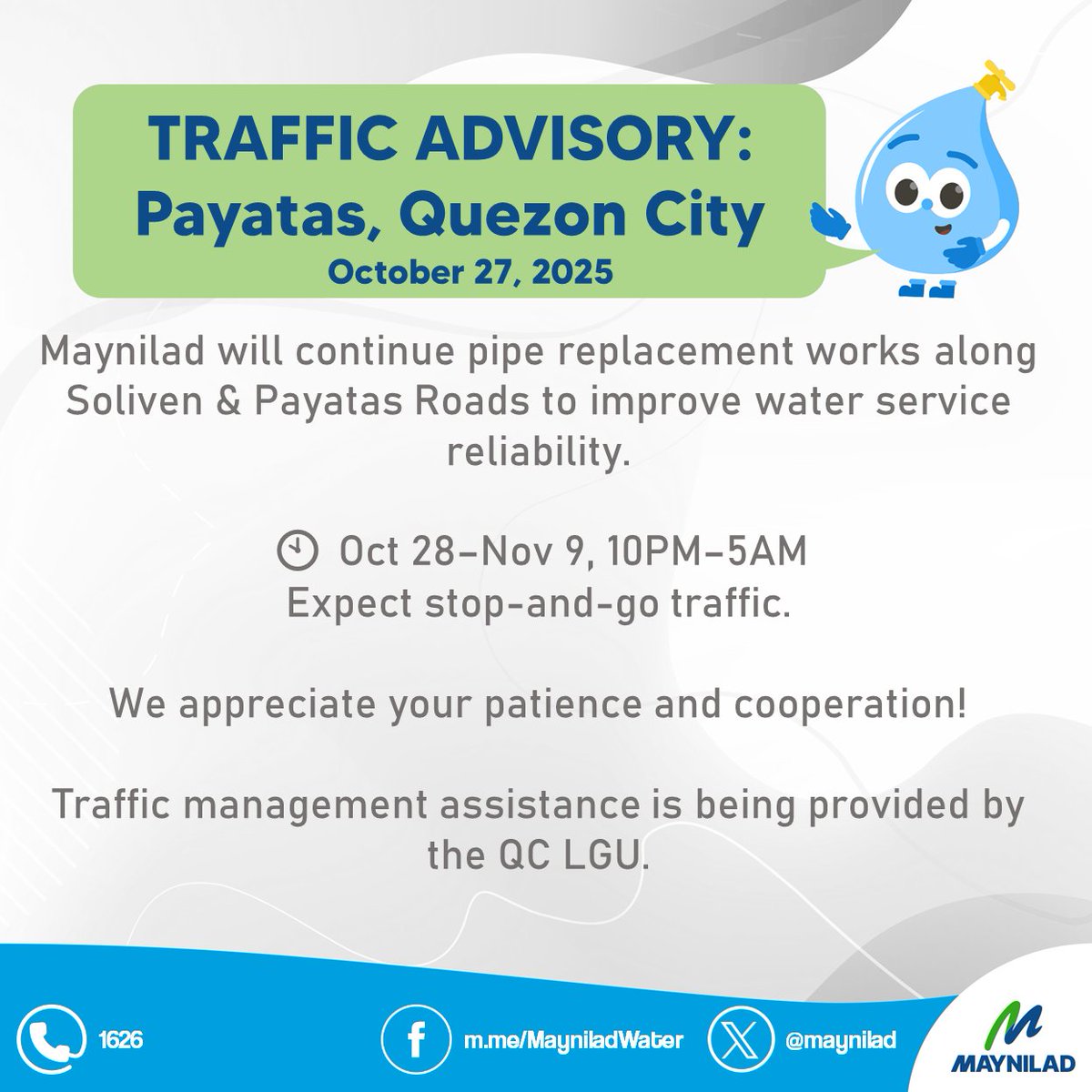
TRAFFIC ADVISORY: Payatas, Quezon City
In coordination with the Quezon City LGU and Barangay Payatas, Maynilad is continuing pipe replacement works along Soliven and Payatas Roads to improve water service reliability.
Please expect stop-and-go traffic in the areas listed below from October 28 to November 9, 2025 (10:00 p.m. to 5:00 a.m.) while we continue our pipe-laying works.
• Soliven St. – Pipe laying (approx. 100 LM)
• Payatas cor. Kapalaran – Hydrotesting
• Payatas cor. Soliven – Temporary restoration
• Payatas Rd. – Permanent restoration (Nov. 7–9)
Thank you for your patience and cooperation. Traffic management assistance is being provided by the QC LGU.
2
2
1,553

17 Oct 2025
$SOC Hydrotesting done; pipeline restart approval filed. If greenlit, first oil flows via LFC onshore. Backup; OS&T vessel lease YE ’25, delivery Q3 26’ for offshore sales. Noise; Exxon deadline Mar 1, but federal waters win looms. Cash burn high, but catalysts de-risk.
2
6
1,114

6 Oct 2025
The Dradenau Combined Heat and Power Plant project of the ARGE Uniper-ENKA Dradenau partnership in Germany continues to progress steadily. This strategically important project for Hamburg aims to replace the coal-fired CHP plant in Wedel with a new and environmentally friendly CHP plant in Dradenau (KWK-Anlage Dradenau).
The project is based on a 2x2x1 configuration consisting of two Siemens SGT-800 gas turbines, one steam turbine, two heat recovery steam generators (HRSG), and an additional gas-fired steam generator. Upon completion, the plant will deliver an electrical output of 180 MW and a district heating capacity of 260 MW.
As of the end of August 2025, overall project progress has reached 83.4%, with approximately 850 personnel, including subcontractors, actively working on site. A total of 2,082,885 person-hours and 393 days have been recorded without any lost time incident.
The main activities currently focus on piping, welding, and cable pulling. In parallel, architectural works, façade installation, infrastructure, mechanical, and electrical installations are ongoing. Hydrotesting of the main equipment is in progress, and the hydrotest of the both HRSGs have been successfully completed. The target is to largely complete construction works by the end of 2025 and transition into the commissioning phase. Pre-commissioning activities commenced in September 2025.
---
ARGE Uniper-ENKA Dradenau ortaklığının Almanya'daki Dradenau Kombine Isı ve Enerji Santrali projesi başarıyla ilerlemeye devam etmektedir. Hamburg için stratejik bir öneme sahip olan bu proje ile Wedel'deki kömürle çalışan kojenerasyon tesisinin yerini, yeni ve çevre dostu bir Kombine Isı ve Enerji Santrali tesisi “KWK-Anlage Dradenau” alacaktır.
Projenin konfigürasyonu 2x2x1 olup; 2 adet Siemens SGT-800 gaz türbini, 1 adet buhar türbini, 2 adet atık ısı buhar kazanı ve 1 adet gaz ile çalışan buhar kazanından oluşmaktadır. Proje tamamlandığında, santralin 180 MW elektrik ve 260 MW ısı üretmesi hedeflenmektedir.
2025 yılının Ağustos ayı sonu itibarıyla, projenin genel ilerleme oranı ƒ,4’e ulaşmış olup, projede alt yüklenicilerle birlikte yaklaşık 850 kişi çalışmaktadır. Projede kayıp zamanlı iş kazası olmadan toplam 2.082.885 insan-saat ve 393 gün çalışma süresine ulaşılmıştır.
Projede ağırlıklı olarak borulama, kaynak ve kablo çekim işleri yer almakta olup; mimari işler, cephe montajı, altyapı çalışmaları ile mekanik ve elektrik işlerine de devam edilmektedir. Ana ekipmanlara yönelik hidrotest çalışmaları devam etmektedir. Her iki atık ısı buhar kazanının hidrotest işleri tamamlanmıştır. 2025 yılı sonuna kadar inşaat işlerinin büyük ölçüde tamamlanarak devreye alma sürecine geçilmesi hedeflenmektedir. Ön devreye alma çalışmalarına ise Eylül 2025 itibarıyla başlanmıştır.
#ENKAinsaat #uniper
5
605

16 Sep 2025
Yes, if $SOC were to re-activate it without hydrotesting it first...it would be a crime. Which it would never do. And thankfully, it already has done.
So besides spreading half truth nonsense, what are you actually doing?
20
1,007
16 Sep 2025
$SOC - What if I told you the new hydrotesting requirement isn't an issue, at all, for our pipeline.
What if the answer has been laying in plain sight.
What if I told you, we are already in compliance?
3
3
41
4,231

Did you know your #CNG cylinder needs #hydrotesting every three years? Hydrotesting checks for cracks, leaks, and pressure integrity by filling the cylinder with water and applying high pressure. Watch the video for more information.
#CNGCylinder #GreenEnergy #NaturalGas #MeghaGas
#MCGDPL #MEIL #MeilGroup #MeghaEngineering
7
25
255

9 Jul 2025
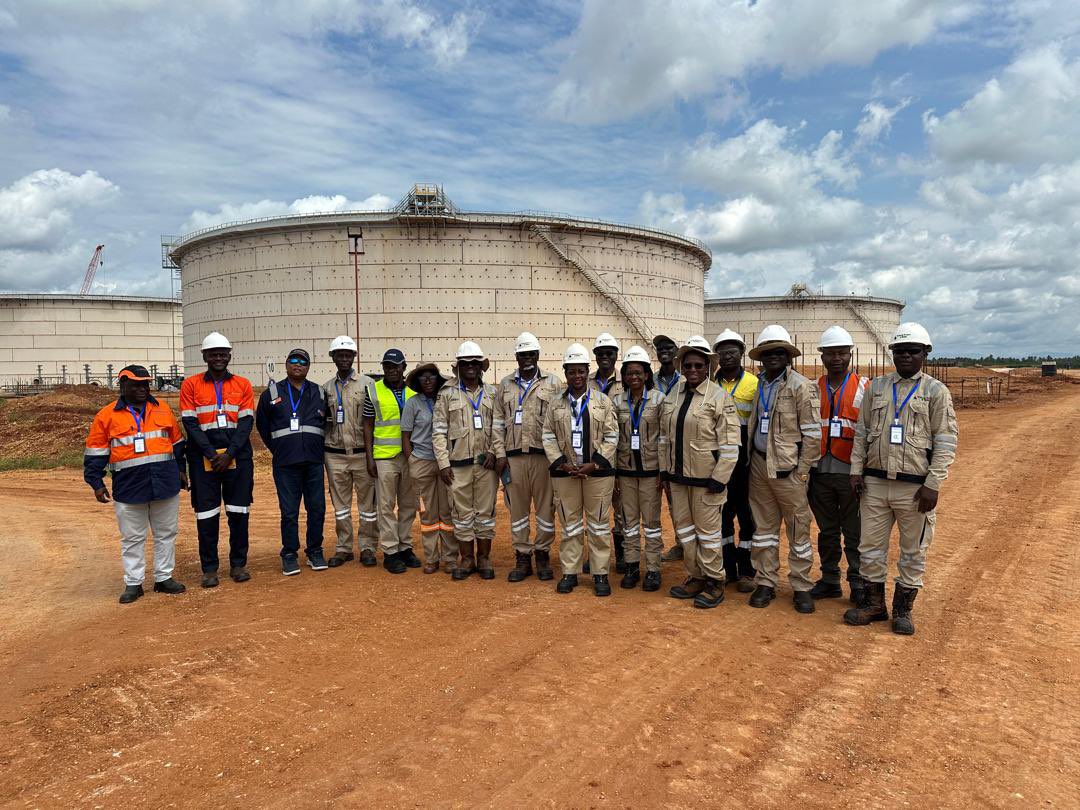
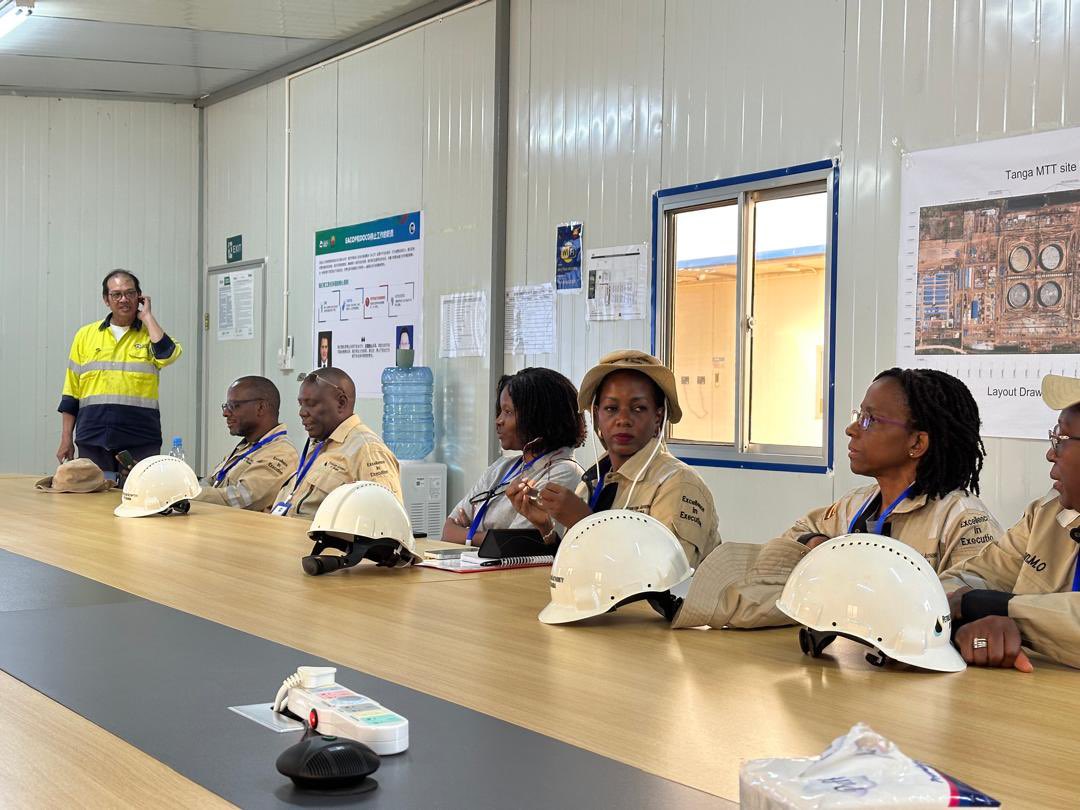
The Boards of the Petroleum Authority of Uganda (PAU) and the Energy and Water Utilities Regulatory Authority (EWURA) of Tanzania, led by PAU Board Chairperson Ms. Lynda Biribonwa and @EwuraTanzania Deputy Chairperson Ms. Victoria M. Elangwa, are undertaking a joint oversight visit of the East African Crude Oil Pipeline (EACOP) construction in Tanzania.
The visit began with a briefing at EWURA’s Zonal Office in Dar es Salaam covering:
🔹 Project progress – pipeline, above-ground installations, marine terminal
🔹 Financial close of $1B external financing (March 2025)
🔹 First Oil expected in 2026
🔹 Real-time pipeline monitoring and leak detection
🔹 Implementation risks and mitigation
The team then went on field visits to Chongoleani Peninsula and Sigi River in Tanga. Below are the highlights from the visits:
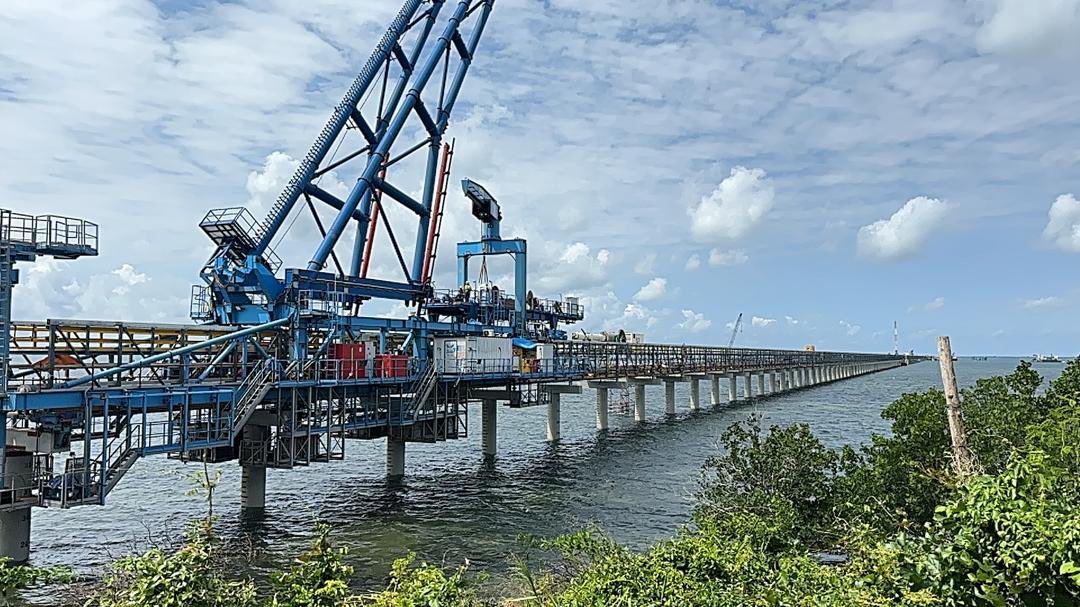
📍 Marine Storage Terminal (MST)
• 4 storage tanks (each 500,000 barrels) – 80% complete
• Tank A undergoing hydrotesting
• Terminal construction: 39%
• Jetty and load-out facility: 78%, completion by January 2026
• 84% of workforce is local
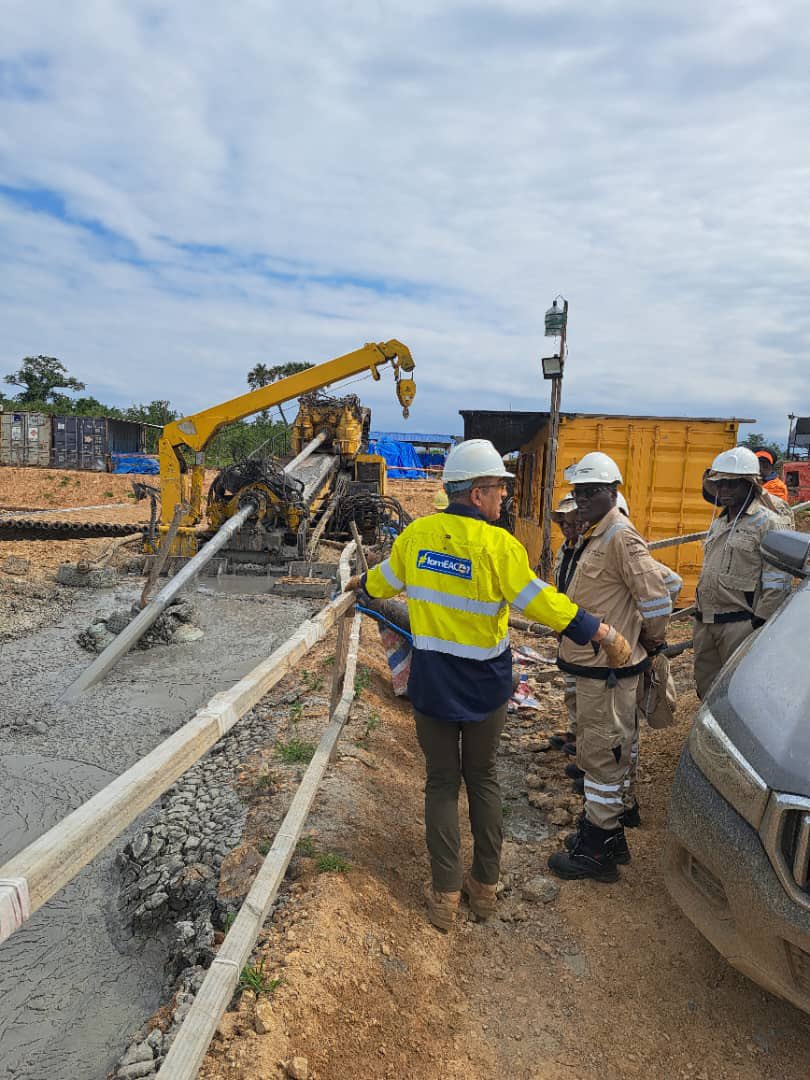
📍 HDD at Sigi River
• 1.2 km crossing, 15m below river bed
• 63% complete, expected finish: Oct 2025
#CreatingLastingValue #PAUAt10
2
4
674