
Apr 13
🖥️ #ASCOAI: New research highlights μPharma, an #AI-powered microdevice that predicts sensitivity to targeted therapies in pediatric T-ALL within hours.
➡️ Offers a path toward real-time, personalized treatment decisions.
Read the full article: ascoai.org/articles/2026/04/…
1
2
493

Mar 22
I know how our default reaction goes. “Wow… why do not we ever build stuff like this?” Before we start going down that spiral & bashing ourselves, here is something most people have missed. This is already happening. Right here.
There is a proper forensic deep-dive underway in New Delhi. Patented, published around 2025-26. Work coming out of IIT Delhi & AIIMS. And what are they building? An ingestible micro-sampler. A literal pill we can swallow that does the job from inside.
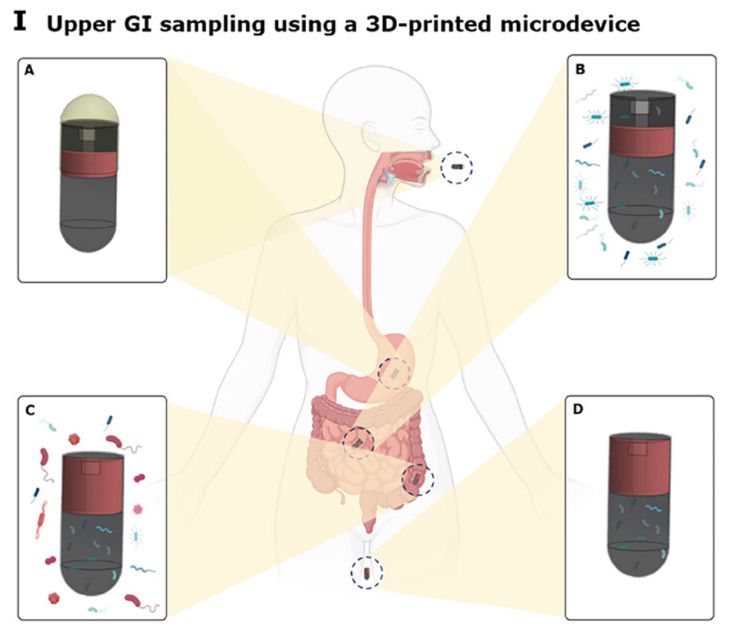
Unlike cameras that just look, this Indian-developed capsule is designed to Sample the Microbiome directly from the small intestine.
Standard stool tests are like checking the trash at the end of a factory line to see how the factory works. This IIT Delhi pill is a Site-Specific Spy. It stays closed in the stomach (to avoid acid contamination), opens only in a specific part of the intestine to sip the bacteria, & then self-seals using a pH-sensitive magnetic trigger.
Source: A Small Pill-Like Ingestible Microdevice for Site-Specific Microbiome Sampling in the Upper GI Tract, Anshul Nema, Debajit Dhar, Venkata Sai Reddy Ramireddy, Kumari Priyam, Samagra Agarwal, Sarvesh Kumar Srivastava, published: 08 December 2025

1
3
11
780

Mar 20
Our Coverage from #GU26 Continues
We are proud to have Dr. @Clara__Steiner 🇩🇪@DanaFarber 🇺🇸share with you her poster Presented in San Francisco
Pilot phase I trial of an implantable microdevice for in vivo evaluation of drug response in renal cell carcinoma.
This pilot phase I study evaluated implantable microdevices (IMDs) delivering microdoses of multiple drugs directly into renal cell carcinoma tumors. In 10 patients, CT-guided IMD placement before surgery proved safe and feasible, with successful tissue analysis in most cases.
The approach revealed spatial, drug-specific effects on apoptosis, proliferation, and immune composition, demonstrating the potential of IMDs to guide personalized therapy selection while avoiding systemic toxicity.
#KidneyCancer
@DrChoueiri
@MattMossanen
@MichelleDunno17
@bergsa83
@MikeSerzanMD
@BradMcG04
@srviswanathan
@stusilverman
@VincentWenxinXu
@motzermd
@DrIacovelli
@DrYukselUrun
@elena_verzoni
@tompowles1
@montypal
@crisbergerot
@DrDanielHeng
@apolo_andrea
@PGrivasMDPhD
@TiansterZhang
@neerajaiims
@amerseburger
@drenriquegrande
@BraunMDPhD
@cdanicas
@brian_rini
@AUC3_Official
@nataliagandur
@MarcMachaalani
@Mustafajsalehmd
@NazliDizman
@DrYukselUrun
@yekeduz_emre
@WeiweiBian
@ReneeSaliby
@eddy_saad
@marc_eid
@pablombarrios
@WDKhatoun
@Jad_El_Masri
@lilli_ash
@RashadNawfal
@RazaneHChehade
@elioibrahim8
@NafehGaelle
@shaye_carver
@zeyun_lu
@SylvanBacaLab
13
30
3,751

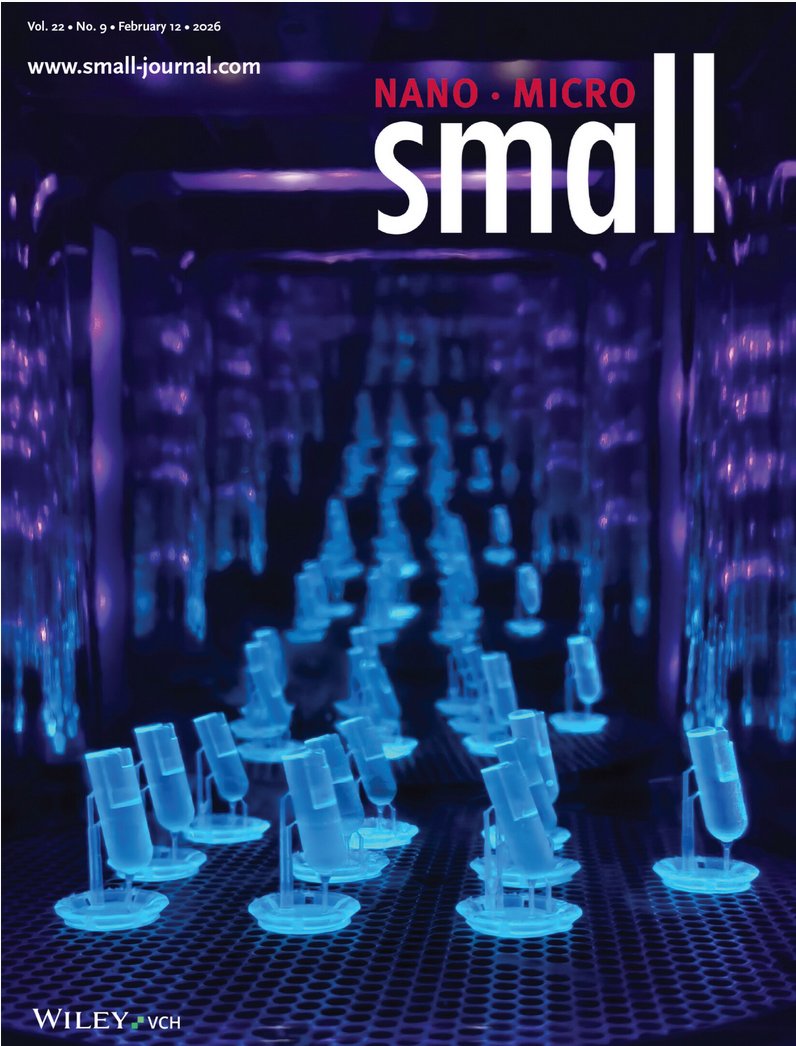
IIT Delhi researchers have developed a pill like ingestible microdevice that enables in vivo, site specific microbiome & biomarker sampling in the upper GI tract.
✅First successful autonomous pyloric transit via oral gavage
ow.ly/9gu450Yva6x
#Microdevice #Small #Biomed
4
740

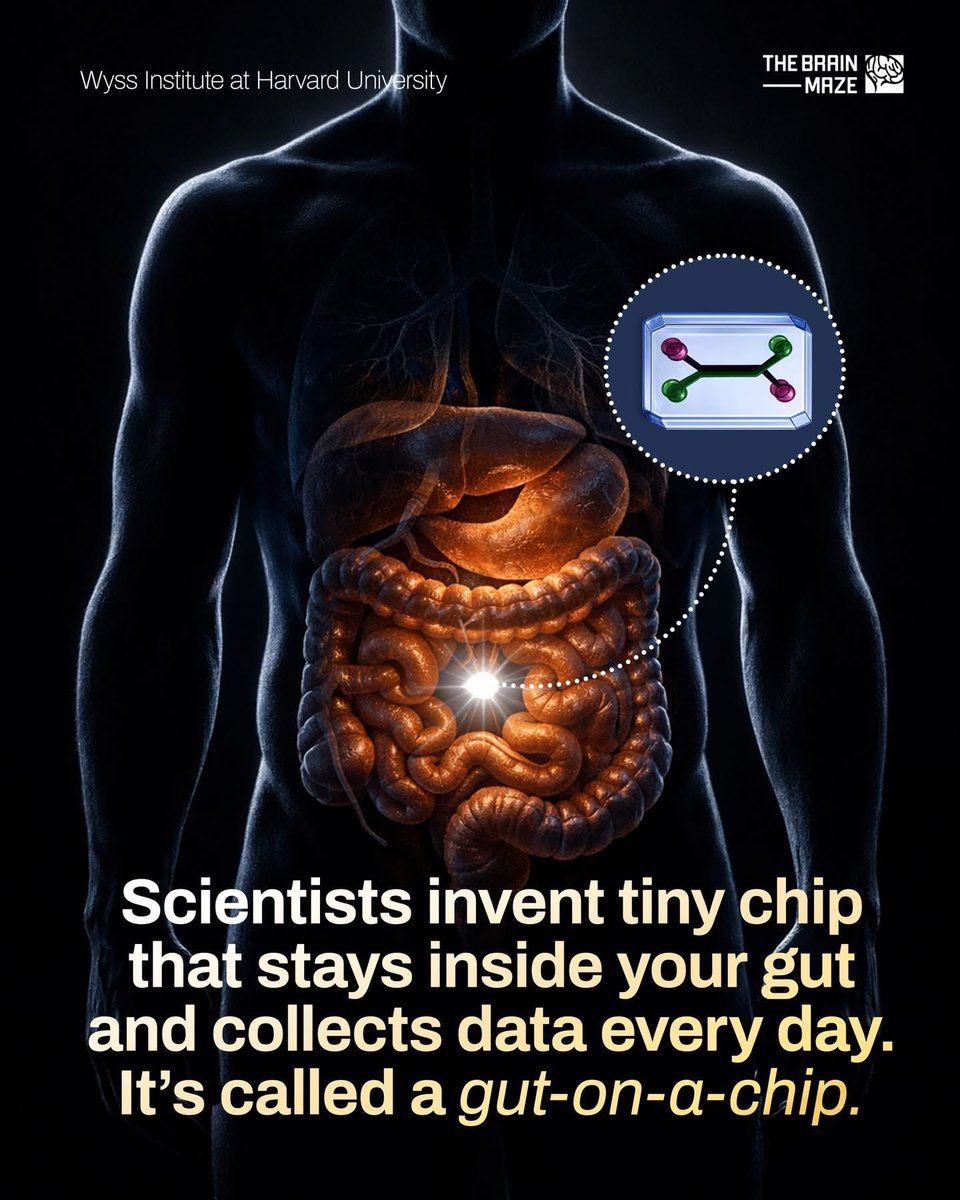
Tiny Chip Revolutionizes Gut Health:
Inside the 2012 Breakthrough That’s Decoding Our Inner World!
Video below 👇👇👇
For an explanatory overview of gut-on-a-chip technology, including its development at the Wyss Institute and applications in studying gut health, check out this video: below 👇
New Gut-on-a-Chip System.
youtu.be/hRcU5jq5hPo?si=kfaF…
It details how the device mimics the gut microenvironment with multiple cell types and microbes, making it relevant to understanding declining gut health and testing treatments.
Verification
This largely accurate and supported by established research from Harvard’s Wyss Institute for Biologically Inspired Engineering.
wyss.harvard.edu/news/harvar…
wyss.harvard.edu/news/human-…
The gut-on-a-chip technology was indeed pioneered there in 2012, led by Founding Director Dr. Donald Ingber, M.D., Ph.D., who is also a professor at Harvard Medical School and other affiliated institutions.
This microfluidic device replicates the human intestine’s structure, physiology, and mechanics, including peristalsis-like motions and support for microbial growth, allowing controlled studies of gut function, disease development (e.g., related to the microbiome), and safer drug testing.
pubmed.ncbi.nlm.nih.gov/2381…
Poor gut health is increasingly linked to various illnesses, such as inflammatory bowel disease, and this technology aids in exploring treatments by providing a human-relevant model that’s more accurate than traditional animal testing.
It has led to advancements like modeling radiation effects, viral infections, and personalized medicine, with potential for preventing and treating gut-related issues.
The spin-off company Emulate, Inc., founded by the Wyss team, commercializes these Organ Chips for broader research use.
While promising, it’s still primarily a research tool, not yet in widespread clinical application.
Researchers are leveraging “gut-on-a-chip” systems to gain deeper insights into worsening intestinal health issues.
This innovative tool originated from work at Harvard’s Wyss Institute for Biologically Inspired Engineering, under the guidance of Dr. Donald Ingber.
The compact microdevice replicates the human gut, enabling experts to examine intestinal operations and disease progression in a precise, lab-based setting. With growing evidence connecting
suboptimal gut conditions to numerous health disorders, this approach allows for more reliable and ethical evaluation of therapies.
It holds promise for innovative strategies to avert and address digestive health challenges down the line.
youtu.be/hRcU5jq5hPo?si=a7CP…
1
1
9
687

Feb 28
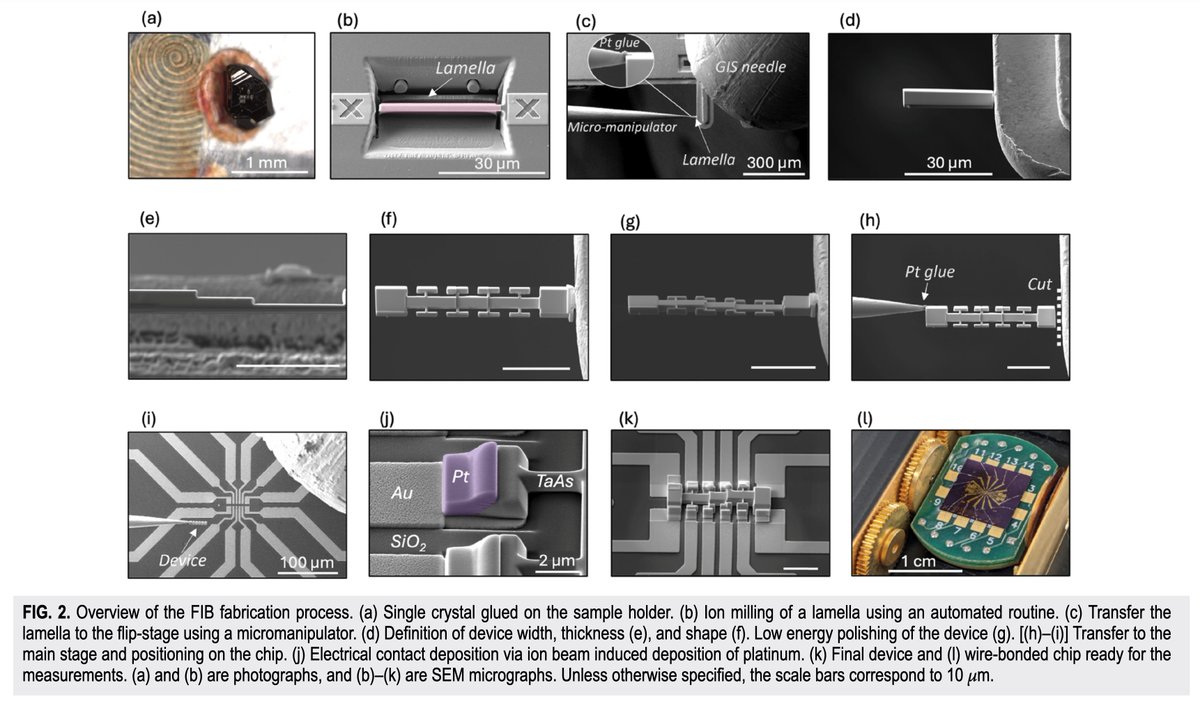
however I hate gallium ions, killed quite a few of my devices likely because of doping/contamination.
- Balduini2026: [A practical guide for microdevice fabrication using a focused ion beam equipped with a flip-stage](doi.org/10.1063/5.0295819)
2
1
28
1,391

New paper in Analytical Chemistry!
We reconstructed smooth-type lipopolysaccharide (LPS) outer membranes with O-antigen using a microdevice-based droplet contact method.
🔗 doi.org/10.1021/acs.analchem…
1
9
17
1,230

30 Dec 2025
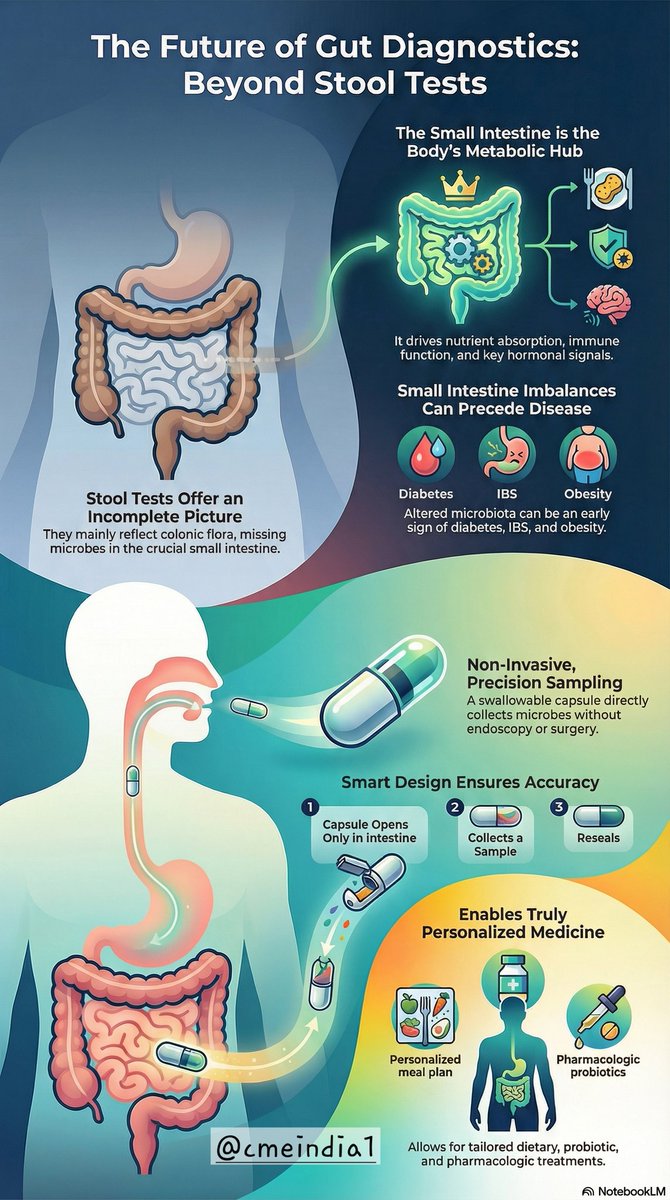
Swallowable Microdevice for Small-Intestinal Microbiome Sampling (IIT-Delhi & AIIMS)
• Stool microbiome ≠ small-intestinal microbiome.
Routine stool testing mainly reflects colonic flora and often misses disease-relevant microbes residing in the small intestine.
• Small intestine is the metabolic command center.
Critical processes—nutrient absorption, bile acid signaling, incretin release, immune modulation—are driven by small-intestinal biology and microbiota.
• Ingestible microdevices overcome major diagnostic gaps.
The swallowable device allows direct, site-specific sampling from the upper GI tract without endoscopy or surgery.
• Smart design ensures safety and precision.
The capsule remains closed in the stomach, opens selectively in the intestine, collects microbes, and reseals—minimizing contamination and sample loss.
• Early disease detection potential is significant.
Altered small-intestinal microbiota may precede clinical disease in conditions like diabetes, obesity, NAFLD/MASLD, IBS, celiac disease, and SIBO.
• Beyond microbes—biomarker discovery.
The technology can sample not just bacteria, but also metabolites and biochemical signals, enabling deeper pathophysiological insights.
• Personalized medicine moves closer to reality.
Region-specific gut profiling allows tailored dietary, probiotic, prebiotic, and pharmacologic interventions rather than generic stool-based advice.
• Reduces reliance on invasive procedures.
May significantly decrease the need for diagnostic endoscopy in microbiome-related research and selected clinical scenarios.
• Validated but not yet clinical-ready.
Currently tested in animal models with patent filed; human clinical use will require regulatory approvals and validation studies.
• Indian innovation with global relevance.
Developed by IIT-Delhi and AIIMS, funded by ICMR—demonstrates India’s growing leadership in biomedical microdevice innovation.
• Future clinical implication.
This technology could redefine how we understand gut-metabolic-immune interactions and reshape diagnostics in gastroenterology, endocrinology, and preventive medicine.
CME INDIA TAKE-HOME MESSAGE:
The future of gut diagnostics lies beyond stool tests—direct, non-invasive, region-specific intestinal sampling may transform how we detect, monitor, and personalize treatment of metabolic and chronic diseases.
Scientists at IIT-D and AIIMS develop swallowable microdevice for microbiome study share.google/7YlJScg8TheEWSs…
4
8
378

18 Dec 2025
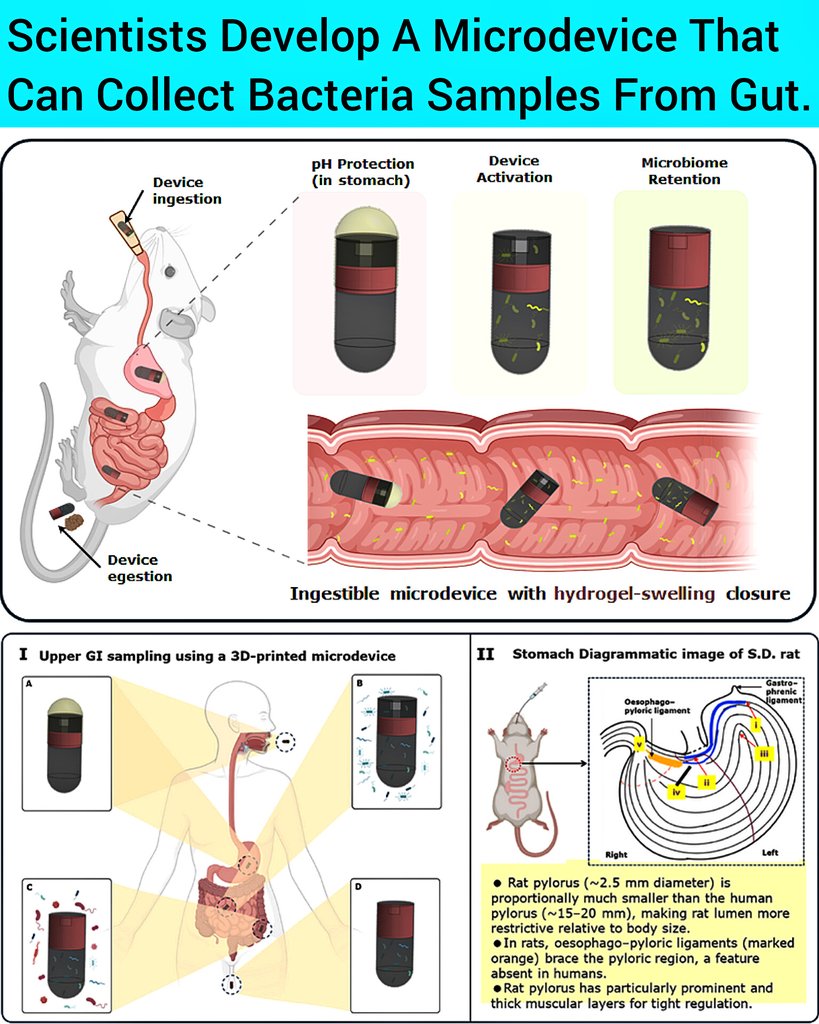
BIG BREAKTHOUGH: scientists develop a swallowable microdevice that can collect bacteria samples from the small intestine.
Researchers from IIT Delhi and AIIMS have developed an ingestible microdevice smaller than a grain of rice (roughly 7 × 2.7 mm wide) that can collect bacterial and biomarker samples directly from the small intestine. Instead of relying on stool samples or invasive endoscopy, this tiny gadget gathers microbes from deep inside the gut where many diseases actually start.
After being swallowed, the device stays sealed through the stomach’s acidic environment (pH ~1.5–3.5). Once it reaches the small intestine (where pH rises to around 6–7.4), it opens and absorbs intestinal fluid containing microbes, then reseals itself and exits the body naturally. In animal tests, the device was found to collect enough material for genomic sequencing, and there were no signs of tissue injury or inflammation.
This technology could transform how scientists study digestive disorders, infections, and metabolic diseases. By enabling non-invasive, site specific microbiome sampling, the technology opens the door to earlier diagnosis, better disease monitoring, and more personalized treatments.
2
3
24
759

21 Oct 2025
🚨 Ransomware Claims for October 21, 2025
🧩 Qilin
• Tri City Foods 🇺🇸
🐍 Sinobi
• SANHUA International 🇨🇳
• Crave Management 🇺🇸
• Prime Dental
• McDonald Building
🎭 Play
• Nelligan White Architects 🇺🇸
• National Coatings
🔥 Rhysida
• Peraso 🇨🇦
💀 Beast
• Microdevice
⚙️ Akira
• Pacific West Systems Supply 🇺🇸
• Mailing.com
• Nvno
🧬 Genesis
• Southern Specialty & Supply 🇺🇸
• Roth & Scholl 🇺🇸
• River City Eye 🇺🇸
• Austin Capital Trust 🇺🇸
• Healthy Living Market & Café 🇺🇸
• Claimlinx 🇺🇸
• Ronemus & Vilensky 🇺🇸
• Dependable Plastic 🇺🇸
• I-Tek Medical Technologies 🇺🇸
🕸️ Lynx
• marquscompanies.com 🇺🇸
• trailridgeenergy 🇺🇸
• ccls.org 🇺🇸
• dekalbcountyga.gov 🇺🇸
💰 Crypto24
• U.S. Vanadium Holding Company 🇺🇸
🌐 Nova
• BRDSoft

2
18
5,752
21 Oct 2025
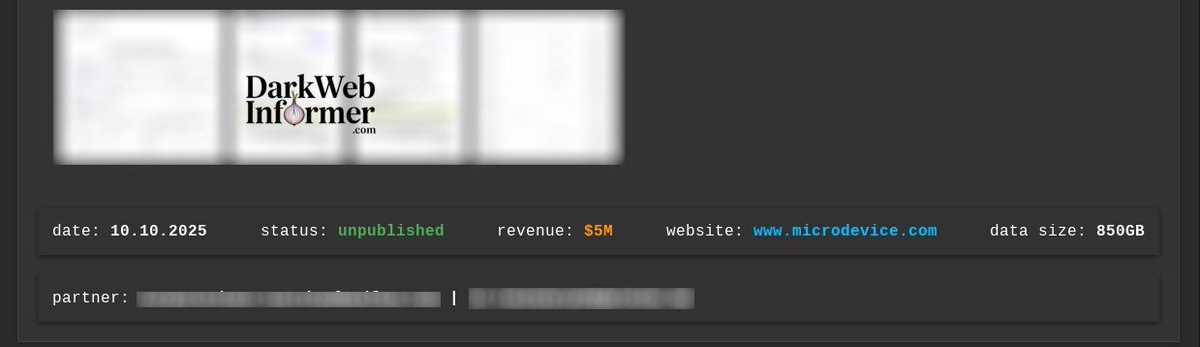
🚨🇮🇹 Microdevice has Fallen Victim to BEAST Ransomware

1
10
4,007

21 Oct 2025
📢 Ransomware Alert: 🇮🇹
Microdevice (microdevice.com), a Italy based Building and construction company, has reportedly fallen victim to the BEAST ransomware group.
🔍 Key Details:
🛡 Threat Actor: BEAST
📅 Reported on: October 21, 2025
⚠ Compromised Data: 850 GB

1
2
1,425

13 Sep 2025
Robust chemical analysis w/ graphene chemosensors & machine learning
Ion-sensitive field-effect transistors (ISFETs) have emerged as indispensable tools in chemosensing applications. ISFETs operate by converting changes in the composition of chemical solutions into electrical signals, making them ideal for environmental monitoring healthcare diagnostics & industrial process control. Recent advancements in ISFET technology, including functionalized multiplexed arrays & advanced data analytics, have improved their performance. We illustrate the advantages of incorporating machine learning algorithms to construct predictive models using the extensive datasets generated by ISFET sensors for both classification & quantification tasks. This integration also sheds new light on the working of ISFETs beyond what can be derived solely from human expertise. It mitigates practical challenges associated w/ cycle-to-cycle, sensor-to-sensor & chip-to-chip variations, paving the way for the broader adoption of ISFETs in commercial applications. We use data generated by non-functionalized graphene-based ISFET arrays to train artificial neural networks that possess a remarkable ability to discern instances of food fraud, food spoilage & food safety concerns. We anticipate that the fusion of compact, energy-efficient & reusable graphene-based ISFET technology w/ robust machine learning algorithms holds the potential to revolutionize the detection of subtle chemical & environmental changes, offering swift, data-driven insights applicable across a wide spectrum of applications.
nature.com/articles/s41586-0…
mGFET-4D for Sensing applications
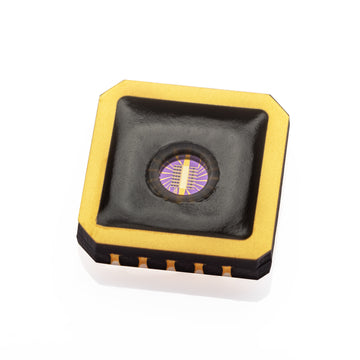
mGFET-4D (4 mm x 4 mm)- Processed in ISO 7 Cleanroom
The mGFET 4x4 chip from Graphenea is designed for sensing applications, & it is compatible w/ measurements in a liquid medium. The metal pads are passivated to avoid degradation & reduce leakage currents. It also includes a non-encapsulated electrode at the center of the chip, which allows for liquid gating w/out the need of an external gate electrode (such as Ag/AgCl probes). This device architecture enhances signal-to-noise ratio & reduces parasitics.
This version provides 28 graphene channels: 7 of them are one-channel devices & 7 of them are three-channel devices. These 2 geometries add flexibility to the measurement scheme (ΔVD or ΔIsd). The die is packaged & wirebonded to a leadless chip carrier (LCC) & it is fully compatible w/ the Graphenea Card.
graphenea.com/products/mgfet…
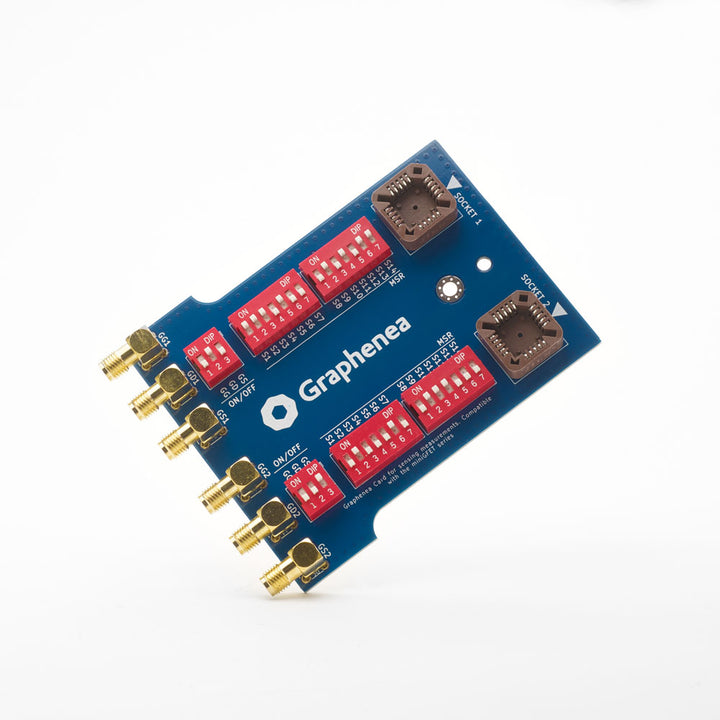
Graphenea Card
Interfaces the graphene microdevice & the electrical equipment used for its readout. This card is a printed circuit board (PCB) w/ a socket into which insert a leadless chip carrier (LCC), connected to a series of switches that link to the input/output BNC connectors. These structures are duplicated, allowing for parallel or multiplexed testing.
Integrated biosensor platform based on graphene transistor arrays for real-time high-accuracy ion sensing
2D materials such as graphene have shown great promise as biosensors, but suffer from large device-to-device variation due to non-uniform material synthesis & device fabrication technologies. We develop a robust bioelectronic sensing platform composed of more than 200 integrated sensing units, custom-built high-speed readout electronics, & machine learning inference that overcomes these challenges to achieve rapid, portable, & reliable measurements. The platform demonstrates reconfigurable multi-ion electrolyte sensing capability & provides highly sensitive, reversible, & real-time responses for potassium, sodium, & calcium ions in complex solutions despite variations in device performance. A calibration method leveraging the sensor redundancy & device-to-device variation is also proposed, while a machine learning model trained w/ multi-dimensional information collected through the multiplexed sensor array is used to enhance the sensing system’s functionality & accuracy in ion classification.
pmc.ncbi.nlm.nih.gov/article…
12 Sep 2025

MATERIALS
1) Graphene Oxide is the MATERIAL for MicroElectroMechanical Systems (MEMS) (Power, Heat & Transistors)
Graphene Oxide (GO) is being explored as a functional material in MicroElectroMechanical Systems (MEMS) for enhancing thermal emitters.
pubs.acs.org/doi/10.1021/acs…
10
13
26
1,192

2 Aug 2025
March 18, 2009...
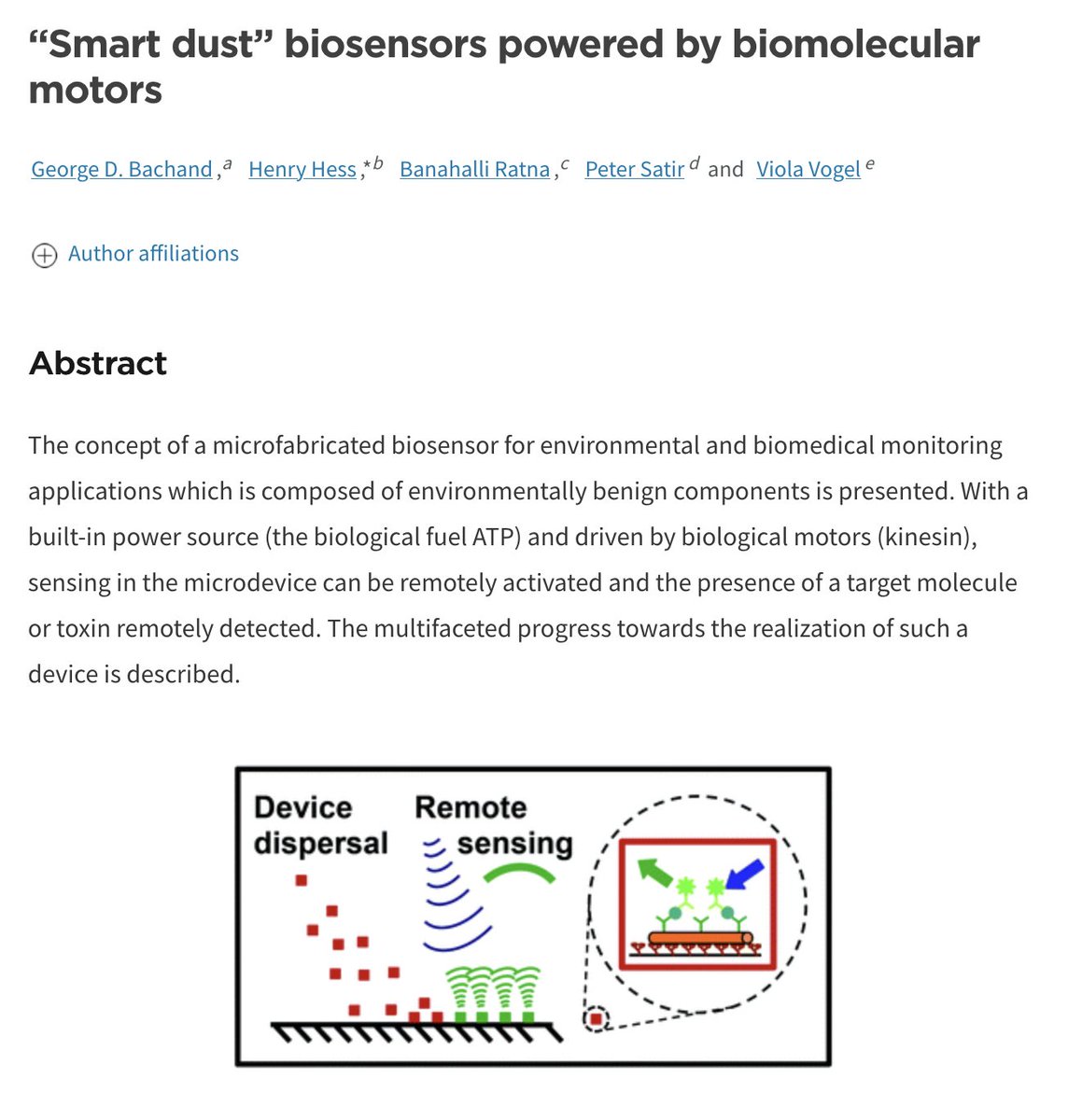
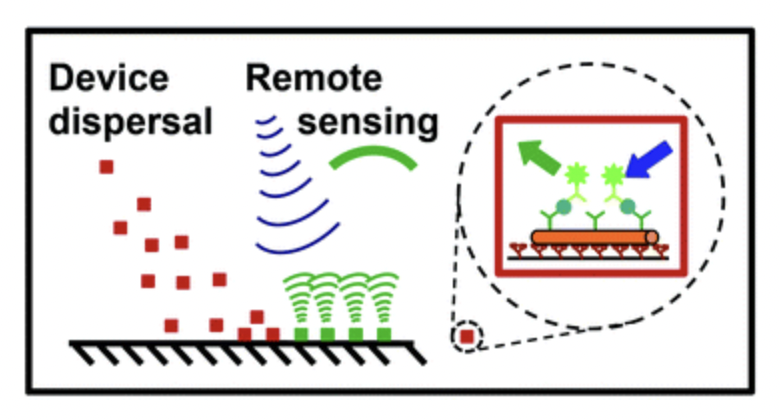
'With a built-in power source (the biological fuel ATP) and driven by biological motors (kinesin), sensing in the microdevice can be remotely activated and the presence of a target molecule or toxin remotely detected.'
“Smart dust” biosensors powered by biomolecular motors
pubs.rsc.org/en/content/arti…
2 Aug 2025

March 25, 2025...
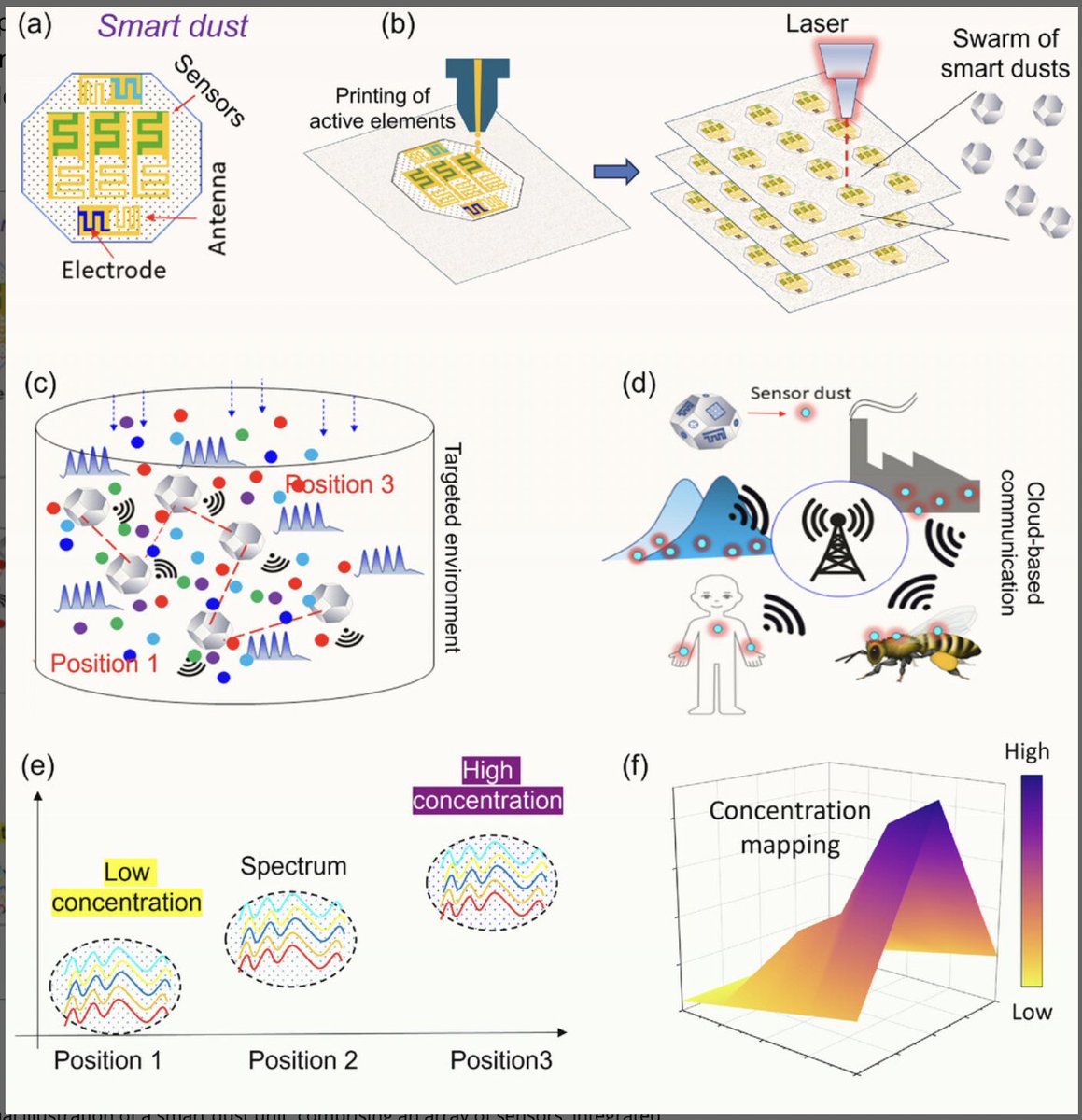
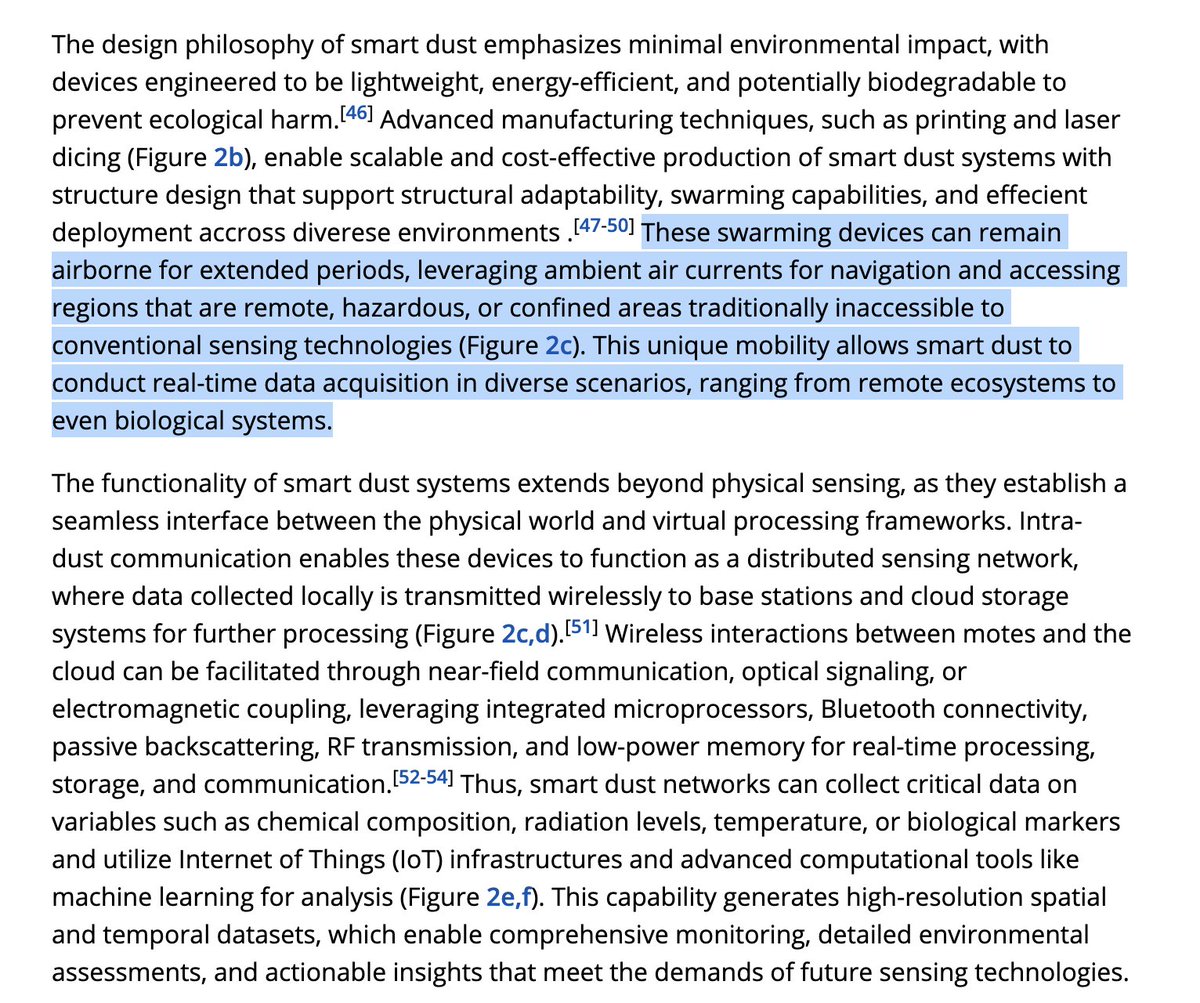
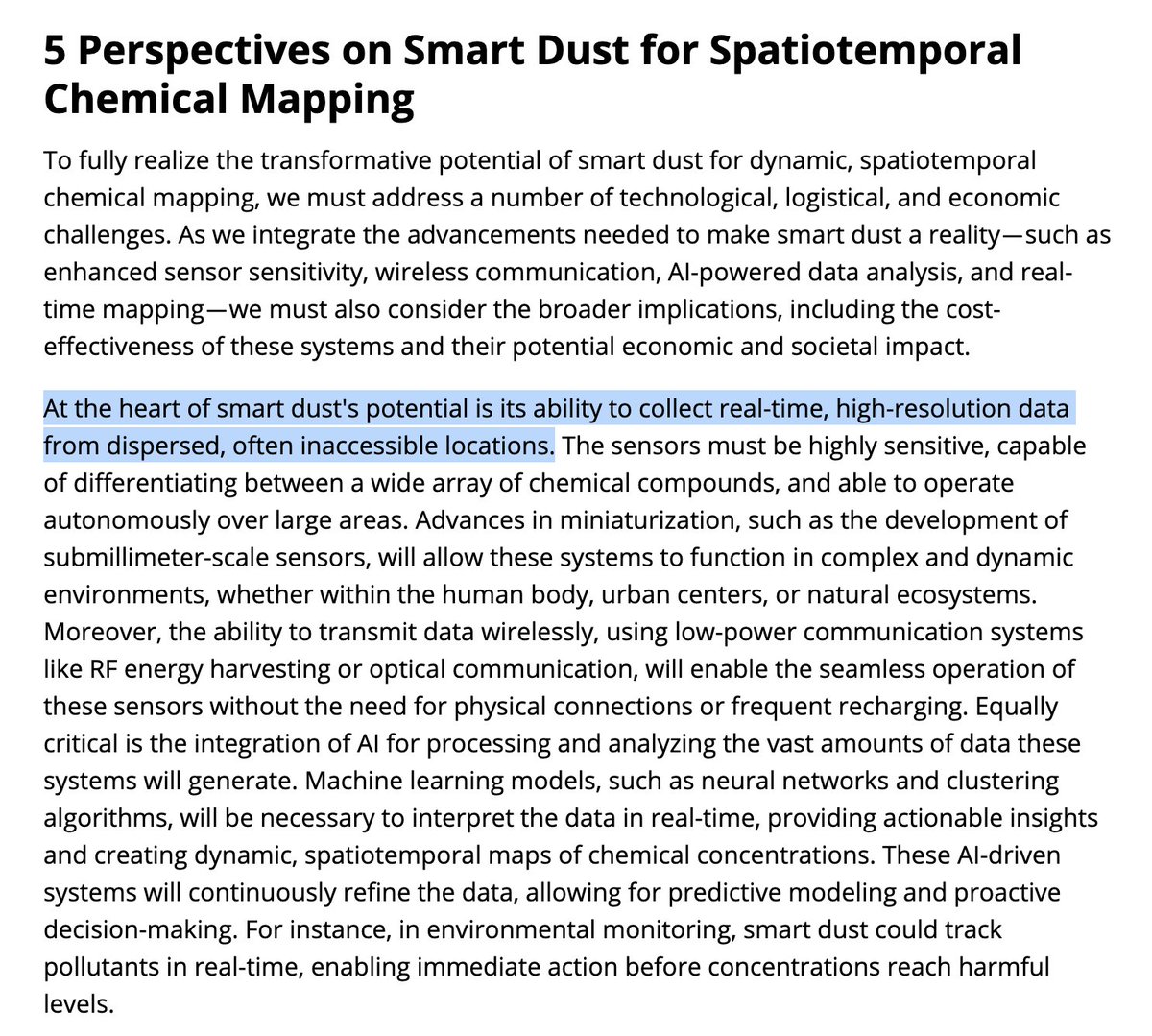
'These devices are engineered to operate autonomously or collaboratively within both physical and virtual frameworks, enabling advanced monitoring and data analysis across diverse environments. Physically, smart dust units are equipped with components that allow them to function as self-contained sensing platforms, detecting specific variables, wirelessly transmitting data, and sustaining long-term operation through energy-harvesting mechanisms.'
Smart Dust for Chemical Mapping
advanced.onlinelibrary.wiley…
1
3
388

31 Jul 2025
Today’s milestone:
Got a vision-language model running entirely on a microdevice.
✅ Under 400MB
⚡️ Sub-100ms latency
📶 No cloud needed
Feels like science fiction, but it’s real.
#TinyML #OnDeviceAI #GenAI
4
50

14 Jul 2025
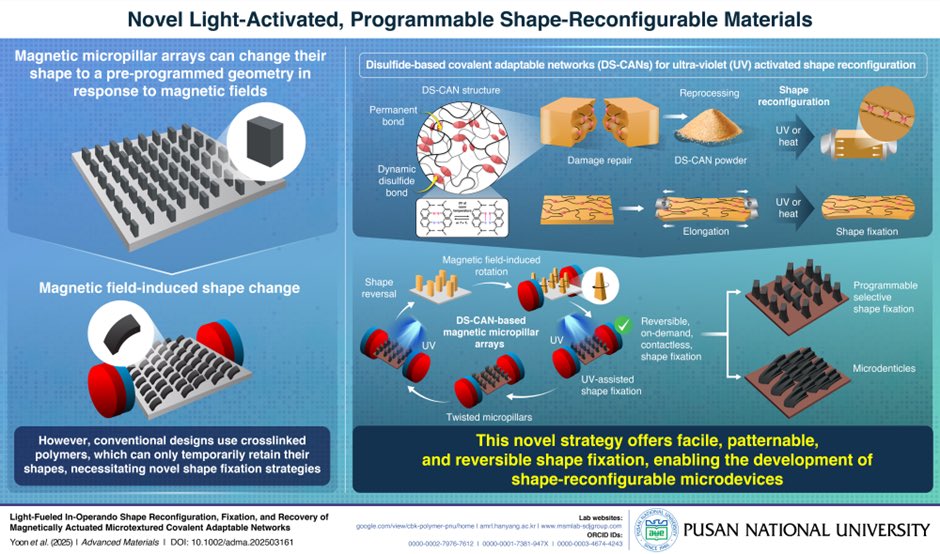
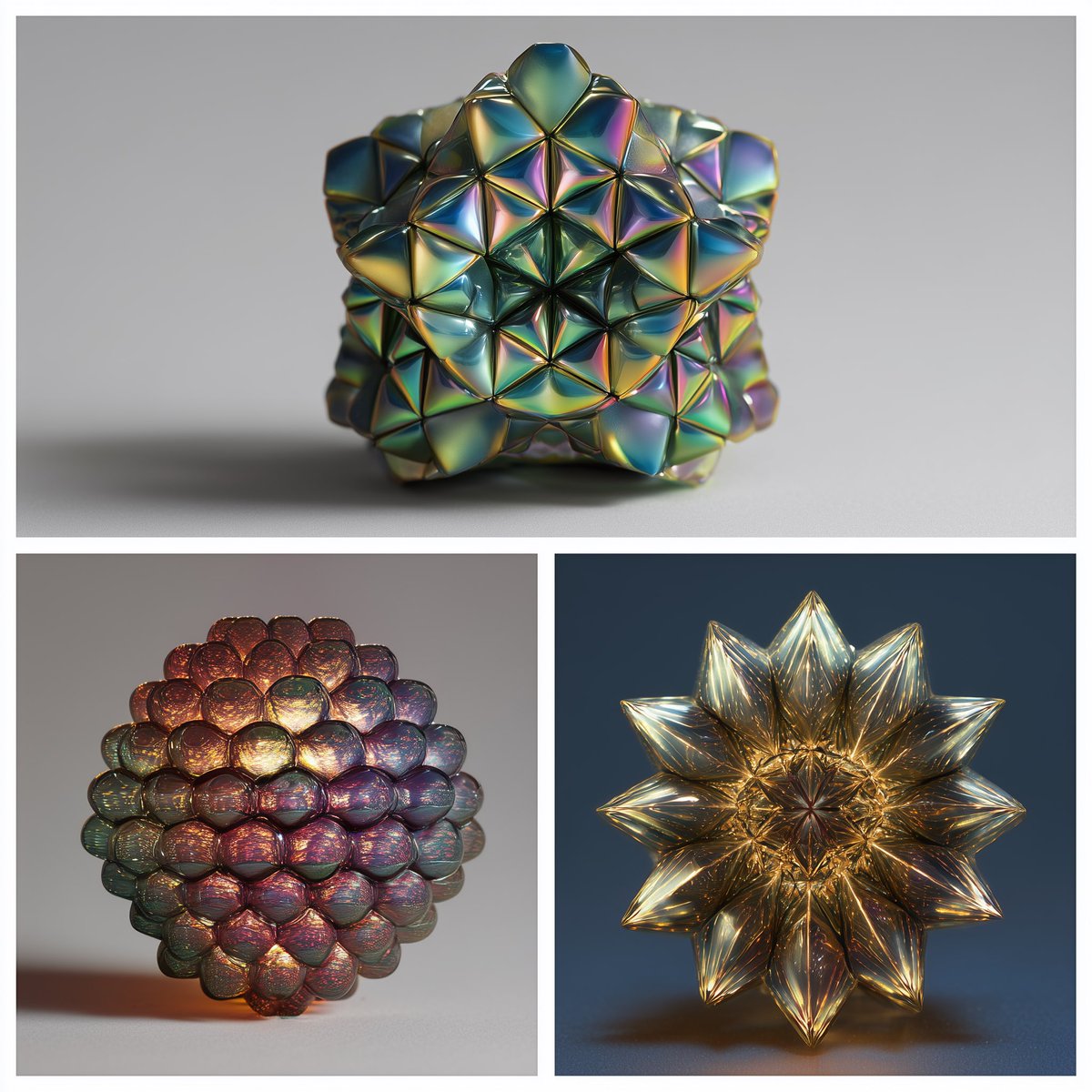
Covalent Chameleons• Heat or Light Triggers Reversible Deformation in Eco-Friendly Adaptive Structures. Researchers at Pusan National University have developed innovative disulfide-based covalent adaptable networks (DS-CANs), smart materials that can reversibly shape-shift and fix shapes using magnetic fields combined with UV light or heat.
These materials, infused with magnetic NdFeB particles, form micropillar arrays capable of precise, non-contact deformation and fixation at room temperature, enabling complex 3D microstructures like shark-skin-inspired denticles. The approach was validated through molecular simulations and experimental demos, overcoming drawbacks of traditional methods like solvent dependency or high-energy requirements.
This breakthrough could revolutionize microdevice engineering by enabling solvent-free, energy-efficient fabrication of adaptive structures.
Robotics and Grippers: Tunable, programmable grippers for delicate object handling without mechanical wear.
Smart Surfaces and Adhesives: Switchable textures for controllable friction or adhesion, useful in aerospace or biomedical devices.
Drug Delivery: Shape-changing microstructures for targeted, on-demand release in medical implants.
Broader Innovation: Paves the way for advanced materials in electronics, sensors, and biomimicry, potentially reducing manufacturing costs and environmental impact through reusable, precise control.
1
2
82

30 Jun 2025
From our collection on Functional Materials Through Electrochemical Ion Insertion, this work from researchers @riken_en presents the concept of bulk-gating, where ionic gating is applied to a microdevice fabricated from a single crystal of Co4Sn2S2
doi.org/10.1103/ggjy-5569
1
3
394

30 Apr 2025
🤔
Rob McHenry is the acting director of the Defense Advanced Research Projects Agency (DARPA). He rejoined DARPA in September 2022 after serving as founder and chief executive officer of Bright Silicon Technologies, an optical microdevice manufacturing company.
1
1
2
84

23 Apr 2025
Microdevice for confinement of (T-)cells on functionalized bio-interfaces pubs.rsc.org/en/Content/Arti…
4
26

8 Apr 2025
🔬 Oncology is moving fast — are we keeping up?
March brought a wave of #discoveries that challenge what we know and push the boundaries of what’s possible in #CancerCare.
💡 A microdevice that could change treatment for children with #leukemia
💉 Dendritic cell vaccines are making #chemotherapy more effective
🩸 Blood donation linked to genetic resilience against leukemia
🫀 #Diabetes meds cutting heart failure risk in #CancerPatients
💊 #Aspirin reviving #Tcells to prevent metastasis
💔 And a tough reminder: #PalliativeCare is still coming too late for many
We’ve compiled the most compelling breakthroughs of the month — all in one place. A must-read for #oncologists, #researchers, and anyone invested in better cancer care.
Read the full article 👇
cancerworld.net/what-caught-…
@oncodaily
#OncologyUpdate #CancerBreakthroughs #OncologyResearch #PediatricLeukemia #BreastCancer #Immunotherapy #EndOfLifeCare #CancerInnovation #OncoDaily #CancerVaccine #Oncology #Cancer #OncoDaily #CancerWorld

9
26
752