

Here is another Value Added Example showing why Resolution Photomatching is the industry leader in game used authentication 📸
This Lionel Messi 2013 Match Worn Jersey was ResMatched to a La Liga match against UD Almeria. Messi scored the opening goal and guided Barcelona to a 2-0 win. The jersey ended up selling @SCPAuctions for $90,000. Meanwhile, a similar example of a 2014-2015 Messi jersey without a ResMatch sold for only $4,500.
#resmatch #valueadded #messi #matchwornshirt #laliga

1
2
167

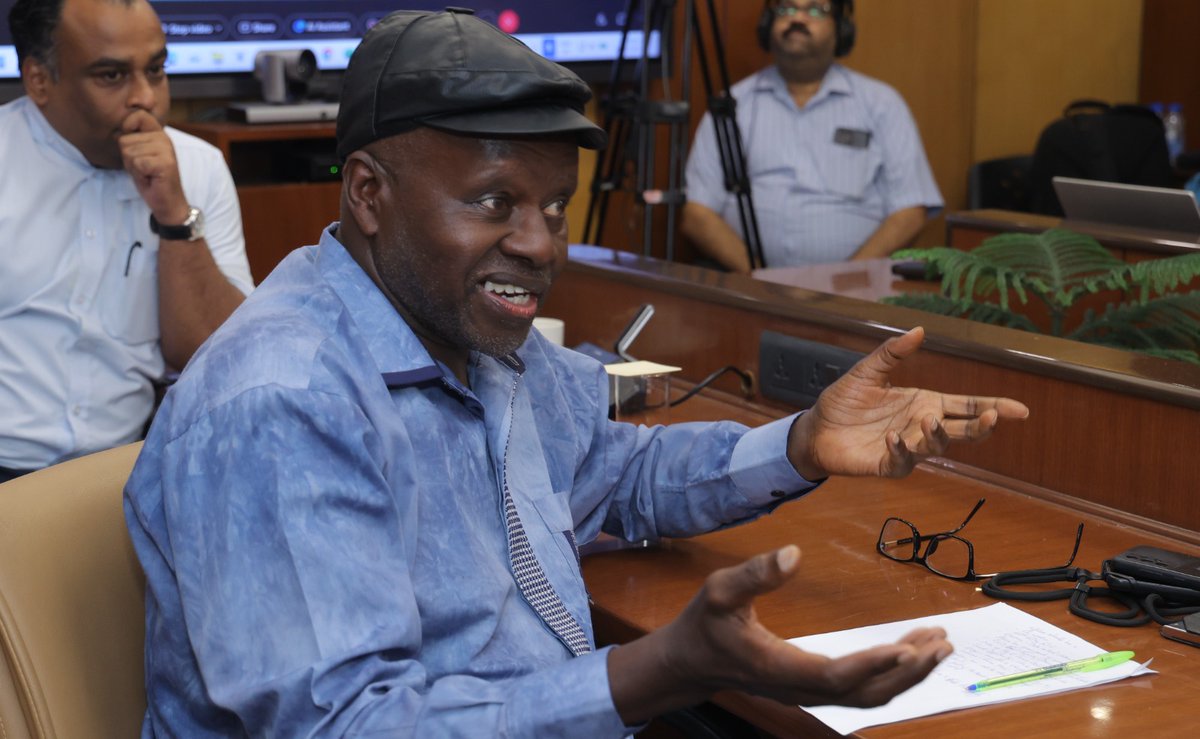
It was a pleasure to present work of @DakshinNews on agriculture trade between Africa and India. It is time to deepen economic investment in Africa in processed food industry, agri mechanisation and labs etc for quarantine certification. #trade #valueadded
May 30

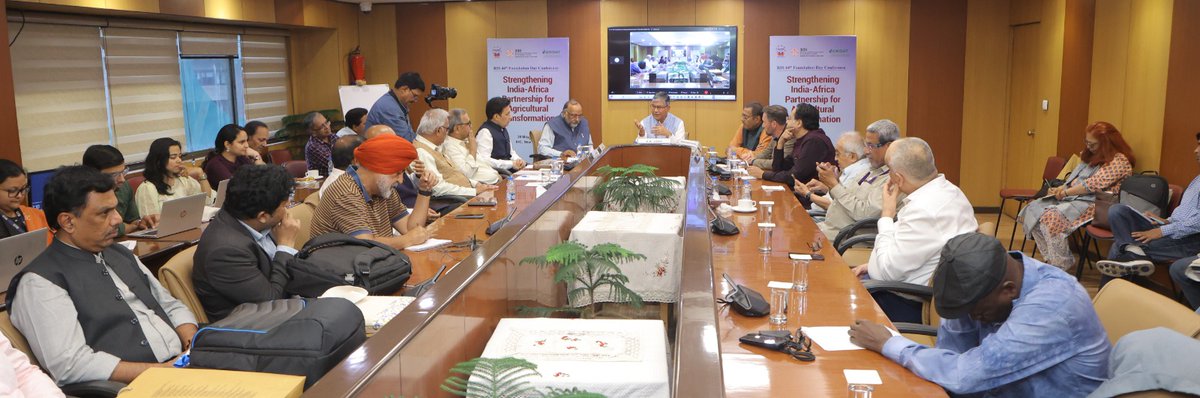
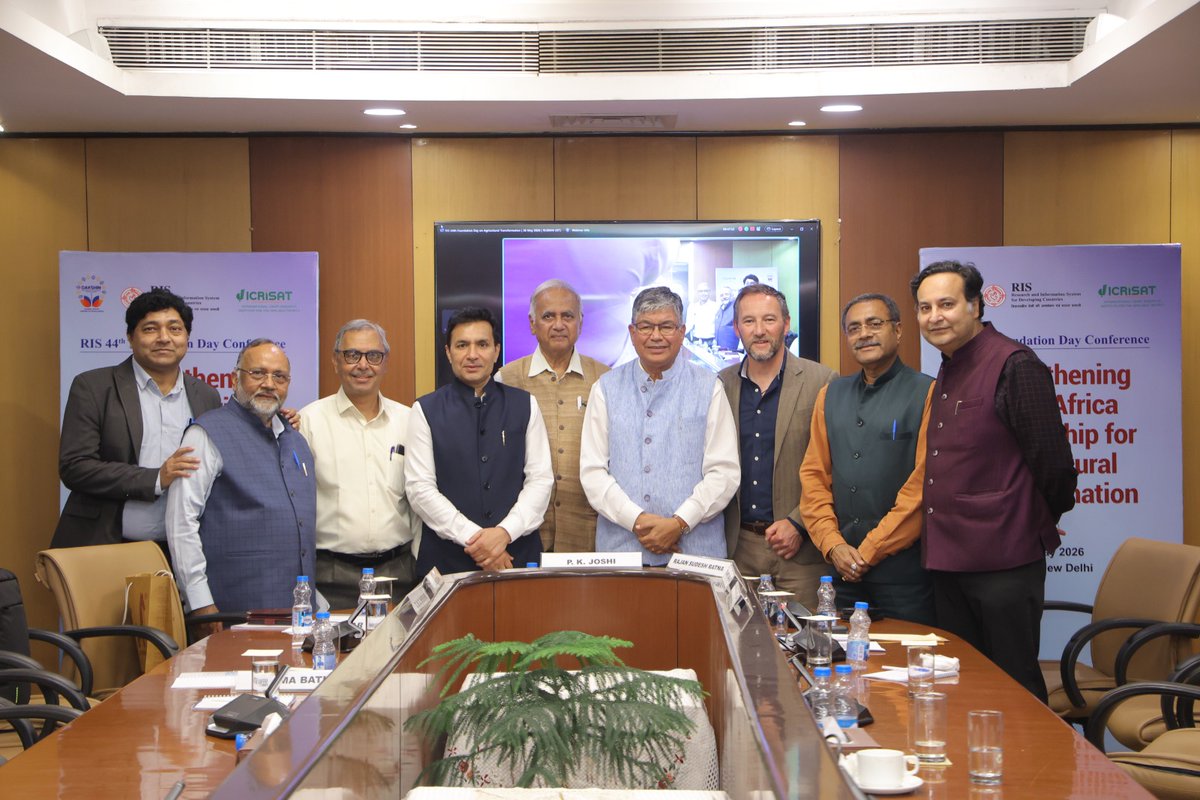
🎉𝐑𝐈𝐒 44𝐭𝐡 𝐅𝐨𝐮𝐧𝐝𝐚𝐭𝐢𝐨𝐧 𝐃𝐚𝐲 | 𝗦𝘁𝗿𝗲𝗻𝗴𝘁𝗵𝗲𝗻𝗶𝗻𝗴 𝗜𝗻𝗱𝗶𝗮 - 𝗔𝗳𝗿𝗶𝗰𝗮 𝗣𝗮𝗿𝘁𝗻𝗲𝗿𝘀𝗵𝗶𝗽 𝗳𝗼𝗿 𝗔𝗴𝗿𝗶𝗰𝘂𝗹𝘁𝘂𝗿𝗮𝗹 𝗧𝗿𝗮𝗻𝘀𝗳𝗼𝗿𝗺𝗮𝘁𝗶𝗼𝗻
𝑷𝒂𝒏𝒆𝒍 𝑫𝒊𝒔𝒄𝒖𝒔𝒔𝒊𝒐𝒏: 𝑾𝒂𝒚 𝑭𝒐𝒓𝒘𝒂𝒓𝒅 𝒇𝒐𝒓 𝑰𝒏𝒅𝒊𝒂–𝑨𝒇𝒓𝒊𝒄𝒂 𝑨𝒈𝒓𝒊𝒄𝒖𝒍𝒕𝒖𝒓𝒂𝒍 𝑪𝒐𝒐𝒑𝒆𝒓𝒂𝒕𝒊𝒐𝒏
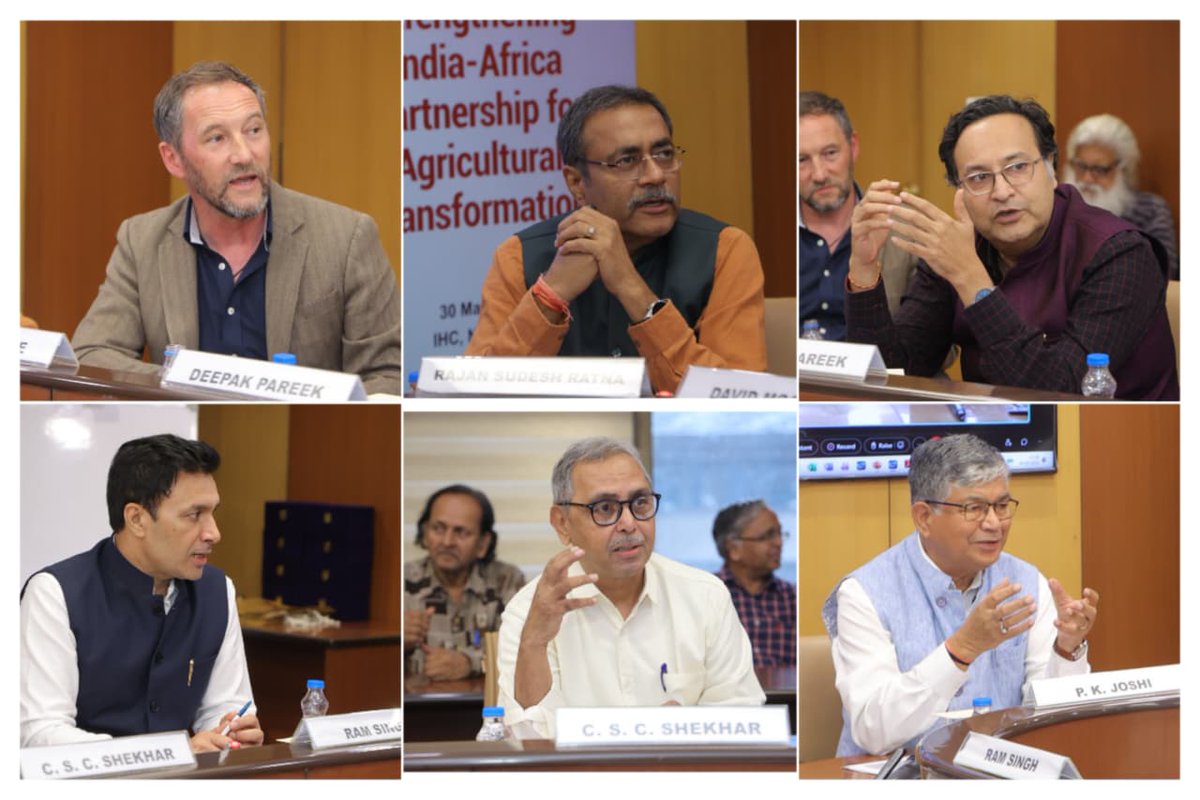
Dr. P. K. Joshi, Vice President @NAASIndia, chaired the session and underlined that technology, enabling policies, inclusive institutions, and infrastructure are the key pillars of agricultural transformation and resilient growth.
Mr. David Moore, CEO, Farm Hub, advocated the creation of an India–Africa Agricultural Mechanization Bridge to connect Indian technologies and expertise with Africa’s agricultural potential.
Dr. @RajanRatna, Coordinator, @DakshinNews, stressed the need to deepen cooperation in trade, value addition, digital agriculture, standards, and investments to strengthen food security and farmer competitiveness.
Mr. Deepak Pareek, Founder, HnyB, emphasised on long-term partnerships based on trust, agro-processing, capacity building, and farmer-centric solutions.
Prof. C. S. C. Shekhar, Professor and Head, AERU, Institute of Economic Growth, highlighted the role of trade, investments, capacity building, and digital public infrastructure in advancing agricultural development across Africa.
Prof. @RamSinghEcon, Director, @DelhiSchoolOfEC, emphasized that stakeholder trust, institutional support, AI, and data-driven approaches are essential for addressing productivity, food security, and climate challenges.
@MEAIndia @aparnaray_ifs @SKSharma_World @Ramesh_ChandDr @seshadrichari @sekharcsc9 @Abhijit_trade @nageshkum @RajanRatna @RamSinghEcon @Prabir_India @TheAtulKaushik @sujeetsamaddar @shishir_sh @rakeshkhar @sabya_saha @pdash76 @PV_Chat @AmitK_PhD @susheco @RenuuMann @GaurPankhuri @icarindia @cmec_ris @DakshinNews
@AIC_aseanindia @fitm14 @fisd19 @forum_blue @FIDC_NewDelhi
#RISFoundationDay #IndiaAfricaPartnership #AgriculturalTransformation #DigitalAgriculture #AgriStack #AgriInnovation #PrecisionAgriculture #FarmerProducerOrganizations #FoodSecurity #ClimateResilientAgriculture #GlobalSouth #SouthSouthCooperation
3
7
423

May 28
VFS added and charged multiple
valueadded services to my father's card without consent, plus extra travel insurance despite already having valid insurance, and OPD services with no receipt. Only after confrontation were charges refunded.
#VFSHorrorStory @EUCouncil @VFSGlobal
May 28

It would great if everyone uses #VFSHorrorStory as a hashtag & share their story tagging @EUCouncil @EUCouncilPress
Here is a story that happened with my nephew & his parents. My nephew was 8months and his parents applied for a Schengen visa in 2023.
He would neither have an email or phone number because he is obviously 8 months old. But @VFSGlobal wanted to charge him also for SMS charges.
Parents were saying that it’s not like only he will get the visa and they won’t & if either one of them don’t - it doesn’t matter whether he gets it or not because the trip won’t happen.
But who will teach logic to these corrupt & conniving folks. All this while, both the parents have paid for that SMS service.
Eventually they gave in because people have to go actual jobs vs. being in front of people whose entire job is to thug you out of your hard earned money.
There are many stories like this - someone who was forced to take new photos (500 for 4) while the visa came with old photos only, a family of 4 forced to buy premium if all had to submit as a group (which is complete miss selling), insurance, delivery insurance, etc.
I just want to create a massive list of complaints that EU can’t ignore against these motherf**kers.
Please add & RT
1
7
23
4,555
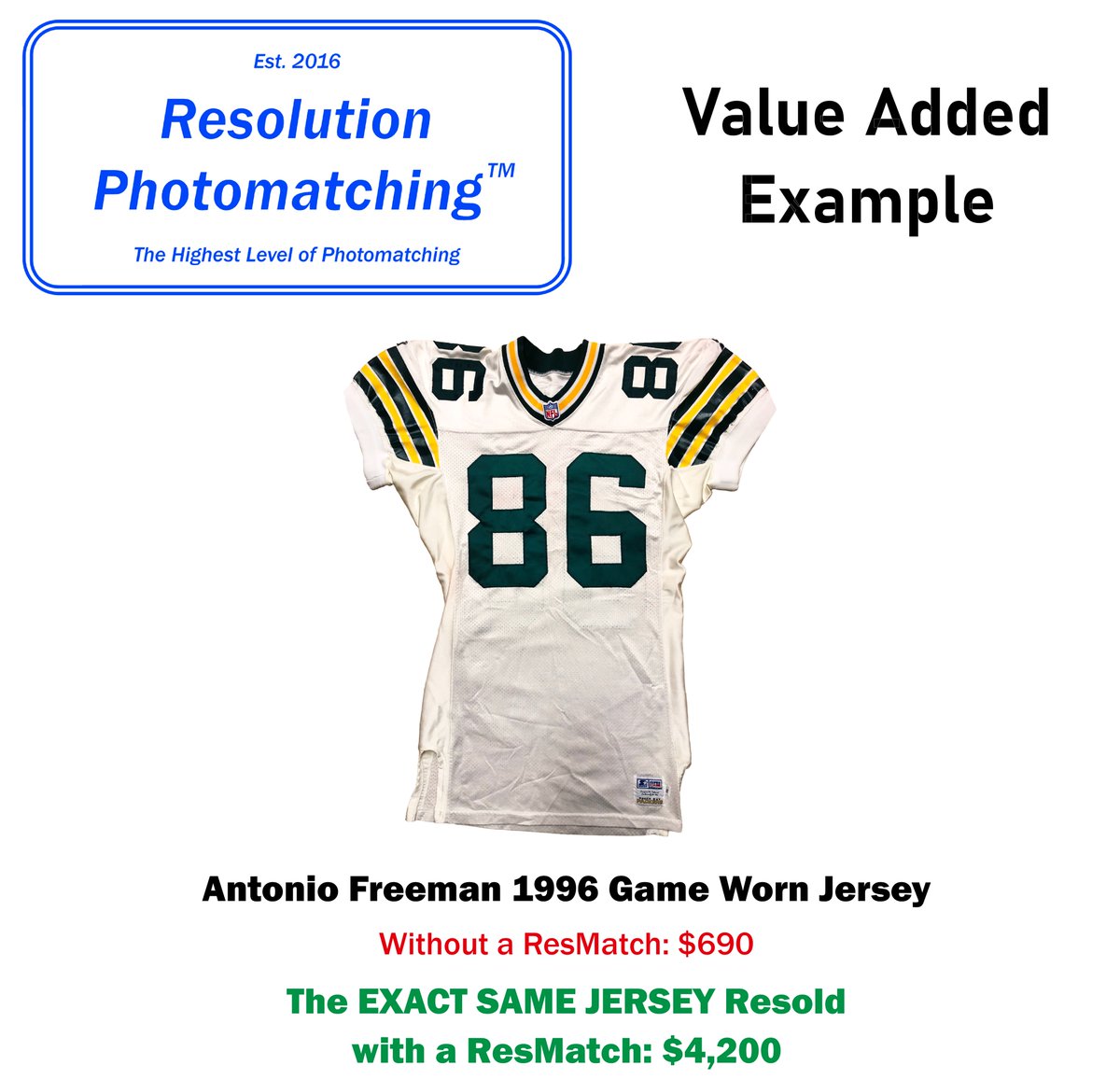
Here is another Value Added Example showcasing the power of a ResMatch.
This Antonio Freeman 1996 jersey sold without a ResMatch for $690. The EXACT SAME JERSEY was ResMatched to Freeman’s 146-yard and two touchdown performance against the Chicago Bears on October 6, 1996. The jersey went on to sell for $4,200 at auction after the ResMatch. That’s over 6x the value for the same jersey after a ResMatch.
#resmatch #gameworn #sportsmemorabilia #valueadded #packers
2
175

Apr 30
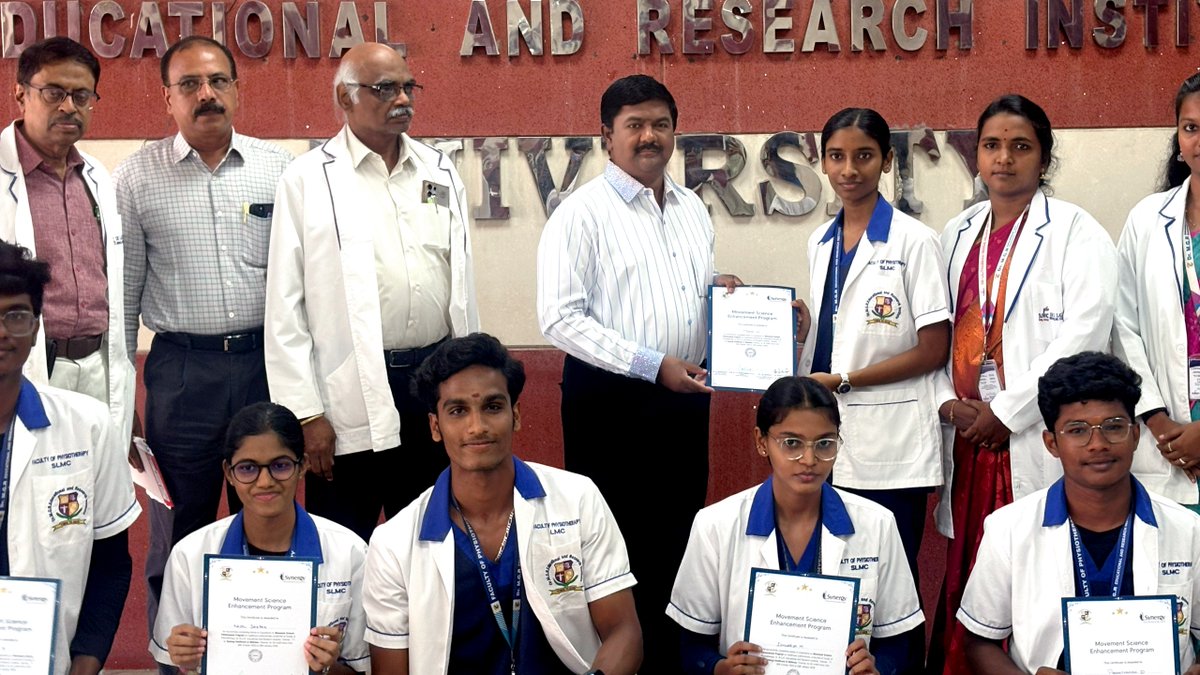
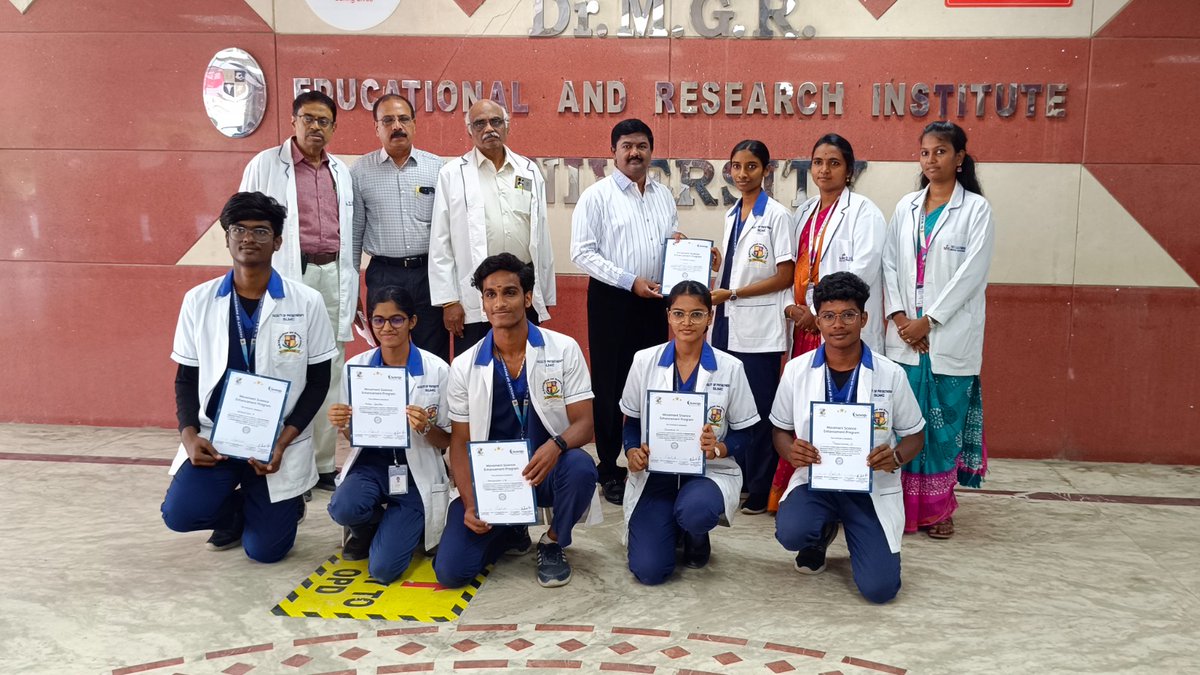
Delighted to appreciate our students for successfully completing the value-added Movement Science Enhancement Program conducted by Sunergy Healthcare and Wellness.
#DRMGR #MGRERI #Sunergyhealthcare #valueadded
2
30

Apr 11
Domestic value added is the gold standard for measuring the value retention - Ghana Chamber of Mines 3news.com/business/domestic-… #ValueAdded #GhanaMining #EconomicGrowth
1
3
6
1,713


Mar 11
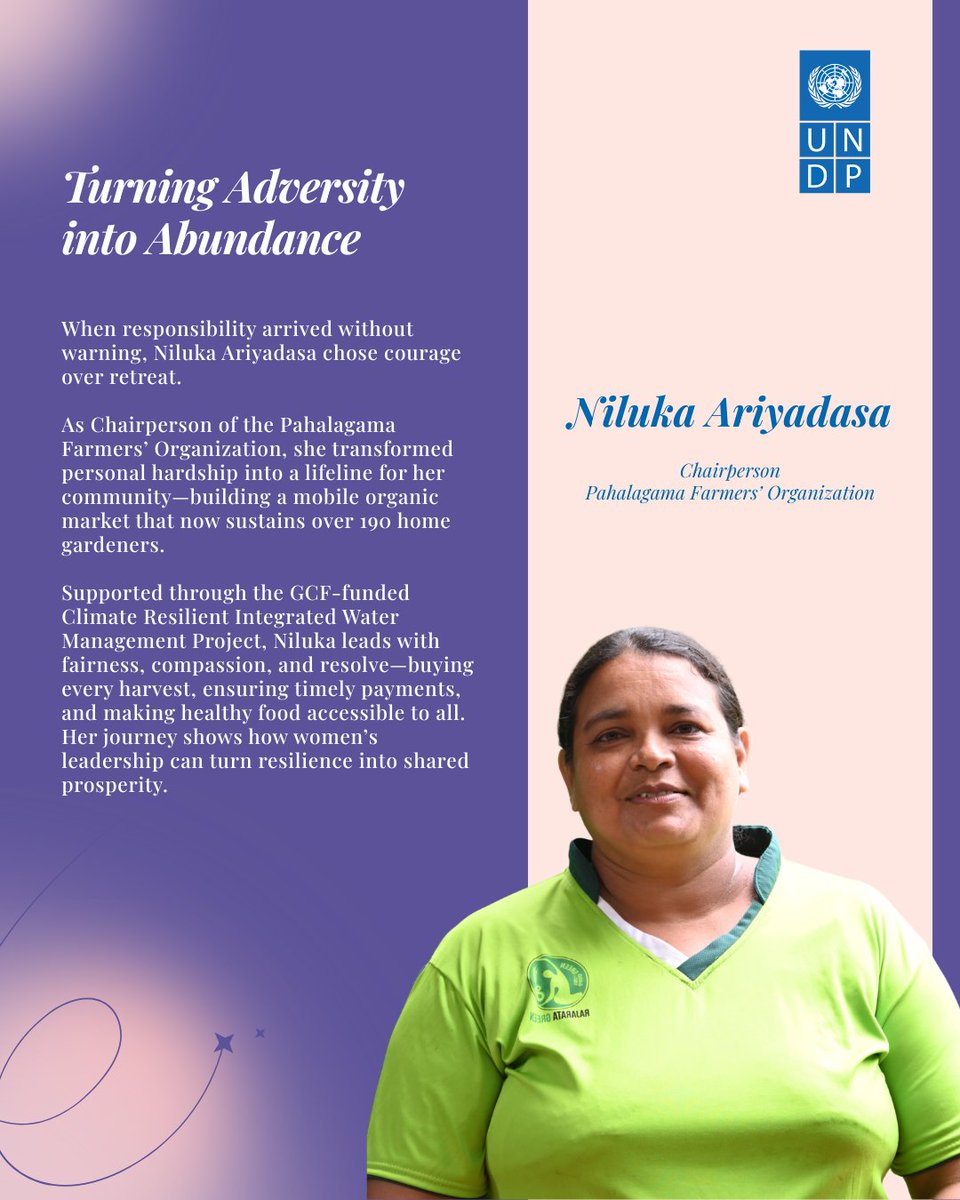
This #WomensMonth, we celebrate Niluka Ariyadasa, chairperson of the Pahalagama Farmers’ Organization, who has transformed hardship into opportunity, turning a modified truck into a thriving mobile organic market that now sustains over 190 homegardeners.
Once a housewife thrust into responsibility when her husband fell ill, she rebuilt her life—and her community—through determination, transparency, and compassion. Niluka buys every farmer’s harvest without rejection, settles payments weekly, and ensures students and lowincome customers access affordable, healthy food. In just six months, she cleared an LKR 80,000 debt and built a profitable enterprise selling organic produce, juices, salads, and innovative valueadded products like pickled okra.
Loved across Anuradhapura, she now operates at Rajarata University, the District Secretariat and the hospital, helping at least 100 farmers increase their income significantly. With her vision, grit and generosity, Niluka has become a local force for resilience—proving that with the right support, a single woman’s determination can uplift an entire village.
#IWD2026 #IWD @UNDP @UNDPasiapac
@UNSriLanka
1
2
113

Deepening our economic cooperation is imperative.
South Africa remains committed to strengthening cooperation in agriculture, agroprocessing and valueadded exports.
x.com/i/broadcasts/1OxwblLZm…
7
14
65
4,156

Mar 9
Hariom Pipe Industries Ltd – Q3 & 9M FY26 Concall Highlights
#Steel #Pipes #ValueAdded #RenewableEnergy #Q3FY26
Financials
• 9M Revenue: ₹1,160 Cr ( 21%) · Q3: ₹363 Cr ( 21%)
• EBITDA: ₹145.5 Cr (9M) · Margin 12.6%
• Q3 EBITDA: ₹45.2 Cr · ₹6,613/ton
• PAT: ₹45.6 Cr (9M) · Q3: ₹11.6 Cr
• PAT margin guidance ~5% (next 2 yrs)
Volumes
• Sales: 2.07 lakh tons ( 21%)
• Capacity: 3 lakh tons
• Utilization: ~40% → 50% by year-end
Product Mix
• 96–97% revenue from value-added products
• EBITDA/ton baseline: ₹7,000–8,000
• MS tubes higher margin vs GP pipes
• Trading ring-fenced via Metal Mart subsidiary
Projects
• 60 MW solar (35 MW Apr 2026 · 25 MW Aug 2026)
• Telangana plant stable
• Gadchiroli project on hold
• Small pipe mill under evaluation near Anantapur
Distribution
• B2B share: 21% (↑ from 15%)
• Strong South India presence
• Expansion planned in West & North India
Outlook
• Revenue growth guidance: 20–25% CAGR (2 yrs)
• Utilization target: 70–75% by FY27
• Solar power to support cost reduction
Key takeaway
Consistent 20% growth with stable ~12.5% EBITDA margin. High value-added mix and solar integration support profitability, while utilization ramp-up drives medium-term growth.

7
20
2,685

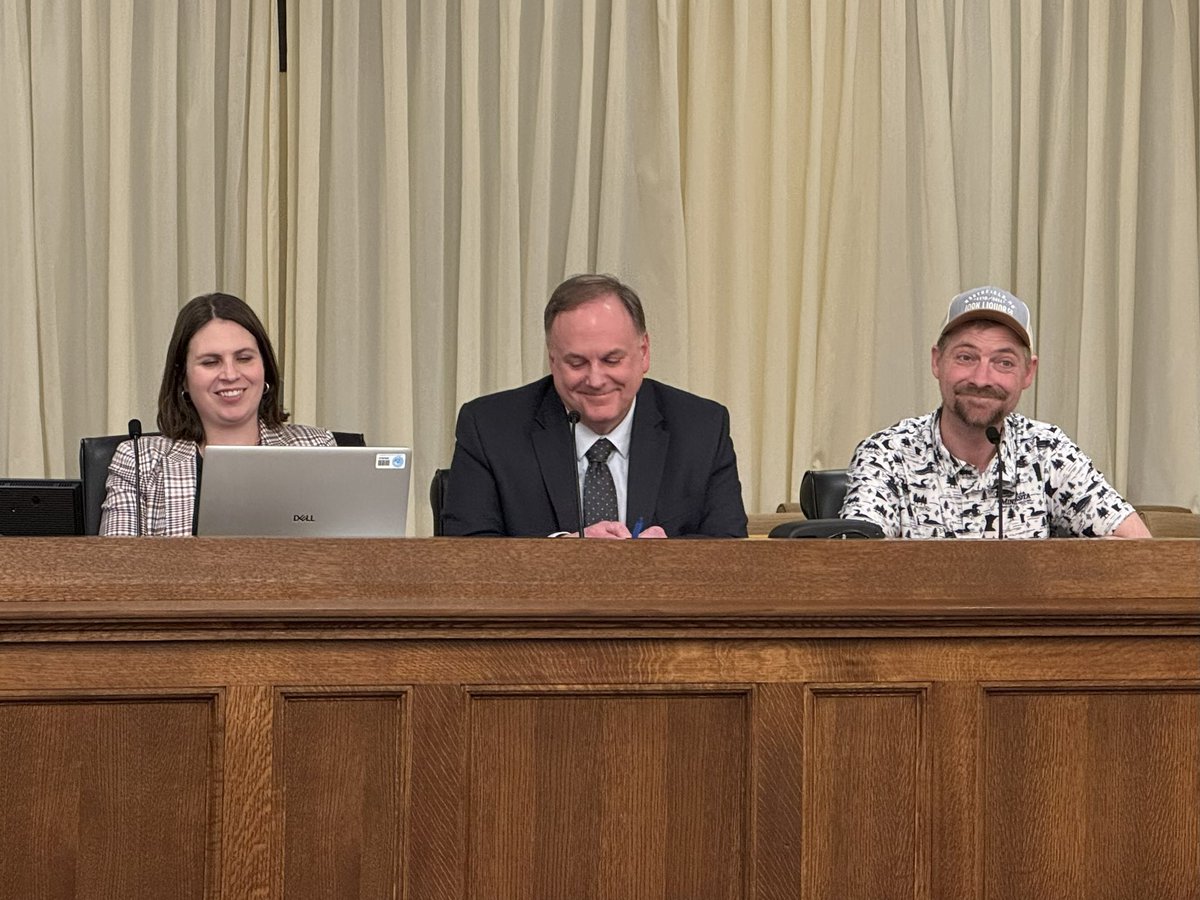
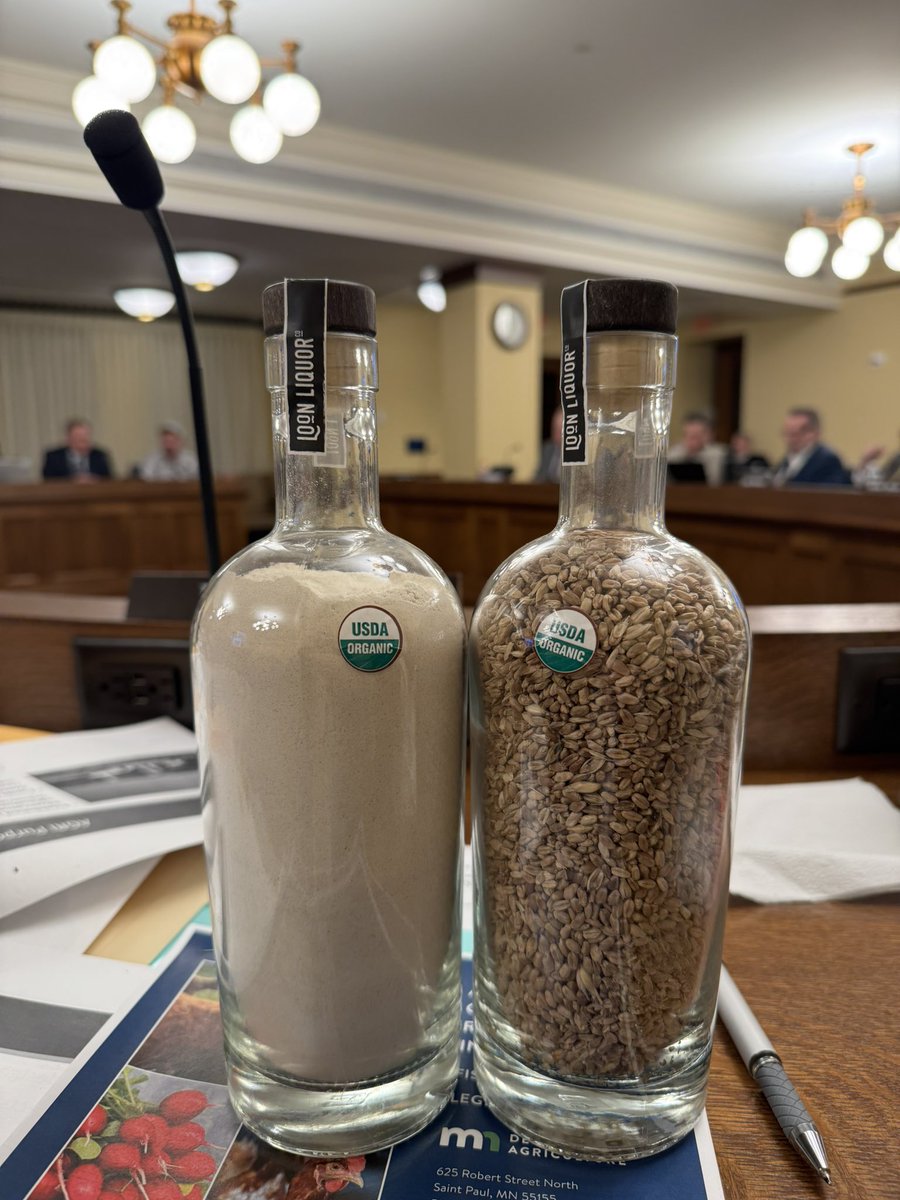
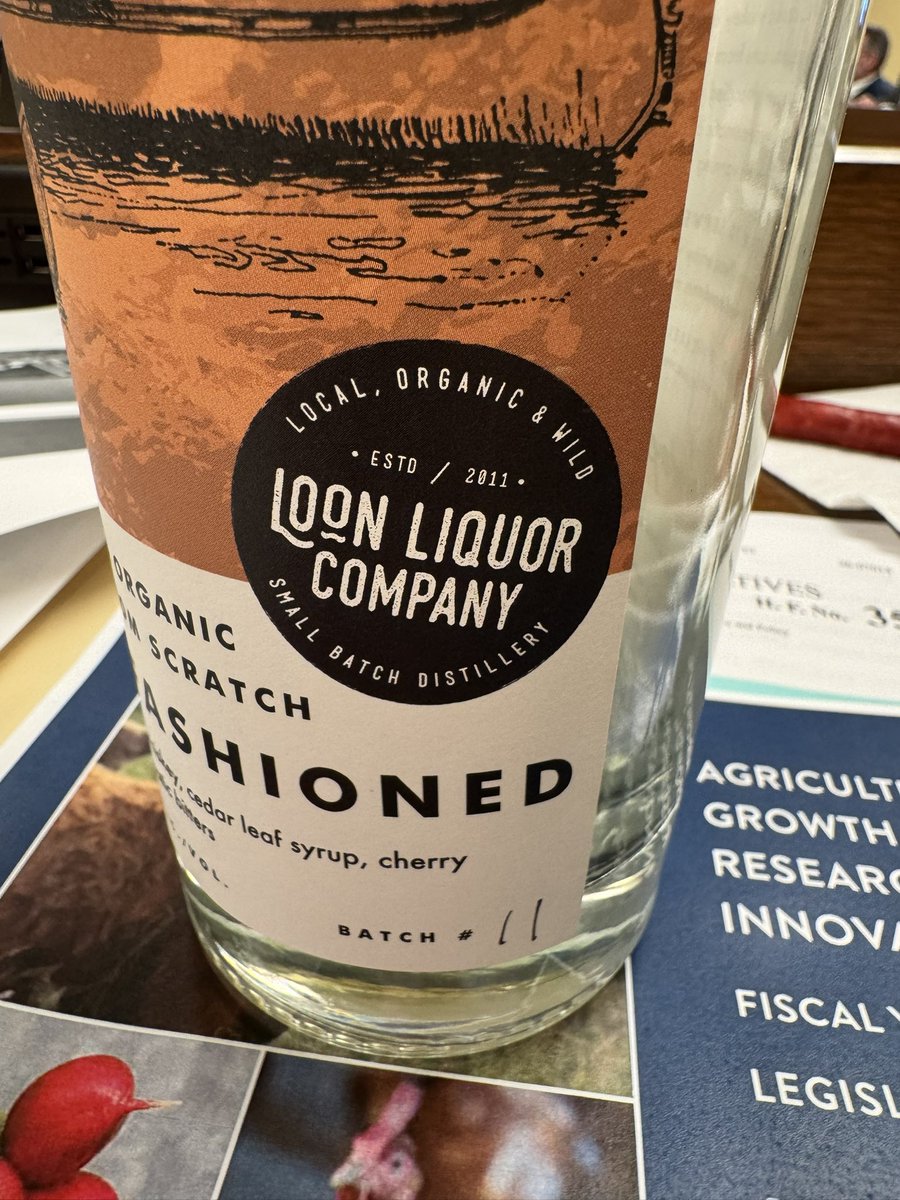
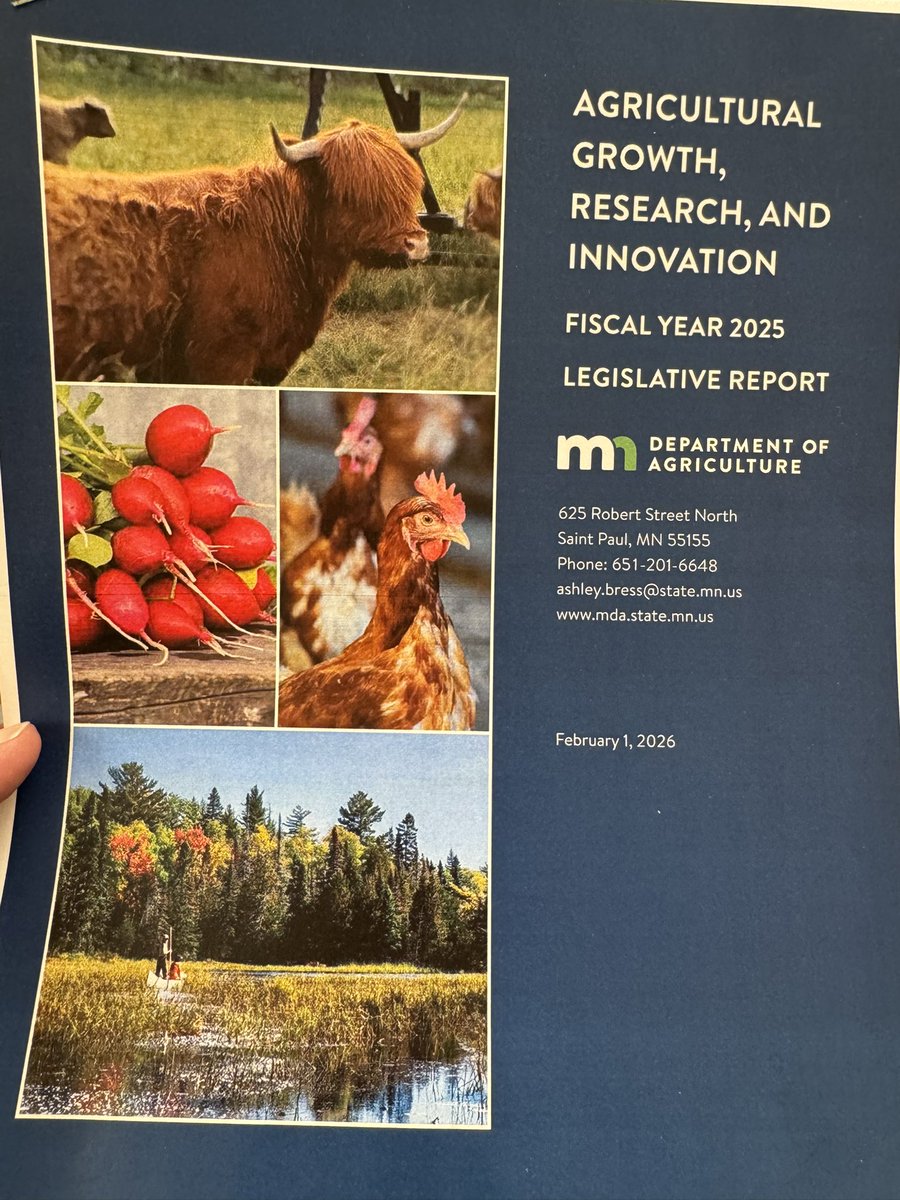
✅Mark Schiller of Loon Liquors in Northfield testifying today on Minnesota Department of Agriculture AGRI grants. The AGRI 💵appropriation in FY26 is $18.257 million.🇺🇸 #mnleg @LoonLiquors #Agriculture #valueadded
mda.state.mn.us/grants/agri
1
3
232

Mar 1
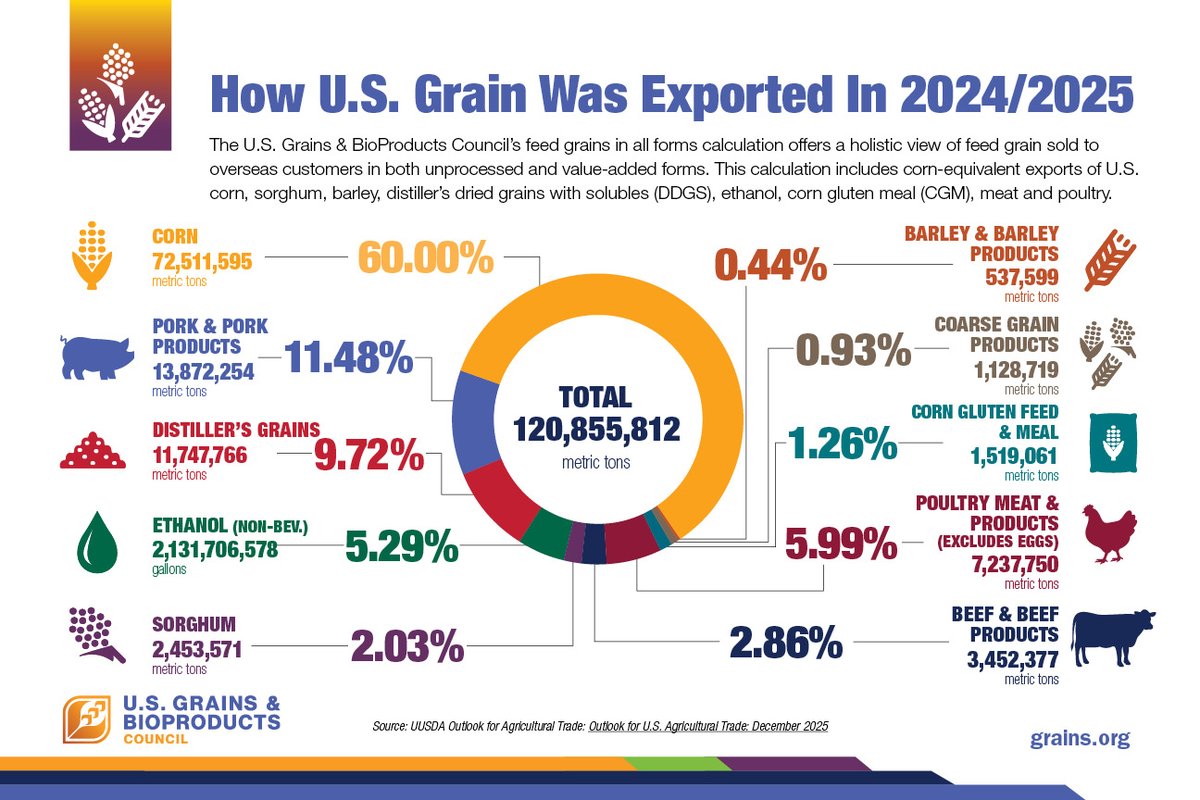
🌽When talking grain exports, the impact goes far beyond just the kernel. U.S. corn is also exported as ethanol, distillers grains, and in the form of corn-fed meat such as beef, poultry, and pork. See all the ways exports expand corn demand across the globe! 🌽#exports #corn #missouricorn #trade #valueadded
1
4
358

चौपाल चर्चा: अनाज और दालों के मूल्य संवर्धन | Chaupal Charcha
#kheti #chaupalcharcha #communitydialogue #interactivediscussions #Fao #khetibadi #farmerlife #pradhan #viral #india #SeedProduction #FarmIndia #Kisan #agriculture #ddkisan #Processing #ProcessingUnit #ValueAdded
1
82
चौपाल चर्चा | क्या दालों की मदद से किसान अपनी आमदनी को बढ़ा सकते हैं? | Promo | 17/2/2026
#chaupalcharcha #QualitySeeds #SeedProduction #FarmIndia #Kisan #agriculture #ddkisan #Processing #ProcessingUnit #ValueAdded #ProductsGrains #WholeGrain #MilletProcessing #AgriBusiness
1
88

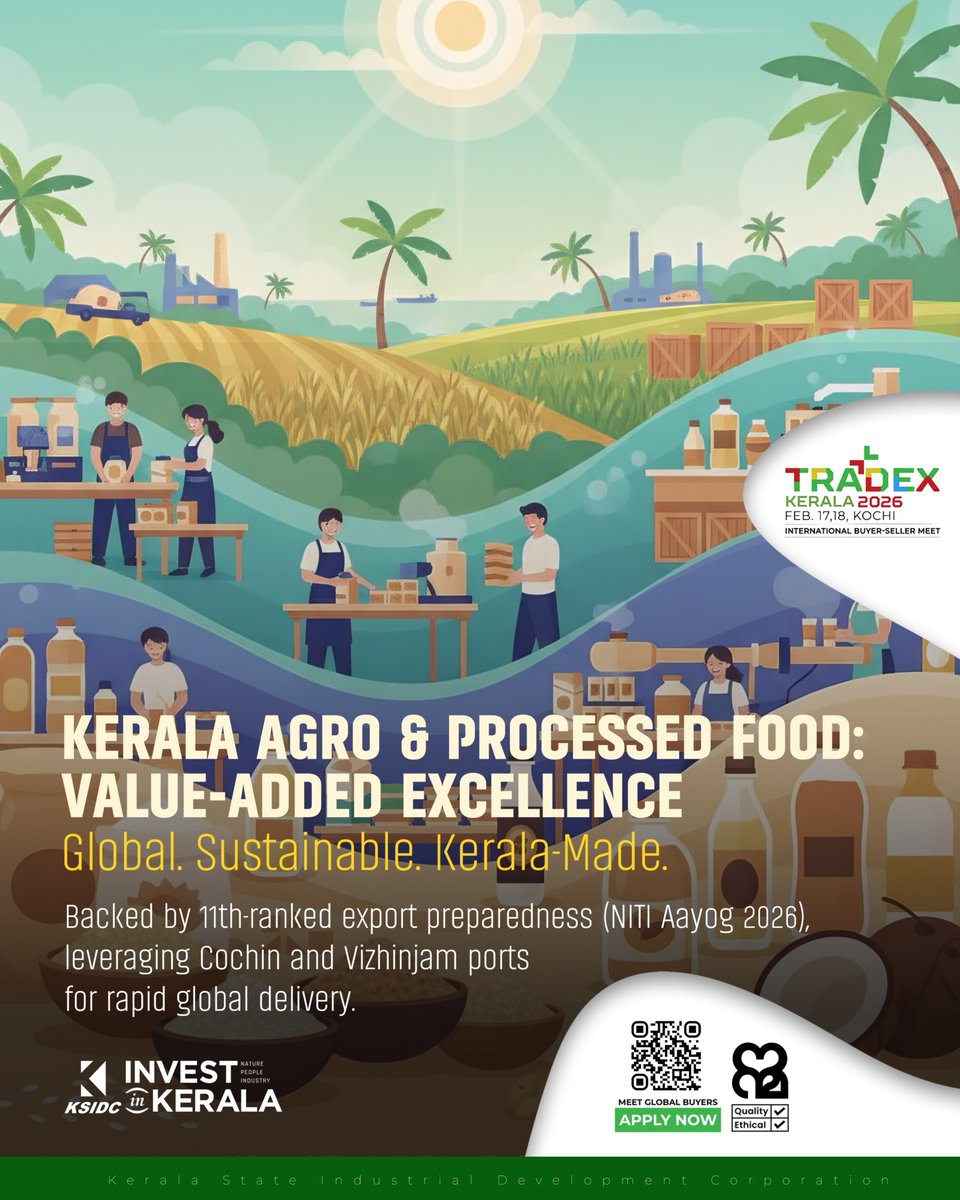
Kerala Agro & Processed Food – Value-Added Excellence 🍽️
From farm to finished product, Kerala’s agro and processed food sector transforms quality produce into export-ready, high-value foods—driven by innovation, safety, and sustainability.
📍 TRADEX Kerala 2026
🗓️ Feb 17–18 | Kochi
🌍 International Buyer–Seller Meet
Apply now. Meet global buyers: rebrand.ly/28eb8m6
#KeralaAgro #ProcessedFood #ValueAdded #FoodProcessing
#AgroExports #SustainableFood #MadeInKerala #GlobalQuality #KSIDCWORKS
1
3
63

Jan 31
At a time when the EU & India Free Trade Agreement is reshaping global trade flows, Pakistan is facing mounting economic pressure. Preferential access given to Indian exports risks eroding Pakistan’s competitiveness in European markets, especially textiles and different valueadded goods knowing that most of the industries across different provinces are already collapsing.
At the same time, the. Unilateral closure of trade routes with Afghanistan and forcing Afghan govt to take extreme step is now stretching into its fourth month, it has has caused heavy losses to Pakistan’s industry, disrupted supply chains, and effectively severed the natural economic linkage between South Asia and Central Asia.
We've seen daily strikes on media, provincial and national assemblies and and now extending it to the road closure and further steps.
Pakistan’s regional trade strategy cannot succeed without stable transit through Afghanistan.
In this context, the yesterday's statement by Kazakhstan’s ambassador in his talk show with @AzazSyed Azaz Sayed about connecting Kazakhstan to Karachi via Afghanistan is what we see quite strategic.
The idea is to link Central Asian rail and road networks from Kazakhstan through Uzbekistan to Afghanistan, then onward to Pakistan’s ports, particularly Karachi. For landlocked Kazakhstan and other Central Asian states, access to warm water ports via Afghanistan and Pakistan offers the shortest and most cost effective route to global markets, compared to longer alternatives through Russia, the Caucasus, or Iran considering that Iran is suffering massive sanctions and growing threat of US attacks.
Technically, this vision is not new or unrealistic, as some parts of the rail infrastructure already exist up to Hairatan and Mazar-e-Sharif, and regional agreements on trans-Afghan connectivity have been signed in recent years, as a gesture of Afghanistan's trade friendly and peaceful foreign policy ( as Afghanistan became the top six trader with Uzbekistan according to the Uzbek govt statistics)
Afg role in this equation is central, not optional( this is what we are trying to convince our 🇵🇰 brother that a peaceful Afg is in the best interests of u).
Geographically, Afg is the natural land bridge b/w Central Asia& South Asia & there is no alternative route that offers the same shortest access. Historically &strategically, every major regional connectivity vision, whether the Trans-Afghan Railway, the Lapis Lazuli Corridor, or Asian highways networks places Afg at its core. When Afg is unstable or excluded, regional trade fragments when it is engaged as a transit hub, connectivity expands for everyone.
For the region to accept Afghanistan’s strategic importance, it must move beyond viewing the country solely through a security or political lens( as Afghan govt have rightly skipped recently organized &politically motivated Tehran meetings on Afg, showing Afgh as security threat instead a partner in peace and connectivity) .
Afghanistan’s economic geography gives it leverage as a connector of markets, energy routes,&supply chains. Integrating Afghanistan into regional trade creates shared economic interests, which can, over time, contribute to greater stability and trust. For 🇵🇰 in particular, reopening & institutionalizing trade with Afghanistan is not just a bilateral necessity but a gateway to Central Asia. Without Afghanistan, 🇵🇰 remains economically confined to the south where trade with 🇮🇳 is banned, With Iran it's under sanctioned and with Europe, it is under fire, with Afghanistan, it becomes a true crossroads between Central Asia, South Asia, and the global maritime economy.
In my opinion, it is a test case for regional realism & accepting Afghanistan’s strategic significance is not an act of political endorsement, but an acknowledgment of geography and economics. The region stands to gain far more from connectivity through Afg than from isolation around it.
@MJalalAf
#Afghanistan
#Pakistan
#Kazakhstan
3
2
5
2,179

Jan 29
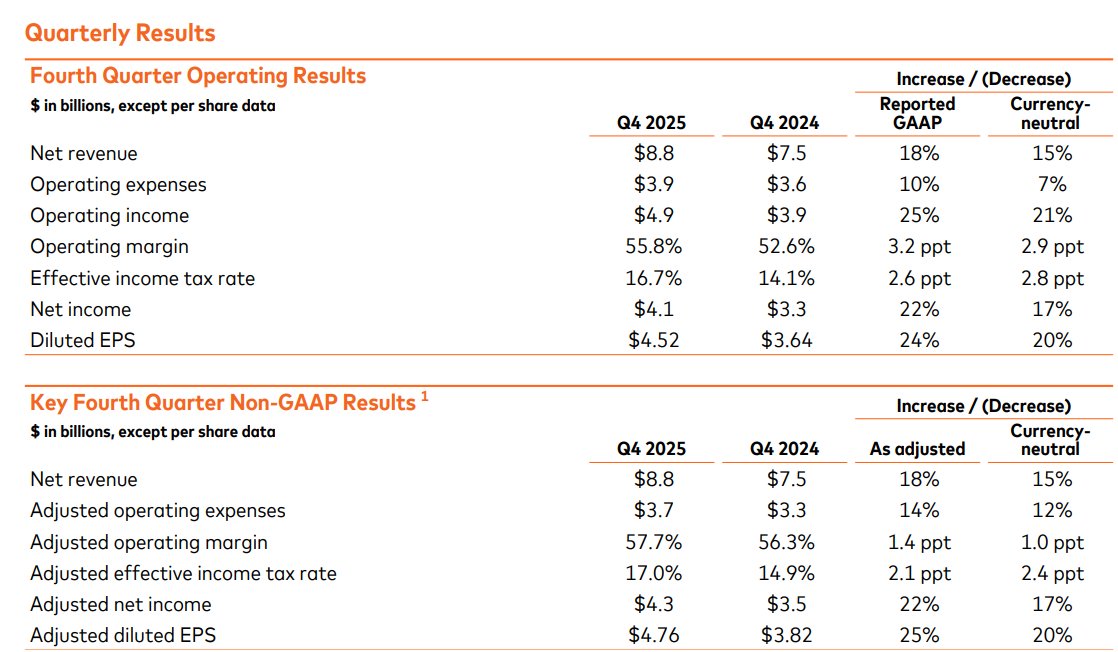
$MA Earnings:
- Fourth quarter net income of $4.1 billion, and diluted earnings per share (EPS) of $4.52
- Fourth quarter adjusted net income of $4.3 billion, and adjusted diluted EPS of $4.76
- Fourth quarter net revenue of $8.8 billion, an increase of 18%, or 15% on a currency-neutral basis
- Fourth quarter gross dollar volume up 7% and purchase volume up 9%, on a local currency basis
“2025 was another strong year for Mastercard, with net revenue up 16% year-over-year or 15% on a currencyneutral basis. We're executing and winning with programs like the Apple Card and robust growth in valueadded services and solutions at 23%, or 21% currency-neutral. The overall macroeconomic environment is supportive and we continue to see healthy consumer and business spending. That, together with trusted technology, constant innovation, and deep partnerships, powers our performance. Focused, agile, and diversified, we’re well positioned for the opportunities ahead in 2026.” — Michael Miebach, CEO
14
2,535

📰 Value-Added Textiles Are Growing But That’s Not the Full Story
Pakistan’s value-added exports reached USD 7.7B in 1H FY26, showing resilience in apparel and made-ups.
⚠️ But:
* Key products are losing market share
* Exports to some major destinations are declining
* Traditional textiles continue to shrink
📌 PTC cautions: headline growth masks deeper competitiveness challenges.
🔗 Full article: brecorder.com/news/40404447
@fawadanwar
@MusadaqZ
@hasanshafqaat
@beingJayP
@betterpakistan
@CMShehbaz
@PakPMO
@MoIB_Official
@ForeignOfficePk
@PlanComPakistan
@Financegovpk
@Dawn_News
@PrgmeaOfficial
@APTMAofficial
#PakistanTextileCouncil #ValueAdded #TextileExports #TradeUpdate #PakistanEconomy #PTCReports
2
3
289

#ValueAdded so pleased to be one of yours Kenny!🙏💕🙏💕
3
101